
Full on four dental implants are one of the most advanced and patient-friendly solutions for people who have lost most or all of their teeth and want a fixed, natural-looking smile. This treatment concept is designed to restore full dental function using only four strategically placed implants to support a complete arch of prosthetic teeth. Unlike traditional dentures, full on four dental implants are fixed in place, meaning they do not move, slip, or require removal for daily cleaning. 😁
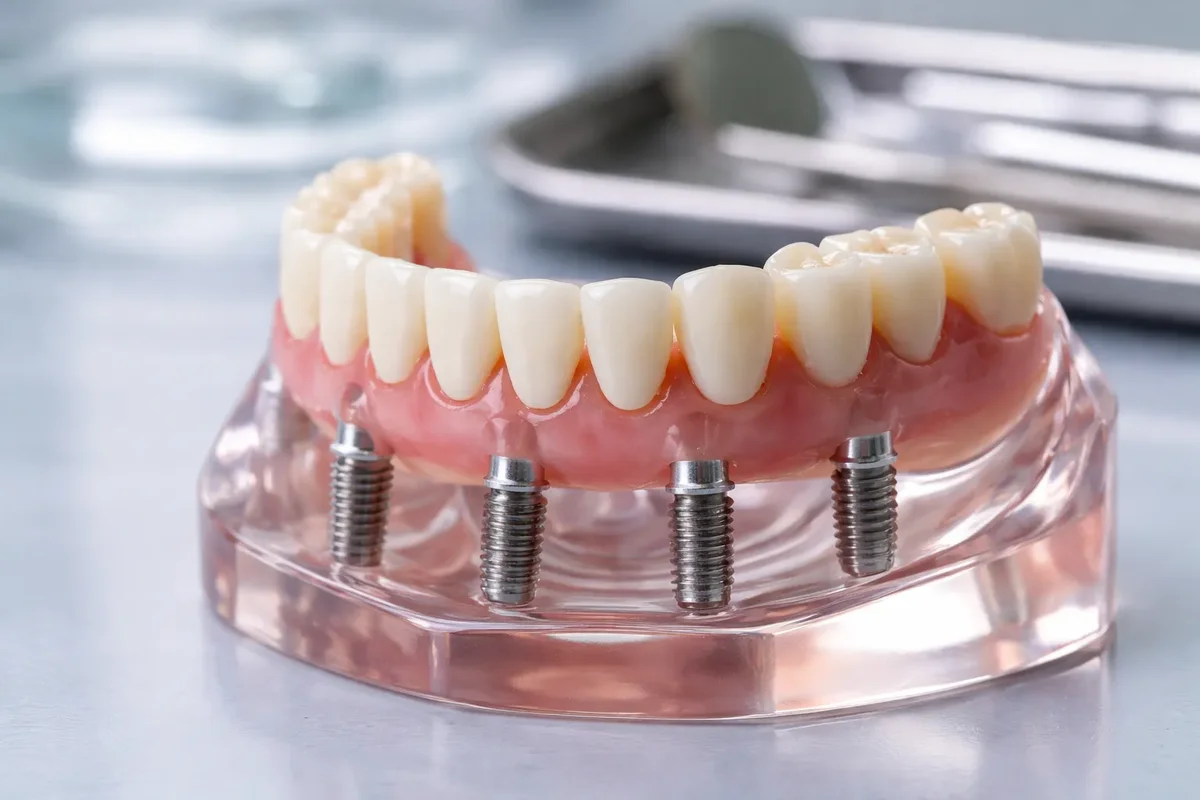
The idea behind full on four dental implants is both simple and revolutionary. Instead of placing an implant for every missing tooth, four implants are positioned in areas of the jaw with the highest bone density. Two implants are usually placed vertically at the front of the jaw, while the back implants are angled to maximize bone contact and stability. This angulation often eliminates the need for complex bone grafting procedures, making full on four dental implants suitable even for patients with bone loss.
One of the most appealing aspects of full on four dental implants is that they are often performed using an immediate load protocol. This means that, in many cases, patients can receive a temporary fixed set of teeth on the same day as surgery. Instead of waiting months with removable dentures, patients walk out with a functional smile the very same day. This immediate transformation is a major reason why full on four dental implants are so popular worldwide.
From a functional perspective, full on four dental implants restore nearly 100% of natural chewing ability. Patients can eat a wide range of foods, speak clearly, and smile confidently without worrying about loose dentures. The implants also stimulate the jawbone, helping prevent the bone resorption that typically follows tooth loss. Over time, this helps preserve facial structure and prevents the sunken appearance often associated with missing teeth.
Aesthetics are another strong advantage of full on four dental implants. The prosthetic teeth are custom-designed to match the patient’s facial features, smile line, and bite. Color, shape, and alignment are carefully planned to ensure a natural and harmonious look. Many patients report that their new smile looks better than their original teeth. 😊 This combination of beauty and function makes full on four dental implants a comprehensive solution rather than a temporary fix.
It is also important to understand how full on four dental implants differ from conventional implant treatments. Traditional implant solutions may require six to eight implants per arch, along with bone grafting and a much longer treatment timeline. In contrast, full on four dental implants are designed to be efficient, predictable, and less invasive overall. This streamlined approach reduces surgical complexity, treatment time, and overall recovery.
Maintenance of full on four dental implants is straightforward but essential. Daily oral hygiene routines, including brushing, flossing with special implant-friendly tools, and regular professional check-ups, are key to long-term success. While the implants themselves cannot decay, the surrounding gum tissue must remain healthy to prevent complications such as peri-implantitis. Clinics that follow guidelines from trusted authorities like the American Dental Association emphasize long-term maintenance as part of implant success.
Patients considering full on four dental implants often seek reassurance about comfort and safety. Modern digital planning, 3D imaging, and guided surgery techniques allow for precise implant placement and predictable outcomes. When performed by experienced clinicians, full on four dental implants have a very high success rate and are considered a safe and reliable treatment option.
For individuals exploring this life-changing solution, personalized consultation is essential. Factors such as oral health, lifestyle habits, and expectations all play a role in treatment planning. If you are considering full on four dental implants and want professional guidance tailored to your needs, you can reach out through the Redent Klinik Contact Page for detailed evaluation and next steps.
In summary, full on four dental implants offer a long-term, fixed, and highly functional alternative to traditional dentures and extensive implant treatments. By combining surgical efficiency, immediate results, and natural aesthetics, full on four dental implants have become a gold standard solution for full-arch tooth replacement. 🦷✨
What Are Full On Four Dental Implants and How Do They Work?
Full on four dental implants are a modern full-arch tooth replacement solution designed to restore an entire upper or lower jaw using just four dental implants. This approach is based on advanced surgical planning and biomechanical principles that allow maximum stability with a minimal number of implants. Instead of replacing each missing tooth individually, full on four dental implants support a single, fixed prosthetic arch that functions and looks like natural teeth. 🦷
The core concept behind full on four dental implants is strategic implant placement. By positioning the implants in areas of the jaw where bone density is naturally higher, clinicians can achieve excellent stability even in patients who have experienced bone loss. This is one of the key reasons why full on four dental implants have become so widely recommended for patients who were previously told they were not suitable for implants.
The Science Behind Full On Four Dental Implants
The success of full on four dental implants lies in their unique angulation and distribution. Typically, two implants are placed vertically in the front part of the jaw, where bone quality is strongest. The remaining two implants are placed at an angle toward the back of the jaw. This angled placement increases the surface area of bone contact and allows the implants to support a full arch without the need for additional implants.
This design allows full on four dental implants to evenly distribute chewing forces across the jaw. As a result, pressure is not concentrated in one area, which improves comfort and long-term implant stability. The angled implants also help avoid anatomical structures such as the sinus cavities in the upper jaw or the nerve canal in the lower jaw, reducing surgical risks.
Immediate Function and Same-Day Teeth
One of the most attractive features of full on four dental implants is the possibility of immediate loading. In many cases, patients receive a temporary fixed prosthesis on the same day as implant placement. This means you can walk into the clinic with missing or failing teeth and leave with a secure, functional smile the very same day. 😃
This immediate function is possible because full on four dental implants are designed to achieve high primary stability at the time of surgery. The implants are anchored firmly into the bone, allowing them to support a temporary prosthesis while the healing process begins. Over the following months, the implants integrate with the jawbone in a process called osseointegration.
Temporary vs. Final Prosthetic Teeth
It is important to understand that full on four dental implants involve two phases of prosthetic teeth. The first set is a temporary bridge, usually made of acrylic, which allows you to eat soft foods and smile confidently during healing. Once osseointegration is complete, this temporary prosthesis is replaced with a final, long-term restoration.
The final prosthetic teeth used with full on four dental implants are often made from high-quality materials such as zirconia or reinforced ceramic. These materials are chosen for their strength, durability, and natural appearance. The final result is a smile that feels secure and looks highly realistic.
How Full On Four Dental Implants Preserve Jawbone Health
One of the most overlooked benefits of full on four dental implants is their role in preserving jawbone structure. When teeth are lost, the jawbone no longer receives stimulation from chewing forces, which leads to bone resorption over time. Traditional dentures sit on top of the gums and do not provide this stimulation.
In contrast, full on four dental implants are anchored directly into the bone. This allows chewing forces to be transmitted naturally, helping maintain bone volume and facial structure. Patients often notice that their face appears fuller and more youthful after treatment, as the implants support the underlying bone and soft tissues.
How the Treatment Is Planned
Planning is a critical part of the success of full on four dental implants. Modern clinics use advanced digital imaging, such as 3D CBCT scans, to evaluate bone quality, nerve position, and sinus anatomy. This data allows the dental team to design a precise surgical plan tailored to the patient’s anatomy.
Using digital planning tools, clinicians can simulate the placement of full on four dental implants before the actual procedure. This improves accuracy, reduces surgical time, and enhances safety. Reputable dental professionals follow evidence-based protocols supported by organizations such as the American Dental Association to ensure predictable outcomes.
Why Full On Four Dental Implants Are Considered Efficient
Compared to traditional implant methods, full on four dental implants offer a faster and more efficient path to full-mouth restoration. Fewer implants mean fewer surgical sites, reduced healing time, and often lower overall complexity. Many patients can avoid bone grafting altogether, which further shortens the treatment timeline.
From the patient’s perspective, full on four dental implants combine surgical efficiency with long-term reliability. They provide a fixed, non-removable solution that restores confidence, comfort, and function. For individuals seeking a permanent alternative to dentures, full on four dental implants represent a proven and advanced solution.
Who Is an Ideal Candidate for Full On Four Dental Implants?
Full on four dental implants are designed to help a wide range of patients who have lost most or all of their teeth, but not everyone is an automatic candidate. Determining whether this treatment is right for you depends on several medical, dental, and lifestyle factors. The good news is that full on four dental implants are often suitable for patients who were previously told they were not eligible for traditional implant treatments. 😊
In general, full on four dental implants are ideal for individuals seeking a fixed, long-term solution instead of removable dentures. Patients who struggle with loose dentures, discomfort while eating, or embarrassment when speaking often find this treatment life-changing. Because the technique uses only four implants per arch, it is especially beneficial for patients with moderate bone loss.
Patients with Extensive Tooth Loss
The most common candidates for full on four dental implants are people who are missing most or all of their teeth in the upper jaw, lower jaw, or both. This includes patients who have worn dentures for many years and those whose remaining teeth are severely damaged due to decay or gum disease.
Instead of attempting to save failing teeth, full on four dental implants allow for complete rehabilitation of the smile. In many cases, any remaining unhealthy teeth are removed during the same appointment, and implants are placed immediately afterward. This streamlined approach reduces treatment time and simplifies the overall process.
Individuals with Bone Loss
One of the biggest advantages of full on four dental implants is their suitability for patients with bone loss. Traditional implant methods often require bone grafting, which adds cost, complexity, and healing time. Full on four dental implants, however, are strategically angled to make use of existing bone structure.
This means that even patients who have experienced jawbone shrinkage due to long-term tooth loss may still qualify. By avoiding bone grafts in many cases, full on four dental implants make full-arch restoration accessible to a much broader group of patients.
When Bone Grafting May Still Be Needed
While full on four dental implants reduce the need for bone grafting, there are rare cases where additional procedures may still be recommended. Severe bone loss, untreated infections, or anatomical limitations may require preparatory treatment. A detailed 3D scan and professional evaluation are essential to determine eligibility.
Patients Seeking Immediate Results
Many candidates choose full on four dental implants because they want fast, visible results. The possibility of receiving same-day teeth is a major appeal. Patients who are emotionally or socially affected by missing teeth often appreciate the immediate confidence boost this treatment provides.
Full on four dental implants are particularly suitable for individuals who cannot tolerate long treatment timelines or extended periods without teeth. The immediate-load approach allows patients to resume daily activities quickly while the implants heal beneath the surface.
General Health Considerations
Overall health plays an important role in determining candidacy for full on four dental implants. Most healthy adults can undergo the procedure safely, but certain conditions must be carefully managed. Controlled diabetes, for example, is usually not a barrier, while uncontrolled systemic conditions may require stabilization first.
Smoking is another factor to consider. While smokers can still receive full on four dental implants, smoking increases the risk of complications and implant failure. Patients are strongly encouraged to reduce or quit smoking to improve healing and long-term success.
Age Is Not a Limiting Factor
There is a common misconception that full on four dental implants are only for younger patients. In reality, age alone is not a determining factor. Many successful candidates are in their 60s, 70s, or even older. As long as the patient is in reasonably good health, full on four dental implants can be a safe and effective option.
Older patients often appreciate the stability and comfort of full on four dental implants compared to traditional dentures. Improved chewing ability can also contribute to better nutrition and overall quality of life.
Commitment to Oral Hygiene and Follow-Up Care
Ideal candidates for full on four dental implants understand that long-term success depends on proper care. Although the implants themselves cannot decay, the surrounding gum tissue must remain healthy. Patients should be willing to maintain daily oral hygiene and attend regular professional check-ups.
Clinics that follow internationally accepted protocols, including those supported by the American Dental Association, emphasize patient education and ongoing maintenance as essential parts of implant therapy.
Psychological Readiness and Expectations
Beyond physical health, psychological readiness is also important. Patients considering full on four dental implants should have realistic expectations and a clear understanding of the process. While the results are transformative, healing takes time, and final prosthetic teeth are placed after the initial recovery period.
Patients who are well-informed and motivated tend to experience the highest satisfaction levels with full on four dental implants. When expectations align with clinical outcomes, the result is not just a new smile, but a renewed sense of confidence and well-being. ✨
In conclusion, full on four dental implants are suitable for a wide range of patients, including those with extensive tooth loss, bone loss, and denture-related problems. A personalized consultation is the only way to determine candidacy, but for many people, full on four dental implants represent a reliable, efficient, and life-enhancing solution.
Step-by-Step Procedure for Full On Four Dental Implants
The procedure for full on four dental implants is carefully planned and executed in multiple stages to ensure safety, comfort, and long-term success. Although the treatment is known for its efficiency and speed, it is not rushed. Each step is based on precise diagnostics, digital planning, and proven surgical protocols. Understanding the full on four dental implants process helps patients feel confident and prepared before starting treatment. 🦷
Initial Consultation and Diagnostic Planning
The journey toward full on four dental implants always begins with a comprehensive consultation. During this stage, the dental team evaluates the patient’s oral health, medical history, and expectations. Detailed clinical examinations are combined with advanced imaging techniques, such as panoramic X-rays and 3D CBCT scans.
These scans allow clinicians to assess bone density, jaw anatomy, nerve position, and sinus cavities. For full on four dental implants, precise measurements are essential because implant placement relies on strategic positioning rather than quantity. Digital planning software is often used to simulate the final outcome before surgery even begins.
Treatment Planning and Customization
Once diagnostic data is collected, a personalized treatment plan is created. This plan outlines implant positions, prosthetic design, and the overall timeline. One of the strengths of full on four dental implants is customization—no two smiles are the same, and the prosthetic teeth are designed to match facial structure, bite alignment, and aesthetic preferences.
At this stage, patients are also informed about what to expect on surgery day, recovery guidelines, and aftercare requirements. Clear communication ensures that patients feel informed and comfortable moving forward with full on four dental implants.
Surgical Day: Implant Placement
The surgical phase of full on four dental implants is typically completed in a single visit. If necessary, any remaining damaged or failing teeth are gently removed at the beginning of the procedure. The jawbone is then prepared for implant placement.
Two implants are placed vertically in the front of the jaw, where bone quality is strongest. The remaining two implants are positioned at an angle toward the back of the jaw. This angled placement is a defining feature of full on four dental implants, allowing maximum stability while avoiding sensitive anatomical areas.
Anesthesia and Patient Comfort
Patient comfort is a top priority during the full on four dental implants procedure. Local anesthesia is always used, and many clinics also offer conscious sedation options. This ensures that patients remain relaxed and pain-free throughout surgery.
Thanks to modern techniques and minimally invasive approaches, discomfort is generally limited, and most patients report that the procedure is far easier than expected.
Immediate Temporary Prosthesis
One of the most distinctive advantages of full on four dental implants is the ability to attach a temporary fixed prosthesis on the same day. Once the implants are placed and stability is confirmed, a temporary bridge is secured to the implants.
This means patients leave the clinic with a functional set of teeth rather than removable dentures. While this temporary prosthesis is not the final version, it allows patients to smile, speak, and eat soft foods during the healing phase. 😁
Healing and Osseointegration Phase
After surgery, the implants enter a healing phase known as osseointegration. During this time, the jawbone gradually fuses with the implant surface, creating a strong and stable foundation. This phase typically lasts between three and six months.
During healing, patients must follow specific guidelines to protect their full on four dental implants. This includes eating softer foods, maintaining excellent oral hygiene, and attending follow-up appointments. Although the implants are hidden beneath the gums, their stability continues to improve during this period.
Follow-Up Visits and Adjustments
Regular follow-up visits are scheduled to monitor healing progress and ensure that the temporary prosthesis fits comfortably. Minor adjustments may be made to optimize bite alignment and comfort. These visits are an important part of ensuring long-term success with full on four dental implants.
Final Prosthetic Teeth Placement
Once osseointegration is complete, the final prosthetic teeth are fabricated and placed. This permanent restoration is usually made from durable materials such as zirconia or reinforced ceramic. The final bridge is stronger, more aesthetic, and designed for long-term use.
The final result of full on four dental implants is a stable, natural-looking smile that functions like real teeth. Patients often report significant improvements in confidence, chewing ability, and overall quality of life.
Long-Term Care and Maintenance
After completion, full on four dental implants require consistent care to maintain their success. Daily brushing, specialized flossing tools, and routine professional cleanings are essential. Although implants cannot decay, gum health remains critical.
Dental professionals follow maintenance protocols supported by organizations such as the American Dental Association to ensure long-term implant health.
In summary, the step-by-step process of full on four dental implants combines advanced diagnostics, precise surgery, immediate function, and long-term restoration. Each phase is designed to maximize comfort, efficiency, and predictable outcomes, making full on four dental implants one of the most advanced full-arch solutions available today. ✨
Benefits of Choosing Full On Four Dental Implants Over Traditional Options
Full on four dental implants have become a preferred solution for full-arch tooth replacement because they offer a unique combination of comfort, function, aesthetics, and efficiency. Compared to traditional dentures or conventional implant methods, full on four dental implants provide advantages that go far beyond simply replacing missing teeth. For many patients, this treatment represents a permanent lifestyle upgrade rather than a temporary dental fix. 😁
Superior Stability and Comfort
One of the most immediate and noticeable benefits of full on four dental implants is their exceptional stability. Unlike removable dentures that rest on the gums, full on four dental implants are anchored directly into the jawbone. This means there is no slipping, clicking, or movement while eating or speaking.
Patients often report a dramatic improvement in comfort compared to traditional dentures. Because full on four dental implants are fixed in place, there is no need for adhesives, and there are no pressure points that can cause sore spots or irritation. This level of comfort allows patients to enjoy daily activities without constant awareness of their teeth.
Natural Chewing and Speaking Ability
Full on four dental implants restore biting and chewing function far more effectively than removable dentures. With implants acting as artificial tooth roots, chewing forces are transmitted directly to the jawbone. This allows patients to eat a wider variety of foods, including items that are difficult or impossible with dentures.
Speech clarity is another major advantage. Dentures can shift during speaking, causing slurred or unclear pronunciation. Full on four dental implants remain securely in place, helping patients speak confidently without fear of embarrassment. 😊
Preservation of Jawbone and Facial Structure
One of the most important long-term benefits of full on four dental implants is their ability to preserve jawbone health. When teeth are missing, the jawbone gradually deteriorates due to lack of stimulation. Traditional dentures do not address this issue, as they sit on top of the gums without engaging the bone.
Full on four dental implants stimulate the jawbone during chewing, helping to maintain bone volume and density. This preservation of bone structure supports the facial muscles and prevents the sunken appearance commonly associated with long-term tooth loss. Patients often notice a more youthful and natural facial profile after treatment.
Faster Treatment Compared to Traditional Implant Methods
Traditional implant treatments for full-arch restoration may require six to eight implants per jaw, along with bone grafting and extended healing periods. In contrast, full on four dental implants are designed to maximize efficiency without compromising stability.
By using only four strategically placed implants, treatment time is significantly reduced. Many patients receive temporary fixed teeth on the same day as surgery, eliminating long waiting periods without teeth. This streamlined approach makes full on four dental implants especially appealing to individuals seeking quicker results.
Reduced Need for Bone Grafting
Another key advantage of full on four dental implants is the reduced need for bone grafting. The angled placement of the posterior implants allows clinicians to utilize existing bone, even in cases of moderate bone loss. Avoiding bone grafts means fewer surgical procedures, lower overall complexity, and faster recovery.
Improved Aesthetics and Smile Design
Full on four dental implants are designed with aesthetics in mind. The prosthetic teeth are custom-crafted to complement facial features, lip support, and smile symmetry. Factors such as tooth color, shape, and alignment are carefully selected to create a natural-looking result.
Many patients feel that their smile after full on four dental implants looks better than their original teeth. This boost in appearance often leads to increased self-confidence in both personal and professional settings. ✨
Long-Term Reliability and Durability
When properly cared for, full on four dental implants offer excellent long-term reliability. The implants themselves are made from biocompatible materials such as titanium, which integrate securely with the jawbone. The final prosthetic bridge is constructed from durable materials designed to withstand daily use.
With good oral hygiene and regular professional check-ups, full on four dental implants can last for many years. Dental professionals follow maintenance guidelines supported by organizations like the American Dental Association to ensure ongoing implant health.
Psychological and Quality-of-Life Benefits
Beyond physical improvements, full on four dental implants offer significant emotional and psychological benefits. Patients no longer worry about dentures slipping, food restrictions, or hiding their smile. This sense of security often leads to increased social engagement and improved self-esteem.
For many individuals, choosing full on four dental implants is not just about restoring teeth—it is about restoring confidence, comfort, and overall quality of life.
In summary, full on four dental implants stand out as a superior alternative to traditional dentures and more complex implant solutions. By combining stability, aesthetics, efficiency, and long-term health benefits, full on four dental implants provide a comprehensive and reliable solution for full-arch tooth replacement. 🦷
Full On Four Dental Implants vs. All-on-6 and Traditional Dentures
When patients consider full-arch tooth replacement, they are often presented with several options, including full on four dental implants, All-on-6 implant systems, and traditional removable dentures. Understanding the differences between these solutions is essential for making an informed decision. Each option has its own strengths, limitations, and ideal use cases, but full on four dental implants are often favored for their balance of stability, efficiency, and long-term value. 🦷
Full On Four Dental Implants vs. Traditional Dentures
Traditional dentures have been used for decades as a solution for missing teeth. They are removable appliances that rest on the gums and are typically held in place by suction or dental adhesives. While dentures may appear to be a simple solution, they come with several well-known challenges.
In contrast, full on four dental implants are fixed restorations anchored directly into the jawbone. This fundamental difference dramatically affects comfort, function, and quality of life. Dentures can shift or slip during eating and speaking, leading to embarrassment and discomfort. Full on four dental implants remain securely in place, allowing patients to speak and eat with confidence.
Bone Health and Facial Structure
One of the biggest disadvantages of traditional dentures is their inability to preserve jawbone health. Because dentures do not stimulate the bone, bone resorption continues over time. This often leads to a sunken facial appearance and the need for frequent denture relining or replacement.
Full on four dental implants actively stimulate the jawbone through chewing forces, helping maintain bone density and facial structure. This makes full on four dental implants a superior option for patients concerned about long-term oral and facial health.
Full On Four Dental Implants vs. All-on-6 Systems
Another common comparison is between full on four dental implants and All-on-6 implant systems. Both options provide fixed, non-removable teeth supported by implants, but they differ in implant number, surgical complexity, and overall approach.
All-on-6 systems use six implants per arch instead of four. The additional implants can provide increased support in certain cases, particularly for patients with excellent bone volume. However, more implants also mean more surgical sites, higher cost, and potentially longer treatment time.
Efficiency and Surgical Simplicity
One of the key advantages of full on four dental implants is efficiency. By using only four strategically angled implants, clinicians can achieve excellent stability while minimizing surgical intervention. This often allows patients to avoid bone grafting and reduces overall recovery time.
All-on-6 systems may require bone grafting more frequently, especially in patients with bone loss. For many patients, full on four dental implants offer a less invasive and more streamlined solution without compromising strength or function.
Immediate Load Capabilities
Both full on four dental implants and All-on-6 systems can support immediate loading, meaning temporary teeth may be placed on the same day as surgery. However, the full on four dental implants concept was specifically designed around immediate function, making it one of the most predictable same-day smile solutions available.
Cost and Value Considerations
Cost is often a significant factor when choosing between treatment options. Traditional dentures typically have a lower initial cost, but they require frequent adjustments, relines, and replacements over time. Adhesives, repairs, and ongoing discomfort can add hidden long-term costs.
All-on-6 systems usually involve higher upfront costs due to additional implants, longer surgical time, and increased prosthetic complexity. Full on four dental implants generally fall between these two options in terms of initial investment while offering exceptional long-term value.
When considering durability, reduced maintenance, and improved quality of life, many patients find that full on four dental implants provide the best balance between cost and long-term benefits.
Comfort, Function, and Daily Life
From a daily living perspective, full on four dental implants closely mimic natural teeth. Patients can enjoy a varied diet, speak clearly, and smile confidently without worrying about appliance movement. Dentures, on the other hand, often limit food choices and require removal for cleaning.
Both full on four dental implants and All-on-6 systems eliminate the need for removal, but the reduced number of implants in the full on four dental implants approach often translates to faster healing and less post-operative discomfort.
Long-Term Maintenance and Success Rates
All implant-supported restorations require proper care and regular professional follow-ups. Full on four dental implants have demonstrated high long-term success rates when maintained correctly. Daily oral hygiene, professional cleanings, and routine evaluations are essential.
Dental professionals follow evidence-based protocols supported by organizations such as the American Dental Association to ensure long-term implant health and patient safety.
Which Option Is Right for You?
Choosing between full on four dental implants, All-on-6 systems, and traditional dentures depends on individual anatomy, oral health, lifestyle, and expectations. For many patients, full on four dental implants offer an ideal balance of stability, efficiency, aesthetics, and long-term reliability.
In summary, while traditional dentures and All-on-6 systems each have their place, full on four dental implants stand out as a modern, patient-focused solution that delivers fixed teeth with fewer implants, reduced complexity, and life-changing results. ✨
Recovery Timeline and Aftercare for Full On Four Dental Implants
The recovery process after full on four dental implants is a crucial phase that directly influences long-term success, comfort, and implant stability. While one of the biggest advantages of full on four dental implants is the immediate placement of fixed teeth, proper healing and aftercare are essential to ensure that the implants fully integrate with the jawbone and function reliably for years to come. 🦷
What to Expect Immediately After Surgery
Immediately following the placement of full on four dental implants, patients can expect some degree of swelling, mild discomfort, and possible bruising. These symptoms are completely normal and typically peak within the first 48 to 72 hours. Pain is usually manageable with prescribed or over-the-counter medications, and most patients report that discomfort is less than anticipated.
Thanks to modern surgical techniques, the procedure for full on four dental implants is minimally invasive compared to traditional implant approaches. This often results in a smoother initial recovery. Patients leave the clinic with a fixed temporary prosthesis, which helps maintain confidence and function even during the early healing phase.
The First Week of Healing
The first week after full on four dental implants is focused on rest and protection of the surgical area. Swelling gradually subsides, and patients are encouraged to follow a soft-food diet. Foods such as yogurt, mashed vegetables, soups, and smoothies help prevent excessive pressure on the implants while still providing adequate nutrition.
Oral hygiene is extremely important during this stage. Gentle brushing around the prosthesis and rinsing with a recommended antibacterial solution help reduce infection risk. Dental professionals often provide specific aftercare instructions tailored to full on four dental implants to ensure optimal healing.
Activity Restrictions
Patients are advised to avoid strenuous physical activity for at least a few days after surgery. Excessive movement or strain can increase swelling and delay healing. Light walking is generally acceptable, but heavy lifting and intense exercise should be postponed until the dental team gives approval.
Weeks Two to Six: Early Integration Phase
As the weeks progress, patients typically notice significant improvement in comfort and function. During this period, full on four dental implants begin the critical process of osseointegration, where the implants fuse with the surrounding jawbone. Although the implants feel stable, it is important to remember that healing is still ongoing beneath the surface.
Patients may gradually introduce slightly firmer foods but should continue to avoid hard, sticky, or crunchy items. Protecting the implants during this phase helps ensure strong integration and reduces the risk of complications.
Long-Term Healing and Osseointegration
The full osseointegration process for full on four dental implants usually takes three to six months. During this time, the jawbone adapts to the implants and forms a secure foundation. Regular follow-up appointments allow the dental team to monitor healing and make adjustments if needed.
Once osseointegration is complete, patients are ready for the final prosthetic bridge. This long-term restoration is stronger, more aesthetic, and designed for daily function. At this stage, full on four dental implants feel and function very much like natural teeth.
Aftercare and Daily Maintenance
Proper aftercare is essential for maintaining the health of full on four dental implants. Daily brushing using a soft-bristle toothbrush, specialized flossing tools, or water flossers helps keep the gums clean and healthy. While the implants themselves cannot decay, the surrounding gum tissue is still susceptible to inflammation if not properly cared for.
Professional maintenance is equally important. Routine dental visits allow for deep cleaning around the implants and early detection of any issues. Dental professionals follow maintenance guidelines supported by organizations such as the American Dental Association to ensure long-term implant success.
Common Recovery Concerns and How to Manage Them
Some patients worry about pain, swelling, or implant failure during recovery. Fortunately, complications with full on four dental implants are relatively rare when aftercare instructions are followed. Minor swelling and tenderness are normal, but severe pain, prolonged bleeding, or unusual symptoms should be reported immediately.
Smoking is one of the most significant risk factors during recovery. Patients who smoke are strongly encouraged to stop or significantly reduce smoking, as it can interfere with healing and increase the risk of implant complications.
Signs of Healthy Healing
Healthy healing after full on four dental implants includes reduced swelling over time, stable prosthetic teeth, and healthy-looking gum tissue. Patients often report increased comfort and confidence with each passing week, reinforcing the benefits of this treatment.
Emotional and Lifestyle Recovery
Beyond physical healing, many patients experience emotional relief and improved self-esteem shortly after receiving full on four dental implants. The ability to smile, speak, and eat without worry often leads to a more active and confident lifestyle.
In summary, recovery from full on four dental implants is a structured and manageable process when guided by professional care and proper aftercare. By following recommended guidelines and attending regular follow-ups, patients can expect long-lasting results, improved oral health, and a renewed quality of life. ✨
How Long Do Full On Four Dental Implants Last?
One of the most common and important questions patients ask before starting treatment is how long full on four dental implants actually last. Because this solution is considered a long-term investment in oral health and quality of life, understanding durability, lifespan, and influencing factors is essential. When placed correctly and maintained properly, full on four dental implants are designed to last for many years and, in many cases, decades. 🦷
The Lifespan of the Implants Themselves
The dental implants used in full on four dental implants are typically made from medical-grade titanium or titanium alloys. These materials are biocompatible, meaning they integrate naturally with the jawbone without being rejected by the body. Once osseointegration is complete, the implants become a stable and permanent part of the jaw.
In clinical studies and long-term observations, the implant components of full on four dental implants often last 20 years or more. In many patients, the implants can last a lifetime. Implant failure is relatively rare and usually linked to external factors such as poor oral hygiene, smoking, or uncontrolled systemic health conditions.
Longevity of the Prosthetic Teeth
While the implants themselves are extremely durable, the prosthetic bridge attached to full on four dental implants may need replacement over time. The final prosthesis is commonly made from zirconia, reinforced ceramic, or high-strength acrylic materials designed to withstand daily chewing forces.
On average, the prosthetic teeth used with full on four dental implants last between 10 and 15 years before they may require refurbishment or replacement. Wear and tear, bite forces, and habits such as teeth grinding can influence how long the prosthesis maintains optimal condition.
Why Prosthetic Replacement Is Normal
It is important to understand that prosthetic replacement does not mean treatment failure. Just like natural teeth or dental crowns, artificial teeth experience wear over time. Replacing or updating the prosthetic portion of full on four dental implants is a normal part of long-term maintenance and helps preserve function and aesthetics.
Factors That Affect the Longevity of Full On Four Dental Implants
Several key factors influence how long full on four dental implants last. Oral hygiene is one of the most critical. Although implants cannot decay, plaque and bacteria can still affect the surrounding gum tissue. Poor hygiene may lead to peri-implant inflammation, which can compromise implant stability.
Smoking is another major factor. Tobacco use reduces blood flow to the gums and slows healing, increasing the risk of implant complications. Patients who quit smoking or significantly reduce tobacco use dramatically improve the long-term success of full on four dental implants.
Role of Professional Maintenance
Regular dental check-ups play a vital role in extending the lifespan of full on four dental implants. Professional cleanings remove plaque and tartar from areas that are difficult to reach at home. Dentists also assess bite alignment, prosthetic condition, and gum health during these visits.
Clinics that follow long-term care protocols recommended by authoritative bodies such as the American Dental Association emphasize preventive maintenance as the foundation of implant longevity.
Bite Forces and Lifestyle Habits
Excessive bite forces can place additional stress on full on four dental implants. Patients who grind or clench their teeth may be advised to use a protective night guard to prevent damage to the prosthetic teeth. Proper bite design during treatment planning also helps distribute forces evenly across the implants.
Lifestyle habits such as diet and stress management indirectly affect implant longevity as well. Maintaining overall health supports gum tissue stability and bone health, which are essential for long-lasting full on four dental implants.
Signs That Maintenance or Replacement May Be Needed
Over time, patients may notice minor changes such as surface wear, small chips in the prosthetic material, or changes in bite comfort. These signs do not necessarily indicate a problem with the implants themselves. Instead, they often signal that the prosthetic bridge may benefit from adjustment or renewal.
Early intervention is key. Addressing small issues promptly helps prevent more significant complications and extends the lifespan of full on four dental implants.
Long-Term Success Rates
Clinical data consistently show high long-term success rates for full on four dental implants when proper protocols are followed. Success rates commonly exceed 95% over ten years, making this one of the most reliable full-arch restoration solutions available.
Patients who commit to daily oral hygiene, regular professional care, and healthy lifestyle choices are the most likely to enjoy decades of reliable function from their full on four dental implants.
In conclusion, full on four dental implants are built for longevity. With durable materials, advanced surgical planning, and proper maintenance, they offer a long-term solution that can last many years—often a lifetime—while providing comfort, confidence, and natural function. ✨
Potential Risks and Complications of Full On Four Dental Implants
Although full on four dental implants are considered a safe, predictable, and highly successful treatment, it is important for patients to understand that, like any surgical procedure, there are potential risks and complications. Being fully informed helps patients set realistic expectations and take the necessary steps to minimize these risks. When performed by experienced clinicians and supported by proper aftercare, complications with full on four dental implants are relatively rare. 🦷
Common Short-Term Side Effects
In the days immediately following surgery, some temporary side effects are normal with full on four dental implants. These may include swelling, bruising, mild bleeding, and temporary discomfort. These symptoms are part of the body’s natural healing response and typically resolve within a few days.
Most patients find that discomfort is manageable with prescribed or over-the-counter pain relief. Following post-operative instructions closely helps reduce these short-term effects and promotes smoother healing.
Risk of Infection
As with any surgical procedure, infection is a potential risk with full on four dental implants. Infection may occur if bacteria enter the surgical site during or after the procedure. Symptoms can include persistent swelling, pain, redness, or discharge around the implant area.
To minimize infection risk, dental professionals use sterile surgical techniques and may prescribe antibiotics when appropriate. Patients also play a key role by maintaining excellent oral hygiene and attending follow-up visits.
How to Reduce Infection Risk
Reducing infection risk starts with proper aftercare. Gentle cleaning around the prosthesis, using recommended rinses, and avoiding smoking are essential steps. Clinics that follow clinical standards aligned with organizations such as the American Dental Association emphasize patient education as a cornerstone of implant success.
Implant Failure and Osseointegration Issues
Implant failure occurs when one or more implants do not properly integrate with the jawbone. While this is uncommon with full on four dental implants, it can happen, particularly during the early healing phase. Poor bone quality, excessive bite forces, smoking, or unmanaged health conditions can increase this risk.
If an implant fails to integrate, it does not always mean the entire treatment has failed. In many cases, the implant can be replaced after additional healing, and the full on four dental implants system can still be successfully completed.
Peri-Implant Inflammation
Peri-implant inflammation is a condition that affects the gum tissue surrounding dental implants. If left untreated, it can progress and compromise implant stability. This condition is often linked to inadequate oral hygiene rather than the implants themselves.
Patients with full on four dental implants must commit to daily cleaning and regular professional maintenance to keep the surrounding tissue healthy. Early detection and intervention are key to preventing long-term complications.
Nerve or Sinus Complications
In rare cases, improper implant placement can affect nearby anatomical structures such as nerves or sinus cavities. Symptoms may include numbness, tingling, or sinus discomfort. Modern digital planning and guided surgery significantly reduce these risks.
One of the strengths of full on four dental implants is the angled placement of posterior implants, which helps avoid sensitive areas. Thorough diagnostic imaging plays a critical role in ensuring safe placement.
Prosthetic-Related Complications
While the implants themselves are highly durable, the prosthetic bridge used with full on four dental implants may experience wear over time. Minor issues such as chipping, surface wear, or loosening of components can occur, especially in patients who grind their teeth.
These issues are generally manageable and do not indicate implant failure. Regular check-ups allow for timely repairs or adjustments, preserving the long-term function of full on four dental implants.
Impact of Lifestyle and Health Factors
Lifestyle habits play a significant role in the success of full on four dental implants. Smoking, excessive alcohol consumption, and poor diet can negatively affect healing and long-term outcomes. Systemic conditions such as uncontrolled diabetes can also increase complication risk.
Patients who actively manage their overall health and follow professional guidance experience significantly lower complication rates.
Psychological Considerations and Expectations
While full on four dental implants offer transformative results, unrealistic expectations can lead to dissatisfaction. It is important for patients to understand that healing takes time and that temporary prosthetic teeth are part of the process.
Clear communication between patient and clinician helps align expectations with achievable outcomes, leading to higher satisfaction.
How Risks Are Minimized
Comprehensive planning, advanced imaging, and experienced surgical teams are the foundation of safe full on four dental implants treatment. Proper case selection, guided implant placement, and structured aftercare significantly reduce risks.
In summary, while potential risks and complications exist, full on four dental implants remain a highly predictable and safe solution when performed correctly. With informed patients, professional care, and long-term maintenance, complications are uncommon, and the benefits of full on four dental implants far outweigh the risks. ✨
Cost, Financing, and Value of Full On Four Dental Implants
The cost of full on four dental implants is one of the most important considerations for patients exploring this life-changing treatment. While full on four dental implants represent a significant investment, they also offer long-term value that often outweighs the initial expense. Understanding what influences pricing, what is typically included, and how financing works helps patients make confident and informed decisions. 🦷
What Determines the Cost of Full On Four Dental Implants?
The price of full on four dental implants is not a single fixed number. Several factors contribute to the overall cost, including the patient’s oral condition, diagnostic requirements, surgical complexity, and the materials used for the prosthetic teeth.
Key cost factors include advanced imaging such as 3D CBCT scans, surgical planning, implant placement, temporary teeth, final prosthetic fabrication, and follow-up care. Clinics that provide comprehensive treatment plans often bundle these elements together, offering transparency and predictability in pricing for full on four dental implants.
Average Cost Ranges Based on Global Data
Based on international clinical data and publicly available dental research, the cost of full on four dental implants can vary widely by country. In regions such as the United States, the average cost for a single arch of full on four dental implants often ranges from $20,000 to $30,000. This typically includes surgery, implants, and the final prosthetic bridge.
In contrast, many patients seek treatment abroad, where full on four dental implants may cost between $5,000 and $9,000 per arch, depending on materials and clinical standards. These differences are influenced by operating costs, laboratory fees, and healthcare infrastructure rather than treatment quality alone.
What Is Usually Included in the Price?
A reputable full on four dental implants package usually includes initial consultation, digital imaging, implant surgery, temporary fixed teeth, final prosthetic restoration, and follow-up visits. Some clinics also include medications and post-operative care. Understanding exactly what is included is essential when comparing treatment options.
Financing Options and Payment Plans
Because full on four dental implants are a comprehensive treatment, many clinics offer financing solutions to make the process more accessible. Payment plans may allow patients to spread the cost over several months or years, reducing financial pressure.
Some patients also use medical financing providers or health-focused credit programs. While insurance coverage for full on four dental implants varies, portions of the treatment—such as extractions or diagnostics—may be partially covered depending on the policy.
Comparing Long-Term Costs with Other Solutions
At first glance, traditional dentures may appear more affordable than full on four dental implants. However, dentures often require frequent adjustments, relines, replacements, and adhesives over time. These recurring costs add up and can approach or exceed the long-term cost of implants.
Similarly, conventional implant solutions using six to eight implants per arch often involve higher surgical costs, bone grafting, and longer treatment timelines. In many cases, full on four dental implants provide a more cost-effective balance between treatment efficiency and long-term durability.
Value Beyond Financial Cost
The true value of full on four dental implants extends far beyond monetary considerations. Patients often report dramatic improvements in quality of life, including the ability to eat comfortably, speak clearly, and smile confidently. These benefits contribute to better nutrition, social engagement, and emotional well-being.
Unlike removable dentures, full on four dental implants offer a fixed solution that feels secure and natural. This stability eliminates daily inconveniences and ongoing discomfort, adding intangible value that cannot be measured purely in financial terms. 😊
Durability and Return on Investment
When maintained properly, full on four dental implants can last many years—often decades. The longevity of the implants, combined with reduced maintenance compared to dentures, results in a strong return on investment over time.
Professional guidelines from organizations such as the American Dental Association emphasize that long-term success depends on proper planning, high-quality materials, and regular maintenance—all of which contribute to overall value.
Making an Informed Financial Decision
Choosing full on four dental implants should involve both clinical and financial evaluation. Patients are encouraged to request detailed treatment plans, ask about included services, and discuss financing options openly. Transparency and communication help ensure that expectations align with outcomes.
For individuals considering this treatment and seeking personalized guidance, professional consultation is essential. You can explore your options and receive tailored cost information through the Redent Klinik Contact Page, where experienced teams can provide detailed explanations and next steps.
In conclusion, while the upfront cost of full on four dental implants may seem significant, the long-term value, durability, and life-enhancing benefits make them a worthwhile investment for many patients. By combining financial planning with expert care, full on four dental implants offer a reliable and transformative solution for full-arch tooth replacement. ✨