
A full service dental office represents far more than a place to get routine check-ups or basic treatments — it is a comprehensive, patient-centered care environment designed to manage every oral health need under one roof. 🦷✨ Today, patients expect convenience, advanced technology, and personalized attention, and a fully equipped dental practice delivers exactly that. In this detailed guide, we will break down what defines a truly complete dental care center, how it operates, what services it typically includes, and why choosing such a clinic can significantly improve your long-term oral health outcomes.
At its core, a full service dental office integrates multiple branches of dentistry — preventive, restorative, cosmetic, surgical, and orthodontic — allowing patients to receive holistic treatment without being referred elsewhere. This approach ensures continuity of care, minimizes delays, and improves diagnostic accuracy. Modern dentistry is increasingly shifting toward multi-disciplinary models because they create better patient experiences and more predictable clinical results. If you have ever visited multiple clinics for different dental issues, you already know the inconvenience, additional costs, and communication gaps that can arise. A comprehensive dental clinic eliminates these barriers. 😊
One of the most important benefits of such a practice is its emphasis on preventive dentistry. This includes regular cleanings, digital X-rays, gum disease evaluations, fluoride applications, and tailored oral hygiene plans. Preventive care is the foundation of dental health, reducing the need for complex procedures later. Many patients underestimate the importance of early detection, but a complete dental center utilizes technology such as intraoral cameras, CBCT imaging, and AI-assisted diagnostics to identify concerns before they escalate.
Alongside preventive services, restorative treatments form a major component of a comprehensive clinic. Patients can receive fillings, crowns, bridges, dentures, and full-mouth rehabilitation without needing to travel to outside specialists. Advanced materials such as zirconia, E-max porcelain, and nano-composite resins allow highly aesthetic, durable results. For patients with damaged, decayed, or missing teeth, having access to a full scope of restorative options in one place allows for seamless and efficient treatment planning.
Modern full service dental office environments also typically include an array of cosmetic services designed to enhance the appearance of one’s smile. Smile design consultations, teeth whitening, veneers, bonding, and Invisalign are commonly offered. Cosmetic dentistry is not only about aesthetics — it often overlaps with structural improvements, bite correction, and oral function enhancement. Clinics offering these combined services can create transformations that both look natural and feel comfortable. 😄
Another hallmark of a complete dental clinic is its availability of oral surgery services. Instead of referring patients to an external oral surgeon, these practices often employ specialists capable of performing extractions, dental implant placement, bone grafting, sinus lifts, and minor surgical corrections. The continuity of care helps patients feel safer and more confident, especially when facing more complex procedures. Advanced sedation options may also be available for anxious individuals.
Comprehensive clinics place strong emphasis on patient education as well. They guide patients through treatment options, timelines, aftercare requirements, and cost considerations. This transparent communication empowers individuals to make well-informed decisions about their care. Many practices integrate digital treatment simulations, allowing patients to preview expected outcomes long before treatment begins.
Choosing a fully equipped clinic also means benefiting from coordinated care across multiple specialists — general dentists, orthodontists, periodontists, prosthodontists, endodontists, and surgical experts often work together to design customized treatment plans. This collaborative approach ensures that each aspect of oral health is considered, resulting in greater precision and long-term stability.
If at any point you wish to contact a clinic or schedule a consultation, you may visit the
Redent Klinik Contact Page for assistance.
For additional authoritative information on dental standards and professional guidelines, you can refer to the
American Dental Association.
Ultimately, a full service dental office removes the guesswork from dental care. By offering preventive, restorative, cosmetic, and surgical solutions in the same environment, it supports long-term oral health and creates a more comfortable patient journey. With its combination of advanced technology, multidisciplinary expertise, and personalized care, it remains the gold standard for modern dental treatment. 🌟
Understanding the Real Value Before You Visit a Full Service Dental Office
Choosing a full service dental office is one of the most important steps toward maintaining lifelong oral health. Many patients assume all dental clinics offer similar services, but the reality is very different. A comprehensive practice provides preventive care, restorative treatments, cosmetic dentistry, surgical procedures, and long-term maintenance — all under one roof. 🦷✨ This wide range of services not only improves convenience but also ensures that every aspect of your oral health is addressed by skilled professionals working collaboratively. Before selecting a clinic, it is essential to understand what “real value” means in dental healthcare. This section explains what contributes to that value, how to evaluate it, and what features truly set full-service practices apart.
The Core Components of Real Value in Dental Care
The “value” of a full service dental office goes beyond affordable pricing or basic availability. Real value revolves around quality, comprehensive offerings, advanced technology, transparency, and long-term results. When evaluating a dental provider, these are the core components that define genuine patient-focused value:
1. Comprehensive Range of Services
One of the most defining features of a complete dental clinic is its robust service list. Instead of being limited to cleanings or fillings, full-service practices provide everything from periodontal care and orthodontics to oral surgery and cosmetic improvements. This eliminates the need to visit multiple specialists at different locations. The convenience and continuity of care offered by a full service dental office also reduce miscommunication and provide a more seamless experience, particularly for individuals who require multi-stage treatments.
2. Advanced Technology That Enhances Precision
Technology plays a major role in dental accuracy, comfort, and speed. Clinics that invest in modern tools demonstrate a commitment to long-term patient health. You may find equipment such as:
- Digital X-rays for reduced radiation exposure
- Intraoral cameras for detailed visual assessments
- CBCT imaging for 3D jaw and bone evaluation
- CEREC machines for same-day crowns
- Laser dentistry devices for minimally invasive procedures
These tools not only make diagnosis more precise but also contribute to improved treatment outcomes. A technologically advanced full service dental office ensures that even complex treatments are completed with accuracy and safety. 😄
3. Experienced Multidisciplinary Team
Another major contributor to real value is the presence of multiple dental specialists within one clinic. These may include general dentists, periodontists, endodontists, orthodontists, prosthodontists, and oral surgeons. Such a collaborative structure ensures every case is reviewed from multiple expert perspectives. Instead of piecemeal treatment, patients receive holistic care plans designed to preserve oral health over the long term.
How to Assess Value Before Selecting a Full-Service Clinic
Before choosing a dental provider, patients should understand how to evaluate real value. Below are essential assessment categories to consider:
1. Transparency and Communication
A trustworthy full service dental office provides clear explanations, treatment timelines, and cost breakdowns. High-quality clinics prioritize patient education and make sure individuals fully understand their options. You should feel comfortable asking questions and receiving honest, detailed answers. This level of transparency builds trust and ensures patients are able to make informed choices.
2. Long-Term Oral Health Planning
Value is not only found in immediate results but also in long-term treatment strategies. A comprehensive clinic should outline a multiphase plan designed to:
- Prevent future dental issues
- Preserve natural teeth as long as possible
- Address underlying causes, not just symptoms
- Monitor gum and bone health regularly
A long-term perspective ensures lasting oral wellness and reduces costly interventions later. Clinics without this structured approach may offer temporary solutions that fail to address deeper concerns.
3. Patient Comfort and Experience
Modern dentistry places major emphasis on comfort. A high-quality clinic typically focuses on:
- Shorter wait times
- Comfortable treatment environments
- Calming sedation options for anxious patients
- Clear post-treatment instructions
These aspects make dental care more accessible and reduce stress for patients. A full service dental office that values patient comfort demonstrates its dedication to creating a supportive environment.
Real Value Comes From Complete Care and Trusted Standards
When seeking a clinic, patients should also consider adherence to industry standards and established dental guidelines. For trusted, authoritative information on best practices, you may refer to the
American Dental Association.
Additionally, when you are ready to schedule your consultation or have questions about available services, you can reach out through the
Redent Klinik Contact Page.
Ultimately, understanding the real value behind a full service dental office is about recognizing the importance of comprehensive care, advanced technology, expertise, and long-term planning. A complete dental center delivers unmatched convenience and clinical precision, making it the optimal choice for patients seeking reliable and holistic oral healthcare. With the right clinic, every aspect of your dental journey becomes smoother, safer, and more efficient — promoting a lifetime of beautiful, healthy smiles. 🌟
Essential Financial Planning for Choosing a Full Service Dental Office
Understanding the financial side of dental care is just as important as understanding clinical quality. When selecting a full service dental office, patients often focus on treatments and technology — but knowing how costs are structured, how to plan ahead, and how to assess the value of comprehensive care is equally crucial. A well-managed financial approach ensures you receive the best possible dental outcomes without unexpected expenses or unnecessary stress. In this section, we explore every dimension of financial planning: cost transparency, insurance considerations, treatment prioritization, price comparison, payment flexibility, and long-term budgeting for sustained oral health. 💰🦷
A full service dental office typically offers a wide range of services including preventive care, restorative procedures, orthodontics, cosmetic dentistry, and surgical treatments. Because everything is offered under one roof, clinics often provide more structured cost estimates and coordinated treatment plans. Consumers benefit from predictable pricing, reduced referral fees, and clearer financial documentation. Understanding these financial factors before choosing a dental clinic ensures you receive high-value, long-term care instead of fragmented, costly treatments.
How Full-Service Clinics Structure Their Pricing Models
The first step in financial planning is understanding how costs are organized. Comprehensive clinics aim to simplify billing and create transparency. However, every clinic follows slightly different pricing structures, so it is essential to review how fees are calculated. Below are the most common pricing models:
1. Procedure-Based Pricing
This is the most traditional model. Each treatment has a fixed price range, allowing patients to see estimated costs before committing. For example:
Estimated Common Treatment Costs
• Professional Cleaning (Prophylaxis): $90–$150
• Tooth-Colored Filling: $150–$350
• Dental Crown (Porcelain/Zirconia): $900–$1,600
• Root Canal Therapy: $600–$1,300
• Dental Implant (Complete): $3,000–$5,500
• Invisalign or Clear Aligners: $3,500–$6,500
• Teeth Whitening: $150–$700
These values may vary depending on location, technology, materials used, and dentist expertise. Because a full service dental office typically offers multiple specialties, patients can expect bundled or discounted prices when undergoing multi-step treatments.
2. Bundled Treatment Plans
Comprehensive clinics often bundle multi-stage treatments such as implant therapy, smile makeovers, or full-mouth rehabilitation. Bundling reduces overall cost because materials and labor can be efficiently managed. For example, a treatment requiring extractions, bone grafting, and implants is usually more affordable when performed entirely in a single clinic rather than through multiple external specialists.
3. Full-Service Value Packages
Some practices provide annual wellness plans that include cleanings, exams, X-rays, periodontal evaluations, and occasional discounts on restorative or cosmetic work. This structure adds tremendous value for uninsured patients and ensures they receive consistent preventive care.
Smart Strategies for Reducing Dental Care Costs
High-quality dentistry does not have to be financially overwhelming. Patients can significantly reduce costs with thoughtful planning and strategic decision-making. Below are essential methods to optimize your dental expenditures while still benefiting from the advanced care a full service dental office provides:
1. Prioritize Preventive Dentistry
Routine cleanings and examinations cost a fraction of restorative or surgical procedures. Preventive dentistry reduces the risk of developing gum disease, cavities, and structural tooth damage — ultimately saving thousands of dollars over your lifetime. Investing in prevention is the most financially effective long-term strategy.
2. Discuss Phased Treatment Plans
Most full-service clinics offer phased treatment plans that allow patients to spread out their care over months or even years. This approach maintains oral health while allowing financial flexibility. A phased plan might prioritize urgent issues first (like infections) while scheduling cosmetic or elective procedures later.
3. Use Insurance Efficiently
Many patients fail to maximize insurance benefits simply because they are not aware of annual limits, eligibility, or covered services. A dedicated financial coordinator within a full service dental office can help you:
- Verify your coverage
- Understand covered procedures
- Optimize yearly maximums
- Lower out-of-pocket costs
Insurance may not cover cosmetic treatments, but it often significantly reduces the cost of preventive and restorative procedures.
Evaluating Financial Value Beyond the Upfront Cost
Financial planning is not just about choosing the cheapest option — it is about recognizing long-term value. Dentistry is an investment in both health and quality of life. A clinic that offers advanced imaging, superior materials, experienced specialists, and precise diagnostics may cost more upfront but saves money by preventing complications, reducing retreatments, and ensuring durable results.
Additionally, authoritative dental guidelines can be reviewed through the
American Dental Association, helping patients better understand industry standards and recommended care protocols.
If you are planning treatment or want a detailed quote, you may reach out through the
Redent Klinik Contact Page.
Ultimately, choosing a full service dental office provides significant financial and clinical advantages by centralizing care, offering transparent pricing, and providing personalized long-term treatment plans. With these financial planning strategies, patients can manage their dental care with confidence, ensuring premium-quality oral health without unexpected financial strain. This combination of value, expertise, and comprehensive care reinforces why full-service clinics remain the most cost-effective and reliable option in modern dentistry. 🌟
How to Evaluate Dental Equipment and Technology Before Choosing a Full Service Dental Office
Selecting a full service dental office requires more than reviewing the list of services offered — you must also assess the quality, age, precision, reliability, and safety of the equipment used in the clinic. In modern dentistry, advanced technology plays a critical role in diagnosis, comfort, and treatment outcomes. Patients today expect minimally invasive procedures, faster healing times, accurate imaging, and predictable results, all of which depend heavily on a clinic’s technological capabilities. 🦷💡
This section provides a comprehensive guide to evaluating dental technology so you can make an informed decision before committing to treatment. By the end, you will understand what equipment matters most, why it affects clinical outcomes, and how a technologically advanced dental clinic can significantly improve your long-term oral health.
Why Technology Matters in a Full-Service Dental Environment
A full service dental office integrates multiple specialties — general dentistry, orthodontics, cosmetic treatments, restorative care, periodontics, and oral surgery — under one roof. With so many treatment categories, technology directly supports seamless workflows and precise coordination between dental professionals. High-end imaging tools, digital software, and treatment devices ensure that diagnoses are accurate, procedures are predictable, and outcomes are long-lasting.
Without modern tools, even talented clinicians face limitations. Traditional methods may require longer sessions, additional appointments, or outdated techniques that compromise comfort or durability. Therefore, technology is not a luxury — it is an essential measure of quality.
Critical Equipment Every Quality Clinic Should Have
Before selecting a clinic, look for the following technologies, which indicate high-level treatment capabilities:
1. Digital X-Rays and Low-Radiation Imaging
Digital X-rays provide faster imaging with significantly lower radiation than traditional film-based systems. They produce highly detailed images that help dentists detect:
- Early-stage cavities
- Bone loss or periodontal disease
- Tooth fractures invisible to the naked eye
- Infection or root movement
Any high-quality full service dental office should have digital radiography as a foundational diagnostic tool.
2. CBCT (Cone Beam Computed Tomography) 3D Imaging
CBCT is a powerful 3D imaging technology used for:
- Dental implant planning
- Bone structure mapping
- Assessing jaw alignment
- Evaluating nerve pathways and sinus structure
It provides a 360-degree view of the jaw, making surgical planning safer and more accurate. Clinics offering implants, orthodontics, or advanced restorative work must have CBCT equipment to ensure successful treatment outcomes.
3. Intraoral Cameras for Real-Time Diagnostics
Intraoral cameras allow patients to see what the dentist sees. These small, high-resolution tools capture images inside the mouth, making it easier for dentists to explain:
- Cavities or cracks
- Gum inflammation
- Wear patterns on enamel
- Early signs of periodontal disease
Their presence in a full service dental office reflects transparency, clear communication, and patient-centered care.
Technology That Improves Treatment Comfort
Comfort is a major consideration when choosing a clinic. Advanced practices invest in technologies that reduce pain, shorten procedures, and make appointments more efficient.
1. Laser Dentistry Tools
Dental lasers are transformative tools for treating gum disease, performing frenectomies, reshaping gum lines, and disinfecting pockets. They reduce:
- Pain
- Bleeding
- Swelling
- Healing time
Laser-equipped clinics demonstrate a commitment to gentle, modern care.
2. CAD/CAM Systems for Same-Day Crowns
Chairside systems such as CEREC allow dentists to design, mill, and place crowns in a single appointment. Benefits include:
- No temporary crowns
- Highly customized restoration
- Precise digital impressions
Any well-equipped full service dental office often uses CAD/CAM technology to deliver faster, more predictable results.
Software and Digital Planning Tools
Beyond physical equipment, clinics rely heavily on digital systems for planning and simulation. These technologies elevate the patient experience by providing visual previews and accurate treatment mapping.
1. Digital Smile Design Software
This tool allows patients to preview the results of cosmetic treatments like veneers, whitening, or crowns. The technology factors in facial proportions, tooth shape, and gum levels to create realistic simulations.
2. Orthodontic Treatment Software
Clinics offering Invisalign or clear aligners must use advanced orthodontic mapping tools that plan tooth movements with high accuracy. A full service dental office with such tools ensures efficient treatment timelines and predictable outcomes.
How to Evaluate Technology Before Choosing a Clinic
During your initial consultation, ask the clinic:
- What imaging systems do you use?
- Do you offer digital impressions instead of traditional molds?
- Is laser dentistry available?
- Do you use CBCT scans for implant planning?
- Can I see before–after simulations?
A reputable clinic will confidently explain their technology, demonstrate equipment if needed, and provide transparent explanations based on American Dental Association guidelines.
For direct communication or scheduling inquiries, you may contact:
Redent Klinik Contact Page.
In conclusion, evaluating the technology of a full service dental office ensures you receive high-quality, safe, comfortable, and predictable care. Modern diagnostic tools, advanced imaging systems, and digital planning solutions allow dentists to provide superior treatment results with minimal discomfort. By carefully reviewing equipment and asking the right questions, you can confidently choose a clinic that meets the highest standards of modern dentistry — protecting your oral health for many years to come. 🌟
Location Factors to Review When Selecting a Full Service Dental Office
Choosing the right full service dental office is not only about services, technology, or expertise — the location of the clinic plays an equally vital role. A conveniently located dental clinic can make it easier to attend regular check-ups, arrive on time for appointments, manage emergency situations, and maintain consistent long-term oral care. Beyond convenience, location influences cost, patient flow, availability of specialists, and even the overall experience.
In this comprehensive section, we explore the essential geographic, demographic, logistical, and practical factors you must evaluate before deciding which dental clinic best aligns with your long-term oral health needs. 🦷📍
Why Location Matters in Selecting a Dental Care Provider
Many patients overlook location when choosing a full service dental office, but proximity significantly impacts treatment satisfaction and consistency. Whether you’re planning routine preventive visits or more complex procedures such as implants, orthodontics, or cosmetic transformations, your ability to visit the clinic comfortably and regularly is key. A well-located dental practice reduces travel time, stress, and transportation costs, helping you maintain better oral health habits over the years.
Primary Location Factors to Evaluate
Before committing to a dental clinic, evaluate the following critical location considerations:
1. Proximity to Home or Workplace
Convenience should be a top priority. If a clinic is close to your home or office, you are more likely to schedule and keep regular appointments. Short travel distances also make emergency visits easier. A full service dental office that is easily accessible becomes a long-term partner in your oral health journey.
2. Availability of Public Transportation
If you depend on buses, trains, or shared mobility, ensure the clinic is located near major transit routes. Easy access is especially important for patients:
- Who require frequent orthodontic visits
- Recovering from surgical procedures
- Who may have mobility limitations
Good public transportation links greatly enhance accessibility and convenience.
3. Parking Options and Accessibility
Parking availability can significantly impact your dental experience. Before selecting a clinic, check for:
- Dedicated patient parking
- Street parking availability
- Handicap-accessible spaces
- Safe, well-lit parking areas
A full service dental office committed to accessibility ensures comfort and safety right from the moment you arrive.
4. Neighborhood Safety
Safety is essential for early morning, late evening, or emergency visits. Consider:
- Crime rates in the area
- Street lighting conditions
- Overall neighborhood environment
Patients should feel comfortable visiting the clinic at any time without concern.
Understanding the Demographics of the Area
The demographics surrounding a full service dental office can influence the quality and variety of services offered. Clinics located in family-friendly neighborhoods often provide more pediatric services, while practices in business districts may tailor offerings toward cosmetic dentistry or lunchtime appointments for professionals.
1. Family-Oriented Areas
Clinics in residential zones typically offer:
- Expanded preventive care for children
- Flexible scheduling for families
- Child-friendly waiting areas
This environment supports families seeking long-term dental partners.
2. Urban or Business Districts
Clinics in busy city centers often emphasize:
- Short appointment durations
- Cosmetic and restorative treatments
- Early morning or late evening availability
These practices cater to individuals with demanding schedules who need high-efficiency care.
3. Suburban Regions
Suburban clinics might combine both family-oriented and professional services, balancing convenience with comprehensive care options. A full service dental office here usually emphasizes long-term patient relationships.
Evaluating Location Impact on Pricing
A clinic’s location can significantly influence its pricing structure. Factors such as rent, demand, demographics, and competition all affect cost. For example:
- Urban clinics may charge higher fees due to higher operating expenses.
- Rural clinics might offer lower costs but have limited specialists.
- Suburban clinics typically provide balanced pricing and accessibility.
When reviewing costs, pay attention to how location impacts your financial planning and treatment frequency.
How Location Affects Emergency Care Availability
Emergencies such as severe toothache, fractured teeth, or infections require immediate attention. A centrally located full service dental office ensures timely emergency care and reduces the risk of complications.
- Shorter travel distance = faster relief.
- Centrally located clinics often offer extended hours.
- Quick access prevents worsening of dental conditions.
Additional Resources and Contact Options
Patients seeking more information about dental care standards or recommended practices may refer to the
American Dental Association.
If you would like to speak with a clinic representative or schedule a visit, you can also reach out through the
Redent Klinik Contact Page.
In summary, evaluating the location of a full service dental office is crucial for ensuring convenience, accessibility, affordability, and safety. The right location supports better long-term oral health by making it easier to keep regular appointments, seek emergency care when needed, and maintain consistent treatment. By reviewing geographic, demographic, and logistical factors, you can confidently choose a clinic that aligns with your lifestyle and provides the highest level of dental care. 🌟
Legal Requirements and Licensing Steps for Choosing a Full Service Dental Office
When selecting a full service dental office, one of the most overlooked yet critically important factors is the clinic’s legal compliance and licensing status. A dental practice that follows proper regulations ensures patient safety, ethical treatment, high-quality care, and adherence to national dental standards. In contrast, a poorly regulated clinic can expose patients to health risks, inaccurate diagnoses, unqualified professionals, and legal complications.
This comprehensive section explores every legal and regulatory requirement a dental practice must follow — including licensing, safety protocols, sterilization standards, privacy obligations, and professional certifications. Understanding these legal elements empowers you to choose a clinic with confidence, knowing that your oral health is protected by proper oversight and professional accountability. 🦷⚖️
Why Legal Compliance Matters in a Full-Service Clinic
A full service dental office delivers a wide range of preventive, restorative, surgical, and cosmetic treatments. Because multiple procedures and specialties operate under one roof, strict regulatory compliance must be maintained at all times. Legal requirements ensure:
- Patient safety during invasive procedures
- Proper sanitation and sterilization practices
- Accurate and ethical medical records management
- Qualified, licensed dental professionals
- Adherence to health codes and industry standards
A clinic that takes legal adherence seriously is demonstrating its dedication to professionalism, transparency, and long-term patient wellness.
Licensing Requirements for Dental Clinics
Every dental practice must hold specific licenses and certifications to legally operate. Before selecting a dental provider, confirm the following essentials:
1. Dental Practice License
A dental clinic must receive authorization from regional or national health authorities. This license verifies:
- The practice meets facility standards
- The clinic complies with healthcare regulations
- Safety and sanitation protocols are met
- Equipment is approved and regularly inspected
If a full service dental office cannot verify its licensing status, that is a major red flag.
2. Dentist and Specialist Licenses
Each dentist, orthodontist, periodontist, endodontist, or oral surgeon must hold:
- A valid dental degree
- A professional practice license
- Continuing education certificates (required annually or biannually)
Licensing ensures clinicians are qualified and continuously updated on modern dental techniques.
3. Certification for Dental Assistants and Hygienists
Support staff must also carry proper certification. Hygienists often require national exams, while assistants need credentials in radiology, infection control, and chairside practices.
Legal Standards for Equipment and Sterilization
A high-quality full service dental office must follow strict infection control standards. These requirements are usually guided by national dental boards and organizations such as the
American Dental Association.
1. Sterilization of Instruments
All reusable instruments must be cleaned, disinfected, and sterilized using approved equipment such as:
- Autoclaves
- Ultrasonic cleaners
- High-temperature dry heat sterilizers
Clinics must document sterilization logs and conduct routine equipment testing to ensure patient safety.
2. Medical Waste Disposal Protocols
Biohazardous waste — including needles, contaminated gloves, surgical materials, and biological fluids — must be disposed of following legal guidelines. Failure to follow these rules can lead to contamination, infections, and legal penalties.
3. Radiography Safety Standards
Clinics using digital X-rays or CBCT imaging must comply with radiation safety laws. This includes:
- Protective lead aprons
- Radiation monitoring badges for staff
- Certified equipment calibration
When these standards are met, radiation exposure remains at minimal and safe levels.
Privacy and Patient Records Compliance
A full service dental office must protect patient data under strict legal frameworks. This includes secure storage of:
- Medical histories
- X-rays and imaging files
- Treatment plans
- Payment information
Clinics must use encrypted systems, password-protected accounts, and regulated data-sharing protocols. Unauthorized disclosure of patient information is a serious violation of healthcare law.
Insurance, Billing, and Financial Compliance
Legal compliance extends to financial operations, including:
- Clear and honest billing practices
- Transparent treatment pricing
- Proper insurance claim submission
- Documented financial agreements
A reputable clinic should never overcharge, submit fraudulent claims, or hide fees. Transparency is a mandatory legal and ethical requirement.
How Patients Can Verify Legal Status
During your consultation, ask the clinic:
- Are you fully licensed and accredited?
- Can I see sterilization logs and safety certifications?
- Are all specialists certified in their fields?
- Do you follow national dental association guidelines?
A trustworthy clinic will provide these details openly and confidently.
When ready to reach out or schedule a compliant, high-standard appointment, use the
Redent Klinik Contact Page.
In conclusion, legal requirements form the foundation of a reputable full service dental office. Licensing, sterilization protocols, professional certifications, and patient privacy laws ensure that every treatment — from routine cleanings to advanced surgery — is performed safely and ethically. By understanding these requirements, you gain the knowledge needed to select a dental clinic that upholds the highest legal and medical standards, ensuring your oral health remains protected at every stage. 🌟
How to Assess Patient Base and Reputation Before Choosing a Full Service Dental Office
Before selecting a full service dental office, it is essential to understand the clinic’s patient base, reputation, and overall community trust level. These indicators reveal how well the clinic performs, how satisfied patients are, and whether the practice consistently delivers high-quality dental care. A clinic with a strong reputation and a loyal patient base typically reflects professionalism, transparency, reliability, and exceptional service standards.
In this section, you will learn everything you need to evaluate a dental clinic’s credibility — from online reviews and patient demographics to long-term retention rates and feedback patterns. With this knowledge, you can confidently choose a clinic that aligns with your expectations and delivers the level of care you deserve. 🦷🌟
Why Reputation Matters When Choosing a Dental Clinic
The reputation of a full service dental office reflects cumulative patient experiences, clinical results, and the overall trust the community places in the practice. A good reputation is earned through years of consistent, high-quality care and patient-centered service. It influences:
- Patient confidence during treatment
- Perceived professionalism and expertise
- Trust in long-term oral healthcare plans
- Comfort in recommending the clinic to family and friends
A clinic with a poor reputation or inconsistent feedback signals potential problems such as inadequate communication, outdated technology, or poor-quality results. Identifying red flags early helps you avoid negative dental experiences in the future.
Key Factors to Analyze in a Clinic’s Patient Base
Understanding the demographics and characteristics of a clinic’s patients provides insight into how the office operates and what kind of care it delivers. Below are crucial elements to review:
1. Patient Demographics
A diverse patient base shows that the clinic successfully meets the needs of different age groups, lifestyles, and dental conditions. For example:
- Families often seek pediatric and preventive services
- Professionals may prioritize cosmetic or restorative treatments
- Older adults may require implants, dentures, or periodontal care
A full service dental office serving a wide demographic range is likely equipped with multiple specialists, advanced technology, and comprehensive treatment options.
2. Patient Longevity and Retention Rates
High patient retention is one of the strongest indicators of trust and satisfaction. Clinics that retain patients for five, ten, or even fifteen years demonstrate consistent quality and exceptional service.
- Long-term patients = reliable care quality
- High retention = strong relationships and trust
- Low turnover = stability and professionalism
If a clinic has many returning clients who rely on their services year after year, that is a positive sign of excellence.
3. Volume of New Patient Registrations
A high number of new patients each month indicates the clinic is in demand and continues to grow. Growth is a reflection of:
- Good patient referrals
- Strong local reputation
- Successful marketing efforts
However, extremely high turnover combined with low retention can signal issues with patient satisfaction.
How to Evaluate Online Reputation Accurately
In today’s digital age, online reviews play a crucial role in assessing the trustworthiness of a full service dental office. Patients openly share their experiences, offering valuable insights into the clinic’s strengths and weaknesses.
1. Google Reviews and Ratings
The most reliable review source is Google, where you can examine:
- Overall star rating
- Total number of reviews
- Recent feedback trends
- Detailed comments on treatments
A high rating with frequent recent reviews indicates a reputable and actively recommended clinic.
2. Social Media Presence
Platforms like Instagram or Facebook often show before-and-after photos, patient testimonials, and clinic updates. Positive engagement reflects community trust.
3. Third-Party Healthcare Websites
Websites such as Healthgrades or Zocdoc offer verified reviews and provider ratings. These platforms are helpful for analyzing service quality and professionalism.
Analyzing Feedback Quality — Not Just Quantity
When reviewing reputation, focus on the quality of feedback rather than the number of reviews. Pay attention to comments about:
- Staff friendliness and communication
- Clinic cleanliness and safety
- Use of technology and modern treatment methods
- Accuracy of diagnoses and successful outcomes
- Transparency in pricing and treatment plans
A consistent pattern of positive feedback suggests a well-run clinic with strong patient relationships.
Red Flags to Watch for When Reviewing Reputation
Avoid any full service dental office that shows signs of the following:
- Multiple complaints about overcharging or unclear billing
- Poor hygiene or sterilization issues
- Unqualified or inexperienced staff
- Negative patterns related to customer service
- Lack of transparency in treatment explanations
Even a handful of consistent complaints in these areas can indicate serious operational problems.
Using Authoritative Resources and Contacting Clinics
To review dental standards or provider guidelines, patients may consult the
American Dental Association.
If you want to directly inquire about a clinic’s patient satisfaction, service offerings, or appointment availability, you can reach out through the
Redent Klinik Contact Page.
In summary, assessing the patient base and reputation of a full service dental office is essential for choosing a trustworthy, high-quality provider. By evaluating demographics, retention rates, online reviews, social engagement, and red flags, you can accurately gauge whether a clinic has a strong standing in the community. A reputable clinic not only delivers excellent clinical results but also ensures long-lasting relationships, transparent communication, and exceptional patient experiences — the cornerstone of modern dental care. 🌟
Negotiation Strategies to Get the Best Deal When Choosing a Full Service Dental Office
Selecting a full service dental office involves more than just evaluating services, technology, or reputation — it also includes understanding how to negotiate to secure the best value for your dental care. While many patients assume that dental prices are fixed, the truth is that treatment plans, bundled services, insurance coordination, payment structures, and even preventive care packages can all be negotiated strategically.
With the right approach, you can reduce costs, maximize insurance benefits, and obtain high-quality care from a reputable clinic. This section offers an in-depth guide to negotiation techniques, financial discussions, and value-based strategies that help you get the most out of your dental investment. 🦷💬
Why Negotiation Matters When Choosing a Dental Clinic
A full service dental office usually offers multiple treatment categories — preventive care, restorative dentistry, cosmetic procedures, orthodontics, and surgical services. Because treatment plans often span months or years, negotiating smartly can significantly reduce long-term expenses.
Negotiation not only helps you save money but also ensures transparency. Openly discussing costs demonstrates the clinic’s willingness to cooperate and provide honest guidance. If a clinic avoids financial conversations or pressures you into accepting a plan without explanation, that is a clear red flag.
Essential Strategies for Negotiating Dental Treatment Plans
Here are the most effective negotiation approaches to use when evaluating a clinic:
1. Request a Detailed Treatment Breakdown
One of the most important steps is asking for a clear, itemized explanation of all recommended treatments. This breakdown helps you:
- Understand the purpose of each procedure
- Identify optional vs. essential treatments
- Compare prices across other clinics
- Spot overlapping or unnecessary costs
A reputable full service dental office will always provide transparency and explain the reasoning behind each stage of treatment.
2. Compare Treatment Options and Ask About Alternatives
Many dental issues have multiple treatment solutions, often at different price points. For example:
- A root canal vs. extraction
- Composite filling vs. porcelain inlay
- Crown materials (zirconia, ceramic, metal-ceramic)
- Different orthodontic systems (braces vs. clear aligners)
Clinics that offer several options are more flexible with pricing. Patients should ask questions such as:
- “Is there a more affordable alternative without reducing quality?”
- “Can this procedure be phased over time?”
- “Are there material choices that reduce costs?”
These questions empower you to obtain personalized and cost-effective care.
3. Discuss Bundled Treatment Packages
Because a full service dental office performs multiple treatments on-site, most clinics offer discounts for combined services. Examples include:
- Implant + crown + extraction bundles
- Orthodontic treatment including retainers
- Smile makeover packages (veneers + whitening)
- Periodontal treatment packages
Bundled plans streamline your care and reduce costs significantly. Always ask whether the clinic offers package pricing for complex procedures.
4. Negotiate Payment Plans or Zero-Interest Financing
High-quality clinics often offer:
- Monthly payment plans
- Zero-interest financing
- Extended payment schedules for large treatments
These options make advanced care more accessible without compromising quality. Patients should negotiate payment schedules that align with personal budgeting needs.
Maximizing Insurance Benefits Through Negotiation
Insurance plays a major role in dental costs — but many patients fail to maximize their benefits simply due to lack of planning. If the clinic’s financial coordinator fully understands your insurance, the savings can be substantial.
1. Ask How to Optimize Your Annual Maximum
Most insurance plans reset benefits yearly. A skilled full service dental office can help you schedule treatments strategically across two insurance cycles, minimizing out-of-pocket costs.
2. Confirm Pre-Authorization Procedures
Some treatments require insurance pre-approval. Always ask:
- “Can this be submitted as a pre-authorization?”
- “What treatments are fully/partially covered?”
- “Are alternative treatments more insurance-friendly?”
This ensures cost clarity before treatment begins.
How to Leverage a Second Opinion for Better Negotiation
Obtaining a second opinion is one of the most powerful negotiation tools.
Comparing treatment plans gives you:
- Pricing benchmarks
- Alternative treatment options
- Understanding of realistic timelines
- Confidence when negotiating costs
Clinics that embrace second opinions demonstrate honesty and professionalism.
Red Flags to Avoid During Negotiations
Be cautious of any full service dental office that:
- Refuses to provide written estimates
- Pushes unnecessary treatments
- Does not explain procedures clearly
- Uses pressure tactics to rush decisions
These indicate poor ethics and should prompt you to seek another provider.
Helpful Resources and Contact Information
For official guidelines regarding dental care practices, you may visit the
American Dental Association.
If you want personalized guidance or wish to request a quote from a reputable clinic, you can contact:
Redent Klinik Contact Page.
In conclusion, negotiating with a full service dental office is not only possible — it is highly recommended. With detailed questions, clear expectations, and an understanding of treatment alternatives, patients can ensure that they receive top-quality care at a fair and manageable cost. Smart negotiation fosters trust, enhances transparency, and empowers you to make informed decisions about your long-term oral health. 🌟
How to Prepare for Ownership Transition After Choosing a Full Service Dental Office
Preparing for an ownership transition — whether you are taking over management responsibilities, becoming a co-owner, or partnering with an established clinic — is a major process that requires detailed planning, strategic coordination, and a strong understanding of how a full service dental office operates. Ownership transition does not only involve financial agreements; it also includes team integration, patient communication, legal compliance, technology continuity, and maintaining the quality of care patients expect.
This comprehensive section covers every stage of the transition process so you can enter ownership with confidence while preserving the clinic’s established reputation and operational integrity. 🦷📊
Understanding the Structure of a Full-Service Dental Office Before Transition
To smoothly take ownership, it is essential to fully understand the clinic’s operational structure. A full service dental office typically includes various specialists, administrative teams, treatment rooms, sterilization hubs, and digital systems. Before the transition, make sure you analyze:
- The number and type of dental specialists employed
- Roles of administrative and front desk personnel
- Workflow structures (patient intake, scheduling, billing)
- Current systems for patient records and imaging
- Team communication processes
This assessment ensures you can step in with clarity and avoid operational disruption.
Key Steps to Prepare for Dental Office Ownership Transition
Before formally taking over ownership, follow these essential steps:
1. Review Financial and Operational Records
Examine the clinic’s financial performance through:
- Profit and loss statements
- Tax returns
- Patient retention statistics
- Procedure frequency and revenue breakdown
- Monthly overhead costs
A thriving full service dental office should demonstrate stable revenue, efficient cost control, and consistent patient flow. Reviewing these documents protects you from unexpected liabilities.
2. Evaluate Staff Contracts and Employment Agreements
Employees are the backbone of any dental clinic. During the transition:
- Review employment terms and benefits
- Assess staff performance and satisfaction
- Ensure key staff members agree to remain after the transition
Maintaining continuity prevents patient dissatisfaction and workflow breakdowns.
3. Inspect Equipment and Technology for Continuity
Because a full service dental office relies on advanced tools, evaluate:
- Condition of dental chairs and instruments
- Age of imaging equipment (X-ray, CBCT, intraoral cameras)
- Software licenses and digital systems
- Maintenance records and warranties
Ensuring technology is up-to-date prevents costly future replacements.
Ensuring Legal and Ethical Compliance During Ownership Transfer
Ownership transition must comply with legal and ethical standards. Failure to meet these requirements can lead to legal penalties, patient complaints, and business disruptions.
1. Update Clinic Licenses and Permits
Once you acquire ownership, ensure that all documentation reflects the new management. This includes:
- Business licenses
- Health department permits
- Radiography and equipment certifications
- Dentist and specialist licensing updates
Local regulations must be followed meticulously to maintain safe operations.
2. Formalize Contracts with Vendors and Suppliers
A full service dental office depends on reliable suppliers for instruments, materials, and digital software. During transition:
- Confirm delivery schedules
- Secure supply pricing agreements
- Evaluate equipment insurance and warranties
This ensures continued service without disruption.
Communication Strategy for Patients and Staff
Clear communication ensures stability during the transition and strengthens trust with patients and staff.
1. Inform the Dental Team
Staff should be the first to learn about the transition. Provide:
- A clear explanation of leadership changes
- Assurance of job security
- Details about any new systems or policies
Maintaining morale ensures continuity of care.
2. Communicate With Patients
Patients should receive warm, reassuring communication explaining:
- The new owner’s credentials
- Commitment to maintaining high care standards
- Any potential changes in services or availability
A well-managed communication plan reinforces trust and reduces uncertainty.
Setting Goals for Long-Term Growth After Ownership
Once ownership transfer is complete, the next step is planning long-term growth. An effective growth strategy for a full service dental office includes:
- Expanding services (implants, orthodontics, cosmetic enhancements)
- Upgrading technology to attract more patients
- Improving digital marketing and social media presence
- Strengthening patient loyalty programs
Strategic planning ensures financial stability and a strong competitive position.
Additional Resources and Contact Information
For guidance on industry standards and best practices, refer to the
American Dental Association.
For questions, consultations, or professional assistance regarding clinic operations, you may use the
Redent Klinik Contact Page.
In conclusion, preparing for ownership transition in a full service dental office requires thorough planning, legal awareness, strong communication, and strategic vision. By reviewing financial records, evaluating staff and technology, and establishing clear operational goals, you ensure a smooth transfer while preserving patient trust and maintaining exceptional dental care standards. 🌟
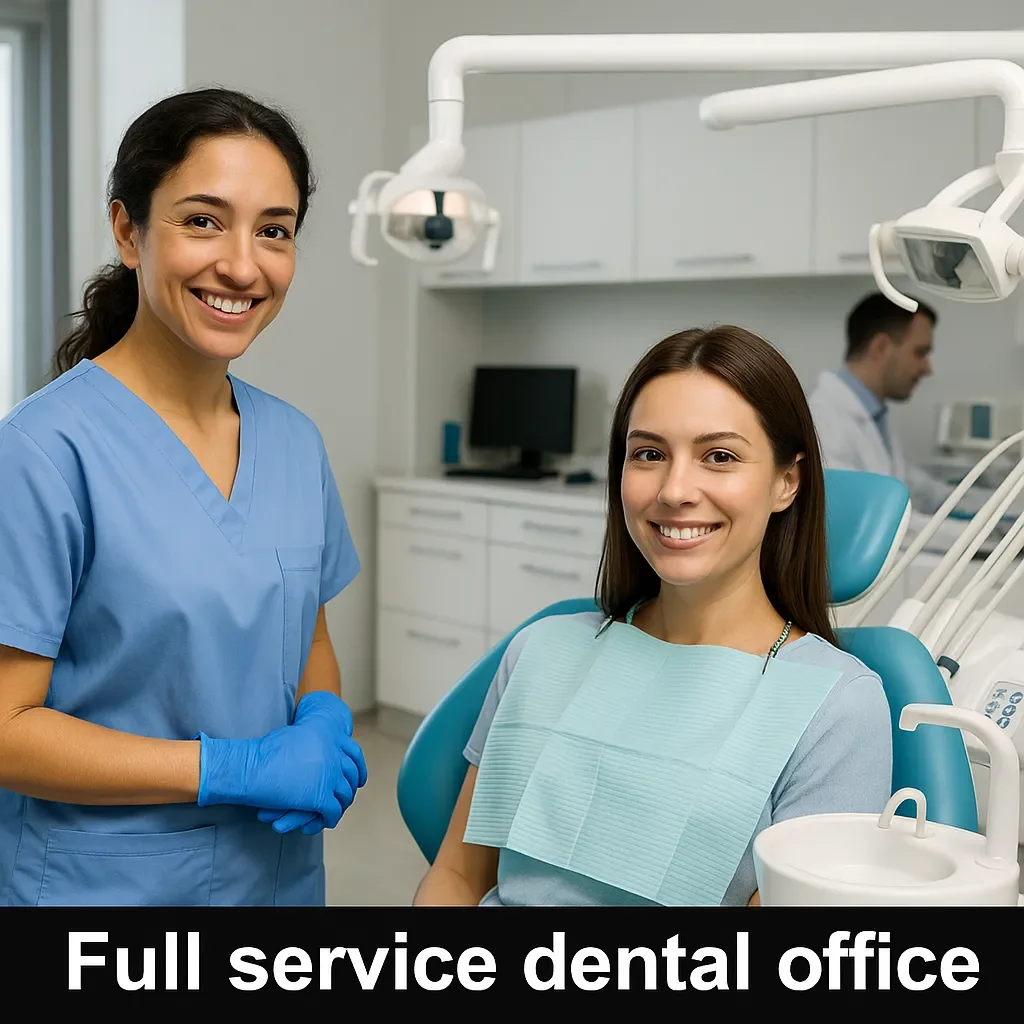
Marketing and Growth Planning for a Newly Chosen Full Service Dental Office
Once you have selected a full service dental office—whether as a patient evaluating long-term value or as a new owner shaping future success—strategic marketing and growth planning become essential. A modern dental clinic must not only deliver exceptional care but also build strong community awareness, maintain a competitive online presence, and continuously adapt to changing patient expectations. Proper growth planning ensures the clinic remains successful, efficient, and aligned with high standards of care for years to come.
This comprehensive section explores the most effective marketing strategies, patient engagement techniques, digital visibility concepts, and growth-focused business practices needed to elevate a full-service clinic to its highest potential. 🦷📈
Why Marketing Matters for a Full-Service Dental Practice
Even the most advanced full service dental office cannot thrive without consistent patient flow and strong visibility. Marketing is not about aggressive advertising—it is about building trust, educating the community, and showcasing the clinic’s strengths. Effective marketing strategies help:
- Attract new patients
- Retain existing loyal patients
- Increase awareness of specialized services
- Strengthen brand identity
- Improve online reputation and reviews
A strategic approach to marketing ensures that every potential patient understands the clinic’s value and unique benefits.
Essential Digital Marketing Strategies for Dental Clinic Growth
The digital age has changed how patients search for dental services. Online visibility is now the key to growing a full service dental office. Below are the foundational digital strategies every modern clinic must focus on:
1. Search Engine Optimization (SEO)
SEO allows your clinic to appear prominently in Google searches for dental services. Essential SEO components include:
- Optimized website content
- Fast-loading mobile-friendly pages
- Local SEO (Google Maps, Google Business Profile)
- Keyword-rich service pages
Patients searching for “implant dentist near me” or “affordable orthodontics” will find your clinic more easily with strong SEO.
2. Google Business Profile Optimization
A well-optimized Google Business Profile improves visibility, helps patients find directions, view reviews, and contact the clinic instantly. Ensure:
- Accurate business hours
- High-quality photos of the clinic
- Updated service list
- Consistent review responses
This local presence boosts trust and credibility.
3. Social Media Marketing
Platforms like Instagram, TikTok, Facebook, and YouTube are powerful tools for:
- Sharing before-and-after results
- Highlighting dental team personalities
- Educating patients with short videos
- Posting updates and promotions
Engaging social media content increases visibility and humanizes the clinic’s brand.
Building Long-Term Patient Relationships
A successful full service dental office prioritizes strong patient relationships. Retention is equally as important as acquisition, as returning patients bring stability and sustainable revenue.
1. Personalized Treatment Plans
Patients value individualized care. Learn each patient’s oral health history, lifestyle, and priorities to create custom plans.
2. Appointment Follow-Ups
Use automated SMS or email reminders to confirm appointments, share post-care instructions, or schedule routine check-ups.
3. Loyalty and Wellness Programs
Wellness memberships encourage preventive care. Possible program benefits include:
- Discounted cleanings
- Reduced costs for cosmetic treatments
- Annual X-ray packages
These programs strengthen long-term patient engagement.
Expanding Services for Sustainable Growth
Growth planning for a full service dental office often includes expanding services based on patient demand and local market trends.
1. Adding New Specialties
Clinics can boost revenue and attract new patients by adding:
- Orthodontic services
- Dental implants and oral surgery
- Cosmetic procedures like veneers or whitening
This diversification strengthens the clinic’s competitive advantage.
2. Upgrading Technology
Investments in new digital tools such as CBCT scanners, CAD/CAM milling units, and laser dentistry systems enhance treatment precision and improve marketing appeal.
Maintaining a Positive Public Reputation
Reputation is one of the most powerful growth tools. A well-regarded full service dental office builds trust naturally.
1. Encourage and Respond to Reviews
Actively request reviews from satisfied patients and respond professionally to all feedback.
2. Publish Educational Content
Blog posts, videos, and infographics establish the clinic as a trusted source of dental knowledge. They also boost SEO and attract new patients seeking advice.
Utilizing Authoritative Resources and Direct Contact
For dental practice standards, patient care guidelines, and industry trends, consult the
American Dental Association.
To schedule consultations, request detailed service information, or speak with dental care experts, you can connect through the
Redent Klinik Contact Page.
In summary, marketing and growth planning for a full service dental office requires a multi-dimensional approach that includes digital visibility, patient retention strategies, service expansion, and reputation management. By combining these powerful strategies, clinics can achieve long-term success, elevated patient satisfaction, and sustained brand growth in a competitive dental market. 🌟