
Losing all teeth in the upper jaw can significantly affect confidence, oral health, speech, and daily comfort. Fortunately, full upper jaw dental implants have transformed modern dentistry by providing a stable, long-lasting, and natural-looking solution for complete tooth loss. Unlike traditional removable dentures, full upper jaw dental implants are securely anchored into the jawbone, creating a permanent foundation for a full arch of replacement teeth.
Patients who struggle with loose dentures, difficulty chewing, or concerns about facial appearance often discover that full upper jaw dental implants offer a life-changing alternative. These advanced restorations are designed to restore both function and aesthetics, helping individuals enjoy their favorite foods, speak clearly, and smile confidently again. 😊
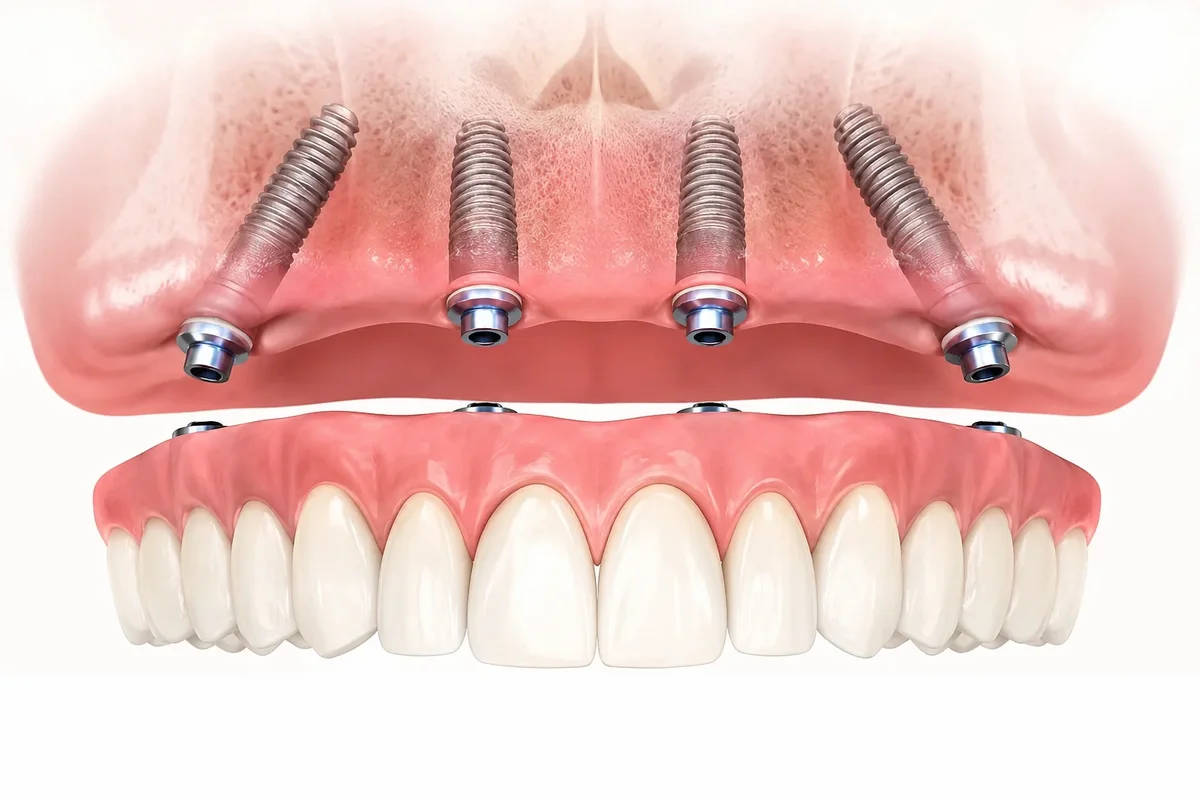
At their core, full upper jaw dental implants consist of multiple titanium implant posts surgically placed into the upper jawbone. These implants act as artificial tooth roots, integrating with the surrounding bone through a natural process called osseointegration. Once healing is complete, a custom-designed prosthetic bridge or full arch restoration is attached to the implants, creating a secure and realistic set of teeth.
One of the biggest advantages of full upper jaw dental implants is their ability to prevent bone loss. When natural teeth are lost, the jawbone no longer receives stimulation from chewing forces. Over time, this can lead to bone deterioration and facial sagging. Because full upper jaw dental implants function like natural tooth roots, they help maintain bone density and preserve facial structure.
Many patients wonder how full upper jaw dental implants differ from traditional dentures. While dentures rest on the gums and may shift during eating or speaking, implant-supported restorations remain firmly in place. This stability improves chewing efficiency, speech clarity, and overall comfort. Patients often report that full upper jaw dental implants feel much more like natural teeth than removable dentures ever could.
The treatment process for full upper jaw dental implants begins with a comprehensive examination that may include digital scans, panoramic X-rays, and three-dimensional imaging. These diagnostic tools help the dental team evaluate bone quality, sinus anatomy, and overall oral health. Based on the findings, a personalized treatment plan is created to ensure optimal implant placement and long-term success.
Depending on the patient’s bone condition, the dentist may recommend traditional implant treatment, All-on-4®, All-on-6®, or other full-arch rehabilitation techniques. In many cases, only four to six strategically positioned implants are needed to support an entire upper arch. This approach makes full upper jaw dental implants a highly efficient and predictable solution for complete tooth replacement.
Another reason why full upper jaw dental implants have become increasingly popular is their impressive longevity. With proper care and regular dental maintenance, implants can last for decades. The restoration attached to the implants may eventually require maintenance or replacement, but the implant foundations themselves often remain stable for many years.
Modern technology has also improved patient comfort during treatment. Advanced surgical planning, guided implant placement, and minimally invasive techniques help reduce discomfort and shorten recovery times. As a result, many individuals who were once hesitant about implant surgery now feel more confident pursuing full upper jaw dental implants.
From an aesthetic perspective, full upper jaw dental implants provide exceptional results. Custom-crafted prosthetic teeth are designed to match facial features, smile proportions, and bite dynamics. This personalized approach creates a natural appearance that can dramatically improve self-esteem and social confidence.
Patients seeking reliable information about implant dentistry can also review educational resources from the American Dental Association. Professional guidance and evidence-based information help individuals understand the benefits and considerations associated with full upper jaw dental implants.
For those considering treatment abroad, consultation with experienced implant specialists is essential. The Redent Klinik Contact Page provides an opportunity to discuss individual treatment goals, review diagnostic information, and receive personalized recommendations regarding full upper jaw dental implants.
In summary, full upper jaw dental implants represent one of the most advanced and effective solutions available for complete upper tooth loss. By combining durability, aesthetics, stability, and bone preservation, they offer benefits that extend far beyond a beautiful smile. Whether a patient is seeking improved oral function, enhanced appearance, or a permanent alternative to removable dentures, full upper jaw dental implants continue to set the gold standard for full-arch tooth replacement. Their ability to restore confidence, comfort, and quality of life makes them one of the most valuable investments in modern dental care.
What Are Full Upper Jaw Dental Implants and How Do They Work?
For individuals who have lost all or most of their upper teeth, full upper jaw dental implants provide one of the most advanced and reliable solutions available in modern dentistry. Unlike traditional dentures that rest on the gums, full upper jaw dental implants are anchored directly into the jawbone, creating a secure and permanent foundation for a complete set of replacement teeth. This innovative treatment has helped millions of patients regain confidence, improve oral function, and enjoy a significantly higher quality of life.
Many patients initially believe that replacing an entire upper arch requires an individual implant for every missing tooth. In reality, modern implant dentistry allows a full arch of prosthetic teeth to be supported by a strategically placed number of implants. Depending on bone quality and treatment goals, full upper jaw dental implants may utilize four, five, six, or even more implants to support a fixed restoration.
Understanding the Components of Full Upper Jaw Dental Implants
To understand how full upper jaw dental implants work, it is important to know the main components involved in the treatment.
1. Dental Implant Posts
The implant posts are typically made from medical-grade titanium. These small screw-shaped structures are surgically inserted into the upper jawbone. Once placed, they function as artificial tooth roots. The success of full upper jaw dental implants depends heavily on the stability and integration of these implant posts.
2. Abutments
Abutments are small connectors that attach the prosthetic teeth to the implant posts. They serve as the link between the implants and the final restoration. Modern full upper jaw dental implants utilize precision-engineered abutments to ensure strength, durability, and proper bite alignment.
3. Full-Arch Prosthesis
The visible portion of full upper jaw dental implants is the prosthetic bridge or full-arch restoration. This custom-made structure is designed to replicate the appearance and function of natural teeth. High-quality materials such as zirconia or advanced acrylic composites are commonly used to create a natural-looking smile.
The Science Behind Osseointegration
The long-term success of full upper jaw dental implants relies on a biological process known as osseointegration. After implant placement, the surrounding jawbone gradually fuses with the titanium surface of the implant. This natural bonding process creates an exceptionally strong connection that allows the implants to withstand daily chewing forces.
Osseointegration usually takes several months to complete. During this period, the implants become increasingly stable. Once healing is finished, the implants effectively become part of the patient’s jaw structure. This unique characteristic is one of the primary reasons why full upper jaw dental implants are considered the gold standard for full-arch tooth replacement.
How Full Upper Jaw Dental Implants Restore Function
One of the most significant benefits of full upper jaw dental implants is their ability to restore normal oral function. Tooth loss often makes it difficult to chew certain foods, speak clearly, and maintain proper nutrition. Implant-supported restorations help address these challenges by providing stability similar to natural teeth.
Patients who receive full upper jaw dental implants often report substantial improvements in their ability to eat foods such as vegetables, fruits, meats, and nuts. Because the implants are fixed in place, they do not shift or move during chewing. This stability allows for greater bite force and improved comfort.
Speech can also improve significantly after treatment. Traditional dentures may occasionally slip, causing pronunciation difficulties. In contrast, full upper jaw dental implants remain firmly anchored, helping patients speak more naturally and confidently.
Why the Upper Jaw Requires Special Planning
The upper jaw presents unique anatomical challenges compared to the lower jaw. The bone in the upper jaw is generally softer and less dense, requiring careful evaluation before treatment. Additionally, the presence of the maxillary sinuses must be considered during implant planning.
Advanced imaging technologies such as cone beam computed tomography (CBCT) allow implant specialists to evaluate bone volume and determine the ideal placement locations for full upper jaw dental implants. In some cases, procedures such as sinus augmentation or bone grafting may be recommended to create sufficient support for the implants.
Modern Treatment Options for Full Upper Jaw Dental Implants
Several treatment approaches are available depending on individual circumstances.
All-on-4® Concept
The All-on-4® approach uses four strategically angled implants to support a complete upper arch. This technique often reduces the need for extensive bone grafting and can provide immediate functionality for many patients receiving full upper jaw dental implants.
All-on-6® Treatment
Some patients may benefit from six implants instead of four. All-on-6® treatment distributes chewing forces across a greater number of implant supports, potentially increasing long-term stability for full upper jaw dental implants.
Individualized Full-Arch Solutions
Complex cases may require additional implants or customized treatment plans. Experienced clinicians carefully evaluate each patient to determine the most appropriate approach for achieving successful full upper jaw dental implants.
Long-Term Benefits Beyond Tooth Replacement
While replacing missing teeth is the primary goal, full upper jaw dental implants offer several additional benefits. They help preserve jawbone density, maintain facial contours, reduce denture-related discomfort, and support overall oral health. Patients often describe the treatment as life-changing because it restores both functionality and confidence.
Another important advantage is predictability. Modern research consistently demonstrates high success rates for full upper jaw dental implants when treatment is performed by qualified professionals and proper aftercare is maintained.
Ultimately, full upper jaw dental implants represent a sophisticated combination of surgical precision, biological integration, and advanced restorative dentistry. By replacing both missing tooth roots and visible teeth, they provide a comprehensive solution that closely mimics the appearance, feel, and function of a natural healthy smile. For patients seeking a permanent alternative to removable dentures, full upper jaw dental implants remain one of the most effective treatment options available today. 😊
Who Is a Good Candidate for Full Upper Jaw Dental Implants?
One of the most common questions patients ask before treatment is whether they are suitable candidates for full upper jaw dental implants. While modern implant dentistry can help a wide range of individuals, not every patient has the same oral condition, bone structure, or health profile. Determining candidacy requires a comprehensive evaluation of oral health, medical history, lifestyle habits, and treatment goals.
In general, full upper jaw dental implants are designed for people who have lost most or all of their upper teeth, suffer from severe dental deterioration, or struggle with uncomfortable removable dentures. Thanks to advances in implant technology, many patients who were once told they were not candidates for implants may now qualify through additional procedures such as bone grafting or sinus augmentation.
Ideal Candidates for Full Upper Jaw Dental Implants
The best candidates for full upper jaw dental implants typically share several important characteristics. These factors contribute to higher success rates and long-term treatment stability.
Complete or Near-Complete Upper Tooth Loss
Patients who have lost all teeth in the upper jaw are often excellent candidates for full upper jaw dental implants. Whether tooth loss occurred due to decay, trauma, periodontal disease, or aging, implant-supported restorations can replace an entire arch of missing teeth with a fixed and highly functional solution.
Individuals with only a few remaining upper teeth may also benefit. In many cases, compromised teeth can be removed and replaced as part of a comprehensive full upper jaw dental implants treatment plan.
Sufficient Jawbone Volume
Healthy bone volume is an important consideration for successful full upper jaw dental implants. Since implants are anchored into the jawbone, there must be enough bone to provide adequate support and stability.
However, insufficient bone does not automatically disqualify a patient. Many individuals who have experienced bone loss can still receive full upper jaw dental implants after undergoing preparatory procedures such as bone grafting or sinus lift surgery.
Good General Health
Most healthy adults can safely undergo implant treatment. Successful healing after full upper jaw dental implants depends on the body’s ability to recover following surgery. Conditions such as uncontrolled diabetes, severe immune disorders, or certain medications may affect healing and require careful assessment.
A detailed medical evaluation allows the implant team to identify any risk factors and develop a treatment plan that maximizes safety and predictability.
Age Considerations for Full Upper Jaw Dental Implants
Many people assume there is an upper age limit for implant treatment. In reality, age alone rarely prevents patients from receiving full upper jaw dental implants. What matters most is overall health rather than chronological age.
Patients in their sixties, seventies, and even eighties frequently undergo successful implant procedures. As long as bone quality and medical health are adequate, older adults can enjoy the same benefits of full upper jaw dental implants as younger patients.
The only significant age-related limitation applies to younger individuals whose jaw development is not yet complete. Implant placement is generally postponed until facial growth has finished.
Patients Currently Wearing Dentures
Long-term denture wearers often become some of the most satisfied recipients of full upper jaw dental implants. Traditional dentures can create numerous challenges, including:
- Difficulty chewing certain foods
- Reduced bite strength
- Movement during speaking
- Gum irritation
- Progressive jawbone loss
- Decreased confidence in social situations
By replacing removable dentures with full upper jaw dental implants, patients often experience dramatic improvements in comfort, stability, and overall quality of life.
Bone Loss Does Not Always Prevent Treatment
A common misconception is that bone loss automatically eliminates the possibility of receiving full upper jaw dental implants. While adequate bone support is important, modern techniques have significantly expanded treatment options.
Bone Grafting Procedures
Bone grafting can restore lost bone volume and create a stronger foundation for future implants. This procedure may be recommended before placing full upper jaw dental implants when significant bone resorption has occurred.
Sinus Lift Surgery
The upper jaw is located near the maxillary sinuses, which can limit available bone height. Sinus lift procedures create additional space for bone development, allowing many patients to become suitable candidates for full upper jaw dental implants.
Zygomatic Implant Solutions
For patients with severe upper jaw bone loss, specialized implant techniques may provide alternatives to extensive grafting. In selected cases, advanced implant designs can support full upper jaw dental implants even when conventional treatment would be challenging.
Lifestyle Factors That Influence Success
Certain lifestyle habits can affect both candidacy and long-term outcomes for full upper jaw dental implants.
Smoking
Smoking is one of the most significant risk factors for implant complications. Tobacco use can reduce blood flow, slow healing, and increase the likelihood of implant failure. Patients considering full upper jaw dental implants are often encouraged to stop smoking before and after surgery.
Oral Hygiene Commitment
Although implants cannot develop cavities, they still require proper care. Patients receiving full upper jaw dental implants must commit to regular brushing, professional cleanings, and routine examinations to maintain healthy gums and supporting tissues.
Realistic Expectations
Successful treatment also depends on understanding the process involved. While full upper jaw dental implants can produce remarkable results, they require surgical procedures, healing periods, and ongoing maintenance. Patients who understand these factors typically achieve greater satisfaction with their outcomes.
Who May Need Additional Evaluation?
Some individuals require closer assessment before proceeding with full upper jaw dental implants. These may include patients with advanced periodontal disease, uncontrolled systemic conditions, active infections, or complex oral anatomy. Comprehensive imaging and specialist consultations help determine whether treatment modifications are necessary.
Ultimately, candidacy for full upper jaw dental implants depends on a combination of oral health, medical stability, bone availability, and personal commitment to long-term care. Thanks to advancements in modern implant dentistry, more patients than ever before can qualify for treatment and enjoy the life-changing benefits of a secure, natural-looking smile. For many individuals who have struggled with missing teeth or unstable dentures, full upper jaw dental implants offer a predictable pathway toward restored confidence, improved function, and long-lasting oral health. 😊
Benefits of Choosing Full Upper Jaw Dental Implants Over Dentures
When individuals lose all of their upper teeth, one of the biggest decisions they face is choosing between traditional dentures and full upper jaw dental implants. While dentures have been used for decades to replace missing teeth, modern implant dentistry has introduced solutions that offer greater stability, comfort, and long-term oral health benefits. As a result, many patients now prefer full upper jaw dental implants because they provide a more natural and permanent alternative to removable prosthetics.
Understanding the differences between these treatment options is essential for making an informed decision. Although dentures may initially appear to be a simpler solution, full upper jaw dental implants often provide superior functional, aesthetic, and health-related advantages that can significantly improve quality of life.
Superior Stability and Security
One of the most important benefits of full upper jaw dental implants is their exceptional stability. Traditional dentures rest on the gum tissues and rely on suction, adhesives, and oral anatomy for retention. Over time, dentures may loosen, shift during meals, or move while speaking.
In contrast, full upper jaw dental implants are anchored directly into the jawbone through surgically placed titanium implants. This secure attachment creates a fixed foundation that remains stable throughout daily activities.
No Slipping or Movement
Many denture wearers experience anxiety about dentures moving unexpectedly. Social situations, public speaking, and dining with others can become stressful because of this concern. With full upper jaw dental implants, the prosthetic teeth remain firmly attached, eliminating the worry associated with denture movement.
Improved Confidence
The stability provided by full upper jaw dental implants often leads to greater confidence in both professional and social settings. Patients can smile, laugh, and speak without fear of embarrassing denture-related issues.
Enhanced Chewing Ability
One of the most significant functional advantages of full upper jaw dental implants is improved chewing efficiency. Traditional dentures may reduce biting force substantially, making it difficult to consume certain foods.
Many denture wearers avoid foods such as:
- Steak and tougher meats
- Raw vegetables
- Nuts and seeds
- Crunchy fruits
- Certain breads
Because full upper jaw dental implants are firmly integrated into the jawbone, they allow patients to generate greater bite force and enjoy a much wider variety of foods. Improved chewing function supports better digestion, nutrition, and overall health.
Preservation of Jawbone Health
One of the most overlooked benefits of full upper jaw dental implants is their ability to help preserve jawbone structure.
The Problem with Bone Loss
After tooth loss, the jawbone gradually begins to shrink because it no longer receives stimulation from natural tooth roots. This process, known as bone resorption, can continue for years.
Traditional dentures do not stop this process because they rest on top of the gums rather than stimulating the bone underneath.
How Implants Protect Bone
Full upper jaw dental implants function similarly to natural tooth roots. During chewing, forces are transferred into the surrounding bone, helping maintain bone density and strength. This stimulation reduces the rate of bone loss and supports long-term oral health.
As a result, patients who choose full upper jaw dental implants often maintain a healthier facial structure over time.
Improved Facial Appearance
Bone loss affects more than oral health—it also impacts facial aesthetics. As the jawbone shrinks, facial tissues lose support, leading to:
- Sunken cheeks
- Premature aging appearance
- Wrinkles around the mouth
- Reduced lip support
- Collapsed facial profile
Because full upper jaw dental implants help preserve bone volume, they contribute to maintaining natural facial contours. Many patients report looking younger after treatment due to improved support for facial tissues.
Greater Comfort Compared to Dentures
Comfort is another area where full upper jaw dental implants frequently outperform traditional dentures.
Reduced Gum Irritation
Dentures can create friction against the gums, resulting in sore spots and irritation. Over time, changes in jaw shape may cause dentures to fit poorly, increasing discomfort.
Since full upper jaw dental implants are supported by implants rather than resting entirely on soft tissues, many patients experience significantly greater comfort.
No Need for Adhesives
Many denture wearers rely on adhesive products to improve stability. These products require ongoing purchase and daily application. With full upper jaw dental implants, adhesives are generally unnecessary because the restoration is securely attached to implant supports.
Natural Appearance and Speech
Modern full upper jaw dental implants are carefully designed to replicate the appearance of natural teeth. Advanced restorative materials provide realistic color, translucency, and shape.
Speech is also commonly improved. Loose dentures may create clicking sounds or interfere with pronunciation. Because full upper jaw dental implants remain fixed in place, patients often experience clearer and more natural speech patterns.
Long-Term Value and Durability
Although the initial investment for full upper jaw dental implants is generally higher than conventional dentures, many patients consider them a better long-term value.
Reduced Replacement Needs
Traditional dentures frequently require adjustments, relining, repairs, or complete replacement due to ongoing bone loss. These recurring expenses can accumulate significantly over time.
With proper care, full upper jaw dental implants can provide decades of reliable function. While occasional maintenance may be necessary, the implant foundations themselves often remain stable for many years.
Predictable Long-Term Outcomes
Clinical studies consistently demonstrate high success rates for implant-supported restorations. The durability and predictability of full upper jaw dental implants make them one of the most successful procedures in modern dentistry.
Psychological and Lifestyle Benefits
The impact of full upper jaw dental implants extends beyond physical improvements. Many patients describe substantial emotional benefits after treatment.
Common lifestyle improvements include:
- Increased self-confidence
- Greater willingness to socialize
- Improved comfort while eating in public
- Reduced anxiety about dentures shifting
- Enhanced overall quality of life
For individuals who have struggled with tooth loss for years, full upper jaw dental implants often provide a renewed sense of normalcy and self-esteem.
Why Many Patients Ultimately Choose Implants
While dentures remain a valid treatment option for certain individuals, the advantages of full upper jaw dental implants are difficult to ignore. Their ability to restore chewing efficiency, preserve jawbone health, improve appearance, enhance comfort, and provide long-term stability makes them an increasingly popular solution worldwide.
Ultimately, full upper jaw dental implants offer much more than replacement teeth. They provide a comprehensive restoration of oral function, facial aesthetics, and personal confidence. For patients seeking the closest alternative to natural teeth, full upper jaw dental implants continue to represent one of the most advanced and rewarding treatment options available in contemporary dentistry. 😊
The Full Upper Jaw Dental Implants Procedure Step by Step
Understanding the treatment process can help patients feel more confident before beginning their smile restoration journey. While every case is unique, the procedure for full upper jaw dental implants generally follows a structured sequence designed to maximize safety, comfort, and long-term success. Modern technology, digital planning, and advanced surgical techniques have made full upper jaw dental implants more predictable than ever before, allowing patients to achieve reliable and natural-looking outcomes.
From the initial consultation to the final restoration, each stage of full upper jaw dental implants serves a specific purpose. Careful planning and precise execution are essential because replacing an entire upper arch requires balancing function, aesthetics, and bone support.
Step 1: Initial Consultation and Comprehensive Examination
The first stage of full upper jaw dental implants begins with a detailed evaluation. During this appointment, the dental team gathers important information about the patient’s oral health, medical history, and treatment goals.
Clinical Assessment
The dentist examines the condition of the gums, any remaining teeth, bite alignment, and overall oral health. Existing dental restorations, signs of infection, and periodontal disease are carefully evaluated before proceeding with full upper jaw dental implants.
Diagnostic Imaging
Advanced imaging plays a critical role in planning full upper jaw dental implants. Modern clinics typically use:
- Panoramic X-rays
- Digital intraoral scans
- Cone Beam Computed Tomography (CBCT)
- 3D treatment planning software
These technologies allow clinicians to evaluate bone density, identify anatomical structures, and determine the most suitable implant positions.
Step 2: Personalized Treatment Planning
After diagnostic analysis is complete, a customized treatment plan is developed. Not all patients require the same approach to full upper jaw dental implants. Factors such as bone availability, sinus position, oral health status, and aesthetic expectations influence treatment decisions.
The dental team may recommend:
- All-on-4® treatment
- All-on-6® treatment
- Additional implant support
- Bone grafting procedures
- Sinus lift surgery
- Immediate loading protocols
Every aspect of full upper jaw dental implants is planned digitally to improve precision and predictability.
Step 3: Preparation Before Surgery
Some patients are ready for implant placement immediately, while others require preparatory procedures before receiving full upper jaw dental implants.
Tooth Extractions
If damaged or non-restorable teeth remain in the upper jaw, they may need to be removed before implant placement. In many situations, extractions and implant surgery can be performed during the same appointment.
Bone Enhancement Procedures
Patients with insufficient bone volume may require bone grafting or sinus augmentation before full upper jaw dental implants can be placed safely. These procedures create a stronger foundation for long-term implant support.
Step 4: Implant Placement Surgery
The surgical placement phase represents one of the most important stages of full upper jaw dental implants. Modern implant surgery is typically performed under local anesthesia, conscious sedation, or other comfort-focused techniques.
Precise Implant Positioning
Using digital guides and pre-planned surgical templates, the implant specialist places titanium implant fixtures into carefully selected areas of the upper jawbone. Depending on the treatment design, four to six implants are commonly used to support full upper jaw dental implants.
Minimally Invasive Techniques
Advanced surgical protocols often allow implant placement with minimal tissue disruption. This can reduce swelling, discomfort, and recovery time following full upper jaw dental implants.
The surgery itself generally takes several hours depending on case complexity.
Step 5: Temporary Teeth Placement
Many patients are surprised to learn that they may leave the clinic with temporary teeth on the same day as surgery.
Immediate Loading Protocols
In suitable cases, temporary restorations can be attached shortly after implant placement. This approach allows patients receiving full upper jaw dental implants to avoid being without teeth during the healing period.
These provisional restorations are designed primarily for aesthetics and light function while the implants integrate with the surrounding bone.
Step 6: Healing and Osseointegration
Following surgery, the body begins the critical process known as osseointegration. During this stage, the jawbone gradually fuses with the implant surfaces.
Why Healing Is Important
Osseointegration creates the stable foundation that makes full upper jaw dental implants so successful. Without proper integration, implants cannot provide the long-term support required for a full-arch restoration.
Healing Timeline
The healing period for full upper jaw dental implants generally ranges from three to six months. Factors influencing healing include:
- Bone quality
- General health
- Smoking habits
- Oral hygiene
- Implant stability
Regular follow-up appointments allow the dental team to monitor progress throughout this phase.
Step 7: Final Restoration Design
Once healing is complete, the permanent prosthetic arch can be fabricated.
Digital Smile Design
Modern clinics use advanced digital technology to design highly customized restorations for full upper jaw dental implants. The final prosthesis is carefully tailored to match facial proportions, lip support, bite function, and smile aesthetics.
Material Selection
Common materials for final full upper jaw dental implants restorations include:
- Zirconia
- Porcelain-fused materials
- High-strength acrylic hybrids
Each material offers unique advantages related to aesthetics, durability, and maintenance.
Step 8: Placement of the Permanent Teeth
After fabrication is complete, the final prosthetic restoration is securely attached to the implants. This stage marks the completion of the full upper jaw dental implants treatment process.
The dentist verifies:
- Bite balance
- Comfort
- Appearance
- Speech function
- Occlusal stability
Minor adjustments may be made to ensure optimal results.
Step 9: Long-Term Maintenance and Follow-Up
Even after treatment is completed, maintaining full upper jaw dental implants requires ongoing care.
Professional Monitoring
Regular dental examinations help monitor implant health, gum condition, and prosthetic integrity.
Daily Home Care
Patients are instructed on proper brushing techniques, specialized cleaning tools, and hygiene practices designed to protect full upper jaw dental implants for many years.
With proper maintenance, the results of full upper jaw dental implants can remain functional and aesthetically pleasing for decades.
What Patients Can Expect Overall
The complete journey toward full upper jaw dental implants involves careful planning, precise surgical placement, healing, and custom restoration. While the process may require several months from start to finish, the benefits often far outweigh the time investment. Patients gain improved chewing ability, enhanced confidence, superior comfort, and a smile that closely resembles natural teeth.
For individuals suffering from complete upper tooth loss, full upper jaw dental implants provide one of the most comprehensive and predictable treatment solutions available in modern dentistry. Through each carefully managed stage, patients move closer to regaining a healthy, stable, and attractive smile that can significantly improve their quality of life for many years to come. 😊
Bone Grafting and Sinus Lift Requirements for Upper Jaw Implants
One of the most important factors influencing the success of full upper jaw dental implants is the availability of sufficient bone in the upper jaw. Unlike natural teeth, dental implants require a stable and healthy bone foundation for long-term support. Unfortunately, many patients who have experienced tooth loss for several years develop varying degrees of bone deterioration, making additional procedures necessary before receiving full upper jaw dental implants.
Bone grafting and sinus lift surgery are two of the most common preparatory treatments used to create adequate support for implants. While the thought of needing additional procedures may initially seem concerning, modern techniques have made these treatments highly predictable and successful. In fact, many patients who were once considered unsuitable candidates for full upper jaw dental implants can now achieve excellent results through advanced bone augmentation procedures.
Why Bone Volume Matters for Full Upper Jaw Dental Implants
Dental implants function as artificial tooth roots. To remain stable under chewing forces, the implants must be surrounded by healthy bone tissue. When planning full upper jaw dental implants, implant specialists carefully evaluate both bone quantity and bone quality.
The Impact of Tooth Loss on Bone
Natural tooth roots continuously stimulate the jawbone during chewing. This stimulation helps maintain bone density and strength. When teeth are lost, the bone no longer receives this mechanical stimulation and gradually begins to shrink.
This process, known as bone resorption, can significantly reduce the available support needed for full upper jaw dental implants. The longer teeth remain missing, the greater the potential for bone loss.
Unique Challenges in the Upper Jaw
The upper jaw naturally contains softer and less dense bone than the lower jaw. Additionally, the maxillary sinuses occupy a significant portion of the upper jaw region. These anatomical factors often require more detailed planning when placing full upper jaw dental implants.
As bone loss progresses, the available distance between the oral cavity and the sinus floor may decrease, limiting implant placement options.
What Is Bone Grafting?
Bone grafting is a procedure designed to rebuild areas where bone has been lost. The goal is to create sufficient volume and density to support full upper jaw dental implants.
How Bone Grafting Works
During a bone graft procedure, grafting material is placed into areas with inadequate bone. Over time, the body gradually incorporates this material and generates new bone tissue.
This newly formed bone becomes part of the patient’s natural anatomy and provides enhanced support for future full upper jaw dental implants.
Types of Bone Graft Materials
Several grafting materials may be used depending on the patient’s needs:
- Autogenous bone (patient’s own bone)
- Allograft bone (donor bone)
- Xenograft materials
- Synthetic bone substitutes
Each option has specific advantages, and the appropriate choice depends on the treatment plan for full upper jaw dental implants.
When Is Bone Grafting Necessary?
Not every patient requires bone grafting before receiving full upper jaw dental implants. However, the procedure may be recommended in several situations.
Long-Term Tooth Loss
Patients who have been missing teeth for many years often experience significant bone resorption. In these cases, bone grafting may be required to rebuild the jaw before implant placement.
Periodontal Disease History
Advanced gum disease can destroy supporting bone around teeth. Patients with a history of severe periodontal disease may need grafting procedures before proceeding with full upper jaw dental implants.
Trauma or Injury
Accidents and facial injuries sometimes result in bone defects that require reconstruction before implants can be safely placed.
Understanding Sinus Lift Surgery
One of the most common procedures associated with full upper jaw dental implants is sinus lift surgery.
What Is a Sinus Lift?
A sinus lift, also known as sinus augmentation, is a procedure that increases bone height in the posterior upper jaw. This is accomplished by carefully elevating the sinus membrane and placing bone graft material beneath it.
The procedure creates additional bone volume, allowing future placement of full upper jaw dental implants in areas that would otherwise lack sufficient support.
Why Sinus Lifts Are Common in the Upper Jaw
Following tooth loss, the maxillary sinus often expands downward into the space previously occupied by tooth roots. As a result, available bone height decreases significantly.
Without sinus augmentation, many patients would not have enough bone to support full upper jaw dental implants in the back regions of the upper jaw.
The Sinus Lift Procedure Step by Step
Diagnostic Evaluation
Advanced CBCT imaging is used to assess sinus anatomy and available bone dimensions before planning full upper jaw dental implants.
Membrane Elevation
During surgery, the sinus membrane is carefully lifted to create space for bone graft material.
Bone Placement
The graft material is inserted into the newly created space. Over several months, the body generates new bone around the graft, strengthening the area for future implant placement.
Healing and Recovery Expectations
Healing after bone grafting or sinus augmentation is generally straightforward. Most patients experience mild swelling and temporary discomfort that resolves within a few days.
The newly grafted bone typically requires several months to mature before full upper jaw dental implants can be placed. During this time, the body gradually integrates the graft material into the surrounding bone structure.
Factors Affecting Healing
- Overall health
- Smoking status
- Bone quality
- Oral hygiene habits
- Compliance with post-operative instructions
Careful adherence to recovery guidelines supports successful preparation for full upper jaw dental implants.
Can Implants Be Placed at the Same Time?
In some cases, implant placement and bone augmentation procedures can occur simultaneously. Whether this approach is possible depends on the amount of existing bone available.
When sufficient initial stability can be achieved, clinicians may place full upper jaw dental implants during the same appointment as the grafting procedure. More extensive bone deficiencies may require a staged approach with healing before implant placement.
Modern Alternatives for Severe Bone Loss
Patients with extensive upper jaw bone loss may benefit from advanced treatment options such as zygomatic implants. These specialized implants anchor into the cheekbone rather than the upper jaw itself.
For selected patients, these techniques can provide support for full upper jaw dental implants without requiring extensive grafting procedures.
Long-Term Benefits of Bone Augmentation
Although bone grafting and sinus lift procedures add additional treatment steps, they often significantly improve the long-term success of full upper jaw dental implants. By creating stronger bone support, these procedures enhance implant stability, improve force distribution, and contribute to long-lasting functional outcomes.
Ultimately, bone grafting and sinus augmentation serve as valuable tools that expand treatment possibilities for patients with bone deficiencies. Thanks to these advanced procedures, many individuals who might otherwise be unable to receive full upper jaw dental implants can successfully restore their smiles, oral function, and confidence. Modern implant dentistry continues to make full upper jaw dental implants accessible to a broader range of patients than ever before, even in cases involving substantial bone loss. 😊
Recovery Timeline After Full Upper Jaw Dental Implants Surgery
Understanding the recovery process is an important part of preparing for full upper jaw dental implants. While the procedure itself is highly predictable and routinely performed by experienced implant specialists, successful outcomes depend not only on the surgery but also on proper healing afterward. Many patients are pleasantly surprised to discover that recovery from full upper jaw dental implants is often more comfortable than they initially expected.
Recovery occurs in several stages, ranging from the immediate post-operative period to complete osseointegration and final restoration placement. Knowing what to expect at each phase helps patients feel more confident and better prepared throughout their treatment journey.
The First 24 Hours After Surgery
The first day following full upper jaw dental implants surgery is primarily focused on protecting the surgical sites and allowing the body to begin the healing process.
Common Immediate Symptoms
Most patients experience mild to moderate symptoms during the initial 24-hour period. These may include:
- Minor bleeding or oozing
- Swelling around the cheeks and upper jaw
- Mild discomfort
- Tenderness at implant sites
- Temporary difficulty chewing
These reactions are considered normal following full upper jaw dental implants and generally improve quickly.
Managing Discomfort
Prescribed or recommended medications are usually sufficient to control discomfort after full upper jaw dental implants. Applying cold compresses to the outside of the face can also help minimize swelling during the first day.
The First Week of Recovery
The first week represents one of the most active healing phases following full upper jaw dental implants. During this period, the body’s natural repair mechanisms work to close surgical sites and reduce inflammation.
Swelling and Bruising
Facial swelling generally reaches its peak within 48 to 72 hours after surgery. Some patients may also notice minor bruising around the cheeks. These effects are temporary and gradually subside over the following days.
Most individuals who undergo full upper jaw dental implants find that visible swelling improves significantly within the first week.
Dietary Recommendations
Soft foods are strongly recommended during early recovery from full upper jaw dental implants. Suitable options often include:
- Yogurt
- Mashed potatoes
- Smooth soups
- Scrambled eggs
- Protein shakes
- Soft pasta
Avoiding hard, crunchy, or sticky foods helps protect healing tissues and newly placed implants.
Weeks Two Through Four
As healing progresses, most patients notice substantial improvements in comfort and daily function.
Return to Normal Activities
Many individuals return to work and normal routines within a few days of receiving full upper jaw dental implants. By the second week, most post-operative symptoms have largely resolved.
Light exercise can usually be resumed, although strenuous physical activity should be discussed with the treating clinician.
Soft Tissue Healing
The gums continue healing around the implant sites throughout this phase. Proper oral hygiene becomes increasingly important to support successful healing after full upper jaw dental implants.
The Osseointegration Phase
Although patients often feel significantly better after a few weeks, the most important biological process associated with full upper jaw dental implants continues beneath the surface.
What Is Osseointegration?
Osseointegration refers to the process in which the jawbone fuses directly with the titanium implant surfaces. This connection creates the stability that allows full upper jaw dental implants to function like natural tooth roots.
The process occurs gradually and cannot be rushed. Proper osseointegration is essential for the long-term success of full upper jaw dental implants.
Typical Healing Duration
For most patients, osseointegration requires approximately three to six months. Several factors influence healing speed, including:
- Bone density
- General health
- Age
- Smoking habits
- Oral hygiene practices
Regular follow-up appointments allow clinicians to monitor the progress of full upper jaw dental implants throughout this stage.
Temporary Teeth During Recovery
Many patients receiving full upper jaw dental implants are able to wear temporary restorations while healing occurs.
Immediate Function Benefits
Temporary prosthetic teeth help maintain appearance and confidence throughout treatment. Patients can continue social and professional activities without feeling self-conscious during recovery.
Protecting the Implants
Even when temporary teeth are provided, patients must follow dietary recommendations carefully. Excessive forces on healing full upper jaw dental implants can interfere with osseointegration.
Signs of Healthy Healing
Most recovery experiences following full upper jaw dental implants are straightforward and uneventful. Positive healing signs include:
- Gradually decreasing discomfort
- Reduced swelling
- Healthy pink gum tissue
- Stable temporary restorations
- Absence of infection symptoms
Patients should attend all scheduled reviews to ensure their full upper jaw dental implants are healing properly.
Factors That Can Affect Recovery
While success rates are very high, certain factors may influence recovery following full upper jaw dental implants.
Smoking
Tobacco use can reduce blood flow and impair healing. Patients are strongly encouraged to stop smoking before and after receiving full upper jaw dental implants.
Systemic Health Conditions
Conditions such as uncontrolled diabetes may affect recovery and require additional monitoring throughout treatment.
Oral Hygiene
Maintaining excellent oral hygiene significantly contributes to the long-term success of full upper jaw dental implants. Professional cleanings and daily home care remain essential.
Placement of the Final Restoration
Once osseointegration is complete, the final stage of treatment can begin.
Custom Prosthetic Fabrication
Advanced digital impressions are used to design the permanent restoration for full upper jaw dental implants. The final prosthesis is customized to achieve optimal aesthetics, function, and comfort.
Final Attachment
The permanent restoration is securely connected to the implants after successful healing is confirmed. This stage marks the completion of the full upper jaw dental implants journey.
Long-Term Recovery and Adaptation
Even after the final teeth are placed, patients continue adapting to their new smile. Most individuals quickly become comfortable with eating, speaking, and smiling using their full upper jaw dental implants.
Many patients report that their implant-supported teeth feel remarkably natural within a short period of time. Improved chewing ability, enhanced confidence, and increased comfort often become noticeable immediately after final restoration placement.
What Patients Can Realistically Expect
The complete recovery process for full upper jaw dental implants requires patience, but the results are often transformative. While minor discomfort and swelling are normal in the early stages, most patients find the experience highly manageable. Modern techniques, advanced planning, and careful aftercare contribute to consistently successful outcomes.
Ultimately, the recovery timeline for full upper jaw dental implants is an investment in long-term oral health and quality of life. By following professional guidance and maintaining good oral hygiene, patients can achieve stable, functional, and natural-looking results that may last for decades. For many individuals, the temporary healing period is a small commitment compared to the lifelong benefits that full upper jaw dental implants provide. 😊
Success Rates and Long-Term Durability of Full Upper Jaw Dental Implants
One of the primary reasons patients choose full upper jaw dental implants is their exceptional long-term reliability. When compared with many other dental restoration options, implant-supported full-arch solutions consistently demonstrate impressive success rates and durability. For individuals investing time and resources into restoring their smile, understanding the expected lifespan and long-term performance of full upper jaw dental implants is essential.
Modern implant dentistry is supported by decades of clinical research, technological advancements, and ongoing improvements in surgical techniques. As a result, full upper jaw dental implants are now regarded as one of the most predictable and successful treatments in contemporary dental care.
What Is the Success Rate of Full Upper Jaw Dental Implants?
Clinical studies have consistently reported high success rates for implant treatment. While outcomes vary based on individual circumstances, research frequently demonstrates success rates exceeding 90–95% over long observation periods for properly planned and maintained full upper jaw dental implants.
The exact success rate depends on multiple factors, including:
- Bone quality and quantity
- Patient health status
- Smoking habits
- Implant design
- Surgical technique
- Oral hygiene practices
- Regular maintenance care
When treatment is performed by experienced professionals and patients follow recommended aftercare instructions, full upper jaw dental implants can achieve remarkably predictable outcomes.
Why Success Rates Are So High
The success of full upper jaw dental implants is largely due to the process of osseointegration. Titanium implants fuse directly with living bone tissue, creating a stable and long-lasting connection that closely resembles the support provided by natural tooth roots.
This biological integration forms the foundation that allows full upper jaw dental implants to withstand years of chewing forces and daily function.
Understanding Implant Longevity
Many patients ask how long full upper jaw dental implants will last. The answer depends on whether one is referring to the implant fixtures themselves or the prosthetic restoration attached to them.
Implant Fixtures
The titanium implants placed within the jawbone are designed to be permanent. With proper care, many patients retain their implant foundations for decades. In some cases, full upper jaw dental implants continue functioning successfully for twenty years or longer.
Prosthetic Restorations
Although the implant fixtures may last a lifetime, the prosthetic teeth attached to full upper jaw dental implants may eventually require maintenance, repair, or replacement. The lifespan of the restoration depends on material selection, bite forces, and patient habits.
High-quality zirconia restorations often demonstrate excellent durability and resistance to wear.
Factors That Influence Long-Term Success
Several key factors contribute to the durability of full upper jaw dental implants.
Bone Quality
Strong, healthy bone provides better support for implants. Patients with adequate bone volume generally experience more predictable long-term outcomes following full upper jaw dental implants.
Professional Treatment Planning
Comprehensive diagnostics, digital planning, and precise implant placement significantly improve success rates. Modern technology allows clinicians to optimize implant positioning for long-term stability.
Patient Compliance
Long-term success depends heavily on patient participation. Individuals who follow oral hygiene recommendations and attend regular maintenance appointments often enjoy excellent results with full upper jaw dental implants.
The Impact of Oral Hygiene on Implant Survival
While implants cannot develop traditional dental cavities, they still require proper maintenance. The tissues surrounding full upper jaw dental implants remain vulnerable to inflammation and infection if oral hygiene is neglected.
Peri-Implant Diseases
Peri-implant mucositis and peri-implantitis are inflammatory conditions that can affect implant-supported restorations. Without treatment, these conditions may compromise the stability of full upper jaw dental implants.
Fortunately, routine oral hygiene and professional monitoring significantly reduce these risks.
Recommended Maintenance Practices
- Twice-daily brushing
- Interdental cleaning
- Professional cleanings
- Routine examinations
- Avoidance of tobacco products
These practices help maximize the lifespan of full upper jaw dental implants.
How Smoking Affects Implant Longevity
Smoking remains one of the most significant risk factors affecting the long-term success of full upper jaw dental implants. Tobacco use reduces blood circulation, impairs healing, and increases susceptibility to infection.
Research consistently demonstrates that smokers face a higher risk of complications and implant failure compared with non-smokers. Patients considering full upper jaw dental implants are strongly encouraged to quit smoking whenever possible.
Can Full Upper Jaw Dental Implants Fail?
Although success rates are very high, no medical procedure can guarantee absolute success. Implant complications occasionally occur despite careful planning and treatment.
Early Failure
Early implant failure generally occurs before osseointegration is complete. Potential causes include:
- Infection
- Insufficient bone support
- Excessive implant movement
- Poor healing response
Late Failure
Late complications can develop years after treatment. Common contributing factors include poor oral hygiene, uncontrolled medical conditions, excessive bite forces, and peri-implant disease.
Fortunately, most cases of full upper jaw dental implants function successfully for many years without serious complications.
Modern Innovations Improving Durability
Advancements in implant technology continue to improve the longevity of full upper jaw dental implants.
Enhanced Implant Surfaces
Modern implant surfaces are designed to accelerate bone integration and improve stability.
Digital Surgical Planning
Three-dimensional planning systems allow highly accurate implant placement, reducing surgical risks and improving long-term outcomes.
Stronger Restorative Materials
Contemporary zirconia and hybrid prosthetic materials provide exceptional durability for full upper jaw dental implants, helping restorations withstand years of daily use.
Patient Satisfaction Over Time
Long-term satisfaction rates among recipients of full upper jaw dental implants are consistently high. Patients frequently report:
- Improved chewing ability
- Greater confidence
- Enhanced appearance
- Better speech
- Higher quality of life
These benefits often persist for many years following treatment.
How to Maximize the Lifespan of Full Upper Jaw Dental Implants
Patients can significantly improve the durability of full upper jaw dental implants by following several important recommendations:
- Maintain excellent oral hygiene
- Attend regular dental checkups
- Avoid smoking
- Follow dietary recommendations during healing
- Wear protective night guards if recommended
- Seek prompt treatment for oral health concerns
Consistent preventive care plays a crucial role in preserving implant health over the long term.
A Long-Term Investment in Oral Health
For many individuals, full upper jaw dental implants represent far more than a tooth replacement procedure. They provide a stable, durable, and highly functional solution capable of supporting decades of comfortable use. Their ability to preserve bone, restore oral function, and deliver natural-looking aesthetics contributes to their reputation as one of the most successful treatments in modern dentistry.
While no restoration can last indefinitely without maintenance, properly cared-for full upper jaw dental implants often provide exceptional long-term performance. Patients who commit to professional follow-up care and good oral hygiene frequently enjoy the benefits of full upper jaw dental implants for many years, making them one of the most valuable investments available for restoring a healthy and confident smile. 😊
Full Upper Jaw Dental Implants Cost Comparison and Factors Affecting Price
For many patients considering tooth replacement options, cost is one of the most important aspects of treatment planning. While full upper jaw dental implants are often associated with a higher initial investment than traditional dentures, they also provide significant long-term benefits that can influence overall value. Understanding the factors that affect the price of full upper jaw dental implants helps patients make informed decisions and better evaluate their treatment options.
The total cost of full upper jaw dental implants can vary considerably depending on geographic location, implant system, treatment complexity, restorative materials, and additional procedures that may be required. Because every patient has unique oral health needs, a personalized consultation is essential for obtaining an accurate treatment estimate.
Why Costs Vary for Full Upper Jaw Dental Implants
Unlike simple dental procedures that have standardized pricing, full upper jaw dental implants involve multiple components and stages of treatment. Several variables influence the final cost.
Number of Implants Used
The number of implants supporting the restoration is one of the primary cost factors. Some treatment plans utilize four implants, while others require six or more.
Generally, the more implants included in a full upper jaw dental implants treatment plan, the higher the overall cost due to additional surgical and restorative components.
Type of Restoration
The material used for the final prosthesis significantly affects pricing.
Common options include:
- Acrylic hybrid restorations
- Porcelain-based restorations
- Monolithic zirconia restorations
Premium materials often provide enhanced durability, aesthetics, and longevity for full upper jaw dental implants, but they may increase treatment costs.
Average Cost Ranges Around the World
The cost of full upper jaw dental implants varies significantly between countries. Factors such as labor costs, healthcare systems, facility expenses, and specialist fees contribute to these differences.
United States
In the United States, treatment involving full upper jaw dental implants commonly ranges from approximately $20,000 to $50,000 or more per arch, depending on complexity and restorative materials.
United Kingdom
Patients seeking full upper jaw dental implants in the United Kingdom often encounter treatment costs ranging from approximately £12,000 to £30,000 per arch.
Western Europe
In many Western European countries, full upper jaw dental implants may range between €10,000 and €30,000 depending on the clinic and treatment requirements.
Turkey
Turkey has become a leading destination for international patients seeking full upper jaw dental implants. Costs are often substantially lower than in many Western countries while maintaining high standards of care. Depending on the treatment plan and materials selected, patients may find prices ranging from approximately €3,500 to €10,000 or more.
These figures are approximate and can vary based on individual circumstances and treatment complexity.
Additional Procedures That May Affect Cost
Some patients require preparatory procedures before receiving full upper jaw dental implants. These treatments may increase the overall investment but are often essential for achieving long-term success.
Bone Grafting
Patients with insufficient bone volume may require grafting procedures to create adequate support for implants. Bone grafting can add to the total cost of full upper jaw dental implants depending on the extent of augmentation required.
Sinus Lift Surgery
Because the upper jaw is located near the maxillary sinuses, some individuals require sinus augmentation before implant placement. This procedure can influence the overall cost of full upper jaw dental implants.
Tooth Extractions
If damaged teeth remain in the upper arch, extraction procedures may be necessary before beginning treatment.
Factors That Influence Long-Term Value
While many patients initially focus on the upfront price of full upper jaw dental implants, evaluating long-term value is equally important.
Durability
Traditional dentures often require periodic relining, adjustment, and replacement due to ongoing bone loss. In contrast, full upper jaw dental implants are designed for long-term stability and durability.
When properly maintained, implant-supported restorations can function successfully for many years, reducing the need for frequent replacement.
Bone Preservation
Unlike removable dentures, full upper jaw dental implants help preserve jawbone density by stimulating the surrounding bone during chewing. This contributes to improved oral health and may reduce future treatment needs.
Improved Quality of Life
Many patients view the enhanced comfort, stability, chewing ability, and confidence provided by full upper jaw dental implants as valuable benefits that justify the investment.
Comparing Implants and Dentures Financially
Traditional dentures generally involve lower initial costs. However, ongoing maintenance expenses should also be considered.
Over time, denture wearers may require:
- Relining procedures
- Denture repairs
- Replacement dentures
- Denture adhesives
- Treatment related to bone loss
While full upper jaw dental implants require a higher initial investment, many patients find that their durability and reduced maintenance needs provide greater long-term value.
Why Material Selection Matters
The choice of restorative material plays a significant role in determining the final cost of full upper jaw dental implants.
Acrylic Hybrid Prostheses
Acrylic restorations often represent a more economical option while still providing good aesthetics and function.
Zirconia Restorations
Zirconia is widely regarded as one of the most durable and aesthetically pleasing materials available for full upper jaw dental implants. Its strength and natural appearance often justify the higher cost.
Financing and Payment Options
Many clinics offer financing programs that make full upper jaw dental implants more accessible. Depending on the provider, patients may be able to spread treatment costs over time through installment plans or third-party financing arrangements.
Patients should discuss available payment options during their consultation to better understand how treatment can fit within their budget.
How to Evaluate Cost Versus Quality
Choosing treatment based solely on price may not always produce the best outcome. When comparing providers for full upper jaw dental implants, patients should consider:
- Clinician experience
- Technology used
- Implant systems selected
- Laboratory quality
- Patient reviews
- Aftercare services
High-quality treatment planning and execution contribute significantly to long-term success.
Is the Investment Worth It?
For many individuals, the answer is yes. The ability of full upper jaw dental implants to restore chewing function, preserve bone, improve facial aesthetics, and enhance confidence often makes them one of the most valuable investments in oral health.
Although the initial cost of full upper jaw dental implants may appear substantial, their long-term durability and life-changing benefits frequently outweigh the upfront expense. Patients who carefully evaluate both immediate costs and future value often conclude that full upper jaw dental implants provide a level of stability, comfort, and quality of life that few alternative treatments can match. 😊
How to Care for Full Upper Jaw Dental Implants for Lifelong Results
Receiving full upper jaw dental implants is a significant investment in oral health, appearance, and quality of life. While modern implant dentistry offers exceptional durability and long-term success rates, the lifespan of full upper jaw dental implants depends heavily on proper maintenance. Just like natural teeth require daily care, implant-supported restorations need consistent attention to remain healthy and functional for many years.
One of the most common misconceptions is that dental implants are completely maintenance-free. Although implants cannot develop cavities, the surrounding gum tissue and supporting bone remain vulnerable to disease. Proper care of full upper jaw dental implants helps prevent complications, maintain aesthetics, and maximize long-term success.
Why Maintenance Is Essential
The long-term stability of full upper jaw dental implants depends on the health of the tissues surrounding them. Bacteria can accumulate around implant restorations just as they do around natural teeth. If plaque is not removed effectively, inflammation may develop.
Protecting the Supporting Tissues
Healthy gums and bone provide the foundation that supports full upper jaw dental implants. Maintaining these tissues is critical for preserving implant stability and preventing complications.
Preventing Peri-Implant Disease
Peri-implant diseases are inflammatory conditions that affect the tissues surrounding implants. These conditions can compromise the long-term success of full upper jaw dental implants if not addressed promptly.
Fortunately, most peri-implant complications can be prevented through good oral hygiene and regular professional care.
Daily Oral Hygiene Routine
A consistent daily cleaning routine is one of the most important aspects of maintaining full upper jaw dental implants.
Brushing Twice Daily
Patients should brush their implant-supported restoration at least twice each day. Soft-bristled toothbrushes are generally recommended because they effectively remove plaque while remaining gentle on the gums.
Regular brushing helps protect the tissues supporting full upper jaw dental implants and reduces the risk of inflammation.
Using Non-Abrasive Toothpaste
Some highly abrasive toothpastes may scratch restorative materials over time. Dentists often recommend low-abrasion products specifically designed for implant maintenance.
Cleaning Between the Implants
Areas beneath and around full upper jaw dental implants can trap food particles and bacteria. Special cleaning techniques are often necessary to access these regions effectively.
Interdental Brushes
Interdental brushes are useful tools for cleaning difficult-to-reach spaces around implant restorations. They help remove plaque and debris that conventional brushing may miss.
Water Flossers
Many patients with full upper jaw dental implants find water flossers particularly helpful. These devices use a stream of water to flush debris from beneath the restoration and along the gumline.
Implant Floss
Specialized floss products designed for implant restorations can help clean underneath prosthetic bridges and around implant supports.
Regular Professional Maintenance Visits
Even the most diligent home care routine should be supplemented with professional dental maintenance.
Routine Examinations
Patients with full upper jaw dental implants should attend regular examinations as recommended by their dental provider. These appointments allow clinicians to monitor implant stability, gum health, and restoration integrity.
Professional Cleaning
Professional cleanings remove hardened deposits that cannot be eliminated through home care alone. Specialized instruments designed for implant maintenance help protect the surfaces of full upper jaw dental implants during these appointments.
Recognizing Warning Signs Early
Early detection of potential problems can significantly improve outcomes for patients with full upper jaw dental implants.
Symptoms That Should Not Be Ignored
Patients should contact their dental provider if they notice:
- Persistent gum bleeding
- Swelling around implants
- Pain or discomfort
- Bad taste or odor
- Loose restoration components
- Changes in bite alignment
Prompt evaluation helps protect the long-term health of full upper jaw dental implants.
Protecting Implants from Excessive Force
Although full upper jaw dental implants are extremely durable, excessive force can place unnecessary stress on both the implants and the restoration.
Night Guards for Teeth Grinding
Patients who clench or grind their teeth during sleep may benefit from wearing a custom night guard. Bruxism can place substantial pressure on full upper jaw dental implants and contribute to premature wear.
Avoiding Harmful Habits
Chewing ice, opening packages with teeth, or biting extremely hard objects should be avoided. These habits can damage prosthetic components attached to full upper jaw dental implants.
The Role of Diet in Implant Maintenance
A balanced diet supports overall oral health and contributes to the longevity of full upper jaw dental implants.
Nutrient-Rich Foods
Foods rich in vitamins, minerals, and protein help maintain healthy gums and supporting bone. Proper nutrition supports the structures surrounding full upper jaw dental implants.
Limiting Sugary Foods
Although implants themselves cannot decay, excessive sugar consumption may contribute to gum disease and other oral health issues that can affect implant stability.
Smoking and Implant Health
Smoking remains one of the most significant risk factors affecting the long-term success of full upper jaw dental implants.
Reduced Blood Flow
Tobacco use decreases blood circulation to oral tissues, making it more difficult for the gums and bone to remain healthy.
Increased Risk of Complications
Research consistently shows that smokers face a higher risk of peri-implant disease and implant failure. Avoiding tobacco products helps protect full upper jaw dental implants over the long term.
Maintaining the Prosthetic Restoration
The visible prosthetic component of full upper jaw dental implants also requires periodic assessment.
Monitoring Wear and Tear
Although modern restorative materials are highly durable, they may eventually show signs of wear. Regular evaluations help identify issues before they become significant.
Periodic Adjustments
In some cases, minor adjustments may improve comfort, bite balance, or restoration performance. Routine maintenance helps keep full upper jaw dental implants functioning optimally.
Long-Term Success Through Consistent Care
The exceptional longevity associated with full upper jaw dental implants is not achieved by surgery alone. Successful outcomes result from a partnership between the patient and the dental team. Daily oral hygiene, professional maintenance, healthy lifestyle habits, and prompt attention to potential concerns all contribute to lasting results.
Many patients enjoy decades of reliable function from their full upper jaw dental implants because they consistently follow recommended care protocols. These restorations offer remarkable durability, but like any valuable investment, they benefit from regular maintenance.
Ultimately, caring for full upper jaw dental implants is relatively straightforward and can easily become part of a normal oral hygiene routine. With proper attention and professional support, patients can preserve the comfort, aesthetics, and function of their full upper jaw dental implants for many years, allowing them to continue enjoying the confidence and quality of life that implant-supported teeth provide. 😊
Disclosure: this page may contain affiliate links. We may earn a commission if you use them, at no extra cost to you.