
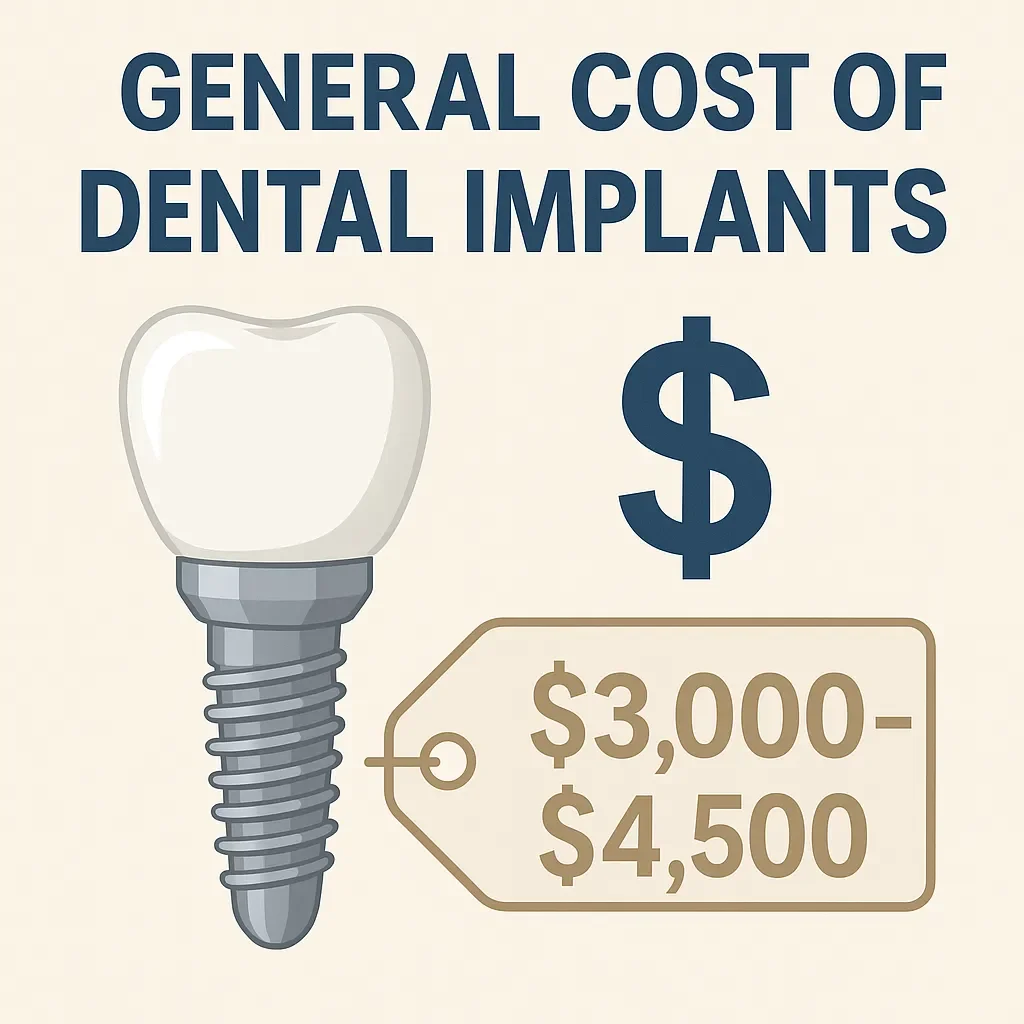
The general cost of dental implants is one of the most frequently researched topics among patients seeking long-term tooth replacement options. Dental implants have become the gold standard for restoring both function and aesthetics, and understanding their overall pricing structure helps patients make informed decisions. In this comprehensive guide, you will discover how implant fees are calculated, what influences the total investment, and why costs vary from one clinic or country to another. This detailed explanation is designed to fully satisfy user intent, offering clarity, transparency, and expert insight into every layer of implant pricing. 🦷✨
Before diving deeper, it’s important to understand what the general cost of dental implants actually represents. This cost is not just the price of the implant screw—rather, it encompasses the surgical procedure, quality of materials, clinical expertise, diagnostic imaging, implant placement, abutment attachment, and crown fabrication. In many cases, additional treatments such as bone grafting or sinus lifts may be required. These steps all contribute to the final price. For this reason, implant costs can vary dramatically depending on the patient’s unique oral condition and treatment plan.
Globally, the general cost of dental implants fluctuates due to factors such as geographic region, clinic reputation, surgeon qualifications, and technology used (like 3D imaging or computer-guided implant placement). For instance, treatment in the United States or Western Europe typically costs more than in countries like Turkey, Mexico, or Thailand, where dental tourism is popular. These price differences do not necessarily reflect quality; they are often tied to operating costs, average wages, and insurance structures within each region.
When analyzing the overall implant investment—a semantically related term to help reinforce the topic—you should also consider what the treatment includes. A complete dental implant package usually consists of:
- Initial consultation and clinical assessment
- Digital X-rays or 3D CBCT scans
- Surgical placement of the titanium implant
- Healing period (osseointegration)
- Abutment connection
- Final crown (porcelain, zirconia, or ceramic)
This multi-step process explains why the general cost of dental implants is higher compared to traditional dentures or dental bridges. However, implants provide superior longevity—often lasting 20+ years—and prevent bone loss, making them a cost-effective choice in the long term. Patients who choose cheaper alternatives may face repeated replacements, adjustments, or complications over time, ultimately spending more than they would have with implants.
Another critical component affecting the general cost of dental implants is the choice of materials. Premium implant brands like Straumann or Nobel Biocare typically cost more than generic systems, but they come with decades of research, higher success rates, and superior strength. Zirconia crowns, known for their exceptional durability and natural appearance, may also raise the final treatment cost but offer significant long-term advantages.
It’s important to highlight that some patients require additional procedures before implant placement. These may include bone grafting, sinus augmentation, or gum disease treatment. Such interventions directly affect the general cost of dental implants because they add time, expertise, and biomaterials to the treatment plan. Not every patient needs these procedures, but when they are necessary, they play a crucial role in ensuring long-term implant success.
If you are considering implants, consulting with a trusted clinic is essential. You may contact a reputable provider through this link: Redent Klinik Contact Page.
In addition, organizations such as the American Dental Association provide valuable information about implant standards, safety, and best practices. Their resources help patients understand what to expect and how to evaluate treatment options based on clinical evidence.
Overall, understanding the general cost of dental implants empowers you to compare treatment plans more effectively, ask the right questions during consultations, and make the most beneficial decision for your oral health. By evaluating all the components—materials, surgical expertise, additional treatments, and geographic variations—you gain a complete picture of what determines the final price. With proper planning, implants can transform not only your dental function but also your confidence and quality of life. 🌟
Average Dental Implant Pricing Breakdown Worldwide
The general cost of dental implants varies significantly across the world due to differences in healthcare systems, material quality, surgeon expertise, and overall clinical standards. Patients often research global pricing to understand what they should expect to pay and to determine whether dental tourism might be a practical and cost-efficient option. In this section, you will find a comprehensive, deeply detailed breakdown of global implant pricing, including continent-specific ranges, influencing economic factors, and hidden variables that many patients overlook. 🌍🦷
Globally, the general cost of dental implants ranges from extremely affordable to quite expensive depending on region. Countries with lower labor and clinic operating costs typically offer more attractive pricing, while areas with strict medical regulations, higher wages, and costly insurance systems often deliver higher treatment prices. Understanding the real reason behind these price variations allows patients to make informed decisions that balance quality, safety, and affordability.
Global Price Averages for Single Dental Implants
Below is a general outline of what patients may expect to pay for a single implant in different parts of the world. These figures reflect average treatment plans including the implant fixture, abutment, and crown:
- United States: $3,500 – $6,000
- Canada: $3,000 – $5,500
- United Kingdom: £2,000 – £3,500
- Germany: €2,000 – €4,000
- Turkey: $800 – $1,500
- Mexico: $900 – $1,700
- Thailand: $1,000 – $2,000
- Australia: $3,000 – $5,000
These ranges illustrate one important point: the general cost of dental implants is not universally fixed. Instead, it depends on a variety of country-specific parameters, including typical clinic overhead, dental material import taxes, dentist qualification standards, and local insurance structures.
Why Prices Differ Across Countries
To better understand the differences in the general cost of dental implants from country to country, it’s helpful to examine the key factors that influence pricing more closely. Some of the most impactful variables include surgeon expertise, technological equipment, and the type of implant system used. While some clinics use globally recognized implant brands backed by decades of research, others use locally manufactured systems at a lower cost. This differentiation has a direct effect on the final treatment price.
1. Surgeon Experience and Training Level
Highly trained implantologists with advanced surgical skills and years of experience often charge more than newly established practitioners. This expertise contributes to the general cost of dental implants but also ensures higher long-term success rates. Clinics recognized by international dental associations tend to have higher operating costs due to ongoing education, compliance standards, and specialized equipment.
2. Clinic Technology and Diagnostic Tools
Modern clinics use digital intraoral scanners, 3D CBCT imaging, and guided-surgery systems. These tools increase surgical accuracy and patient safety but also influence the general cost of dental implants. Countries with advanced technological integration in their dental practices typically reflect these upgrades in their pricing structure.
3. Implant Material and Brand Variations
Not all implant systems are created equal. Premium brands like Straumann, Nobel Biocare, and Astra Tech can affect the general cost of dental implants because they offer advanced surface treatments, long-term clinical research, and globally recognized reliability. In contrast, more affordable brands may reduce total cost but sometimes lack extensive long-term data.
Dental Tourism and Its Impact on Implant Pricing
Many patients choose countries like Turkey, Thailand, and Mexico because they offer high-quality care at significantly lower prices. The general cost of dental implants in these regions is reduced due to lower labor costs, cost-efficient clinical operations, and competitive dental tourism markets. These savings do not reflect reduced quality—in fact, many clinics specializing in international patients offer exceptional service, multilingual staff, and high-end materials.
Additionally, patients considering dental tourism often benefit from full-package pricing, which may include consultation, imaging, transportation, and accommodation. This bundled pricing structure creates clarity and helps patients manage their overall treatment budget more easily. Travelers seeking more information or support can reach experienced teams through the Redent Klinik Contact Page.
Understanding What a “Fair” Price Really Means
To determine whether you are being offered a reasonable deal, compare the treatment plan to international standards set by reputable organizations like the American Dental Association. A fair price usually includes all steps of the treatment—from implant placement to final crown—and should clearly outline any additional procedures needed. The general cost of dental implants should never be evaluated on price alone; focus on material quality, clinician expertise, and long-term success rates.
In conclusion, the general cost of dental implants differs globally due to economic, clinical, and technological variables, yet patients have more options than ever before. Whether seeking premium care in Europe or cost-efficient treatment in a dental tourism destination, understanding global pricing trends ensures informed, confident decisions. 🌟
Single vs. Multiple Dental Implants: What Changes the Price?
The general cost of dental implants is heavily influenced by whether a patient needs just one implant or several across different areas of the mouth. While a single implant is considered a straightforward procedure, multiple implants involve more planning, more materials, and sometimes additional surgical steps. Patients researching implant costs often ask why the price multiplies so quickly when replacing several missing teeth. This detailed section explains the exact factors behind that increase and helps you understand how treatment plans are structured for both single and multiple implant cases. 🦷✨
Many people assume that the general cost of dental implants decreases significantly when placing more than one implant at a time. While bulk treatment may offer modest savings, multiple implants typically require more labor, more precision, and more complex restorative planning. For example, replacing a single missing tooth involves one implant, one abutment, and one crown. But replacing five teeth might require anywhere from two to five implants depending on bone quality, bite alignment, and the prosthetic design. This flexibility allows specialists to reduce costs in some instances—but it also increases complexity in others.
The Price Structure of a Single Dental Implant
A single dental implant is the most common treatment scenario. It includes the titanium implant placed into the jawbone, the abutment that connects the crown, and the final prosthetic tooth. The general cost of dental implants for a single tooth usually includes:
- Consultation and diagnostic scans
- Implant surgery with a titanium fixture
- Healing period and follow-up appointments
- Placement of a custom abutment
- Fabrication of a porcelain or zirconia crown
This cost typically ranges from $800 to $6,000 depending on location, surgeon experience, materials, and country of treatment. For many patients, a single implant offers unmatched long-term reliability compared to dentures or bridges, which may require replacements.
Multiple Dental Implants: Why the Investment Increases
When a patient needs more than one implant, the general cost of dental implants increases for several technical reasons. Although multiple implants placed in one appointment may reduce surgery time, each implant still requires precision placement, advanced imaging, and individualized restorative planning.
1. More Implants Mean More Surgical Time
Even with efficient technology and experienced implantologists, placing two, four, or six implants requires significantly more operating time. This contributes to the general cost of dental implants because surgical resources—staff, equipment, sedation, and tools—are used for a longer period.
2. Additional Materials Increase Total Cost
Every implant requires its own titanium fixture, abutment, and crown unless the patient is receiving a multi-tooth prosthesis like an implant-supported bridge. These materials are often the most expensive component of the treatment, which is why the general cost of dental implants rises substantially when more implants are needed.
3. Greater Planning Complexity for Multi-Tooth Cases
Implant positioning becomes far more complex when the dentist must restore several teeth in an aesthetically coordinated and functionally balanced manner. For example, spacing, bite pressure distribution, gum contouring, and jawbone integrity must all be evaluated together. This means the general cost of dental implants reflects the additional expertise required to plan multi-tooth restorations safely and successfully.
Implant-Supported Bridges vs. Individual Implants
One of the best ways to manage costs in multi-tooth cases is through implant-supported bridges. Instead of placing one implant per missing tooth, dentists can restore three or four missing teeth using just two implants. This dramatically reduces the general cost of dental implants for larger restoration areas.
Example configuration:
- 2 implants supporting 3 teeth
- 3 implants supporting 4–5 teeth
- 4–6 implants supporting a full arch prosthesis
This approach allows patients to receive functional, natural-looking results without paying for individual implant crowns for each missing tooth.
Full-Arch Implants and All-on-4/All-on-6 Systems
Full-arch implant systems, such as All-on-4 or All-on-6, offer a complete restoration for patients missing all teeth on the upper or lower arch. These procedures typically use a fixed prosthesis supported by a strategic number of implants. The general cost of dental implants for full-arch treatments is higher per procedure but significantly more cost-efficient than placing 10–14 individual implants.
Geography and Clinic Specialization Affect Multi-Implant Pricing
The location of the clinic plays a major role in determining the general cost of dental implants. In high-cost regions such as the U.S., UK, or Australia, a full-arch restoration can exceed $25,000–$40,000. In more affordable countries such as Turkey, Mexico, or Thailand, the same treatment ranges from $3,000 to $10,000 thanks to lower operational costs and focused dental tourism programs. Clinics specializing in implant dentistry may also provide bundled multi-implant packages to make treatment easier for international patients.
Patients who want more information or full-arch consultation may visit the Redent Klinik Contact Page. For standards and safety guidelines on multi-implant procedures, the American Dental Association offers educational resources on implant prosthetics.
In summary, the general cost of dental implants varies greatly when comparing single-tooth versus multi-tooth restorations. The number of implants required, material choices, surgical time, and prosthetic design all play significant roles. Understanding these factors empowers patients to choose the most effective, durable, and cost-efficient treatment plan based on their oral health needs and long-term goals. 🌟
Bone Grafting, Sinus Lifts, and Their Impact on Total Implant Costs
The general cost of dental implants is directly influenced by the condition of a patient’s jawbone and sinus anatomy. Many people are surprised to learn that implants cannot be placed until the jawbone has adequate density and volume to support them. For this reason, additional procedures like bone grafting and sinus lifts may be required before implant surgery can begin. These preparatory treatments add time, complexity, and expense to the overall process, but they are essential for ensuring long-term implant success. In this section, you will find a detailed, fully comprehensive explanation of how these procedures work and how they affect implant pricing. 🦷📈
Not all implant candidates need bone grafts or sinus lifts, but these procedures are extremely common—especially in patients who have been missing teeth for several years or have experienced gum disease. When bone levels decrease, implant placement becomes risky, which is why surgeons must rebuild the supporting structure. Understanding these preparatory costs is crucial when evaluating the general cost of dental implants, as they influence the final treatment plan more than many patients initially expect.
Why Bone Grafting Is Often Necessary
Bone grafting is a surgical procedure used to rebuild jawbone that has shrunk or deteriorated. Jawbone loss typically occurs when a tooth has been missing for a long time, as the bone no longer receives stimulation from chewing forces. This natural resorption process means the jawbone gradually becomes thinner and weaker.
The general cost of dental implants increases when bone grafting is needed because the procedure involves:
- Biomaterials (synthetic bone, donor bone, or autogenous grafts)
- Additional surgical expertise
- Extended healing time (3–9 months)
- Possible follow-up appointments and imaging
The price of bone grafts varies depending on the size of the defect and the type of material used. Small grafts may cost a few hundred dollars, while more extensive reconstruction can exceed several thousand. This is why bone health plays such a major role in determining the general cost of dental implants.
Types of Bone Grafting and How They Affect Pricing
1. Minor Bone Grafts (Socket Preservation)
This procedure is performed immediately after a tooth extraction to maintain the socket shape. It requires minimal biomaterial and is generally affordable. Still, it adds to the general cost of dental implants because it ensures the implant has a stable foundation when placed later.
2. Ridge Augmentation
When the jawbone has lost significant width or height, ridge augmentation reconstructs the area. This is a more complex procedure involving larger amounts of graft material and often a membrane. The price increase is reflected in the overall general cost of dental implants because it requires advanced surgical skill.
3. Block Bone Grafts
In severe bone loss cases, a piece of bone is taken from another part of the jaw and transplanted. This type of graft raises the general cost of dental implants substantially due to the dual surgical sites and longer healing period.
Understanding Sinus Lifts and Their Costs
A sinus lift is another procedure that can significantly impact the general cost of dental implants. It is performed when the upper jaw does not have enough bone height beneath the sinus cavity to support implants. This is especially common in the area of the molars and premolars.
During the procedure, the sinus membrane is lifted upward, and graft material is inserted beneath it. This creates enough vertical bone height for implant placement.
Types of Sinus Lift Procedures
1. Lateral Window Sinus Lift
This is the more complex method used when significant bone height is missing. It involves opening a small window on the side of the sinus wall. Because of its complexity, it adds a substantial amount to the general cost of dental implants.
2. Crestal (Internal) Sinus Lift
This technique is used for minor bone insufficiency and can sometimes be performed during implant placement. Although more affordable, it still increases the general cost of dental implants because additional material and time are required.
How These Procedures Affect Treatment Timelines
Bone grafts and sinus lifts significantly extend the duration of implant treatment. Patients must wait for the graft material to integrate with the natural bone—a process known as osseointegration. This healing process is crucial for implant stability and can take several months.
This extended timeline adds value but also increases the general cost of dental implants because the clinic must monitor healing, take new scans, and schedule multiple follow-up appointments.
Are These Procedures Worth the Extra Cost?
Although these procedures increase the general cost of dental implants, they are often essential for achieving long-term success. Without adequate bone support, implants may fail prematurely, leading to greater expenses later. Bone grafts and sinus lifts restore the proper foundation, ensuring excellent functional and aesthetic results for decades.
Patients seeking detailed consultation or international treatment options can contact specialists through the Redent Klinik Contact Page. Additionally, for clinical guidelines and safety standards for these advanced procedures, the American Dental Association remains a reliable educational authority.
In conclusion, bone grafting and sinus lift procedures play a crucial role in determining the general cost of dental implants. They add complexity, healing time, and surgical expertise to the process, but they also ensure long-lasting results. Patients should consider these preparatory steps as investments in their long-term oral health, stability, and overall implant success. 🌟
How Implant Materials and Brands Affect Overall Pricing
The general cost of dental implants is deeply shaped by the type of materials used and the brand of the implant system selected. Not all implants are created equal, and the global market offers hundreds of brands with varying levels of research, durability, biocompatibility, and long-term success rates. This section provides a fully comprehensive, high-level breakdown of how implant materials and brands influence overall pricing — ensuring patients understand exactly what they are paying for and why. 🦷💡
Because implant dentistry is both a medical and technological field, the materials used in each component (implant fixture, abutment, and crown) significantly affect the general cost of dental implants. Premium brands invest millions into research, surface technology, clinical trials, and design innovations. These advancements provide higher long-term success rates, faster healing times, and more stability — but they also raise the price. On the other hand, more affordable or generic implant systems can still provide good results, though they may not offer the same longevity or scientific validation.
The Role of Titanium in Implant Pricing
Titanium is the most commonly used material for implant fixtures due to its exceptional biocompatibility and ability to fuse with bone through osseointegration. It has a long clinical history and is considered the gold standard.
However, titanium comes in different grades, and these variations directly influence the general cost of dental implants. High-grade titanium alloys used by premium brands offer superior strength, corrosion resistance, and long-term performance. Cheaper alloys exist but may not provide the same mechanical stability or integration quality.
Types of Titanium Used in Implants
- Grade 4 Titanium: Most biocompatible, high purity, and commonly used by top implant companies.
- Titanium Alloy (Ti-6Al-4V): Stronger and more durable, ideal for patients with low bone density.
- Commercially Pure Titanium: Slightly softer but highly compatible with bone tissue.
Premium-grade titanium raises the general cost of dental implants but also improves long-term structural reliability.
Zirconia Implants and Their Pricing Impact
Zirconia implants, known for their aesthetic appeal and metal-free composition, are increasing in popularity. They blend naturally with the gums and are often preferred by patients with titanium allergies.
However, zirconia implants typically increase the general cost of dental implants because:
- The material is more expensive to manufacture
- Fewer brands offer zirconia systems
- They require advanced expertise for proper placement
- They are newer on the market, with higher production costs
Zirconia also offers high bio-inertness and stain resistance, making it an attractive choice for patients prioritizing aesthetics and holistic dentistry.
Importance of Implant Brand Reputation
One of the most overlooked factors influencing the general cost of dental implants is the brand itself. Established brands with decades of research behind them charge more because of their proven track record, global certifications, and advanced ergonomics. Below are three primary categories of implant brands and how each affects cost.
1. Premium Implant Brands
Companies like Straumann, Nobel Biocare, Astra Tech, and Zimmer Biomet belong to this category. Their systems are backed by extensive clinical studies and superior surface technologies that accelerate healing.
Their advantages include:
- 30–40 years of scientific research
- High success rates (95–98%)
- Advanced surface coatings for faster bone integration
- International warranties and compatibility
Using these brands increases the general cost of dental implants, but also ensures reliability and long-term stability.
2. Mid-Range Implant Brands
Brands like Neodent, Osstem, BioHorizons, and MIS fall into the middle category. They deliver high-quality performance at a more affordable cost, making them popular in many modern clinics.
These brands raise the general cost of dental implants moderately, but they offer excellent results for most patients while maintaining global recognition.
3. Budget-Friendly Brands
These systems are generally manufactured with fewer proprietary technologies and may have limited long-term research. They significantly reduce the general cost of dental implants, but may not offer the same longevity or adaptability as premium brands.
These brands may still be effective when placed by skilled surgeons, but patients should be aware of potential limitations.
Abutment Materials and Their Influence on Price
The abutment is the connector that links the implant fixture with the crown. It may be made of:
- Titanium abutments: Durable and widely used
- Zirconia abutments: More aesthetic but more expensive
- Custom CAD/CAM abutments: Precision-designed, highest cost
Because zirconia and custom abutments enhance appearance and fit, they increase the general cost of dental implants — especially for front-tooth restorations requiring maximum aesthetic accuracy.
Crown Materials and Their Effect on Implant Pricing
The final crown can vary widely in cost depending on the material:
- Porcelain-fused-to-metal (PFM): Budget-friendly, durable
- Full zirconia: Highly durable, aesthetic, costlier
- E-max ceramic: Most aesthetic, premium quality
Choosing full zirconia or ceramic raises the general cost of dental implants, but provides superior strength and a natural appearance.
Brand Certifications and Global Standards
Implant brands that comply with international guidelines — such as those recognized by the American Dental Association — tend to cost more because they meet rigorous quality and safety requirements.
Patients who want assistance selecting the right implant brand can consult specialists through the Redent Klinik Contact Page.
In conclusion, the general cost of dental implants is significantly influenced by implant materials, abutment design, crown type, and the reputation of the implant brand. Premium systems cost more but offer superior performance, longevity, and scientific validation. Understanding these factors empowers patients to make informed choices about their treatment and long-term oral health. 🌟
Recovery, Aftercare, and Hidden Expenses Patients Should Know
The general cost of dental implants includes far more than just the surgical fee. Many patients underestimate the financial elements associated with post-operative recovery, follow-up appointments, maintenance care, and complication management. Understanding these hidden or indirect expenses is essential for budgeting accurately and ensuring long-term implant success. In this section, you will gain a full, detailed breakdown of all the recovery-related factors that influence total treatment costs. 🦷💰
Even though implant systems are designed for longevity, proper aftercare plays a major role in their performance. Some patients recover quickly and require minimal follow-up care, while others need additional support based on their bone quality, immune health, healing speed, lifestyle habits, and oral hygiene routines. These variables contribute to the overall general cost of dental implants because each patient’s postoperative journey is unique.
What Happens Immediately After Implant Surgery
Once the implant is placed, the body begins a natural healing process known as osseointegration. This is when the surrounding bone fuses with the titanium or zirconia fixture to form a stable foundation for the final crown.
During this period, a patient may have expenses related to:
- Pain management medications
- Anti-inflammatory drugs
- Antibiotics (if prescribed)
- Soft-food diet supplements
- Cold compresses or post-surgical products
While these costs are usually modest, they still add to the general cost of dental implants and should be included in a realistic treatment estimate.
Follow-Up Appointments and Monitoring Costs
Follow-up visits are essential for monitoring how well the implant integrates with the bone. These appointments allow the dentist to detect early signs of inflammation, infection, or implant mobility.
The general cost of dental implants may include:
- Post-op checkups (typically 1 week, 1 month, and 3 months after surgery)
- X-rays to verify healing progress
- Professional cleanings around the implant site
Some clinics include these follow-ups in the initial quote, while others charge separately. Failing to attend these appointments may compromise implant success and lead to more severe (and costly) complications later.
Potential Complications and Their Hidden Costs
Even though dental implants have a high success rate, complications can occur. These issues vary from mild inflammation to more severe bone-related problems. Each complication affects the general cost of dental implants because additional treatments may be required to stabilize or save the implant.
1. Peri-Implant Mucositis
This is an early-stage gum inflammation around the implant. It is reversible but may require professional cleaning, antiseptic treatments, and prescription products.
2. Peri-Implantitis
A more serious form of inflammation, peri-implantitis can damage bone. Treating it may involve bone regeneration procedures, laser therapy, or surgical intervention. These treatments increase the general cost of dental implants significantly.
3. Implant Mobility or Failure
If the implant fails to integrate properly, it may need to be removed and replaced, resulting in:
- New implant fixture
- Possible bone grafting
- Additional healing time
- New abutment and crown
This scenario represents one of the largest hidden expenses in the implant journey.
Long-Term Maintenance Costs
Beyond initial recovery, patients must commit to lifelong oral care to maintain implant health. While implants do not decay, the surrounding gum tissue and bone can be affected by poor hygiene. For this reason, long-term maintenance influences the general cost of dental implants even after the crown is placed.
Maintenance costs may include:
- Annual dental examinations
- Professional cleanings every 6 months
- Specialized implant cleaning tools (interdental brushes, water flossers, super floss)
- Gum health treatments if inflammation develops
These protective measures ensure long-lasting implant stability and prevent costly complications.
Dietary & Lifestyle Considerations Affecting Cost
Patients who smoke, grind their teeth, or have uncontrolled diabetes may face additional expenses during recovery. For instance:
- Smokers may need extra cleanings or laser therapy due to reduced blood flow.
- Teeth grinders may require a night guard.
- Diabetic patients may need more frequent checkups.
These adjustments influence the general cost of dental implants because they help prevent implant failure in higher-risk individuals.
Specialized Aftercare Products
Some patients need additional products to support optimal healing, such as:
- Antibacterial mouth rinses
- Implant-safe toothpaste
- Probiotic oral health supplements
- Vitamin D or calcium supplements (if recommended)
Although these items are not mandatory for every patient, they contribute to the overall general cost of dental implants for those seeking ideal healing conditions.
Travel and Accommodation Costs for International Patients
If a patient travels abroad for implant surgery — for example, to Turkey, Mexico, Thailand, or similar dental tourism destinations — travel-related expenses must be considered.
These may include:
- Flights
- Hotel accommodation
- Local transportation
- Extended stays for multi-step treatments
While international clinics often offer lower treatment prices, these travel factors must be included in the real general cost of dental implants when planning the total budget. Many dental tourism clinics provide package deals to reduce these expenses.
Patients seeking detailed aftercare assistance or travel-friendly implant packages can contact specialists through the Redent Klinik Contact Page. For official guidelines on dental implant safety and proper aftercare, the American Dental Association offers reliable educational resources.
In summary, recovery, maintenance, and hidden expenses play a major role in determining the general cost of dental implants. From medication and follow-up visits to long-term cleaning tools and complication management, these factors influence the final investment more than most patients expect. By understanding these details upfront, patients can plan confidently, protect their results, and ensure a lifetime of healthy, functional, and beautiful implants. 🌟
Comparing Dental Implant Prices Across Different Countries
The general cost of dental implants varies dramatically across the world, making international price comparisons a key part of patient research. Many people explore treatment options abroad to reduce dental expenses while still receiving high-quality care. This section provides a fully comprehensive and detailed overview of implant prices in major regions — including North America, Europe, Asia, Latin America, and the Middle East — and explains the economic, clinical, and technological factors that create these cost variations. 🌍🦷
Whether you are planning a single implant or a full-mouth restoration, understanding global pricing differences helps you make informed decisions. Factors like surgeon expertise, brand selection, clinical standards, and postoperative care all influence the general cost of dental implants. However, regional economic differences often play the biggest role. Countries with higher operating costs tend to have significantly more expensive treatment fees, while dental tourism hubs offer more affordable packages without compromising quality.
North America: High Quality, High Cost
North America has some of the highest implant prices in the world. The general cost of dental implants in this region reflects advanced technology, high labor expenses, strict regulatory standards, and competitive professional fees.
United States
The U.S. is known for its premium dental care, but prices can be steep:
- Cost per single implant: $3,500 – $6,000
- Full-mouth restorations: $25,000 – $50,000 per arch
Factors driving U.S. prices include insurance limitations, high clinic overhead, and the use of premium implant brands. These significantly impact the general cost of dental implants nationwide.
Canada
Canada’s prices are slightly lower, but still high compared to global averages:
- Cost per single implant: $3,000 – $5,500
These costs reflect similar regulatory and operational factors as the U.S., making North America one of the most expensive regions for implant dentistry.
Europe: Wide Pricing Range Depending on the Country
The general cost of dental implants in Europe varies substantially between Western, Central, and Eastern European countries. Western Europe tends to be more expensive due to higher wages, stricter healthcare regulations, and advanced clinical infrastructure.
Western Europe (UK, Germany, France, Switzerland)
- United Kingdom: £2,000 – £3,500 per implant
- Germany: €2,000 – €4,000 per implant
- France: €1,800 – €3,200 per implant
- Switzerland: €4,000 – €5,500 per implant
These countries typically use premium brands and advanced technologies, which increases the general cost of dental implants.
Central and Eastern Europe (Hungary, Poland, Romania)
- Hungary: €800 – €1,500 per implant
- Poland: €900 – €1,600 per implant
- Romania: €700 – €1,400 per implant
These nations are popular dental tourism hubs because they offer lower prices with excellent quality — often using the same brands as Western Europe at a fraction of the cost.
Asia: Fast-Growing Implant Market With Affordable Options
Asian countries offer some of the most competitive implant prices due to lower labor costs and growing medical tourism industries. Yet quality remains high thanks to advanced facilities and internationally trained surgeons.
Turkey
- Cost per implant: $800 – $1,500
Turkey is a leading dental tourism destination offering excellent value. Lower operating costs significantly reduce the general cost of dental implants while maintaining premium quality and internationally recognized implant brands.
India
- Cost per implant: $400 – $1,000
India offers extremely affordable implant pricing, though standards vary depending on the city and clinic.
Thailand
- Cost per implant: $1,000 – $2,000
Thailand combines affordability with advanced technology and is a top choice for tourists from Australia and East Asia.
Latin America: Affordable yet High-Quality Options
Several Latin American countries provide excellent dental care with highly competitive prices. The general cost of dental implants in this region is considerably lower due to reduced operational and labor expenses.
Mexico
- Cost per implant: $900 – $1,700
Mexico is especially popular among U.S. patients seeking high-quality implants at significantly lower prices.
Colombia & Costa Rica
- Cost per implant: $800 – $1,500
These countries offer modern clinics, experienced specialists, and affordable implant packages.
The Middle East: High-Tech Care With Varying Prices
The Middle East has a mix of premium and mid-range implant pricing depending on the country.
- UAE (Dubai): $2,000 – $3,500
- Saudi Arabia: $1,500 – $2,500
- Jordan: $900 – $1,800
Premium clinics in Dubai often use top-tier brands, increasing the general cost of dental implants, while Jordan offers more affordable options without compromising quality.
Other Cost Factors When Comparing Countries
When evaluating global prices, consider:
- Travel expenses
- Required number of visits
- Brand of implants used
- Follow-up care availability
- Communication and language support
For reliable expert consultation or to explore international treatment plans, patients can reach out through the Redent Klinik Contact Page. Those seeking official guidelines on global implant safety can refer to the American Dental Association.
In conclusion, the general cost of dental implants varies globally due to economic differences, clinical standards, and market competition. Understanding these variations empowers patients to choose the most cost-effective and high-quality treatment option based on their needs and preferences. 🌟
Is Insurance Coverage Available for Dental Implants?
The general cost of dental implants is often seen as a significant investment, and many patients naturally wonder whether insurance can help reduce the financial burden. Dental implants are considered one of the most advanced and reliable tooth replacement solutions, but insurance coverage varies dramatically from one country, provider, and policy to another. This section provides an in-depth, highly detailed explanation of how insurance works for implant procedures, why coverage differs, and what patients can expect when seeking financial support. 🦷💳
Insurance companies traditionally classify dental implants as an elective or cosmetic treatment rather than a medically necessary one. Because of this classification, patients may find that the general cost of dental implants is only partially covered—or not covered at all—depending on the specifics of their plan. However, modern dental policies are evolving and increasingly recognizing the long-term functional and oral health benefits of implants. This shift means more patients are receiving partial reimbursement than ever before.
Why Insurance Coverage for Implants Varies
Different insurance companies have their own rules, limitations, and definitions of medical necessity. These factors directly influence the general cost of dental implants a patient must pay out of pocket. Some major reasons coverage varies include:
- Whether the plan includes restorative or major dental benefits
- The insurance provider’s classification of dental implants
- Annual maximum benefit limits
- Waiting periods for major treatments
- Pre-existing condition clauses
Even when implants are covered, insurance typically pays for only a portion of the treatment — often capped at a specific amount.
Types of Coverage Available for Implant Procedures
Insurance does not always cover the implant itself, but certain steps in the procedure may still be eligible for reimbursement. This directly affects the general cost of dental implants, potentially lowering the total price patients must pay.
1. Coverage for Diagnostic Imaging
CBCT scans and X-rays are essential components of implant planning. Many insurance plans cover these diagnostic tools because they are considered medically necessary.
2. Coverage for Tooth Extractions
If an implant replaces a damaged or decayed tooth, extraction may be required. Insurance often covers these extractions, reducing the general cost of dental implants by removing one of the associated expenses.
3. Coverage for Bone Grafting
Some insurance plans partially cover bone grafting if it is needed to repair bone loss caused by disease or trauma. Since bone grafts can raise the general cost of dental implants significantly, partial coverage helps make treatment more affordable.
4. Coverage for the Crown or Prosthetic Portion
Even when the implant fixture isn’t covered, the dental crown placed on the implant often is. This can significantly reduce the total cost.
The combined partial coverage of these elements may help offset the general cost of dental implants even when the implant itself is not covered.
Insurance Coverage in Different Regions
Insurance rules vary widely from country to country. This global variation has a direct impact on how much the general cost of dental implants is financed through insurance benefits.
United States
Most standard dental insurance plans offer limited or no coverage for implants. Some premium plans provide partial coverage up to an annual maximum ranging from $1,000 to $2,500.
Canada
Canadian insurance plans may provide partial reimbursement for implant-related procedures, but typically still classify the implant fixture as elective.
United Kingdom
The NHS rarely covers implants except in cases of extreme medical need. Private insurance may offer partial coverage depending on the policy.
Europe (Germany, France, Switzerland, etc.)
Coverage is more common when implants are required due to medical conditions, trauma, or congenital disorders. However, elective cases often require private insurance or out-of-pocket payment.
Turkey, Mexico, Thailand, and Other Dental Tourism Hubs
Most international patients pay out of pocket. However, insurance companies in the patient’s home country sometimes reimburse specific parts of the treatment after documentation is submitted.
How to Maximize Insurance Benefits
Patients can reduce the general cost of dental implants by strategically using their insurance benefits. Key strategies include:
- Requesting a pre-treatment estimate (pre-authorization)
- Understanding annual maximums and planning treatment accordingly
- Splitting treatment across calendar years when allowed
- Using both medical and dental insurance if applicable
- Asking about reimbursement for medically necessary procedures
Patients can also inquire whether their medical insurance covers implant procedures linked to trauma, accidents, or systemic health issues (e.g., severe bone loss).
The Role of Financing Plans
When insurance provides limited coverage, many clinics offer financing options to make implants more affordable. These options help patients balance the general cost of dental implants over several months or years.
Common financing solutions include:
- 0% interest payment plans
- Medical credit cards
- Bank installments with low interest
- Clinic-based private installment plans
Financing ensures that patients can access necessary implant care without immediate financial strain.
Documentation Required for Insurance Claims
To support coverage requests, clinics typically provide:
- Detailed treatment plans
- Diagnostic imaging reports
- Medical necessity letters
- Itemized invoices
This documentation helps patients reduce their general cost of dental implants by maximizing eligible reimbursements.
Patients seeking help with insurance paperwork or guidance can reach specialists via the Redent Klinik Contact Page. For official dental guidelines and insurance-related recommendations, the American Dental Association is a trusted resource.
In conclusion, while insurance coverage for dental implants varies greatly, many patients can still reduce the general cost of dental implants through partial coverage, medical necessity claims, and financing options. Understanding how insurance works empowers patients to plan more effectively and minimize out-of-pocket expenses. 🌟
How to Reduce the General Cost of Dental Implants Safely
The general cost of dental implants can feel overwhelming for many patients, especially when multiple implants or preparatory procedures are required. Fortunately, there are safe, strategic, and medically approved ways to lower your overall expenses without compromising long-term quality or health outcomes. This section provides a comprehensive breakdown of actionable methods that genuinely help reduce costs—based on clinical reality, expert recommendations, and globally recognized best practices. 🦷💡
Reducing the general cost of dental implants safely means understanding which elements of the treatment are flexible (such as where you receive care or which materials you choose) and which are non-negotiable for long-term success (such as surgical expertise and proper healing). By focusing on smart planning rather than risky shortcuts, patients can save thousands while still receiving excellent results.
Researching Clinics and Comparing Treatment Plans
Dentists often propose different treatment methods, materials, and implant brands. Because each plan varies in scope, comparing several clinics is one of the most effective ways to lower the general cost of dental implants without sacrificing safety.
- Request detailed price breakdowns from 3–5 clinics
- Ask which steps are included (scans, consultations, follow-ups)
- Confirm whether bone grafts and sinus lifts are necessary
- Evaluate implant brands rather than choosing blindly
This comparison process helps identify clinics that offer transparent pricing and cost-effective solutions without hidden fees.
Choosing the Right Implant Brand for Your Budget
Premium implant brands offer exceptional long-term results, but mid-range brands can also provide excellent outcomes at lower prices.
To reduce the general cost of dental implants safely, consider discussing the following brand options with your dentist:
1. Premium Brands (Straumann, Nobel Biocare)
Highest long-term success rates but most expensive.
2. Mid-Range Brands (Osstem, MIS, Neodent)
Clinically tested, affordable, and widely used in reputable clinics.
3. Economy Brands
Simpler designs, lower cost, but adequate for many patients if placed by skilled surgeons.
Mid-range systems often provide the best balance between price and performance, significantly lowering the general cost of dental implants.
Exploring Dental Tourism for Affordable Prices
Many patients choose countries like Turkey, Mexico, Poland, and Thailand because they offer lower implant prices with high-quality care. The general cost of dental implants in these regions may be 50–70% lower than in the United States or Western Europe due to lower clinic operational expenses.
Benefits of dental tourism include:
- Lower treatment costs
- Access to internationally trained specialists
- Well-established dental tourism packages
- Advanced clinics offering modern implant technologies
However, the key to safe dental tourism is choosing accredited clinics with verified experience. Patients interested in professional consultation can reach out via the Redent Klinik Contact Page.
Using Insurance and Health Savings Accounts
While dental policies may vary, many offer partial coverage for implant-related procedures. Understanding your policy can reduce the general cost of dental implants significantly.
Insurance May Cover:
- Tooth extractions
- Diagnostic imaging (X-rays, CBCT scans)
- Bone grafting (in medically necessary cases)
- The implant crown
Patients in the United States can also use HSA (Health Savings Accounts) or FSA (Flexible Spending Accounts) funds to reduce out-of-pocket costs using pre-tax dollars.
Choosing Implant-Supported Bridges Instead of Multiple Implants
Many patients are unaware that replacing several missing teeth doesn’t always require one implant per tooth. Implant-supported bridges greatly reduce the general cost of dental implants in multi-tooth cases.
Examples:
- 2 implants supporting 3 teeth
- 3 implants supporting 4–5 teeth
This dramatically lowers materials costs and reduces surgical time.
Maintaining Excellent Oral Health to Avoid Extra Procedures
Gum disease, bone loss, and infection can increase the general cost of dental implants because they may require:
- Bone grafts
- Sinus lifts
- Gum treatments
- Multiple follow-up visits
Maintaining good oral hygiene before treatment can prevent these expensive preparations.
Asking for All-Inclusive Treatment Packages
Many modern clinics offer fixed-price packages for implant treatments. These packages often include:
- Consultations
- X-rays & 3D imaging
- Surgical placement
- Abutment + crown
- Follow-up visits
Such packages create predictable costs and reduce the general cost of dental implants compared to paying step-by-step fees.
Avoiding Extremely Cheap or Suspicious Offers
While saving money is important, extremely low-cost clinics pose risks. Poor-quality implants or inexperienced surgeons can lead to implant failure — which becomes far more expensive to fix.
Ensure your clinic follows standards from organizations like the American Dental Association and uses clinically reputable materials.
For direct and safe consultation, patients can reach out to trusted specialists through the Redent Klinik Contact Page.
In conclusion, reducing the general cost of dental implants safely requires smart planning, comparison shopping, preventive care, and selecting the right treatment options. By making informed choices, patients can secure high-quality, long-lasting implant results without overstretching their budget. 🌟
Long-Term Value: Why Dental Implants Are Worth the Investment
The general cost of dental implants may seem high initially, but dental implants are widely considered the most valuable long-term solution for replacing missing teeth. Many patients focus on upfront prices without understanding the lifelong benefits, durability, comfort, and overall health advantages implants provide. This section explains in comprehensive detail why implants are a long-term investment rather than a short-term expense, helping patients make informed decisions based on value instead of price alone. 🦷🌟
Unlike dentures or bridges, implants are designed to function like natural teeth. They fuse with the jawbone, prevent bone loss, restore chewing strength, and improve facial structure. This long-term functionality means that the general cost of dental implants often becomes more economical over time because alternative treatments may require frequent replacements, adjustments, or repairs.
Long-Term Durability and Cost Savings
One of the biggest advantages that justify the general cost of dental implants is their long lifespan. While dentures typically need replacement every 5–7 years and bridges every 7–10 years, implants can last 20 years or more — often a lifetime with proper care.
This longevity translates into significant long-term financial savings. Patients no longer need to pay for:
- Repeated denture relines
- Broken denture repairs
- Bridge replacements due to decay or wear
- Special adhesives or cleaning products
Even though the initial general cost of dental implants may seem higher, implants eliminate recurring expenses associated with other tooth replacement methods.
Implants Protect Jawbone and Oral Health
When a tooth is lost, the underlying jawbone begins to shrink due to lack of stimulation. Dental implants serve as artificial tooth roots, stimulating the bone and preventing deterioration. This biological benefit is one of the primary reasons implants are considered superior — and why the general cost of dental implants pays off in long-term health.
Benefits of Bone Preservation
- Prevents facial sagging and premature aging
- Keeps remaining teeth stable and aligned
- Reduces risk of future bone grafting
When patients delay treatment and bone loss worsens, the general cost of dental implants eventually increases due to required grafting procedures. Early treatment avoids these additional expenses.
Improved Functionality and Everyday Comfort
Dental implants offer chewing strength comparable to natural teeth. This allows patients to eat normally, speak confidently, and avoid discomfort or slippage often experienced with dentures.
The general cost of dental implants includes superior functional benefits such as:
- No limitations on food choices
- No need for removal or soaking
- No gum irritation from friction
- No clicking or shifting while speaking
These everyday comfort advantages dramatically enhance quality of life and justify the investment.
Enhanced Aesthetics and Self-Confidence
Implants are custom-made to match the size, shape, and color of natural teeth, offering a flawless aesthetic result. This cosmetic improvement plays a large role in patient satisfaction and explains why many people consider the general cost of dental implants worthwhile.
Cosmetic Benefits Include:
- Natural appearance indistinguishable from real teeth
- Prevention of sunken facial appearance
- Improved speech clarity
- Boosted confidence and social comfort
Patients often report immediate emotional and psychological benefits after restoring their smile with implants.
Reduced Long-Term Health Costs
The general cost of dental implants must also be understood in relation to future oral health expenses. Implants help prevent gum disease, bone loss, misalignment, and bite problems — all of which can lead to expensive treatments later.
Implants help reduce future dental costs by:
- Preserving bone and gum health
- Preventing additional tooth loss
- Reducing risk of TMJ issues caused by missing teeth
- Minimizing need for root canals or crown replacements
Over a lifetime, patients who choose implants often spend significantly less on dental care compared to those who opt for temporary solutions.
Psychological and Social Benefits
Missing teeth can affect self-esteem, social interactions, and even career opportunities. Many patients value implants for the emotional benefits they provide, which become part of the long-term return on investment.
The general cost of dental implants also includes:
- Improved confidence in personal relationships
- Better communication in professional settings
- Enhanced overall life satisfaction
These non-financial benefits create a powerful justification for choosing implants.
High Success Rates and Proven Clinical Research
Implants boast success rates of 95–98% according to global clinical research. This high reliability means fewer additional treatments and a far lower risk of failure compared to other restorative options.
Reputable organizations such as the American Dental Association publish guidelines confirming the long-term safety and effectiveness of implants. Their research supports the idea that the general cost of dental implants is justified by decades of scientific evidence.
High-Quality Clinics Improve Long-Term Value
Choosing the right clinic also maximizes value. High-level implant centers provide advanced imaging, experienced surgeons, and reliable aftercare — reducing the risk of complications that might raise the general cost of dental implants over time.
Patients seeking long-term value and expert guidance can contact a trusted clinic through the Redent Klinik Contact Page.
In conclusion, while the general cost of dental implants may seem high initially, the long-term benefits — including durability, improved oral health, enhanced comfort, cosmetic advantages, and reduced future treatment costs — make implants one of the most valuable dental investments available. Choosing implants means choosing a solution that enhances your smile, protects your health, and improves your quality of life for decades. 🌟