
Maintaining a healthy smile requires more than simply brushing and flossing every day. Professional general dentistry services play a crucial role in preventing dental problems, diagnosing oral health conditions early, and ensuring that teeth and gums remain healthy throughout life. Whether you are visiting a dentist for a routine checkup, a professional cleaning, a filling, or preventive care, general dentistry services provide the foundation for excellent oral health and overall well-being. 🦷
Many people think of dental visits only when they experience pain or discomfort. However, modern general dentistry services focus heavily on prevention. By identifying potential issues before they become serious, dentists can help patients avoid complex treatments, reduce long-term costs, and maintain a confident smile. These services are designed for patients of all ages and are often the first line of defense against tooth decay, gum disease, enamel erosion, and other common oral health concerns.
At their core, general dentistry services encompass a broad range of treatments and procedures that support everyday dental health. These services typically include routine dental examinations, professional teeth cleanings, oral cancer screenings, dental fillings, preventive treatments, diagnostic imaging, patient education, and emergency care. Because these treatments cover the most common oral health needs, they serve as the cornerstone of comprehensive dental care.
One of the primary goals of general dentistry services is prevention. Preventive dentistry focuses on stopping oral diseases before they start or catching them in their earliest stages. During routine appointments, dentists evaluate the condition of the teeth, gums, jaw, and surrounding oral tissues. This allows them to detect small cavities, early signs of gum disease, bite irregularities, or oral lesions before they develop into more serious problems. Early intervention often leads to simpler and more affordable treatment options.
Regular dental visits also support overall health. Research continues to demonstrate strong connections between oral health and systemic conditions such as diabetes, cardiovascular disease, respiratory infections, and pregnancy-related complications. Through comprehensive general dentistry services, patients can reduce harmful oral bacteria and inflammation that may contribute to health issues elsewhere in the body. This makes routine dental care an important component of a healthy lifestyle. 😊
Another essential aspect of general dentistry services is patient education. Dentists and dental hygienists provide guidance on proper brushing techniques, flossing habits, dietary choices, and preventive strategies tailored to each patient’s needs. This personalized approach helps individuals take better care of their oral health between appointments and reduces the risk of future dental complications.
Modern dental clinics now utilize advanced technologies that enhance the effectiveness of general dentistry services. Digital X-rays, intraoral cameras, laser diagnostics, and computerized treatment planning allow dental professionals to identify problems with greater accuracy and improve patient comfort. These innovations make routine dental care more efficient while providing a more positive patient experience.
For individuals experiencing dental emergencies, general dentistry services often include immediate evaluation and treatment. Sudden toothaches, broken teeth, lost fillings, dental infections, and oral injuries can cause significant discomfort and require prompt attention. Having access to a trusted dental provider ensures that emergencies can be managed quickly before complications arise.
Patients seeking comprehensive oral care should understand that general dentistry services are not limited to treating existing problems. They are designed to establish a long-term partnership between the patient and the dental team. Through regular visits, preventive care, and timely intervention, dentists help patients maintain healthy teeth and gums for decades.
In addition to preventive and restorative treatments, many providers of general dentistry services coordinate care with specialists when advanced treatment is necessary. If a patient requires orthodontics, oral surgery, periodontics, or endodontic therapy, the general dentist often serves as the central point of care, ensuring seamless treatment planning and continuity.
Choosing a qualified provider for general dentistry services is one of the most important decisions a person can make for their oral health. A reputable dental clinic prioritizes patient comfort, preventive care, evidence-based treatment, and ongoing education. Patients looking for professional assistance or personalized dental care can contact specialists through the Redent Klinik Contact Page to discuss their oral health needs.
For additional information about oral health recommendations and professional standards, patients can also review resources provided by the American Dental Association. These resources offer valuable guidance on maintaining oral hygiene and understanding modern dental treatments.
Ultimately, general dentistry services form the backbone of lifelong oral health. From preventive care and early diagnosis to restorative treatment and patient education, these services help individuals preserve their natural teeth, maintain healthy gums, and enjoy greater confidence in their smiles. By scheduling regular dental visits and following professional recommendations, patients can significantly improve both their oral health and overall quality of life for years to come. 🌟
What Are General Dentistry Services and Why Are They Important?
General dentistry services are the essential dental treatments and preventive procedures that help individuals maintain healthy teeth, gums, and oral tissues throughout their lives. These services form the foundation of modern dental care and are often the first point of contact between patients and dental professionals. Whether someone visits a dental clinic for a routine examination, a professional cleaning, cavity treatment, or preventive guidance, they are benefiting from general dentistry services.
Many people underestimate the importance of regular dental visits until they experience pain or noticeable oral health problems. However, the primary goal of general dentistry services is to prevent issues before they become serious. Preventive care not only protects oral health but also helps reduce the need for expensive and invasive procedures in the future. By attending regular dental appointments, patients can identify potential concerns early and receive timely treatment that preserves their natural teeth.
The Main Purpose of General Dentistry Services
The purpose of general dentistry services extends far beyond treating cavities. These services focus on maintaining overall oral health, improving function, preventing disease, and educating patients about proper dental care habits. Dentists use a combination of examinations, diagnostic tools, and preventive treatments to ensure that every aspect of oral health is monitored and protected.
Routine dental visits allow professionals to identify issues such as:
- Tooth decay and cavities
- Gum disease and gingivitis
- Plaque and tartar buildup
- Oral infections
- Tooth wear and enamel erosion
- Bite alignment problems
- Signs of oral cancer
- Jaw joint disorders
Through comprehensive general dentistry services, these conditions can often be detected before they cause significant discomfort or permanent damage. Early diagnosis is one of the most valuable benefits of regular dental care.
What Treatments Are Included in General Dentistry Services?
Most dental clinics provide a wide range of general dentistry services designed to address everyday oral health needs. While specific treatments may vary between providers, common services include:
- Comprehensive dental examinations
- Professional teeth cleanings
- Dental X-rays and diagnostic imaging
- Tooth-colored fillings
- Fluoride applications
- Dental sealants
- Gum disease management
- Emergency dental treatment
- Preventive oral health education
- Basic restorative procedures
These treatments help maintain healthy teeth and gums while preventing more complex dental problems from developing. Because general dentistry services address the most common oral health concerns, they are suitable for children, teenagers, adults, and seniors alike.
Preventive Care Is the Cornerstone of Oral Health
One of the defining characteristics of general dentistry services is their strong focus on prevention. Preventive dentistry aims to stop oral diseases before they begin. Regular examinations and cleanings remove harmful plaque and tartar, while fluoride treatments help strengthen enamel against decay.
Preventive care provides several long-term advantages:
- Reduced risk of cavities
- Healthier gums and supporting tissues
- Lower likelihood of tooth loss
- Earlier detection of oral diseases
- Reduced treatment costs over time
- Improved overall health and confidence
By emphasizing prevention, general dentistry services help patients avoid pain, inconvenience, and extensive dental procedures later in life.
The Connection Between Oral Health and Overall Health
Modern research has revealed a strong connection between oral health and general health. Poor oral hygiene and untreated dental conditions can contribute to systemic health issues. This is one reason why general dentistry services are considered an essential part of preventive healthcare.
Studies have linked chronic gum disease to conditions such as:
- Heart disease
- Stroke
- Diabetes complications
- Respiratory infections
- Pregnancy-related health concerns
Routine dental visits allow dentists to monitor oral inflammation and bacterial growth, reducing risks that may affect the rest of the body. Through ongoing general dentistry services, patients can support both their oral and systemic health.
Why Regular Dental Visits Matter
Many dental problems develop gradually and may not cause symptoms during their early stages. A cavity, for example, can grow significantly before pain occurs. Likewise, gum disease often progresses silently until irreversible damage has already taken place.
Regular appointments for general dentistry services provide opportunities to detect these issues early. During routine visits, dentists evaluate the teeth, gums, bite alignment, oral tissues, and jaw function. Diagnostic tools such as digital X-rays help reveal hidden problems that cannot be seen during a visual examination.
Patients who consistently attend preventive appointments often require fewer restorative procedures and enjoy better long-term oral health outcomes. This proactive approach saves both time and money while preserving natural teeth.
Who Can Benefit From General Dentistry Services?
The answer is simple: everyone. General dentistry services are designed for patients at every stage of life. Children benefit from preventive treatments and oral hygiene education, while adults rely on routine care to maintain healthy teeth and address developing concerns. Seniors often require ongoing monitoring for age-related dental issues, making regular visits especially important.
Whether someone has excellent oral health or existing dental concerns, general dentistry services provide the professional support necessary to maintain a healthy smile. Consistent dental care helps improve appearance, chewing function, speech, comfort, and confidence.
Ultimately, general dentistry services represent the foundation of lifelong oral healthcare. By focusing on prevention, early detection, patient education, and routine treatment, these services help individuals protect their smiles and enjoy better overall health for years to come. 🦷✨
Preventive General Dentistry Services for Healthy Teeth and Gums
Preventive dental care is one of the most valuable aspects of modern oral healthcare. Rather than waiting for problems such as cavities, gum disease, or tooth loss to develop, preventive care focuses on stopping these issues before they occur. This proactive approach helps patients maintain strong teeth, healthy gums, and long-term oral wellness. Among all available treatments, general dentistry services are especially important because they emphasize prevention as the foundation of lifelong dental health.
Many dental conditions begin silently without obvious symptoms. A small cavity may not cause discomfort until it becomes deep enough to affect the tooth nerve. Likewise, gum disease can progress for months or even years before noticeable signs appear. Through regular visits and preventive general dentistry services, dental professionals can identify these problems early and recommend appropriate interventions before significant damage occurs.
Why Preventive Dentistry Matters
The primary objective of preventive general dentistry services is to preserve natural teeth and prevent oral disease. Prevention is often simpler, less invasive, and more cost-effective than treating advanced dental conditions. By investing time in routine care, patients can avoid extensive restorative procedures and enjoy healthier smiles throughout their lives.
Preventive dental care offers numerous advantages, including:
- Lower risk of tooth decay
- Reduced likelihood of gum disease
- Early detection of oral health problems
- Improved oral hygiene habits
- Better overall health outcomes
- Reduced need for complex dental procedures
- Long-term cost savings
- Enhanced confidence and smile appearance
These benefits explain why preventive general dentistry services remain one of the most recommended healthcare investments for individuals of all ages.
Routine Dental Examinations
Regular dental examinations are among the most important preventive general dentistry services. During these appointments, dentists carefully assess the condition of the teeth, gums, jaw, and surrounding oral tissues. Comprehensive examinations allow professionals to detect potential concerns before symptoms become noticeable.
A typical examination may include:
- Visual inspection of teeth and gums
- Assessment of bite alignment
- Evaluation of existing restorations
- Oral cancer screening
- Examination of jaw joint function
- Review of oral hygiene practices
- Diagnostic imaging when necessary
Because many oral diseases develop gradually, regular exams performed through general dentistry services significantly improve the chances of early diagnosis and successful treatment.
How Often Should Dental Checkups Be Scheduled?
Most dental professionals recommend scheduling preventive visits every six months. However, some individuals may require more frequent appointments based on their oral health status, medical history, or risk factors. Patients with gum disease, a history of frequent cavities, or certain systemic health conditions may benefit from additional monitoring through personalized general dentistry services.
Professional Teeth Cleanings
Even individuals who brush and floss consistently cannot remove all plaque and tartar from their teeth. Over time, hardened deposits accumulate in areas that are difficult to reach with home care tools. Professional cleanings are essential components of general dentistry services because they eliminate these deposits and help prevent oral disease.
During a professional cleaning, dental hygienists use specialized instruments to remove plaque and tartar buildup. The teeth are then polished to create a smoother surface that makes future plaque accumulation more difficult.
Professional cleanings contribute to:
- Healthier gums
- Reduced inflammation
- Lower cavity risk
- Fresher breath
- Improved smile appearance
- Early identification of oral health concerns
Routine cleanings remain one of the most effective preventive general dentistry services available today.
Fluoride Treatments and Dental Sealants
Preventive general dentistry services often include fluoride treatments and dental sealants, particularly for children and patients at increased risk of tooth decay. These preventive measures strengthen teeth and provide additional protection against cavities.
Benefits of Fluoride Treatments
Fluoride helps strengthen tooth enamel by enhancing its resistance to acid attacks caused by bacteria and dietary sugars. Professional fluoride applications provide a higher concentration of protection than most over-the-counter products.
Fluoride treatments may help:
- Reduce cavity formation
- Strengthen weakened enamel
- Slow early decay progression
- Protect vulnerable tooth surfaces
Benefits of Dental Sealants
Dental sealants are thin protective coatings applied to the chewing surfaces of molars. These areas often contain deep grooves where food particles and bacteria can accumulate. Sealants create a protective barrier that reduces cavity risk and complement other preventive general dentistry services.
Oral Hygiene Education and Lifestyle Guidance
Education is another critical component of preventive general dentistry services. Dental professionals provide personalized guidance that helps patients improve their daily oral care routines and make informed lifestyle choices.
Common topics discussed during preventive appointments include:
- Proper brushing techniques
- Effective flossing methods
- Choosing appropriate dental products
- Nutritional recommendations
- Tobacco cessation support
- Managing dry mouth symptoms
- Protecting teeth during sports activities
These educational efforts empower patients to take an active role in maintaining their oral health between dental visits.
Preventing Gum Disease Through Regular Care
Gum disease is one of the most common oral health problems worldwide. Without treatment, it can lead to gum recession, bone loss, and tooth loss. Fortunately, preventive general dentistry services play a significant role in reducing this risk.
Regular cleanings, examinations, and early intervention help control bacterial buildup before gum disease progresses. Patients who participate consistently in preventive care programs often experience healthier gums and improved long-term oral health outcomes.
The Long-Term Value of Preventive General Dentistry Services
The true value of preventive general dentistry services becomes evident over time. Patients who prioritize preventive care generally experience fewer dental emergencies, require fewer extensive treatments, and retain more of their natural teeth as they age. These services help create a strong foundation for lifelong oral health while supporting overall wellness.
By combining routine examinations, professional cleanings, fluoride treatments, sealants, patient education, and personalized preventive strategies, general dentistry services provide comprehensive protection against many of the most common dental problems. Investing in prevention today can lead to healthier smiles, greater comfort, and improved quality of life for years to come. 🦷✨
Dental Exams and Professional Cleanings: The Foundation of Oral Care
Regular dental examinations and professional teeth cleanings are among the most important components of maintaining excellent oral health. These preventive procedures form the backbone of modern general dentistry services and play a critical role in detecting problems early, preventing disease progression, and preserving natural teeth. While daily brushing and flossing are essential habits, they cannot replace the comprehensive care provided through professional dental visits.
Many oral health conditions develop gradually and often without noticeable symptoms. Cavities, gum disease, enamel erosion, and even oral cancer may progress silently during their early stages. Through routine appointments and preventive general dentistry services, dental professionals can identify these issues before they become more serious and difficult to treat.
For patients of all ages, regular examinations and cleanings provide an opportunity to maintain healthy teeth and gums while reducing the likelihood of future dental complications. This proactive approach supports both oral health and overall well-being.
What Happens During a Comprehensive Dental Examination?
A dental examination is far more thorough than many people realize. During routine visits, dentists evaluate multiple aspects of oral health to ensure that potential concerns are detected as early as possible. Comprehensive examinations are a central element of general dentistry services because they provide valuable information about the current condition of the mouth.
During a typical examination, a dentist may assess:
- The condition of each tooth
- Signs of cavities or tooth decay
- Gum health and inflammation
- Existing dental restorations
- Bite alignment and jaw function
- Oral tissues including cheeks, tongue, and palate
- Signs of oral cancer or abnormal lesions
- Evidence of teeth grinding or clenching
These evaluations help dentists develop personalized treatment recommendations and preventive strategies. Because general dentistry services focus heavily on prevention, identifying problems early remains one of their greatest advantages.
The Importance of Early Detection
Early diagnosis can significantly improve treatment outcomes. A small cavity identified during a routine examination may require only a simple filling, whereas an untreated cavity could eventually lead to root canal therapy or tooth extraction. Similarly, early-stage gum disease can often be reversed with professional care and improved oral hygiene habits.
Regular examinations performed through general dentistry services allow dentists to address concerns before they become painful, costly, or complex.
The Role of Dental X-Rays in Preventive Care
Visual examinations alone cannot reveal every oral health issue. Diagnostic imaging plays a vital role in modern general dentistry services by allowing dentists to evaluate structures beneath the surface.
Digital dental X-rays can help identify:
- Hidden cavities between teeth
- Bone loss associated with gum disease
- Impacted teeth
- Dental infections
- Jaw abnormalities
- Developing dental conditions
Because digital imaging uses significantly lower radiation levels than older technologies, it remains a safe and effective diagnostic tool. These images provide valuable information that supports accurate diagnosis and treatment planning.
Why Professional Teeth Cleanings Are Essential
Even individuals with excellent oral hygiene habits accumulate plaque and tartar over time. Plaque is a sticky film of bacteria that forms continuously on tooth surfaces. If not removed regularly, plaque hardens into tartar, which cannot be eliminated through brushing or flossing alone.
Professional cleanings are a key component of general dentistry services because they remove these deposits and reduce the risk of oral disease. During a cleaning appointment, dental hygienists use specialized instruments to carefully remove plaque and tartar from above and below the gumline.
The teeth are then polished to create smooth surfaces that discourage future bacterial accumulation. This process not only improves oral health but also enhances the appearance of the smile.
Benefits of Professional Dental Cleanings
Professional cleanings offer numerous health benefits, including:
- Reduced cavity risk
- Healthier gums
- Lower likelihood of periodontal disease
- Fresher breath
- Improved smile aesthetics
- Early identification of oral health concerns
- Reduced inflammation throughout the mouth
These benefits explain why routine cleanings remain one of the most valuable preventive general dentistry services available today.
How Dental Cleanings Support Gum Health
Gum disease affects millions of people worldwide and remains one of the leading causes of tooth loss among adults. The condition begins when bacteria accumulate around the gumline, causing inflammation and irritation.
Without intervention, gingivitis can progress into periodontitis, a more advanced form of gum disease that damages supporting bone structures. Through regular cleanings and preventive general dentistry services, harmful bacterial deposits can be removed before significant damage occurs.
Patients who attend routine cleaning appointments often experience healthier gums, reduced bleeding, and improved long-term oral health outcomes.
Recommended Frequency of Dental Visits
Most patients benefit from scheduling examinations and cleanings every six months. However, individual needs vary. Patients with a history of gum disease, frequent cavities, diabetes, or certain medical conditions may require more frequent visits.
Dentists determine the ideal schedule based on each patient’s oral health status and risk factors. Personalized preventive plans are a hallmark of quality general dentistry services and help ensure optimal outcomes.
Signs You Should Schedule an Appointment Sooner
Although routine visits are important, patients should not wait for their next scheduled appointment if they experience symptoms such as:
- Persistent tooth pain
- Bleeding gums
- Loose teeth
- Sensitivity to hot or cold foods
- Swelling or infection
- Chronic bad breath
- Changes in oral tissues
Prompt evaluation through general dentistry services can prevent worsening conditions and improve treatment success.
The Long-Term Value of Routine Dental Care
Dental examinations and professional cleanings are much more than routine appointments. They represent a proactive investment in long-term oral health. Through preventive general dentistry services, patients can maintain healthy teeth, protect their gums, avoid serious complications, and reduce future treatment costs.
By combining comprehensive examinations, diagnostic imaging, professional cleanings, personalized recommendations, and ongoing monitoring, general dentistry services provide the foundation for lifelong oral wellness. Patients who prioritize routine dental care are more likely to preserve their natural teeth, enjoy greater comfort, and maintain confident smiles throughout every stage of life. 🦷✨
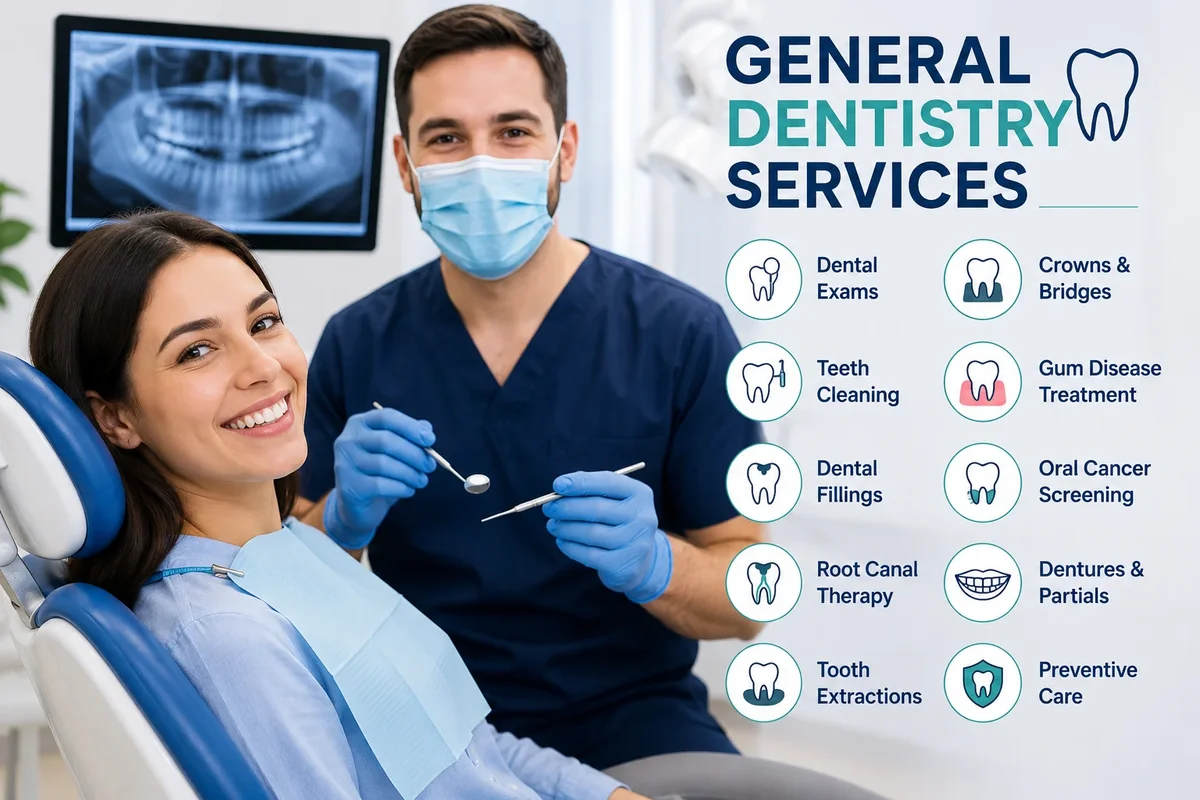
Common Restorative Treatments Offered in General Dentistry Services
While preventive care is the primary goal of modern dentistry, many patients eventually require restorative treatments to repair damaged teeth and restore proper oral function. Restorative dentistry focuses on repairing the effects of tooth decay, fractures, wear, infection, and tooth loss. These treatments help patients regain comfort, chewing ability, speech function, and smile aesthetics. As an essential part of comprehensive general dentistry services, restorative procedures play a vital role in preserving natural teeth whenever possible.
Dental problems rarely improve on their own. Small cavities can become larger, cracked teeth may worsen over time, and untreated infections can threaten both oral and overall health. Through timely restorative general dentistry services, dentists can address these issues before they lead to more severe complications. The goal is always to restore health, function, and appearance while preserving as much natural tooth structure as possible.
Today’s restorative treatments are more advanced than ever before. Modern materials, digital technology, and minimally invasive techniques allow dental professionals to achieve durable, natural-looking results that blend seamlessly with surrounding teeth.
Why Restorative Dentistry Is Important
The primary purpose of restorative general dentistry services is to repair damage and prevent further deterioration. When oral health problems are left untreated, they often progress and become more expensive, painful, and complex to manage.
Restorative treatments help:
- Repair cavities and tooth decay
- Restore chewing efficiency
- Improve speech function
- Preserve natural teeth
- Prevent infection spread
- Maintain jawbone support
- Enhance smile aesthetics
- Improve overall quality of life
By incorporating restorative procedures into general dentistry services, dentists help patients maintain healthy and functional smiles for many years.
Dental Fillings: The Most Common Restorative Treatment
Dental fillings are among the most frequently performed restorative general dentistry services. Fillings are used to repair teeth affected by cavities or minor structural damage. After removing decayed tissue, the dentist fills the area with a durable material that restores the tooth’s shape and function.
Modern fillings are often made from tooth-colored composite resin materials. These restorations offer several advantages:
- Natural appearance
- Strong bonding to tooth structure
- Preservation of healthy enamel
- Durability for everyday use
- Improved smile aesthetics
Because cavities are among the most common oral health issues worldwide, fillings remain one of the most important restorative general dentistry services available today.
When Is a Filling Needed?
A filling may be recommended when a patient experiences:
- Visible tooth decay
- Small fractures or chips
- Sensitivity to temperature changes
- Food trapping between teeth
- Wear caused by grinding habits
Early treatment often prevents the need for more extensive restorative procedures later.
Dental Crowns for Advanced Tooth Protection
When a tooth has suffered significant damage, a filling may not provide sufficient support. In these situations, dentists may recommend a dental crown as part of comprehensive general dentistry services.
A crown is a custom-made restoration that completely covers the visible portion of a damaged tooth. It protects weakened tooth structure while restoring strength, function, and appearance.
Dental crowns may be recommended for:
- Large cavities
- Cracked teeth
- Severely worn teeth
- Teeth following root canal treatment
- Broken restorations
- Cosmetic improvements
Modern crowns are frequently fabricated from ceramic or porcelain materials that closely resemble natural teeth.
Benefits of Dental Crowns
Crowns offer multiple advantages within restorative general dentistry services:
- Excellent durability
- Natural appearance
- Protection against further damage
- Improved chewing ability
- Long-lasting results
With proper care, many crowns can remain functional for well over a decade.
Root Canal Therapy and Tooth Preservation
When decay or trauma affects the inner pulp of a tooth, root canal therapy may become necessary. Although often associated with anxiety, modern root canal procedures are highly effective and significantly more comfortable than many patients expect.
Root canal treatment is frequently included within advanced general dentistry services because it allows dentists to save teeth that might otherwise require extraction.
During the procedure:
- Infected pulp tissue is removed
- The internal canals are cleaned and disinfected
- The space is sealed to prevent reinfection
- A restoration or crown is placed when needed
By preserving the natural tooth, root canal therapy supports long-term oral function and stability.
Dental Bridges for Missing Teeth
Missing teeth can negatively affect chewing, speech, appearance, and self-confidence. Restorative general dentistry services often include dental bridges as a solution for replacing one or more missing teeth.
A dental bridge consists of an artificial tooth supported by neighboring teeth or restorations. Bridges help restore both appearance and function while preventing surrounding teeth from shifting out of position.
Advantages of Dental Bridges
- Improved chewing ability
- Enhanced smile aesthetics
- Better speech function
- Prevention of tooth movement
- Maintenance of facial structure
Bridges remain a reliable option for many patients seeking tooth replacement through general dentistry services.
Treatment Planning and Personalized Care
Every patient’s oral health needs are unique. One of the strengths of modern general dentistry services is the ability to create personalized treatment plans based on individual circumstances. Dentists evaluate factors such as age, oral health status, medical history, lifestyle habits, and long-term goals when recommending restorative procedures.
Customized care helps ensure that patients receive treatments that are both effective and appropriate for their specific needs. This patient-centered approach improves treatment outcomes and satisfaction.
The Long-Term Benefits of Restorative Dentistry
Restorative general dentistry services do much more than repair damaged teeth. They help patients maintain proper oral function, preserve natural tooth structure, improve aesthetics, and prevent future complications. By addressing dental problems early, restorative treatments often reduce the need for more extensive procedures later.
When combined with preventive care, restorative general dentistry services create a comprehensive approach to oral health management. Whether a patient requires a simple filling, a protective crown, root canal therapy, or a dental bridge, these treatments contribute to healthier smiles and improved quality of life.
Ultimately, restorative general dentistry services serve as an essential bridge between prevention and long-term oral wellness. Through modern techniques, durable materials, and personalized care, dentists help patients restore confidence, comfort, and function while preserving their smiles for years to come. 🦷✨
How Fillings, Crowns, and Bridges Protect Your Natural Teeth
Preserving natural teeth is one of the primary goals of modern dentistry. Whenever possible, dental professionals strive to repair and strengthen existing teeth rather than remove them. This philosophy is at the heart of restorative general dentistry services, which focus on maintaining oral function, protecting healthy tooth structure, and extending the lifespan of natural teeth. Among the most commonly used restorative treatments are dental fillings, crowns, and bridges. These procedures play a crucial role in preventing further damage while helping patients maintain healthy and attractive smiles.
Teeth face constant challenges throughout life. Daily chewing forces, bacterial activity, accidents, grinding habits, and natural wear can gradually weaken dental structures. Without appropriate treatment, even minor damage can worsen over time and lead to more complex oral health issues. Through comprehensive general dentistry services, dentists can identify these problems early and recommend restorative solutions that preserve oral health while minimizing future complications.
Why Preserving Natural Teeth Matters
Natural teeth provide benefits that no artificial replacement can completely replicate. Healthy natural teeth support efficient chewing, proper speech, jawbone stimulation, and facial structure. They also contribute significantly to confidence and overall quality of life.
Protecting natural teeth through restorative general dentistry services offers numerous advantages:
- Maintains natural chewing function
- Preserves jawbone health
- Supports facial appearance
- Improves speech clarity
- Reduces the need for extensive treatments
- Enhances long-term oral health
- Maintains natural smile aesthetics
For these reasons, dentists prioritize treatments that restore and strengthen existing teeth whenever possible.
Dental Fillings: Repairing Early Tooth Damage
Dental fillings are among the most common restorative procedures provided through general dentistry services. Fillings are designed to repair teeth affected by cavities, minor fractures, or localized structural damage. By restoring compromised areas, fillings help prevent decay from progressing deeper into the tooth.
When a cavity develops, bacteria begin destroying enamel and dentin. If left untreated, the damage can eventually reach the tooth pulp and require more extensive procedures. A filling stops this progression by removing decayed tissue and sealing the affected area.
How Dental Fillings Work
The filling procedure generally involves several steps:
- Examination and diagnosis of the damaged area
- Removal of decayed tooth material
- Cleaning and preparation of the cavity
- Placement of restorative filling material
- Shaping and polishing for proper function
Modern composite fillings closely match the natural color of teeth, making them a popular option within general dentistry services. These materials provide both functional and cosmetic benefits while preserving healthy tooth structure.
Benefits of Dental Fillings
- Stops cavity progression
- Restores tooth strength
- Improves chewing comfort
- Provides natural appearance
- Protects remaining healthy enamel
Because fillings address dental problems at an early stage, they remain one of the most conservative restorative general dentistry services available.
Dental Crowns: Comprehensive Protection for Weakened Teeth
When a tooth has suffered extensive damage, a filling alone may not provide adequate support. In these situations, dentists often recommend a dental crown. Crowns are protective restorations that completely cover the visible portion of a damaged tooth, restoring both strength and appearance.
Dental crowns are frequently used in general dentistry services to save teeth that might otherwise require extraction. They are especially valuable when significant tooth structure has been lost due to decay, trauma, or previous dental procedures.
Situations That May Require a Crown
- Large cavities
- Cracked or fractured teeth
- Severely worn teeth
- Teeth following root canal treatment
- Large failing fillings
- Structural weakness caused by trauma
By encasing the entire tooth, crowns distribute biting forces more evenly and reduce the risk of future fractures.
Advantages of Modern Dental Crowns
Advancements in materials and technology have significantly improved crown restorations offered through general dentistry services. Modern crowns provide:
- Excellent durability
- Natural aesthetics
- Improved chewing performance
- Enhanced tooth protection
- Long-lasting results
Many ceramic and porcelain crowns closely mimic the appearance of natural enamel, making them nearly indistinguishable from surrounding teeth.
Dental Bridges: Replacing Missing Teeth While Protecting Oral Health
Missing teeth can create significant oral health challenges. Gaps in the dental arch may affect chewing efficiency, speech, appearance, and overall oral stability. Dental bridges are restorative solutions commonly included within general dentistry services to replace one or more missing teeth.
A bridge consists of an artificial replacement tooth supported by neighboring teeth or crowns. By filling the empty space, bridges restore function and help prevent additional oral health complications.
How Bridges Protect Remaining Teeth
When a tooth is lost, neighboring teeth often begin shifting into the empty space. This movement can create bite problems, increase wear, and make oral hygiene more difficult. Dental bridges help maintain proper alignment and support overall dental stability.
Benefits of bridges include:
- Restored chewing ability
- Improved speech
- Enhanced smile appearance
- Prevention of tooth shifting
- Better bite stability
- Improved confidence
These advantages make bridges an important component of restorative general dentistry services.
The Importance of Early Restorative Treatment
One of the most important principles of general dentistry services is early intervention. Addressing dental damage promptly often allows dentists to use more conservative treatments and preserve greater amounts of natural tooth structure.
For example:
- A small cavity may only require a filling.
- A larger cavity may require a crown.
- Untreated decay may eventually require root canal therapy.
- Severe damage may lead to tooth loss and replacement needs.
By seeking treatment early, patients can often avoid more invasive and costly procedures.
Long-Term Protection Through General Dentistry Services
Fillings, crowns, and bridges represent some of the most effective restorative tools available in modern general dentistry services. Each treatment serves a unique purpose, but all share a common objective: protecting natural teeth and preserving oral function for as long as possible.
Through early diagnosis, personalized treatment planning, and high-quality restorative care, general dentistry services help patients maintain healthy smiles and avoid unnecessary tooth loss. Whether repairing a small cavity with a filling, strengthening a weakened tooth with a crown, or replacing a missing tooth with a bridge, these treatments contribute significantly to long-term oral health, comfort, and confidence.
Ultimately, fillings, crowns, and bridges are more than restorative procedures—they are valuable investments in preserving natural teeth and ensuring lifelong dental wellness. Combined with preventive care and regular checkups, these restorative general dentistry services help patients enjoy stronger, healthier smiles for many years to come. 🦷✨
The Role of Digital Technology in Modern General Dentistry Services
Digital technology has transformed nearly every aspect of modern healthcare, and dentistry is no exception. Over the last two decades, technological innovations have significantly improved the way dentists diagnose, treat, and monitor oral health conditions. Today, advanced digital tools are integrated into many general dentistry services, helping dental professionals provide more accurate diagnoses, more comfortable treatments, and better patient outcomes.
Traditional dental procedures often relied heavily on manual techniques and limited diagnostic capabilities. While effective for their time, these methods could sometimes result in delayed diagnoses or less precise treatment planning. Modern general dentistry services now utilize sophisticated digital technologies that allow clinicians to detect oral health issues earlier, communicate more effectively with patients, and deliver highly personalized care.
From digital X-rays and intraoral cameras to computer-assisted treatment planning and digital impressions, technology has become an essential component of high-quality dental care. These advancements not only improve efficiency but also contribute to a safer and more comfortable patient experience.
How Technology Has Changed General Dentistry Services
The integration of digital tools into general dentistry services has enhanced nearly every stage of dental care. Modern technology supports prevention, diagnosis, treatment, patient education, and long-term monitoring.
Some of the most important technological advancements include:
- Digital radiography
- Intraoral cameras
- Digital impressions
- Laser dentistry
- Computer-aided design and manufacturing (CAD/CAM)
- 3D imaging systems
- Electronic patient records
- Artificial intelligence-assisted diagnostics
These innovations help dentists make more informed decisions and provide patients with higher standards of care through modern general dentistry services.
Digital X-Rays: Faster and More Accurate Diagnostics
Digital radiography is one of the most widely used technologies in contemporary general dentistry services. Unlike traditional film-based X-rays, digital imaging produces instant high-resolution images that can be viewed immediately on a computer screen.
Digital X-rays help dentists identify:
- Hidden cavities
- Bone loss associated with gum disease
- Dental infections
- Impacted teeth
- Jaw abnormalities
- Developing oral health issues
The ability to enlarge and enhance images allows dentists to detect problems with greater precision. This supports earlier intervention and more conservative treatment approaches.
Benefits of Digital X-Rays
- Reduced radiation exposure
- Immediate image availability
- Improved diagnostic accuracy
- Enhanced patient communication
- Environmentally friendly operation
These advantages make digital radiography an essential part of modern general dentistry services.
Intraoral Cameras Improve Patient Understanding
Many patients find it difficult to understand dental conditions when they cannot see them firsthand. Intraoral cameras solve this challenge by capturing detailed images from inside the mouth. These small cameras allow patients to view their teeth and gums on a monitor during appointments.
Intraoral imaging enhances general dentistry services by helping patients visualize:
- Cracked teeth
- Plaque accumulation
- Gum inflammation
- Existing restorations
- Areas of tooth decay
When patients can clearly see oral health concerns, they often feel more informed and confident about recommended treatments.
Enhanced Communication and Education
Patient education is a major component of preventive general dentistry services. Visual tools improve communication by helping dentists explain diagnoses and treatment options more effectively. This collaborative approach encourages patients to take a more active role in maintaining their oral health.
Digital Impressions and Improved Comfort
Traditional dental impressions often required bulky trays filled with impression material, which some patients found uncomfortable. Digital impression systems have modernized this process by using advanced scanning technology to create precise digital models of the teeth.
These digital models are frequently used within general dentistry services for:
- Crowns
- Bridges
- Night guards
- Orthodontic planning
- Diagnostic records
Digital impressions provide greater accuracy while significantly improving patient comfort.
Advantages of Digital Scanning
- More precise measurements
- Reduced need for retakes
- Faster treatment planning
- Improved patient experience
- Better-fitting restorations
These benefits contribute to the growing role of technology in general dentistry services.
Laser Technology in Modern Dentistry
Laser systems have introduced new possibilities within general dentistry services. Dental lasers can be used for various soft tissue and preventive procedures with enhanced precision and reduced discomfort.
Common applications include:
- Gum contouring
- Bacterial reduction
- Treatment of gum disease
- Soft tissue procedures
- Management of oral lesions
Many laser treatments involve less bleeding, reduced swelling, and faster healing compared to traditional techniques.
Computer-Assisted Treatment Planning
Digital treatment planning has become increasingly important in comprehensive general dentistry services. Computer software allows dentists to analyze oral structures in detail and create personalized treatment strategies based on each patient’s unique needs.
This technology supports:
- More predictable outcomes
- Improved treatment accuracy
- Better patient education
- Enhanced long-term planning
- Efficient interdisciplinary collaboration
Digital planning tools help ensure that every treatment decision is based on accurate and detailed information.
The Future of General Dentistry Services
Technology continues to evolve rapidly, and future innovations are expected to further improve general dentistry services. Artificial intelligence, advanced imaging systems, robotic assistance, and enhanced digital workflows are already beginning to influence dental care.
These emerging technologies may help dentists:
- Detect disease even earlier
- Improve treatment precision
- Enhance patient comfort
- Reduce treatment times
- Personalize care more effectively
As these advancements become more widely available, patients can expect even higher standards of preventive and restorative care.
Technology and Better Patient Outcomes
The integration of digital tools into general dentistry services has revolutionized modern dental care. Technologies such as digital X-rays, intraoral cameras, digital impressions, laser systems, and computerized treatment planning allow dentists to provide more accurate diagnoses and more effective treatments than ever before.
Beyond clinical benefits, these innovations also improve patient comfort, communication, and confidence. Patients can better understand their oral health, participate actively in treatment decisions, and enjoy more predictable outcomes.
Ultimately, digital technology has become a driving force behind the continuous improvement of general dentistry services. By combining advanced tools with professional expertise, modern dental clinics can deliver safer, faster, and more effective care while helping patients maintain healthier smiles for life. 🦷💻✨
Emergency Dental Care: When to Seek Immediate Treatment
Dental emergencies can occur unexpectedly and often require prompt professional attention to prevent complications, relieve pain, and preserve oral health. While many dental concerns can wait for a scheduled appointment, certain situations demand immediate care. Modern general dentistry services frequently include emergency dental treatment, allowing patients to receive timely evaluation and intervention when urgent problems arise.
Understanding what constitutes a dental emergency is essential. Some symptoms may indicate serious infections, trauma, or structural damage that can worsen rapidly if left untreated. Knowing when to seek emergency care can make the difference between saving and losing a tooth, avoiding severe infection, or preventing long-term oral health complications.
Comprehensive general dentistry services are designed not only to provide preventive and restorative care but also to address unexpected dental issues quickly and effectively. Emergency dental treatment focuses on stabilizing the condition, relieving discomfort, and developing an appropriate treatment plan.
What Qualifies as a Dental Emergency?
Not every dental problem requires immediate treatment, but certain situations should be evaluated as soon as possible. Dental emergencies typically involve significant pain, infection, trauma, bleeding, or damage that threatens the health of the teeth and surrounding tissues.
Common emergencies treated through general dentistry services include:
- Severe toothaches
- Knocked-out teeth
- Broken or fractured teeth
- Dental abscesses
- Swollen gums or facial swelling
- Lost crowns or fillings causing pain
- Uncontrolled oral bleeding
- Jaw injuries
- Soft tissue trauma
- Dental infections
Prompt evaluation helps dentists determine the severity of the problem and implement the most appropriate treatment.
Severe Tooth Pain Should Never Be Ignored
One of the most common reasons patients seek emergency general dentistry services is intense tooth pain. While mild sensitivity may not require urgent care, severe or persistent pain often indicates an underlying issue that needs professional attention.
Possible causes of severe toothaches include:
- Deep cavities
- Dental infections
- Cracked teeth
- Advanced gum disease
- Abscess formation
- Traumatic injury
Because untreated infections can spread beyond the tooth, patients experiencing severe pain should contact a dental professional promptly.
Warning Signs Associated With Tooth Pain
Patients should seek immediate evaluation if tooth pain is accompanied by:
- Facial swelling
- Fever
- Difficulty swallowing
- Pus drainage
- Persistent throbbing pain
- Swollen lymph nodes
These symptoms may indicate a serious infection that requires urgent intervention through general dentistry services.
Knocked-Out Teeth Require Immediate Action
A knocked-out tooth is one of the most time-sensitive dental emergencies. Quick action significantly increases the chances of saving the tooth. Emergency general dentistry services often prioritize these cases because successful reimplantation depends on how quickly treatment is provided.
What To Do If a Tooth Is Knocked Out
- Handle the tooth only by the crown.
- Avoid touching the root.
- Rinse gently with clean water if necessary.
- Do not scrub the tooth.
- Place it in milk or saline solution if possible.
- Seek immediate dental care.
The highest success rates occur when professional treatment is received within the first hour after the injury.
Dental Abscesses and Oral Infections
Dental infections represent some of the most serious conditions treated through emergency general dentistry services. An abscess is a pocket of infection that develops within or around a tooth. Without treatment, infections can spread to surrounding tissues and potentially affect overall health.
Symptoms of a dental abscess may include:
- Severe pain
- Swelling of the gums
- Facial swelling
- Bad taste in the mouth
- Fever
- Sensitivity to pressure
Because infections rarely resolve on their own, immediate professional evaluation is essential.
Why Dental Infections Are Serious
Untreated infections can damage surrounding bone and soft tissues. In rare cases, severe infections may spread beyond the oral cavity and become medical emergencies. This is why emergency general dentistry services place significant emphasis on diagnosing and treating infections promptly.
Broken, Cracked, or Fractured Teeth
Dental trauma can result from sports injuries, falls, accidents, or biting hard objects. Depending on the severity of the damage, a fractured tooth may require immediate treatment.
Emergency general dentistry services can evaluate the extent of the injury and determine whether treatment may involve:
- Dental bonding
- Fillings
- Crowns
- Root canal therapy
- Tooth stabilization
Prompt care helps protect the tooth from further damage and reduces the risk of infection.
Lost Fillings and Crowns
Although losing a filling or crown may not always be considered a severe emergency, it can expose vulnerable tooth structures and lead to discomfort. In some cases, patients experience significant sensitivity or pain after a restoration becomes dislodged.
Seeking prompt attention through general dentistry services helps prevent further deterioration while restoring normal function and comfort.
How Emergency General Dentistry Services Protect Oral Health
Emergency treatment is about much more than pain relief. Timely intervention helps preserve teeth, prevent complications, and maintain overall oral health. Comprehensive general dentistry services are structured to respond quickly to urgent situations while providing long-term treatment solutions.
Benefits of prompt emergency care include:
- Reduced risk of infection spread
- Greater likelihood of saving damaged teeth
- Faster pain relief
- Prevention of additional oral damage
- Improved treatment outcomes
- Reduced long-term treatment costs
Preventing Future Dental Emergencies
While not all emergencies can be avoided, many can be prevented through routine care and preventive general dentistry services. Regular examinations allow dentists to identify potential problems before they become urgent situations.
Patients can further reduce emergency risks by:
- Maintaining excellent oral hygiene
- Attending routine dental visits
- Wearing protective mouthguards during sports
- Avoiding chewing hard objects
- Addressing dental concerns early
- Following professional recommendations
Preventive care remains one of the most effective ways to avoid unexpected dental problems.
The Importance of Acting Quickly
When dental emergencies occur, timely treatment can significantly affect outcomes. Whether dealing with severe tooth pain, trauma, infection, or a knocked-out tooth, prompt evaluation through general dentistry services helps protect oral health and improve recovery prospects.
Modern emergency general dentistry services combine rapid diagnosis, effective pain management, and evidence-based treatment planning to address urgent dental concerns. By understanding the warning signs of dental emergencies and seeking immediate care when necessary, patients can preserve their natural teeth, avoid complications, and maintain healthier smiles for years to come. 🚑🦷✨
How General Dentistry Services Support Long-Term Overall Health
Many people view dental care as something that only affects the teeth and gums. However, modern healthcare research has consistently demonstrated that oral health and overall health are closely connected. The condition of the mouth can influence multiple systems throughout the body, and oral diseases may contribute to broader health concerns when left untreated. This is one reason why general dentistry services are considered an essential part of preventive healthcare rather than simply a cosmetic or functional necessity.
Healthy teeth and gums contribute to proper nutrition, clear speech, self-confidence, and overall quality of life. More importantly, regular dental care can help reduce inflammation, control harmful bacteria, and support the early detection of conditions that may affect both oral and systemic health. Through comprehensive general dentistry services, patients gain access to preventive care that benefits far more than their smiles alone.
Understanding the relationship between oral health and overall wellness can help individuals appreciate the long-term value of maintaining regular dental visits and following professional recommendations.
The Connection Between Oral Health and the Body
The mouth serves as an entry point to the body. It contains hundreds of bacterial species, many of which are harmless when properly controlled through good oral hygiene and professional care. However, when oral bacteria accumulate excessively, they can contribute to inflammation, infection, and disease.
One of the primary goals of general dentistry services is to reduce harmful bacterial populations and maintain a healthy oral environment. By preventing oral infections and gum disease, dentists help minimize the risk of complications that may affect overall health.
Research suggests that chronic oral inflammation may be associated with several systemic conditions, making preventive dental care increasingly important as part of a comprehensive health strategy.
How Gum Disease Can Affect General Health
Periodontal disease, commonly known as gum disease, is one of the most significant oral health concerns addressed through general dentistry services. This condition develops when bacterial plaque accumulates around the gumline and triggers inflammation.
Early-stage gum disease, known as gingivitis, can often be reversed through professional treatment and improved oral hygiene. However, untreated gingivitis may progress into periodontitis, which can damage supporting bone and connective tissues.
Potential Health Conditions Associated With Gum Disease
Numerous studies have explored links between periodontal disease and systemic health conditions, including:
- Cardiovascular disease
- Stroke
- Diabetes complications
- Respiratory infections
- Pregnancy-related concerns
- Chronic inflammatory conditions
Although research continues to evolve, maintaining healthy gums through routine general dentistry services remains an important component of overall preventive healthcare.
Supporting Heart Health Through Oral Care
Several scientific investigations have identified associations between poor oral health and cardiovascular conditions. Chronic inflammation caused by gum disease may contribute to inflammatory processes elsewhere in the body.
While maintaining oral health cannot guarantee prevention of heart disease, preventive general dentistry services help reduce oral inflammation and support healthier living habits overall. Routine cleanings, examinations, and periodontal monitoring can contribute to a healthier oral environment that supports long-term wellness.
Reducing Chronic Inflammation
One of the key benefits of preventive general dentistry services is the management of chronic inflammation. Persistent inflammation is a common factor in many health conditions. By treating gum disease early and maintaining healthy oral tissues, dental professionals help minimize ongoing inflammatory challenges within the body.
Diabetes and Oral Health: A Two-Way Relationship
The relationship between diabetes and oral health is particularly important. Individuals with diabetes often face an increased risk of gum disease, infections, and delayed healing. At the same time, severe gum disease may make blood sugar management more difficult.
Through regular examinations and preventive general dentistry services, dental professionals can monitor oral health closely and identify early signs of complications. Patients with diabetes frequently benefit from personalized preventive care plans that support both oral and overall health management.
Maintaining healthy gums and controlling oral inflammation may contribute to improved long-term health outcomes for diabetic individuals.
Oral Health and Nutrition
Healthy teeth play a critical role in proper nutrition. Chewing is the first stage of digestion, and dental problems can make it difficult to consume a balanced diet. Tooth loss, pain, or untreated oral disease may cause individuals to avoid nutritious foods that require chewing.
By preserving teeth and maintaining oral function through general dentistry services, patients are better able to enjoy a varied and nutrient-rich diet. This supports overall wellness and contributes to healthier aging.
The Importance of Functional Teeth
Strong, healthy teeth support:
- Efficient chewing
- Proper digestion
- Balanced nutrition
- Clear speech
- Improved confidence
- Better quality of life
These benefits demonstrate why routine general dentistry services extend far beyond aesthetics alone.
Early Detection of Serious Health Conditions
Dental professionals are often among the first healthcare providers to identify signs of systemic health concerns. During routine examinations, dentists evaluate not only the teeth and gums but also the surrounding oral tissues.
Regular visits through general dentistry services may help detect:
- Oral cancer
- Autoimmune conditions
- Nutritional deficiencies
- Signs of systemic infections
- Medication-related oral changes
Early detection can significantly improve treatment outcomes and may lead to timely medical evaluation when necessary.
Mental Well-Being and Self-Confidence
Oral health also influences emotional and psychological well-being. Individuals who experience dental pain, missing teeth, or visible oral health issues may feel self-conscious in social and professional situations.
Comprehensive general dentistry services help patients maintain healthy smiles that contribute to confidence, self-esteem, and overall quality of life. Feeling comfortable with one’s appearance can positively affect interpersonal relationships and daily interactions.
The Long-Term Value of Preventive Dental Care
The benefits of general dentistry services extend far beyond preventing cavities and maintaining attractive smiles. By supporting healthy gums, reducing inflammation, preserving natural teeth, promoting proper nutrition, and assisting with early disease detection, routine dental care contributes significantly to long-term wellness.
Patients who participate consistently in preventive general dentistry services often experience better oral health, fewer dental emergencies, and improved quality of life as they age. Regular examinations, professional cleanings, patient education, and personalized treatment planning all work together to support lifelong health.
Ultimately, general dentistry services represent an investment not only in oral health but also in overall well-being. By prioritizing preventive care and maintaining regular dental visits, individuals can protect their smiles while supporting healthier bodies and more fulfilling lives for years to come. 🦷❤️✨
Choosing the Right Dental Clinic for Comprehensive General Dentistry Services
Selecting the right dental clinic is one of the most important decisions a person can make for their oral health. A trusted dental provider not only treats existing dental concerns but also helps prevent future problems through personalized care, patient education, and long-term treatment planning. Because oral health needs change throughout life, finding a clinic that offers comprehensive general dentistry services is essential for maintaining healthy teeth and gums at every age.
Many patients focus solely on convenience or cost when choosing a dental clinic. While these factors certainly matter, they should not be the only considerations. The quality of care, qualifications of the dental team, available technology, preventive philosophy, and patient experience all contribute to successful long-term oral health outcomes. High-quality general dentistry services are built on a combination of professional expertise, modern technology, personalized attention, and a commitment to preventive care.
Understanding what to look for in a dental clinic can help patients make informed decisions and establish lasting relationships with providers who support their oral health goals.
Why Choosing the Right Clinic Matters
Dental care is not a one-time event. Most people require ongoing examinations, preventive treatments, restorative procedures, and oral health guidance throughout their lives. Establishing care with a clinic that offers comprehensive general dentistry services ensures continuity of care and allows dental professionals to monitor changes in oral health over time.
Long-term relationships with dental providers often result in:
- Earlier detection of dental issues
- More personalized treatment planning
- Improved preventive care
- Better communication
- Greater patient comfort
- More predictable treatment outcomes
These benefits demonstrate why selecting the right provider for general dentistry services is such an important investment in lifelong oral health.
Evaluate the Qualifications and Experience of the Dental Team
One of the first factors to consider when selecting a clinic is the qualifications of the dental professionals. Experienced dentists continually update their knowledge through ongoing education and training. This helps ensure that patients receive evidence-based treatments that reflect current best practices.
When evaluating providers of general dentistry services, patients may wish to consider:
- Professional credentials
- Continuing education participation
- Clinical experience
- Areas of expertise
- Membership in professional organizations
- Commitment to patient-centered care
A skilled and knowledgeable dental team contributes significantly to treatment quality and patient confidence.
The Importance of Ongoing Professional Development
Dentistry continues to evolve through advancements in technology, materials, and treatment techniques. Clinics that prioritize continuing education are often better equipped to deliver modern general dentistry services that maximize patient comfort, efficiency, and long-term success.
Comprehensive Services Under One Roof
A quality dental clinic should provide a broad range of general dentistry services to address both preventive and restorative needs. Patients benefit from having access to multiple services within a single practice because it simplifies care coordination and improves continuity.
Comprehensive dental clinics often provide:
- Routine examinations
- Professional cleanings
- Diagnostic imaging
- Dental fillings
- Crowns and bridges
- Preventive treatments
- Emergency dental care
- Oral health education
Access to diverse general dentistry services ensures that patients receive appropriate care as their needs change over time.
Technology and Modern Treatment Approaches
Advanced technology has become an important indicator of quality dental care. Modern equipment enhances diagnosis, treatment planning, and patient comfort. Clinics that invest in technology often provide more efficient and accurate general dentistry services.
Examples of valuable dental technologies include:
- Digital X-rays
- Intraoral cameras
- Digital impressions
- Laser dentistry systems
- Computer-assisted treatment planning
- Electronic patient records
These tools support improved diagnostic accuracy and often lead to better patient experiences.
How Technology Benefits Patients
Technology-driven general dentistry services may offer:
- Earlier disease detection
- Greater treatment precision
- Enhanced comfort
- Reduced treatment times
- Improved communication
- More predictable outcomes
Patients increasingly value clinics that combine professional expertise with modern technological capabilities.
Patient Comfort and Communication
A welcoming environment and effective communication are essential characteristics of a quality dental clinic. Many individuals experience anxiety about dental treatment, making patient-centered care especially important.
Clinics that excel in delivering general dentistry services often prioritize:
- Clear treatment explanations
- Transparent recommendations
- Compassionate interactions
- Comfort-focused care
- Personalized attention
- Respect for patient concerns
Positive communication helps build trust and encourages patients to maintain regular dental visits.
Preventive Philosophy and Long-Term Care
The best providers of general dentistry services focus strongly on prevention. Rather than simply treating problems after they occur, preventive-oriented clinics emphasize early detection, patient education, and proactive care strategies.
A preventive approach may include:
- Routine examinations
- Professional cleanings
- Oral hygiene instruction
- Fluoride treatments
- Risk assessments
- Personalized preventive plans
Patients who receive preventive-focused general dentistry services often experience fewer dental emergencies and better long-term outcomes.
Convenience and Accessibility
While quality should remain the top priority, convenience also influences long-term dental care success. Patients are more likely to maintain regular appointments when a clinic offers accessible scheduling and efficient service.
Important considerations may include:
- Location
- Appointment availability
- Emergency care options
- Flexible scheduling
- Efficient communication channels
- Comfortable facilities
Convenient access encourages consistent participation in general dentistry services, which is critical for preventive care success.
Building a Lifelong Partnership for Oral Health
The ideal dental clinic serves as more than just a treatment provider. It becomes a long-term partner in maintaining oral health and overall well-being. Through regular visits, personalized recommendations, preventive care, and timely intervention, high-quality general dentistry services help patients preserve healthy smiles throughout life.
Choosing the right clinic involves evaluating qualifications, technology, service offerings, patient experience, and commitment to prevention. By selecting a provider that prioritizes comprehensive general dentistry services, patients gain access to ongoing support that promotes healthier teeth, stronger gums, improved confidence, and better quality of life.
Ultimately, the right dental clinic combines expertise, technology, compassion, and preventive care into a complete oral health solution. With consistent visits and a strong partnership between patient and provider, general dentistry services become a powerful foundation for lifelong dental wellness and lasting smile confidence. 🦷🌟