
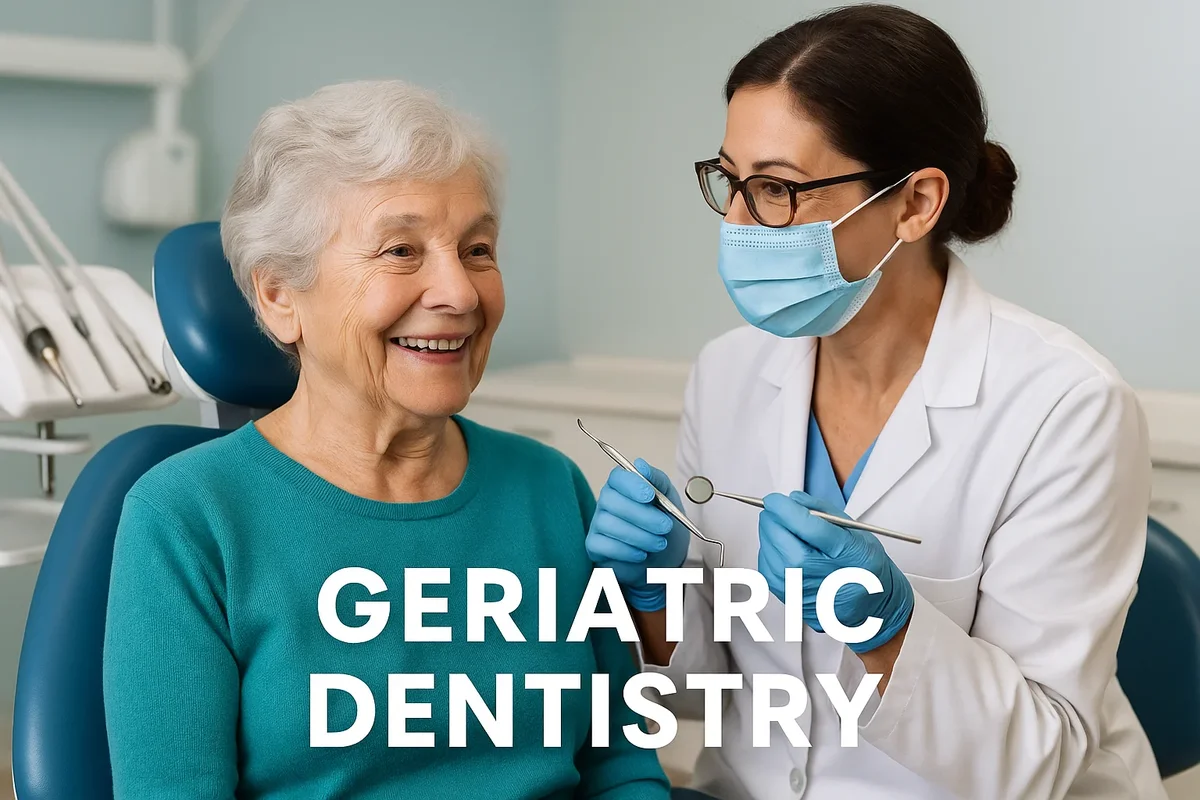
🦷 Geriatric dentistry is a specialized branch of dental care that focuses on meeting the unique oral health needs of older adults. As the global population continues to age, this field has become increasingly important in maintaining not only dental health but also overall quality of life for seniors. According to the American Dental Association, oral health is directly connected to systemic health, meaning issues in the mouth can influence conditions such as heart disease, diabetes, and even cognitive decline. Therefore, comprehensive knowledge about geriatric dentistry is essential for seniors, caregivers, and healthcare providers alike.
One of the main reasons why geriatric dentistry deserves attention is that older adults face unique challenges compared to younger populations. These include age-related tooth wear, reduced saliva production due to medications, gum recession, and a higher prevalence of chronic illnesses that complicate oral care. Seniors are also more likely to rely on prosthetics such as dentures or implants, which require specialized maintenance and monitoring. Without proper dental care, these issues can escalate, leading to pain, infections, and difficulties in eating and speaking — all of which diminish quality of life.
💡 Preventive strategies are a cornerstone of geriatric dentistry. Regular dental checkups, professional cleanings, and fluoride treatments can help slow down or prevent many common conditions. Importantly, these appointments allow dentists to detect early signs of oral cancer, gum disease, or tooth decay, which are more prevalent in older age groups. Seniors who maintain consistent dental visits tend to enjoy better nutrition, improved self-esteem, and fewer emergency dental procedures. Preventive care also reduces long-term healthcare costs by addressing small issues before they become serious medical problems.
Another major aspect of geriatric dentistry is managing the impact of systemic diseases and medications. Seniors often take multiple prescriptions for conditions like hypertension, diabetes, and arthritis. Many of these medications cause dry mouth, which increases the risk of cavities and oral infections. Geriatric dentists are trained to adapt treatment plans that consider these medical complexities, ensuring that oral health care does not interfere with overall medical management. For instance, they may recommend saliva substitutes, sugar-free chewing gums, or special mouthwashes to combat dry mouth and its consequences.
Nutrition plays a critical role in oral health for the elderly. Seniors who struggle with ill-fitting dentures or untreated gum disease often avoid certain foods, leading to poor nutrition. Geriatric dentistry emphasizes functional solutions, such as properly fitted dentures, dental implants, and prosthetic adjustments, to restore chewing ability and allow patients to enjoy a balanced diet. By doing so, dentists help older adults maintain stronger immune systems, more energy, and better general health outcomes. A healthy mouth is, in fact, a gateway to a healthier body.
🧑⚕️ Caregivers also play a vital role in geriatric dentistry. Many older adults, especially those with cognitive decline such as dementia or Alzheimer’s disease, cannot manage oral hygiene independently. Trained caregivers can assist with daily brushing, flossing, and denture care. Dental professionals often provide caregiver education as part of comprehensive geriatric treatment, ensuring that families and nursing staff are equipped with the right techniques and tools to maintain oral health at home. When caregivers are actively involved, seniors are less likely to suffer from infections or complications related to neglected oral hygiene.
The emotional and social benefits of geriatric dentistry should not be overlooked. A healthy smile allows seniors to communicate confidently, eat comfortably in social settings, and maintain dignity in their later years. Conversely, tooth loss, visible decay, or chronic bad breath can cause embarrassment, isolation, and even depression. Modern geriatric dental care focuses on both the functional and aesthetic aspects of treatment, offering seniors solutions that restore confidence and improve their overall well-being. For many elderly patients, this translates to a happier, more fulfilling lifestyle.
🌍 Globally, geriatric dentistry is evolving with the integration of technology and interdisciplinary care. Digital imaging, 3D printing for dentures, and laser dentistry are now part of modern treatment options. Moreover, collaboration between dentists, physicians, and specialists in geriatrics ensures that oral care plans align with a patient’s general health needs. This holistic approach reduces medical risks while maximizing treatment outcomes, making dentistry for seniors more effective than ever before.
In summary, geriatric dentistry is much more than just treating cavities or fitting dentures. It is a comprehensive approach that combines prevention, medical awareness, caregiver support, nutrition, and advanced technology to safeguard the health of seniors. Families and caregivers who prioritize dental care for older adults help extend not only the lifespan but also the quality of life of their loved ones. For personalized guidance or to schedule a consultation with experts in senior oral health, you can reach out directly via the Redent Klinik Contact Page. Taking proactive steps in dental care today ensures that seniors can enjoy healthier smiles, stronger bodies, and greater confidence tomorrow. 🦷✨
Benefits of Geriatric Dentistry for Elderly Patients
🦷 Geriatric dentistry provides a wide range of advantages for older adults by focusing on the unique oral health challenges that come with aging. While many people assume that tooth loss, gum problems, or oral discomfort are natural parts of getting older, modern dentistry proves otherwise. With specialized care, seniors can preserve their natural teeth, maintain proper nutrition, and enjoy a higher quality of life. The benefits of geriatric dentistry extend beyond the mouth, as oral health is closely linked to systemic well-being, emotional confidence, and even social participation.
1. Improved Overall Health Through Oral Care
Medical research consistently shows a strong connection between oral health and general health. For example, gum disease is associated with an increased risk of heart disease, stroke, and diabetes complications. By addressing these conditions early, geriatric dentistry reduces inflammation in the body, preventing more serious systemic illnesses. Elderly patients who undergo routine dental checkups experience fewer hospitalizations and enjoy improved health outcomes compared to those who neglect oral care.
2. Preservation of Natural Teeth
One of the most important benefits of geriatric dentistry is the preservation of natural teeth for as long as possible. Retaining natural teeth not only makes eating more comfortable but also supports speech and facial structure. Tooth loss, when untreated, can lead to bone loss in the jaw, facial sagging, and difficulties with pronunciation. With preventive measures such as fluoride treatments, sealants, and regular cleanings, seniors can keep their natural teeth well into their later years.
3. Better Nutrition and Digestion
🍎 Seniors who struggle with missing teeth, poorly fitted dentures, or gum pain often avoid certain foods like fruits, vegetables, and proteins. This can lead to malnutrition, weakened immunity, and energy loss. Geriatric dentistry addresses these challenges by providing prosthetics, dental implants, or properly adjusted dentures to restore chewing efficiency. When older adults can enjoy a balanced diet, they benefit from stronger bones, better digestion, and improved resistance to disease.
4. Enhanced Emotional and Social Well-Being
Confidence in one’s smile is directly tied to self-esteem. Many elderly individuals withdraw from social activities because of embarrassment about missing or discolored teeth. Modern geriatric dentistry treatments, including whitening, implants, and full-mouth restorations, give seniors the opportunity to smile with pride again. This improvement in self-confidence has ripple effects: seniors are more likely to engage with friends, participate in community events, and experience lower rates of depression and loneliness.
5. Pain Relief and Comfort
Chronic toothaches, gum infections, and jaw pain can severely affect daily life. Geriatric dentistry offers timely interventions to relieve discomfort, whether through fillings, periodontal treatments, or oral surgery. Pain management is particularly crucial for seniors who may already be coping with other medical conditions. Quick relief from dental pain improves sleep quality, appetite, and overall well-being.
6. Early Detection of Oral Cancer
👩⚕️ Seniors are at a higher risk of developing oral cancers, particularly if they have a history of smoking, alcohol use, or ill-fitting dentures. A significant benefit of geriatric dentistry is the routine screening for early signs of cancer during dental visits. Early detection dramatically increases treatment success rates and minimizes the impact of the disease. Dentists trained in geriatric care carefully monitor tissue changes, lumps, or sores, ensuring timely referrals to specialists if needed.
7. Better Management of Dry Mouth
Dry mouth (xerostomia) is a common condition in older adults due to medications for high blood pressure, diabetes, or arthritis. This lack of saliva increases the risk of cavities, fungal infections, and difficulties in swallowing. Geriatric dentistry offers tailored solutions, such as saliva substitutes, prescription rinses, and diet modifications. These treatments significantly improve comfort and reduce complications, making daily life much easier for elderly patients.
Caregiver Support in Dental Benefits
Caregivers play an essential role in maintaining oral health among seniors, especially those with mobility issues or cognitive impairments. Geriatric dentistry includes caregiver education on proper brushing, flossing, and denture cleaning techniques. When caregivers are well-trained, seniors benefit from reduced infections, fresher breath, and healthier smiles — all contributing to better health outcomes overall.
8. Cost Savings and Long-Term Value
While dental care may seem costly upfront, the long-term benefits of geriatric dentistry include fewer emergency visits and less need for complex medical treatments. Preventing tooth loss and gum disease reduces healthcare expenses significantly. In some regions, dental insurance or government programs may cover part of these costs, ensuring that seniors can access necessary care without financial strain. This long-term savings factor is one of the hidden but important benefits of consistent dental care for the elderly.
9. Integration with Modern Technology
💻 The use of advanced technologies like digital X-rays, 3D scanning, and laser therapy makes geriatric dentistry more comfortable and effective than ever before. These innovations allow for quicker, less invasive treatments with shorter recovery times. Seniors can benefit from customized prosthetics, precision implants, and minimally invasive surgeries that reduce pain and improve outcomes. As dentistry evolves, elderly patients gain access to safer, faster, and more reliable oral health solutions.
In conclusion, the benefits of geriatric dentistry extend far beyond simple dental checkups. They encompass medical, nutritional, emotional, and financial advantages that contribute to a healthier and happier life for elderly patients. Seniors who prioritize dental care experience better overall health, improved confidence, and enhanced longevity. Families and caregivers should recognize that oral health is a vital part of aging gracefully and ensure that older loved ones receive the care they deserve.
Common Oral Health Challenges in Older Adults
As people age, maintaining oral health becomes more complex due to natural biological changes, underlying medical conditions, and lifestyle factors. 🦷 Geriatric dentistry plays a crucial role in identifying, preventing, and managing these challenges so seniors can live healthier, more comfortable lives. From gum disease to oral cancer, elderly patients face a variety of conditions that require specialized care and long-term management strategies.
1. Tooth Decay and Root Caries
Tooth decay does not stop with age — in fact, it often becomes more prevalent in older adults. Seniors may experience root caries, which occur when gums recede and expose the tooth roots. These areas are more vulnerable because roots lack protective enamel. Geriatric dentistry focuses on prevention through fluoride varnishes, remineralizing agents, and dietary adjustments that reduce sugar intake. Without treatment, decay can lead to infections, tooth loss, and the need for extensive dental restorations.
2. Periodontal (Gum) Disease
Gum disease is one of the most common oral health issues among seniors. Symptoms include bleeding gums, persistent bad breath, loose teeth, and eventual bone loss. If untreated, periodontal disease can contribute to systemic health problems such as cardiovascular disease and diabetes complications. Dentists specializing in geriatric dentistry emphasize regular cleanings, scaling, and root planing, as well as caregiver education to ensure seniors maintain proper oral hygiene at home.
3. Tooth Loss and Edentulism
Despite advances in dentistry, many older adults still experience tooth loss, leading to partial or complete edentulism (loss of all teeth). This condition can impair chewing, speech, and self-confidence. Geriatric dentistry provides several restorative options, such as dentures, fixed bridges, and dental implants. Each solution is tailored to a patient’s health status, bone density, and lifestyle needs. Properly fitted restorations allow seniors to maintain nutrition and social participation without embarrassment.
4. Dry Mouth (Xerostomia)
💊 Dry mouth is extremely common in the elderly due to the side effects of medications for hypertension, depression, and chronic pain. Reduced saliva flow increases the risk of cavities, fungal infections, and difficulties swallowing food. Geriatric dentistry offers solutions such as prescribing saliva substitutes, recommending hydration habits, and encouraging sugar-free gum or lozenges to stimulate saliva. Managing dry mouth is vital for maintaining both oral comfort and overall health.
5. Oral Cancer Risks
Older adults are at higher risk of oral cancer, especially those with histories of smoking, heavy alcohol use, or prolonged denture wear. Early detection is key, which is why routine screenings are a cornerstone of geriatric dentistry. Dentists look for persistent sores, unusual lumps, or red and white patches in the mouth. When identified early, oral cancers are more treatable, significantly improving patient survival rates and quality of life.
6. Difficulty with Dentures and Prosthetics
Many seniors rely on dentures or other prosthetic devices. However, issues such as poor fit, irritation, and pressure sores are common. Ill-fitting dentures can also cause speech difficulties and limit dietary choices. Geriatric dentistry ensures that prosthetics are regularly evaluated, relined, or replaced to maintain comfort and functionality. With advancements like 3D-printed dentures and implant-supported overdentures, elderly patients can now enjoy more stable and natural-feeling solutions.
Impact of Nutrition and Oral Challenges
Nutrition is closely tied to oral health. Seniors struggling with missing teeth or sore gums often avoid hard-to-chew foods like fresh fruits, vegetables, and lean meats. This leads to deficiencies in vitamins, minerals, and proteins. Geriatric dentistry emphasizes the importance of restoring chewing ability and provides guidance on diets that are both nutrient-rich and gentle on the mouth. By improving oral health, dentists indirectly support better digestive and overall health outcomes.
7. Cognitive Decline and Oral Hygiene
Patients with Alzheimer’s disease or dementia often forget to brush and floss, which leads to rapid oral health deterioration. Caregiver support becomes critical in these cases. Geriatric dentistry often includes training caregivers on how to safely clean a patient’s mouth, remove food debris, and care for dentures. Adaptive tools like electric toothbrushes or floss holders may also be recommended to simplify the process for seniors with reduced dexterity.
8. Jawbone Loss and Structural Changes
Bone resorption in the jaw occurs naturally after tooth loss, which can alter facial appearance and make prosthetic fitting difficult. This structural change is both a cosmetic and functional concern. Geriatric dentistry uses dental implants, bone grafting, or ridge preservation techniques to minimize bone loss and maintain oral structure. Addressing this issue not only improves chewing but also restores facial aesthetics and boosts self-esteem.
9. Medication Interactions and Oral Side Effects
Many seniors take multiple prescriptions daily, often leading to oral side effects like gum overgrowth, delayed healing, or bleeding gums. Geriatric dentistry requires close collaboration with physicians to adjust medications when necessary and provide dental treatments that do not interfere with systemic therapies. Personalized care ensures that elderly patients remain safe while addressing oral health needs effectively.
In summary, seniors face a wide range of oral health challenges, including decay, gum disease, tooth loss, dry mouth, cancer risks, and prosthetic difficulties. Through preventive strategies, restorative solutions, and caregiver involvement, geriatric dentistry addresses these issues comprehensively. Tackling these challenges head-on ensures that elderly patients maintain healthy smiles, improved nutrition, and a higher quality of life. By recognizing and managing these common problems early, seniors can age gracefully with dignity, confidence, and comfort. 🌟
The Role of Preventive Care in Senior Dentistry
🦷 Preventive care is the cornerstone of geriatric dentistry, aiming to stop oral health problems before they become severe and costly. As older adults face unique dental challenges, from dry mouth to gum disease, preventive strategies help maintain not only healthy teeth but also overall well-being. Seniors who consistently engage in preventive care practices are more likely to preserve natural teeth, avoid painful infections, and maintain good nutrition and self-esteem. In this section, we will explore why preventive care is vital for elderly patients and how it can be effectively implemented in daily life.
1. Importance of Routine Dental Checkups
Regular dental visits allow professionals to monitor changes in the mouth, gums, and teeth that may not be visible or painful yet. For older adults, this is particularly critical because oral cancer, root caries, and gum disease often progress silently. Geriatric dentistry emphasizes checkups at least twice a year, during which dentists perform cleanings, oral cancer screenings, and periodontal assessments. Early detection through preventive visits often results in simpler treatments, reduced costs, and better health outcomes.
2. Professional Cleanings and Plaque Control
Even seniors who brush and floss daily may struggle to fully remove plaque and tartar due to reduced dexterity or cognitive challenges. Professional dental cleanings ensure that harmful bacteria are eliminated before they cause cavities or gum infections. Geriatric dentistry also integrates caregiver support, where family members are trained to help with daily oral hygiene. Combined, these practices significantly reduce the risk of oral health decline in elderly populations.
3. Fluoride and Remineralization Treatments
💧 Fluoride is not just for children — it remains a vital preventive tool for seniors. As tooth enamel weakens with age, fluoride helps strengthen the surface and prevent decay. Geriatric dentistry often includes in-office fluoride varnishes or prescription toothpastes to enhance protection. Additionally, remineralization therapies using calcium and phosphate-based pastes can restore areas of weakened enamel, offering seniors a proactive shield against cavities.
4. Sealants and Protective Barriers
Although commonly associated with children, sealants can benefit older adults with deep grooves in their molars. By applying a thin protective coating, dentists prevent food particles and bacteria from settling into hard-to-clean areas. This preventive strategy, while simple, can extend the lifespan of natural teeth and reduce the need for complex restorative procedures. Geriatric dentistry considers sealants particularly helpful for seniors who have limited manual dexterity.
5. Oral Cancer Screenings
👩⚕️ Oral cancer risk increases significantly with age, making routine screenings an essential part of preventive care. Geriatric dentistry integrates these screenings into every checkup, using visual inspections and sometimes advanced diagnostic tools to identify suspicious lesions. Detecting oral cancer early can save lives, as treatments are more effective in the initial stages. This makes preventive screenings one of the most life-saving aspects of senior dental care.
6. Nutrition Counseling as Prevention
Nutrition has a direct effect on oral health, and poor diets can accelerate decay, gum disease, and bone loss. Seniors often avoid crunchy or fibrous foods due to dental discomfort, leading to nutrient deficiencies. Geriatric dentistry incorporates nutrition counseling, guiding elderly patients toward soft yet nutrient-rich alternatives that support both oral and overall health. For example, smoothies packed with vegetables and protein can provide essential nutrients without stressing weak teeth or gums.
Hydration and Saliva Preservation
Staying hydrated is another preventive measure emphasized in geriatric dentistry. Adequate saliva production protects against cavities, fungal infections, and swallowing difficulties. Dentists may recommend increased water intake, saliva-stimulating products, or medication adjustments to preserve natural moisture levels in the mouth. This small preventive step has a big impact on oral comfort and health.
7. Caregiver Education and Daily Preventive Routines
Many seniors depend on caregivers for assistance with oral hygiene, especially those with dementia or physical disabilities. Geriatric dentistry stresses the importance of caregiver education, teaching safe brushing, flossing, and denture cleaning techniques. Tools like electric toothbrushes, floss picks, and antimicrobial rinses can simplify daily care routines. Empowered caregivers ensure seniors receive consistent preventive care, dramatically lowering the risk of serious oral health problems.
8. Preventing Gum Disease
Gum disease is a leading cause of tooth loss among seniors, but it is preventable with early intervention. Preventive measures include regular scaling, antimicrobial rinses, and careful monitoring of blood sugar levels in diabetic patients. Geriatric dentistry focuses on controlling inflammation and preventing gum recession, which not only preserves teeth but also protects overall health by reducing systemic inflammation linked to cardiovascular and metabolic diseases.
9. The Role of Technology in Preventive Care
🔬 Technological innovations have enhanced preventive care in senior dentistry. Digital X-rays reduce radiation exposure while providing detailed images of teeth and bone structures. Intraoral cameras allow both patients and caregivers to see early signs of problems. Geriatric dentistry embraces these tools to improve early detection and patient education. By combining traditional prevention with modern technology, seniors receive more accurate and proactive dental care.
In conclusion, preventive care is the foundation of geriatric dentistry, safeguarding seniors from painful, costly, and life-threatening oral health issues. From fluoride treatments and professional cleanings to cancer screenings and nutrition counseling, preventive measures ensure that elderly patients retain healthy smiles and enjoy greater comfort in their golden years. Families and caregivers who prioritize preventive care not only extend the longevity of natural teeth but also improve the overall quality of life for older adults. 🌟
Dental Implants and Prosthetics in Geriatric Dentistry
🦷 One of the most transformative areas of geriatric dentistry involves the use of dental implants and prosthetics. Tooth loss is common among seniors due to gum disease, decay, or trauma, and it can greatly affect nutrition, confidence, and social interaction. Fortunately, modern dentistry offers a variety of solutions, from traditional dentures to advanced implant-supported restorations. Each option is carefully tailored to an elderly patient’s medical history, bone structure, and personal needs, ensuring they regain functionality, comfort, and aesthetics.
1. The Importance of Replacing Missing Teeth
When teeth are lost and not replaced, the jawbone begins to deteriorate, causing facial sagging and difficulties with chewing. Seniors may avoid nutritious foods like fruits, vegetables, and meats, leading to poor health. Geriatric dentistry emphasizes the critical importance of tooth replacement for preserving jawbone integrity, supporting facial structure, and ensuring proper digestion. Replacing missing teeth restores not only oral function but also confidence and quality of life.
2. Traditional Dentures: Benefits and Challenges
👵 Traditional dentures remain a widely used solution for complete or partial tooth loss. They are more affordable compared to implants and can be fabricated relatively quickly. However, dentures also present challenges such as slippage, discomfort, and reduced chewing efficiency. Geriatric dentistry addresses these concerns by ensuring dentures are custom-fitted and regularly adjusted. Dentists also educate patients on proper cleaning and maintenance to prevent infections, sores, and bad breath.
Advancements in Denture Technology
Modern prosthetics have evolved significantly, with lightweight materials and precision molding providing better comfort and fit. Digital impressions and 3D printing now allow for highly accurate dentures that reduce irritation and enhance chewing ability. Geriatric dentistry incorporates these innovations to provide seniors with dentures that feel more natural and stable than older models.
3. Partial Dentures and Bridges
For seniors who still have some natural teeth, partial dentures and dental bridges are excellent restorative options. Partial dentures use clasps or attachments to secure themselves around remaining teeth, while bridges rely on adjacent teeth for support. Geriatric dentistry carefully evaluates the health of surrounding teeth before recommending these solutions. Properly designed partials and bridges not only improve appearance but also prevent neighboring teeth from shifting out of place.
4. Dental Implants for Seniors
Dental implants are considered the gold standard in tooth replacement. They involve surgically placing titanium posts into the jawbone, which then support crowns, bridges, or dentures. While age is not a direct barrier, geriatric dentistry must assess factors like bone density, healing capacity, and systemic health before recommending implants. Seniors with well-controlled medical conditions often experience outstanding results with implants, enjoying stability, durability, and natural aesthetics that rival real teeth.
Implant-Supported Dentures
Implant-supported dentures combine the affordability of dentures with the stability of implants. Instead of resting on gums alone, these dentures snap onto implants anchored in the jawbone, preventing slippage and discomfort. Geriatric dentistry highlights this solution as especially beneficial for seniors struggling with loose dentures, as it significantly improves chewing power and confidence in social interactions.
5. Cost Considerations for Implants and Prosthetics
💲 The cost of dental prosthetics varies depending on the type and complexity of treatment. On average, complete dentures can range from $800 to $3,000, while dental implants may cost between $1,500 and $6,000 per implant. Implant-supported dentures generally range between $10,000 and $20,000 depending on the number of implants required. Geriatric dentistry professionals often work with patients to explore insurance coverage, financing options, and long-term value. While implants are initially more expensive, they tend to last longer and provide superior quality of life compared to traditional dentures.
6. Maintenance of Implants and Prosthetics
Regardless of whether seniors choose dentures, bridges, or implants, proper maintenance is essential. Dentures should be removed and cleaned daily, while implants require careful brushing and flossing around the crown. Geriatric dentistry emphasizes regular follow-up appointments to check fit, assess bone health, and monitor gum condition. Failure to maintain prosthetics can lead to infections, implant failure, or tissue irritation, making consistent care vital.
7. Psychological and Social Benefits
Beyond functional improvements, prosthetics provide enormous psychological benefits. Seniors with restored smiles often report higher confidence, willingness to engage socially, and improved mood. Geriatric dentistry recognizes that addressing tooth loss is not only a medical necessity but also a way to restore dignity and happiness in elderly patients. Smiling without hesitation and eating comfortably at family gatherings or community events enhances mental health and overall well-being.
8. Future of Prosthetic Solutions in Geriatric Dentistry
🌟 The field of prosthetics is rapidly advancing, with developments like mini-implants for patients with limited bone density, zirconia-based prosthetics for enhanced aesthetics, and computer-guided implant placement for precision. Geriatric dentistry continues to integrate these technologies, making treatments safer, faster, and more reliable for elderly patients. These advancements ensure that tooth replacement options will become even more accessible and effective in the coming years.
In summary, dental implants and prosthetics represent a life-changing aspect of geriatric dentistry. From traditional dentures to cutting-edge implant-supported solutions, seniors have more choices than ever before to restore their smiles. By carefully considering health, cost, and lifestyle factors, dentists help older adults select the best option for long-term success. With proper care and maintenance, these treatments not only replace missing teeth but also restore confidence, nutrition, and joy in daily life. 🌿
Managing Periodontal Disease in Elderly Populations
🦷 Periodontal disease, commonly known as gum disease, is one of the most pressing oral health issues among seniors. It is characterized by inflammation and infection of the gums and supporting structures of the teeth. In its advanced stage, it can cause tooth loss and even contribute to systemic conditions such as diabetes and cardiovascular disease. Geriatric dentistry takes a proactive and specialized approach to managing periodontal disease in elderly populations, ensuring both oral and overall health are protected. Understanding its causes, risk factors, and management strategies is crucial for families, caregivers, and dental professionals.
1. Why Gum Disease Is More Common in Seniors
There are several reasons why older adults are more prone to gum disease. Age-related changes in immunity, reduced saliva production, and prolonged exposure to plaque all contribute to higher risks. Many seniors also take medications that cause dry mouth, which accelerates bacterial growth. Geriatric dentistry recognizes these factors and tailors treatment plans to address the specific vulnerabilities of elderly patients, ensuring better control over gum health.
2. Early Signs and Symptoms of Periodontal Disease
The early stage of gum disease, known as gingivitis, often goes unnoticed. Symptoms may include swollen gums, bleeding while brushing, and persistent bad breath. As the disease progresses into periodontitis, seniors may experience gum recession, loose teeth, and pain while chewing. Geriatric dentistry stresses the importance of routine checkups to detect these signs early. Quick intervention prevents small problems from turning into severe complications.
3. Preventive Strategies for Seniors
Prevention is the most effective way to combat periodontal disease. Brushing twice a day with fluoride toothpaste, flossing, and using antimicrobial rinses are essential habits. However, many seniors struggle with dexterity issues, making it hard to maintain good oral hygiene. Geriatric dentistry incorporates preventive tools such as electric toothbrushes, water flossers, and caregiver-assisted cleaning. Regular professional cleanings remove tartar buildup, a leading cause of gum inflammation.
Role of Nutrition in Gum Health
Nutrition plays a vital role in preventing periodontal disease. Diets rich in vitamin C, calcium, and omega-3 fatty acids strengthen gums and reduce inflammation. Geriatric dentistry often includes dietary counseling for seniors, encouraging foods that promote gum health while avoiding sugary snacks that feed harmful bacteria. A balanced diet, combined with proper oral hygiene, provides powerful protection against gum disease.
4. Non-Surgical Treatments
For seniors with mild to moderate gum disease, non-surgical treatments are highly effective. Scaling and root planing (deep cleaning) remove plaque and tartar from below the gumline, allowing tissues to heal. Antibacterial rinses and localized antibiotics may also be prescribed. Geriatric dentistry emphasizes these minimally invasive treatments as first-line approaches, which reduce infection risk without extensive recovery times.
5. Surgical Options in Advanced Cases
When gum disease progresses, surgical interventions may be necessary. Common procedures include flap surgery to clean infected tissue, bone grafting to restore lost bone, and soft tissue grafts to cover exposed roots. While surgery can be daunting for elderly patients, advances in laser-assisted periodontal therapy and minimally invasive techniques have improved recovery times. Geriatric dentistry carefully evaluates overall health before recommending surgery, ensuring safety and effectiveness.
6. Impact of Periodontal Disease on Systemic Health
🫀 Research shows that untreated gum disease increases the risk of systemic illnesses like heart disease, respiratory infections, and uncontrolled diabetes. Bacteria from the gums can enter the bloodstream, causing widespread inflammation. Geriatric dentistry highlights the connection between oral and overall health, working with physicians to create integrated care plans. Managing gum disease in seniors reduces medical complications and improves longevity.
7. Role of Caregivers in Gum Disease Management
Many elderly patients, especially those with dementia or physical disabilities, rely on caregivers for daily oral hygiene. Geriatric dentistry includes caregiver training programs, teaching proper brushing, flossing, and denture cleaning techniques. Caregivers can also monitor for warning signs like bleeding gums or mouth pain, ensuring timely dental visits. This collaborative approach significantly improves outcomes for seniors at higher risk of neglect.
Customized Oral Hygiene Tools
Specialized tools like angled toothbrushes, foam swabs, and interdental brushes are often recommended for seniors with mobility challenges. Geriatric dentistry customizes these tools to each patient’s needs, empowering both seniors and caregivers to manage gum health effectively.
8. The Future of Periodontal Care in Geriatric Dentistry
🌟 Advances in biotechnology and digital dentistry are revolutionizing periodontal treatment. Regenerative therapies using stem cells and growth factors hold promise for restoring gum tissue and bone. Laser therapies are becoming more common, offering less invasive and faster healing alternatives to traditional surgery. Geriatric dentistry continues to evolve, ensuring that elderly patients have access to cutting-edge solutions that minimize discomfort and maximize results.
In conclusion, periodontal disease is a significant challenge for elderly populations, but it can be effectively managed with preventive strategies, professional treatments, and caregiver support. Geriatric dentistry plays a central role in controlling gum disease, protecting not only oral health but also systemic health. By prioritizing routine care, adopting advanced treatments, and involving caregivers, seniors can enjoy healthier smiles, improved well-being, and a better quality of life well into their golden years. 🌿
Nutrition, Medications, and Their Impact on Oral Health
🍎 Nutrition and medication use have a profound impact on oral health, especially for seniors. As people age, they often face dietary restrictions, medical conditions, and multiple prescriptions that influence the mouth’s delicate balance. Geriatric dentistry pays close attention to these factors because they can determine whether an elderly patient maintains strong teeth and gums or develops chronic oral health problems. By understanding the connection between diet, drugs, and oral health, both seniors and caregivers can make better decisions that protect overall well-being.
1. The Role of Nutrition in Senior Oral Health
A balanced diet rich in vitamins and minerals supports strong teeth and gums, while poor nutrition accelerates decay, gum disease, and bone loss. Seniors may avoid hard or fibrous foods like apples, nuts, or raw vegetables due to missing teeth, dentures, or jaw pain. Geriatric dentistry emphasizes adapting diets so that essential nutrients are not lost. For example, blending vegetables into soups, making smoothies, or choosing softer protein sources can keep the diet nutrient-dense without compromising oral comfort.
Key Nutrients for Oral Health
- Calcium: Strengthens teeth and jawbone density, reducing fracture risk.
- Vitamin D: Improves calcium absorption and supports periodontal health.
- Vitamin C: Essential for gum health and wound healing.
- Protein: Maintains muscle tone and tissue repair in the mouth.
- Omega-3 fatty acids: Reduce inflammation and support periodontal health.
Geriatric dentistry often works alongside nutritionists to develop dietary plans that maintain oral health and address any deficiencies caused by limited food intake or medical conditions.
2. Effects of Malnutrition on Oral Health
Malnutrition in seniors often leads to weakened immunity, delayed healing, and increased susceptibility to infections. In the mouth, this manifests as receding gums, brittle teeth, and slower recovery from dental procedures. Geriatric dentistry recognizes malnutrition as both a cause and a result of oral health issues. Seniors with missing teeth may avoid eating meat, raw vegetables, or fibrous foods, perpetuating nutrient deficiencies that further damage their oral health. Breaking this cycle requires careful restoration of chewing function and dietary support.
3. Medication Use and Oral Side Effects
💊 Seniors often take multiple medications daily for chronic conditions like hypertension, diabetes, arthritis, or depression. While these drugs manage systemic health, many come with oral side effects. Geriatric dentistry evaluates these risks carefully, adjusting care plans to counteract medication-related issues.
Common Oral Side Effects of Medications
- Dry Mouth (Xerostomia): Caused by antihypertensives, antidepressants, and painkillers; increases cavity and infection risk.
- Gum Overgrowth: Certain heart medications, such as calcium channel blockers, can cause gingival hyperplasia.
- Bleeding Risks: Blood thinners may increase gum bleeding during brushing, flossing, or dental treatments.
- Taste Alterations: Some antibiotics and medications for neurological conditions change taste perception, discouraging proper eating habits.
- Delayed Healing: Steroids and chemotherapy drugs can slow oral tissue repair, complicating surgery or extractions.
4. Managing Dry Mouth in Seniors
Dry mouth is one of the most common medication-related problems in elderly patients. Without adequate saliva, bacteria thrive, cavities form, and fungal infections develop. Geriatric dentistry provides solutions such as saliva substitutes, prescription rinses, and sugar-free lozenges. Seniors are also encouraged to drink water frequently, avoid alcohol-based mouthwashes, and chew sugar-free gum to stimulate saliva flow. Managing dry mouth is essential to prevent both discomfort and long-term dental damage.
5. The Interaction Between Diet and Medication
Many medications alter nutrient absorption, which can indirectly harm oral health. For instance, certain diuretics reduce calcium levels, weakening teeth and bones, while others interfere with vitamin D absorption. Geriatric dentistry highlights the importance of coordinating with physicians to monitor nutrient levels and adjust supplements if necessary. Seniors who balance medication use with proper nutrition experience stronger gums, reduced inflammation, and improved recovery from dental treatments.
6. Caregiver Involvement in Nutrition and Medication Management
👩⚕️ Seniors with dementia, Alzheimer’s, or physical disabilities may forget to take medications properly or fail to maintain a balanced diet. Caregivers play a vital role in ensuring compliance and consistency. Geriatric dentistry encourages caregiver education on preparing nutrient-rich meals, monitoring hydration, and recognizing oral side effects of medications. This collaborative approach ensures seniors receive holistic care that protects both oral and systemic health.
Adaptive Feeding Strategies
For elderly patients with chewing or swallowing difficulties, adaptive feeding strategies such as pureed diets, fortified shakes, or protein-enriched soups provide nutrition without straining oral tissues. Geriatric dentistry integrates these strategies into oral health plans to ensure that dietary adjustments complement ongoing dental treatments.
7. Long-Term Benefits of Addressing Nutrition and Medications
By managing nutrition and medication-related issues, seniors enjoy stronger teeth, healthier gums, and improved quality of life. Preventing complications such as cavities, infections, and bone loss reduces the need for emergency dental visits and costly interventions. Geriatric dentistry views this holistic approach as essential for maintaining dignity, independence, and overall well-being in elderly patients.
In summary, the interaction between nutrition, medications, and oral health is one of the most important aspects of senior dental care. Geriatric dentistry ensures that elderly patients receive tailored guidance on diet, manage the side effects of multiple medications, and maintain saliva flow and nutrient balance. By addressing these interconnected factors, dentists help seniors preserve their oral health, reduce medical risks, and enjoy healthier, more fulfilling lives. 🌟
How Caregivers Can Support Senior Dental Hygiene
🧑⚕️ Caregivers play an essential role in maintaining the oral health of older adults, especially those who face physical or cognitive challenges that limit their ability to practice self-care. Geriatric dentistry emphasizes that dental hygiene is not only about preserving teeth but also about improving comfort, nutrition, and quality of life. By involving caregivers in daily routines and professional care, seniors benefit from consistent oral hygiene practices that prevent serious conditions such as gum disease, tooth decay, and oral infections.
1. Understanding the Caregiver’s Role in Oral Health
Many seniors live with conditions such as dementia, Parkinson’s disease, or arthritis, which make brushing and flossing difficult. Caregivers often become the first line of defense against oral health decline. Geriatric dentistry highlights that caregivers need proper training to handle oral hygiene tasks safely and effectively. With the right tools and knowledge, they can prevent emergencies and ensure seniors remain comfortable in their daily lives.
2. Daily Oral Care Routines for Seniors
Establishing daily routines helps maintain oral health consistency. Caregivers should ensure that seniors brush twice a day with fluoride toothpaste and floss at least once daily. When flossing is difficult, alternatives like interdental brushes or water flossers can be introduced. Geriatric dentistry recommends using electric toothbrushes with soft bristles, which make brushing easier for seniors with limited dexterity. These routines reduce plaque buildup and minimize the risk of gum disease.
Assistance Techniques for Dependent Patients
For seniors who cannot brush independently, caregivers may use a “hand-over-hand” technique, guiding the patient’s hand while holding the toothbrush. In cases of severe disability, the caregiver may perform brushing entirely. Geriatric dentistry stresses the importance of gentleness to avoid gum irritation, while still ensuring plaque removal. Positioning seniors in a comfortable, well-lit area also makes the process smoother.
3. Denture and Prosthetic Care
Many elderly patients wear full or partial dentures. Caregivers must ensure these devices are removed and cleaned daily to prevent fungal infections, bad breath, and sore spots. Dentures should be soaked overnight in a cleansing solution and rinsed before reinsertion. Geriatric dentistry teaches caregivers how to inspect dentures for cracks or poor fit, as ill-fitting prosthetics can cause ulcers and reduce chewing efficiency. Regular dental visits for adjustments ensure long-term comfort and function.
4. Recognizing Early Warning Signs of Oral Problems
Caregivers are in a unique position to notice early symptoms of oral issues. Signs such as bleeding gums, persistent mouth odor, difficulty chewing, or visible sores should never be ignored. Geriatric dentistry encourages caregivers to maintain open communication with dental professionals when these signs appear. Early detection means faster treatment and better outcomes, reducing the risk of serious infections or tooth loss.
5. Managing Special Needs in Cognitive Decline
🧠 Seniors with Alzheimer’s or dementia may resist oral care, forget routines, or become anxious during hygiene tasks. Caregivers can use simple commands, calming reassurance, and distraction techniques to make the process easier. Geriatric dentistry also suggests using short sessions if patients become restless, ensuring that care is completed gradually. Developing patience and persistence is key to supporting seniors with cognitive decline.
Behavioral Approaches to Oral Care
Behavioral strategies, such as using favorite music, creating a calm environment, or incorporating oral care into familiar routines, often improve cooperation. Geriatric dentistry highlights the effectiveness of positive reinforcement, praising patients after successful hygiene routines to encourage cooperation in the future.
6. Caregiver Education and Training
Many caregivers are family members without formal training. Geriatric dentistry advocates for caregiver education programs that teach practical skills like safe brushing techniques, denture handling, and the use of adaptive oral hygiene tools. Some dental clinics and community health centers provide workshops to empower caregivers. Knowledgeable caregivers reduce the likelihood of preventable oral health crises.
7. Nutrition and Hydration Support
Proper diet and hydration go hand in hand with oral health. Caregivers should encourage seniors to drink water frequently, as hydration reduces dry mouth and supports saliva production. Geriatric dentistry also emphasizes preparing nutrient-rich meals that are easy to chew, ensuring seniors receive adequate calcium, vitamin D, and protein to maintain oral and overall health. By balancing diet with oral hygiene, caregivers strengthen the defense against tooth and gum problems.
8. Scheduling and Facilitating Dental Visits
Regular professional checkups remain essential for seniors, yet many face barriers such as transportation or mobility issues. Caregivers should schedule and accompany patients to dental visits, ensuring they receive preventive care and timely treatment. Geriatric dentistry stresses that caregiver involvement during appointments improves communication, as caregivers can report symptoms or challenges the senior may not mention. This teamwork enhances treatment accuracy and effectiveness.
9. Emotional and Social Impact of Caregiver Support
Beyond physical health, caregiver involvement has emotional benefits. Seniors with clean, healthy mouths feel more comfortable smiling, speaking, and eating in social settings. Geriatric dentistry recognizes that caregiver-supported oral health routines restore dignity and improve quality of life. Caregivers not only protect physical health but also help seniors maintain confidence and independence in their golden years.
In conclusion, caregivers are indispensable partners in senior oral health. By providing daily hygiene support, monitoring warning signs, ensuring proper nutrition, and facilitating dental visits, they uphold the principles of geriatric dentistry. With the right training and tools, caregivers empower seniors to enjoy healthier smiles, stronger bodies, and more fulfilling lives. 🌟
Cost of Geriatric Dentistry Treatments and Insurance Options
💰 One of the biggest concerns for elderly patients and their families is the cost of maintaining proper oral health. Geriatric dentistry provides specialized treatments that can be life-changing, but financial planning is often necessary to ensure seniors can access consistent care. From preventive cleanings to complex procedures like dental implants, understanding costs and available insurance options helps seniors make informed decisions. This section explores common treatment expenses, coverage possibilities, and financial strategies for affordable senior dental care.
1. Typical Costs of Preventive Care
Preventive services such as cleanings, fluoride treatments, and exams are the foundation of oral health in seniors. The average cost of a routine dental cleaning in the U.S. ranges from $75 to $200, while comprehensive exams may cost $150 to $300. Geriatric dentistry stresses that preventive care is the most cost-effective approach because it reduces the likelihood of expensive restorative or surgical procedures later on. Many clinics also offer senior discounts or membership programs to make preventive care more affordable.
2. Costs of Restorative Treatments
As seniors often require restorative work, the following price ranges are common:
- Fillings: $100 – $300 per tooth, depending on material.
- Root canals: $700 – $1,500 per tooth, depending on complexity.
- Crowns: $800 – $2,500 per crown, depending on material (porcelain, zirconia, or metal).
Geriatric dentistry highlights that untreated cavities or fractures can escalate into infections, leading to higher long-term costs. Timely restorative care is therefore a financial and health-saving measure.
3. Dental Prosthetics and Implant Costs
Tooth replacement is one of the largest expenses for older adults. Approximate U.S. costs include:
- Complete Dentures: $1,000 – $3,000 per arch.
- Partial Dentures: $700 – $2,000.
- Dental Implants: $1,500 – $6,000 per implant.
- Implant-Supported Dentures: $10,000 – $20,000 for a full set.
Although implants have a higher upfront cost, geriatric dentistry views them as a long-term investment, since they often last a lifetime with proper care, whereas dentures may need replacement every 5–10 years.
4. Periodontal Treatment Costs
Gum disease is prevalent among seniors, making periodontal care a common expense:
- Scaling and Root Planing: $200 – $400 per quadrant.
- Periodontal Maintenance: $150 – $300 per session.
- Surgical Procedures (flap surgery, bone grafts): $1,000 – $3,000 per site.
Geriatric dentistry considers early intervention essential because it minimizes the need for costly surgeries and preserves natural teeth longer.
5. Insurance Coverage for Senior Dental Care
🧾 Dental insurance for seniors varies widely depending on the country, provider, and type of policy. In the United States, traditional Medicare does not cover routine dental services, but supplemental plans and private insurance may. Many policies include preventive services, partial coverage for restorations, and limited coverage for prosthetics. Geriatric dentistry practitioners encourage families to review their policies carefully, as coverage gaps often exist for advanced treatments like implants.
Medicare and Medicaid Options
Medicare generally excludes dental, though some Medicare Advantage (Part C) plans include limited benefits. Medicaid coverage varies by state, with some states offering comprehensive dental services for seniors while others provide only emergency care. Geriatric dentistry offices often help patients navigate these options, ensuring they maximize available benefits.
6. Financing and Payment Plans
Many dental offices provide financing solutions to help seniors afford treatment. Options may include in-house payment plans, third-party financing companies, or health savings accounts (HSAs). Geriatric dentistry recognizes that spreading costs over time makes it easier for seniors on fixed incomes to access high-quality care. Non-profit organizations and dental schools also sometimes provide reduced-cost services for elderly patients.
7. Cost-Saving Strategies for Seniors
🌟 Seniors and caregivers can adopt several strategies to reduce expenses:
- Prioritize preventive care to avoid expensive emergencies.
- Seek treatment at dental schools where services are discounted.
- Explore community health clinics with sliding-scale fees.
- Use membership-based dental savings plans that offer reduced procedure costs.
Geriatric dentistry professionals often guide patients toward these options, ensuring cost is not a barrier to essential oral healthcare.
8. Long-Term Value of Investing in Oral Health
Although dental care for seniors can be expensive, the benefits often outweigh the costs. Proper oral care reduces medical complications, prevents malnutrition, and improves social confidence. Geriatric dentistry frames oral health as an investment in longevity and quality of life. Seniors who invest in preventive and restorative treatments typically experience fewer hospital visits and better systemic health outcomes, leading to long-term financial savings.
In summary, while the cost of senior dental care can be significant, multiple insurance, financing, and cost-saving options exist. Geriatric dentistry provides tailored guidance to help families balance quality care with financial responsibility. By planning ahead, exploring coverage options, and prioritizing prevention, seniors can maintain healthy smiles without overwhelming financial strain. 🌿
Future Trends in Geriatric Dentistry and Oral Care Technology
🌐 The field of geriatric dentistry is rapidly evolving to meet the growing needs of the world’s aging population. With advances in technology, changes in healthcare systems, and innovative treatment approaches, the future promises safer, faster, and more effective dental care for seniors. These developments are not only improving oral health outcomes but also enhancing overall quality of life. By looking ahead at the trends shaping the industry, patients, caregivers, and dental professionals can better prepare for what’s to come.
1. Digital Dentistry and 3D Printing
One of the most significant advances is the integration of digital tools in dental practice. 3D imaging, CAD/CAM technology, and digital impressions are already transforming how dentures, crowns, and implants are made. For seniors, this means faster appointments, more accurate fittings, and greater comfort. Geriatric dentistry increasingly relies on 3D-printed prosthetics, which reduce errors and improve durability. This technology also lowers costs by minimizing the number of visits needed for adjustments.
Customized Prosthetic Solutions
3D printing allows for fully customized dentures and implant-supported prosthetics that match the patient’s exact oral anatomy. Geriatric dentistry highlights this as a major step forward in reducing discomfort and improving chewing efficiency for elderly patients. Personalized solutions will soon become the norm, offering both functional and aesthetic benefits.
2. Artificial Intelligence in Diagnosis and Planning
🤖 Artificial intelligence (AI) is revolutionizing dental diagnostics. AI systems can analyze digital X-rays and identify signs of decay, periodontal disease, or oral cancer earlier than traditional methods. Geriatric dentistry benefits greatly from this technology because seniors often present with complex cases that require precision. AI-assisted planning also helps dentists design implant placements with higher accuracy, minimizing risks and improving long-term outcomes for elderly patients.
3. Teledentistry and Remote Care
Accessibility is one of the biggest challenges for seniors, particularly those in rural areas or with mobility limitations. Teledentistry is emerging as a powerful solution, allowing patients to consult with professionals remotely through video calls. Geriatric dentistry incorporates teledentistry to provide initial assessments, caregiver guidance, and follow-up care. This not only saves time and transportation costs but also ensures that seniors remain connected to professional advice between in-person visits.
4. Minimally Invasive and Laser Dentistry
🔬 Laser technology is making dental treatments less painful and more efficient. For elderly patients with fragile health, minimally invasive techniques reduce healing time and discomfort. Lasers are now being used for cavity removal, gum reshaping, and even periodontal therapy. Geriatric dentistry embraces these techniques as they allow seniors to undergo treatments with fewer complications and reduced anxiety.
Advances in Pain Management
Pain and fear often deter seniors from seeking dental care. New anesthesia delivery systems and laser-assisted procedures reduce the need for traditional drilling and injections. Geriatric dentistry is moving toward a future where treatments are nearly painless, making dental visits less intimidating for elderly patients.
5. Regenerative Dentistry and Stem Cell Research
One of the most exciting developments is regenerative dentistry. Stem cell therapies and bioengineered tissues may soon allow for the regeneration of teeth, gums, and bone structures. For seniors who struggle with tooth loss and jawbone deterioration, this could be life-changing. Geriatric dentistry sees regenerative treatments as the next frontier, where natural teeth and tissues can be restored instead of replaced with prosthetics.
6. Integration of Dentistry with General Healthcare
Healthcare is moving toward an interdisciplinary model, where dentists work closely with physicians, nutritionists, and geriatric specialists. This collaboration is crucial because oral health is linked to systemic conditions such as diabetes, heart disease, and dementia. Geriatric dentistry is increasingly positioned as an integral part of senior healthcare, ensuring that oral care plans align with broader medical needs. In the future, dental records may be seamlessly integrated into overall medical files for holistic patient management.
7. Smart Dental Devices for Seniors
📱 The future of home care includes smart toothbrushes, oral health trackers, and AI-powered apps that monitor brushing habits. Caregivers and dentists can track data remotely, ensuring seniors maintain consistent hygiene. Geriatric dentistry will utilize these devices to personalize care, detect early issues, and encourage compliance. These tools empower seniors to take greater control of their oral health while keeping caregivers informed.
8. Affordable Care Models and Insurance Evolution
Cost has always been a barrier for senior dental care. However, new care models are emerging that emphasize preventive services and reduce reliance on expensive emergency treatments. Insurance providers are beginning to expand dental coverage for seniors, particularly in preventive and prosthetic care. Geriatric dentistry will benefit from these shifts, as financial accessibility improves for more elderly patients.
9. Eco-Friendly and Sustainable Dentistry
🌿 Sustainability is a growing concern in all healthcare fields. Dental clinics are adopting eco-friendly practices, such as reducing plastic waste, using digital records, and incorporating recyclable materials for prosthetics. Geriatric dentistry will play its part by making senior care not only effective but also environmentally responsible. This trend aligns with global efforts to reduce healthcare’s environmental footprint.
In summary, the future of geriatric dentistry is filled with promise. From digital innovations and AI-powered diagnostics to regenerative therapies and sustainable practices, elderly patients will benefit from safer, more accessible, and more effective care. These advancements will not only restore smiles but also improve systemic health and emotional well-being. As technology and medicine continue to evolve together, seniors can look forward to aging with healthier mouths, greater confidence, and higher quality of life. ✨