
Are you tired of hiding your smile because of missing teeth? 😊 Dental implants are one of the most revolutionary and long-lasting solutions for restoring your confidence, comfort, and ability to eat and speak naturally. When you get dental implants, you’re not only improving your appearance—you’re also investing in your oral health, bone structure, and overall well-being. This comprehensive guide will help you understand everything you need to know about the procedure, benefits, recovery, and how to choose the right clinic for your new smile.
Dental implants are artificial tooth roots, usually made from biocompatible titanium or zirconia, that are surgically placed into the jawbone. Once healed, they provide a solid foundation for crowns, bridges, or dentures. Many people who get dental implants say the results feel and function just like natural teeth. Whether you’ve lost one tooth or multiple teeth, this treatment can restore your bite and prevent the bone loss that often follows tooth loss. 🦷
Unlike traditional dentures, dental implants integrate directly with the bone through a process called osseointegration. This natural bonding provides unmatched stability and prevents the discomfort and slippage that removable dentures often cause. The result is a smile that looks beautiful and feels secure, even when eating crunchy or sticky foods. Patients who get dental implants frequently report being able to enjoy meals, laugh, and speak confidently again without worrying about movement or irritation.
Why You Should Consider Getting Dental Implants
When you decide to get dental implants, you’re choosing a long-term solution that goes beyond aesthetics. Missing teeth can lead to jawbone shrinkage, shifting of adjacent teeth, and even changes in facial structure over time. Implants act like natural roots, stimulating bone growth and preserving the natural shape of your face. Additionally, they help distribute the pressure of chewing evenly across your jaw, which keeps your remaining teeth healthy.
Dental implants are also easy to maintain. With proper brushing, flossing, and regular checkups, they can last a lifetime. Most dentists recommend getting a professional cleaning twice a year, just like with natural teeth. And because implants don’t decay like natural enamel, you’ll never need fillings or root canals on them.
The Confidence Factor 💎
One of the most overlooked advantages when you get dental implants is the boost in confidence. Smiling freely can improve your self-esteem, social life, and even professional opportunities. People often find that after replacing their missing teeth, they feel younger and more energetic. In fact, studies have shown that those who invest in dental implants often experience improved quality of life scores, both physically and emotionally.
Moreover, implants eliminate the embarrassment of dentures slipping out or producing awkward clicking sounds while speaking. Whether you’re at a business meeting, a dinner date, or a family gathering, you can relax knowing your smile looks natural and secure. 😁
Understanding the Investment
The cost of getting dental implants can vary based on your location, the materials used, and the number of implants required. On average, prices per implant can range from $1,000 to $3,000 USD in countries like Turkey, which is known for high-quality and affordable dental care. In the United States or the UK, the same treatment can cost $3,000 to $6,000 USD per implant. Below is a general cost comparison:
Average Dental Implant Prices (2025):
🇹🇷 Turkey: $1,000 – $1,800 per implant
🇺🇸 USA: $3,000 – $6,000 per implant
🇬🇧 UK: £2,000 – £4,000 per implant
🇩🇪 Germany: €2,500 – €4,500 per implant
While the upfront cost may seem significant, remember that dental implants are a lifelong investment. They don’t require replacement every 5–10 years like bridges or dentures, which makes them more cost-effective in the long term. Plus, most reputable clinics—including Redent Klinik Contact Page—offer payment plans and consultation services to make the treatment more accessible for patients worldwide.
Trusting Reputable Sources
It’s important to make informed decisions when planning to get dental implants. Always consult certified professionals and verify the clinic’s experience and credentials. The American Dental Association provides valuable information about dental implant safety, best practices, and the qualifications you should look for in your dentist. Following these guidelines ensures that your treatment is not only effective but also completely safe.
Final Thoughts
Choosing to get dental implants is one of the most rewarding health decisions you can make. It’s not just about having perfect teeth—it’s about reclaiming your confidence, improving your health, and enhancing your lifestyle. With proper care, implants can serve you for decades, giving you a natural smile that radiates confidence every day. 🌟
Whether you’re still researching or ready to take the next step, talk to a trusted dental expert today to find out if you’re a candidate. At Redent Klinik, our specialists offer personalized care, state-of-the-art technology, and patient-centered treatment plans designed to make your journey to a new smile seamless and comfortable.
Now is the perfect time to get dental implants and transform your smile for life!
What Are Dental Implants and Why Should You Get Them?
Dental implants are one of the most advanced and reliable solutions in modern dentistry. They serve as artificial tooth roots, typically made from titanium or zirconia, designed to permanently replace missing teeth. When you get dental implants, you’re opting for a treatment that not only restores the aesthetics of your smile but also rejuvenates your oral health. 🦷 Unlike traditional dentures or bridges, dental implants fuse directly with your jawbone, creating a stable and natural-looking foundation for crowns, bridges, or full-arch restorations.
Understanding How Dental Implants Work
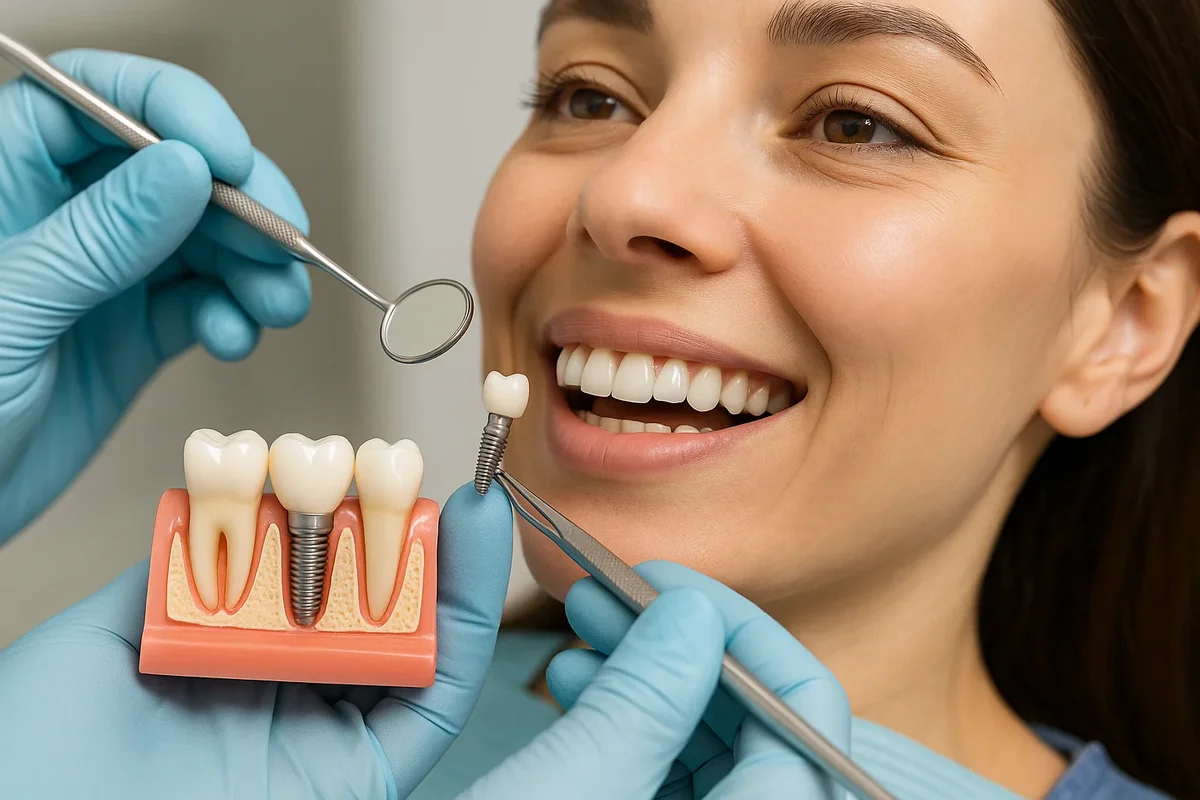
To truly understand why so many people choose to get dental implants, it’s essential to know how they function. A dental implant consists of three main parts:
- Implant Post: This is a titanium or zirconia screw that acts as the artificial root, anchored into your jawbone.
- Abutment: A small connector that attaches the implant post to the visible crown.
- Crown: The visible artificial tooth, custom-made to match the shape, color, and size of your natural teeth.
Once the implant is placed, your bone gradually grows around it in a process called osseointegration. This ensures the implant becomes securely fixed, allowing you to eat, speak, and smile confidently. The main reason many patients decide to get dental implants instead of removable dentures is because implants provide a permanent and natural solution that doesn’t shift or move inside the mouth.
The Evolution of Dental Implant Technology
The idea of replacing missing teeth is not new, but the technology behind it has evolved significantly. Decades ago, options were limited to removable dentures and bridges, which could damage adjacent teeth or cause discomfort. Today, when you get dental implants, you benefit from cutting-edge innovations such as 3D digital imaging, guided surgery, and advanced materials that promote faster healing and longer-lasting results.
Modern dental clinics use computer-aided design (CAD) and computer-aided manufacturing (CAM) to create precise implant restorations. This ensures a perfect fit and natural look that complements your facial structure. Additionally, techniques such as All-on-4 or All-on-6 implants allow full-arch restorations with minimal surgical intervention, ideal for patients who have lost several teeth. These advancements have made it easier, safer, and more affordable for people worldwide to get dental implants and enjoy a lifetime of beautiful smiles. 😁
Why You Should Choose to Get Dental Implants Over Other Options
When comparing dental implants with dentures or bridges, implants consistently stand out for their durability, comfort, and aesthetics. Here’s why choosing to get dental implants makes a significant difference:
- Permanent Solution: Dental implants can last a lifetime with proper care, unlike dentures that require replacement every 5–8 years.
- Bone Preservation: Implants prevent jawbone deterioration by stimulating bone growth just like natural tooth roots.
- Improved Speech: Because implants are fixed in place, you can speak naturally without worrying about slippage or clicking noises.
- Natural Appearance: The crowns placed over implants are designed to mimic real teeth, enhancing your confidence.
- Comfort and Stability: No adhesives or special cleaning solutions are required, and you can eat your favorite foods without restrictions.
Longevity and Maintenance of Dental Implants
One of the main reasons patients choose to get dental implants is their longevity. Studies show that with proper maintenance, dental implants have a success rate of over 95%. Caring for implants involves simple daily routines—brushing, flossing, and regular dental check-ups. This ease of maintenance makes implants not only a medical but also a lifestyle improvement.
Dental implants are resistant to decay, but gum health remains essential. Regular visits to a trusted clinic like Redent Klinik Contact Page ensure that your implants remain clean and stable for decades. The dental team can also perform professional scaling and polishing to remove any plaque buildup around the implant site.
How Getting Dental Implants Improves Overall Health
When you get dental implants, the benefits go far beyond your mouth. Missing teeth can lead to digestive issues, as chewing efficiency decreases. Implants allow you to chew thoroughly, aiding proper digestion and nutrient absorption. Furthermore, by filling the gaps in your smile, implants help prevent neighboring teeth from shifting or tilting into empty spaces, maintaining your bite alignment and reducing strain on your jaw muscles.
There’s also a psychological benefit. People who get dental implants often experience improved self-esteem and social comfort. They feel more willing to smile, speak, and laugh in public. This positive self-perception can influence personal relationships and even professional opportunities.
Expert Recommendations and Global Standards
Before deciding to get dental implants, it’s essential to consult a qualified professional who follows international dental standards. According to the American Dental Association, implant dentistry should always include thorough patient evaluation, bone density analysis, and customized treatment planning. Adhering to these standards ensures your safety and maximizes implant success rates.
Who Performs the Procedure?
Dental implants are usually placed by oral surgeons, periodontists, or prosthodontists—dentists with specialized training in implantology. Choosing an experienced specialist ensures precision and minimizes risks such as implant failure or nerve damage. Reputable clinics often use guided surgery techniques and 3D scans to plan the exact position of each implant, ensuring accuracy within millimeters. 🩺
Conclusion: Why You Should Get Dental Implants Now
Deciding to get dental implants is an investment in both your appearance and your health. The procedure is safe, highly effective, and designed to last a lifetime. Whether you’ve lost one tooth or an entire arch, dental implants can completely transform your smile and improve your quality of life. With modern materials and expert care, it’s easier than ever to restore your confidence and enjoy the simple pleasures of eating, talking, and smiling again. 🌟
If you’re ready to take the next step, contact a trusted dental provider like Redent Klinik to schedule a consultation today. Their expert team will guide you through each stage of the process, ensuring that your journey to a new smile is as smooth, safe, and satisfying as possible.
The Step-by-Step Process to Get Dental Implants
When you decide to get dental implants, understanding the step-by-step process helps you feel more confident and prepared. Dental implant treatment is a meticulous yet highly rewarding journey that restores both function and aesthetics. Each stage is designed to ensure long-term success, from consultation to final crown placement. Below is a comprehensive guide explaining each step in detail, along with expert insights into what you can expect during your implant journey. 🦷
1. Initial Consultation and Assessment
The first step to get dental implants begins with a professional consultation. During this session, your dentist or oral surgeon evaluates your overall oral health, medical history, and jawbone structure. Digital X-rays or 3D cone-beam CT scans are taken to assess bone density and determine if your jaw can support implants. The doctor will also discuss your goals, expected outcomes, and available treatment options.
In some cases, if you have gum disease or bone loss, additional preparatory treatments like deep cleaning or bone grafting may be recommended. The goal is to ensure a healthy and stable foundation for your implants. This stage sets the tone for a successful, long-lasting result when you get dental implants.
Bone and Gum Health Evaluation
Healthy gums and adequate bone density are crucial for implant success. If you have insufficient bone mass due to previous extractions or periodontal disease, a bone graft may be performed. The grafting material—either synthetic or from your own body—encourages new bone growth and strengthens the jaw. Most patients heal within 3–6 months before moving to the next step of the process.
2. Treatment Planning and Digital Mapping
Once you’re confirmed as a suitable candidate to get dental implants, your dentist designs a personalized treatment plan. Using advanced 3D imaging, they map the exact positions for each implant post. This digital planning ensures precision and minimizes surgical risks.
Modern dental clinics use computer-guided systems to simulate the procedure. This technology predicts how the implants will align with your natural bite, ensuring perfect placement for aesthetics and function. The digital plan also helps estimate the treatment duration and cost upfront, allowing you to make informed decisions about your care. 💻
3. Surgical Placement of the Dental Implants
The surgical procedure is typically performed under local anesthesia or mild sedation to ensure comfort. A small incision is made in the gum to expose the bone, and the implant post—a titanium or zirconia screw—is carefully inserted. Once placed, the gum is stitched closed, allowing the implant to integrate with the bone.
The process is minimally invasive thanks to digital-guided technology. Most patients report only mild discomfort afterward, easily managed with prescribed pain relief. After the surgery, your jawbone begins the healing phase known as osseointegration, where bone cells grow around the implant to secure it firmly in place. This crucial step is why dental implants last so long and feel completely natural once healed.
Healing Time After Surgery
The healing period typically lasts 3–6 months, depending on your bone density and overall health. During this time, it’s essential to maintain excellent oral hygiene, avoid smoking, and follow your dentist’s dietary recommendations. Soft foods like yogurt, mashed potatoes, and soups are ideal. Regular follow-up visits help the dentist monitor progress and ensure everything is healing correctly.
4. Abutment Placement
Once your implants have successfully integrated with your jawbone, the next step is placing the abutment—a small connector that attaches the implant to the crown. This minor procedure involves reopening the gum to expose the implant top and securing the abutment in place. The gums are then allowed to heal around it, forming a natural-looking gum line.
This stage is quick and usually done under local anesthesia. Healing takes about 2–3 weeks. During this time, temporary crowns can be used to maintain aesthetics and function. When you get dental implants at a professional clinic, such as Redent Klinik Contact Page, your dentist ensures the abutment placement blends perfectly with your natural smile. 😁
5. Custom Crown Fabrication
The final step to get dental implants involves creating a custom crown that matches your surrounding teeth in color, shape, and size. Your dentist takes digital or physical impressions, which are sent to a specialized dental laboratory. Using materials like porcelain or zirconia, the crown is designed for both beauty and durability.
Modern clinics use CAD/CAM (Computer-Aided Design and Manufacturing) technology to craft these crowns with extreme precision. Once ready, the permanent crown is attached to the abutment. The result is a restoration that looks, feels, and functions just like a natural tooth.
Temporary vs. Permanent Crowns
Before the final crown is installed, you may receive a temporary one. Temporary crowns protect the implant site during healing and allow you to test comfort and bite alignment. Once the gums stabilize, your permanent crown replaces the temporary version for a seamless finish.
6. Post-Procedure Care and Maintenance
After you get dental implants, post-procedure care is vital for long-term success. Proper hygiene—brushing twice daily and flossing—is essential to prevent plaque buildup. Regular checkups and professional cleanings ensure that both your implants and natural teeth remain healthy.
It’s also wise to avoid habits like nail-biting or chewing hard items, as these can damage the crown. Most importantly, keep your follow-up appointments for professional evaluation and cleaning. Clinics following American Dental Association standards provide comprehensive aftercare plans to maximize implant lifespan and maintain gum health.
7. Long-Term Benefits and Results
Once you’ve completed the full process to get dental implants, you’ll enjoy life-changing results. Not only do implants restore your ability to eat and speak comfortably, but they also prevent jawbone deterioration, preserve facial structure, and improve confidence. Patients often say they forget which tooth is the implant because it feels completely natural. 🌟
Unlike bridges or dentures, implants require no special maintenance beyond regular oral care. With consistent hygiene and checkups, dental implants can last a lifetime, making them one of the best investments you can make for your oral health.
Conclusion: A Journey Worth Taking
The process to get dental implants may seem detailed, but every step is designed for your comfort, safety, and long-term satisfaction. From consultation to crown placement, the entire journey ensures that your new smile is as strong and natural as possible. Whether you need one implant or a full-mouth restoration, a skilled dental team can guide you toward a confident, radiant smile that lasts for decades. 🦷
Who Is a Good Candidate for Dental Implants?
When planning to get dental implants, one of the most important factors to consider is whether you are a suitable candidate for the procedure. Dental implants are highly successful and versatile, but they require certain conditions to ensure long-term success. Your bone health, oral hygiene habits, medical history, and lifestyle choices all play critical roles in determining eligibility. In this section, we’ll explore the physical, medical, and lifestyle requirements that make someone an ideal candidate for dental implants and what alternatives may be available if you don’t meet them right away. 🦷
1. General Health Requirements
Good overall health is a prerequisite to get dental implants. Because the procedure involves minor surgery and bone integration, your body must be capable of proper healing. Ideal candidates are generally adults in good health with no untreated infections or chronic diseases that could interfere with recovery.
Conditions such as uncontrolled diabetes, autoimmune diseases, or bleeding disorders can slow the healing process. However, these do not automatically disqualify you. A skilled implant specialist can coordinate with your physician to ensure these conditions are well-managed before treatment. If you take medications that affect bone metabolism, such as bisphosphonates, your dentist will assess the risks carefully to ensure safe implant placement.
Importance of a Medical Evaluation
Before you get dental implants, your dentist will perform a thorough health evaluation and may request a letter from your doctor confirming your fitness for surgery. This ensures that your implant placement and recovery proceed without complications. Smokers, for instance, are advised to quit before and after implant surgery, as smoking significantly delays healing and increases the risk of implant failure.
2. Sufficient Bone Density and Structure
The success of dental implants relies heavily on the amount and quality of bone in your jaw. Implants need solid support to fuse properly through a process called osseointegration. Patients who have had missing teeth for a long time may experience bone resorption—gradual loss of jawbone density—which can make it challenging to place implants securely.
If you have low bone volume, you can still get dental implants with the help of bone grafting or sinus lift procedures. Bone grafting involves transplanting bone material from another area of your body or using synthetic graft material to strengthen the implant site. Within a few months, the grafted bone fuses naturally with your jaw, creating a solid foundation for implant placement. 🦴
Advanced Solutions for Low Bone Density
Modern implantology offers advanced techniques for patients with insufficient bone. The All-on-4 and Zygomatic Implants methods are innovative alternatives that bypass bone grafting altogether. These techniques use longer or angled implants anchored into denser areas of the jawbone, allowing patients with bone loss to still achieve lasting results when they get dental implants.
3. Healthy Gums and Oral Hygiene
Healthy gums are essential for successful implantation. Gum diseases such as gingivitis or periodontitis must be treated before the procedure to prevent infection around the implant area. Patients with active gum disease are not suitable candidates until their condition is under control, as bacteria can weaken the bone and lead to implant failure.
To maintain your implants after placement, you must commit to daily brushing, flossing, and professional dental cleanings. A person who wishes to get dental implants must be dedicated to excellent oral hygiene habits because the surrounding gums act as the primary protective barrier against infection and inflammation. Clinics that follow the American Dental Association standards always emphasize pre-surgical periodontal care to ensure long-term success.
4. Age and Growth Considerations
Another key factor in determining candidacy to get dental implants is age. Dental implants are generally not recommended for children or teenagers whose jawbones are still developing. Premature placement could interfere with natural growth and alignment. Most specialists suggest waiting until at least age 18 for females and 21 for males, as the jawbone typically stops growing at these ages.
However, there’s no upper age limit for getting dental implants. Older adults can be excellent candidates, provided they have good oral health and adequate bone support. In fact, many seniors who have worn dentures for years are now turning to implants for their superior comfort and stability. 🌟
Implants for Senior Patients
Senior patients often report improved nutrition, better digestion, and increased confidence after they get dental implants. Since implants prevent bone loss, they help maintain facial structure and reduce the “sunken look” that often accompanies missing teeth. With advancements in minimally invasive techniques, even elderly patients with mild bone loss can enjoy a new smile without complex surgery.
5. Lifestyle and Commitment Factors
Beyond physical health, lifestyle habits also determine whether you’re ready to get dental implants. Non-smokers and individuals who avoid excessive alcohol use generally experience faster healing and fewer complications. Smoking restricts blood flow to the gums, hindering bone regeneration, while alcohol can interfere with post-surgical medications and slow tissue recovery.
Another critical factor is patient commitment. Getting dental implants requires patience because the full process—from consultation to crown placement—can take several months. Candidates who are willing to attend follow-up appointments and adhere to aftercare instructions are far more likely to enjoy lifelong success with their implants.
Psychological Readiness
Choosing to get dental implants is also a psychological decision. Many people with missing teeth struggle with self-image or anxiety about dental treatments. A good candidate is someone mentally prepared for the process and motivated by the long-term benefits. Dental teams like those at Redent Klinik Contact Page offer compassionate care and patient education to ensure you feel comfortable and informed at every step.
6. Special Considerations and Alternatives
Some individuals who aren’t ideal candidates can still achieve similar results with alternative treatments. Mini implants, for example, are smaller and less invasive, making them suitable for patients with limited bone structure. Implant-supported dentures can also be an option for those who want improved stability without undergoing full implant surgery. These solutions allow many more people to experience the benefits of dental restoration even if they can’t yet get dental implants traditionally.
Conclusion: Are You Ready to Get Dental Implants?
Ultimately, the best way to determine whether you’re a good candidate is to schedule a professional consultation. An experienced implant specialist will evaluate your oral health, bone density, and medical background to develop a tailored treatment plan. With today’s advanced technologies and materials, most adults who wish to get dental implants can achieve a natural-looking, long-lasting smile. 🌺
If you’re ready to explore your options, contact a certified dental clinic such as Redent Klinik to discuss your eligibility and begin your journey toward a confident, healthy smile that lasts for life.
Cost of Getting Dental Implants in Different Countries
One of the most common questions people ask when planning to get dental implants is about the cost. Dental implant prices vary significantly across countries due to differences in healthcare systems, material quality, clinic experience, and living costs. Understanding these factors will help you make an informed decision about where and how to get the best value for your investment. Below, we’ll break down everything you need to know about dental implant costs worldwide, including what’s included in the treatment, financing options, and why medical tourism has become a major trend. 💰
1. What Determines the Cost of Dental Implants?
Before comparing prices, it’s essential to understand what drives the total cost when you get dental implants. Several key factors influence the final price:
- Number of Implants: Replacing one tooth costs less than a full arch restoration such as All-on-4 or All-on-6 implants.
- Material Type: Titanium implants are the most common, while zirconia implants are slightly more expensive due to their superior aesthetics.
- Bone Grafting or Sinus Lift: If additional procedures are required to strengthen your jawbone, the total cost increases.
- Location of the Clinic: Dental care in countries with lower operating costs, like Turkey or Mexico, is much more affordable than in the USA or UK.
- Dentist Expertise and Technology: Highly trained implantologists using 3D-guided surgery systems may charge more but ensure better results and longevity.
It’s important to note that a low price doesn’t always mean poor quality. Many international clinics provide world-class services at a fraction of Western prices due to favorable economic conditions—not lower standards. 🌍
2. Average Dental Implant Costs by Country (2025)
The table below provides an overview of the approximate cost range for single implants in different regions. These estimates include consultation, surgery, abutment, and crown placement.
Average Price Range for Single Dental Implants:
🇹🇷 Turkey: $1,000 – $1,800 per implant
🇲🇽 Mexico: $1,200 – $2,200 per implant
🇪🇸 Spain: $1,800 – $3,000 per implant
🇩🇪 Germany: €2,500 – €4,500 per implant
🇬🇧 United Kingdom: £2,000 – £4,000 per implant
🇺🇸 United States: $3,000 – $6,000 per implant
From the comparison, it’s clear that choosing to get dental implants in countries like Turkey or Mexico can save patients up to 70% compared to Western Europe or North America. This cost difference has led to a significant rise in dental tourism, especially for patients from the UK, Germany, and the USA seeking affordable yet high-quality treatments abroad.
3. Why Turkey Is a Leading Destination for Dental Implants
Turkey has become one of the most popular destinations to get dental implants thanks to its blend of affordability, advanced technology, and internationally trained dentists. Clinics in major cities like Istanbul, Antalya, and Izmir attract thousands of patients every year seeking full-mouth restorations, single implants, and smile makeovers.
Turkish clinics often include comprehensive treatment packages that cover accommodation, airport transfers, and post-operative care—all at a lower total price than a single implant in the UK or USA. This convenience, combined with beautiful tourism opportunities, makes Turkey an appealing choice for anyone wanting to restore their smile while enjoying a relaxing holiday. 🌴
Example Cost Package in Turkey
At clinics such as Redent Klinik Contact Page, a full-mouth All-on-4 implant restoration typically ranges between $3,800 and $6,000 USD, including consultation, X-rays, anesthesia, and final crowns. Single implants with zirconia crowns average around $1,200–$1,800 USD. Compared to Western countries, this represents outstanding value without compromising on quality or safety.
4. What’s Included in the Price?
When you get dental implants, understanding what’s included in your treatment package is essential. A comprehensive quote should cover:
- Initial consultation and imaging (3D CT scan or panoramic X-ray)
- Surgical implant placement
- Healing abutment and temporary prosthesis (if needed)
- Final abutment and custom crown
- Follow-up visits and adjustments
However, not all clinics include additional procedures like bone grafting or sinus lifts in the initial quote. Always request a transparent cost breakdown before you proceed. Reliable clinics will explain every item clearly and provide written documentation. 🧾
5. Insurance and Financing Options
While most insurance plans don’t fully cover implants, partial reimbursement may be available for procedures like extractions or bone grafting. Some international patients also benefit from medical travel insurance that covers unforeseen complications during recovery. Clinics that specialize in helping patients get dental implants abroad often provide flexible payment plans or 0% financing options to make treatment accessible for everyone.
Always verify whether the clinic offers a warranty on implants or crowns. Reputable institutions generally guarantee implant performance for 10–15 years, provided patients maintain regular checkups and good oral hygiene. This demonstrates confidence in their materials and craftsmanship.
6. Cost vs. Quality: Finding the Right Balance
It’s tempting to focus solely on price, but quality should always come first when you get dental implants. Look for clinics with international accreditations, positive patient reviews, and transparent procedures. Advanced clinics follow the standards outlined by the American Dental Association to ensure patient safety and implant longevity.
While a cheap deal may seem appealing, poor-quality implants or inexperienced practitioners can lead to complications that cost more to fix later. Choosing the right clinic the first time is an investment in your health, appearance, and confidence. 🌟
7. Comparing Total Treatment Value
When comparing implant prices internationally, always consider the full treatment value—travel expenses, accommodation, aftercare, and long-term success rates. Turkey, for example, remains the best option for patients who want to get dental implants affordably and safely without compromising results. With world-class facilities and multilingual staff, the country continues to rank among the top dental destinations globally.
Conclusion: Investing Wisely in Your Smile
The cost to get dental implants depends on numerous factors, but no matter where you go, this treatment is one of the best long-term investments in your health and confidence. Whether you choose Turkey for affordability, Germany for engineering precision, or the USA for convenience, the key is selecting a reputable clinic with proven expertise. 💎
If you’re considering dental tourism, contact Redent Klinik for a personalized quote and treatment plan. Their experienced specialists can help you regain your smile safely, efficiently, and at a price that suits your budget—without sacrificing quality or care.
How Long Do Dental Implants Last? Durability Explained
When people decide to get dental implants, one of their first questions is about longevity — “How long will my implants last?” The answer depends on several factors, including the quality of materials, surgical expertise, oral hygiene, and lifestyle habits. Dental implants are designed to be a permanent solution, and with proper care, they can last decades — often for a lifetime. In this section, we’ll explain exactly what affects implant durability, what you can do to make them last longer, and how they compare to other tooth replacement options. 🦷
1. The Lifespan of Dental Implants: An Overview
Studies have shown that dental implants have a success rate of 95–98% over 10 years, and most patients enjoy functional, stable implants for 25 years or more. Many even last a lifetime when placed and maintained correctly. The titanium or zirconia post that is surgically inserted into the jawbone is biologically compatible and designed to fuse permanently with your bone through a process called osseointegration.
When you get dental implants, it’s essential to remember that while the implant post can last a lifetime, the crown (the visible part of the tooth) might need replacement after 10–20 years due to normal wear and tear. Modern crown materials, such as zirconia or porcelain fused to metal, are extremely durable and resistant to staining and chipping, ensuring long-lasting aesthetics and performance.
2. Factors That Influence How Long Dental Implants Last
The durability of dental implants depends on a combination of biological, mechanical, and lifestyle factors. Here’s what most significantly affects how long your implants will last:
- Oral Hygiene: Just like natural teeth, implants require daily brushing and flossing to prevent plaque buildup and gum inflammation.
- Bone Quality: Strong jawbone density is essential for long-term implant stability.
- Gum Health: Healthy gums form a protective seal around the implant and prevent bacterial infections such as peri-implantitis.
- Material Quality: When you get dental implants made of medical-grade titanium or zirconia, they’re highly resistant to corrosion and fracture.
- Dental Expertise: The surgeon’s precision during placement plays a vital role in determining long-term success.
- Lifestyle Choices: Smoking, poor diet, and alcohol consumption can significantly reduce the lifespan of implants.
Importance of Osseointegration
The fusion of the implant with your jawbone — known as osseointegration — is the foundation of implant success. This process can take three to six months, depending on your bone condition and overall health. When the fusion is complete, your implant becomes as strong as a natural tooth root, ensuring unmatched durability and stability for decades.
3. Maintenance and Daily Care
One of the biggest advantages when you get dental implants is that maintaining them is almost identical to caring for natural teeth. You should brush at least twice a day with a soft-bristled toothbrush, floss daily, and use an antibacterial mouthwash. Additionally, regular dental checkups (every 6 months) allow your dentist to detect any early signs of gum inflammation or mechanical wear.
Implant-supported crowns or bridges should be cleaned carefully to remove food particles around the abutment and under the crown edges. Clinics like Redent Klinik Contact Page offer professional cleanings specifically designed for patients with implants. This type of maintenance prevents plaque accumulation, ensuring your implants remain functional and beautiful for years. 😁
4. Habits That Can Shorten Implant Lifespan
Even the best dental implants can fail prematurely if not cared for properly. Avoid these habits to extend their lifespan:
- Smoking or vaping, which restricts blood flow to gums and delays healing.
- Bruxism (teeth grinding), which exerts excess pressure on implants and can cause micro-movements or fractures.
- Chewing hard foods like ice, hard candies, or nutshells that can damage crowns.
- Skipping regular dental visits, allowing minor gum issues to develop into major complications.
Patients who smoke are up to three times more likely to experience implant failure compared to non-smokers. Therefore, dentists strongly advise quitting smoking before you get dental implants to ensure the best possible outcome.
Protecting Your Implants at Night
If you grind your teeth during sleep, wearing a night guard can protect both your implants and natural teeth. These custom-made devices absorb excess pressure, reducing the risk of mechanical damage. This small step can dramatically extend the life of your restoration. 🌙
5. Comparing Durability: Implants vs. Bridges and Dentures
When you get dental implants, you’re investing in longevity and stability unmatched by other tooth replacement options. Let’s compare them briefly:
- Dental Implants: 25+ years or lifetime with proper care.
- Fixed Bridges: 10–15 years on average; require trimming adjacent teeth.
- Removable Dentures: 5–8 years; often uncomfortable and unstable.
Implants preserve jawbone density, prevent neighboring teeth from shifting, and maintain your facial structure. Bridges and dentures, on the other hand, often lead to bone loss over time because they don’t stimulate the bone beneath. This is why many patients who once wore dentures eventually choose to get dental implants for a permanent, natural-feeling solution.
6. Role of Regular Dental Checkups
Routine professional checkups are essential to keeping your implants in top condition. During these visits, your dentist will assess the tightness of the abutment screws, check bone levels through X-rays, and clean hard-to-reach areas. Clinics following American Dental Association standards recommend semiannual cleanings and annual radiographic evaluations to ensure maximum implant durability.
Professional maintenance is especially important for patients who have undergone complex restorations, such as full-arch or All-on-4 implants. Small adjustments over time can prevent major complications later, ensuring your implants last for decades.
7. Expected Longevity Based on Real Data
According to global clinical studies, more than 90% of dental implants placed over 20 years ago are still functional today. Patients who maintain proper oral hygiene and attend regular follow-ups enjoy nearly a lifetime of use. Titanium implants have the highest success rate due to their strength and resistance to corrosion, while zirconia implants offer excellent aesthetics for front-tooth replacements.
8. When and Why Implants Might Need Replacement
Although rare, dental implants may require replacement if issues like peri-implantitis, trauma, or bone loss occur. In most cases, these problems arise from poor hygiene or systemic health conditions. The good news is that re-implantation is often possible after proper treatment and bone regeneration. With experienced care, even patients who had early failures can successfully get dental implants again and restore full function. 🦷
Conclusion: Building a Lifetime Smile
Dental implants are one of the most durable medical innovations in modern dentistry. When you get dental implants from an experienced professional and care for them diligently, they can last a lifetime—far surpassing bridges or dentures. Their combination of functionality, aesthetics, and permanence makes them the gold standard for tooth replacement worldwide. 🌟
To ensure your implants serve you for decades, partner with a trusted clinic like Redent Klinik, where advanced technology, skilled specialists, and personalized aftercare come together to help you maintain a radiant, healthy smile that lasts a lifetime.
Top Benefits of Choosing to Get Dental Implants
When you decide to get dental implants, you’re not just replacing missing teeth — you’re transforming your quality of life. Dental implants offer a wide range of benefits that go far beyond aesthetics, affecting everything from your oral health to your self-confidence and even your nutrition. In this section, we’ll explore in depth why implants are considered the gold standard for tooth replacement and how they can dramatically improve your daily life. 🌟
1. Natural Look and Feel
One of the most remarkable advantages when you get dental implants is how natural they look and feel. Because implants are anchored into your jawbone, they replicate the structure of real teeth, providing a firm and lifelike foundation for crowns or bridges. Once healed, most patients forget they even have implants, as they function and appear identical to natural teeth. 😁
The crown portion is custom-designed to match the color, shape, and size of your surrounding teeth, ensuring seamless integration with your smile. Whether you’re talking, laughing, or eating, no one will be able to tell the difference between your implant and natural teeth.
Boosting Confidence with a Natural Smile
Confidence plays a major role in everyday life. Patients who get dental implants often report increased self-esteem because they can smile and speak without fear of dentures slipping or gaps showing. This confidence can translate into better social interactions, career opportunities, and overall happiness. 🌸
2. Enhanced Comfort and Stability
Unlike removable dentures, which can shift and cause discomfort, dental implants are securely anchored in your jawbone. This stability eliminates issues like gum irritation, slippage, or difficulty chewing. When you get dental implants, you can enjoy your favorite foods again without restrictions — from crunchy apples to chewy steaks — without worrying about pain or movement.
Because implants become a permanent part of your mouth, they don’t rely on adhesives or special cleaning solutions. You can brush and floss them just like natural teeth, making them the most comfortable and convenient option available. 🦷
3. Long-Term Durability and Cost Efficiency
Many people hesitate to get dental implants because of the upfront cost, but implants are a long-term investment that can actually save money over time. Bridges and dentures typically need replacement every 5–10 years, while dental implants can last 25 years or longer with proper care. That means fewer dental visits, replacements, and maintenance costs in the long run.
High-quality titanium or zirconia implants are resistant to decay and corrosion, ensuring lasting performance even in challenging oral conditions. Choosing implants is not just about restoring a smile — it’s about making a financially smart and health-conscious decision that pays off for decades. 💎
4. Preventing Bone Loss and Facial Sagging
When a tooth is lost, the jawbone underneath begins to shrink because it no longer receives stimulation from chewing. Over time, this bone loss can cause facial sagging and premature aging. One of the biggest reasons people get dental implants is to stop this process. The implant acts as an artificial root, stimulating the jawbone and preventing deterioration.
This helps maintain your natural facial structure and prevents the “sunken” look that can occur with prolonged denture use. Essentially, dental implants preserve both your smile and your youthful appearance — a benefit that no other tooth replacement method can match. 💪
How Implants Stimulate the Jawbone
The titanium implant integrates with the bone through osseointegration, meaning the bone grows around the implant and locks it in place. This biological process ensures ongoing bone health and structural stability, protecting your mouth from future complications.
5. Improved Oral Health
When you get dental implants, you’re actually improving your oral health rather than compromising it. Unlike dental bridges, implants don’t require grinding down adjacent teeth for support. This means your surrounding teeth remain intact and strong. Additionally, implants make it easier to clean between teeth, reducing the risk of gum disease and cavities.
Maintaining good oral hygiene with implants also promotes long-term gum health and prevents bacterial infections that can affect the jawbone. Regular checkups and cleanings at a trusted clinic, such as Redent Klinik Contact Page, ensure that both your implants and natural teeth stay in optimal condition.
6. Restored Bite Strength and Functionality
Another powerful reason to get dental implants is that they restore nearly 100% of your natural bite strength. Removable dentures only provide about 25–30% of normal chewing power, which limits your diet and can cause digestive problems. Implants, however, allow you to eat comfortably and maintain a balanced diet rich in fruits, vegetables, and proteins. 🍎
This ability to chew properly improves overall digestion, nutritional intake, and quality of life. You’ll be able to enjoy crunchy, chewy, and fibrous foods again — something many denture wearers miss dearly.
7. Better Speech and Pronunciation
Missing teeth or ill-fitting dentures can make pronunciation difficult. When you get dental implants, you regain full control over your speech because implants remain securely fixed. You can pronounce words naturally without slurring, clicking, or worrying about dentures moving while you talk. This makes social interactions more comfortable and professional communication more confident.
Confidence in Public Speaking
For professionals or individuals who speak frequently in public, implants offer an invaluable advantage. With stable, natural-feeling teeth, you can communicate clearly and confidently without distraction — a crucial factor in both personal and business settings.
8. No Dietary Restrictions
Traditional dentures can limit your ability to eat certain foods, but when you get dental implants, those restrictions disappear. You can enjoy everything from crunchy vegetables to chewy meats without fear of damaging your prosthetic or causing discomfort. Since implants distribute pressure evenly across your jaw, they prevent sore spots or gum pain after eating. 🥩
This freedom not only enhances mealtime enjoyment but also supports better nutrition. You can maintain a balanced diet and protect your overall health — something that directly affects your energy, immunity, and well-being.
9. Boosting Mental and Emotional Well-Being
Beyond physical benefits, dental implants contribute significantly to mental health. Patients who get dental implants often experience reduced anxiety, improved mood, and a more positive outlook. Restoring a complete smile helps eliminate self-consciousness, encouraging greater participation in social activities and personal interactions. 💖
Feeling confident in your smile can even influence your professional life. Studies show that people who smile more frequently are perceived as more approachable and trustworthy, which can open new opportunities in careers and relationships.
10. Lifetime Results with Proper Care
Finally, one of the most compelling benefits of choosing to get dental implants is longevity. With consistent oral hygiene, professional maintenance, and regular checkups, implants can last for decades — often a lifetime. Unlike temporary fixes, implants are designed to integrate naturally with your body, providing a permanent solution that supports both health and happiness for years to come.
Conclusion: A Smile Worth the Investment
In summary, when you get dental implants, you gain far more than just a replacement tooth — you regain your confidence, comfort, and overall health. From preserving bone and enhancing speech to restoring bite strength and preventing premature aging, the benefits are comprehensive and long-lasting. 🌺
For expert guidance, advanced implant technology, and personalized care, visit Redent Klinik. Their team follows American Dental Association standards to ensure your dental implants deliver the highest possible results — a smile that lasts a lifetime.
Possible Risks and Complications When You Get Dental Implants
While deciding to get dental implants is one of the most effective ways to restore your smile, like any surgical procedure, it comes with certain risks and potential complications. Fortunately, these risks are rare and can be minimized with careful planning, proper oral hygiene, and by choosing a highly experienced dental professional. In this section, we’ll explore all possible side effects, how to prevent them, and what to do if complications occur after implant placement. 🦷
1. Understanding the Surgical Nature of Dental Implants
When you get dental implants, the process involves inserting a small titanium or zirconia post into your jawbone. This post acts as an artificial tooth root, which supports a custom-made crown. Because it’s a minor surgical procedure, it naturally carries a few post-operative risks, just like any other oral surgery. However, with advanced technology, sterilization, and guided implant placement systems, the chance of major complications is extremely low — typically below 5% according to clinical studies.
Why These Risks Are Rare
Modern dental clinics use 3D imaging and computer-guided surgery to plan implant placement precisely, avoiding critical nerves and sinus areas. When performed by an experienced dentist, the healing process is predictable and complication-free for most patients. Still, understanding potential problems helps you make informed decisions and take proactive steps in your recovery journey. 🌿
2. Common Short-Term Side Effects After Getting Dental Implants
It’s completely normal to experience mild discomfort or swelling for a few days after surgery. These are natural responses to the healing process and should not be confused with serious complications. Typical short-term effects include:
- Swelling of the gums and face (usually lasting 2–3 days)
- Minor bleeding around the surgical area
- Bruising of the gum tissue or jaw
- Soreness while chewing or opening the mouth
These symptoms typically subside within one week and can be managed easily with prescribed medications, cold compresses, and soft foods. Patients who get dental implants at reputable clinics such as Redent Klinik Contact Page are given detailed post-operative instructions to ensure smooth healing and minimize discomfort. 🩺
3. Possible Long-Term Complications
Although dental implants are highly successful, there are a few complications that may occur months or even years after surgery. Understanding these will help you prevent them effectively:
- Infection at the Implant Site: Caused by poor hygiene or smoking, this can lead to inflammation of surrounding tissues.
- Peri-Implantitis: A condition similar to gum disease that affects the bone and tissues around the implant.
- Nerve Damage: If an implant is placed too close to a nerve, it can cause tingling or numbness in the lips or chin (very rare with guided surgery).
- Sinus Issues: In upper jaw implants, incorrect placement can sometimes affect the sinus cavity.
- Implant Failure: Occurs when the implant fails to integrate properly with the jawbone (osseointegration failure).
Recognizing the Signs of Complications
After you get dental implants, warning signs that something might be wrong include persistent pain, swelling beyond one week, gum discharge, or loose implants. If you notice any of these symptoms, contact your dentist immediately. Early intervention almost always leads to successful treatment and recovery.
4. Risk Factors That Increase the Chances of Implant Failure
While the overall success rate of dental implants is above 95%, certain factors can increase the risk of complications:
- Smoking: Reduces blood flow to the gums, delaying healing and increasing infection risk.
- Uncontrolled Diabetes: Slows down recovery and affects bone integration.
- Osteoporosis: Weakens bone density, affecting implant stability.
- Poor Oral Hygiene: Leads to bacterial buildup and gum inflammation.
- Bruxism (teeth grinding): Can put excessive pressure on implants and cause loosening.
Patients who plan to get dental implants should discuss their full medical history and lifestyle habits with their dentist to identify and manage these risk factors effectively. In many cases, clinics may recommend pre-treatment measures like bone grafting or gum therapy to improve implant success rates.
5. Prevention Strategies for a Safe and Successful Implant
Preventing complications starts long before the surgery. Here are the most important preventive steps recommended by experts from the American Dental Association and top implantologists worldwide:
- Choose a qualified implant specialist with verified experience and credentials.
- Stop smoking at least 2 weeks before and after surgery.
- Maintain good oral hygiene — brush, floss, and use antibacterial rinses.
- Attend all follow-up visits for professional monitoring.
- Follow your dentist’s dietary recommendations during recovery.
When you get dental implants from a trusted clinic that follows strict sterilization and surgical protocols, the risk of failure is reduced to nearly zero. Advanced systems like 3D CBCT imaging and computer-guided surgery ensure perfect positioning and minimal trauma.
6. How to Handle Post-Surgical Discomfort
Most post-surgical discomfort after getting dental implants is temporary and manageable. Dentists typically prescribe anti-inflammatory medication, antibiotics, and recommend cold compresses to minimize swelling. Patients should stick to a soft-food diet for the first few days — soups, mashed potatoes, yogurt, and smoothies are ideal choices. 🥣
Avoid alcohol, smoking, and strenuous exercise for at least 72 hours to allow your body to heal effectively. Gentle care during this period sets the foundation for long-term success.
Quick Healing Tips
- Sleep with your head elevated the first two nights to reduce swelling.
- Rinse with warm salt water 24 hours after surgery to prevent infection.
- Avoid touching the implant area with your tongue or fingers.
7. The Role of Follow-Up Appointments
Follow-up appointments are crucial after you get dental implants. They allow your dentist to monitor bone integration, gum healing, and implant stability. During these visits, the dentist may take X-rays to verify osseointegration progress and identify early signs of issues before they become serious.
Skipping these appointments can delay diagnosis of minor problems, which might lead to major complications later. Professional aftercare ensures your implants stay healthy for decades.
8. Managing Late-Stage Complications
Even years after surgery, complications like peri-implantitis or crown damage can occur if oral hygiene is neglected. Fortunately, early-stage inflammation is reversible with professional cleaning and laser therapy. If an implant fails to integrate due to infection or bone loss, re-implantation is usually possible after bone regeneration treatment. Clinics such as Redent Klinik specialize in managing these complex cases with precision and care. 🏥
9. Success Rates and Long-Term Outlook
Globally, dental implant success rates exceed 95% — among the highest of all medical procedures. Patients who maintain good hygiene, avoid smoking, and visit their dentist regularly rarely experience problems. In fact, implants placed and maintained properly can last for life, making them the most reliable form of tooth replacement available.
Choosing to get dental implants is not only a safe decision but also a life-enhancing one. The potential risks are minimal when compared to the benefits — and with expert care, you can enjoy a natural-looking, functional smile for decades.
Conclusion: Minimize Risks with the Right Care
In summary, while there are potential risks when you get dental implants, these can be effectively avoided through careful planning, skilled execution, and proper aftercare. Working with an experienced implantologist, following hygiene protocols, and attending regular follow-ups virtually guarantees success. 🌿
For a risk-free, comfortable experience, reach out to Redent Klinik. Their expert dental surgeons follow international standards from the American Dental Association, using cutting-edge technology to ensure your implants heal beautifully, safely, and last a lifetime.
How to Choose the Best Clinic to Get Dental Implants
When you decide to get dental implants, selecting the right clinic is just as important as the procedure itself. The experience, technology, and professionalism of your chosen dental team can determine the long-term success of your treatment. With so many clinics advertising implant services, it can be challenging to know where to start. In this section, we’ll guide you through the key factors that make a clinic trustworthy, safe, and effective — ensuring that your investment results in a healthy, lasting smile. 😁
1. The Importance of Choosing the Right Clinic
The success rate of dental implants can exceed 98% — but only when performed by experienced professionals using top-quality materials and advanced techniques. When you get dental implants from a reputable clinic, you not only minimize risks but also enjoy superior results in terms of function, aesthetics, and comfort. The right clinic should provide personalized care, transparency about pricing, and full support from consultation to recovery.
Choosing an inexperienced or uncertified provider, on the other hand, can lead to complications such as implant failure, infection, or poor cosmetic outcomes. Therefore, careful research and evaluation before scheduling your surgery is essential. 🌿
2. Qualifications and Experience of the Dentist
The first thing to verify when planning to get dental implants is the dentist’s credentials. Ideally, the implantologist should hold advanced certifications in oral surgery or prosthodontics and have years of practical experience in implantology. Ask how many implants they place per year — a professional who performs at least 200–300 procedures annually is considered highly experienced.
You can also request before-and-after photos of past patients or check independent reviews to gauge real patient satisfaction. Experienced specialists can handle complex cases, including bone grafting and full-mouth restorations, ensuring your treatment is successful no matter your initial condition.
Pro Tip:
Always confirm that your clinic follows the standards recommended by the American Dental Association or equivalent European dental associations. This guarantees that your treatment meets international safety and hygiene protocols.
3. Technology and Equipment Used
Modern technology plays a critical role when you get dental implants. A reliable clinic should use cutting-edge diagnostic and surgical equipment, such as:
- 3D Cone Beam CT Scans: For precise bone mapping and implant planning.
- Computer-Guided Surgery Systems: To ensure perfect implant placement and minimize trauma.
- Digital Impressions: To replace traditional molds for better accuracy and comfort.
- Laser-Assisted Surgery: For faster healing and minimal bleeding.
Clinics that invest in advanced technology offer shorter recovery times, less pain, and longer-lasting results. For example, clinics like Redent Klinik Contact Page utilize 3D imaging and CAD/CAM systems to design personalized crowns that fit perfectly and look completely natural. 🦷
4. Hygiene Standards and Sterilization
Another vital factor to consider before you get dental implants is clinic hygiene. The treatment environment must be impeccably clean, with sterilized instruments and disposable materials used wherever possible. Ask if the clinic follows international infection control protocols, including single-use surgical kits, autoclave sterilization, and protective barriers for all patients. A clean and organized environment reflects professionalism and care.
Many leading clinics also have ISO or JCI accreditation, ensuring their hygiene standards meet or exceed global medical safety requirements. This is especially important for international patients traveling abroad for dental tourism.
5. Transparency in Pricing and Treatment Plans
Before you get dental implants, it’s essential to understand all costs and treatment phases in detail. A reputable clinic will provide a written quotation that includes every step — from the initial consultation and X-rays to the final prosthetic crown. Beware of hidden charges or unclear estimates, as they can significantly increase your final bill.
Transparent pricing not only builds trust but also helps you plan your budget realistically. Many dental tourism clinics, especially in Turkey, offer complete packages that include accommodation, transfers, and post-operative care — offering tremendous value without compromising quality. 🌍
Example Cost Breakdown (Approximate):
Consultation & X-ray: $50–$100
Single Implant (Surgery): $700–$1,200
Abutment & Crown: $500–$800
Total: $1,200–$2,000 per tooth (depending on location and material)
6. Reviews, Testimonials, and Reputation
When you get dental implants, real patient experiences can tell you more than advertisements ever could. Read verified Google reviews, check the clinic’s social media, and look for video testimonials. Consistent positive feedback about professionalism, cleanliness, and long-term results is a good indicator of reliability.
Additionally, trusted clinics often collaborate with international dental associations and have awards or recognitions for excellence in implantology. Clinics like Redent Klinik are known globally for their transparency, advanced equipment, and high patient satisfaction rates.
7. Aftercare and Follow-Up Support
The best clinics don’t stop caring once the surgery is done. Long-term follow-up appointments are critical for implant success. When you get dental implants, make sure your clinic offers periodic checkups, professional cleanings, and warranty policies for your implants and crowns. Reliable clinics provide detailed guidance on oral hygiene routines and diet recommendations to ensure lasting results.
Follow-up care includes monitoring osseointegration (bone healing), checking gum health, and ensuring the implant remains stable. A clinic committed to aftercare demonstrates genuine concern for patient well-being, not just short-term profit. 💖
8. Communication and Patient Comfort
Clear communication builds trust. The best clinics take time to explain each step of your treatment, including risks, alternatives, and recovery expectations. When you get dental implants abroad, multilingual support is also crucial to avoid misunderstandings. The staff should make you feel comfortable, answer all your questions, and provide emotional reassurance before and after the surgery.
Personalized patient care is what separates elite dental clinics from average ones. You should feel that your needs and fears are respected and addressed with empathy throughout your journey. 😊
9. Why Turkey Is a Top Choice for Implant Treatment
Turkey has become one of the world’s leading destinations to get dental implants because it combines affordability with high-quality healthcare. Clinics in Istanbul, Antalya, and Izmir offer internationally certified specialists, modern facilities, and exceptional hospitality — often at 60–70% lower costs than in Western countries.
Moreover, many clinics provide seamless medical tourism experiences with airport pickup, hotel stays, and personal coordinators. This makes the process stress-free for international patients while maintaining world-class standards in safety and results. 🇹🇷
Conclusion: Making a Confident Decision
Choosing the right clinic to get dental implants is the key to achieving lifelong results. Focus on experience, technology, hygiene, and genuine patient care — not just price. The best clinics are those that prioritize safety, transparency, and personalized treatment from start to finish.
If you’re seeking a trusted clinic with international standards, contact Redent Klinik. Their expert team provides comprehensive implant solutions backed by advanced 3D diagnostics and ADA-compliant surgical protocols. With professionalism, comfort, and artistry combined, Redent Klinik ensures you receive not just implants — but a confident, lasting smile. 🌟
Aftercare and Recovery Tips When You Get Dental Implants
Once you get dental implants, your journey to a healthy, confident smile doesn’t end with the surgery. The post-operative care and healing phase are just as important as the procedure itself. Proper aftercare ensures the success of the implant’s integration with your jawbone (osseointegration), prevents infection, and promotes long-term stability. In this comprehensive guide, we’ll cover every essential step you need to take during recovery — from the first 24 hours to lifelong maintenance — to ensure your dental implants last a lifetime. 🦷
1. The First 24 Hours After Surgery
The first day after you get dental implants is critical for successful healing. During this period, your body begins to form a blood clot around the surgical site to initiate natural tissue repair. To protect this process, follow your dentist’s instructions carefully and take these precautions:
- Do not rinse, spit, or touch the implant area for the first 12 hours.
- Keep your head elevated and rest as much as possible.
- Apply a cold compress on your cheek for 10 minutes at a time to reduce swelling.
- Avoid drinking through straws or smoking, as suction can dislodge the clot.
Minor bleeding and swelling are normal for up to 48 hours. If the bleeding persists or becomes heavy, bite gently on a sterile gauze pad for 30 minutes. Always take any prescribed antibiotics or painkillers exactly as directed by your dentist. 🌿
2. Managing Pain and Swelling
It’s completely normal to experience mild pain and swelling after you get dental implants. These symptoms typically peak within 48 hours and subside gradually over the next few days. Over-the-counter pain relievers such as ibuprofen or paracetamol can help, but avoid aspirin as it can increase bleeding. Applying a cold compress intermittently helps reduce inflammation and discomfort.
Natural Ways to Soothe Discomfort
In addition to medication, warm saltwater rinses (after 24 hours) can accelerate healing and reduce bacteria in your mouth. Rinsing gently 2–3 times per day keeps the surgical area clean without disrupting the implant site.
3. Diet and Nutrition During Recovery
After you get dental implants, your diet plays a vital role in healing. Soft, nutrient-rich foods promote faster recovery while reducing stress on your jaw. Stick to easily chewable meals for the first week, such as:
- Mashed potatoes or pureed vegetables
- Soups and broths (avoid very hot liquids)
- Yogurt, smoothies, and oatmeal
- Scrambled eggs and steamed fish
Avoid crunchy, sticky, or spicy foods during the early stages. After about 7–10 days, you can gradually reintroduce firmer textures as healing progresses. Staying hydrated is also essential — drink plenty of water but avoid sugary or carbonated beverages. 🥣
4. Oral Hygiene and Cleaning Routine
Good oral hygiene is crucial after you get dental implants. While you should avoid brushing directly over the surgical site for the first few days, continue cleaning the surrounding teeth and tongue to minimize bacterial buildup. After 3–4 days, you can begin gently brushing the implant area with a soft-bristled toothbrush.
Recommended Hygiene Steps:
- Brush twice daily using gentle circular motions.
- Use an antibacterial mouthwash prescribed by your dentist.
- Floss carefully around the implants once healing is complete.
- Avoid alcohol-based mouthwashes that can dry the tissues.
Regular professional cleanings every 6 months at trusted clinics like Redent Klinik Contact Page are also vital to ensure long-term implant success. Professional tools can remove plaque from areas that are difficult to reach at home, helping prevent infections like peri-implantitis.
5. Avoiding Harmful Habits
Habits such as smoking, vaping, or excessive alcohol consumption can seriously compromise healing after you get dental implants. Nicotine restricts blood flow to the gums, which delays tissue repair and increases the risk of implant failure. Similarly, alcohol can interfere with medication effectiveness and slow recovery.
If you grind your teeth at night (bruxism), your dentist may recommend wearing a night guard. This prevents unnecessary pressure on the implants and protects both the crowns and natural teeth from micro-fractures.
6. Physical Activity and Lifestyle Adjustments
After surgery, avoid strenuous exercise for at least 72 hours. Intense physical activity can elevate blood pressure and cause bleeding around the implant site. Gentle walking is fine, but wait a few days before returning to the gym or sports. Your energy levels may dip slightly during recovery, so allow your body time to rest and rebuild. 🏃♂️
Returning to Normal Routines
Most patients can return to work within 1–3 days after they get dental implants, depending on their comfort level. However, it’s important to avoid bending or heavy lifting during the first week. Rest is your ally during this period — prioritize healing for optimal long-term outcomes.
7. Follow-Up Appointments and Monitoring
Regular checkups after you get dental implants are essential to monitor progress and ensure proper bone integration. Most dentists schedule follow-up visits at 1 week, 1 month, 3 months, and 6 months after surgery. During these appointments, your dentist may take X-rays to confirm osseointegration and check that the gum tissues are healing correctly.
Even after full recovery, annual visits are recommended for maintenance. Professional evaluation ensures early detection of potential issues and extends the lifespan of your implants.
8. Recognizing Warning Signs
Although dental implants are highly successful, it’s important to recognize potential warning signs that require immediate attention:
- Persistent or increasing pain beyond one week
- Continuous bleeding or swelling that doesn’t subside
- Loose implant or shifting sensation
- Unpleasant odor or pus discharge around the gums
- Difficulty chewing or jaw discomfort
If you notice any of these symptoms after you get dental implants, contact your dental clinic immediately. Early intervention can prevent complications such as infection or bone loss, ensuring the long-term success of your implant.
9. Long-Term Maintenance for Lasting Results
Once healing is complete, dental implants require the same care as natural teeth. Brushing twice daily, flossing, and using an interdental brush to clean around the abutment are essential habits. In addition, professional checkups help track bone density and detect subtle changes that may affect implant stability. 🧼
Many experts, including those at the American Dental Association, emphasize that lifelong implant success depends on consistent oral hygiene, a balanced diet, and avoidance of harmful habits like smoking. Following these guidelines ensures your implants remain strong, functional, and beautiful for decades.
10. Emotional and Psychological Recovery
Beyond physical healing, patients who get dental implants often experience emotional transformation. The confidence that comes with a natural-looking, permanent smile can significantly enhance self-esteem and quality of life. Whether it’s speaking in public, smiling in photos, or eating comfortably with friends, dental implants help restore not just your teeth but your confidence too. 🌟
Conclusion: A Lifetime of Care for a Lifetime of Smiles
Proper aftercare is the cornerstone of implant success. By following your dentist’s instructions, maintaining good oral hygiene, eating a balanced diet, and attending regular follow-ups, you can ensure your implants stay strong and beautiful for life. The healing process requires patience, but the results — a radiant, functional, and confident smile — are worth every step. 💖
For detailed aftercare support and professional monitoring, reach out to Redent Klinik. Their specialists provide personalized recovery plans that align with the highest international standards set by the American Dental Association. With expert guidance and consistent care, your choice to get dental implants will reward you with a healthy, long-lasting smile that truly transforms your life.