
Getting braces without insurance may seem overwhelming at first, but the truth is that thousands of patients successfully begin their orthodontic journey every year without relying on insurance coverage. Whether you are an adult seeking a confident smile or a parent exploring options for your child, understanding the process of getting braces without insurance can help you make informed, cost-effective decisions. 😊
Orthodontic treatment is not just about aesthetics—it plays a crucial role in improving oral health. Misaligned teeth can lead to issues such as tooth decay, gum disease, jaw pain, and difficulty chewing. Therefore, even when getting braces without insurance, it is important to view this treatment as a long-term investment in your health rather than just a cosmetic procedure.
When considering getting braces without insurance, the first step is understanding the types of braces available. Traditional metal braces are typically the most affordable option, while ceramic braces and clear aligners like Invisalign tend to be more expensive. Each option comes with its own benefits, and your orthodontist will recommend the best choice based on your dental needs, lifestyle, and budget.
Another key factor in getting braces without insurance is cost transparency. Many dental clinics today provide detailed cost breakdowns during the consultation phase. This allows patients to understand what they are paying for, including initial exams, X-rays, adjustments, and retainers. It is always recommended to ask for a complete treatment plan before committing, especially when getting braces without insurance, to avoid unexpected expenses later.
Many people assume that orthodontic treatment is only accessible with insurance, but that is no longer the case. Modern dental practices offer flexible solutions specifically designed for individuals getting braces without insurance. These include in-house payment plans, discounts for upfront payments, and even partnerships with third-party financing companies. This means that getting braces without insurance is more accessible today than ever before.
One of the most important steps in getting braces without insurance is scheduling a professional consultation. During this visit, the orthodontist will evaluate your teeth, discuss treatment options, and provide a personalized plan. If you are unsure where to start, you can easily reach out through the Redent Klinik Contact Page to get expert guidance tailored to your needs.
Additionally, it is helpful to rely on trusted organizations for information when getting braces without insurance. The American Dental Association offers valuable insights into orthodontic care, helping patients understand procedures, costs, and best practices. Staying informed ensures that you make safe and effective decisions throughout your treatment journey.
Budgeting is another essential part of getting braces without insurance. Instead of focusing solely on the total cost, break it down into manageable monthly payments. Many clinics offer installment options that make getting braces without insurance much more feasible. By planning ahead and setting a realistic budget, you can avoid financial stress and stay committed to your treatment.
It is also important to consider the duration of treatment. Getting braces without insurance typically involves a commitment of 12 to 24 months, depending on the complexity of your case. During this time, regular check-ups and adjustments are necessary to ensure progress. Being consistent with appointments will help you achieve the best results as efficiently as possible.
Finally, remember that getting braces without insurance is not a limitation—it is simply a different path. With the right information, proper planning, and a reliable dental provider, you can achieve a healthy, beautiful smile without compromising quality. 💡 The key is to stay proactive, ask the right questions, and explore all available options.
In conclusion, getting braces without insurance is entirely possible and increasingly common. By understanding treatment options, comparing costs, utilizing payment plans, and consulting with experienced professionals, you can confidently begin your orthodontic journey. A straighter smile is within reach, and with the right approach, getting braces without insurance can be a smooth and rewarding experience.
Understanding Getting Braces Without Insurance
Getting braces without insurance is a topic that raises many questions for patients who want to improve their smile but are concerned about affordability. The good news is that getting braces without insurance is not only possible but also increasingly common in today’s dental landscape. Orthodontic clinics now recognize that many patients do not have dental insurance, so they offer flexible and accessible solutions to ensure that treatment remains within reach. 😊
What Does Getting Braces Without Insurance Mean?
When we talk about getting braces without insurance, we are referring to orthodontic treatment that is paid entirely out-of-pocket by the patient. This means that instead of relying on an insurance provider to cover part of the cost, the patient takes full responsibility for the financial aspect of the treatment. However, getting braces without insurance does not mean you have to pay everything upfront. Most modern dental clinics provide structured payment plans and financing options to make the process manageable.
Getting braces without insurance also means having greater control over your treatment decisions. Since there is no insurance company dictating coverage limitations, patients often have more freedom to choose the type of braces they prefer, whether that’s traditional metal braces, ceramic braces, or clear aligners.
Why More People Are Getting Braces Without Insurance
There has been a noticeable increase in patients getting braces without insurance over the past decade. One major reason is that many insurance plans either do not cover orthodontic treatments or offer very limited benefits. As a result, patients are choosing to proceed with getting braces without insurance rather than delaying necessary care.
Another reason is the growing awareness of oral health. People now understand that straight teeth are not just about aesthetics—they also contribute to better hygiene, improved chewing function, and reduced risk of dental problems. This awareness encourages individuals to prioritize getting braces without insurance as a long-term health investment.
Common Misconceptions About Getting Braces Without Insurance
There are several myths surrounding getting braces without insurance that can prevent people from taking action. One of the most common misconceptions is that it is unaffordable. While orthodontic treatment can be expensive, getting braces without insurance becomes much more manageable when broken into monthly payments.
Another misconception is that the quality of care may be lower when getting braces without insurance. This is not true. Orthodontists provide the same level of care regardless of how the treatment is financed. The only difference lies in how the payment is structured.
Types of Treatments Available Without Insurance
When getting braces without insurance, patients can choose from a wide range of orthodontic solutions. Each option varies in cost, appearance, and treatment duration. Understanding these options is essential when planning for getting braces without insurance.
Traditional Metal Braces: These are the most cost-effective and widely used option. They are highly effective for complex cases and are often recommended when getting braces without insurance due to their affordability.
Ceramic Braces: These braces are less visible than metal ones and are often chosen by adults. While slightly more expensive, they remain a popular choice for those getting braces without insurance who want a more discreet look.
Clear Aligners: These are removable and nearly invisible trays that gradually move teeth into place. They are more expensive but offer convenience and aesthetics, making them attractive for patients getting braces without insurance who value flexibility.
Initial Steps Before Starting Treatment
If you are considering getting braces without insurance, the first step is scheduling a consultation with an orthodontist. During this visit, your dental condition will be evaluated, and a personalized treatment plan will be created. This plan will include the estimated duration, type of braces, and total cost.
It is also important to ask detailed questions during your consultation. For example, inquire about payment plans, hidden fees, and what is included in the total cost. Transparency is key when getting braces without insurance, as it helps you avoid surprises later.
Importance of a Personalized Treatment Plan
A customized approach is essential when getting braces without insurance. Every patient’s dental structure is unique, and treatment must be tailored accordingly. A well-designed plan ensures that you receive the most effective care while staying within your budget.
Additionally, a personalized plan allows you to track your progress and understand each stage of your treatment. This clarity is especially valuable when getting braces without insurance, as it helps you stay motivated and committed throughout the process. 💡
Long-Term Value of Getting Braces Without Insurance
Although the upfront cost may seem significant, getting braces without insurance provides long-term benefits that far outweigh the investment. Straight teeth are easier to clean, reducing the risk of cavities and gum disease. This can save you money on future dental treatments.
Moreover, a confident smile can have a positive impact on your personal and professional life. Many patients report improved self-esteem and better social interactions after completing their orthodontic treatment. These intangible benefits make getting braces without insurance a worthwhile decision.
In summary, understanding the fundamentals of getting braces without insurance empowers you to make informed choices. By exploring available treatment options, debunking common myths, and planning financially, you can approach your orthodontic journey with confidence. Getting braces without insurance is not a barrier—it is simply a different pathway to achieving a healthy, beautiful smile. 😁
Average Cost of Getting Braces Without Insurance
Understanding the financial aspect of getting braces without insurance is one of the most important steps before starting orthodontic treatment. Many patients worry about affordability, but with proper knowledge and planning, getting braces without insurance can become a realistic and manageable investment. The cost varies depending on several factors, including the type of braces, treatment complexity, location of the clinic, and the experience of the orthodontist. 😊
Typical Price Range for Getting Braces Without Insurance
When it comes to getting braces without insurance, the average cost can range significantly. Below is a general overview of what patients can expect:
- Metal Braces: $3,000 – $7,000
- Ceramic Braces: $4,000 – $8,500
- Lingual Braces: $8,000 – $12,000
- Clear Aligners (e.g., Invisalign): $3,500 – $8,000
These prices represent full treatment costs when getting braces without insurance, including consultations, fittings, adjustments, and retainers in many cases. However, always confirm what is included in your treatment package, as some clinics may charge additional fees for retainers or follow-up visits.
It is important to note that getting braces without insurance often allows you to negotiate pricing or request customized payment options directly with the clinic. This flexibility can sometimes lead to better financial arrangements compared to insured treatments with strict coverage limits.
Factors That Influence the Cost
The cost of getting braces without insurance is not fixed and depends on several key variables. Understanding these factors will help you better estimate your total investment.
1. Complexity of the Case
Simple alignment issues are generally less expensive to treat, while complex cases involving bite correction or severe misalignment require longer treatment times and more adjustments. Therefore, getting braces without insurance may cost more if your case is advanced.
2. Type of Braces Chosen
The type of braces you select plays a major role in the overall cost. Traditional metal braces are typically the most affordable option, making them ideal for patients getting braces without insurance. On the other hand, more discreet options like ceramic braces or clear aligners tend to be more expensive due to their aesthetic appeal and advanced technology.
3. Treatment Duration
Longer treatments usually mean more appointments and adjustments, which can increase the total cost. Patients getting braces without insurance should be aware that treatment can last anywhere from 12 to 24 months or even longer in complex cases.
4. Geographic Location
The cost of getting braces without insurance can vary depending on where you live. Urban areas and regions with higher living costs typically have higher dental fees. However, some patients choose to travel for treatment if they find more affordable options elsewhere.
Hidden Costs to Watch Out For
When planning for getting braces without insurance, it is essential to consider potential hidden costs. These may include:
- Initial consultation fees
- X-rays and diagnostic imaging
- Retainers after treatment
- Emergency visits for broken brackets or wires
- Missed appointment penalties
To avoid surprises, always request a detailed cost breakdown before committing to treatment. Transparency is crucial when getting braces without insurance, as it helps you budget accurately and avoid unexpected expenses.
Ways to Reduce the Cost
Although getting braces without insurance can be expensive, there are several strategies to reduce the overall cost. Many orthodontic clinics offer discounts for upfront payments or family packages. Additionally, some providers allow you to spread payments over time with zero or low interest.
Another effective approach is to compare multiple clinics. Getting quotes from different orthodontists can help you find the best balance between cost and quality. When getting braces without insurance, taking the time to research and compare options can lead to significant savings. 💡
Dental Tourism as an Option
Some patients consider traveling abroad for more affordable orthodontic care. Countries known for dental tourism often provide high-quality treatment at lower prices. However, this option requires careful planning, as follow-up visits and adjustments are necessary when getting braces without insurance.
Is It Worth the Investment?
While the cost of getting braces without insurance may seem high initially, it is important to consider the long-term value. Straight teeth contribute to better oral hygiene, reducing the risk of cavities, gum disease, and costly dental procedures in the future.
Additionally, improved dental alignment can enhance your confidence and overall quality of life. Many patients who complete treatment report significant improvements in both their appearance and self-esteem. These benefits make getting braces without insurance a worthwhile investment in your health and well-being. 😁
In conclusion, the average cost of getting braces without insurance varies depending on multiple factors, but it is not an impossible expense. By understanding pricing structures, identifying hidden costs, and exploring ways to save money, you can approach your orthodontic journey with confidence. Getting braces without insurance is achievable with the right financial planning and informed decision-making.
Affordable Options for Getting Braces Without Insurance
For many patients, the biggest concern about getting braces without insurance is affordability. While orthodontic treatment can seem expensive, there are actually many accessible and practical solutions available today. Clinics understand that a large number of people are getting braces without insurance, so they have adapted by offering flexible and budget-friendly options. With the right strategy, getting braces without insurance can become far more manageable than most people expect. 😊
Low-Cost Treatment Options to Consider
When exploring ways of getting braces without insurance, it’s essential to understand the different treatment options that may help reduce costs without compromising quality.
Traditional Metal Braces as a Budget-Friendly Choice
Metal braces are often the most affordable option for patients getting braces without insurance. They are highly effective for both simple and complex cases and are widely available. Because they have been used for decades, the technology is well-established, making them more cost-efficient compared to newer alternatives.
For patients focused on saving money, metal braces are usually the first recommendation when getting braces without insurance. They may not be the most discreet option, but they provide excellent results at a lower price point.
Clear Aligners with Payment Flexibility
Although clear aligners are generally more expensive, some providers offer competitive pricing and installment plans. This makes them a viable option for patients getting braces without insurance who prefer a nearly invisible treatment. In some cases, promotions or discounts may reduce the cost significantly.
When getting braces without insurance, it’s worth comparing different aligner brands, as prices can vary widely. Some direct-to-consumer aligner systems may offer lower costs, but professional supervision is always recommended for safety and effectiveness.
Community and Non-Profit Dental Programs
Another excellent option for getting braces without insurance is exploring community dental programs and non-profit organizations. Many local health initiatives provide reduced-cost orthodontic care for individuals who meet certain income requirements.
These programs are specifically designed to support patients getting braces without insurance, ensuring that financial limitations do not prevent access to essential dental care. Availability may vary depending on your location, but it is always worth researching local resources.
Charitable Foundations and Grants
Some charitable organizations offer grants or sponsorships for orthodontic treatment. These programs often focus on children and teenagers, but adults may also qualify in certain cases. Applying for such assistance can significantly reduce the cost of getting braces without insurance.
Although the application process may require documentation and patience, the potential savings make it a valuable option for those committed to getting braces without insurance.
In-House Discounts and Special Offers
Many dental clinics provide in-house discounts to attract patients who are getting braces without insurance. These offers may include reduced consultation fees, discounted treatment packages, or seasonal promotions.
When considering getting braces without insurance, always ask your orthodontist about any available discounts. Some clinics also offer family packages, which can be beneficial if multiple members need treatment.
Cash Payment Discounts
One of the most effective ways to save money when getting braces without insurance is by paying upfront. Many clinics offer significant discounts for full payment at the beginning of treatment. This reduces administrative costs for the clinic and results in savings for the patient.
If you have the financial ability, this strategy can make getting braces without insurance much more affordable in the long run.
Flexible Financing and Third-Party Options
Financing is one of the most popular solutions for patients getting braces without insurance. Many clinics partner with third-party financing companies that allow patients to spread the cost over several months or even years.
These plans often come with low or zero interest rates, making getting braces without insurance more accessible for individuals with limited budgets. Monthly payments can be adjusted based on your financial situation, ensuring that treatment remains sustainable.
Health Savings Accounts (HSA) and Flexible Spending Accounts (FSA)
If you have access to an HSA or FSA through your employer, these accounts can be used to cover orthodontic expenses. While this is not insurance, it is still a valuable financial tool for getting braces without insurance.
Using pre-tax funds can reduce the overall cost of treatment, making getting braces without insurance a smarter financial decision.
Negotiating Costs with Your Orthodontist
Many patients are unaware that it is possible to negotiate pricing when getting braces without insurance. Orthodontists may be willing to adjust costs, especially if you demonstrate commitment to starting treatment.
Don’t hesitate to discuss your budget openly. Clinics often prefer to work with patients rather than lose them due to financial concerns. This flexibility can make a significant difference when getting braces without insurance.
Long-Term Financial Benefits
While affordability is a major concern, it’s important to consider the long-term benefits of getting braces without insurance. Properly aligned teeth reduce the risk of future dental problems, which can save money on treatments such as fillings, extractions, and gum disease management.
In addition, a confident smile can positively impact your personal and professional life. Many patients report increased self-esteem and improved social interactions after completing treatment. These benefits make getting braces without insurance a valuable investment in your overall well-being. 😁
In conclusion, there are numerous affordable options available for getting braces without insurance. From choosing cost-effective treatments and exploring community programs to utilizing financing plans and negotiating costs, patients have more control than ever before. With careful planning and the right approach, getting braces without insurance can be both achievable and financially sustainable.
Payment Plans for Getting Braces Without Insurance
One of the most effective ways to make orthodontic treatment accessible is through flexible payment plans. For patients concerned about affordability, payment solutions have completely transformed the experience of getting braces without insurance. Instead of paying a large lump sum upfront, individuals can divide the cost into manageable monthly installments. This approach makes getting braces without insurance far less stressful and allows more people to begin treatment without delay. 😊
How Payment Plans Work
When getting braces without insurance, most orthodontic clinics offer in-house payment plans. These plans are designed to spread the total treatment cost over a specific period, often aligning with the duration of the orthodontic process itself.
Typically, patients are required to make an initial down payment, followed by fixed monthly payments. For example:
- Total Treatment Cost: $5,000
- Down Payment: $500 – $1,000
- Monthly Payment: $150 – $250 over 18–24 months
This structure allows patients to begin getting braces without insurance immediately while maintaining financial stability. It is one of the most popular solutions for those who cannot afford to pay the full amount upfront.
Types of Payment Plans Available
In-House Financing Plans
Many orthodontists provide in-house financing specifically for patients getting braces without insurance. These plans are often interest-free or come with very low interest rates, making them highly attractive.
The advantage of in-house plans is simplicity. There is usually no need for complex credit checks, and the clinic works directly with you to create a payment schedule. This makes getting braces without insurance much more straightforward and patient-friendly.
Third-Party Financing Options
Another common option for getting braces without insurance is third-party financing through companies such as CareCredit or similar providers. These companies allow patients to finance their treatment with extended repayment periods.
Depending on your credit profile, you may qualify for promotional periods with zero interest. However, it is important to read the terms carefully, as interest rates can increase after the promotional period ends. Still, for many individuals, this remains a valuable tool for getting braces without insurance.
Customized Payment Schedules
Some clinics offer fully customized payment schedules based on your financial situation. This flexibility is particularly helpful for patients getting braces without insurance who may have irregular income or specific budget constraints.
By discussing your financial needs openly with your orthodontist, you can often create a plan that aligns perfectly with your lifestyle. This personalized approach ensures that getting braces without insurance does not become a financial burden.
Benefits of Payment Plans
Improved Accessibility
The primary benefit of payment plans is accessibility. Without these options, many patients would postpone or avoid treatment altogether. Payment plans make getting braces without insurance achievable for a wider range of individuals.
Budget-Friendly Approach
Breaking down the cost into monthly payments allows for better financial planning. Instead of a large expense, patients can treat orthodontic care as a manageable monthly commitment. This approach simplifies getting braces without insurance and reduces financial pressure.
Immediate Start of Treatment
With payment plans, there is no need to delay treatment while saving money. Patients can begin getting braces without insurance right away, which can prevent dental issues from worsening over time.
Important Considerations Before Choosing a Plan
Interest Rates and Hidden Fees
While many plans are interest-free, some third-party options may include interest or additional fees. When getting braces without insurance, always review the terms carefully to avoid unexpected costs.
Commitment Duration
Payment plans often extend over several months or years. It is important to ensure that you can consistently meet the payment requirements. Missing payments could lead to penalties or interruptions in your treatment when getting braces without insurance.
What Is Included in the Plan
Not all payment plans cover the same services. Some may include retainers and follow-up visits, while others charge extra. Clarifying these details is essential when getting braces without insurance to avoid surprises later.
Tips for Managing Payments Effectively
Create a Dedicated Budget
Setting aside a specific portion of your monthly income for orthodontic care can help you stay on track. This discipline is especially important when getting braces without insurance.
Automate Your Payments
Many clinics and financing companies offer automatic payment options. Automating your payments ensures consistency and helps you avoid late fees while getting braces without insurance.
Communicate with Your Orthodontist
If you encounter financial difficulties, it is always better to communicate early. Most clinics are willing to adjust payment terms rather than interrupt treatment. Open communication plays a crucial role in successfully getting braces without insurance.
Long-Term Value of Payment Flexibility
Payment plans not only make treatment accessible but also provide peace of mind. Patients can focus on their orthodontic progress without constant financial stress. This balance is essential for maintaining motivation throughout the treatment process.
Moreover, completing orthodontic treatment improves oral health and reduces the likelihood of costly dental issues in the future. This means that getting braces without insurance, supported by a well-structured payment plan, can actually save money over time.
In conclusion, payment plans are a powerful tool for making orthodontic care accessible. By offering flexibility, reducing upfront costs, and allowing immediate treatment, they remove many of the barriers associated with getting braces without insurance. With careful planning and the right payment strategy, achieving a healthy and confident smile is entirely within reach. 😁
Dental Schools and Low-Cost Orthodontic Care
For patients concerned about affordability, one of the most overlooked yet highly effective options for getting braces without insurance is seeking treatment at dental schools. These institutions provide orthodontic care at significantly reduced prices while maintaining professional standards. For many individuals, dental schools represent a practical and reliable pathway to getting braces without insurance without compromising quality. 😊
What Are Dental Schools and How Do They Work?
Dental schools are educational institutions where future dentists and orthodontists receive hands-on training under the supervision of licensed professionals. When it comes to getting braces without insurance, these schools offer treatments performed by students who are closely monitored by experienced instructors.
This supervised environment ensures that patients receive safe and effective care. While the procedures may take slightly longer due to the learning process, the quality of treatment remains high. For patients getting braces without insurance, this trade-off is often worth the significant cost savings.
Cost Advantages of Dental School Treatment
The most appealing aspect of dental schools is affordability. Getting braces without insurance at a dental school can cost 30% to 70% less than private clinics. This reduction makes orthodontic care accessible to individuals who might otherwise delay treatment.
- Private Clinic Metal Braces: $3,000 – $7,000
- Dental School Metal Braces: $1,500 – $4,000
- Private Clinic Clear Aligners: $3,500 – $8,000
- Dental School Clear Aligners: $2,000 – $5,500
These savings can make a significant difference when getting braces without insurance, especially for families or individuals on a tight budget.
Why Are Costs Lower?
The reduced pricing at dental schools is primarily due to their educational mission. Since students are gaining practical experience, the institution offers services at lower rates. Additionally, dental schools are often supported by universities or government funding, which further lowers costs for patients getting braces without insurance.
Quality and Safety Considerations
A common concern about getting braces without insurance at dental schools is whether the quality of care is comparable to private clinics. The answer is yes. All procedures are supervised by licensed orthodontists who ensure that every step meets professional standards.
Patients can feel confident knowing that their treatment is being carefully monitored. In fact, the extra attention provided during the learning process can sometimes result in a more detailed approach. For those getting braces without insurance, this combination of affordability and quality is highly valuable.
Longer Appointment Times
One factor to consider is that appointments at dental schools may take longer than those at private clinics. Students work carefully and may consult with supervisors during the procedure. While this can extend appointment times, it does not compromise the outcome.
For patients getting braces without insurance, the additional time is often a reasonable trade-off for the lower cost.
Eligibility and Application Process
Not everyone is automatically accepted for treatment at a dental school. Patients typically need to go through a screening process to determine eligibility. This may include an initial examination and assessment of the complexity of the case.
When getting braces without insurance through a dental school, simpler cases are more likely to be accepted. However, some advanced programs also handle complex orthodontic treatments.
Waiting Lists
Due to high demand, dental schools often have waiting lists. Patients interested in getting braces without insurance should apply early and be prepared to wait for an available slot.
Planning ahead is essential to take full advantage of this cost-effective option.
Additional Low-Cost Alternatives
In addition to dental schools, there are other low-cost solutions for getting braces without insurance. Community health clinics and public dental programs sometimes offer reduced-cost orthodontic care.
These programs are designed to support individuals who cannot afford private treatment. While availability may vary, they can be an excellent complement to dental school options when getting braces without insurance.
Orthodontic Residency Programs
Some advanced training programs allow orthodontic residents to perform treatments at reduced rates. These professionals have already completed dental school and are specializing in orthodontics. For patients getting braces without insurance, this option provides a balance between cost savings and advanced expertise.
Pros and Cons of Dental School Treatment
Advantages
- Significantly lower costs
- Supervised by experienced orthodontists
- Access to modern techniques and equipment
Disadvantages
- Longer appointment times
- Possible waiting lists
- Limited availability depending on location
Understanding these pros and cons helps patients make informed decisions when getting braces without insurance.
Is This Option Right for You?
Choosing dental school treatment depends on your priorities. If affordability is your main concern, this is one of the best options available for getting braces without insurance. However, if you prefer shorter appointments and faster scheduling, a private clinic with payment plans may be more suitable.
Ultimately, the decision should be based on your budget, timeline, and comfort level. Consulting with multiple providers can help you determine the best path forward when getting braces without insurance.
In conclusion, dental schools offer a powerful solution for reducing the cost of orthodontic treatment. With professional supervision, high-quality care, and significantly lower prices, they provide an excellent opportunity for patients getting braces without insurance. By exploring this option and planning ahead, you can achieve a healthy, confident smile without exceeding your budget. 😁
Invisible Aligners vs Traditional Braces Without Insurance
When considering getting braces without insurance, one of the most important decisions you will face is choosing between invisible aligners and traditional braces. Both options are effective for correcting misaligned teeth, but they differ in cost, appearance, comfort, and treatment approach. Understanding these differences is essential for anyone getting braces without insurance, as it allows you to choose the most suitable option based on your needs and budget. 😊
What Are Traditional Braces?
Traditional braces consist of metal brackets attached to the teeth and connected by wires that are adjusted over time. They are one of the most reliable and widely used orthodontic treatments. For patients getting braces without insurance, traditional braces are often the most affordable option.
Advantages of Traditional Braces
- Highly effective for complex orthodontic cases
- Lower overall cost compared to aligners
- Suitable for patients of all ages
Because of their affordability and effectiveness, traditional braces are frequently recommended for individuals getting braces without insurance who want dependable results at a lower price point.
Disadvantages of Traditional Braces
- Visible appearance
- Dietary restrictions (avoid hard or sticky foods)
- Potential discomfort after adjustments
Despite these drawbacks, traditional braces remain a practical choice when getting braces without insurance due to their cost efficiency and proven success.
What Are Invisible Aligners?
Invisible aligners are clear, removable trays that gradually shift teeth into their correct positions. They are custom-made for each patient and replaced every few weeks. Many adults prefer aligners when getting braces without insurance because of their discreet appearance.
Advantages of Invisible Aligners
- Nearly invisible, making them ideal for professional settings
- Removable for eating and cleaning
- More comfortable with no metal wires or brackets
For patients prioritizing aesthetics, invisible aligners can be a great option when getting braces without insurance, even if they come at a slightly higher cost.
Disadvantages of Invisible Aligners
- Higher cost compared to metal braces
- Requires strict discipline to wear 20–22 hours per day
- May not be suitable for severe orthodontic cases
These limitations are important to consider when getting braces without insurance, as they can impact both the effectiveness and total cost of treatment.
Cost Comparison: Aligners vs Braces
Cost plays a major role in decision-making when getting braces without insurance. Below is a general comparison:
- Traditional Braces: $3,000 – $7,000
- Invisible Aligners: $3,500 – $8,000
While the price difference may not seem extreme, even a small increase can be significant when getting braces without insurance. However, many clinics offer payment plans for both options, making them more accessible.
Comfort and Lifestyle Considerations
Daily Comfort
Invisible aligners are generally more comfortable because they lack sharp wires and brackets. Patients getting braces without insurance who prioritize comfort may lean toward aligners.
Traditional braces, on the other hand, may cause temporary discomfort after adjustments. However, this discomfort is manageable and usually subsides within a few days.
Eating and Oral Hygiene
One major advantage of aligners is that they can be removed during meals. This allows patients to eat freely without restrictions. For those getting braces without insurance, this convenience can greatly improve the treatment experience.
Traditional braces require dietary adjustments and more careful cleaning. Food particles can easily get stuck, so maintaining oral hygiene is essential when getting braces without insurance with this option.
Treatment Effectiveness
When it comes to effectiveness, both options can deliver excellent results. However, traditional braces are generally more suitable for complex cases involving severe misalignment or bite issues.
Invisible aligners work best for mild to moderate corrections. Therefore, the choice when getting braces without insurance should be based on the complexity of your dental condition as well as your personal preferences.
Compliance Matters
Aligners require discipline. Patients must wear them consistently for the recommended hours each day. Failure to do so can delay progress and increase costs when getting braces without insurance.
Traditional braces, being fixed, eliminate this risk. This makes them a more predictable option for patients who may struggle with compliance.
Aesthetic Considerations
Appearance is often a deciding factor, especially for adults. Invisible aligners are virtually unnoticeable, making them ideal for social and professional environments.
Traditional braces are more visible, but modern designs are smaller and less noticeable than before. Some patients even choose colored bands for a personalized look. When getting braces without insurance, balancing aesthetics and cost is key.
Which Option Is Best for You?
The choice between invisible aligners and traditional braces ultimately depends on your priorities. If affordability and effectiveness are your main concerns, traditional braces may be the best option when getting braces without insurance.
If you value discretion and comfort and are willing to pay slightly more, invisible aligners can be a great alternative. Consulting with an orthodontist is essential to determine which treatment aligns with your goals.
In conclusion, both invisible aligners and traditional braces offer unique advantages. By understanding their differences in cost, comfort, effectiveness, and lifestyle impact, you can make an informed decision. Getting braces without insurance does not mean compromising on quality—it simply requires careful planning and the right choice for your individual needs. 😁
How to Save Money When Getting Braces Without Insurance
For many patients, the biggest challenge in getting braces without insurance is finding ways to reduce costs without sacrificing quality. Fortunately, there are numerous practical strategies that can significantly lower expenses. With careful planning, smart decision-making, and awareness of available resources, getting braces without insurance can become far more affordable than expected. 💡
Compare Multiple Orthodontists Before Deciding
One of the most effective ways to save money when getting braces without insurance is to compare several orthodontic providers. Prices can vary widely depending on location, experience, and clinic policies. By requesting consultations from multiple clinics, you can identify the best value for your budget.
When getting braces without insurance, always ask for a detailed cost breakdown. This should include consultation fees, treatment costs, adjustments, and retainers. Transparent pricing helps you avoid hidden expenses and ensures you are making a well-informed decision.
Look Beyond Price Alone
While affordability is important, the cheapest option is not always the best. When getting braces without insurance, you should also consider the orthodontist’s experience, clinic reputation, and patient reviews. A slightly higher upfront cost may result in better long-term outcomes and fewer complications.
Take Advantage of Discounts and Promotions
Many dental clinics offer seasonal discounts, promotional packages, or special offers for new patients. These opportunities can significantly reduce the cost of getting braces without insurance.
For example, some clinics provide discounts for early bookings, referrals, or bundled family treatments. Always ask your orthodontist if there are any ongoing promotions available when getting braces without insurance.
Pay in Full for Additional Savings
If financially possible, paying the full amount upfront can lead to substantial discounts. Clinics often reward patients who choose this option because it simplifies administrative processes. This strategy is one of the most effective ways to reduce costs when getting braces without insurance.
Choose Cost-Effective Treatment Options
The type of braces you select has a major impact on the overall cost. Traditional metal braces are usually the most affordable option, making them ideal for patients getting braces without insurance.
While ceramic braces and invisible aligners offer aesthetic advantages, they tend to be more expensive. If your priority is saving money, opting for metal braces can significantly lower the total cost of getting braces without insurance.
Consider Partial Treatment Options
In some cases, patients may not require full orthodontic treatment. Limited or partial treatments focus on correcting specific issues and can be more affordable. Discussing these options with your orthodontist can help you reduce costs when getting braces without insurance.
Use Flexible Spending and Savings Strategies
Financial planning plays a crucial role in getting braces without insurance. If you have access to a Flexible Spending Account (FSA) or Health Savings Account (HSA), you can use pre-tax funds to pay for orthodontic treatment. This reduces your overall financial burden.
Even without these accounts, setting aside a dedicated savings fund can help you prepare for getting braces without insurance. Small, consistent contributions over time can make a significant difference.
Monthly Budget Planning
Creating a realistic monthly budget ensures that you can manage payments comfortably. When getting braces without insurance, treating the cost as a fixed monthly expense helps maintain financial stability throughout the treatment period.
Explore Dental Schools and Community Clinics
As mentioned earlier, dental schools and community clinics are excellent options for reducing costs. These institutions offer high-quality care at lower prices, making them ideal for patients getting braces without insurance.
Although appointment times may be longer and availability limited, the savings can be substantial. This makes them a valuable alternative for those seeking affordable orthodontic care.
Be Prepared for Waiting Lists
Due to high demand, these programs may require waiting periods. Planning ahead is essential when considering this option for getting braces without insurance.
Maintain Good Oral Hygiene to Avoid Extra Costs
Proper oral care is essential during orthodontic treatment. Neglecting hygiene can lead to cavities, gum disease, or damaged braces, resulting in additional expenses.
When getting braces without insurance, maintaining good oral hygiene helps you avoid unnecessary costs and ensures that your treatment stays on track.
Attend All Scheduled Appointments
Missing appointments can delay treatment and lead to additional fees. Consistency is key when getting braces without insurance, as it helps you complete treatment efficiently and avoid extra costs.
Negotiate and Communicate Openly
Many patients do not realize that pricing can sometimes be negotiated. When getting braces without insurance, discussing your budget openly with your orthodontist may lead to customized payment plans or discounts.
Clinics often prefer to accommodate patients rather than lose them, so honest communication can result in better financial arrangements.
Think Long-Term: Prevention Saves Money
While the initial cost of getting braces without insurance may seem high, it is important to consider the long-term financial benefits. Properly aligned teeth reduce the risk of dental problems such as cavities, gum disease, and jaw issues.
By investing in orthodontic treatment now, you can avoid more expensive procedures in the future. This makes getting braces without insurance not only affordable but also financially wise in the long run. 😁
In conclusion, saving money while getting braces without insurance is entirely achievable with the right approach. By comparing providers, choosing cost-effective treatments, utilizing financial tools, and maintaining good oral hygiene, you can significantly reduce expenses. With careful planning and smart decisions, getting braces without insurance becomes a practical and rewarding investment in your health and confidence.
Risks and Considerations Without Insurance Coverage
While getting braces without insurance is absolutely achievable, it is important to fully understand the potential risks and key considerations before starting treatment. Many patients focus primarily on affordability, but overlooking important factors can lead to unexpected challenges. By being aware of these risks, you can make smarter decisions and ensure a smoother experience when getting braces without insurance. ⚠️
Financial Risks to Be Aware Of
The most obvious concern when getting braces without insurance is the financial commitment. Without insurance coverage, patients are responsible for the full cost of treatment, which can be significant depending on the complexity of the case.
Unexpected Additional Costs
Even with a clear treatment plan, unexpected expenses can arise. These may include emergency visits, repairs for broken brackets, or replacement of lost aligners. When getting braces without insurance, these extra costs are paid entirely out-of-pocket, making it essential to have a financial buffer.
Long-Term Payment Commitments
Many patients rely on payment plans when getting braces without insurance. While these plans make treatment more accessible, they also require consistent monthly payments over an extended period. Missing payments can lead to penalties or interruptions in treatment.
Treatment-Related Risks
Orthodontic treatment itself carries certain risks, regardless of insurance status. However, when getting braces without insurance, it is especially important to minimize these risks to avoid additional expenses.
Poor Oral Hygiene Consequences
Braces create spaces where food particles and plaque can accumulate. If proper oral hygiene is not maintained, patients may develop cavities, gum disease, or enamel damage. These issues can increase the overall cost when getting braces without insurance, as additional treatments may be required.
Extended Treatment Time
Delays in treatment can occur due to missed appointments, poor compliance, or complications. Longer treatment durations may lead to increased costs and inconvenience. Staying consistent is crucial when getting braces without insurance to avoid unnecessary extensions.
Choosing the Wrong Provider
One of the biggest risks when getting braces without insurance is selecting an inexperienced or unqualified provider in an attempt to save money. While lower prices may be tempting, poor-quality treatment can lead to unsatisfactory results or even damage to your teeth and gums.
Importance of Credentials
Always verify the orthodontist’s qualifications, certifications, and experience. A reputable provider ensures that getting braces without insurance is safe and effective.
Checking Reviews and Testimonials
Patient reviews and testimonials provide valuable insights into the quality of care. Taking the time to research your provider can prevent costly mistakes when getting braces without insurance.
Compliance and Responsibility
When getting braces without insurance, patients must take full responsibility for following the treatment plan. This includes attending appointments, maintaining oral hygiene, and adhering to orthodontist instructions.
Aligner Compliance
For patients using clear aligners, wearing them for the recommended 20–22 hours per day is essential. Failure to comply can delay progress and increase costs when getting braces without insurance.
Dietary Restrictions
Patients with traditional braces must avoid certain foods that can damage brackets and wires. Ignoring these guidelines can result in repairs and additional expenses, which are particularly impactful when getting braces without insurance.
Emotional and Lifestyle Considerations
Orthodontic treatment is a long-term commitment that can affect daily life. Understanding these impacts helps patients prepare mentally and emotionally for getting braces without insurance.
Adjustment Period
Initial discomfort and changes in speech or eating habits are common. While these issues are temporary, they require patience and adaptation when getting braces without insurance.
Confidence and Social Impact
Some patients may feel self-conscious about wearing braces, especially adults. However, modern orthodontic options offer more discreet solutions, making getting braces without insurance more comfortable from a social perspective.
Risk of Incomplete Treatment
Another important consideration is the risk of discontinuing treatment due to financial or personal challenges. Stopping treatment midway can lead to incomplete results and may even worsen dental alignment.
When getting braces without insurance, it is essential to commit fully to the process and ensure that you have a sustainable financial plan in place.
How to Minimize Risks
Choose a Trusted Orthodontist
Selecting a qualified and experienced provider reduces the likelihood of complications. This is one of the most important steps when getting braces without insurance.
Follow All Instructions Carefully
Adhering to your orthodontist’s recommendations ensures that treatment progresses smoothly and efficiently. This helps you avoid unnecessary costs when getting braces without insurance.
Plan Financially in Advance
Having a clear budget and emergency fund can help you manage unexpected expenses. Proper financial planning is key to successfully getting braces without insurance.
Long-Term Perspective
Despite the risks, it is important to remember that orthodontic treatment offers long-term benefits. Properly aligned teeth improve oral health, reduce the risk of dental issues, and enhance overall quality of life.
By understanding the risks and taking proactive steps to manage them, patients can confidently move forward with getting braces without insurance. The key is preparation, consistency, and choosing the right provider. 😁
In conclusion, while getting braces without insurance involves certain challenges, these risks can be effectively managed with the right approach. By staying informed, maintaining good oral hygiene, and committing to your treatment plan, you can achieve excellent results without unnecessary complications. Getting braces without insurance is not only possible—it can also be a safe and rewarding experience when handled correctly.
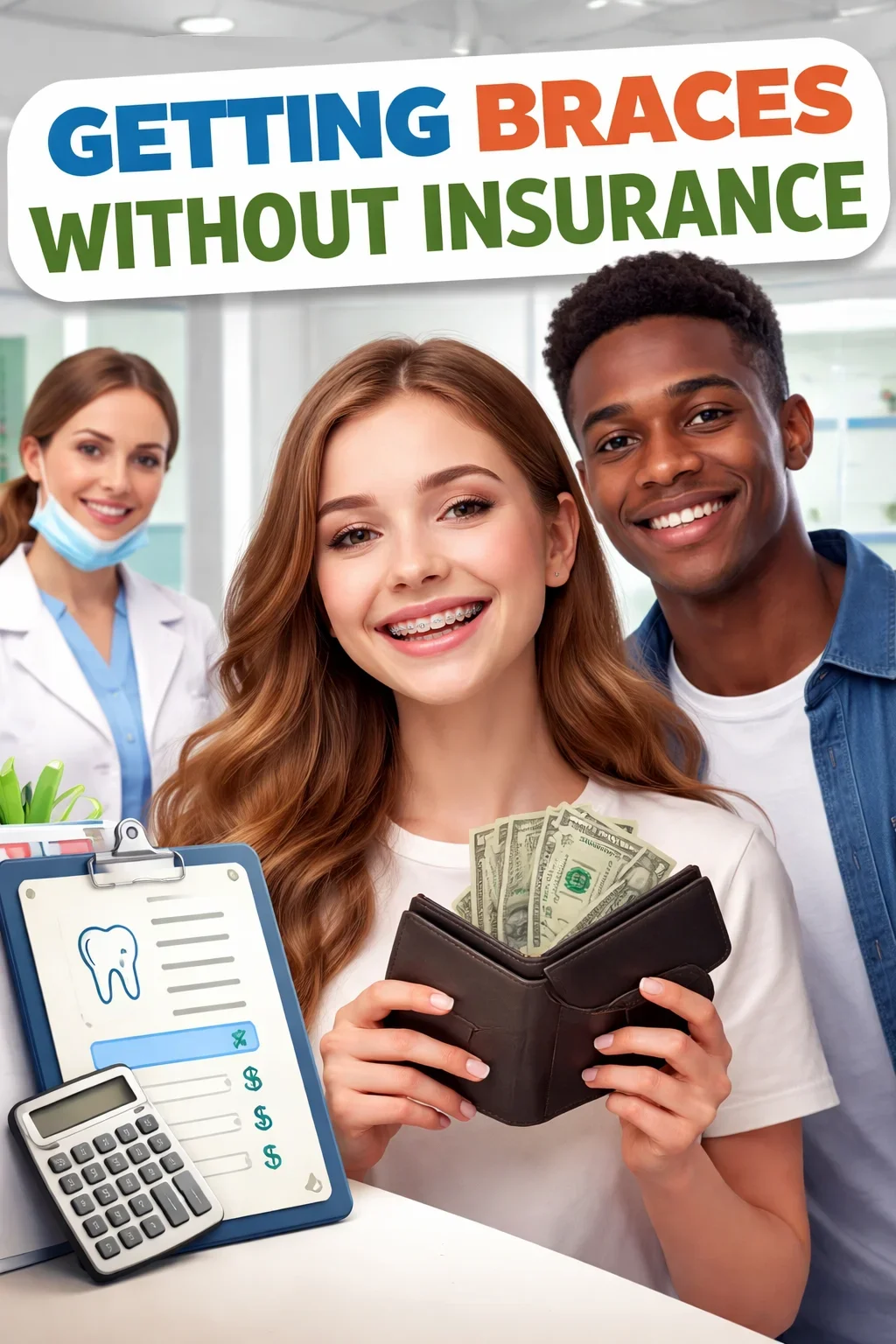
Choosing the Right Orthodontist Without Insurance
Choosing the right provider is one of the most critical steps when getting braces without insurance. Since you are personally responsible for the full cost of treatment, selecting a qualified, transparent, and patient-focused orthodontist ensures that your investment leads to successful and lasting results. Many patients underestimate how much the provider can influence both the cost and outcome of treatment. Therefore, careful evaluation is essential when getting braces without insurance. 😊
Why Choosing the Right Orthodontist Matters
Orthodontic treatment is a long-term process that requires consistent monitoring, adjustments, and professional expertise. When getting braces without insurance, you want to ensure that every dollar you spend contributes to high-quality care and optimal results.
An experienced orthodontist not only improves treatment efficiency but also minimizes the risk of complications. This is especially important when getting braces without insurance, as correcting mistakes later can be costly and time-consuming.
Impact on Treatment Success
The orthodontist’s skill directly affects how well your teeth move and align. Poorly planned treatment can lead to unsatisfactory results or extended treatment duration. For patients getting braces without insurance, this could mean higher overall costs.
Financial Transparency
A trustworthy orthodontist provides clear and detailed pricing. This transparency is crucial when getting braces without insurance, as it helps you understand exactly what you are paying for and prevents unexpected expenses.
Key Factors to Consider When Choosing an Orthodontist
Qualifications and Certifications
Always verify that the orthodontist is licensed and has completed specialized training in orthodontics. This ensures that you receive professional care when getting braces without insurance.
Membership in recognized organizations, such as those aligned with the American Dental Association, can also indicate a commitment to high standards.
Experience and Specialization
Experience plays a major role in treatment outcomes. Orthodontists who have handled a wide range of cases are better equipped to address complex issues. When getting braces without insurance, choosing an experienced provider reduces the risk of complications.
Technology and Treatment Options
Modern orthodontic clinics use advanced technology such as digital scans and 3D treatment planning. These tools improve accuracy and efficiency, making the process smoother for patients getting braces without insurance.
Access to multiple treatment options—such as metal braces, ceramic braces, and clear aligners—also allows for a more personalized approach.
Evaluating the Clinic Environment
Cleanliness and Professionalism
A clean and well-organized clinic reflects the quality of care you can expect. When getting braces without insurance, it is important to choose a clinic that maintains high hygiene standards.
Staff Communication and Support
The clinic staff should be friendly, knowledgeable, and willing to answer your questions. Clear communication is essential when getting braces without insurance, as it helps you understand each step of the process.
Reading Reviews and Patient Feedback
Online reviews and testimonials provide valuable insights into patient experiences. When researching options for getting braces without insurance, look for consistent positive feedback regarding treatment results, customer service, and pricing transparency.
Be cautious of clinics with numerous negative reviews or complaints about hidden fees. Reliable feedback can guide you toward a trustworthy provider.
Before-and-After Cases
Many orthodontists showcase before-and-after photos of previous patients. Reviewing these examples helps you assess the quality of their work and determine if they are a good fit for your needs when getting braces without insurance.
Consultation: What to Ask
The initial consultation is your opportunity to gather important information. When getting braces without insurance, asking the right questions can make a significant difference.
- What is the total cost of treatment?
- What is included in the price?
- Are payment plans available?
- How long will the treatment take?
- What happens if complications arise?
These questions help you evaluate whether the orthodontist is transparent and patient-focused when getting braces without insurance.
Comparing Multiple Providers
It is always a good idea to consult more than one orthodontist. Comparing treatment plans, pricing, and communication styles allows you to make an informed decision when getting braces without insurance.
Balancing Cost and Quality
While affordability is important, choosing the cheapest option is not always the best decision. Low-cost providers may cut corners, leading to subpar results. When getting braces without insurance, it is essential to balance cost with quality.
Investing in a reputable orthodontist ensures that your treatment is effective and long-lasting, ultimately saving you money in the long run.
Long-Term Relationship with Your Orthodontist
Orthodontic treatment requires regular visits over an extended period. Building a good relationship with your orthodontist makes the process more comfortable and ensures better communication.
When getting braces without insurance, having a supportive and responsive provider can significantly improve your overall experience.
Final Thoughts on Choosing the Right Provider
Choosing the right orthodontist is one of the most important decisions you will make when getting braces without insurance. By evaluating qualifications, experience, clinic environment, and patient feedback, you can confidently select a provider who meets your needs.
Remember, getting braces without insurance is not just about affordability—it is about achieving a healthy, beautiful smile with the best possible care. Taking the time to choose the right orthodontist ensures that your investment pays off in the long term. 😁