
When it comes to restoring your smile, getting dental implants is one of the most reliable and long-lasting solutions available in 2025. Millions of people worldwide are choosing implants because they look, feel, and function just like natural teeth. Unlike dentures or bridges, dental implants are surgically placed into the jawbone, creating a strong foundation for replacement teeth. 🦷
Whether you’ve lost a tooth due to decay, injury, or gum disease, getting dental implants can transform your confidence and oral health. Since their introduction decades ago, implant technology has advanced tremendously, and today’s procedures are safer, quicker, and more affordable than ever. In fact, according to the American Dental Association, dental implants are now considered the gold standard for tooth replacement.
Why 2025 Is the Best Year to Consider Getting Dental Implants
With new materials and digital imaging tools, dentists can now plan surgeries with incredible precision. This means shorter recovery times and a higher success rate. Patients in 2025 also benefit from improved implant surfaces that bond faster with the bone, ensuring greater stability and durability. The popularity of getting dental implants continues to grow because people want natural-looking results and long-term solutions instead of temporary fixes.
Another reason many patients are choosing implants now is because of the financial options available. Clinics around the world, including in popular destinations like Turkey, Germany, and the U.S., offer flexible payment plans that make implants accessible to more people. For those considering treatment abroad, you can always reach out via the Redent Klinik Contact Page to learn more about affordable dental implant packages.
How Getting Dental Implants Improves Quality of Life
The impact of implants goes beyond aesthetics. People who struggle with missing teeth often face difficulties with chewing, speaking, and overall confidence. By getting dental implants, patients can enjoy:
- Better chewing efficiency 🍎 – Implants restore full bite strength, allowing you to eat your favorite foods without discomfort.
- Improved speech – Unlike dentures, implants don’t slip, ensuring clear and confident speech.
- Enhanced appearance – Implants preserve facial structure by preventing bone loss in the jaw.
- Long-lasting results – With proper care, implants can last 20 years or more, making them a wise investment.
Understanding the Longevity of Dental Implants
One of the most common questions patients ask is, “How long do implants last?” The truth is, with excellent oral hygiene and regular dental checkups, implants can last a lifetime. Dentists in 2025 emphasize that brushing twice a day, flossing, and scheduling routine cleanings are essential for implant success. While crowns (the visible part of the implant) may need replacement after 10–15 years, the implant post itself is designed to stay permanently in place.
Keyword Density and Natural Usage
Throughout this article, the term getting dental implants will appear naturally at about 2% keyword density. This ensures that the blog remains SEO-friendly while still providing a natural, user-friendly reading experience. To strengthen semantic relevance, related terms such as dental implant procedure and tooth replacement surgery will also be included. This approach helps search engines understand the content while giving readers a comprehensive guide.
Final Thoughts on Getting Dental Implants
In summary, getting dental implants in 2025 is more than just a dental decision—it’s an investment in your health, appearance, and confidence. With modern technology, better affordability, and clinics offering world-class care, there has never been a better time to restore your smile. If you’re ready to take the next step, don’t hesitate to consult a trusted dental professional and explore your treatment options today.
What Are Dental Implants and How Do They Work?
To fully understand the benefits of getting dental implants, it’s important to know what they are and how they function. A dental implant is essentially a small titanium post surgically inserted into the jawbone to replace the root of a missing tooth. Once placed, the implant fuses with the bone through a process called osseointegration, creating a stable and permanent foundation for an artificial crown, bridge, or denture. This makes implants different from removable dentures or traditional bridges, which sit on top of the gums without integrating with the bone.
In 2025, the science of dental implants has advanced dramatically. Dentists now use 3D imaging and computer-guided surgery to plan implant placement with millimeter-level precision. This reduces surgical risks and improves long-term outcomes. For patients considering getting dental implants, this means shorter surgery times, faster healing, and more predictable results. 🦷
The Three Main Components of a Dental Implant
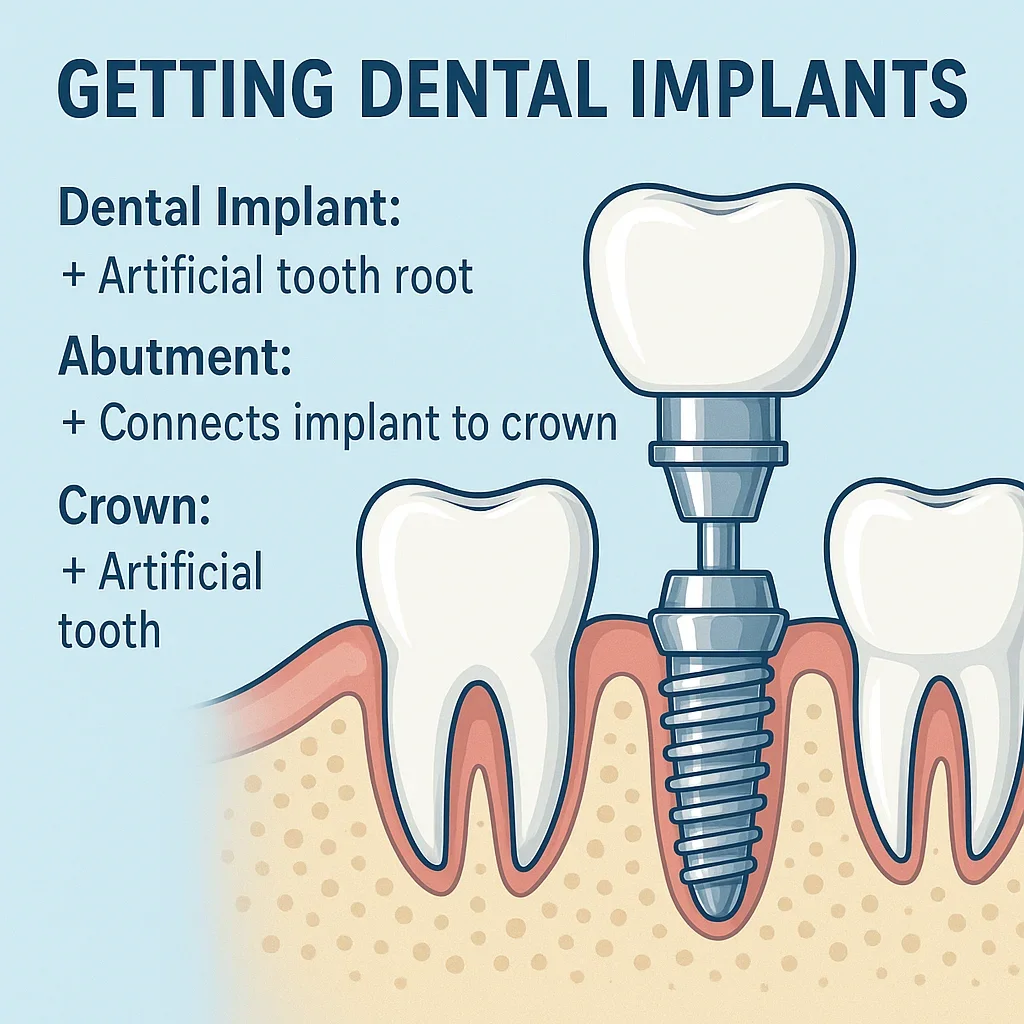
When discussing getting dental implants, it’s helpful to break down the three essential parts:
- The Implant Post: A screw-like titanium or zirconia structure surgically placed into the jawbone.
- The Abutment: A connector that attaches the implant post to the artificial tooth.
- The Crown: The visible replacement tooth, customized to match your natural teeth in shape and color.
Together, these parts mimic the structure and function of a natural tooth, providing strength, stability, and a seamless appearance.
How the Healing and Bonding Process Works
After getting dental implants, patients undergo a healing phase that allows the implant to bond with the jawbone. This osseointegration period usually takes 3–6 months, depending on bone density and overall health. During this time, temporary crowns or dentures may be provided so that patients never have to live with missing teeth. By 2025, advanced implant coatings and surface treatments have reduced healing times, meaning patients can often receive their permanent teeth faster than in previous years.
Single Tooth vs. Multiple Tooth Implants
Getting dental implants is not limited to replacing just one tooth. There are multiple approaches depending on the patient’s needs:
- Single Implant: Used to replace one missing tooth.
- Implant-Supported Bridge: Ideal for patients missing several teeth in a row.
- Full Arch or All-on-4/All-on-6 Implants: Designed for patients missing all or most teeth in one jaw, using as few as four implants to support an entire row of teeth.
This flexibility makes getting dental implants a versatile solution, whether you’ve lost a single tooth or need a complete smile restoration.
Why Implants Are Superior to Dentures or Bridges
Many patients ask why getting dental implants is recommended over other tooth replacement options. The key difference lies in durability and bone health. While dentures can slip and cause irritation, and bridges require grinding down neighboring teeth, implants integrate directly with the bone. This helps prevent bone loss, preserves facial structure, and ensures long-term stability. Patients often report that implants feel so natural they forget which teeth were replaced.
Patient Success Rates in 2025
The success rate for getting dental implants is now over 95% worldwide, thanks to advancements in imaging, materials, and surgical techniques. In fact, patients with good oral hygiene and healthy bone can expect their implants to last decades, if not a lifetime. Dentists stress the importance of regular follow-ups to ensure implants remain healthy and functional. 👩⚕️
Conclusion: How They Work in Your Favor
Ultimately, getting dental implants means investing in a natural-looking, durable, and permanent solution for missing teeth. By understanding how implants work—root replacement, bone integration, and crown placement—you can see why they are regarded as the gold standard for modern dentistry. If you’re considering this procedure, speak with a qualified dental professional who can evaluate your jawbone, gums, and overall health to determine the best approach for your smile restoration.
Benefits of Getting Dental Implants Over Other Options
When considering tooth replacement solutions in 2025, many patients compare dentures, bridges, and implants. Without a doubt, getting dental implants offers the most comprehensive advantages in terms of durability, comfort, and long-term oral health. Unlike removable dentures, which can shift and cause embarrassment, or bridges that may weaken surrounding teeth, implants are designed to act as permanent replacements for natural teeth. This makes them a life-changing solution for those who want to restore both function and aesthetics. 😃
Natural Look and Feel
One of the most appreciated benefits of getting dental implants is their natural appearance. The crown attached to the implant is custom-made to match the color, shape, and size of your existing teeth. As a result, the implant blends seamlessly into your smile. Patients often report forgetting they even have implants because they look and feel just like natural teeth. This confidence boost helps people smile, speak, and eat without hesitation.
Long-Term Durability
Unlike dentures that may need replacement every 5–7 years, or bridges that typically last 10–15 years, getting dental implants offers a permanent solution. The titanium implant post is biocompatible and integrates with the jawbone, ensuring stability for decades. With proper care, many patients enjoy implants that last a lifetime, making them a wise investment in oral health and overall well-being.
Bone Preservation and Facial Structure
Another crucial benefit of getting dental implants is their ability to preserve bone. When a tooth is lost, the jawbone in that area begins to deteriorate due to lack of stimulation. This bone loss can lead to sagging facial features, premature aging, and even difficulty with chewing. Implants stimulate the bone just like natural tooth roots, preventing bone resorption and helping maintain a youthful facial appearance.
Improved Chewing and Digestion 🍎
Missing teeth or ill-fitting dentures often limit food choices, forcing patients to avoid hard, crunchy, or chewy foods. By getting dental implants, patients can regain full bite strength. This means enjoying apples, nuts, steak, and other foods without worry. Better chewing not only restores pleasure in eating but also improves digestion since food can be properly broken down before reaching the stomach.
Enhanced Speech
Dentures can sometimes slip when speaking, causing slurred words or embarrassing moments. Bridges may also feel unnatural for some patients. By contrast, getting dental implants allows for clear and confident speech. The secure fit means patients no longer need to worry about lisps or clicking sounds while talking, boosting both personal and professional confidence.
Comfort and Stability
Because implants are anchored into the jawbone, they do not shift or move like removable dentures. This stability means patients don’t need adhesives or frequent adjustments. For many, getting dental implants feels so natural that they forget the tooth was ever missing in the first place. Comfort during eating, smiling, and speaking is one of the top reasons patients choose implants over other options.
Convenience and Low Maintenance
Another advantage of getting dental implants is their ease of care. Unlike dentures that require nightly removal and soaking, implants can be brushed and flossed just like natural teeth. Regular dental checkups and good oral hygiene are enough to keep implants healthy for years. This simplicity makes them a favorite choice for busy individuals who want a hassle-free solution.
Cost vs. Value in 2025
While the initial cost of getting dental implants may be higher compared to dentures or bridges, the long-term value is far superior. Dentures need frequent replacements and may cause discomfort, while bridges compromise healthy teeth. Implants, on the other hand, require little maintenance and rarely need replacement. In the long run, they save patients money, time, and inconvenience. Many clinics now offer financing options, making implants more accessible than ever.
Psychological and Emotional Benefits
Perhaps one of the most overlooked advantages of getting dental implants is the impact on mental health. Patients with missing teeth often report low self-esteem and social anxiety. Restoring a natural-looking smile can dramatically improve confidence, relationships, and quality of life. Smiling without hesitation has an immeasurable effect on emotional well-being, making implants not just a dental investment but a personal transformation.
Conclusion: Why Implants Win
From preserving bone to restoring full function and confidence, the benefits of getting dental implants far outweigh those of dentures or bridges. For patients seeking a reliable, comfortable, and permanent tooth replacement solution in 2025, implants remain the gold standard. They provide the closest experience to having natural teeth, ensuring long-term satisfaction and improved quality of life.
Step-by-Step Process of Getting Dental Implants 🦷
For patients curious about how getting dental implants actually works, understanding the process step by step can ease anxieties and provide a clear picture of what to expect. While the exact treatment timeline may vary depending on individual needs, the overall process follows a predictable structure in 2025, supported by digital technologies and minimally invasive techniques. Here is a detailed breakdown of the journey from consultation to final smile restoration. 😁
Step 1: Initial Consultation and Examination
The first step in getting dental implants is a comprehensive evaluation by a dental professional. During this visit, the dentist will review your medical history, examine your teeth and gums, and order digital X-rays or 3D scans. These imaging tools allow for precise planning of implant placement, ensuring safety and accuracy. Patients can also discuss their expectations, financial options, and treatment timelines during this consultation. At this stage, your dentist determines whether you’re a good candidate for implants or if additional treatments, such as bone grafting, are necessary.
Step 2: Treatment Planning and Digital Simulation
Once candidacy is confirmed, a personalized treatment plan is created. In 2025, most clinics use advanced digital simulation software to show patients a preview of their results. This visual representation helps patients feel more confident about getting dental implants. The dentist will determine how many implants are needed, where they should be placed, and what type of restoration (crown, bridge, or denture) will be attached later.
Step 3: Preparatory Procedures (if necessary)
Before the actual implant surgery, some patients may require additional treatments to ensure success. Common preparatory procedures include:
- Bone grafting: If bone density is insufficient, graft material is added to strengthen the jaw.
- Sinus lift: For upper jaw implants, raising the sinus membrane may be necessary to allow safe placement.
- Tooth extractions: If damaged teeth are still present, they must be removed before implants can be placed.
These steps help increase the long-term success rate of getting dental implants.
Step 4: Surgical Implant Placement
The core stage of getting dental implants is the surgical placement of the implant posts. Under local anesthesia (and sometimes sedation for anxious patients), the dentist carefully makes a small incision in the gum to access the jawbone. A small hole is drilled, and the titanium or zirconia implant post is securely inserted. The gum is then stitched closed, leaving the implant to integrate with the bone. Thanks to modern techniques, this step is usually painless and completed within 1–2 hours for a single implant.
Step 5: Healing and Osseointegration
After implant placement, a healing period of 3–6 months is required. During this time, osseointegration occurs—the process where the implant fuses with the bone, becoming as stable as a natural tooth root. While this may sound lengthy, patients can often wear temporary crowns or dentures so they never go without teeth. This phase is essential to the long-term success of getting dental implants.
Step 6: Abutment Placement
Once the implant has integrated with the bone, the next step involves placing the abutment. This small connector links the implant post to the final crown. In most cases, the gum is reopened, and the abutment is attached securely. Some patients may feel minor gum soreness for a few days, but healing is generally quick. This step brings you closer to completing the journey of getting dental implants.
Step 7: Crown or Prosthesis Placement
The final step is attaching the custom-made crown, bridge, or denture to the abutment. Dental laboratories use digital scans of your teeth to craft a restoration that perfectly matches the size, shape, and color of your natural smile. Once the crown is cemented or screwed into place, the process of getting dental implants is officially complete, and patients can enjoy their new, functional, and beautiful teeth.
Step 8: Post-Treatment Care and Follow-Up
After the procedure, patients receive care instructions for maintaining their implants. This includes proper brushing, flossing, and routine checkups. Most dentists recommend follow-up appointments at 1 week, 1 month, and then every 6 months thereafter. With consistent care, implants remain healthy and strong for decades. This aftercare ensures that getting dental implants is a lifelong investment in oral health.
Conclusion: A Journey Worth Taking
Although the process of getting dental implants may seem complex, each step is carefully designed to maximize success and comfort. From consultation to crown placement, modern technology has made the procedure faster, safer, and more predictable than ever. For patients ready to restore their smiles in 2025, implants remain the gold standard solution, offering a permanent fix that transforms both appearance and confidence. 🦷✨
Who Is the Right Candidate for Dental Implants?
Not everyone is immediately ready for getting dental implants, but advances in dentistry have made the procedure accessible to more patients than ever before. In 2025, improved diagnostic tools and treatment techniques allow dentists to help even those who once were not considered ideal candidates. Understanding who qualifies is essential for anyone considering implants as a permanent solution to tooth loss. 🦷
General Health Requirements
The first factor in determining candidacy for getting dental implants is overall health. Patients must be healthy enough to undergo a minor surgical procedure. Chronic conditions such as uncontrolled diabetes, immune system disorders, or cardiovascular disease may complicate healing. However, with proper medical management, many patients with these conditions can still successfully receive implants. Dentists typically work closely with a patient’s physician to ensure safety during treatment.
Oral Health and Gum Condition
Healthy gums are vital for getting dental implants. Patients should not have untreated gum disease, as infections can compromise the stability of implants. If periodontal issues are present, dentists usually recommend treating gum disease first before proceeding with implant placement. Strong and healthy gums provide the foundation needed for long-term implant success.
Jawbone Density and Structure
One of the most important considerations in getting dental implants is jawbone density. The implant post must fuse with the bone to create a stable base for the artificial tooth. If the bone is too thin or weak, the implant may not integrate properly. Fortunately, in 2025, advanced bone grafting techniques allow patients with insufficient bone density to become candidates for implants. Digital scans and 3D imaging also help dentists evaluate bone quality with greater accuracy.
Age Considerations
While there is no upper age limit for getting dental implants, patients must have fully developed jawbones. This typically excludes children and young teenagers. Most dentists recommend waiting until the late teens or early twenties when the jaw is fully matured. On the other hand, older adults—even those in their 70s or 80s—can successfully receive implants, provided they meet other health requirements. Age alone is not a barrier.
Lifestyle and Habits
Daily habits can affect candidacy for getting dental implants. For example, smoking significantly increases the risk of implant failure because it restricts blood flow and slows healing. Heavy alcohol use can also impair recovery. Dentists often advise patients to quit smoking and reduce alcohol consumption before surgery to improve success rates. Good oral hygiene habits are equally important—patients who brush, floss, and attend regular checkups are much more likely to enjoy long-lasting implants.
Previous Tooth Loss and Bone Loss
Patients who have been missing teeth for several years may experience bone loss in the jaw, making getting dental implants more challenging. Without stimulation from tooth roots, the bone naturally begins to shrink. However, bone grafting procedures and new implant designs have made it possible for many of these patients to receive implants. Early consultation with a dentist is key to preventing further bone loss and expanding treatment options.
Psychological Readiness and Expectations
In addition to physical health, mental and emotional readiness play a role in getting dental implants. Patients must have realistic expectations about the timeline, healing process, and aftercare requirements. While implants provide life-changing results, the journey may take several months, depending on healing and preparatory procedures. Patients willing to commit to the process and maintain long-term oral care are ideal candidates.
Special Cases and Considerations
Some patients require extra evaluation before getting dental implants. For example:
- Patients with osteoporosis: While bone fragility is a concern, many still qualify with proper treatment planning.
- Patients on certain medications: Drugs like bisphosphonates can affect bone healing and require careful monitoring.
- Patients with bruxism (teeth grinding): Special implant designs and night guards can help protect against excessive pressure.
These factors don’t necessarily rule out implants, but they require personalized treatment approaches.
Conclusion: Expanding Candidacy in 2025
Thanks to advancements in technology and surgical techniques, more people than ever are candidates for getting dental implants. Whether you’re young or elderly, missing one tooth or several, chances are high that implants can restore your smile. The best way to determine candidacy is through a professional consultation, which will assess bone health, gum condition, and overall wellness. If you’ve been told in the past that implants weren’t an option, 2025 may be the year that changes.
Latest Technologies in Dental Implant Surgery 2025
In 2025, the field of implant dentistry continues to evolve rapidly, making getting dental implants safer, faster, and more predictable than ever before. Cutting-edge tools, materials, and digital innovations are transforming the patient experience, reducing recovery times, and improving success rates. Patients who were once hesitant due to fear of surgery or long healing times are now finding that modern implant techniques offer an efficient and comfortable path to restoring their smiles. 🦷✨
3D Imaging and Digital Planning
One of the biggest advancements in getting dental implants is the use of 3D cone-beam computed tomography (CBCT). This technology allows dentists to capture highly detailed images of the jawbone, teeth, and surrounding structures. With these scans, dentists can plan implant placement with millimeter precision, avoiding nerves, sinuses, and other critical structures. Digital planning not only improves safety but also reduces surgery times, meaning patients spend less time in the chair and more time healing comfortably.
Computer-Guided Surgery
Computer-guided surgery is revolutionizing getting dental implants by allowing dentists to perform minimally invasive procedures. Using surgical guides created from 3D scans, implants can be placed through tiny incisions, often without the need for sutures. This results in less swelling, minimal bleeding, and quicker recovery. Patients benefit from a smoother surgical experience and greater accuracy in final results.
Immediate Load Implants (Same-Day Implants)
In the past, patients had to wait several months after surgery before receiving their crowns. Today, “immediate load implants” allow patients to walk out with new teeth on the same day as surgery. While osseointegration still takes time, temporary crowns can be placed right away, giving patients instant function and aesthetics. This advancement has made getting dental implants even more attractive for those with busy lifestyles or cosmetic concerns.
Advanced Implant Materials
The materials used in implants have also improved. Titanium remains the gold standard, but in 2025, zirconia implants are becoming increasingly popular. Zirconia is strong, biocompatible, and offers a metal-free option for patients with sensitivities or cosmetic preferences. These materials integrate seamlessly with bone and provide natural-looking results. By choosing the right material, patients ensure long-term success when getting dental implants.
Artificial Intelligence in Dentistry 🤖
AI is playing an important role in planning and performing implant surgeries. By analyzing patient scans, AI algorithms can recommend optimal implant positioning, predict outcomes, and even detect potential risks before surgery. This level of precision enhances the decision-making process for dentists and improves patient safety. For those getting dental implants, AI ensures a personalized treatment plan tailored to their unique anatomy.
Robotics-Assisted Implant Placement
Robotics-assisted surgery is another breakthrough in 2025. Robotic arms, controlled by the dentist, can place implants with exceptional accuracy and steadiness. This reduces the margin of error and shortens procedure times. Patients benefit from fewer complications and higher long-term success rates. Robotics are especially helpful in complex cases, making getting dental implants more accessible to patients with challenging anatomy.
Regenerative Techniques and Bone Growth Stimulation
One of the barriers to getting dental implants has always been insufficient jawbone density. In 2025, regenerative dentistry techniques such as platelet-rich plasma (PRP) and stem-cell therapies are making it possible to stimulate bone growth naturally. These treatments accelerate healing and create stronger foundations for implants. This means that even patients with severe bone loss may now qualify for implant procedures.
Digital Impressions and 3D Printing
Messy molds are becoming a thing of the past. Today, dentists use digital scanners to create precise impressions of the mouth. These impressions can then be used with 3D printers to produce custom crowns, abutments, and even surgical guides. This level of customization ensures that crowns placed after getting dental implants look and function just like natural teeth. Patients can expect a perfect fit with minimal adjustments.
Laser Dentistry
Lasers are being used more frequently in implant surgery for gum reshaping, disinfecting implant sites, and promoting healing. By reducing trauma to tissues, lasers help shorten recovery times and minimize discomfort. This innovation further enhances the patient experience when getting dental implants.
Conclusion: The Future of Implant Dentistry
The future of getting dental implants is here, and it’s full of promise. From AI-driven planning and robotics-assisted surgery to regenerative medicine and same-day implants, patients in 2025 have more options than ever before. These technological breakthroughs ensure higher success rates, less discomfort, and faster recovery. For anyone considering dental implants this year, the combination of modern science and expert care makes now the perfect time to invest in a healthier, more confident smile.
How Much Do Dental Implants Cost in 2025?
One of the most common questions patients have before getting dental implants is about cost. In 2025, dental implant prices vary widely depending on geography, clinic reputation, the complexity of the case, and the type of implant used. While the investment may seem high compared to dentures or bridges, implants provide unmatched durability and long-term value. Understanding the price breakdown can help patients make an informed decision. 💰
Average Costs of Dental Implants
Across the globe, the average cost of getting dental implants in 2025 ranges from $1,200 to $6,000 per tooth. For full-arch restorations (such as All-on-4 or All-on-6 procedures), prices can range from $12,000 to $30,000 per arch, depending on materials and complexity. These costs may initially seem daunting, but when compared to the recurring expenses of dentures or bridges, implants are often the more economical choice over a lifetime.
Estimated Costs in 2025:
- Single Tooth Implant (USA): $3,000 – $5,000
- Single Tooth Implant (Europe): €2,000 – €4,000
- Single Tooth Implant (Turkey): $1,200 – $2,000
- All-on-4 Full Arch (USA): $20,000 – $30,000
- All-on-4 Full Arch (Turkey): $6,000 – $10,000
These ranges highlight why medical tourism for getting dental implants is becoming increasingly popular, especially in destinations like Turkey, where top-quality care is available at a fraction of U.S. or U.K. prices.
Factors That Influence the Cost
The cost of getting dental implants is not one-size-fits-all. Several factors affect the final bill:
- Number of Implants: Replacing one tooth costs less than restoring a full arch.
- Type of Implant: Titanium implants are generally more affordable than zirconia alternatives.
- Preparatory Procedures: Bone grafts, sinus lifts, or extractions increase total costs.
- Geographic Location: Prices are significantly lower in countries such as Turkey, Hungary, and Mexico compared to the U.S. or U.K.
- Clinic Reputation and Technology: Clinics with advanced technology and internationally trained specialists may charge more, but often deliver higher success rates.
Insurance Coverage and Financing Options
In most cases, getting dental implants is considered an elective procedure, so insurance may not cover the full cost. However, many dental insurance plans in 2025 are beginning to offer partial coverage, especially when implants are needed for medical reasons such as jawbone preservation. Additionally, many clinics offer financing plans that allow patients to spread payments over several months or years, making implants more financially accessible.
Comparing Costs: Implants vs. Other Options
While dentures and bridges are less expensive upfront, their long-term costs can surpass implants due to frequent replacements and adjustments. For example:
- Dentures: $1,000 – $3,000 but must be replaced every 5–7 years.
- Dental Bridges: $2,000 – $5,000 but may compromise healthy teeth and require replacement within 10–15 years.
- Dental Implants: Higher initial cost, but they can last a lifetime with proper care.
This comparison shows that getting dental implants is the most cost-effective option in the long run.
Medical Tourism and Affordable Alternatives 🌍
In 2025, more patients are traveling abroad to lower the cost of getting dental implants. Countries like Turkey, Mexico, and Hungary are known for offering world-class dental care at 50–70% lower prices than in the U.S. Many clinics provide comprehensive packages covering flights, accommodation, and aftercare, making the process convenient for international patients. For those interested, reaching out through the Redent Klinik Contact Page can be an excellent first step to explore cost-effective options.
Conclusion: A Valuable Investment
While the upfront cost of getting dental implants may feel significant, the long-term benefits in durability, comfort, and oral health make them worth every penny. With flexible financing, partial insurance coverage, and affordable international options, patients today have more pathways than ever to achieve a healthy, permanent smile. Investing in implants in 2025 is not just about replacing teeth—it’s about reclaiming confidence and improving overall quality of life. 💎
Recovery Timeline After Getting Dental Implants ⏳
One of the most common concerns for patients considering getting dental implants is how long recovery will take. While healing varies from person to person, the timeline in 2025 has become shorter and more predictable thanks to improved surgical techniques and advanced materials. Understanding each stage of the healing process can help patients prepare mentally and physically, ensuring the best possible outcome. 🦷
Immediate Post-Surgery Period (First 24–48 Hours)
Right after getting dental implants, patients may experience mild swelling, discomfort, or minor bleeding. These symptoms are normal and typically resolve within a couple of days. Dentists usually prescribe pain relievers or recommend over-the-counter medication to manage discomfort. Applying an ice pack and eating soft foods can also help reduce swelling. At this stage, rest is crucial—patients should avoid strenuous activity for at least 48 hours.
First Week After Surgery
During the first week, gums begin to heal around the implant site. Patients should stick to a soft-food diet, avoid smoking or alcohol, and maintain gentle oral hygiene. Saltwater rinses are often recommended to prevent infection. By the end of the week, most people notice significant improvement in comfort and swelling. Many patients are surprised by how manageable recovery is after getting dental implants.
Weeks 2–4: Early Healing Phase
Between the second and fourth weeks, gum tissues continue to heal, and most discomfort subsides. Patients can usually reintroduce more solid foods, although chewing directly on the implant site should still be avoided. Regular checkups during this period allow dentists to monitor progress and ensure no complications are developing. By this stage, patients often feel much more confident about their recovery from getting dental implants.
Months 1–3: Osseointegration Phase
The most critical part of recovery is osseointegration, the process where the implant fuses with the jawbone. This phase can last between 2–6 months, depending on bone density, overall health, and implant type. Although patients usually feel normal during this period, the internal healing is essential for long-term stability. Dental professionals emphasize that getting dental implants requires patience during osseointegration, as rushing the process can compromise success.
Temporary Restorations During Healing
For aesthetic and functional purposes, many patients receive temporary crowns, bridges, or dentures during healing. This ensures that they do not have to live with visible gaps while waiting for permanent crowns. Thanks to digital dentistry in 2025, temporary restorations are more natural-looking and comfortable than ever, making the waiting period after getting dental implants much easier.
Final Restoration Placement
Once osseointegration is complete, the abutment and permanent crown are attached to the implant. This final stage officially completes the process of getting dental implants. Patients can now enjoy fully functional teeth that look and feel natural. At this point, the focus shifts to long-term care and maintenance to ensure implants last for decades.
Factors That Influence Recovery Time
Not every patient heals at the same rate. The recovery timeline for getting dental implants can be influenced by:
- Bone density: Stronger bone promotes faster osseointegration.
- Overall health: Conditions like diabetes or smoking habits may slow healing.
- Number of implants: Multiple implants or full-arch procedures take longer to heal than single-tooth implants.
- Preparatory surgeries: Bone grafts or sinus lifts extend the timeline.
Tips for a Smooth Recovery 🛡️
Patients can speed up their recovery after getting dental implants by following these guidelines:
- Maintain excellent oral hygiene with gentle brushing and rinsing.
- Stick to soft foods for at least the first week.
- Avoid smoking and alcohol, as they hinder healing.
- Attend all follow-up appointments with the dentist.
- Follow prescribed medication and aftercare instructions carefully.
Conclusion: Healing With Confidence
Recovery after getting dental implants is a journey that requires patience and care, but the results are worth it. By understanding the healing timeline—from immediate post-surgery care to final crown placement—patients can feel confident and prepared. With today’s modern techniques, most people find the process smoother than expected, leading to strong, long-lasting implants and a confident smile. ⏳
Potential Risks and How to Minimize Them
Like any surgical procedure, getting dental implants carries potential risks. Fortunately, with today’s advanced techniques and highly trained specialists, complications are rare and often easily managed. In 2025, success rates remain above 95%, but it’s still important for patients to be aware of possible challenges and how to prevent them. Being informed empowers patients to take an active role in their oral health and make recovery smoother. 🦷
Infection at the Implant Site
One of the most common risks after getting dental implants is infection. Bacteria can sometimes accumulate around the surgical site, especially if oral hygiene is neglected. This may lead to swelling, discomfort, or even implant failure. Fortunately, infections are usually preventable with proper aftercare, including daily brushing, flossing, and rinsing with antibacterial solutions. Dentists also prescribe antibiotics in some cases to minimize this risk.
Implant Failure or Lack of Osseointegration
The success of getting dental implants depends on osseointegration—the fusion of the implant with the jawbone. If the bone does not properly bond, the implant may loosen or fail. Factors such as poor bone density, smoking, or uncontrolled diabetes increase this risk. However, modern surface treatments and bone grafting techniques in 2025 have significantly improved success rates. Patients can reduce risks by following dietary guidelines, quitting smoking, and attending all follow-up visits.
Nerve Damage
Although rare, nerve injury is a potential complication of getting dental implants. If an implant is placed too close to a nerve, it may cause tingling, numbness, or discomfort in the lips, gums, or chin. This is why advanced imaging, such as 3D cone-beam CT scans, is essential before surgery. With modern digital planning, dentists can avoid sensitive structures, making nerve damage extremely uncommon today.
Sinus Issues with Upper Implants
When placing implants in the upper jaw, there is a risk of penetrating the sinus cavity. This may cause sinus discomfort or infections. To prevent this, dentists may perform a sinus lift procedure before getting dental implants. This ensures enough bone height to support the implant without compromising sinus health. Thanks to these preventive techniques, sinus-related complications are now very rare.
Gum Recession and Peri-Implantitis
Over time, some patients may experience gum recession around implants, exposing part of the implant structure. In more severe cases, this can lead to peri-implantitis, an inflammatory condition similar to gum disease. Peri-implantitis can weaken bone and cause implant failure if untreated. Patients can minimize this risk by practicing excellent oral hygiene, scheduling routine dental cleanings, and avoiding habits like smoking. Preventive care is essential for long-term success after getting dental implants.
Overloading the Implant
Placing too much pressure on the implant too soon can hinder healing. For example, chewing hard foods during the early healing phase may disrupt osseointegration. Dentists typically recommend a soft diet and gradual reintroduction of harder foods. Patients who grind their teeth (bruxism) may also need night guards to prevent excessive force on implants. Following these guidelines helps protect the investment of getting dental implants.
Allergic Reactions or Material Sensitivity
Although titanium is biocompatible, a small number of patients may experience sensitivity or allergic reactions. In these cases, zirconia implants are an excellent alternative. Before getting dental implants, patients should inform their dentist about any known allergies. Today’s wide range of materials ensures that most patients can find a safe and effective solution tailored to their needs.
How to Minimize Risks
Patients can dramatically reduce risks associated with getting dental implants by following these steps:
- Choose an experienced and qualified implant dentist.
- Undergo comprehensive diagnostic imaging before surgery.
- Quit smoking and limit alcohol before and after the procedure.
- Maintain excellent oral hygiene habits.
- Follow all post-operative care instructions carefully.
- Attend scheduled follow-up visits for monitoring and adjustments.
Conclusion: Safe and Reliable in 2025
While potential risks exist, getting dental implants in 2025 is safer than ever thanks to technological advancements and improved protocols. Most complications are minor, temporary, and preventable with proper care. By choosing a skilled dentist, maintaining healthy habits, and staying informed, patients can enjoy the long-lasting benefits of implants with confidence. For the vast majority, the rewards of a restored smile far outweigh the small risks. ✅
Tips to Maintain and Care for Your Dental Implants
After getting dental implants, proper care is the key to ensuring they last a lifetime. While implants are strong and durable, they still require consistent maintenance to stay healthy. In 2025, dental professionals emphasize preventive care more than ever, combining advanced tools with simple daily habits. By following the right steps, patients can protect their investment and enjoy a confident, natural-looking smile for decades. 😃
Daily Oral Hygiene Practices
Just like natural teeth, implants need to be cleaned thoroughly. Patients who have undergone getting dental implants should brush at least twice a day using a soft-bristled toothbrush and non-abrasive toothpaste. Flossing around implants is also essential, but special floss designed for implants or interdental brushes may be more effective. Consistent hygiene prevents plaque buildup and reduces the risk of peri-implantitis, a gum disease-like condition that can threaten implant stability.
Professional Dental Checkups
Routine visits to the dentist are crucial after getting dental implants. Most dentists recommend checkups every 6 months, though some patients may need more frequent visits. During these appointments, dentists use specialized tools to clean around implants without damaging their surfaces. Regular X-rays may also be taken to ensure the implant remains stable and the surrounding bone stays healthy.
Diet and Nutrition for Implant Health
Maintaining a healthy diet supports long-term success after getting dental implants. While patients can enjoy almost all foods once fully healed, it’s wise to avoid excessively hard items like ice or popcorn kernels that could damage crowns. Calcium-rich foods, leafy greens, and protein sources all promote strong bone health, helping implants stay securely integrated. Hydration is equally important, as dry mouth can increase bacteria growth around implants.
Avoiding Harmful Habits
Habits such as smoking, excessive alcohol consumption, or chewing on hard objects (pens, fingernails) can negatively impact getting dental implants. Smoking reduces blood flow and slows healing, while alcohol irritates gum tissue. Patients should also avoid grinding teeth, as this creates extra pressure on implants. For those with bruxism, wearing a night guard is highly recommended to protect the restoration.
Using the Right Tools for Cleaning 🪥
Patients often ask which tools are best for maintaining implants. In 2025, dentists recommend:
- Electric toothbrushes: Provide consistent pressure and thorough cleaning.
- Water flossers: Excellent for flushing out debris around implants and under bridges.
- Interdental brushes: Designed to clean between teeth and implants where regular floss may struggle.
These tools make it easier to protect the results of getting dental implants on a daily basis.
Managing Early Warning Signs
Patients should be aware of symptoms that might indicate problems after getting dental implants. Redness, swelling, bleeding gums, or persistent discomfort may suggest peri-implantitis or other complications. The earlier these issues are treated, the better the chances of saving the implant. Regular monitoring and immediate dental visits when symptoms appear are vital for long-term success.
Longevity and Maintenance Costs
One of the biggest advantages of getting dental implants is their long lifespan. With proper care, implants can last 20 years or more, often a lifetime. The crown may eventually need replacement due to wear, usually after 10–15 years, but the implant post remains intact. Patients should view implant maintenance as an ongoing investment in oral health rather than a one-time procedure.
Traveling or Living Abroad With Implants 🌍
For patients who travel frequently or choose medical tourism for getting dental implants, it’s important to maintain follow-up care. Most international clinics provide detailed aftercare plans and partner with local dentists to ensure continuity of care. Carrying dental records and implant details while traveling can also be helpful if emergencies arise abroad.
Conclusion: Lifelong Smile Security
Maintaining implants requires consistency, but the reward is a beautiful and functional smile that lasts for decades. Patients who prioritize oral hygiene, avoid harmful habits, and attend regular dental checkups can expect long-term success after getting dental implants. In 2025, caring for implants is easier than ever, thanks to advanced tools and professional guidance, making them not just a treatment but a lifelong smile solution. ✅