
Finding good dental insurance for braces can feel overwhelming, especially when you are trying to balance quality orthodontic care with affordability. Braces are often a necessary investment for both health and aesthetics, but without the right coverage, the costs can quickly add up. That is why understanding how good dental insurance for braces works is essential before making any decision. 😊
Orthodontic treatments such as metal braces, ceramic braces, or clear aligners are not just about improving your smile—they also play a crucial role in correcting bite issues, preventing long-term dental problems, and improving overall oral health. However, these treatments can cost anywhere between $3,000 and $10,000 depending on complexity and location. With good dental insurance for braces, a significant portion of these costs can be reduced, making treatment more accessible for individuals and families.
So, what exactly defines good dental insurance for braces? In simple terms, it is a dental plan that offers substantial orthodontic coverage, reasonable waiting periods, and manageable out-of-pocket expenses. The goal is not just to have insurance, but to have the right plan that aligns with your specific dental needs.
Why Orthodontic Coverage Is Important
Many standard dental insurance plans focus on preventive and basic procedures such as cleanings, fillings, and extractions. However, orthodontic care is often categorized separately, meaning you need good dental insurance for braces that specifically includes orthodontic benefits. Without this, you may end up paying the full cost out of pocket.
Orthodontic issues like misaligned teeth, overcrowding, or jaw irregularities can lead to:
- Difficulty chewing or speaking
- Increased risk of tooth decay and gum disease
- Jaw pain or headaches
This is why having good dental insurance for braces is not just a financial decision—it is a health investment. 🦷
What Makes a Plan “Good” for Braces?
Not all dental insurance plans are created equal. When evaluating good dental insurance for braces, you should look for:
- Orthodontic coverage percentage: Many plans cover 50% of the treatment cost.
- Lifetime maximums: Typically range from $1,000 to $3,000 for orthodontics.
- Waiting periods: Some plans require 6–12 months before coverage begins.
- Network flexibility: Ability to choose your preferred orthodontist.
These factors determine whether a policy truly qualifies as good dental insurance for braces or simply a basic plan with limited benefits.
Realistic Cost Expectations
To give you a clearer picture, here is a general breakdown of orthodontic costs and how good dental insurance for braces can help:
- Metal braces: $3,000 – $7,000
- Ceramic braces: $4,000 – $8,000
- Clear aligners (e.g., Invisalign): $4,000 – $10,000
With good dental insurance for braces, you might pay only 40–60% of these costs, depending on your plan. This can result in savings of thousands of dollars over the course of treatment. 💰
Who Needs Good Dental Insurance for Braces?
Good dental insurance for braces is especially beneficial for:
- Parents planning orthodontic treatment for their children
- Adults seeking cosmetic or functional dental improvements
- Individuals with diagnosed orthodontic issues
Even if you are not currently planning to get braces, investing in good dental insurance for braces early can be a smart move due to waiting periods and eligibility requirements.
Combining Insurance with Professional Care
Choosing the right insurance is only part of the journey. You also need expert guidance from a trusted dental clinic. For personalized consultation and treatment planning, you can visit the Redent Klinik Contact Page. Their team can help you understand how to maximize your good dental insurance for braces while receiving high-quality care.
Additionally, for reliable dental health information and guidelines, you can refer to the American Dental Association, which provides authoritative resources on orthodontic treatments and insurance considerations.
Final Thoughts
In conclusion, good dental insurance for braces is not just about reducing costs—it is about ensuring access to necessary orthodontic care without financial stress. By understanding coverage options, costs, and plan features, you can make a well-informed decision that benefits your long-term oral health. 😁
Whether you are considering braces for yourself or your child, investing time in finding good dental insurance for braces will pay off in both savings and improved dental health outcomes.
What Is Good Dental Insurance for Braces and Why It Matters
Understanding good dental insurance for braces is the first and most important step before starting any orthodontic treatment. Many people assume that all dental insurance plans will cover braces, but this is not always the case. In reality, only specific plans offer orthodontic benefits, and even fewer qualify as truly good dental insurance for braces. Knowing the difference can save you thousands of dollars and help you avoid unexpected financial stress. 😊
Braces are not just a cosmetic treatment. They play a critical role in improving oral health by correcting misaligned teeth, fixing bite problems, and preventing long-term dental issues. Because of this, choosing good dental insurance for braces is not just about saving money—it is about ensuring access to essential healthcare.
Defining Good Dental Insurance for Braces
So, what exactly makes a plan qualify as good dental insurance for braces? A high-quality plan typically includes orthodontic coverage that helps reduce the overall cost of treatment. Most importantly, it should provide a balance between affordability and comprehensive benefits.
Here are the key characteristics of good dental insurance for braces:
- Coverage for both children and adults (many plans limit adult orthodontics)
- Reasonable lifetime maximum benefits (usually $1,000–$3,000 or more)
- Short or manageable waiting periods
- Coverage of at least 50% of orthodontic costs
- Access to a wide network of orthodontists
If a plan lacks these features, it may not truly qualify as good dental insurance for braces, even if it offers basic dental benefits.
Why Good Dental Insurance for Braces Is Essential
Orthodontic treatment is a long-term investment that can last anywhere from 12 to 36 months. Without good dental insurance for braces, the financial burden can be significant. Many families delay treatment simply because they cannot afford the upfront cost.
Financial Protection and Savings
One of the main reasons people look for good dental insurance for braces is cost savings. Let’s break down a typical scenario:
- Total cost of braces: $5,000
- Insurance coverage (50%): $2,500
- Out-of-pocket cost: $2,500
Without good dental insurance for braces, you would be responsible for the full $5,000. This demonstrates how important it is to choose the right plan before starting treatment. 💰
Access to Better Treatment Options
With good dental insurance for braces, patients often have access to a wider range of treatment options, including:
- Traditional metal braces
- Ceramic braces
- Lingual braces
- Clear aligners like Invisalign
Without proper coverage, patients may feel forced to choose the cheapest option rather than the most effective one. This is why having good dental insurance for braces can directly impact the quality of care you receive.
Health Benefits Beyond Aesthetics
Many people associate braces with cosmetic improvements, but the benefits go far beyond appearance. Good dental insurance for braces supports treatments that can significantly improve oral and overall health.
Orthodontic treatment can help:
- Prevent tooth decay by making teeth easier to clean
- Reduce the risk of gum disease
- Improve speech and chewing efficiency
- Prevent jaw pain and alignment issues
By choosing good dental insurance for braces, you are investing in long-term health outcomes, not just a better smile. 🦷
Who Should Prioritize Good Dental Insurance for Braces?
While anyone can benefit from orthodontic coverage, certain groups should prioritize finding good dental insurance for braces:
- Parents: Children and teenagers commonly need braces, making early insurance planning essential.
- Young adults: Many adults seek orthodontic treatment later in life.
- Patients with dental issues: Those with bite problems or alignment concerns benefit greatly from coverage.
Even if braces are not immediately needed, enrolling in good dental insurance for braces early can help you avoid waiting periods and ensure coverage when the time comes.
Combining Insurance with Professional Guidance
Choosing the right insurance plan is only one part of the process. Working with experienced dental professionals ensures that you maximize your benefits. For personalized advice and treatment planning, you can visit the Redent Klinik Contact Page. Their team can guide you in selecting and using good dental insurance for braces effectively.
Additionally, for trusted information about dental care and orthodontics, the American Dental Association provides valuable resources that can help you better understand your options.
Final Thoughts
In summary, good dental insurance for braces is a crucial tool for managing the cost and accessibility of orthodontic treatment. It provides financial protection, expands treatment options, and supports better oral health outcomes. By carefully evaluating your options and choosing wisely, you can ensure that your investment in good dental insurance for braces delivers maximum value. 😁
How Good Dental Insurance for Braces Works Step by Step
Understanding how good dental insurance for braces works step by step is essential if you want to avoid unexpected costs and maximize your benefits. Many people assume that once they purchase a dental plan, everything related to orthodontic care is automatically covered. However, the process is more structured, and knowing each stage helps you fully benefit from good dental insurance for braces. 😊
From enrollment to treatment completion, good dental insurance for braces follows a clear sequence. Each step determines how much you pay, what is covered, and how quickly you can start your orthodontic journey.
Step 1: Choosing the Right Plan
The first step in accessing good dental insurance for braces is selecting a plan that includes orthodontic coverage. Not all dental insurance policies offer this benefit, so careful comparison is necessary.
What to Check Before Enrolling
- Does the plan include orthodontic treatment?
- Is coverage available for both adults and children?
- What percentage of braces cost is covered?
- What is the lifetime orthodontic maximum?
Choosing good dental insurance for braces at this stage is critical because switching plans later may reset waiting periods or reduce benefits.
Step 2: Understanding Waiting Periods
Most good dental insurance for braces plans include a waiting period before orthodontic coverage becomes active. This period typically ranges from 6 to 12 months.
During this time, you pay your monthly premiums but cannot yet use orthodontic benefits. This is why planning ahead is essential when selecting good dental insurance for braces.
Why Waiting Periods Exist
Insurance providers use waiting periods to prevent individuals from purchasing coverage only when they need expensive treatments. While it may seem inconvenient, it is a standard feature of good dental insurance for braces.
Step 3: Initial Consultation and Diagnosis
Once your coverage becomes active, the next step is visiting an orthodontist for an evaluation. With good dental insurance for braces, this consultation is often partially or fully covered.
The orthodontist will:
- Examine your teeth and jaw alignment
- Take X-rays and impressions
- Create a personalized treatment plan
This step is crucial because good dental insurance for braces typically requires pre-authorization before treatment begins.
Step 4: Pre-Authorization and Approval
Before starting treatment, your orthodontist will submit a treatment plan to your insurance provider. Good dental insurance for braces requires this approval process to confirm eligibility and coverage details.
What Happens During Approval
- The insurance company reviews the treatment plan
- They determine how much they will cover
- You receive a breakdown of your expected costs
This transparency is one of the key advantages of good dental insurance for braces, as it helps you plan your finances in advance. 💰
Step 5: Starting Treatment
After approval, your orthodontic treatment begins. With good dental insurance for braces, payments are usually structured rather than paid in full upfront.
Common payment structures include:
- Monthly installment contributions from insurance
- Partial upfront coverage followed by periodic payments
- Reimbursement after each visit
This flexible payment system makes good dental insurance for braces highly valuable for managing long-term treatment costs.
Step 6: Ongoing Adjustments and Visits
Orthodontic treatment requires regular visits for adjustments. Good dental insurance for braces often covers these follow-up appointments as part of the overall treatment plan.
During this phase:
- Braces are tightened or adjusted
- Progress is monitored
- Additional procedures may be performed if needed
Having good dental insurance for braces ensures that these necessary visits do not become a financial burden.
Step 7: Completing Treatment and Retainers
Once your braces are removed, the process does not end there. Retainers are essential to maintain your results. Many good dental insurance for braces plans include partial coverage for retainers.
Post-Treatment Considerations
- Retainers may need replacement over time
- Follow-up visits ensure teeth remain aligned
- Some plans offer extended orthodontic support
By covering these final steps, good dental insurance for braces provides complete support throughout your orthodontic journey.
Combining Insurance with Expert Care
To fully benefit from good dental insurance for braces, it is important to work with experienced professionals. You can get personalized guidance and treatment planning through the Redent Klinik Contact Page. Their team can help you navigate your insurance and ensure you maximize your benefits.
For additional trusted information about orthodontic care and insurance policies, you can also visit the American Dental Association, which provides reliable and up-to-date dental health resources.
Final Thoughts
In conclusion, good dental insurance for braces works through a structured, step-by-step process that includes plan selection, waiting periods, approval, treatment, and follow-up care. Understanding each stage allows you to make informed decisions and avoid unexpected costs. With the right approach, good dental insurance for braces can significantly reduce financial stress while ensuring access to high-quality orthodontic care. 😁
Key Features to Look for in Good Dental Insurance for Braces
Choosing good dental insurance for braces requires more than just comparing monthly premiums. Many plans may appear affordable at first glance, but they often lack essential orthodontic benefits. To truly benefit from good dental insurance for braces, you must understand the key features that determine the quality and effectiveness of a plan. This section will guide you through the most important factors to consider so you can make a confident and informed decision. 😊
Orthodontic treatment is a long-term commitment, and without good dental insurance for braces, costs can quickly become overwhelming. That is why evaluating specific features within a plan ensures that you are not only covered but also protected from unexpected expenses.
Orthodontic Coverage Percentage
One of the most critical elements of good dental insurance for braces is the percentage of treatment costs covered by the plan. Most high-quality insurance policies cover around 50% of orthodontic expenses.
Why Coverage Percentage Matters
The higher the coverage percentage, the lower your out-of-pocket costs. For example:
- Total braces cost: $6,000
- Insurance covers 50%: $3,000
- You pay: $3,000
Without good dental insurance for braces, you would be responsible for the entire $6,000. This makes the coverage percentage one of the most valuable features to evaluate. 💰
Lifetime Orthodontic Maximum
Another essential feature of good dental insurance for braces is the lifetime maximum. This is the total amount the insurance company will pay for orthodontic treatment over your lifetime.
Typical Maximum Limits
- $1,000 (basic plans)
- $1,500 – $2,000 (mid-range plans)
- $2,500 – $3,500+ (premium plans)
When choosing good dental insurance for braces, aim for plans with higher lifetime maximums, as they provide better financial support throughout your treatment.
Waiting Periods
Most good dental insurance for braces plans include a waiting period before orthodontic coverage begins. This period typically ranges from 6 to 12 months.
How Waiting Periods Affect You
If you need braces immediately, a long waiting period can delay treatment. However, if you plan ahead, good dental insurance for braces with a shorter waiting period can help you start treatment sooner without losing coverage benefits.
Some premium plans even offer reduced or no waiting periods, which is a strong indicator of good dental insurance for braces.
Network of Orthodontists
The provider network is another crucial factor when evaluating good dental insurance for braces. Insurance plans typically have a list of in-network orthodontists.
In-Network vs. Out-of-Network
- In-network providers: Lower costs and higher coverage
- Out-of-network providers: Higher out-of-pocket expenses
Choosing good dental insurance for braces with a large network gives you more flexibility in selecting a trusted orthodontist.
Coverage for Adults vs. Children
Not all dental insurance plans offer orthodontic coverage for adults. Many only cover children under 18. Therefore, if you are an adult seeking treatment, it is essential to find good dental insurance for braces that includes adult orthodontics.
Why Adult Coverage Is Important
More adults are choosing braces or clear aligners today than ever before. Having good dental insurance for braces ensures that age does not become a barrier to improving your smile and oral health. 😁
Flexible Payment Options
Another feature of good dental insurance for braces is flexible payment structures. Instead of paying a lump sum, insurance companies often distribute payments over time.
This may include:
- Monthly contributions toward treatment
- Installment-based reimbursements
- Direct payments to orthodontists
This flexibility makes good dental insurance for braces easier to manage financially, especially for long-term treatments.
Additional Benefits and Bonuses
Some plans offering good dental insurance for braces include additional perks that enhance overall value.
Examples of Extra Benefits
- Free or discounted initial consultations
- Coverage for retainers
- Access to preventive care (cleanings, exams)
- Discounts on cosmetic dental procedures
These extras can significantly improve your experience and make good dental insurance for braces even more worthwhile.
Combining Features for Maximum Value
The best approach is to look for a plan that combines all these features. Good dental insurance for braces is not defined by just one factor but by the overall balance of benefits, affordability, and flexibility.
For expert guidance on choosing the right plan and starting your treatment, you can visit the Redent Klinik Contact Page. Their team can help you align your insurance choice with your dental needs.
Additionally, for trusted information about dental insurance standards and orthodontic care, refer to the American Dental Association, a leading authority in dental health.
Final Thoughts
In conclusion, selecting good dental insurance for braces requires careful evaluation of several key features, including coverage percentage, lifetime maximums, waiting periods, and provider networks. By understanding these elements, you can ensure that your plan delivers real value and supports your orthodontic journey from start to finish. Investing in good dental insurance for braces is a smart step toward achieving both financial peace of mind and a healthier, more confident smile. 🦷
Types of Plans Offering Good Dental Insurance for Braces
When searching for good dental insurance for braces, one of the most important things to understand is that not all insurance plans are the same. Different types of plans offer varying levels of orthodontic coverage, flexibility, and cost structure. Choosing the right type of plan is essential if you want to truly benefit from good dental insurance for braces and avoid unnecessary financial stress. 😊
Each plan type comes with its own advantages and limitations. By understanding how these plans work, you can identify which option best fits your needs and ensures you get the most value from your good dental insurance for braces.
Preferred Provider Organization (PPO) Plans
PPO plans are among the most popular options when it comes to good dental insurance for braces. These plans provide flexibility in choosing your orthodontist while still offering cost savings.
Key Features of PPO Plans
- Access to a network of approved providers
- Option to visit out-of-network orthodontists at higher cost
- Coverage for orthodontic treatments, often up to 50%
With good dental insurance for braces under a PPO plan, you can choose a specialist you trust without being restricted to a narrow provider list. This flexibility is ideal for patients who want more control over their treatment decisions.
Health Maintenance Organization (HMO) Plans
HMO plans are another option for obtaining good dental insurance for braces, though they typically come with more restrictions. These plans require you to select a primary dentist and get referrals for orthodontic care.
Advantages and Limitations
- Lower monthly premiums compared to PPO plans
- Limited network of providers
- Less flexibility in choosing orthodontists
While HMOs can still offer good dental insurance for braces, they are best suited for individuals who are comfortable staying within a fixed network and want to minimize monthly costs. 💡
Dental Discount Plans
Dental discount plans are not traditional insurance but can still function as an alternative to good dental insurance for braces. These plans provide discounted rates for orthodontic treatments through participating providers.
How Discount Plans Work
- You pay an annual membership fee
- You receive reduced rates on services, including braces
- No waiting periods or claim forms
Although they do not provide direct coverage, dental discount plans can complement good dental insurance for braces by lowering overall treatment costs.
Indemnity (Fee-for-Service) Plans
Indemnity plans offer the highest level of flexibility and can be considered a form of good dental insurance for braces for those who prioritize freedom of choice.
Benefits of Indemnity Plans
- No network restrictions
- Freedom to choose any orthodontist
- Reimbursement-based payment system
However, these plans often come with higher premiums and may require you to pay upfront and wait for reimbursement. Even so, they can still qualify as good dental insurance for braces if flexibility is your top priority.
Employer-Sponsored Dental Plans
Many employers offer dental insurance as part of their benefits package. These plans can provide good dental insurance for braces at a lower cost because employers often subsidize premiums.
Why Employer Plans Are Valuable
- Lower monthly premiums
- Pre-negotiated coverage rates
- Convenient enrollment process
If your employer offers orthodontic coverage, it may be one of the easiest ways to access good dental insurance for braces without extensive research.
Individual and Family Dental Plans
If you do not have access to employer-sponsored insurance, individual and family plans are a great way to secure good dental insurance for braces. These plans are purchased directly from insurance providers.
What to Expect
- Customizable coverage options
- Wide range of pricing and benefits
- Availability of orthodontic add-ons
When carefully selected, these plans can provide excellent good dental insurance for braces tailored to your specific needs.
Government and Public Health Programs
In some cases, government programs may offer limited orthodontic coverage, especially for children. While not always comprehensive, they can still contribute to good dental insurance for braces in specific situations.
Examples of Public Coverage
- Medicaid (in certain regions)
- State-sponsored dental programs
These programs typically cover braces only when medically necessary, but they can still play a role in achieving good dental insurance for braces for eligible individuals.
Choosing the Right Plan Type
The best type of good dental insurance for braces depends on your priorities. If flexibility is important, PPO or indemnity plans may be ideal. If affordability is your main concern, HMO or employer-sponsored plans might be better options.
For personalized advice and professional guidance, you can visit the Redent Klinik Contact Page. Their experts can help you choose the most suitable plan and maximize your benefits.
Additionally, for reliable and authoritative information about dental insurance and orthodontic care, refer to the American Dental Association.
Final Thoughts
In conclusion, there are several types of plans that can offer good dental insurance for braces, each with its own strengths and limitations. By understanding these options, you can select a plan that aligns with your budget, treatment needs, and lifestyle. Making the right choice ensures that your good dental insurance for braces provides maximum value and supports a smooth orthodontic journey. 😁
Average Costs and Coverage in Good Dental Insurance for Braces
Understanding the average costs and coverage associated with good dental insurance for braces is essential for anyone planning orthodontic treatment. Many patients are surprised by how expensive braces can be without proper insurance, which is why selecting good dental insurance for braces plays a critical role in financial planning. This section will break down real-world costs, explain how coverage works, and help you estimate your total investment. 😊
Orthodontic treatment is not a one-time expense—it is a long-term process that includes consultations, installation, adjustments, and follow-up care. Without good dental insurance for braces, these combined costs can become overwhelming.
Average Cost of Braces Without Insurance
Before understanding how good dental insurance for braces helps, it is important to know the base cost of orthodontic treatments. Prices vary depending on the type of braces and complexity of the case.
Typical Price Ranges
- Metal braces: $3,000 – $7,000
- Ceramic braces: $4,000 – $8,000
- Lingual braces: $8,000 – $10,000
- Clear aligners (Invisalign): $4,000 – $9,000
These figures show why having good dental insurance for braces is essential. Without coverage, patients must pay these amounts entirely out of pocket. 💰
How Good Dental Insurance for Braces Reduces Costs
With good dental insurance for braces, a significant portion of these expenses is covered. Most plans offer partial coverage, usually around 50% of the total treatment cost.
Example Cost Breakdown
Let’s look at a realistic example:
- Total treatment cost: $6,000
- Insurance coverage (50%): $3,000
- Out-of-pocket cost: $3,000
This example clearly demonstrates how good dental insurance for braces can cut your expenses in half. However, actual savings depend on plan details such as maximum limits and deductibles.
Understanding Lifetime Maximums
One of the most important factors in good dental insurance for braces is the lifetime orthodontic maximum. This is the total amount the insurance provider will pay for orthodontic treatment over your lifetime.
Common Maximum Limits
- $1,000 (basic plans)
- $1,500 – $2,500 (standard plans)
- $3,000+ (premium plans)
Even if your plan covers 50%, once you reach the maximum, you must pay the remaining costs yourself. That is why selecting good dental insurance for braces with a higher limit is crucial.
Deductibles and Co-Payments
Another aspect of good dental insurance for braces is the deductible—the amount you must pay before insurance begins to contribute.
Typical Deductible Structure
- Annual deductible: $50 – $150
- Co-payment: A fixed percentage or fee per visit
While these costs are relatively small compared to total treatment expenses, they still affect your overall budget. Good dental insurance for braces minimizes these costs while maximizing coverage benefits.
Payment Structures and Reimbursement
Unlike other medical treatments, orthodontic care is ongoing. Good dental insurance for braces typically does not pay the full amount upfront but instead distributes payments over time.
Common Payment Methods
- Monthly installments paid to the orthodontist
- Quarterly reimbursements to the patient
- Direct payments to the provider
This structure ensures that good dental insurance for braces supports you throughout the entire treatment period rather than just at the beginning.
Hidden Costs to Consider
Even with good dental insurance for braces, there may be additional costs not fully covered. Being aware of these helps you avoid surprises.
Potential Extra Expenses
- Initial consultation fees (if not covered)
- Retainers after treatment
- Replacement of broken brackets or aligners
- Emergency orthodontic visits
While good dental insurance for braces reduces the overall burden, these extra costs should still be factored into your budget. 🧾
Cost Comparison With and Without Insurance
To fully appreciate the value of good dental insurance for braces, let’s compare two scenarios:
- Without insurance: $6,000 total cost
- With insurance: $3,000 – $4,000 total cost (after coverage)
This comparison highlights how good dental insurance for braces can save you thousands of dollars while making treatment more accessible.
Maximizing Value from Your Plan
To get the most out of good dental insurance for braces, it is important to choose a plan that aligns with your needs and treatment timeline. For personalized assistance, you can visit the Redent Klinik Contact Page, where professionals can guide you through treatment and insurance optimization.
For additional trusted information about dental costs and insurance standards, you can refer to the American Dental Association, a leading authority in oral health.
Final Thoughts
In conclusion, understanding the average costs and coverage provided by good dental insurance for braces is essential for making informed financial decisions. From treatment pricing to insurance limits and hidden expenses, every detail matters. By choosing the right plan, you can significantly reduce costs while ensuring access to high-quality orthodontic care. Investing in good dental insurance for braces is not just a financial decision—it is a step toward a healthier, more confident smile. 😁
Waiting Periods and Limitations in Good Dental Insurance for Braces
When evaluating good dental insurance for braces, one of the most overlooked yet critical aspects is the waiting period and policy limitations. Many patients assume that once they enroll in a plan, they can immediately begin orthodontic treatment. However, most good dental insurance for braces plans include specific restrictions that directly affect when and how you can use your benefits. Understanding these limitations is essential to avoid delays, unexpected costs, and frustration. 😊
Waiting periods and coverage limitations are standard practices in the insurance industry. They are designed to ensure fairness and prevent misuse of benefits. However, with proper planning, you can still fully benefit from good dental insurance for braces without unnecessary setbacks.
What Is a Waiting Period?
A waiting period is the amount of time you must wait after enrolling in a plan before you can access certain benefits. In the case of good dental insurance for braces, this period typically applies to orthodontic treatments.
Typical Waiting Period Duration
- Basic dental services: 0–3 months
- Major procedures: 6–12 months
- Orthodontic treatment (braces): 6–12 months or longer
This means that even if you have good dental insurance for braces, you may need to wait up to a year before starting treatment. This is why early enrollment is highly recommended. ⏳
Why Waiting Periods Exist
Insurance providers include waiting periods to prevent individuals from signing up for coverage only when they need expensive treatments. Without this rule, the system would become unsustainable.
Although it may seem inconvenient, waiting periods are a standard feature of good dental insurance for braces and should be considered when planning your orthodontic care.
How to Plan Around Waiting Periods
Proper planning allows you to minimize the impact of waiting periods in good dental insurance for braces. The key is to anticipate your future dental needs.
Smart Planning Strategies
- Enroll in insurance before you actually need braces
- Choose plans with shorter waiting periods
- Compare providers offering immediate orthodontic coverage
By taking these steps, you can ensure that your good dental insurance for braces is ready when you need it most.
Common Coverage Limitations
In addition to waiting periods, good dental insurance for braces often comes with certain limitations that affect how much coverage you receive.
Key Limitations to Watch For
- Age restrictions: Some plans only cover children under 18
- Lifetime maximums: Limits on total orthodontic benefits
- Pre-existing conditions: Conditions diagnosed before enrollment may not be covered
These limitations are important when selecting good dental insurance for braces, as they directly impact your eligibility and financial responsibility.
Pre-Existing Condition Clauses
Many insurance plans have rules regarding pre-existing conditions. If your orthodontist has already recommended braces before you enroll, your treatment may not be covered.
How This Affects Coverage
- Treatment recommended before enrollment may be excluded
- Partial coverage may apply in some cases
- Documentation is often required
This is why securing good dental insurance for braces early is crucial, especially if you anticipate future orthodontic needs.
Frequency and Treatment Limits
Another limitation of good dental insurance for braces is how often certain treatments are covered. Orthodontic care is usually limited to one course of treatment per lifetime.
Examples of Frequency Limits
- One full orthodontic treatment per lifetime
- Limited coverage for retreatment
- Restrictions on replacement retainers
Understanding these limits ensures that you use your good dental insurance for braces wisely and avoid wasting valuable benefits.
Balancing Limitations with Benefits
While waiting periods and limitations may seem restrictive, they do not diminish the overall value of good dental insurance for braces. In fact, when used strategically, these plans still offer significant financial protection.
The key is to balance these limitations with the benefits provided, such as reduced treatment costs, access to quality care, and structured payment options.
Getting Professional Guidance
Navigating the complexities of waiting periods and limitations can be challenging. For expert advice tailored to your situation, you can visit the Redent Klinik Contact Page. Their team can help you understand how to make the most of your good dental insurance for braces.
Additionally, for reliable and authoritative information about dental insurance policies, you can consult the American Dental Association, which provides trusted resources on orthodontic care.
Final Thoughts
In conclusion, waiting periods and limitations are an integral part of good dental insurance for braces. While they may initially seem like obstacles, understanding and planning for them allows you to fully benefit from your coverage. By choosing the right plan and preparing in advance, you can ensure that your good dental insurance for braces works in your favor, providing both financial relief and access to high-quality orthodontic treatment. 😁
Best Ways to Choose Good Dental Insurance for Braces
Choosing good dental insurance for braces is one of the most important decisions you can make before starting orthodontic treatment. With so many plans available, it is easy to feel overwhelmed or confused. However, by following a structured approach, you can identify good dental insurance for braces that perfectly matches your needs, budget, and long-term goals. 😊
Orthodontic treatment is a significant investment, and selecting the wrong insurance plan can lead to unnecessary expenses or limited coverage. That is why understanding how to evaluate and compare options is essential when searching for good dental insurance for braces.
Assess Your Personal Needs First
The first step in choosing good dental insurance for braces is to clearly define your needs. Every individual or family has different requirements depending on age, dental condition, and treatment timeline.
Key Questions to Ask Yourself
- Do I need braces immediately or in the future?
- Is the treatment for a child or an adult?
- What type of braces am I considering?
- What is my budget for monthly premiums and out-of-pocket costs?
By answering these questions, you can narrow down your options and focus only on plans that qualify as good dental insurance for braces for your situation.
Compare Multiple Insurance Providers
One of the most effective ways to find good dental insurance for braces is to compare several providers. Each company offers different benefits, pricing structures, and coverage limits.
What to Compare
- Monthly premium costs
- Orthodontic coverage percentage
- Lifetime maximum benefits
- Waiting periods
- Provider network size
Taking the time to compare ensures that you choose good dental insurance for braces that offers real value rather than just low premiums. 💡
Check Orthodontic Coverage Details
Not all dental plans include orthodontic benefits. Even among those that do, coverage levels can vary significantly. Carefully reviewing these details is essential when selecting good dental insurance for braces.
Important Coverage Elements
- Percentage of treatment covered (typically 50%)
- Maximum payout limits
- Coverage for different types of braces
Ensuring that these elements are included helps confirm that you are choosing good dental insurance for braces rather than a basic plan with limited benefits.
Evaluate Waiting Periods
Waiting periods can significantly impact when you can begin treatment. Some plans require you to wait several months before using orthodontic benefits.
How to Handle Waiting Periods
- Choose plans with shorter waiting periods if possible
- Enroll early if you anticipate needing braces
- Look for plans offering immediate coverage
Minimizing delays is a key factor in selecting good dental insurance for braces, especially if treatment is time-sensitive.
Review Network Flexibility
The provider network determines which orthodontists you can visit. Good dental insurance for braces should offer flexibility and access to reputable professionals.
Why Network Size Matters
- More choices for orthodontists
- Better chances of finding a specialist you trust
- Lower costs when staying in-network
A broad network is a strong indicator of good dental insurance for braces and ensures a smoother treatment experience.
Understand Total Costs, Not Just Premiums
Many people focus only on monthly premiums when choosing good dental insurance for braces, but this can be misleading. A low premium does not always mean lower overall costs.
Costs to Consider
- Deductibles
- Co-payments
- Out-of-pocket maximums
- Non-covered services
By evaluating the full cost structure, you can ensure that your good dental insurance for braces truly fits your budget.
Read Reviews and Customer Feedback
Another effective way to identify good dental insurance for braces is by researching customer reviews. Real user experiences can reveal important details about claim processing, customer service, and overall satisfaction.
What to Look For in Reviews
- Ease of claims approval
- Transparency in coverage
- Customer support quality
Positive feedback is often a strong sign that a provider offers good dental insurance for braces you can rely on. ⭐
Seek Professional Advice
If you are unsure which plan to choose, consulting with dental professionals can be extremely helpful. Experts can recommend plans based on your specific treatment needs.
For personalized assistance, you can visit the Redent Klinik Contact Page. Their team can guide you in selecting good dental insurance for braces and help you maximize your benefits.
You can also explore trusted resources from the American Dental Association to better understand insurance standards and orthodontic care options.
Final Thoughts
In conclusion, choosing good dental insurance for braces requires careful evaluation of your needs, comparison of providers, and understanding of coverage details. By following these best practices, you can confidently select a plan that offers both financial protection and access to high-quality orthodontic care. Investing time in finding the right good dental insurance for braces ensures a smoother, more affordable journey toward a healthier and more confident smile. 😁
Common Mistakes When Buying Good Dental Insurance for Braces
Choosing good dental insurance for braces can significantly reduce the cost of orthodontic treatment, but many people make avoidable mistakes during the selection process. These mistakes can lead to limited coverage, unexpected expenses, or even complete denial of benefits. Understanding these common pitfalls is essential if you want to get the most out of good dental insurance for braces and ensure a smooth treatment journey. 😊
Many individuals rush into purchasing a plan without fully understanding the details, assuming that all dental insurance policies are similar. However, good dental insurance for braces requires careful evaluation to avoid costly errors.
Choosing a Plan Without Orthodontic Coverage
One of the most common mistakes is selecting a dental insurance plan that does not include orthodontic benefits. Not all dental policies cover braces, and assuming otherwise can result in paying the full treatment cost.
How to Avoid This Mistake
- Always verify that orthodontic treatment is included
- Check the percentage of coverage for braces
- Confirm whether both children and adults are eligible
Ensuring that your plan truly offers good dental insurance for braces is the first step toward financial protection.
Ignoring Waiting Periods
Another frequent mistake is overlooking waiting periods. Many people purchase good dental insurance for braces expecting immediate coverage, only to discover they must wait several months before benefits apply.
Why This Matters
- Delays in starting treatment
- Unexpected out-of-pocket costs if treatment begins early
- Frustration due to lack of coverage when needed
To avoid this issue, always review waiting period details when selecting good dental insurance for braces. ⏳
Focusing Only on Monthly Premiums
Many buyers make the mistake of choosing the cheapest plan based solely on monthly premiums. While affordability is important, low-cost plans often provide limited coverage.
Hidden Costs to Consider
- High deductibles
- Low lifetime maximums
- Limited orthodontic benefits
True good dental insurance for braces balances premium costs with comprehensive coverage, ensuring you do not pay more in the long run. 💰
Overlooking Lifetime Maximum Limits
Another critical mistake is ignoring the lifetime orthodontic maximum. Even with good dental insurance for braces, there is usually a cap on how much the insurance provider will pay.
Why Maximum Limits Are Important
- Limits total reimbursement for braces
- Affects overall savings
- Determines how much you pay out of pocket
Choosing good dental insurance for braces with a higher maximum ensures better financial support throughout your treatment.
Not Checking the Provider Network
Failing to review the provider network is another common error. Some plans restrict you to a limited list of orthodontists, which may not include your preferred provider.
Consequences of a Limited Network
- Higher costs for out-of-network visits
- Limited choice of specialists
- Potential inconvenience in scheduling appointments
Good dental insurance for braces should offer a broad network, giving you flexibility and access to trusted professionals.
Ignoring Pre-Existing Condition Clauses
Many people do not realize that pre-existing conditions can affect their coverage. If braces were recommended before enrolling, your treatment may not be covered.
How to Avoid Coverage Issues
- Enroll in insurance early
- Review policy terms carefully
- Ask providers about pre-existing condition rules
Planning ahead ensures that your good dental insurance for braces provides full benefits when needed.
Not Reading the Fine Print
Skipping the fine print is one of the biggest mistakes when buying good dental insurance for braces. Important details about coverage, exclusions, and limitations are often hidden in policy documents.
What to Look For
- Coverage exclusions
- Frequency limits for treatments
- Conditions for claim approval
Carefully reviewing these details ensures that your good dental insurance for braces meets your expectations and avoids surprises.
Failing to Seek Professional Advice
Many individuals try to navigate insurance decisions alone, which can lead to poor choices. Consulting with dental professionals can help you identify the best plan.
For expert guidance, you can visit the Redent Klinik Contact Page. Their team can help you select and use good dental insurance for braces effectively.
You can also refer to the American Dental Association for trusted information on dental insurance and orthodontic care.
Final Thoughts
In conclusion, avoiding common mistakes is essential when choosing good dental insurance for braces. From understanding coverage details to evaluating costs and limitations, every step plays a role in ensuring a successful outcome. By being informed and proactive, you can select good dental insurance for braces that truly supports your orthodontic journey, helping you achieve a healthier and more confident smile without unnecessary financial stress. 😁
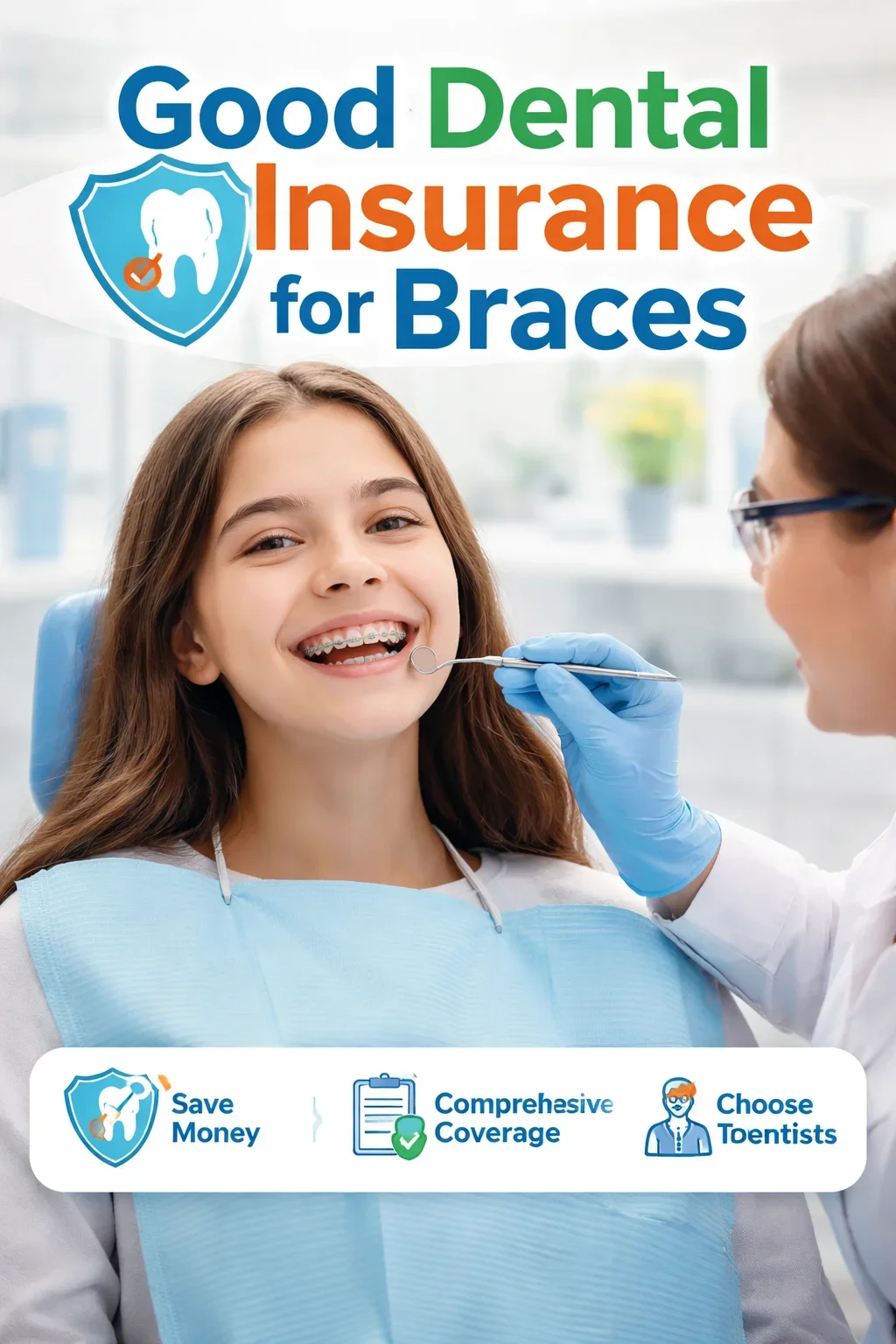
Tips to Maximize Benefits from Good Dental Insurance for Braces
Having good dental insurance for braces is a powerful advantage, but simply having a plan is not enough. To truly reduce costs and get the best possible treatment, you need to understand how to maximize every benefit your policy offers. Many patients fail to use their good dental insurance for braces effectively, leaving valuable coverage unused. With the right strategies, you can significantly increase your savings and ensure a smoother orthodontic experience. 😊
Orthodontic treatment is a long-term process, often lasting months or even years. During this time, good dental insurance for braces can support you financially—but only if you use it wisely. Let’s explore the most effective ways to get the maximum value from your plan.
Start Treatment at the Right Time
Timing plays a critical role in maximizing good dental insurance for braces. Starting treatment too early—before your coverage is active—can result in paying out of pocket.
Smart Timing Strategies
- Wait until your waiting period is fully completed
- Schedule treatment at the beginning of your policy year
- Align treatment with your insurance renewal cycle
By carefully planning your start date, you can ensure that your good dental insurance for braces covers as much of the treatment as possible. ⏳
Choose In-Network Orthodontists
One of the easiest ways to maximize good dental insurance for braces is by choosing an in-network provider. Insurance companies negotiate lower rates with these providers, which translates into savings for you.
Benefits of Staying In-Network
- Lower out-of-pocket costs
- Higher coverage percentages
- Simplified billing process
Using in-network providers ensures that your good dental insurance for braces works efficiently and delivers maximum financial benefit. 💡
Understand Your Coverage Details
Many patients do not fully understand what their plan covers. To maximize good dental insurance for braces, you must know every detail of your policy.
Key Details to Review
- Coverage percentage for braces
- Lifetime maximum limits
- Deductibles and co-payments
- Included and excluded procedures
By understanding these elements, you can make informed decisions and ensure that your good dental insurance for braces is used to its full potential.
Use Preventive Care Benefits
Most dental insurance plans include preventive care such as cleanings and check-ups. While these may not directly relate to braces, they are essential for maintaining oral health during treatment.
Why Preventive Care Matters
- Reduces risk of complications during orthodontic treatment
- Ensures better treatment outcomes
- Often fully covered by insurance
Taking advantage of these services complements your good dental insurance for braces and helps you maintain a healthy smile throughout the process. 🦷
Coordinate with Payment Plans
Many orthodontists offer payment plans that can be combined with good dental insurance for braces. This combination allows you to spread out your expenses and reduce financial pressure.
How to Combine Insurance and Payment Plans
- Use insurance to cover a portion of the cost
- Pay the remaining balance in monthly installments
- Align payments with insurance reimbursements
This approach ensures that your good dental insurance for braces works alongside your budget rather than against it. 💰
Track Claims and Reimbursements
Monitoring your claims is another important step in maximizing good dental insurance for braces. Errors in billing or delays in processing can affect your coverage.
Best Practices for Claim Management
- Keep copies of all invoices and receipts
- Regularly check claim status
- Contact your provider if discrepancies arise
Staying organized ensures that your good dental insurance for braces benefits are applied correctly and without delays.
Plan for Post-Treatment Costs
Even after braces are removed, there are additional costs such as retainers and follow-up visits. Some good dental insurance for braces plans cover these expenses partially.
Post-Treatment Considerations
- Retainers may need replacement over time
- Follow-up visits ensure long-term results
- Maintenance costs should be included in your budget
Planning ahead allows you to fully utilize your good dental insurance for braces beyond the active treatment phase.
Seek Professional Guidance
Maximizing your benefits often requires expert advice. Dental professionals can help you understand how to use your insurance effectively.
For personalized support, you can visit the Redent Klinik Contact Page. Their team can guide you in optimizing your good dental insurance for braces and ensuring the best treatment outcomes.
Additionally, you can consult the American Dental Association for reliable information on dental care and insurance practices.
Final Thoughts
In conclusion, maximizing good dental insurance for braces requires careful planning, informed decision-making, and proactive management of your benefits. From choosing the right provider to tracking claims and coordinating payments, every step contributes to better financial and treatment outcomes. By following these tips, you can ensure that your good dental insurance for braces delivers maximum value, helping you achieve a healthier, more confident smile with minimal financial stress. 😁