
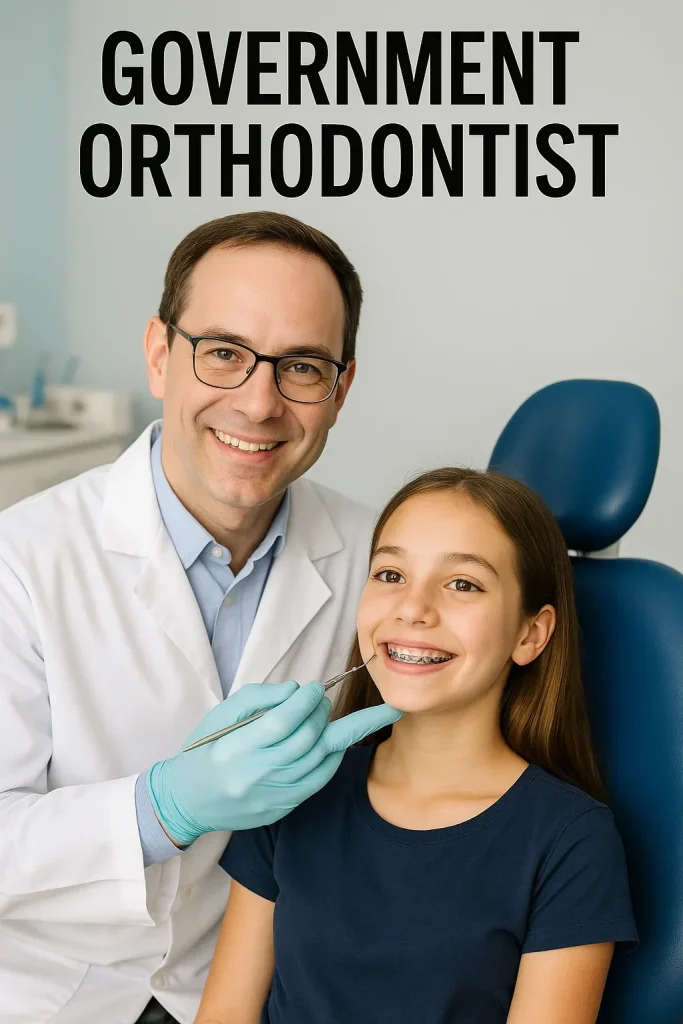
A government orthodontist plays a vital role in providing accessible and affordable orthodontic care for individuals who rely on public health systems. Many patients search for reliable information on how government-supported orthodontic treatment works, what benefits it offers, whether they qualify, and how it compares to private care. This comprehensive guide explains every detail clearly so you can understand what to expect before starting your orthodontic journey. 😷🦷
In most countries, a government orthodontist is a licensed specialist working within public health programs to correct issues related to crowded teeth, jaw alignment, bite problems, and facial development. These professionals follow national healthcare guidelines, focus on medical necessity, and aim to ensure equal access to orthodontic treatment—especially for children and teenagers who are still growing. While private clinics offer more flexibility and variety, the public system remains a crucial support for families seeking essential orthodontic correction without financial strain.
Public orthodontic systems typically prioritize cases based on medical need rather than cosmetic preference. This means a patient with severe overbite, crossbite, impacted teeth, or developmental jaw issues is more likely to qualify for treatment from a government orthodontist than someone seeking purely aesthetic improvements. Because public health funding is limited, each case is evaluated carefully. Understanding this structure helps set realistic expectations and ensures patients appreciate the purpose and value of government-supported dental care.
One of the most common questions patients ask is how long it takes to get an appointment. Since many families rely on public programs, wait times can be longer than private alternatives. However, the quality of care remains high because a government orthodontist must meet strict educational and clinical standards. These specialists often collaborate with multidisciplinary teams, including pediatric dentists, oral surgeons, and public health administrators, to deliver comprehensive and safe orthodontic care.
Government-funded orthodontic programs also focus heavily on education and prevention. Patients are taught how to maintain excellent oral hygiene during orthodontic treatment, why regular checkups matter, and how early intervention can prevent more complex issues later. This approach supports long-term oral health and reduces the burden on the healthcare system. The involvement of a government orthodontist ensures that treatment is structured, medically necessary, and delivered in alignment with national oral health policies. For additional guidance and trusted dental information, you can explore the official resources provided by the
American Dental Association.
Government-based orthodontic care is often part of larger public dental programs offered through schools, regional health centers, or national insurance systems. These programs may include screenings, diagnostic imaging, and long-term treatment plans. When needed, a government orthodontist will refer patients to specialized departments for surgery or advanced imaging. The goal is to create a streamlined pathway from diagnosis to treatment completion while keeping patient needs and medical necessity at the center of decision-making.
Patients seeking government-supported orthodontic care must often complete assessments, provide documentation, and schedule follow-up visits. During consultations, the government orthodontist explains available treatment options, expected timelines, appliance types, and any limitations based on public program regulations. Although the choices may be fewer than in private clinics, the core objective—correcting functional issues for long-term oral stability—remains the same.
If you are planning orthodontic treatment through public healthcare and want guidance from a professional clinic, you may also reach out to us through the
Redent Klinik Contact Page.
Our team can help you understand your options and determine whether government programs or private orthodontics better suit your needs.
To summarize, choosing a government orthodontist is an excellent option for patients who qualify for medically necessary orthodontic care under public health coverage. The system prioritizes fairness, accessibility, and essential treatment outcomes. While some patients may eventually transition to private orthodontics for lifestyle or cosmetic reasons, the structured, affordable, and medically focused approach of government programs continues to serve as a cornerstone of public oral healthcare, ensuring that everyone has the opportunity to achieve a healthier, more functional smile. 😁
What a Government Orthodontist Does and How They Support Public Dental Care
A government orthodontist is an integral part of the public healthcare system, providing essential orthodontic treatment to individuals who may not have access to private orthodontic services. These specialists are highly trained professionals who diagnose, prevent, and correct irregularities of the teeth and jaw. Their mission extends beyond cosmetic improvement—they focus on functional oral health, proper bite alignment, and long-term stability. In public health systems, a government orthodontist ensures that medically necessary orthodontic care is available to eligible patients regardless of financial background. This makes them a cornerstone of fair and accessible dental care. 🦷💙
Core Responsibilities of a Government Orthodontist
The primary responsibility of a government orthodontist is to assess orthodontic problems that affect oral function, speech, breathing, and overall craniofacial development. Unlike private orthodontists who may accommodate aesthetic or elective treatment requests, government-funded specialists must prioritize cases based on medical necessity. Their duties typically include:
- Conducting orthodontic evaluations and creating individualized treatment plans
- Diagnosing bite problems such as overbite, underbite, and crossbite
- Monitoring facial growth in children and adolescents
- Collaborating with oral surgeons for complex skeletal issues
- Providing educational guidance on oral hygiene during treatment
These responsibilities require precision, patience, and an understanding of public health policies. A government orthodontist often works within structured guidelines that determine which treatments are approved, how long they can last, and what types of appliances may be used. This ensures consistent national standards.
How Government Orthodontists Support Public Health Systems
A government orthodontist contributes significantly to national oral health initiatives. By providing treatment that prevents future dental complications, they reduce the long-term healthcare burden on national insurance programs. Their work helps:
- Reduce risks of tooth decay due to misalignment
- Prevent jaw dysfunction and temporomandibular disorders
- Lower the likelihood of speech and breathing issues in children
- Improve psychosocial well-being for growing adolescents
Public orthodontic treatment is especially impactful for families who otherwise cannot afford specialized care. The guidance and structured supervision of a government orthodontist give children and teens the chance to achieve optimal oral health, which ultimately enhances their confidence and quality of life.
Clinical Settings Where Government Orthodontists Work
Depending on the country, a government orthodontist may serve in a range of public institutions. These can include:
- Public dental hospitals
- School-based oral health programs
- Regional community health clinics
- National specialty treatment centers
These settings allow broad outreach, ensuring that economically disadvantaged communities receive consistent orthodontic assessments and treatment. This contributes to fairer healthcare distribution and helps maintain national oral health standards.
Teamwork and Collaboration With Other Specialists
To deliver comprehensive care, a government orthodontist often collaborates with general dentists, pediatric dentists, speech therapists, ENT specialists, and oral surgeons. Complex orthodontic issues may require multidisciplinary planning to achieve the best functional and aesthetic outcomes. Through this collaborative system, patients receive integrated care tailored to their medical needs.
Differences Between Government and Private Orthodontic Practices
While both government and private orthodontists are licensed experts, their systems of care differ significantly. A government orthodontist must follow strict treatment criteria established by public health authorities. This ensures fairness but may limit treatment options or appliance choices. On the other hand, private care offers more flexible solutions but may not be financially accessible for everyone.
Advantages of Government Orthodontic Services
- Lower or no cost for qualifying patients
- Treatment focused on medical necessity and health function
- Highly trained specialists with standardized protocols
- Reduced risk of unnecessary aesthetic-driven treatment
Limitations Patients Should Understand
- Longer waiting lists
- Fewer appliance options (e.g., fewer cosmetic alternatives)
- Stricter eligibility requirements
- Less scheduling flexibility compared to private clinics
Despite these limitations, the essential benefit of working with a government orthodontist lies in receiving medically indicated care without significant financial burden. This allows public health systems to support millions of families fairly and efficiently.
Educational Role in Preventive Dentistry
Another major contribution of a government orthodontist is patient education. Before, during, and after treatment, they provide guidance on managing oral hygiene, diet, appliance care, and long-term maintenance. Their preventive approach helps patients avoid complications such as gum inflammation, tooth decay, and broken braces.
Patients interested in continuing orthodontic care privately can also contact our team through the
Redent Klinik Contact Page
for professional guidance.
For additional clinical insight, trusted dental standards can be reviewed on the
American Dental Association website.
Ultimately, the role of a government orthodontist extends far beyond applying braces—they are guardians of public oral health, ensuring that every eligible patient receives the functional, medically necessary orthodontic care they deserve. Their work strengthens communities, promotes fairness in healthcare, and shapes healthier smiles for the future. 😁
Eligibility Requirements: Who Can Receive Government Orthodontic Treatment?
Understanding eligibility requirements is one of the most crucial steps for patients hoping to receive treatment through a public healthcare system. A government orthodontist typically follows strict national guidelines to determine which cases qualify for publicly funded orthodontic care. Because public resources are limited, priority is given to individuals whose orthodontic problems severely affect oral function, jaw development, or long-term health. This ensures that patients with medically significant conditions receive the attention they need, while cosmetic-only cases are usually directed toward private options.
In general, public health programs aim to support children and adolescents whose facial growth is still developing, as early intervention can prevent lifelong issues. However, eligibility varies widely depending on the country, healthcare policy, and severity of the orthodontic problem. The evaluation conducted by a government orthodontist usually includes clinical examinations, diagnostic photographs, X-rays, and sometimes advanced imaging. This thorough assessment helps determine whether the patient meets the required criteria for government-funded treatment.
Core Eligibility Criteria Defined by Public Health Systems
A government orthodontist must evaluate each patient according to standardized criteria. While these vary by region, most public programs consider the following factors essential:
- Severity of malocclusion: Only moderate to severe bite problems are typically approved.
- Functional impairment: Issues affecting speech, chewing, or breathing increase eligibility.
- Jaw developmental issues: Growth abnormalities may require medically necessary correction.
- Age limitations: Many public programs accept only children or teenagers up to a certain age.
- Oral hygiene status: Candidates must demonstrate the ability to care for braces long-term.
These criteria help ensure that publicly funded treatment is allocated fairly and effectively. A government orthodontist must document all findings before submitting a case for approval.
The Index of Orthodontic Treatment Need (IOTN)
Many public systems use the IOTN scoring method to evaluate severity. A government orthodontist assigns a numerical grade based on the patient’s dental and skeletal issues. Typically:
- Grades 4–5: Automatically qualify due to severe dental or jaw abnormalities.
- Grade 3: May qualify depending on functional symptoms.
- Grades 1–2: Do not qualify, as these cases are considered cosmetic.
IOTN ensures consistency, preventing subjective decisions and helping public systems manage demand responsibly.
Why Age Is a Major Factor in Eligibility
A government orthodontist often works with patients between ages 8 and 16. This is the period when facial structures shift rapidly, and orthodontic intervention can be highly effective. Once growth is complete, treatment becomes more complex and expensive, reducing eligibility in many public programs.
Exceptions for Adults
Although rare, adults may qualify if a government orthodontist confirms that the malocclusion severely affects function or requires interdisciplinary treatment, such as corrective jaw surgery.
Functional Issues That Commonly Qualify
A government orthodontist looks for problems that interfere with daily life. Some of the most common qualifying issues include:
- Severe overbite or deep bite causing gum trauma or speech issues
- Underbite affecting chewing and jaw function
- Crossbite leading to asymmetric jaw growth
- Open bite disrupting swallowing or speech
- Impacted teeth with risk of cysts or structural damage
- Cleft palate or craniofacial anomalies requiring integrated care
Mild cases, crowding, or spacing that do not impair function usually do not meet public health criteria. In such cases, a government orthodontist may recommend private care if the patient still desires treatment.
Documentation and Approval Process
After the initial assessment, the government orthodontist submits the case to a review board or insurance authority. This submission typically includes:
- Medical and dental history
- Diagnostic photographs and X-rays
- Functional assessment notes
- IOTN or equivalent scoring documentation
Approval can take weeks or months depending on the region. Once approved, the patient enters a waiting list, which may be long due to high demand.
Common Reasons for Rejection
- Case deemed cosmetic with no functional impairment
- Poor oral hygiene increasing treatment risks
- Age exceeding program limits
- Mild crowding or spacing
In these situations, a patient can explore private treatment options and may contact our team through the
Redent Klinik Contact Page
for personalized support.
The Role of Preventive Guidance in Eligibility
If a child is too young to start braces, a government orthodontist may offer early monitoring. This ensures that when the child reaches the correct dental stage, eligibility can be reassessed. Preventive measures may also reduce the need for complex treatment later.
To further explore professional standards and clinical recommendations, authoritative guidelines can be reviewed directly through the
American Dental Association.
In summary, eligibility for public orthodontic treatment depends on medical necessity, functional limitations, and standardized assessment tools. A government orthodontist follows precise professional criteria to ensure that those most in need receive timely and effective care. This system protects patients, ensures fairness, and strengthens national oral health outcomes. 😊
Types of Orthodontic Problems Commonly Treated in Government Programs
A government orthodontist is responsible for treating orthodontic issues that have a direct impact on oral function, jaw development, and long-term dental health. Public healthcare systems prioritize medical necessity, which means that only specific categories of orthodontic problems qualify for treatment. These issues typically involve significant bite irregularities, skeletal discrepancies, or dental conditions that interfere with chewing, speaking, or facial development. In this section, you will find a complete and detailed explanation of the orthodontic issues most frequently managed by a government orthodontist, along with how these conditions are evaluated and treated within public programs. 🦷📘
Severe Overbite and Deep Bite
An overbite occurs when the upper front teeth excessively overlap the lower teeth. When the overlap is significant enough to cause gum trauma, tooth wear, or speech difficulties, it becomes a medically necessary case. A government orthodontist evaluates the depth of the bite, looks for signs of palatal damage, and determines whether early intervention is required. Deep bites can also affect jaw alignment and lead to long-term issues like temporomandibular joint discomfort. In public orthodontic programs, deep bite cases frequently qualify because of their direct impact on oral function.
How Deep Bite Correction Works
Treatment may involve bite-opening appliances, braces, or growth-modification devices for younger patients. A government orthodontist may also coordinate with maxillofacial specialists if the condition is skeletal rather than dental.
Underbite and Reverse Bite Problems
Underbites occur when the lower jaw protrudes beyond the upper jaw. This creates functional problems in chewing, speech, and facial balance. A government orthodontist considers underbites to be high-priority cases because they can severely disrupt craniofacial development. Children with early signs of underbite may receive interceptive treatment to guide jaw growth and reduce the need for surgery later.
Jaw Growth Modification in Public Orthodontics
Younger patients may be treated with orthopedic appliances that redirect jaw growth. If the patient is an adult, a government orthodontist may refer them for orthognathic surgery combined with braces, depending on public funding guidelines.
Crossbite and Asymmetric Jaw Growth
A crossbite occurs when one or more upper teeth bite inside the lower teeth. This condition can affect a single tooth or multiple teeth and often leads to asymmetrical jaw growth. Because crossbites can worsen over time, a government orthodontist is trained to diagnose and correct them early through expansion devices or braces. If untreated, crossbites may cause gum recession, shifting of the bite, and chronic jaw strain.
Palatal Expansion Techniques
Younger patients may benefit from palatal expanders, which gently widen the upper jaw. A government orthodontist monitors the expansion and adjusts treatment as needed to ensure a balanced bite and proper airway development.
Open Bite and Speech or Swallowing Issues
An open bite describes a condition where the upper and lower teeth do not touch when the mouth is closed. This can cause problems with speech, swallowing, and biting into food. A government orthodontist evaluates whether the open bite is dental or skeletal in nature. Common causes include tongue thrusting, thumb sucking, or hereditary jaw patterns. Open bite cases that interfere with normal function often qualify for publicly funded orthodontic treatment.
Behavioral and Mechanical Correction Methods
Depending on the cause, treatment may involve habit-correction devices, braces, elastics, or surgical intervention. A government orthodontist also works closely with speech therapists when the open bite involves tongue placement issues.
Crowding and Impacted Teeth
While mild crowding is considered cosmetic, severe crowding or impacted teeth usually qualify for treatment. Impacted teeth—most commonly canines—occur when a tooth is blocked from erupting properly. A government orthodontist assesses the position of the impacted tooth using imaging techniques and determines whether surgical exposure is needed. Severe crowding can cause gum inflammation, shifting teeth, and even root resorption, making it a medically necessary condition.
Surgical Exposure and Orthodontic Alignment
When necessary, a surgeon exposes the impacted tooth, and the government orthodontist guides it into position using braces and traction mechanics. This multidisciplinary approach is standard in public orthodontic systems.
Craniofacial and Congenital Conditions
Some patients are born with craniofacial anomalies such as cleft palate or genetic syndromes that affect jaw or tooth development. These cases require immediate attention and long-term management. A government orthodontist plays a central role in the interdisciplinary team that handles surgical repair, growth monitoring, and orthodontic alignment over several years.
For patients who want further assistance understanding their orthodontic options, our team can provide personalized guidance through the
Redent Klinik Contact Page. Additionally, you may reference authoritative clinical standards through the
American Dental Association.
In summary, the conditions treated in public orthodontic systems focus on functional impairments, developmental concerns, and medically significant abnormalities. A government orthodontist ensures that these cases receive timely and structured treatment, helping patients achieve healthier bites and improved long-term oral function. 😄
Public vs. Private Orthodontists: Key Differences You Should Know
Understanding the distinction between public and private orthodontic services is essential for patients trying to decide which treatment path best fits their needs. A government orthodontist works within a public healthcare framework, focusing on medically necessary cases and ensuring equitable access to orthodontic treatment for eligible patients. In contrast, private orthodontists operate independently or within private clinics, offering a wider range of treatment options, shorter waiting times, and more personalized aesthetic solutions. This section provides a comprehensive comparison to help patients make informed decisions about their orthodontic journey. 🦷✨
How a Government Orthodontist Operates Within Public Healthcare
A government orthodontist must follow national healthcare guidelines that define which patients qualify for state-funded orthodontic treatment. Their work is structured, medically driven, and regulated by public policies. Because public programs aim to support those with significant functional or developmental issues, the treatment options and eligibility requirements tend to be stricter.
- Eligibility based on medical necessity: Only moderate to severe cases typically qualify.
- Structured treatment guidelines: Appliances and techniques must align with public health standards.
- Focus on function rather than aesthetics: The main goal is correcting medically relevant bite problems.
- No or minimal cost for patients who qualify: Public funding covers medically necessary orthodontic care.
Due to the high demand for publicly funded treatment, waiting lists can be long. Still, a government orthodontist provides reliable and evidence-based care, ensuring patients with the greatest need receive timely attention within system limits.
How Private Orthodontists Differ in Treatment Approach
Private orthodontists offer greater flexibility in treatment planning, appointment scheduling, and appliance selection. While a government orthodontist may have limitations in the types of braces available, a private orthodontist often provides a range of cosmetic options such as clear aligners, ceramic braces, lingual braces, and accelerated treatment systems.
- Shorter waiting times—patients can typically start treatment soon after the consultation.
- More appliance choices tailored to lifestyle or aesthetic preferences.
- Flexible financial arrangements such as installment plans.
- Enhanced comfort options and advanced orthodontic technologies.
Because private orthodontic treatment is paid out-of-pocket, patients have full control over the timing, style, and specific type of orthodontic appliance used.
Comparing Treatment Outcomes: Are They the Same?
A common misconception is that private orthodontic care always produces better results. In reality, both private and public orthodontists undergo the same advanced education and training. A government orthodontist is equally qualified, and public treatment outcomes can be excellent when patients follow instructions and attend appointments.
Factors That Influence Treatment Quality
- Severity of the case: More complex issues may require longer treatment regardless of system.
- Patient compliance: Oral hygiene, elastic wear, and appointment attendance matter significantly.
- Treatment goals: Public systems focus on function; private systems allow elective improvements.
Thus, both sectors can achieve high-quality results, but private care offers more customization and faster timelines.
Cost Comparison Between Public and Private Orthodontics
Cost is a major deciding factor for many families. A government orthodontist provides treatment for free or at a significantly reduced cost when the patient qualifies under national guidelines. Private treatment, however, is priced according to appliance choice, treatment duration, and clinic specialization.
Online-Based Price Overview (Based on General Market Research)
Traditional metal braces: $3,000 – $7,500
Ceramic braces: $4,000 – $8,500
Clear aligners: $3,500 – $9,000
Lingual braces: $8,000 – $13,000
These prices may vary depending on region and clinic policy. For many families, government-supported treatment remains the most accessible option—especially when functional correction is required rather than elective cosmetic improvements.
Waiting Times: A Significant Differentiating Factor
A government orthodontist often manages large caseloads, making waiting lists common. Some patients may wait months or even years, depending on demand in their region. Private clinics typically allow treatment to begin almost immediately. For patients prioritizing speed or seeking immediate aesthetic correction, private care may be the better option.
Flexibility in Treatment Planning
Private orthodontists can adapt treatment at the patient’s request, offer multiple appliance upgrades, or adjust timelines based on lifestyle needs. A government orthodontist, however, must follow public health regulations, limiting customization.
Examples of Flexibility Only Seen in Private Care
- Switching from metal braces to ceramic or lingual braces mid-treatment
- Using accelerated orthodontic systems
- Requesting aligner-based treatment for mild cases
In public systems, the treatment plan is strictly predefined and rarely adjustable beyond medical necessity.
Which Option Should You Choose?
The choice between a government orthodontist and a private orthodontist depends on the patient’s goals, financial resources, severity of malocclusion, and desired timeline. Public care is ideal for medically significant orthodontic issues and for patients who meet eligibility criteria. Private care is best for those seeking aesthetic choices, faster treatment, or a more personalized experience.
To discuss your orthodontic needs further or to receive guidance on both public and private treatment paths, reach out through the
Redent Klinik Contact Page.
You can also review trusted clinical guidelines from the
American Dental Association.
In conclusion, both public and private orthodontic systems offer high-quality care, but they differ in flexibility, accessibility, cost, and treatment options. A government orthodontist provides medically necessary treatment for eligible patients, ensuring fairness and functional improvement, while private orthodontists deliver customizable, faster, and more aesthetic-driven treatment choices. 😄
How to Apply for Government Orthodontic Services Step by Step
Applying for publicly funded orthodontic treatment can feel overwhelming, especially for families unfamiliar with how government dental programs operate. The process is different from private orthodontics, where patients can schedule appointments freely. Instead, a government orthodontist follows a regulated system designed to ensure that patients with medically necessary orthodontic problems receive timely evaluation and treatment. This step-by-step guide explains exactly how to navigate the application process, what documentation is required, and how to increase your chances of approval within public healthcare programs. 🦷📄
Step 1: Obtain a Referral From a General Dentist
The first step in applying for government-funded orthodontic services is obtaining a referral from a general dentist. A government orthodontist typically cannot evaluate patients without this referral, as public systems require a dentist to confirm that orthodontic assessment is medically necessary. The general dentist checks for:
- Severe bite issues such as overbite, underbite, crossbite
- Misaligned teeth affecting chewing, speaking, or oral hygiene
- Jaw development concerns
- Evidence of impacted or unerupted teeth
If any of these issues appear significant, the dentist completes a referral form that is forwarded to the public orthodontic program for review.
Step 2: Schedule an Initial Assessment With a Government Orthodontist
After the referral is accepted, the patient is placed on a waiting list for an initial evaluation. Depending on regional demand, this appointment may take several weeks or months. During the assessment, a government orthodontist performs a complete diagnostic examination, which may include:
- Clinical evaluation of jaw alignment and bite function
- Digital photographs of the teeth and face
- Panoramic and cephalometric X-rays
- Impressions or digital scans for bite analysis
- Measurement of dental asymmetries and growth patterns
This assessment ensures that the orthodontic problem is evaluated thoroughly and accurately before a decision is made.
What Parents Should Know During This Step
Since children make up most applicants, families should be prepared for multiple appointments, especially in cases involving early monitoring. A government orthodontist may also recommend preventive steps before treatment begins, such as improving oral hygiene or addressing habits like thumb sucking.
Step 3: Qualification and Scoring Process
Once diagnostic records are complete, the government orthodontist assigns a severity score using standardized public health tools such as the Index of Orthodontic Treatment Need (IOTN). These scores determine whether the condition qualifies for government-funded treatment.
Typical Scoring Categories
- High need: Automatically qualifies due to severe skeletal or dental issues.
- Moderate need: May qualify depending on functional impact.
- Low need: Usually does not qualify, considered cosmetic.
This scoring system ensures fairness, consistency, and appropriate distribution of public resources.
Step 4: Submission of Application to the Review Board
If the government orthodontist determines that the patient may qualify, all diagnostic records and documentation are submitted to a review authority. This board verifies that the case meets official public health criteria. Once the application is submitted:
- Approval may take weeks to several months
- Patients receive written notification of approval or denial
- Some regions allow appeals if the case is denied
This step is crucial for maintaining transparency and equal access to orthodontic care within public health systems.
Step 5: Entering the Waiting List for Treatment
Once approved, the patient is placed on a treatment waiting list. A government orthodontist typically follows the order of medical priority and chronological application. Wait times can vary greatly depending on:
- Regional demand
- Available government orthodontists
- Complexity of the patient’s case
Although waiting periods may seem long, the public system ensures that each patient receives high-quality care when their turn arrives.
Step 6: Beginning Active Orthodontic Treatment
Once the patient’s position in the queue reaches the top, treatment can begin. A government orthodontist will explain the recommended appliances, expected timelines, and oral care instructions. Treatment may include:
- Traditional metal braces
- Palatal expanders
- Space maintainers
- Elastics for bite correction
Public systems typically offer fewer appliance options compared to private clinics, but they ensure medically necessary treatment is delivered effectively and safely.
Step 7: Follow-Up and Monitoring
During treatment, regular visits are essential. A government orthodontist monitors tooth movement, adjusts appliances, and assesses progress. Missed appointments may delay treatment or jeopardize eligibility, so consistency is crucial.
Importance of Compliance
Patients must follow all instructions regarding elastics, hygiene, and dietary habits. Public systems prioritize functional improvement, so cooperation is vital for achieving successful outcomes.
If you need professional help during any stage of the government application process or want insight into private alternatives, you can contact our team through the
Redent Klinik Contact Page.
Additionally, authoritative orthodontic standards are available at the
American Dental Association.
In conclusion, applying for government-funded orthodontic services involves multiple structured steps—from referral to diagnostic evaluation, scoring, submission, approval, and treatment. By understanding how a government orthodontist approaches this process, patients and families can navigate public healthcare systems with confidence and clarity. 😊
Benefits and Limitations of Seeing a Government Orthodontist
Choosing to receive treatment through a public healthcare program offers numerous advantages, especially for families seeking medically necessary orthodontic care. A government orthodontist provides essential services that prioritize oral function, jaw development, and long-term dental stability. However, public systems also have limitations due to funding structures, high demand, and regulatory guidelines. In this comprehensive section, we explore both the benefits and drawbacks in detail so patients can make informed decisions about whether public orthodontic care is the right fit for them. 🦷📚
The Major Benefits of Public Orthodontic Care
Public orthodontic programs exist to ensure fairness and access for patients with significant functional orthodontic issues. A government orthodontist follows strict medical guidelines that help distribute care to those who need it most. This creates a healthcare environment rooted in equal opportunity and public wellbeing.
1. Financial Accessibility
The most impactful advantage of seeing a government orthodontist is the dramatically reduced cost—or complete elimination—of treatment fees. Public orthodontics is often funded by national healthcare systems, meaning families who qualify can receive high-quality care without the financial burden associated with private orthodontic services. This is especially crucial for:
- Families with limited financial resources
- Patients requiring long-term or complex orthodontic treatment
- Children who need early intervention to prevent future complications
By removing the cost barrier, public systems ensure that medical necessity takes priority over financial capability.
2. Medically Focused Treatment
While private orthodontics often caters to aesthetic preferences, a government orthodontist concentrates on functional improvement. Their primary objective is to correct orthodontic problems that affect chewing, speaking, airway function, or facial development. This means treatment is more medically structured, evidence-based, and aligned with national clinical standards.
3. Highly Trained and Regulated Professionals
Contrary to popular belief, a government orthodontist must complete the same specialized training as any private orthodontist. They undergo:
- Dental school education
- Advanced orthodontic residency training
- Continuous professional development
Furthermore, public systems enforce strict oversight, ensuring that treatment protocols remain consistent, ethical, and patient-centered. Regular audits help maintain high quality and adherence to public health regulations.
4. Integrated Multidisciplinary Support
Many government orthodontic clinics work closely with other medical departments, providing patients with comprehensive care. A government orthodontist may collaborate with:
- Pediatric dentists
- Oral and maxillofacial surgeons
- Speech therapists
- Ear, nose, and throat specialists
This multidisciplinary approach is especially beneficial for patients with craniofacial abnormalities, impacted teeth, or complex bite disorders requiring a combined treatment plan.
Limitations Patients Should Understand Before Choosing Public Orthodontics
While public systems offer essential benefits, they also come with restrictions and operational limitations. A government orthodontist must follow public guidelines that influence treatment speed, appliance selection, and patient expectations. Understanding these limitations helps families make realistic plans.
1. Long Waiting Periods
One of the most commonly reported disadvantages is the waiting time. Because many families apply for public treatment, demand often exceeds available resources. Patients may wait months—or even years—for:
- The initial assessment appointment
- Approval from the review board
- The start of active orthodontic treatment
A government orthodontist prioritizes severe cases to protect patient health, which may lead to extended waiting times for less urgent conditions.
2. Limited Treatment Options
Public systems typically focus on functional improvement rather than aesthetic customization. This means that choices such as ceramic braces, lingual braces, or clear aligners are usually not available under government funding. A government orthodontist may only provide traditional metal braces and medically necessary appliances.
Patients who desire aesthetic upgrades often explore private orthodontic care instead.
3. Strict Eligibility Requirements
Only patients with moderate-to-severe malocclusions qualify for public care. Mild cases, even if bothersome, may not meet the criteria. A government orthodontist must follow strict scoring systems to determine whether the case qualifies for government-funded treatment. This ensures fairness, but it can be disappointing for families whose children do not meet the required threshold.
4. Less Flexibility in Scheduling
Since public orthodontic clinics operate under set hours and serve large patient populations, appointment flexibility is often limited. Rescheduling or requesting additional visits may be more difficult than in private practices. A government orthodontist must manage time efficiently to accommodate the volume of patients waiting for care.
When Public Orthodontics Is the Best Choice
Seeing a government orthodontist is ideal when the patient has medically significant orthodontic problems, limited financial resources, or a condition requiring interdisciplinary care. Public care ensures that essential treatment is delivered fairly and consistently under national health guidelines.
When Private Orthodontics Might Be Better
Private orthodontic care may be a better fit for patients seeking:
- Immediate treatment without long waiting lists
- Aesthetic braces or clear aligners
- Customized treatment timelines
- Advanced orthodontic technologies
If you’re unsure which option is ideal, you may contact our specialists through the
Redent Klinik Contact Page
for personalized guidance. For further academic insights, consult the
American Dental Association.
In summary, choosing a government orthodontist offers significant benefits—especially accessibility, interdisciplinary support, and medically necessary treatment—but also comes with limitations such as long waiting periods and fewer customization options. Understanding these factors helps families make confident, informed decisions about their orthodontic care. 😄
Orthodontic Treatment Options Offered in Government Clinics
A government orthodontist provides a variety of treatment options designed to correct functional orthodontic problems efficiently, safely, and within the standards of public healthcare guidelines. While public systems typically offer fewer cosmetic alternatives than private clinics, the treatments available are highly effective and medically focused. The primary goal is to correct bite issues, guide jaw development, and ensure long-term oral stability. In this detailed section, we will explore every treatment option commonly available in government clinics, understanding how each one works and why it may be chosen for certain patients. 🦷🔍
Traditional Metal Braces: The Primary Public Treatment Option
Traditional metal braces remain the most widely used orthodontic appliance in public systems worldwide. A government orthodontist selects metal braces for their durability, cost-effectiveness, and proven clinical reliability. Unlike cosmetic alternatives, metal braces are strong enough to handle complex tooth movements and severe malocclusions, which are typically the cases that qualify for public-funded orthodontic treatment.
- Effective for severe bite and alignment issues
- Highly adjustable and suitable for long-term treatment
- Low cost and universally supported by public clinics
Patients who require major corrections benefit significantly from the precision and strength metal braces provide. Although aesthetic options may be preferred by some, metal braces remain the backbone of government orthodontic care because they reliably deliver functional results.
How Metal Braces Work in a Public Setting
A government orthodontist places brackets on the teeth, threads a metal archwire through them, and makes periodic adjustments. These adjustments guide tooth movement in a controlled way. Because government clinics focus on medically necessary outcomes, treatment durations are carefully planned and monitored for consistency and success.
Palatal Expanders and Growth Modification Devices
For younger patients with developing jaws, public orthodontic programs often provide interceptive treatments such as palatal expanders or orthopedic appliances. A government orthodontist uses these devices to correct skeletal discrepancies before they become more severe, helping to reduce the likelihood of surgery later in life.
Why Expansion Is Important
Expansion widens the upper jaw to correct crossbites, crowding, and airway concerns. Early intervention improves dental arch shape, enhances breathing patterns, and prevents irregular facial asymmetry. A government orthodontist frequently recommends expanders during the mixed dentition stage for optimal results.
Space Maintainers for Children
When a child loses a baby tooth prematurely, the surrounding teeth may shift into the empty space and cause future alignment problems. A government orthodontist may provide a space maintainer to preserve that space until the permanent tooth erupts. This simple device prevents the need for more complex treatment later.
- Prevents shifting of adjacent teeth
- Reduces crowding risks
- Supports proper eruption of permanent teeth
Space maintainers are among the most cost-effective treatments in public orthodontics, demonstrating the value of early preventive care.
Elastics and Auxiliary Appliances
Elastics (rubber bands) are frequently used to correct bite discrepancies such as overbites, underbites, and crossbites. A government orthodontist prescribes elastics when precise bite correction is needed alongside braces. Compliance is essential, as elastics play a significant role in achieving functional alignment.
Additional Auxiliary Devices
- Headgear for growth modification
- Nance devices to prevent molar movement
- Bite turbos or blocks to correct deep bites
These tools help manage complex orthodontic situations common in government-qualified cases.
Treatment for Impacted Teeth
Impacted teeth—especially canines—are often included in medically necessary government treatment plans. A government orthodontist may coordinate with oral surgeons to expose the impacted tooth, then use braces to guide it into the correct position. This multidisciplinary process is a hallmark of public orthodontic systems working in alignment with broader healthcare teams.
Surgical Exposure and Alignment
After the tooth is exposed surgically, a bracket is attached, and traction is applied gradually. A government orthodontist monitors progress closely to ensure safe and predictable eruption without damaging surrounding structures.
Retention Devices After Treatment
Retention is crucial to ensure long-term success. In public orthodontic programs, retainers are typically included at the end of treatment to maintain alignment. A government orthodontist provides fixed or removable retainers depending on the complexity of the case.
- Fixed retainers: Bonded behind the teeth for continuous support
- Removable retainers: Worn regularly to prevent shifting
Patients must follow instructions carefully, as retention is a lifetime responsibility for preserving treatment results.
Treatment Options Not Typically Covered
Because government orthodontic programs focus strictly on medical necessity, cosmetic and elective options are usually not available. A government orthodontist may inform patients that the following are not included:
- Clear aligners (e.g., Invisalign)
- Ceramic or sapphire braces
- Lingual braces placed behind the teeth
- Accelerated orthodontic systems
Patients wanting these options may explore private care and can contact our team through the
Redent Klinik Contact Page
for personalized guidance.
For clinical details on orthodontic devices and guidelines, patients may also refer to the
American Dental Association.
In summary, a government orthodontist offers a structured, medically focused range of treatment options designed to correct functional orthodontic issues effectively. Although cosmetic customization is limited, the available treatments are powerful, reliable, and grounded in scientific evidence—making public orthodontic care a highly valuable service for eligible patients. 😄
Expected Treatment Timeline When Using Government Orthodontic Services
Understanding the expected treatment timeline is essential for patients entering a public orthodontic program. Because a government orthodontist works within a structured healthcare system, every stage—assessment, approval, treatment, and monitoring—follows an organized process. While private orthodontic care may begin quickly, government-funded treatment often involves waiting periods due to high demand and strict eligibility criteria. In this comprehensive section, we explore the full timeline from your first dental referral to the final retainer check, detailing what patients and families can realistically expect. 🦷⏳
Phase 1: The Referral and Initial Application Process
The first stage begins with a referral from a general dentist. Before a government orthodontist can evaluate you, the dentist must confirm that there is a potential functional orthodontic issue. This referral step may take anywhere from a few days to several weeks depending on appointment availability. Once the referral is completed, the application is submitted to the public orthodontic department.
Waiting Time After Referral
Many regions experience high demand for public treatment, meaning the initial waiting period may last several months. During this time, the patient waits for notification that the referral has been accepted and that an appointment with a government orthodontist has been scheduled.
Phase 2: Diagnostic Evaluation and Severity Scoring
Once the initial evaluation appointment arrives, the government orthodontist conducts an extensive clinical examination. This includes:
- Extraoral and intraoral photographs
- Bite analysis
- X-rays such as panoramic and cephalometric images
- Digital scans or impressions
- Measurement of skeletal and dental anomalies
This stage is crucial because it determines whether the patient qualifies for government-funded treatment. The orthodontist assigns a severity score using tools such as the Index of Orthodontic Treatment Need (IOTN).
Timeframe for Diagnosis
Diagnostic appointments typically take 30–60 minutes, but the full evaluation process—including scoring and record review—may take several weeks.
Phase 3: Approval Process From the Government Review Board
After the diagnosis is complete, the case is submitted to a review authority. A government orthodontist cannot begin treatment without official approval. The review board examines all diagnostic evidence to verify that the patient meets eligibility criteria.
- Severe cases often receive faster approval
- Moderate cases may undergo additional evaluation
- Mild cases are usually denied as cosmetic
Typical Approval Waiting Time
Approval can take 1–6 months depending on regional processes, staff workload, and caseload volume. Families should prepare for potential delays, as public systems prioritize fairness and accuracy over speed.
Phase 4: Joining the Official Treatment Waiting List
Once approved, patients are placed on the government treatment queue. This stage varies widely by location. Some regions have short waiting periods, while others face extended delays due to limited availability of the government orthodontist team.
Factors Affecting Queue Duration
- Number of government orthodontists in the region
- Population density
- Severity of cases already in progress
- Funding allocations for the treatment cycle
On average, the waiting list time ranges from 6 months to 2 years. While this may seem long, the public healthcare system ensures that medically necessary cases are treated fairly and in order of priority.
Phase 5: Beginning Active Orthodontic Treatment
Once your position in the queue reaches the top, treatment officially begins. A government orthodontist will review the treatment plan, discuss the appliances to be used, and place braces or growth-modification devices. The active phase typically lasts 18–36 months, depending on the complexity of the case.
Duration of the Active Treatment Phase
- Mild to moderate cases: 12–24 months
- Severe malocclusions: 24–36 months
- Cases with impacted teeth: May exceed 36 months
Because government treatment focuses on functional correction, time is allocated carefully to ensure safe and effective tooth movement.
Phase 6: Follow-Up Appointments and Adjustments
Patients must attend regular appointments during active treatment. A government orthodontist performs adjustments, assesses tooth movement, checks appliance integrity, and ensures treatment progress aligns with expectations.
Frequency of Appointments
- Every 6–8 weeks for standard braces
- Every 4–6 weeks for complex or high-precision cases
Missing appointments can significantly extend the timeline, so consistency is essential.
Phase 7: Retention Phase After Active Treatment
Once braces are removed, the retention phase begins. A government orthodontist provides retainers to ensure the teeth remain stable in their new positions. This phase is crucial for long-term success.
Retention Timeline
- First year: Full-time or near-full-time retainer wear
- Second year: Night-only wear
- Long-term: Periodic nighttime wear indefinitely
Failure to wear retainers may cause teeth to shift back, potentially requiring retreatment.
Phase 8: Final Evaluation and Discharge
After the retention period, the government orthodontist performs a final assessment to ensure stability, functionality, and patient satisfaction. Patients may be discharged or scheduled for long-term checkups depending on their condition.
For additional support or to explore alternative treatment options, patients may contact our specialists through the
Redent Klinik Contact Page.
Professional orthodontic standards can also be reviewed through the
American Dental Association.
In summary, the full orthodontic timeline within a government system is detailed, structured, and designed to prioritize medical necessity. Although the waiting stages can be lengthy, the care offered by a government orthodontist is thorough, regulated, and functionally focused, ensuring patients receive reliable and effective orthodontic treatment. 😃
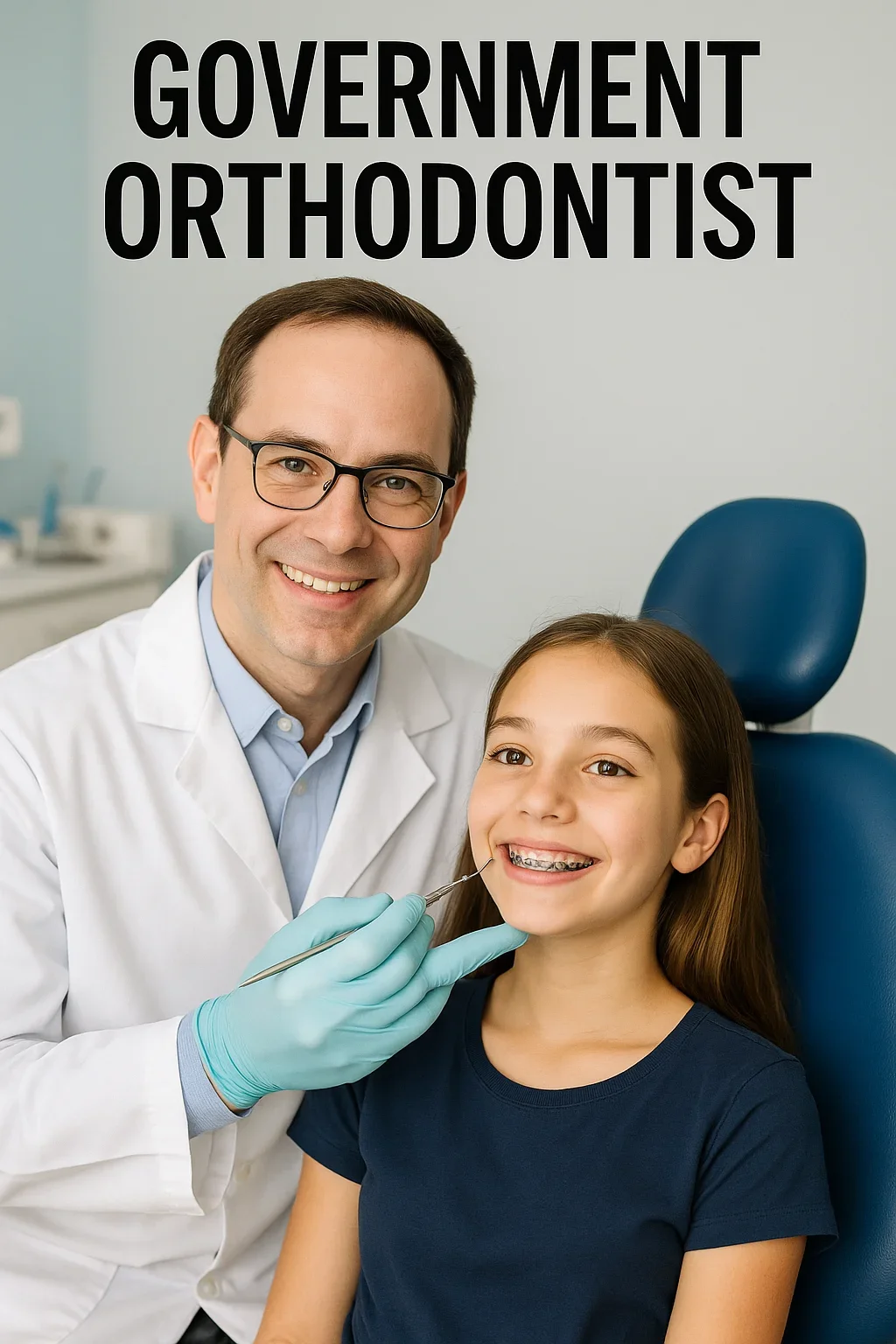
How to Maintain Oral Health During Government-Provided Orthodontic Care
Maintaining excellent oral hygiene is essential for anyone undergoing orthodontic treatment, but it becomes especially important when receiving care through a public system. A government orthodontist focuses primarily on correcting functional bite issues and jaw discrepancies, but the long-term success of treatment also depends heavily on how well patients care for their teeth and braces. Proper oral hygiene helps prevent gum inflammation, tooth decay, enamel staining, and device breakage—issues that can significantly delay treatment within a public framework. This comprehensive guide explains exactly how to maintain oral health, follow public program guidelines, and keep your treatment running smoothly. 🦷💧
Why Oral Hygiene Matters More in Government Orthodontic Programs
A government orthodontist must adhere to strict treatment protocols set by public health authorities. If a patient repeatedly demonstrates poor oral hygiene, treatment may be paused or even denied due to the increased risk of dental complications. Unlike private systems where adjustments can be more flexible, government clinics follow structured schedules and limited appointment windows, making proactive care essential for staying on track.
Poor oral hygiene while wearing braces can lead to:
- White spot lesions (early tooth decay)
- Gingivitis and gum recession
- Bracket detachment due to plaque buildup
- Extended treatment time
- Tooth sensitivity and enamel roughness
By following the detailed oral care strategies below, patients can support the work of the government orthodontist and ensure they achieve a stable, healthy, and functional smile.
Daily Cleaning Routine for Patients With Braces
Because braces create additional surfaces where food particles and plaque accumulate, a meticulous cleaning routine is essential. A government orthodontist will emphasize consistency, particularly in younger patients who may not understand the long-term risks of neglecting hygiene.
Brushing Technique
- Brush after every meal if possible—at least twice daily.
- Use a soft-bristled toothbrush at a 45-degree angle around brackets.
- Brush above and below the brackets thoroughly.
- Use small circular motions to remove plaque effectively.
Electric toothbrushes can also be beneficial for improving brushing quality, especially for patients with limited dexterity.
Flossing With Braces
Flossing becomes more complicated with orthodontic wires in place. To make it easier, a government orthodontist may recommend:
- Floss threaders
- Superfloss designed for braces
- Water flossers (effective but supplemental)
Flossing at least once daily is crucial for preventing gum disease and plaque buildup between teeth.
Using Orthodontic Cleaning Tools
Orthodontic tools help reach areas that traditional brushing and flossing may miss. A government orthodontist may recommend:
- Interdental brushes to clean around brackets and wires
- Fluoride mouth rinse to strengthen enamel
- Orthodontic wax to prevent irritation from wires
- Disclosing tablets to reveal missed plaque areas
These tools support consistent hygiene and can dramatically reduce dental risks during treatment.
Dietary Guidelines to Protect Braces and Oral Health
A government orthodontist often provides strict dietary guidelines because certain foods can damage braces, prolong treatment, or increase plaque buildup. Patients should avoid:
- Sticky foods like caramel or chewing gum
- Hard foods such as nuts, ice cubes, or crusty bread
- Sugary snacks that promote tooth decay
- Crunchy foods that can break brackets
Soft, braces-friendly alternatives include yogurt, bananas, soft-cooked vegetables, eggs, and pasta.
The Importance of Reducing Sugar Intake
Sugar increases the risk of white spot lesions, which often appear around brackets. These lesions are permanent and may remain even after braces are removed. A government orthodontist closely monitors these issues, and if they worsen, treatment progress may be interrupted to protect the patient’s dental health.
Regular Checkups and Compliance With Instructions
Appointments with a government orthodontist are essential for ensuring steady progress. Patients must attend all scheduled visits because missed appointments can delay treatment by months in public systems where appointment slots are limited.
Compliance With Elastic Wear
Rubber bands (elastics) are often used to correct bite discrepancies. Failure to wear them as instructed:
- Delays treatment significantly
- May cause the bite to worsen
- Can lead to extended treatment time
Patients should also follow all instructions regarding appliance care, bracket protection, and hygiene expectations.
Managing Emergencies During Government Orthodontic Treatment
Emergencies such as loose brackets, poking wires, or broken elastics occasionally occur. A government orthodontist typically offers limited emergency slots within the clinic schedule.
- Use orthodontic wax for protruding wires
- Rinse with warm salt water to ease irritation
- Do not attempt to cut wires at home
- Contact the clinic immediately for severe issues
Access to emergency care may be more limited than in private clinics, so preventive care is especially important.
The Role of Professional Cleanings During Treatment
Regular cleanings with a general dentist support the work of the government orthodontist. Many public programs require professional cleanings every 6 months—or more frequently if plaque buildup is significant.
Cleanings help remove tartar, prevent gingivitis, and keep enamel healthy during the long treatment process.
For guidance on choosing additional preventive tools or scheduling private checkups alongside your government care, you may contact our team through the
Redent Klinik Contact Page.
Authoritative dental-care resources are also available through the
American Dental Association.
In summary, maintaining excellent oral health is a shared responsibility between the patient and the government orthodontist. Proper hygiene habits, compliance with instructions, healthy eating, and consistent dental visits play vital roles in achieving long-term treatment success and protecting your smile throughout the orthodontic journey. 😄
Disclosure: this page may contain affiliate links. We may earn a commission if you use them, at no extra cost to you.