
When it comes to maintaining a confident smile and long-term oral health, gum care is just as important as caring for your teeth. Many people focus heavily on brushing their teeth but underestimate how crucial gum care is for preventing serious dental issues. Healthy gums form the foundation that supports your teeth, and without proper gum care, even the strongest teeth can become vulnerable to disease and eventual loss.
In simple terms, gum care refers to all the daily and professional practices that help keep your gums clean, strong, and free from infection. This includes brushing, flossing, regular dental checkups, and maintaining a balanced diet. Effective gum care helps prevent plaque buildup, which is the main cause of gum disease. When plaque accumulates along the gumline, it can lead to inflammation, bleeding, and more severe conditions if not addressed early.
One of the most common problems linked to poor gum care is gingivitis. This early stage of gum disease is characterized by redness, swelling, and bleeding gums. The good news is that gingivitis is reversible with proper gum care. However, if ignored, it can progress into periodontitis, a more serious condition that damages the soft tissue and bone supporting your teeth. This highlights why consistent gum care should never be neglected.
Another important aspect of gum care is understanding how your lifestyle affects your oral health. Smoking, poor nutrition, and stress can all negatively impact your gums. For example, smoking reduces blood flow to the gums, making it harder for them to heal and increasing the risk of infection. A well-balanced diet rich in vitamins, especially vitamin C, plays a vital role in supporting effective gum care and overall oral hygiene.
Good gum care also involves using the right tools and techniques. A soft-bristled toothbrush, fluoride toothpaste, and proper brushing technique can make a significant difference. Brushing too hard or using a hard-bristled brush can damage your gums instead of protecting them. Similarly, flossing daily is a critical part of gum care because it removes food particles and plaque from areas your toothbrush cannot reach.
Regular visits to a dental professional are equally essential for maintaining excellent gum care. Dentists can detect early signs of gum disease that may not be visible to you. Professional cleanings remove hardened plaque (tartar) that cannot be eliminated through brushing alone. If you are unsure about your current oral health condition, visiting a professional through the Redent Klinik Contact Page is a smart step toward improving your gum care routine.
According to the American Dental Association, maintaining proper oral hygiene habits, including consistent gum care, significantly reduces the risk of developing periodontal disease. Their research emphasizes that prevention is always more effective and less costly than treatment. Investing time in your daily gum care routine can save you from complex dental procedures in the future.
It’s also important to recognize that gum care is not a one-size-fits-all approach. Each individual may have different needs based on their oral health condition, genetics, and lifestyle. Some people may require specialized products such as antibacterial mouthwash or interdental brushes to enhance their gum care. Consulting with a dental professional can help you tailor a routine that works best for you.
In conclusion, prioritizing gum care is essential for maintaining a healthy mouth and a confident smile 😊. By adopting a consistent routine, making healthy lifestyle choices, and seeking professional guidance when needed, you can ensure that your gums remain strong and disease-free. Remember, effective gum care is not just about preventing problems—it’s about building a solid foundation for lifelong oral health.
Why Gum Care Is Essential for Oral Health
Understanding the importance of gum care is the first step toward achieving long-lasting oral health and a confident smile 😊. While many people focus on keeping their teeth white and cavity-free, they often overlook the critical role that healthy gums play. In reality, gum care is the foundation of your entire oral hygiene routine. Without proper gum care, even the most diligent brushing habits cannot fully protect your mouth from serious dental conditions.
The Foundation of Strong Teeth: Healthy Gums
Your gums act as the support system for your teeth, holding them securely in place and protecting the underlying bone. Proper gum care ensures that this support structure remains strong and resistant to infection. When gum care is neglected, bacteria can accumulate along the gumline, leading to inflammation and weakening of the tissues that anchor your teeth.
Over time, poor gum care can result in gum recession, where the gums pull away from the teeth, exposing sensitive roots. This not only causes discomfort but also increases the risk of tooth decay and sensitivity. Maintaining effective gum care helps prevent these issues and keeps your smile intact.
How Gums Protect Your Oral Structure
Healthy gums act as a barrier against harmful bacteria. With proper gum care, your gums can effectively block infections from spreading deeper into the oral tissues. This is especially important because infections that begin at the gum level can eventually affect the jawbone if gum care is ignored.
Preventing Gum Disease Through Proper Gum Care
One of the primary reasons gum care is essential is its role in preventing gum disease. Gum disease typically starts with gingivitis, a mild inflammation caused by plaque buildup. Without consistent gum care, gingivitis can progress into periodontitis, a severe condition that damages the bone and connective tissues.
Symptoms such as bleeding gums, persistent bad breath, and swelling are early warning signs that your gum care routine needs improvement. Addressing these symptoms early through better gum care practices can prevent irreversible damage and costly treatments.
Stages of Gum Disease and Their Impact
There are multiple stages of gum disease, and each one highlights the importance of consistent gum care. In the early stage, proper gum care can completely reverse the condition. However, in advanced stages, treatments become more complex, emphasizing why preventive gum care is always the better option.
The Link Between Gum Care and Overall Health
What many people don’t realize is that gum care is closely connected to overall health. Poor gum care has been linked to systemic conditions such as heart disease, diabetes, and respiratory infections. Bacteria from infected gums can enter the bloodstream, potentially affecting other parts of the body.
By prioritizing gum care, you are not only protecting your smile but also contributing to your general well-being. Studies supported by the American Dental Association emphasize that maintaining strong oral hygiene, including proper gum care, reduces the risk of these health complications.
Inflammation and Systemic Risks
Chronic inflammation caused by poor gum care can trigger or worsen other health issues. This makes gum care a vital part of preventive healthcare, not just dental hygiene. A healthy mouth often reflects a healthy body, reinforcing the importance of consistent gum care.
Daily Habits That Strengthen Gum Care
Incorporating simple daily habits can significantly improve your gum care routine. Brushing twice a day, flossing regularly, and using an antibacterial mouthwash are essential components of effective gum care. These practices help remove plaque and prevent bacteria from accumulating along the gumline.
Additionally, regular dental visits are crucial for maintaining proper gum care. Professional cleanings remove tartar that cannot be eliminated at home. If you are unsure about your current oral health status, visiting the Redent Klinik Contact Page can help you take the next step toward better gum care.
Choosing the Right Tools for Gum Care
Using the right dental tools is essential for effective gum care. A soft-bristled toothbrush, fluoride toothpaste, and proper flossing techniques all contribute to maintaining healthy gums. Avoid aggressive brushing, as it can damage your gums and undermine your gum care efforts.
Long-Term Benefits of Consistent Gum Care
Investing in gum care today leads to long-term benefits that go beyond oral health. Healthy gums reduce the risk of tooth loss, enhance your smile, and improve your confidence. Moreover, consistent gum care can save you from expensive dental procedures in the future.
Ultimately, gum care is not just a daily routine—it is a lifelong commitment to your health. By understanding its importance and taking proactive steps, you can maintain strong, healthy gums for years to come 😄.
Daily Gum Care Routine for Strong and Healthy Gums
Establishing a consistent daily gum care routine is one of the most effective ways to maintain healthy gums and prevent dental problems. Many people underestimate how much their everyday habits influence their oral health, but the truth is that proper gum care performed daily can significantly reduce the risk of gum disease, bad breath, and tooth loss. A well-structured gum care routine doesn’t have to be complicated—it simply needs to be consistent, thorough, and tailored to your needs 😊.
Morning Gum Care Routine: Start Your Day Right
Your morning routine sets the tone for your oral health throughout the day. Effective gum care should begin as soon as you wake up. Overnight, bacteria accumulate in your mouth, forming plaque along the gumline. Without proper gum care, this buildup can quickly lead to inflammation.
Step-by-Step Morning Gum Care
Start by brushing your teeth using a soft-bristled toothbrush and fluoride toothpaste. Focus on gentle, circular motions along the gumline to support proper gum care without damaging the tissue. Brushing should last at least two minutes to ensure all areas are covered. Follow this with flossing, which is a critical part of gum care because it removes plaque from between teeth where brushing cannot reach.
Rinsing with an antibacterial mouthwash is another essential step in your gum care routine. It helps reduce bacteria and provides an extra layer of protection for your gums. This combination of brushing, flossing, and rinsing forms a strong foundation for daily gum care.
Midday Gum Care Habits: Maintaining Cleanliness
While many people focus only on morning and evening routines, maintaining gum care throughout the day is equally important. After meals, food particles can get trapped between teeth and along the gumline, creating an ideal environment for bacteria growth.
Simple Midday Gum Care Tips
If brushing isn’t possible after lunch, rinsing your mouth with water can help maintain your gum care. Chewing sugar-free gum is another effective method, as it stimulates saliva production, which naturally cleans the mouth. Carrying dental floss or interdental brushes allows you to continue your gum care routine even when you’re on the go.
These small habits can make a big difference in your overall gum care strategy and help prevent plaque from accumulating throughout the day.
Evening Gum Care Routine: Deep Cleaning Before Sleep
Your evening routine is perhaps the most important part of your daily gum care. During sleep, saliva production decreases, making your mouth more vulnerable to bacterial growth. Without proper gum care at night, plaque can harden into tartar, which requires professional removal.
Nighttime Gum Care Essentials
Begin your evening gum care routine by thoroughly brushing your teeth, paying extra attention to the gumline. Use gentle strokes to avoid irritation while ensuring effective cleaning. Flossing is non-negotiable in your gum care routine at night, as it removes debris accumulated during the day.
Consider using a therapeutic mouthwash designed for gum health. This enhances your gum care by reducing inflammation and preventing bacterial growth overnight. Consistent nighttime gum care significantly lowers the risk of developing gum disease.
Choosing the Right Products for Gum Care
The effectiveness of your gum care routine depends heavily on the products you use. Selecting the right tools can enhance your efforts and provide better protection for your gums.
Recommended Gum Care Products
Opt for a toothbrush with soft bristles, as it is gentle on your gums while still effective for cleaning. Electric toothbrushes can also improve your gum care by providing consistent motion and better plaque removal. Choose toothpaste specifically designed for gum health, which often contains ingredients that support gum care and reduce sensitivity.
Floss, interdental brushes, and water flossers are all excellent additions to your gum care routine. Each tool targets different areas, ensuring comprehensive cleaning and improved gum health.
Consistency: The Key to Effective Gum Care
No matter how advanced your tools or techniques are, consistency remains the most important factor in successful gum care. Skipping even a single day can allow plaque to build up and compromise your efforts. Making gum care a non-negotiable part of your daily routine ensures long-term success.
Regular dental checkups also play a crucial role in maintaining effective gum care. Professional cleanings remove tartar and provide early detection of potential issues. If you want to ensure your routine is effective, consider consulting professionals through the Redent Klinik Contact Page for personalized advice on improving your gum care.
Additionally, following guidelines from trusted organizations like the American Dental Association can help you refine your gum care routine and stay updated with the latest best practices.
Long-Term Impact of Daily Gum Care
Maintaining a daily gum care routine is not just about preventing immediate problems—it’s about securing your long-term oral health. Healthy gums contribute to a strong smile, better overall health, and increased confidence. By investing time in your daily gum care, you reduce the likelihood of costly treatments and ensure a healthier future 😄.
In conclusion, a well-structured and consistent gum care routine is essential for maintaining strong and healthy gums. From morning to night, every step you take contributes to better oral hygiene and overall well-being. Prioritize your gum care today to enjoy lasting benefits tomorrow.
Best Brushing Techniques for Effective Gum Care
Mastering the correct brushing techniques is one of the most important steps in maintaining excellent gum care. While brushing may seem simple, many people unknowingly use improper methods that can harm their gums instead of protecting them. Effective gum care depends not only on how often you brush but also on how well you do it. By refining your brushing technique, you can significantly reduce plaque buildup, prevent gum disease, and maintain a healthier smile 😊.
Why Proper Brushing Matters for Gum Care
Brushing is the first line of defense in your gum care routine. When done correctly, it removes plaque—a sticky film of bacteria—that accumulates along the gumline. Without proper gum care, plaque hardens into tartar, which can only be removed by a dental professional.
Improper brushing, such as scrubbing too hard or using the wrong angle, can damage your gums and lead to recession. This is why understanding the right techniques is essential for effective gum care. Gentle, precise brushing protects your gums while ensuring thorough cleaning.
Common Brushing Mistakes to Avoid
Many people make mistakes that compromise their gum care. These include brushing too aggressively, skipping areas near the gumline, or brushing for too short a time. Each of these habits can weaken your gum care routine and increase the risk of gum disease.
The Correct Brushing Technique for Optimal Gum Care
To achieve the best results in gum care, it is essential to follow a proven brushing method. Dentists often recommend the modified Bass technique, which is specifically designed to clean along the gumline effectively.
Step-by-Step Guide to Proper Brushing
Start by holding your toothbrush at a 45-degree angle toward your gums. This angle allows the bristles to reach beneath the gumline, improving your gum care. Use small, circular motions instead of back-and-forth scrubbing. This gentle approach ensures that your gum care routine cleans effectively without causing irritation.
Brush each section of your mouth for about 30 seconds, ensuring a total brushing time of at least two minutes. Pay special attention to the gumline, as this is where plaque tends to accumulate. Consistent technique is key to maintaining strong gum care over time.
Choosing the Right Toothbrush for Gum Care
The type of toothbrush you use plays a significant role in your gum care routine. A soft-bristled toothbrush is ideal because it is gentle on the gums while still effective at removing plaque. Hard bristles can damage your gums and undermine your gum care efforts.
Manual vs. Electric Toothbrushes
Both manual and electric toothbrushes can support good gum care, but electric models often provide additional benefits. They offer consistent motion and can help improve brushing technique, especially for those who struggle with manual brushing. Many electric toothbrushes include timers, ensuring that your gum care routine meets the recommended duration.
Regardless of your choice, replacing your toothbrush every three months is essential for maintaining effective gum care.
The Role of Toothpaste in Gum Care
Toothpaste is another crucial component of your gum care routine. Fluoride toothpaste helps strengthen enamel and prevent decay, while specialized formulas designed for gum health can reduce inflammation and support overall gum care.
Ingredients That Support Gum Care
Look for toothpaste containing antibacterial agents and ingredients that promote gum health. These can enhance your gum care by targeting bacteria that cause gum disease. Avoid abrasive formulas that can damage your gums and compromise your gum care routine.
How Often Should You Brush for Proper Gum Care?
Frequency is just as important as technique when it comes to gum care. Dentists recommend brushing at least twice a day—once in the morning and once before bed. This routine ensures that your gum care remains consistent and effective.
Timing Your Brushing Routine
Brushing after meals can further enhance your gum care, but it’s important to wait at least 30 minutes after consuming acidic foods. This prevents damage to your enamel while maintaining proper gum care. Consistent timing helps reinforce your daily oral hygiene habits.
Enhancing Gum Care with Complementary Practices
While brushing is essential, it should be combined with other practices for complete gum care. Flossing, mouthwash, and regular dental visits all contribute to a comprehensive approach. Brushing alone cannot reach every area, so integrating these methods strengthens your overall gum care routine.
If you’re unsure whether your brushing technique is effective, consulting a dental professional can help. You can easily reach out through the Redent Klinik Contact Page for personalized advice on improving your gum care.
Additionally, following recommendations from trusted sources like the American Dental Association ensures that your gum care routine aligns with the latest dental guidelines.
Long-Term Benefits of Proper Brushing for Gum Care
Practicing the correct brushing techniques consistently leads to long-term improvements in your gum care. Healthy gums reduce the risk of tooth loss, improve your overall oral hygiene, and contribute to better general health. Over time, effective gum care enhances both your appearance and confidence.
In conclusion, mastering proper brushing techniques is essential for maintaining strong and healthy gums. By focusing on gentle, precise movements and using the right tools, you can elevate your gum care routine and enjoy lasting oral health benefits 😄.
The Role of Flossing in Proper Gum Care
When it comes to maintaining optimal oral hygiene, flossing plays a crucial role in effective gum care. While brushing cleans the visible surfaces of your teeth, it cannot reach the tight spaces between them where plaque and food particles often accumulate. This is where flossing becomes essential for complete gum care. Without incorporating flossing into your daily routine, your gum care efforts remain incomplete, leaving your gums vulnerable to inflammation and disease.
Why Flossing Is Essential for Gum Care
Flossing is specifically designed to target areas that toothbrushes cannot access. These hidden spaces are prime locations for bacteria to thrive, which can quickly compromise your gum care. When plaque builds up between teeth, it can irritate the gums, leading to bleeding and swelling—early signs that your gum care routine needs improvement.
By flossing daily, you remove plaque before it hardens into tartar. This preventive action is a key component of effective gum care and helps maintain the health of your gum tissue. Neglecting flossing allows bacteria to accumulate, weakening your overall gum care strategy.
How Plaque Affects Gum Health
Plaque is a sticky film of bacteria that constantly forms on your teeth. Without proper gum care, including flossing, plaque can irritate the gums and cause gingivitis. Regular flossing ensures that your gum care routine addresses these hidden threats effectively.
Correct Flossing Technique for Maximum Gum Care
Using the correct flossing technique is essential for achieving the best results in your gum care routine. Simply moving floss between your teeth is not enough—you need to do it properly to avoid damaging your gums.
Step-by-Step Flossing Guide
Start with about 18 inches of dental floss, wrapping most of it around your middle fingers. Hold a small section tightly between your thumbs and forefingers. Gently slide the floss between your teeth, curving it into a “C” shape against each tooth. This allows the floss to reach below the gumline, enhancing your gum care.
Move the floss up and down carefully without snapping it into your gums. This gentle approach ensures effective cleaning while protecting your gum tissue. Proper technique is essential for maintaining safe and efficient gum care.
Types of Floss and Their Benefits for Gum Care
There are several types of dental floss available, each designed to support different aspects of gum care. Choosing the right type can make your routine more comfortable and effective.
Waxed vs. Unwaxed Floss
Waxed floss is easier to slide between tight teeth, making it a great option for those with closely spaced teeth. Unwaxed floss, on the other hand, provides a thinner alternative that can fit into smaller gaps. Both options contribute to proper gum care when used correctly.
Specialized Flossing Tools
Floss picks, interdental brushes, and water flossers are excellent alternatives for enhancing your gum care. Water flossers use a stream of water to remove debris and bacteria, making them especially useful for people with braces or dental implants. These tools can significantly improve your gum care routine by reaching areas traditional floss may miss.
How Often Should You Floss for Effective Gum Care?
Consistency is key when it comes to flossing and maintaining proper gum care. Dentists recommend flossing at least once a day, preferably before bedtime. This ensures that food particles and plaque accumulated throughout the day are removed, supporting your overall gum care.
Timing Your Flossing Routine
Flossing before brushing can enhance your gum care by loosening debris, allowing your toothbrush to clean more effectively. Establishing a consistent routine ensures that flossing becomes a natural part of your daily gum care habits.
Common Mistakes That Harm Gum Care
Even though flossing is essential, doing it incorrectly can negatively impact your gum care. One common mistake is snapping the floss into the gums, which can cause injury and irritation. Another mistake is skipping certain areas, leaving parts of your mouth unprotected.
How to Avoid Flossing Errors
Take your time when flossing and use gentle movements to protect your gums. Ensure that you clean between every tooth, as incomplete flossing reduces the effectiveness of your gum care routine. Proper technique and patience are crucial for successful gum care.
Professional Guidance for Better Gum Care
If you are unsure about your flossing technique or want to improve your gum care routine, consulting a dental professional is highly recommended. Regular checkups allow dentists to assess your gum health and provide personalized advice.
You can easily schedule a consultation through the Redent Klinik Contact Page to ensure your gum care routine is effective and tailored to your needs. Professional cleanings also remove tartar buildup, further enhancing your gum care.
Additionally, guidelines from the American Dental Association emphasize the importance of flossing as a key component of daily oral hygiene. Following these recommendations can help you maintain strong and healthy gums.
Long-Term Benefits of Flossing for Gum Care
Incorporating flossing into your daily routine provides long-term benefits that go beyond immediate cleanliness. Effective gum care through flossing reduces the risk of gum disease, improves breath, and enhances overall oral health.
Over time, consistent flossing strengthens your gums and helps prevent serious dental issues. By making flossing a regular part of your gum care, you invest in a healthier, more confident smile 😄.
In conclusion, flossing is an indispensable part of proper gum care. It complements brushing, targets hard-to-reach areas, and ensures comprehensive oral hygiene. By mastering the correct technique and maintaining consistency, you can significantly improve your gum care routine and protect your gums for years to come.
Top Foods That Support Gum Care and Oral Health
Nutrition plays a powerful and often underestimated role in maintaining effective gum care. While brushing and flossing are essential, what you eat daily directly impacts the health of your gums. A balanced diet rich in vitamins, minerals, and antioxidants can significantly strengthen your gum care routine by supporting tissue repair, reducing inflammation, and preventing bacterial growth. On the other hand, poor dietary choices can weaken your gums and undermine even the most consistent gum care habits.
How Diet Influences Gum Care
Your gums are living tissues that require proper nutrients to stay healthy. Without adequate nutrition, your gum care efforts may not deliver the desired results. Vitamins like C and D, along with minerals such as calcium, are essential for maintaining strong gums. These nutrients enhance your body’s ability to fight infections, making your gum care routine more effective.
Foods high in sugar and processed carbohydrates, however, can disrupt your gum care. They feed harmful bacteria in the mouth, leading to plaque buildup and inflammation. This highlights why dietary choices are a critical part of comprehensive gum care.
The Connection Between Nutrition and Gum Health
A nutrient-rich diet supports collagen production, which is vital for maintaining healthy gum tissue. Without proper gum care supported by good nutrition, gums can become weak and more susceptible to disease. This is why combining dietary awareness with daily hygiene is essential for optimal gum care.
Best Foods for Strengthening Gum Care
Certain foods are particularly beneficial for enhancing your gum care routine. These foods provide essential nutrients that help protect your gums and improve overall oral health.
Leafy Greens and Vegetables
Spinach, kale, and broccoli are excellent choices for improving gum care. They are rich in vitamins and antioxidants that reduce inflammation and support gum health. Including these vegetables in your diet strengthens your gum care efforts naturally.
Dairy Products for Gum Care
Milk, cheese, and yogurt are high in calcium and phosphates, which are essential for strong teeth and gums. These nutrients enhance your gum care by reinforcing the structures that support your teeth. Cheese, in particular, helps neutralize acids in the mouth, making it a valuable addition to your gum care routine.
Crunchy Fruits and Vegetables
Apples, carrots, and celery act as natural toothbrushes, stimulating saliva production and helping clean the gums. This mechanical action supports your gum care by removing food particles and bacteria. Increased saliva also helps maintain a balanced oral environment, which is crucial for effective gum care.
Foods Rich in Vitamin C for Gum Care
Vitamin C is one of the most important nutrients for maintaining healthy gums. It plays a key role in collagen production and helps repair damaged tissues, making it essential for proper gum care.
Top Vitamin C Sources
Citrus fruits, strawberries, and bell peppers are excellent sources of vitamin C. Incorporating these into your diet can significantly improve your gum care by strengthening your gums and reducing inflammation. A deficiency in vitamin C can lead to bleeding gums, which highlights its importance in your gum care routine.
Hydration and Its Role in Gum Care
Water is often overlooked but is a critical component of effective gum care. Staying hydrated helps wash away food particles and bacteria, reducing plaque buildup. Proper hydration also supports saliva production, which is essential for maintaining a healthy oral environment.
Why Saliva Matters for Gum Care
Saliva contains enzymes that help neutralize acids and fight bacteria. Without adequate hydration, your gum care routine becomes less effective. Drinking water regularly enhances your overall gum care and keeps your mouth clean throughout the day.
Foods to Avoid for Better Gum Care
Just as some foods support gum care, others can harm it. Sugary snacks, carbonated drinks, and sticky foods create an environment where bacteria thrive. These foods can quickly undermine your gum care routine by promoting plaque buildup and gum inflammation.
Hidden Sugars and Their Impact
Many processed foods contain hidden sugars that negatively affect your gum care. Being mindful of ingredient labels and reducing sugar intake can significantly improve your oral health. Avoiding these foods is a crucial step in maintaining effective gum care.
Combining Diet with Professional Gum Care
While a healthy diet greatly enhances your gum care, it should be combined with regular dental checkups for the best results. Professional cleanings remove tartar and provide early detection of potential issues.
If you want to optimize your gum care routine, consider consulting experts through the Redent Klinik Contact Page. Personalized advice can help you align your diet with your oral health needs.
Additionally, recommendations from the American Dental Association emphasize the importance of a balanced diet in maintaining strong gums and overall oral health. Following these guidelines ensures your gum care remains effective and up to date.
Long-Term Benefits of a Gum Care-Friendly Diet
Adopting a diet that supports gum care provides long-term benefits that extend beyond your mouth. Healthy gums contribute to better digestion, improved overall health, and increased confidence. Over time, consistent dietary choices combined with proper gum care can prevent serious dental issues and reduce the need for complex treatments.
In conclusion, what you eat plays a vital role in your gum care routine. By choosing nutrient-rich foods, staying hydrated, and avoiding harmful options, you can significantly enhance your oral health. Prioritize your diet as part of your daily gum care strategy to enjoy a healthier, brighter smile for years to come 😄.
Common Gum Problems and How Gum Care Prevents Them
Understanding the most common gum problems is essential for maintaining effective gum care and protecting your long-term oral health. Many gum-related issues develop gradually and may go unnoticed until they become serious. This is why consistent gum care is not just about prevention—it is also about early detection and timely action. By recognizing the warning signs and causes of gum problems, you can strengthen your gum care routine and avoid complications that may require advanced treatment.
Gingivitis: The Early Stage of Gum Disease
Gingivitis is the most common and earliest form of gum disease, often caused by inadequate gum care. It occurs when plaque accumulates along the gumline, leading to inflammation, redness, and bleeding. The encouraging part is that gingivitis is reversible with proper gum care.
Symptoms of Gingivitis
Typical signs include swollen gums, bleeding during brushing, and mild discomfort. These symptoms indicate that your gum care routine needs improvement. Ignoring these early warning signs can allow the condition to progress, making your gum care efforts more complex later.
Improving daily hygiene practices such as brushing and flossing can restore gum health and strengthen your gum care strategy.
Periodontitis: Advanced Gum Disease
If gingivitis is left untreated, it can develop into periodontitis—a more severe condition that damages the soft tissue and bone supporting your teeth. This highlights the critical importance of consistent gum care.
Effects of Periodontitis on Oral Health
In periodontitis, gums begin to pull away from the teeth, forming pockets that become infected. Without proper gum care, these infections can lead to tooth loss and permanent damage. Advanced stages may require surgical intervention, making preventive gum care far more beneficial than treatment.
Gum Recession and Its Causes
Gum recession is another common issue that can compromise your gum care. It occurs when the gum tissue wears away or pulls back, exposing the tooth roots. This not only affects appearance but also increases sensitivity and the risk of decay.
What Leads to Gum Recession?
Several factors contribute to gum recession, including aggressive brushing, poor oral hygiene, and genetic predisposition. Inadequate gum care allows plaque to accumulate, which can accelerate this process. Adopting gentle brushing techniques and maintaining consistent gum care can help prevent further damage.
Bleeding Gums: A Warning Sign
Bleeding gums are often the first noticeable symptom that your gum care routine needs attention. While occasional bleeding may occur, persistent bleeding is a clear indication of inflammation.
Why Gums Bleed
Bleeding typically results from plaque buildup and irritation caused by insufficient gum care. Improving your hygiene routine and ensuring proper brushing and flossing techniques can reduce bleeding and enhance your overall gum care.
Bad Breath and Gum Health
Chronic bad breath, also known as halitosis, is often linked to poor gum care. Bacteria trapped in the gums produce unpleasant odors, which can affect your confidence and social interactions.
How Gum Care Improves Breath
Effective gum care removes bacteria and prevents the buildup of plaque, which is a major cause of bad breath. Regular cleaning, combined with mouthwash, can significantly improve your gum care and freshen your breath.
How Proper Gum Care Prevents These Problems
Consistent and thorough gum care is the most effective way to prevent common gum problems. Daily brushing, flossing, and regular dental visits help control plaque and maintain healthy gums.
Preventive Strategies for Gum Care
Using a soft-bristled toothbrush, practicing proper flossing techniques, and maintaining a balanced diet all contribute to effective gum care. Avoiding smoking and managing stress can also improve your gum health and strengthen your gum care routine.
When to Seek Professional Help for Gum Care
While daily hygiene is essential, professional dental care plays a crucial role in maintaining optimal gum care. Dentists can identify early signs of gum disease and provide treatments that go beyond at-home care.
If you notice persistent symptoms such as bleeding, swelling, or discomfort, it is important to seek expert advice. You can easily reach out through the Redent Klinik Contact Page to improve your gum care and prevent further complications.
Guidelines from the American Dental Association also emphasize the importance of early intervention and consistent hygiene practices for maintaining effective gum care.
Long-Term Impact of Preventive Gum Care
Investing in preventive gum care not only protects your gums but also supports your overall health. Healthy gums reduce the risk of tooth loss, improve your smile, and enhance your quality of life.
By understanding common gum problems and taking proactive steps, you can maintain strong, healthy gums for years to come 😊. Effective gum care is the key to preventing disease and ensuring long-term oral wellness.
In conclusion, recognizing the signs of gum problems and prioritizing consistent gum care can make a significant difference in your oral health. Prevention is always easier and more cost-effective than treatment, making daily gum care an essential part of your lifestyle.
Professional Treatments That Improve Gum Care
While daily hygiene routines are essential, professional treatments play a crucial role in maintaining optimal gum care. Even with the best brushing and flossing habits, certain issues like tartar buildup and deep gum infections cannot be fully addressed at home. This is why combining personal hygiene with professional gum care treatments ensures long-term oral health and prevents serious complications. Regular dental visits allow early detection and targeted treatment, making your gum care routine more effective and reliable 😊.
Why Professional Gum Care Is Necessary
Professional gum care goes beyond what daily routines can achieve. Dentists use specialized tools and techniques to clean areas that are difficult to reach with a toothbrush or floss. Plaque that hardens into tartar can only be removed through professional cleaning, making these visits essential for maintaining proper gum care.
Limitations of At-Home Gum Care
Even the most thorough brushing cannot eliminate hardened deposits below the gumline. Without professional gum care, these deposits can lead to inflammation and gum disease. Regular checkups ensure that your gum care routine remains effective and complete.
Scaling and Root Planing: Deep Cleaning for Gum Care
Scaling and root planing is one of the most common and effective treatments for improving gum care. This deep cleaning procedure removes plaque and tartar from below the gumline and smooths the tooth roots to prevent bacteria from reattaching.
How the Procedure Works
During scaling, dental professionals remove hardened deposits that compromise your gum care. Root planing then smooths the tooth surfaces, promoting healing and reducing inflammation. This treatment is particularly beneficial for patients with early to moderate gum disease, enhancing overall gum care.
Estimated Cost of Scaling and Root Planing
The cost of this procedure can vary depending on the severity of the condition and location. On average:
- Per quadrant: $100 – $300
- Full mouth treatment: $400 – $1,200
Investing in professional gum care treatments like this can prevent more expensive procedures in the future.
Professional Dental Cleaning for Preventive Gum Care
Routine dental cleaning is a fundamental part of preventive gum care. This procedure removes plaque, tartar, and surface stains, keeping your gums healthy and free from infection.
Frequency of Professional Cleanings
Dentists typically recommend professional cleaning every six months. However, individuals with higher risk factors may require more frequent visits to maintain effective gum care. Regular cleanings reinforce your daily gum care routine and prevent disease progression.
Cost of Professional Cleaning
- Basic cleaning: $75 – $200
- With X-rays and exam: $150 – $300
These costs are relatively affordable compared to advanced treatments, making preventive gum care a smart investment.
Laser Gum Therapy: Advanced Gum Care Solution
Laser therapy is a modern approach to enhancing gum care. It uses targeted laser energy to remove infected tissue and promote healing. This minimally invasive method is gaining popularity due to its precision and reduced recovery time.
Benefits of Laser Treatment
Laser therapy improves gum care by reducing bleeding, minimizing discomfort, and accelerating healing. It is especially effective for patients with advanced gum disease who require more intensive gum care.
Cost of Laser Gum Treatment
- Per session: $200 – $500
- Full treatment: $1,000 – $3,000
Although more expensive, this advanced gum care option offers long-term benefits and improved outcomes.
Gum Grafting for Restorative Gum Care
Gum grafting is a surgical procedure used to restore receding gums and improve overall gum care. It involves taking tissue from another part of the mouth and attaching it to the affected area.
When Is Gum Grafting Needed?
This treatment is recommended when gum recession exposes tooth roots, causing sensitivity and increasing the risk of decay. Proper gum care combined with grafting can restore both function and appearance.
Cost of Gum Grafting
- Per tooth: $600 – $1,200
- Multiple teeth: $2,000 – $5,000+
Although it is a more advanced procedure, gum grafting significantly enhances long-term gum care.
Maintenance and Follow-Up in Gum Care
After undergoing professional treatments, maintaining your results is essential for continued gum care. Dentists often recommend follow-up visits and personalized hygiene routines to ensure lasting success.
Post-Treatment Gum Care Tips
Following professional advice, maintaining daily hygiene, and attending regular checkups are key to sustaining effective gum care. These steps prevent recurrence and support long-term gum health.
When to Seek Professional Gum Care
If you experience symptoms such as persistent bleeding, swelling, or gum recession, it is important to seek professional gum care immediately. Early intervention can prevent more serious conditions and reduce treatment costs.
You can schedule an appointment through the Redent Klinik Contact Page to receive expert guidance and improve your gum care. Personalized treatment plans ensure that your specific needs are addressed effectively.
Additionally, recommendations from the American Dental Association highlight the importance of regular professional care in maintaining healthy gums and preventing disease.
Long-Term Benefits of Professional Gum Care
Investing in professional gum care provides long-term benefits that extend beyond oral health. Healthy gums contribute to better overall health, improved confidence, and a more attractive smile. By combining professional treatments with daily hygiene, you create a comprehensive gum care strategy that ensures lasting results 😄.
In conclusion, professional treatments are an essential part of effective gum care. From preventive cleanings to advanced procedures, these treatments address issues that cannot be managed at home. Prioritizing professional gum care ensures healthier gums and a brighter future for your smile.
Signs You Need to Improve Your Gum Care Routine
Recognizing the early warning signs that your gum care routine needs improvement is essential for preventing serious oral health problems. Many gum issues develop gradually, and without proper attention, they can progress into more severe conditions that require complex treatments. By understanding these signs, you can adjust your daily gum care habits and protect your oral health before complications arise 😊.
Bleeding Gums During Brushing or Flossing
One of the most common indicators that your gum care routine needs improvement is bleeding gums. While occasional bleeding might seem harmless, frequent or persistent bleeding is often a sign of inflammation caused by plaque buildup.
What Causes Bleeding Gums?
Poor gum care, including inadequate brushing and flossing, allows bacteria to accumulate along the gumline. This leads to irritation and bleeding. Improving your gum care routine with proper techniques and consistency can help reverse this issue in its early stages.
Red, Swollen, or Tender Gums
Healthy gums should appear firm and pink. If your gums look red, swollen, or feel tender, it may indicate that your gum care is insufficient. These symptoms are often early signs of gingivitis, which can be reversed with better gum care.
How Inflammation Affects Gum Care
Inflammation weakens the gum tissue, making it more vulnerable to infection. Strengthening your gum care routine with proper hygiene practices can reduce inflammation and restore gum health.
Persistent Bad Breath (Halitosis)
Chronic bad breath is another clear sign that your gum care routine needs attention. Bacteria trapped in the gums produce unpleasant odors, which cannot be masked by mouthwash alone.
Why Gum Care Impacts Breath
Effective gum care removes bacteria and plaque, which are the primary causes of bad breath. If your breath remains unpleasant despite regular brushing, it may indicate deeper issues that require improved gum care.
Gum Recession and Tooth Sensitivity
Gum recession is a serious condition that exposes the roots of your teeth, often leading to increased sensitivity. This is a strong indication that your gum care routine needs immediate improvement.
Signs of Gum Recession
If your teeth appear longer than usual or you experience discomfort when consuming hot or cold foods, your gum care may not be sufficient. Addressing this early can prevent further damage and restore your oral health.
Loose Teeth or Changes in Bite
Loose teeth or noticeable changes in how your teeth fit together when you bite are advanced signs that your gum care routine has been inadequate. These symptoms often indicate underlying gum disease that requires professional attention.
Impact on Long-Term Gum Care
Without proper gum care, the structures supporting your teeth can weaken, leading to tooth loss. Strengthening your routine and seeking professional help can prevent further complications.
Pus or Infection Around the Gums
The presence of pus or visible infection around the gums is a serious warning sign that your gum care needs immediate attention. This indicates an advanced stage of gum disease that requires professional treatment.
Why Immediate Action Is Necessary
Ignoring infections can lead to severe damage and systemic health issues. Enhancing your gum care and consulting a dental professional is essential in such cases.
Increased Plaque and Tartar Buildup
If you notice excessive plaque or tartar on your teeth, it may indicate that your gum care routine is not effective. Tartar buildup cannot be removed at home and requires professional cleaning.
How to Improve Plaque Control
Consistent brushing, flossing, and regular dental visits are key to maintaining proper gum care. These practices help control plaque and prevent it from hardening into tartar.
When to Seek Professional Help for Gum Care
If you experience any of these symptoms, it is important to seek professional gum care as soon as possible. Early intervention can prevent minor issues from becoming major problems.
You can easily schedule a consultation through the Redent Klinik Contact Page to receive personalized advice and improve your gum care routine. Professional evaluation ensures that your oral health is properly managed.
According to the American Dental Association, recognizing early warning signs and maintaining consistent oral hygiene are key factors in preventing gum disease and ensuring effective gum care.
How to Upgrade Your Gum Care Routine
Improving your gum care routine involves adopting better habits and using the right tools. Switching to a soft-bristled toothbrush, flossing daily, and using antibacterial mouthwash can significantly enhance your gum care.
Daily Improvements for Better Gum Care
Consistency is the most important factor in successful gum care. By maintaining a regular routine and addressing issues early, you can prevent serious complications and ensure long-term oral health.
Long-Term Benefits of Improved Gum Care
Recognizing and addressing these warning signs early can lead to significant long-term benefits. Strong, healthy gums improve your smile, boost your confidence, and reduce the risk of complex dental procedures.
In conclusion, paying attention to the signs that your gum care routine needs improvement is essential for maintaining optimal oral health. By acting quickly and making necessary adjustments, you can protect your gums and enjoy a healthier, more confident smile 😄.
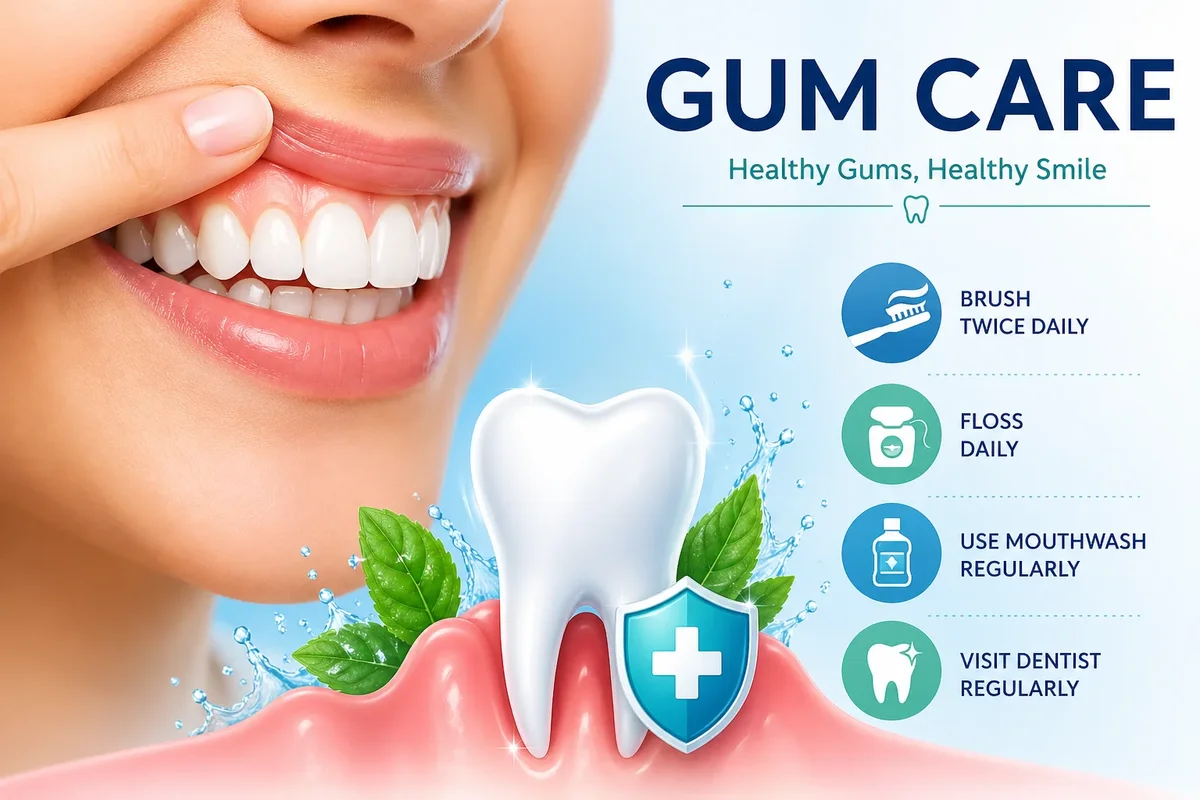
Advanced Gum Care Tips for Long-Term Dental Health
Maintaining excellent oral hygiene over the years requires more than just basic habits—it requires advanced strategies that elevate your gum care routine to the next level. While brushing and flossing are essential, long-term dental health depends on consistent, informed, and proactive gum care. By integrating advanced techniques and making smarter lifestyle choices, you can protect your gums from disease, preserve your smile, and avoid costly dental treatments in the future 😊.
Upgrade Your Daily Gum Care Routine
As your oral health needs evolve, your gum care routine should also improve. Advanced gum care involves refining your daily habits to ensure maximum effectiveness. This means going beyond basic brushing and incorporating additional tools and techniques that target hard-to-reach areas.
Use Interdental Cleaning Tools
Interdental brushes, water flossers, and soft picks are excellent additions to your gum care routine. These tools clean between teeth more effectively than traditional floss in some cases, enhancing your overall gum care and reducing plaque buildup.
Electric toothbrushes with pressure sensors and timers also improve your gum care by ensuring consistent brushing and preventing damage caused by excessive force.
Incorporate Antibacterial and Therapeutic Products
Advanced gum care often includes the use of specialized products designed to combat bacteria and reduce inflammation. These products provide an extra layer of protection that supports your daily routine.
Best Products for Advanced Gum Care
Antibacterial mouthwashes, fluoride treatments, and gum-specific toothpaste can significantly enhance your gum care. Look for products containing ingredients like chlorhexidine or essential oils that target harmful bacteria and support healthy gums.
Using these products consistently strengthens your gum care routine and helps prevent the recurrence of gum issues.
Monitor Your Gum Health Regularly
Advanced gum care involves staying aware of changes in your oral health. Regular self-checks allow you to identify early signs of gum problems and take action before they worsen.
What to Look For
Pay attention to symptoms such as bleeding, swelling, or changes in gum color. These signs indicate that your gum care routine may need adjustment. Early detection is key to maintaining effective gum care and preventing serious conditions.
Lifestyle Changes That Enhance Gum Care
Your daily lifestyle choices have a significant impact on your gum care. Advanced strategies include making conscious decisions that support your oral health and reduce risk factors.
Quit Smoking for Better Gum Care
Smoking is one of the most harmful habits for your gums. It reduces blood flow and weakens your immune system, making effective gum care more difficult. Quitting smoking greatly improves your gum health and enhances your gum care efforts.
Manage Stress Levels
Stress can negatively affect your immune response, increasing the risk of gum disease. Managing stress through exercise, relaxation techniques, and proper sleep supports your overall gum care.
Professional Maintenance for Advanced Gum Care
Even with excellent at-home habits, professional care remains essential for maintaining advanced gum care. Regular dental visits ensure that your gums are thoroughly examined and treated when necessary.
Customized Dental Plans
Dentists can create personalized plans tailored to your specific needs, enhancing your gum care. These plans may include more frequent cleanings, specialized treatments, or targeted advice.
If you want to take your gum care routine to the next level, consider consulting experts through the Redent Klinik Contact Page. Professional guidance ensures that your gum care strategy is both effective and sustainable.
Additionally, following recommendations from the American Dental Association helps you stay updated on the latest practices in advanced gum care.
Preventive Treatments for Long-Term Gum Care
Preventive dental treatments can significantly improve your long-term gum care. These treatments address potential issues before they become serious, saving time and money.
Fluoride and Sealants
Fluoride treatments strengthen your teeth and support your gum care by preventing decay. Sealants provide an additional protective layer, reducing the risk of plaque accumulation and enhancing your gum care routine.
Consistency: The Secret to Long-Term Gum Care
No matter how advanced your techniques are, consistency remains the most important factor in successful gum care. Skipping steps or neglecting your routine can quickly undo your progress.
Building a Sustainable Routine
Create a routine that fits your lifestyle and stick to it. Consistent gum care ensures that your gums remain healthy and resilient over time. Small daily efforts lead to significant long-term benefits.
Long-Term Benefits of Advanced Gum Care
Investing in advanced gum care provides numerous long-term benefits. Healthy gums reduce the risk of tooth loss, improve your overall health, and enhance your confidence. Over time, consistent gum care leads to a stronger, brighter smile.
Advanced gum care also helps prevent costly and invasive treatments, making it a smart investment in your health. By adopting these strategies, you ensure that your oral hygiene remains effective for years to come 😄.
In conclusion, advanced gum care is about going beyond the basics and committing to a comprehensive approach to oral health. By combining improved daily habits, professional guidance, and healthy lifestyle choices, you can maintain strong, healthy gums and enjoy lasting dental health.