
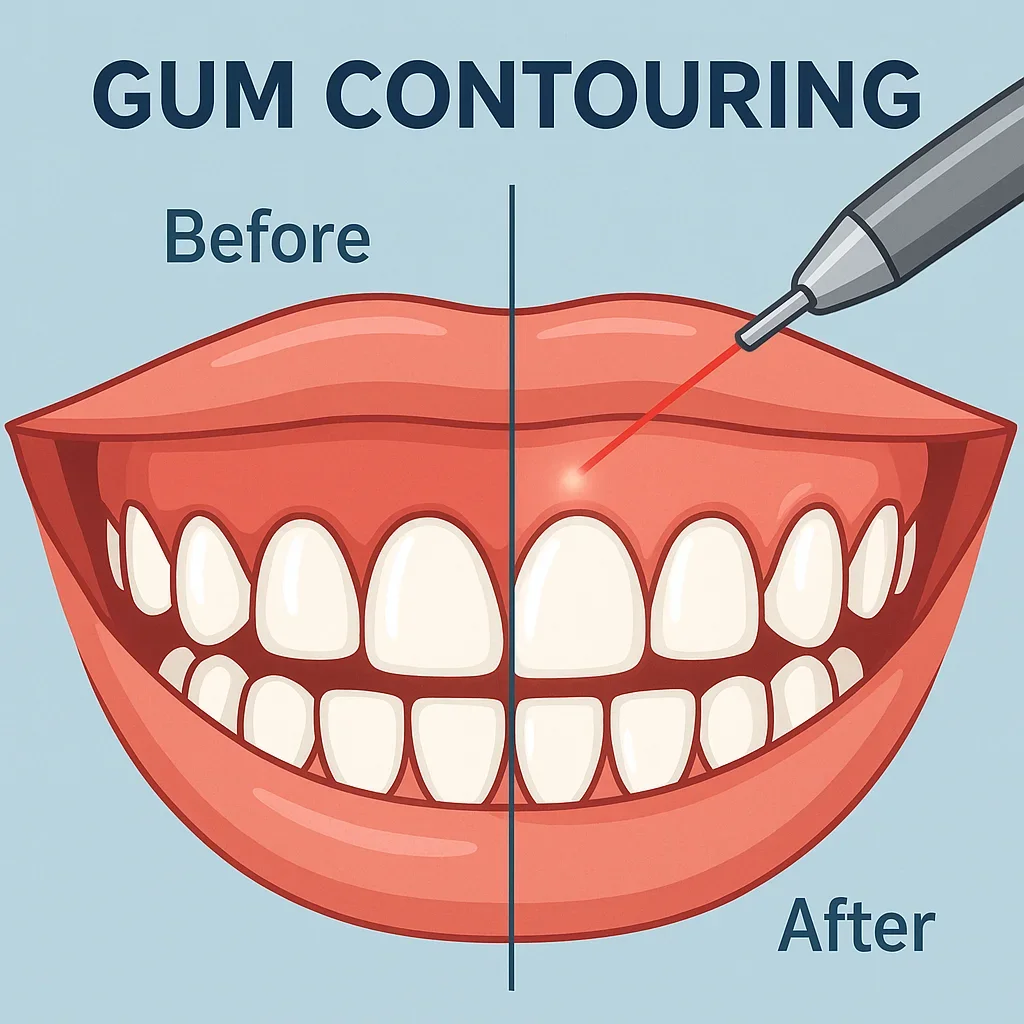
Gum contouring, also known as gingival sculpting or gum reshaping, is a popular cosmetic dental procedure designed to improve the appearance of your smile by reshaping the gum line. Whether your gums appear too high or too low on your teeth, this minimally invasive treatment can help create a more symmetrical and visually appealing smile. 😁
In 2025, gum contouring has gained significant attention due to advances in laser technology, making the procedure more precise, less painful, and with quicker recovery times. Dentists around the world are offering this procedure to patients who are unhappy with the shape or proportion of their gums. But what exactly is involved, and is it the right choice for you?
Gum contouring typically targets what’s often referred to as a “gummy smile,” where excess gum tissue covers a portion of the teeth, making them appear smaller. In some cases, it’s not just an aesthetic issue; excess gum tissue can also trap plaque and bacteria, leading to periodontal issues. So, while the primary goal of gum contouring is cosmetic, it may also provide oral health benefits. 🦷
This procedure can be done for one tooth, several teeth, or your entire gum line. It’s often paired with other cosmetic procedures such as veneers or teeth whitening for a total smile makeover. The results are immediate and permanent, making it a preferred choice for individuals seeking long-lasting improvements to their smile.
How Does Gum Contouring Work?
A local anesthetic is applied, and the dentist uses a laser or scalpel to remove and reshape excess gum tissue. In some cases, bone at the front of the tooth’s root may also be removed to achieve the best result. Modern laser technology has revolutionized this process by minimizing bleeding and reducing recovery time.
Reasons You Might Consider Gum Contouring:
- Your gums cover too much of your teeth (gummy smile)
- Your gum line is uneven or asymmetrical
- Your teeth appear shorter than normal
- You want a more balanced smile
- You’re preparing for other cosmetic dentistry like crowns or veneers
At Redent Klinik Contact Page, you can schedule a consultation to determine if gum contouring is right for you. Our experienced team will examine your gums, discuss your goals, and recommend the best treatment plan tailored to your unique smile.
According to the American Dental Association, cosmetic gum treatments are becoming increasingly common as patients seek more confidence in their smiles. With proper planning and an experienced dentist, gum contouring can deliver dramatic yet natural-looking results.
Is It Safe?
Yes. Gum contouring is generally considered very safe when performed by a qualified dentist or periodontist. However, like all procedures, it carries minimal risks such as infection, swelling, or allergic reactions to anesthetic. Your dentist will explain all the potential side effects during the consultation.
Gum Contouring and Oral Health
Although it is primarily cosmetic, gum contouring can improve oral hygiene by removing excess tissue where bacteria may hide. It’s not uncommon for patients who undergo gum contouring to find brushing and flossing more effective afterward.
In summary, gum contouring in 2025 is safer, faster, and more affordable than ever before. Whether you’re doing it for aesthetics, oral health, or both, the results can be truly transformative. 🌟
Coming up next: What Is Gum Contouring and Who Needs It?
What Is Gum Contouring and Who Needs It?
Gum contouring is a cosmetic dental procedure that involves reshaping or removing excess gum tissue to create a more balanced and attractive gum line. Sometimes referred to as gum reshaping or gingivoplasty, this treatment helps correct issues where the gums are uneven, too prominent, or cover a large portion of the teeth. ✨
The primary purpose of gum contouring is aesthetic—to enhance the appearance of your smile by exposing more of your natural teeth and ensuring the gum line follows a smooth, symmetrical curve. However, gum contouring can also serve functional purposes, especially when it is used to treat periodontal disease or improve oral hygiene.
In modern dentistry, gum contouring is typically performed using advanced laser technology, which allows for a more precise and comfortable experience. The laser effectively trims away excess gum tissue and simultaneously seals blood vessels, minimizing bleeding and discomfort. The use of lasers has significantly increased the popularity of gum contouring in 2025. 🛡️
Who Needs Gum Contouring?
Not everyone needs gum contouring, but it’s a great option for certain individuals who experience one or more of the following concerns:
- Gummy Smile: If your gums extend far over your teeth, your teeth may appear shorter than they really are.
- Uneven Gum Line: When the gum tissue is not uniform, it can make your smile look lopsided or irregular.
- Dental Crown Lengthening: Sometimes gum contouring is necessary to expose more of the tooth’s surface for placing crowns or veneers.
- Gum Overgrowth Due to Medication: Some medications cause the gums to enlarge; contouring can reduce this excess tissue.
- Improved Oral Health: Reshaping the gums can make it easier to maintain hygiene and prevent bacterial buildup.
People seeking a more confident smile often turn to gum contouring as part of their smile makeover. This treatment is commonly performed alongside teeth whitening, veneers, or orthodontic adjustments for a full transformation. 🦷
While gum contouring is largely cosmetic, it can significantly impact a person’s self-esteem. Many patients report feeling more comfortable smiling in public or in photos after the procedure. The newfound confidence often motivates them to take better care of their oral health, which leads to long-term benefits.
Medical vs. Cosmetic Needs
There are two primary types of gum contouring: cosmetic and medical. In cosmetic cases, patients simply want to improve the look of their smile. In medical scenarios, such as with advanced gum disease, contouring may be necessary to remove infected tissue and prevent further damage.
Here’s a simple comparison:
| Type | Purpose | Common Candidates |
|---|---|---|
| Cosmetic Gum Contouring | Improve smile appearance | People with gummy or uneven smiles |
| Medical Gum Contouring | Remove diseased gum tissue | Patients with periodontitis or overgrowth |
Before undergoing gum contouring, it’s important to consult with a qualified dentist or periodontist. At Redent Klinik Contact Page, our specialists offer personalized assessments to determine if gum contouring is suitable for your needs. Each patient receives a tailored plan based on their gum line, oral health, and cosmetic goals.
The American Dental Association recommends discussing any concerns you have with your dentist, especially if your gum line has changed due to medical issues, medications, or genetics.
Summary: If you’re bothered by the way your gums look or if you’ve been advised to consider gum contouring for medical reasons, you may be a great candidate for this life-enhancing treatment. In 2025, with minimally invasive technology and expert guidance, gum contouring is more accessible and comfortable than ever before. 💬
Coming up next: Benefits of Gum Contouring for Your Smile
Benefits of Gum Contouring for Your Smile
Gum contouring offers a wide range of aesthetic and functional benefits that can greatly enhance your smile and oral health. In 2025, more people are choosing gum contouring as part of their dental makeover due to its long-lasting results, low risk, and immediate visual improvements. Whether you’re looking to fix a “gummy smile” or correct uneven gums, this procedure can deliver a confident and balanced appearance. 😄
One of the most obvious benefits of gum contouring is its ability to improve the visual harmony of your smile. By removing excess gum tissue and creating a symmetrical gum line, your teeth will appear more proportionate, longer, and evenly spaced. This boosts self-esteem and makes patients more comfortable showing their teeth when laughing or speaking.
Key Aesthetic Benefits of Gum Contouring:
- Balanced Smile: Corrects uneven gum lines for a more symmetrical appearance.
- Exposes More Tooth Surface: Makes teeth look longer and more natural.
- Enhances Other Cosmetic Procedures: Ideal when combined with veneers or teeth whitening.
- Corrects Gummy Smile: Removes excess gum tissue to show more of your natural teeth.
Another significant advantage of gum contouring is its contribution to oral health. When too much gum tissue overlaps the teeth, it creates pockets where bacteria can thrive, increasing the risk of gum disease. By reshaping the gum line, patients can maintain better hygiene, making brushing and flossing more effective. 🪥
Oral Health Advantages:
- Reduces bacterial accumulation by eliminating hard-to-clean pockets
- Prevents periodontal issues by improving access to the gum line
- Helps with plaque control and reduces chances of tooth decay
Recovery from gum contouring is typically fast and uncomplicated. Thanks to modern techniques like laser gum contouring, discomfort is minimal, healing is quick, and results are visible almost immediately. Most patients return to normal activities within a day or two. In 2025, dental lasers offer precise tissue removal with significantly reduced bleeding and inflammation. 🩺
Why Patients Love Gum Contouring:
- Fast results – visible changes the same day
- Minimally invasive – especially with laser technology
- Boost in self-confidence – a more attractive smile boosts morale
- Permanent results – reshaped gums stay that way with proper care
Still wondering if this procedure is right for you? At Redent Klinik Contact Page, our experienced team evaluates your unique smile and recommends a gum contouring treatment plan tailored to your goals. We combine aesthetics with precision for optimal results.
It’s worth noting that many patients who undergo gum contouring often report a renewed motivation to maintain oral health. Once they see the improvement in their smile, they become more consistent with brushing, flossing, and routine checkups. This long-term commitment adds even more value to the initial procedure. 🧼
While gum contouring is mostly cosmetic, it’s sometimes medically necessary. Conditions like gum overgrowth due to medication or inflammation from periodontal disease may require contouring to protect your teeth and supporting structures. In these cases, gum contouring is not only a cosmetic fix but a preventive dental strategy.
As the American Dental Association highlights, cosmetic dentistry should always be performed by licensed professionals with proper planning. Gum contouring, when done correctly, can enhance both the appearance and health of your gums for years to come.
Conclusion: Gum contouring is a safe, effective, and aesthetically rewarding procedure that transforms your smile by adjusting the gum line. Whether done for beauty, health, or both, the results can be life-changing. If you’ve been hiding your smile due to bulky or uneven gums, gum contouring might be the answer you’ve been looking for. 🌟
Coming up next: Gum Contouring Procedure Step by Step
Gum Contouring Procedure Step by Step
Understanding how the gum contouring procedure works can help ease anxiety and prepare you for a smooth and successful experience. In 2025, the process is more comfortable and predictable than ever, thanks to laser-assisted technology and advanced dental imaging tools. Here’s a detailed step-by-step breakdown of what to expect before, during, and after your gum contouring treatment. 🦷
Step 1: Initial Consultation and Evaluation
The journey begins with a consultation at a dental clinic. Your dentist will examine your gums and teeth, take detailed measurements and X-rays, and discuss your goals. The purpose is to determine whether gum contouring is suitable for you and, if so, how much tissue should be removed or reshaped. This step is crucial to ensure both aesthetics and function are considered. Many clinics, such as Redent Klinik Contact Page, use digital smile design software to show a preview of expected results. 😁
Step 2: Treatment Planning
Once it’s determined that gum contouring is the right solution, your dentist will create a personalized treatment plan. This includes outlining the precise gum line adjustments needed and selecting the right tools—laser or scalpel—based on your oral anatomy and preferences. For most patients in 2025, laser gum contouring is recommended due to its minimal invasiveness and quicker healing time.
Step 3: Local Anesthesia
Before the procedure begins, your dentist will apply a local anesthetic to numb the area. This ensures that you don’t feel pain during gum contouring. While the procedure is painless, you may still feel light pressure or vibrations. If you’re anxious, some clinics also offer sedation dentistry options to help you relax. 💤
Step 4: Tissue Removal and Reshaping
Now comes the actual reshaping. Using a dental laser or a scalpel, the dentist carefully removes excess gum tissue and sculpts the gum line to improve its appearance. If a large amount of gum is removed, bone contouring might also be performed to ensure the results are stable and lasting. This is especially true if your teeth are partially covered by gums and need more exposure for crowns or veneers.
Modern laser technology offers the following advantages during this step:
- Less bleeding due to simultaneous cauterization
- Reduced risk of infection
- Minimal swelling and discomfort
- Greater precision in gum reshaping
Step 5: Post-Procedure Instructions
After gum contouring is complete, your dentist will provide you with recovery guidelines. These may include:
- Avoiding spicy, crunchy, or acidic foods for a few days
- Using a soft toothbrush and gentle brushing technique
- Taking over-the-counter pain relievers if needed
- Rinsing with a saline solution or prescribed mouthwash to prevent infection
Recovery time typically lasts a few days to a week, depending on how much tissue was removed and your body’s natural healing rate. In most cases, patients can resume daily activities immediately, although some may prefer to rest for 24–48 hours.
Step 6: Follow-Up Appointment
Your dentist will schedule a follow-up visit to monitor healing and ensure the new gum line looks and feels just right. Adjustments are rarely necessary, but your dentist will assess if minor refinements are needed. 😊
Gum Contouring Timeline:
| Step | Description | Time Required |
|---|---|---|
| Consultation | Smile assessment & treatment planning | 30–60 minutes |
| Procedure | Gum reshaping with laser or scalpel | 30–90 minutes |
| Recovery | Healing and aftercare | 3–7 days |
| Follow-Up | Post-op checkup | 15–30 minutes |
If you’re considering gum contouring, it’s essential to have the procedure done by a skilled professional. The American Dental Association emphasizes the importance of proper training and sterilized equipment when performing any oral surgery.
Conclusion: The gum contouring procedure is straightforward, safe, and delivers instant improvements to your smile. By following each step and adhering to recovery instructions, patients can enjoy lasting aesthetic benefits and improved gum health. In our next section, we’ll explore the difference between laser gum contouring and traditional methods. 🔍
Laser Gum Contouring vs. Traditional Methods
When it comes to gum contouring in 2025, patients now have more options than ever. The two most common techniques are laser gum contouring and traditional scalpel-based methods. Each has its pros and cons, but advancements in dental laser technology have made laser gum contouring the preferred choice for many individuals seeking a safer, faster, and more comfortable experience. 🛠️
What Is Laser Gum Contouring?
Laser gum contouring involves the use of a high-precision dental laser to remove or reshape excess gum tissue. The laser gently vaporizes the unwanted tissue while simultaneously cauterizing blood vessels, resulting in minimal bleeding, reduced swelling, and a significantly faster recovery time.
This method is widely praised for its precision and the ability to fine-tune the gum line with little discomfort. Many patients who opt for laser gum contouring experience almost no downtime and resume normal activities the same day. 🕒
What Is Traditional Gum Contouring?
Traditional gum contouring, also known as scalpel-based gum reshaping, uses surgical instruments like scalpels or electrosurgery devices to cut away gum tissue. While effective, this method can result in more bleeding, swelling, and a longer recovery period compared to laser techniques.
This technique may still be used in complex cases where both soft tissue and bone need to be removed, or when the dentist does not have access to laser equipment. However, most modern clinics now favor laser tools due to the improved patient experience.
Comparative Overview: Laser vs. Traditional Gum Contouring
| Aspect | Laser Gum Contouring | Traditional Method |
|---|---|---|
| Precision | Very High | Moderate |
| Bleeding | Minimal | Moderate to Heavy |
| Pain Level | Low | Moderate |
| Healing Time | 1–3 days | 5–10 days |
| Infection Risk | Low | Higher |
Advantages of Laser Gum Contouring:
- Minimally invasive and virtually painless
- Reduces anxiety for patients with dental phobia
- No stitches or sutures required
- Immediate cosmetic improvements
- Great for both small and extensive reshaping
At Redent Klinik Contact Page, our experts use state-of-the-art dental lasers for gum contouring procedures, ensuring precise results and a more pleasant patient experience. Our technology minimizes trauma to surrounding tissue and optimizes healing outcomes. 🌿
When Is Traditional Gum Contouring Still Used?
While laser is now the go-to option, there are scenarios where traditional gum contouring is necessary. If bone reshaping is needed along with soft tissue removal, or if laser tools aren’t suitable for certain anatomical conditions, your dentist might recommend a scalpel-based approach.
It’s also worth noting that some insurance plans might only cover traditional methods for medical reasons, so be sure to check your policy if cost is a concern. For more precise and aesthetically pleasing results, however, laser gum contouring remains the gold standard. 🏆
Expert Opinion:
The American Dental Association recognizes the growing preference for laser technology in soft tissue procedures, including gum contouring. With safety, precision, and patient comfort as top priorities, lasers are revolutionizing the dental industry in 2025.
Conclusion: Both laser and traditional gum contouring techniques can deliver outstanding results when performed by an experienced professional. However, laser technology stands out for its minimal discomfort, faster recovery, and high accuracy. Choosing the right method depends on your unique dental anatomy, treatment goals, and the tools available at your clinic.
Next up, we’ll explore a common question among patients: Is Gum Contouring Painful? What to Expect During Recovery
Is Gum Contouring Painful? What to Expect During Recovery
One of the most common concerns patients have before undergoing gum contouring is whether the procedure is painful. The good news? Thanks to modern dental techniques and local anesthesia, gum contouring is generally a low-pain, high-reward treatment. Most patients describe the experience as mildly uncomfortable at worst and are surprised by how smooth the recovery process is. 😊
During the Procedure: Minimal to No Pain
Before the gum contouring procedure begins, your dentist will apply a local anesthetic to the treatment area. This ensures that you won’t feel any sharp pain, only light pressure or vibrations. If you’re especially nervous or have dental anxiety, some clinics also offer mild sedation options to keep you relaxed during the process.
Laser gum contouring, which is widely used in 2025, is particularly gentle. The laser not only cuts away excess gum tissue but also cauterizes as it goes, reducing bleeding and nerve irritation. This means that most patients experience less discomfort than they would with traditional methods. 🩹
After the Procedure: What to Expect
Once the anesthesia wears off, you may feel some mild soreness or sensitivity in the treated area. This is normal and usually manageable with over-the-counter pain relievers such as ibuprofen or acetaminophen. Your gums might appear slightly swollen or red for a day or two, but this typically resolves quickly.
Post-Treatment Timeline:
- First 24 Hours: Minor swelling, tenderness, and sensitivity to hot or cold foods
- Day 2–3: Noticeable reduction in discomfort; healing is underway
- Day 4–7: Gums begin to stabilize, and pain is usually gone
To make your recovery from gum contouring as smooth as possible, dentists often provide a care guide tailored to your specific treatment. At Redent Klinik Contact Page, we ensure every patient goes home with clear instructions and aftercare essentials. 🌟
Top Tips for a Comfortable Recovery:
- Stick to soft foods like mashed potatoes, yogurt, soup, and smoothies for the first few days
- Avoid spicy, acidic, or crunchy foods that may irritate healing gums
- Rinse gently with warm salt water (unless your dentist recommends otherwise)
- Use a soft-bristled toothbrush and avoid brushing directly on treated areas at first
- Avoid smoking and alcohol, which can slow healing
Healing Expectations:
Full recovery after gum contouring typically takes 7 to 10 days. Laser gum contouring patients may heal even faster—sometimes in as little as 3 to 5 days. During this period, your gums will gradually settle into their new shape, revealing a more even and attractive smile.
Unlike some dental procedures, gum contouring delivers visible results almost immediately. As the swelling subsides, patients notice longer-looking teeth and a more harmonious gum line. And because the procedure is permanent, there’s no need for future reshaping unless complications arise. 🦷
Are There Any Side Effects?
Side effects are rare, but may include:
- Temporary tooth sensitivity
- Minor bleeding or spotting during the first 24 hours
- Gum discoloration while healing (pink to light red)
- Infection—rare, and usually prevented by good hygiene and following post-op instructions
If you experience severe pain, prolonged bleeding, or signs of infection like pus or fever, contact your dentist immediately. These symptoms are extremely rare, especially when gum contouring is performed by a qualified professional using proper sterilized tools. 🛡️
As emphasized by the American Dental Association, post-procedure care plays a significant role in the success of any dental surgery, including gum contouring. Following your dentist’s instructions to the letter ensures a safe and quick recovery.
Conclusion: Gum contouring is a minimally painful procedure that offers lasting cosmetic benefits with a short recovery time. Most patients are surprised at how little discomfort they feel and how quickly their gums heal. With the proper care, your new smile will be ready to shine in just a few days. ✨
Up next: How Much Does Gum Contouring Cost in 2025?
How Much Does Gum Contouring Cost in 2025?
The cost of gum contouring in 2025 varies widely depending on several factors, including the complexity of the procedure, the number of teeth involved, the dentist’s experience, and your geographic location. While gum contouring is primarily considered a cosmetic procedure, it’s important to understand exactly what you’re paying for—and why. 💰
On average, the cost of gum contouring in 2025 ranges between $200 to $3,000 per session. For small, single-tooth adjustments, prices may start as low as $150–$300. However, for full smile contouring across multiple teeth, especially when combined with laser technology, the cost can climb upwards of $2,000–$3,000 or more.
Breakdown of Gum Contouring Costs:
| Type of Treatment | Estimated Cost (USD) |
|---|---|
| Single Tooth (Minor Reshaping) | $200–$400 |
| Partial Arch (Front 4–6 Teeth) | $800–$1,500 |
| Full Smile Contouring (8–10 Teeth) | $1,800–$3,000 |
| Medical Necessity Cases (e.g., periodontal) | May be partially covered by insurance |
Clinics offering laser gum contouring may charge more than those using traditional methods due to the advanced equipment and reduced healing time. However, patients often find the additional cost worthwhile for the increased comfort and precision that laser technology provides. 🦷
Factors Affecting the Price:
- Extent of Tissue Removal: More tissue means longer procedures and higher costs
- Technology Used: Laser gum contouring is generally more expensive
- Dentist Expertise: Highly experienced cosmetic dentists may charge premium rates
- Clinic Location: Urban areas tend to have higher fees than rural regions
- Combination Treatments: Pairing gum contouring with veneers or whitening increases total cost
At Redent Klinik Contact Page, we offer transparent pricing and personalized treatment plans. Each gum contouring procedure is tailored to the patient’s needs, ensuring fair costs without hidden fees. Consultations include a full assessment, digital imaging, and a cost breakdown before proceeding. 📝
Is Gum Contouring Covered by Insurance?
In most cases, gum contouring is classified as a cosmetic procedure, meaning it is not covered by dental insurance. However, if the treatment is deemed medically necessary—for example, to treat overgrown gums caused by certain medications or gum disease—partial coverage may be available. It’s essential to consult with your provider to understand your options.
Flexible spending accounts (FSA) and health savings accounts (HSA) may be used to cover gum contouring expenses if your plan allows. Check with your HR department or insurance agent for details. 💳
Is Financing Available?
Yes. Many dental clinics offer financing options or payment plans to help spread the cost over time. These may include in-house payment plans, third-party financing (e.g., CareCredit), or no-interest promotions for qualifying patients. At Redent Klinik, we aim to make gum contouring accessible by offering flexible options to suit your budget. 😊
Price vs. Value:
While gum contouring may seem expensive, it’s important to weigh the long-term value. Unlike teeth whitening, which needs regular maintenance, gum contouring results are permanent. With one investment, you achieve a lifetime of improved smile aesthetics and, in some cases, better oral hygiene.
As supported by the American Dental Association, patients are encouraged to prioritize quality and safety over bargain pricing. Always choose a qualified and licensed provider with a track record of successful gum contouring outcomes.
Conclusion: Gum contouring in 2025 is a customizable procedure with a price range to suit different needs and budgets. Whether you’re reshaping a single tooth or your entire smile, the benefits—both aesthetic and functional—often outweigh the costs. Talk to a trusted dental expert to explore your personalized treatment plan. 🦷✨
Next up: Risks and Side Effects of Gum Contouring
Risks and Side Effects of Gum Contouring
While gum contouring is considered a safe and minimally invasive procedure, like any dental treatment, it carries certain risks and potential side effects. Understanding these in advance helps patients make informed decisions and ensures a smoother recovery process. Thankfully, with modern dental technology in 2025 and skilled professionals, complications from gum contouring are rare and typically minor. ⚠️
Common Side Effects of Gum Contouring
After the procedure, it’s normal to experience mild symptoms as your gums heal. These effects usually resolve within a few days to a week:
- Soreness or Tenderness: Most patients feel mild gum sensitivity for the first few days
- Swelling: Gums may appear puffy or slightly inflamed post-treatment
- Redness: Especially near the reshaped areas as part of the healing process
- Minor Bleeding: Light spotting during brushing or flossing can occur initially
- Tooth Sensitivity: Exposing more of the tooth may cause temporary temperature sensitivity
These are typical side effects and do not indicate anything has gone wrong. Dentists usually recommend over-the-counter pain relief and soft foods for a few days following gum contouring. 🥣
Rare Risks and Complications
While uncommon, certain complications may arise, particularly if aftercare guidelines are not followed or the procedure is performed by an inexperienced practitioner:
- Infection: Improper post-op hygiene can lead to bacterial infection in the treated area
- Excessive Bleeding: Especially with traditional scalpel methods if clotting is delayed
- Gum Recession: Over-contouring may expose too much tooth or root surface
- Uneven Gum Line: Asymmetry may occur if the procedure isn’t precisely performed
- Allergic Reaction: Rare but possible with anesthesia or medications
At Redent Klinik Contact Page, our experienced dental team uses advanced laser gum contouring tools, significantly minimizing the risk of complications. Each treatment is planned with high-resolution imaging to ensure symmetry, safety, and patient satisfaction. 🦷
When to Call Your Dentist:
If you notice any of the following signs after your gum contouring treatment, contact your dentist promptly:
- Persistent bleeding for more than 24 hours
- Signs of infection (pus, swelling, bad breath, or fever)
- Severe or increasing pain not relieved by medication
- Gum tissue turning dark or black (indicating poor healing)
Preventing Complications: Proactive Aftercare Tips
- Follow your dentist’s recovery instructions precisely
- Use only recommended mouthwashes or saltwater rinses
- Avoid hard or spicy foods until gums heal
- Refrain from smoking and alcohol use during healing
- Attend follow-up appointments for proper evaluation
Laser Gum Contouring = Lower Risk
One of the key reasons laser gum contouring is preferred in 2025 is its ability to reduce risks. The laser not only trims tissue but also cauterizes the area, which prevents bleeding and limits bacterial exposure. The precision of the laser ensures only the targeted areas are treated, preserving surrounding tissues. 🛡️
Are There Long-Term Side Effects?
In most cases, no. Gum contouring is permanent, and when performed correctly, it does not require repeated treatment. However, in rare instances, excessive gum regrowth can occur. This is usually linked to genetic factors or underlying health issues, and a minor touch-up may be required in such cases.
The American Dental Association advises patients to seek licensed professionals and well-reviewed clinics when considering elective procedures like gum contouring. Doing so significantly lowers the risk of complications and guarantees a better overall outcome.
Conclusion: Gum contouring is a safe and effective solution for enhancing your smile, but like all procedures, it’s not completely without risk. By understanding potential side effects and adhering to post-treatment care, you can enjoy a beautiful smile with confidence and peace of mind. 🧼
Next up: Best Candidates for Gum Contouring Treatment
Best Candidates for Gum Contouring Treatment
Gum contouring is a powerful solution for enhancing the aesthetics of a smile, but it’s not a one-size-fits-all treatment. In 2025, dental professionals carefully evaluate whether a patient is an ideal candidate for this cosmetic procedure. Understanding if you’re the right fit for gum contouring will help you make a confident decision and ensure lasting, natural-looking results. 🌟
Who Benefits Most from Gum Contouring?
Ideal candidates for gum contouring share a few common traits. These individuals typically want to improve their smile due to excess, uneven, or asymmetrical gum tissue. Whether it’s for cosmetic purposes or functional reasons, the goal is to create a balanced, healthy, and beautiful gum line.
Top Signs You May Be a Good Candidate:
- Gummy Smile: Your gums cover too much of your teeth, making them look short or stubby.
- Uneven Gum Line: Your gums appear higher on some teeth and lower on others, creating an asymmetrical smile.
- Disproportionate Teeth-to-Gum Ratio: Even if your teeth are healthy and straight, they may seem out of balance due to excessive gum tissue.
- Gum Overgrowth Due to Medication: Some medications cause gingival hyperplasia (gum swelling), which can be corrected with contouring.
- Need for Restorative Work: You may require gum reshaping to make space for crowns or veneers.
These conditions are excellent indications that gum contouring could greatly improve both the look and function of your smile. At Redent Klinik Contact Page, we provide in-depth assessments using digital tools to ensure each patient is a suitable candidate for treatment. 🖥️
Health Criteria for Gum Contouring
Cosmetic desire alone isn’t enough; a candidate must also be in good oral health. Your gums should be free of active infections, advanced periodontal disease, or untreated tooth decay. If necessary, your dentist will recommend a deep cleaning or other periodontal treatments before performing gum contouring.
Ideal Candidate Checklist:
| Criteria | Requirement |
|---|---|
| Gum Health | No active gum disease or infection |
| Tooth Health | Free from cavities and decay |
| Non-Smoker (Preferred) | Smoking slows healing |
| Realistic Expectations | Understands risks and benefits |
Who Should Avoid Gum Contouring?
Gum contouring may not be suitable for individuals with certain health conditions or habits. These include:
- Advanced Periodontal Disease: Active gum infections should be treated before cosmetic procedures.
- Uncontrolled Diabetes: Slower healing and increased infection risk may complicate recovery.
- Heavy Smokers: Smoking hinders tissue regeneration and can increase complications.
- Pregnant Women: Elective dental procedures are typically postponed until after birth.
If any of these apply to you, your dentist will likely recommend addressing the issue first or postponing the procedure. Safety and health come before aesthetics, and a qualified professional will guide you through the best plan of action. 🧑⚕️
Consulting with a Specialist
Choosing an experienced cosmetic dentist or periodontist is key to evaluating your suitability for gum contouring. A specialist can use 3D imaging and smile design software to simulate potential outcomes, helping you visualize your future smile before making a decision. 🖼️
The American Dental Association emphasizes the importance of comprehensive diagnostics before any elective procedure, including gum contouring. An experienced dentist will not only consider your gum line but also your overall facial proportions and bite alignment.
Conclusion: The best candidates for gum contouring are individuals with healthy teeth and gums who are looking to enhance their smile’s symmetry and balance. Whether it’s a gummy smile, uneven gum line, or preparation for veneers, this treatment can deliver transformative results. Schedule a consultation today to see if you’re an ideal fit for gum contouring. 😁
Next up: How to Choose the Right Dentist for Gum Contouring
How to Choose the Right Dentist for Gum Contouring
Selecting the right dentist for your gum contouring procedure is one of the most important steps toward achieving your dream smile. In 2025, dental technology and cosmetic techniques are highly advanced—but results still depend largely on the skill, experience, and aesthetic eye of the practitioner. A well-executed gum contouring treatment can enhance not only your smile but your overall facial harmony. 😄
1. Look for Specialized Training and Experience
Not all dentists offer gum contouring, and among those who do, only a select few specialize in cosmetic gum reshaping. Ideally, you should choose a dentist or periodontist who has specific training in cosmetic dentistry and laser techniques. Ask about their experience with gum contouring and how frequently they perform the procedure.
Key Credentials to Look For:
- Certification or continuing education in cosmetic dentistry
- Experience with both laser and traditional gum contouring methods
- Before-and-after photo gallery of previous patients
- Membership in professional organizations like the American Dental Association
2. Review Before-and-After Results
One of the best indicators of a dentist’s ability is visual proof. Reputable providers will showcase real patient transformations with before-and-after photos. These help you understand what results are possible and whether the dentist’s aesthetic style aligns with your goals.
Look for consistent improvements in:
- Gum symmetry and alignment
- Tooth exposure and proportion
- Natural-looking results without an overdone appearance
3. Technology Matters
In 2025, laser gum contouring is the gold standard for comfort and precision. Make sure the clinic uses up-to-date equipment and tools designed specifically for soft tissue procedures. Ask whether the practice uses diode lasers, and whether they offer digital imaging to plan the procedure.
Clinics like Redent Klinik Contact Page use modern imaging software and dental lasers to enhance accuracy and reduce downtime, ensuring a safer and smoother experience. 🔬
4. Read Patient Reviews and Testimonials
Online reviews can provide valuable insight into other patients’ experiences with gum contouring. Look for comments about professionalism, communication, comfort during the procedure, and satisfaction with the final results. Consistent positive feedback is a good sign that the dentist provides quality care.
5. Schedule a Consultation First
Before committing to treatment, book a consultation with the dentist to ask questions and get a feel for the clinic. A reputable provider will explain the gum contouring process in detail, discuss your goals, evaluate your smile, and offer realistic expectations. This is your opportunity to ensure you feel comfortable and confident in their care. 👨⚕️👩⚕️
Essential Questions to Ask During Consultation:
- What type of gum contouring do you recommend—laser or traditional?
- How many procedures like this have you performed?
- Do you have photos of similar cases?
- What can I expect in terms of recovery and results?
- Is a follow-up appointment included in the treatment plan?
6. Evaluate Cost and Transparency
While cost shouldn’t be your only deciding factor, you should still ensure you understand all fees upfront. A trustworthy clinic will provide a detailed treatment plan and clear cost breakdown before scheduling your procedure. Avoid any provider who is vague or unwilling to answer pricing questions.
7. Personalized Care Is Key
Gum contouring is not a cookie-cutter treatment. Your provider should offer a tailored plan based on your gum line, facial features, and desired outcome. If you feel rushed or dismissed, it’s a sign to look elsewhere.
Conclusion: Choosing the right dentist for gum contouring can make all the difference in your outcome. From experience and technology to patient care and communication, every detail matters. Take your time, do your research, and trust your smile to a professional who truly understands both the science and the artistry of gum contouring. 🦷💫
Next up: Before and After: Real Results from Gum Contouring Patients