
Maintaining strong and healthy gums is just as important as taking care of your teeth. When people hear about oral hygiene, they often think about brushing and whitening teeth — but the real foundation of a healthy mouth lies in gum dental health. Your gums are responsible for supporting teeth, preventing infection, and maintaining the balance of your entire oral system. Ignoring gum care can lead to inflammation, bleeding, tooth loss, and even systemic diseases. In this comprehensive guide, you’ll learn everything about gum health, why it matters, and how to protect it naturally and professionally.
Gum dental refers to the overall condition and maintenance of your gingival tissues — the soft pink part surrounding your teeth. Healthy gums are firm, pale pink, and fit tightly around each tooth. When plaque and bacteria accumulate along the gumline, inflammation begins, leading to gingivitis and, if left untreated, periodontitis. These conditions not only harm your oral cavity but also impact your overall body health. Studies have shown that gum infections are linked with diabetes, cardiovascular diseases, and even respiratory problems. 🦷
To understand gum dental health deeply, let’s break it down into its essential components. The gums act as a barrier protecting the deeper bone structures that anchor the teeth. They also help distribute the forces from chewing and speaking evenly, ensuring long-term oral function. When this balance is disrupted — by poor hygiene, smoking, stress, or diet — gums may recede, bleed, or become infected. In severe cases, tooth roots become exposed, causing pain and sensitivity. Once gum recession begins, reversing it naturally is challenging, which is why early preventive care is critical.
One of the biggest misconceptions about gum dental care is that brushing alone is enough. In reality, brushing removes surface debris, but bacteria that live deep between teeth and below the gumline require more thorough cleaning. Flossing, using interdental brushes, and rinsing with an antibacterial mouthwash are essential steps to eliminate hidden plaque. Moreover, professional scaling and polishing by a dentist every six months are vital for long-term gum protection. These sessions remove hardened tartar (calculus) that regular brushing cannot handle, reducing the risk of chronic gum inflammation.
Besides hygiene, nutrition plays a major role in maintaining gum dental health. Vitamin C strengthens gum tissues and supports collagen formation. Zinc and calcium promote cellular repair and bone density, while antioxidants found in green tea help reduce inflammation. A balanced diet with leafy greens, citrus fruits, and dairy products can significantly enhance gum resilience. On the other hand, excessive sugar, smoking, and alcohol consumption can damage the gum’s microvascular system, making it more prone to infections.
Professional dental check-ups are not only about cleaning teeth but also about evaluating your gum dental condition. During these visits, dentists measure gum pocket depths, check for bleeding or swelling, and evaluate bone density through X-rays. This helps detect early signs of periodontitis before they cause irreversible damage. At Redent Klinik Contact Page, you can consult with specialists who focus on periodontal health and receive personalized treatment plans to restore your gum stability and comfort.
Another important aspect of gum care is understanding the symptoms of unhealthy gums. Redness, persistent bad breath, tenderness, and bleeding while brushing are all warning signs of gum disease. If you notice these, don’t ignore them — prompt intervention can save your teeth and prevent complications. In advanced stages, gum disease can lead to bone loss and tooth mobility. Visiting a qualified dental professional ensures you get a diagnosis before the condition worsens.
Maintaining proper gum dental hygiene at home involves developing consistent habits. Brush gently with a soft-bristled toothbrush in circular motions to avoid damaging the gumline. Use fluoride toothpaste recommended for sensitive gums, and don’t forget to clean your tongue, as it can harbor harmful bacteria. Incorporating mouth rinses with chlorhexidine or herbal extracts can further reduce microbial load and refresh breath. Regular hydration also keeps gum tissues moist and resilient.
Modern dentistry emphasizes the connection between oral and systemic health. Poor gum health can increase inflammatory markers in the bloodstream, affecting your heart and metabolism. Thus, gum dental care is not just about aesthetics — it’s about holistic wellness. For trusted information and research-based recommendations, visit the American Dental Association for comprehensive resources on oral hygiene and prevention. 🪥
In summary, gum dental health serves as the cornerstone of a confident smile and overall well-being. Healthy gums mean strong teeth, fresher breath, and improved quality of life. By combining professional guidance, consistent oral hygiene, and mindful nutrition, you can achieve and maintain optimal gum health for years to come. Remember, investing time in gum care today prevents painful and costly treatments tomorrow. Your smile deserves that attention! 😁
Common Gum Problems and Their Early Warning Signs ⚠️
Many people underestimate how crucial healthy gums are to a beautiful smile and strong teeth. When gum dental problems arise, they often start silently and gradually worsen without noticeable pain. Early detection is the key to preventing severe gum disease and tooth loss. Understanding common gum issues and their warning signs helps you take control of your oral health before damage becomes permanent.
Gingivitis: The First Stage of Gum Disease
The earliest and most common gum issue is gingivitis — an inflammation caused by plaque buildup along the gumline. Plaque is a sticky film of bacteria that forms when food particles and saliva mix. If not removed by proper brushing and flossing, it irritates the gums, leading to redness, tenderness, and bleeding during brushing. At this stage, gum dental care is still reversible with professional cleaning and improved oral hygiene. However, neglecting it can cause the problem to progress into a more severe condition called periodontitis.
Periodontitis: When Gum Inflammation Becomes Serious
When gingivitis is left untreated, bacteria begin to invade deeper structures below the gumline. This chronic infection leads to periodontitis, where the gums start to pull away from the teeth, creating pockets that harbor harmful microorganisms. Over time, these bacteria destroy the bone and connective tissue that hold teeth in place. Symptoms include persistent bad breath, receding gums, loose teeth, and changes in how your bite feels. Regular dental visits are essential for detecting and treating this advanced stage of gum dental disease before tooth loss occurs.
Gum Recession and Tooth Sensitivity
Gum recession happens when gum tissue gradually wears away, exposing the roots of the teeth. This condition can occur due to aggressive brushing, misaligned teeth, or long-term inflammation. Once the root is exposed, tooth sensitivity increases, especially to hot and cold foods. A receding gumline also makes the teeth appear longer, affecting your smile’s aesthetics. Managing gum dental health with soft-bristle brushes, proper brushing techniques, and regular dental checkups can significantly reduce the risk of recession and sensitivity.
Bleeding Gums: The Most Overlooked Warning Sign
Bleeding gums during brushing or flossing are often dismissed as minor issues. However, they are one of the first and most important early signs of gum dental problems. The bleeding indicates inflammation or infection of the gum tissues caused by bacteria. Ignoring this symptom can result in the progression of disease, leading to deeper infections and bone loss. Maintaining consistent oral hygiene and seeking professional scaling treatments are crucial to restoring gum strength and preventing long-term complications.
Bad Breath and Gum Disease
Persistent bad breath, medically known as halitosis, can also be a result of poor gum dental care. Bacteria trapped in gum pockets produce sulfur compounds that create unpleasant odors. Even with mouthwash or mints, bad breath continues until the underlying infection is treated. Professional deep cleaning, known as scaling and root planing, helps eliminate these bacteria and restore fresh breath. Additionally, maintaining hydration and avoiding tobacco products are effective ways to reduce odor-causing bacterial growth.
Systemic Links Between Gum Problems and Health
Research reveals that poor gum dental health can affect more than your mouth. The bacteria responsible for gum inflammation can enter the bloodstream, contributing to systemic issues such as heart disease, diabetes, and respiratory infections. Chronic periodontitis increases inflammation levels throughout the body, stressing the immune system. That’s why dentists often work alongside physicians to manage patients with chronic illnesses linked to oral inflammation. Maintaining gum health isn’t only about your smile — it’s about protecting your overall body wellness.
How to Identify Early Gum Problems
Recognizing the early signs of gum issues can prevent irreversible damage. Look out for the following symptoms:
- Red, swollen, or shiny gums
- Bleeding while brushing or flossing
- Receding gumline or longer-looking teeth
- Persistent bad taste or breath
- Loose or shifting teeth
- Discomfort while chewing
If you notice any of these symptoms, schedule an appointment with your dentist immediately. Early professional care can reverse mild gum inflammation and protect your gum dental structure from further deterioration.
Professional Diagnosis and Prevention
Dentists use several diagnostic tools to assess gum dental condition. A periodontal probe measures the depth of gum pockets, while X-rays detect bone loss. Based on findings, your dentist may recommend scaling, root planing, or laser therapy to remove infection. Visiting a clinic like Redent Klinik Contact Page ensures you get expert evaluation and a customized prevention plan for lasting gum health. Regular visits, every six months, help maintain balance and stop disease progression before it starts.
Nutrition and Lifestyle Factors Affecting Gums
Good nutrition supports gum repair and resilience. Vitamin C-rich foods like oranges and bell peppers help reduce inflammation, while omega-3 fatty acids strengthen connective tissues. Avoiding smoking and limiting alcohol consumption are also vital to protect gum dental tissue from bacterial attacks. Hydration keeps your mouth moist, aiding saliva production — nature’s way of washing away harmful bacteria. A holistic lifestyle focusing on balanced diet and oral hygiene ensures healthy gums for years to come.
In conclusion, paying attention to early signs of gum problems is the foundation of long-term oral health. Healthy gums support strong teeth, fresh breath, and confidence in your smile. By understanding common issues and responding promptly, you can protect your gum dental health and prevent painful, expensive treatments later. Prevention and awareness remain the strongest tools for achieving a lifetime of healthy gums. 🦷
The Connection Between Gum Dental Care and Overall Health ❤️
It’s easy to think of oral hygiene as something that affects only your mouth, but the truth is much deeper. The condition of your gums and teeth can have a profound influence on your entire body. Gum dental health is now recognized by medical experts as a critical part of overall wellness. The mouth acts as the gateway to the body — when harmful bacteria thrive in the gums, they can enter the bloodstream and trigger inflammation in distant organs. In this detailed section, we’ll explore how gum health connects with heart disease, diabetes, immunity, and even mental health, supported by the latest dental science.
How Oral Bacteria Affect the Whole Body
Every mouth hosts billions of microorganisms, both good and bad. When oral hygiene is neglected, these bacteria multiply rapidly, forming plaque and tartar on the gumline. This buildup leads to gum inflammation known as gingivitis. If untreated, it advances to periodontitis — a severe infection damaging both gums and bone. When gum dental tissues become inflamed, bacteria can enter the bloodstream through tiny openings in the gum surface. Once inside, these pathogens spread to major organs, triggering immune responses that increase systemic inflammation. This explains why poor gum health is linked with chronic diseases throughout the body.
Heart Disease and Gum Inflammation
One of the strongest connections identified in medical research is between gum dental disease and cardiovascular issues. Studies from the American Heart Association show that people with periodontitis have a higher risk of developing heart disease and stroke. The bacteria from infected gums can attach to fatty plaques in blood vessels, contributing to their thickening and narrowing — a condition known as atherosclerosis. Additionally, inflammation caused by gum disease can raise C-reactive protein (CRP) levels, a known marker for heart problems. Maintaining good gum dental hygiene not only preserves your smile but also protects your heart. ❤️
Preventing Cardiovascular Risk Through Gum Care
Practicing consistent oral hygiene can lower the chances of cardiovascular complications. Brushing twice daily, flossing, and using antibacterial mouth rinses minimize bacterial spread. Visiting a dentist for regular cleanings helps detect infection early and reduce systemic inflammation. Moreover, clinics such as Redent Klinik Contact Page offer comprehensive periodontal evaluations that assess your cardiovascular risk linked to gum health. Such proactive steps safeguard both oral and heart wellness for the long term.
Gum Dental and Diabetes: A Two-Way Relationship
The relationship between diabetes and gum health is bidirectional — meaning each can worsen the other. People with uncontrolled diabetes are more susceptible to gum dental infections because high blood sugar levels weaken the immune system and delay wound healing. Conversely, severe gum disease can make it harder to manage blood glucose levels, increasing insulin resistance. This creates a vicious cycle of inflammation and high sugar. Maintaining blood sugar control and gum hygiene together can break this cycle, improving both oral and systemic health outcomes.
Managing Diabetes with Proper Gum Dental Care
For diabetic patients, regular dental checkups are as important as glucose monitoring. Professional cleanings remove bacterial buildup, while deep scaling reduces infection. Dentists often collaborate with endocrinologists to stabilize blood sugar levels during periodontal therapy. At home, daily brushing with soft bristles, flossing, and a diet rich in antioxidants like berries and green tea support gum healing and reduce inflammation. These practices strengthen both gum dental stability and blood sugar control.
Gum Health and the Immune System
The immune system constantly interacts with bacteria in the mouth. When harmful bacteria overpower good ones, the immune response increases, leading to chronic inflammation. Over time, this continuous immune activation weakens body defenses. Proper gum dental care minimizes bacterial overload, giving the immune system space to function efficiently. Research indicates that people with healthy gums tend to have stronger immune responses and faster recovery from infections, including respiratory and systemic illnesses.
The Role of Saliva and Microbiome Balance
Saliva isn’t just a lubricant; it’s one of the body’s first defense mechanisms against infection. It contains antibodies, enzymes, and proteins that neutralize harmful bacteria. A balanced oral microbiome ensures that beneficial microorganisms outnumber harmful ones. When the mouth becomes dry or inflamed, saliva production decreases, increasing bacterial growth. Staying hydrated, chewing sugar-free gum, and maintaining regular gum dental routines promote saliva flow and microbial balance — both vital for overall immune defense.
Impact on Pregnancy and Hormonal Changes
Hormonal fluctuations during pregnancy can affect gum dental health. Increased progesterone levels make gums more sensitive and prone to inflammation, a condition known as pregnancy gingivitis. If left untreated, it can progress to periodontitis and may contribute to premature births or low birth weight. Pregnant women are encouraged to maintain gentle brushing, flossing, and dental visits every trimester to protect both maternal and fetal health. Dentists recommend fluoride-based toothpaste and soft brushing to minimize irritation.
Mental Health and Gum Health Connection
Recent research has revealed surprising links between gum dental problems and mental well-being. Chronic inflammation can influence neurotransmitters, potentially increasing the risk of depression and anxiety. Additionally, tooth loss or receding gums can lower self-esteem and social confidence. Maintaining oral hygiene contributes not just to a bright smile but also to psychological balance. Smiling without hesitation boosts mood-regulating hormones like serotonin, fostering emotional health alongside physical wellness.
Steps to Protect Your Whole-Body Health Through Gum Care
Preventive gum care is the first step toward holistic health. Incorporate these habits into your routine:
- Brush at least twice a day using a soft-bristle brush and fluoride toothpaste.
- Floss daily to remove plaque between teeth and under the gumline.
- Rinse with an antimicrobial or herbal mouthwash.
- Visit your dentist every six months for professional cleaning and assessment.
- Stay hydrated and maintain a balanced diet rich in vitamins and minerals.
To learn more about maintaining optimal oral and systemic health, the American Dental Association offers detailed research and educational resources. Remember, a healthy mouth supports a healthy body — and your gums play a central role in that balance. By nurturing your gum dental health every day, you’re not only preserving your smile but also protecting your heart, immune system, and mind for years to come. 🌿
Best Daily Habits to Maintain Healthy Gums and Teeth 🪥
Building consistent oral hygiene habits is the cornerstone of long-term gum dental health. While professional treatments can correct advanced problems, true prevention starts at home with simple yet powerful daily routines. Your gums serve as the foundation for your teeth, and every small habit contributes to their strength and longevity. Let’s explore the best scientifically proven strategies and routines that protect your gums, prevent disease, and keep your smile radiant for life.
Morning Oral Hygiene Routine
The first step to maintaining excellent gum dental hygiene begins when you wake up. Overnight, bacteria accumulate in your mouth, producing acids that can irritate gums and enamel. Start your day by rinsing with water or an alcohol-free mouthwash to remove debris. Then brush your teeth gently for at least two minutes using a soft-bristled toothbrush and fluoride toothpaste. The fluoride strengthens enamel, while gentle bristles prevent gum abrasion. Don’t forget to clean your tongue, as it harbors bacteria responsible for bad breath and inflammation. Flossing before breakfast ensures plaque doesn’t harden into tartar, which is a leading cause of gum irritation.
Choosing the Right Toothbrush and Technique
Not all toothbrushes are created equal. For optimal gum dental care, choose a soft or extra-soft bristle brush that can clean along the gumline without causing damage. Electric toothbrushes are often more effective at plaque removal because they provide consistent pressure and motion. When brushing, tilt the brush at a 45-degree angle to the gums and use small circular motions. Avoid aggressive scrubbing, as it can lead to gum recession and sensitivity. Replace your toothbrush every three months or sooner if the bristles become frayed.
The Importance of Flossing and Interdental Cleaning
Many people overlook flossing, but it’s a critical step in gum dental maintenance. Brushing cleans only about 60% of the tooth surface; the remaining 40% is hidden between teeth where bacteria thrive. Flossing daily removes plaque from these hard-to-reach areas, preventing gingivitis and bad breath. For added protection, consider using interdental brushes or water flossers — especially if you have braces, implants, or wider gaps between teeth. These tools are gentle on the gums while effectively cleaning debris and bacteria that brushing misses.
Nutrition and Hydration: Fuel for Healthy Gums
Your diet plays a significant role in your gum dental well-being. Gums need specific nutrients to stay resilient and fight infection. Vitamin C strengthens connective tissue and helps heal inflammation, while calcium and phosphorus build strong teeth and bones. Include plenty of leafy greens, citrus fruits, fish, and nuts in your daily meals. Limit sugary foods and drinks, as sugar feeds harmful bacteria that produce acids attacking gums and enamel. Hydration is equally important — drinking water after meals helps rinse away food particles and neutralize acids, maintaining a balanced oral environment.
Foods That Support Gum Health
- Leafy greens (spinach, kale): rich in folic acid and antioxidants that reduce inflammation.
- Apples and carrots: natural cleansers that stimulate saliva production.
- Dairy products: contain calcium and casein, which protect enamel and gum tissues.
- Green tea: rich in polyphenols that control bacterial growth.
A balanced diet supports your gum dental structure from the inside out, complementing your external cleaning efforts.
Proper Mouthwash Use
Mouthwash adds an extra layer of defense against bacteria and plaque. When choosing one, look for products containing antibacterial ingredients like chlorhexidine or essential oils such as tea tree and eucalyptus. Avoid those with high alcohol content, as they can dry out the mouth and irritate sensitive gum tissue. Swish for at least 30 seconds after brushing and flossing to reach deep areas under the gumline. Regular use reduces inflammation and promotes long-term gum dental balance.
Nighttime Oral Care: The Final Defense
Your gums heal best while you sleep, so nighttime care is vital. Brush and floss before bed to eliminate bacteria that could multiply overnight. If you grind your teeth, consider wearing a night guard to prevent mechanical stress on the gums. Saliva flow naturally decreases during sleep, making the mouth more prone to dryness — a condition that promotes bacterial growth. You can use a mild fluoride rinse before sleeping to protect both enamel and gum dental tissues through the night.
Stress Management and Lifestyle Habits
Stress affects the entire body, including your gums. When stressed, your immune system weakens, making it easier for bacteria to cause infection. Additionally, some people develop habits like teeth clenching or nail-biting, which harm gum tissue. Practice relaxation techniques such as deep breathing, yoga, or meditation to maintain balance. Quitting smoking is another essential step — tobacco restricts blood flow to the gums, delaying healing and increasing the risk of periodontitis. Consistent gum dental care combined with a healthy lifestyle keeps your mouth and body in harmony.
Building a Sustainable Routine
Consistency is more powerful than intensity when it comes to gum health. Develop a realistic routine that fits your schedule. For instance:
- Brush after breakfast and before bed every day.
- Floss once daily, ideally before the evening brush.
- Rinse with antibacterial mouthwash after brushing.
- Visit the dentist every six months for cleaning and examination.
To make this easier, set reminders or keep dental supplies visible near your sink. A few minutes of care each day can protect your gum dental foundation for decades to come.
Professional Support for Your Routine
Even with perfect home care, professional cleanings are indispensable. Dental hygienists can remove hardened plaque (calculus) that brushing cannot eliminate. Clinics like Redent Klinik Contact Page provide personalized guidance and scaling treatments that enhance your home routine. Combining professional expertise with daily self-care ensures comprehensive gum dental protection that keeps your smile vibrant and pain-free.
For additional recommendations and scientifically validated oral health information, you can visit the American Dental Association. Remember, developing these daily habits is an investment in your confidence and long-term health. A few minutes each day not only safeguard your gum dental health but also reflect your commitment to overall well-being. 🪥
Professional Gum Treatments: What to Expect at the Dentist 👩⚕️
Even with excellent oral hygiene habits, professional dental care remains essential for maintaining optimal gum dental health. Regular checkups allow dentists to identify early signs of gum disease, clean below the gumline, and treat existing inflammation before it progresses. Whether you’re visiting for a routine cleaning or undergoing advanced periodontal therapy, understanding the full scope of professional gum treatments helps you make informed decisions and keep your smile healthy for life.
Why Professional Gum Care Is Essential
While daily brushing and flossing remove surface plaque, they cannot completely eliminate hardened tartar or deep-seated bacteria beneath the gums. Over time, these bacteria form colonies that irritate the tissue and cause inflammation. Professional gum dental treatment goes beyond what can be achieved at home, targeting hidden infections and restoring gum tissue health. Dentists use specialized tools and modern techniques to clean, disinfect, and reshape gum structures to ensure long-term stability.
Comprehensive Evaluation and Diagnosis
Your journey to professional gum care begins with a detailed oral examination. During this process, your dentist will measure gum pocket depths using a periodontal probe and assess any bleeding, redness, or swelling. X-rays are taken to evaluate bone density and detect any hidden infections beneath the surface. Based on these findings, a personalized gum dental care plan is designed, focusing on the specific needs of your mouth — whether it’s mild gingivitis or advanced periodontitis.
Scaling and Root Planing (Deep Cleaning)
Scaling and root planing is one of the most common treatments for patients with moderate to severe gum disease. Scaling involves removing plaque and tartar deposits from both above and below the gumline using ultrasonic instruments or manual scalers. Root planing smooths the root surfaces, making it harder for bacteria to reattach. This deep-cleaning procedure is crucial for halting disease progression and allowing the gums to reattach firmly to the teeth. Many patients experience noticeable improvement in gum dental condition within a few weeks after treatment.
Pain Management and Comfort During Treatment
Modern dentistry prioritizes comfort. Local anesthesia or topical numbing gels are applied during scaling and root planing to minimize discomfort. For patients with dental anxiety, sedation options are also available. Following treatment, minor tenderness may occur, but this typically subsides within a few days. Using warm saltwater rinses and maintaining good oral hygiene can ease the recovery process. Professional gum therapy not only restores comfort but also prevents costly interventions later on.
Laser Gum Therapy: A Modern Innovation
Advances in dental technology have introduced laser-assisted treatments that revolutionize gum dental therapy. Laser dentistry allows dentists to precisely target and remove infected gum tissue while preserving healthy areas. The heat from the laser also sterilizes the pocket and promotes natural tissue regeneration. This method results in less bleeding, faster healing, and minimal discomfort compared to traditional surgery. Laser therapy is especially effective for patients with deep periodontal pockets who want a minimally invasive alternative.
Surgical Gum Treatments for Advanced Cases
When gum disease reaches advanced stages, surgical intervention may be necessary. Procedures such as flap surgery, bone grafting, and soft tissue grafting aim to restore the supporting structures around the teeth. In flap surgery, the gums are lifted to remove deep tartar deposits, then stitched back in place to reduce pocket depth. Bone grafting rebuilds areas of lost bone using synthetic or natural materials, while soft tissue grafting covers exposed roots to improve aesthetics and reduce sensitivity. These surgical gum dental treatments are designed to preserve natural teeth and restore oral function.
Post-Surgical Recovery and Maintenance
After surgery, patients receive detailed post-care instructions, including gentle brushing techniques, prescribed antibiotics, and anti-inflammatory medications. Swelling and minor bleeding are normal for the first few days. Cold compresses and soft diets are recommended to support healing. Following surgery, it’s essential to attend all follow-up visits so the dentist can monitor tissue recovery. Regular professional cleanings every three to four months ensure long-term success of the treatment and maintain healthy gum dental tissues.
Antibiotic and Antimicrobial Treatments
In addition to mechanical cleaning, dentists often use localized antibiotics or antimicrobial mouth rinses to control bacterial infection. These may be applied directly into periodontal pockets or prescribed for short-term use after scaling. Common agents include chlorhexidine, doxycycline gel, and minocycline microspheres. This pharmacological approach supports natural healing and prevents re-infection, making it an important part of comprehensive gum dental therapy.
Regular Checkups and Preventive Visits
Prevention is always better than cure. After completing professional gum treatments, it’s vital to maintain regular checkups at least twice a year. During these visits, your dentist will monitor pocket depths, remove new tartar, and assess oral hygiene effectiveness. Clinics like Redent Klinik Contact Page provide personalized maintenance programs designed to protect your gums from relapse. With consistent follow-up care, patients can enjoy healthy gums, fresh breath, and a strong bite for many years.
Integrating Professional Care with Home Routine
Professional treatment works best when combined with diligent home care. Brushing, flossing, and mouth rinses complement in-office procedures by minimizing bacterial regrowth. Following your dentist’s advice ensures your gum dental health remains stable long-term. Patients who maintain both professional and personal care routines have significantly lower risks of recurrence, tooth loss, or bone deterioration.
When to Seek Professional Help
Don’t wait for pain to signal a problem. Early signs such as bleeding, swelling, or receding gums should prompt an immediate dental visit. Timely intervention can reverse inflammation and save natural teeth. Ignoring these symptoms can lead to irreversible damage requiring surgical correction. For expert evaluation and treatment options, you can always consult certified professionals or refer to the American Dental Association for evidence-based guidance on managing gum diseases.
Ultimately, investing in professional gum treatments is an investment in your long-term oral and systemic health. With modern technology and expert care, restoring your gum dental health has never been more comfortable, efficient, or effective. By combining regular visits with daily preventive habits, you ensure your smile remains strong, pain-free, and truly confident. 👩⚕️
Natural Remedies and Home Care Tips for Gum Dental Issues 🌿
While professional dental treatments are essential, many people also look for natural ways to support gum dental health at home. Complementary remedies can strengthen gum tissue, reduce inflammation, and enhance healing when combined with good oral hygiene practices. These natural methods are not replacements for professional care, but they can significantly improve comfort and accelerate recovery from minor gum problems. Below, we’ll explore science-backed home remedies, herbal treatments, and lifestyle tips to maintain strong, healthy gums.
Understanding How Natural Remedies Work
The gums are living tissue that require nutrients, oxygen, and hydration to stay healthy. When inflammation occurs, circulation decreases and healing slows. Natural remedies help by stimulating blood flow, reducing bacterial buildup, and providing antioxidants that support tissue regeneration. By maintaining consistent gum dental routines using natural products, you can minimize irritation and strengthen the natural defense barriers of your mouth. 🌿
Saltwater Rinses: The Simplest and Most Effective Remedy
Saltwater rinsing is one of the oldest and most reliable home remedies for improving gum dental condition. Salt has natural antibacterial and anti-inflammatory properties that help neutralize harmful bacteria and soothe inflamed tissues. To prepare the rinse, mix half a teaspoon of sea salt in a glass of warm water and swish for 30 seconds, twice daily. It helps reduce swelling, relieve pain, and speed up healing after dental procedures or injuries. However, it should not replace brushing or flossing — it complements them.
When to Use Saltwater Rinse
Saltwater rinses are particularly helpful after professional cleanings, gum surgery, or when minor bleeding occurs during brushing. For chronic gum inflammation, consult your dentist before prolonged use, as excessive salt may irritate sensitive tissues. Integrating this simple rinse into your gum dental care routine can maintain oral balance naturally.
Oil Pulling for Gum Detoxification
Oil pulling is an ancient Ayurvedic technique known for cleansing the mouth and supporting gum dental health. Swishing a tablespoon of coconut or sesame oil in the mouth for 10–15 minutes helps trap toxins and bacteria, which are then expelled when the oil is spat out. Coconut oil is especially beneficial because it contains lauric acid, a compound with strong antimicrobial effects. Studies suggest that regular oil pulling reduces plaque, whitens teeth, and improves gum elasticity. After oil pulling, rinse your mouth with warm water and brush as usual for the best results.
Herbal and Natural Antiseptics for Gum Care
Several herbs contain natural antibacterial and healing properties that make them ideal for maintaining gum dental hygiene:
- Aloe Vera: Its gel contains anti-inflammatory compounds that soothe sore gums and accelerate tissue healing. Applying pure aloe gel directly to affected areas twice a day can reduce swelling and bleeding.
- Green Tea: Rich in catechins and antioxidants, green tea reduces bacterial growth and inflammation. Drinking one or two cups daily supports both oral and systemic health.
- Turmeric: Curcumin, the active ingredient in turmeric, possesses antibacterial and anti-inflammatory properties. Mixing turmeric powder with water to form a paste and gently massaging it on gums can improve gum dental balance.
- Tea Tree Oil: A few drops added to mouthwash or diluted in water act as a potent antimicrobial rinse. It helps combat gingivitis-causing bacteria and enhances freshness.
Vitamin-Rich Diet for Stronger Gums
Proper nutrition is a cornerstone of natural gum dental care. Vitamins and minerals are vital for gum repair, collagen production, and inflammation control. The most important ones include:
- Vitamin C: Essential for collagen synthesis and strengthening gum tissue; found in oranges, kiwis, and strawberries.
- Vitamin D: Helps control inflammation and improves calcium absorption for healthy teeth and gums; sunlight exposure and fatty fish are great sources.
- Omega-3 Fatty Acids: Found in flaxseed, walnuts, and salmon, omega-3s reduce gum inflammation and promote faster healing.
A nutrient-rich diet not only strengthens the immune system but also enhances your body’s ability to fight oral bacteria naturally. For consistent gum dental protection, pair these foods with balanced hydration and avoid refined sugars that feed harmful microbes.
Hydration and Saliva Production
Dry mouth, or xerostomia, creates an environment where bacteria flourish. Drinking sufficient water throughout the day supports saliva production, which is nature’s defense against bacteria and plaque. Chewing sugar-free gum containing xylitol can further stimulate saliva, keeping your mouth moist and reducing acidity. This simple habit greatly benefits your gum dental ecosystem by keeping tissues hydrated and resilient.
Natural Mouthwashes and Herbal Rinses
Homemade herbal rinses using ingredients like clove oil, peppermint, and chamomile can be excellent alternatives to commercial mouthwashes. Clove oil numbs discomfort and kills germs, peppermint offers freshness, and chamomile calms inflammation. To make an herbal rinse, boil water with dried chamomile flowers, let it cool, add a few drops of essential oil, and use it twice daily. These natural blends provide gentle yet effective gum dental support without the harsh effects of alcohol-based rinses.
Lifestyle Factors That Influence Gum Health
Your lifestyle choices directly impact your oral health. Smoking, excessive alcohol use, and poor sleep habits weaken immunity and accelerate gum disease. To maintain robust gum dental health, aim for at least seven hours of sleep per night and manage stress through relaxation techniques like yoga or meditation. Chronic stress increases cortisol levels, which can suppress immune function and exacerbate gum inflammation. Regular physical activity also improves blood circulation, helping deliver nutrients to gum tissues more effectively.
When Natural Remedies Are Not Enough
Although natural approaches can alleviate mild gum irritation, professional dental care remains crucial for advanced conditions. If bleeding, swelling, or receding gums persist beyond two weeks, seek evaluation from an experienced dentist. Clinics such as Redent Klinik Contact Page offer advanced periodontal care that complements natural methods for complete recovery. Combining professional treatments with home-based strategies ensures a holistic approach to maintaining long-term gum dental wellness.
For trustworthy information on evidence-based natural and clinical approaches, refer to the American Dental Association. With mindful habits, nutrient-dense nutrition, and nature-inspired remedies, you can support your gums’ natural healing power and sustain a healthy, confident smile for years to come. 🌿
Modern Technologies in Gum Dental Treatments 💡
The field of dentistry has evolved dramatically in recent years, and nowhere is this progress more evident than in gum dental care. Modern technologies are transforming how dentists diagnose, treat, and maintain gum health — making procedures faster, less invasive, and more comfortable for patients. Today’s innovations not only help prevent gum disease but also restore damaged tissues with remarkable precision. Let’s explore the cutting-edge technologies shaping the future of periodontal therapy and how they enhance both outcomes and patient comfort.
Digital Imaging and 3D Diagnostic Tools
Accurate diagnosis is the foundation of effective gum dental treatment. Digital imaging tools, such as 3D cone beam computed tomography (CBCT) and intraoral scanners, have revolutionized how dentists assess gum and bone health. These technologies provide high-resolution, three-dimensional images of the mouth, allowing dentists to visualize bone density, gum recession, and infection depth in detail. Unlike traditional X-rays, CBCT scans offer a complete picture of periodontal structures, making diagnosis faster and more precise. This ensures that every gum dental plan is customized to each patient’s unique anatomy.
Advantages of 3D Scanning for Gum Health
3D scanning allows for non-invasive mapping of gum contours and bone levels, which helps in planning surgeries, grafts, and implant placements. The data collected ensures minimal surgical trauma and faster healing times. These innovations also allow dentists to track the progression of gum dental diseases over time, offering early intervention opportunities before severe damage occurs.
Laser Dentistry: Precision and Comfort Combined
Laser technology has become one of the most groundbreaking advances in periodontal care. Laser-assisted gum treatments allow dentists to remove infected tissue, sterilize pockets, and stimulate regeneration without scalpels or sutures. This modern approach to gum dental therapy significantly reduces discomfort, bleeding, and recovery time compared to conventional surgery. Depending on the wavelength used, lasers can target bacteria, remove diseased tissue, or even stimulate collagen formation to help gums naturally reattach to the teeth.
Types of Lasers Used in Dentistry
- Diode Lasers: Primarily used for soft tissue treatments, they target bacteria and improve gum contouring.
- Er:YAG Lasers: Effective for removing tartar and calculus from tooth roots without damaging enamel.
- CO₂ Lasers: Ideal for precise tissue removal and sterilization of periodontal pockets.
These technologies make gum dental procedures quicker, cleaner, and more comfortable, ensuring excellent healing outcomes for patients with gingivitis or periodontitis.
Guided Tissue Regeneration (GTR)
For patients suffering from advanced bone or tissue loss, guided tissue regeneration offers hope for restoration. This method uses specialized membranes placed between the gum and bone to encourage new growth while blocking fast-growing tissues from occupying the space. GTR allows the bone and connective tissue to rebuild naturally, reinforcing tooth support. Modern biomaterials, such as collagen membranes and growth factors, make this gum dental innovation highly effective in reversing periodontal damage that was once considered irreversible.
Platelet-Rich Plasma (PRP) and Growth Factor Therapy
Another major advancement in gum dental care is the use of the body’s own healing properties to stimulate regeneration. Platelet-Rich Plasma (PRP) and Platelet-Rich Fibrin (PRF) treatments involve drawing a small amount of the patient’s blood, centrifuging it, and applying the platelet concentrate to surgical sites. These platelets release natural growth factors that accelerate tissue healing, reduce inflammation, and promote gum reattachment. The technique is biocompatible, safe, and highly effective for patients recovering from gum surgeries or implant placements.
Benefits of PRP Therapy for Gum Recovery
PRP enhances healing speed, minimizes discomfort, and supports long-term tissue stability. Combined with scaling or surgical treatments, it ensures that gum dental recovery is faster and more comfortable. It’s particularly beneficial for smokers or diabetic patients whose healing responses may be slower.
Minimally Invasive Surgical Techniques
Traditional gum surgeries often required cutting and suturing, leading to extended recovery times. Today, minimally invasive surgical techniques (MIST) allow dentists to treat periodontal pockets using microscopic tools and magnification. These procedures preserve more healthy tissue, reduce swelling, and promote natural healing. When combined with laser therapy or regenerative biomaterials, minimally invasive gum dental surgery achieves impressive results with minimal pain and downtime.
Advanced Ultrasonic Scaling Systems
Scaling and root planing have long been the cornerstone of gum therapy, but ultrasonic technology has elevated their effectiveness. Ultrasonic scalers use high-frequency vibrations and water jets to remove plaque and tartar more efficiently than manual tools. They are gentle on the enamel and can reach deep into gum pockets without trauma. This innovation ensures thorough gum dental cleaning while enhancing patient comfort and reducing treatment time.
Why Ultrasonic Scaling Is Better
Ultrasonic scalers deliver consistent cleaning power and reduce the risk of tissue injury. They also produce microbubbles that disrupt bacterial colonies under the gumline, leaving the mouth cleaner and fresher. When paired with antimicrobial rinses, this technology offers one of the most efficient ways to maintain long-term gum dental hygiene.
Artificial Intelligence and Digital Monitoring
Artificial Intelligence (AI) is revolutionizing preventive dentistry by analyzing patient data to predict and prevent gum disease progression. Smart dental software can now measure pocket depths, monitor tissue changes, and recommend treatment adjustments in real-time. AI-powered intraoral scanners also identify early-stage gum recession before it becomes visible. These tools help dentists design proactive gum dental maintenance programs tailored to each patient’s needs. Combined with patient education apps, AI technology empowers individuals to take control of their oral health like never before.
Integration with Tele-Dentistry and Remote Monitoring
With the rise of tele-dentistry, patients can now receive remote assessments and post-treatment follow-ups. Using digital imaging and cloud-based systems, dentists can monitor healing progress, answer questions, and adjust care plans without an in-person visit. This accessibility ensures continuity of gum dental support for patients who live far from clinics or have mobility challenges. Remote care also enhances patient compliance and satisfaction by making oral care more convenient and personalized.
The Future of Gum Dental Technology
The future promises even more innovations, including bioengineered tissues and nanotechnology-based antibacterial coatings that prevent plaque formation. As research advances, the line between medical and dental technology continues to blur, emphasizing the importance of precision, comfort, and prevention. For expert guidance and personalized treatment, consider visiting Redent Klinik Contact Page, where modern technologies meet compassionate care. For additional global research and dental standards, explore the resources of the American Dental Association.
From digital imaging to AI-based prevention, modern innovations have transformed gum dental care into a precise, comfortable, and highly effective experience. Patients can now enjoy faster recovery, better outcomes, and healthier smiles — proving that technology truly is the future of oral health. 💡
How to Prevent Gum Recession and Tooth Sensitivity 🧩
Gum recession and tooth sensitivity are among the most common oral health issues worldwide, yet many people fail to address them early. These conditions are closely connected to poor gum dental health and can lead to pain, aesthetic concerns, and even tooth loss if ignored. Preventing gum recession requires understanding its causes, recognizing symptoms early, and maintaining consistent care routines that protect the gums and tooth roots. In this section, we’ll explore everything from brushing techniques to lifestyle adjustments and professional solutions to help you maintain strong, healthy gums for life.
Understanding Gum Recession: The Silent Threat
Gum recession occurs when the gum tissue surrounding the teeth wears away or pulls back, exposing more of the tooth or its root. This creates gaps where harmful bacteria can accumulate, leading to decay and infection. The most common causes include aggressive brushing, periodontal disease, poor oral hygiene, smoking, hormonal changes, and even genetics. Once the gums recede, they do not grow back naturally — but early intervention can stop progression and restore protection through modern gum dental treatments.
Early Warning Signs You Shouldn’t Ignore
Identifying the first signs of gum recession is vital to prevent permanent damage. Look for symptoms such as increased tooth sensitivity, exposed roots, longer-looking teeth, or bleeding while brushing. Persistent bad breath and visible notches near the gumline are also indicators of weakening gum structure. If you notice these, it’s time to consult a dentist for a gum dental examination to determine the underlying cause.
The Link Between Gum Recession and Tooth Sensitivity
Tooth sensitivity occurs when the protective enamel wears down and the dentin layer beneath becomes exposed. Because receding gums uncover the roots — which lack enamel — this area becomes particularly vulnerable. Hot, cold, sweet, or acidic foods can trigger sharp pain or discomfort. Consistent gum dental hygiene helps prevent sensitivity by protecting gum tissue and maintaining the natural seal between gums and teeth. Using desensitizing toothpaste and fluoride treatments can also reduce nerve irritation and restore comfort.
Proper Brushing and Flossing Techniques
One of the leading causes of gum recession is improper brushing. Many people mistakenly believe that brushing harder cleans better — but it actually wears down enamel and damages gum tissue. For optimal gum dental care, use a soft-bristled toothbrush and gentle circular motions. Hold the brush at a 45-degree angle to the gums and clean for at least two minutes twice daily. Electric toothbrushes with pressure sensors can help regulate force and ensure safe cleaning.
The Right Way to Floss Without Hurting Your Gums
Flossing is essential, but incorrect technique can harm delicate gum tissue. Slide the floss gently between teeth, curve it around each tooth in a “C” shape, and move it up and down slowly. Avoid snapping the floss into the gums. For added comfort, consider waxed floss or a water flosser — both are effective for maintaining gum dental balance while minimizing trauma.
The Role of Professional Cleanings
Even with perfect home care, plaque can harden into tartar that contributes to gum inflammation and recession. Regular professional cleanings are crucial for preventing buildup beneath the gumline. During these sessions, your dentist will also evaluate pocket depth, identify early gum detachment, and provide targeted cleaning using ultrasonic tools. Clinics such as Redent Klinik Contact Page offer specialized scaling and polishing services that safeguard gum dental structure and reduce future risks.
Managing Lifestyle Factors That Affect Gums
Several habits accelerate gum recession, including smoking, teeth grinding, and poor diet. Nicotine restricts blood flow to the gums, impairing healing, while bruxism (grinding) places excessive pressure on the teeth and gums. Wearing a night guard, quitting smoking, and maintaining a nutrient-rich diet with vitamin C and omega-3 fatty acids can significantly strengthen gum dental tissues. Hydration is also important — a dry mouth allows bacteria to thrive, so drink plenty of water to maintain healthy saliva flow.
Stress and Hormonal Influence on Gum Health
Chronic stress increases cortisol levels, which can weaken the immune system and exacerbate inflammation. This creates ideal conditions for gum disease and tissue recession. Women may also experience gum sensitivity during pregnancy or menopause due to hormonal fluctuations. Managing stress through meditation, sleep, and exercise supports immune balance and gum dental stability.
Desensitizing Treatments and Fluoride Therapy
For those already experiencing sensitivity due to gum recession, modern dentistry offers effective solutions. Desensitizing gels, varnishes, or fluoride treatments can block exposed dentinal tubules and reduce nerve pain. Some patients benefit from bonding procedures, where a protective resin layer is applied over exposed roots. These professional gum dental therapies restore comfort and strengthen vulnerable areas, preventing further damage from brushing or diet.
Gum Grafting and Regenerative Treatments
When recession becomes severe, surgical intervention may be necessary. Gum grafting involves taking a small piece of tissue (often from the palate) and attaching it to the affected area. This covers exposed roots, reduces sensitivity, and improves appearance. Advanced techniques such as connective tissue grafts and allografts (donor tissue) have made the process more predictable and less invasive. Combined with laser technology, these regenerative gum dental procedures help restore both function and aesthetics, ensuring long-term oral health.
Preventing Future Recession Through Consistency
Consistency is the key to healthy gums. Maintaining daily oral care routines, scheduling biannual checkups, and using protective products can prevent recurrence. Avoid abrasive toothpaste, hard-bristled brushes, and overly acidic diets. Use mouthwash with antibacterial ingredients like chlorhexidine or natural alternatives such as aloe vera and green tea. A proactive gum dental maintenance plan ensures that your gums remain firm, pink, and resilient for years.
To learn more about maintaining healthy gums and preventing sensitivity, refer to the American Dental Association for trusted advice on oral hygiene. Remember — prevention is far easier and more affordable than correction. By caring for your gums today, you protect your smile, comfort, and confidence tomorrow. 🧩
Choosing the Right Toothpaste and Mouthwash for Gum Health 🧴
The products you choose for daily oral hygiene play a major role in preserving strong teeth and healthy gums. Selecting the right toothpaste and mouthwash is not just a matter of taste or brand — it’s a scientifically important decision that directly influences gum dental health. With hundreds of options available on the market, understanding which ingredients to look for (and which to avoid) helps you build a personalized care routine that protects against inflammation, sensitivity, and gum disease. Let’s explore how to make the smartest choices for your oral care regimen.
Understanding What Your Gums Really Need
Your gums are delicate tissues that require both cleanliness and nourishment. When choosing oral care products, the goal is to remove harmful bacteria without irritating the gumline. A proper gum dental routine should maintain a balanced pH, reduce inflammation, and strengthen the tissue surrounding your teeth. Toothpastes and mouthwashes designed for gum care often contain antibacterial, anti-inflammatory, and desensitizing ingredients that promote long-term oral wellness. By selecting the right formulations, you can significantly reduce the risk of gingivitis, bleeding, and bad breath.
Toothpaste Ingredients That Promote Gum Dental Health
Not all toothpaste is equal — some are specifically formulated to support healthy gums. Here are the most beneficial ingredients to look for:
- Fluoride: Strengthens enamel and prevents cavities, an essential part of overall gum dental protection.
- Stannous Fluoride: Unlike regular fluoride, this form also has antibacterial properties that help reduce plaque and bleeding gums.
- Zinc Citrate: Helps neutralize harmful bacteria and supports fresh breath while protecting gum tissues.
- Aloe Vera Extract: Naturally soothes irritated gums and reduces inflammation.
- Essential Oils (Eucalyptus, Peppermint, Tea Tree): Provide antimicrobial action while keeping the mouth feeling clean and refreshed.
- Potassium Nitrate: Commonly used in sensitivity toothpaste to desensitize exposed tooth roots caused by gum recession.
Ingredients to Avoid in Toothpaste
Some commercial toothpastes contain harsh chemicals that may irritate sensitive gums or disrupt the oral microbiome. To protect your gum dental tissues, avoid products that contain:
- Sodium Lauryl Sulfate (SLS): Can dry out soft tissues and cause mouth ulcers.
- Artificial colors or sweeteners: Offer no benefit and can increase irritation for sensitive users.
- High-abrasive particles: May erode enamel and worsen gum recession over time.
Always read the ingredient label carefully, especially if you have a history of gum sensitivity or allergies. Opting for natural or clinically tested formulations ensures your toothpaste supports, rather than harms, your gum dental hygiene.
How to Select the Ideal Mouthwash
Mouthwash complements brushing and flossing by reaching areas that a toothbrush can’t access. However, using the wrong formula may cause dryness, burning, or temporary irritation. For optimal gum dental health, select mouthwashes that eliminate bacteria, reduce inflammation, and freshen breath without harming the natural flora of your mouth.
Types of Mouthwash and Their Benefits
- Antiseptic Mouthwash: Contains chlorhexidine or cetylpyridinium chloride to kill bacteria causing gingivitis and plaque buildup.
- Fluoride Mouthwash: Ideal for people prone to cavities and enamel erosion, helping strengthen teeth and gums simultaneously.
- Herbal or Natural Mouthwash: Uses ingredients like aloe vera, green tea, or chamomile for gentle antibacterial action.
- Alcohol-Free Mouthwash: Recommended for sensitive gums, as it avoids the stinging sensation and dryness associated with alcohol-based products.
Consistent use of a suitable mouthwash enhances your gum dental care routine by minimizing bacterial growth, controlling plaque, and maintaining a balanced oral pH throughout the day.
The Role of pH and Microbiome Balance
The mouth’s microbiome — a community of beneficial bacteria — plays a key role in defending against infection. Toothpastes and rinses with harsh antibacterial chemicals can disrupt this balance. Look for products with mild pH levels (around 7) that clean effectively without destroying the good bacteria necessary for healthy gum dental ecosystems. Some newer products even include probiotics designed to replenish beneficial flora and restore balance after antibiotic use or deep cleaning treatments.
Tailoring Products to Individual Gum Conditions
Every person’s gums are unique, and product choice should reflect individual needs:
- For bleeding gums: Use toothpaste with stannous fluoride or zinc and a mouthwash containing chlorhexidine or aloe vera.
- For sensitive gums: Opt for potassium nitrate toothpaste and an alcohol-free rinse.
- For receding gums: Choose toothpaste with low abrasivity (RDA below 70) to avoid further irritation.
- For bad breath: Select products with antibacterial essential oils and zinc to neutralize odor-causing compounds.
Natural Alternatives for Gentle Gum Dental Care
If you prefer organic or chemical-free options, coconut oil-based pastes, charcoal-free herbal formulations, and green tea rinses can provide gentle protection. These products soothe inflammation and promote healing without synthetic ingredients. However, it’s important to ensure they contain fluoride or remineralizing agents for long-term cavity prevention — a critical aspect of gum dental protection.
Best Practices for Using Toothpaste and Mouthwash Effectively
Even the best products can fail if not used correctly. Here are professional recommendations:
- Brush for two minutes twice daily and avoid rinsing immediately after brushing — this allows fluoride to stay longer on teeth.
- Use mouthwash at least 30 minutes after brushing to prevent washing away fluoride.
- Floss before brushing so that toothpaste can reach interdental areas more effectively.
- Never mix mouthwash and toothpaste directly — their active ingredients may cancel each other out.
Consulting Professionals for Personalized Guidance
If you’re unsure about which product combination is best for your needs, consult a dentist or periodontist. Clinics such as Redent Klinik Contact Page can perform detailed assessments of gum sensitivity, plaque buildup, and oral pH to recommend a personalized home-care regimen. Professional guidance ensures that every step of your gum dental maintenance supports both short-term comfort and long-term protection.
For validated research and product recommendations, refer to the American Dental Association, which provides certified lists of approved toothpastes and mouth rinses for gum health. Combining professional advice with consistent home care allows you to build a routine that keeps your gums strong, pain-free, and beautifully pink for years to come. 🧴
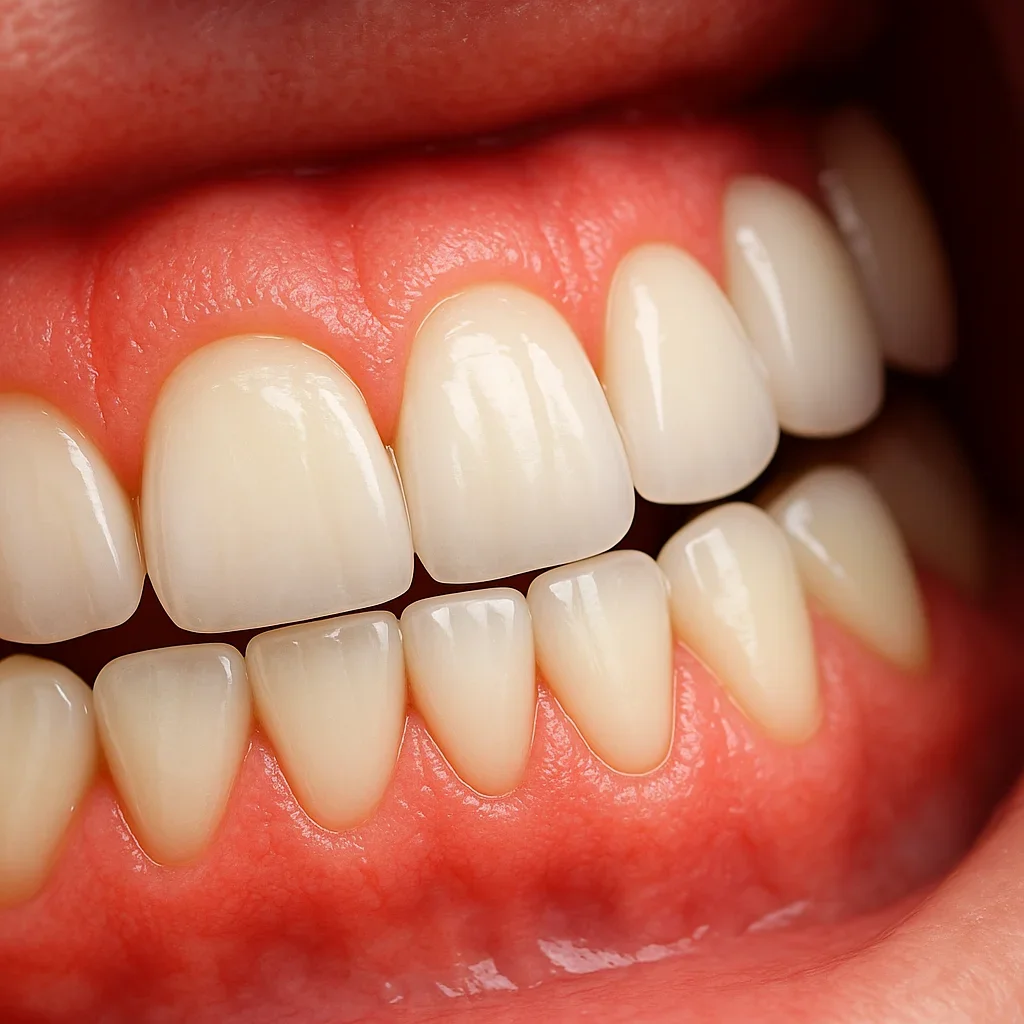
Long-Term Gum Dental Care Plan for a Lifetime Smile 😁
Maintaining healthy gums is not a one-time effort but a lifelong commitment. A proper gum dental care plan combines daily habits, professional checkups, and lifestyle adjustments that protect your gums from disease, inflammation, and recession. Strong gums serve as the foundation for beautiful teeth — and their health directly influences your confidence, breath freshness, and even your overall well-being. In this comprehensive guide, we’ll explore how to build and maintain a sustainable, evidence-based plan that supports lifelong oral health.
Understanding the Importance of Long-Term Gum Care
Your gums are soft tissues that anchor and protect your teeth, keeping them stable and shielded from harmful bacteria. Over time, if neglected, plaque hardens into tartar, which irritates the gums and leads to inflammation or periodontal disease. Chronic gum disease doesn’t only cause tooth loss — it’s also linked to heart disease, diabetes, and respiratory issues. A consistent gum dental routine helps prevent these complications while maintaining aesthetic and functional health.
Why Gums Need Continuous Care
Unlike enamel, gum tissue doesn’t regenerate easily. Once it recedes, it requires surgical intervention to restore. Therefore, prevention is far more effective than correction. By adopting daily preventive habits and following a structured care schedule, you can ensure that your gum dental health remains strong well into old age.
Creating a Daily Gum Dental Routine
A healthy mouth starts with a disciplined daily routine. Every action you take — from brushing to diet choices — impacts the state of your gums. Here’s how to structure your day for optimal oral health:
- Morning Routine: Begin your day by brushing with a soft-bristled toothbrush and fluoride toothpaste. Follow with flossing to remove overnight plaque buildup and finish with a gentle, alcohol-free mouthwash to neutralize bacteria.
- Midday Care: Rinse your mouth with water after meals, especially after consuming sugary or acidic foods. Chew sugar-free gum containing xylitol to stimulate saliva flow and maintain natural gum dental balance.
- Evening Routine: Before bed, repeat your morning routine but take extra time to floss carefully. Use an interdental brush if you have larger gaps between your teeth. Avoid snacking after cleaning to allow your gums to rest overnight.
These small yet consistent actions prevent the buildup of bacteria that cause inflammation, ensuring your gums stay firm and pink.
Professional Checkups and Deep Cleanings
Even the most diligent home care can’t replace the precision of professional dental visits. You should schedule cleanings every six months — or every three months if you’re prone to gingivitis. During these appointments, dentists remove tartar below the gumline, check pocket depth, and assess bone support. Clinics like Redent Klinik Contact Page provide advanced ultrasonic scaling and laser-assisted cleanings designed to preserve gum dental integrity. These sessions also help detect early signs of disease before symptoms become visible.
The Role of Regular Periodontal Assessments
Comprehensive periodontal assessments include measurements of gum pocket depth, bone density, and plaque distribution. Digital imaging and 3D scans allow for early detection of issues like gum detachment or hidden infections. Tracking these parameters over time ensures your gum dental strategy stays proactive and personalized.
Balancing Nutrition for Strong Gums
Your diet plays a pivotal role in the resilience of your gums. Nutrients like vitamin C, vitamin D, calcium, and omega-3 fatty acids strengthen connective tissue and reduce inflammation. Include foods such as leafy greens, citrus fruits, salmon, almonds, and yogurt. Stay hydrated throughout the day to maintain saliva flow — your body’s natural defense against bacteria. Avoid excessive sugar and acidic foods that erode enamel and disrupt your gum dental environment.
Foods That Support Gum Health
- Crunchy Vegetables: Carrots, celery, and apples naturally scrub plaque from the gumline.
- Green Tea: Contains polyphenols that reduce bacterial buildup and inflammation.
- Yogurt and Probiotics: Restore healthy oral microbiota, balancing your gum’s immune response.
- Water: Keeps tissues hydrated and washes away food particles after meals.
Adopting Lifestyle Habits That Support Gum Health
Your lifestyle choices affect your oral health as much as your hygiene routine does. Smoking, stress, and poor sleep weaken immunity, making gums more prone to infection. To maintain long-term gum dental resilience, aim for at least seven hours of sleep per night, limit alcohol intake, and practice stress management techniques like yoga or meditation. Regular physical activity also improves circulation, helping gums receive adequate oxygen and nutrients.
Incorporating Technology and Monitoring Tools
Modern technology offers smart ways to maintain and track gum dental progress. Apps can remind you to brush, floss, and schedule dental visits. Electric toothbrushes with pressure sensors prevent over-brushing, and AI-based devices can analyze your brushing habits to identify areas that need attention. Digital home cameras, such as intraoral scanners, are now accessible for personal use — allowing patients to visualize their gumline and monitor any changes over time.
Dealing With Age-Related Gum Challenges
As we age, the risk of gum recession and bone loss increases due to slower tissue regeneration and medication effects. Older adults should focus on moisture retention, gentler cleaning methods, and products with mild ingredients. Specialized mouthwashes and gels for dry mouth help maintain comfort and reduce bacterial activity. Regular visits to a trusted dentist ensure early intervention in case of bleeding or discomfort. A well-structured gum dental care plan can significantly extend oral health longevity.
Long-Term Maintenance Schedule
Here’s a practical long-term schedule for maintaining your gums:
- Daily: Brush, floss, rinse, and stay hydrated.
- Monthly: Replace your toothbrush or brush head, and check for any gum sensitivity or color changes.
- Every 6 Months: Schedule a professional cleaning and evaluation.
- Annually: Get a full dental X-ray to monitor bone and gum health beneath the surface.
Setting Realistic Long-Term Goals
Set measurable goals for your oral health — such as “zero bleeding while brushing” or “no plaque buildup between cleanings.” Keep a progress log or use a dental app to monitor your improvements. These small milestones reinforce motivation and ensure continuous gum dental improvement.
Integrating Professional and Self-Care Strategies
Effective gum care is a partnership between you and your dentist. Combine daily discipline with professional treatments such as laser therapy, scaling, or guided tissue regeneration when necessary. Avoid self-diagnosis or overuse of whitening products, as these can irritate gums. Following expert advice ensures balance between aesthetics and health — the cornerstone of sustainable gum dental maintenance.
For authoritative guidance, consult the American Dental Association, which provides evidence-based resources on oral care schedules and professional recommendations. With consistent attention and proper guidance, your gums can remain healthy and strong throughout your life — supporting a bright, confident smile that truly lasts. 😁