
A gum dentist is a dental professional who focuses specifically on the health of your gums and the supporting structures of your teeth. While many people pay close attention to cavities or tooth alignment, gum health is often overlooked—yet it plays a critical role in your overall oral and even general health. Healthy gums are the foundation of a healthy smile, and when gum problems are ignored, they can quietly progress into serious conditions that affect not only your teeth but also your heart, blood sugar balance, and immune system 🦷❤️.
When patients search for a gum dentist, their intent is usually clear: they are experiencing bleeding gums, swelling, persistent bad breath, gum recession, or they want expert care to prevent future problems. A gum dentist—often referred to as a periodontal-focused dental professional—has advanced training in diagnosing, treating, and preventing diseases that affect gum tissue and the bone around teeth. This level of specialization goes beyond routine cleanings and fillings, offering targeted solutions for complex gum conditions.
One of the most important facts to understand is that gum disease often develops silently. In its early stages, symptoms may be mild or painless, which is why many people delay seeing a gum dentist. However, untreated gum inflammation can progress from gingivitis to more severe forms of periodontal disease, leading to tooth mobility and eventual tooth loss. A gum dentist is trained to identify these issues early and stop them before permanent damage occurs 😬.
Another essential point is that gum health is directly linked to overall health. Scientific research has shown strong connections between gum disease and systemic conditions such as diabetes, cardiovascular disease, and complications during pregnancy. Visiting a gum dentist is not just about protecting your smile—it’s about supporting your whole body. Leading professional organizations like the
American Dental Association consistently emphasize the importance of periodontal care as part of comprehensive oral health.
A gum dentist uses specialized diagnostic tools to assess the condition of your gums. This may include measuring gum pocket depths, evaluating gum recession, reviewing digital X-rays, and assessing signs of inflammation or bone loss. These detailed evaluations allow the dentist to create a personalized treatment plan tailored to your specific needs rather than relying on a one-size-fits-all approach.
Treatment provided by a gum dentist can range from deep professional cleanings to advanced non-surgical and surgical procedures. For mild cases, scaling and root planing may be enough to remove bacteria and smooth tooth roots. For more advanced conditions, laser therapy or regenerative techniques may be recommended to restore gum tissue and bone. The goal is always to preserve your natural teeth whenever possible while eliminating infection at its source.
Patients often feel anxious before their first appointment with a gum dentist, but modern periodontal care is far more comfortable than many expect. Advances in dental technology, local anesthesia, and minimally invasive techniques have significantly improved the patient experience 😊. A skilled gum dentist also prioritizes education, helping you understand what’s happening in your mouth and how daily habits can either protect or harm your gums.
Preventive care is another key reason people benefit from seeing a gum dentist. Even if you are not currently experiencing symptoms, regular evaluations can catch early warning signs before they escalate. Patients with a family history of gum disease, smokers, or individuals with chronic conditions like diabetes are especially encouraged to seek preventive periodontal care.
In summary, understanding the role of a gum dentist empowers you to take control of your oral health. From early diagnosis to advanced treatment and long-term prevention, this specialized dental professional plays a vital role in maintaining strong gums and a confident smile. If you value long-term dental stability and overall wellness, a gum dentist is not optional—it’s essential 🌟.
What Is a Gum Dentist and Why Gum Health Matters
A gum dentist is a dental professional dedicated to diagnosing, treating, and preventing conditions that affect the gums and the bone supporting the teeth. While general dentistry focuses on overall oral care, a gum dentist concentrates on the tissues that literally hold your teeth in place. This distinction is crucial because even perfectly healthy-looking teeth can fail if the gums beneath them are compromised 🦷.
People often assume that brushing and flossing alone are enough to protect their gums, but gum disease is more complex than surface-level hygiene. A gum dentist is trained to identify early biological changes in gum tissue—changes that most patients cannot see or feel. This expertise allows problems to be addressed before they become painful, expensive, or irreversible.
The Role of a Gum Dentist in Modern Dentistry
In modern dental care, the gum dentist plays a preventive, diagnostic, and restorative role. Prevention involves identifying risk factors such as smoking, genetics, diabetes, stress, and poor oral hygiene habits. Diagnosis includes precise measurement of gum pockets, evaluation of inflammation, and analysis of bone levels using advanced imaging techniques. Treatment may range from deep cleanings to regenerative procedures that rebuild lost tissue.
Unlike routine dental visits, appointments with a gum dentist are highly personalized. Each patient’s gum condition progresses differently, so treatment plans are tailored based on disease severity, lifestyle, and long-term oral health goals. This customized approach is why gum-focused dental care is so effective at stopping disease progression.
Why Gum Health Is the Foundation of Oral Health
Healthy gums act as a protective seal around your teeth. When this seal is broken due to inflammation or infection, bacteria gain access to deeper tissues and bone. A gum dentist understands that gum disease is not just a local issue—it is an inflammatory condition that can influence the entire mouth and beyond.
Research has consistently shown links between poor gum health and systemic conditions such as heart disease, diabetes complications, and weakened immune response. Because of these connections, organizations like the American Dental Association emphasize the importance of periodontal evaluations as part of routine dental care. Visiting a gum dentist is a proactive step toward protecting both oral and general health ❤️.
Early Gum Problems vs Advanced Gum Disease
In the early stage, gum issues may present as mild redness, tenderness, or bleeding during brushing. At this point, a gum dentist can often reverse the condition with non-surgical treatments and improved home care. This stage is commonly painless, which is why many people ignore it.
Advanced gum disease, however, is far more serious. As the infection spreads, gums begin to pull away from the teeth, bone loss occurs, and teeth may loosen or shift. A gum dentist is uniquely qualified to manage these advanced cases using specialized techniques designed to stabilize the mouth and prevent tooth loss.
How a Gum Dentist Protects Your Smile Long Term
Long-term smile preservation is one of the main goals of a gum dentist. By maintaining healthy gums, teeth remain firmly supported, chewing function stays strong, and the natural smile appearance is preserved. Gum recession, if left untreated, can expose tooth roots, leading to sensitivity and aesthetic concerns that are difficult to correct later.
A gum dentist also educates patients on daily habits that directly affect gum health. This includes proper brushing techniques, flossing methods, interdental cleaning, nutrition advice, and stress management. Education is a powerful tool, and patients who understand their gum condition are far more likely to maintain healthy results over time 😊.
When You Should Consult a Gum Dentist
You should consider seeing a gum dentist if you experience bleeding gums, chronic bad breath, gum swelling, receding gums, or loose teeth. Even without symptoms, individuals with a family history of gum disease or existing health conditions should schedule preventive evaluations. Early intervention is always simpler, more comfortable, and more cost-effective.
If you are unsure whether you need specialized gum care, reaching out to a professional clinic can help you decide the next steps. You can easily book a consultation through the Redent Klinik Contact Page to receive expert guidance tailored to your needs.
In essence, a gum dentist is the guardian of the structures that support your teeth and protect your oral health for life. Understanding their role helps you make informed decisions, avoid preventable complications, and maintain a confident, healthy smile well into the future 🌟.
Signs You Need to See a Gum Dentist Early
Many people delay visiting a gum dentist because they assume gum problems are minor or temporary. Unfortunately, gum disease is often silent in its early stages, progressing quietly until noticeable damage has already occurred. Recognizing the early warning signs and acting quickly can mean the difference between simple treatment and long-term oral complications 🦷.
Seeing a gum dentist early is not about overreacting—it is about prevention. Gums are living tissues that respond to bacteria, inflammation, and lifestyle factors. When early symptoms appear, they are signals from your body that professional evaluation is needed. Ignoring these signs allows bacteria to spread deeper beneath the gumline, where regular brushing and flossing can no longer reach.
Bleeding Gums Are Never “Normal”
One of the most common reasons patients seek a gum dentist is bleeding gums. Many people believe bleeding during brushing or flossing is normal, but this is a misconception. Healthy gums do not bleed. Bleeding is usually a sign of inflammation caused by plaque and bacteria accumulating along the gumline.
A gum dentist views bleeding as an early alarm. At this stage, treatment is often simple and highly effective. With professional cleaning and proper home care guidance, gum inflammation can often be reversed completely. Waiting, however, allows the condition to worsen and become more difficult to manage.
Persistent Bad Breath and Unpleasant Taste
Chronic bad breath that does not improve with brushing, flossing, or mouthwash is another sign that warrants a visit to a gum dentist. This type of odor is often caused by bacteria trapped in deep gum pockets, releasing toxins and sulfur compounds.
A gum dentist can identify whether bad breath is linked to gum disease rather than surface hygiene issues. Treating the underlying infection—not masking the smell—is the only way to achieve lasting freshness and oral comfort 😊.
Red, Swollen, or Tender Gums
Healthy gums are firm, pale pink, and do not feel sore. Redness, swelling, or tenderness indicates inflammation. A gum dentist recognizes these visual and tactile changes as early indicators of gum disease.
Inflamed gums are more vulnerable to bacterial invasion and tissue breakdown. Early treatment by a gum dentist can restore gum health before permanent damage occurs, often without the need for invasive procedures.
Receding Gums and Tooth Sensitivity
Gum recession is another key sign that should never be ignored. When gums pull away from the teeth, roots become exposed, leading to sensitivity and increased risk of decay. A gum dentist evaluates the cause of recession, which may include gum disease, aggressive brushing, bite issues, or genetic factors.
Early intervention by a gum dentist can slow or stop recession and, in some cases, restore lost tissue. Addressing recession promptly also protects the supporting bone, which is critical for long-term tooth stability.
Loose Teeth or Changes in Bite
Teeth that feel loose or a bite that suddenly feels “off” are serious warning signs. These symptoms suggest advanced gum involvement and possible bone loss. A gum dentist is trained to assess the stability of teeth and identify structural changes that may not be visible to the naked eye.
At this stage, immediate care from a gum dentist is essential to prevent tooth loss. Modern periodontal treatments can often stabilize the condition, but delays reduce the likelihood of saving affected teeth.
Who Should Be Especially Proactive
Some individuals should be particularly vigilant about seeing a gum dentist early, even if symptoms seem mild. This includes smokers, people with diabetes, those with a family history of gum disease, and individuals experiencing high stress levels. Hormonal changes during pregnancy can also increase gum sensitivity and risk.
Professional organizations like the American Dental Association emphasize that early periodontal evaluation improves outcomes and reduces the need for complex treatments later.
Taking Action Before It’s Too Late
The biggest mistake patients make is waiting for pain. Gum disease often causes little discomfort until it is advanced. A gum dentist focuses on identifying problems before pain appears, preserving both comfort and oral health.
If you recognize any of these signs or simply want reassurance, scheduling a professional evaluation is a smart step. You can easily reach out through the Redent Klinik Contact Page to receive expert guidance tailored to your situation.
In summary, early signs such as bleeding, swelling, bad breath, gum recession, or loose teeth are clear indicators that a gum dentist should be consulted. Acting early protects your smile, reduces treatment complexity, and supports long-term oral and overall health 🌟.
Common Gum Diseases Treated by a Gum Dentist
A gum dentist treats a wide range of gum-related conditions, from mild inflammation to advanced infections that threaten tooth stability. Understanding these diseases helps patients recognize why specialized care is so important. Gum diseases are progressive by nature, meaning they worsen over time if left untreated, but early diagnosis by a gum dentist can dramatically change the outcome 🦷.
Most patients who seek a gum dentist do so because they are experiencing symptoms they don’t fully understand. Bleeding, swelling, or gum recession may seem minor at first, yet these signs often point to underlying conditions that require professional intervention. Below are the most common gum diseases a gum dentist manages on a daily basis.
Gingivitis: The Earliest and Most Treatable Stage
Gingivitis is the mildest form of gum disease and one of the most common conditions treated by a gum dentist. It is caused by plaque buildup along the gumline, leading to inflammation, redness, and bleeding during brushing or flossing.
The good news is that gingivitis is fully reversible when addressed early. A gum dentist typically treats gingivitis with professional cleaning and personalized oral hygiene guidance. At this stage, there is no bone loss, which makes early consultation with a gum dentist extremely valuable 😊.
Periodontitis: When Gum Disease Becomes Serious
When gingivitis is left untreated, it can progress into periodontitis. This is a more advanced condition where the infection spreads below the gumline, damaging the bone and connective tissues that support the teeth. A gum dentist considers periodontitis a serious but manageable disease when treated promptly.
Symptoms often include gum recession, deep gum pockets, persistent bad breath, and in later stages, loose teeth. A gum dentist uses detailed measurements and imaging to assess disease severity and design a treatment plan aimed at stopping progression and preserving natural teeth.
Chronic vs Aggressive Periodontitis
A gum dentist may diagnose different forms of periodontitis. Chronic periodontitis progresses slowly and is commonly seen in adults, while aggressive periodontitis can affect younger individuals and advance rapidly. Genetics often play a role in aggressive forms, making early evaluation by a gum dentist critical.
Treatment approaches vary depending on the type and severity, but both require ongoing professional monitoring to maintain results long term.
Gum Recession and Root Exposure
Gum recession is another frequent condition managed by a gum dentist. As gums pull away from the teeth, roots become exposed, increasing sensitivity and vulnerability to decay. Recession may result from gum disease, improper brushing techniques, bite misalignment, or anatomical factors.
A gum dentist evaluates the cause of recession before recommending treatment. In mild cases, behavioral changes and professional cleaning may be sufficient. In more advanced cases, surgical or regenerative techniques may be required to protect exposed roots and improve gum coverage.
Necrotizing Gum Diseases
Less common but more severe are necrotizing gum diseases, which involve tissue death due to severe infection. These conditions are often associated with compromised immune systems, extreme stress, smoking, or poor nutrition. A gum dentist treats these cases as urgent due to the rapid destruction of gum tissue.
Prompt care by a gum dentist can relieve pain, control infection, and prevent permanent damage. Early intervention is essential, as delays can result in significant tissue loss.
Peri-Implant Diseases
Patients with dental implants may also need the expertise of a gum dentist. Peri-implant mucositis and peri-implantitis are conditions similar to gum disease but occur around implants instead of natural teeth.
A gum dentist plays a key role in diagnosing and treating these conditions to protect the implant and surrounding bone. Without specialized care, peri-implant disease can lead to implant failure, making professional monitoring crucial.
Why Professional Treatment Matters
Gum diseases cannot be fully treated with home care alone once they progress beyond the earliest stage. A gum dentist has access to specialized tools and techniques designed to remove deep-seated bacteria and promote healing at the root level.
Trusted organizations like the American Dental Association stress that professional periodontal care significantly improves outcomes and reduces the risk of tooth loss and systemic complications.
When to Seek Expert Care
If you notice persistent gum bleeding, swelling, recession, or discomfort, it is a clear sign to consult a gum dentist. Early treatment is always simpler, more comfortable, and more cost-effective than managing advanced disease.
For personalized evaluation and professional guidance, you can schedule a consultation through the Redent Klinik Contact Page. Taking action early protects your gums, your teeth, and your long-term oral health 🌟.
How a Gum Dentist Diagnoses Gum Problems
Accurate diagnosis is the foundation of effective gum treatment, and this is where a gum dentist truly stands apart. Gum problems are not always visible or painful in their early stages, which makes professional evaluation essential. A gum dentist does far more than simply look at your gums—they assess the biological health of the tissues, the stability of the supporting bone, and the presence of harmful bacteria beneath the gumline 🦷.
When patients visit a gum dentist, the goal is not just to identify existing problems but also to detect early changes before irreversible damage occurs. This proactive diagnostic approach allows treatment to be precise, targeted, and far more successful in the long term.
Comprehensive Clinical Examination
The diagnostic process always begins with a detailed clinical examination. A gum dentist carefully evaluates the color, texture, and contour of the gums. Healthy gums are firm and pale pink, while unhealthy gums may appear red, swollen, shiny, or prone to bleeding.
During this examination, the gum dentist also checks for visible signs of gum recession, plaque accumulation, and tartar buildup. These surface indicators provide valuable clues about what may be happening beneath the gumline.
Gum Pocket Measurement and Periodontal Charting
One of the most important tools used by a gum dentist is periodontal probing. This involves gently measuring the depth of the spaces—called pockets—between the teeth and gums. Healthy pockets are typically shallow, while deeper pockets suggest infection and tissue breakdown.
A gum dentist records these measurements in a periodontal chart, creating a detailed map of gum health throughout the mouth. This chart allows the dentist to track disease progression over time and evaluate how well treatment is working.
Why Pocket Depth Matters
Deep gum pockets trap bacteria that cannot be removed through regular brushing or flossing. A gum dentist uses pocket depth measurements to determine whether non-surgical care is sufficient or if more advanced treatment is required. This precision ensures that patients receive the right level of care—no more and no less 😊.
Digital X-Rays and Bone Assessment
Gum disease does not only affect soft tissue—it also damages the bone that supports the teeth. A gum dentist relies on digital X-rays to evaluate bone levels and detect bone loss that may not yet cause symptoms.
These images help the gum dentist determine how advanced the disease is and whether tooth stability is at risk. Bone assessment is especially important for patients experiencing loose teeth or bite changes.
Evaluation of Risk Factors and Medical History
A thorough diagnosis by a gum dentist always includes a review of medical history and lifestyle factors. Conditions such as diabetes, autoimmune disorders, hormonal changes, and certain medications can significantly affect gum health.
Smoking, stress, and genetic predisposition are also key considerations. By understanding these factors, a gum dentist can identify why gum problems developed and tailor treatment to reduce future risk.
Bacterial and Inflammation Assessment
In some cases, a gum dentist may assess bacterial levels or signs of active inflammation. Chronic gum infections release toxins that damage tissue and bone over time. Identifying ongoing inflammation helps determine how aggressive treatment needs to be.
Professional organizations like the American Dental Association emphasize that accurate diagnosis is essential for successful periodontal treatment and long-term oral health.
Creating a Personalized Treatment Plan
Once the diagnostic process is complete, the gum dentist creates a personalized treatment plan based on findings. This plan may include deep cleaning, targeted therapy, lifestyle modifications, or ongoing maintenance care.
A key advantage of seeing a gum dentist is clarity. Patients leave with a clear understanding of their gum condition, what caused it, and how it can be managed or reversed. This transparency reduces anxiety and improves treatment compliance 😊.
Monitoring Progress Over Time
Diagnosis does not end after the first visit. A gum dentist continually monitors gum health during follow-up appointments, comparing new measurements and images to previous records. This allows adjustments to treatment and ensures that healing is progressing as expected.
When to Seek a Professional Evaluation
If you experience bleeding gums, swelling, bad breath, or gum recession, it is wise to schedule an evaluation with a gum dentist. Early diagnosis simplifies treatment and significantly improves outcomes.
For expert assessment and personalized guidance, you can arrange a consultation through the Redent Klinik Contact Page. Accurate diagnosis is the first step toward restoring and protecting your gum health for the long term 🌟.
Advanced Treatments Offered by a Gum Dentist
When gum disease progresses beyond its earliest stages, advanced care from a gum dentist becomes essential. Modern periodontal treatments are far more sophisticated than many patients realize. Thanks to advances in dental technology and clinical techniques, a gum dentist can now treat complex gum conditions with greater precision, comfort, and long-term success 🦷.
The primary goal of advanced treatment is not only to eliminate infection but also to preserve natural teeth, restore damaged tissues, and prevent future disease progression. A gum dentist evaluates each case individually and selects treatments based on disease severity, overall health, and long-term oral stability.
Scaling and Root Planing (Deep Cleaning)
One of the most common advanced procedures performed by a gum dentist is scaling and root planing. This non-surgical treatment goes far beyond a routine dental cleaning. It involves removing hardened plaque and bacteria from deep below the gumline and smoothing the tooth roots to help gums reattach properly.
Scaling and root planing is often the first line of defense against moderate gum disease. A gum dentist may perform this treatment under local anesthesia to ensure comfort, especially when multiple areas require attention. When combined with proper home care, this procedure can significantly reduce inflammation and halt disease progression 😊.
Laser Gum Therapy
Laser technology has transformed how a gum dentist treats gum disease. Laser gum therapy allows for precise removal of infected tissue while preserving healthy gum structures. This minimally invasive approach reduces bleeding, swelling, and recovery time compared to traditional methods.
A gum dentist may recommend laser therapy for patients with deeper gum pockets or those who prefer a less invasive option. Laser treatment also helps sterilize the area, reducing bacterial load and promoting faster healing.
Benefits of Laser-Based Treatment
Laser therapy performed by a gum dentist often results in less discomfort, minimal downtime, and improved tissue regeneration. For many patients, this approach makes advanced gum care far more manageable and less intimidating.
Periodontal Surgery for Advanced Cases
In severe cases of gum disease, surgical intervention may be necessary. A gum dentist performs periodontal surgery to access deep infection, reduce gum pocket depth, and repair damaged tissues.
Procedures may include flap surgery, where the gums are gently lifted to allow thorough cleaning, or regenerative techniques that encourage bone and tissue regrowth. Although surgery sounds daunting, modern periodontal surgery is highly controlled and designed to preserve oral health long term.
Gum Grafting and Tissue Regeneration
Gum recession is a common condition treated by a gum dentist, especially when roots become exposed. Gum grafting procedures restore lost tissue, protect tooth roots, and improve both function and appearance.
A gum dentist may use tissue from another area of the mouth or advanced biomaterials to rebuild gum coverage. Regenerative procedures may also involve membranes or growth factors that stimulate natural healing and bone formation.
When Regeneration Is Recommended
Regenerative treatments are typically recommended when bone loss threatens tooth stability. A gum dentist carefully evaluates whether regeneration is possible and explains realistic outcomes to the patient before proceeding.
Treatment of Peri-Implant Disease
Patients with dental implants may require specialized care from a gum dentist. Infections around implants, known as peri-implant diseases, can lead to implant failure if not addressed promptly.
A gum dentist uses advanced cleaning techniques, laser therapy, or surgical intervention to control infection and protect the surrounding bone. Regular monitoring is crucial for implant patients to maintain long-term success.
Ongoing Maintenance and Supportive Care
Advanced treatment does not end after the initial procedure. A gum dentist designs a long-term maintenance plan to prevent recurrence. This often includes more frequent professional cleanings, regular evaluations, and personalized home care instructions.
Organizations such as the American Dental Association emphasize that supportive periodontal care is essential for sustaining treatment results and protecting overall oral health.
Choosing the Right Advanced Treatment Plan
Every patient’s condition is unique, which is why a gum dentist avoids one-size-fits-all solutions. Treatment decisions are based on diagnostic findings, risk factors, and patient preferences. Clear communication ensures patients understand both the benefits and responsibilities involved in advanced gum care 😊.
If you are experiencing ongoing gum problems or have been advised that your condition is advanced, seeking expert care is crucial. You can arrange a professional consultation through the Redent Klinik Contact Page to explore advanced treatment options tailored to your needs.
In conclusion, advanced treatments offered by a gum dentist make it possible to control severe gum disease, restore oral stability, and protect your natural smile for years to come. With modern techniques and personalized care, even complex gum conditions can be managed effectively 🌟.
Gum Dentist vs General Dentist: Key Differences
Many patients wonder whether they should see a general dentist or a gum dentist when gum-related symptoms appear. While both professionals play important roles in oral health, their training, focus, and treatment approaches differ significantly. Understanding these differences helps you choose the right provider at the right time—and can prevent small gum issues from becoming serious problems 🦷.
A general dentist is often the first point of contact for routine dental care, including cleanings, fillings, and basic preventive services. A gum dentist, however, concentrates specifically on the health of gum tissues and the supporting bone. This specialization matters when inflammation, infection, recession, or bone loss is present or suspected.
Training and Clinical Focus
General dentists receive broad training across all areas of dentistry. Their education equips them to diagnose common oral conditions and provide routine treatments. A gum dentist, by contrast, undergoes advanced training focused on periodontal science, disease mechanisms, and specialized treatment techniques for gum and bone conditions.
This advanced focus allows a gum dentist to manage complex cases that go beyond routine care. When gum disease progresses, specialized knowledge becomes essential to preserve teeth and restore oral stability 😊.
Scope of Diagnosis
While a general dentist can identify early signs of gum disease, a gum dentist performs more detailed diagnostic evaluations. This includes comprehensive periodontal charting, precise pocket depth measurements, and in-depth assessment of bone levels.
A gum dentist also evaluates systemic and lifestyle risk factors more extensively, such as diabetes, smoking, genetics, and immune health. This holistic diagnostic approach leads to more accurate treatment planning and better long-term outcomes.
When General Dentistry Is Enough
For mild gum inflammation without bone involvement, a general dentist may provide sufficient care. Professional cleanings, improved oral hygiene, and routine monitoring can often reverse early gingivitis when addressed promptly.
However, if symptoms persist or worsen, referral to a gum dentist becomes critical to prevent disease progression.
Treatment Capabilities
General dentists typically offer standard cleanings and basic periodontal maintenance. A gum dentist provides a broader range of advanced treatments, including deep cleaning below the gumline, laser therapy, regenerative procedures, and periodontal surgery.
These advanced therapies target the root cause of gum disease rather than just surface symptoms. This distinction is especially important for patients with moderate to severe periodontal conditions.
Management of Advanced Gum Disease
Advanced gum disease requires specialized care that a gum dentist is uniquely qualified to deliver. Bone loss, deep gum pockets, and tooth mobility are complex issues that demand precise intervention.
A gum dentist not only treats active infection but also develops long-term maintenance strategies to prevent recurrence. This ongoing care is essential for sustaining treatment success and preserving natural teeth 🌟.
Long-Term Monitoring and Maintenance
Patients under the care of a gum dentist typically follow a structured maintenance schedule. This includes regular evaluations, professional cleanings at shorter intervals, and continuous monitoring of gum health indicators.
General dental visits remain important, but periodontal maintenance ensures that gum disease stays under control over time.
Collaboration Between Dentists
It is important to note that general dentists and gum dentists often work together. A general dentist may refer patients to a gum dentist for specialized treatment, while continuing to manage overall dental care.
This collaborative approach ensures comprehensive oral health management, combining routine care with specialized expertise when needed.
Which One Should You See?
If you experience bleeding gums, gum recession, persistent bad breath, or loose teeth, a gum dentist is the appropriate specialist to consult. Early referral improves outcomes and reduces the need for invasive procedures later.
Professional organizations such as the American Dental Association emphasize the importance of periodontal care as part of comprehensive dental health.
If you are unsure whether your symptoms require specialized attention, seeking expert advice is a smart step. You can schedule a consultation through the Redent Klinik Contact Page to receive personalized guidance.
In summary, while both professionals are essential, a gum dentist provides the advanced expertise needed to diagnose, treat, and manage gum disease effectively. Knowing the difference empowers you to protect your gums, your teeth, and your long-term oral health with confidence 😊.
What to Expect During Your First Gum Dentist Visit
Visiting a gum dentist for the first time can feel intimidating, especially if you are already experiencing discomfort or anxiety about your gum health. Understanding what to expect during this initial appointment can greatly reduce stress and help you feel more confident. A first visit with a gum dentist is designed to be informative, thorough, and focused on identifying the root cause of your gum concerns 🦷.
Unlike a routine dental checkup, an appointment with a gum dentist places special emphasis on gum tissues, bone support, and infection risk. The goal is not only to diagnose current problems but also to prevent future complications through early intervention and education.
Initial Consultation and Medical History Review
Your first visit with a gum dentist usually begins with a detailed discussion of your dental and medical history. This step is essential because many systemic conditions—such as diabetes, autoimmune disorders, or hormonal changes—can influence gum health.
The gum dentist will ask about symptoms like bleeding gums, swelling, bad breath, gum recession, or tooth sensitivity. Lifestyle factors such as smoking, stress, and oral hygiene habits are also reviewed. This comprehensive background allows the gum dentist to better understand potential risk factors and tailor the evaluation accordingly 😊.
Comprehensive Gum Examination
After reviewing your history, the gum dentist performs a thorough clinical examination of your gums. This includes checking the color, firmness, and contour of the gum tissue. Healthy gums are typically firm and pale pink, while inflamed gums may appear red, swollen, or shiny.
The gum dentist also looks for visible plaque and tartar buildup, signs of gum recession, and areas that bleed easily. These observations provide important clues about the presence and severity of gum disease.
Periodontal Probing and Measurements
One key part of the first visit to a gum dentist is periodontal probing. Using a small measuring instrument, the dentist gently measures the depth of the spaces between your teeth and gums. These measurements help determine whether gum pockets are within a healthy range or indicate infection.
Although the idea of probing may sound uncomfortable, it is typically quick and causes minimal discomfort. The information gained is critical for accurate diagnosis and treatment planning.
Diagnostic Imaging and Bone Evaluation
In many cases, a gum dentist will recommend digital X-rays to assess the condition of the bone supporting your teeth. Bone loss is a key indicator of advanced gum disease and cannot be detected through visual examination alone.
These images help the gum dentist evaluate tooth stability and determine whether gum disease has affected the underlying structures. This step is especially important for patients experiencing loose teeth or changes in their bite.
Discussion of Findings and Diagnosis
Once the examination and imaging are complete, the gum dentist explains the findings in clear, understandable terms. Patients are shown where inflammation, infection, or bone loss is present and how severe the condition is.
This discussion is a crucial part of the visit because it empowers patients with knowledge. A gum dentist ensures you understand your diagnosis, what caused the problem, and what may happen if it is left untreated.
Personalized Treatment Planning
Based on the diagnosis, the gum dentist develops a personalized treatment plan. This may include professional deep cleaning, targeted therapy, lifestyle changes, or a schedule for follow-up visits.
The dentist also discusses expected outcomes, timelines, and the importance of maintenance care. Transparency at this stage builds trust and helps patients feel more comfortable moving forward with treatment 😊.
Patient Education and Prevention Guidance
Education is a major focus of the first visit with a gum dentist. Patients receive detailed instructions on proper brushing and flossing techniques, as well as advice on nutrition and habits that support gum health.
Understanding how daily behaviors affect your gums helps prevent recurrence and ensures long-term success. This preventive guidance is just as important as professional treatment.
Addressing Anxiety and Comfort
Many patients feel nervous before seeing a gum dentist, especially if they associate gum treatment with discomfort. Modern periodontal care, however, prioritizes patient comfort through gentle techniques and effective pain management.
A skilled gum dentist takes time to address concerns, answer questions, and ensure you feel supported throughout the visit.
Next Steps After the First Visit
At the end of your first appointment, the gum dentist outlines the next steps clearly. This may involve scheduling treatment sessions, setting maintenance intervals, or coordinating care with your general dentist.
Professional organizations like the American Dental Association emphasize that early and informed periodontal care leads to better outcomes and long-term oral health.
If you are preparing for your first gum evaluation or have ongoing concerns, scheduling a professional consultation is a proactive step. You can easily reach out through the Redent Klinik Contact Page to begin your journey toward healthier gums and a more confident smile 🌟.
How to Choose the Best Gum Dentist for Long-Term Care
Choosing the right gum dentist is one of the most important decisions you can make for your long-term oral health. Gum problems are rarely one-time issues; they often require ongoing monitoring, maintenance, and professional support. For this reason, selecting a gum dentist should be based on more than convenience alone. The right choice can mean healthier gums, stronger teeth, and fewer complications over time 🦷.
Many patients search for a gum dentist only after symptoms become uncomfortable. However, the best outcomes occur when care is proactive and continuous. A skilled gum dentist not only treats existing problems but also helps prevent future disease through education, personalized care plans, and regular follow-ups.
Qualifications and Specialized Experience
The first factor to consider when choosing a gum dentist is professional training and experience. Gum-focused dental care requires advanced knowledge of periodontal disease, bone biology, and tissue healing. A qualified gum dentist has extensive experience managing both early and advanced gum conditions.
Do not hesitate to ask about clinical experience, areas of focus, and the types of treatments commonly performed. A confident gum dentist will be transparent about their expertise and comfortable explaining treatment approaches in detail 😊.
Diagnostic Approach and Technology
Modern diagnosis plays a major role in effective gum care. A high-quality gum dentist uses advanced diagnostic tools such as digital X-rays, detailed periodontal charting, and comprehensive risk assessments.
These tools allow the gum dentist to detect problems early and track changes over time. Accurate diagnosis ensures treatment is neither excessive nor insufficient, which is essential for long-term success.
Personalized Treatment Philosophy
Every patient’s gum condition is different. The best gum dentist avoids one-size-fits-all solutions and instead develops customized treatment plans based on your specific needs, health status, and lifestyle.
A personalized approach reflects a commitment to long-term care rather than short-term fixes. This philosophy is especially important for patients with chronic gum disease or higher risk factors.
Communication and Patient Education
Clear communication is a hallmark of an excellent gum dentist. You should feel comfortable asking questions and confident that your concerns are being addressed. A good gum dentist explains diagnoses, treatment options, and preventive strategies in simple, understandable language.
Education is not optional—it is essential. Patients who understand their gum condition are more likely to maintain healthy habits and follow recommended care plans, leading to better outcomes 😊.
Long-Term Maintenance and Follow-Up Care
Gum health requires ongoing attention. A reliable gum dentist offers structured maintenance programs that include regular evaluations, professional cleanings, and monitoring of gum pocket depths.
Long-term care reduces the risk of recurrence and helps protect both natural teeth and dental restorations. This continuity of care is one of the strongest indicators of a high-quality gum dentist.
Collaboration With General Dentistry
The best outcomes often come from collaboration. A gum dentist who works closely with your general dentist ensures comprehensive oral care. This team-based approach allows routine dental needs and specialized periodontal care to complement each other seamlessly.
Transparency About Treatment Costs
While prices vary depending on condition severity and treatment complexity, a trustworthy gum dentist is upfront about cost considerations. Clear explanations help patients make informed decisions without unexpected surprises.
- Professional deep cleaning (scaling and root planing): $200 – $500 per quadrant
- Laser gum therapy: $300 – $1,000 depending on extent
- Periodontal surgery or regenerative procedures: $1,000 – $3,000+
These figures are general estimates and may vary based on location, technology used, and individual treatment needs. A professional consultation with a gum dentist is the best way to receive accurate information.
Professional Standards and Ethical Care
Reputable gum dentists align their practices with recognized professional standards. Organizations such as the American Dental Association emphasize ethical care, evidence-based treatment, and patient-centered decision-making.
Choosing a gum dentist who follows these principles ensures that your care is both effective and trustworthy.
Accessibility and Patient Support
Accessibility also matters in long-term care. A gum dentist who offers clear appointment scheduling, responsive communication, and ongoing support makes it easier to stay consistent with treatment and maintenance visits.
If you are seeking expert guidance or want to begin a long-term gum care plan, you can arrange a professional consultation through the Redent Klinik Contact Page.
In conclusion, choosing the best gum dentist involves evaluating expertise, diagnostic quality, communication, and commitment to long-term care. When these factors align, you gain more than treatment—you gain a trusted partner in protecting your gum health and your smile for years to come 🌟.
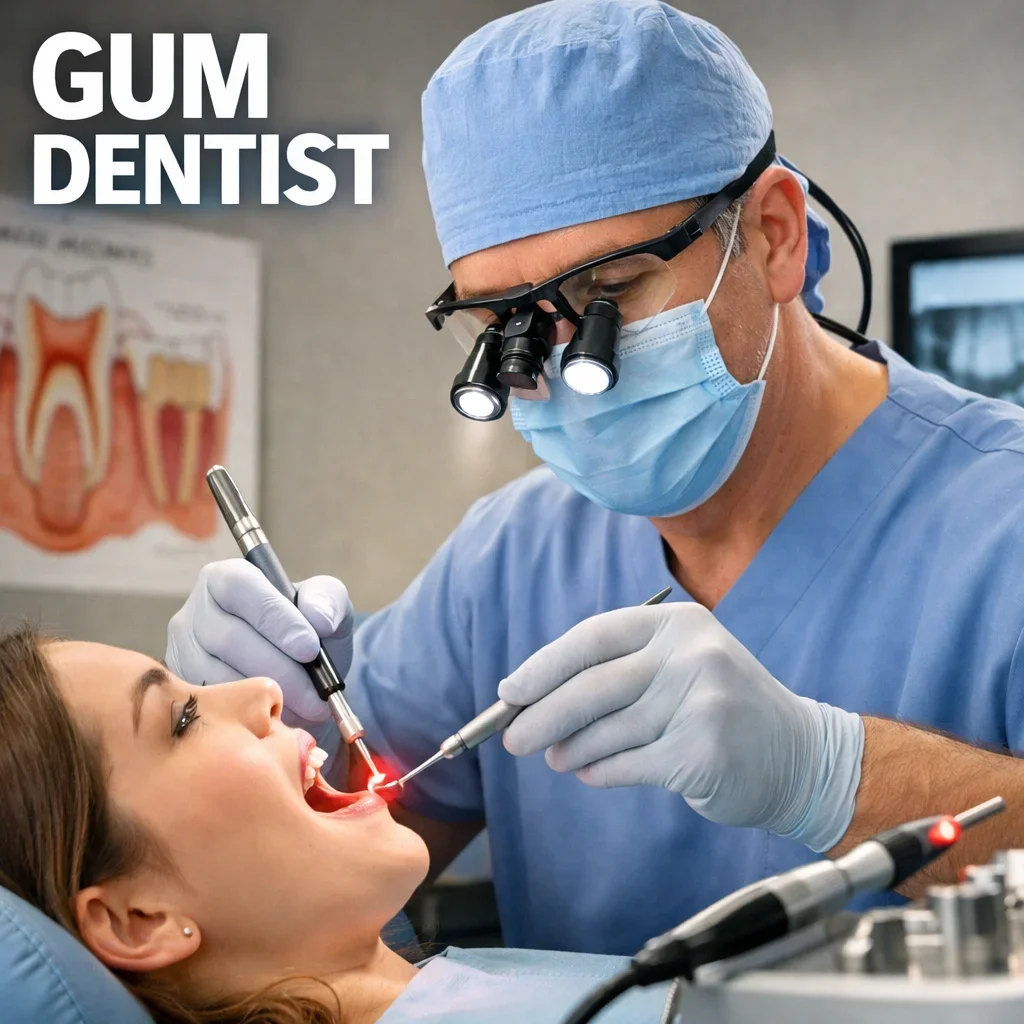
Gum Dentist Treatment Costs and Price Factors
Understanding treatment costs is an important part of choosing and working with a gum dentist. Many patients hesitate to seek care because they are unsure what periodontal treatment may involve financially. In reality, gum treatment costs vary widely depending on several medical and clinical factors. A professional gum dentist focuses on transparent planning so patients can make informed decisions without fear or confusion 🦷.
It is also important to understand that delaying care often increases overall cost. Early intervention by a gum dentist is almost always more affordable than treating advanced gum disease. What begins as a manageable condition can become complex and expensive if ignored.
What Determines Gum Dentist Treatment Costs?
There is no single price for periodontal care because each patient’s condition is unique. A gum dentist evaluates multiple variables before determining the appropriate treatment plan and associated costs.
Severity of Gum Disease
The most significant factor affecting cost is disease severity. Mild gum inflammation may require only professional deep cleaning, while advanced cases involve surgical or regenerative procedures. A gum dentist bases treatment intensity on clinical findings such as gum pocket depth, bone loss, and tissue damage.
Treating early-stage disease is generally simpler and less costly. Advanced disease requires more time, specialized techniques, and long-term maintenance, all of which increase overall expense.
Type of Treatment Required
Different treatments provided by a gum dentist vary in complexity and cost. Non-surgical treatments typically cost less than surgical procedures. Laser therapy, regenerative techniques, and implant-related gum treatments involve advanced technology and expertise, which can affect pricing.
The gum dentist selects treatments based on medical necessity rather than cost alone, always prioritizing long-term oral health outcomes.
Estimated Cost Ranges for Common Gum Treatments
While exact prices depend on location and clinical needs, the following general ranges help patients understand what to expect when visiting a gum dentist:
- Scaling and root planing (deep cleaning): $200 – $500 per quadrant
- Laser gum therapy: $300 – $1,000 depending on extent
- Periodontal surgery: $1,000 – $3,000+
- Gum grafting procedures: $600 – $2,000 per area
- Maintenance periodontal visits: $100 – $300 per visit
These figures are approximate and meant for general reference. A personalized consultation with a gum dentist is always necessary for accurate cost assessment 😊.
Why Cheaper Is Not Always Better
Choosing a gum dentist based solely on price can be risky. Inadequate treatment may fail to eliminate infection, leading to recurrence and additional costs later. Quality periodontal care focuses on precision, long-term stability, and prevention.
A skilled gum dentist explains why certain treatments are necessary and how they protect your teeth and gums over time. This long-term perspective often saves money by preventing tooth loss, implant failure, and repeated treatments.
Insurance and Long-Term Value
Many dental insurance plans provide partial coverage for periodontal treatments. A professional gum dentist helps patients understand what is covered and what is not, ensuring there are no surprises.
Even when insurance coverage is limited, the long-term value of gum treatment is significant. Healthy gums reduce the risk of tooth loss, extensive restorative work, and systemic health complications.
Maintenance Costs vs Future Complications
Ongoing maintenance with a gum dentist may seem like an added expense, but it is far less costly than treating recurring or advanced disease. Maintenance visits help preserve treatment results and catch new issues early.
Transparency and Ethical Care
Reputable gum dentists prioritize transparency. Patients should receive clear explanations of recommended treatments, associated costs, and expected outcomes before care begins.
Professional organizations such as the American Dental Association emphasize ethical treatment planning and informed consent as core principles of quality dental care.
Making an Informed Decision
Choosing periodontal care is both a health and financial decision. A trusted gum dentist helps you balance medical necessity with practical considerations, always focusing on preserving your oral health long term.
If you would like a personalized evaluation and clear cost guidance, you can schedule a consultation through the Redent Klinik Contact Page. Understanding your options is the first step toward protecting your gums, your teeth, and your overall well-being 🌟.