
Gum disease and bone loss are among the most serious oral health conditions affecting adults worldwide. Many people believe that gum problems only cause bleeding gums or bad breath, but the reality is far more complex. When gum disease and bone loss develop, the structures that support your teeth begin to deteriorate. This includes not only the gums but also the jawbone that holds your teeth in place. Over time, untreated gum disease and bone loss can lead to loose teeth, severe infections, and even tooth loss.
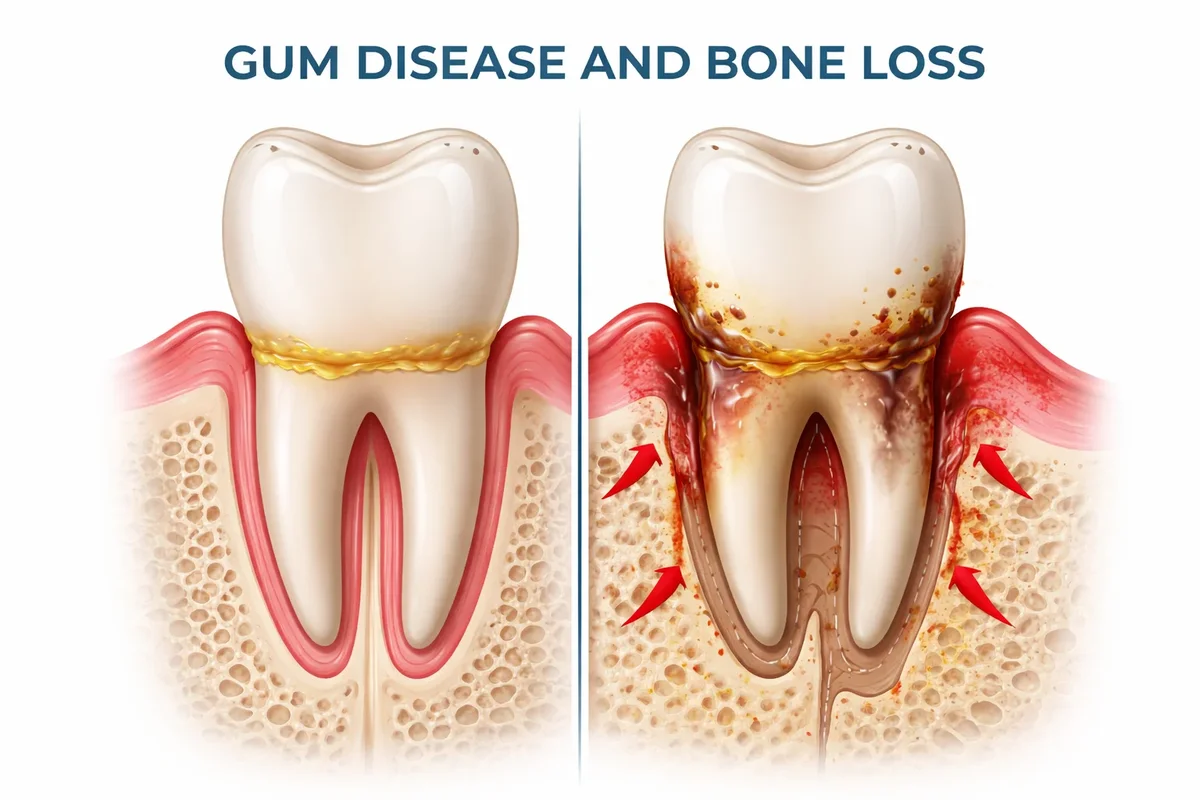
Understanding gum disease and bone loss begins with recognizing how healthy gums and bone structures normally function. In a healthy mouth, the gums form a tight seal around each tooth. Beneath the gum tissue lies the alveolar bone, which anchors the roots of the teeth securely within the jaw. When gum disease and bone loss begin to develop, harmful bacteria accumulate along the gumline and gradually destroy these protective structures. This process often starts slowly, making gum disease and bone loss difficult to detect in the early stages.
One of the main reasons gum disease and bone loss are so dangerous is that symptoms may remain mild or unnoticed for months or even years. Many patients only realize they have gum disease and bone loss when their gums begin to recede or when teeth start to feel loose. However, by this point, significant damage to the supporting bone may have already occurred. Early awareness of gum disease and bone loss is therefore critical for protecting long-term oral health.
Gum disease and bone loss are closely connected conditions that typically develop through a process known as periodontal disease. Periodontal disease begins with gingivitis, a mild form of gum inflammation caused by plaque buildup. If plaque is not removed through proper oral hygiene and professional dental care, it hardens into tartar. This hardened deposit allows bacteria to thrive beneath the gumline, triggering the destructive cycle that leads to gum disease and bone loss.
As gum disease and bone loss progress, the infection spreads deeper into the tissues surrounding the teeth. The body’s immune response attempts to fight the bacteria, but this process can also contribute to the breakdown of gum tissue and bone. Eventually, small pockets form between the gums and the teeth. These pockets trap additional bacteria and accelerate the progression of gum disease and bone loss.
One important aspect of gum disease and bone loss that many people do not realize is its connection to overall health. Research has shown that chronic gum infections may contribute to systemic conditions such as heart disease, diabetes complications, and inflammation throughout the body. Because gum disease and bone loss involve bacterial infections and immune responses, maintaining gum health can play a role in protecting general health as well.
Another major concern related to gum disease and bone loss is the impact on dental treatments. For example, patients who develop advanced gum disease and bone loss may not have enough bone structure to support dental implants or other restorative procedures. In these situations, bone grafting or regenerative treatments may be required before tooth replacement options can be considered.
Fortunately, gum disease and bone loss can often be managed effectively when diagnosed early. Modern dental care focuses on identifying gum disease and bone loss before severe damage occurs. Regular dental examinations, professional cleanings, and advanced imaging technologies allow dentists to monitor bone levels and detect signs of periodontal infection. Organizations such as the American Dental Association emphasize the importance of routine dental visits to prevent gum disease and bone loss from progressing unnoticed.
Patients who suspect they may be experiencing symptoms related to gum disease and bone loss should seek professional dental evaluation as soon as possible. Warning signs may include bleeding gums, persistent bad breath, gum recession, or changes in how the teeth fit together when biting. Addressing gum disease and bone loss early significantly improves the chances of preserving natural teeth and preventing permanent damage.
If you are experiencing symptoms of gum disease and bone loss or have concerns about your gum health, consulting with experienced dental professionals is essential. You can reach a specialist for personalized evaluation and treatment recommendations through the Redent Klinik Contact Page. Early diagnosis and professional care remain the most effective strategies for controlling gum disease and bone loss and maintaining a healthy, confident smile.
In the sections that follow, we will explore gum disease and bone loss in greater depth. You will learn about early warning signs, risk factors, treatment options, and prevention strategies that can help protect your teeth and jawbone for many years to come. By understanding gum disease and bone loss and taking proactive steps, you can significantly reduce the risk of serious dental complications and preserve your long-term oral health.
1. What Is Gum Disease and Bone Loss? Understanding the Basics
Gum disease and bone loss represent one of the most significant threats to long-term oral health. Many people assume that dental problems only involve cavities or tooth sensitivity, but the structures that support the teeth are just as important. Gum disease and bone loss affect the gums, periodontal ligaments, and the jawbone that anchor teeth securely in place. When these supporting tissues become infected or damaged, the stability of the teeth gradually weakens. Over time, untreated gum disease and bone loss can result in loose teeth, severe infection, and ultimately tooth loss.
To fully understand gum disease and bone loss, it is important to recognize how healthy gum tissue and bone normally function. In a healthy mouth, the gums fit snugly around the teeth and form a protective seal that prevents bacteria from reaching deeper tissues. Beneath the gum tissue lies the alveolar bone, which holds the tooth roots firmly in place. When gum disease and bone loss begin to develop, bacteria disrupt this protective environment and start damaging the tissues that support the teeth.
The Role of Periodontal Structures in Oral Health
The mouth contains a complex support system that keeps teeth stable and functional. This system includes the gums, periodontal ligaments, cementum, and the jawbone. Gum disease and bone loss occur when harmful bacteria attack these structures, leading to inflammation and gradual deterioration.
The periodontal ligament acts like a cushion between the tooth root and the bone, allowing the tooth to absorb pressure when chewing. However, when gum disease and bone loss begin to affect the area, bacterial toxins break down these connective fibers. As the disease progresses, the body’s immune response can also contribute to tissue destruction. This combination of bacterial activity and immune reaction accelerates the progression of gum disease and bone loss.
How Plaque and Tartar Trigger the Process
The most common cause of gum disease and bone loss is the buildup of dental plaque. Plaque is a sticky film made of bacteria that forms on the teeth after eating and drinking. If plaque is not removed through brushing and flossing, it hardens into tartar. Tartar creates a rough surface where bacteria can easily multiply, especially below the gumline.
As plaque and tartar accumulate, the gums become irritated and inflamed. This early stage is known as gingivitis. At this point, gum disease and bone loss have not yet caused permanent damage, and the condition can often be reversed with proper oral care and professional dental cleaning. However, if gingivitis is left untreated, it can progress into periodontitis, which is the stage where gum disease and bone loss begin to destroy the supporting bone structure.
The Connection Between Gum Disease and Bone Loss
Gum disease and bone loss are closely linked because the infection that starts in the gums eventually spreads deeper into the jawbone. When bacteria penetrate beneath the gumline, they trigger inflammation that causes the body to break down bone tissue. This process creates periodontal pockets—spaces between the teeth and gums where bacteria continue to grow.
As these pockets deepen, gum disease and bone loss become more severe. The bone that once supported the teeth gradually shrinks, reducing the stability of the teeth. Patients may begin to notice that their teeth shift slightly, feel loose, or appear longer due to gum recession. These symptoms often indicate that gum disease and bone loss have already progressed significantly.
Why Bone Loss Is a Serious Dental Problem
Bone loss is one of the most dangerous consequences of periodontal disease. Unlike gum inflammation, which may heal with proper care, lost bone does not naturally regenerate in most cases. When gum disease and bone loss reach advanced stages, the supporting bone structure becomes too weak to hold teeth securely. This can lead to tooth mobility, difficulty chewing, and eventually tooth loss.
Additionally, gum disease and bone loss can affect eligibility for certain dental treatments. For example, dental implants require adequate bone support to function properly. If significant bone loss has occurred, additional procedures such as bone grafting may be necessary before implants can be placed.
Who Is Most at Risk of Gum Disease and Bone Loss?
Although gum disease and bone loss can affect anyone, certain individuals face a higher risk. Poor oral hygiene is the most common cause, but other factors can also contribute to the development of periodontal disease. Smoking, diabetes, hormonal changes, genetic predisposition, and certain medications can increase susceptibility to gum disease and bone loss.
Age is another factor that influences risk. Studies show that adults over the age of 35 are more likely to develop advanced periodontal problems. However, younger individuals can also experience gum disease and bone loss if preventive dental care is neglected.
Why Early Awareness Matters
The most important step in protecting your oral health is understanding the early signs and risks associated with gum disease and bone loss. When detected early, periodontal disease can often be treated before permanent bone damage occurs. Regular dental checkups allow dentists to measure gum pocket depth, evaluate bone levels through imaging, and identify early symptoms before they worsen.
Education and prevention are key. By understanding how gum disease and bone loss develop, patients can take proactive steps to protect their gums and bone structure. Consistent brushing, flossing, professional cleanings, and healthy lifestyle choices play a critical role in preventing the progression of gum disease and bone loss.
In the next section, we will explore the early warning signs that indicate gum disease and bone loss may already be developing. Recognizing these symptoms early can help prevent severe complications and preserve the health of your teeth and jawbone.
2. Early Warning Signs of Gum Disease and Bone Loss You Should Never Ignore
Recognizing the early warning signs of gum disease and bone loss is one of the most important steps in protecting your oral health. Many people assume that serious dental problems appear suddenly, but the truth is that gum disease and bone loss typically develop gradually over time. In the beginning, symptoms may seem minor or easy to ignore. However, these early signals often indicate that bacteria are already affecting the tissues that support your teeth. Understanding these warning signs allows patients to seek treatment before gum disease and bone loss cause permanent damage.
The challenge with gum disease and bone loss is that the early stage of periodontal disease is often painless. Because there is little or no discomfort, individuals may delay visiting a dentist. Unfortunately, this delay allows the infection to spread deeper into the gums and bone. By the time noticeable symptoms appear, gum disease and bone loss may have already progressed significantly. This is why dental professionals emphasize the importance of recognizing subtle changes in gum health.
Bleeding Gums During Brushing or Flossing
One of the most common early indicators of gum disease and bone loss is bleeding gums. Healthy gums should not bleed during routine brushing or flossing. If you notice blood in the sink while cleaning your teeth, this may be a sign that bacteria have already irritated the gum tissue.
Bleeding occurs because plaque buildup triggers inflammation in the gums. This early stage of periodontal disease is known as gingivitis. Although gingivitis itself does not yet involve bone damage, untreated inflammation can quickly lead to gum disease and bone loss. When bacteria remain around the gumline, they release toxins that damage connective tissues and eventually reach the underlying bone.
Why Bleeding Should Never Be Ignored
Many people assume bleeding gums are caused by brushing too hard, but persistent bleeding is more commonly linked to developing gum disease and bone loss. Ignoring this symptom allows bacterial plaque to continue destroying the supporting structures of the teeth. Early professional cleaning and improved oral hygiene can stop this progression before bone damage occurs.
Persistent Bad Breath or Unpleasant Taste
Another early warning sign of gum disease and bone loss is chronic bad breath, also known as halitosis. While occasional bad breath can occur after eating certain foods, persistent odor may indicate bacterial infection in the gums. The bacteria responsible for gum disease and bone loss release sulfur compounds that create an unpleasant smell in the mouth.
These bacteria often hide in periodontal pockets that form between the teeth and gums. As gum disease and bone loss develop, these pockets become deeper and trap more bacteria, food debris, and plaque. This environment allows infection to spread and further damage the surrounding bone structure.
Why Bad Breath May Signal Deeper Problems
If mouthwash or brushing temporarily improves breath but the odor quickly returns, this may indicate ongoing gum disease and bone loss. Because the infection is occurring below the gumline, surface cleaning alone cannot eliminate the bacteria. Professional dental evaluation is necessary to diagnose the underlying cause.
Gum Redness, Swelling, and Tenderness
Healthy gums are usually firm and light pink in color. Changes in gum appearance can signal the beginning of gum disease and bone loss. Inflamed gums often appear red, swollen, or tender to the touch. These symptoms indicate that the body’s immune system is reacting to bacterial infection.
As gum disease and bone loss progress, inflammation spreads deeper into the tissues surrounding the teeth. The gums may feel sensitive when chewing or brushing. In some cases, small pockets of pus may develop around the gums, which is a clear sign of infection. These symptoms require prompt dental attention to prevent further bone damage.
Gum Recession and Teeth Appearing Longer
Gum recession is another early sign that gum disease and bone loss may be affecting your oral health. When gums pull away from the teeth, more of the tooth root becomes visible. Many people notice that their teeth appear longer than before. This change occurs because the gum tissue is gradually shrinking due to bacterial infection.
As the gums recede, they expose the tooth roots, which are more sensitive than enamel-covered surfaces. This can lead to increased tooth sensitivity when consuming hot, cold, or sweet foods. Gum recession also creates deeper pockets where bacteria can accumulate, accelerating gum disease and bone loss.
The Link Between Gum Recession and Bone Loss
Although gum recession primarily affects soft tissue, it often occurs alongside underlying bone damage. When gum disease and bone loss advance, the supporting bone around the teeth begins to shrink. This weakens the foundation that holds teeth in place and may eventually cause teeth to shift or loosen.
Loose Teeth or Changes in Bite Alignment
As gum disease and bone loss progress, the structural support for the teeth begins to deteriorate. One of the most alarming symptoms is tooth mobility. Teeth that once felt stable may begin to feel slightly loose when chewing or touching them with the tongue.
Changes in bite alignment can also occur as gum disease and bone loss destroy the bone that supports each tooth. Patients may notice that their teeth fit together differently when biting or that gaps between teeth appear where none existed before. These changes indicate that the bone surrounding the teeth has been compromised.
When to Seek Professional Help
If you notice any of the symptoms described above, it is essential to seek dental evaluation promptly. Early diagnosis of gum disease and bone loss greatly improves treatment outcomes. Dentists use periodontal measurements, digital X-rays, and clinical examinations to assess gum health and determine whether bone loss has begun.
The sooner gum disease and bone loss are detected, the easier they are to manage. Treatments such as professional deep cleaning, improved oral hygiene routines, and lifestyle adjustments can often stop the disease from progressing. Delaying treatment, however, increases the risk of irreversible bone damage and tooth loss.
In the next section, we will explore how gum disease gradually progresses from mild inflammation to severe bone destruction. Understanding this progression helps patients recognize why early intervention is critical for protecting long-term oral health.
3. How Gum Disease Progresses and Leads to Bone Loss Around Teeth
Understanding how gum disease and bone loss progress is essential for protecting long-term oral health. Many patients believe that periodontal disease develops suddenly, but in reality it evolves through several stages. Each stage represents a deeper level of infection and structural damage. If untreated, gum disease and bone loss gradually weaken the tissues and bone that support the teeth, eventually leading to tooth instability and loss. By learning how this process unfolds, patients can better recognize the importance of early treatment and prevention.
Gum disease and bone loss typically begin with bacterial plaque buildup along the gumline. Plaque is a soft, sticky film composed of bacteria, food particles, and saliva. When plaque is not removed effectively through brushing and flossing, it hardens into tartar. Tartar creates an ideal environment for bacteria to multiply beneath the gumline, triggering inflammation that marks the beginning of periodontal disease. Over time, this bacterial activity drives the progression toward gum disease and bone loss.
Stage 1: Gingivitis – The Earliest Phase of Gum Disease
The first stage in the progression toward gum disease and bone loss is gingivitis. At this stage, bacteria accumulate along the gumline and cause irritation of the gum tissue. The body’s immune system responds to this bacterial invasion by triggering inflammation. As a result, gums may appear red, swollen, and prone to bleeding during brushing or flossing.
Although gingivitis represents the beginning of gum disease and bone loss, it is important to note that bone damage has not yet occurred at this stage. The infection remains limited to the gum tissue. With proper oral hygiene and professional dental cleaning, gingivitis can often be reversed completely. However, if gingivitis is ignored, the bacterial infection continues to spread deeper into the supporting tissues surrounding the teeth.
Why Gingivitis Is a Critical Warning Sign
Many individuals underestimate gingivitis because it may cause only mild symptoms. However, untreated gingivitis creates the perfect conditions for gum disease and bone loss to develop. The longer plaque and tartar remain beneath the gums, the more aggressively bacteria begin to attack the structures that support the teeth.
Stage 2: Early Periodontitis and Initial Bone Damage
When gingivitis progresses without treatment, the condition develops into early periodontitis. At this stage, gum disease and bone loss begin to affect the deeper structures of the mouth. Bacteria penetrate beneath the gumline and release toxins that break down connective tissue and bone.
As gum disease and bone loss progress, the gums start to detach from the teeth. This separation forms small spaces known as periodontal pockets. These pockets trap bacteria and plaque, making it increasingly difficult for patients to clean the affected areas with normal brushing and flossing.
During early periodontitis, mild bone loss may begin around the tooth roots. Although the damage is still limited, it represents the first irreversible stage of gum disease and bone loss. Without professional treatment, the infection continues to spread and destroy more bone tissue.
Formation of Periodontal Pockets
Periodontal pockets are a key feature of gum disease and bone loss progression. In healthy gums, the space between the gum and tooth measures only 1–3 millimeters. When infection develops, this space deepens. Pockets measuring 4 millimeters or more often indicate the presence of periodontal disease. As pockets deepen, they harbor more bacteria and accelerate the destruction associated with gum disease and bone loss.
Stage 3: Moderate Periodontitis and Advanced Tissue Damage
As gum disease and bone loss continue to advance, the condition enters the stage known as moderate periodontitis. By this point, the bacterial infection has spread deeper into the gum tissue and bone. The immune system’s inflammatory response begins breaking down both connective tissue and bone structure around the teeth.
Patients with moderate gum disease and bone loss may begin noticing more serious symptoms. These can include gum recession, increased tooth sensitivity, persistent bad breath, and slight tooth mobility. The bone surrounding the teeth gradually shrinks, reducing the support necessary to keep teeth firmly anchored.
During this stage, dental X-rays often reveal visible bone deterioration. Professional periodontal treatment becomes necessary to stop gum disease and bone loss from progressing further.
Stage 4: Advanced Periodontitis and Severe Bone Loss
The final stage of periodontal disease is advanced periodontitis. At this point, gum disease and bone loss have caused extensive destruction of the tissues and bone that support the teeth. Deep periodontal pockets allow bacteria to thrive and spread infection throughout the mouth.
Severe bone loss significantly weakens the stability of the teeth. Patients may experience loose teeth, shifting teeth, or difficulty chewing. The bite may change because teeth no longer align properly. Without intervention, gum disease and bone loss at this stage often lead to tooth loss.
Impact of Severe Bone Loss on Oral Health
When gum disease and bone loss reach advanced stages, the jawbone may no longer provide enough support to maintain natural teeth. In addition to tooth loss, severe periodontal disease can also complicate restorative dental procedures. Treatments such as dental implants require sufficient bone density. Patients with advanced gum disease and bone loss may require bone grafting procedures before implant placement can be considered.
Why Early Treatment Is Essential
The progression from gingivitis to advanced gum disease and bone loss can take months or years depending on oral hygiene habits, genetics, and overall health. However, once bone loss begins, it cannot naturally regenerate without specialized dental treatment. This makes early diagnosis and intervention extremely important.
Routine dental visits allow dentists to monitor gum health and detect signs of gum disease and bone loss before severe damage occurs. Professional cleanings remove plaque and tartar that cannot be eliminated with home care alone. When periodontal disease is identified early, treatments such as scaling and root planing can effectively halt the progression of gum disease and bone loss.
In the next section, we will explore the major causes and risk factors that contribute to gum disease and bone loss. Understanding these factors can help individuals take proactive steps to reduce their risk and maintain healthy gums and bone structure.
4. Main Causes and Risk Factors Behind Gum Disease and Bone Loss
Understanding the main causes and risk factors behind gum disease and bone loss is essential for preventing long-term dental problems. While many people assume that gum problems only occur because of poor brushing habits, the reality is more complex. Gum disease and bone loss develop due to a combination of bacterial infection, lifestyle factors, systemic health conditions, and genetic predisposition. When these elements interact over time, they can significantly increase the likelihood of periodontal disease progressing to the stage where bone destruction occurs.
The process leading to gum disease and bone loss usually begins with bacterial plaque. However, several additional factors determine how quickly the disease progresses and how severe the damage becomes. Recognizing these causes allows individuals to take preventive steps that reduce their risk and protect their oral health in the long term.
Poor Oral Hygiene and Plaque Accumulation
The most common cause of gum disease and bone loss is inadequate oral hygiene. When teeth are not brushed and flossed properly, plaque builds up along the gumline. Plaque contains millions of bacteria that feed on sugars and release toxins harmful to gum tissue. These toxins irritate the gums and trigger inflammation, which is the first stage in the development of gum disease and bone loss.
If plaque remains on the teeth for long periods, it eventually hardens into tartar. Unlike plaque, tartar cannot be removed through normal brushing and requires professional dental cleaning. Tartar creates a rough surface that encourages additional bacterial growth, accelerating the progression of gum disease and bone loss. Over time, the infection spreads deeper into the gums and begins damaging the bone supporting the teeth.
Why Plaque Control Is Critical
Daily brushing and flossing remove plaque before it hardens into tartar. Consistent oral hygiene habits are therefore one of the most effective ways to prevent gum disease and bone loss. Dental professionals generally recommend brushing twice per day, flossing daily, and scheduling regular professional cleanings to maintain healthy gums.
Smoking and Tobacco Use
Smoking is one of the strongest risk factors for gum disease and bone loss. Tobacco products weaken the immune system, making it more difficult for the body to fight bacterial infections in the gums. Smokers often develop more severe periodontal disease because their bodies cannot respond effectively to the bacteria responsible for gum disease and bone loss.
Another concern with smoking is that it reduces blood flow to the gums. Healthy gum tissue relies on good circulation to receive oxygen and nutrients. When blood flow is reduced, the gums become more vulnerable to infection and slower to heal. This creates conditions that allow gum disease and bone loss to progress rapidly.
Hidden Symptoms in Smokers
Smoking can also mask the warning signs of gum disease and bone loss. Because nicotine restricts blood vessels, smokers may experience less gum bleeding even when significant infection is present. This means gum disease and bone loss may go unnoticed until advanced damage has already occurred.
Diabetes and Systemic Health Conditions
Systemic health conditions can significantly increase the risk of gum disease and bone loss. Diabetes is one of the most closely linked medical conditions to periodontal disease. High blood sugar levels create an environment where harmful bacteria can thrive, making individuals with diabetes more susceptible to gum infections.
In addition, diabetes affects the body’s ability to heal and fight infections. This means that once gum disease and bone loss begin, they may progress more quickly in diabetic patients compared to individuals with normal blood sugar levels. Proper diabetes management is therefore crucial for maintaining healthy gums and preventing bone deterioration.
Other medical conditions associated with an increased risk of gum disease and bone loss include cardiovascular disease, immune disorders, and osteoporosis. These conditions may weaken the body’s defense mechanisms or affect bone density, making periodontal damage more likely.
Hormonal Changes and Gum Sensitivity
Hormonal fluctuations can also influence the development of gum disease and bone loss. Hormonal changes during puberty, pregnancy, and menopause can increase blood flow to gum tissue, making the gums more sensitive to bacterial plaque. As a result, individuals experiencing hormonal shifts may develop gum inflammation more easily.
Pregnancy gingivitis is a well-known example of hormone-related gum disease. During pregnancy, elevated hormone levels can exaggerate the body’s response to plaque bacteria, increasing the risk of gum disease and bone loss if proper oral hygiene is not maintained.
Genetic Predisposition
Genetics can also play a role in determining an individual’s susceptibility to gum disease and bone loss. Some people inherit immune system traits that make them more prone to severe inflammatory responses when exposed to oral bacteria. This means that even individuals with good oral hygiene habits may develop periodontal disease if they have a strong genetic predisposition.
Research suggests that genetic factors may influence how aggressively gum disease and bone loss progress. Patients with a family history of periodontal disease should therefore be especially vigilant about maintaining regular dental checkups and preventive care.
Stress and Lifestyle Factors
Stress is another contributing factor that can increase the risk of gum disease and bone loss. Chronic stress weakens the immune system and reduces the body’s ability to fight infection. When the immune system is compromised, bacteria in the mouth can more easily damage the gums and bone.
Stress may also contribute to harmful habits such as teeth grinding, poor diet, smoking, and neglecting oral hygiene. These behaviors further increase the likelihood that gum disease and bone loss will develop or worsen over time.
Nutrition and Gum Health
A poor diet lacking essential nutrients can also contribute to gum disease and bone loss. Vitamins such as vitamin C and vitamin D play important roles in maintaining healthy gum tissue and bone structure. Diets low in these nutrients may weaken the body’s defenses against periodontal infection.
Why Understanding Risk Factors Matters
Recognizing the causes and risk factors associated with gum disease and bone loss empowers individuals to take preventive action. While bacterial plaque is the primary trigger, factors such as smoking, systemic illness, genetics, and lifestyle choices can dramatically influence disease progression.
By addressing these risk factors early, patients can significantly reduce their chances of developing severe periodontal problems. Maintaining excellent oral hygiene, managing health conditions, avoiding tobacco, and attending regular dental visits are all critical strategies for preventing gum disease and bone loss.
In the next section, we will examine the long-term consequences of gum disease and bone loss and how these conditions can affect both oral health and overall well-being if left untreated.
5. The Long-Term Effects of Gum Disease and Bone Loss on Oral Health
The long-term effects of gum disease and bone loss can be severe if the condition is not treated early. Many patients underestimate the seriousness of periodontal disease because symptoms may begin gradually and without pain. However, once gum disease and bone loss progress beyond the early stages, the structural damage to the gums and jawbone can significantly affect both oral health and overall well-being. Over time, untreated infection leads to irreversible bone destruction, tooth instability, and complex dental complications that may require advanced treatment.
One of the most concerning aspects of gum disease and bone loss is that the damage often develops silently. Patients may only notice changes when teeth begin to shift, gums recede noticeably, or chewing becomes uncomfortable. By this point, significant bone deterioration may already have occurred. Understanding the long-term consequences of gum disease and bone loss helps emphasize why early detection and treatment are so important.
Tooth Mobility and Tooth Loss
One of the most common outcomes of untreated gum disease and bone loss is tooth mobility. Teeth are held in place by the periodontal ligament and the surrounding jawbone. When gum disease and bone loss destroy these structures, the support system for the teeth becomes weaker. As the bone surrounding the tooth roots gradually shrinks, teeth may begin to feel loose or unstable.
At first, the movement may be subtle and only noticeable during chewing or brushing. However, as gum disease and bone loss continue to progress, teeth may shift position or develop gaps between them. In advanced stages, the bone supporting the teeth becomes too weak to maintain stability, resulting in tooth loss.
How Bone Loss Leads to Tooth Loss
Bone loss directly reduces the amount of jawbone available to anchor teeth securely. When gum disease and bone loss destroy the alveolar bone, the tooth root loses its structural foundation. Even if the tooth itself is healthy, it cannot remain stable without adequate bone support. This is why advanced periodontal disease is one of the leading causes of tooth loss in adults worldwide.
Changes in Bite and Tooth Alignment
Another long-term effect of gum disease and bone loss is the gradual shifting of teeth. As bone support decreases, teeth may drift from their original position. Patients may notice that their bite feels different or that their teeth no longer align as they once did.
These bite changes can create uneven pressure when chewing, which may cause additional wear on certain teeth. Over time, this imbalance can lead to enamel damage, tooth fractures, and increased sensitivity. Gum disease and bone loss can therefore affect not only the gums and bone but also the overall function of the teeth.
Impact on Orthodontic Stability
Individuals who previously received orthodontic treatment may experience relapse if gum disease and bone loss occur. Teeth that were once properly aligned may begin shifting again because the bone supporting them has weakened. This highlights the importance of maintaining gum health even after orthodontic treatment is completed.
Gum Recession and Root Exposure
Gum recession is another common consequence of gum disease and bone loss. As infection damages the gum tissue, the gums gradually pull away from the teeth. This exposes the roots of the teeth, which are not protected by enamel like the visible crown.
Exposed tooth roots can lead to increased sensitivity to hot, cold, or sweet foods. In addition, root surfaces are more vulnerable to decay because they lack the protective enamel layer. As gum disease and bone loss progress, gum recession may worsen, increasing both discomfort and the risk of further dental problems.
Difficulty Chewing and Eating
Patients experiencing advanced gum disease and bone loss often report difficulty chewing certain foods. As teeth become loose or misaligned, biting and chewing may become uncomfortable or inefficient. This can lead individuals to avoid certain foods, particularly those that are harder to chew such as fruits, vegetables, or meats.
Over time, dietary restrictions caused by gum disease and bone loss may affect overall nutrition. Poor nutrition can weaken the immune system and slow healing processes, which may further worsen periodontal health.
Jawbone Shrinkage Over Time
When teeth are lost due to gum disease and bone loss, the jawbone may continue to shrink in the affected area. The bone relies on stimulation from chewing forces to maintain its density. Without teeth to provide this stimulation, the bone begins to resorb gradually. This process can change the shape of the jaw and facial structure over time.
Impact on Dental Implant Eligibility
Modern dentistry often replaces missing teeth with dental implants. However, patients with significant gum disease and bone loss may not have enough bone to support implants. Implant placement requires a strong and stable jawbone foundation.
When gum disease and bone loss have already destroyed a large portion of the bone, additional procedures such as bone grafting may be necessary before implants can be placed. Bone grafting helps rebuild lost bone and restore the structural support needed for implant stability.
Links Between Periodontal Disease and Overall Health
The effects of gum disease and bone loss extend beyond oral health. Research has shown that chronic periodontal infections may contribute to systemic inflammation in the body. Studies have found potential links between gum disease and bone loss and conditions such as cardiovascular disease, diabetes complications, and respiratory infections.
Bacteria from infected gums can enter the bloodstream and travel to other parts of the body. This may trigger inflammatory responses that affect overall health. While research is ongoing, maintaining healthy gums may play an important role in supporting general wellness.
Psychological and Quality-of-Life Effects
Severe gum disease and bone loss can also affect confidence and emotional well-being. Missing teeth, gum recession, or visible changes in the smile may make individuals feel self-conscious about their appearance. Some patients may avoid smiling, speaking, or social interactions because of concerns about their teeth.
Additionally, chronic discomfort and difficulty eating can impact daily quality of life. These challenges highlight the importance of addressing gum disease and bone loss early before they reach advanced stages.
Why Early Treatment Makes a Difference
Although the long-term effects of gum disease and bone loss can be serious, early treatment greatly improves outcomes. Professional periodontal care can slow or stop disease progression and protect remaining bone structure. Treatments such as scaling and root planing remove bacterial deposits beneath the gums, helping the tissues heal and reducing inflammation.
Routine dental examinations allow dentists to monitor gum health and detect early signs of bone loss before severe damage occurs. With proper care, patients can significantly reduce the risk of tooth loss and maintain healthy gums for many years.
In the next section, we will explore the modern diagnostic methods dentists use to detect gum disease and bone loss early. These diagnostic tools allow dental professionals to identify periodontal problems before major complications develop.
6. Modern Diagnosis Methods for Gum Disease and Bone Loss
Early and accurate diagnosis is essential for preventing the serious consequences of gum disease and bone loss. Because periodontal disease often develops gradually and without noticeable pain, many individuals are unaware that the condition is progressing beneath the surface. Modern dental technology allows dentists to detect gum disease and bone loss at earlier stages than ever before. Through clinical examinations, imaging techniques, and advanced diagnostic tools, dental professionals can evaluate the health of gum tissue and bone structure with remarkable precision.
When gum disease and bone loss are identified early, treatment can begin before severe structural damage occurs. Early diagnosis not only protects the teeth and jawbone but also reduces the need for more invasive procedures in the future. Understanding how dentists diagnose gum disease and bone loss helps patients appreciate the importance of regular dental checkups and preventive care.
Comprehensive Periodontal Examination
The first step in diagnosing gum disease and bone loss is a comprehensive periodontal examination. During this evaluation, the dentist carefully examines the gums, teeth, and surrounding tissues for signs of infection or inflammation. The color, texture, and firmness of the gums provide important clues about the presence of periodontal disease.
Healthy gums typically appear firm and light pink, while gums affected by gum disease and bone loss may appear red, swollen, or tender. Dentists also check for signs of gum recession, bleeding, and plaque or tartar buildup. These symptoms often indicate that gum disease and bone loss may already be developing beneath the gumline.
Measuring Periodontal Pocket Depth
One of the most important parts of diagnosing gum disease and bone loss is measuring the depth of periodontal pockets. Dentists use a specialized instrument called a periodontal probe to measure the space between the tooth and the gum. In a healthy mouth, this space usually measures between 1 and 3 millimeters.
When gum disease and bone loss develop, bacteria cause the gums to detach from the teeth, creating deeper pockets. Pocket depths of 4 millimeters or greater may indicate periodontal disease. The deeper the pocket, the greater the likelihood that gum disease and bone loss have progressed.
Dental X-Rays for Detecting Bone Loss
Dental X-rays are one of the most valuable tools for diagnosing gum disease and bone loss. While the gums themselves are visible during a clinical examination, the bone that supports the teeth lies beneath the surface. X-rays allow dentists to evaluate the condition of the jawbone and determine whether bone loss has occurred.
When gum disease and bone loss are present, X-rays may reveal a reduction in bone height around the teeth. Healthy bone normally surrounds the tooth roots evenly. However, in cases of periodontal disease, bone may appear uneven, thin, or partially destroyed. These images help dentists assess how advanced gum disease and bone loss have become.
Digital Radiography and Enhanced Imaging
Modern digital radiography provides highly detailed images while exposing patients to significantly lower levels of radiation compared to traditional X-rays. These high-resolution images allow dentists to detect even small changes in bone structure caused by gum disease and bone loss. Digital imaging also allows dental professionals to monitor disease progression over time.
3D Imaging and Cone Beam CT Scans
In more complex cases, dentists may use advanced imaging technologies such as cone beam computed tomography (CBCT). This three-dimensional imaging technique provides detailed views of the jawbone and surrounding structures. CBCT scans are especially useful for evaluating severe gum disease and bone loss or planning advanced treatments such as dental implants or bone grafting.
Three-dimensional imaging allows dentists to analyze the exact location and extent of bone deterioration. This level of precision helps ensure that treatment plans for gum disease and bone loss are tailored to the individual patient’s needs.
Bacterial Testing for Periodontal Pathogens
Because gum disease and bone loss are caused by specific bacteria, some dentists perform microbial testing to identify the exact bacterial strains present in the mouth. These tests involve collecting a small sample of plaque from periodontal pockets and analyzing it in a laboratory.
Identifying the bacteria responsible for gum disease and bone loss allows dentists to choose the most effective treatment approach. In certain cases, targeted antibiotic therapy may be recommended to eliminate harmful bacteria and control infection.
Inflammation and Genetic Testing
Some modern periodontal diagnostic methods also evaluate the body’s inflammatory response. Genetic tests can identify individuals who may be more susceptible to severe gum disease and bone loss due to inherited immune system characteristics. These insights allow dental professionals to develop preventive strategies tailored to high-risk patients.
Monitoring Gum Health Over Time
Diagnosing gum disease and bone loss is not a one-time event. Because periodontal disease can progress gradually, dentists monitor gum health over time through regular checkups. During these visits, periodontal pocket measurements and imaging results are compared to previous records. Any increase in pocket depth or bone deterioration may indicate that gum disease and bone loss are advancing.
This ongoing monitoring helps ensure that treatment is adjusted as needed to control infection and protect the supporting structures of the teeth.
Early Diagnosis Improves Treatment Outcomes
The earlier gum disease and bone loss are detected, the easier they are to treat. In the early stages, professional cleaning procedures such as scaling and root planing can remove bacteria and tartar from beneath the gums. These treatments allow the gums to heal and prevent further bone destruction.
When gum disease and bone loss are diagnosed later, more advanced treatments may be necessary, including periodontal surgery, regenerative procedures, or bone grafting. Early detection therefore plays a crucial role in preserving natural teeth and avoiding complex dental procedures.
Why Regular Dental Visits Are Essential
Routine dental checkups are the most effective way to detect gum disease and bone loss before severe damage occurs. Dentists and dental hygienists are trained to recognize subtle changes in gum health that patients may not notice themselves. By combining clinical examinations, imaging technologies, and diagnostic testing, dental professionals can identify gum disease and bone loss at their earliest stages.
In the next section, we will explore the most effective treatment options for gum disease and bone loss. These treatments range from non-surgical therapies to advanced regenerative procedures designed to restore damaged gum tissue and bone.
7. Effective Treatment Options for Gum Disease and Bone Loss
Treating gum disease and bone loss requires a comprehensive dental approach that targets both the infection and the structural damage caused by periodontal disease. Because gum disease and bone loss develop gradually, treatment strategies depend heavily on how advanced the condition has become. In early stages, non-surgical procedures may be sufficient to stop the infection and protect the bone structure. However, in more advanced cases of gum disease and bone loss, specialized periodontal treatments or surgical interventions may be necessary to restore oral health.
The primary goal of treatment is to eliminate harmful bacteria, reduce inflammation, and prevent further destruction of the bone that supports the teeth. Modern dentistry offers several effective therapies designed to manage gum disease and bone loss while preserving as much natural tissue as possible. With early intervention and proper care, many patients can successfully control periodontal disease and maintain their natural teeth for many years.
Professional Dental Cleaning and Early Intervention
When gum disease and bone loss are detected at an early stage, professional dental cleaning is often the first step in treatment. During routine dental cleanings, dental hygienists remove plaque and tartar from the surfaces of the teeth and along the gumline. This procedure helps eliminate bacteria that contribute to gum inflammation and periodontal infection.
Although professional cleaning is primarily preventive, it plays a crucial role in stopping the progression of gum disease and bone loss during the gingivitis stage. Removing bacterial deposits reduces irritation in the gums and allows the tissue to heal. When patients maintain proper oral hygiene after professional cleaning, early gum disease can often be reversed before bone damage occurs.
Importance of Consistent Oral Hygiene
Following professional cleaning, maintaining consistent oral hygiene at home is essential for preventing the return of gum disease and bone loss. Dentists typically recommend brushing twice daily with fluoride toothpaste, flossing once per day, and using antibacterial mouth rinses if necessary. These habits help control bacterial plaque and protect gum health.
Scaling and Root Planing (Deep Cleaning)
For patients with moderate gum disease and bone loss, dentists may recommend a procedure called scaling and root planing. Often referred to as deep cleaning, this treatment removes plaque and tartar from below the gumline where regular cleaning cannot reach.
During scaling, dental professionals use specialized instruments to remove hardened deposits from periodontal pockets surrounding the teeth. Root planing then smooths the surfaces of the tooth roots, making it more difficult for bacteria to attach. This process helps reduce inflammation and allows the gums to reattach to the teeth more effectively.
Scaling and root planing is one of the most effective non-surgical treatments for controlling gum disease and bone loss. By removing bacterial colonies from deep pockets, the procedure slows the progression of periodontal destruction and helps protect remaining bone structure.
Healing After Deep Cleaning
After scaling and root planing, patients may experience mild gum tenderness for a few days. However, as inflammation decreases, the gums often become healthier and periodontal pockets may shrink. With proper oral hygiene and regular follow-up visits, this treatment can significantly slow gum disease and bone loss.
Antibiotic Therapy for Periodontal Infection
Because gum disease and bone loss are caused by bacterial infection, dentists sometimes use antibiotics as part of the treatment plan. Antibiotics may be applied directly into periodontal pockets or prescribed in oral form to control bacterial growth.
Localized antibiotic gels or microspheres can be placed into infected pockets following scaling and root planing. These medications slowly release antibacterial agents that help eliminate bacteria responsible for gum disease and bone loss. Antibiotics are typically used as a supportive therapy alongside mechanical cleaning procedures.
Periodontal Surgery for Advanced Cases
When gum disease and bone loss reach advanced stages, surgical treatment may be necessary to repair damaged tissues. Periodontal surgery allows dentists to access deeper areas beneath the gums and remove bacteria that cannot be reached with non-surgical treatments.
One common procedure is flap surgery, also known as pocket reduction surgery. During this treatment, the gums are gently lifted to allow thorough cleaning of infected tissue and bone surfaces. After the area is cleaned, the gums are repositioned to reduce pocket depth and improve oral hygiene access.
Pocket Reduction and Infection Control
Reducing the depth of periodontal pockets helps prevent bacteria from accumulating around the teeth. This makes it easier for patients to maintain oral hygiene and prevents further progression of gum disease and bone loss.
Bone Grafting and Regenerative Treatments
In cases where gum disease and bone loss have already destroyed significant bone tissue, regenerative procedures may be required. Bone grafting is one of the most effective methods for rebuilding bone structure lost due to periodontal disease.
During bone grafting, dental surgeons place bone material into areas where bone loss has occurred. This graft may come from the patient’s own body, a donor source, or synthetic materials designed to stimulate natural bone regeneration. Over time, the graft integrates with existing bone and helps restore structural support around the teeth.
Regenerative treatments may also include specialized membranes or growth factors that encourage the body to rebuild damaged bone and connective tissue. These procedures aim to reverse some of the structural damage caused by gum disease and bone loss.
Laser Therapy for Periodontal Treatment
Modern dental technology has introduced laser-assisted periodontal therapy as another option for treating gum disease and bone loss. Dental lasers can remove infected tissue and bacteria with minimal damage to surrounding healthy structures.
Laser treatment may reduce bleeding, swelling, and discomfort compared to traditional surgical methods. While laser therapy is not suitable for every case, it can be an effective tool for managing certain forms of gum disease and bone loss.
Ongoing Maintenance and Periodontal Care
After treatment, long-term maintenance is essential for preventing the recurrence of gum disease and bone loss. Periodontal maintenance visits are typically scheduled every three to four months for patients who have previously experienced periodontal disease.
During these visits, dental professionals monitor gum health, remove plaque and tartar buildup, and evaluate the stability of the bone supporting the teeth. Maintaining these regular appointments significantly reduces the risk of future gum disease and bone loss.
Why Early Treatment Protects Your Smile
The earlier gum disease and bone loss are treated, the greater the chances of preserving natural teeth and avoiding complex procedures. Modern dentistry offers numerous effective treatments that can control periodontal infection and restore gum health. However, these treatments are most successful when the disease is detected early.
By combining professional dental care with consistent oral hygiene habits, patients can manage gum disease and bone loss effectively and maintain a healthy smile for years to come. In the next section, we will explore whether bone damaged by periodontal disease can be regenerated and what modern dentistry can do to restore lost bone structure.
8. Can Gum Disease and Bone Loss Be Reversed or Regenerated?
One of the most common questions patients ask after receiving a diagnosis is whether gum disease and bone loss can be reversed. The answer depends largely on the stage of periodontal disease and how much structural damage has already occurred. In the early stages of gum disease and bone loss, particularly during gingivitis, the condition can often be reversed with proper dental care and improved oral hygiene. However, once bone destruction begins, the situation becomes more complex because lost bone does not naturally regenerate without specialized treatment.
Modern dentistry has developed several advanced techniques that can slow, stop, and sometimes partially regenerate the damage caused by gum disease and bone loss. These procedures focus on eliminating infection, stimulating bone growth, and restoring the tissues that support the teeth. Although complete reversal of severe gum disease and bone loss may not always be possible, many patients can successfully stabilize their condition and rebuild some of the lost bone structure with the help of periodontal therapy.
Reversing Early Gum Disease Before Bone Damage Occurs
The earliest stage of periodontal disease is gingivitis, which involves inflammation of the gums without affecting the underlying bone. At this stage, gum disease and bone loss have not yet progressed to the point where permanent structural damage occurs. Because the bone remains intact, gingivitis can usually be reversed completely through improved oral hygiene and professional dental care.
Treatment typically includes professional dental cleaning to remove plaque and tartar buildup. Once these bacterial deposits are eliminated, the gums can heal naturally. Brushing twice daily, flossing regularly, and maintaining routine dental checkups can prevent the progression from gingivitis to gum disease and bone loss. This highlights why early detection is so important for maintaining long-term oral health.
Why Early Treatment Is So Effective
At the gingivitis stage, bacteria are mainly affecting the gum tissue rather than the bone. When plaque is removed and proper oral hygiene is restored, the inflammation subsides and the gums return to a healthy state. Preventing the progression to gum disease and bone loss is therefore much easier when treatment begins early.
Stopping the Progression of Bone Loss
When periodontal disease progresses beyond gingivitis, gum disease and bone loss begin affecting the bone that supports the teeth. At this stage, the goal of treatment is usually to stop the infection and prevent further bone destruction. Deep cleaning procedures such as scaling and root planing remove bacterial deposits from below the gumline and allow the gums to reattach to the teeth.
By controlling the infection responsible for gum disease and bone loss, dentists can stabilize the condition and prevent additional damage. Although the bone that has already been lost does not naturally grow back, stopping the disease progression protects the remaining bone and helps maintain tooth stability.
Importance of Periodontal Maintenance
Patients who have experienced gum disease and bone loss often require ongoing periodontal maintenance visits. These appointments allow dentists to monitor gum health, clean periodontal pockets, and ensure that bacteria do not return. Consistent maintenance care greatly reduces the risk of further bone deterioration.
Bone Grafting to Restore Lost Bone Structure
For patients with significant gum disease and bone loss, bone grafting is one of the most effective treatments available. Bone grafting procedures are designed to rebuild areas where the jawbone has deteriorated due to periodontal infection. During this procedure, bone material is placed into the affected area to stimulate natural bone regeneration.
The graft material may come from the patient’s own bone, donor bone, or synthetic materials specifically designed to support bone growth. Over time, the graft integrates with the surrounding bone and helps restore structural support around the teeth. Bone grafting is commonly used in cases of advanced gum disease and bone loss where bone deterioration threatens the stability of the teeth.
How Bone Regeneration Works
Bone graft materials act as a scaffold that encourages the body to produce new bone cells. As healing occurs, the graft gradually becomes part of the natural bone structure. Although regeneration may not completely restore the original bone height, it can significantly improve the stability of the teeth affected by gum disease and bone loss.
Guided Tissue Regeneration (GTR)
Guided tissue regeneration is another advanced technique used to treat gum disease and bone loss. This procedure involves placing a special membrane between the gum tissue and the bone. The membrane prevents fast-growing gum tissue from filling the space where bone should regenerate.
By protecting the area, the membrane allows slower-growing bone cells to rebuild the lost bone structure. Guided tissue regeneration is often performed alongside bone grafting procedures to improve the effectiveness of treatment for gum disease and bone loss.
Growth Factors and Modern Regenerative Therapies
Modern periodontal treatments may also include biological growth factors that stimulate tissue regeneration. These proteins encourage the body to produce new bone and connective tissue in areas damaged by gum disease and bone loss. Growth factors are sometimes combined with bone grafts to enhance healing and improve treatment outcomes.
Advances in regenerative dentistry continue to improve the ability to restore tissues affected by gum disease and bone loss. Although these treatments may not fully restore the original bone structure, they can significantly improve the stability of teeth and support long-term oral health.
Dental Implants After Bone Regeneration
In cases where teeth have already been lost due to gum disease and bone loss, bone regeneration procedures can also prepare the jaw for dental implants. Dental implants require a strong and stable bone foundation. If bone loss has occurred, bone grafting may be necessary before implants can be placed successfully.
Once sufficient bone has been restored, dental implants can replace missing teeth and restore chewing function. This approach allows patients who experienced gum disease and bone loss to regain both oral function and aesthetic appearance.
The Role of Prevention in Long-Term Success
Although regenerative treatments can repair some damage caused by gum disease and bone loss, prevention remains the most effective strategy. Maintaining excellent oral hygiene, avoiding smoking, managing systemic health conditions, and attending regular dental checkups are essential for preventing periodontal disease from returning.
Patients who have previously experienced gum disease and bone loss must remain especially vigilant about oral care. Even after successful treatment, the condition can return if bacterial plaque accumulates again. Ongoing dental monitoring helps ensure that gum health remains stable and that any signs of recurrence are addressed quickly.
In the next section, we will explore the most effective daily habits and preventive strategies that help protect against gum disease and bone loss. By adopting these practices, individuals can significantly reduce their risk of developing periodontal disease in the future.
9. Preventing Gum Disease and Bone Loss: Daily Habits That Protect Your Smile
Prevention plays a crucial role in protecting long-term oral health, especially when it comes to gum disease and bone loss. While modern dentistry offers advanced treatments to manage periodontal disease, preventing gum disease and bone loss in the first place is always the most effective strategy. With proper daily habits, professional dental care, and a healthy lifestyle, individuals can significantly reduce the risk of developing gum disease and bone loss and maintain strong gums and jawbone support for many years.
Gum disease and bone loss typically develop gradually as harmful bacteria accumulate around the teeth and gums. Over time, plaque buildup leads to inflammation, infection, and destruction of the bone that holds the teeth in place. Fortunately, simple preventive measures performed consistently can disrupt this process before serious damage occurs. By understanding the daily practices that protect gum health, patients can actively prevent gum disease and bone loss from developing.
Maintain Proper Daily Oral Hygiene
One of the most effective ways to prevent gum disease and bone loss is maintaining consistent oral hygiene. Brushing and flossing remove plaque bacteria that accumulate on the teeth throughout the day. Without proper cleaning, plaque hardens into tartar, which can only be removed by professional dental instruments. Once tartar forms, bacteria become more difficult to control, increasing the risk of gum disease and bone loss.
Dentists recommend brushing teeth at least twice per day using fluoride toothpaste. Proper brushing should last at least two minutes and cover all surfaces of the teeth, including the gumline where bacteria tend to accumulate. Flossing once daily removes plaque from areas between the teeth that brushing alone cannot reach. These simple habits play a major role in preventing gum disease and bone loss from progressing.
Using the Right Brushing Technique
The technique used during brushing is just as important as the frequency. A soft-bristled toothbrush should be used to gently clean the teeth and gums without causing irritation. Brushing too aggressively may damage the gum tissue and lead to gum recession, which can worsen gum disease and bone loss. Gentle circular motions along the gumline effectively remove plaque while protecting sensitive gum tissue.
Schedule Regular Dental Checkups and Cleanings
Professional dental care is essential for preventing gum disease and bone loss. Even individuals with excellent oral hygiene may develop plaque and tartar buildup in areas that are difficult to clean at home. Regular dental cleanings remove these deposits before they cause significant damage.
Dentists also perform periodontal evaluations during routine visits. These examinations allow dental professionals to detect early signs of gum disease and bone loss before symptoms become severe. Early diagnosis allows for prompt treatment that can prevent the condition from progressing further.
Most dentists recommend visiting the dental office every six months for routine checkups and cleanings. However, patients who have previously experienced gum disease and bone loss may require more frequent visits to ensure their periodontal health remains stable.
Importance of Periodontal Monitoring
During dental visits, dentists measure periodontal pocket depths and monitor bone levels through imaging if necessary. These evaluations help detect gum disease and bone loss at early stages when treatment is most effective. Regular monitoring ensures that any changes in gum health are addressed quickly.
Adopt a Balanced and Nutrient-Rich Diet
Diet also plays a significant role in preventing gum disease and bone loss. Nutrients such as vitamin C, vitamin D, calcium, and antioxidants support healthy gum tissue and bone structure. A balanced diet strengthens the immune system, allowing the body to fight bacterial infections that contribute to periodontal disease.
Foods rich in calcium and vitamin D help maintain strong jawbone density, which is essential for preventing bone deterioration associated with gum disease and bone loss. Fruits and vegetables provide antioxidants that reduce inflammation in the gums and support healing processes.
Limiting sugary foods and beverages is also important. Sugar fuels the bacteria responsible for plaque formation, increasing the risk of gum disease and bone loss. Reducing sugar intake helps control bacterial growth and protects gum health.
Avoid Smoking and Tobacco Products
Smoking is one of the most significant risk factors for gum disease and bone loss. Tobacco weakens the immune system and reduces blood flow to the gums, making it more difficult for the body to fight infection. As a result, smokers are more likely to develop severe periodontal disease compared to non-smokers.
Quitting smoking significantly improves gum health and reduces the risk of gum disease and bone loss. Individuals who stop smoking often experience improved circulation in the gums, allowing tissues to heal more effectively and resist bacterial infection.
Manage Stress and Systemic Health Conditions
Stress can weaken the immune system and increase susceptibility to infections, including gum disease and bone loss. Chronic stress may also lead to unhealthy habits such as poor oral hygiene, smoking, or teeth grinding. Managing stress through exercise, relaxation techniques, and healthy lifestyle habits can help support overall oral health.
Systemic conditions such as diabetes also play a role in the development of gum disease and bone loss. Maintaining good control of blood sugar levels reduces the risk of periodontal infection and improves healing responses in the gums.
Connection Between General Health and Gum Health
Research has shown that oral health and overall health are closely connected. Chronic inflammation associated with gum disease and bone loss may contribute to systemic conditions such as cardiovascular disease and metabolic disorders. Taking care of gum health can therefore benefit overall well-being.
Use Preventive Dental Products
Certain dental products can provide additional protection against gum disease and bone loss. Antibacterial mouthwashes help reduce plaque bacteria and support gum health. Electric toothbrushes may also improve plaque removal compared to manual brushing, especially for individuals who have difficulty maintaining proper brushing technique.
Interdental brushes or water flossers can be useful tools for cleaning between teeth and along the gumline. These devices help remove debris from areas where plaque tends to accumulate, reducing the likelihood of gum disease and bone loss.
Build Long-Term Oral Health Habits
Preventing gum disease and bone loss requires consistency and commitment to daily oral care. Good habits developed early in life significantly reduce the risk of periodontal disease in adulthood. Teaching children proper brushing and flossing techniques also helps build lifelong awareness of gum health.
Adults who maintain regular dental visits, healthy diets, and consistent oral hygiene routines are far less likely to experience severe gum disease and bone loss. Prevention remains the most powerful tool in preserving natural teeth and protecting the bone structure that supports them.
By following these daily habits and preventive strategies, individuals can greatly reduce the risk of gum disease and bone loss while maintaining a healthy, confident smile. With proper care, the gums and jawbone can remain strong and supportive throughout life, allowing patients to enjoy lasting oral health and improved overall well-being.