
If you are wondering about gum disease treatment insurance coverage, the short answer is that many dental insurance plans provide at least partial benefits for medically necessary periodontal treatment, but the amount covered depends on your individual policy, the severity of your gum disease, waiting periods, annual benefit limits, deductibles, and the specific procedures your dentist recommends. In many cases, preventive care receives the highest level of benefits, while more advanced periodontal procedures may involve shared costs between the patient and the insurance provider. Understanding your own gum disease treatment insurance coverage before treatment begins can help you make informed decisions, avoid unexpected expenses, and schedule care before the condition becomes more serious.
Gum disease is one of the most common oral health conditions affecting adults. It usually begins as gingivitis, which may cause bleeding gums, swelling, or persistent bad breath. Without timely treatment, it can progress to periodontitis, a more advanced condition that may damage the supporting tissues and bone around the teeth. Because treatment becomes more complex as the disease progresses, reviewing your gum disease treatment insurance coverage early may allow you to receive care while treatment options remain less extensive.
Many people assume that every periodontal procedure is automatically covered by dental insurance. In reality, insurance companies often distinguish between preventive, basic, and major dental services. A routine dental cleaning may receive different benefits than scaling and root planing, periodontal maintenance, gum surgery, bone grafting, or regenerative procedures. This means that your gum disease treatment insurance coverage may vary considerably depending on your diagnosis and treatment plan.
Another important point is that insurance coverage is rarely determined solely by the procedure itself. Dental insurers frequently evaluate clinical findings, diagnostic records, periodontal charting, dental X-rays, previous treatment history, and medical necessity. For this reason, two patients receiving the same treatment may not receive identical insurance benefits. The exact level of gum disease treatment insurance coverage depends on how the insurer evaluates the submitted documentation together with the details of the patient’s policy.
If you already have symptoms such as bleeding gums when brushing, gum recession, loose teeth, persistent bad breath, gum tenderness, or discomfort while chewing, it is generally advisable not to delay a professional examination while waiting to verify insurance details. Although understanding gum disease treatment insurance coverage is important from a financial perspective, protecting your oral health should remain the primary priority because untreated periodontal disease may become more difficult and more expensive to manage over time.
Many dental clinics can help patients understand their insurance benefits before treatment begins. During your consultation, the clinic may prepare a personalized treatment plan, estimate potential insurance benefits based on the available information, explain possible out-of-pocket expenses, and discuss alternative treatment approaches if appropriate. This allows patients to make decisions with greater confidence instead of relying on assumptions about their gum disease treatment insurance coverage.
It is also worth remembering that insurance policies change periodically. Annual maximums, covered procedures, exclusions, waiting periods, and reimbursement percentages may differ not only between insurance companies but also between plans offered by the same provider. Reviewing your current benefits every year is a practical step if you are expecting periodontal treatment or have previously been diagnosed with gum disease. Keeping your knowledge of your gum disease treatment insurance coverage up to date may help you plan treatment more effectively.
Patients seeking treatment internationally should also understand that insurance reimbursement policies vary between insurers. Some plans may provide reimbursement for eligible treatment received abroad, while others may have geographic restrictions or additional documentation requirements. If you are considering treatment at an experienced international clinic such as Redent Klinik, asking your insurer about overseas reimbursement before beginning treatment can provide greater financial clarity. If you would like to discuss your individual treatment needs or request a personalized evaluation, you can contact the clinic through the Redent Klinik Contact Page.
Reliable oral health information is equally important when researching insurance topics. The American Dental Association provides educational resources that can help patients better understand periodontal disease, preventive care, and professional dental treatment. Combining trusted educational information with guidance from your own dental professional can help you interpret your gum disease treatment insurance coverage in the context of your individual oral health rather than relying on general assumptions.
Ultimately, the best way to understand your situation is to combine three pieces of information: a professional periodontal examination, your insurer’s current benefit details, and a personalized treatment plan. No online article can determine exactly what your insurance will pay or which treatment you personally require. However, learning the basics of gum disease treatment insurance coverage allows you to ask better questions, prepare financially, and avoid unnecessary delays that could allow periodontal disease to progress.
Next step: Schedule a comprehensive dental examination if you have symptoms of gum disease or have been advised to receive periodontal treatment. Bring your insurance information to your appointment, ask for a written treatment plan, request an estimate of potential insurance benefits, and discuss any alternative treatment or financing options before making your final decision.
Gum Disease Treatment Insurance Coverage: Understanding the Factors That Affect Costs
One of the biggest concerns for patients is how much they will personally pay for periodontal treatment. The answer is rarely based on a single number because gum disease treatment insurance coverage depends on multiple factors, including the type of insurance plan, the diagnosis, the recommended treatment, annual benefit limits, deductibles, and any waiting periods that may apply. Understanding these variables before treatment begins allows you to make informed decisions instead of being surprised by unexpected expenses.
Rather than asking whether gum disease treatment insurance coverage exists, a better question is, “Which parts of my treatment are likely to be covered, and what costs might I still be responsible for?” Your dentist and insurance provider can often help answer this question after a clinical examination and treatment plan have been completed.
Why Treatment Costs Differ Between Patients
Even when two patients receive care for gum disease, their treatment costs may be very different. Gum disease develops in stages, and each stage requires a different level of care. Early inflammation may only require professional cleaning and improved oral hygiene, while advanced periodontal disease could involve scaling and root planing, periodontal maintenance, surgical procedures, or regenerative therapies.
Because every treatment plan is customized, gum disease treatment insurance coverage is also individualized. Insurance providers generally evaluate medical necessity alongside the specific procedures submitted for reimbursement.
Common factors affecting costs include:
- The severity of gum disease.
- The number of teeth requiring treatment.
- Whether treatment is preventive, non-surgical, or surgical.
- The patient’s overall oral health.
- Previous periodontal treatment history.
- The annual insurance maximum available.
- Deductibles and co-payments.
- Waiting periods for certain procedures.
These variables explain why comparing your treatment costs with someone else’s experience rarely provides an accurate estimate of your own situation.
Which Procedures May Be Included in Insurance Benefits?
Many dental insurance plans distinguish between preventive, basic, and major services. Preventive care often receives the highest reimbursement, while advanced periodontal procedures may involve greater patient responsibility.
Depending on the policy, gum disease treatment insurance coverage may include benefits for procedures such as:
- Comprehensive periodontal examinations.
- Diagnostic X-rays.
- Scaling and root planing.
- Periodontal maintenance appointments.
- Selected periodontal surgical procedures.
- Follow-up evaluations after treatment.
Coverage differs significantly between insurers, so patients should never assume every recommended procedure is automatically included.
Annual Benefit Limits Can Affect Your Decisions
One of the most overlooked aspects of gum disease treatment insurance coverage is the annual maximum benefit. Many dental insurance policies have a yearly spending limit. Once this maximum has been reached, additional treatment costs during the same benefit year may become the patient’s responsibility.
If your dentist recommends multiple stages of periodontal treatment, it may be helpful to discuss whether treatment timing can be coordinated with your insurance benefits. In some situations, treatment scheduling may be adjusted without compromising clinical priorities, although medical needs should always remain the primary consideration.
Why an Accurate Diagnosis Matters Financially
A professional diagnosis does more than identify gum disease—it also creates the clinical documentation often required for insurance review. Your dentist may perform periodontal charting, measure gum pocket depths, evaluate bleeding, assess tooth mobility, and take diagnostic images.
This information supports both treatment planning and insurance documentation. Proper records can make it easier for insurers to evaluate gum disease treatment insurance coverage according to the terms of the individual policy.
Questions Worth Asking Before Treatment Begins
Before accepting any treatment plan, patients benefit from asking practical financial questions alongside clinical ones.
- Which recommended procedures may qualify for insurance benefits?
- Are there waiting periods that could affect coverage?
- Has my annual deductible already been met?
- How much of my yearly benefit has already been used?
- Will additional periodontal maintenance appointments be needed?
- Can the clinic provide a written treatment estimate?
- Are there financing options if insurance only covers part of the treatment?
These discussions help patients prepare financially while focusing on long-term oral health rather than only immediate expenses.
Considering Treatment Abroad
Some patients compare treatment options internationally for reasons such as accessibility, convenience, or overall treatment planning. If you are considering care outside your home country, review your policy carefully because gum disease treatment insurance coverage for international treatment varies considerably.
Clinics experienced in treating international patients, including Redent Klinik, can usually provide detailed treatment documentation that may assist with reimbursement requests where permitted by the patient’s insurance policy. If you would like more information about individualized treatment planning, you can visit the Redent Klinik Contact Page.
Remember That Cost Is Only One Part of the Decision
Although financial planning is important, delaying necessary periodontal treatment solely because insurance coverage is uncertain may allow gum disease to progress. More advanced disease can require more complex treatment than early intervention. For this reason, your treatment decision should balance oral health needs with your available gum disease treatment insurance coverage, personal budget, and your dentist’s clinical recommendations.
Educational resources from the American Dental Association can also help patients better understand periodontal disease and preventive dental care while preparing questions for their dental consultation.
What You Should Check Before Moving Forward
Before making a treatment decision, verify your current insurance policy, confirm whether recommended periodontal procedures are eligible for benefits, review annual maximums and deductibles, and request a written treatment plan from your dental provider. If you have persistent bleeding gums, loose teeth, gum recession, chronic bad breath, or discomfort while chewing, arrange a professional periodontal examination promptly. A personalized evaluation is the most reliable way to determine both your oral health needs and how your gum disease treatment insurance coverage may apply to your specific treatment plan.
Who Is Eligible? When Gum Disease Treatment Insurance Coverage Is Most Likely to Apply
Many patients ask the same question after being diagnosed with periodontal disease: Will my insurance actually help pay for treatment? The answer depends less on the name of the procedure and more on whether your treatment meets the requirements of your individual insurance policy. Understanding when gum disease treatment insurance coverage is most likely to apply can help you plan your care with greater confidence and avoid unnecessary delays.
Eligibility for gum disease treatment insurance coverage is typically based on several factors, including your diagnosis, the clinical evidence supporting treatment, your insurance plan’s terms, waiting periods, annual maximums, and whether the proposed procedure is considered medically necessary. Because every patient and every insurance policy is different, no online guide can predict your exact level of coverage. However, understanding the general eligibility criteria allows you to ask the right questions before treatment begins.
Medical Necessity Is Often the Most Important Requirement
Insurance providers generally distinguish between procedures performed for medical reasons and those performed primarily for cosmetic purposes. Periodontal treatment is commonly recommended to preserve gum health, reduce infection, and support the long-term stability of natural teeth. For this reason, many plans are more likely to provide gum disease treatment insurance coverage when the treatment is supported by clear clinical findings.
Your dentist may document:
- Bleeding during periodontal examination.
- Deep periodontal pocket measurements.
- Loss of supporting bone visible on X-rays.
- Gum recession.
- Plaque and tartar accumulation below the gumline.
- Tooth mobility.
- Previous periodontal treatment history.
This documentation helps demonstrate why treatment has been recommended and may be required during the insurance review process.
Different Stages of Gum Disease May Influence Coverage
Not every patient has the same severity of periodontal disease. Early-stage gingivitis often responds well to improved oral hygiene and professional cleanings, while moderate or advanced periodontitis may require more extensive therapy.
Because treatment recommendations change as the disease progresses, gum disease treatment insurance coverage may also differ depending on your diagnosis. Some procedures commonly associated with early disease may fall into preventive or basic care categories, while advanced periodontal therapies may be evaluated differently under your policy.
Patients commonly receive different treatment recommendations based on:
- The depth of periodontal pockets.
- The amount of bone support remaining.
- The number of teeth affected.
- Signs of active infection.
- Overall oral hygiene.
- Smoking history.
- Certain medical conditions that influence periodontal health.
This is one reason why comparing your situation with another patient’s experience rarely provides an accurate estimate of your own gum disease treatment insurance coverage.
Waiting Periods May Affect Eligibility
Some dental insurance plans include waiting periods before certain procedures become eligible for reimbursement. Patients who recently enrolled in a dental plan should verify whether periodontal treatment is immediately covered or whether benefits become available after a specified period.
If your treatment is medically urgent, delaying care solely to satisfy a waiting period may not always be in your best interest. Your dentist can explain the potential oral health consequences of postponing treatment and discuss appropriate options based on your clinical condition.
Network Participation Can Influence Your Benefits
Many insurance providers maintain networks of participating dentists. Receiving treatment from an in-network provider may reduce out-of-pocket costs depending on your policy. However, some plans also offer reimbursement for treatment performed outside the network, although the reimbursement percentage or claim process may differ.
If you are considering treatment at a clinic outside your usual provider network or in another country, contact your insurer before treatment begins to understand how gum disease treatment insurance coverage applies in your particular situation.
International Patients Should Review Their Policies Carefully
Patients who travel for dental care often ask whether overseas treatment qualifies for reimbursement. The answer varies considerably between insurance providers. Some policies reimburse eligible treatment completed abroad after reviewing invoices and clinical documentation, while others have geographic restrictions.
If you are planning treatment with an experienced international provider such as Redent Klinik, requesting detailed treatment records and discussing reimbursement requirements with your insurer before your appointment can help you better understand your potential gum disease treatment insurance coverage. If you would like to arrange a personalized consultation or discuss your treatment plan, you can visit the Redent Klinik Contact Page.
Why a Professional Examination Is Essential
Many patients try to estimate their eligibility using online information alone. While educational resources are valuable, they cannot replace a clinical examination. Periodontal evaluations typically include gum measurements, diagnostic imaging, assessment of bleeding, evaluation of plaque deposits, and examination of supporting bone. These findings determine both the recommended treatment and the documentation often required for insurance review.
Educational information from the American Dental Association can help patients better understand periodontal disease, but only a qualified dental professional can determine whether treatment is appropriate for your individual condition.
How to Decide Whether You Should Move Forward
If you have been told you need periodontal treatment, do not base your decision solely on assumptions about insurance. Instead, compare the potential financial considerations with the long-term benefits of preserving your gum health. Delaying necessary care because you are uncertain about gum disease treatment insurance coverage may allow the disease to progress, potentially leading to more complex treatment needs in the future.
Request a written treatment plan, ask your dental provider to explain each recommended procedure, review your insurance benefits carefully, and discuss any available financing options if your policy does not cover every aspect of care. This approach allows you to make a balanced decision based on both your oral health and your financial circumstances.
What You Should Check Before Scheduling Treatment
Before proceeding, confirm whether your insurance policy has waiting periods, annual benefit limits, deductibles, or provider network requirements that may affect gum disease treatment insurance coverage. If you notice symptoms such as bleeding gums, gum recession, loose teeth, persistent bad breath, or discomfort while chewing, arrange a professional periodontal examination rather than relying on self-diagnosis. A personalized assessment is the most reliable way to determine both the treatment you need and how your insurance benefits may apply to your individual situation.
The Treatment Process Explained: From Diagnosis to Insurance Claims
Understanding what happens during periodontal treatment can make the entire experience less stressful and help you prepare financially. While every patient’s treatment plan is unique, most cases follow a similar sequence that begins with diagnosis and continues through treatment, follow-up care, and insurance claim processing. Knowing each step allows you to make informed decisions while maximizing the value of your gum disease treatment insurance coverage.
Many patients focus only on whether their insurance will pay for treatment, but the treatment process itself is equally important. Insurance providers generally require documentation that demonstrates why treatment is necessary. As a result, every stage—from examination to follow-up appointments—plays a role in determining how gum disease treatment insurance coverage may apply to your individual case.
Step 1: Comprehensive Periodontal Examination
The first stage is a detailed dental evaluation. Your dentist or periodontist will examine your gums, teeth, supporting bone, and overall oral health. This appointment forms the foundation of your treatment plan and provides the information needed for insurance documentation.
The examination may include:
- Review of your medical and dental history.
- Visual examination of the gums.
- Measurement of periodontal pocket depths.
- Assessment of gum bleeding and inflammation.
- Evaluation of gum recession.
- Checking tooth mobility.
- Dental X-rays or other diagnostic imaging when appropriate.
These findings help determine both the severity of gum disease and the most appropriate treatment approach. They also provide clinical evidence that may support gum disease treatment insurance coverage when submitted to your insurance provider.
Step 2: Creating a Personalized Treatment Plan
After completing the examination, your dentist develops an individualized treatment plan based on your oral health. Early gum disease may require less extensive treatment than advanced periodontitis, so recommendations vary from patient to patient.
Your treatment plan may outline:
- The diagnosis.
- Recommended procedures.
- Estimated treatment timeline.
- Expected follow-up visits.
- Maintenance recommendations after treatment.
At this stage, many clinics also help patients understand how their gum disease treatment insurance coverage may relate to each recommended procedure. While exact reimbursement cannot always be guaranteed, reviewing benefits before treatment begins helps reduce uncertainty.
Step 3: Insurance Verification
Before treatment starts, many dental practices contact the patient’s insurance provider to verify available benefits. Verification typically reviews important policy details rather than guaranteeing payment.
Insurance verification may include:
- Eligibility confirmation.
- Annual maximum benefits.
- Remaining yearly balance.
- Deductible status.
- Waiting periods.
- Coverage percentages.
- Preauthorization requirements when applicable.
Although verification provides useful information, final reimbursement decisions generally remain subject to the insurer’s review after treatment has been completed. Understanding this distinction helps set realistic expectations regarding gum disease treatment insurance coverage.
Step 4: Receiving Periodontal Treatment
The recommended treatment depends entirely on your diagnosis. Some patients require only non-surgical periodontal therapy, while others may benefit from more advanced procedures if gum disease has progressed.
Treatment may involve one or more appointments depending on the number of teeth affected and the complexity of care. Throughout treatment, your dental team will continue documenting clinical findings that support ongoing care and may assist with insurance claim processing.
It is important to complete the recommended course of treatment rather than stopping after the first appointment simply because symptoms improve. Periodontal disease management often requires continued monitoring even after active therapy has ended.
Step 5: Submitting Insurance Claims
Once treatment has been completed, the dental office generally prepares insurance documentation for submission when applicable. This process typically includes procedure codes, diagnostic information, clinical notes, and supporting images when required by the insurer.
Insurance companies then review the submitted documentation according to the terms of the patient’s policy. The final determination of gum disease treatment insurance coverage depends on policy conditions, medical necessity, and the procedures performed.
Step 6: Understanding Your Explanation of Benefits
After reviewing the claim, the insurance company usually issues an Explanation of Benefits (EOB). This document is not a bill but rather a summary showing how the claim was processed.
The EOB commonly explains:
- Which procedures were reviewed.
- Which services qualified for benefits.
- Amounts applied toward deductibles.
- Insurance payments.
- Estimated patient responsibility.
If you have questions about your EOB or believe something appears incorrect, both your insurance provider and your dental office can usually help explain the information.
Step 7: Periodontal Maintenance After Treatment
Successfully treating gum disease is only the beginning. Many patients require regular periodontal maintenance appointments to monitor healing and reduce the risk of future disease progression.
Depending on your policy, gum disease treatment insurance coverage for maintenance visits may differ from coverage for initial treatment. Reviewing your long-term benefits helps you plan future appointments without unexpected financial surprises.
Making Informed Decisions Throughout the Process
The treatment journey is about much more than insurance reimbursement. Choosing a qualified dental team, understanding your diagnosis, asking questions about recommended procedures, and following professional advice all contribute to successful periodontal care.
If you are considering treatment at an experienced clinic that regularly works with international patients, Redent Klinik can provide individualized treatment planning and supporting documentation where appropriate. You can request additional information through the Redent Klinik Contact Page.
For reliable educational resources about periodontal health and preventive dental care, the American Dental Association offers valuable information that complements advice from your own dental professional.
What You Should Check Before Your Next Appointment
Before moving forward, confirm that you understand your diagnosis, review the written treatment plan, verify your insurance benefits, ask whether preauthorization is recommended, and clarify any expected out-of-pocket costs. If you notice ongoing bleeding gums, gum recession, loose teeth, persistent bad breath, or discomfort despite home care, schedule a professional periodontal evaluation without delay. A personalized consultation is the most reliable way to determine the appropriate treatment plan and understand how gum disease treatment insurance coverage applies to your individual situation.
Risks of Delaying Care and How Gum Disease Treatment Insurance Coverage Can Influence Treatment Decisions
Many people postpone periodontal treatment because they are uncertain about costs or want to understand their gum disease treatment insurance coverage before committing to care. While reviewing insurance benefits is a sensible financial step, delaying treatment for an extended period can allow gum disease to progress. The goal is to balance careful financial planning with timely professional care so that oral health does not deteriorate while insurance questions remain unanswered.
Understanding how gum disease treatment insurance coverage fits into your treatment plan can help you make practical decisions without relying on assumptions. Rather than waiting until symptoms become severe, it is often beneficial to obtain a diagnosis, review your insurance benefits, and discuss available treatment options with your dentist as early as possible.
Why Gum Disease Should Not Be Ignored
Gum disease is generally progressive if the underlying causes are not addressed. Early gingivitis may involve swollen or bleeding gums, but more advanced periodontitis can affect the tissues and bone supporting the teeth. As the disease progresses, treatment often becomes more comprehensive and may require additional appointments.
This does not mean every patient will experience the same progression, but delaying a professional evaluation increases the possibility that the condition may worsen over time. Understanding your gum disease treatment insurance coverage is important, but it should not replace a timely dental examination.
Possible signs that deserve professional attention include:
- Bleeding while brushing or flossing.
- Persistent swollen or tender gums.
- Chronic bad breath.
- Gum recession.
- Teeth appearing longer than before.
- Loose teeth.
- Discomfort while chewing.
- Changes in how your teeth fit together.
If you experience one or more of these symptoms, arranging a periodontal assessment is generally a more effective first step than waiting until insurance questions are completely resolved.
Financial Delays Can Lead to More Complex Treatment
One reason patients research gum disease treatment insurance coverage is to avoid unexpected expenses. Ironically, postponing treatment may sometimes result in more extensive care becoming necessary if periodontal disease advances.
For example, a condition that might initially respond to non-surgical periodontal therapy could later require additional procedures if significant tissue or bone damage develops. Although every patient’s situation is different, early diagnosis often provides more treatment options than waiting until symptoms become severe.
This does not guarantee that delayed treatment will always become more expensive, but it highlights why financial planning should occur alongside—not instead of—professional evaluation.
Insurance Coverage Can Affect Timing
There are situations where insurance considerations legitimately influence scheduling decisions. Annual maximum benefits, deductibles, waiting periods, and benefit renewal dates may all affect how treatment is organized.
Some patients discuss treatment timing with their dentist to determine whether multiple treatment phases can reasonably be coordinated with insurance benefits while maintaining appropriate clinical care.
However, decisions about timing should always prioritize oral health rather than insurance benefits alone. Your dentist can explain whether treatment can safely be staged or whether more immediate care is recommended based on your clinical findings and your available gum disease treatment insurance coverage.
Balancing Cost and Long-Term Oral Health
It is understandable to compare treatment costs before making a decision. However, choosing solely on price may overlook important considerations such as clinical experience, individualized treatment planning, follow-up care, and long-term periodontal maintenance.
Instead of asking only, “What will this cost?”, consider asking:
- Why is this treatment recommended?
- What could happen if treatment is postponed?
- Which procedures are priorities?
- How does my insurance apply?
- Are there alternative treatment approaches?
- Can treatment be completed in stages if appropriate?
These questions encourage informed decision-making while helping you understand the practical value of your gum disease treatment insurance coverage.
When Alternative Treatment Plans May Be Discussed
In some situations, your dentist may discuss different treatment strategies depending on your diagnosis, budget, and insurance benefits. The most appropriate option depends on the severity of periodontal disease, your oral health goals, and the clinical findings identified during examination.
Alternative approaches should always be evaluated according to their ability to address your specific condition rather than simply reducing immediate costs. Your dentist can explain the potential advantages and limitations of each recommendation so you can make an informed decision.
The Importance of Ongoing Maintenance
Successfully completing periodontal treatment does not eliminate the need for continued care. Many patients benefit from regular periodontal maintenance appointments to monitor healing and reduce the risk of disease recurrence.
When reviewing your gum disease treatment insurance coverage, remember to ask whether maintenance visits receive different benefits from active treatment procedures. Understanding long-term coverage helps you plan future care more effectively.
Considering Treatment Abroad
If you are evaluating dental treatment outside your home country, ask your insurance provider whether international periodontal care may qualify for reimbursement. Policies vary widely, and documentation requirements differ between insurers.
Clinics experienced in caring for international patients, such as Redent Klinik, can generally provide treatment plans and supporting documentation that may assist with reimbursement requests where permitted by your insurance policy. If you would like individualized guidance regarding your treatment options, you can visit the Redent Klinik Contact Page.
For additional educational information about periodontal disease and preventive oral health, the American Dental Association offers reliable patient resources that complement advice from your dental professional.
Making a Well-Informed Decision
The best treatment decisions combine clinical evidence, professional recommendations, financial planning, and realistic expectations. Rather than focusing exclusively on insurance reimbursement, evaluate the long-term benefits of protecting your oral health. Understanding your gum disease treatment insurance coverage allows you to prepare financially, but a comprehensive periodontal examination remains the most important step in determining the treatment that is appropriate for your individual needs.
What You Should Check Before Deciding
Before delaying or beginning treatment, review your insurance policy for annual maximums, deductibles, waiting periods, and covered periodontal procedures. Ask your dental provider to explain the potential consequences of postponing treatment in your specific case, request a written treatment plan, and discuss whether treatment can safely be completed in stages if appropriate. If you have persistent bleeding gums, gum recession, loose teeth, or ongoing signs of periodontal disease, seek professional dental advice promptly. A personalized examination is the most reliable way to determine both the urgency of treatment and how your gum disease treatment insurance coverage may apply to your individual treatment plan.
Alternative Treatment Options When Gum Disease Treatment Insurance Coverage Is Limited
Discovering that your gum disease treatment insurance coverage does not include every recommended procedure can feel discouraging, but it does not necessarily mean that treatment must be postponed indefinitely. Many patients successfully move forward by working with their dental provider to explore clinically appropriate alternatives, phased treatment plans, or financing solutions. The most important goal is to protect your long-term oral health while making financially informed decisions that fit your personal circumstances.
It is important to remember that limited gum disease treatment insurance coverage does not automatically mean treatment is unaffordable or that every recommended procedure must be completed immediately. In many cases, your dentist can explain which treatments should be prioritized and whether certain procedures can be safely scheduled over time without compromising your overall treatment objectives.
Start by Understanding Exactly What Your Insurance Covers
Before considering alternatives, request a detailed explanation of your benefits. Many patients assume that a claim denial means nothing is covered, when in reality only certain procedures may fall outside the policy. Reviewing your gum disease treatment insurance coverage carefully can help identify which parts of your treatment may still receive partial reimbursement.
Your insurance review should include:
- Covered periodontal procedures.
- Annual benefit limits.
- Deductibles.
- Co-payment requirements.
- Waiting periods.
- Frequency limitations for maintenance visits.
- Requirements for preauthorization if applicable.
Having this information allows you and your dentist to develop a treatment strategy that reflects both your oral health needs and your financial situation.
Can Treatment Be Completed in Stages?
One of the most common approaches when gum disease treatment insurance coverage is limited is phased treatment. Rather than attempting every recommended procedure at once, your dentist may recommend addressing the highest-priority clinical concerns first.
A staged approach may involve:
- Completing the initial periodontal examination.
- Treating areas with active inflammation first.
- Scheduling additional procedures after healing has been evaluated.
- Coordinating future treatment with insurance benefit renewals when clinically appropriate.
Whether staging is suitable depends entirely on your diagnosis. Some patients benefit from this strategy, while others require more immediate comprehensive care. Only a dental professional can determine which approach is appropriate for your individual condition.
Focus on Treatments That Address Active Disease
When financial limitations exist, patients sometimes wonder whether they can postpone certain procedures while treating the most urgent problems first. In many cases, your dentist can explain which aspects of treatment are essential for controlling active periodontal disease and which procedures may be considered later if clinically appropriate.
This discussion should always be based on your examination findings rather than cost alone. Protecting gum health remains the primary objective, even when gum disease treatment insurance coverage does not extend to every recommended service.
Ask About Payment and Financing Options
If your insurance benefits only cover part of your treatment, ask your dental provider about available payment arrangements. Many clinics understand that periodontal treatment represents an important health investment and may offer options designed to help patients manage costs over time.
Depending on the clinic, possible solutions may include:
- Installment payment plans.
- Third-party financing services.
- Scheduling treatment across multiple appointments.
- Written cost estimates before treatment begins.
Although financing does not change your gum disease treatment insurance coverage, it may make recommended care more manageable within your personal budget.
Should You Delay Treatment Until Insurance Benefits Renew?
Patients who have already reached their annual insurance maximum sometimes ask whether they should wait until the next benefit year. The answer depends on the urgency of the condition.
If delaying treatment is unlikely to affect your oral health significantly, your dentist may discuss scheduling options. However, if active periodontal disease is progressing, postponing treatment solely for financial reasons may not be advisable. Clinical findings—not insurance timelines—should guide treatment decisions whenever possible.
Considering International Treatment
Some patients compare treatment options in different countries for reasons such as accessibility, convenience, or overall treatment planning. If you are exploring this possibility, contact your insurance provider before making travel arrangements because gum disease treatment insurance coverage for international care varies considerably.
Experienced clinics that regularly care for international patients, including Redent Klinik, can usually provide comprehensive treatment plans and supporting documentation that may assist patients when submitting reimbursement requests where permitted by their insurance provider. If you would like individualized information regarding diagnosis or treatment planning, you can visit the Redent Klinik Contact Page.
Preventive Care Remains Important Regardless of Insurance
Even if certain procedures are not fully covered, maintaining excellent oral hygiene is one of the most valuable steps you can take. Daily brushing, proper flossing or interdental cleaning, regular professional examinations, and following your dentist’s recommendations may help support gum health and reduce the likelihood of disease progression.
Educational resources available through the American Dental Association can also help patients better understand preventive periodontal care alongside professional treatment recommendations.
Making a Balanced Decision
When evaluating treatment options, avoid making decisions based solely on insurance benefits or immediate costs. Instead, consider the long-term health of your teeth and gums, the recommendations of your dental professional, and the flexibility that may exist within your treatment plan. Understanding your gum disease treatment insurance coverage is an important part of financial planning, but it should be considered alongside clinical priorities rather than replacing them.
Every patient’s periodontal condition is different. Some individuals may require only conservative treatment, while others benefit from more comprehensive periodontal therapy. A personalized consultation remains the most reliable way to determine the appropriate course of action.
What You Should Check Before Choosing an Alternative
Before deciding on an alternative treatment strategy, review your written treatment plan, confirm which procedures are covered by your insurance, ask whether treatment can safely be completed in stages, and discuss available financing options if necessary. If you have ongoing symptoms such as bleeding gums, gum recession, loose teeth, persistent bad breath, or discomfort while chewing, do not rely solely on online information. Schedule a professional periodontal examination to determine the most appropriate treatment approach and understand how your gum disease treatment insurance coverage applies to your individual needs.
Financing Solutions and Payment Strategies Beyond Insurance Coverage
Even when patients have dental insurance, it is common for a portion of periodontal treatment costs to remain their responsibility. Annual benefit limits, deductibles, co-payments, waiting periods, and exclusions can all affect the final amount that insurance contributes. For this reason, understanding financing options is just as important as understanding gum disease treatment insurance coverage. A well-planned financial strategy can help you receive appropriate care without delaying treatment because of uncertainty about costs.
Many people assume that if their gum disease treatment insurance coverage does not pay for every procedure, they must either postpone treatment or pay the full amount immediately. In reality, many dental clinics offer flexible payment approaches that allow patients to move forward with necessary care while managing expenses in a structured way. Exploring these options early gives you more flexibility and allows you to compare solutions before making a decision.
Understand Your Financial Responsibility First
Before discussing payment arrangements, ask your dental provider for a detailed written treatment plan. This document should explain the recommended procedures, estimated costs, and—where possible—the anticipated insurance contribution based on the available information.
A written estimate helps you understand:
- Which procedures are recommended.
- Which procedures may qualify for insurance benefits.
- Your estimated out-of-pocket expenses.
- Whether treatment will be completed in one phase or several appointments.
While final insurance reimbursement depends on the insurer’s review, having a clear estimate makes it easier to evaluate your gum disease treatment insurance coverage alongside available financing options.
Monthly Payment Plans
Many dental practices provide installment payment options that spread treatment costs over time. Instead of paying the full balance before treatment, eligible patients may be able to divide expenses into manageable monthly payments.
Depending on the provider, payment plans may vary in:
- Repayment period.
- Down payment requirements.
- Approval process.
- Available financing partners.
Before choosing any financing arrangement, review the repayment terms carefully and make sure you understand any applicable fees or interest charges. Financing should complement your gum disease treatment insurance coverage, not replace a careful review of your insurance benefits.
Third-Party Healthcare Financing
Some dental clinics work with independent healthcare financing companies that allow qualified patients to spread treatment costs across longer repayment periods. These services operate independently from your insurance provider and may be useful when insurance only covers part of the recommended treatment.
Eligibility requirements differ between financing providers, so approval is never guaranteed. Before applying, ask your dental office whether financing partners are available and request information about repayment options.
Can Treatment Be Scheduled Across Different Benefit Years?
Patients who are approaching their annual insurance maximum sometimes ask whether treatment can be divided between benefit years. In selected situations, and only when it is clinically appropriate, your dentist may discuss whether certain stages of treatment can be scheduled after insurance benefits renew.
This approach depends entirely on your diagnosis. If delaying a portion of treatment would negatively affect your oral health, immediate treatment may still be recommended regardless of insurance timing. Clinical needs should always remain the primary factor guiding care, even when gum disease treatment insurance coverage influences financial planning.
Use Health Savings Accounts or Flexible Spending Accounts When Available
Depending on your country, employer, or insurance plan, you may have access to healthcare savings programs that can help pay for eligible dental expenses. If these accounts are available to you, ask whether periodontal treatment qualifies under the applicable rules.
Using these funds alongside your gum disease treatment insurance coverage may reduce your immediate financial burden while allowing treatment to proceed without unnecessary delay. Because eligibility rules vary, confirm the details with your account administrator before making assumptions.
Choosing Value Rather Than the Lowest Price
When comparing treatment providers, it is natural to consider costs. However, selecting a clinic based solely on the lowest advertised price may not always provide the best long-term value. A comprehensive treatment plan, careful diagnosis, clear communication, follow-up care, and ongoing periodontal maintenance are also important considerations.
Instead of focusing exclusively on price, consider asking:
- How experienced is the clinical team in treating periodontal disease?
- Will I receive a personalized treatment plan?
- How will my progress be monitored?
- What follow-up care is recommended?
- Will the clinic help explain my insurance benefits?
These questions provide a broader picture of the overall value of treatment rather than concentrating only on initial expenses.
Planning for Long-Term Periodontal Care
Successful treatment of gum disease often includes ongoing maintenance appointments. These visits help monitor gum health and reduce the risk of disease recurrence. When reviewing your gum disease treatment insurance coverage, ask whether periodontal maintenance appointments receive the same level of benefits as initial treatment procedures.
Planning for future maintenance costs allows you to budget more effectively and reduces the likelihood of interrupting recommended follow-up care.
International Treatment and Financial Planning
If you are considering treatment abroad, ask your insurance provider whether reimbursement is available for eligible international dental care. Policies vary widely, and some insurers require detailed invoices, diagnostic records, or translated documentation before processing reimbursement requests.
Clinics experienced in caring for international patients, including Redent Klinik, can generally provide detailed treatment documentation to support reimbursement requests where permitted by the patient’s insurance policy. If you would like personalized information about treatment planning or appointment scheduling, you can visit the Redent Klinik Contact Page.
Reliable educational resources about periodontal care and preventive oral health are also available through the American Dental Association, helping patients better understand their treatment options before making financial decisions.
What You Should Check Before Choosing a Payment Strategy
Before selecting a financing solution, review your written treatment plan, verify your remaining insurance benefits, calculate your estimated out-of-pocket costs, compare available payment plans, and ask whether treatment can safely be completed in phases if clinically appropriate. If you are uncertain about your diagnosis, recommended procedures, or gum disease treatment insurance coverage, request a professional consultation before making a financial commitment. A personalized evaluation is the best way to understand both your treatment needs and the payment options that may be available for your individual situation.
Frequently Asked Questions About Gum Disease Treatment Insurance Coverage
Many patients begin researching gum disease treatment insurance coverage after noticing bleeding gums, receiving a diagnosis of periodontal disease, or being told they may need procedures such as scaling and root planing or periodontal maintenance. While every insurance policy is different, there are several questions that arise repeatedly during consultations. The answers below provide practical guidance to help you prepare for conversations with both your dental provider and your insurance company.
Keep in mind that these answers are intended for general educational purposes. Your individual eligibility, benefits, and treatment recommendations depend on your specific insurance policy and your clinical examination.
Does Dental Insurance Usually Cover Gum Disease Treatment?
Many dental insurance plans provide at least partial gum disease treatment insurance coverage when treatment is considered medically necessary. However, coverage varies significantly depending on the insurance provider, the type of plan, annual benefit limits, deductibles, waiting periods, and the procedures recommended by your dentist.
Some policies provide benefits for non-surgical periodontal therapy, while others may also contribute toward certain surgical procedures. The only reliable way to know how your policy applies is to review your benefits after a professional diagnosis has been completed.
Will My Insurance Cover Every Recommended Procedure?
Not necessarily. Even when your policy includes gum disease treatment insurance coverage, individual procedures may receive different levels of reimbursement. Some treatments may qualify for higher benefit percentages than others, and certain services may require additional documentation or preauthorization.
Before treatment begins, ask your dental office to explain:
- Which procedures are recommended.
- Which procedures may be eligible for insurance benefits.
- Whether preauthorization is advisable.
- Your estimated out-of-pocket expenses.
Can I Find Out My Costs Before Treatment Starts?
Many dental clinics can provide a written treatment estimate based on your diagnosis and the information available from your insurance provider. Although this estimate cannot guarantee the final reimbursement decision, it often gives patients a realistic understanding of how their gum disease treatment insurance coverage may apply.
Remember that insurance companies generally make final payment decisions after reviewing completed claims and supporting documentation.
What Happens If My Insurance Covers Only Part of the Treatment?
Partial coverage is common. If your gum disease treatment insurance coverage does not pay for every recommended procedure, discuss available payment options with your dental provider. Depending on the practice, you may have access to installment plans, third-party financing, or phased treatment scheduling when clinically appropriate.
The most suitable approach depends on your oral health needs as well as your financial circumstances.
Should I Delay Treatment Until My Insurance Benefits Reset?
This decision should always be discussed with your dentist. In some situations, treatment timing can be coordinated with insurance benefit periods without affecting oral health. In other cases, delaying treatment could allow periodontal disease to progress.
Your dentist can explain whether postponing treatment is clinically reasonable in your specific situation while helping you understand how your gum disease treatment insurance coverage influences financial planning.
Will I Need Ongoing Maintenance After Treatment?
Many patients benefit from regular periodontal maintenance appointments after active treatment has been completed. These visits allow your dental professional to monitor healing, remove bacterial deposits, and evaluate the long-term stability of your gums.
Maintenance appointments may be covered differently than initial treatment procedures, so review your gum disease treatment insurance coverage carefully and ask whether future maintenance visits have separate benefit limitations.
Can International Dental Treatment Be Reimbursed?
Some insurance providers reimburse eligible treatment performed abroad, while others have geographic restrictions or specific documentation requirements. If you are planning treatment outside your home country, contact your insurer before scheduling your appointment.
Clinics that frequently care for international patients, including Redent Klinik, can generally provide detailed treatment records, invoices, and supporting documentation that may assist with reimbursement requests where permitted by your insurance policy. If you would like more information about individualized treatment planning, you can visit the Redent Klinik Contact Page.
Can I Improve My Chances of Receiving Insurance Benefits?
Patients cannot guarantee insurance approval, but they can help ensure that claims are supported by appropriate documentation. A comprehensive periodontal examination, accurate diagnostic records, periodontal charting, and a clearly documented treatment plan all assist insurance providers in reviewing claims fairly.
Maintaining regular dental appointments also creates a documented treatment history that may be useful when insurers evaluate gum disease treatment insurance coverage.
How Do I Choose the Right Dental Clinic?
Choosing a provider should involve more than comparing prices. Consider factors such as clinical experience, communication, individualized treatment planning, follow-up care, and the clinic’s willingness to explain insurance-related questions.
Helpful questions include:
- Will I receive a comprehensive periodontal examination?
- Will the clinic provide a written treatment plan?
- Can the staff help explain my insurance benefits?
- What maintenance care will I need after treatment?
- Are financing options available if insurance is limited?
These discussions often provide a clearer picture of the overall patient experience than focusing on cost alone.
Where Can I Find Reliable Information?
Online articles can provide useful background information, but they cannot evaluate your personal oral health. Trusted educational resources, such as those published by the American Dental Association, can help you understand periodontal disease and preventive care. However, treatment decisions should always be based on a professional examination rather than general online information.
What You Should Check Before Making Your Decision
Before moving forward with treatment, review your written treatment plan, verify your insurance benefits, ask about annual maximums, deductibles, waiting periods, and maintenance coverage, and discuss any financing options if necessary. If you experience bleeding gums, persistent bad breath, gum recession, loose teeth, or discomfort while chewing, arrange a professional periodontal evaluation without unnecessary delay. A personalized examination is the most reliable way to determine the appropriate treatment plan and understand how gum disease treatment insurance coverage applies to your individual oral health needs.
Your Next Step: How to Choose the Right Clinic and Request a Personalized Evaluation
After learning about treatment options, costs, and gum disease treatment insurance coverage, the next step is deciding where to receive care and how to move forward confidently. Many patients spend a great deal of time researching insurance benefits but much less time evaluating the quality of the dental provider. In reality, both decisions are equally important. Choosing an experienced clinic, obtaining a thorough diagnosis, and understanding your financial responsibilities can help you make an informed decision that supports both your oral health and your budget.
While online information provides valuable background knowledge, it cannot replace a professional examination. Every patient’s periodontal condition is different, and the most appropriate treatment depends on clinical findings rather than symptoms alone. A personalized evaluation allows your dentist to determine the extent of gum disease, explain the available treatment options, and discuss how gum disease treatment insurance coverage may relate to your individual treatment plan.
Begin with a Comprehensive Periodontal Examination
The first appointment should focus on diagnosis rather than immediate treatment. A thorough examination provides the information needed to understand both your oral health and your potential insurance benefits.
A comprehensive evaluation may include:
- A review of your medical and dental history.
- Assessment of gum inflammation.
- Measurement of periodontal pocket depths.
- Evaluation of gum recession.
- Assessment of tooth mobility.
- Dental X-rays when clinically appropriate.
- Discussion of your symptoms and treatment goals.
These findings form the basis of a personalized treatment plan and provide documentation that may support gum disease treatment insurance coverage during the insurance review process.
Evaluate More Than Just Treatment Costs
Although financial planning is important, selecting a clinic solely because it advertises the lowest prices may not always provide the best long-term value. Instead, consider the overall quality of care, communication, and ongoing support you are likely to receive.
When comparing providers, ask yourself:
- Does the clinic explain the diagnosis clearly?
- Will I receive a written treatment plan?
- Are treatment options discussed objectively?
- Does the team answer insurance-related questions?
- Will follow-up care be provided after treatment?
- Are periodontal maintenance appointments included in the long-term plan?
Choosing a provider who communicates openly often makes understanding gum disease treatment insurance coverage much easier throughout the treatment process.
Request a Written Treatment Plan
One of the most valuable documents you can receive is a written treatment plan. Rather than relying on verbal explanations, ask for a detailed summary of your diagnosis, recommended procedures, estimated appointment schedule, and anticipated insurance considerations.
A written plan helps you:
- Compare treatment options objectively.
- Review insurance benefits more accurately.
- Prepare financially.
- Ask informed questions before treatment begins.
- Seek a second opinion if desired.
Having this information available often reduces uncertainty surrounding gum disease treatment insurance coverage and helps you make decisions based on documented recommendations instead of assumptions.
Do Not Hesitate to Ask Questions
Patients sometimes feel uncomfortable asking detailed questions about treatment or costs. However, understanding your care is an important part of informed decision-making. Consider preparing a list of questions before your consultation.
Helpful questions include:
- How advanced is my gum disease?
- Which treatments are most important?
- Are there alternative treatment approaches?
- How long is the expected treatment process?
- What maintenance will I need afterward?
- How does my insurance typically apply to these procedures?
- Are financing options available if insurance benefits are limited?
These discussions provide practical information that supports both your treatment decisions and your financial planning.
Consider Long-Term Oral Health Instead of Short-Term Savings
It can be tempting to postpone treatment while comparing clinics or waiting for insurance benefits to renew. However, delaying care should always be discussed with your dentist because periodontal disease may continue progressing in some patients.
The most appropriate decision balances:
- Your current oral health.
- The urgency of treatment.
- Your available gum disease treatment insurance coverage.
- Your personal financial circumstances.
- Your long-term goal of preserving healthy teeth and gums.
Thinking beyond immediate treatment costs often leads to more sustainable oral health decisions.
International Patients Should Plan Carefully
If you are considering treatment outside your home country, contact your insurance provider before making travel arrangements. Some insurers reimburse eligible international treatment, while others apply different rules or require additional documentation.
Clinics that regularly welcome international patients, such as Redent Klinik, can typically provide detailed treatment plans, clinical records, and invoices that may assist with reimbursement requests where permitted by your insurance provider. If you would like to request a personalized consultation or discuss your treatment goals, you can visit the Redent Klinik Contact Page.
Continue Learning from Reliable Sources
Education plays an important role in making informed healthcare decisions. Reliable organizations such as the American Dental Association offer evidence-based information about periodontal disease, preventive care, and oral health maintenance. These resources can complement the advice you receive during your dental consultation but should not replace an individual clinical examination.
Take the Next Step with Confidence
Understanding gum disease treatment insurance coverage is an important part of planning your care, but it is only one element of the overall decision. A comprehensive diagnosis, a personalized treatment plan, clear communication, and realistic financial planning all contribute to a positive treatment experience. Rather than relying solely on general online information, seek professional advice that reflects your individual oral health, insurance policy, and long-term treatment goals.
What You Should Check Before Scheduling Treatment
Before booking your appointment, confirm that you have reviewed your insurance policy, gathered any necessary insurance documents, requested a written treatment plan, and prepared a list of questions about recommended procedures and expected maintenance. If you have symptoms such as bleeding gums, gum recession, persistent bad breath, loose teeth, or discomfort while chewing, arrange a professional periodontal evaluation promptly. A personalized consultation remains the most reliable way to determine the appropriate treatment approach and understand how gum disease treatment insurance coverage applies to your unique clinical situation.
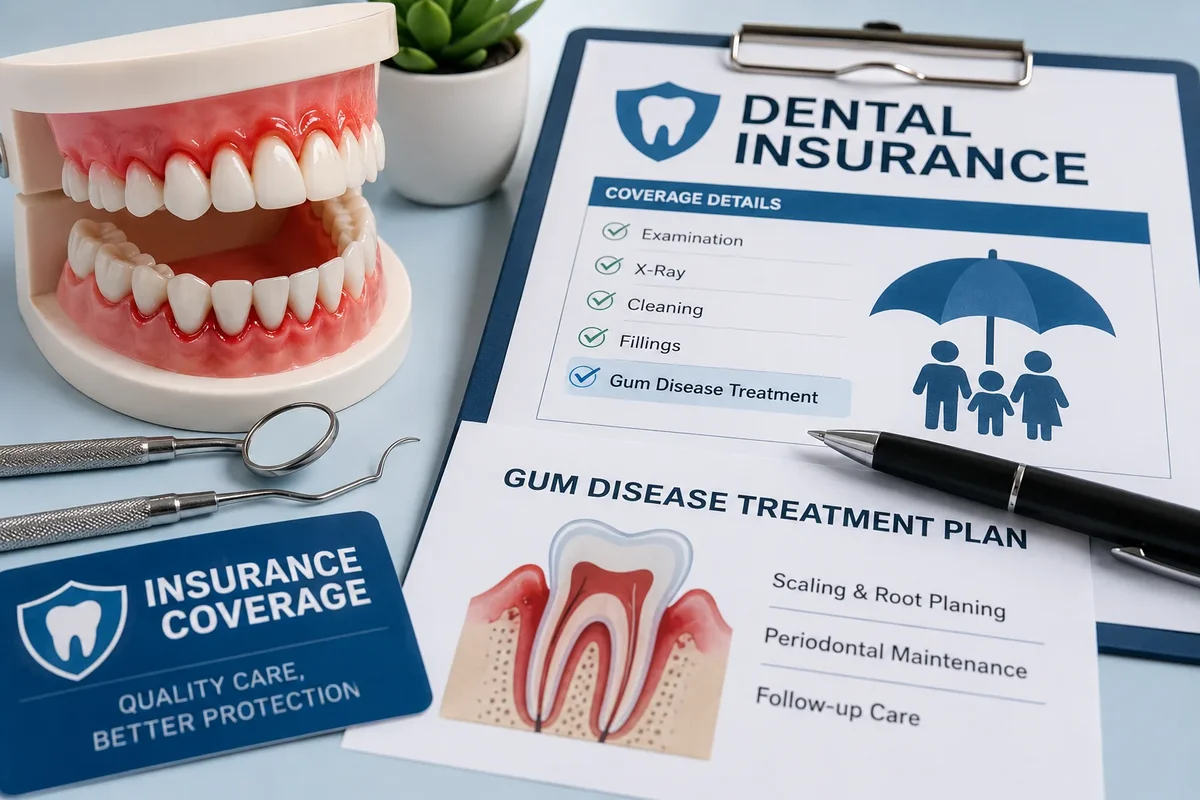
Final Decision Guide: How to Move Forward with Gum Disease Treatment Insurance Coverage
After reviewing the key aspects of gum disease treatment insurance coverage, you are in a much better position to make an informed decision about your oral health. While insurance benefits are an important consideration, they should be viewed as one part of a broader treatment plan rather than the only factor influencing your choice. The ideal approach combines a professional diagnosis, a clear understanding of your insurance benefits, realistic financial planning, and timely treatment based on your individual clinical needs.
Many patients spend weeks comparing insurance policies, reading online reviews, and researching treatment costs before scheduling a consultation. Although gathering information is valuable, no article or insurance summary can determine the condition of your gums or recommend the most appropriate treatment. Only a comprehensive examination can establish whether your symptoms represent early gingivitis, more advanced periodontitis, or another oral health condition. Understanding gum disease treatment insurance coverage helps you prepare financially, but a professional evaluation remains the foundation of every treatment decision.
Step 1: Confirm Your Diagnosis Before Comparing Costs
Before focusing on insurance percentages or payment options, make sure you have an accurate diagnosis. Two patients with similar symptoms may require very different treatment plans depending on the extent of gum inflammation, bone support, and periodontal pocket depth.
A comprehensive examination may include:
- A review of your medical and dental history.
- Assessment of gum bleeding and inflammation.
- Measurement of periodontal pockets.
- Evaluation of gum recession.
- Dental X-rays when clinically appropriate.
- Assessment of tooth stability.
- Discussion of your treatment goals.
This information allows your dentist to recommend appropriate care while providing the documentation that may support gum disease treatment insurance coverage.
Step 2: Understand Exactly What Your Insurance Includes
Do not rely on general assumptions about dental insurance. Even policies from the same insurance provider may offer different levels of coverage depending on the plan selected by the employer or individual policyholder.
Before treatment begins, ask your insurer or dental office to clarify:
- Which periodontal procedures may qualify for benefits.
- Your annual maximum benefit.
- Your remaining yearly balance.
- Any deductible requirements.
- Waiting periods that may apply.
- Whether preauthorization is recommended.
- Coverage for future periodontal maintenance visits.
Reviewing these details gives you a more realistic understanding of your gum disease treatment insurance coverage and reduces the likelihood of unexpected financial surprises.
Step 3: Balance Financial Planning with Clinical Priorities
Cost matters, but delaying treatment solely because insurance does not pay for every procedure may not always be in your best interest. Periodontal disease can progress if left untreated, potentially increasing the complexity of future care.
Instead of asking only, “How much will insurance pay?”, consider asking:
- How urgent is my treatment?
- Can treatment safely be completed in stages?
- Which procedures are the highest priority?
- Are there clinically appropriate alternatives?
- What financing options are available?
These questions encourage balanced decision-making while helping you use your gum disease treatment insurance coverage effectively.
Step 4: Choose a Clinic That Supports Long-Term Oral Health
The right dental provider should offer more than treatment alone. Look for a clinic that provides clear communication, individualized treatment planning, transparent cost discussions, and ongoing periodontal maintenance after active treatment has been completed.
Important qualities to consider include:
- Experience treating periodontal disease.
- Comprehensive diagnostic evaluations.
- Written treatment plans.
- Clear explanations of recommended procedures.
- Assistance with insurance documentation when appropriate.
- Long-term maintenance planning.
Choosing a provider based on quality of care rather than price alone often results in greater confidence throughout the treatment process.
Step 5: Prepare for Long-Term Maintenance
Successfully treating gum disease does not end with the final appointment. Periodontal maintenance is often an important part of protecting your long-term oral health. Depending on your individual condition, your dentist may recommend regular maintenance visits to monitor healing and reduce the likelihood of disease recurrence.
Ask whether your gum disease treatment insurance coverage includes benefits for periodontal maintenance, as these appointments may be covered differently from active treatment procedures.
Planning Treatment Abroad
If you are considering international dental care, verify your insurance policy before making travel arrangements. Some insurance providers reimburse eligible treatment completed abroad, while others have specific restrictions or documentation requirements.
Clinics experienced in treating international patients, including Redent Klinik, can generally provide detailed treatment plans, clinical records, and invoices that may assist with reimbursement requests where permitted by your insurance provider. If you would like to arrange a personalized consultation or discuss your treatment options, you can visit the Redent Klinik Contact Page.
Continue Using Reliable Educational Resources
Reliable information supports better healthcare decisions. Organizations such as the American Dental Association provide educational resources about periodontal disease, prevention, and oral hygiene. These materials are valuable for understanding general concepts but should always be considered alongside advice from your own dental professional.
Your Decision Should Be Based on Individual Needs
Every patient’s periodontal condition, financial situation, and insurance policy are unique. Rather than comparing your experience with someone else’s, focus on obtaining a personalized diagnosis and treatment plan. Understanding gum disease treatment insurance coverage allows you to ask informed questions, evaluate financing options when necessary, and move forward with greater confidence. The combination of professional guidance, careful financial planning, and timely treatment provides the strongest foundation for protecting your oral health.
What You Should Check Before Requesting Professional Advice
Before your consultation, gather your insurance information, review your policy’s annual maximums, deductibles, waiting periods, and covered periodontal procedures, and prepare a list of questions about your symptoms and treatment goals. Request a written treatment plan, ask for an estimate of potential insurance benefits, and discuss any financing options if appropriate. If you have persistent bleeding gums, gum recession, loose teeth, chronic bad breath, or discomfort while chewing, arrange a professional periodontal examination as soon as practical. A personalized evaluation is the most reliable way to determine the treatment that is appropriate for your condition and understand how gum disease treatment insurance coverage applies to your individual treatment plan.
Disclosure: this page may contain affiliate links. We may earn a commission if you use them, at no extra cost to you.