
If you are searching for gum disease treatment medicaid coverage, the short answer is that Medicaid may cover certain gum disease treatments, but the exact benefits depend on the state where you receive coverage, your eligibility category, your age, and whether the treatment is considered medically necessary. Some Medicaid programs provide comprehensive adult dental benefits, while others only cover emergency dental care or offer limited periodontal services. Because of these differences, understanding gum disease treatment medicaid coverage requires looking beyond a simple yes-or-no answer.
For many people, gum disease begins with mild inflammation known as gingivitis. At this stage, professional cleaning, improved oral hygiene, and routine dental visits may be enough to stop the disease from progressing. However, when untreated, gingivitis can develop into periodontitis, a more serious condition that damages the gums, bone, and supporting tissues around the teeth. In these situations, gum disease treatment medicaid coverage becomes an important consideration because periodontal treatment may involve several appointments and different procedures depending on the severity of the disease.
One of the most important things to understand about gum disease treatment medicaid coverage is that coverage is not identical across the United States. Medicaid is jointly funded by federal and state governments, allowing each state to establish its own adult dental benefit policies within federal guidelines. As a result, one person may receive coverage for periodontal scaling and root planing, while another person with the same dental condition in a different state may receive only emergency treatment benefits. This variation is why checking your individual Medicaid plan before beginning treatment is essential.
Many patients assume that all gum treatments are cosmetic, but this is generally not the case. Periodontal disease is a genuine oral health condition that can lead to tooth mobility, tooth loss, chronic inflammation, difficulty chewing, and reduced quality of life. When treatment is medically necessary, gum disease treatment medicaid coverage may include examinations, diagnostic X-rays, periodontal evaluations, deep cleaning procedures, maintenance visits, or other clinically appropriate services if they are included in your state’s Medicaid dental program.
Although Medicaid may help reduce treatment expenses, it is important not to delay care while waiting for insurance questions to be answered. Gum disease generally becomes more complex as it progresses. Earlier treatment often involves less invasive procedures than advanced disease management. If you notice bleeding gums, persistent bad breath, swollen gums, gum recession, loose teeth, or discomfort while brushing, scheduling a professional dental examination is usually a sensible next step regardless of your insurance status.
Another common question is whether gum disease treatment medicaid coverage applies equally to children and adults. In many states, children enrolled in Medicaid receive broader dental benefits through federally required programs, while adult dental coverage varies considerably. Some states provide preventive, diagnostic, and periodontal services, whereas others limit adult benefits to urgent or emergency situations. Because policies can change over time, the most reliable approach is to verify your specific benefits before treatment begins.
During your dental examination, the dentist will normally evaluate the condition of your gums, measure periodontal pocket depths, assess bone support with appropriate imaging when indicated, and recommend a treatment plan that matches your clinical findings. This treatment plan can also help determine whether the recommended services are likely to qualify under your available gum disease treatment medicaid coverage. Keep in mind that coverage decisions are based on plan rules rather than solely on the diagnosis itself.
If you are comparing dental providers, choosing a clinic experienced in periodontal care and insurance documentation may simplify the process. The dental team can often explain recommended procedures, discuss possible insurance benefits, and help you understand which parts of treatment may require additional financial planning. This allows you to make informed decisions without relying on assumptions about gum disease treatment medicaid coverage.
Reliable information is equally important. The American Dental Association provides educational resources about oral health, periodontal disease, and preventive dental care. These resources can help you better understand why early diagnosis matters and why professional treatment recommendations may differ from one patient to another.
If you are considering treatment abroad or exploring different treatment options, clinics that focus on comprehensive patient evaluations, such as Redent Klinik, typically begin with an individualized assessment before discussing treatment recommendations or expected costs. If you would like to ask questions about your own situation or learn what information you should prepare before a consultation, you can visit the Redent Klinik Contact Page. A personalized evaluation helps ensure that recommendations are based on your oral health findings rather than general assumptions.
Ultimately, gum disease treatment medicaid coverage should be viewed as one part of your overall treatment decision rather than the only deciding factor. Coverage can influence costs, but your long-term oral health depends on timely diagnosis, appropriate periodontal care, good home hygiene, and regular follow-up appointments. Waiting until symptoms become severe may reduce treatment options and increase the complexity of care.
Practical next step: Before making treatment decisions, contact your Medicaid plan to verify your current dental benefits, schedule a comprehensive periodontal examination, ask whether the recommended procedures are covered, and request a written treatment plan so you can clearly understand both your clinical needs and any potential out-of-pocket expenses before treatment begins.
Does Medicaid Cover Gum Disease Treatment? A Quick Answer
The most accurate answer to whether gum disease treatment medicaid coverage is available is: it depends on your state’s Medicaid dental program and your individual eligibility. Medicaid is administered by each state within federal guidelines, so dental benefits are not identical across the country. Some states provide comprehensive periodontal benefits for adults, while others only cover emergency dental services or offer limited preventive care. Because of this variation, understanding gum disease treatment medicaid coverage requires looking at your specific plan rather than relying on general information found online.
If you have recently been diagnosed with gingivitis or periodontitis, your first priority should be understanding the condition itself rather than focusing only on insurance. Gum disease is progressive, meaning that delaying treatment may increase the complexity of future care. While gum disease treatment medicaid coverage may reduce your financial responsibility in some situations, receiving an early diagnosis often has a greater impact on preserving your natural teeth than waiting until symptoms become severe.
What Treatments May Be Covered?
Coverage depends on medical necessity, clinical findings, and your state’s Medicaid rules. In many cases, gum disease treatment medicaid coverage may include one or more of the following services when they are considered appropriate:
- Comprehensive dental examinations
- Periodontal evaluations
- Dental X-rays when clinically indicated
- Scaling and root planing (deep cleaning)
- Periodontal maintenance appointments
- Treatment for dental infections related to gum disease
- Certain tooth extractions if they are medically necessary
Not every Medicaid plan includes every periodontal procedure. Some plans require prior authorization before treatment begins, while others limit the number of covered visits within a certain period. Your dentist can often explain which recommended procedures may qualify under your available gum disease treatment medicaid coverage, but final benefit decisions are made according to your insurance policy.
Why State Medicaid Programs Differ
One of the biggest sources of confusion about gum disease treatment medicaid coverage is the assumption that every Medicaid recipient receives identical benefits. In reality, states determine many aspects of adult dental coverage. For example, one state may include routine periodontal therapy, while another may only provide emergency treatment for severe pain or infection.
This means that reading someone else’s experience online may not accurately reflect your own benefits. Even two patients with similar gum disease can receive different insurance decisions if they live in different states or have different Medicaid eligibility categories.
How Dentists Determine Medical Necessity
Dentists generally do not recommend periodontal treatment based only on visible symptoms. They perform a detailed clinical evaluation that may include measuring periodontal pocket depths, checking gum bleeding, evaluating tooth mobility, reviewing dental X-rays, and assessing bone support around the teeth.
If these findings show active periodontal disease, the dentist prepares an individualized treatment plan. That documentation is often an important part of determining whether gum disease treatment medicaid coverage applies under your specific plan.
Common Symptoms That Should Not Be Ignored
- Bleeding during brushing or flossing
- Swollen or tender gums
- Persistent bad breath
- Receding gums
- Loose teeth
- Pain while chewing
- Pus around the gums
These symptoms do not automatically mean advanced periodontitis, but they do indicate that a professional examination is appropriate. Waiting for symptoms to become painful is generally not recommended because gum disease can progress gradually without causing significant discomfort.
Should You Delay Treatment Until Coverage Is Confirmed?
Many patients hesitate to schedule an appointment because they are unsure about gum disease treatment medicaid coverage. While confirming benefits is financially sensible, delaying a professional evaluation may allow gum disease to worsen. A consultation provides valuable information even before treatment begins. The dentist can explain the severity of the condition, discuss available treatment options, estimate the likely number of visits, and identify which procedures may require insurance verification.
If your Medicaid benefits are limited, your dental provider may also discuss alternative treatment sequencing, preventive strategies, or payment options that allow care to proceed in a manageable way. Every patient’s situation is different, so treatment decisions should balance oral health needs with financial considerations.
How to Prepare Before Your Appointment
If you want to make the most of your consultation, gather as much information as possible beforehand. Bring your Medicaid identification card, a list of current medications, information about previous dental treatment, and any recent dental X-rays if available.
You may also want to prepare questions such as:
- Which periodontal procedures are recommended?
- Why are these treatments necessary?
- Which services are likely to fall under my gum disease treatment medicaid coverage?
- Will prior authorization be required?
- What happens if additional treatment becomes necessary?
- How often should periodontal maintenance visits be scheduled?
Having these questions answered early helps you make informed decisions rather than relying on assumptions or incomplete insurance information.
Making the Right Decision
Insurance coverage is an important consideration, but it should not be the only factor guiding your treatment decisions. Preserving healthy gums and supporting structures around your teeth often depends on receiving timely professional care, maintaining excellent oral hygiene at home, and attending recommended follow-up visits.
If you would like a personalized assessment of your periodontal condition, clinics such as Redent Klinik can explain recommended treatment options, discuss the information you should verify with your insurance provider, and help you understand the clinical findings before making any treatment decisions. Every recommendation should be based on an individual examination rather than assumptions about gum disease treatment medicaid coverage.
Before moving forward, check: your state’s Medicaid dental benefits, whether prior authorization is required, which periodontal procedures are included, and whether your chosen dental provider accepts your Medicaid plan. Request professional dental advice promptly if you experience persistent bleeding gums, gum recession, loose teeth, swelling, or signs of infection, as these symptoms deserve a comprehensive periodontal evaluation.
What Determines Gum Disease Treatment Medicaid Coverage?
Many people assume that gum disease treatment medicaid coverage is determined by a single nationwide rule, but the reality is much more complex. Whether Medicaid contributes toward periodontal treatment depends on several factors working together. These include your state’s Medicaid dental program, your eligibility category, the severity of your gum disease, the type of treatment recommended, whether the procedure is considered medically necessary, and whether your dentist participates in your Medicaid plan. Understanding these factors before treatment begins can help you make informed decisions and avoid unexpected delays.
If your dentist recommends periodontal therapy, do not assume that every procedure will automatically be covered or automatically excluded. Instead, ask how your treatment plan relates to your specific gum disease treatment medicaid coverage. Having this conversation early gives you time to understand possible insurance benefits, prepare financially if necessary, and schedule treatment before the disease progresses.
State Medicaid Rules Play the Biggest Role
The first and most significant factor affecting gum disease treatment medicaid coverage is where you live. Although Medicaid is funded jointly by federal and state governments, each state has flexibility in determining adult dental benefits. As a result, the scope of periodontal services available through Medicaid varies considerably.
Some states provide comprehensive preventive and periodontal benefits, including examinations, diagnostic imaging, scaling and root planing, and periodontal maintenance when clinically appropriate. Other states offer only limited adult dental services or emergency treatment. These differences explain why information found online may not accurately reflect your own benefits.
Because state policies can change over time, reviewing your current Medicaid handbook or contacting your Medicaid administrator is often the most reliable way to understand your available gum disease treatment medicaid coverage.
Medical Necessity Is Often a Key Requirement
Another major factor is whether the proposed treatment is considered medically necessary. Medicaid programs commonly distinguish between procedures that improve oral health and those performed primarily for cosmetic reasons. Periodontal disease is a genuine health condition, but documentation is usually required to demonstrate why treatment is needed.
Your dentist may collect information such as:
- Periodontal pocket measurements
- Bleeding during probing
- Clinical attachment loss
- Bone loss visible on dental X-rays
- Tooth mobility
- Signs of active infection or inflammation
- Your medical and dental history
This documentation supports the treatment recommendation and may also assist when determining eligibility under your gum disease treatment medicaid coverage. However, meeting clinical criteria does not necessarily guarantee insurance approval because every Medicaid program has its own policies.
The Recommended Procedure Matters
Not every periodontal treatment is evaluated in the same way. The specific procedure recommended by your dentist can influence whether gum disease treatment medicaid coverage may apply.
Commonly Recommended Periodontal Services
- Comprehensive oral examination
- Periodontal evaluation
- Dental X-rays when clinically indicated
- Scaling and root planing (deep cleaning)
- Periodontal maintenance visits
- Localized infection management
- Referral to a periodontal specialist when appropriate
More advanced periodontal procedures, including certain surgical treatments, may have different coverage criteria depending on your state’s Medicaid rules. In some cases, prior authorization may be required before treatment begins.
Provider Participation Can Affect Your Benefits
Even if your Medicaid plan includes periodontal services, benefits often depend on whether your dental provider accepts your specific Medicaid plan. Some dentists participate in selected Medicaid programs, while others do not.
Before scheduling treatment, ask:
- Does this office participate in my Medicaid plan?
- Can the office verify my gum disease treatment medicaid coverage?
- Will they submit claims directly?
- Is prior authorization handled by the office?
- Will I receive a written treatment estimate?
Clarifying these details before treatment reduces misunderstandings and helps you plan the next steps more confidently.
Your Oral Health Status Also Influences Treatment Planning
Insurance is only one part of the decision-making process. Your dentist will recommend treatment based primarily on your clinical condition. Patients with mild gingivitis often require different care than patients with advanced periodontitis involving bone loss or loose teeth.
Even when gum disease treatment medicaid coverage is available, the treatment plan should reflect your individual needs rather than attempting to fit treatment around insurance benefits alone. Delaying necessary care solely because of uncertainty about coverage may allow periodontal disease to progress further.
Questions Worth Asking During Your Consultation
A productive dental consultation should provide more than a diagnosis. It should help you understand both your oral health condition and the practical aspects of treatment.
Consider asking questions such as:
- How advanced is my gum disease?
- Which treatments are recommended first?
- Which procedures may fall under my gum disease treatment medicaid coverage?
- Are there conservative options if coverage is limited?
- Will periodontal maintenance be necessary after treatment?
- How can I reduce the risk of disease progression at home?
These discussions allow you to balance treatment timing, expected visits, financial planning, and long-term oral health goals.
Making an Informed Decision
Choosing when and where to begin periodontal treatment should involve both clinical advice and practical planning. If your Medicaid benefits appear limited, it does not necessarily mean treatment must stop. Your dentist may recommend prioritizing the most urgent procedures first, improving home oral hygiene, scheduling regular reviews, or discussing phased treatment when appropriate.
Clinics experienced in comprehensive periodontal assessments, such as Redent Klinik, typically focus on developing an individualized treatment plan based on your examination findings. They can also help explain the documentation you may need when discussing gum disease treatment medicaid coverage with your insurance provider. This patient-centered approach supports informed decision-making without making assumptions about eligibility or final benefits.
Before proceeding with treatment, check your current Medicaid dental benefits, confirm that your chosen provider accepts your plan, ask whether prior authorization is necessary, and request a written treatment plan outlining recommended procedures. You should seek professional dental advice promptly if you notice persistent bleeding gums, gum recession, loose teeth, swelling, ongoing bad breath, or discomfort, as these signs may indicate active periodontal disease that requires a comprehensive clinical evaluation.
Who Qualifies for Gum Disease Treatment Medicaid Coverage?
Understanding who qualifies for gum disease treatment medicaid coverage is just as important as understanding what treatments may be covered. Many people assume that simply having Medicaid automatically provides access to every dental service, but eligibility for periodontal treatment depends on several factors. These include your Medicaid enrollment category, your state’s adult dental benefits, your age, your clinical diagnosis, and whether the recommended treatment meets your state’s coverage requirements. Knowing how these factors work together allows you to make informed decisions before beginning periodontal care.
If your dentist has diagnosed gum disease, your next step should not be to guess whether treatment is covered. Instead, verify your individual benefits while continuing the diagnostic process. Early evaluation often provides more treatment choices, regardless of your insurance situation. Delaying care solely because you are uncertain about gum disease treatment medicaid coverage may allow gum disease to progress, increasing the complexity of future treatment.
Medicaid Eligibility Does Not Automatically Mean Full Dental Benefits
One of the most common misunderstandings surrounding gum disease treatment medicaid coverage is that every Medicaid beneficiary receives identical dental benefits. In reality, Medicaid eligibility and dental benefits are related but separate issues.
You may qualify for Medicaid based on factors such as:
- Household income
- Family status
- Pregnancy
- Age
- Disability status
- Other state-specific eligibility requirements
However, qualifying for Medicaid does not necessarily mean every periodontal procedure will be covered. Your state’s Medicaid dental program determines which services are included for adults, while federal rules provide broader dental protections for many children through the Early and Periodic Screening, Diagnostic and Treatment (EPSDT) benefit.
Adult and Children’s Benefits May Be Different
Another important factor affecting gum disease treatment medicaid coverage is the patient’s age. In many states, children enrolled in Medicaid receive comprehensive dental services designed to support healthy development. Adults, however, may have more limited benefits depending on state regulations.
Some states provide extensive adult periodontal care, while others cover only emergency treatment or urgent procedures intended to relieve pain or infection. Because policies differ significantly, reviewing your state’s current Medicaid dental handbook is one of the most effective ways to understand your available benefits.
Clinical Diagnosis Influences Coverage Decisions
Your dentist’s diagnosis plays an essential role in determining whether recommended periodontal care may qualify under gum disease treatment medicaid coverage. Insurance decisions are generally based on documented clinical findings rather than symptoms alone.
A comprehensive periodontal examination may include:
- Review of your medical history
- Assessment of gum inflammation
- Measurement of periodontal pocket depths
- Evaluation of gum recession
- Assessment of tooth mobility
- Dental X-rays when clinically indicated
- Documentation of bone support around the teeth
These findings help your dentist prepare a treatment plan that explains why periodontal therapy is recommended. Although proper documentation is important, it does not guarantee approval because every Medicaid program follows its own benefit policies.
Does Disease Severity Matter?
Yes. The severity of periodontal disease often affects the type of treatment recommended and may influence how gum disease treatment medicaid coverage is evaluated.
Mild Gingivitis
Patients with early gum inflammation may benefit from professional cleaning, improved home oral hygiene, and regular preventive care. Early treatment may reduce the likelihood of developing more advanced periodontal disease.
Moderate Periodontitis
When inflammation extends below the gumline, dentists may recommend scaling and root planing, more frequent periodontal evaluations, and ongoing maintenance visits. Whether these procedures are covered depends on your Medicaid benefits and clinical documentation.
Advanced Periodontitis
Patients with significant bone loss, gum recession, or loose teeth may require more complex treatment planning. In some situations, referral to a periodontal specialist may be appropriate. Insurance requirements for advanced procedures often differ from those for routine periodontal care.
Provider Participation Is Also Important
Even if your Medicaid plan includes periodontal services, you should verify that your chosen dental provider accepts your specific Medicaid plan. Some practices participate in certain Medicaid programs but not others.
Before scheduling treatment, consider asking:
- Do you accept my Medicaid plan?
- Can your office verify my gum disease treatment medicaid coverage?
- Will prior authorization be required?
- Can I receive a written treatment plan before starting care?
- What costs might not be covered by my plan?
Having these discussions before treatment begins helps reduce uncertainty and allows you to prepare for any additional financial responsibilities that may arise.
How Your Overall Health May Influence Treatment
While Medicaid eligibility focuses on insurance rules, your dentist also considers your overall health when recommending periodontal treatment. Medical conditions such as diabetes, smoking history, certain medications, immune system disorders, and previous periodontal disease may influence treatment planning and long-term maintenance recommendations.
This does not necessarily change your gum disease treatment medicaid coverage, but it may affect the number of appointments required, the type of periodontal therapy recommended, and the importance of regular follow-up visits.
Making the Right Decision Before Treatment
Insurance should support your treatment decisions—not replace professional clinical judgment. If you qualify for Medicaid, begin by confirming your current dental benefits, scheduling a comprehensive periodontal examination, and requesting a written explanation of the recommended procedures. This information allows you to compare your clinical needs with your available insurance benefits and make informed choices without delaying necessary care.
If you would like a personalized evaluation, clinics such as Redent Klinik can assess your periodontal health, explain your treatment options, and help you understand which questions to discuss with your Medicaid administrator before treatment begins. Every patient’s oral health condition is different, and recommendations should always be based on a comprehensive examination rather than assumptions about gum disease treatment medicaid coverage.
Before moving forward, check your current Medicaid eligibility status, review your state’s adult dental benefits, confirm that your dental provider participates in your Medicaid plan, and ask whether prior authorization is required for recommended periodontal procedures. Request professional dental advice as soon as possible if you experience persistent bleeding gums, swelling, gum recession, loose teeth, or ongoing signs of periodontal disease, as early evaluation often provides the widest range of treatment options.
How the Gum Disease Treatment Process Affects Medicaid Coverage
The treatment process for periodontal disease is not only important for your oral health—it can also influence how gum disease treatment medicaid coverage is evaluated. Medicaid programs generally review the type of treatment being recommended, the clinical findings documented by the dentist, and whether the proposed procedure is considered medically necessary under your state’s dental benefit guidelines. Understanding how treatment progresses from diagnosis to maintenance allows you to prepare for both the clinical and financial aspects of care.
If you have recently been told that you have gum disease, it is helpful to think of treatment as a series of steps rather than a single procedure. Each phase serves a different purpose, and each phase may be evaluated differently under gum disease treatment medicaid coverage. Knowing what happens during each stage can help you ask better questions and make more informed decisions before treatment begins.
Step 1: Comprehensive Examination and Diagnosis
The first stage of periodontal treatment is a detailed examination. Your dentist needs to determine whether your symptoms are caused by gingivitis, periodontitis, or another oral health condition. This diagnosis forms the foundation of your treatment plan and may also provide the documentation needed when evaluating gum disease treatment medicaid coverage.
During this visit, the dentist may perform:
- A complete review of your dental and medical history
- A visual examination of the gums and teeth
- Periodontal pocket measurements
- Evaluation of bleeding and inflammation
- Assessment of gum recession
- Dental X-rays when clinically appropriate
- Evaluation of bone support around the teeth
This information helps determine both the severity of the disease and the most appropriate treatment approach. While these findings support insurance documentation, coverage decisions ultimately depend on your Medicaid plan.
Step 2: Creating an Individualized Treatment Plan
After the examination, your dentist develops a treatment plan based on your clinical condition. Two patients with similar symptoms may receive different recommendations depending on the amount of bone loss, the number of affected teeth, overall health, and previous dental history.
The treatment plan typically explains:
- The diagnosis
- The recommended procedures
- The expected sequence of treatment
- The need for follow-up appointments
- Possible long-term periodontal maintenance
This document is also useful when discussing gum disease treatment medicaid coverage because it clearly outlines why each procedure has been recommended.
Step 3: Non-Surgical Periodontal Treatment
For many patients, the first active stage of treatment involves non-surgical periodontal therapy. The most common procedure is scaling and root planing, often referred to as deep cleaning.
What Is Scaling and Root Planing?
Scaling removes plaque and tartar from below the gumline, while root planing smooths the root surfaces to encourage healthier gum attachment and make it more difficult for bacteria to accumulate. Whether this procedure falls under gum disease treatment medicaid coverage depends on your state’s Medicaid dental benefits, the documented severity of the disease, and any prior authorization requirements.
Patients sometimes wonder whether a routine dental cleaning and deep cleaning are the same procedure. They are not. Routine cleanings are generally intended for healthy gums or mild gingivitis, while scaling and root planing is recommended for patients with clinical signs of periodontitis.
Step 4: Re-Evaluation After Initial Treatment
Once the initial periodontal therapy has been completed, your dentist typically schedules a follow-up evaluation. This appointment allows the dental team to assess how your gums have responded to treatment and determine whether additional care is needed.
During this stage, your dentist may:
- Measure periodontal pockets again
- Evaluate healing
- Assess improvements in gum inflammation
- Review your oral hygiene routine
- Recommend periodontal maintenance or further treatment if necessary
Some Medicaid programs evaluate follow-up care differently from initial treatment, making it worthwhile to ask how continued gum disease treatment medicaid coverage applies after your first phase of therapy.
Step 5: Long-Term Periodontal Maintenance
Successful gum disease treatment does not necessarily end after one deep cleaning. Periodontal disease is a chronic condition for many patients, meaning that long-term maintenance plays an important role in preserving gum health.
Maintenance appointments may include:
- Professional plaque and tartar removal
- Monitoring of periodontal pocket depths
- Evaluation of gum stability
- Reinforcement of home oral hygiene techniques
- Assessment for signs of disease recurrence
Coverage for maintenance visits varies between Medicaid programs. Some plans may include periodontal maintenance under specific circumstances, while others may have limitations regarding frequency or eligibility.
What Happens If Additional Treatment Is Needed?
Not every patient responds to initial periodontal therapy in the same way. If signs of active disease remain after non-surgical treatment, your dentist may discuss additional options. Depending on your clinical findings, these could include referral to a periodontist, further periodontal therapy, or continued monitoring.
Because treatment recommendations are individualized, gum disease treatment medicaid coverage may also differ depending on the complexity of the proposed procedures. Asking your dental office whether additional authorization or documentation is required before proceeding can help prevent unnecessary delays.
Making Practical Decisions Throughout Treatment
Insurance should be viewed as a planning tool rather than the primary factor determining your care. Delaying recommended treatment because coverage has not yet been confirmed may increase the likelihood of disease progression. Instead, work with your dental provider to understand the recommended sequence of care, verify benefits with your Medicaid administrator, and request a written estimate whenever possible.
If you are seeking a comprehensive evaluation, clinics such as Redent Klinik emphasize individualized treatment planning based on detailed clinical examinations. This approach helps patients understand both their oral health needs and the practical questions they should discuss regarding gum disease treatment medicaid coverage. A personalized consultation also provides an opportunity to review alternative treatment approaches if insurance limitations affect the recommended plan.
Before starting treatment, check whether your examination, deep cleaning, follow-up visits, and periodontal maintenance appointments are included in your Medicaid benefits. Confirm whether prior authorization is required, ask for a written treatment plan, and request professional dental advice promptly if you notice persistent bleeding, swelling, loose teeth, gum recession, or signs that your periodontal condition is worsening despite home care.
Costs, Limitations, and Out-of-Pocket Expenses to Expect
For many patients, one of the biggest concerns about gum disease treatment medicaid coverage is understanding what they may have to pay themselves. While Medicaid can reduce treatment costs in many situations, it is important to remember that coverage is not identical across every state or every Medicaid plan. The amount you may pay out of pocket depends on the services recommended, your state’s adult dental benefits, provider participation, and whether certain procedures require prior authorization. Rather than assuming treatment will be completely free or completely uncovered, it is better to understand how costs are typically determined.
If you have recently been diagnosed with gingivitis or periodontitis, focusing only on the price can sometimes delay necessary care. Early periodontal treatment is often less complex than treatment for advanced disease. Although gum disease treatment medicaid coverage can help reduce financial barriers for eligible patients, postponing treatment may increase the amount of care needed later. A balanced decision should consider both your current oral health and your available insurance benefits.
Why Treatment Costs Vary
No dentist can provide an accurate treatment cost before completing a clinical examination. Periodontal disease ranges from mild gum inflammation to advanced bone loss, and each patient requires an individualized treatment plan. For this reason, discussions about gum disease treatment medicaid coverage should always begin after your dentist has identified the extent of the disease and recommended appropriate treatment.
Several factors influence the overall cost of periodontal care:
- The severity of gum disease
- The number of teeth or areas requiring treatment
- The type of periodontal procedures recommended
- Whether treatment can be completed non-surgically or requires referral to a specialist
- The number of follow-up and maintenance appointments
- Your state’s Medicaid dental benefits
- Whether your provider participates in your Medicaid plan
Because every treatment plan is different, final costs should only be discussed after a professional examination and personalized treatment planning.
What Expenses May Still Be Your Responsibility?
Even when gum disease treatment medicaid coverage applies, there may be situations where certain expenses remain the patient’s responsibility. This does not necessarily mean the treatment is unaffordable, but it highlights the importance of reviewing your benefits before beginning care.
Possible out-of-pocket expenses may include:
- Procedures not included in your state’s Medicaid benefits
- Treatments requiring services beyond covered limits
- Appointments exceeding annual coverage allowances where applicable
- Services performed by providers outside your Medicaid network
- Additional periodontal procedures not approved under your plan
Not every patient will encounter these situations, but asking your dental office to explain potential financial responsibilities before treatment begins helps prevent unexpected surprises.
Can Prior Authorization Affect Costs?
Yes. Some Medicaid programs require prior authorization before certain periodontal procedures are performed. This process allows the insurance administrator to review clinical documentation and determine whether the proposed treatment meets coverage requirements.
Prior authorization does not automatically mean treatment will be approved or denied. Instead, it is simply one step in evaluating gum disease treatment medicaid coverage. Your dental office often assists by submitting clinical notes, periodontal measurements, radiographs when appropriate, and the proposed treatment plan.
Until authorization decisions are received, your dentist can usually explain the possible financial scenarios so you understand your options before treatment begins.
The Cost of Delaying Treatment
Many patients delay treatment because they are uncertain about insurance benefits. While this concern is understandable, postponing periodontal care may allow gum disease to progress. Mild gingivitis can develop into periodontitis, increasing the complexity of future treatment and potentially requiring additional procedures that might not have been necessary if intervention had occurred earlier.
Although gum disease treatment medicaid coverage may reduce treatment expenses for eligible services, preserving healthy gums and supporting bone often depends on timely professional care rather than waiting for symptoms to become severe.
Financial Planning Tips
Instead of focusing only on immediate costs, consider creating a treatment plan that balances clinical urgency with your financial situation.
- Verify your Medicaid benefits before scheduling treatment.
- Ask for a written treatment plan.
- Request a written estimate whenever available.
- Confirm whether prior authorization is required.
- Discuss phased treatment if multiple procedures are recommended.
- Continue excellent home oral hygiene to support treatment success.
These steps often make treatment planning more manageable and reduce uncertainty throughout the process.
Comparing Dental Providers
Choosing a dental provider based only on price is rarely the best long-term strategy. Experience with periodontal diagnosis, treatment planning, and Medicaid documentation may be equally important. A provider who clearly explains recommended procedures and insurance considerations allows you to make informed decisions based on both clinical findings and practical financial information.
When comparing providers, consider asking:
- Do you participate in my Medicaid plan?
- Can your office verify my gum disease treatment medicaid coverage before treatment?
- Will I receive a written explanation of recommended procedures?
- Are there treatment phases if all procedures cannot be completed immediately?
- How often will follow-up appointments be required?
These questions provide a clearer understanding of your overall treatment journey rather than focusing solely on initial costs.
Balancing Cost and Long-Term Oral Health
While financial considerations are important, they should be balanced with your long-term oral health goals. Untreated periodontal disease may increase the risk of tooth mobility, gum recession, bone loss, and eventual tooth loss. Addressing problems earlier may reduce the need for more extensive treatment in the future, although every patient’s condition is unique.
If you are seeking a personalized assessment, clinics such as Redent Klinik begin with a comprehensive periodontal evaluation before discussing treatment recommendations or financial considerations. This approach allows patients to understand the severity of their condition, review available options, and identify the questions they should ask regarding gum disease treatment medicaid coverage. Individual treatment planning helps ensure that recommendations are based on clinical findings rather than assumptions about insurance benefits.
Making the Right Financial Decision
The most practical approach is to combine insurance verification with professional diagnosis. Confirm your Medicaid benefits, obtain a written treatment plan, discuss any procedures that may not be covered, and ask whether treatment can be completed in phases if necessary. This allows you to make informed decisions without delaying important periodontal care.
Before starting treatment, check whether your Medicaid plan covers examinations, periodontal evaluations, deep cleaning, maintenance appointments, and any recommended follow-up procedures. Ask your dental provider to explain possible out-of-pocket expenses before treatment begins, and request professional dental advice promptly if you experience persistent bleeding gums, swelling, gum recession, loose teeth, or signs of worsening periodontal disease.
Alternatives When Gum Disease Treatment Medicaid Coverage Is Limited
Not every patient will have comprehensive gum disease treatment medicaid coverage, and discovering that certain procedures are not fully included can feel discouraging. However, limited insurance benefits do not necessarily mean you have no treatment options. In many cases, there are practical alternatives that allow you to begin protecting your oral health while planning for future care. The key is to make decisions based on your clinical needs rather than postponing treatment indefinitely because of financial uncertainty.
If your dentist recommends periodontal therapy but your Medicaid plan provides only partial benefits, the first step is to understand exactly which procedures are covered and which are not. Many patients are surprised to learn that diagnostic examinations or initial periodontal treatment may be covered even when certain advanced procedures are not. Understanding your specific gum disease treatment medicaid coverage allows you to prioritize treatment in a logical and financially manageable way.
Begin With a Comprehensive Examination
Even if you are concerned about treatment costs, avoiding a professional examination is rarely the best decision. A comprehensive evaluation helps determine whether your condition is mild gingivitis, moderate periodontitis, or advanced periodontal disease. Without an accurate diagnosis, it is impossible to choose the most appropriate treatment strategy.
The examination typically includes:
- Assessment of gum inflammation
- Measurement of periodontal pocket depths
- Evaluation of gum recession
- Review of medical history
- Dental X-rays when clinically indicated
- Assessment of tooth mobility and bone support
This information helps both you and your dentist decide which procedures are most urgent, regardless of your available gum disease treatment medicaid coverage.
Prioritize the Most Important Treatment First
If insurance limitations prevent immediate completion of every recommended procedure, your dentist may suggest phased treatment. Rather than delaying everything, treatment is organized according to clinical priority.
Examples of Treatment Priorities
- Managing active infection or inflammation
- Treating areas with the greatest periodontal damage
- Completing deep cleaning where it is most urgently needed
- Improving daily oral hygiene before additional procedures
- Scheduling maintenance appointments to monitor progress
This approach allows patients to begin addressing gum disease while continuing to plan for future care. The exact sequence depends on your individual diagnosis rather than insurance benefits alone.
Improve Home Oral Hygiene
Professional treatment and home care work together. Although brushing and flossing cannot reverse advanced periodontitis by themselves, they remain essential parts of managing periodontal disease.
Your dentist may recommend:
- Brushing twice daily using proper technique
- Cleaning between teeth every day
- Using products recommended for your individual condition
- Stopping tobacco use if applicable
- Maintaining regular professional reviews
Excellent home care supports every stage of periodontal treatment and remains important whether or not gum disease treatment medicaid coverage fully applies.
Discuss Alternative Treatment Timing
Some periodontal treatment plans can be completed over several appointments rather than all at once. While urgent conditions should generally be treated promptly, your dentist may recommend scheduling certain procedures over time if this is clinically appropriate.
This strategy can help patients:
- Spread treatment over multiple visits
- Coordinate care with insurance benefit periods when applicable
- Plan financially for procedures that may not be covered
- Reduce stress by focusing on one treatment phase at a time
The best timing depends on the severity of your periodontal disease and your dentist’s clinical judgment.
Consider Referral When Appropriate
In some situations, your general dentist may recommend consultation with a periodontist, especially if gum disease has progressed significantly or if specialized treatment may provide additional benefit. Referral does not necessarily mean your condition is untreatable; it simply ensures that your case receives evaluation by the most appropriate professional.
If a referral is recommended, ask whether it may influence your gum disease treatment medicaid coverage or whether additional authorization is required before specialist treatment begins.
Communicate With Your Medicaid Administrator
Patients sometimes rely only on information from internet forums or social media when trying to understand insurance benefits. A more reliable approach is to verify your own coverage directly with your Medicaid administrator.
Useful questions include:
- Which periodontal services are covered?
- Is prior authorization required?
- Are specialist referrals covered?
- How often are periodontal maintenance visits eligible?
- Which participating providers are available in my area?
Obtaining accurate answers helps you compare your dentist’s treatment recommendations with your available gum disease treatment medicaid coverage.
Do Not Ignore Early Symptoms
One of the biggest mistakes patients make is assuming that treatment should wait until insurance coverage improves. Unfortunately, periodontal disease often progresses gradually. Bleeding gums, swelling, persistent bad breath, gum recession, or loose teeth should not be ignored simply because insurance questions remain unresolved.
Even if complete treatment cannot begin immediately, receiving a professional diagnosis allows your dentist to monitor the condition and recommend the most appropriate next steps based on your individual situation.
Making the Best Long-Term Decision
The goal is not simply to find insurance coverage—it is to preserve healthy teeth and gums for the future. When gum disease treatment medicaid coverage is limited, combining professional diagnosis, careful treatment planning, excellent home care, and clear communication with your insurance provider often produces the most practical path forward.
Clinics such as Redent Klinik emphasize individualized periodontal evaluations so that treatment recommendations are based on clinical findings rather than assumptions about insurance. During a consultation, patients can discuss treatment priorities, possible alternatives, expected maintenance needs, and the questions they should ask their Medicaid administrator before making final decisions. This approach supports informed planning while recognizing that every patient’s oral health condition is unique.
Before choosing an alternative approach, check which periodontal services your Medicaid plan currently covers, whether phased treatment is clinically appropriate, and whether referrals or prior authorization are required. Request professional dental advice promptly if your symptoms worsen, bleeding continues despite good oral hygiene, teeth become loose, swelling increases, or you notice signs of infection, as these changes may require timely periodontal evaluation regardless of your insurance situation.
Financing Options Beyond Gum Disease Treatment Medicaid Coverage
Although gum disease treatment medicaid coverage may help many eligible patients reduce treatment costs, there are situations where Medicaid benefits are limited or do not include every recommended periodontal procedure. This does not necessarily mean treatment must be postponed indefinitely. Understanding the financing options available outside of Medicaid can help you protect your oral health while managing expenses responsibly. The goal is not simply to find the least expensive solution but to choose an approach that supports timely treatment and long-term oral health.
If your dentist recommends periodontal therapy that extends beyond your available gum disease treatment medicaid coverage, begin by asking for a written treatment plan. This document provides a clear explanation of the recommended procedures, their clinical purpose, and the likely sequence of treatment. With this information, you can better evaluate financing options and prioritize care according to both your oral health needs and your budget.
Understand Exactly What Medicaid Covers First
Before exploring additional financing methods, make sure you fully understand your existing benefits. Some patients assume they have no coverage when, in fact, certain examinations, diagnostic services, or non-surgical periodontal procedures may already be included.
Ask your dental office and Medicaid administrator questions such as:
- Which periodontal procedures are currently covered?
- Are there annual benefit limitations?
- Is prior authorization required?
- Will follow-up maintenance visits be covered?
- Are specialist referrals included?
Having these answers allows you to identify the gap between your recommended treatment plan and your available gum disease treatment medicaid coverage.
Ask About Payment Plans
Many dental practices understand that comprehensive periodontal treatment may represent a significant financial commitment. Some offices offer payment arrangements that allow eligible patients to spread treatment expenses over time rather than paying the entire amount before care begins.
When discussing payment plans, consider asking:
- Can treatment be divided into multiple phases?
- Are payments scheduled monthly?
- Can urgent treatment begin before every procedure is completed?
- Will the office provide a written financial agreement?
Availability varies between practices, so it is always best to discuss payment options directly with your chosen provider rather than assuming every office offers the same arrangements.
Consider Phased Treatment
If immediate completion of every recommended procedure is not financially practical, phased treatment may be an appropriate option when your dentist determines that it is clinically suitable. This approach focuses first on the most urgent periodontal needs before addressing additional treatment over time.
Benefits of Phased Treatment
- Allows urgent periodontal problems to be treated earlier.
- Provides time for financial planning.
- Helps patients coordinate treatment with insurance benefits where applicable.
- Reduces the pressure of completing every procedure during a single period.
Not every treatment plan can be delayed safely, so the timing of each phase should always be determined by your dentist’s clinical assessment rather than financial considerations alone.
Health Savings and Flexible Spending Accounts
Some patients who do not rely exclusively on Medicaid may also have access to Health Savings Accounts (HSAs) or Flexible Spending Accounts (FSAs) through their employment or family coverage. Depending on applicable regulations and eligibility, these accounts may help pay for qualifying dental expenses that fall outside gum disease treatment medicaid coverage.
If you have access to one of these accounts, ask your benefits administrator which periodontal services qualify and what documentation may be required before using available funds.
Dental Discount Plans
In certain situations, dental discount programs may provide reduced fees for participating providers. These programs are different from insurance and usually involve membership arrangements rather than reimbursement for treatment.
Before enrolling, compare:
- The participating provider network.
- The services included.
- Any membership fees.
- The estimated reduction for periodontal procedures.
- Whether your preferred dentist participates.
These programs may be helpful for some patients, but they should be evaluated carefully alongside your existing gum disease treatment medicaid coverage to determine whether they provide meaningful value for your particular treatment plan.
Why Delaying Treatment May Increase Overall Costs
One of the most important financial considerations is that delaying periodontal care can sometimes increase the amount of treatment required later. Gum disease often progresses gradually, and advanced periodontal disease may require more complex management than early-stage gingivitis.
Although every patient’s condition is unique, early diagnosis and appropriate professional care may reduce the likelihood of complications associated with untreated periodontal disease. This is why treatment decisions should balance current financial concerns with long-term oral health goals rather than relying solely on the availability of gum disease treatment medicaid coverage.
Choosing a Dental Provider Who Explains Your Options
Financial planning becomes much easier when your dental provider explains treatment recommendations clearly. Look for a practice that provides:
- A comprehensive periodontal examination.
- A written treatment plan.
- An explanation of treatment priorities.
- Transparent discussion of estimated expenses.
- Assistance understanding insurance documentation when appropriate.
This type of communication allows you to make informed decisions rather than feeling pressured to choose between delaying treatment and accepting unexpected costs.
Planning for Long-Term Periodontal Health
Successful periodontal treatment is not limited to the initial procedures. Long-term maintenance, excellent home oral hygiene, and regular professional evaluations all contribute to preserving healthy gums. Even if your available gum disease treatment medicaid coverage is limited today, establishing a long-term oral health plan with your dentist can help you manage future treatment needs more effectively.
Clinics such as Redent Klinik emphasize individualized treatment planning so that patients understand both the clinical and financial aspects of periodontal care. During a consultation, patients can review recommended treatment phases, discuss practical financing options, and identify which questions should be directed to their Medicaid administrator before beginning care. This personalized approach helps patients make informed decisions based on their oral health rather than assumptions about insurance coverage.
Making the Right Financial Decision
The most effective financial strategy is one that supports timely care without creating unnecessary stress. Begin by confirming your Medicaid benefits, reviewing your written treatment plan, comparing available payment options, and discussing realistic treatment scheduling with your dental provider. Every patient’s circumstances are different, so financing decisions should always reflect both clinical priorities and personal financial considerations.
Before choosing a financing option, check which periodontal procedures are covered by your Medicaid plan, whether phased treatment is appropriate, if payment arrangements are available, and whether additional documentation is needed for insurance approval. Request professional dental advice promptly if you experience worsening gum bleeding, increasing tooth mobility, swelling, persistent discomfort, or signs of infection, as these symptoms may indicate that delaying periodontal treatment could affect your long-term oral health.
Frequently Asked Questions About Gum Disease Treatment Medicaid Coverage
Patients often have many questions before beginning periodontal treatment, especially when insurance benefits are involved. While every Medicaid plan has its own rules, understanding the most common concerns can help you make more confident decisions about your oral health. The answers below are intended to provide general guidance about gum disease treatment medicaid coverage, but your individual benefits should always be confirmed with your state’s Medicaid administrator and your dental provider before treatment begins.
If you have recently been diagnosed with gum disease, remember that insurance is only one part of the decision-making process. Timely diagnosis, professional treatment planning, and good daily oral hygiene remain essential regardless of the details of your gum disease treatment medicaid coverage.
Does Medicaid Always Cover Gum Disease Treatment?
No. Gum disease treatment medicaid coverage varies significantly from one state to another. Some Medicaid programs provide comprehensive adult dental benefits, including certain periodontal procedures, while others offer only emergency dental care or limited preventive services. The best way to understand your benefits is to review your state’s Medicaid dental program and verify coverage before scheduling treatment.
Will a Routine Dental Cleaning Treat Gum Disease?
Not always. Routine professional cleanings are generally intended for patients with healthy gums or mild gingivitis. Patients with periodontitis often require scaling and root planing or other periodontal procedures recommended after a comprehensive examination.
If your dentist recommends deep cleaning, ask whether this procedure falls under your available gum disease treatment medicaid coverage and whether additional authorization is required before treatment begins.
How Does My Dentist Decide Which Treatment I Need?
Your dentist bases recommendations on clinical findings rather than insurance coverage alone. A periodontal examination may include:
- Measurement of periodontal pocket depths
- Assessment of gum bleeding
- Evaluation of gum recession
- Dental X-rays when clinically appropriate
- Assessment of bone support
- Review of your medical history
These findings determine the severity of gum disease and help create an individualized treatment plan. Insurance considerations are reviewed after the clinical diagnosis has been established.
Can I Receive Treatment Before Insurance Approval?
This depends on the urgency of your condition, your dental provider’s policies, and your Medicaid program. Some periodontal procedures require prior authorization, while others may not. Your dental office can usually explain how the authorization process relates to your gum disease treatment medicaid coverage and whether treatment should wait for approval.
If you have significant pain, swelling, or signs of infection, your dentist will discuss the most appropriate course of action based on your clinical needs.
What If My Medicaid Plan Covers Only Part of My Treatment?
Partial coverage does not necessarily prevent you from receiving care. Your dentist may discuss:
- Prioritizing urgent periodontal treatment
- Completing treatment in phases
- Payment arrangements if available
- Alternative treatment sequencing when clinically appropriate
- Preventive strategies to reduce disease progression
Every recommendation should be based on your oral health condition rather than insurance limitations alone.
Can Gum Disease Return After Treatment?
Yes. Periodontal disease can recur if bacterial plaque accumulates again or if long-term maintenance is neglected. Successful treatment often includes ongoing periodontal maintenance visits, excellent home oral hygiene, and regular professional evaluations.
Whether maintenance appointments fall under your gum disease treatment medicaid coverage depends on your specific Medicaid program, making it worthwhile to verify these benefits before completing initial treatment.
Ways to Reduce the Risk of Recurrence
- Brush thoroughly twice each day.
- Clean between your teeth daily.
- Attend recommended maintenance appointments.
- Avoid tobacco products when possible.
- Follow your dentist’s individualized oral hygiene recommendations.
- Report new symptoms promptly.
How Often Should I Visit the Dentist?
There is no single schedule suitable for every patient. Individuals with healthy gums may require different recall intervals than patients receiving periodontal maintenance. Your dentist will recommend follow-up appointments based on your clinical condition, treatment response, and risk factors.
Rather than relying on general timelines, follow the schedule recommended after your periodontal evaluation.
Can I Improve Gum Disease With Home Care Alone?
Home oral hygiene is essential, but once periodontitis has developed, professional periodontal treatment is often necessary to remove bacterial deposits below the gumline. Brushing and flossing remain important because they help support professional treatment and reduce future plaque accumulation, but they should not replace recommended periodontal care.
Understanding your gum disease treatment medicaid coverage may help reduce financial concerns, but delaying professional treatment while relying only on home care may allow periodontal disease to progress.
Should I Get a Second Opinion?
Patients sometimes benefit from a second professional opinion if they have complex periodontal disease, questions about treatment recommendations, or uncertainty regarding insurance coverage. A second evaluation may provide additional clarity about diagnosis, treatment priorities, and available options without replacing the need for individualized clinical assessment.
Clinics such as Redent Klinik emphasize comprehensive examinations before discussing treatment recommendations. During a consultation, patients can review their periodontal condition, understand the reasons behind recommended procedures, and identify which questions should be directed to their Medicaid administrator regarding gum disease treatment medicaid coverage. This patient-focused approach supports informed decision-making while recognizing that every treatment plan should reflect individual clinical findings.
Final Questions to Ask Before Treatment
Before beginning periodontal therapy, it is helpful to prepare a checklist for both your dentist and your Medicaid administrator.
- Which procedures are medically recommended?
- Which services are included under my gum disease treatment medicaid coverage?
- Will prior authorization be required?
- Will I need periodontal maintenance after treatment?
- Can I receive a written treatment plan and estimate?
- What home care routine should I follow between appointments?
Before moving forward, check your current Medicaid dental benefits, verify that your dental provider accepts your plan, review your written treatment plan carefully, and ask whether follow-up maintenance visits are included. Request professional dental advice promptly if you experience persistent bleeding, gum swelling, recession, loose teeth, ongoing bad breath, or any signs that your periodontal condition is worsening, as timely evaluation can help guide the most appropriate next steps.
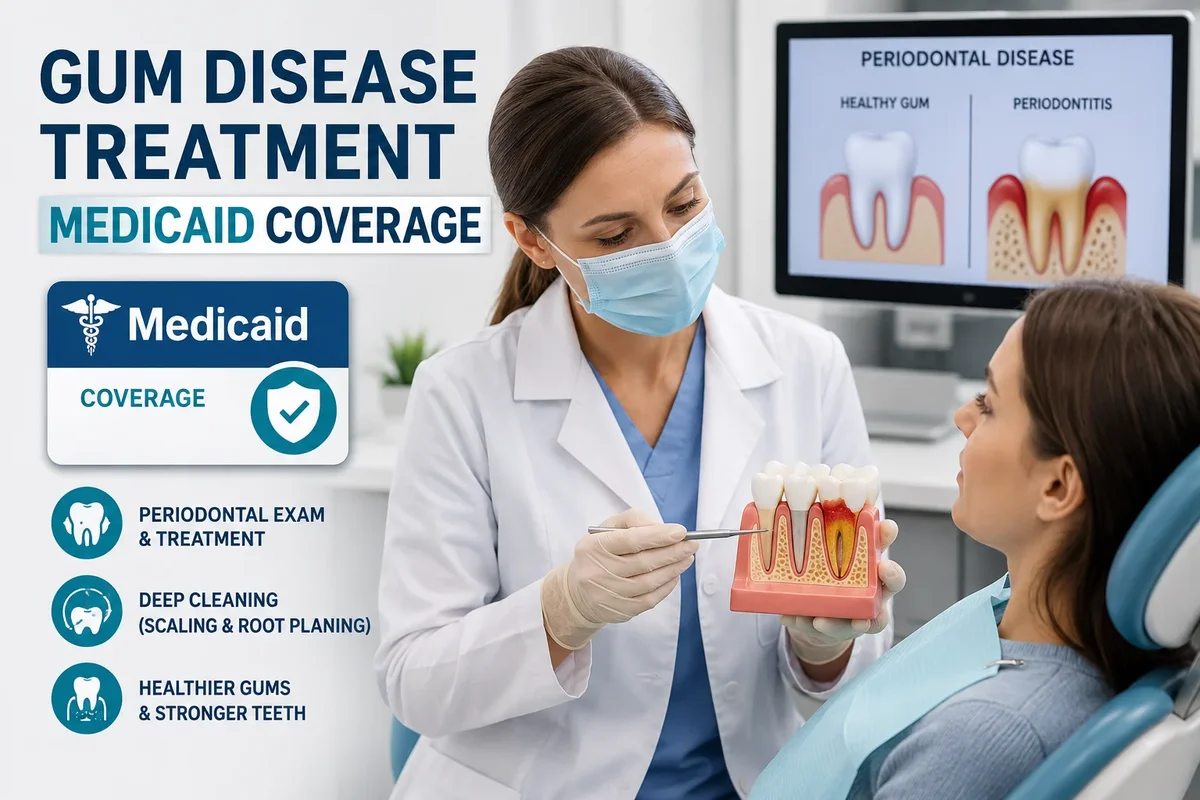
Your Next Step: Choosing the Right Treatment and Coverage Path
After learning about gum disease treatment medicaid coverage, many patients still ask the same practical question: What should I do now? The answer depends on your individual oral health, your Medicaid benefits, and the recommendations made during your dental examination. While insurance is an important part of treatment planning, it should not become the only factor guiding your decision. The primary goal is to protect your gums, preserve your natural teeth whenever possible, and begin appropriate care before periodontal disease progresses further.
If you remember only one point from this guide, let it be this: obtaining an accurate diagnosis should come before making financial decisions. Without a comprehensive examination, it is impossible to know whether your condition involves mild gingivitis, moderate periodontitis, or advanced periodontal disease. Once your dentist has completed a clinical evaluation, you can compare the recommended treatment with your available gum disease treatment medicaid coverage and make informed decisions based on both your oral health and your financial situation.
Step One: Schedule a Comprehensive Periodontal Examination
Your first priority should always be obtaining a professional diagnosis. During a periodontal evaluation, the dentist gathers the information needed to determine the stage of gum disease and develop an individualized treatment plan.
A comprehensive examination may include:
- Review of your medical and dental history
- Assessment of gum inflammation and bleeding
- Measurement of periodontal pocket depths
- Evaluation of gum recession
- Assessment of tooth mobility
- Dental X-rays when clinically indicated
- Evaluation of supporting bone around the teeth
These findings help determine which procedures are clinically appropriate and provide documentation that may also be relevant when evaluating gum disease treatment medicaid coverage.
Step Two: Understand Your Treatment Priorities
Not every patient requires the same treatment. Some individuals only need preventive care and improved home oral hygiene, while others may benefit from scaling and root planing, periodontal maintenance, or referral to a periodontal specialist.
Ask your dentist to explain:
- Which problems require immediate attention.
- Which treatments can safely wait if necessary.
- What results each procedure is intended to achieve.
- How home care supports professional treatment.
- Whether maintenance appointments will be recommended after initial therapy.
Understanding these priorities allows you to focus on preserving long-term oral health rather than making decisions based solely on insurance considerations.
Step Three: Verify Your Medicaid Benefits
Once you have a written treatment plan, contact your Medicaid administrator or ask your dental office to help verify your benefits. This step helps you understand how gum disease treatment medicaid coverage applies to your specific situation.
Questions Worth Asking
- Which periodontal procedures are covered?
- Does my plan require prior authorization?
- Are specialist referrals included?
- How often are periodontal maintenance visits covered?
- Does my chosen dental provider participate in my Medicaid plan?
Having these answers before treatment begins reduces uncertainty and helps you plan the next stages of care more confidently.
Step Four: Compare All Available Options
If your Medicaid benefits fully support the recommended treatment, scheduling care promptly is often the most straightforward path. However, if your benefits are limited, discuss practical alternatives with your dentist instead of delaying treatment indefinitely.
Possible options may include:
- Phased treatment based on clinical urgency.
- Payment arrangements if offered by the practice.
- Referral to another participating provider.
- Monitoring with scheduled re-evaluations when clinically appropriate.
- Strengthening preventive home care while preparing for additional treatment.
The most suitable option depends on your diagnosis, your oral health goals, and your financial circumstances rather than on gum disease treatment medicaid coverage alone.
Step Five: Stay Committed to Long-Term Maintenance
Periodontal therapy does not end when the first procedures are completed. Long-term success depends on maintaining healthy daily habits and attending follow-up appointments recommended by your dentist.
Healthy maintenance habits include:
- Brushing thoroughly twice each day.
- Cleaning between teeth daily.
- Attending regular periodontal maintenance appointments.
- Following individualized oral hygiene instructions.
- Reporting new symptoms as soon as they appear.
Whether or not every maintenance visit falls under your gum disease treatment medicaid coverage, these appointments remain an important part of protecting your long-term oral health.
Why Personalized Care Matters
Online articles provide useful general information, but they cannot evaluate the condition of your gums, measure periodontal pockets, interpret dental radiographs, or recommend the most appropriate treatment for your individual situation. Every patient presents with different risk factors, medical histories, and treatment goals.
This is why personalized evaluation remains essential. Your dentist considers clinical findings, symptoms, overall health, and long-term prognosis before recommending periodontal treatment. Insurance benefits are reviewed alongside these findings, not instead of them.
When to Seek Professional Advice Without Delay
Some symptoms should prompt a professional dental evaluation as soon as possible rather than waiting until your next routine visit.
Arrange a periodontal assessment if you notice:
- Persistent bleeding gums.
- Swollen or painful gums.
- Gum recession.
- Loose teeth.
- Persistent bad breath that does not improve.
- Pus around the gums.
- Difficulty chewing because of tooth movement.
Early diagnosis often provides more treatment options than waiting until periodontal disease becomes advanced.
Building a Long-Term Partnership With Your Dental Team
Successful periodontal care is built on communication. Choose a dental provider who explains your diagnosis clearly, provides a written treatment plan, answers your questions about gum disease treatment medicaid coverage, and encourages preventive care alongside professional treatment.
Clinics such as Redent Klinik focus on individualized treatment planning rather than one-size-fits-all recommendations. During a consultation, patients can discuss their periodontal findings, review recommended treatment phases, understand possible insurance considerations, and receive guidance tailored to their own oral health needs. This personalized approach supports informed decision-making while recognizing that every patient’s circumstances are different.
Final Recommendation
The best decision is usually the one that combines timely diagnosis, appropriate professional treatment, realistic financial planning, and consistent long-term maintenance. Rather than allowing uncertainty about gum disease treatment medicaid coverage to delay care, use the information you have gathered to ask informed questions, verify your benefits, and work with your dental team to create a treatment plan that reflects your individual clinical needs.
Before taking your next step, check your current Medicaid dental benefits, confirm that your provider accepts your plan, review your written treatment plan, ask whether prior authorization is necessary, and understand any potential out-of-pocket expenses before treatment begins. Most importantly, request professional dental advice promptly if you notice bleeding gums, swelling, gum recession, loose teeth, persistent bad breath, or signs of infection, as these symptoms may indicate periodontal disease that should be evaluated without unnecessary delay.
Disclosure: this page may contain affiliate links. We may earn a commission if you use them, at no extra cost to you.