
Many people use gum for teeth as part of their daily oral care routine because it can help freshen breath, stimulate saliva production, and support cleaner teeth between brushing sessions. While chewing gum has traditionally been associated with flavor and convenience, modern dental research shows that the right type of gum for teeth may offer several oral health advantages when used correctly. Dentists often recommend sugar-free chewing gum after meals because it may reduce acid levels in the mouth and help protect enamel from damage. However, not every chewing gum product provides the same benefits, which is why understanding how gum for teeth works is important for maintaining long-term oral hygiene. 🦷
The primary reason why gum for teeth is effective is its ability to increase saliva flow. Saliva plays a crucial role in oral health because it helps wash away food particles, neutralize harmful acids, and reduce bacteria buildup. When saliva production increases, the mouth becomes naturally cleaner and more balanced. This is especially important after consuming sugary foods or acidic beverages. Many people who cannot brush immediately after meals use gum for teeth as a temporary support method to improve oral freshness and reduce plaque accumulation.
One of the most recommended forms of gum for teeth is sugar-free gum containing xylitol. Xylitol is a natural sweetener that may help reduce cavity-causing bacteria in the mouth. Unlike traditional sugar, xylitol does not feed harmful oral bacteria. Instead, it can interfere with bacterial growth and lower the risk of tooth decay over time. Some studies supported by the American Dental Association suggest that xylitol-based chewing gum may contribute to better dental health when combined with regular brushing and flossing.
People who experience dry mouth often benefit from using gum for teeth because chewing stimulates moisture production inside the mouth. Dry mouth, also known as xerostomia, can increase the risk of cavities, gum irritation, and bad breath. Saliva acts as a protective barrier for teeth and gums, so increasing natural saliva levels through chewing gum may help reduce discomfort and oral complications. This makes gum for teeth a practical option for individuals who take medications that reduce saliva flow or for people who frequently experience mouth dryness during the day.
Another important benefit of gum for teeth is improved breath freshness. Food particles and bacteria trapped inside the mouth can produce unpleasant odors, especially after meals. Chewing mint-flavored sugar-free gum may help mask bad breath temporarily while also stimulating saliva to clean the mouth more effectively. However, dentists emphasize that chewing gum should not replace brushing, flossing, or professional dental cleaning. Instead, gum for teeth should be considered a supportive addition to a complete oral hygiene routine.
Many modern dental-friendly chewing gum products include active ingredients designed to strengthen enamel and support healthy gums. Some products contain calcium phosphate compounds or fluoride alternatives that may contribute to enamel remineralization. Others include herbal ingredients intended to soothe irritated gums. Because of these developments, choosing the right gum for teeth has become more important than simply selecting a pleasant flavor. Consumers should carefully check ingredient labels and avoid products containing excessive sugar or artificial additives that may negatively impact oral health.
Despite the benefits, overusing gum for teeth may sometimes cause problems. Excessive chewing can place stress on the jaw muscles and temporomandibular joint (TMJ). Some individuals may experience headaches, jaw discomfort, or tooth sensitivity if they chew gum continuously throughout the day. In addition, acidic flavorings or hard gum textures may irritate sensitive teeth in certain people. Dentists generally recommend moderate chewing, usually around 15–20 minutes after meals, rather than constant gum use.
Parents often ask whether children should use gum for teeth. In many cases, sugar-free gum may be appropriate for older children who understand safe chewing habits and avoid swallowing gum. Some pediatric dentists recommend xylitol gum for children who are prone to cavities because it may help reduce bacterial growth. However, younger children should only use chewing gum under supervision to prevent choking risks. Families looking for safer oral care routines should discuss the best options with a dental professional.
In addition to cavity prevention, gum for teeth may indirectly support healthier gums by encouraging better saliva circulation and reducing food residue around the gumline. Healthy gums are essential for overall oral health because gum disease can eventually lead to tooth loss if untreated. While chewing gum alone cannot prevent periodontal disease, combining sugar-free gum with brushing, flossing, professional cleanings, and healthy nutrition may contribute to improved oral hygiene over time.
People interested in improving their oral care habits should remember that gum for teeth works best as part of a complete dental routine. Daily brushing with fluoride toothpaste, regular flossing, and routine dental examinations remain the foundation of healthy teeth and gums. If you are experiencing tooth sensitivity, bleeding gums, chronic bad breath, or frequent cavities, professional dental care is necessary. You can also contact experienced dental professionals through the Redent Klinik Contact Page for personalized oral health guidance and treatment recommendations. 😊
Overall, using the right gum for teeth can offer several oral health benefits when used responsibly. From increasing saliva production to reducing acid levels and freshening breath, sugar-free chewing gum has become a valuable supportive tool in modern oral hygiene. Choosing products with xylitol and dentist-approved ingredients can make a noticeable difference in maintaining cleaner teeth and healthier gums. By understanding both the advantages and limitations of gum for teeth, individuals can make smarter decisions that support long-term dental wellness and a healthier smile.
What Is Gum for Teeth and Why Is It Popular?
The growing popularity of gum for teeth is closely connected to increased awareness about oral hygiene and preventive dental care. Many people today look for convenient ways to keep their mouths fresh and their teeth cleaner throughout the day, especially after meals when brushing may not be possible. Because of this, gum for teeth has become a widely used product among adults, teenagers, and even some children under supervision. Unlike traditional chewing gum loaded with sugar, modern dental-friendly products are specifically designed to support healthier teeth and gums while also improving breath freshness. 🦷
People often assume that all chewing gum is harmful because older gum products contained large amounts of sugar that contributed to cavities. However, advancements in dental research have changed the perception of gum for teeth. Dentists now frequently recommend sugar-free gum as a supportive addition to a complete oral hygiene routine. Certain chewing gum ingredients, especially xylitol, may help reduce harmful bacteria levels in the mouth and improve saliva production. These benefits have made gum for teeth increasingly common in schools, workplaces, airports, and everyday routines.
How Gum for Teeth Works Inside the Mouth
One of the main reasons why gum for teeth is popular is because chewing stimulates saliva flow naturally. Saliva is extremely important for oral health because it helps wash away leftover food particles, neutralize acids, and maintain a healthier environment inside the mouth. When a person chews gum, the salivary glands become more active, producing additional moisture that protects enamel from acid attacks caused by food and beverages.
After eating sugary or acidic foods, bacteria inside the mouth create acids that weaken tooth enamel. If acids remain on the teeth for long periods, cavities and enamel erosion may develop. Using gum for teeth after meals can help dilute these acids more quickly. This is one reason why many dentists suggest chewing sugar-free gum for around 15 to 20 minutes after eating.
The Importance of Saliva for Oral Health
Saliva contains minerals such as calcium and phosphate that support enamel repair and remineralization. These minerals help strengthen teeth naturally and reduce the effects of daily acid exposure. Since gum for teeth encourages saliva production, it may indirectly support stronger enamel and healthier gums over time. Individuals who suffer from dry mouth conditions often benefit significantly from chewing sugar-free gum because dry mouth can increase the risk of tooth decay, bad breath, and gum irritation.
Why Sugar-Free Gum for Teeth Is Recommended
The most beneficial type of gum for teeth is usually sugar-free gum. Traditional gum made with regular sugar can feed harmful bacteria in the mouth, leading to increased plaque buildup and cavity formation. Sugar-free alternatives avoid this problem by using artificial or natural sweeteners that do not promote bacterial growth.
Xylitol is one of the most important ingredients found in modern gum for teeth. Xylitol is a natural sugar alcohol that bacteria cannot easily use as an energy source. Because of this, it may reduce bacterial activity inside the mouth. Some clinical studies suggest that xylitol may lower the amount of cavity-causing bacteria over time when used regularly as part of proper oral hygiene habits.
Products approved or discussed by organizations such as the American Dental Association often emphasize sugar-free formulations because they are safer for enamel protection and cavity prevention. This has helped increase public trust in dental-friendly chewing gum products.
Common Reasons People Use Gum for Teeth
There are many practical reasons why individuals choose gum for teeth every day. One of the most common reasons is breath freshness. Strong food odors, coffee, garlic, onions, and smoking can leave unpleasant smells in the mouth. Mint-flavored gum temporarily improves breath while saliva helps clean the mouth naturally.
Another reason for the popularity of gum for teeth is convenience. Many people cannot brush their teeth immediately after meals because they are at work, traveling, attending school, or outside their homes. Chewing gum offers a fast and simple way to support oral cleanliness until brushing becomes possible.
Some people also use gum for teeth to reduce snacking habits. Chewing gum may create a feeling of freshness that discourages frequent sugary snacks or beverages. This can indirectly benefit oral health because reduced sugar intake lowers the risk of plaque accumulation and cavities.
Popularity Among Different Age Groups
Teenagers and young adults often prefer gum for teeth because it combines oral freshness with convenience and flavor variety. Adults commonly use it during work hours or after meals, while older adults with dry mouth problems may benefit from saliva stimulation. Parents may occasionally allow older children to use sugar-free gum under supervision to support cavity prevention, although young children should avoid chewing gum due to choking risks.
Potential Limitations of Gum for Teeth
Although gum for teeth offers many advantages, it is not a replacement for professional dental care or daily brushing and flossing. Some individuals mistakenly believe that chewing gum alone is enough to protect oral health. In reality, gum should only serve as an additional support method within a complete oral hygiene routine.
Excessive use of gum for teeth may also cause jaw discomfort or temporomandibular joint strain in some people. Constant chewing can overwork the jaw muscles and create tension headaches or jaw pain. Additionally, some acidic flavorings may irritate sensitive teeth if used too frequently.
Why Gum for Teeth Continues to Grow in Popularity
The continued popularity of gum for teeth reflects modern interest in preventive healthcare and simple daily wellness habits. People today prefer easy solutions that fit into busy lifestyles while still supporting long-term health goals. Because sugar-free chewing gum is affordable, portable, and widely available, it has become one of the most accessible oral hygiene support products worldwide.
Many dentists encourage patients to combine gum for teeth with routine dental visits, proper brushing, flossing, and healthy nutrition. Individuals experiencing persistent gum bleeding, tooth sensitivity, chronic bad breath, or cavities should seek professional evaluation instead of relying solely on chewing gum. Patients who want personalized advice regarding oral hygiene and gum health can also contact specialists through the Redent Klinik Contact Page.
Overall, the popularity of gum for teeth continues to rise because it offers convenience, freshness, and supportive oral health benefits when used properly. From saliva stimulation to cavity prevention support, sugar-free chewing gum has evolved into more than just a flavored product. Understanding how gum for teeth works helps individuals make better decisions that support healthier teeth, stronger gums, and improved daily oral hygiene habits. 😊
Top Benefits of Using Gum for Teeth Every Day
Using gum for teeth every day has become increasingly popular because many people want simple and effective ways to support oral hygiene between brushing sessions. While chewing gum was once viewed mainly as a sweet snack or breath freshener, modern sugar-free products are now commonly recommended by dentists as supportive tools for oral care. The right type of gum for teeth may help increase saliva flow, reduce acid levels, improve breath freshness, and support healthier gums and enamel. When used correctly as part of a complete dental hygiene routine, chewing gum can provide several valuable daily benefits for overall oral wellness. 😊
Stimulates Natural Saliva Production
One of the most important advantages of gum for teeth is its ability to stimulate saliva production naturally. Saliva is essential for maintaining a healthy oral environment because it helps rinse away food debris, neutralize acids, and reduce bacterial buildup. After eating meals or sugary snacks, harmful acids can remain on the teeth and gradually weaken enamel. Chewing gum encourages the salivary glands to produce more saliva, helping restore balance inside the mouth.
People who frequently experience dry mouth conditions may benefit significantly from using gum for teeth. Dry mouth can increase the risk of tooth decay, bad breath, gum irritation, and plaque accumulation. By increasing moisture levels, chewing gum may improve comfort and support healthier oral tissues throughout the day.
Why Saliva Matters for Enamel Protection
Saliva contains minerals such as calcium and phosphate that help strengthen tooth enamel through a process called remineralization. This natural repair system helps protect teeth from minor acid damage caused by daily eating and drinking habits. Because gum for teeth boosts saliva production, it may indirectly help support stronger enamel and reduce the risk of cavities over time.
Helps Freshen Breath Quickly
Another major reason why people use gum for teeth daily is to improve breath freshness. Food particles, bacteria, smoking, coffee, onions, and garlic can all contribute to unpleasant mouth odor. Sugar-free chewing gum temporarily masks bad breath while also helping clean the mouth through increased saliva circulation.
Mint-flavored gum for teeth products are especially popular because they create a clean and refreshing sensation that lasts for extended periods. However, it is important to understand that chewing gum only temporarily improves breath freshness. Persistent bad breath may sometimes indicate gum disease, cavities, oral infections, or digestive issues that require professional dental evaluation.
How Gum for Teeth Supports Social Confidence
Fresh breath can improve confidence during work meetings, social events, travel, and personal interactions. Many individuals keep gum for teeth available throughout the day because it offers a fast and convenient oral freshness solution when brushing is not immediately possible. This convenience is one reason why chewing gum remains highly popular worldwide.
May Help Reduce Cavity Risk
One of the most scientifically supported benefits of gum for teeth is its potential role in cavity prevention. Sugar-free chewing gum, especially products containing xylitol, may reduce the growth of harmful bacteria associated with tooth decay. Unlike regular sugar, xylitol does not feed cavity-causing bacteria. Some research suggests that xylitol may interfere with bacterial activity and lower acid production inside the mouth.
Organizations such as the American Dental Association have discussed the benefits of sugar-free gum in supporting oral hygiene when combined with brushing and flossing. Chewing gum for teeth after meals may help remove residual food particles and neutralize harmful acids more rapidly than saliva alone.
The Importance of Choosing Sugar-Free Products
Not all chewing gum products are equally beneficial. Traditional sugary gum may actually increase the risk of plaque and cavities because bacteria feed on sugar and produce acids. For this reason, dentists strongly recommend choosing sugar-free gum for teeth rather than conventional sweetened gum products.
Supports Healthier Gum Tissue
Healthy gums are essential for long-term dental wellness because gum disease can eventually lead to tooth loss if untreated. Using gum for teeth may support healthier gum tissue indirectly by improving saliva circulation and reducing food residue around the gumline. Cleaner gums are less likely to develop bacterial irritation and plaque accumulation.
Although chewing gum cannot replace flossing or professional periodontal treatment, it may help support gum comfort between brushing sessions. Some dental-friendly chewing gums also contain soothing herbal extracts or active ingredients intended to support gum health and reduce oral dryness.
Can Gum for Teeth Prevent Gum Disease?
Chewing gum alone cannot prevent periodontal disease completely, but it may contribute to a healthier oral environment when combined with proper brushing, flossing, and regular dental cleanings. Individuals experiencing gum bleeding, swelling, recession, or persistent sensitivity should seek professional care rather than relying solely on gum for teeth.
Provides Convenience for Busy Lifestyles
Modern lifestyles are often busy, making it difficult for many individuals to brush their teeth immediately after every meal. This is another reason why gum for teeth has become so widely used. Students, office workers, travelers, and commuters often chew sugar-free gum after meals or snacks when access to toothbrushes is limited.
Because gum for teeth is portable, affordable, and easy to use, it fits naturally into daily routines. Small packs can be carried in pockets, purses, backpacks, or vehicles, making oral freshness more accessible throughout the day.
May Reduce Snacking Habits
Some people use gum for teeth to help reduce unnecessary snacking between meals. Chewing gum may create a refreshing sensation that discourages cravings for sugary foods or drinks. Lower sugar intake can positively affect oral health because reduced sugar exposure decreases the risk of bacterial acid attacks on enamel.
In this way, gum for teeth may indirectly support healthier dietary habits while also promoting better oral hygiene. However, individuals should avoid excessive gum chewing because overuse may strain jaw muscles and create temporomandibular joint discomfort in certain cases.
Supports Complete Oral Hygiene Routines
The best results from gum for teeth occur when it is used alongside proper dental care habits. Brushing twice daily with fluoride toothpaste, flossing regularly, limiting sugary foods, and attending professional dental checkups remain the foundation of healthy teeth and gums.
People interested in improving oral health should understand that chewing gum is a supportive tool rather than a complete treatment method. If persistent dental problems such as cavities, sensitivity, bleeding gums, or chronic bad breath occur, professional evaluation is necessary. Individuals seeking expert advice regarding gum and teeth health can contact dental professionals through the Redent Klinik Contact Page.
Overall, using gum for teeth every day can offer multiple oral health advantages when chosen carefully and used responsibly. From increasing saliva flow and improving breath freshness to supporting healthier gums and reducing cavity risk, sugar-free chewing gum has become a practical addition to modern oral care routines. By selecting dentist-recommended products and maintaining balanced dental hygiene habits, individuals can enjoy the daily benefits of gum for teeth while supporting stronger teeth and healthier smiles for the long term. 🦷
How Sugar-Free Gum for Teeth Supports Oral Hygiene
Maintaining strong oral hygiene requires more than simply brushing twice a day. Modern dental care focuses heavily on preventive habits that reduce bacterial buildup, protect enamel, and support healthier gums throughout the day. One of the most commonly recommended supportive habits is using gum for teeth, especially sugar-free chewing gum designed for oral health benefits. Dentists frequently suggest sugar-free gum because it can help stimulate saliva production, reduce acid levels, improve breath freshness, and support cleaner teeth between brushing sessions. While gum for teeth should never replace brushing or flossing, it can become an effective additional tool within a complete oral care routine. 🦷
Why Sugar-Free Gum for Teeth Is Different
Traditional chewing gum products often contained high amounts of sugar, which could feed harmful oral bacteria and increase the risk of cavities. Sugar-free gum for teeth works differently because it uses alternative sweeteners such as xylitol, sorbitol, or erythritol instead of regular sugar. These ingredients provide flavor without contributing to bacterial acid production inside the mouth.
The biggest difference between sugary gum and sugar-free gum for teeth is the effect on enamel. Harmful bacteria in the mouth consume sugar and release acids that weaken enamel surfaces. Over time, repeated acid exposure can lead to tooth decay, sensitivity, and plaque accumulation. Sugar-free products avoid this problem and may even help create a healthier oral environment.
Understanding the Role of Xylitol
Xylitol is one of the most important ingredients found in modern gum for teeth. It is a natural sugar alcohol that bacteria cannot easily metabolize. Some studies suggest that xylitol may reduce the amount of cavity-causing bacteria in the mouth over time. This makes xylitol-containing gum especially popular among dentists and oral hygiene professionals.
Because xylitol does not feed harmful bacteria, it may help lower acid production after meals. Many people who use gum for teeth regularly choose xylitol-based products to support cavity prevention and cleaner teeth between brushing sessions.
How Gum for Teeth Stimulates Saliva Production
One of the primary oral hygiene benefits of gum for teeth is increased saliva flow. Chewing activates the salivary glands, encouraging the mouth to produce more natural saliva. Saliva is extremely important because it helps wash away leftover food particles, dilute acids, and maintain moisture inside the mouth.
Without enough saliva, oral bacteria can multiply more easily, increasing the risk of bad breath, cavities, gum irritation, and plaque buildup. This is why people who experience dry mouth conditions often benefit from sugar-free gum for teeth. By stimulating saliva production, chewing gum may help restore a healthier oral balance.
Saliva and Natural Enamel Protection
Saliva contains essential minerals such as calcium and phosphate that support enamel remineralization. This natural repair process helps strengthen tooth surfaces after exposure to acidic foods or beverages. Since gum for teeth increases saliva production, it may indirectly support stronger enamel and improved oral defense against daily acid attacks.
For individuals who frequently consume coffee, soda, citrus fruits, or sugary snacks, chewing sugar-free gum for teeth after meals may help neutralize acids more quickly and reduce the harmful effects of prolonged acid exposure.
Helps Reduce Plaque and Food Residue
Another way gum for teeth supports oral hygiene is by helping reduce food debris inside the mouth. After meals, tiny food particles often remain trapped between teeth and around the gumline. These particles provide fuel for bacteria, leading to plaque formation and unpleasant mouth odor.
Chewing sugar-free gum encourages saliva circulation that helps loosen and wash away some of these particles naturally. While gum for teeth cannot replace flossing or brushing, it may temporarily reduce bacterial activity until proper oral cleaning becomes possible.
Does Gum for Teeth Remove Plaque Completely?
No chewing gum product can completely remove plaque deposits or replace professional dental cleaning. Plaque is a sticky bacterial film that often requires brushing and flossing for effective removal. However, gum for teeth may help slow plaque accumulation by reducing dry mouth conditions and lowering acid levels after eating.
Individuals with heavy plaque buildup, gum inflammation, or tartar accumulation should seek professional dental treatment instead of depending solely on chewing gum for oral hygiene support.
Improves Breath Freshness Throughout the Day
Bad breath is one of the most common reasons why people use gum for teeth. Foods such as garlic, onions, coffee, and spicy meals can leave strong odors inside the mouth for hours. Bacteria and food debris also contribute to unpleasant breath smells.
Mint-flavored sugar-free gum for teeth products temporarily improve breath freshness while saliva helps clean the mouth naturally. Many individuals carry gum daily because it provides quick oral freshness in work environments, social settings, travel situations, and public interactions.
Temporary Freshness vs. Underlying Dental Problems
Although chewing gum can temporarily improve mouth odor, persistent bad breath may indicate underlying dental or medical issues such as gum disease, tooth decay, oral infections, or digestive problems. If bad breath continues despite proper oral hygiene, professional evaluation is recommended.
Convenient Support for Busy Lifestyles
Modern lifestyles often make it difficult to brush immediately after every meal. Students, office workers, travelers, and busy parents may not always have access to toothbrushes during the day. This convenience factor has made gum for teeth one of the most practical oral hygiene support products available.
Small gum packs are easy to carry in pockets, bags, or vehicles, allowing people to support oral freshness anytime. Many dentists recommend chewing sugar-free gum for teeth for approximately 15 to 20 minutes after meals to maximize saliva stimulation and acid neutralization.
Supports Healthier Gums Over Time
Healthy gums are essential for strong teeth and overall oral health. Gum disease may eventually lead to tooth loss if untreated. Using gum for teeth may help support healthier gums indirectly by encouraging saliva circulation and reducing food residue around gum tissue.
Some sugar-free gum products also contain ingredients designed to soothe oral tissues or support gum comfort. However, severe gum inflammation, bleeding, swelling, or recession should always be evaluated by dental professionals rather than managed only with chewing gum.
People who want professional advice about maintaining healthy gums and teeth can contact dental specialists through the Redent Klinik Contact Page for personalized recommendations and treatment options.
The Best Way to Use Gum for Teeth Safely
For the best oral hygiene results, gum for teeth should be used as a supportive habit rather than a replacement for regular dental care. Brushing twice daily with fluoride toothpaste, flossing carefully, limiting sugar intake, and attending routine dental checkups remain essential for maintaining healthy teeth and gums.
Organizations such as the American Dental Association emphasize the importance of combining preventive tools like sugar-free chewing gum with complete oral hygiene practices. Moderate use of sugar-free gum for teeth after meals may provide noticeable benefits without causing unnecessary jaw strain or discomfort.
Overall, sugar-free gum for teeth supports oral hygiene by increasing saliva flow, helping neutralize acids, reducing food residue, improving breath freshness, and supporting healthier gums. While it cannot replace brushing or professional dental care, it offers a convenient and scientifically supported way to improve oral cleanliness throughout the day. When chosen carefully and used responsibly, sugar-free chewing gum can become a valuable part of a healthier daily oral care routine. 😊
Best Ingredients to Look for in Gum for Teeth
Choosing the right gum for teeth is extremely important because not every chewing gum product provides the same oral health benefits. Some products are specifically designed to support healthier teeth and gums, while others may contain ingredients that increase cavity risk or irritate sensitive teeth. Modern dental-friendly chewing gum products often include active ingredients that help stimulate saliva, reduce harmful bacteria, freshen breath, and support enamel protection. Understanding the best ingredients found in gum for teeth can help individuals make smarter decisions for long-term oral hygiene and overall dental wellness. 🦷
Many people assume that flavor is the most important factor when selecting chewing gum, but dentists focus much more on the ingredient list. Sugar-free formulas, antibacterial sweeteners, and enamel-supporting compounds are often preferred because they may contribute to healthier teeth and gums. Since gum for teeth is commonly used daily, selecting high-quality ingredients can make a significant difference in oral health over time.
Xylitol: The Most Recommended Ingredient in Gum for Teeth
Xylitol is widely considered one of the best ingredients found in gum for teeth. This natural sugar alcohol is commonly used as a sweetener in sugar-free chewing gum because it provides sweetness without feeding harmful oral bacteria. Unlike regular sugar, xylitol cannot easily be metabolized by cavity-causing bacteria, which may reduce acid production inside the mouth.
Several dental studies suggest that xylitol may help lower bacterial activity associated with tooth decay. Because of this, many dentists recommend xylitol-containing gum for teeth for individuals who are prone to cavities or dry mouth conditions. Regular use of xylitol gum after meals may support cleaner teeth and a healthier oral environment.
How Xylitol Supports Oral Health
Xylitol may reduce plaque accumulation by interfering with bacterial growth and reducing acid production. It also helps stimulate saliva flow, which naturally cleans the mouth and supports enamel remineralization. Many people who frequently experience bad breath or dry mouth choose xylitol-based gum for teeth because it offers multiple oral health advantages in one product.
Calcium and Phosphate Compounds
Another beneficial ingredient often included in advanced gum for teeth products is calcium phosphate. Calcium and phosphate are important minerals naturally found in saliva and tooth enamel. These minerals help strengthen teeth through remineralization, a natural process that repairs minor enamel damage caused by acidic foods and drinks.
Some premium chewing gum products contain added calcium compounds specifically designed to support enamel health. These ingredients may help replenish lost minerals and improve tooth surface strength over time. For individuals who regularly consume acidic beverages such as coffee, soda, or citrus juices, using mineral-enhanced gum for teeth may provide additional enamel protection.
Why Remineralization Matters
Enamel cannot regenerate once severe damage occurs, so protecting it early is extremely important. Remineralization helps reverse early enamel weakening before cavities fully develop. Because saliva already contains natural minerals, chewing gum for teeth that stimulates saliva and provides additional calcium support may contribute to stronger teeth and reduced sensitivity.
Fluoride Alternatives in Gum for Teeth
Some modern gum for teeth products include fluoride alternatives or ingredients intended to support enamel defense naturally. While chewing gum itself usually contains lower fluoride levels than toothpaste, certain products may include compounds designed to strengthen enamel and reduce acid-related damage.
Fluoride remains one of the most effective cavity prevention ingredients in dentistry. Although brushing with fluoride toothpaste remains essential, some dental-friendly chewing gum products aim to complement regular fluoride exposure by promoting healthier oral conditions.
Should Everyone Use Fluoride-Based Products?
Most dentists recommend fluoride exposure for cavity prevention, especially in individuals with high decay risk. However, people with specific sensitivities or preferences may choose alternative enamel-supporting ingredients instead. When selecting gum for teeth, individuals should review ingredient labels carefully and discuss concerns with dental professionals if necessary.
Natural Mint and Breath-Freshening Ingredients
Breath freshness is one of the most common reasons people use gum for teeth. Natural mint oils such as peppermint and spearmint are commonly added because they create a refreshing sensation while helping mask unpleasant mouth odors temporarily.
Unlike heavily sugary gums, quality sugar-free gum for teeth products combine mint freshness with saliva stimulation to support oral cleanliness. Saliva helps wash away odor-causing bacteria and food particles naturally, making chewing gum more effective than simply covering bad breath with flavor alone.
Herbal Ingredients in Gum for Teeth
Some specialty chewing gums also contain herbal extracts such as green tea, eucalyptus, cinnamon, or aloe vera. These ingredients may offer soothing effects for the mouth or mild antibacterial support. While research on herbal additives varies, many consumers prefer natural ingredient-based gum for teeth products because they avoid excessive artificial additives.
Ingredients to Avoid in Gum for Teeth
Although many chewing gum products support oral health, certain ingredients should be avoided whenever possible. The biggest concern is regular sugar. Sugary chewing gum feeds harmful bacteria that produce acids capable of damaging enamel and increasing cavity risk.
Sticky gums with excessive sugar content may also cling to teeth surfaces, prolonging bacterial exposure. This is why dentists strongly recommend sugar-free gum for teeth instead of conventional sweetened products.
Artificial Additives and Acidic Flavorings
Some chewing gums contain acidic flavoring agents that may irritate sensitive teeth over time. Excessively sour flavors may increase acid exposure inside the mouth, potentially weakening enamel in individuals with sensitivity issues. Artificial colors and additives may also concern some consumers who prefer cleaner ingredient profiles.
When purchasing gum for teeth, it is important to read ingredient labels carefully and prioritize products with dentist-recommended formulas rather than choosing products based solely on flavor or marketing.
How the American Dental Association Evaluates Gum for Teeth
Organizations such as the American Dental Association evaluate oral care products based on scientific evidence regarding safety and effectiveness. Products that meet certain oral health standards may receive professional recognition for their supportive benefits.
When looking for reliable gum for teeth, consumers often feel more confident choosing products that align with professional dental recommendations. Dentist-approved formulations are more likely to contain ingredients that support saliva production, cavity prevention, and oral freshness without harming enamel.
Choosing the Best Gum for Teeth for Your Needs
The ideal gum for teeth depends on individual oral health needs. People with dry mouth may prioritize saliva-stimulating xylitol gum, while those with enamel sensitivity may prefer products containing calcium compounds. Individuals mainly concerned with breath freshness may choose mint-based sugar-free gum with antibacterial ingredients.
Patients experiencing chronic cavities, gum inflammation, tooth sensitivity, or persistent bad breath should seek professional dental evaluation rather than relying entirely on chewing gum. Personalized recommendations from dental professionals can help identify the most appropriate oral care products for long-term health.
Individuals interested in improving their gum and teeth health can also consult specialists through the Redent Klinik Contact Page for professional oral hygiene guidance and treatment recommendations.
Final Thoughts on Ingredients in Gum for Teeth
The ingredients inside gum for teeth play a major role in determining whether the product supports or harms oral health. High-quality sugar-free chewing gum containing xylitol, saliva-supporting compounds, and enamel-friendly minerals may contribute to cleaner teeth, fresher breath, and healthier gums. At the same time, sugary or acidic products may increase cavity risk and enamel damage.
By understanding which ingredients are beneficial and which should be avoided, individuals can make smarter oral care decisions that support healthier smiles over time. When combined with brushing, flossing, healthy nutrition, and regular dental checkups, the right gum for teeth can become a valuable addition to a complete oral hygiene routine. 😊
Can Gum for Teeth Help Prevent Cavities and Plaque?
Many people wonder whether gum for teeth can truly help prevent cavities and plaque or if it is simply a temporary breath-freshening product. Modern dental research shows that certain types of sugar-free chewing gum may support cavity prevention and reduce plaque buildup when used correctly. While gum for teeth cannot replace brushing, flossing, or professional dental cleanings, it may contribute to a healthier oral environment by increasing saliva production, reducing acid levels, and helping remove food particles after meals. Dentists often recommend sugar-free chewing gum as a supportive oral hygiene tool, especially for individuals who cannot brush immediately after eating. 🦷
Cavities and plaque develop when bacteria inside the mouth interact with sugars and starches from food. These bacteria produce acids that gradually weaken tooth enamel and create sticky plaque deposits on tooth surfaces. If plaque is not removed regularly, it can harden into tartar and increase the risk of gum disease, tooth decay, and enamel erosion. Using the right type of gum for teeth may help reduce some of these risks by supporting natural oral cleaning processes.
How Gum for Teeth Helps Neutralize Acids
One of the primary ways gum for teeth may help prevent cavities is by stimulating saliva flow. Saliva is extremely important because it naturally neutralizes harmful acids produced by oral bacteria after meals. Acid attacks weaken enamel and create conditions where cavities can form more easily.
When a person chews sugar-free gum for teeth, the salivary glands become more active, increasing moisture inside the mouth. This additional saliva helps dilute acids and restore a healthier pH balance more quickly. The faster acids are neutralized, the lower the risk of prolonged enamel damage.
Why Acid Reduction Matters for Teeth
After eating sugary foods or drinking acidic beverages such as soda, coffee, or fruit juice, the mouth becomes temporarily more acidic. During this time, enamel is more vulnerable to demineralization. Chewing gum for teeth after meals may shorten the duration of acid exposure and help protect enamel from early cavity formation.
Because saliva also contains minerals such as calcium and phosphate, increased saliva flow may support remineralization, which is the natural process of repairing weakened enamel surfaces.
The Role of Xylitol in Cavity Prevention
One of the most effective ingredients commonly found in gum for teeth is xylitol. Xylitol is a sugar alcohol that provides sweetness without feeding cavity-causing bacteria. Unlike regular sugar, xylitol cannot easily be broken down by harmful oral bacteria, which helps reduce acid production inside the mouth.
Some scientific studies suggest that regular use of xylitol-based gum for teeth may lower bacterial activity associated with tooth decay. This is one reason why many dentists recommend xylitol chewing gum as part of preventive oral care routines.
Can Xylitol Reduce Harmful Bacteria?
Xylitol may interfere with the ability of bacteria to stick to tooth surfaces and multiply efficiently. Over time, this may reduce the number of harmful bacteria responsible for plaque buildup and cavity formation. Although xylitol alone cannot completely eliminate decay risk, it may contribute to healthier teeth when combined with proper brushing and flossing habits.
How Gum for Teeth Helps Reduce Plaque Buildup
Plaque is a sticky film made of bacteria, food debris, and saliva proteins that accumulates on teeth throughout the day. If plaque remains on teeth for extended periods, it increases the risk of cavities and gum disease. Using gum for teeth may help reduce plaque accumulation indirectly by increasing saliva circulation and loosening food particles after meals.
Chewing gum creates movement inside the mouth that encourages saliva to wash away some debris before bacteria fully break it down. This may help slow plaque formation between brushing sessions. However, gum for teeth cannot physically remove hardened plaque or tartar deposits the way brushing and professional cleanings can.
Does Gum for Teeth Replace Flossing?
No, chewing gum cannot replace flossing. Flossing is essential because it removes plaque and food particles trapped between teeth and below the gumline where chewing gum cannot reach effectively. Even the best gum for teeth products should only be viewed as supportive tools rather than complete cleaning solutions.
Why Sugar-Free Gum for Teeth Is Important
Not all chewing gum products are beneficial for cavity prevention. Sugary gum may actually increase the risk of tooth decay because bacteria feed on sugar and produce acids that damage enamel. This is why dentists strongly recommend sugar-free gum for teeth instead of conventional sweetened gum.
Sugar-free products typically use sweeteners such as xylitol, sorbitol, or erythritol that do not promote bacterial acid production. Choosing the correct chewing gum formula is essential for receiving oral health benefits without increasing cavity risk.
How to Identify Good Gum for Teeth
Consumers should carefully read ingredient labels when selecting gum for teeth. Products containing xylitol and approved by dental organizations are generally preferred. Avoiding excessive sugars, acidic flavorings, and sticky formulations can help protect enamel and support healthier oral hygiene habits.
Support from Dental Organizations
Organizations such as the American Dental Association recognize that sugar-free chewing gum may support oral health by increasing saliva flow and reducing acid exposure. Some products receive professional recognition because they meet specific standards related to oral safety and effectiveness.
This professional support has helped increase confidence in using gum for teeth as part of preventive oral care. However, dental experts consistently emphasize that chewing gum should complement—not replace—brushing, flossing, and regular dental visits.
Who Benefits Most from Gum for Teeth?
People who cannot brush immediately after meals often benefit from using gum for teeth. Office workers, travelers, students, and busy individuals may use chewing gum to support oral freshness and reduce acid buildup during the day.
Individuals with dry mouth conditions may also benefit because saliva stimulation helps reduce bacterial activity and improve mouth moisture. However, people with jaw pain or temporomandibular joint disorders should avoid excessive gum chewing because prolonged chewing may worsen discomfort.
Children and Gum for Teeth
Older children who understand safe chewing habits may sometimes use sugar-free gum for teeth under parental supervision. Some pediatric dentists recommend xylitol gum for cavity-prone children, although younger children should avoid chewing gum due to choking risks.
Professional Dental Care Still Matters
Even though gum for teeth may help reduce cavity risk and slow plaque buildup, professional dental care remains essential. Cavities, tartar accumulation, gum disease, and enamel erosion often require professional diagnosis and treatment.
Individuals experiencing tooth sensitivity, bleeding gums, persistent bad breath, or frequent cavities should schedule dental evaluations rather than depending only on chewing gum. Patients looking for personalized oral health guidance can also contact specialists through the Redent Klinik Contact Page.
Final Thoughts on Gum for Teeth and Cavity Prevention
Using sugar-free gum for teeth may support cavity prevention and reduce plaque buildup by increasing saliva production, neutralizing acids, reducing bacterial activity, and helping remove food particles after meals. Products containing xylitol offer additional advantages because they may interfere with cavity-causing bacteria and support healthier oral conditions.
Although chewing gum alone cannot fully prevent cavities or eliminate plaque, it can become a valuable addition to a complete oral hygiene routine when used responsibly. By combining gum for teeth with proper brushing, flossing, healthy nutrition, and routine dental checkups, individuals can better protect their teeth, gums, and long-term oral health. 😊
How Dentists Recommend Using Gum for Teeth Safely
Dentists often recommend gum for teeth as a supportive addition to daily oral hygiene routines, especially when brushing immediately after meals is not possible. However, professional dental experts also emphasize that chewing gum should be used correctly and in moderation to avoid potential problems. While sugar-free chewing gum may help stimulate saliva production, freshen breath, and support cleaner teeth, improper use of gum for teeth can sometimes lead to jaw discomfort, excessive chewing habits, or unrealistic expectations about oral care. Understanding how dentists recommend using chewing gum safely can help individuals receive the benefits while protecting their long-term oral health. 🦷
The safest and most effective use of gum for teeth involves choosing high-quality sugar-free products, limiting chewing time, and combining gum use with proper brushing and flossing habits. Dental professionals consistently explain that chewing gum is not a replacement for traditional oral hygiene but rather a convenient support tool that can improve oral freshness and help reduce acid buildup between brushing sessions.
Choose Sugar-Free Gum for Teeth Only
The first and most important recommendation from dentists is to always choose sugar-free gum for teeth. Traditional chewing gum containing regular sugar can actually increase the risk of cavities because oral bacteria feed on sugar and produce acids that weaken enamel. In contrast, sugar-free gum avoids this problem and may even support healthier oral conditions.
Many dentists specifically recommend products containing xylitol because this natural sugar alcohol does not feed harmful bacteria the same way sugar does. Some research suggests that xylitol-containing gum for teeth may help reduce bacterial activity associated with tooth decay and plaque formation.
Why Xylitol Is Frequently Recommended
Xylitol-based gum for teeth may help stimulate saliva while reducing acid production inside the mouth. Dentists often suggest xylitol gum for individuals with dry mouth conditions, cavity risk, or frequent bad breath because it offers several oral hygiene advantages at once. However, individuals should still review ingredient labels carefully to avoid products containing hidden sugars or acidic additives.
Use Gum for Teeth After Meals
One of the most common recommendations from dental professionals is to use gum for teeth shortly after meals. Eating food causes bacteria inside the mouth to produce acids that attack tooth enamel. Saliva naturally helps neutralize these acids, but chewing gum accelerates saliva production and speeds up the cleaning process.
Chewing sugar-free gum for teeth for approximately 15 to 20 minutes after meals may help reduce acid exposure and improve oral freshness. This can be especially useful for people who are traveling, working, attending school, or otherwise unable to brush immediately after eating.
How Long Should You Chew Gum?
Dentists generally recommend moderate chewing durations rather than chewing continuously throughout the day. Prolonged chewing may strain jaw muscles and create unnecessary pressure on the temporomandibular joint (TMJ). Most dental professionals suggest limiting gum for teeth use to around 15–20 minutes after meals instead of chewing constantly for hours.
Do Not Replace Brushing or Flossing
One of the biggest misconceptions about gum for teeth is the belief that chewing gum can fully replace brushing or flossing. Dentists strongly warn against this assumption because chewing gum cannot remove plaque deposits, clean between teeth effectively, or eliminate tartar buildup.
Brushing twice daily with fluoride toothpaste and flossing regularly remain essential parts of oral hygiene. While gum for teeth may help reduce food debris and improve saliva circulation, it cannot physically remove hardened plaque or bacteria trapped below the gumline.
The Best Oral Hygiene Routine
Dental experts recommend using gum for teeth as part of a larger oral care strategy that includes:
- Brushing teeth at least twice daily
- Flossing every day
- Using fluoride toothpaste
- Drinking enough water
- Limiting sugary foods and beverages
- Scheduling regular dental checkups
Chewing gum should only serve as an additional supportive habit rather than the primary method of oral cleaning.
People with Dry Mouth Often Benefit Most
Dentists frequently recommend gum for teeth for individuals who suffer from dry mouth, also known as xerostomia. Dry mouth may occur due to medications, medical conditions, aging, or dehydration. Reduced saliva production increases the risk of cavities, gum irritation, and bad breath because saliva plays a major protective role in oral health.
Chewing sugar-free gum for teeth stimulates saliva flow naturally, helping improve moisture levels inside the mouth. Increased saliva can reduce oral discomfort while supporting healthier enamel and gums.
Signs of Dry Mouth Problems
People experiencing chronic mouth dryness, burning sensations, sticky saliva, or frequent bad breath may benefit from discussing dry mouth treatment options with a dentist. While gum for teeth may help temporarily, severe dry mouth often requires professional evaluation and additional treatment.
People with Jaw Problems Should Be Careful
Although gum for teeth offers several oral health benefits, dentists also warn that excessive chewing may worsen jaw problems in certain individuals. People with temporomandibular joint disorders, jaw pain, teeth grinding habits, or facial muscle tension may experience discomfort from prolonged gum chewing.
Overusing chewing gum may cause headaches, jaw fatigue, muscle soreness, or joint irritation in sensitive individuals. In these cases, dentists may recommend limiting chewing frequency or avoiding gum entirely.
Warning Signs of Excessive Chewing
If chewing gum for teeth causes jaw clicking, pain while eating, headaches, or facial discomfort, individuals should reduce gum use and seek professional dental evaluation if symptoms continue.
Children and Gum for Teeth Safety
Dentists sometimes recommend sugar-free gum for teeth for older children who understand proper chewing habits. Some pediatric studies suggest that xylitol gum may help reduce cavity risk in cavity-prone children when combined with good brushing habits.
However, younger children should avoid chewing gum due to choking hazards and swallowing risks. Parents should supervise children carefully and choose sugar-free products specifically designed for oral health support.
Healthy Habits for Children
Even when children use gum for teeth, parents should continue emphasizing brushing, flossing, healthy nutrition, and regular dental checkups. Gum should never become a substitute for proper oral hygiene education.
Professional Recommendations from Dental Organizations
Organizations such as the American Dental Association acknowledge that sugar-free chewing gum may support oral health by stimulating saliva and helping reduce acid exposure after meals. Dentist-approved products often meet standards related to safety and oral hygiene effectiveness.
However, dental organizations consistently emphasize that gum for teeth should only complement traditional dental care rather than replace it. Professional cleanings and routine examinations remain essential for preventing cavities, gum disease, and other oral health problems.
When to Seek Professional Dental Advice
People experiencing persistent bad breath, gum bleeding, tooth sensitivity, jaw pain, or frequent cavities should seek professional dental care instead of relying solely on gum for teeth. While chewing gum may temporarily improve symptoms, underlying dental conditions often require proper diagnosis and treatment.
Patients interested in improving their gum and teeth health can also contact specialists through the Redent Klinik Contact Page for professional guidance and personalized treatment recommendations.
Final Thoughts on Using Gum for Teeth Safely
Dentists recommend using gum for teeth safely by choosing sugar-free products, chewing in moderation, and combining gum use with complete oral hygiene habits. Products containing xylitol may provide additional support for saliva production, acid reduction, and cavity prevention when used after meals.
Although chewing gum can support fresher breath and healthier oral conditions, it should never replace brushing, flossing, or regular dental visits. By following professional recommendations and using gum for teeth responsibly, individuals can safely enjoy the oral health benefits of chewing gum while protecting their teeth, gums, and overall smile health for the long term. 😊
Potential Side Effects of Excessive Gum for Teeth Use
Although gum for teeth offers several oral health benefits when used properly, excessive chewing or incorrect product choices may sometimes lead to unwanted side effects. Many dentists recommend sugar-free chewing gum in moderation because it can stimulate saliva production, improve breath freshness, and support oral hygiene between brushing sessions. However, overusing gum for teeth may create jaw strain, digestive discomfort, tooth sensitivity, or other oral health concerns in certain individuals. Understanding the possible risks associated with excessive chewing helps people use chewing gum safely while still benefiting from its positive effects. 🦷
Like many oral care products, gum for teeth works best when used responsibly as part of a balanced dental hygiene routine. Problems often develop when individuals chew gum continuously throughout the day, rely on chewing gum instead of proper brushing habits, or select products containing harmful ingredients such as sugar or highly acidic flavorings.
Jaw Pain and Temporomandibular Joint Problems
One of the most common side effects of excessive gum for teeth use is jaw discomfort. Continuous chewing places repetitive stress on the jaw muscles and temporomandibular joint (TMJ), which connects the jawbone to the skull. Over time, excessive gum chewing may lead to muscle fatigue, jaw soreness, clicking sounds, or headaches.
People who already suffer from temporomandibular joint disorders may be especially sensitive to prolonged chewing habits. Dentists often advise these individuals to limit or completely avoid continuous gum for teeth use to prevent worsening symptoms.
Signs of Jaw Overuse
Symptoms of excessive jaw strain caused by gum for teeth may include:
- Jaw pain or tenderness
- Clicking or popping sounds when chewing
- Difficulty opening the mouth fully
- Facial muscle soreness
- Tension headaches
- Ear discomfort without infection
If these symptoms occur regularly, reducing chewing frequency and seeking professional dental evaluation may be necessary.
Digestive Issues from Excessive Gum for Teeth Use
Another potential side effect of excessive gum for teeth use involves digestive discomfort. Chewing gum causes people to swallow additional air, which may lead to bloating, stomach pressure, or gas in sensitive individuals. Continuous chewing can also stimulate digestive activity even when no food is being consumed.
Some sugar-free gum for teeth products contain sugar alcohols such as sorbitol or xylitol. While these ingredients are generally considered safer for teeth than regular sugar, consuming very large amounts may sometimes cause diarrhea, stomach cramps, or digestive irritation in certain people.
How Much Gum Is Too Much?
Most dentists recommend moderate use of gum for teeth, typically around 15 to 20 minutes after meals. Chewing continuously for several hours every day may increase the likelihood of digestive discomfort and jaw-related side effects.
Tooth Sensitivity and Enamel Concerns
Although sugar-free gum for teeth is generally safer than sugary gum, certain products may contain acidic flavorings that irritate sensitive teeth. Sour chewing gum products often include acids that create intense flavors but may increase enamel exposure to acidic conditions.
People with weakened enamel, exposed tooth roots, or sensitivity issues may notice discomfort after frequent chewing of acidic gum for teeth. Cold sensitivity, sharp pain while eating, or enamel irritation may occur if acidic products are overused.
Why Acidic Ingredients Matter
Enamel is the hard protective outer layer of teeth, but it can gradually weaken when exposed to frequent acid attacks. Acidic chewing gum products may contribute to this process if used excessively. Choosing neutral or mint-based sugar-free gum for teeth products instead of highly sour flavors may help reduce enamel irritation.
Hidden Sugars Can Increase Cavity Risk
Not every chewing gum product marketed for oral freshness is truly beneficial for dental health. Some products still contain sugars that feed harmful bacteria and increase cavity risk. Using sugary gum for teeth excessively may actually worsen plaque accumulation and tooth decay over time.
This is why dentists strongly recommend reading ingredient labels carefully before purchasing chewing gum. Products containing xylitol or other sugar-free sweeteners are generally preferred because they do not contribute to acid-producing bacterial activity the same way sugar does.
The Difference Between Sugar-Free and Sugary Gum
Sugar-free gum for teeth supports saliva production without feeding cavity-causing bacteria. Sugary gum, on the other hand, increases bacterial acid production and may prolong harmful exposure on tooth surfaces. Choosing the wrong gum product may completely reverse the intended oral hygiene benefits.
Possible Headaches from Excessive Chewing
Continuous use of gum for teeth may contribute to headaches in certain individuals. Repetitive jaw muscle movement can create facial tension that spreads to the temples, neck, or head. People who already experience migraines, teeth grinding, or jaw clenching habits may be especially vulnerable.
Reducing chewing frequency often improves these symptoms. If headaches continue despite limiting chewing gum use, professional evaluation may help identify underlying jaw or dental problems.
Teeth Grinding and Gum Chewing
Some individuals unconsciously clench or grind their teeth while chewing gum. This may increase stress on enamel and jaw joints over time. Dentists may recommend reducing gum for teeth use if grinding-related symptoms develop.
Can Children Experience Side Effects?
Children may also experience side effects from excessive gum for teeth use, especially if they frequently swallow gum or chew continuously. Younger children may accidentally choke on gum or develop digestive discomfort from swallowing excessive amounts of sugar alcohols.
Parents should supervise children carefully and limit chewing frequency. Pediatric dentists generally recommend sugar-free gum only for older children who understand safe chewing habits.
Safe Gum Habits for Children
Children should be taught that gum for teeth is not candy and should not replace brushing or flossing. Parents should choose sugar-free products and monitor chewing duration carefully.
Psychological and Habitual Overuse
Some people develop constant chewing habits that become difficult to control. Excessive dependence on gum for teeth may create repetitive chewing behaviors during stress, boredom, or anxiety. While occasional gum chewing is generally harmless, nonstop chewing throughout the day may increase the likelihood of physical side effects.
Being mindful of chewing frequency helps maintain healthier oral and muscular balance while still benefiting from the supportive effects of sugar-free gum.
Professional Recommendations for Safe Use
Organizations such as the American Dental Association recognize that sugar-free chewing gum may support oral health when used appropriately. However, dental professionals consistently emphasize moderation and proper oral hygiene practices.
The safest approach is to use gum for teeth occasionally after meals while continuing to brush, floss, drink water, and attend regular dental checkups. Chewing gum should remain a supportive habit rather than the primary method of oral care.
When to Seek Professional Dental Advice
If gum for teeth causes jaw pain, headaches, tooth sensitivity, digestive discomfort, or worsening oral symptoms, professional dental evaluation may be necessary. Underlying issues such as TMJ disorders, enamel erosion, gum disease, or bruxism may require specialized treatment.
Individuals looking for personalized oral health guidance can also contact experienced dental professionals through the Redent Klinik Contact Page for expert recommendations and treatment options.
Final Thoughts on the Side Effects of Gum for Teeth
Using gum for teeth in moderation may provide several oral health benefits, including saliva stimulation, fresher breath, and support for cleaner teeth. However, excessive chewing or choosing poor-quality products may lead to jaw strain, digestive discomfort, headaches, tooth sensitivity, and other side effects.
By selecting sugar-free chewing gum, limiting chewing time, and maintaining proper oral hygiene habits, individuals can safely enjoy the benefits of gum for teeth while minimizing potential risks. Responsible use, combined with regular dental care, helps support healthier teeth, stronger gums, and improved long-term oral wellness. 😊
Comparing Popular Gum for Teeth Brands and Prices
Choosing the right gum for teeth can be difficult because there are many brands available on the market, each offering different ingredients, flavors, and oral health benefits. Some products focus mainly on breath freshness, while others are specifically designed to support cavity prevention, saliva production, and enamel protection. Dentists usually recommend sugar-free chewing gum products containing ingredients such as xylitol because they may help reduce acid levels and support healthier oral conditions. Understanding the differences between popular gum for teeth brands and their price ranges can help consumers make smarter decisions for both oral health and budget management. 🦷
Modern chewing gum products vary widely in quality. Some are designed primarily for flavor and convenience, while others are formulated with dental benefits in mind. Since people often use gum for teeth daily, comparing ingredients and long-term value is important rather than selecting products based only on taste or advertising.
Why Brand Quality Matters in Gum for Teeth
The quality of gum for teeth matters because the ingredients directly affect oral health outcomes. Sugar-free products containing xylitol or enamel-supporting compounds may help stimulate saliva production and reduce bacterial activity. On the other hand, low-quality chewing gum products containing sugar or excessive acidic flavorings may increase cavity risk and enamel irritation.
Many dentists recommend checking ingredient labels carefully before purchasing gum for teeth. Products supported by scientific research or recognized by dental organizations are generally safer options for long-term oral hygiene support.
What Makes a Good Gum for Teeth Product?
High-quality gum for teeth products usually contain:
- Xylitol or other sugar-free sweeteners
- Low-acid flavoring agents
- Ingredients that support saliva flow
- Fresh breath support without added sugars
- Gentle formulas for enamel protection
Products lacking these characteristics may provide fewer oral health benefits and could potentially increase oral problems if used excessively.
Popular Xylitol Gum for Teeth Brands
Xylitol chewing gum is among the most recommended forms of gum for teeth because it may help reduce harmful bacteria associated with cavities. Several international brands focus specifically on xylitol-based oral health support.
PUR Gum
PUR Gum is widely known as a sugar-free gum for teeth product containing xylitol instead of artificial sweeteners such as aspartame. It is popular among individuals looking for cleaner ingredient profiles and cavity-friendly chewing gum options.
Average Price:
- Small packs: approximately $2–$4
- Larger multi-packs: approximately $10–$20
PUR Gum is often appreciated for its natural flavors and dentist-friendly formula.
Spry Gum
Spry Gum is another highly recognized xylitol-based gum for teeth brand. It is specifically marketed toward oral health support and cavity prevention. Many people with dry mouth conditions prefer Spry Gum because of its saliva-stimulating effects.
Average Price:
- Single packs: approximately $2–$5
- Bulk containers: approximately $15–$30
Spry products are commonly recommended by dentists for people looking to reduce sugar exposure while supporting healthier oral bacteria balance.
Mainstream Sugar-Free Gum for Teeth Brands
Several mainstream chewing gum companies also offer sugar-free gum for teeth products designed primarily for breath freshness and convenience.
Orbit Sugar-Free Gum
Orbit is one of the most widely available sugar-free gum for teeth brands worldwide. It contains sugar-free sweeteners and is commonly used after meals for breath freshness and saliva stimulation.
Average Price:
- Single packs: approximately $1–$3
- Large bottles or bulk packs: approximately $8–$15
Although Orbit products support saliva production, some versions may not contain as much xylitol as specialized dental-focused brands.
Trident Gum
Trident is another highly popular sugar-free gum for teeth option. It is often marketed as cavity-friendly chewing gum and is widely available in grocery stores, pharmacies, and convenience shops.
Average Price:
- Standard packs: approximately $1–$3
- Bulk packaging: approximately $10–$18
Many individuals choose Trident because it is affordable, easy to find, and offers long-lasting flavor options.
Premium Dental Gum for Teeth Products
Some specialized oral care companies produce premium gum for teeth products designed specifically for dental support rather than simple breath freshness.
Zellie’s Xylitol Gum
Zellie’s Gum is a dentist-developed xylitol chewing gum product focused heavily on cavity prevention and oral health support. It contains high xylitol concentrations and avoids common sugar additives.
Average Price:
- Small packages: approximately $5–$8
- Larger containers: approximately $20–$35
Although more expensive than mainstream brands, some users prefer premium gum for teeth products because they prioritize oral health ingredients over artificial flavoring or low-cost fillers.
Price Comparison Table for Gum for Teeth
| Brand | Main Ingredient | Primary Benefit | Average Price Range |
|---|---|---|---|
| PUR Gum | Xylitol | Natural sugar-free oral support | $2–$20 |
| Spry Gum | Xylitol | Cavity prevention support | $2–$30 |
| Orbit | Sugar-free sweeteners | Breath freshness | $1–$15 |
| Trident | Sugar-free sweeteners | Convenient cavity-friendly chewing | $1–$18 |
| Zellie’s Gum | High xylitol content | Professional oral care support | $5–$35 |
How Dentists Evaluate Gum for Teeth Brands
Dental professionals generally focus more on ingredients than brand popularity when recommending gum for teeth. Products containing xylitol and approved or recognized by professional dental organizations are often preferred.
Organizations such as the American Dental Association emphasize the importance of sugar-free chewing gum for reducing acid exposure and supporting saliva production. However, dentists also remind patients that chewing gum should complement—not replace—proper brushing and flossing routines.
Marketing vs. Real Oral Health Benefits
Some chewing gum brands advertise oral health benefits mainly for marketing purposes without offering meaningful dental support ingredients. Reading labels carefully helps consumers avoid products that prioritize flavor while neglecting actual oral hygiene benefits.
Choosing the Best Gum for Teeth for Your Needs
The ideal gum for teeth depends on personal oral health goals. Individuals with dry mouth may benefit from saliva-stimulating xylitol gum, while people mainly concerned with breath freshness may prefer mint-based sugar-free products.
People with sensitive teeth should avoid highly acidic chewing gum flavors that may worsen enamel irritation. Individuals prone to cavities often benefit most from high-xylitol gum for teeth products combined with consistent brushing and flossing habits.
Should Expensive Gum for Teeth Always Be Chosen?
More expensive chewing gum products are not always necessary for good oral hygiene. Many affordable sugar-free options provide useful saliva stimulation and breath freshness benefits. However, premium products may contain higher-quality ingredients or stronger xylitol concentrations that better support cavity prevention.
Professional Advice Before Choosing Gum for Teeth
People with ongoing dental issues such as dry mouth, gum disease, tooth sensitivity, or frequent cavities should seek personalized dental advice before relying heavily on chewing gum products. A dentist can recommend the most appropriate gum for teeth based on individual oral health conditions.
Patients seeking professional oral health guidance can also contact dental specialists through the Redent Klinik Contact Page for personalized recommendations and preventive dental care support.
Final Thoughts on Comparing Gum for Teeth Brands
Comparing different gum for teeth brands helps consumers choose products that support healthier teeth, fresher breath, and improved oral hygiene. Sugar-free chewing gums containing xylitol are often the most recommended because they may reduce bacterial activity while supporting saliva production and cavity prevention.
Whether selecting affordable mainstream brands or premium dental-focused products, the most important factor is choosing sugar-free formulas with oral health-friendly ingredients. Combined with brushing, flossing, healthy nutrition, and routine dental visits, the right gum for teeth can become a valuable part of long-term oral care and smile protection. 😊
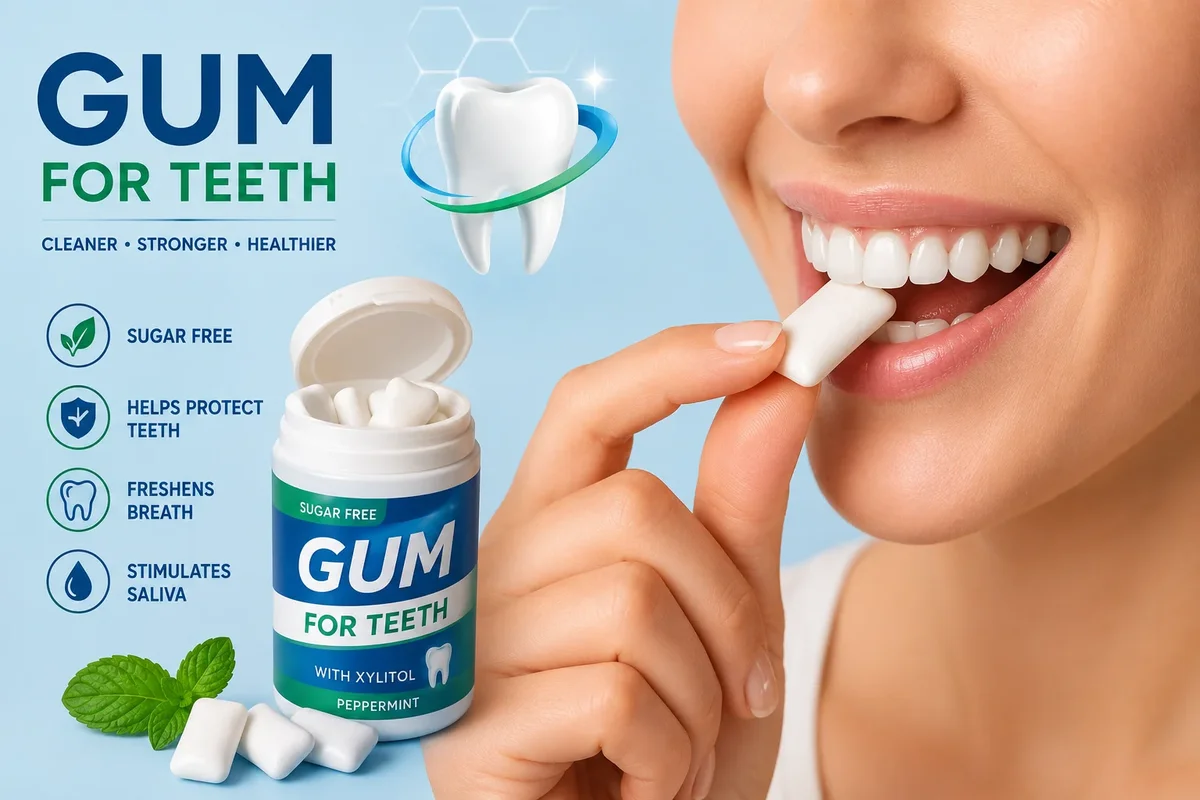
When to Visit a Dental Clinic for Better Gum and Teeth Health
While using gum for teeth may support oral hygiene and improve breath freshness, chewing gum alone cannot solve serious dental problems. Many people rely heavily on sugar-free chewing gum to maintain freshness or reduce dry mouth symptoms, but professional dental care remains essential for protecting long-term oral health. Visiting a dental clinic regularly helps identify cavities, gum disease, enamel erosion, infections, and other oral conditions before they become more severe. Understanding when professional treatment is necessary allows individuals to combine the benefits of gum for teeth with proper preventive dental care for healthier teeth and gums. 🦷
Some oral health problems develop gradually without causing immediate pain. Because of this, many individuals delay dental appointments until symptoms become severe. However, early diagnosis and treatment often prevent more complex procedures later. Even if a person uses high-quality gum for teeth products daily, professional examinations and cleanings remain necessary for maintaining strong teeth and healthy gum tissue.
Persistent Bad Breath Despite Using Gum for Teeth
One common reason people use gum for teeth is to improve breath freshness. Sugar-free chewing gum may temporarily reduce unpleasant odors by stimulating saliva and masking smells with mint flavors. However, if bad breath continues despite regular oral hygiene and chewing gum use, it may indicate an underlying dental problem.
Persistent bad breath can be caused by gum disease, cavities, oral infections, dry mouth, or bacteria trapped below the gumline. In some cases, digestive or medical conditions may also contribute to chronic mouth odor. If chewing gum for teeth only hides symptoms temporarily, a dental examination is recommended.
Warning Signs Associated with Bad Breath
Individuals should schedule dental evaluations if they experience:
- Chronic bad breath lasting several weeks
- Metallic or unpleasant mouth taste
- White coating on the tongue
- Gum bleeding or swelling
- Persistent dry mouth
These symptoms may indicate oral bacteria imbalance or periodontal disease that requires professional treatment.
Bleeding or Swollen Gums
Healthy gums should not bleed regularly during brushing or flossing. If gum tissue becomes swollen, red, painful, or easily irritated, professional dental care may be necessary. Although gum for teeth may support saliva flow and reduce food debris temporarily, it cannot treat active gum disease.
Gingivitis is the earliest stage of gum disease and often develops due to plaque accumulation around the gumline. Without treatment, gingivitis may progress into periodontitis, a more severe infection that damages supporting bone structures around teeth.
Can Gum for Teeth Cure Gum Disease?
No type of gum for teeth can cure gum disease. While sugar-free chewing gum may help improve oral freshness and reduce dryness, professional cleaning and periodontal treatment are necessary when bacterial infection affects gum tissues.
Regular dental visits allow dentists to remove plaque and tartar deposits that chewing gum and brushing alone cannot eliminate.
Frequent Cavities or Tooth Sensitivity
People who frequently develop cavities despite using gum for teeth should schedule professional dental evaluations. Frequent decay may indicate poor enamel strength, excessive sugar intake, dry mouth conditions, or inadequate oral hygiene habits.
Tooth sensitivity is another important warning sign. Pain caused by cold drinks, sweets, or temperature changes may indicate enamel erosion, exposed roots, cavities, or gum recession. Chewing gum cannot repair these issues once significant damage occurs.
Early Treatment Prevents Bigger Problems
Small cavities are usually easier and less expensive to treat compared to advanced tooth decay. Delaying treatment may eventually require root canal therapy, crowns, or tooth extraction. Dentists often emphasize preventive care because early intervention protects both oral health and long-term treatment costs.
Dry Mouth That Does Not Improve
Many people use gum for teeth to reduce dry mouth symptoms because chewing stimulates saliva production naturally. While this can help temporarily, severe or chronic dry mouth may require professional evaluation.
Dry mouth may occur due to medications, dehydration, aging, autoimmune disorders, or medical treatments. Reduced saliva increases the risk of cavities, gum irritation, bad breath, and oral infections because saliva plays a major protective role in oral health.
Why Chronic Dry Mouth Is Dangerous
Without adequate saliva, bacteria can multiply more easily inside the mouth. Teeth become more vulnerable to acid attacks, and gums may become inflamed or uncomfortable. If gum for teeth no longer provides enough relief, dental professionals may recommend additional treatments or saliva-supporting products.
Jaw Pain or Problems from Excessive Gum for Teeth Use
Although chewing gum can provide oral health support, excessive gum for teeth use may sometimes contribute to jaw pain or temporomandibular joint (TMJ) problems. Continuous chewing can strain jaw muscles and create tension around the joints connecting the jawbone to the skull.
People experiencing jaw clicking, facial soreness, headaches, or difficulty opening the mouth fully should seek professional evaluation. Dentists can determine whether chewing habits, teeth grinding, bite problems, or TMJ disorders are causing discomfort.
When Jaw Symptoms Become Serious
Professional care is especially important if jaw symptoms interfere with eating, sleeping, or speaking comfortably. Reducing excessive gum for teeth use may help, but some patients require additional treatment such as bite adjustments, night guards, or TMJ therapy.
Professional Dental Cleanings Are Still Necessary
Even if individuals use high-quality gum for teeth products daily, professional cleanings remain extremely important. Plaque that hardens into tartar cannot be removed by chewing gum or brushing alone. Dental hygienists use specialized instruments to remove these deposits safely and thoroughly.
Routine cleanings also allow dentists to identify early signs of decay, enamel erosion, gum disease, oral cancer, and other health concerns before symptoms become severe.
How Often Should Dental Visits Occur?
Most dentists recommend professional checkups and cleanings every six months, although some individuals with higher cavity risk or gum disease may require more frequent visits. Regular appointments help maintain healthier teeth and gums while reducing the need for more invasive procedures later.
Children and Preventive Dental Visits
Children who use gum for teeth products should still attend regular pediatric dental visits. Professional monitoring helps identify cavities, alignment problems, enamel defects, and oral hygiene issues early. Teaching children healthy habits from a young age improves long-term oral health outcomes.
Pediatric dentists may sometimes recommend xylitol-based chewing gum for older children prone to cavities, but professional preventive care remains the foundation of healthy smiles.
Professional Advice from Dental Organizations
Organizations such as the American Dental Association consistently emphasize that chewing gum should only complement regular dental care rather than replace it. Sugar-free chewing gum may support saliva production and acid reduction, but routine examinations and cleanings remain essential for preventing oral disease.
People who experience persistent symptoms or concerns should always seek professional evaluation rather than relying solely on gum for teeth products for symptom management.
Finding Professional Support for Gum and Teeth Health
Individuals experiencing gum bleeding, tooth sensitivity, bad breath, cavities, dry mouth, or jaw discomfort should not ignore these warning signs. Early professional treatment often prevents more serious complications and improves long-term oral health outcomes.
Patients looking for expert guidance regarding oral hygiene, cavity prevention, gum disease treatment, or preventive dental care can contact experienced dental professionals through the Redent Klinik Contact Page for personalized support and treatment recommendations.
Final Thoughts on Visiting a Dental Clinic
Using gum for teeth may support fresher breath, increased saliva production, and improved oral hygiene between brushing sessions. However, chewing gum cannot replace professional dental care, routine cleanings, or proper oral hygiene habits.
Visiting a dental clinic regularly allows early detection of cavities, gum disease, enamel erosion, jaw problems, and other oral health concerns before they become more severe. By combining professional dental care with responsible use of gum for teeth, individuals can better protect their teeth, gums, and overall oral wellness for many years to come. 😊
Disclosure: this page may contain affiliate links. We may earn a commission if you use them, at no extra cost to you.