
Gum implants are one of the most advanced solutions in modern dentistry for restoring both the function and appearance of damaged or receding gums. Many patients today seek gum implants not only for aesthetic reasons but also to protect their overall oral health. When gum tissue recedes or becomes damaged due to conditions like periodontal disease, trauma, or aging, gum implants provide a reliable and long-lasting way to rebuild that lost tissue and restore a confident smile 😊.
Unlike traditional treatments that may only slow down gum recession, gum implants actively replace or regenerate gum tissue. This makes them a highly effective option for individuals experiencing gum loss, exposed tooth roots, or uneven gum lines. In simple terms, gum implants are procedures designed to rebuild the gum structure around teeth, helping to protect them from further damage while improving their visual appeal.
The concept of gum implants is often associated with advanced periodontal treatments. These procedures can involve tissue grafting, synthetic materials, or regenerative techniques that encourage the body to naturally rebuild gum tissue. According to the American Dental Association, maintaining healthy gums is essential for preventing tooth loss and ensuring long-term oral health. Gum implants play a crucial role in achieving this goal.
One of the key reasons why gum implants have become increasingly popular is their ability to address multiple dental concerns at once. For example, when gum tissue recedes, it exposes the sensitive roots of the teeth, leading to discomfort, increased sensitivity, and a higher risk of decay. Gum implants help cover these exposed areas, reducing sensitivity and protecting the teeth from further damage.
Another important advantage of gum implants is their impact on smile aesthetics. Many people feel self-conscious about having uneven or receding gums, which can make teeth appear longer than normal. With gum implants, dentists can reshape and restore the gum line, creating a more balanced and natural-looking smile. This is particularly beneficial for patients seeking cosmetic dental improvements alongside functional restoration.
The process of getting gum implants typically begins with a thorough dental examination. During this stage, the dentist evaluates the condition of the gums, teeth, and underlying bone structure. This helps determine whether gum implants are the most suitable treatment option. In some cases, additional procedures such as deep cleaning or infection control may be required before proceeding with gum implants.
There are several techniques used in gum implants, depending on the patient’s needs. These may include connective tissue grafts, free gingival grafts, or advanced regenerative procedures using biomaterials. Each method aims to restore gum volume and health while ensuring long-term stability. The choice of technique is carefully tailored to achieve the best possible results for each individual.
Patients considering gum implants often wonder about the level of discomfort involved. Fortunately, modern dental technology and anesthesia techniques have made the procedure much more comfortable than in the past. Most patients report minimal discomfort during and after the procedure, especially when proper aftercare is followed.
Recovery from gum implants is generally smooth, with most patients returning to normal activities within a few days. However, complete healing of the gum tissue may take a few weeks. During this time, maintaining good oral hygiene and following the dentist’s instructions is essential for achieving optimal results.
It is also important to understand that gum implants are not just a cosmetic procedure—they are a preventive and restorative treatment that can significantly improve oral health. By addressing gum recession early, patients can avoid more serious complications such as tooth loss or bone deterioration.
If you are experiencing gum issues or considering gum implants, consulting a qualified dental professional is the first step. You can easily reach out through the Redent Klinik Contact Page to get personalized advice and treatment options tailored to your needs.
In conclusion, gum implants represent a powerful solution for anyone looking to restore gum health, protect their teeth, and enhance their smile. With advancements in dental technology, these procedures have become safer, more effective, and more accessible than ever before. Whether your goal is to improve aesthetics, reduce sensitivity, or prevent further gum damage, gum implants offer a comprehensive and reliable path toward a healthier, more confident smile 😁.
What Are Gum Implants and How Do They Work?
Gum implants are a modern dental solution designed to restore lost or damaged gum tissue, providing both functional protection and aesthetic improvement. In simple terms, gum implants help rebuild the soft tissue that surrounds and supports your teeth. When gums recede due to periodontal disease, aging, or improper oral hygiene, gum implants become an effective method to restore balance and health to your smile 😊.
Understanding how gum implants work begins with recognizing the role of gums in oral health. Healthy gums act as a protective barrier, shielding tooth roots and supporting the structure of the teeth. When this barrier is compromised, it can lead to sensitivity, decay, and even tooth loss. Gum implants are specifically designed to reverse or repair this damage by replacing or regenerating gum tissue.
The Core Purpose of Gum Implants
The primary goal of gum implants is to restore gum volume and coverage. When gums recede, the exposed tooth roots become vulnerable. Gum implants cover these areas, reducing sensitivity and protecting against bacteria. This makes gum implants not only a cosmetic solution but also a preventive treatment that strengthens long-term oral health.
Additionally, gum implants help improve the symmetry of your smile. Uneven gums can make teeth appear longer or disproportionate. By restoring the natural gum line, gum implants create a more harmonious and attractive appearance.
How Gum Implants Actually Work
The process of gum implants involves placing new tissue or materials into areas where gum tissue has been lost. This can be done using natural tissue from the patient or advanced synthetic materials. The goal is to integrate this new material with existing gum tissue, allowing it to function just like natural gums.
Step 1: Assessment and Planning
Before performing gum implants, the dentist conducts a detailed examination. This includes checking gum health, measuring recession levels, and identifying any underlying conditions. Proper planning ensures that gum implants are tailored to the patient’s specific needs.
Step 2: Tissue Placement
During the procedure, the dentist carefully places the graft or implant material in the affected area. This could involve taking tissue from another part of the mouth or using biocompatible materials. The precision of this step is crucial for the success of gum implants.
Step 3: Healing and Integration
After placement, the healing process begins. The new tissue gradually integrates with the existing gums, forming a stable and natural structure. Over time, gum implants become indistinguishable from the surrounding tissue, both functionally and visually.
Types of Materials Used in Gum Implants
Gum implants can be performed using different materials depending on the patient’s condition. The most common options include:
- Autografts: Tissue taken from the patient’s own mouth, often from the palate.
- Allografts: Donor tissue that has been processed for safe use.
- Synthetic materials: Advanced biomaterials designed to mimic natural gum tissue.
Each of these options is carefully selected to ensure compatibility and long-term success. Modern techniques have made gum implants highly predictable and safe for most patients.
Why Gum Implants Are More Than Cosmetic
While many people associate gum implants with improving smile aesthetics, their benefits go far beyond appearance. Gum implants help stabilize teeth, reduce the risk of decay, and prevent further gum recession. By reinforcing the gum structure, they contribute to overall oral health and longevity.
In fact, dental professionals often recommend gum implants as part of a comprehensive treatment plan for patients with periodontal issues. According to the American Dental Association, early intervention in gum problems is essential to prevent serious complications. Gum implants play a key role in this preventive approach.
Who Can Benefit from Gum Implants?
Gum implants are suitable for a wide range of patients. Individuals experiencing gum recession, exposed tooth roots, or uneven gum lines are ideal candidates. Additionally, those preparing for other dental procedures, such as dental implants, may benefit from gum implants to ensure proper support.
If you are unsure whether gum implants are right for you, consulting a professional is the best step. You can reach out through the Redent Klinik Contact Page to get personalized recommendations based on your dental condition.
Final Thoughts on How Gum Implants Work
Gum implants represent a combination of science, technology, and artistry in modern dentistry. They not only restore lost gum tissue but also enhance the overall health and beauty of your smile. By understanding how gum implants work, patients can make informed decisions and take proactive steps toward better oral health 😁.
With their ability to protect teeth, improve aesthetics, and prevent future complications, gum implants are truly one of the most valuable advancements in dental care today.
Who Needs Gum Implants? Signs and Conditions Explained
Gum implants are not only a cosmetic solution but also a critical treatment for individuals experiencing various gum-related problems. Understanding who needs gum implants is essential for early intervention and long-term oral health. Many patients are unaware that gum implants can prevent severe dental complications, including tooth loss and bone deterioration. Identifying the signs early can make a significant difference in treatment outcomes 😊.
Gum implants are typically recommended for individuals who have lost gum tissue due to periodontal disease, injury, or genetic factors. When gums recede, the protective barrier around the teeth weakens, exposing sensitive tooth roots and increasing the risk of infection. In such cases, gum implants serve as a restorative and preventive solution.
Common Signs You May Need Gum Implants
There are several warning signs that indicate you may benefit from gum implants. Recognizing these symptoms early allows for timely treatment and better results.
Gum Recession
One of the most obvious signs is gum recession. If your teeth appear longer than usual or your gum line has shifted, it may indicate tissue loss. Gum implants help restore the natural gum line and protect exposed roots.
Tooth Sensitivity
Increased sensitivity to hot, cold, or sweet foods is another common indicator. This occurs because the protective gum layer is no longer covering the tooth roots. Gum implants can significantly reduce this sensitivity by covering exposed areas.
Bleeding or Inflamed Gums
Frequent bleeding during brushing or flossing may signal gum disease. If left untreated, this can lead to severe gum damage. Gum implants are often part of a treatment plan to repair the damage caused by advanced gum disease.
Loose Teeth
When gums weaken, the support structure for teeth diminishes. This can cause teeth to feel loose or unstable. Gum implants help reinforce the surrounding tissue, improving stability and preventing further movement.
Conditions That Often Require Gum Implants
Several dental conditions may lead to the need for gum implants. Understanding these conditions can help patients take proactive steps toward treatment.
Periodontal Disease
Periodontal disease is the leading cause of gum recession and tissue loss. As the infection progresses, it destroys the supporting structures of the teeth. Gum implants are often used to restore the damaged tissue and prevent further progression.
Genetic Predisposition
Some individuals are genetically more prone to thin or weak gum tissue. Even with good oral hygiene, they may experience gum recession. In such cases, gum implants provide a reliable way to strengthen and thicken the gum tissue.
Improper Brushing Techniques
Brushing too aggressively can wear down gum tissue over time. This mechanical damage can lead to recession and sensitivity. Gum implants help repair this damage and restore the natural gum contour.
Trauma or Injury
Accidents or injuries affecting the mouth can result in gum loss. Gum implants are used to rebuild the affected area, ensuring both functionality and aesthetics are restored.
Why Early Treatment with Gum Implants Matters
Delaying treatment can lead to more serious complications. When gum recession progresses, it can expose more of the tooth root, increasing the risk of decay and infection. Gum implants not only address current issues but also prevent future problems.
According to the American Dental Association, early diagnosis and treatment of gum conditions are essential for maintaining oral health. Gum implants play a crucial role in this preventive approach, helping patients avoid complex and costly procedures later.
Are You a Candidate for Gum Implants?
Not everyone with minor gum issues will need gum implants, but many patients can benefit from them. Ideal candidates for gum implants typically include:
- Individuals with moderate to severe gum recession
- Patients experiencing persistent tooth sensitivity
- People with uneven or aesthetically unpleasing gum lines
- Those preparing for dental implants or other restorative procedures
A professional dental evaluation is necessary to determine whether gum implants are the right solution. Dentists will assess the extent of gum damage, overall oral health, and individual treatment goals before recommending gum implants.
The Psychological and Aesthetic Impact
Beyond physical health, gum implants also have a significant psychological impact. Many patients feel self-conscious about their smile due to visible gum recession. Gum implants restore confidence by improving the appearance of the gums and teeth.
A balanced gum line enhances facial aesthetics and creates a more youthful appearance. This makes gum implants a popular choice for patients seeking both health and cosmetic improvements.
Taking the Next Step
If you recognize any of the signs mentioned above, it may be time to consider gum implants. Early consultation can prevent complications and provide more treatment options. You can easily get professional guidance through the Redent Klinik Contact Page and explore personalized solutions.
In conclusion, gum implants are an essential treatment for individuals experiencing gum-related issues. By addressing both functional and aesthetic concerns, gum implants provide a comprehensive solution that improves oral health and enhances quality of life. Acting early and understanding your needs can ensure the best possible outcome 😁.
Types of Gum Implants: Surgical and Non-Surgical Options
Gum implants are not a one-size-fits-all solution. Depending on the severity of gum loss, the patient’s oral health, and aesthetic goals, dentists may recommend different types of gum implants. Understanding the available options is essential for choosing the most effective treatment. Today, gum implants can be broadly categorized into surgical and non-surgical approaches, each offering unique benefits and applications 😊.
The choice between surgical and non-surgical gum implants depends on factors such as the extent of gum recession, the thickness of existing tissue, and the presence of underlying conditions like periodontal disease. Both approaches aim to restore gum health, improve appearance, and protect teeth from further damage.
Surgical Gum Implants Options
Surgical gum implants are the most common and effective method for treating moderate to severe gum recession. These procedures involve physically placing tissue into areas where gums have been lost.
Connective Tissue Grafts
This is one of the most widely used types of gum implants. In this procedure, a small piece of tissue is taken from the roof of the mouth and placed under the existing gum tissue. Connective tissue grafts are highly effective for covering exposed roots and improving gum thickness.
These gum implants are ideal for patients with deep recession and sensitivity issues. Over time, the graft integrates with the surrounding tissue, creating a natural and durable result.
Free Gingival Grafts
Free gingival grafts are another surgical option for gum implants. Unlike connective tissue grafts, this method involves taking tissue directly from the palate and placing it onto the affected area. This technique is particularly useful for patients with thin gums who need additional tissue thickness.
Free gingival grafts help strengthen the gum structure and prevent further recession. They are often recommended for patients who are at high risk of gum damage.
Pedicle Grafts
In this type of gum implants procedure, tissue is taken from nearby gum areas instead of the palate. The existing tissue is partially cut and repositioned to cover exposed roots. Pedicle grafts are suitable for patients who still have sufficient gum tissue around the affected tooth.
This method allows for quicker healing since the tissue maintains its original blood supply, making gum implants more efficient in certain cases.
Regenerative Gum Procedures
Advanced gum implants may also involve regenerative techniques. These procedures use special membranes, proteins, or growth factors to stimulate the body’s natural ability to regenerate gum tissue. This approach is often used in combination with bone grafting for patients with severe tissue loss.
Regenerative gum implants represent the latest innovation in dental care, offering long-term benefits and improved tissue quality.
Non-Surgical Gum Implants Alternatives
For patients with mild gum recession or those seeking less invasive options, non-surgical gum implants can be an effective solution. While these methods may not replace tissue in the same way as surgical procedures, they can significantly improve gum health and appearance.
Pinhole Surgical Technique (Minimally Invasive)
Although technically a surgical method, the pinhole technique is considered minimally invasive. It involves creating a small hole in the gum and gently repositioning the tissue over exposed roots. No stitches or grafts are required, making recovery faster.
This modern approach to gum implants is popular among patients who want quick results with minimal discomfort.
Laser Gum Treatment
Laser technology has introduced new possibilities for gum implants. Lasers can be used to remove diseased tissue and stimulate healing. While not a direct replacement for grafting, laser treatments can support gum regeneration and improve overall outcomes.
Laser-assisted gum implants procedures are less invasive and often involve reduced bleeding and faster healing times.
Dermal Fillers for Gums
In some cosmetic cases, dermal fillers can be used as a temporary alternative to gum implants. These fillers are injected into the gum area to improve volume and appearance. While not a permanent solution, they can enhance aesthetics for patients with minor gum irregularities.
This option is typically used for cosmetic enhancement rather than functional restoration.
Choosing the Right Type of Gum Implants
Selecting the appropriate type of gum implants requires a detailed evaluation by a dental professional. Factors such as gum thickness, oral hygiene, and overall health play a significant role in determining the best approach.
According to the American Dental Association, personalized treatment planning is essential for achieving successful outcomes in gum procedures. Dentists often combine different gum implants techniques to provide optimal results.
If you are considering gum implants, it is important to consult a qualified clinic that can assess your condition thoroughly. You can easily get expert guidance through the Redent Klinik Contact Page and explore the most suitable options for your needs.
Advantages of Having Multiple Options
The availability of both surgical and non-surgical gum implants provides flexibility for patients. Whether you need a comprehensive restoration or a minimally invasive enhancement, there is a solution tailored to your situation.
Modern advancements in dental technology have made gum implants more accessible, comfortable, and effective than ever before. Patients can now achieve natural-looking results with shorter recovery times and long-lasting benefits 😁.
In conclusion, understanding the different types of gum implants empowers patients to make informed decisions. By choosing the right method, you can restore gum health, protect your teeth, and enhance your smile with confidence.
The Gum Implants Procedure Step-by-Step
Understanding the step-by-step process of gum implants can help patients feel more confident and prepared before undergoing treatment. Gum implants are carefully planned procedures that focus on restoring gum tissue, improving oral health, and enhancing the overall appearance of your smile. While the exact approach may vary depending on the type of gum implants selected, the core stages remain similar and are designed to ensure safety, precision, and long-term success 😊.
Gum implants involve a combination of diagnosis, preparation, surgical precision, and post-procedure care. Each step plays a crucial role in achieving optimal results. By knowing what to expect, patients can reduce anxiety and actively participate in their recovery journey.
Initial Consultation and Diagnosis
The first step in any gum implants procedure is a comprehensive dental evaluation. During this stage, the dentist examines your gums, teeth, and overall oral health to determine whether gum implants are necessary.
Detailed Oral Examination
The dentist checks for gum recession, inflammation, and signs of periodontal disease. Measurements of gum depth and recession levels are taken to assess the severity of the condition. This ensures that gum implants are recommended only when truly needed.
Imaging and Treatment Planning
Advanced imaging techniques such as digital X-rays or 3D scans may be used to evaluate bone structure and tissue condition. Based on these findings, a personalized gum implants treatment plan is created, tailored specifically to the patient’s needs.
Preparation Before Gum Implants
Before proceeding with gum implants, certain preparatory steps are necessary to ensure a successful outcome.
Deep Cleaning and Infection Control
If gum disease is present, the dentist may perform scaling and root planing to remove plaque and bacteria. This step is essential because gum implants should only be placed in a healthy oral environment.
Patient Instructions
Patients are given specific instructions before gum implants, such as avoiding certain medications, maintaining oral hygiene, and preparing for post-procedure care. Proper preparation significantly improves healing and reduces complications.
The Gum Implants Procedure
The actual gum implants procedure is typically performed under local anesthesia, ensuring that the patient remains comfortable throughout the process.
Anesthesia and Comfort Measures
The dentist administers local anesthesia to numb the treatment area. In some cases, sedation options may also be offered for patients who feel anxious about gum implants.
Tissue Placement or Grafting
Depending on the chosen technique, the dentist places the gum implant material in the affected area. This could involve taking tissue from another part of the mouth or using donor or synthetic materials. The goal of gum implants is to cover exposed roots and rebuild the gum structure.
Securing the Graft
Once the tissue is positioned, it is carefully secured with fine sutures. Precision is critical at this stage to ensure that the gum implants integrate properly with the existing tissue.
Protective Measures
A protective dressing may be placed over the treated area to support healing and minimize discomfort. This helps stabilize the gum implants during the initial recovery phase.
Healing and Recovery Phase
After the gum implants procedure, the body begins the natural healing process. This phase is crucial for the success of the treatment.
Initial Healing
The first few days after gum implants may involve mild swelling or discomfort. Pain is usually manageable with prescribed or over-the-counter medications. Most patients can return to normal activities within a short period.
Tissue Integration
Over the following weeks, the implanted tissue integrates with the surrounding gums. This process ensures that gum implants become stable and function like natural gum tissue.
Follow-Up Visits
Regular check-ups are essential to monitor healing and ensure the success of gum implants. The dentist will remove sutures if necessary and provide guidance for ongoing care.
Post-Procedure Care for Gum Implants
Proper aftercare is essential to maximize the success of gum implants and maintain long-term results.
Oral Hygiene Practices
Patients should follow gentle brushing and flossing techniques to avoid disturbing the treated area. Maintaining cleanliness helps prevent infection and supports healing.
Dietary Recommendations
Soft foods are recommended during the initial recovery period. Avoiding hard, spicy, or hot foods can prevent irritation and protect the gum implants.
Avoiding Harmful Habits
Smoking and excessive alcohol consumption can delay healing and compromise the success of gum implants. Patients are strongly advised to avoid these habits during recovery.
How Long Does the Gum Implants Process Take?
The entire gum implants process, from consultation to full healing, can vary depending on the complexity of the case. While the procedure itself may take one to two hours, complete healing can take several weeks. However, the long-term benefits of gum implants make this investment of time worthwhile.
According to the American Dental Association, following proper aftercare instructions significantly improves treatment outcomes and reduces the risk of complications.
Why Professional Guidance Matters
Choosing an experienced dental clinic is essential for successful gum implants. Skilled professionals ensure precise placement, minimize risks, and provide personalized care throughout the process.
If you are considering gum implants, you can get expert advice and tailored treatment options through the Redent Klinik Contact Page. Early consultation can help you understand the procedure and plan your treatment effectively.
Final Thoughts on the Gum Implants Procedure
The gum implants procedure is a well-structured and highly effective treatment that restores both function and aesthetics. From initial diagnosis to final healing, each step is designed to ensure long-lasting results. With modern dental advancements, gum implants have become safer, more comfortable, and more predictable than ever before 😁.
By understanding each stage of the process, patients can approach gum implants with confidence and take an active role in achieving a healthier, more beautiful smile.
Benefits of Gum Implants for Oral Health and Aesthetics
Gum implants offer a powerful combination of functional and cosmetic advantages, making them one of the most valuable treatments in modern dentistry. Many patients initially consider gum implants for aesthetic reasons, but soon discover that their benefits go far beyond appearance. From protecting teeth to improving confidence, gum implants provide a comprehensive solution for individuals experiencing gum recession or tissue loss 😊.
Healthy gums are essential for maintaining strong teeth and overall oral stability. When gum tissue is compromised, it exposes sensitive tooth roots and creates an environment where bacteria can thrive. Gum implants restore this protective barrier, ensuring that your teeth remain secure and less vulnerable to decay or damage.
Improved Oral Health with Gum Implants
One of the primary benefits of gum implants is their ability to significantly enhance oral health. By rebuilding lost gum tissue, gum implants help prevent further deterioration and support long-term dental stability.
Protection Against Tooth Decay
When gums recede, the roots of the teeth become exposed. These areas are more susceptible to decay because they lack the protective enamel found on the crown. Gum implants cover these exposed roots, reducing the risk of cavities and bacterial infections.
Reduction in Tooth Sensitivity
Many patients with gum recession experience discomfort when consuming hot or cold foods. Gum implants help reduce this sensitivity by shielding the roots and restoring natural insulation. This allows patients to enjoy everyday activities without pain or discomfort.
Prevention of Further Gum Recession
Gum implants not only repair existing damage but also act as a preventive measure. By strengthening the gum structure, they reduce the likelihood of future recession. This makes gum implants a proactive investment in oral health.
Aesthetic Advantages of Gum Implants
Beyond health benefits, gum implants play a crucial role in enhancing the appearance of your smile. A balanced gum line is essential for an attractive and harmonious look.
Restoring a Natural Gum Line
Gum implants help reshape uneven or receding gums, creating a more symmetrical and natural appearance. This is especially important for individuals who feel self-conscious about their smile.
Enhancing Smile Proportions
When gums recede, teeth can appear longer than normal. Gum implants restore proper proportions between teeth and gums, resulting in a more youthful and aesthetically pleasing smile.
Boosting Confidence
A healthy and attractive smile has a direct impact on self-confidence. Patients who undergo gum implants often report feeling more comfortable in social and professional settings, leading to improved overall quality of life 😁.
Functional Benefits of Gum Implants
In addition to health and aesthetics, gum implants provide important functional improvements that support everyday oral activities.
Improved Tooth Stability
Gum implants reinforce the support structure around teeth, helping to keep them firmly in place. This is particularly beneficial for patients experiencing slight tooth mobility due to gum loss.
Better Support for Dental Treatments
For patients considering procedures like dental implants or crowns, healthy gums are essential. Gum implants create a stable foundation that enhances the success of these treatments.
Enhanced Chewing and Speaking
Healthy gums contribute to proper chewing and speech. By restoring gum tissue, gum implants improve these functions, allowing patients to eat and speak more comfortably.
Long-Term Advantages of Gum Implants
Gum implants are not just a temporary fix—they offer lasting benefits that contribute to overall dental health for years to come.
Durability and Longevity
With proper care, gum implants can provide long-lasting results. The implanted tissue integrates with natural gums, creating a stable and durable structure.
Reduced Need for Future Treatments
By addressing gum issues early, gum implants can prevent more serious complications that require extensive treatment. This reduces the need for additional procedures in the future.
Cost-Effectiveness Over Time
Although gum implants may require an initial investment, their long-term benefits often outweigh the costs. Preventing tooth loss and advanced gum disease can save significant expenses down the line.
Scientific Support and Professional Recommendations
Dental professionals widely recognize the effectiveness of gum implants in maintaining oral health. According to the American Dental Association, preserving gum health is a key factor in preventing tooth loss and ensuring overall dental well-being.
Gum implants are often recommended as part of a comprehensive treatment plan for patients with moderate to severe gum recession. Their ability to restore both function and aesthetics makes them a preferred choice among dental experts.
Taking the First Step Toward Better Gum Health
If you are experiencing gum issues or want to improve your smile, gum implants may be the ideal solution. Consulting with a qualified dental professional can help you understand your options and create a personalized treatment plan.
You can easily reach out for expert advice through the Redent Klinik Contact Page and take the first step toward healthier gums and a more confident smile.
Final Thoughts on the Benefits of Gum Implants
Gum implants provide a comprehensive solution that addresses both the health and appearance of your gums. From protecting teeth and reducing sensitivity to enhancing aesthetics and boosting confidence, the advantages are undeniable.
With advancements in dental technology, gum implants have become safer, more effective, and more accessible than ever before. By choosing gum implants, you are investing in a healthier, stronger, and more beautiful smile that can last a lifetime 😊.
Risks and Potential Complications of Gum Implants
While gum implants are considered a safe and highly effective dental procedure, it is important for patients to understand the potential risks and complications associated with them. Like any medical or dental treatment, gum implants involve certain factors that should be carefully evaluated before proceeding. Being informed about these risks helps patients make confident decisions and ensures better preparation for the procedure 😊.
Gum implants are generally successful when performed by experienced professionals and when patients follow proper aftercare instructions. However, individual factors such as overall health, oral hygiene habits, and lifestyle choices can influence the outcome. Understanding these variables is key to minimizing risks and maximizing the success of gum implants.
Common Short-Term Side Effects of Gum Implants
After undergoing gum implants, patients may experience some temporary side effects. These are typically mild and resolve within a few days.
Swelling and Discomfort
It is normal to experience slight swelling and discomfort after gum implants. This occurs as part of the body’s natural healing response. Pain is usually manageable with prescribed medications, and most patients report minimal discomfort.
Bleeding
Minor bleeding may occur in the first 24 to 48 hours following gum implants. This is generally controlled with proper care and usually subsides quickly. Patients are advised to avoid vigorous rinsing or brushing in the treated area during this period.
Sensitivity
Temporary sensitivity to temperature or pressure is also common after gum implants. This sensitivity decreases as the gums heal and the new tissue integrates with the existing structure.
Potential Complications of Gum Implants
Although rare, certain complications can arise if gum implants are not properly managed or if underlying conditions are present.
Infection
Infection is one of the most serious risks associated with gum implants. It can occur if bacteria enter the surgical site. Maintaining excellent oral hygiene and following post-operative instructions are essential to prevent infection.
Graft Failure
In some cases, the implanted tissue may not successfully integrate with the surrounding gums. This is known as graft failure. Factors such as smoking, poor oral hygiene, or insufficient blood supply can increase this risk. If gum implants fail, additional treatment may be required.
Excessive Bleeding
While minor bleeding is normal, excessive or prolonged bleeding is a potential complication of gum implants. Patients with certain medical conditions or those taking blood-thinning medications should inform their dentist beforehand.
Uneven Gum Appearance
In rare cases, gum implants may result in an uneven gum line if healing does not occur as expected. Skilled dental professionals minimize this risk through precise planning and technique.
Long-Term Risks of Gum Implants
Gum implants are designed to provide long-lasting results, but certain long-term risks should also be considered.
Recurrence of Gum Recession
If the underlying cause of gum recession is not addressed, it may recur even after gum implants. Poor oral hygiene, aggressive brushing, or untreated periodontal disease can lead to future issues.
Scarring
Some patients may develop minor scarring at the treatment site. While this is usually not noticeable, it can affect the overall aesthetic outcome in certain cases.
Allergic Reactions
Although rare, allergic reactions to graft materials or medications used during gum implants can occur. Dentists carefully evaluate patient history to minimize this risk.
Factors That Increase Risks in Gum Implants
Several factors can increase the likelihood of complications during or after gum implants.
Poor Oral Hygiene
Inadequate oral care can lead to infection and delayed healing. Maintaining proper hygiene is critical for the success of gum implants.
Smoking
Smoking significantly reduces blood flow to the gums, impairing healing and increasing the risk of graft failure. Patients are strongly advised to avoid smoking before and after gum implants.
Chronic Health Conditions
Conditions such as diabetes or immune disorders can affect healing and increase the risk of complications. A thorough medical evaluation is necessary before undergoing gum implants.
How to Minimize Risks of Gum Implants
The good news is that most risks associated with gum implants can be minimized with proper care and professional guidance.
Choose an Experienced Dentist
Selecting a qualified and experienced dental professional is one of the most important steps. Skilled practitioners ensure precise placement and reduce the likelihood of complications.
Follow Aftercare Instructions
Adhering to post-procedure guidelines is essential for successful healing. This includes maintaining oral hygiene, taking prescribed medications, and attending follow-up appointments.
Maintain a Healthy Lifestyle
A balanced diet, avoiding smoking, and managing underlying health conditions all contribute to the success of gum implants.
Professional Insights and Recommendations
According to the American Dental Association, patient education and preventive care are key factors in reducing complications related to dental procedures. Gum implants, when performed under proper conditions, have a high success rate and provide significant benefits.
If you are considering gum implants and want to understand your individual risk factors, consulting a professional is essential. You can get expert advice and personalized recommendations through the Redent Klinik Contact Page.
Final Thoughts on Risks of Gum Implants
While gum implants come with certain risks, they are generally minimal and manageable with the right approach. Understanding potential complications allows patients to take proactive steps and ensure the best possible outcome.
With proper planning, professional care, and diligent aftercare, gum implants remain a safe and highly effective solution for restoring gum health and enhancing your smile 😁. Being informed is the first step toward a successful and confident treatment experience.
Recovery Process and Aftercare Tips for Gum Implants
The recovery process after gum implants is a crucial phase that directly affects the success and longevity of the treatment. While gum implants are designed to restore gum tissue and improve oral health, proper healing depends heavily on how well patients follow aftercare instructions. Understanding what to expect during recovery and how to care for your gums will ensure optimal results and minimize complications 😊.
Gum implants typically involve a healing period that can range from a few days to several weeks, depending on the complexity of the procedure and the individual’s healing capacity. During this time, the newly placed tissue must integrate with the surrounding gum structure, forming a stable and natural foundation.
What to Expect Immediately After Gum Implants
The first few days after gum implants are the most sensitive, as your body begins the healing process. Being aware of common symptoms can help you stay prepared.
Swelling and Mild Pain
It is normal to experience mild swelling and discomfort following gum implants. These symptoms usually peak within the first 48 hours and gradually subside. Dentists often prescribe pain relief medications to manage discomfort effectively.
Minor Bleeding
Slight bleeding may occur after gum implants, especially within the first day. This is a natural part of healing and can be controlled by following your dentist’s instructions, such as avoiding excessive rinsing or touching the area.
Protective Dressings
In some cases, a protective dressing is placed over the treated area to support healing. This dressing helps stabilize the gum implants and protects the site from irritation.
The Healing Timeline of Gum Implants
Recovery from gum implants occurs in stages, each playing a vital role in achieving long-term success.
First Week: Initial Healing
During the first week, the focus is on reducing inflammation and protecting the surgical site. Patients are advised to rest, avoid strenuous activities, and follow a soft diet. Gum implants begin to settle into place during this phase.
Weeks 2–4: Tissue Integration
As healing progresses, the implanted tissue starts integrating with the existing gums. This stage is critical for the stability of gum implants. Patients may notice reduced sensitivity and improved comfort.
One Month and Beyond: Full Recovery
Complete healing may take several weeks to a few months. By this stage, gum implants become fully integrated, functioning like natural gum tissue. Regular dental check-ups help ensure that healing is progressing as expected.
Essential Aftercare Tips for Gum Implants
Proper aftercare is key to ensuring the success of gum implants. Following these guidelines can significantly improve healing and prevent complications.
Maintain Gentle Oral Hygiene
Keeping your mouth clean is essential, but it must be done carefully. Use a soft-bristled toothbrush and avoid brushing directly on the treated area during the initial days. Your dentist may recommend a special mouthwash to keep the area clean after gum implants.
Follow a Soft Diet
Eating soft foods helps prevent irritation and allows the gum implants to heal properly. Foods such as yogurt, mashed potatoes, and soups are ideal during the early recovery period. Avoid hard, crunchy, or spicy foods that may disrupt healing.
Avoid Smoking and Alcohol
Smoking and alcohol can interfere with the healing process and increase the risk of complications. Patients are strongly advised to avoid these habits during recovery from gum implants.
Take Prescribed Medications
Your dentist may prescribe antibiotics or pain relievers to support healing and prevent infection. Taking these medications as directed is essential for the success of gum implants.
Activities to Avoid After Gum Implants
Certain activities can negatively impact the healing process and should be avoided during recovery.
Strenuous Physical Activity
Heavy exercise can increase blood flow and lead to bleeding at the surgical site. It is best to limit physical activity for a few days after gum implants.
Touching or Disturbing the Area
Avoid touching the treated area with your tongue or fingers. Disturbing the gum implants can delay healing and increase the risk of infection.
Using Straws
Drinking through a straw can create suction that may disrupt the healing tissue. It is recommended to avoid straws during the initial recovery phase.
Signs of Healthy Healing vs. Warning Signs
Knowing the difference between normal healing and potential complications is important after gum implants.
Normal Healing Signs
- Gradual reduction in swelling and discomfort
- Improved gum appearance
- Decreased sensitivity over time
Warning Signs
- Persistent or severe pain
- Excessive bleeding
- Signs of infection such as pus or fever
If any unusual symptoms occur, it is important to contact your dentist immediately.
Professional Guidance and Support
Regular follow-up appointments are essential to monitor the progress of gum implants. Dentists evaluate healing, remove sutures if necessary, and provide additional care instructions.
According to the American Dental Association, proper aftercare significantly improves the success rate of dental procedures, including gum implants. Professional guidance ensures that patients achieve the best possible outcomes.
If you have questions or concerns during your recovery, you can reach out for expert assistance through the Redent Klinik Contact Page. Personalized advice can help you navigate the healing process with confidence.
Long-Term Care After Gum Implants
Even after full recovery, maintaining good oral hygiene is essential to preserve the results of gum implants. Regular brushing, flossing, and dental check-ups help ensure that your gums remain healthy and strong.
Gum implants are a long-term investment in your oral health, and proper care will allow you to enjoy their benefits for many years.
Final Thoughts on Recovery from Gum Implants
The recovery process for gum implants is manageable and straightforward when patients follow proper guidelines. With careful attention to aftercare, most individuals experience smooth healing and excellent results.
By understanding each stage of recovery and taking proactive steps, you can ensure that your gum implants heal successfully and provide lasting improvements to your smile 😁.
Cost of Gum Implants: What to Expect in 2026
The cost of gum implants is one of the most common concerns for patients considering this advanced dental procedure. While gum implants provide significant long-term benefits for both oral health and aesthetics, understanding the financial aspect is essential for proper planning. In 2026, the cost of gum implants can vary widely depending on several factors, including the type of procedure, the clinic’s expertise, and the patient’s specific needs 😊.
Gum implants are typically considered a specialized periodontal treatment, and their pricing reflects the precision and skill required. Unlike basic dental procedures, gum implants involve detailed planning, surgical techniques, and follow-up care, all of which contribute to the overall cost.
Average Cost of Gum Implants in 2026
Although prices can differ by country and clinic, the following estimates provide a general idea of gum implants costs worldwide:
Typical Price Range
- United States: $800 – $3,500 per tooth area
- United Kingdom: £600 – £2,500 per area
- Europe: €500 – €2,000 per area
- Turkey: $200 – $800 per area
Turkey has become a popular destination for gum implants due to its combination of high-quality dental care and affordable pricing. Many international patients choose clinics in Turkey to receive advanced treatments at a fraction of the cost compared to Western countries.
Factors That Affect the Cost of Gum Implants
The final cost of gum implants is influenced by several important factors. Understanding these variables can help you estimate your treatment expenses more accurately.
Type of Gum Implants Procedure
Different techniques, such as connective tissue grafts, free gingival grafts, or regenerative procedures, have varying costs. More complex gum implants typically require additional materials and expertise, increasing the overall price.
Severity of Gum Recession
The extent of gum damage plays a major role in determining cost. Patients with severe gum recession may require multiple gum implants or combined procedures, leading to higher expenses.
Clinic and Dentist Expertise
Highly experienced specialists may charge more for gum implants due to their expertise and success rates. However, choosing a skilled professional often leads to better outcomes and fewer complications.
Location of the Clinic
Geographic location significantly impacts pricing. Clinics in major cities or developed countries tend to have higher costs compared to regions known for dental tourism, such as Turkey.
Additional Treatments
In some cases, gum implants may be combined with other procedures such as deep cleaning, bone grafting, or dental implants. These additional treatments can increase the total cost.
Are Gum Implants Covered by Insurance?
Insurance coverage for gum implants varies depending on the provider and the reason for the procedure.
Medical vs Cosmetic Coverage
If gum implants are deemed medically necessary—such as treating periodontal disease—insurance may cover part of the cost. However, if the procedure is performed for cosmetic reasons, coverage is less likely.
Consult Your Provider
Patients are advised to consult their insurance provider to understand what portion of gum implants may be covered. This can help reduce out-of-pocket expenses.
Cost vs Value: Are Gum Implants Worth It?
While the upfront cost of gum implants may seem significant, it is important to consider their long-term value.
Preventing Future Expenses
Gum implants help prevent serious dental issues such as tooth loss and advanced gum disease. By addressing these problems early, patients can avoid more expensive treatments in the future.
Improved Quality of Life
The benefits of gum implants extend beyond oral health. Reduced sensitivity, improved appearance, and increased confidence all contribute to a better quality of life.
Long-Lasting Results
With proper care, gum implants can last for many years, making them a cost-effective solution over time.
Affordable Options for Gum Implants
For patients concerned about affordability, there are several ways to manage the cost of gum implants.
Dental Tourism
Traveling to countries like Turkey for gum implants has become increasingly popular. Patients can receive high-quality care at significantly lower prices while enjoying a comfortable experience.
Payment Plans
Many dental clinics offer flexible payment plans, allowing patients to spread the cost of gum implants over time.
Consultation and Customized Plans
Getting a personalized treatment plan helps patients understand their specific needs and costs. You can easily request a consultation through the Redent Klinik Contact Page to receive tailored advice.
Professional Recommendations on Gum Implants Costs
According to the American Dental Association, investing in preventive and restorative dental treatments like gum implants can significantly reduce long-term oral health expenses. Early treatment often leads to better outcomes and lower overall costs.
Final Thoughts on Gum Implants Costs
The cost of gum implants in 2026 varies based on multiple factors, but the benefits they provide make them a worthwhile investment for many patients. From protecting oral health to enhancing smile aesthetics, gum implants offer value that extends far beyond their initial price.
By understanding the cost structure and exploring available options, patients can make informed decisions and choose the best treatment plan for their needs. With the right approach, gum implants can be both an affordable and life-changing solution 😁.
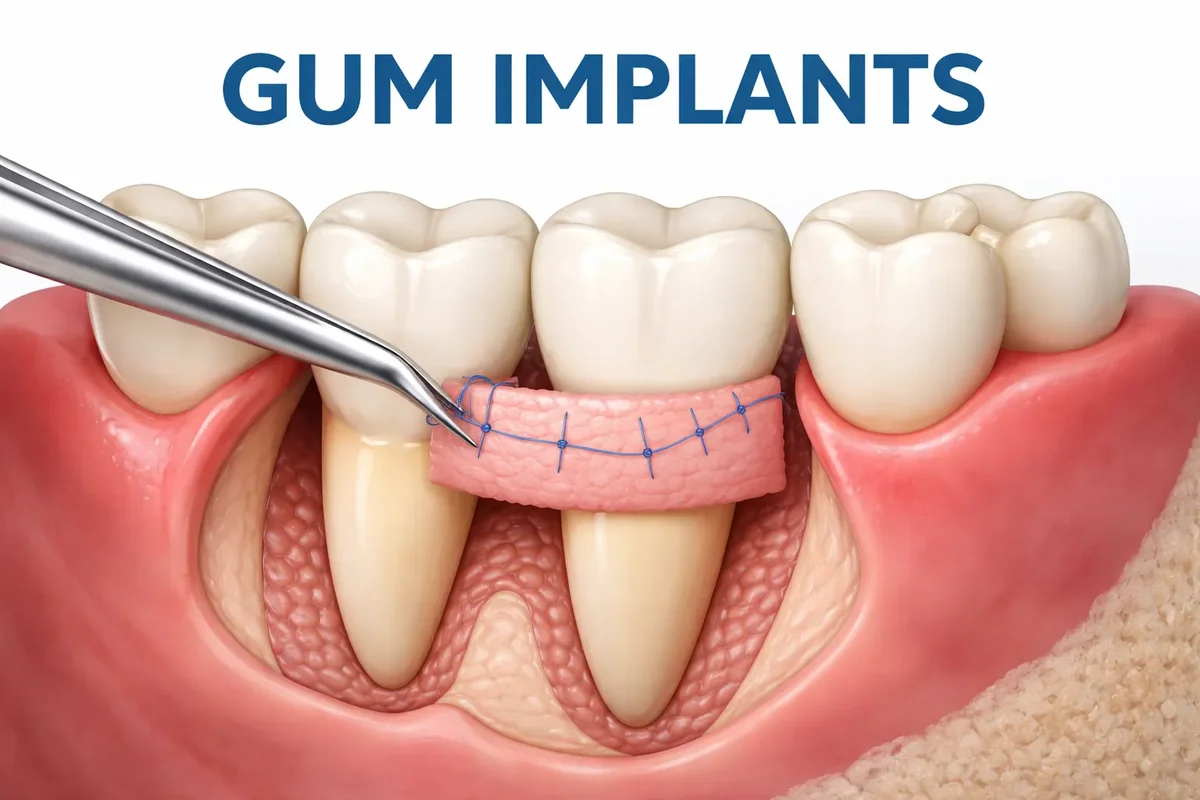
Gum Implants vs Gum Grafts: Key Differences Explained
When patients research treatments for receding gums, they often encounter two commonly used terms: gum implants and gum grafts. Although these terms are sometimes used interchangeably, they are not exactly the same. Understanding the differences between gum implants and gum grafts is essential for making informed decisions about your oral health and choosing the most suitable treatment option 😊.
Both gum implants and gum grafts aim to restore lost gum tissue, protect teeth, and improve smile aesthetics. However, they differ in terms of technique, materials used, recovery experience, and long-term outcomes. In this section, we will explore these differences in detail so you can clearly understand which option may be best for your situation.
What Are Gum Grafts?
Gum grafts are a traditional and widely used procedure in periodontal treatment. In this method, tissue is taken from one part of the patient’s mouth—usually the palate—and transplanted to the area where gum recession has occurred.
How Gum Grafts Work
During a gum graft procedure, the dentist removes a small piece of tissue and attaches it to the affected area. This helps cover exposed tooth roots and increases gum thickness. Gum grafts are effective for treating moderate to severe gum recession.
Limitations of Gum Grafts
While gum grafts are effective, they involve an additional surgical site (the donor area), which may increase discomfort during recovery. Patients may also experience longer healing times compared to some modern gum implants techniques.
What Are Gum Implants?
Gum implants, on the other hand, refer to more advanced and flexible techniques used to restore gum tissue. They may involve grafting, but also include regenerative materials, minimally invasive procedures, and innovative technologies designed to improve outcomes.
Modern Approach of Gum Implants
Gum implants often use biocompatible materials or regenerative methods that stimulate natural tissue growth. This makes gum implants a broader and more advanced category compared to traditional grafting.
Comfort and Efficiency
Many gum implants techniques are designed to minimize discomfort and reduce recovery time. Procedures such as the pinhole technique eliminate the need for sutures, making gum implants more appealing to patients seeking less invasive options.
Main Differences Between Gum Implants and Gum Grafts
Although both treatments serve similar purposes, there are several key differences that distinguish gum implants from gum grafts.
Technique and Complexity
Gum grafts rely on transferring tissue from one area to another, while gum implants may use advanced materials or regenerative techniques. This makes gum implants more versatile in addressing different levels of gum damage.
Source of Material
In gum grafts, the tissue usually comes from the patient’s own mouth. In contrast, gum implants may use donor tissue or synthetic materials, reducing the need for a second surgical site.
Recovery Time
Gum implants often offer faster recovery due to minimally invasive techniques. Gum grafts, while effective, may require longer healing because of the additional donor site.
Aesthetic Results
Both gum implants and gum grafts can produce excellent aesthetic outcomes. However, gum implants may provide more precise and customizable results, especially when advanced technologies are used.
When to Choose Gum Implants Over Gum Grafts
Gum implants are often recommended for patients who prefer modern, less invasive treatments or who require more advanced solutions.
Ideal Candidates for Gum Implants
- Patients seeking faster recovery
- Individuals with mild to moderate gum recession
- Those looking for advanced regenerative treatments
Gum implants are also suitable for patients who want to avoid the discomfort associated with traditional grafting methods.
When Gum Grafts May Be Preferred
Despite the advantages of gum implants, gum grafts remain a reliable option in certain cases.
Severe Gum Recession
For patients with significant tissue loss, traditional gum grafts may provide the necessary volume and coverage.
Established Technique
Gum grafts have been used for decades and are supported by extensive clinical research, making them a trusted choice for many dental professionals.
Combining Gum Implants and Gum Grafts
In some cases, dentists may combine gum implants with grafting techniques to achieve the best results. This hybrid approach allows for both structural support and advanced regeneration, offering a comprehensive solution for complex cases.
Professional Insights and Recommendations
According to the American Dental Association, both traditional and modern periodontal treatments play a vital role in maintaining gum health. The choice between gum implants and gum grafts should be based on individual needs, clinical evaluation, and long-term goals.
If you are unsure which option is right for you, consulting a qualified dental professional is essential. You can get personalized recommendations through the Redent Klinik Contact Page and explore the most suitable treatment plan.
Final Thoughts on Gum Implants vs Gum Grafts
Both gum implants and gum grafts are effective solutions for restoring gum health and improving smile aesthetics. While gum grafts represent a traditional and proven method, gum implants offer modern advancements that enhance comfort, efficiency, and customization.
By understanding the differences, benefits, and limitations of each approach, patients can make informed decisions and choose the treatment that best aligns with their needs. Ultimately, whether you opt for gum implants or gum grafts, the goal remains the same: achieving healthy gums and a confident smile 😁.