
Gum planing is one of the most effective non-surgical dental treatments designed to restore gum health and prevent the progression of gum disease. If you have been experiencing symptoms like bleeding gums, bad breath, gum recession, or sensitivity, gum planing may be the solution your dentist recommends. This advanced deep-cleaning procedure targets harmful bacteria below the gumline and helps your gums reattach to your teeth, creating a healthier oral environment.
Unlike routine dental cleanings, gum planing goes deeper. It is often performed alongside scaling, a process that removes plaque and tartar buildup from the tooth surface. Gum planing specifically focuses on smoothing the root surfaces of your teeth, eliminating rough areas where bacteria tend to accumulate. This makes it harder for bacteria to return and easier for your gums to heal naturally.
Understanding gum planing is crucial for anyone concerned about periodontal (gum) health. Gum disease, also known as periodontal disease, is one of the leading causes of tooth loss worldwide. According to the American Dental Association, untreated gum disease can lead to serious oral and overall health complications, including bone loss and increased risk of systemic conditions such as heart disease.
Why Gum Planing Is Important for Long-Term Oral Health
Gum planing plays a critical role in preventing the progression of gum disease. When plaque hardens into tartar, it creates a breeding ground for bacteria below the gumline. These bacteria cause inflammation, leading to pockets between the teeth and gums. If left untreated, these pockets deepen, resulting in advanced periodontal disease.
By undergoing gum planing, these pockets are reduced, and harmful bacteria are removed. The smoothing of the root surfaces allows the gums to reattach firmly to the teeth, which is essential for long-term stability. This procedure not only treats existing issues but also helps prevent future complications.
Key Signs You May Need Gum Planing
Many people are unaware that they need gum planing because gum disease often progresses silently. However, there are several warning signs you should not ignore:
- Bleeding gums during brushing or flossing 🩸
- Persistent bad breath (halitosis)
- Swollen, red, or tender gums
- Gum recession or teeth appearing longer
- Loose teeth or shifting bite
If you notice any of these symptoms, it is essential to consult a dental professional promptly. Early intervention with gum planing can prevent more invasive treatments later on.
How Gum Planing Supports Overall Health
Gum planing does more than improve your oral health—it contributes to your overall well-being. Chronic gum infections can introduce bacteria into the bloodstream, potentially affecting other parts of the body. Research has linked periodontal disease to conditions such as diabetes, cardiovascular disease, and respiratory issues.
By eliminating infection through gum planing, you reduce inflammation and bacterial load in your body. This makes gum planing not just a dental procedure but a preventive health measure.
The Role of Professional Care in Gum Planing
Gum planing is a specialized procedure that should always be performed by a qualified dental professional. Dentists and dental hygienists use advanced tools to carefully clean below the gumline and smooth root surfaces without damaging surrounding tissues. In some cases, local anesthesia may be used to ensure patient comfort.
If you are considering gum planing or have been advised to undergo the procedure, choosing the right clinic is essential. Professional care ensures that the treatment is effective, safe, and tailored to your specific needs. You can always reach out through the Redent Klinik Contact Page to get personalized guidance and expert dental support.
Gum Planing as a Preventive Strategy
Many patients think gum planing is only necessary when gum disease becomes severe. However, it can also be used as a preventive approach for individuals at higher risk. Smokers, patients with diabetes, and those with a history of gum disease can benefit significantly from early gum planing interventions.
Preventive gum planing helps maintain a clean and bacteria-free environment below the gumline. It reduces the likelihood of deep pocket formation and protects the supporting structures of your teeth.
Common Misconceptions About Gum Planing
There are several myths surrounding gum planing that may cause hesitation. One common misconception is that gum planing damages teeth or gums. In reality, the procedure is designed to protect and restore gum health. Another myth is that it is only necessary for older adults. Gum disease can affect individuals of all ages, making gum planing relevant for a wide range of patients.
Additionally, some people believe that regular brushing and flossing alone can eliminate the need for gum planing. While good oral hygiene is essential, it cannot remove hardened tartar below the gumline. Professional intervention is necessary in such cases.
Final Thoughts on Gum Planing
Gum planing is a powerful, evidence-based treatment that addresses the root cause of gum disease. By removing bacteria and smoothing root surfaces, it promotes healing, prevents further damage, and enhances both oral and overall health. Whether you are experiencing early symptoms or have been diagnosed with periodontal disease, gum planing can be a crucial step toward restoring your smile.
Taking action early can make a significant difference. With proper care, regular dental visits, and a commitment to oral hygiene, gum planing can help you maintain strong, healthy gums for years to come. 😊
What Is Gum Planing and Why It Matters
Gum planing is a specialized dental procedure designed to treat gum disease by thoroughly cleaning and smoothing the roots of the teeth. Unlike regular dental cleanings that focus only on the visible parts of the teeth, gum planing targets the areas beneath the gumline where harmful bacteria thrive. This makes gum planing one of the most effective non-surgical treatments for managing periodontal disease and restoring gum health.
At its core, gum planing is about creating a clean, smooth surface on the tooth roots. When plaque and tartar accumulate below the gums, they cause inflammation and infection. Over time, this leads to the formation of periodontal pockets—spaces between the teeth and gums where bacteria multiply rapidly. Gum planing eliminates these rough, contaminated surfaces, allowing the gums to heal and reattach properly.
The Science Behind Gum Planing
To understand why gum planing is so important, it helps to look at how gum disease develops. When bacteria in plaque are not removed, they harden into tartar. This hardened buildup cannot be removed by brushing or flossing alone. As tartar accumulates below the gumline, it irritates the gum tissue and triggers an inflammatory response.
Gum planing works by removing this buildup and smoothing the root surfaces, making it difficult for bacteria to adhere again. This process disrupts the bacterial colonies and reduces inflammation, allowing the body’s natural healing mechanisms to take over.
How Gum Planing Differs from Regular Cleaning
Many patients confuse gum planing with routine dental cleaning, but the two are very different. Regular cleaning focuses on removing plaque and tartar above the gumline. Gum planing, on the other hand, is a deep cleaning procedure that goes below the gumline and addresses the root causes of gum disease.
- Regular cleaning: Preventive maintenance for healthy gums
- Gum planing: Therapeutic treatment for existing gum disease
This distinction is crucial because gum planing is often necessary when standard cleaning is no longer sufficient to control bacterial growth.
Why Gum Planing Matters for Your Oral Health
Gum planing is essential for preventing the progression of gum disease. Without proper treatment, gum disease can advance from gingivitis (early stage) to periodontitis (advanced stage), leading to bone loss and even tooth loss. Gum planing helps stop this progression by removing the source of infection and promoting gum reattachment.
One of the key benefits of gum planing is the reduction of periodontal pockets. Deep pockets make it difficult to maintain oral hygiene, as toothbrushes and floss cannot reach these areas effectively. By reducing pocket depth, gum planing makes it easier to keep your teeth and gums clean in the long term.
Impact on Gum Reattachment
After gum planing, the gums begin to heal and reattach to the teeth. This is a critical step in restoring oral health. Healthy gum attachment protects the underlying bone and prevents further bacterial invasion. Gum planing essentially resets the environment, giving your gums a chance to recover and strengthen.
Gum Planing and Overall Health Connection
The importance of gum planing extends beyond oral health. Chronic gum infections can affect your entire body. Studies have shown links between periodontal disease and systemic conditions such as heart disease, diabetes, and respiratory issues.
By removing harmful bacteria through gum planing, you reduce inflammation throughout the body. This makes gum planing an important preventive measure not just for your mouth, but for your overall health as well.
For more detailed oral health guidelines, you can visit the American Dental Association, which provides authoritative information on periodontal care.
When Dentists Recommend Gum Planing
Dentists typically recommend gum planing when there are clear signs of periodontal disease. These may include bleeding gums, persistent bad breath, gum recession, or deep pockets detected during a dental examination. In many cases, gum planing is combined with scaling to provide a comprehensive deep cleaning treatment.
Early intervention is key. The sooner gum planing is performed, the better the chances of reversing damage and avoiding more invasive procedures such as surgery. If you are unsure whether you need gum planing, consulting a dental professional is the best step forward.
You can easily reach out for professional evaluation through the Redent Klinik Contact Page to get expert advice tailored to your needs.
Long-Term Benefits of Gum Planing
The long-term benefits of gum planing are significant. Patients who undergo gum planing often experience healthier gums, reduced inflammation, and improved oral hygiene. Additionally, gum planing helps prevent tooth loss by maintaining the integrity of the supporting structures of the teeth.
Another advantage of gum planing is the improvement in breath quality. Since bad breath is often caused by bacteria below the gumline, removing these bacteria through gum planing leads to fresher breath and increased confidence.
Prevention of Future Complications
By addressing the root cause of gum disease, gum planing helps prevent future complications. It reduces the likelihood of recurring infections and minimizes the need for more aggressive treatments. This makes gum planing a cost-effective and proactive approach to dental care.
Final Insight: Why Gum Planing Should Not Be Ignored
Ignoring gum disease can lead to serious consequences, but gum planing offers a reliable and effective solution. It is a scientifically proven method to restore gum health, eliminate infection, and protect your teeth for the long term.
If you are experiencing symptoms of gum disease or have been advised to undergo gum planing, taking action promptly can make all the difference. Gum planing is not just a treatment—it is an investment in your long-term health and well-being. 😊
How Gum Planing Works Step by Step
Understanding how gum planing works step by step can help reduce anxiety and give you confidence before undergoing the procedure. Gum planing is a precise, structured dental treatment designed to remove harmful bacteria from beneath the gumline and smooth the root surfaces of teeth. This process allows the gums to heal and reattach properly, ultimately restoring oral health. While the term may sound complex, the procedure itself is systematic and performed with great care by dental professionals.
Gum planing is typically performed alongside scaling, forming what is commonly known as deep cleaning. Together, these procedures target plaque, tartar, and bacteria both above and below the gumline. The goal of gum planing is not only to clean but also to create an environment where bacteria cannot easily reattach.
Step 1: Initial Examination and Diagnosis
The first step in gum planing begins with a thorough dental examination. Your dentist or hygienist will assess your gum health by measuring periodontal pocket depths using a specialized probe. Healthy gums typically have shallow pockets, while deeper pockets indicate gum disease and the need for gum planing.
X-rays may also be taken to evaluate bone loss and determine the severity of the condition. Based on these findings, your dental professional will create a personalized treatment plan. This step ensures that gum planing is performed only where necessary and tailored to your specific needs.
Why This Step Is Important
Accurate diagnosis ensures that gum planing targets the correct areas. Without proper assessment, some infected areas might be missed, reducing the effectiveness of the treatment. This is why professional evaluation is a critical part of successful gum planing.
Step 2: Local Anesthesia for Comfort
Before starting gum planing, the dentist usually administers local anesthesia to numb the treatment area. This ensures that the procedure is comfortable and pain-free for the patient. While gum planing involves working below the gumline, modern techniques and anesthesia make the experience manageable and stress-free.
For patients with dental anxiety, additional comfort options may be available. The goal is to ensure that gum planing is as smooth and comfortable as possible.
Patient Comfort Matters
Comfort is a top priority during gum planing. By numbing the gums, the dentist can work more effectively while ensuring that you feel minimal discomfort throughout the procedure.
Step 3: Scaling – Removing Plaque and Tartar
Although gum planing is the focus, scaling is the first active cleaning step. During scaling, specialized instruments such as ultrasonic scalers or manual tools are used to remove plaque and tartar from both above and below the gumline.
This step is crucial because gum planing cannot be effective if the root surfaces are still covered in hardened deposits. Scaling clears the way for gum planing by eliminating the bulk of bacterial buildup.
By removing these deposits, scaling reduces inflammation and prepares the gums for the next phase of treatment.
Step 4: Gum Planing – Smoothing the Root Surfaces
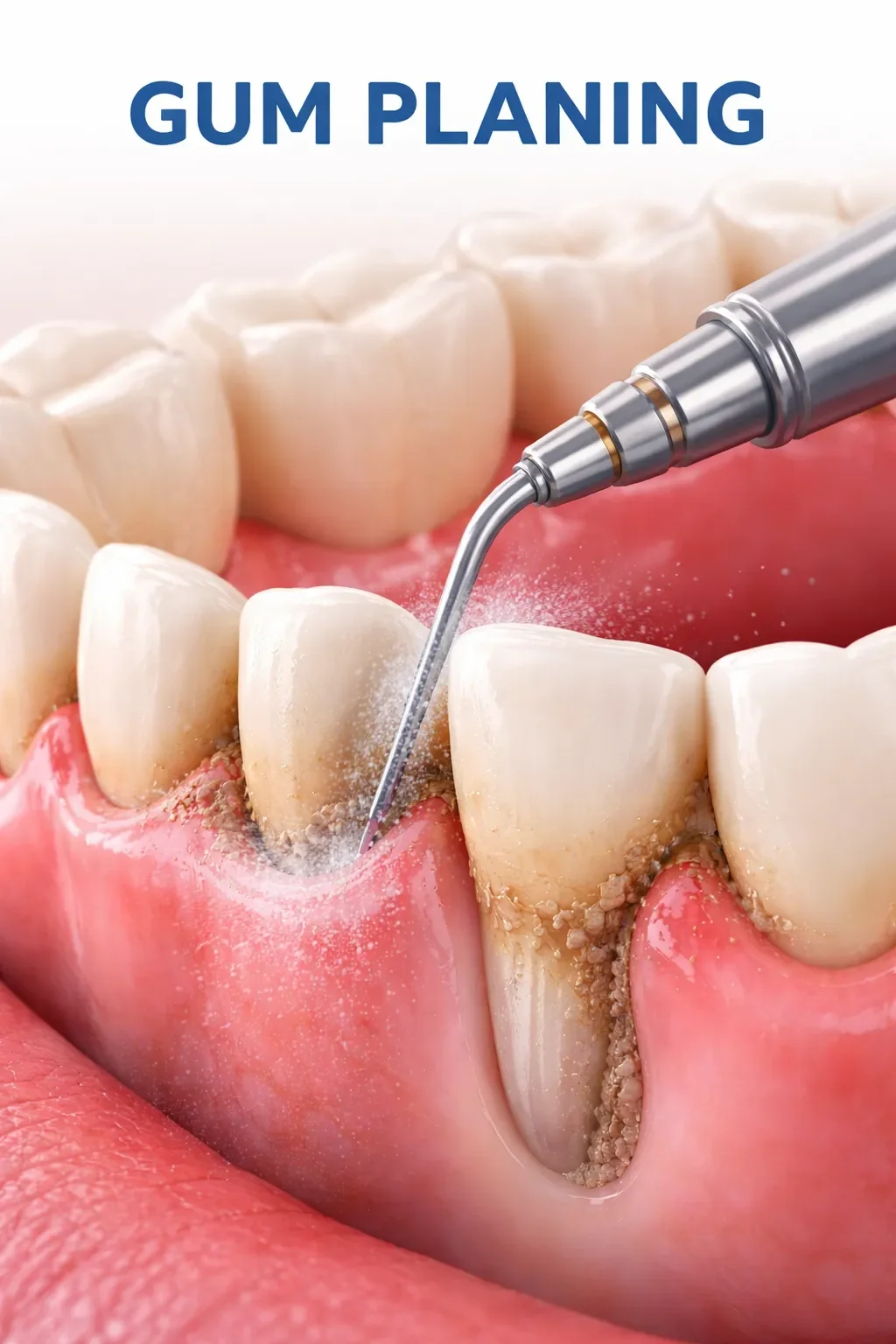
This is the core step of the procedure. During gum planing, the dentist carefully smooths the root surfaces of the teeth. These surfaces often become rough due to bacterial toxins and tartar accumulation. Gum planing removes these irregularities, creating a clean and smooth surface.
The smoother the root surface, the harder it is for bacteria to adhere. This significantly reduces the risk of reinfection and promotes faster healing. Gum planing also encourages the gums to reattach firmly to the teeth, reducing pocket depth.
Precision and Technique
Gum planing requires a high level of precision. Dental professionals use fine instruments to ensure that the roots are thoroughly cleaned without damaging surrounding tissues. This delicate balance is what makes gum planing so effective.
Step 5: Irrigation and Antibacterial Application
After gum planing is completed, the treated areas may be irrigated with antimicrobial solutions. These solutions help eliminate any remaining bacteria and reduce the risk of infection. In some cases, localized antibiotics may be applied directly into the periodontal pockets.
This step enhances the effectiveness of gum planing by ensuring that the treated areas remain as clean as possible during the healing process.
Boosting Healing Outcomes
Antibacterial treatments support the body’s natural healing response. By reducing bacterial load, they help gums recover more quickly after gum planing.
Step 6: Post-Treatment Evaluation and Instructions
Once gum planing is complete, your dentist will provide detailed aftercare instructions. These may include guidelines on brushing, flossing, and the use of antimicrobial mouthwash. You may also be advised to avoid certain foods or habits for a short period to allow the gums to heal properly.
Follow-up appointments are often scheduled to monitor healing and ensure that gum planing has been successful. During these visits, the dentist will check for reduced pocket depths and improved gum attachment.
If you need professional follow-up or guidance, you can contact experts through the Redent Klinik Contact Page for personalized care.
How Long Does Gum Planing Take?
The duration of gum planing depends on the severity of gum disease and the number of areas being treated. In many cases, the procedure is divided into multiple sessions, each focusing on a specific quadrant of the mouth. This approach ensures thorough cleaning and patient comfort.
Each session typically lasts between 45 minutes to an hour. While this may seem time-consuming, the long-term benefits of gum planing far outweigh the time investment.
Why Professional Expertise Matters
Gum planing is not a procedure that can be performed at home. It requires specialized training, tools, and expertise. Dental professionals understand the anatomy of the gums and teeth, allowing them to perform gum planing safely and effectively.
For additional trusted information about dental procedures and oral health, you can visit the American Dental Association.
Final Thoughts on the Gum Planing Process
Gum planing is a carefully structured procedure designed to restore gum health from the root up. Each step—from diagnosis to aftercare—plays a vital role in ensuring successful outcomes. By understanding how gum planing works step by step, you can approach the treatment with confidence and clarity.
With proper care and professional guidance, gum planing can transform your oral health, reduce inflammation, and protect your smile for years to come. 😊
Who Needs Gum Planing Treatment?
Gum planing is not a procedure that everyone needs, but for those experiencing early or moderate stages of gum disease, it can be a crucial step toward restoring oral health. Understanding who needs gum planing treatment helps patients take action at the right time and avoid more severe dental problems. Gum planing is typically recommended when plaque and tartar have accumulated below the gumline, leading to inflammation and the formation of periodontal pockets.
While many people associate gum planing with advanced dental issues, it is often most effective when performed early. Identifying the right candidates for gum planing ensures that treatment is timely, effective, and preventive rather than reactive.
Patients with Early Signs of Gum Disease
One of the most common groups who need gum planing are patients with early-stage gum disease, known as gingivitis. At this stage, symptoms may be mild but should not be ignored. Gum planing can prevent gingivitis from progressing into more serious conditions like periodontitis.
Common early symptoms include:
- Bleeding during brushing or flossing 🩸
- Red or swollen gums
- Mild gum sensitivity
- Persistent bad breath
Even if these symptoms seem minor, they indicate bacterial buildup beneath the gumline. Gum planing removes this buildup and stops the disease from advancing.
Why Early Intervention Matters
Performing gum planing at an early stage can reverse damage and restore healthy gum tissue. It is far less invasive and more cost-effective than treating advanced periodontal disease.
Individuals with Periodontal Pockets
Another key indicator for gum planing is the presence of periodontal pockets. These pockets form when the gums pull away from the teeth due to bacterial infection. The deeper the pockets, the more difficult it becomes to clean them with regular oral hygiene methods.
Dentists measure pocket depth during routine check-ups. If pockets exceed 4 millimeters, gum planing is often recommended to clean these areas thoroughly and reduce pocket depth.
How Gum Planing Helps Pocket Reduction
By smoothing the root surfaces, gum planing allows the gums to reattach to the teeth. This reduces pocket depth and eliminates spaces where bacteria can thrive, making long-term oral hygiene easier.
Patients with Chronic Bad Breath
Chronic bad breath, also known as halitosis, is often caused by bacteria trapped below the gumline. These bacteria release foul-smelling compounds that cannot be eliminated by brushing alone. Gum planing addresses this issue by removing the source of the odor.
Patients who struggle with persistent bad breath despite good oral hygiene are often excellent candidates for gum planing. Once the bacteria are removed, breath freshness improves significantly.
People with Gum Recession
Gum recession is another condition that may require gum planing. When gums recede, the roots of the teeth become exposed, increasing sensitivity and the risk of decay. Gum planing helps clean and smooth these exposed areas, reducing bacterial accumulation and promoting healthier gum attachment.
Preventing Further Recession
While gum planing cannot fully reverse gum recession, it can stop it from worsening. By eliminating infection, gum planing protects the remaining gum tissue and stabilizes the condition.
High-Risk Individuals
Certain individuals are more prone to gum disease and may benefit from preventive gum planing. These include:
- Smokers 🚬
- People with diabetes
- Individuals with a family history of gum disease
- Patients with poor oral hygiene habits
For these groups, gum planing can serve as a proactive measure to maintain gum health and prevent complications.
Systemic Health Considerations
Since gum disease is linked to systemic conditions, high-risk individuals should consider gum planing as part of their overall health strategy. Reducing oral bacteria can have positive effects on the entire body.
Patients with Tartar Buildup Below the Gumline
When tartar forms below the gumline, it cannot be removed through regular brushing or flossing. This hardened buildup creates a rough surface that encourages bacterial growth. Gum planing is necessary to remove this tartar and smooth the root surfaces.
Without gum planing, the bacteria will continue to multiply, leading to worsening gum disease and potential tooth loss.
When Dentists Strongly Recommend Gum Planing
Dentists may strongly recommend gum planing after a comprehensive examination. If signs of infection, inflammation, or deep pockets are present, gum planing becomes an essential part of treatment. Ignoring this recommendation can lead to more severe conditions that require surgical intervention.
If you are unsure whether you need gum planing, it is always best to seek professional advice. You can easily connect with dental experts through the Redent Klinik Contact Page for a personalized assessment.
Trusted Guidance and Professional Standards
Dental professionals follow established guidelines to determine when gum planing is necessary. Organizations like the American Dental Association provide evidence-based recommendations to ensure that treatments like gum planing are used appropriately and effectively.
This ensures that patients receive the highest standard of care and that gum planing is performed only when it truly benefits oral health.
Final Thoughts: Do You Need Gum Planing?
Gum planing is a targeted treatment designed for individuals with specific oral health needs. Whether you are experiencing early signs of gum disease, dealing with deep periodontal pockets, or struggling with persistent bad breath, gum planing can be a highly effective solution.
Recognizing the signs early and seeking professional care can make all the difference. Gum planing not only treats existing issues but also prevents future complications, helping you maintain a healthy and confident smile for years to come. 😊
Benefits of Gum Planing for Oral Health
Gum planing offers a wide range of benefits for individuals dealing with gum disease or aiming to improve their overall oral health. As a non-surgical yet highly effective treatment, gum planing targets the root causes of periodontal issues by eliminating harmful bacteria and smoothing the tooth roots. This allows the gums to heal properly and reattach to the teeth, creating a healthier and more stable oral environment.
Unlike routine cleanings, gum planing goes deeper, addressing issues that cannot be resolved through brushing and flossing alone. By understanding the benefits of gum planing, patients can make informed decisions about their dental care and take proactive steps toward maintaining healthy gums.
Eliminates Harmful Bacteria Below the Gumline
One of the primary benefits of gum planing is its ability to remove bacteria that reside beneath the gumline. These bacteria are responsible for inflammation, infection, and the progression of gum disease. Standard oral hygiene practices often fail to reach these hidden areas, making gum planing essential for effective treatment.
During gum planing, dental professionals thoroughly clean the root surfaces, removing plaque and tartar deposits that harbor bacteria. This significantly reduces the bacterial load in the mouth and helps prevent further damage.
Long-Term Bacterial Control
By smoothing the root surfaces, gum planing makes it more difficult for bacteria to reattach. This creates a cleaner environment that supports long-term oral health and reduces the risk of recurring infections.
Reduces Gum Inflammation and Bleeding
Inflamed and bleeding gums are common signs of gum disease. Gum planing directly addresses these symptoms by removing the irritants causing inflammation. Once the bacteria and toxins are eliminated, the gums begin to heal naturally.
Patients often notice a significant reduction in redness, swelling, and bleeding after undergoing gum planing. This improvement not only enhances comfort but also indicates that the gums are returning to a healthier state.
Visible Improvements After Treatment
Within a few weeks of gum planing, many patients observe healthier gum color and reduced sensitivity. These visible changes are a strong indicator that the treatment is working effectively.
Promotes Gum Reattachment
Gum planing plays a crucial role in helping the gums reattach to the teeth. When gum disease causes the gums to pull away, it creates pockets where bacteria accumulate. Gum planing removes the rough surfaces and bacteria, allowing the gums to reconnect with the tooth structure.
This reattachment is essential for maintaining the stability of the teeth and preventing further damage to the supporting bone.
Strengthening Tooth Support
By encouraging gum reattachment, gum planing helps stabilize teeth and reduces the risk of tooth loss. This is particularly important for patients with moderate to advanced gum disease.
Prevents Progression of Gum Disease
Without treatment, gum disease can progress from gingivitis to periodontitis, leading to severe complications such as bone loss and tooth loss. Gum planing interrupts this progression by removing the source of infection and restoring a healthier environment.
Early intervention with gum planing can prevent the need for more invasive procedures, such as periodontal surgery, making it a critical step in maintaining oral health.
Improves Breath and Oral Freshness
Bad breath is often caused by bacteria trapped below the gumline. These bacteria produce unpleasant odors that cannot be eliminated with mouthwash alone. Gum planing removes these bacteria, leading to noticeably fresher breath.
Patients who undergo gum planing frequently report increased confidence due to improved oral freshness and reduced halitosis.
Confidence Boost
Fresh breath and healthy gums contribute to overall confidence, making social interactions more comfortable and enjoyable.
Supports Overall Health
The benefits of gum planing extend beyond oral health. Research has shown a strong connection between gum disease and systemic conditions such as heart disease, diabetes, and respiratory issues. By reducing bacterial infection in the mouth, gum planing helps lower inflammation throughout the body.
Maintaining healthy gums through gum planing can contribute to better overall health and reduce the risk of complications associated with chronic inflammation.
For more information on the connection between oral and systemic health, visit the American Dental Association.
Enhances Effectiveness of Daily Oral Hygiene
After gum planing, maintaining oral hygiene becomes easier and more effective. The removal of tartar and smoothing of root surfaces allow toothbrushes and floss to reach areas that were previously inaccessible.
This means that patients can maintain their results more effectively with regular brushing and flossing, reducing the likelihood of future problems.
Better Cleaning Efficiency
With fewer bacterial hiding spots, daily oral care becomes more efficient, helping to sustain the benefits of gum planing over time.
Cost-Effective Preventive Care
While gum planing requires an initial investment, it is far more cost-effective than treating advanced periodontal disease. By addressing issues early, gum planing helps avoid expensive and invasive procedures such as surgery or tooth replacement.
Patients who prioritize gum planing as part of their dental care routine often save money in the long run while preserving their natural teeth.
If you are considering treatment, you can consult professionals through the Redent Klinik Contact Page for personalized recommendations.
Final Thoughts on the Benefits of Gum Planing
Gum planing is a powerful and versatile treatment that offers numerous benefits for oral and overall health. From eliminating harmful bacteria to promoting gum reattachment and preventing disease progression, gum planing provides a comprehensive solution for maintaining healthy gums.
By choosing gum planing, you are taking a proactive step toward protecting your smile and improving your quality of life. With proper care and regular dental visits, the benefits of gum planing can last for years, ensuring a healthier and more confident future. 😊
Gum Planing vs Scaling: Key Differences Explained
When it comes to treating gum disease, two terms are often mentioned together: gum planing and scaling. While they are closely related and frequently performed as part of the same deep cleaning procedure, they serve different purposes. Understanding the differences between gum planing and scaling is essential for patients who want to make informed decisions about their oral health and fully understand the treatment process.
Both gum planing and scaling aim to eliminate harmful bacteria and restore gum health, but they focus on different areas of the tooth structure. Together, they form a powerful combination that effectively treats periodontal disease and prevents its progression.
What Is Scaling?
Scaling is the first step in the deep cleaning process. It involves removing plaque and tartar from the surface of the teeth, both above and below the gumline. Dental professionals use specialized tools such as ultrasonic scalers and hand instruments to break apart and remove hardened deposits.
Scaling targets the visible and hidden buildup that brushing and flossing cannot eliminate. This is especially important when tartar forms below the gumline, where bacteria can cause inflammation and infection.
Key Purpose of Scaling
The main goal of scaling is to remove bacterial deposits that contribute to gum disease. Without scaling, gum planing would not be effective, as the root surfaces would still be covered in harmful buildup.
What Is Gum Planing?
Gum planing, on the other hand, focuses on smoothing the root surfaces of the teeth after scaling has removed the plaque and tartar. When bacteria accumulate, they produce toxins that make the root surfaces rough. These rough areas provide an ideal environment for bacteria to cling to and multiply.
Gum planing eliminates these irregularities, creating a smooth surface that discourages bacterial reattachment. This allows the gums to heal and reattach more effectively, reducing periodontal pocket depth and improving overall gum health.
Key Purpose of Gum Planing
The primary goal of gum planing is to promote healing by creating a clean and smooth root surface. This step is essential for long-term success in treating gum disease.
Main Differences Between Gum Planing and Scaling
Although gum planing and scaling are often performed together, their functions are distinct. Understanding these differences helps clarify why both procedures are necessary.
- Scaling: Removes plaque and tartar from tooth surfaces
- Gum planing: Smooths root surfaces to prevent bacterial reattachment
- Scaling: Focuses on cleaning
- Gum planing: Focuses on healing and prevention
Scaling is like clearing debris, while gum planing refines and prepares the surface for recovery. Both are essential components of comprehensive periodontal care.
Why Both Procedures Are Needed
Performing scaling without gum planing would leave rough root surfaces that encourage bacterial growth. Conversely, gum planing without scaling would be ineffective because the underlying deposits would still be present. Together, they provide a complete solution.
When Dentists Recommend Scaling and Gum Planing
Dentists typically recommend scaling and gum planing when there are signs of gum disease, such as bleeding gums, deep periodontal pockets, or persistent bad breath. These procedures are especially important when routine cleaning is no longer sufficient.
Patients with moderate to advanced gum disease benefit the most from scaling and gum planing. Early intervention can prevent the need for surgical treatments and protect the supporting structures of the teeth.
If you are unsure whether you need gum planing or scaling, you can seek expert advice through the Redent Klinik Contact Page for a personalized evaluation.
How the Procedures Work Together
Scaling and gum planing are typically performed in the same appointment or divided into multiple sessions depending on the severity of the condition. The dentist begins with scaling to remove all visible and hidden deposits. Once the teeth are clean, gum planing is performed to smooth the root surfaces.
This combination ensures that both the cause and the effects of gum disease are addressed. Scaling removes the bacteria, while gum planing prevents their return.
Step-by-Step Coordination
The coordination between scaling and gum planing is what makes the treatment so effective. Each step builds on the previous one, resulting in a thorough and lasting solution.
Patient Experience: What to Expect
From a patient’s perspective, scaling and gum planing are often performed under local anesthesia to ensure comfort. While the procedure may take some time, especially if multiple areas are treated, it is generally well tolerated.
After the treatment, patients may experience mild sensitivity or discomfort, but this typically resolves within a few days. The long-term benefits of gum planing and scaling far outweigh any temporary inconvenience.
Long-Term Results of Combined Treatment
The combination of scaling and gum planing provides long-lasting results when supported by good oral hygiene. Patients who undergo these procedures often experience reduced inflammation, healthier gums, and improved overall oral health.
Maintaining these results requires regular dental check-ups and consistent home care. By keeping the gums clean and free of bacteria, the benefits of gum planing can be sustained for years.
For additional guidance on periodontal treatments, you can visit the American Dental Association, which offers reliable and up-to-date information.
Common Misunderstandings About Gum Planing and Scaling
Many patients believe that scaling alone is sufficient to treat gum disease. However, without gum planing, the root surfaces remain rough and susceptible to bacterial buildup. Another misconception is that these procedures are only necessary for severe cases, when in fact early intervention is highly beneficial.
Understanding the roles of gum planing and scaling helps patients appreciate the importance of comprehensive treatment.
Final Thoughts on Gum Planing vs Scaling
Gum planing and scaling are complementary procedures that work together to restore gum health and prevent disease progression. While scaling removes harmful deposits, gum planing ensures that the teeth are prepared for healing and long-term stability.
By combining these two approaches, dental professionals can effectively treat gum disease and help patients maintain a healthy, confident smile. Gum planing, when paired with scaling, becomes a powerful tool in achieving optimal oral health. 😊
Is Gum Planing Painful? What to Expect
One of the most common concerns patients have before undergoing gum planing is whether the procedure is painful. The idea of cleaning below the gumline can sound intimidating, but modern dental techniques have made gum planing a comfortable and manageable experience for most patients. Understanding what to expect before, during, and after gum planing can help reduce anxiety and prepare you for a smooth treatment process.
Gum planing is a carefully controlled procedure performed by trained dental professionals. While it involves working on sensitive areas beneath the gums, steps are always taken to ensure patient comfort. For many individuals, the fear of gum planing is far greater than the actual experience.
Does Gum Planing Hurt During the Procedure?
During gum planing, local anesthesia is typically used to numb the treatment area. This ensures that you do not feel pain while the dentist or hygienist works on your teeth and gums. You may feel slight pressure or vibration from the instruments, but sharp pain is uncommon.
Thanks to advancements in dental technology, gum planing is now more precise and less invasive than ever before. Ultrasonic tools and refined hand instruments allow dental professionals to perform gum planing efficiently while minimizing discomfort.
Role of Local Anesthesia
Local anesthesia plays a crucial role in making gum planing comfortable. It temporarily blocks pain signals in the treated area, allowing the dentist to perform the procedure without causing distress. Once the anesthesia wears off, mild sensitivity may occur, but it is usually manageable.
What You May Feel During Gum Planing
Although gum planing is not typically painful, patients may experience certain sensations during the procedure. These include:
- Gentle scraping or pressure on the teeth
- Vibration from ultrasonic instruments
- A feeling of fullness or numbness in the gums
These sensations are normal and should not be a cause for concern. Dental professionals ensure that gum planing is performed with care, constantly checking on your comfort level throughout the procedure.
Communication Is Key
If you feel discomfort at any point during gum planing, you can inform your dentist immediately. Adjustments can be made to ensure that you remain comfortable.
After Gum Planing: Is There Pain?
After gum planing, it is normal to experience mild discomfort or sensitivity. This is because the gums have been cleaned deeply and may need time to heal. Common post-procedure symptoms include:
- Minor gum tenderness
- Tooth sensitivity to hot or cold
- Slight swelling or redness
These symptoms typically subside within a few days. Over-the-counter pain relievers and desensitizing toothpaste can help manage any discomfort.
Healing Process Explained
The discomfort after gum planing is actually a sign that your gums are healing. As inflammation decreases and tissues repair themselves, sensitivity gradually diminishes.
How to Minimize Discomfort After Gum Planing
There are several ways to reduce discomfort after gum planing and support the healing process. Following your dentist’s instructions is essential for a smooth recovery.
- Use a soft-bristled toothbrush 🪥
- Avoid very hot or cold foods temporarily
- Rinse with a recommended antimicrobial mouthwash
- Maintain gentle but consistent oral hygiene
Proper care ensures that the benefits of gum planing are maximized while minimizing any temporary discomfort.
Is Gum Planing More Painful Than Regular Cleaning?
Gum planing is more intensive than a standard dental cleaning, but it is not necessarily more painful. The use of anesthesia makes the experience comfortable, even though the procedure goes deeper below the gumline.
In fact, many patients report that gum planing is easier than they expected. The discomfort associated with untreated gum disease is often far worse than the temporary sensations experienced during gum planing.
Comparing Experiences
While regular cleaning focuses on surface-level maintenance, gum planing addresses deeper issues. Despite this, modern techniques ensure that both procedures are performed with patient comfort in mind.
Who Might Experience More Sensitivity?
Some individuals may experience slightly more sensitivity after gum planing, particularly those with advanced gum disease or exposed tooth roots. However, this sensitivity is temporary and can be managed effectively.
Patients with naturally sensitive teeth may also notice increased sensitivity for a short period. Using desensitizing products and following post-care instructions can help alleviate this.
Psychological Concerns and Dental Anxiety
Fear of dental procedures is common, and gum planing is no exception. However, understanding the process can significantly reduce anxiety. Knowing that gum planing is performed under controlled conditions with comfort measures in place can make a big difference.
Dental professionals are trained to handle anxious patients and can provide reassurance throughout the procedure. Open communication is key to ensuring a positive experience.
Professional Guidance and Support
If you are worried about pain or discomfort, discussing your concerns with your dentist is important. They can explain the process in detail and provide options to enhance comfort during gum planing.
You can also reach out for personalized advice through the Redent Klinik Contact Page to get professional guidance tailored to your needs.
For additional trusted information about dental procedures and patient care, you can visit the American Dental Association.
Final Thoughts: Should You Be Worried About Pain?
Gum planing is a safe and effective procedure designed to improve your oral health, and it is generally not painful. With the use of anesthesia, modern tools, and professional care, most patients find the experience far more comfortable than expected.
Any mild discomfort after gum planing is temporary and manageable, especially when compared to the long-term benefits of healthier gums and improved oral hygiene. By understanding what to expect, you can approach gum planing with confidence and peace of mind. 😊
Recovery After Gum Planing: Tips for Faster Healing
Recovery after gum planing is a critical phase that determines how successful the treatment will be in the long term. While gum planing is a non-surgical procedure, it still involves deep cleaning beneath the gumline, which means your gums need time to heal and reattach properly. Understanding the recovery process and following the right care steps can significantly improve your results and minimize discomfort.
Most patients recover quickly after gum planing, but the healing process can vary depending on the severity of gum disease and individual health factors. By taking proper care of your mouth and following professional advice, you can ensure that your gums heal efficiently and remain healthy.
What to Expect Immediately After Gum Planing
After gum planing, it is normal to experience mild sensitivity and tenderness in the treated areas. This is because the gums have been cleaned deeply, and the tissues are beginning the healing process. You may notice:
- Slight gum soreness or discomfort
- Increased sensitivity to hot or cold foods
- Minor swelling or redness
- Occasional light bleeding
These symptoms are temporary and usually subside within a few days. Gum planing creates a cleaner environment, allowing your gums to begin repairing themselves almost immediately.
Normal vs. Abnormal Symptoms
It is important to know the difference between normal recovery symptoms and signs of complications. Mild discomfort is expected after gum planing, but severe pain, prolonged bleeding, or signs of infection should be reported to your dentist promptly.
Essential Aftercare Tips for Gum Planing
Proper aftercare is essential to maximize the benefits of gum planing and promote faster healing. Following these tips can help you recover comfortably and effectively:
- Brush gently using a soft-bristled toothbrush 🪥
- Floss carefully to avoid irritating the gums
- Use an antimicrobial mouthwash as recommended
- Avoid smoking and alcohol during the healing period
- Stay hydrated and maintain a balanced diet
These practices support gum healing and reduce the risk of reinfection after gum planing.
Why Gentle Care Matters
Your gums are more sensitive after gum planing, so aggressive brushing or flossing can delay healing. Gentle but consistent oral hygiene is the key to maintaining cleanliness without causing irritation.
Foods to Eat and Avoid After Gum Planing
Your diet plays an important role in recovery after gum planing. Choosing the right foods can help minimize discomfort and support tissue repair.
Recommended Foods
- Soft foods like yogurt, mashed potatoes, and soups 🥣
- Cool or lukewarm meals to reduce sensitivity
- Nutrient-rich foods that support healing, such as fruits and vegetables
Foods to Avoid
- Hard or crunchy foods that may irritate the gums
- Very hot or spicy foods 🌶️
- Sticky or sugary snacks that promote bacterial growth
A balanced diet helps your body recover more quickly and enhances the effectiveness of gum planing.
Managing Sensitivity After Gum Planing
Tooth sensitivity is a common side effect of gum planing, especially when the roots of the teeth are exposed. This sensitivity is usually temporary and can be managed with proper care.
Using desensitizing toothpaste, avoiding extreme temperatures, and following your dentist’s recommendations can help reduce discomfort. Over time, as your gums heal and reattach, sensitivity will decrease.
When Sensitivity Improves
Most patients notice a significant reduction in sensitivity within one to two weeks after gum planing. Continued improvement is expected as healing progresses.
Healing Timeline After Gum Planing
The healing process after gum planing occurs in stages. Initially, inflammation decreases, and the gums begin to tighten around the teeth. Over the following weeks, deeper healing occurs as the tissues reattach and stabilize.
Typical recovery timeline:
- First few days: Mild discomfort and sensitivity
- 1 week: Noticeable reduction in inflammation
- 2–4 weeks: Improved gum attachment and reduced pocket depth
This gradual healing process is a sign that gum planing is working effectively.
Importance of Follow-Up Appointments
Follow-up visits are an essential part of recovery after gum planing. During these appointments, your dentist will evaluate how well your gums are healing and check for any remaining pockets or areas that need additional care.
Regular monitoring ensures that gum planing has achieved the desired results and allows for early intervention if needed.
If you need professional follow-up or have concerns, you can contact specialists through the Redent Klinik Contact Page for expert support.
Preventing Reinfection After Gum Planing
One of the key goals after gum planing is to prevent bacteria from returning. Maintaining excellent oral hygiene is crucial for preserving the results of the treatment.
Daily brushing, flossing, and regular dental check-ups help keep your gums healthy and reduce the risk of recurring gum disease. Gum planing provides a fresh start, but long-term success depends on consistent care.
For additional oral health recommendations, you can visit the American Dental Association, which offers trusted guidelines.
Lifestyle Factors That Affect Recovery
Certain lifestyle choices can influence how quickly you recover after gum planing. Smoking, poor diet, and inadequate oral hygiene can slow down healing and increase the risk of complications.
On the other hand, maintaining a healthy lifestyle supports faster recovery and enhances the benefits of gum planing. Staying consistent with good habits is essential for long-term success.
Final Thoughts on Recovery After Gum Planing
Recovery after gum planing is a straightforward process when proper care is followed. While mild discomfort and sensitivity are normal, they are temporary and manageable. By maintaining good oral hygiene, following dietary recommendations, and attending follow-up appointments, you can ensure optimal healing.
Gum planing is an investment in your oral health, and taking the right steps during recovery will help you enjoy its full benefits. With patience and proper care, your gums will heal, strengthen, and support a healthier smile for years to come. 😊
Cost of Gum Planing: What You Should Know
The cost of gum planing is one of the most frequently asked questions by patients considering this treatment. While gum planing is highly effective for treating gum disease, understanding its pricing structure helps patients plan their dental care with confidence. The cost of gum planing can vary depending on several factors, including the severity of the condition, the number of areas treated, the location of the clinic, and the expertise of the dental professional.
Unlike routine cleanings, gum planing is considered a therapeutic procedure rather than preventive care. This means it requires more time, precision, and expertise, which can influence the overall cost. However, when compared to the potential expenses of untreated gum disease, gum planing is often a cost-effective investment in long-term oral health.
Average Cost of Gum Planing
The cost of gum planing is typically calculated per quadrant (one-quarter of the mouth). Most patients require treatment in multiple quadrants, depending on the extent of gum disease.
Typical Price Range
- Per quadrant: $150 – $400
- Full mouth (4 quadrants): $600 – $1,600
These prices are general estimates and can vary depending on the region and clinic. In some cases, additional treatments such as antimicrobial therapy may increase the total cost of gum planing.
Factors That Influence Gum Planing Cost
Several factors can affect how much you will pay for gum planing. Understanding these variables can help you anticipate costs and make informed decisions.
Severity of Gum Disease
Patients with more advanced gum disease often require more extensive gum planing. Deeper pockets and heavier tartar buildup demand more time and effort, which can increase the cost.
Number of Quadrants Treated
If gum disease is localized, you may only need gum planing in one or two quadrants. However, widespread disease may require full-mouth treatment, which naturally increases the overall cost.
Geographic Location
The cost of gum planing can vary depending on where you receive treatment. Clinics in major cities or regions with higher living costs may charge more than those in smaller towns.
Dental Professional’s Experience
Highly experienced dentists or specialists may charge higher fees for gum planing. However, their expertise often ensures better results and a more comfortable experience.
Is Gum Planing Covered by Insurance?
In many cases, gum planing is partially covered by dental insurance because it is considered a medically necessary treatment for gum disease. Coverage levels vary depending on your insurance plan, but many policies cover 50% to 80% of the cost.
It is important to check with your insurance provider to understand your benefits. Some plans may require a waiting period or specific documentation before approving gum planing treatment.
Maximizing Insurance Benefits
To make the most of your coverage, ensure that your dentist provides detailed documentation of your condition. This helps justify the need for gum planing and increases the likelihood of insurance approval.
Additional Costs to Consider
While the base cost of gum planing covers the cleaning procedure, there may be additional expenses depending on your treatment plan.
- Antibiotic treatments or medicated rinses
- Follow-up maintenance visits
- Diagnostic X-rays and examinations
These additional services can enhance the effectiveness of gum planing but may also increase the total cost.
Is Gum Planing Worth the Cost?
Many patients wonder whether gum planing is worth the investment. The answer is almost always yes. Gum planing not only treats existing gum disease but also prevents more serious and costly dental problems in the future.
Without treatment, gum disease can progress to advanced stages, leading to bone loss, tooth loss, and the need for surgical interventions or dental implants. These procedures are significantly more expensive than gum planing.
Long-Term Value
Gum planing is a preventive investment that protects your oral health and reduces the likelihood of future expenses. By addressing the problem early, you save both money and discomfort in the long run.
Affordable Options for Gum Planing
If cost is a concern, there are several ways to make gum planing more affordable. Many dental clinics offer flexible payment plans, allowing patients to spread the cost over time. Some clinics also provide discounts or financing options for comprehensive treatments.
You can explore personalized treatment plans and pricing options through the Redent Klinik Contact Page to find a solution that fits your budget.
Comparing Costs vs. Risks of No Treatment
Choosing not to undergo gum planing can lead to more severe dental issues, which are far more expensive to treat. Advanced periodontal disease may require surgical procedures, bone grafts, or tooth replacement options such as implants or bridges.
When compared to these potential costs, gum planing is a relatively affordable and highly effective treatment.
Trusted Information on Dental Costs
For additional guidance on dental treatments and cost considerations, you can visit the American Dental Association, which provides reliable and up-to-date information.
Final Thoughts on Gum Planing Costs
The cost of gum planing may vary, but its value in protecting your oral health is undeniable. By investing in gum planing, you are taking a proactive step toward preventing serious dental problems and maintaining a healthy smile.
Understanding the factors that influence cost, exploring insurance options, and considering long-term benefits can help you make an informed decision. Gum planing is not just an expense—it is an investment in your overall health and well-being. 😊
How to Maintain Results After Gum Planing
Gum planing is a highly effective treatment for restoring gum health, but maintaining the results requires consistent care and attention. After undergoing gum planing, your gums are cleaner, smoother, and better able to reattach to your teeth. However, without proper maintenance, harmful bacteria can return and compromise the success of the treatment. Understanding how to protect your results after gum planing is essential for long-term oral health.
The good news is that maintaining the benefits of gum planing is achievable with the right habits, regular dental visits, and a commitment to oral hygiene. By following proven strategies, you can keep your gums healthy and prevent the recurrence of gum disease.
Establish a Strong Daily Oral Hygiene Routine
The foundation of maintaining results after gum planing is a consistent and effective oral hygiene routine. Since gum planing removes bacteria and smooths the root surfaces, it creates an environment that is easier to keep clean. However, daily care is still essential to prevent new buildup.
- Brush your teeth at least twice a day using a soft-bristled toothbrush 🪥
- Use fluoride toothpaste to strengthen enamel
- Floss daily to remove plaque between teeth
- Consider using interdental brushes for deeper cleaning
These practices help maintain the cleanliness achieved through gum planing and reduce the risk of reinfection.
Consistency Is Key
Skipping even a few days of proper oral care can allow bacteria to accumulate again. Consistency ensures that the benefits of gum planing are preserved over time.
Use Antimicrobial Mouthwash
Incorporating an antimicrobial mouthwash into your routine can significantly enhance the effects of gum planing. These rinses help reduce bacteria in areas that brushing and flossing may not reach.
Your dentist may recommend a specific mouthwash following gum planing to support healing and prevent bacterial regrowth. Using it regularly can provide an extra layer of protection for your gums.
Choosing the Right Mouthwash
Not all mouthwashes are the same. Look for products designed to fight bacteria and support gum health rather than those that only provide temporary freshness.
Schedule Regular Dental Check-Ups
Regular dental visits are essential for maintaining the results of gum planing. Professional cleanings help remove any plaque or tartar that may have accumulated since your last visit. Your dentist will also monitor your gum health and detect any early signs of problems.
Most patients are advised to visit the dentist every three to six months after gum planing, depending on their individual risk factors.
If you need ongoing care or professional monitoring, you can easily schedule an appointment through the Redent Klinik Contact Page.
Importance of Maintenance Cleanings
Maintenance cleanings are different from routine cleanings. They are specifically designed to support patients who have undergone gum planing and require closer monitoring.
Adopt Healthy Lifestyle Habits
Your lifestyle plays a significant role in maintaining the results of gum planing. Certain habits can either support or hinder your gum health.
- Avoid smoking 🚬, as it slows healing and promotes gum disease
- Maintain a balanced diet rich in vitamins and minerals
- Stay hydrated to support saliva production
- Manage stress, which can impact immune function
Healthy habits create an environment that supports the long-term success of gum planing.
Nutrition and Gum Health
Foods rich in vitamin C, calcium, and antioxidants help strengthen gum tissue and support healing. A nutritious diet complements the effects of gum planing.
Monitor for Warning Signs
Even after successful gum planing, it is important to stay alert for signs of recurring gum issues. Early detection allows for quick intervention and prevents more serious problems.
- Bleeding gums
- Persistent bad breath
- Gum swelling or redness
- Increased tooth sensitivity
If you notice any of these symptoms, contact your dentist promptly to address the issue before it worsens.
Acting Early Makes a Difference
Addressing minor symptoms early can prevent the need for additional gum planing or more advanced treatments.
Consider Specialized Dental Products
After gum planing, your dentist may recommend specific products designed to support gum health. These may include desensitizing toothpaste, prescription mouth rinses, or electric toothbrushes.
Using these products can enhance your daily routine and help maintain the results of gum planing more effectively.
Avoid Common Mistakes After Gum Planing
Some habits can undermine the success of gum planing if not addressed. Avoiding these mistakes is essential for long-term results.
- Neglecting flossing
- Using a hard-bristled toothbrush
- Skipping dental appointments
- Ignoring early signs of gum problems
Being mindful of these factors helps protect the investment you made in gum planing.
Professional Guidance for Long-Term Success
Maintaining results after gum planing is easier with professional guidance. Dentists can provide personalized recommendations based on your oral health condition and risk factors.
For reliable information and guidelines on maintaining oral health, you can also visit the American Dental Association.
Final Thoughts on Maintaining Gum Planing Results
Gum planing is a powerful step toward healthier gums, but its long-term success depends on your commitment to maintenance. By following a consistent oral hygiene routine, attending regular dental visits, and adopting healthy habits, you can preserve the benefits of gum planing for years to come.
Taking care of your gums after gum planing not only protects your smile but also contributes to your overall well-being. With the right approach, you can enjoy lasting results and a confident, healthy smile. 😊