
Finding a gum that helps your teeth is becoming more important for people who want better oral hygiene without making major lifestyle changes. Many people chew gum every day, but not all products support healthy teeth and gums. In fact, sugary chewing gum may increase the risk of plaque buildup, enamel erosion, and cavities. Choosing a gum that helps your teeth instead of regular candy-like gum can support cleaner teeth, fresher breath, and healthier gums over time. 🦷
A high-quality gum that helps your teeth is usually sugar-free and contains ingredients designed to improve oral health. Dental experts often recommend chewing sugar-free gum after meals because it may help stimulate saliva production. Saliva is extremely important because it naturally washes away food particles and neutralizes harmful acids inside the mouth. When you use a gum that helps your teeth, you may reduce the amount of bacteria that stays on your enamel after eating.
Many modern products marketed as gum that helps your teeth contain xylitol, calcium compounds, or minerals that support enamel protection. Xylitol is one of the most researched sweeteners in oral care. Unlike sugar, xylitol does not feed cavity-causing bacteria. Instead, it may reduce bacterial growth and help maintain a healthier oral environment. Because of this, dentists frequently recommend a gum that helps your teeth that contains xylitol as part of a daily dental routine.
People who experience dry mouth may especially benefit from using gum that helps your teeth. Dry mouth can increase the risk of tooth decay because saliva production becomes limited. By chewing gum after meals or between brushing sessions, individuals may keep their mouth more hydrated. A gum that helps your teeth can therefore become a practical solution for office workers, travelers, students, and older adults who struggle with oral dryness during the day.
Another reason why consumers search for gum that helps your teeth is breath freshness. Bad breath is commonly linked to bacteria accumulation on the tongue and around the gumline. Although gum is not a replacement for brushing or flossing, the right chewing gum may temporarily reduce unpleasant odors while supporting better oral hygiene habits. Products containing mint oils and antibacterial ingredients may improve confidence in social situations while also functioning as a tooth-friendly chewing gum.
According to many dental professionals, chewing a gum that helps your teeth for about 20 minutes after meals may be useful for reducing acid attacks on enamel. This is especially relevant after consuming acidic foods or sugary drinks. Saliva generated during chewing helps balance the pH level in the mouth. Over time, using a gum that helps your teeth may contribute to stronger enamel support when combined with brushing and flossing.
Several popular brands now produce gum that helps your teeth with dentist-approved formulas. Common examples include gums containing xylitol, casein phosphopeptide-amorphous calcium phosphate (CPP-ACP), or fluoride-related ingredients. While prices vary depending on the region and product quality, many oral care gums are affordable and easy to find online or in pharmacies.
Estimated Prices for Gum That Helps Your Teeth 💲
- Sugar-free xylitol gum (small pack): $2–$5
- Premium remineralizing dental gum: $6–$12
- Bulk oral care gum packages: $15–$30
- Travel-size dentist-recommended gum: $3–$7
Although using a gum that helps your teeth offers advantages, it should never replace professional dental care. Brushing twice daily, flossing, maintaining hydration, and visiting a dentist regularly remain essential for long-term oral health. Individuals with jaw discomfort or temporomandibular joint (TMJ) sensitivity should also avoid excessive chewing because prolonged gum use may strain the jaw muscles.
If you are unsure which gum that helps your teeth is best for your oral condition, speaking with a dentist is highly recommended. Some products are designed specifically for enamel support, while others target dry mouth or bad breath. Personalized recommendations may help you achieve better results faster. If you would like professional advice about improving your smile and oral hygiene habits, you can visit the Redent Klinik Contact Page for more information and consultation options.
For additional information about preventive dentistry and oral health recommendations, you can also review educational resources from the American Dental Association. Trusted dental organizations regularly publish updated guidance regarding sugar-free gum, cavity prevention, enamel protection, and proper oral hygiene techniques.
Ultimately, choosing a gum that helps your teeth may be a small but effective improvement in your daily routine. Whether your goal is fresher breath, better saliva flow, reduced cavity risk, or stronger enamel support, selecting the right gum can contribute positively to your oral health journey. Combining healthy eating habits, routine dental visits, and a gum that helps your teeth may help maintain a cleaner, healthier smile for years to come. 😁
How Gum That Helps Your Teeth Supports Daily Oral Health
Using a gum that helps your teeth as part of your daily oral care routine may offer several important benefits for both your teeth and gums. While chewing gum is often associated with flavor and freshness, modern dental research has shown that certain types of sugar-free gum can positively influence oral hygiene when used correctly. Choosing a gum that helps your teeth instead of sugary chewing gum may support enamel protection, increase saliva production, and reduce harmful acid levels inside the mouth. 🦷
Many dentists recommend chewing a gum that helps your teeth after meals because it encourages saliva flow. Saliva plays a major role in oral health because it naturally washes away food debris and bacteria. After eating, acids produced by oral bacteria can weaken enamel and increase cavity risk. A high-quality gum that helps your teeth stimulates saliva production, helping neutralize these acids before they damage tooth surfaces.
Why Saliva Matters for Healthy Teeth
Saliva is one of the body’s most effective natural defenses against tooth decay. Without enough saliva, bacteria and acids remain on the teeth for longer periods. This may lead to plaque buildup, bad breath, gum irritation, and enamel erosion. Using a gum that helps your teeth after meals can improve moisture levels in the mouth and support a cleaner oral environment.
People who experience dry mouth often benefit the most from using a gum that helps your teeth. Dry mouth may occur because of medications, stress, aging, smoking, or dehydration. When saliva levels decrease, the risk of cavities increases significantly. A sugar-free oral care gum may temporarily relieve dryness while helping protect tooth surfaces from harmful bacteria.
Benefits of Increased Saliva Production
- Helps wash away leftover food particles
- Neutralizes harmful acids after eating
- Supports fresher breath naturally
- Improves comfort for people with dry mouth
- May reduce plaque accumulation
- Supports enamel remineralization
Because of these benefits, many oral health experts recommend using a gum that helps your teeth between brushing sessions for additional protection.
How Gum That Helps Your Teeth May Reduce Cavities
One of the main reasons people search for a gum that helps your teeth is cavity prevention. Cavities develop when oral bacteria feed on sugar and release acids that damage enamel. Traditional sugary chewing gum can contribute to this process, but sugar-free products designed for oral care work differently.
Many products labeled as gum that helps your teeth contain xylitol, which is a sugar substitute commonly used in dental products. Xylitol does not feed harmful bacteria like regular sugar does. In some studies, xylitol has been shown to reduce bacterial activity associated with tooth decay. This makes xylitol-based gum a popular option for people seeking better daily oral hygiene.
Chewing a gum that helps your teeth for approximately 15–20 minutes after meals may support enamel protection by increasing saliva flow and reducing acid exposure. However, it is important to understand that chewing gum alone cannot fully prevent cavities. Proper brushing, flossing, hydration, and routine dental checkups are still essential.
The Importance of Choosing Sugar-Free Options
Not every chewing gum qualifies as a gum that helps your teeth. Some products contain high amounts of sugar, artificial syrups, or sticky ingredients that may increase plaque buildup. When selecting gum for oral health support, sugar-free formulas are generally the best choice.
Consumers should carefully read ingredient labels before purchasing a gum that helps your teeth. Products containing xylitol, calcium compounds, or enamel-supporting minerals are usually preferred by dental professionals. Avoiding gum with excessive sugar content is one of the easiest ways to protect oral health during daily snacking habits.
Popular Ingredients in Gum That Helps Your Teeth ✅
- Xylitol
- Calcium phosphate
- CPP-ACP compounds
- Natural mint oils
- Sugar-free sweeteners
- Enamel-supporting minerals
Can Gum Replace Brushing and Flossing?
Even the best gum that helps your teeth should never replace brushing and flossing. Gum may support oral hygiene, but it cannot remove plaque as effectively as a toothbrush or dental floss. Instead, chewing gum should be viewed as an additional tool that complements a complete oral care routine.
Most dentists recommend brushing at least twice daily using fluoride toothpaste and flossing once per day. A gum that helps your teeth may provide extra support after meals, during travel, or when brushing is not immediately possible. Many people keep sugar-free gum in their car, office, or bag to maintain fresher breath and better oral comfort throughout the day.
Who May Benefit Most From Gum That Helps Your Teeth?
Several groups of people may benefit from using a gum that helps your teeth regularly:
- Individuals with dry mouth symptoms
- People who consume coffee frequently ☕
- Smokers trying to improve breath freshness
- Office workers unable to brush after meals
- Students and travelers
- Adults with increased cavity risk
Using a gum that helps your teeth responsibly may improve daily oral hygiene habits and encourage better moisture balance in the mouth.
If you want personalized recommendations regarding preventive dental care, you can visit the Redent Klinik Contact Page for professional guidance. You may also review trusted oral health recommendations from the American Dental Association to learn more about cavity prevention and sugar-free chewing gum benefits.
Overall, adding a gum that helps your teeth to your routine may be a simple but effective step toward better oral hygiene. When combined with proper brushing, flossing, healthy nutrition, and regular dental visits, the right chewing gum may help support fresher breath, cleaner teeth, healthier gums, and stronger enamel over time. 😁
Best Ingredients Found in Gum That Helps Your Teeth
Choosing the right gum that helps your teeth starts with understanding its ingredients. Many people assume all sugar-free gum offers the same benefits, but some formulas are far more effective for oral health than others. The ingredients inside a gum that helps your teeth determine whether it can support enamel protection, fresh breath, saliva production, and cavity prevention. Modern dental chewing gum often contains scientifically researched compounds that may positively influence oral hygiene when used consistently. 🦷
One of the most important things to look for in a gum that helps your teeth is the absence of sugar. Sugar feeds harmful bacteria in the mouth, increasing acid production and plaque buildup. A true oral care gum replaces sugar with safer alternatives that are less damaging to enamel. Some ingredients may even help reduce bacterial activity while supporting healthier gums and cleaner teeth.
Xylitol: The Most Popular Ingredient in Gum That Helps Your Teeth
Xylitol is widely considered one of the best ingredients found in a gum that helps your teeth. This natural sugar alcohol is commonly used in dental products because it does not feed cavity-causing bacteria like regular sugar does. Instead of increasing acid production, xylitol may help maintain a healthier pH balance inside the mouth.
Research has shown that xylitol-containing products may reduce the growth of Streptococcus mutans, one of the main bacteria associated with tooth decay. Because of these findings, dentists often recommend a gum that helps your teeth with xylitol after meals or snacks. By chewing xylitol gum regularly, many people experience fresher breath and improved oral comfort.
Benefits of Xylitol in Oral Care
- May reduce cavity-causing bacteria
- Supports healthier saliva production
- Helps maintain fresher breath
- Does not damage enamel like sugar
- May lower plaque accumulation
- Supports a cleaner oral environment
Many products marketed as gum that helps your teeth highlight xylitol as their primary active ingredient because of its strong association with preventive dental care.
Calcium Compounds and Enamel Support
Another important ingredient commonly found in gum that helps your teeth is calcium phosphate or similar remineralizing compounds. These ingredients are designed to support enamel by providing minerals that teeth naturally need. Enamel weakens over time because of acidic foods, sugary drinks, poor oral hygiene, and bacterial activity.
Some advanced formulations of gum that helps your teeth include compounds such as CPP-ACP (casein phosphopeptide-amorphous calcium phosphate). These ingredients are sometimes used in professional dental products to support remineralization. Although chewing gum cannot completely rebuild damaged teeth, these compounds may help strengthen enamel surfaces when combined with proper brushing and fluoride use.
People who consume acidic beverages frequently, such as soda, energy drinks, or coffee, may particularly benefit from using a gum that helps your teeth with remineralizing ingredients. These formulas may help reduce acid exposure after meals and support better oral balance.
Natural Mint Oils for Fresher Breath
Fresh breath is another reason many consumers look for a gum that helps your teeth. Ingredients like peppermint oil, spearmint oil, and eucalyptus extracts are commonly included to improve mouth freshness. While these ingredients mainly target odor control, they also encourage a cleaner feeling after meals.
Fresh breath alone does not necessarily mean healthier teeth, but products combining mint oils with xylitol and enamel-supporting minerals may offer multiple oral hygiene benefits. A tooth-friendly chewing gum with natural mint oils can help users feel more confident during work meetings, social interactions, or travel.
Ingredients to Avoid in Chewing Gum ❌
Not every gum product supports oral health. Some chewing gums contain ingredients that may negatively affect enamel or gum health over time. When shopping for a gum that helps your teeth, consumers should avoid products with excessive sugar or sticky artificial syrups.
- High-fructose corn syrup
- Large amounts of refined sugar
- Sticky caramel-like fillings
- Acidic flavor additives
- Artificial sweeteners in excessive amounts
Reading labels carefully is essential when selecting a gum that helps your teeth. Products marketed as “fresh breath gum” may not always provide actual dental benefits.
Fluoride and Gum That Helps Your Teeth
Some specialized versions of gum that helps your teeth may also contain fluoride-related compounds. Fluoride is widely recognized for its role in cavity prevention and enamel strengthening. While fluoride chewing gum is less common than fluoride toothpaste, some dental products include low levels of fluoride support for additional oral care benefits.
Using fluoride-containing gum that helps your teeth may offer extra protection for individuals with increased cavity risk. However, fluoride intake should always remain balanced, and users should follow product instructions carefully.
Average Prices for Premium Oral Care Gum 💲
- Basic xylitol gum pack: $2–$4
- Calcium-enriched dental gum: $5–$10
- Fluoride support gum: $6–$12
- Professional oral care gum bundles: $15–$35
Why Ingredient Quality Matters
The effectiveness of a gum that helps your teeth depends heavily on ingredient quality and consistency. Cheap products may contain only small amounts of beneficial compounds while focusing mainly on flavor. Higher-quality oral care gums usually contain scientifically supported ingredients in more effective concentrations.
Consumers looking for the best gum that helps your teeth should prioritize products supported by dental associations or oral health studies. Trusted brands often publish ingredient information transparently and avoid unnecessary sugar additives.
For personalized advice about oral care products and preventive dentistry, you can visit the Redent Klinik Contact Page. You may also explore educational resources from the American Dental Association regarding oral hygiene, enamel protection, and sugar-free chewing gum recommendations.
Ultimately, understanding the ingredients inside a gum that helps your teeth can help you make smarter choices for long-term oral health. Selecting products with xylitol, enamel-supporting minerals, and sugar-free formulas may contribute to healthier gums, fresher breath, and stronger teeth when combined with proper brushing and flossing habits. 😁
Why Sugar-Free Gum That Helps Your Teeth Is Recommended
Choosing a sugar-free gum that helps your teeth is one of the simplest ways to support better oral health during the day. Dentists and oral health professionals often recommend sugar-free chewing gum because it may reduce cavity risk while supporting healthier saliva production. Unlike traditional gum loaded with sugar, a modern gum that helps your teeth is specifically designed to protect enamel instead of damaging it. 🦷
Many people chew gum for flavor or stress relief without realizing that sugary products may contribute to tooth decay. Harmful oral bacteria feed on sugar and produce acids that weaken enamel. Over time, this process may lead to cavities, plaque buildup, and gum irritation. A sugar-free gum that helps your teeth avoids these problems by replacing sugar with tooth-friendly sweeteners such as xylitol or sorbitol.
Dental professionals often recommend chewing a gum that helps your teeth after meals because it stimulates saliva flow. Saliva is essential for neutralizing acids, rinsing away food debris, and protecting enamel naturally. By increasing saliva production, a sugar-free chewing gum may support a cleaner and healthier oral environment between brushing sessions.
How Sugar Damages Teeth Over Time
To understand why a sugar-free gum that helps your teeth is important, it helps to understand how sugar affects oral health. When sugar remains on tooth surfaces, oral bacteria break it down and release acids. These acids attack enamel, which is the protective outer layer of the teeth.
If enamel weakens repeatedly, cavities may begin forming. This process is especially dangerous for individuals who snack frequently or consume sugary beverages throughout the day. Using a gum that helps your teeth instead of regular sugary gum may reduce acid exposure and help maintain better oral balance.
Common Problems Linked to Sugary Gum ❌
- Increased cavity risk
- Higher plaque accumulation
- More acid attacks on enamel
- Sticky sugar residue on teeth
- Greater chance of bad breath
- Potential gum irritation
Because of these risks, dental experts generally recommend avoiding chewing gum that contains large amounts of refined sugar.
Xylitol and Other Sugar-Free Alternatives
Most high-quality products marketed as gum that helps your teeth contain sugar substitutes that are safer for oral health. Xylitol is one of the most popular ingredients because it does not feed cavity-causing bacteria like traditional sugar does.
Research suggests that xylitol may help reduce the amount of harmful bacteria inside the mouth. This is one reason why many dentists suggest chewing xylitol gum after meals. A gum that helps your teeth containing xylitol may support fresher breath, healthier saliva flow, and improved oral comfort.
Other sweeteners commonly found in sugar-free gum that helps your teeth include sorbitol and erythritol. These alternatives are generally considered less harmful to teeth than regular sugar. However, xylitol remains one of the most studied ingredients in preventive oral care products.
Why Dentists Recommend Gum After Meals
After eating, the mouth becomes more acidic because bacteria begin digesting leftover food particles. This acid production may temporarily weaken enamel. Chewing a gum that helps your teeth after meals encourages saliva production, helping neutralize acids faster.
Many people cannot brush their teeth immediately after lunch, snacks, or coffee breaks. In these situations, a sugar-free gum that helps your teeth may offer practical support until proper brushing becomes possible. It is not a replacement for brushing and flossing, but it can become a useful addition to a daily oral hygiene routine.
Best Times to Use Gum That Helps Your Teeth ⏰
- After lunch or dinner
- After drinking coffee or soda
- During long work shifts
- After snacks between meals
- While traveling
- When brushing is not immediately possible
Chewing a gum that helps your teeth for around 15–20 minutes after meals is commonly recommended for optimal saliva stimulation.
Can Sugar-Free Gum Improve Breath?
One of the most noticeable benefits of a gum that helps your teeth is fresher breath. Bad breath often develops because bacteria remain trapped on the tongue, gums, and between teeth. Although gum cannot permanently solve chronic bad breath problems, sugar-free products may temporarily reduce unpleasant odors.
Mint oils commonly added to a gum that helps your teeth create a cleaner feeling in the mouth while saliva production helps wash away odor-causing particles. This makes sugar-free gum especially popular among office workers, students, and travelers who want quick breath support during the day.
Choosing the Best Sugar-Free Gum
Not every sugar-free gum automatically qualifies as a gum that helps your teeth. Some products focus mainly on flavor and contain minimal oral care benefits. When shopping for gum, consumers should check ingredient labels carefully.
What to Look for in Gum That Helps Your Teeth ✅
- Xylitol as a primary sweetener
- Sugar-free labeling
- Low-acid flavor formulas
- Enamel-supporting ingredients
- ADA-inspired oral care recommendations
- Fresh mint oils for breath support
Some premium products marketed as gum that helps your teeth may also include calcium compounds or remineralizing ingredients designed to support enamel strength.
Price Range of Sugar-Free Dental Gum
The cost of a gum that helps your teeth depends on ingredient quality, packaging size, and brand reputation. Basic sugar-free gum is usually affordable, while specialized dental chewing gum may cost slightly more.
- Standard sugar-free gum packs: $2–$5
- Xylitol dental gum: $5–$10
- Premium enamel-support gum: $8–$15
- Bulk professional oral care gum: $20–$40
Many consumers consider these products worthwhile because they combine convenience, fresher breath, and additional oral hygiene support in one simple product.
If you want professional recommendations regarding oral care products, preventive dentistry, or enamel protection, you can visit the Redent Klinik Contact Page. You may also review trusted educational resources from the American Dental Association to learn more about sugar-free chewing gum and preventive oral health care.
Ultimately, choosing a sugar-free gum that helps your teeth may be a smart addition to your daily oral hygiene routine. When combined with brushing, flossing, hydration, and regular dental visits, the right chewing gum may support healthier teeth, fresher breath, and stronger enamel over time. 😁
How Gum That Helps Your Teeth May Reduce Bad Breath
Bad breath is one of the most common oral health concerns affecting people of all ages. Many individuals search for a gum that helps your teeth because they want fresher breath while also protecting their oral health. Unlike traditional sugary chewing gum, a properly formulated gum that helps your teeth may support cleaner teeth, healthier saliva flow, and reduced bacterial buildup that contributes to unpleasant mouth odor. 😁
Bad breath, also known as halitosis, often develops when bacteria accumulate inside the mouth. These bacteria break down food particles and release sulfur compounds that create unpleasant smells. Poor brushing habits, dry mouth, smoking, gum disease, and certain foods may all contribute to this problem. Using a gum that helps your teeth may temporarily improve breath freshness while supporting a healthier oral environment.
Many dentists recommend sugar-free chewing gum because it stimulates saliva production. Saliva naturally helps wash away bacteria and food debris that contribute to bad breath. By increasing saliva flow, a gum that helps your teeth may reduce dryness inside the mouth and support cleaner breath between brushing sessions.
Why Dry Mouth Causes Bad Breath
One major cause of bad breath is dry mouth. When saliva production decreases, bacteria remain inside the mouth longer and begin producing stronger odors. Dry mouth may occur because of medications, stress, dehydration, smoking, or sleeping with the mouth open.
A gum that helps your teeth may be useful for people experiencing mild dry mouth symptoms during the day. Chewing stimulates the salivary glands, increasing moisture levels inside the mouth. This additional saliva helps rinse away bacteria while reducing the acidic environment that encourages bacterial growth.
Common Signs of Dry Mouth 👄
- Sticky feeling inside the mouth
- Frequent thirst
- Bad breath that returns quickly
- Difficulty swallowing dry foods
- Burning sensations on the tongue
- Increased plaque buildup
Individuals with these symptoms may benefit from using a gum that helps your teeth throughout the day as part of a broader oral care routine.
How Saliva Improves Breath Freshness
Saliva is essential for maintaining fresh breath and healthy teeth. It contains minerals and enzymes that help balance the mouth’s natural environment. A gum that helps your teeth works mainly by increasing saliva production after meals or snacks.
When saliva levels rise, food particles and odor-causing bacteria are washed away more efficiently. Saliva also neutralizes acids produced by oral bacteria, reducing the conditions that contribute to unpleasant smells. Because of this, many oral health professionals recommend chewing a gum that helps your teeth for approximately 15–20 minutes after meals.
Although gum may improve breath temporarily, it is important to remember that chronic bad breath may indicate underlying oral health problems. Gum disease, tooth decay, infections, and poor oral hygiene habits can all contribute to persistent halitosis.
Ingredients That Help Fight Bad Breath
The effectiveness of a gum that helps your teeth often depends on its ingredients. Products containing xylitol are especially popular because xylitol does not feed harmful oral bacteria like sugar does. Some studies suggest that xylitol may even help reduce bacterial activity linked to cavities and bad breath.
Mint oils are another common ingredient found in a gum that helps your teeth. Peppermint and spearmint oils create a cooling sensation while temporarily masking unpleasant odors. However, the real long-term advantage comes from saliva stimulation rather than flavor alone.
Best Ingredients for Fresher Breath ✅
- Xylitol
- Peppermint oil
- Spearmint oil
- Eucalyptus extracts
- Sugar-free sweeteners
- Enamel-support minerals
Combining these ingredients may help a gum that helps your teeth support both oral hygiene and breath freshness at the same time.
Can Gum Replace Brushing for Bad Breath?
Even the best gum that helps your teeth should never replace proper brushing and flossing. Gum may improve breath temporarily, but it cannot fully remove plaque or bacteria from tooth surfaces. Brushing twice daily and flossing regularly remain essential for controlling bad breath long term.
Still, chewing a gum that helps your teeth may be very useful in situations where brushing is not possible. Many people chew sugar-free gum after coffee, lunch, or snacks while at work or traveling. This can help reduce odor buildup until a proper brushing routine can be completed later.
Foods and Habits That Cause Bad Breath
Some lifestyle habits increase the need for a gum that helps your teeth. Certain foods and drinks can leave strong odors inside the mouth for hours. Smoking and dehydration may worsen the problem further.
Common Breath-Damaging Habits ❌
- Smoking cigarettes
- Drinking excessive coffee ☕
- Eating garlic and onions frequently
- Skipping brushing and flossing
- Not drinking enough water
- Consuming sugary snacks regularly
While a gum that helps your teeth may reduce odor temporarily, addressing the root causes of bad breath is equally important for lasting improvement.
Choosing the Best Gum for Fresh Breath and Oral Health
Not all chewing gum products provide real oral care benefits. Some gums contain high sugar levels that may actually worsen bacterial activity. When shopping for a gum that helps your teeth, consumers should choose sugar-free options with oral health-friendly ingredients.
Products approved or recommended by dental professionals are often the safest choices. Some premium formulas also include enamel-supporting minerals and low-acid flavor compounds designed for better long-term oral hygiene.
- Basic sugar-free gum: $2–$5
- Xylitol breath-support gum: $5–$10
- Premium oral care gum: $8–$15
- Bulk dental gum packages: $20–$35
If you want personalized guidance regarding bad breath treatment or preventive dental care, you can visit the Redent Klinik Contact Page. You may also explore trusted oral health information from the American Dental Association for additional recommendations about oral hygiene and cavity prevention.
Ultimately, using a gum that helps your teeth may be a practical and convenient way to support fresher breath during the day. Combined with brushing, flossing, hydration, and regular dental checkups, the right chewing gum may help maintain cleaner teeth, healthier gums, and greater confidence in social situations. 🦷
Chewing Habits That Improve Results With Gum That Helps Your Teeth
Using a gum that helps your teeth correctly is just as important as choosing the right product. Many people chew gum throughout the day without understanding how timing, duration, and chewing habits can influence oral health results. A properly used gum that helps your teeth may support fresher breath, healthier saliva production, enamel protection, and reduced acid buildup when combined with smart daily habits. 🦷
Dental professionals often explain that chewing gum is most beneficial after meals because this is when acid levels inside the mouth increase. Food particles left behind after eating become fuel for oral bacteria, which then produce acids capable of weakening enamel. A gum that helps your teeth may stimulate saliva flow during this important period, helping neutralize acids naturally.
However, chewing gum continuously all day is not necessarily better. Excessive chewing may strain the jaw muscles or contribute to temporomandibular joint discomfort in some individuals. Learning proper chewing habits allows people to get the benefits of a gum that helps your teeth while avoiding unnecessary side effects.
Best Time to Use Gum That Helps Your Teeth
Timing plays a major role in maximizing the effectiveness of a gum that helps your teeth. Many dentists recommend chewing sugar-free gum shortly after meals and snacks because this is when saliva stimulation provides the most value.
After eating, oral bacteria begin producing acids that may attack enamel for up to 30 minutes or longer. Using a gum that helps your teeth during this time may help wash away food debris while reducing acidity inside the mouth. Saliva generated during chewing also carries minerals that support enamel balance.
Most Effective Times to Chew Gum ✅
- Immediately after lunch
- After drinking coffee or soda
- Following sugary snacks
- During long work shifts
- While traveling
- After meals when brushing is unavailable
Chewing a gum that helps your teeth during these moments may support cleaner teeth and fresher breath throughout the day.
How Long Should You Chew?
Many people wonder how long they should use a gum that helps your teeth. Most dental experts recommend chewing sugar-free gum for approximately 15–20 minutes after meals. This duration is usually long enough to stimulate saliva production without causing unnecessary jaw strain.
Chewing for only a few minutes may not fully support saliva flow, while chewing excessively for hours could stress the jaw muscles. Moderation is important when using a gum that helps your teeth as part of an oral hygiene routine.
Individuals with jaw pain, teeth grinding habits, or temporomandibular joint sensitivity should avoid prolonged chewing sessions. In these cases, consulting a dentist before using chewing gum frequently may be beneficial.
Why Consistency Matters
Using a gum that helps your teeth occasionally may provide temporary freshness, but consistent oral hygiene habits produce the best long-term results. Daily use after meals may help support saliva production and reduce acid exposure more effectively than random use.
However, consistency does not mean relying on gum alone. A gum that helps your teeth works best when combined with:
- Brushing twice daily
- Daily flossing
- Routine dental checkups
- Healthy nutrition
- Adequate water intake
- Reduced sugar consumption
Without these habits, even the best gum that helps your teeth cannot fully protect against cavities or gum disease.
The Importance of Sugar-Free Gum
Choosing sugar-free products is essential when selecting a gum that helps your teeth. Sugary chewing gum may increase bacterial activity and acid production, leading to greater enamel damage over time.
Most dentist-recommended chewing gum products contain xylitol or similar sugar substitutes. Xylitol is commonly used because it does not feed cavity-causing bacteria. Some studies suggest that xylitol may even help reduce bacterial growth associated with tooth decay.
Features of a High-Quality Gum That Helps Your Teeth
- Sugar-free formula
- Xylitol-based sweeteners
- Low-acid flavor ingredients
- Fresh mint oils 🌿
- Enamel-supporting compounds
- ADA-inspired oral care focus
Consumers should always read ingredient labels carefully before purchasing a gum that helps your teeth.
Habits That Reduce the Effectiveness of Gum
Some chewing habits may limit the benefits of a gum that helps your teeth. For example, consuming sugary beverages while chewing gum may continue exposing the teeth to harmful acids. Similarly, smoking while chewing gum reduces many of the oral hygiene advantages.
Another common mistake is assuming that a gum that helps your teeth replaces brushing and flossing. While chewing gum may improve saliva flow and freshen breath, it cannot physically remove plaque as effectively as a toothbrush and floss.
Habits to Avoid ❌
- Chewing sugary gum regularly
- Using gum instead of brushing
- Chewing aggressively for hours
- Smoking while chewing gum
- Ignoring regular dental visits
- Consuming excessive sugary drinks
A balanced approach is the best way to maximize the value of a gum that helps your teeth.
Can Gum Help During Travel and Work?
Many people rely on a gum that helps your teeth during busy schedules when brushing is not practical. Office workers, students, travelers, and drivers often use sugar-free gum after meals or coffee breaks to support fresher breath and cleaner teeth.
Travel can sometimes increase dry mouth because of dehydration, air conditioning, or irregular meal schedules. A tooth-friendly chewing gum may help increase saliva flow and improve comfort during long trips or stressful workdays.
- Basic sugar-free gum packs: $2–$5
- Xylitol oral care gum: $5–$10
- Premium enamel-support gum: $8–$15
- Bulk dental gum packages: $20–$40
If you want personalized recommendations about oral hygiene habits or preventive dental care, you can visit the Redent Klinik Contact Page. You may also review educational resources from the American Dental Association to learn more about saliva stimulation, sugar-free gum, and cavity prevention.
Ultimately, proper chewing habits can significantly improve the effectiveness of a gum that helps your teeth. By using sugar-free gum at the right times, maintaining healthy brushing habits, and avoiding excessive chewing, individuals may support fresher breath, stronger enamel, and healthier gums over time. 😁
Can Gum That Helps Your Teeth Strengthen Enamel Naturally?
Many people wonder whether a gum that helps your teeth can actually strengthen enamel naturally. Enamel is the hard outer layer that protects teeth from cavities, sensitivity, and physical wear. Although enamel is one of the strongest substances in the human body, it can still weaken over time because of acidic foods, sugary drinks, poor oral hygiene, and bacterial activity. Using a properly formulated gum that helps your teeth may support enamel protection by stimulating saliva production and providing beneficial ingredients that help maintain a healthier oral environment. 🦷
While chewing gum alone cannot completely rebuild damaged enamel, certain products may assist the natural remineralization process. Remineralization occurs when minerals such as calcium and phosphate are redeposited onto weakened enamel surfaces. Some forms of gum that helps your teeth are specifically designed to encourage this process by increasing saliva flow and delivering enamel-supporting compounds.
What Causes Enamel Weakening?
Before understanding how a gum that helps your teeth may support enamel, it is important to understand what damages enamel in the first place. Enamel erosion happens gradually and is often linked to everyday habits.
Acidic foods and drinks are among the most common causes of enamel wear. Soda, citrus fruits, sports drinks, coffee, and sugary snacks can lower the mouth’s pH level, creating conditions where enamel begins losing minerals. Over time, repeated acid exposure may lead to tooth sensitivity, discoloration, and cavities.
Common Causes of Enamel Damage ❌
- Frequent soda consumption
- Sugary snacks and candy
- Poor brushing habits
- Acid reflux conditions
- Dry mouth problems
- Excessive plaque buildup
Many dentists recommend using a gum that helps your teeth after meals because it may help neutralize acid attacks more quickly.
How Saliva Protects Enamel
Saliva is one of the body’s most important natural defenses against enamel erosion. When saliva production increases, harmful acids are diluted and washed away more efficiently. Saliva also contains minerals such as calcium and phosphate that naturally support enamel balance.
A gum that helps your teeth stimulates saliva flow through chewing action. This increased saliva production may reduce acid levels after meals and create a healthier environment for enamel maintenance. People with dry mouth often experience a greater risk of enamel damage because their mouths lack sufficient saliva protection.
By encouraging saliva production, a gum that helps your teeth may help reduce some of the daily stress placed on enamel surfaces.
Ingredients That May Support Enamel Strength
Some advanced forms of gum that helps your teeth contain ingredients specifically chosen for enamel support. Xylitol is one of the most common ingredients because it does not feed cavity-causing bacteria. Reducing bacterial acid production may indirectly protect enamel from further weakening.
Other products include calcium phosphate compounds or remineralizing agents such as CPP-ACP (casein phosphopeptide-amorphous calcium phosphate). These ingredients are sometimes used in preventive dental products because they may help replenish minerals on weakened enamel surfaces.
Enamel-Supporting Ingredients ✅
- Xylitol
- Calcium phosphate
- CPP-ACP compounds
- Fluoride-related ingredients
- Sugar-free sweeteners
- Low-acid flavor formulas
Although these ingredients may support oral health, no gum that helps your teeth should be considered a replacement for professional dental care or fluoride toothpaste.
Can Gum Reverse Enamel Loss?
One of the most common misunderstandings about a gum that helps your teeth is the belief that it can fully reverse enamel loss. In reality, severely damaged enamel cannot completely regenerate because enamel cells do not naturally grow back once destroyed.
However, early-stage enamel weakening may sometimes improve through remineralization. This is why saliva stimulation and mineral-supporting ingredients matter. A gum that helps your teeth may help protect areas of weakened enamel before they develop into larger cavities or sensitivity problems.
People who consume acidic beverages regularly may especially benefit from chewing sugar-free gum after meals because it may reduce prolonged acid exposure on the teeth.
Who May Benefit Most From Enamel-Support Gum?
Several groups of people may benefit from using a gum that helps your teeth with enamel-supporting ingredients:
- Individuals with dry mouth symptoms
- People who drink coffee or soda frequently ☕
- Patients with mild tooth sensitivity
- Adults prone to cavities
- People who snack frequently during the day
- Individuals with high-acid diets
For these individuals, chewing a gum that helps your teeth after meals may provide extra oral care support when brushing is not immediately possible.
Healthy Habits That Protect Enamel
Although a gum that helps your teeth may support enamel protection, daily oral hygiene habits remain the most important factor in long-term dental health.
Best Habits for Stronger Enamel 😁
- Brush twice daily with fluoride toothpaste
- Limit sugary and acidic drinks
- Drink enough water throughout the day
- Floss regularly
- Visit the dentist for routine cleanings
- Use sugar-free gum after meals
Combining these habits with a high-quality gum that helps your teeth may improve overall oral hygiene and help maintain healthier enamel over time.
Average Prices for Enamel-Support Gum
The price of a gum that helps your teeth varies depending on its ingredients and formulation quality. Products with advanced remineralizing compounds are usually more expensive than standard sugar-free gum.
- Basic sugar-free gum: $2–$5
- Xylitol enamel-support gum: $5–$10
- Calcium-enriched dental gum: $8–$15
- Professional oral care gum bundles: $20–$40
If you would like personalized recommendations regarding enamel protection or preventive dentistry, you can visit the Redent Klinik Contact Page. You may also review trusted oral health resources from the American Dental Association to learn more about enamel care, remineralization, and cavity prevention.
Ultimately, a gum that helps your teeth may support natural enamel protection when used correctly as part of a complete oral hygiene routine. Combined with brushing, flossing, hydration, and regular dental checkups, sugar-free chewing gum may contribute to stronger enamel, fresher breath, and healthier teeth over time. 🦷
Comparing Popular Brands of Gum That Helps Your Teeth
Choosing the best gum that helps your teeth can feel overwhelming because there are many brands available today. Some products focus mainly on fresh breath, while others are specifically designed to support oral health, enamel protection, and saliva production. Understanding the differences between brands may help consumers select a gum that helps your teeth that fits their oral hygiene needs and lifestyle. 🦷
Not all chewing gum products provide the same dental benefits. Some gums contain sugar, acidic flavor additives, or sticky ingredients that may increase plaque buildup over time. In contrast, a high-quality gum that helps your teeth usually contains sugar-free sweeteners such as xylitol and ingredients designed to support healthier saliva flow and fresher breath.
When comparing chewing gum products, consumers should focus on ingredient quality, sugar content, flavor longevity, oral health support, and dentist recommendations. A gum that helps your teeth should ideally contribute positively to oral hygiene instead of simply masking bad breath temporarily.
Xylitol-Based Gum Brands
Xylitol gum is among the most popular categories of gum that helps your teeth. Xylitol is a sugar substitute that does not feed cavity-causing bacteria like traditional sugar does. Some studies suggest that xylitol may even reduce bacterial activity linked to tooth decay.
Many dental professionals recommend xylitol-based gum because it supports saliva production while reducing acid buildup after meals. These products are often marketed specifically as a gum that helps your teeth and may include additional oral care benefits such as enamel support and dry mouth relief.
Advantages of Xylitol Gum ✅
- May reduce cavity-causing bacteria
- Supports saliva production
- Sugar-free formula
- Often recommended by dentists
- Helps maintain fresher breath
- May support enamel protection
People with dry mouth or higher cavity risk often choose xylitol products when searching for a gum that helps your teeth.
Breath-Focused Gum Brands
Some chewing gum brands primarily focus on breath freshness rather than enamel support. These products usually contain strong mint oils and cooling ingredients designed to reduce unpleasant mouth odors temporarily.
While breath-focused gum may still qualify as a gum that helps your teeth if it is sugar-free, some formulas provide fewer long-term oral care benefits compared to xylitol-based products. Consumers should always review ingredient labels carefully before purchasing gum for dental health purposes.
Fresh breath gum may still be useful for office workers, travelers, or individuals who drink coffee frequently. However, products with additional oral care ingredients generally provide broader support than mint flavor alone.
Enamel-Support and Remineralizing Gum
Some advanced versions of gum that helps your teeth include enamel-support compounds such as calcium phosphate or CPP-ACP. These ingredients are intended to support remineralization, which is the process of restoring minerals to weakened enamel surfaces.
Although chewing gum cannot fully rebuild damaged enamel, remineralizing formulas may help reduce acid exposure and support stronger tooth surfaces over time. These products are especially popular among people who consume acidic beverages regularly or experience mild tooth sensitivity.
Features of Premium Oral Care Gum 🌿
- Xylitol-based sweeteners
- Calcium compounds
- Low-acid flavor systems
- Sugar-free ingredients
- Long-lasting freshness
- Enamel-support formulas
Premium formulations are often more expensive, but many consumers consider them worthwhile because they combine convenience with preventive dental care.
Which Brands Are Most Commonly Recommended?
Several major brands produce a gum that helps your teeth using sugar-free formulas and xylitol ingredients. While specific recommendations may vary by country and dentist preference, products marketed for oral care are generally preferred over traditional sugary chewing gum.
Consumers should not rely only on advertising claims when choosing a gum that helps your teeth. Reading ingredient labels and checking for sugar-free certification is essential. Products associated with dental recommendations or preventive oral care research are usually safer choices.
Comparing Prices Between Gum Brands
The price of a gum that helps your teeth depends on the ingredients, packaging size, and brand positioning. Basic sugar-free chewing gum is usually inexpensive, while premium dental gum with remineralizing ingredients may cost more.
Average Price Comparison 💲
- Standard sugar-free gum: $2–$5
- Xylitol gum packs: $5–$10
- Enamel-support gum: $8–$15
- Professional oral care gum bundles: $20–$40
Although premium options cost more initially, many consumers believe the added oral hygiene benefits justify the higher price.
What to Avoid When Choosing Gum
Some chewing gum products may actually increase oral health risks instead of helping. A gum that helps your teeth should never contain excessive sugar or highly acidic additives.
Warning Signs of Poor-Quality Gum ❌
- High sugar content
- Sticky candy-like texture
- Artificial syrup fillings
- Very acidic flavor ingredients
- No oral care ingredients
- Excessive artificial coloring
Products with these characteristics are less likely to function as a true gum that helps your teeth and may contribute to plaque buildup or enamel erosion over time.
How to Decide Which Gum Is Right for You
The ideal gum that helps your teeth depends on your personal oral health needs. Individuals with dry mouth may benefit most from strong saliva-stimulating xylitol gum, while people concerned about enamel sensitivity may prefer remineralizing formulas.
Travelers and office workers often prioritize long-lasting freshness, while individuals with higher cavity risk may focus more heavily on cavity-prevention ingredients. Consulting a dentist can help determine which type of gum that helps your teeth is most appropriate for your specific oral condition.
If you would like personalized oral care recommendations, you can visit the Redent Klinik Contact Page. You may also review educational oral health information from the American Dental Association regarding sugar-free gum, cavity prevention, and preventive dental care.
Ultimately, selecting the best gum that helps your teeth involves more than simply choosing the strongest flavor or the cheapest package. By focusing on sugar-free ingredients, xylitol content, enamel support, and dentist-approved oral care formulas, consumers may improve their oral hygiene while enjoying fresher breath and healthier teeth over time. 😁
When Dentists Recommend Gum That Helps Your Teeth
Dentists often recommend a gum that helps your teeth as part of a preventive oral care routine for certain patients and situations. Although chewing gum is not a replacement for brushing or flossing, the right sugar-free formula may support saliva production, fresher breath, and reduced acid buildup inside the mouth. Many dental professionals consider a properly formulated gum that helps your teeth to be a useful addition to daily oral hygiene habits when used correctly. 🦷
Not every patient needs chewing gum for oral health support, but there are several situations where dentists may suggest it. Individuals with dry mouth, high cavity risk, frequent snacking habits, or difficulty brushing after meals may particularly benefit from using a gum that helps your teeth. Understanding when dental professionals recommend these products can help consumers use them more effectively.
After Meals and Snacks
One of the most common situations where dentists recommend a gum that helps your teeth is after meals or snacks. Eating causes oral bacteria to produce acids that temporarily weaken enamel. Saliva naturally helps neutralize these acids, but some people produce less saliva than others.
Chewing a gum that helps your teeth after meals stimulates saliva production, which may help wash away food particles and reduce acid exposure on the teeth. This is especially useful when brushing is not immediately possible, such as during work hours, school, or travel.
Benefits of Chewing Gum After Meals ✅
- Supports saliva production
- Helps neutralize acids
- May reduce plaque buildup
- Supports fresher breath
- Helps remove food particles
- May reduce cavity risk
Because of these benefits, many dentists suggest carrying a gum that helps your teeth during the day for convenient oral care support.
For Patients With Dry Mouth
Dry mouth is another common reason dentists recommend a gum that helps your teeth. Dry mouth occurs when saliva production decreases, leaving the mouth less protected from bacteria and acid attacks. This condition may develop because of medications, aging, stress, smoking, dehydration, or certain medical treatments.
Without enough saliva, the risk of tooth decay and bad breath increases significantly. A gum that helps your teeth may temporarily improve moisture levels inside the mouth while supporting a healthier oral environment.
Patients experiencing mild dry mouth symptoms often benefit from sugar-free chewing gum with xylitol because it stimulates saliva without exposing teeth to sugar-related acid production.
Signs Dentists Watch for in Dry Mouth Patients 👄
- Frequent cavities
- Sticky mouth sensation
- Persistent bad breath
- Difficulty swallowing dry foods
- Burning tongue sensation
- Excessive plaque buildup
In these cases, using a gum that helps your teeth may support comfort and oral hygiene between brushing sessions.
For People With Higher Cavity Risk
Some individuals naturally have a higher risk of developing cavities. Frequent snacking, sugary diets, poor oral hygiene habits, and reduced saliva production may all increase cavity risk. Dentists sometimes recommend a gum that helps your teeth for these patients as an additional preventive strategy.
Many sugar-free gums contain xylitol, which does not feed cavity-causing bacteria like traditional sugar does. Some research suggests that xylitol may even help reduce bacterial activity associated with tooth decay. Because of this, dentists often view xylitol gum as a practical preventive tool.
However, a gum that helps your teeth should never replace fluoride toothpaste, brushing, flossing, or professional cleanings. Instead, it should be used as a supportive measure within a complete oral care routine.
For Orthodontic and Dental Treatment Patients
Some dental patients may benefit from a gum that helps your teeth during orthodontic or restorative treatment. Patients wearing removable aligners, for example, sometimes use sugar-free gum after meals before reinserting their trays.
People with dental restorations, crowns, or bridges may also use a gum that helps your teeth to support fresher breath and saliva production during the day. However, patients with braces should consult their orthodontist before chewing gum because some products may stick to brackets or wires.
Situations Where Dentists May Recommend Oral Care Gum
- After meals when brushing is unavailable
- For mild dry mouth symptoms
- For cavity-prone patients
- During long work shifts
- For frequent coffee drinkers ☕
- During travel and commuting
These situations are common examples where a gum that helps your teeth may provide practical daily support.
When Dentists Do NOT Recommend Excessive Gum Chewing
Although many dentists support sugar-free gum use, excessive chewing is not always recommended. Some individuals develop jaw discomfort or temporomandibular joint (TMJ) issues from prolonged chewing habits.
People who grind their teeth or experience jaw pain should use a gum that helps your teeth in moderation. Chewing aggressively for long periods may place unnecessary strain on the jaw muscles.
Situations Requiring Caution ❌
- TMJ disorders
- Severe jaw pain
- Chronic teeth grinding
- Orthodontic braces
- Frequent headaches related to jaw tension
- Dental restorations sensitive to pressure
In these cases, dentists may suggest limiting gum use or choosing alternative oral care strategies.
What Dentists Look for in a Good Gum
Dental professionals usually recommend a gum that helps your teeth with specific characteristics. Sugar-free formulas are considered essential because sugar feeds cavity-causing bacteria.
Many dentists also prefer products containing xylitol because of its association with cavity prevention and saliva stimulation. Some premium oral care gums additionally include calcium compounds or enamel-support ingredients.
- Basic sugar-free gum: $2–$5
- Xylitol dental gum: $5–$10
- Enamel-support gum: $8–$15
- Professional oral care gum bundles: $20–$40
If you would like personalized recommendations about oral hygiene or preventive dental care, you can visit the Redent Klinik Contact Page. You may also review trusted educational information from the American Dental Association regarding sugar-free gum, cavity prevention, and oral health maintenance.
Ultimately, dentists recommend a gum that helps your teeth in specific situations where saliva support, fresher breath, and acid reduction may improve oral hygiene. When combined with proper brushing, flossing, hydration, and routine dental visits, sugar-free gum may become a useful part of maintaining healthier teeth and gums over time. 😁
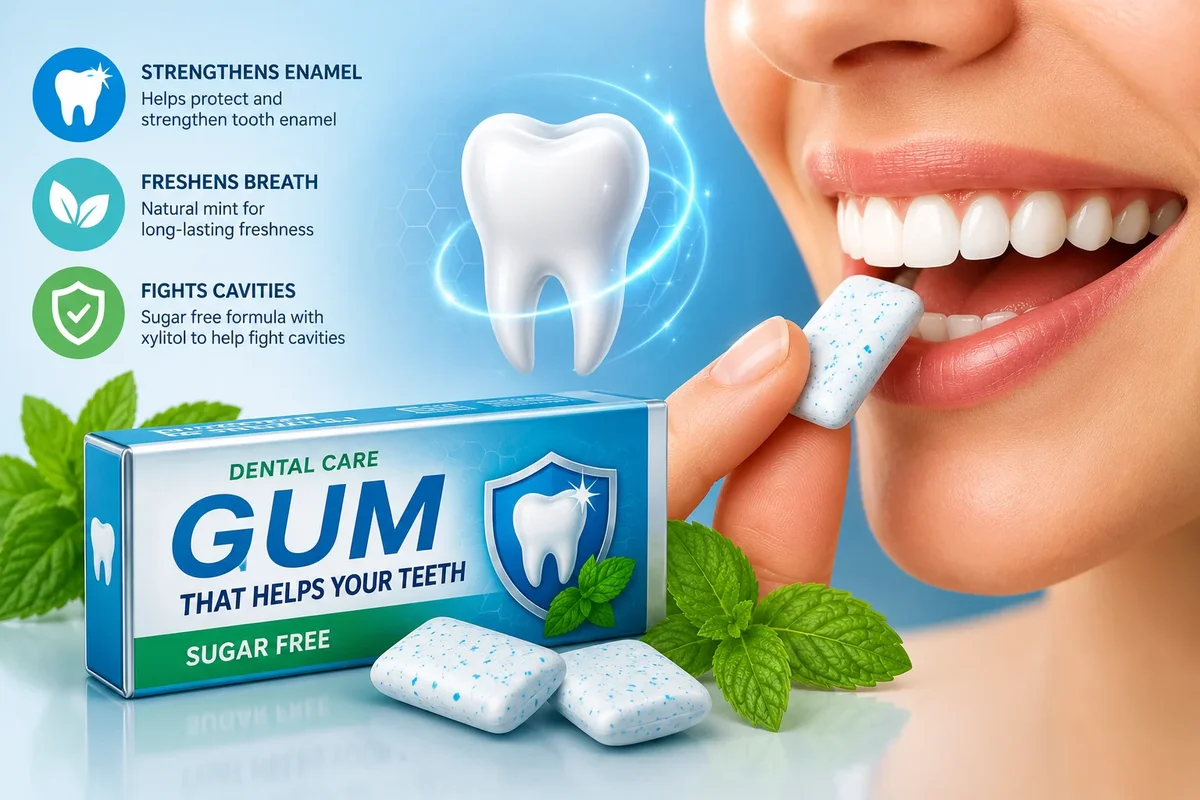
Common Mistakes People Make With Gum That Helps Your Teeth
Many people believe that simply chewing a gum that helps your teeth automatically guarantees better oral health. While sugar-free chewing gum may support fresher breath, saliva production, and enamel protection, incorrect habits can reduce these benefits significantly. Understanding the most common mistakes people make with a gum that helps your teeth is important for maximizing its positive effects while avoiding unnecessary oral health risks. 🦷
Some individuals chew gum too often, choose the wrong ingredients, or use gum as a replacement for proper brushing and flossing. Others assume all chewing gum products provide the same oral care advantages, which is not true. A high-quality gum that helps your teeth should be part of a balanced dental hygiene routine rather than the only oral care strategy.
Choosing Sugary Gum Instead of Sugar-Free Gum
One of the most common mistakes is selecting chewing gum that contains sugar. A true gum that helps your teeth should always be sugar-free because sugar feeds harmful oral bacteria. When bacteria consume sugar, they produce acids that weaken enamel and increase cavity risk.
Many flavored chewing gums marketed mainly for taste contain high amounts of sugar or syrup-based ingredients. These products may actually increase plaque buildup rather than improve oral health. A proper gum that helps your teeth should contain ingredients such as xylitol or other sugar-free sweeteners instead.
Why Sugary Gum Can Harm Teeth ❌
- Feeds cavity-causing bacteria
- Increases acid production
- Raises plaque buildup risk
- May contribute to enamel erosion
- Can worsen bad breath over time
- Leaves sticky residue on teeth
Consumers should always read ingredient labels carefully before purchasing a gum that helps your teeth.
Using Gum Instead of Brushing and Flossing
Another major mistake is believing that a gum that helps your teeth can replace brushing and flossing. Although chewing gum may support saliva production and reduce acid levels temporarily, it cannot physically remove plaque as effectively as brushing and flossing.
Some people chew gum after meals and skip brushing entirely. This habit may lead to plaque accumulation and gum problems over time. A gum that helps your teeth should always be considered an additional oral care tool rather than a substitute for daily hygiene.
Dental professionals continue to recommend brushing twice daily with fluoride toothpaste and flossing once per day as the foundation of oral health.
Chewing Gum for Too Long
Many people assume that more chewing automatically means better results. However, excessive use of a gum that helps your teeth may place unnecessary stress on the jaw muscles and temporomandibular joint (TMJ).
Most dentists recommend chewing gum for approximately 15–20 minutes after meals. This duration is usually sufficient to stimulate saliva production and support oral balance. Chewing for hours at a time may lead to jaw fatigue, headaches, or muscle discomfort.
Signs of Excessive Gum Chewing ⚠️
- Jaw soreness
- Clicking sounds while chewing
- Headaches near the temples
- Tooth sensitivity from pressure
- Facial muscle fatigue
- Difficulty opening the mouth fully
If these symptoms appear, reducing gum use or consulting a dentist may be necessary. Even a gum that helps your teeth should be used in moderation.
Ignoring Ingredient Quality
Not every product marketed as a gum that helps your teeth actually contains beneficial oral care ingredients. Some chewing gums focus mainly on flavor while offering minimal dental advantages.
Consumers often overlook ingredient quality and purchase gum based only on advertising or packaging. A high-quality gum that helps your teeth should ideally contain xylitol, sugar-free sweeteners, and low-acid flavor systems.
Ingredients Often Recommended by Dentists ✅
- Xylitol
- Calcium phosphate
- Sugar-free sweeteners
- Natural mint oils 🌿
- Enamel-support ingredients
- Low-acid flavor compounds
Understanding ingredient labels may help consumers select a more effective gum that helps your teeth.
Using Gum While Consuming Sugary Drinks
Another common mistake is chewing a gum that helps your teeth while frequently drinking soda, energy drinks, or sugary coffee beverages. Although gum may help increase saliva production, constant exposure to sugar and acids can still damage enamel.
Some individuals mistakenly believe chewing gum completely cancels out the effects of sugary drinks. In reality, gum may reduce some acid exposure, but it cannot fully protect enamel from repeated sugar attacks.
Reducing sugary beverage consumption remains one of the best ways to support long-term oral health alongside using a gum that helps your teeth.
Not Drinking Enough Water
Hydration is extremely important for maintaining healthy saliva production. Some people rely heavily on a gum that helps your teeth but neglect proper water intake.
Saliva works best when the body is well hydrated. Drinking enough water throughout the day supports natural cleansing inside the mouth and helps maximize the effectiveness of sugar-free chewing gum.
Healthy Habits That Improve Gum Effectiveness 😁
- Drink enough water daily
- Brush twice per day
- Floss consistently
- Limit sugary snacks
- Visit the dentist regularly
- Use sugar-free gum after meals
Combining these habits with a gum that helps your teeth may improve oral hygiene more effectively than gum use alone.
Ignoring Professional Dental Care
Some people attempt to manage oral health entirely through over-the-counter products without regular dental checkups. Even the best gum that helps your teeth cannot diagnose or treat cavities, gum disease, or infections.
Routine professional cleanings and examinations remain essential for long-term oral health. Dentists can identify problems early and recommend preventive treatments before serious damage develops.
- Basic sugar-free gum: $2–$5
- Xylitol dental gum: $5–$10
- Premium enamel-support gum: $8–$15
- Professional oral care gum bundles: $20–$40
If you would like personalized oral hygiene recommendations, you can visit the Redent Klinik Contact Page. You may also explore educational resources from the American Dental Association regarding preventive dentistry, sugar-free gum, and cavity prevention.
Ultimately, avoiding these common mistakes can help individuals gain the full benefits of a gum that helps your teeth. When combined with proper brushing, flossing, hydration, and routine dental visits, sugar-free chewing gum may support fresher breath, healthier enamel, and improved oral hygiene over time. 😁