
When it comes to modern dentistry, one term that often raises curiosity is gutta percha dental. This material, though not widely recognized by the general public, is an essential element in root canal treatments across the globe. Patients who are about to undergo or have already completed endodontic procedures will likely have encountered it, yet they may not know what it truly is, how it functions, and why it has become the gold standard for sealing root canals. This comprehensive guide is designed to clarify every aspect of gutta percha dental, offering patients an in-depth understanding of its role in preserving oral health.
Gutta percha itself is a natural polymer derived from the latex of certain tropical trees, mainly the Palaquium gutta. Dentists process this material into thin cones or points, which can then be used inside the cleaned and shaped root canal of a tooth. The primary goal is to seal off the internal canal system after the removal of infection or pulp tissue. By doing so, the tooth remains functional, free of bacteria, and protected from future complications. Without an effective material like gutta percha dental, root canal procedures would not deliver the same long-term success rates.
From a patient’s perspective, the significance of gutta percha lies in its biocompatibility and adaptability. This material has a long history of safe use in dentistry, with decades of research supporting its effectiveness. When dentists place gutta percha cones inside the canal, they soften or compact them using specialized instruments to fill every microscopic space. This prevents bacterial re-entry and reinforces the tooth’s internal structure. Patients may never actually see the gutta percha inside their tooth, but its role in maintaining a healthy and pain-free smile cannot be overstated.
Another important aspect is the durability of gutta percha dental applications. Unlike temporary fillings or weaker materials, gutta percha has the ability to maintain stability inside the tooth for many years. It resists moisture, adapts to the canal’s anatomy, and does not degrade quickly. Combined with a high-quality sealer, gutta percha becomes a reliable barrier against reinfection. This is why endodontists around the world continue to rely on it as the foundation of their treatments. Even though alternative materials have been tested over the years, gutta percha remains the preferred option due to its consistency and proven record of success.
Patients often ask: “Will I feel the gutta percha inside my tooth?” The answer is no. Once the canal is sealed and the final crown or filling is placed, the material becomes completely invisible and unnoticeable. The only difference patients will feel is the relief of being free from infection, inflammation, and discomfort. In fact, many success stories in dental clinics showcase how a properly completed root canal using gutta percha can save a tooth that would otherwise have required extraction. In this way, gutta percha dental contributes directly to preserving natural teeth, which is always preferable to implants or dentures.
It is also worth mentioning the role of gutta percha in preventive dentistry. By completely sealing the canal system, it not only resolves current infections but also reduces the likelihood of recurrence. This protective effect means patients can maintain better oral health with fewer complications in the future. For individuals who care about long-term dental stability, gutta percha provides peace of mind that their treated teeth will remain intact and functional for decades.
From an educational perspective, understanding gutta percha allows patients to feel more informed and less anxious about root canal procedures. Many people approach these treatments with fear or misconceptions, assuming they will be painful or unsuccessful. However, knowing that the procedure involves advanced biocompatible materials like gutta percha highlights the scientific progress dentistry has achieved. Today’s root canal therapies are safe, predictable, and highly effective thanks to materials such as gutta percha dental.
Furthermore, dental professionals continuously refine the techniques for using gutta percha. Different obturation methods—such as lateral condensation, warm vertical compaction, or thermoplasticized systems—ensure that the material adapts perfectly to each unique canal. For patients, this means a custom-fit solution for their tooth, maximizing the chances of long-term survival. In addition, dentists often combine gutta percha with state-of-the-art sealers that enhance bonding and prevent microleakage. Together, these elements represent the modern standard of care in endodontics.
To summarize, gutta percha dental is far more than just a filler material. It represents the backbone of successful root canal treatments. Derived from natural sources, adapted through scientific advancement, and proven effective over decades of use, gutta percha allows patients to keep their natural teeth healthy and functional. Whether you are considering a root canal or simply want to understand how dentistry works at a deeper level, appreciating the role of gutta percha provides valuable insight. For more detailed information and to schedule an appointment, you can always reach out through the Redent Klinik Contact Page, where dental professionals are ready to assist you with personalized care.
Finally, remember that gutta percha is recognized worldwide by leading authorities, including organizations like the American Dental Association. Its acceptance across international dental communities is a strong indicator of its safety, reliability, and effectiveness. As patients continue to seek high-quality solutions for oral health, gutta percha will remain an essential element in the fight against dental infections, ensuring healthier, brighter smiles for the future. 🌟
What Is Gutta Percha in Dental Treatments?
When patients hear about a root canal procedure, one of the most important materials that dentists rely on is gutta percha dental. This specialized material is the final filling substance used inside the root canal system after infected pulp has been removed. Understanding what gutta percha is, how it works, and why it is the standard in endodontic care helps patients appreciate the science behind their dental treatments and reduces anxiety about the procedure. Let’s take a closer look at its definition, origins, and role in modern dentistry.
Definition of Gutta Percha
The term “gutta percha” originates from the Malay words “getah” (meaning gum) and “percha” (referring to the tree source). It is a natural form of rubber-like latex obtained from the sap of tropical trees, primarily those of the genus Palaquium. In dentistry, this natural substance is purified, processed, and converted into solid cones or points that are sterilized and ready for clinical use. These cones are then inserted into the root canal to completely seal it, preventing the re-entry of bacteria and preserving the tooth’s structural integrity. The specific application in dentistry is known as gutta percha dental, and it has become an essential material for successful root canal therapies.
Physical Properties That Make It Ideal
One of the key reasons gutta percha has dominated endodontics is its unique combination of properties. It is biocompatible, meaning it is safe for placement inside the body and does not trigger harmful reactions. It is also thermoplastic, which means it softens when heated and hardens again when cooled. Dentists take advantage of this by shaping and compacting it within the canal for a tight seal. Additionally, gutta percha is radiopaque, allowing it to be clearly visible on dental X-rays. This makes it easy for dentists to verify proper placement during follow-up appointments. These attributes explain why gutta percha dental continues to be trusted worldwide.
Biocompatibility and Safety
Patients often worry about the safety of materials used in their treatments. With gutta percha, decades of research and clinical success have confirmed its safety. It does not irritate tissues, and when combined with dental sealers, it provides a stable and inert filling that stays in place for decades. Compared to other filling materials, the biocompatibility of gutta percha is one of its strongest advantages, reducing the risks of allergic or inflammatory reactions.
Adaptability to Canal Shapes
Every tooth root has a unique canal system, often with curves, branches, and irregularities. Gutta percha adapts exceptionally well to these shapes, especially when heated or compacted using advanced techniques. Dentists can mold it to fit even the most complex canal systems, ensuring no voids or gaps are left behind. This adaptability is one of the reasons gutta percha dental remains the preferred choice for endodontists.
How Gutta Percha Is Processed for Dentistry
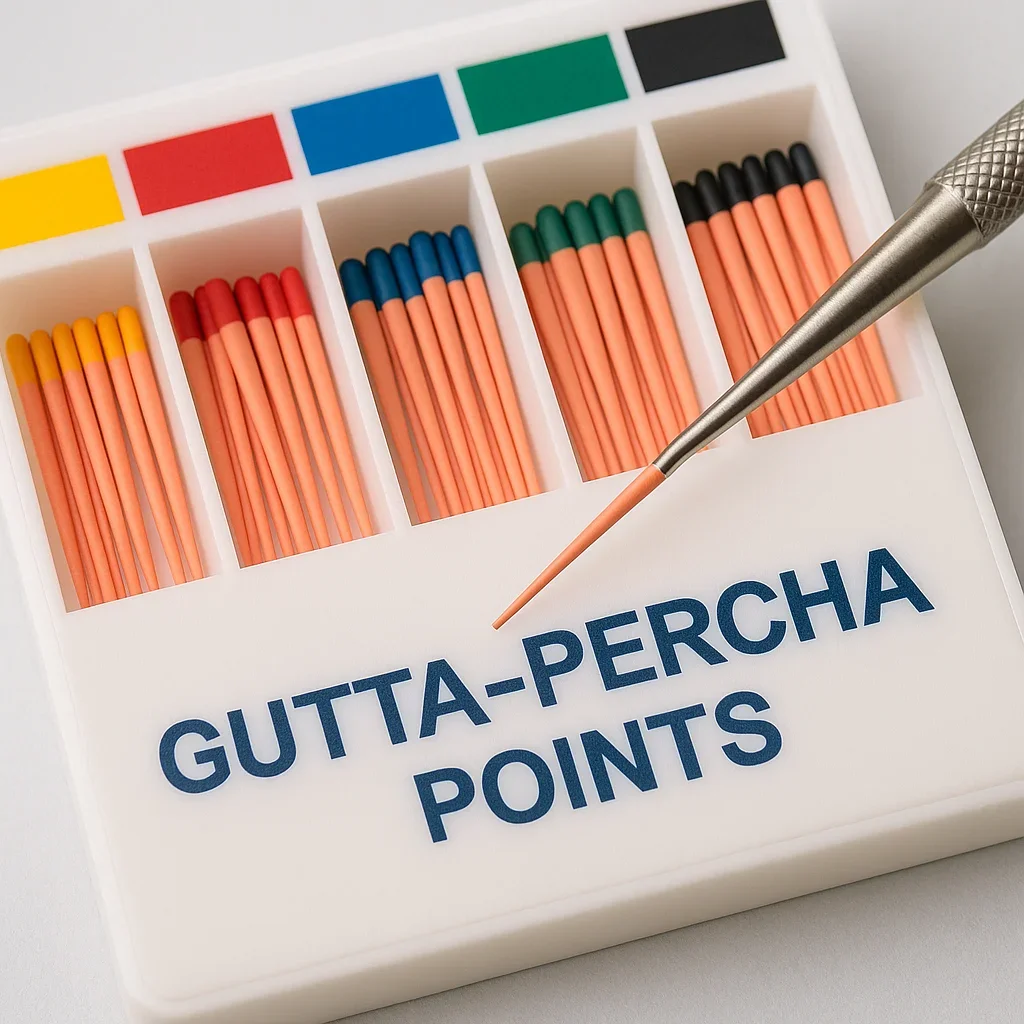
The raw latex harvested from tropical trees undergoes purification and manufacturing before it is suitable for dental use. The final product is formed into small, tapered cones called gutta percha points. These points come in standardized sizes to match the instruments dentists use for shaping canals. This system allows for precision placement inside the tooth. In addition, some points are impregnated with antibacterial agents or color-coded for easy identification. The result is a highly specialized product tailored for predictable root canal treatments.
The Role of Gutta Percha in Root Canal Procedures
During a root canal procedure, dentists first remove the infected or inflamed pulp tissue from within the tooth. Once the canal is thoroughly cleaned and shaped, it must be sealed to prevent reinfection. This is where gutta percha comes in. Dentists insert the gutta percha cones into the canal, sometimes using a technique called lateral condensation (placing multiple cones side by side) or vertical compaction (warming and pressing the material down into the canal). Whichever method is used, the objective is the same: to fill every microspace within the canal. A dental sealer is usually applied alongside gutta percha to enhance the seal. This ensures long-term success and stability.
Why Gutta Percha Is the Gold Standard
There have been attempts to find alternatives to gutta percha, but none have matched its combination of safety, adaptability, and durability. Studies consistently show that teeth treated with gutta percha dental fillings maintain high survival rates compared to untreated or poorly sealed canals. For patients, this means a higher likelihood of saving their natural teeth without the need for extraction or implants. Dentists continue to rely on gutta percha because it works consistently and has decades of proven clinical success behind it.
Comparison with Other Materials
Some materials, like resins or bio-ceramics, have been tested as alternatives. While these may offer some benefits, they often fall short in terms of ease of use, cost-effectiveness, or long-term stability. Gutta percha remains widely available, affordable, and supported by extensive research. This is why, even in 2025, gutta percha dental is considered the benchmark material for endodontics.
Patient Perspective on Gutta Percha
From the patient’s viewpoint, gutta percha is invisible and imperceptible once placed. After the procedure, they will not feel the cones inside the tooth. The only difference they will notice is relief from pain and infection. Understanding the role of gutta percha provides reassurance that their treatment involves a scientifically validated, globally recognized material. Patients can feel confident that their investment in a root canal procedure includes the use of the best available materials.
In conclusion, gutta percha dental is more than just a filling material. It is a cornerstone of modern endodontic success. From its natural origins to its refined clinical applications, gutta percha ensures that patients can preserve their natural teeth safely and effectively. For those considering treatment, knowing what gutta percha is and why it is used can reduce anxiety and increase confidence in the procedure. With continued recognition by authorities such as the American Dental Association, gutta percha remains the trusted standard in root canal therapy and an indispensable tool in preserving smiles for the long term.
History and Evolution of Gutta Percha Dental Use
The story of gutta percha dental applications is a fascinating journey that spans centuries, moving from natural discoveries in the forests of Southeast Asia to advanced usage in modern dental clinics. Understanding the history of this material helps patients appreciate why it became the cornerstone of endodontics and why it continues to play such a crucial role in root canal treatments today. Its path from a raw latex material to a globally standardized dental tool reflects both the evolution of science and the progress of dentistry as a profession.
Origins of Gutta Percha
The earliest mention of gutta percha dates back to the 17th century, when European explorers in Southeast Asia observed local populations using the natural latex from Palaquium gutta trees. Initially, gutta percha was valued for its flexibility and durability, making it useful for practical objects such as handles, waterproofing, and even weapon coatings. By the 19th century, it found extensive applications in industrial settings, most famously as insulation for underwater telegraph cables. Its ability to resist moisture and degradation made it indispensable to the communications revolution. This same resilience later made gutta percha dental applications possible.
Introduction into Dentistry
Gutta percha was introduced into dentistry in the mid-1800s. At first, it was used for temporary fillings because of its pliability and availability. Dentists noticed that when softened and inserted into cavities, gutta percha offered a protective barrier. However, its long-term effectiveness in restoring cavities was limited. The real breakthrough came when practitioners began experimenting with gutta percha as a filling material for root canals. By the late 19th century, early pioneers of endodontics recognized its potential to seal the complex canal systems inside teeth. This marked the birth of gutta percha dental usage as we know it today.
The First Documented Uses
The first recorded clinical application of gutta percha in root canal therapy occurred around the 1840s. At that time, dentistry lacked standardized methods for saving teeth with infected pulp. Extraction was the most common solution. Gutta percha offered a new possibility: filling the internal spaces of the tooth to preserve its structure. Although early techniques were primitive compared to modern standards, these pioneering efforts laid the groundwork for today’s highly successful root canal procedures.
Development in the 20th Century
As dentistry advanced in the 20th century, the use of gutta percha became more refined and predictable. Standardized gutta percha cones were introduced, allowing dentists to match them precisely with canal preparation instruments. This innovation revolutionized endodontics by bringing consistency and reliability to the process. By the mid-1900s, dental schools worldwide were teaching the use of gutta percha as the standard filling material for root canals. Advances in sterilization and sealer materials further improved the outcomes of gutta percha dental treatments, making them safer and more successful.
Radiographic Advances
Another important development was the recognition of gutta percha’s radiopacity. When X-rays became widely available in dentistry, it became clear that gutta percha could be easily seen on radiographs. This allowed dentists to confirm that canals were completely filled and sealed. This property significantly increased patient safety and treatment success, as practitioners could verify their work in real time.
Modern Era: High-Tech Applications
Today, gutta percha is used in combination with advanced obturation systems that maximize its effectiveness. Thermoplasticized techniques, for example, involve heating gutta percha and injecting it into canals for a perfect seal. Rotary instruments and digital imaging further enhance precision. Modern formulations of gutta percha points may also include antibacterial coatings or color-coding for easier clinical use. These innovations demonstrate that gutta percha dental applications have kept pace with technological progress, ensuring continued reliability in endodontic practice.
Global Acceptance
One of the strongest indicators of gutta percha’s success is its worldwide acceptance. Organizations such as the American Dental Association recognize its use, and it is taught as the standard of care in dental schools globally. Patients across continents, regardless of whether they are in Europe, Asia, or North America, receive root canal treatments that rely on gutta percha. This level of global trust is rare for any medical material, underscoring its unmatched role in dentistry.
The Future Outlook
While research continues to explore new biomaterials for endodontics, gutta percha remains dominant. Bioceramic sealers and alternative polymers are being tested, but none have fully replaced gutta percha due to its unique balance of biocompatibility, adaptability, and proven track record. In fact, experts predict that future developments will not replace but rather enhance gutta percha dental use by combining it with innovative sealers and delivery systems. Patients can expect even higher success rates in root canal therapy as these combined approaches evolve.
In conclusion, the history and evolution of gutta percha reflect not only the progress of dental science but also the resilience of a natural material that has stood the test of time. From its early days as a simple gum harvested from tropical trees to its current role as the backbone of endodontic treatment, gutta percha demonstrates how innovation and tradition can merge in healthcare. For patients, knowing this history offers reassurance that their treatment is based on a material with centuries of proven reliability. To explore how modern applications of gutta percha can benefit your oral health, visit the Redent Klinik Contact Page for more information and professional guidance.
How Gutta Percha Is Applied in Root Canal Therapy
When patients undergo root canal treatment, one of the most critical steps for long-term success is the sealing of the cleaned canal space with gutta percha dental. This process is far more than just inserting a filler—it involves precision, sterilization, and advanced techniques to ensure the tooth remains free from reinfection. Understanding how gutta percha is applied can help patients feel more confident about their procedure and appreciate the meticulous work dentists perform to preserve natural teeth.
Preparation Before Gutta Percha Placement
Before gutta percha can be used, the root canal must be properly prepared. The dentist begins by removing the infected pulp tissue and cleaning the canal thoroughly. Specialized rotary or hand instruments shape the canal so that it can securely hold the gutta percha points. During this stage, irrigation solutions like sodium hypochlorite or chlorhexidine are used to disinfect and flush out debris. The success of the final seal depends heavily on how well this preparatory work is done. Only when the canal is free from infection and properly shaped can the gutta percha dental cones be applied effectively.
Techniques for Applying Gutta Percha
Dentists use several well-established techniques to apply gutta percha. Each method has its advantages, and the choice depends on the dentist’s training, the shape of the canal, and the desired outcome. The primary objective is always to achieve a hermetic seal that prevents bacteria from re-entering the tooth. Below are the most common techniques:
Lateral Condensation
This traditional method involves placing a master gutta percha cone inside the canal, then using spreaders to create space for additional cones. The dentist adds more points until the canal is tightly packed. Lateral condensation has been used for decades and is highly reliable. It ensures that every part of the canal is sealed, although it may take more time compared to newer techniques.
Vertical Compaction of Warm Gutta Percha
In this modern approach, gutta percha is softened with heat and compacted vertically into the canal. The warm material flows into intricate spaces and irregularities, creating an excellent seal. This method is especially useful for teeth with complex root anatomy. Many specialists consider it superior in terms of adaptation, which is why warm vertical compaction is becoming a preferred approach for gutta percha dental applications.
Thermoplasticized Injection Techniques
Advancements in technology have allowed dentists to inject thermoplasticized gutta percha directly into the canal using specialized devices. This technique ensures uniform distribution of the material, filling even microscopic spaces. Patients benefit from high precision and excellent long-term outcomes. However, this technique requires advanced training and equipment.
Role of Sealers with Gutta Percha
Gutta percha alone cannot create a perfect seal because tiny gaps might remain between the cones and canal walls. For this reason, dentists use a root canal sealer in conjunction with gutta percha. Sealers fill the microscopic spaces, enhance adhesion, and improve the barrier against bacteria. Popular types include resin-based, zinc oxide eugenol-based, and bioceramic sealers. When paired with gutta percha, these sealers make the treatment far more reliable. Together, they create the gold standard combination for root canal therapy.
Verification of Placement
Once the gutta percha has been applied, the dentist verifies the quality of the seal. This is done using radiographs (dental X-rays), which clearly show the radiopaque gutta percha cones inside the canal. Dentists check for voids, gaps, or incomplete fillings. If adjustments are necessary, they are made immediately to ensure long-term success. This verification step is crucial because the effectiveness of gutta percha dental treatments depends on complete sealing from the tip of the root (apex) to the crown.
Post-Operative Restoration
After the gutta percha has been placed and verified, the final restoration begins. A temporary or permanent filling seals the access opening. In many cases, a crown is recommended to protect the tooth from fracture and to restore its full function. The placement of gutta percha, therefore, is not the final step but rather part of a larger process that ensures the tooth’s survival. Without a proper restoration, even the best gutta percha dental application may fail over time.
Patient Experience and Comfort
From the patient’s perspective, the application of gutta percha is painless. Local anesthesia ensures that the entire root canal treatment is comfortable. Patients often leave the clinic surprised at how quick and straightforward the process feels. The relief from infection-related pain far outweighs the minimal discomfort of the procedure. Understanding that gutta percha is safely sealing their tooth helps patients feel reassured about their oral health future.
Clinical Importance of Proper Application
Proper application of gutta percha is directly linked to the long-term survival of treated teeth. Poorly sealed canals are more likely to experience reinfection, which may require retreatment or extraction. On the other hand, teeth filled with well-condensed gutta percha often remain functional for decades. This demonstrates why endodontists emphasize precision and technique when performing gutta percha dental treatments.
In summary, applying gutta percha in root canal therapy is a detailed process that combines science, skill, and technology. From careful preparation of the canal to the selection of techniques such as lateral condensation or thermoplasticized injection, every step plays a role in achieving long-term success. Sealers, verification by X-rays, and final restorations all contribute to the overall effectiveness of treatment. Patients who undergo a root canal can feel confident knowing that gutta percha is not only a filler but also a scientifically proven material that safeguards their oral health. For personalized advice and expert treatment options, you can visit the Redent Klinik Contact Page. Trusted worldwide and recognized by the American Dental Association, gutta percha dental continues to stand as the benchmark for successful endodontic care. 🦷
Benefits of Using Gutta Percha for Dental Patients
Root canal treatments are often the only way to save a tooth severely affected by decay or infection, and one of the primary reasons for their high success rate is the use of gutta percha dental materials. For patients, understanding the benefits of gutta percha can reduce anxiety, clarify misconceptions, and highlight why dentists worldwide continue to trust this material. From safety and durability to comfort and long-term outcomes, gutta percha offers multiple advantages that directly improve patient experiences and oral health.
Biocompatibility and Patient Safety
One of the greatest benefits of gutta percha is its biocompatibility. This means the material can safely exist inside the body without causing irritation or harm. When gutta percha dental cones are placed into the root canal, they do not trigger allergic reactions or inflammatory responses in surrounding tissues. This safety profile has been confirmed through decades of scientific studies and clinical use. For patients, this translates into peace of mind—knowing the substance used to seal their root canal is natural, well-researched, and free from toxic effects.
Minimal Risk of Reactions
While some dental materials have been linked to sensitivity or allergic reactions, gutta percha is considered hypoallergenic. This makes it suitable for a broad range of patients, including those with a history of sensitivity to metals or synthetic compounds. The inert nature of gutta percha ensures that the tooth remains sealed without unwanted complications.
Effective Seal Against Infection
The main goal of root canal treatment is to remove infection and prevent it from returning. Gutta percha excels at this because it provides a strong, adaptable seal within the canal system. By filling even the smallest spaces, gutta percha dental applications block bacteria from re-entering and causing reinfection. Combined with high-quality sealers, gutta percha creates a barrier that helps maintain oral health long after the procedure is complete.
Enhanced Longevity of Teeth
When properly applied, gutta percha ensures that treated teeth can last for decades. Many patients retain their natural teeth for life after a root canal because of the reliable seal created by this material. Keeping natural teeth intact is always better than resorting to extractions and prosthetics, both from a functional and financial standpoint.
Durability and Stability
Patients benefit from the long-term stability of gutta percha. Unlike some temporary materials that break down or dissolve, gutta percha remains intact inside the canal. Its durability means fewer retreatments are necessary, saving patients time, discomfort, and money. Moreover, because gutta percha is moisture-resistant, it maintains its structure even in the challenging environment of the mouth. This durability is one reason gutta percha dental continues to be preferred worldwide.
Radiopacity for Monitoring
Another major benefit for both dentists and patients is that gutta percha is radiopaque. This means it shows up clearly on dental X-rays. After a procedure, the dentist can take a radiograph to confirm that the canal is properly sealed with no gaps or voids. For patients, this offers reassurance and visible proof that the procedure was completed correctly. It also allows ongoing monitoring during follow-up appointments, ensuring the treated tooth continues to remain healthy.
Comfort and Natural Feel
Once the procedure is complete, patients cannot feel the gutta percha inside their teeth. The material is placed deep within the canal, under fillings and crowns, making it invisible and imperceptible. This ensures that patients experience comfort and normal function while chewing and speaking. The only noticeable difference is relief from the infection-related pain that brought them to the dentist in the first place. In this way, gutta percha dental treatment enhances both comfort and quality of life.
Restoring Confidence in Smiles
For many patients, saving a natural tooth means preserving the look of their smile. Extractions can lead to gaps or expensive replacements, but gutta percha allows teeth to remain in place and function normally. This not only helps with eating and speaking but also supports self-esteem and social confidence.
Affordability and Accessibility
Compared to experimental or newer materials, gutta percha is cost-effective and widely available. This makes it accessible to dental professionals and patients in nearly every country. Patients benefit from an affordable treatment option that does not compromise quality or results. Because gutta percha dental materials are standardized and globally recognized, patients can expect consistent care regardless of where they live.
Support from Global Dental Authorities
The worldwide use of gutta percha has been endorsed by leading organizations, including the American Dental Association. This widespread approval reassures patients that their treatment involves a material recognized for its reliability and safety. Global consensus around gutta percha also means that future dental care—even in different countries—will be compatible with existing treatments.
In conclusion, the benefits of gutta percha dental treatments extend far beyond the immediate relief of infection. They include long-term safety, durability, comfort, and global acceptance. Patients who undergo root canal procedures with gutta percha can expect predictable outcomes, healthier smiles, and reduced risks of reinfection. For expert advice and treatment options tailored to individual needs, patients are encouraged to visit the Redent Klinik Contact Page, where specialists use trusted materials like gutta percha to preserve natural teeth for life. 🌟
Potential Risks and Limitations of Gutta Percha
While gutta percha dental applications are widely recognized as the gold standard for root canal fillings, no material is entirely without limitations. Understanding the potential risks and drawbacks associated with gutta percha can help patients make informed decisions and set realistic expectations for their dental care. Although the benefits far outweigh the risks, being aware of possible complications ensures that patients remain vigilant and follow up appropriately after treatment.
Risk of Incomplete Sealing
The primary objective of gutta percha in root canal therapy is to achieve a hermetic seal within the canal system. However, if the dentist’s technique is not precise, there is a possibility that gaps or voids may remain. Such incomplete sealing can allow bacteria to re-enter the canal, potentially leading to reinfection. This issue is not a failure of the gutta percha dental material itself but rather the result of improper placement or inadequate compaction. This is why endodontists often use specialized instruments and radiographic imaging to confirm complete obturation.
Technical Sensitivity
Applying gutta percha effectively requires skill and experience. Techniques like lateral condensation, warm vertical compaction, or thermoplasticized injection must be performed meticulously. Even slight errors can compromise the final outcome. Patients should ensure they seek treatment from experienced dentists or endodontists who are trained in advanced obturation techniques to minimize risks.
Possibility of Retreatment
Although gutta percha provides a durable seal, certain clinical circumstances may necessitate retreatment. For example, if bacteria persist in lateral canals or microscopic spaces not fully sealed, symptoms could recur. In such cases, the dentist must remove the existing gutta percha and re-treat the tooth. Retreatment can be more complex because gutta percha, while safe and effective, is not designed to bond permanently to dentin—it relies on sealers and mechanical adaptation. Thus, while gutta percha dental fillings are reliable, they are not entirely immune to failure.
Potential for Overfilling or Underfilling
Another limitation arises when gutta percha is not placed to the correct length. If the material extends beyond the root tip (overfilling), it can irritate surrounding tissues. On the other hand, if it falls short of the root apex (underfilling), the unsealed space may harbor bacteria. Proper measurement and radiographic verification are essential to prevent these issues. These complications highlight the importance of precision in root canal therapy.
Post-Treatment Discomfort
In rare cases, patients may experience mild sensitivity or tenderness after gutta percha placement. This is often due to minor inflammation in the surrounding tissues, especially if the filling extended slightly beyond the root. Such discomfort typically resolves within a few days with over-the-counter pain relief and does not indicate treatment failure.
Material Limitations
Although gutta percha is highly effective, it has certain inherent limitations as a material. It is not adhesive, meaning it does not bond chemically to tooth structure. This is why sealers are required to enhance the seal. Additionally, gutta percha may shrink slightly when cooled after heating, which can create micro-gaps if not properly managed. While advancements in obturation techniques have minimized these limitations, they remain factors that clinicians must account for.
Challenges in Complex Root Anatomy
Some teeth have highly complex canal systems, including lateral canals, accessory canals, or unusual curvatures. Completely filling these irregularities can be challenging, even with advanced techniques. While gutta percha adapts well to most canal shapes, extremely intricate anatomies may present limitations. In such cases, the success of gutta percha dental treatment depends heavily on the dentist’s skill, imaging technology, and the use of supplementary sealers.
Longevity Considerations
Although gutta percha itself is stable and durable, the long-term success of treatment depends on more than just the filling material. The final crown or restoration plays a vital role in protecting the sealed tooth. If the crown fails or microleakage occurs at the coronal end, bacteria can still infiltrate the canal. Thus, gutta percha is effective only when combined with comprehensive dental care, including proper restorations and regular checkups.
Dependence on Complementary Materials
Gutta percha does not work in isolation. Its effectiveness is enhanced by sealers and protective restorations. Without these additional materials, the seal is not strong enough to guarantee long-term protection. This dependence represents a limitation, since treatment success requires multiple factors working in harmony.
Rare Allergic Reactions
Though extremely uncommon, there have been isolated reports of allergic responses to gutta percha. These cases are rare, and most patients tolerate the material without issue. Nonetheless, individuals with a history of multiple allergies may wish to inform their dentist beforehand to ensure safe treatment planning. The low incidence of such reactions is one reason why gutta percha dental continues to be trusted globally.
In summary, while gutta percha dental remains the most reliable and widely accepted material for root canal therapy, it is not without potential risks and limitations. Issues such as incomplete sealing, overfilling, retreatment needs, or challenges with complex anatomy can occur, though they are largely dependent on technique rather than the material itself. Patients can minimize these risks by choosing skilled practitioners and following through with recommended restorations. Recognized by authorities such as the American Dental Association, gutta percha continues to provide excellent outcomes when applied correctly. For further guidance or to schedule a consultation, patients can reach out to the Redent Klinik Contact Page, where expert care ensures that the benefits far outweigh the limitations. 🦷
Alternatives to Gutta Percha in Modern Dentistry
Although gutta percha dental applications remain the gold standard in endodontics, researchers and clinicians have explored alternative materials for decades. These alternatives aim to improve sealing ability, enhance biocompatibility, and simplify the obturation process. Understanding these options helps patients appreciate why gutta percha continues to dominate but also sheds light on future possibilities in root canal therapy. Below, we will examine the main alternatives, their advantages, and their limitations compared to gutta percha.
Resilon: A Resilient Polymer-Based Material
Resilon is one of the most widely studied alternatives to gutta percha. It is a thermoplastic synthetic polymer-based material designed to mimic gutta percha’s handling properties while offering additional benefits. One of its key features is its ability to bond with resin-based sealers, creating what is known as a “monoblock” structure. This monoblock concept means that the filling material, sealer, and dentin form a single, bonded unit, theoretically reducing microleakage. Despite these advantages, long-term studies have shown mixed results. Many endodontists still prefer gutta percha dental due to its predictability and decades of proven success.
Advantages of Resilon
Resilon is easy to handle, radiopaque, and capable of bonding chemically to sealers, providing a more cohesive filling. Additionally, it is biodegradable, which is considered an environmental benefit. Patients might also feel reassured by the concept of an advanced synthetic material designed specifically for root canal fillings.
Limitations of Resilon
Unfortunately, clinical studies revealed that Resilon did not consistently outperform gutta percha in long-term outcomes. Degradation in certain conditions, difficulty in retreatment, and higher material cost limited its widespread acceptance. Today, its use has declined significantly in favor of gutta percha.
Bioceramic-Based Fillers
Bioceramic materials have gained attention as potential alternatives to gutta percha. These materials are made from calcium silicate-based compounds that promote biocompatibility and encourage mineralization. In some cases, they are used not only as sealers but also as bulk filling materials for root canals. Bioceramics stand out for their ability to bond with dentin and provide excellent sealing against microleakage.
Advantages of Bioceramics
Bioceramics are highly biocompatible, antibacterial, and encourage the natural regeneration of periapical tissues. For patients with severe infections or compromised immune responses, bioceramics may offer enhanced healing potential compared to traditional fillings.
Challenges of Bioceramics
The primary limitation of bioceramic materials lies in their handling and delivery. They can be more difficult to manipulate than gutta percha, requiring specialized equipment. Additionally, retreatment is complicated because removing bioceramic fillings is significantly harder than removing gutta percha dental points. This makes them less practical in cases where retreatment may be needed.
Silver Cones (Historic Alternative)
Before gutta percha became the standard, silver cones were once widely used in root canal treatments. Their rigid nature allowed easy placement into prepared canals, and their radiopacity made them visible on X-rays. However, over time, silver cones were largely abandoned due to corrosion, toxicity, and poor sealing capabilities. Today, they are rarely used, but some older patients may still have teeth filled with silver cones from treatments decades ago.
Thermoplastic Polymers and New Materials
Dentistry continues to innovate, with researchers testing synthetic thermoplastic polymers that mimic gutta percha’s properties while aiming to reduce shrinkage and improve adaptability. Some experimental materials incorporate nanoparticles with antibacterial properties to prevent reinfection. While promising, these alternatives are still in development and have not replaced gutta percha dental in routine practice.
Comparison of Alternatives with Gutta Percha
When evaluating alternatives, it becomes clear why gutta percha remains dominant. While Resilon and bioceramics offer theoretical advantages, gutta percha’s balance of safety, ease of use, durability, and retrievability keeps it ahead. The ability to remove and retreat gutta percha is especially valuable in clinical practice, since retreatment is sometimes necessary. Additionally, its cost-effectiveness ensures accessibility for patients worldwide.
Global Acceptance of Gutta Percha
Organizations like the American Dental Association and international dental schools continue to recommend gutta percha as the standard of care. While research into alternatives is ongoing, global consensus indicates that no material has yet surpassed the reliability of gutta percha dental.
Patient Perspective on Alternatives
From a patient’s point of view, the choice of material should focus on safety, predictability, and long-term success. While alternatives may sound appealing due to advanced marketing or innovation, most dentists will still recommend gutta percha as the best option. Patients benefit from decades of clinical evidence showing that gutta percha delivers consistent outcomes, which is not always the case with newer materials.
In summary, although alternatives like Resilon, bioceramics, and experimental polymers exist, none have replaced the trusted performance of gutta percha dental. Its combination of biocompatibility, adaptability, durability, and retreatability make it the most reliable material in endodontics. Patients seeking treatment can rest assured that gutta percha remains the gold standard for saving natural teeth. For those who want to discuss different options or learn about the latest advancements, visiting the Redent Klinik Contact Page ensures professional guidance tailored to individual needs. 🦷
Cost of Gutta Percha Dental Procedures 💰
For many patients, one of the first questions before undergoing a root canal treatment is: “How much will it cost?” The expense of a root canal is influenced by multiple factors, but the use of gutta percha dental materials remains a consistent and necessary part of the procedure. While gutta percha itself is not an expensive material, the expertise, technology, and restorative work required around it contribute significantly to the overall cost. Understanding these financial aspects helps patients plan better and reduces anxiety about affordability.
Breakdown of Costs in Root Canal Therapy
The total cost of root canal therapy is not limited to the price of gutta percha. Instead, it encompasses diagnostic tests, anesthesia, clinical expertise, and the final restoration. The following elements usually make up the cost structure:
Diagnostic Procedures
Before treatment, X-rays and clinical examinations are necessary to assess the extent of infection. These initial steps may cost between $50 and $150, depending on the clinic and location. They are crucial to ensuring the effective placement of gutta percha dental cones later in the procedure.
Endodontic Procedure
The main expense is the actual root canal procedure performed by the dentist or endodontist. This involves cleaning, shaping, and sealing the canals with gutta percha. Depending on the complexity, tooth type, and dentist’s expertise, the cost may range from $500 to $1,500 per tooth in the United States. In Europe, the range is often €300 to €900, while in Turkey and other medical tourism hubs, the cost can be significantly lower—often between $150 and $350 per tooth, making it more accessible to international patients.
Restorative Work
After the canal is sealed, the tooth must be restored with a filling or a crown. A dental crown may cost an additional $800 to $2,000, depending on the material used (porcelain, zirconia, or metal-ceramic). The gutta percha filling provides the internal stability, but the crown ensures external durability and function.
Factors That Influence Costs
Several variables influence the final price of root canal therapy. Patients should be aware of these factors to understand why two procedures might differ in cost:
- Type of Tooth: Molars are more expensive to treat than incisors due to their complex canal systems.
- Geographic Location: Costs vary widely between countries and even between urban and rural areas within the same country.
- Dentist’s Expertise: Endodontists, who specialize in root canals, may charge more than general dentists but often deliver more predictable outcomes.
- Technology Used: Clinics with advanced imaging and thermoplastic obturation systems may have higher fees but provide better precision when placing gutta percha dental cones.
Cost of Gutta Percha Material Itself
Interestingly, the gutta percha cones used during treatment are relatively inexpensive compared to the overall procedure. A box of standardized cones costs between $20 and $50 for a dental office. However, the value of gutta percha dental lies not in its raw price but in how it enables successful outcomes when combined with professional expertise and sealers. Without it, root canal therapy would not be possible, making it priceless in terms of dental preservation.
Insurance Coverage
In many countries, dental insurance covers part of the cost of root canal treatments, especially when deemed medically necessary. Typically, insurance reimburses 50% to 80% of the fee, depending on the plan. Patients should confirm whether their policy includes root canal therapy and whether coverage extends to crowns. Even if gutta percha itself is inexpensive, the total procedure may still require careful financial planning.
Out-of-Pocket Expenses
Patients without insurance may face higher out-of-pocket costs. However, many clinics offer payment plans to make treatment more accessible. Some clinics, particularly in dental tourism hubs like Turkey, provide package deals that include root canal therapy, gutta percha filling, and crowns at a fraction of Western prices. This affordability attracts patients seeking high-quality but cost-effective solutions.
Comparing Costs Internationally
Medical tourism has become an increasingly popular solution for dental care. Countries such as Turkey, Hungary, and Mexico are known for offering root canal procedures at significantly reduced rates while maintaining high standards of care. For example, in Turkey, a root canal procedure using gutta percha dental materials can cost as little as $150 to $200, compared to $1,000 or more in the United States. This vast difference encourages patients to travel for treatment, combining dental care with tourism.
Value Versus Cost
While the initial price of treatment may seem high, patients should consider the long-term value. Saving a natural tooth with gutta percha is almost always less expensive than extraction followed by dental implants or bridges. Dental implants can cost between $3,000 and $5,000 per tooth, far exceeding the price of root canal therapy. Thus, gutta percha dental treatment is not only cost-effective but also provides patients with the invaluable benefit of keeping their natural teeth.
In conclusion, while the cost of root canal therapy varies depending on multiple factors, the use of gutta percha dental remains central to its success. Patients should view the expense not just as a fee for a procedure but as an investment in long-term oral health and comfort. Whether undergoing treatment in their home country or considering dental tourism, patients can rest assured that gutta percha provides an affordable and reliable solution for preserving natural teeth. For personalized advice on treatment costs and payment options, patients are encouraged to visit the Redent Klinik Contact Page. Trusted by global authorities like the American Dental Association, gutta percha remains the most dependable material for cost-effective dental care. 💳
Gutta Percha in Comparison with Other Filling Materials
Root canal therapy has evolved significantly over the past century, with various materials tested for their ability to seal root canals and preserve natural teeth. Among all options, gutta percha dental fillings have emerged as the gold standard, but alternatives such as resins, amalgam, and bioceramics are also discussed in modern dentistry. A side-by-side comparison helps patients understand why gutta percha continues to dominate and what advantages or disadvantages other materials bring to the table.
Comparing Gutta Percha with Amalgam
In earlier decades, amalgam was occasionally used to fill the ends of root canals, particularly in surgical endodontics. Amalgam is a metal-based material known for its strength and durability. However, it has several drawbacks compared to gutta percha dental cones.
Advantages of Amalgam
Amalgam is strong, resistant to wear, and relatively inexpensive. It was historically popular because it could withstand heavy chewing forces.
Limitations of Amalgam
Amalgam is not biocompatible to the same degree as gutta percha, and it has been associated with microleakage, corrosion, and aesthetic concerns. Its metallic composition can discolor teeth and surrounding tissues, making it unsuitable for long-term root canal fillings. Today, it is rarely used in endodontics and has been largely replaced by gutta percha.
Comparing Gutta Percha with Resins
Resin-based materials have been tested as an alternative due to their adhesive properties. They can bond directly to dentin, forming a more cohesive structure. However, while this sounds advantageous, clinical practice has shown limitations.
Advantages of Resins
Resins can create a chemical bond with dentin, potentially reducing the risk of microleakage. They are also radiopaque and easy to visualize on dental X-rays. Some resins have antibacterial additives to reduce bacterial survival in canals.
Limitations of Resins
Despite their theoretical benefits, resins can shrink slightly upon curing, which undermines their sealing ability. They are also more expensive and harder to remove during retreatment compared to gutta percha dental. This makes them less practical in everyday clinical settings.
Comparing Gutta Percha with Bioceramics
Bioceramic materials are one of the most promising modern alternatives. They are derived from calcium silicate compounds and are known for biocompatibility and their ability to stimulate tissue healing. Some bioceramic materials can even form chemical bonds with dentin.
Advantages of Bioceramics
Bioceramics promote healing by releasing calcium ions, which encourage mineralization and tissue repair. They are extremely biocompatible, antibacterial, and resistant to leakage. These features make them attractive for difficult or high-risk root canal cases.
Limitations of Bioceramics
Bioceramics can be difficult to handle, and they require special delivery systems. Retreatment is particularly challenging, as these materials are hard to remove once placed. For this reason, most clinicians continue to prefer gutta percha dental in routine cases, reserving bioceramics for specific scenarios.
Comparing Gutta Percha with Silver Cones
Silver cones were once popular before gutta percha became standard. They offered strength and easy placement but were found to corrode over time. This corrosion led to leakage, discoloration, and even potential toxicity.
Why Silver Cones Fell Out of Favor
Despite their historical role, silver cones cannot compete with gutta percha’s safety, biocompatibility, and sealing effectiveness. Most modern dental associations discourage their use, further cementing gutta percha’s dominance.
Why Gutta Percha Remains the Gold Standard
When compared to all other materials, gutta percha consistently balances cost, safety, adaptability, and clinical outcomes. Its biocompatibility ensures patient safety, while its thermoplastic properties allow it to adapt to complex canal anatomies. Most importantly, unlike many alternatives, it can be removed during retreatment, giving patients a second chance at saving their natural tooth if complications arise.
Global Endorsements
Organizations such as the American Dental Association and the European Society of Endodontology continue to recognize gutta percha as the material of choice. This widespread consensus is based on decades of research and millions of successful treatments worldwide.
Patient Perspective on Comparisons
From a patient’s perspective, the most important factors are safety, effectiveness, and long-term outcomes. While alternatives may sound promising, they often lack the extensive track record that gutta percha dental provides. Patients can feel confident knowing their treatment involves a material trusted by dentists worldwide for over a century.
In conclusion, while other filling materials like amalgam, resins, bioceramics, and silver cones have their own advantages, none have replaced the consistent reliability of gutta percha dental. It remains the gold standard because it balances practicality with proven results. For patients interested in exploring treatment options and comparing materials, consulting with experts at the Redent Klinik Contact Page ensures access to professional guidance tailored to their unique needs. 🦷
Future Innovations in Gutta Percha Dental Technology
As dentistry evolves with rapid technological progress, researchers are continuously exploring ways to improve the effectiveness of gutta percha dental applications. While gutta percha has remained the gold standard for more than a century, modern advancements in materials science, digital dentistry, and nanotechnology are shaping its future. Patients can expect even greater treatment outcomes as innovations make gutta percha more adaptable, antibacterial, and easier to use. Understanding these developments helps patients see how their care is moving toward higher precision and longer-lasting results.
Enhancing the Physical Properties of Gutta Percha
Traditional gutta percha, while reliable, has some limitations such as lack of adhesion to dentin and slight shrinkage upon cooling. Scientists are addressing these by modifying the material’s composition with polymers, nanoparticles, and bioactive compounds. The goal is to create an advanced form of gutta percha dental that offers superior sealing, higher flexibility, and better resistance to microleakage.
Nanoparticle Integration
Recent studies have explored embedding nanoparticles such as silver, zinc oxide, and calcium hydroxide into gutta percha. These nanoparticles provide antibacterial effects, reducing the risk of reinfection after root canal therapy. For patients, this means a higher likelihood of long-term success and fewer chances of retreatment.
Improved Thermoplastic Behavior
Innovators are also enhancing gutta percha’s thermoplastic qualities. By modifying its molecular structure, the material can remain stable under heat without shrinking excessively as it cools. This ensures a more consistent seal when dentists use warm vertical compaction or thermoplastic injection techniques.
Smart Seal Technology
One of the most exciting areas of research is the development of “smart” root canal sealers and fillers. These materials are designed to respond dynamically to changes inside the canal, such as bacterial growth or changes in pH. When combined with gutta percha dental points, smart sealers could release antibacterial agents or remineralizing compounds when needed, creating a more interactive defense system against infection.
Self-Healing Materials
Researchers are also experimenting with self-healing fillers that can repair small gaps or cracks in the root canal filling automatically. Such materials would complement gutta percha by maintaining the integrity of the seal over time, especially in patients with complex canal anatomies.
Digital Dentistry and 3D Printing
Advances in digital dentistry are revolutionizing nearly every aspect of patient care, and root canal treatments are no exception. The integration of 3D printing could lead to customized gutta percha dental points designed specifically for an individual patient’s canal anatomy. This would eliminate the need for multiple points and reduce the risk of gaps, making treatments faster and more efficient.
AI-Assisted Endodontics
Artificial intelligence is also being applied to improve root canal therapy. AI-driven imaging can map the root canal system in greater detail, guiding dentists to achieve a more precise placement of gutta percha. Combined with robotic-assisted endodontics, this innovation may soon enable treatments with unprecedented accuracy.
Bioceramic Hybrids
Another promising innovation is the development of hybrid materials that combine gutta percha with bioceramics. These hybrids aim to offer the adaptability and retreatability of gutta percha while incorporating the bioactivity of bioceramics. This means that in the future, gutta percha dental fillings could not only seal canals effectively but also actively promote healing and regeneration of surrounding tissues.
Sustainability in Dental Materials
With increasing focus on sustainability, researchers are also exploring eco-friendly alternatives to traditional gutta percha sourcing. While current gutta percha comes from natural tree latex, future innovations may involve synthetic, biodegradable substitutes that are easier to produce in a controlled environment. Patients may soon see dental clinics using sustainable gutta percha without compromising quality or effectiveness.
Global Acceptance and Regulatory Support
For innovations to be adopted widely, they must be recognized by leading organizations such as the American Dental Association. Regulatory approval ensures that new forms of gutta percha meet strict safety and efficacy standards. As research progresses, patients can expect future materials to undergo rigorous testing before becoming part of mainstream dental care.
Patient-Centered Benefits
The ultimate goal of these innovations is to improve patient outcomes. Future versions of gutta percha dental materials promise fewer retreatments, greater comfort, and longer-lasting results. Patients may also benefit from shorter treatment times, less discomfort, and improved aesthetics. By investing in innovation, dentistry ensures that patients experience higher satisfaction and improved quality of life.
In conclusion, the future of gutta percha dental technology is bright, with advancements ranging from nanoparticle integration and smart sealers to 3D-printed custom cones and AI-guided placement. These developments aim to overcome the limitations of traditional gutta percha while preserving its trusted reliability. For patients who want to explore cutting-edge treatments, reaching out to specialists via the Redent Klinik Contact Page ensures access to the latest innovations. As dental science continues to evolve, gutta percha will remain at the forefront, ensuring healthier smiles for generations to come. 🌟