
In recent years, happy dentistry has become one of the most influential approaches in modern oral healthcare, offering people a gentle, comforting, and even enjoyable experience at the dentist’s office. Traditionally, dental visits were associated with anxiety, fear, and discomfort. Today, however, millions of patients are actively searching for clinics that provide a calm, emotionally supportive environment designed to ease those worries. This shift has reshaped how dental professionals interact with patients, making the entire process more human-centered, emotionally intelligent, and deeply personalized. 😊
At its core, happy dentistry focuses on transforming both the physical and emotional aspects of dental care. It integrates advanced technologies, psychological comfort strategies, sensory-friendly environments, and compassionate communication. The goal is simple: to help patients feel safe, relaxed, informed, and in control. Instead of merely fixing teeth, the philosophy aims to create a positive and uplifting experience that patients will remember with confidence rather than stress. This concept overlaps with other emerging approaches such as “comfort-focused dentistry” and “stress-free dental care,” both of which share a similar patient-first perspective.
One of the biggest reasons people turn to happy dentistry is to overcome dental anxiety—an issue affecting over 60% of adults according to global oral health assessments. Many individuals postpone routine care because past experiences were rushed, uncomfortable, or poorly explained. This leads to worsening oral problems, dental emergencies, and financial burdens. By emotionally supporting patients through calm communication, education, and transparency, happy dentistry helps break this cycle. A relaxed mind leads to better cooperation, easier procedures, and faster healing. 🌿
The environment of a happy dentistry practice also plays a crucial role. Clinics designed around patient comfort often include soothing colors, soft lighting, ergonomic patient chairs, quiet treatment rooms, and the option to listen to calming music or watch videos during procedures. Some practices take the experience even further by offering aromatherapy, warm blankets, or noise-reducing headphones to help patients feel fully at ease. These small touches can make a significant difference in creating a warm, welcoming atmosphere that patients genuinely enjoy returning to.
Technological advancements further strengthen the philosophy of happy dentistry. Modern tools such as digital scanners, needle-free anesthesia systems, handheld X-ray devices, and minimally invasive lasers allow for quicker, more precise, and more comfortable treatments. Instead of traditional procedures that require pressure, drilling, or prolonged chair time, these innovations reduce sensitivity and eliminate unnecessary discomfort. When paired with clear explanations and step-by-step guidance from the dentist, technology becomes an empowering part of the patient experience. 🌟
Another essential component of happy dentistry is emotional communication. Dentists trained in empathetic care know how to build trust, encourage questions, and create an open dialogue that reduces fear. They explain treatment options clearly, respect patient boundaries, and never rush decisions. This relationship-centered style is particularly important for people with past trauma, children experiencing their first dental visit, or anyone who struggles with medical environments. When a dentist genuinely listens, patients feel valued—not judged—and that reassurance becomes a cornerstone of long-term oral health success.
The benefits of this approach reach beyond the appointment itself. Patients who experience happy dentistry tend to adopt better oral hygiene routines, follow treatment plans more consistently, and return for regular checkups without hesitation. This leads to healthier gums, stronger teeth, fresh breath, and a more radiant smile. In turn, improved oral wellness contributes to overall health, reducing systemic risks such as heart disease, inflammation, digestive issues, and chronic infections.
If you are considering a clinic that adopts this philosophy, visiting the
Redent Klinik Contact Page
can be a great starting point for learning how compassionate, patient-focused care works in practice. For scientific guidelines and professional standards related to oral healthcare, organizations such as the
American Dental Association
provide valuable resources and education.
Ultimately, happy dentistry is about transforming dental visits into uplifting, empowering, and positive experiences. It brings together innovation, psychology, and compassion to create a future where everyone can smile with confidence—both during treatment and long after. 😄
What Is Happy Dentistry and Why It Matters
Happy dentistry represents a modern, patient-centered model of oral healthcare designed to eliminate fear, reduce anxiety, and transform the overall dental experience into something positive, calming, and even enjoyable. For decades, many people avoided dentist visits due to fear of pain, needles, sensory discomfort, or traumatic childhood experiences. Today, clinics embracing this innovative approach focus on emotional comfort, advanced technologies, and supportive communication to help patients feel safe and empowered. This shift has redefined the culture of dental care, emphasizing psychological well-being as much as clinical treatment. 😊
The Philosophy Behind Happy Dentistry
The philosophy of happy dentistry is based on three interconnected principles: emotional comfort, technological ease, and personalized care. Emotional comfort includes everything from gentle communication to allowing patients to express concerns freely. Technological ease focuses on tools that minimize or completely remove discomfort—such as laser dentistry, 3D digital imaging, and needle-free anesthesia systems. Personalized care ensures that every patient receives a treatment plan tailored to their emotional and medical needs. Together, these principles make dental visits calmer, faster, and more effective.
This approach aligns closely with broader healthcare trends that value mental and emotional well-being alongside physical health. Many clinics now understand that a relaxed patient is more cooperative, heals faster, and feels more confident about ongoing treatments. This is why concepts like “stress-free dental care” and “comfort-focused dentistry” are becoming popular synonyms that support the same goals as happy dentistry. 🌿
How Happy Dentistry Redefines Traditional Dental Care
Traditional dentistry often focused solely on the clinical outcome—fix the tooth, treat the gum, or restore the bite. However, happy dentistry adds an entirely new dimension by prioritizing the emotional journey from the moment a patient walks in. Instead of harsh lighting, sterile environments, or rushed appointments, happy dentistry clinics aim to create a welcoming space. Soft colors, warm lighting, aromatherapy, and friendly greetings help patients settle in before treatment even begins.
In addition, dentists trained in this philosophy use empathetic language and avoid technical jargon. They explain every step gently and use visual aids to help patients understand their treatment options. This transparency builds trust—a core component of reducing dental anxiety. When individuals feel informed, they experience a sense of control, and that psychological safety eliminates most of the fear associated with dental procedures.
Emotional Support Throughout the Visit
Emotional support is one of the foundational pillars of happy dentistry. Many people deal with dental anxiety, which can range from mild nervousness to severe panic. Clinics adopting this approach typically offer:
- Calming breathing techniques guided by the dentist or assistant
- Opportunities to pause during the procedure if needed
- Music therapy, allowing patients to listen to soothing playlists
- Comfortable blankets, neck pillows, or warm eye masks
- Assurance through gentle explanations and continuous communication
These strategies help patients feel emotionally anchored, reducing stress and making each appointment far more manageable. For many individuals, this supportive care allows them to overcome lifelong dental fears, turning the dental visit into something predictable and even pleasant.
Technology That Supports Happy Dentistry
Technology is another essential element that makes happy dentistry effective. Modern tools reduce discomfort, shorten treatment times, and eliminate many of the sensations patients fear most. For example, digital scanners replace conventional impression molds that often trigger gag reflexes. Laser dentistry minimizes bleeding, eliminates the need for stitches, and helps manage sensitivity. High-precision imaging devices allow dentists to diagnose issues quickly and accurately without invasive methods.
Pain-management systems have advanced dramatically. Needle-free anesthesia can numb soft tissue using pressure technology, while computer-assisted injections provide a slow, comfortable numbing process. Together, these innovations create a treatment experience that feels more like a wellness appointment rather than a stressful medical procedure. 🌟
Patient Communication Tools
Another important element is digital communication. Many happy dentistry clinics use intraoral cameras, large monitors, and interactive apps to show patients their teeth in real time. This transparency not only increases trust but allows patients to actively participate in their treatment planning. Seeing the before-and-after progress helps them stay motivated and reinforces the positive emotional tone that defines this approach.
Why Happy Dentistry Matters for Long-Term Oral Health
The most significant reason happy dentistry matters is because it encourages consistency—perhaps the most important factor in maintaining oral health. When patients enjoy their dental visits, they are far more likely to attend regular checkups, follow professional advice, and practice proper home care. This leads to healthier gums, stronger enamel, and fewer invasive procedures over time.
Furthermore, consistent dental care prevents long-term conditions such as gum disease, tooth decay, and chronic infections that can affect overall health. Studies also show strong connections between oral health and conditions like heart disease, diabetes, and digestive issues. That is why improving the patient experience through positive emotional engagement is not just a luxury—it is a critical part of preventive healthcare.
For anyone seeking compassionate, patient-centered care, you can reach out to a supportive clinic through the
Redent Klinik Contact Page.
For professional oral-health standards and educational resources, the
American Dental Association
remains an invaluable authority.
Ultimately, happy dentistry matters because it transforms an experience that many people fear into one that feels safe, calm, and even uplifting. By combining emotional intelligence, comfort-focused techniques, and advanced technologies, it creates a future where dental care becomes something people genuinely look forward to rather than avoid. 😄
Benefits of Happy Dentistry for Anxiety-Free Visits
The philosophy of happy dentistry is transforming the way people experience dental care by creating a calm, supportive, and emotionally positive environment. For countless individuals who have struggled with fear, anxiety, or a sense of vulnerability during dental appointments, this patient-centered approach offers a refreshing and genuinely life-changing alternative. By combining comfort-focused techniques, empathetic communication, and advanced technology, happy dentistry has become a powerful solution for anyone seeking stress-free oral healthcare. 😊
Reduced Dental Anxiety Through Comfort-Focused Techniques
One of the most important benefits of happy dentistry is its ability to significantly reduce dental anxiety. Anxiety is one of the main reasons why people avoid routine checkups, which ultimately leads to untreated cavities, gum disease, and more serious oral health problems. Happy dentistry eliminates these barriers by integrating techniques that calm the nervous system and reassure the patient from the very beginning of the appointment.
Clinics that embrace this model often provide relaxation tools such as aromatherapy, warm blankets, noise-canceling headphones, adjustable lighting, and soft background music. These elements create a spa-like environment rather than a traditional clinical one. For many patients, these subtle shifts dramatically change how they perceive dental visits. The gentle ambiance helps them settle quickly, making it easier for dentists to conduct assessments and treatments without resistance or fear.
Guided Breathing and Emotional Reassurance
In addition to environmental comfort, trained teams offer guided breathing exercises, mindfulness prompts, or short grounding techniques that help patients regain control when anxiety spikes. Dentists using the happy dentistry approach also maintain open communication during procedures, checking in frequently to ensure the patient is comfortable. These simple strategies have been proven to lower heart rate, blood pressure, and stress hormone levels.
Enhanced Trust and Better Patient-Dentist Communication
Another major benefit of happy dentistry is the deep sense of trust it builds between patient and practitioner. Many people feel intimidated when interacting with medical professionals, especially when they do not understand the terminology or procedure. Happy dentistry replaces the old-fashioned medical hierarchy with warmth, transparency, and respectful conversation.
Dentists trained in this approach explain every step in clear, friendly language, answer questions patiently, and ensure that the patient never feels rushed or pressured. This communication style is especially beneficial for those who have experienced trauma or negative memories from previous dental visits. Feeling heard and valued builds emotional security, which directly improves treatment outcomes and overall satisfaction. 🌿
Shared Decision-Making
Shared decision-making—an essential part of modern oral healthcare—is also a central element of happy dentistry. Instead of dictating treatment plans, dentists collaborate with patients, allowing them to participate actively in choosing procedures, materials, and timelines. This empowerment helps eliminate feelings of helplessness often associated with dental settings.
Minimized Pain and Discomfort Through Modern Technology
Today’s dental technology plays a major role in supporting the goals of happy dentistry. Modern tools significantly decrease discomfort and eliminate many sensations that typically trigger anxiety, such as drilling pressure, gum irritation, or loud noises. Digital scanners replace traditional impression molds that often cause gagging; laser technology minimizes bleeding and swelling; and computer-assisted anesthesia ensures a slow, gentle delivery that is far more comfortable than conventional injections.
These innovations not only create a nearly pain-free experience but also reduce treatment times. Faster procedures mean less time in the chair, less stress, and quicker recovery. This focus on comfort elevates patient confidence and encourages them to seek preventive care more regularly, ultimately promoting long-term oral health. 🌟
Needle-Free and Low-Pressure Anesthesia Options
Needle-free systems and advanced anesthetic delivery devices are among the most appreciated aspects of happy dentistry. These tools are designed to remove the fear associated with injections—a common concern among both children and adults. Patients experience numbness without the anxiety of seeing or feeling a needle, making it easier to undergo treatments like fillings, gum therapy, or extractions.
Improved Overall Health Through Stress Reduction
Stress and fear do not only affect emotional well-being; they also influence the body’s physical response. When patients experience anxiety, their muscles tense, breathing becomes shallow, and blood pressure rises. These physiological reactions make dental procedures more difficult and often more painful. By promoting relaxation, happy dentistry helps the body remain stable and receptive, making treatments quicker, smoother, and safer for both the patient and the dentist.
Additionally, patients who no longer fear dental visits are more likely to maintain regular checkups. Consistent dental care prevents gum disease, tooth decay, chronic inflammation, and oral infections that can impact other systems in the body, including the heart and digestive tract. This makes happy dentistry not just a comfort strategy but a powerful tool for preventive healthcare and long-term wellness.
A Positive Emotional Shift That Encourages Lifelong Dental Habits
Perhaps the most transformative benefit of happy dentistry is its ability to reshape a person’s relationship with dental care entirely. When dental visits become peaceful and predictable, patients stop avoiding them. They feel motivated to maintain home care routines, follow professional advice, and return for regular cleanings. Over time, this leads to stronger teeth, healthier gums, and a brighter smile—both physically and emotionally.
For those who want to experience a supportive, anxiety-free approach firsthand, clinics embracing this model can be contacted through the
Redent Klinik Contact Page.
For further professional standards on dental care, the
American Dental Association
offers authoritative guidance and educational resources.
In the end, the benefits of happy dentistry are far-reaching. It nurtures emotional security, reduces stress, enhances trust, and improves both the patient experience and long-term oral health. Thanks to its comfort-focused techniques and technology-driven treatments, happy dentistry is shaping a future where dental care feels natural, calm, and genuinely uplifting. 😄
How Happy Dentistry Improves Patient Experience
The patient experience is the heart of modern dental care, and this is where happy dentistry truly excels. Rather than treating dental visits as routine medical appointments, happy dentistry focuses on creating a holistic, emotionally supportive environment that helps patients feel safe, respected, and genuinely cared for. By combining psychology, comfort strategies, advanced technology, and empathetic communication, this approach elevates the dental experience from something feared to something embraced. 😊
Transforming the Dental Environment Into a Calming Space
One of the biggest improvements that happy dentistry brings to the patient experience is the transformation of the physical environment. Traditional clinics often feel cold, sterile, and intimidating, which can heighten anxiety. Happy dentistry, however, prioritizes warmth and comfort. Many clinics now use soft lighting, pastel colors, aromatherapy diffusers, ergonomic chairs, and relaxing music to make the space feel inviting rather than clinical.
These environmental upgrades significantly influence a patient’s emotional state. Research from behavioral health studies shows that calming sensory input reduces stress hormones, regulates breathing, and promotes a sense of safety. When patients feel comfortable the moment they walk in, they are more open to receiving treatment, asking questions, and engaging in conversation with their dentist.
Comfort Amenities Designed for Stress-Free Care
Many clinics that specialize in happy dentistry go beyond aesthetics by offering comfort-focused amenities such as:
- Warm blankets to help patients relax
- Noise-canceling headphones for sensitive ears
- Weighted lap pads to reduce anxiety
- Ceiling-mounted TVs for distraction during treatment
- Soothing aromatherapy with lavender or chamomile
These seemingly small additions create a powerful sense of emotional reassurance. They also help both children and adults feel more at ease, making dental care an easier and more positive experience.
The Power of Empathetic, Transparent Communication
Another essential aspect of an improved patient experience in happy dentistry is communication—clear, compassionate, and patient-focused. Dentists trained in this approach understand that communication is not just about explaining a procedure, but about building trust and reducing uncertainty. Many patients become anxious simply because they don’t know what is happening or why. Happy dentistry eliminates this blind spot.
Before every treatment, the dentist explains the steps in simple, friendly language. They invite questions, encourage patients to voice concerns, and reassure them that they are in control. During the procedure, dentists continue to check in, offering updates and pauses as needed. This transparency reduces feelings of vulnerability and fosters a sense of shared decision-making. 🌿
Empathy as a Core Skill
Empathy is one of the foundational skills behind happy dentistry. Dentists who practice this style actively listen to patient concerns, read their body language, and adjust their tone and pacing accordingly. They validate emotions rather than dismissing them. This human-centered approach helps even highly anxious individuals feel understood and respected, boosting satisfaction on a deeper psychological level.
Technology That Enhances Comfort and Confidence
Modern technology plays an enormous role in improving the patient experience. Tools such as digital scanners, laser therapy devices, 3D imaging systems, and needle-free anesthesia are central to happy dentistry. These innovations dramatically reduce discomfort and remove many of the elements that traditionally trigger patient fear.
For example, digital scanners eliminate the need for messy impression molds that cause gagging. Laser tools reduce bleeding and swelling while providing silent, contact-free treatment. Computer-guided anesthesia systems ensure slow, controlled numbing without the sharp sting of traditional needles. These technologies not only make procedures easier—they build patient confidence and help individuals feel cared for through precision and comfort. 🌟
Interactive Visual Tools
One of the most appreciated technological features is the use of interactive visual aids, such as intraoral cameras. These tools allow patients to see exactly what the dentist sees. Instead of being told what the problem is, patients witness it themselves on a screen. This visual clarity enhances understanding, trust, and engagement.
Shorter Visits and Faster Recovery Times
A major improvement in patient experience comes from the efficiency of treatments. Because happy dentistry relies heavily on minimally invasive tools and streamlined procedures, appointments tend to be shorter and recovery times faster. Patients appreciate the reduced chair time and the ability to resume daily activities more quickly.
Minimally invasive techniques also mean less post-treatment discomfort and fewer complications, which contributes to a smoother overall experience. For families with children, busy adults, or individuals who dislike long appointments, this is an especially valuable benefit.
Building Positive Associations with Dental Care
Perhaps the most meaningful impact of happy dentistry on the patient experience is the way it shifts emotional perceptions. Many individuals carry long-standing fears due to traumatic past experiences. Happy dentistry helps rewrite these memories by replacing fear with comfort and positivity.
Over time, patients begin to associate the dental office with calmness, safety, and support. This psychological shift has a ripple effect: people become more consistent with preventive care, adopt healthier habits, and develop a long-term sense of oral confidence.
Patients interested in experiencing this type of supportive care can reach out through the
Redent Klinik Contact Page.
And for a deeper understanding of best practices in modern oral care, resources from the
American Dental Association
provide valuable professional insights.
In the end, happy dentistry improves the patient experience by blending comfort, empathy, and modern technology into a unified approach. It empowers individuals, reduces anxiety, and makes dental care an uplifting part of life rather than something to fear. 😄
Modern Technologies That Make Happy Dentistry Possible
The foundation of happy dentistry rests not only on empathy and emotional support, but also on advanced technologies that make dental care significantly more comfortable, efficient, and stress-free. Modern tools have revolutionized the way dentists diagnose, plan, and perform treatments, turning once-intimidating procedures into smooth, minimally invasive experiences. By blending innovation with patient-centered care, happy dentistry delivers an elevated level of treatment that feels gentle, predictable, and reassuring. 🌟
Digital Imaging and 3D Diagnostic Tools
One of the greatest advancements supporting happy dentistry is the rise of digital imaging. Traditional X-rays, while effective, often felt intimidating to patients due to bulky sensors and unclear results. Modern clinics now use high-resolution digital X-rays, panoramic imaging, and 3D cone-beam computed tomography (CBCT) to create highly detailed representations of the teeth, jaw, and surrounding tissues.
These tools make diagnostics faster, safer, and far more accurate. Digital systems emit significantly less radiation, and the images appear instantly on-screen, allowing dentists to explain conditions visually. Patients feel more informed and less anxious because they clearly understand what is happening in their mouths. The clarity of these images eliminates guesswork and reduces the need for invasive exploration, which perfectly aligns with the goals of happy dentistry.
Intraoral Cameras for Patient Empowerment
Intraoral cameras have become a cornerstone of happy dentistry. These handheld devices are small enough to fit comfortably in the mouth and display real-time, high-definition images on a monitor. Instead of taking a dentist’s word for it, patients can see exactly what’s going on—cracks, decay, plaque buildup, gum inflammation, or old fillings.
This transparency strengthens trust, reduces uncertainty, and fosters a collaborative relationship. When patients visually understand the issues and the reasons behind recommendations, acceptance of treatment becomes easier, resulting in a more positive dental experience.
Laser Dentistry for Minimally Invasive Treatment
Laser technology is one of the most exciting innovations powering happy dentistry. Dental lasers allow dentists to perform procedures with incredible precision while minimizing discomfort, bleeding, and healing time. Lasers can be used for cavity removal, gum reshaping, root canal disinfection, and even teeth whitening.
Unlike traditional drills, lasers produce no vibration, reduce noise, and significantly decrease the need for anesthesia. This makes them a game-changer for anxious patients who fear injections or drilling sensations. The quiet, vibration-free process promotes a sense of calm and comfort that embodies the spirit of happy dentistry.
Soft Tissue Lasers vs. Hard Tissue Lasers
Soft tissue lasers are designed for procedures involving the gums, such as treating gum disease, removing excess tissue, or reshaping the smile line. Hard tissue lasers, on the other hand, are ideal for preparing cavities or repairing tooth enamel.
Both types contribute to faster healing and reduced sensitivity, giving patients a smoother recovery and a more relaxed experience overall.
Computer-Guided & Needle-Free Anesthesia
For many individuals, the fear of injections is one of the biggest barriers to dental care. Happy dentistry addresses this through advanced anesthesia systems that are gentle, controlled, and often completely needle-free. One popular tool is computer-assisted anesthesia delivery, where a small device administers anesthetic at a slow, steady pace to prevent discomfort.
Patients feel minimal pressure and virtually no pain during the process. Needle-free devices that use air pressure to deliver anesthetic are also growing in popularity. These breakthroughs allow patients who once avoided the dentist to finally feel confident and willing to proceed with necessary treatments.
Topical & Micro-Dose Anesthetic Systems
Some modern systems apply highly effective topical numbing agents using micro-spray technology. These systems numb delicate tissues quickly and gently, reducing the need for injections. This technology is especially beneficial for children and individuals with severe dental anxiety.
Digital Scanners That Replace Traditional Impressions
Traditional impression molds are uncomfortable, messy, and often trigger gag reflexes. Digital scanning—an essential element of happy dentistry—completely eliminates this issue. With a small wand-like scanner, dentists can capture detailed images of the teeth and jaws in seconds.
The result is a precise 3D model used for crowns, veneers, orthodontic planning, and restorations. Not only is this method more comfortable, but it also produces superior accuracy compared to traditional impressions, resulting in better-fitting dental appliances and improved long-term outcomes.
AI-Powered Treatment Planning and Smile Design
Artificial intelligence has made its way into modern dental care, and it aligns perfectly with the values of happy dentistry. AI-powered software can analyze digital scans, predict treatment outcomes, and help design beautiful, natural-looking smiles. This ensures that patients have complete clarity and realistic expectations before beginning a procedure.
Seeing a preview of their new smile boosts confidence and reduces the fear of the unknown. Patients feel encouraged and excited rather than uncertain—an important emotional shift that enhances the overall dental experience.
Virtual Consultations and Tele-Dentistry Support
Technology also allows dentists to provide virtual consultations, especially helpful for anxious individuals who prefer to ask questions from the comfort of home. These digital interactions prepare patients mentally and emotionally before visiting the clinic, creating a seamless extension of the happy dentistry experience.
Why These Technologies Matter
Modern tools allow dentists to work with greater accuracy, speed, and gentleness—key components of happy dentistry. Whether through pain-free techniques, precise diagnostics, or anxiety-reducing communication tools, technology ensures that patients feel well cared for at every stage of treatment.
Those interested in exploring compassionate and technology-enhanced dental care can reach out through the
Redent Klinik Contact Page.
For authoritative dental standards and further research, the
American Dental Association
provides extensive professional resources.
Ultimately, the technologies behind happy dentistry create a dental experience that is safer, smoother, and far more enjoyable. By embracing innovation, clinics empower patients to feel calm, confident, and genuinely happy with their care. 😄
Pain-Free Techniques Used in Happy Dentistry Today
One of the defining features of happy dentistry is its ability to deliver pain-free or near-pain-free treatments using a combination of advanced technology, gentle techniques, and patient-centered communication. For decades, fear of pain has been the primary reason people avoided dental appointments, often leading to worsening oral health and increased treatment complexity. Today, thanks to breakthroughs in dental science and a deeper understanding of patient psychology, pain-free care has become a realistic expectation rather than a hopeful wish. 😊
What makes happy dentistry unique is its integrated approach: instead of relying on a single method to achieve comfort, it layers multiple strategies—anesthesia innovations, laser technology, digital tools, emotional reassurance, and minimally invasive techniques—to ensure the most soothing experience possible. This section explores these components in depth and shows how they reshape the future of dental treatment.
Needle-Free and Computer-Assisted Anesthesia Systems
One of the most common sources of dental anxiety is the fear of needles. This fear affects both adults and children and often leads to skipped appointments or heightened stress during procedures. Happy dentistry addresses this concern with a range of modern anesthesia systems designed to provide painless numbing without the traditional injection experience.
Computer-assisted anesthesia delivery systems use precise digital controls to administer anesthetic at an extremely slow and steady rate. This eliminates the sudden pressure or sting commonly associated with manual injections. The device senses tissue density and adjusts flow accordingly, ensuring a comfortable, controlled process. Patients often describe the sensation as gentle pressure rather than an injection, making it ideal for anxious individuals.
Needle-Free Jet Injectors
Jet injector devices use high-pressure air technology to deliver anesthetic beneath the surface of the skin without a needle. This method is extremely fast, usually painless, and provides adequate numbness for various procedures. It is especially beneficial for children, individuals with medical trauma, and patients undergoing minor restorations or cleanings.
In many happy dentistry clinics, topical gels and micro-dosed sprays are used before any numbing begins, further minimizing sensations and helping patients feel relaxed.
Laser Dentistry for Minimally Invasive and Comfortable Care
Laser technology has become one of the most powerful tools for delivering pain-free care in happy dentistry. Unlike traditional drills that rely on friction and pressure, lasers use concentrated light energy to remove decay, reshape gums, sterilize tissues, and treat infections with astounding precision.
Because lasers operate silently and without vibration, they eliminate sensations that typically trigger anxiety. Many patients do not require anesthesia at all during laser procedures, and those who do need far less than with traditional methods. The healing process is often faster, and the risk of infection decreases dramatically thanks to the sterilizing effect of laser energy.
Soft Tissue Lasers for Gentle Gum Treatments
Soft tissue lasers are perfect for procedures such as gingival contouring, frenectomies, gum infection treatments, and removal of overgrown tissue. These lasers seal blood vessels instantly, resulting in:
- Minimal bleeding
- Virtually no swelling
- Faster healing times
- Reduced postoperative discomfort
These benefits make soft tissue lasers a central component of modern happy dentistry, particularly for patients needing cosmetic or periodontal care.
Hard Tissue Lasers for Cavity Removal
Hard tissue lasers allow dentists to remove decay with incredible accuracy, preserving healthy enamel and reducing sensitivity. Because the laser simultaneously sterilizes the area, the risk of bacterial contamination drops significantly.
Digital Tools That Eliminate Discomfort
Many traditional dental practices involved uncomfortable steps—gag-inducing impression molds, scraping tools, and long treatment sessions. Happy dentistry eliminates these triggers with advanced digital tools.
For example, digital impression scanners replace old-fashioned molds. A small wand quickly captures a precise 3D model of your teeth without causing gagging or discomfort. This technology is especially beneficial for individuals with sensitive reflexes or sensory processing challenges.
Ultrasonic Cleaners for Gentle Hygiene
For cleanings, ultrasonic scalers use gentle vibration and water mist to break down plaque and tartar. Compared to manual scraping, this method is faster, quieter, and more comfortable. Patients often find it soothing, especially when paired with relaxing music.
Minimally Invasive Techniques That Reduce Pain
Minimally invasive dentistry aligns perfectly with the philosophy of happy dentistry. Instead of aggressive drilling or invasive cutting, modern methods focus on preserving as much natural tooth structure as possible. This leads to less trauma, reduced inflammation, and significantly lower postoperative discomfort.
Examples include:
- Micro air-abrasion tools for early cavity treatment
- Enamel-preserving restorative techniques
- Early detection systems that prevent deep decay
- Preventive sealants and remineralization therapies
These gentle methods benefit not only anxious patients but anyone seeking a more comfortable, health-focused dental experience.
Emotional Reassurance and Relaxation-Based Methods
Pain perception is influenced by emotional state. Happy dentistry addresses this by incorporating psychological comfort strategies into treatment. Dentists trained in this model use calming communication, guided breathing exercises, and reassurance techniques that help patients stay relaxed.
Relaxation tools may include:
- Warm blankets and neck pillows
- Aromatherapy diffusers
- Ceiling-mounted TVs or music playlists
- Stress-relief breathing patterns
When the mind is calm, the body responds better to pain management—and patients feel far more in control.
Why Pain-Free Techniques Matter for Long-Term Health
Pain-free methods are not just about comfort—they have long-term health benefits. Patients who receive gentle, trauma-free care are more likely to return regularly, follow oral hygiene recommendations, and complete treatment plans. This consistency leads to healthier gums, stronger enamel, and lower risks of systemic health problems linked to oral infections.
Those looking for anxiety-free, gentle care can explore options through the
Redent Klinik Contact Page.
And for additional health standards and scientific guidance, the
American Dental Association
offers valuable professional resources.
In summary, happy dentistry uses a powerful combination of modern tools, psychological strategies, and minimally invasive methods to deliver truly pain-free care. From laser dentistry to computer-assisted anesthesia, these innovations ensure that every patient feels safe, calm, and confident throughout their treatment experience. 😄
Happy Dentistry for Children: Building Lifelong Comfort
Creating a positive dental experience during childhood is one of the most valuable investments in long-term oral health. Happy dentistry plays a transformative role here by reshaping how children perceive dental visits—not as frightening events, but as calm, friendly, and even enjoyable experiences. For decades, many adults have carried dental anxiety rooted in childhood. Modern happy dentistry aims to break that cycle by offering supportive, sensory-friendly, and emotionally nurturing treatment environments designed specifically for young patients. 😊
This approach acknowledges that children are sensitive to sounds, textures, and unfamiliar settings. By combining child-focused communication, advanced comfort technologies, playful distractions, and minimally invasive treatment methods, happy dentistry helps children build confidence early and maintain it throughout adulthood. This is much more than a trend; it is a comprehensive philosophy dedicated to establishing lifelong trust between families and dental professionals.
Creating a Child-Friendly Environment
One of the main pillars of happy dentistry for children is crafting an environment where young patients feel welcomed and relaxed. Traditional dental settings can be overwhelming with bright lights, metallic tools, and clinical odors. Pediatric-focused clinics have redesigned these spaces to include colorful walls, themed rooms, friendly décor, and comfortable seating.
The moment a child steps into a clinic, they should feel like they are entering a comforting space—not a medical facility. Calm lighting, gentle background music, and sensory-friendly furnishings are carefully chosen to reduce anxiety. Some clinics go a step further by adding play areas, interactive screens, and wall art featuring animals or cartoon characters. These elements serve a psychological purpose: distraction reduces stress and encourages curiosity rather than fear.
Comfort Items That Provide Emotional Reassurance
Happy dentistry clinics often provide small comfort items such as:
- Stuffed toys for children to hold during treatment
- Warm blankets or weighted lap pads
- Child-sized headphones playing relaxing music
- Goggles for watching cartoons during procedures
These tools help create a sense of safety, making dental visits feel predictable and manageable for children who struggle with sensory overload or fear of unfamiliar environments.
Child-Friendly Communication and Trust-Building
Communication is crucial in pediatric dentistry, and happy dentistry emphasizes soft, friendly language tailored to a child’s age and comprehension level. Dentists trained in this model avoid technical or intimidating words. Instead of saying “injection,” they may describe it as “magic sleepy gel.” Instead of “drill,” they might say “tiny tooth-cleaning whistle.”
These metaphors help replace fear with understanding. Children feel empowered when they can grasp what is happening in their own language. Dentists also explain procedures step-by-step using visual aids or simple demonstrations, ensuring the child knows what to expect. Predictability significantly reduces anxiety.
The Tell-Show-Do Technique
A widely used method in happy dentistry is the “Tell-Show-Do” technique:
- Tell: The dentist describes the procedure using simple, friendly terms.
- Show: The dentist demonstrates the tool or technique in a non-threatening way.
- Do: The procedure is performed gently, exactly as described.
This method builds trust and reinforces the idea that the dental experience is safe, transparent, and respectful.
Pain-Free and Minimally Invasive Techniques for Children
Children are particularly sensitive to pain, and happy dentistry prioritizes techniques that reduce discomfort to the lowest possible level. Modern technologies like laser dentistry, digital anesthesia systems, and air abrasion tools allow dentists to treat cavities and gum issues without traditional drills or injections.
Digital scanners replace uncomfortable mold impressions, making orthodontic evaluations easier for sensitive children. Many lasers do not require anesthesia at all and allow dentists to clean decay with soft pulses of light. This results in fewer tears, less stress, and faster recovery.
Topical Anesthesia and Gentle Numbing Options
Before any numbing takes place, dentists apply flavored topical gels that work quickly and painlessly. Many children barely notice the transition to gentle numbing techniques. Computer-assisted anesthetic systems also ensure that injections—if needed—are slow and virtually painless.
Reducing Fear Through Parental Involvement
Parents often play a huge role in shaping a child’s perception of dental care. Happy dentistry encourages parents to be part of the process. Many clinics invite parents to sit beside their child during treatment or allow them to stay close in the room to offer reassurance.
Dentists may also coach parents on how to speak to their children about dental visits at home, using positive and gentle language. When parents model calmness and trust, children naturally follow.
Building Lifelong Dental Confidence
The goal of happy dentistry is not only to make today’s visit pleasant but to ensure children grow up feeling confident about oral care. Positive early experiences significantly influence whether an individual continues regular dental checkups into adulthood.
Children who grow up in a supportive dental environment tend to:
- Maintain better oral hygiene habits
- Avoid painful dental emergencies
- Feel confident about their smile
- Develop trust-based relationships with healthcare providers
This long-term impact is what makes happy dentistry so essential for pediatric dental health.
Professional Support and Care Resources
Parents looking for a compassionate, child-focused dental approach can reach out through the
Redent Klinik Contact Page.
For evidence-based dental guidance and oral health recommendations for families, the
American Dental Association
offers trusted information and professional resources.
Ultimately, happy dentistry helps children build positive, lifelong relationships with dental care. Through gentle techniques, friendly communication, and a supportive environment, it transforms dental visits into empowering, stress-free experiences that lay the foundation for excellent oral health throughout life. 😄
Smile Psychology: How Happy Dentistry Boosts Confidence
A beautiful smile does far more than improve appearance—it elevates self-esteem, strengthens social connections, and profoundly affects emotional well-being. Happy dentistry, with its uniquely supportive and patient-centered approach, plays a significant role in boosting confidence by creating a positive relationship with oral care. When people feel safe, respected, and empowered during dental visits, they naturally develop a healthier mindset about their smile. Over time, this psychological transformation influences how they present themselves in both personal and professional settings. 😊
This section explores the deep connection between dental experiences, emotional health, and self-confidence. By examining the principles behind happy dentistry, we can better understand how gentle techniques, empathetic communication, and modern treatments reshape the way individuals feel about their smiles.
The Emotional Impact of Dental Anxiety
Dental anxiety is a major barrier that prevents people from seeking routine care. When left unaddressed, this avoidance leads to worsening oral health, discomfort, and visible issues such as discoloration, misalignment, or decay. These problems can negatively impact self-image and cause individuals to hide their smile or avoid social interactions.
Happy dentistry focuses on eliminating these emotional roadblocks by creating a calming, welcoming environment that encourages patients to feel comfortable and open to treatment. When anxiety decreases, individuals become more willing to maintain oral hygiene and seek preventive care—both essential for a confident, radiant smile.
Fear-Based Avoidance and Its Emotional Consequences
When someone avoids dental care due to fear, several psychological consequences often follow:
- Reduced self-esteem due to visible dental issues
- Embarrassment during social or professional conversations
- Withdrawing from smiling in photos or public settings
- Increased self-consciousness during intimate interactions
Happy dentistry breaks this cycle by replacing fear-driven avoidance with comfort, trust, and positivity.
How a Positive Dental Experience Affects Self-Confidence
A supportive dental experience has a powerful effect on emotional well-being. When individuals feel cared for, listened to, and treated gently, their mindset toward dental visits shifts dramatically. Instead of associating the dentist with pain or fear, they begin to associate it with comfort, security, and wellness.
This emotional transformation encourages people to maintain regular appointments, practice better daily oral care, and take pride in their smile. This renewed confidence translates into improved posture, increased eye contact, and a willingness to engage more openly with others.
Smiling and Social Psychology
Studies in social psychology show that people who smile frequently are perceived as:
- More approachable
- More trustworthy
- More confident
- More successful professionally
When individuals feel good about their teeth thanks to supportive happy dentistry practices, they naturally smile more—leading to these positive social effects.
The Role of Minimally Invasive Cosmetic Dentistry
Cosmetic improvements can dramatically elevate confidence. Happy dentistry integrates minimally invasive cosmetic procedures that enhance aesthetics while maintaining comfort and emotional well-being. These treatments are gentle, efficient, and designed to match the patient’s natural appearance.
Some highly effective cosmetic solutions include:
- Whitening using low-sensitivity, laser-enhanced methods
- Bonding to correct chips, discoloration, or minor gaps
- Digital smile design for precise visual planning
- Invisalign or clear aligner therapy for discreet orthodontic correction
- Porcelain veneers created with digital accuracy
Because these procedures are performed with comfort and minimal stress, patients experience both physical enhancement and emotional reassurance.
Digital Smile Previews for Confidence and Clarity
Digital smile design technology allows individuals to preview the results of cosmetic treatments before beginning. This feature is central to happy dentistry because it reduces uncertainty and increases excitement. When patients see how their future smile will look, they feel motivated, optimistic, and more confident in their treatment decisions.
Building Long-Term Positive Habits Through Empowerment
Confidence comes not only from the way teeth look but from an individual’s belief in their ability to maintain oral health. Happy dentistry fosters this empowerment through education, coaching, and personalized care plans. Dentists explain what to do, why it matters, and how to stay consistent—all in a supportive, non-judgmental manner.
When patients understand how to take care of their teeth, they feel more in control. This sense of autonomy boosts self-worth and contributes significantly to long-term well-being.
Role of Positive Reinforcement
Positive reinforcement is a central strategy in building dental confidence. Dentists praise progress, celebrate improvements, and acknowledge the patient’s efforts. This encouragement helps individuals see themselves as capable and committed to their oral health.
The Psychological Power of a Healthy, Bright Smile
A healthy smile influences how individuals feel about themselves every day. When dental concerns are addressed gently through happy dentistry, people often experience:
- Improved mental well-being
- Greater self-acceptance
- More joy in social interactions
- Better professional performance
- Enhanced motivation for personal care
These changes extend into every area of life, demonstrating the profound psychological ripple effect of a comfortable, positive dental experience.
Professional Support for Confidence-Focused Dental Care
Individuals looking for compassionate, supportive dental care can explore options through the
Redent Klinik Contact Page.
For comprehensive information on oral health guidelines, professional ethics, and best practices, the
American Dental Association
offers trusted resources.
Ultimately, happy dentistry boosts confidence by intertwining psychology, comfort, aesthetics, and empathy. It helps individuals feel proud of their smile, confident in their appearance, and empowered in their overall well-being. 😄
Choosing a Clinic That Specializes in Happy Dentistry
Selecting the right dental clinic is a crucial step in achieving a comfortable, anxiety-free, and joyful care experience. Clinics that specialize in happy dentistry go beyond traditional treatment methods by prioritizing patient comfort, emotional well-being, and modern technologies that minimize pain. Choosing the correct clinic ensures not only healthier teeth but also a positive relationship with dental care that lasts a lifetime. This section provides a detailed, comprehensive guide to help patients identify the best clinic for their needs, emphasizing competence, compassion, and cutting-edge dental innovation. 😊
Because happy dentistry involves a combination of environment, technique, and communication style, the selection process should be thoughtful and informed. Today’s patients deserve a clinic that respects their concerns, listens closely, and implements individualized care plans designed for comfort and long-term oral health.
Key Qualities of a Happy Dentistry Clinic
A genuine happy dentistry clinic distinguishes itself from standard practices through several defining characteristics. The goal is not simply to fix teeth but to create a supportive environment where every patient feels safe, relaxed, and understood.
Some of the most important qualities include:
- Patient-centered care that values comfort and communication
- Advanced technologies such as lasers, digital scanners, and pain-free anesthesia systems
- Emotional support techniques like breathing guidance, soothing music, and relaxation tools
- Sensory-friendly spaces designed to reduce stress, especially for children and anxious patients
- A gentle, empathetic team trained in supportive communication
When a dental team is proactive about offering reassurance, minimizing sensory triggers, and involving patients in decisions, the experience becomes smoother and more predictable—key components of happy dentistry.
Comfort-Driven Clinic Design
The layout and atmosphere of a clinic significantly influence anxiety levels. The best happy dentistry environments incorporate:
- Warm lighting instead of harsh white tones
- Comfortable seating with ergonomic design
- Relaxing scents through aromatherapy diffusers
- Ceiling screens or visual relaxation tools above treatment chairs
- Quiet, soothing background music to eliminate dental office noise
These features help patients feel like they are entering a calming wellness space rather than a clinical setting.
Evaluating the Clinic’s Technology and Tools
Modern dental technology plays a vital role in happy dentistry. The right tools reduce pain, minimize treatment time, and improve accuracy. Before choosing a clinic, patients should look for practices that offer:
- Laser dentistry for decay removal and soft tissue treatments
- Digital impression scanners to replace gag-inducing molds
- Computer-assisted anesthesia systems for gentle numbing
- 3D imaging for precise diagnosis and treatment planning
- Intraoral cameras for patient education and transparency
Each of these tools contributes directly to the comfort and efficiency associated with happy dentistry. The goal is to remove uncertainty and create a seamless, stress-free experience.
Minimally Invasive Methods
The best clinics use minimally invasive techniques that preserve healthy tooth structure and reduce discomfort. These include:
- Air abrasion to treat early cavities without drilling
- Laser gum contouring with almost no bleeding
- Micro-invasive restorations requiring minimal anesthesia
- Preventive treatments that avoid major procedures altogether
Minimally invasive care aligns perfectly with the principles of happy dentistry, prioritizing comfort, efficiency, and emotional well-being.
Assessing Dentist Training and Patient Communication Style
One of the most distinguishing features of happy dentistry is the communication approach used by the dental team. A clinic may have advanced equipment, but if the staff lacks empathy or communication skills, the patient experience will suffer. Effective communication is essential for building trust, reducing anxiety, and making patients feel heard.
Patients should look for dentists who:
- Explain every step before beginning treatment
- Use calming, non-threatening language
- Offer reassurance and create predictability
- Check in frequently during procedures
- Encourage open questions without judgment
The Importance of Emotional Intelligence
Emotional intelligence is central to happy dentistry. Dentists with strong emotional awareness can sense when a patient feels nervous, overwhelmed, or confused. They adjust their tone, offer breaks, or employ relaxation strategies accordingly.
This skill is especially important for:
- Children
- Patients with dental trauma
- Individuals with anxiety disorders
- Sensory-sensitive patients
A clinic’s ability to adapt emotionally makes a tremendous difference in patient satisfaction.
Checking Reviews, Testimonials, and Real Patient Experiences
One of the most reliable ways to evaluate a happy dentistry clinic is to study reviews and testimonials. Patients often describe how the environment felt, how the team communicated, and whether the overall experience reduced stress.
Key things to look for include:
- Mentions of gentle treatment
- Comments about anxiety reduction
- Praise for the clinic atmosphere
- Descriptions of modern technology used
- Feedback about the dentist’s personality and patience
Video testimonials and before–after photos can also provide insight into the clinic’s quality of care.
Transparency and Patient Education
Clinics practicing happy dentistry often emphasize education and transparency. They show patients digital images, explain treatment options in detail, and outline realistic expectations. This helps individuals feel informed, respected, and confident in their choices.
Personal Comfort as the Final Decision Factor
Even the most technologically advanced clinic may not feel like the “right fit” if the patient does not feel emotionally comfortable. Because happy dentistry is deeply connected to trust, warmth, and personal connection, the final choice should prioritize a clinic that makes the individual feel calm and valued.
Patients should not hesitate to schedule consultation appointments, ask questions, or evaluate how the team interacts. The best clinics make patients feel uplifted from the moment they enter.
Professional Support and Additional Resources
To get in touch with a clinic dedicated to gentle, comfort-focused care, individuals can reach out through the
Redent Klinik Contact Page.
For authoritative guidelines on dental care and professional standards, the
American Dental Association
provides trusted, comprehensive resources.
Ultimately, choosing a clinic that specializes in happy dentistry means selecting a place where comfort, compassion, and advanced technology come together to create an exceptional experience. When patients feel understood and relaxed, they are more likely to maintain lifelong oral health—and smile with genuine confidence. 😄
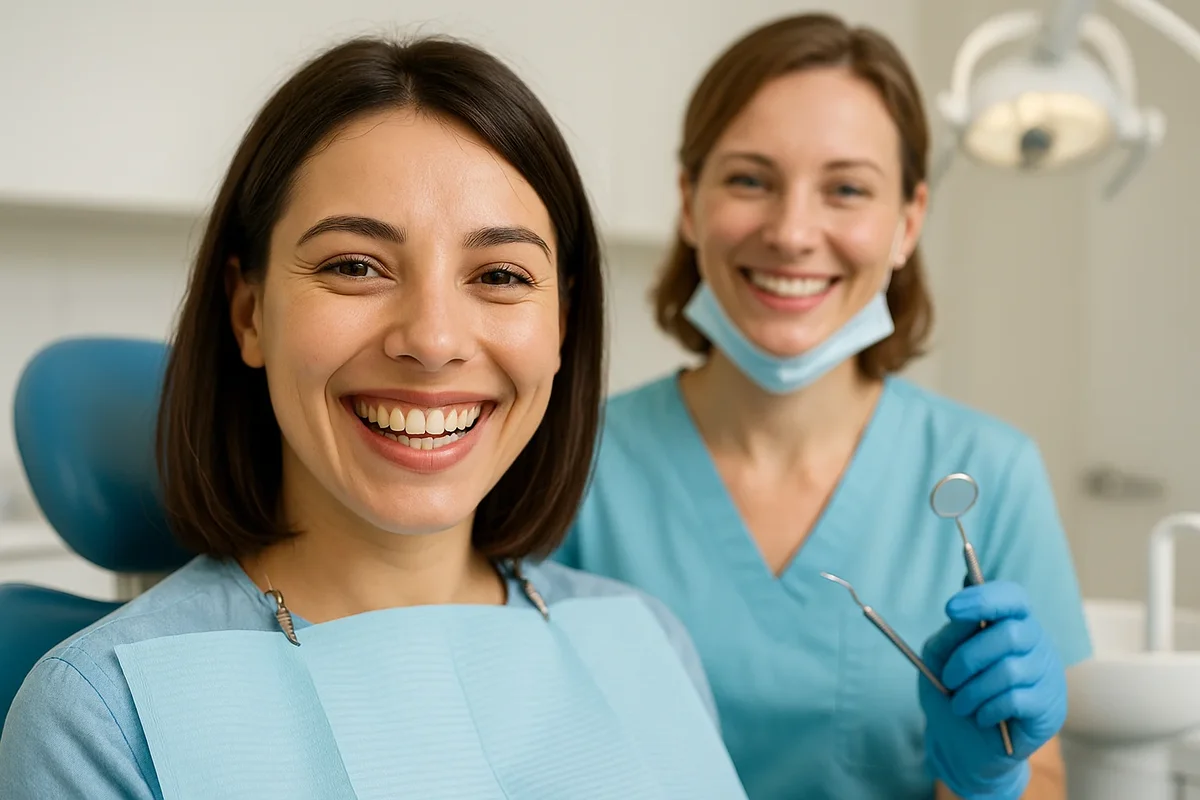
Patient Success Stories: Real Results from Happy Dentistry
Real-life experiences offer the most compelling proof of how happy dentistry transforms oral health, confidence, and emotional well-being. While technologies, techniques, and theories are important, nothing compares to the impact of hearing how actual patients overcame their fears, improved their smiles, and found renewed joy in dental care. These success stories reflect the heart of happy dentistry: a gentle, patient-centered approach built on trust, comfort, and modern innovation. 😊
In this section, we explore patient journeys that demonstrate how happy dentistry helps individuals—from anxious adults to children, seniors, and people with past trauma—reclaim their oral health and confidence. Each story highlights the effectiveness of pain-free techniques, supportive communication, and emotionally intelligent care. Together, these experiences show that dentistry can be soothing, empowering, and even enjoyable.
Overcoming Severe Dental Anxiety
One of the most common themes among happy dentistry success stories is the transformation of patients with severe dental anxiety. Many individuals enter the clinic with a long history of avoidance, negative childhood memories, or past traumatic experiences. These patients often feel embarrassed or fearful before treatment begins.
Thanks to the gentle techniques and emotional reassurance provided by happy dentistry, countless individuals have rediscovered their ability to attend dental visits without fear. The shift is often dramatic: patients who once postponed checkups for years begin attending appointments regularly and with confidence.
A Transformation Story: From Fear to Calm
One patient, a 42-year-old teacher, described shaking uncontrollably during her first consultation due to past experiences with painful procedures. The happy dentistry clinic introduced her to needle-free anesthesia, calming breathing techniques, and laser-based cavity treatment. Within three sessions, her anxiety subsided significantly. She now attends every appointment with a relaxed smile and encourages her students to take care of their teeth as well.
Children Who Learn to Love Dental Visits
Parents frequently share stories about how happy dentistry transformed their children’s attitudes. Kids who once cried or clung to their parents now walk into the clinic excited to choose their favorite cartoon or blanket. These emotional stories highlight how effective a kind, sensory-friendly environment can be in shaping long-term oral health habits.
Success Example: A Child With Sensory Sensitivity
A six-year-old boy with sensory processing challenges struggled with loud noises, bright lights, and unexpected touch. Traditional dental clinics overwhelmed him. Through happy dentistry, the dental team dimmed the lights, used soft music, and introduced every tool gently using the “Tell-Show-Do” technique. Today, he proudly tells his friends that dental visits are “fun time,” and his parents report that he brushes consistently at home.
Smile Makeovers That Restore Self-Esteem
Cosmetic transformations are another area where happy dentistry shines. Patients who are self-conscious about their teeth often experience life-changing improvements after undergoing gentle, minimally invasive cosmetic procedures. These stories frequently mention increased confidence, improved social interactions, and even positive career advancements.
From Hidden Smile to Radiant Confidence
A 29-year-old business professional had spent years hiding her smile due to discoloration and small gaps. She avoided photographs and felt uncomfortable speaking during meetings. With the support of a happy dentistry clinic, she underwent digital smile design, whitening, and minor bonding. The pain-free process helped her relax and enjoy the transformation. Not only did her smile brighten, but she also earned a promotion shortly after due to improved confidence in presentations.
Senior Patients Finding Renewed Comfort
Older adults often suffer from complex oral health challenges—gum recession, tooth loss, or sensitivity. Many seniors also carry fear from experiences with outdated dental techniques. Happy dentistry has helped many older patients regain comfort through gentle cleaning, laser periodontal care, and minimally invasive restorative options.
Gentle Care for a Senior With Gum Sensitivity
A 68-year-old patient with chronic gum sensitivity avoided dental cleanings for years. Traditional tools caused pain and lasting discomfort. A happy dentistry clinic reintroduced him to ultrasonic cleaning and soft tissue lasers, which eliminated inflammation painlessly. He now attends routine checkups happily, reporting that his gums feel healthier than they have in decades.
Restoring Trust After Traumatic Experiences
Patients with dental trauma—whether physical trauma or emotional shock—often struggle to trust practitioners. Happy dentistry rebuilds this trust through transparency, empathy, and consistent gentle care. The dental team ensures patients understand each step before proceeding, reinforcing a sense of control and stability.
A Healing Journey After a Traumatic Accident
A 35-year-old man who suffered a facial injury in a bicycle accident lost trust in dental professionals due to rushed emergency treatment. Through the patient-centered approach of happy dentistry, he gradually underwent restorative procedures—implants, bonding, and soft tissue healing. The clinic provided relaxation tools, step-by-step explanations, and digital previews. His restored smile helped him regain emotional strength and confidence.
The Impact of Happy Dentistry on Everyday Life
The most powerful part of these real-life stories is the ripple effect. When patients experience gentle, comforting care, they:
- Smile more often and with genuine joy
- Engage confidently in social settings
- Maintain better oral hygiene habits
- Return regularly for preventive care
- Encourage friends and family to seek comfortable dental care
These small daily changes add up to profound improvements in quality of life.
Professional Support and Trusted Resources
For those seeking their own transformation story, reaching out through the
Redent Klinik Contact Page
can be the first step. Families and individuals can also explore evidence-based dental standards at the
American Dental Association.
Ultimately, these success stories demonstrate that happy dentistry is not just a method—it is a life-changing philosophy. By combining gentle care, emotional intelligence, and advanced technology, happy dentistry empowers patients to reclaim their oral health, trust the dental process, and smile confidently for years to come. 😄