
Healthy teeth often receive most of the attention, but your gums are equally important for maintaining a beautiful smile and long-term oral health. 😊 Many people focus only on whitening their teeth or fixing cavities while ignoring the condition of their gums. However, happy gums are the true foundation of a strong and confident smile. When your gums are healthy, they support your teeth properly, reduce the risk of infections, and help you avoid serious dental complications in the future.
Happy gums are usually firm, pink, and free from swelling or bleeding. If your gums bleed while brushing or flossing, this may be an early sign that your happy gums are becoming irritated or unhealthy. Gum disease is extremely common, but the good news is that it is often preventable with the right oral care habits and professional dental support.
One of the most important things to understand about happy gums is that gum health directly affects your entire mouth. Your gums protect the roots of your teeth and act as a barrier against harmful bacteria. Without happy gums, your teeth can become loose, sensitive, or even fall out over time. This is why dentists always emphasize preventive care and regular cleanings.
Maintaining happy gums begins with proper daily oral hygiene. Brushing your teeth at least twice a day with a soft-bristled toothbrush helps remove plaque and bacteria that can irritate the gum tissue. Flossing is equally important because it cleans the areas between teeth where toothbrushes cannot reach. When plaque builds up under the gumline, it can lead to inflammation and gum disease.
Many patients believe bleeding gums are normal, but healthy and happy gums should not bleed regularly. Occasional irritation may happen, especially if you are new to flossing, but consistent bleeding is usually a warning sign. Gingivitis, the earliest stage of gum disease, commonly causes redness, tenderness, and swelling. Fortunately, gingivitis can often be reversed when patients improve their oral hygiene routine and visit a dentist for professional care.
Nutrition also plays a major role in creating happy gums. Foods rich in vitamin C, calcium, and antioxidants help strengthen gum tissue and reduce inflammation. Fresh fruits, leafy greens, yogurt, fish, and nuts are excellent choices for supporting oral health. Drinking enough water throughout the day also helps wash away bacteria and keeps the mouth hydrated.
Smoking is one of the biggest enemies of happy gums. Tobacco products reduce blood flow to the gum tissue, making it harder for gums to heal and fight infection. Smokers are far more likely to develop advanced periodontal disease compared to non-smokers. Quitting smoking can dramatically improve the condition of your gums and overall oral health.
Stress can also negatively impact happy gums. When people are stressed, they may grind their teeth, neglect oral hygiene, or experience weakened immunity. All of these factors can contribute to gum inflammation and bacterial growth. Managing stress through exercise, sleep, and healthy habits can help protect your gums as well as your general health.
Regular dental visits are essential for maintaining happy gums. Professional cleanings remove hardened plaque, known as tartar, which cannot be removed with brushing alone. Dentists can also identify early signs of gum disease before the problem becomes severe. Early treatment is always easier, less expensive, and more comfortable for patients.
If gum disease progresses without treatment, it may develop into periodontitis. This advanced condition can damage the bone supporting the teeth and may eventually lead to tooth loss. Symptoms may include gum recession, persistent bad breath, loose teeth, and discomfort while chewing. Protecting happy gums early is the best way to avoid these serious complications.
There are also cosmetic benefits to having happy gums. Healthy gums create a balanced smile line and improve the appearance of teeth. Swollen or receding gums can make teeth appear uneven or overly long. Modern dentistry offers several treatments that help restore healthy gum contours and improve smile aesthetics.
Some people are naturally more prone to gum problems due to genetics, hormonal changes, or medical conditions such as diabetes. In these cases, extra attention to oral care is especially important. Patients with diabetes, for example, often have a higher risk of gum infections because elevated blood sugar levels can affect healing and immune function.
Using the right dental products can also support happy gums. Toothpastes designed for gum care often contain ingredients that reduce plaque and soothe irritation. Antibacterial mouthwashes may help lower harmful bacteria levels when used correctly. However, these products should support—not replace—daily brushing and flossing.
For individuals experiencing persistent gum discomfort, professional dental advice is highly recommended. A qualified dental clinic can create a personalized treatment plan to restore happy gums and prevent future issues. If you are concerned about your gum health or want a complete dental evaluation, you can contact the Redent Klinik Contact Page for professional support and treatment options.
According to the American Dental Association, preventive dental care and regular oral hygiene are among the most effective ways to maintain healthy gums and reduce the risk of oral disease. Following expert dental recommendations can significantly improve both your smile and your confidence.
In many clinics around the world, professional dental cleanings typically range between $80 and $250 depending on the treatment type, location, and severity of gum buildup. Deep cleaning procedures for advanced gum disease may cost more, especially if multiple appointments are required. Investing in preventive care for happy gums is often much more affordable than treating severe dental problems later.
Ultimately, happy gums are not only about appearance—they are essential for oral comfort, strong teeth, fresh breath, and overall wellness. By practicing good oral hygiene, eating nutritious foods, avoiding smoking, and visiting your dentist regularly, you can protect your gums for years to come. A healthy smile truly begins with happy gums, and taking care of them today can help you avoid serious dental issues in the future. 😁
Why Happy Gums Are the Foundation of Oral Health
Many people believe that healthy teeth alone are enough for a beautiful smile, but the reality is very different. Happy gums are the true foundation of long-term oral health because they support, protect, and stabilize your teeth every single day. 😁 Without healthy gum tissue, even the strongest teeth can become vulnerable to infection, decay, and eventual tooth loss. Understanding why happy gums matter is one of the most important steps toward maintaining a confident and healthy smile for life.
Your gums are soft tissues that surround the teeth and cover the jawbone. Their primary role is to create a protective seal around each tooth, preventing harmful bacteria from reaching deeper structures. When happy gums are healthy, they fit snugly around the teeth and create a natural barrier against plaque buildup and inflammation. This protection is essential for maintaining strong teeth and preventing oral disease.
The Relationship Between Happy Gums and Strong Teeth
Teeth rely heavily on healthy gums for support. Even if teeth appear white and attractive on the outside, unhealthy gums can weaken the entire structure underneath. Happy gums hold teeth securely in place and help maintain the integrity of the surrounding bone. If gum tissue becomes infected or inflamed, the supporting bone can gradually deteriorate.
One of the most common causes of gum problems is plaque accumulation. Plaque is a sticky film of bacteria that constantly forms on teeth and along the gumline. When plaque is not removed through brushing and flossing, it hardens into tartar. Tartar can irritate the gums and eventually lead to gum disease. Maintaining happy gums requires consistent oral hygiene habits to prevent this bacterial buildup.
How Gum Disease Begins
The earliest stage of gum disease is called gingivitis. This condition often develops silently, which is why many people do not realize they have a problem until symptoms worsen. Gingivitis commonly causes redness, swelling, tenderness, and bleeding while brushing or flossing. Healthy and happy gums should not bleed regularly. If these symptoms are ignored, the condition can progress into periodontitis, a more severe form of gum disease.
Periodontitis damages the tissues and bone supporting the teeth. Over time, teeth may become loose, shift positions, or even fall out completely. This is why protecting happy gums early is much easier and less expensive than treating advanced dental complications later.
Happy Gums and Overall Health Connection
Research has shown that gum health is closely connected to overall body health. Chronic gum inflammation may increase the risk of several systemic conditions, including heart disease, diabetes, and respiratory infections. Bacteria from infected gums can enter the bloodstream and potentially affect other areas of the body.
Maintaining happy gums may help reduce inflammation throughout the body. Patients with diabetes, for example, often experience a stronger risk of gum disease because elevated blood sugar levels can weaken the immune system and slow healing. At the same time, severe gum disease can make blood sugar levels more difficult to control. This creates a harmful cycle that highlights the importance of healthy gums.
Pregnant women are also encouraged to prioritize happy gums because hormonal changes can increase gum sensitivity and inflammation. Some studies suggest that untreated gum disease during pregnancy may be associated with certain complications, making preventive dental care especially important.
Signs of Healthy and Happy Gums
Recognizing the appearance of healthy gums can help patients identify problems early. Happy gums are generally:
- Pink and firm in texture
- Free from swelling or puffiness
- Not bleeding during brushing or flossing
- Comfortable without pain or tenderness
- Securely attached around the teeth
If your gums appear red, swollen, or sensitive, this may indicate irritation or infection. Persistent bad breath is another common sign that your happy gums may need professional attention.
Daily Habits That Support Happy Gums
Protecting happy gums requires consistent oral care habits every day. Brushing your teeth at least twice daily with fluoride toothpaste is essential for removing plaque and bacteria. Dentists usually recommend soft-bristled toothbrushes because they clean effectively without damaging gum tissue.
Flossing is equally important because toothbrushes cannot fully clean between teeth. Many gum problems begin in these hidden spaces where bacteria accumulate. Daily flossing helps reduce inflammation and supports happy gums by removing trapped food particles and plaque.
Using antibacterial mouthwash may also help lower harmful bacteria levels in the mouth. However, mouthwash should complement brushing and flossing rather than replace them.
The Importance of Professional Dental Cleanings
Even patients with excellent brushing habits can develop tartar buildup over time. Professional cleanings remove hardened plaque that cannot be eliminated at home. Dental hygienists use specialized tools to clean below the gumline and help maintain happy gums.
Most dentists recommend professional cleanings every six months, although some patients with gum disease may require more frequent visits. Early detection allows dentists to treat problems before they become severe.
Nutrition and Happy Gums
Diet also plays an important role in gum health. Nutrients such as vitamin C, calcium, and antioxidants help strengthen gum tissue and reduce inflammation. Foods that support happy gums include:
- Leafy green vegetables 🥬
- Citrus fruits 🍊
- Dairy products 🥛
- Fatty fish 🐟
- Nuts and seeds 🌰
Drinking water throughout the day also helps wash away food particles and bacteria that may irritate the gums.
Sugary foods and acidic beverages, on the other hand, can increase bacterial growth and contribute to oral problems. Limiting excessive sugar intake supports both happy gums and healthier teeth.
Professional Support for Happy Gums
If you notice ongoing bleeding, swelling, gum recession, or discomfort, it is important to seek professional dental care promptly. Early treatment can prevent serious complications and restore healthy gum tissue before permanent damage occurs.
Modern dentistry offers several treatments for gum disease, including deep cleaning procedures, laser therapy, and periodontal maintenance. A personalized dental care plan can help patients maintain happy gums and avoid future oral health issues.
If you would like professional guidance for improving your gum health, you can visit the Redent Klinik Contact Page to learn more about available dental treatments and consultations.
According to the American Dental Association, preventive oral care and regular dental visits remain among the best ways to maintain healthy gums and reduce the risk of periodontal disease.
Professional gum treatments and deep cleaning procedures may vary in price depending on the severity of gum disease and the clinic location. Standard professional cleanings often range between $80 and $250, while more advanced periodontal treatments may cost several hundred dollars if multiple sessions are required. Preventive care for happy gums is usually far more affordable than restoring teeth lost due to severe gum disease.
Ultimately, happy gums are not only important for oral appearance—they are essential for protecting teeth, preserving jawbone health, and supporting overall wellness. Healthy gums help patients enjoy stronger teeth, fresher breath, reduced discomfort, and greater confidence every day. 😊
Common Signs Your Happy Gums May Be at Risk
Many people do not realize they have gum problems until symptoms become painful or severe. Unfortunately, gum disease often develops slowly and silently, which means early warning signs can easily be ignored. Recognizing the symptoms that threaten happy gums is extremely important because early treatment can prevent serious oral health complications later. 😊 Healthy gums should feel comfortable, appear pink, and remain free from swelling or bleeding. Any noticeable changes may indicate that your happy gums need immediate attention.
One of the most common mistakes patients make is assuming that occasional gum bleeding is normal. In reality, bleeding gums are usually a sign of irritation or inflammation caused by bacterial buildup. The earlier these symptoms are identified, the easier it becomes to restore happy gums and protect long-term oral health.
Bleeding Gums During Brushing or Flossing
Bleeding is often the very first sign that happy gums are becoming unhealthy. If your gums bleed regularly while brushing, flossing, or eating certain foods, this may indicate gingivitis, the earliest stage of gum disease.
Gingivitis develops when plaque accumulates around the gumline. Plaque contains harmful bacteria that irritate the soft gum tissue and trigger inflammation. At this stage, happy gums may become sensitive, swollen, and more likely to bleed. The good news is that gingivitis is usually reversible with proper oral hygiene and professional dental care.
Why Bleeding Should Never Be Ignored
Some patients stop flossing when they notice bleeding, but this can make the problem worse. Bleeding gums often mean plaque and bacteria are already irritating the tissues between the teeth. Regular flossing and gentle brushing help remove these bacteria and improve gum health over time.
If bleeding continues for more than a few days despite improved oral care, professional evaluation is highly recommended to protect happy gums from further damage.
Red, Swollen, or Tender Gums
Healthy and happy gums are usually light pink and firm. Swelling, redness, or puffiness often indicates inflammation caused by bacteria or infection. Inflamed gums may feel sore when touched and can make eating or brushing uncomfortable.
Swelling occurs because the body sends extra blood flow and immune cells to fight bacterial irritation. While this response is natural, chronic inflammation can gradually damage gum tissue if left untreated.
Some patients may also notice shiny or enlarged gums around certain teeth. These symptoms should not be ignored because they may signal worsening gum disease.
Persistent Bad Breath
Bad breath, also known as halitosis, is another common warning sign that happy gums may be at risk. Bacteria trapped below the gumline produce unpleasant odors that brushing alone may not eliminate.
Persistent bad breath can occur even in patients who brush regularly because bacteria may hide in deep gum pockets between the teeth and gums. As gum disease progresses, these pockets become larger and more difficult to clean at home.
Maintaining happy gums through regular professional cleanings and proper oral hygiene often improves breath freshness significantly.
When Bad Breath Becomes a Serious Concern
If mouthwash only temporarily masks bad breath, the underlying cause may involve gum disease or bacterial infection. Dental evaluation is essential to identify the exact cause and protect happy gums before the condition worsens.
Gum Recession and Longer-Looking Teeth
Gum recession occurs when the gum tissue pulls away from the teeth, exposing more of the tooth surface or even the root. Receding gums are one of the clearest indicators that happy gums may be compromised.
Patients often notice that their teeth suddenly appear longer than before. This change may happen gradually over time, making it difficult to recognize in the early stages.
Several factors can contribute to gum recession, including:
- Advanced gum disease
- Aggressive tooth brushing
- Smoking 🚬
- Teeth grinding
- Poor oral hygiene
- Genetic predisposition
Receding gums not only affect appearance but also increase tooth sensitivity and vulnerability to decay. Protecting happy gums early can help prevent permanent gum loss.
Loose or Shifting Teeth
Teeth should feel stable and secure inside the mouth. When happy gums become severely damaged, the supporting bone around the teeth may weaken. This can eventually cause teeth to loosen or shift position.
Patients with advanced periodontal disease may notice changes in their bite or spacing between teeth. Chewing may also become uncomfortable.
Loose teeth are a serious sign that gum disease may already be affecting deeper structures beneath the gums. Immediate professional treatment is important to avoid tooth loss.
The Role of Bone Loss in Gum Disease
Advanced gum infections do not only damage soft tissue—they can also destroy the jawbone supporting the teeth. Bone loss often develops silently and may not cause pain until significant damage has already occurred.
Regular dental X-rays help dentists monitor bone levels and protect happy gums before irreversible complications develop.
Tooth Sensitivity and Gum Problems
Sensitive teeth may also indicate gum recession or inflammation. When gums pull away from the teeth, sensitive root surfaces become exposed to hot, cold, sweet, or acidic foods.
Patients experiencing sudden sensitivity should not assume the issue is only related to enamel wear. Sometimes the true problem involves declining gum health.
Using toothpaste designed for sensitive teeth may provide temporary relief, but treating the underlying cause is essential for restoring happy gums and preventing future discomfort.
Risk Factors That Threaten Happy Gums
Several lifestyle and medical factors can increase the risk of gum disease and negatively affect happy gums, including:
- Poor oral hygiene habits
- Smoking and tobacco use
- High sugar consumption 🍭
- Stress and weakened immunity
- Diabetes
- Hormonal changes
- Dry mouth
Understanding these risk factors allows patients to make healthier choices that support gum health and overall wellness.
Professional Care for Happy Gums
If you notice any warning signs such as bleeding, swelling, bad breath, gum recession, or loose teeth, professional dental care is extremely important. Early intervention can often reverse mild gum disease and prevent major oral health complications.
Professional gum evaluations may include deep cleanings, periodontal examinations, digital X-rays, and personalized treatment plans designed to restore happy gums.
If you are experiencing symptoms related to gum disease, you can visit the Redent Klinik Contact Page to learn more about available dental services and professional support.
The American Dental Association emphasizes the importance of early detection and preventive oral care for maintaining healthy gums and preventing periodontal disease.
Routine dental cleanings generally range between $80 and $250 depending on the clinic and treatment complexity, while advanced periodontal therapy for severe gum disease may cost significantly more. Protecting happy gums through preventive care is usually much more affordable than treating advanced dental complications later.
Ultimately, understanding the warning signs that threaten happy gums can help patients take action before small problems become serious. Paying attention to bleeding, swelling, bad breath, gum recession, and sensitivity allows you to protect your smile, preserve your teeth, and maintain better overall oral health for years to come. 😁
Daily Habits That Help Maintain Happy Gums
Healthy gums are not created overnight. Maintaining happy gums requires consistent daily habits that protect the mouth from plaque buildup, bacterial growth, and inflammation. 😊 Many serious dental problems begin with small oral hygiene mistakes repeated over time. Fortunately, simple daily routines can make a huge difference in protecting gum health and preserving a beautiful smile for years.
Happy gums are typically pink, firm, and free from swelling or bleeding. When oral hygiene habits are neglected, harmful bacteria can quickly accumulate around the gumline and trigger irritation. Understanding the best daily practices for gum care helps reduce the risk of gingivitis, periodontitis, bad breath, and tooth loss.
Brushing Properly for Happy Gums
Brushing your teeth correctly is one of the most important habits for maintaining happy gums. Dentists generally recommend brushing at least twice daily using fluoride toothpaste and a soft-bristled toothbrush.
Many people brush too aggressively, believing harder brushing cleans better. However, excessive force can actually damage gum tissue and contribute to gum recession. Gentle circular motions are far more effective and safer for happy gums.
Choosing the Right Toothbrush
Using the correct toothbrush can significantly improve gum health. Soft-bristled brushes are ideal because they clean effectively without harming delicate gum tissue. Electric toothbrushes may also help patients maintain better brushing techniques by providing consistent motion and built-in timers.
Dentists often recommend replacing toothbrushes every three months or sooner if the bristles become worn. Frayed bristles are less effective at cleaning plaque and may irritate happy gums.
The Importance of Daily Flossing
Flossing is essential for removing plaque and food particles between teeth where toothbrushes cannot reach. Many gum problems begin in these tight spaces because bacteria accumulate unnoticed.
Daily flossing helps maintain happy gums by reducing inflammation and preventing tartar buildup below the gumline. Patients who skip flossing are often more likely to develop bleeding gums and early gum disease.
Proper flossing technique matters just as much as consistency. Floss should be gently curved around each tooth and moved carefully below the gumline without snapping harshly against the gums.
Alternatives to Traditional Floss
Some patients struggle with traditional floss due to braces, dental bridges, or dexterity issues. Fortunately, several alternatives can still support happy gums, including:
- Water flossers 💧
- Floss picks
- Interdental brushes
- Soft rubber gum cleaners
These tools can make gum care easier while still helping reduce plaque and bacterial buildup.
Using Mouthwash Correctly
Antibacterial mouthwash can provide additional support for happy gums by reducing harmful bacteria and improving breath freshness. Mouthwash reaches areas that brushing and flossing may miss, helping lower plaque levels throughout the mouth.
However, mouthwash should never replace brushing or flossing. It works best as part of a complete oral hygiene routine.
Alcohol-free mouthwashes are often recommended for patients with dry mouth or sensitive gums because they are gentler on oral tissues.
Eating a Gum-Friendly Diet
Nutrition has a direct impact on gum health. A balanced diet rich in vitamins and minerals helps strengthen gum tissue and supports the body’s natural healing process.
Foods that promote happy gums include:
- Leafy greens 🥬
- Citrus fruits 🍊
- Yogurt and dairy products 🥛
- Fatty fish rich in omega-3 🐟
- Nuts and seeds 🌰
- Crunchy vegetables like carrots and celery 🥕
Vitamin C is especially important because it helps maintain healthy connective tissue and supports gum healing. A deficiency in vitamin C may increase the risk of gum bleeding and inflammation.
Foods That Can Harm Happy Gums
Highly sugary foods and acidic beverages can encourage bacterial growth and increase plaque formation. Sticky candies, soda, and excessive processed sugar may contribute to gum irritation over time.
Reducing sugar intake supports not only happy gums but also healthier teeth and fresher breath.
Drinking Enough Water
Water is one of the simplest yet most effective tools for protecting happy gums. Drinking water throughout the day helps rinse away food particles and bacteria while supporting saliva production.
Saliva plays a crucial role in oral health because it naturally neutralizes acids and helps protect the gums from harmful microorganisms. Dry mouth increases bacterial growth and may raise the risk of gum disease.
Patients who consume large amounts of coffee, alcohol, or sugary drinks should pay extra attention to hydration to support healthy gums.
Avoiding Tobacco Products
Smoking and tobacco use are among the most harmful habits for gum health. Tobacco reduces blood flow to the gums, weakens the immune system, and slows healing.
Smokers are significantly more likely to develop advanced gum disease compared to non-smokers. In many cases, smoking masks early symptoms because reduced blood flow may hide gum bleeding even while damage continues underneath.
Quitting smoking can dramatically improve the condition of happy gums and lower the risk of tooth loss.
Managing Stress for Better Gum Health
Stress can negatively affect oral health in several ways. Many stressed individuals grind their teeth, neglect oral hygiene, or experience weakened immune responses. Chronic stress may increase inflammation throughout the body, including the gums.
Managing stress through exercise, sleep, and relaxation techniques may help protect happy gums while also supporting overall wellness. 😌
Teeth Grinding and Gum Problems
Teeth grinding, also called bruxism, places excessive pressure on teeth and gum tissue. Over time, grinding may contribute to gum recession, tooth wear, and jaw discomfort.
Dentists may recommend night guards for patients who grind their teeth during sleep to protect happy gums and reduce oral strain.
The Importance of Regular Dental Visits
Even with excellent daily care, professional dental visits remain essential for maintaining happy gums. Dentists and hygienists can remove hardened tartar that cannot be eliminated through brushing alone.
Professional cleanings help prevent gum disease and allow early detection of oral health problems before they become severe. Most dental professionals recommend checkups every six months, although some patients may require more frequent visits depending on their gum condition.
Routine cleanings typically cost between $80 and $250 depending on the clinic and treatment needs, while deep periodontal cleaning procedures for advanced gum disease may cost significantly more. Preventive care for happy gums is usually far more affordable than treating severe dental complications later.
If you are experiencing bleeding gums, sensitivity, swelling, or other signs of gum disease, professional guidance is strongly recommended. You can visit the Redent Klinik Contact Page to learn more about professional dental treatments and oral health support.
The American Dental Association emphasizes that consistent oral hygiene habits and preventive dental care are among the most effective ways to maintain healthy gums and long-term oral wellness.
Ultimately, maintaining happy gums depends on small daily habits practiced consistently over time. Proper brushing, flossing, healthy nutrition, hydration, stress management, and regular dental care all work together to protect your gums and support a stronger, healthier smile. 😁
Best Foods and Vitamins for Happy Gums
Nutrition plays a major role in maintaining strong teeth and happy gums. 😊 Many people focus only on brushing and flossing while forgetting that the foods they eat every day directly affect gum health. Your gums need essential vitamins, minerals, antioxidants, and hydration to stay healthy and resist bacterial infections. A balanced diet can help reduce inflammation, support healing, strengthen connective tissues, and protect the mouth from gum disease.
Happy gums are more likely to remain firm, pink, and healthy when the body receives proper nutrition. On the other hand, poor dietary habits can weaken the immune system, increase bacterial growth, and make gum tissue more vulnerable to infection. Understanding which foods and nutrients support oral health can help patients protect their smiles naturally and reduce the risk of periodontal disease.
Why Nutrition Matters for Happy Gums
Your gums constantly face exposure to bacteria, food particles, acids, and mechanical stress from chewing. To remain healthy, gum tissue requires nutrients that support cell repair, collagen production, and immune function.
Healthy eating habits can help:
- Reduce gum inflammation
- Strengthen gum tissue
- Support faster healing
- Lower the risk of gum disease
- Improve saliva production
- Protect against bacterial infections
Patients who consume excessive sugar and processed foods often experience more plaque buildup and inflammation, which can negatively affect happy gums over time.
Vitamin C and Gum Health
Vitamin C is one of the most important nutrients for maintaining happy gums. This vitamin helps produce collagen, which is essential for healthy gum tissue and connective structures around the teeth.
A lack of vitamin C may cause gums to become swollen, weak, or more likely to bleed. Severe deficiency can even contribute to gum deterioration and delayed healing.
Best Sources of Vitamin C
Several delicious foods can naturally support happy gums through high vitamin C content, including:
- Oranges 🍊
- Strawberries 🍓
- Kiwi 🥝
- Bell peppers 🫑
- Broccoli 🥦
- Tomatoes 🍅
Adding these foods regularly to your diet may help reduce gum inflammation and support stronger oral tissues.
Calcium for Strong Teeth and Happy Gums
Calcium is essential for maintaining strong teeth and jawbone structure. While most people associate calcium only with teeth, it also indirectly supports happy gums by strengthening the bone surrounding the teeth.
If the jawbone weakens, teeth may become unstable and more vulnerable to gum disease complications. Adequate calcium intake helps preserve the structures that support healthy gums.
Foods Rich in Calcium
Excellent calcium-rich foods include:
- Milk 🥛
- Cheese 🧀
- Yogurt
- Almonds 🌰
- Leafy green vegetables 🥬
- Sardines and salmon 🐟
Vitamin D is also important because it helps the body absorb calcium more effectively.
Vitamin D and Immune Support
Vitamin D supports immune health and helps the body fight inflammation. Research suggests that low vitamin D levels may increase the risk of gum disease and bone loss.
Happy gums benefit from strong immune defenses because gum tissue constantly encounters bacteria within the mouth. Vitamin D may also help reduce gum bleeding and improve healing after dental treatments.
Natural Sources of Vitamin D
You can increase vitamin D levels through:
- Sunlight exposure ☀️
- Fatty fish like salmon and tuna 🐟
- Egg yolks 🥚
- Fortified dairy products
- Vitamin D supplements when recommended by a doctor
Maintaining healthy vitamin D levels can support both happy gums and stronger bones.
Omega-3 Fatty Acids for Gum Inflammation
Omega-3 fatty acids are known for their anti-inflammatory properties. Chronic inflammation is one of the biggest threats to happy gums because it contributes to gum disease progression and tissue destruction.
Adding omega-3-rich foods to your diet may help reduce swelling and support healthier gum tissue.
Best Sources of Omega-3
- Salmon 🐟
- Mackerel
- Sardines
- Chia seeds
- Walnuts 🌰
- Flaxseeds
These foods not only support gum health but also contribute to overall cardiovascular wellness.
Hydration and Happy Gums
Water is one of the most overlooked factors in oral health. Drinking enough water throughout the day helps wash away bacteria and food particles that may irritate the gums.
Proper hydration also supports saliva production. Saliva naturally protects the mouth by neutralizing acids and limiting bacterial growth. Dry mouth can increase the risk of plaque buildup, gum irritation, and bad breath.
Patients who drink large amounts of sugary beverages or coffee should pay extra attention to hydration to maintain happy gums.
Crunchy Fruits and Vegetables
Crunchy fruits and vegetables help stimulate saliva flow and provide a mild natural cleaning effect on teeth and gums. While they do not replace brushing, they can support oral cleanliness between meals.
Excellent options for happy gums include:
- Apples 🍎
- Carrots 🥕
- Celery
- Cucumbers 🥒
These foods are also rich in fiber and nutrients that support oral health naturally.
Foods That May Harm Happy Gums
Certain foods can increase bacterial growth and contribute to gum inflammation when consumed excessively.
Sugary and Sticky Foods
Sugary foods feed harmful oral bacteria, increasing plaque formation around the gumline. Sticky candies are especially problematic because they remain on teeth longer.
Frequent sugar consumption may increase the risk of gum disease and cavities while negatively affecting happy gums.
Acidic Drinks and Processed Foods
Soft drinks, energy drinks, and acidic juices may irritate oral tissues and weaken enamel over time. Highly processed foods often lack the nutrients needed for strong gums and healthy immune function.
Reducing these foods can help protect happy gums and improve overall oral health.
Supplements for Happy Gums
Some patients may benefit from supplements if they have nutritional deficiencies or dietary restrictions. However, supplements should support—not replace—a healthy diet.
Common supplements associated with gum health include:
- Vitamin C
- Vitamin D
- Calcium
- Omega-3 fatty acids
- Coenzyme Q10
It is always best to consult a healthcare professional before starting new supplements.
Professional Care and Nutritional Guidance
Even the healthiest diet cannot fully replace proper oral hygiene and professional dental care. Maintaining happy gums requires a combination of good nutrition, regular brushing, flossing, and dental checkups.
If you experience symptoms such as gum bleeding, swelling, sensitivity, or persistent bad breath, professional dental evaluation is highly recommended. You can visit the Redent Klinik Contact Page to learn more about available dental services and personalized oral health care.
The American Dental Association also emphasizes the importance of balanced nutrition and preventive dental care for maintaining healthy gums and reducing oral disease risk.
Professional dental cleanings generally range between $80 and $250 depending on treatment needs and clinic location. More advanced periodontal treatments for gum disease may cost more if deep cleaning or multiple sessions are required. Investing in preventive care and healthy eating habits for happy gums is usually much more affordable than treating advanced dental problems later.
Ultimately, the foods and vitamins you consume every day directly influence the strength, resilience, and appearance of your gums. A nutrient-rich diet combined with consistent oral hygiene can help maintain happy gums, fresher breath, stronger teeth, and a healthier smile for years to come. 😁
Professional Dental Treatments for Happy Gums
Even with excellent brushing and flossing habits, some patients may still develop gum problems that require professional care. Professional dental treatments are essential for restoring happy gums, preventing advanced gum disease, and protecting long-term oral health. 😊 Modern dentistry offers a wide range of effective treatments designed to remove harmful bacteria, reduce inflammation, and repair damaged gum tissue before serious complications develop.
Many gum problems begin silently and gradually worsen over time. Patients often do not notice significant symptoms until gum disease has already progressed. Regular dental visits allow professionals to identify early signs of trouble and create personalized treatment plans that support happy gums and healthier smiles.
Why Professional Gum Care Matters
Daily oral hygiene is extremely important, but home care alone cannot always remove hardened tartar or treat advanced bacterial infections below the gumline. Plaque that remains on teeth for long periods eventually hardens into tartar, also called calculus.
Tartar creates a rough surface where bacteria continue to accumulate and irritate the gums. Once tartar forms, it cannot be removed with a regular toothbrush or floss. Professional dental tools and specialized techniques are necessary to restore happy gums effectively.
Without professional treatment, gum inflammation may progress into periodontal disease, which can damage the supporting bone around the teeth and eventually lead to tooth loss.
Routine Dental Cleanings
Routine professional cleanings are among the most important preventive treatments for maintaining happy gums. During these appointments, dental hygienists remove plaque and tartar from above and below the gumline.
Professional cleanings help:
- Reduce gum inflammation
- Prevent gingivitis
- Improve breath freshness 😁
- Lower bacterial buildup
- Protect teeth and gums long term
Most patients benefit from dental cleanings every six months, although individuals with gum disease may require more frequent visits.
What Happens During a Professional Cleaning?
A standard dental cleaning typically includes:
- Oral examination
- Plaque and tartar removal
- Polishing of the teeth
- Flossing and gum evaluation
- Preventive recommendations
These appointments are essential for keeping happy gums healthy and identifying oral problems before they become severe.
Scaling and Root Planing for Gum Disease
When gum disease progresses beyond mild gingivitis, dentists often recommend a deep cleaning procedure called scaling and root planing. This treatment is specifically designed to treat bacterial buildup beneath the gums.
Scaling removes tartar and plaque from deep periodontal pockets around the teeth. Root planing smooths the tooth roots, helping the gums reattach more effectively and reducing future bacterial accumulation.
Scaling and root planing can significantly improve happy gums by lowering inflammation and helping infected tissues heal properly.
Signs You May Need Deep Cleaning
Dentists may recommend scaling and root planing if patients experience:
- Persistent gum bleeding
- Deep gum pockets
- Gum recession
- Loose teeth
- Chronic bad breath
- Visible tartar buildup
Early treatment can prevent the need for more invasive periodontal procedures later.
Laser Gum Therapy
Laser dentistry has become increasingly popular for treating gum disease and improving happy gums with minimal discomfort. Dental lasers can precisely remove infected tissue while preserving healthy areas.
Laser gum therapy may offer several benefits compared to traditional surgery, including:
- Reduced bleeding
- Faster healing
- Less swelling
- Improved patient comfort
- Lower risk of infection
Some patients prefer laser treatments because they are often less invasive and may require shorter recovery periods.
Gum Grafting Procedures
Patients with severe gum recession may require gum grafting to restore lost tissue and protect exposed tooth roots. Receding gums not only affect appearance but also increase sensitivity and vulnerability to decay.
During a gum graft procedure, healthy tissue is carefully placed over exposed areas to rebuild the gumline and improve protection around the teeth.
Gum grafting can help restore happy gums while improving smile aesthetics and reducing tooth sensitivity.
Causes of Gum Recession
Several factors may contribute to gum recession, including:
- Advanced gum disease
- Aggressive brushing
- Smoking 🚬
- Teeth grinding
- Genetics
- Poor oral hygiene
Addressing these causes is important for maintaining healthy gums after treatment.
Antibacterial Treatments for Happy Gums
Some periodontal treatments include antibacterial rinses or localized antibiotics to help control bacterial infections. These medications may be placed directly into deep gum pockets after cleaning procedures.
Antibacterial treatments can support healing and reduce the bacterial load that threatens happy gums.
However, medications alone are usually not enough. Long-term gum health still depends on proper oral hygiene and regular dental care.
Dental Surgery for Advanced Gum Disease
In severe cases of periodontal disease, surgical procedures may be necessary to restore happy gums and preserve the teeth. Periodontal surgery may involve:
- Flap surgery
- Bone grafting
- Tissue regeneration
- Pocket reduction procedures
These treatments aim to eliminate infection, reduce gum pockets, and rebuild damaged structures supporting the teeth.
Advanced periodontal disease can sometimes lead to significant bone loss, making timely treatment extremely important.
Cosmetic Gum Treatments
Professional dental care is not only about disease prevention—it can also improve the appearance of the smile. Cosmetic gum contouring procedures reshape uneven gum tissue to create a more balanced and attractive smile line.
Patients with excessive gum display, commonly called a “gummy smile,” may choose cosmetic treatments to improve smile aesthetics while maintaining happy gums.
Benefits of Cosmetic Gum Contouring
- Improved smile symmetry 😁
- Better tooth proportions
- Enhanced confidence
- Healthier gum appearance
Modern cosmetic dentistry often combines aesthetics with periodontal health for better long-term outcomes.
Professional Maintenance After Treatment
After periodontal treatment, ongoing maintenance is extremely important for preserving happy gums. Patients who have experienced gum disease may require more frequent cleanings and monitoring to prevent recurrence.
Daily brushing, flossing, healthy nutrition, and regular dental visits all play essential roles in maintaining treatment results.
Patients should also avoid smoking and follow professional recommendations carefully to support healing and long-term oral health.
Cost of Professional Gum Treatments
The cost of professional treatments for happy gums depends on the severity of gum disease and the type of procedure required.
Average Treatment Costs
- Routine dental cleaning: $80–$250
- Scaling and root planing: $300–$1,200
- Laser gum therapy: $500–$3,000
- Gum graft surgery: $600–$3,000 per area
- Periodontal surgery: varies depending on complexity
Preventive care is usually far more affordable than treating advanced gum disease and tooth loss later.
Finding Professional Help for Happy Gums
If you experience symptoms such as bleeding gums, swelling, recession, loose teeth, or persistent bad breath, professional dental evaluation is strongly recommended. Early treatment can often reverse mild gum disease and prevent serious complications.
You can learn more about available periodontal treatments and dental services through the Redent Klinik Contact Page.
The American Dental Association also highlights the importance of preventive dental care and early periodontal treatment for maintaining healthy gums and strong teeth.
Ultimately, professional dental treatments are essential for restoring happy gums, preventing tooth loss, and supporting long-term oral wellness. Combining expert care with strong daily habits can help patients maintain healthier gums, fresher breath, and a more confident smile for many years. 😊
How Smoking and Stress Affect Happy Gums
Many people understand that smoking and stress can affect general health, but fewer realize how strongly these factors influence oral health and happy gums. 😟 Your gums are sensitive tissues that depend on healthy blood flow, strong immune responses, and consistent healing processes to remain healthy. Smoking and chronic stress can weaken these protective systems, increasing the risk of gum disease, inflammation, infection, and tooth loss.
Even patients who brush and floss regularly may experience gum problems if smoking or stress continuously damages the body’s ability to maintain healthy tissues. Understanding the connection between lifestyle habits and happy gums can help patients make better choices for long-term oral wellness.
Why Smoking Is Harmful for Happy Gums
Smoking is considered one of the biggest risk factors for gum disease. Tobacco products contain harmful chemicals that negatively affect nearly every part of the mouth, including the gums, teeth, bone, and saliva production.
Healthy gums require strong circulation to deliver oxygen and nutrients to oral tissues. Smoking restricts blood vessels and reduces blood flow to the gums. As a result, happy gums become weaker, less resistant to infection, and slower to heal.
Smokers are significantly more likely to develop periodontal disease compared to non-smokers. In many cases, gum disease progresses faster and becomes more severe among tobacco users.
How Tobacco Weakens Gum Tissue
Smoking weakens the immune system and interferes with the body’s natural defense mechanisms. This makes it harder for the gums to fight bacteria and recover from inflammation.
Tobacco also encourages bacterial growth inside the mouth, increasing plaque accumulation around the gumline. Over time, these bacteria may destroy the tissues supporting the teeth.
Patients who smoke heavily often experience:
- Increased gum recession
- Persistent bad breath
- Yellow or stained teeth 🚬
- Higher risk of tooth loss
- Slow healing after dental procedures
- Deep periodontal pockets
These issues make maintaining happy gums much more difficult without lifestyle changes and professional dental support.
Smoking Can Hide Gum Disease Symptoms
One dangerous aspect of smoking is that it can mask the early signs of gum disease. Healthy gums typically bleed when inflamed because the body increases blood flow to infected tissues. However, smoking restricts circulation, which may reduce visible bleeding even while damage continues underneath.
This means smokers may falsely believe their gums are healthy when periodontal disease is actually progressing silently. Regular dental checkups become even more important for protecting happy gums in smokers.
The Impact of Smoking on Dental Treatment
Smoking can also reduce the success rate of many dental procedures. Treatments such as gum grafts, dental implants, and periodontal surgeries often heal more slowly in smokers because tobacco limits blood supply and oxygen delivery.
Patients who quit smoking before treatment usually experience better healing outcomes and healthier gums overall.
Vaping and Alternative Tobacco Products
Some people assume vaping or smokeless tobacco products are harmless alternatives to cigarettes. However, many vaping products still contain nicotine, which can negatively affect blood circulation and gum health.
Nicotine reduces oxygen delivery to gum tissue and may contribute to inflammation and bacterial imbalance inside the mouth. While research on vaping continues, dental professionals increasingly warn that these products may still threaten happy gums over time.
Chewing tobacco is especially harmful because it exposes gum tissue directly to irritating chemicals that can increase the risk of gum recession and oral cancer.
How Stress Affects Happy Gums
Stress is another major factor that can negatively impact gum health. When the body experiences chronic stress, hormone levels change and immune function may weaken. This creates an environment where harmful bacteria can grow more easily and gum inflammation can worsen.
Patients under stress often neglect healthy routines such as brushing, flossing, exercising, and eating nutritious foods. These changes may contribute to plaque buildup and increase the risk of gum disease.
The Link Between Stress Hormones and Inflammation
Stress triggers the release of cortisol, a hormone that affects immune responses throughout the body. Elevated cortisol levels may increase inflammation and reduce the body’s ability to fight bacterial infections.
As inflammation rises, happy gums may become swollen, tender, or more prone to bleeding.
Chronic stress has also been associated with slower wound healing, which may affect recovery after dental treatments or oral surgery.
Teeth Grinding and Gum Damage
Many stressed individuals grind or clench their teeth, especially during sleep. This condition, called bruxism, places excessive pressure on teeth, jaw muscles, and gum tissues.
Over time, grinding may contribute to:
- Gum recession
- Tooth sensitivity
- Jaw pain 😣
- Worn tooth enamel
- Loose teeth
- Inflamed gums
Protecting happy gums often involves addressing the underlying causes of teeth grinding and stress.
Night Guards for Bruxism
Dentists frequently recommend custom night guards for patients who grind their teeth during sleep. These appliances help reduce pressure on the teeth and gums while protecting oral structures from excessive wear.
Night guards can play an important role in maintaining happy gums for patients with chronic bruxism.
Stress and Poor Oral Hygiene Habits
Stress often affects behavior and daily routines. People experiencing anxiety or emotional exhaustion may brush less consistently, skip flossing, or consume more sugary comfort foods.
Poor oral hygiene habits allow plaque and bacteria to accumulate around the gums, increasing the likelihood of gingivitis and periodontal disease.
Maintaining happy gums during stressful periods requires extra attention to self-care and consistent oral hygiene practices.
Ways to Reduce Stress and Support Happy Gums
Managing stress effectively can improve both oral health and overall wellness. Several healthy habits may help reduce stress while supporting healthier gums:
- Regular exercise 🏃
- Quality sleep 😴
- Balanced nutrition
- Meditation or breathing exercises
- Hydration 💧
- Reducing caffeine and alcohol intake
- Maintaining consistent oral hygiene
Patients who prioritize stress management often experience improvements in gum health, immune function, and overall quality of life.
The Benefits of Quitting Smoking
Quitting smoking provides enormous benefits for oral health and happy gums. Blood circulation gradually improves after smoking cessation, allowing gum tissue to heal more effectively.
Former smokers often notice:
- Reduced gum inflammation
- Improved breath freshness 😁
- Healthier gum color
- Lower risk of tooth loss
- Better treatment outcomes
- Reduced risk of oral cancer
Although quitting can be challenging, the long-term benefits for gum health are extremely significant.
Professional Support for Happy Gums
Patients who smoke or experience chronic stress should schedule regular dental evaluations to monitor gum health carefully. Professional cleanings, periodontal assessments, and early treatment can help prevent serious complications.
Dental professionals may recommend more frequent cleanings for patients with higher gum disease risk factors. Routine dental care remains one of the most effective ways to maintain happy gums despite lifestyle challenges.
If you are experiencing gum bleeding, recession, bad breath, or signs of periodontal disease, professional support is strongly recommended. You can learn more about available treatments through the Redent Klinik Contact Page.
The American Dental Association also highlights the importance of avoiding tobacco products and maintaining preventive oral care to reduce gum disease risk.
Routine professional cleanings generally range between $80 and $250 depending on treatment needs and clinic location. More advanced periodontal treatments for smoking-related gum disease may cost significantly more if deep cleaning or surgery becomes necessary. Preventive care and healthier lifestyle choices for happy gums are often much more affordable than treating severe oral complications later.
Ultimately, smoking and chronic stress can seriously threaten happy gums by increasing inflammation, weakening immune defenses, and accelerating gum disease progression. By reducing stress, avoiding tobacco, maintaining proper oral hygiene, and visiting the dentist regularly, patients can protect their gums and enjoy stronger oral health for many years to come. 😊
Natural Remedies That Support Happy Gums
Many people look for natural ways to improve oral health and maintain happy gums without relying only on professional treatments. While brushing, flossing, and dental visits remain essential, certain natural remedies may help reduce inflammation, soothe irritation, and support healthier gum tissue. 😊 Natural approaches can be useful additions to a complete oral care routine when used correctly and consistently.
It is important to understand that natural remedies are supportive tools rather than replacements for professional dental care. Serious gum disease, infections, or persistent symptoms should always be evaluated by a qualified dental professional. However, combining healthy daily habits with evidence-based natural methods may help strengthen happy gums and improve overall oral comfort.
Salt Water Rinses for Happy Gums
Salt water rinses are one of the oldest and most commonly recommended natural remedies for gum irritation. Warm salt water can help reduce bacteria, soothe swollen tissues, and support healing after dental procedures.
Salt water creates a cleaner environment inside the mouth by lowering bacterial activity around the gums. Patients experiencing mild irritation or temporary swelling may notice relief after regular rinsing.
How to Use a Salt Water Rinse
A simple salt water rinse can be prepared by mixing:
- 1 cup of warm water 💧
- 1/2 teaspoon of salt
Swishing the solution gently for 20–30 seconds may help support happy gums and improve oral cleanliness. Most dentists recommend using salt water rinses in moderation rather than excessively.
Oil Pulling and Oral Health
Oil pulling is a traditional practice that involves swishing oil around the mouth for several minutes. Coconut oil is especially popular because it contains natural antimicrobial properties.
Some people use oil pulling to help reduce bacteria, freshen breath, and support happy gums naturally. Although scientific research is still developing, many patients report feeling cleaner and experiencing reduced plaque buildup when oil pulling is combined with proper oral hygiene.
Best Oils for Oil Pulling
Commonly used oils include:
- Coconut oil 🥥
- Sesame oil
- Sunflower oil
Oil pulling should never replace brushing or flossing, but it may serve as an additional supportive habit for oral care.
Aloe Vera for Gum Soothing
Aloe vera is widely known for its soothing and anti-inflammatory properties. Some oral care products include aloe vera because it may help calm irritated gum tissues and reduce bacterial growth.
Patients with sensitive or inflamed gums sometimes use aloe vera gel specifically formulated for oral use to support happy gums and improve comfort.
However, only dental-safe aloe vera products should be used inside the mouth.
Potential Benefits of Aloe Vera
- Reduced inflammation
- Cooling sensation 😌
- Support for tissue healing
- Lower bacterial activity
Although aloe vera may help mild irritation, persistent gum disease still requires professional treatment.
Green Tea and Happy Gums
Green tea contains antioxidants called catechins, which may help reduce inflammation and bacterial growth inside the mouth. Drinking unsweetened green tea regularly may support healthier gums and fresher breath.
Some studies suggest that green tea may help reduce periodontal inflammation and improve overall oral hygiene when combined with consistent brushing and flossing.
Why Antioxidants Matter
Antioxidants help protect cells from oxidative stress and inflammation. Since chronic inflammation is one of the main causes of gum disease, antioxidant-rich foods and beverages may contribute to healthier and happier gums over time.
Adding green tea 🍵 to a balanced diet may provide additional support for oral and overall health.
Vitamin-Rich Foods as Natural Support
One of the best natural ways to maintain happy gums is through proper nutrition. Vitamins and minerals help strengthen gum tissue, support healing, and improve immune defenses against bacteria.
Natural foods that support gum health include:
- Leafy greens 🥬
- Citrus fruits 🍊
- Berries 🍓
- Yogurt and dairy products 🥛
- Nuts and seeds 🌰
- Fatty fish 🐟
Vitamin C is especially important because it supports collagen production and helps maintain healthy gum tissue.
Hydration and Saliva Production
Drinking enough water is one of the simplest natural habits for maintaining happy gums. Water helps wash away food particles and bacteria while supporting healthy saliva production.
Saliva naturally protects the mouth by neutralizing acids and controlling bacterial growth. Dry mouth can increase the risk of gum irritation, bad breath, and plaque buildup.
Staying hydrated throughout the day is essential for maintaining healthy oral tissues.
Natural Ways to Reduce Dry Mouth
- Drink more water 💧
- Limit alcohol and caffeine
- Chew sugar-free gum
- Avoid tobacco products 🚭
Supporting saliva flow naturally helps protect happy gums from harmful bacteria.
Herbal Remedies for Gum Health
Some herbal ingredients are commonly included in natural oral care products because of their antibacterial or anti-inflammatory properties.
Popular Herbal Ingredients
- Tea tree oil
- Chamomile 🌼
- Clove oil
- Peppermint
- Sage
These ingredients may help soothe irritated gums and improve breath freshness when used appropriately in dental products.
However, concentrated essential oils should never be applied directly to gum tissue without professional guidance because improper use may cause irritation or burns.
The Importance of Proper Oral Hygiene
Natural remedies alone cannot fully protect happy gums if oral hygiene habits are poor. Brushing twice daily, flossing regularly, and attending professional dental cleanings remain the foundation of gum care.
Many patients make the mistake of relying only on home remedies while ignoring symptoms of gum disease. Delaying professional treatment may allow periodontal disease to progress and damage the gums permanently.
When Natural Remedies Are Not Enough
Professional dental care is strongly recommended if you experience:
- Persistent gum bleeding
- Swelling or pain
- Loose teeth
- Gum recession
- Severe bad breath
- Pus around the gums
These symptoms may indicate serious gum disease that requires professional treatment.
Lifestyle Habits That Support Happy Gums Naturally
Healthy lifestyle habits can significantly improve gum health and overall wellness. Patients who prioritize good nutrition, hydration, stress management, and sleep often experience healthier gums and lower inflammation levels.
Helpful habits for happy gums include:
- Regular exercise 🏃
- Balanced nutrition
- Avoiding smoking 🚭
- Limiting sugar intake 🍭
- Maintaining consistent oral hygiene
- Scheduling routine dental checkups
Natural remedies work best when combined with these long-term healthy habits.
Professional Support for Happy Gums
Even patients using natural remedies should continue regular dental visits to monitor gum health and remove tartar buildup professionally. Preventive care is essential for avoiding advanced periodontal disease.
If you notice symptoms such as bleeding gums, swelling, recession, or chronic sensitivity, professional evaluation is highly recommended. You can learn more about available treatments and consultations through the Redent Klinik Contact Page.
The American Dental Association also emphasizes the importance of combining preventive oral care with evidence-based dental practices to maintain healthy gums and strong teeth.
Routine dental cleanings generally cost between $80 and $250 depending on treatment needs and clinic location. Advanced periodontal treatments for severe gum disease may cost significantly more if deep cleaning or surgery becomes necessary. Supporting happy gums through preventive care and healthy daily habits is usually much more affordable than treating severe dental complications later.
Ultimately, natural remedies can provide valuable support for happy gums when combined with proper oral hygiene and professional dental care. Salt water rinses, healthy nutrition, hydration, stress management, and certain herbal remedies may all contribute to healthier gums, fresher breath, and greater oral comfort over time. 😁
The Connection Between Happy Gums and Overall Health
Many people think gum health only affects the mouth, but scientific research increasingly shows that happy gums are closely connected to overall body health. 😊 Your gums are not isolated from the rest of the body. In fact, the mouth contains millions of bacteria, blood vessels, and immune system interactions that can influence general wellness in many ways.
When gums become inflamed or infected, harmful bacteria may enter the bloodstream and contribute to systemic inflammation. Chronic inflammation has been associated with several serious medical conditions, including heart disease, diabetes, respiratory infections, and pregnancy complications. Understanding the relationship between oral health and the rest of the body highlights why maintaining happy gums is essential for more than just a beautiful smile.
How Gum Disease Develops
Gum disease usually begins with plaque buildup around the teeth and gumline. Plaque contains bacteria that irritate the gums and trigger inflammation. In the early stage, called gingivitis, gums may become swollen, red, or prone to bleeding.
If left untreated, gingivitis can progress into periodontitis, a more serious condition that damages the tissues and bone supporting the teeth. As periodontal disease advances, bacterial infections may spread deeper into the gums and potentially affect overall health.
Healthy and happy gums act as a protective barrier, helping prevent bacteria from entering the bloodstream and causing inflammation elsewhere in the body.
Why Inflammation Matters
Inflammation is the body’s natural response to infection or injury. While short-term inflammation helps protect tissues, chronic inflammation can become harmful over time.
Persistent gum inflammation may place stress on the immune system and contribute to inflammatory processes throughout the body. This is one reason why dentists strongly emphasize preventive care for happy gums and long-term wellness.
Happy Gums and Heart Health
Several studies suggest a connection between gum disease and cardiovascular problems. Researchers believe bacteria from infected gums may enter the bloodstream and contribute to plaque buildup inside blood vessels.
Chronic inflammation associated with periodontal disease may also increase the risk of:
- Heart disease ❤️
- Stroke
- High blood pressure
- Blocked arteries
Although gum disease does not directly cause heart disease by itself, poor oral health may increase cardiovascular risk factors. Maintaining happy gums through proper hygiene and regular dental care may help reduce inflammation levels and support better heart health overall.
The Role of Oral Bacteria
When gum tissue becomes infected, bacteria may enter tiny blood vessels beneath the gums. These microorganisms can travel through the bloodstream and potentially affect other organs and tissues.
This connection demonstrates why healthy gums are considered an important part of preventive healthcare.
Diabetes and Happy Gums
The relationship between diabetes and gum disease works in both directions. Patients with diabetes are often more vulnerable to gum infections because high blood sugar levels can weaken the immune system and slow healing.
At the same time, severe gum disease may make blood sugar control more difficult by increasing inflammation throughout the body. This creates a cycle where poor oral health and diabetes worsen each other.
Patients with diabetes are encouraged to pay special attention to happy gums because healthy oral tissues may support better overall health management.
Signs Diabetic Patients Should Watch For
People with diabetes should monitor symptoms such as:
- Bleeding gums
- Persistent bad breath
- Loose teeth
- Dry mouth
- Swollen gum tissue
- Slow healing after dental work
Regular dental visits are especially important for diabetic patients to protect happy gums and prevent complications.
Respiratory Health and Gum Disease
Oral bacteria may also affect respiratory health. Harmful bacteria from infected gums can sometimes be inhaled into the lungs, particularly in older adults or individuals with weakened immune systems.
Research suggests poor oral hygiene may increase the risk of respiratory infections such as:
- Pneumonia
- Chronic respiratory infections
- Lung inflammation
Maintaining happy gums and good oral hygiene may help reduce bacterial exposure and support healthier breathing.
Pregnancy and Happy Gums
Hormonal changes during pregnancy can increase gum sensitivity and inflammation. Many pregnant women experience swelling or bleeding gums due to hormonal shifts that affect blood flow and immune responses.
Some studies suggest that untreated periodontal disease may be associated with pregnancy complications such as premature birth or low birth weight. While more research continues, maintaining happy gums during pregnancy is strongly recommended for both maternal and infant health.
Pregnancy Gingivitis
Pregnancy gingivitis commonly develops during the second trimester and may cause:
- Swollen gums
- Bleeding during brushing
- Increased sensitivity
- Bad breath
Regular dental cleanings and gentle oral hygiene can help maintain happy gums safely during pregnancy.
Immune System and Oral Health
The immune system plays a major role in protecting the gums from bacterial infection. Patients with weakened immunity may experience more severe gum inflammation and slower healing.
Conditions or treatments that affect immunity include:
- Autoimmune disorders
- Cancer treatments
- Certain medications
- Chronic stress 😟
- Poor nutrition
Supporting the immune system through healthy habits can help protect happy gums and reduce the risk of periodontal disease.
Mental Health and Happy Gums
Emotional health can also influence oral health habits. People experiencing depression, anxiety, or chronic stress may neglect brushing, flossing, healthy eating, or dental appointments.
Stress hormones may increase inflammation and contribute to gum irritation. Additionally, stress-related habits such as teeth grinding or smoking can further damage gum tissues.
Taking care of mental wellness often improves oral hygiene consistency and helps maintain healthier gums over time.
Healthy Lifestyle Habits for Better Gum Health
Several habits can support both overall wellness and happy gums:
- Balanced nutrition 🥗
- Regular exercise 🏃
- Adequate sleep 😴
- Stress management
- Hydration 💧
- Avoiding smoking 🚭
- Routine dental care
These habits help reduce inflammation and strengthen the body’s natural defenses against infection.
The Importance of Preventive Dental Care
Preventive dental care remains one of the most effective ways to protect happy gums and overall health. Routine cleanings remove plaque and tartar before severe gum disease develops.
Most dentists recommend dental checkups every six months, although patients with gum disease or medical conditions may require more frequent visits.
Professional evaluations help identify early warning signs before complications become serious.
Cost of Preventive Gum Care
Routine dental cleanings generally range between $80 and $250 depending on treatment needs and clinic location. Deep periodontal cleaning procedures for advanced gum disease may cost significantly more if multiple sessions are required.
Investing in preventive care for happy gums is usually much more affordable than treating advanced dental complications, tooth loss, or systemic health issues later.
Professional Support for Happy Gums
If you notice symptoms such as bleeding gums, swelling, bad breath, gum recession, or loose teeth, professional dental evaluation is strongly recommended. Early treatment may help prevent both oral and systemic complications.
You can learn more about professional periodontal care and dental services through the Redent Klinik Contact Page.
The American Dental Association also emphasizes the importance of preventive oral care and regular dental visits for maintaining healthy gums and protecting overall health.
Ultimately, happy gums are closely connected to the health of the entire body. Healthy gums help reduce inflammation, support stronger immunity, and lower the risk of complications linked to chronic disease. By practicing proper oral hygiene, eating nutritious foods, avoiding harmful habits, and visiting the dentist regularly, patients can protect both their smiles and their overall wellness for years to come. 😁
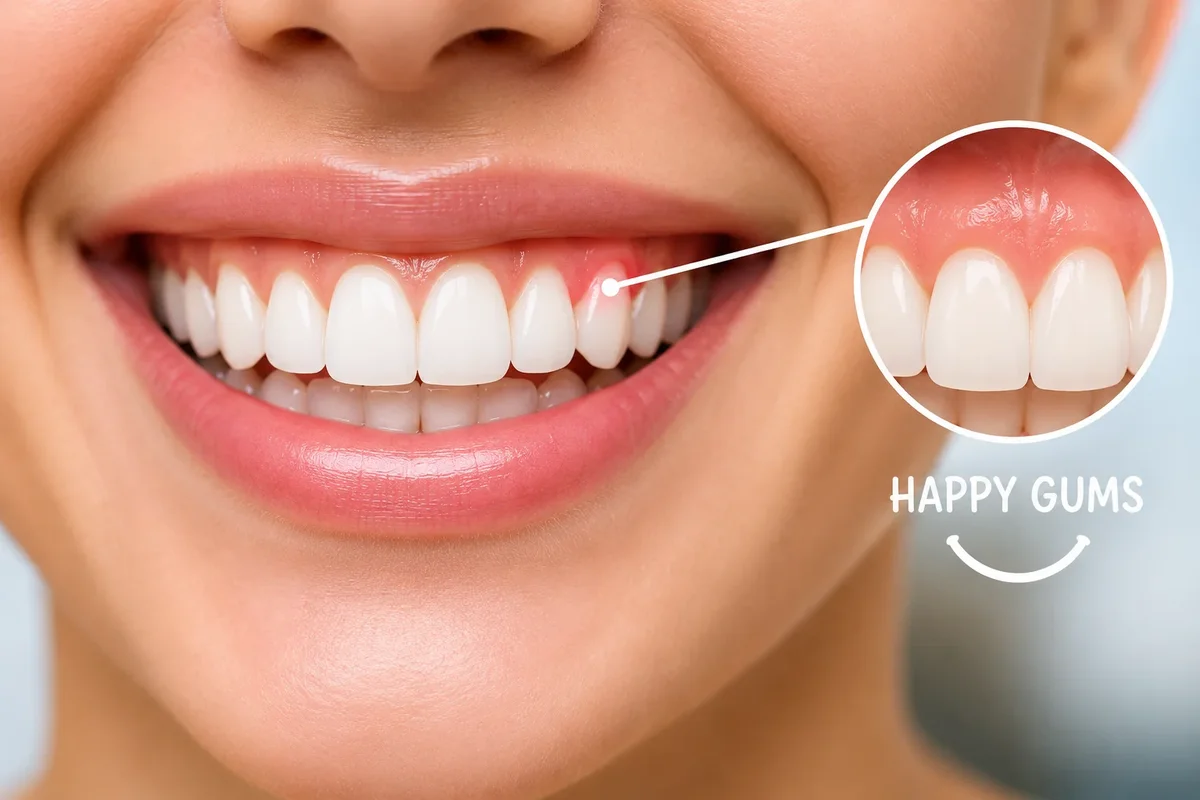
When to Visit a Dentist for Happy Gums Problems
Many people delay dental visits because they assume gum problems will disappear on their own. Unfortunately, gum disease often worsens gradually without proper treatment. Knowing when to seek professional help is extremely important for protecting happy gums and preventing serious oral health complications. 😊 Early dental intervention can often reverse mild gum problems before permanent damage occurs.
Healthy gums should feel comfortable, appear pink, and remain free from swelling or bleeding. Any persistent changes in the gums may indicate inflammation, infection, or periodontal disease. While home care habits such as brushing and flossing are essential, certain symptoms require professional evaluation to restore happy gums safely and effectively.
Bleeding Gums That Do Not Improve
One of the earliest warning signs of gum disease is bleeding during brushing or flossing. Although mild irritation may occasionally happen, healthy gums should not bleed consistently.
Persistent bleeding often indicates plaque buildup and inflammation around the gumline. If bleeding continues despite improving oral hygiene habits, professional treatment may be necessary to protect happy gums from further damage.
Why Early Treatment Matters
Bleeding gums are often associated with gingivitis, the earliest stage of gum disease. Gingivitis is usually reversible with professional cleaning and better oral hygiene.
However, if gingivitis is ignored, it can progress into periodontitis, a more serious condition that may damage bone and eventually lead to tooth loss. Early dental care can help preserve happy gums and prevent expensive future treatments.
Swollen, Red, or Tender Gums
Healthy gums should feel firm and comfortable. Swelling, redness, or tenderness usually signals inflammation caused by bacteria or infection.
Inflamed gums may feel painful while brushing or chewing. Some patients also notice puffiness around certain teeth or sensitivity along the gumline.
If swelling persists for several days, professional evaluation is strongly recommended to determine the underlying cause and restore happy gums properly.
Possible Causes of Gum Swelling
Swollen gums may result from:
- Plaque and tartar buildup
- Gingivitis
- Periodontal disease
- Poor oral hygiene
- Hormonal changes
- Vitamin deficiencies
- Dental infections
A dentist can identify the exact cause and recommend appropriate treatment for healthier gums.
Persistent Bad Breath
Bad breath, also known as halitosis, is another common reason to visit a dentist. While certain foods may temporarily affect breath, persistent bad breath often indicates bacterial buildup beneath the gums.
Harmful bacteria trapped inside gum pockets can produce unpleasant odors that brushing alone may not eliminate. Treating the underlying infection is essential for restoring happy gums and fresher breath.
When Mouthwash Is Not Enough
Many patients attempt to mask bad breath with mouthwash or mints without addressing the real cause. If bad breath continues regularly despite good hygiene, professional dental care is important.
Persistent halitosis may indicate gum disease, tooth decay, dry mouth, or other oral health issues requiring treatment.
Gum Recession and Sensitive Teeth
Gum recession occurs when the gum tissue pulls away from the teeth, exposing the roots underneath. Receding gums can make teeth appear longer and increase sensitivity to hot, cold, or sweet foods.
Patients experiencing gum recession should schedule a dental evaluation promptly because receding tissue does not grow back naturally in most cases.
Professional treatment can help stabilize happy gums and prevent further tissue loss.
Why Gum Recession Happens
Several factors may contribute to gum recession, including:
- Aggressive brushing
- Smoking 🚬
- Advanced gum disease
- Teeth grinding
- Genetics
- Poor oral hygiene
Addressing these factors early helps protect the gums and prevent additional complications.
Loose or Shifting Teeth
Teeth should feel stable and secure. Loose teeth or changes in bite alignment may indicate advanced periodontal disease affecting the bone and tissues supporting the teeth.
When gum disease progresses deeply, the jawbone around the teeth may begin to deteriorate. This condition requires immediate professional treatment to save the teeth and restore happy gums.
Warning Signs of Advanced Gum Disease
Advanced periodontal disease may cause:
- Loose teeth
- Pain while chewing
- Gum recession
- Deep gum pockets
- Pus around the gums
- Persistent swelling
These symptoms should never be ignored because delayed treatment increases the risk of permanent tooth loss.
Pain or Pus Around the Gums
Painful gums or pus near the gumline often indicate infection. Dental abscesses and severe periodontal infections may spread rapidly if left untreated.
Patients experiencing pain, swelling, fever, or visible pus should seek professional dental care as soon as possible. Treating infections early helps protect happy gums and prevents complications from spreading to surrounding tissues.
Dry Mouth and Gum Health
Chronic dry mouth can increase the risk of gum disease because saliva plays a critical role in controlling bacteria inside the mouth.
Saliva helps neutralize acids, wash away food particles, and protect gum tissues naturally. Reduced saliva flow may lead to plaque accumulation and irritation.
If dry mouth becomes persistent, dental evaluation may help identify the underlying cause and protect happy gums more effectively.
Common Causes of Dry Mouth
- Medication side effects 💊
- Smoking
- Dehydration 💧
- Medical conditions
- Stress and anxiety
Managing dry mouth is important for maintaining healthy oral tissues.
The Importance of Regular Dental Checkups
Even patients without obvious symptoms should visit the dentist regularly. Many gum problems develop silently and may not cause pain until significant damage has already occurred.
Routine dental examinations help identify:
- Early gum inflammation
- Plaque and tartar buildup
- Bone loss
- Deep gum pockets
- Signs of oral cancer
- Tooth decay
Professional cleanings and evaluations are among the best ways to maintain happy gums and avoid future complications.
Recommended Dental Visit Frequency
Most patients should visit the dentist every six months. However, patients with gum disease, diabetes, smoking habits, or higher oral health risks may require more frequent appointments.
Personalized care plans help protect happy gums based on each patient’s unique needs.
Professional Treatments for Happy Gums
Depending on the severity of the problem, dentists may recommend treatments such as:
- Professional cleanings
- Scaling and root planing
- Antibacterial rinses
- Laser gum therapy
- Gum grafting
- Periodontal maintenance
Early treatment usually produces better outcomes and may prevent more invasive procedures later.
Cost of Gum Treatments
Routine dental cleanings generally cost between $80 and $250 depending on clinic location and treatment needs. Deep cleaning procedures for gum disease may range from $300 to $1,200 or more depending on severity.
Advanced periodontal surgeries or laser therapies may cost significantly more. Investing in preventive care for happy gums is usually much more affordable than replacing missing teeth or treating severe oral complications later.
Where to Get Help for Happy Gums
If you notice bleeding gums, swelling, sensitivity, bad breath, gum recession, or loose teeth, professional dental evaluation is strongly recommended. Early diagnosis and treatment can help preserve your gums, teeth, and overall oral health.
You can learn more about available dental treatments and consultations through the Redent Klinik Contact Page.
The American Dental Association also emphasizes the importance of regular dental checkups and preventive oral care for maintaining healthy gums and reducing the risk of periodontal disease.
Ultimately, recognizing when to visit a dentist is essential for protecting happy gums and avoiding serious oral health problems. Early professional care combined with strong daily hygiene habits can help patients maintain healthier gums, stronger teeth, fresher breath, and greater confidence for many years to come. 😁