
Welcome to your ultimate guide to understanding what makes a health dental clinic a cornerstone of modern oral wellness. In today’s fast-paced world, maintaining a radiant and healthy smile goes far beyond simple teeth cleaning — it’s about integrating advanced dental care with overall health awareness. A health dental clinic isn’t just a place to fix cavities; it’s a preventive, diagnostic, and educational hub designed to ensure the well-being of your entire oral system. 🦷✨
Unlike traditional dental offices, a health dental clinic takes a holistic approach, considering how your oral condition affects your body’s health. Research has shown that gum diseases are linked to heart conditions, diabetes, and even respiratory issues. This is why many people now prefer comprehensive dental centers where dentists, hygienists, and health specialists collaborate to create customized care plans for long-term wellness. The integration of preventive medicine and dentistry is what truly defines a modern health dental clinic.
At its core, the goal of a health dental clinic is to enhance patient comfort while providing evidence-based treatments. From initial consultations to routine cleanings and advanced restorative procedures, every step is guided by precise digital technology and patient education. Many clinics also use intraoral scanners, 3D imaging, and AI-assisted diagnostic tools to ensure no underlying problem is missed. These innovations contribute to faster, more accurate diagnoses and help dentists provide less invasive and more effective treatments.
What truly sets a health dental clinic apart is its dedication to prevention and education. Patients are taught the importance of diet, lifestyle, and oral hygiene habits that contribute to strong gums and enamel. This includes guidance on how sugary foods, smoking, and certain medical conditions can negatively impact dental health. In addition to routine cleanings, patients receive personalized preventive plans designed to reduce the risk of decay, gum disease, and oral cancer. Prevention is always more affordable and less painful than treatment, and this is where health-oriented clinics excel. 🪥💡
Furthermore, modern health dental clinics prioritize patient experience. The days of intimidating dental chairs and anxiety-inducing procedures are long gone. Clinics now offer comfortable environments with calming interiors, gentle techniques, and even relaxation therapies like aromatherapy or sedation dentistry for patients who feel anxious. This patient-centered care approach improves trust, compliance, and long-term health outcomes. The clinic environment itself becomes part of the healing process — ensuring every patient feels respected, informed, and valued.
In many advanced health dental clinic models, collaboration between dental professionals and other medical experts such as cardiologists or endocrinologists is encouraged. For example, a patient with diabetes may require specific periodontal care, while those with heart conditions may need antibiotic coverage before certain dental procedures. By maintaining communication across medical disciplines, a health dental clinic ensures comprehensive care that extends beyond the mouth. This holistic approach recognizes that oral health is an essential part of overall health — not a separate entity.
When it comes to safety and hygiene, a professional health dental clinic adheres to international sterilization standards and infection control protocols. Every instrument is disinfected and wrapped, and treatment rooms are meticulously sanitized. The staff follows ADA and WHO guidelines to prevent cross-contamination, providing patients with a clean and safe environment. In fact, the American Dental Association continuously updates global standards that top clinics around the world follow. This commitment to safety reflects the professionalism and trust patients seek in healthcare providers.
Choosing the right health dental clinic also means considering transparency and accessibility. Most modern clinics provide digital booking systems, online consultations, and instant messaging for emergency cases. This makes dental care not only more efficient but also more responsive to patient needs. Moreover, multilingual staff, flexible payment options, and transparent pricing structures contribute to a better overall experience. If you’re considering a visit or consultation, you can reach out easily through the Redent Klinik Contact Page to schedule an appointment with professionals who understand both comfort and care.
Another defining factor of an excellent health dental clinic is its commitment to continuous education and staff training. Dentists and hygienists stay up-to-date with the latest advancements in oral medicine, ensuring that every patient receives care aligned with current best practices. Continuing education also allows clinics to offer innovative treatments such as laser dentistry, minimally invasive fillings, same-day crowns, and guided implant surgery — all aimed at reducing recovery time and improving precision.
Ultimately, a health dental clinic serves as your partner in lifelong oral wellness. Whether you’re looking to enhance your smile, prevent disease, or manage an existing dental condition, the focus remains the same: to keep your mouth healthy, your smile bright, and your body strong. 🌿💬 Regular visits not only preserve your teeth but also help identify early warning signs of systemic diseases. By choosing a professional health dental clinic, you invest in a future of confident smiles and improved quality of life. Remember, oral health is not a luxury — it’s an essential part of your overall well-being, and it begins with the right dental partner.
What Makes a Health Dental Clinic Different from Regular Dental Centers?
When most people think about a dental visit, they imagine basic cleanings or cavity fillings. However, a health dental clinic offers a completely different experience — one that integrates oral care with overall wellness. This unique model of dentistry focuses not only on fixing problems but on preventing them through holistic approaches, cutting-edge technology, and patient education. 🌱
1. A Holistic Approach to Oral and General Health
The main distinction between a health dental clinic and a traditional dental office lies in the philosophy of care. A regular clinic might treat your toothache and send you home. In contrast, a health dental clinic looks deeper — examining how oral health affects the rest of your body. For instance, gum inflammation can signal heart disease or diabetes, while chronic mouth infections may influence the immune system. This integrative approach helps detect early signs of systemic conditions and allows for collaborative treatment with physicians, nutritionists, and other specialists.
Modern health dentistry recognizes that oral health is a window into the body’s well-being. When the mouth is healthy, it contributes to better digestion, clearer speech, and higher self-confidence. Conversely, poor oral hygiene can lead to systemic inflammation, chronic fatigue, and even cardiovascular issues. That’s why choosing a health dental clinic means prioritizing your overall health, not just your teeth.
2. Advanced Diagnostic and Preventive Technology
One of the most defining features of a health dental clinic is its investment in cutting-edge dental technology. Clinics today use 3D digital scanners, AI-assisted X-rays, and laser diagnostics to detect even the smallest cavities or bone issues that traditional methods might miss. 🖥️ These technologies not only improve accuracy but also reduce discomfort, making dental visits faster and more efficient.
For example, digital radiography exposes patients to 90% less radiation compared to conventional X-rays. Intraoral cameras provide real-time visuals that help patients understand their oral condition better. Preventive tools like fluoride varnishes, antibacterial gels, and customized mouthguards are also integrated into personalized treatment plans. The goal of a health-focused clinic is not to treat problems as they occur but to prevent them entirely through proactive care and monitoring.
3. Patient Education and Empowerment
A reputable health dental clinic doesn’t just treat patients — it educates them. Dentists and hygienists take time to explain how diet, lifestyle, and daily habits influence oral health. From proper brushing techniques to understanding the link between sugar consumption and enamel erosion, patients are empowered with actionable knowledge. 🪥
This emphasis on education fosters long-term commitment and encourages regular check-ups. Many clinics even offer digital tools, newsletters, or one-on-one counseling sessions to keep patients informed. The result is a well-informed individual who actively participates in maintaining their own dental and overall health. This educational focus is one of the major elements that separates a health dental clinic from a conventional one.
4. Personalized Treatment and Emotional Care
Every mouth is different — and a health dental clinic respects that. Instead of using a one-size-fits-all model, these clinics offer personalized treatment plans based on each patient’s health history, genetics, and lifestyle. From tailored cleanings for sensitive gums to customized implant restorations, every detail is planned meticulously.
Beyond physical care, emotional well-being plays a key role. Many patients suffer from dental anxiety, which prevents them from seeking timely treatment. Health-oriented clinics prioritize comfort and trust through gentle approaches, sedation dentistry, and calm, spa-like environments. 🌸 The focus is on creating a positive experience that encourages patients to return regularly — a crucial factor in maintaining lasting oral health.
How This Personalized Approach Improves Long-Term Results
When patients receive individualized care, results are not only faster but also more sustainable. Preventive strategies like early cavity detection, gum health assessments, and bite analysis help stop small issues from developing into major problems. This continuous, personalized care model makes a health dental clinic more effective in maintaining lifetime oral wellness compared to standard practices.
5. Integration with Broader Healthcare Systems
Another defining trait of a health dental clinic is its collaborative nature. Many health clinics partner with hospitals or general practitioners to share medical records and ensure holistic care. For instance, a patient undergoing chemotherapy might need special oral hygiene instructions to avoid infections. By coordinating with oncologists, dentists can create a safer, more comprehensive treatment plan. 🏥
This kind of integration bridges the gap between medicine and dentistry, a connection that traditional clinics rarely emphasize. It ensures that every procedure, from routine cleaning to dental surgery, aligns with the patient’s overall health status. It’s an approach that transforms dental visits into an essential part of preventive healthcare, not just aesthetic maintenance.
6. Commitment to Global Standards and Safety Protocols
Top-tier health dental clinics follow international hygiene and safety standards. Instruments are sterilized with autoclaves, and all surfaces are disinfected between appointments. Staff members wear disposable gloves, masks, and shields, ensuring full compliance with ADA and WHO regulations. The American Dental Association provides continuous updates that guide clinics in adopting the highest patient safety measures. This meticulous attention to cleanliness and sterilization helps patients feel safe and protected at all times.
7. Accessibility and Transparency in Care
A patient-centered health dental clinic makes care accessible and transparent. From online booking systems to digital patient records, technology simplifies every step. Transparent pricing, clear communication, and flexible payment options make it easier for patients to make informed decisions. To connect directly with such professionals, patients can reach out via the Redent Klinik Contact Page and receive personalized guidance from experienced experts.
8. Sustainable and Environmentally Friendly Practices
Many modern health dental clinics adopt eco-friendly practices such as using biodegradable materials, energy-efficient lighting, and digital record-keeping to reduce waste. 🌍 This sustainability mindset not only benefits the planet but also reflects the clinic’s broader commitment to health — both individual and environmental. Patients increasingly value such responsible practices, recognizing that a clinic’s philosophy mirrors its quality of care.
9. The Future of Health Dental Clinics
Looking forward, the future of the health dental clinic industry lies in preventive AI-driven care, tele-dentistry, and personalized genetic analysis. These technologies will allow patients to predict potential oral diseases before symptoms even appear. Integration with wearable devices and digital health monitoring apps will make dental care as continuous and convenient as general medical care. 🦷💡
Ultimately, what makes a health dental clinic different is its unwavering dedication to total wellness. It redefines dentistry not as a service, but as a partnership for life. By embracing technology, compassion, and collaboration, these clinics are shaping the future of oral healthcare — one healthy smile at a time. 😁
Top Services Offered by Modern Health Dental Clinics
In the rapidly evolving world of oral care, a health dental clinic stands out by offering a full spectrum of services that go beyond basic treatments. These clinics are not just about fixing cavities or cleaning teeth—they are comprehensive health hubs that integrate modern technology, preventive care, and holistic treatment. 🦷✨ Whether you need a simple check-up or a complex restorative procedure, a modern health dental clinic is equipped to provide personalized, high-quality care that enhances both your oral and overall well-being.
1. Preventive Dentistry: The Cornerstone of Long-Term Oral Health
Preventive care forms the foundation of every health dental clinic. This includes regular check-ups, deep cleanings, fluoride treatments, and oral hygiene education. Preventive dentistry focuses on stopping problems before they start, saving patients from future pain and costly procedures. Professional scaling and polishing remove plaque and tartar that daily brushing might miss, while routine screenings detect early signs of gum disease, decay, or even oral cancer. 🪥
Another major aspect of preventive dentistry is patient education. Dentists guide individuals on brushing techniques, flossing habits, and the impact of diet on oral health. For example, patients learn how acidic beverages and sugary foods contribute to enamel erosion. Preventive plans also include custom-made night guards for those who grind their teeth and sealants for children to protect developing molars. A health dental clinic ensures that every visit is an opportunity for proactive care rather than reactive treatment.
2. Restorative Dentistry: Rebuilding Function and Confidence
When damage or decay occurs, restorative treatments become essential. A health dental clinic offers a wide range of restorative solutions—from simple fillings to complex full-mouth reconstructions. Tooth-colored composite fillings, inlays, onlays, and crowns help restore the natural look and function of teeth. For more severe cases, bridges and dental implants provide durable replacements that maintain bone structure and bite alignment.
Advanced Implantology and Bone Grafting
Implant dentistry is one of the signature services of a modern health dental clinic. Dental implants are titanium posts that replace missing tooth roots and provide a stable foundation for artificial teeth. Using 3D imaging and guided surgery, dentists achieve exceptional precision and minimal invasiveness. For patients with insufficient bone density, bone grafting procedures are performed to create a strong base for implants. These restorations look, feel, and function like natural teeth, restoring not just smiles but confidence. 🌿
3. Cosmetic Dentistry: Where Health Meets Aesthetics
Cosmetic dentistry is a defining feature of every successful health dental clinic. Beyond functionality, aesthetics play a major role in modern dentistry. Services such as teeth whitening, porcelain veneers, bonding, and smile makeovers help patients achieve radiant, natural-looking smiles. Digital smile design (DSD) software allows patients to preview their results before treatment, ensuring satisfaction and trust.
Popular Cosmetic Procedures Offered
- Teeth Whitening: Safe, fast, and effective in-office whitening systems that brighten teeth by several shades in one session.
- Veneers: Thin porcelain shells that correct discoloration, chips, and misalignments for a uniform smile.
- Orthodontics: Invisible aligners and ceramic braces designed for comfort and aesthetics.
- Gum Contouring: Laser reshaping for a balanced, attractive gumline.
All of these services are performed with precision and care, ensuring the highest satisfaction for every patient seeking a confident, beautiful smile. 😁
4. Periodontal Care: Protecting Gums and Bone Health
Healthy gums are essential for a healthy mouth. At a health dental clinic, periodontal treatments target gum disease, which affects nearly half of all adults worldwide. Non-surgical scaling and root planing are the first steps to removing deep-seated bacteria. For advanced cases, laser-assisted periodontal therapy promotes healing and minimizes discomfort. Regular maintenance appointments and home-care education ensure that gum health remains stable over time.
Why Gum Health Matters for the Entire Body
Scientific studies have established a clear connection between periodontal disease and systemic conditions such as diabetes, heart disease, and stroke. This is why a health dental clinic emphasizes gum evaluations during every check-up. Detecting inflammation early can prevent not only tooth loss but also broader health complications. By managing gum health, patients protect more than their smiles—they protect their overall wellness. ❤️
5. Pediatric Dentistry: Building Healthy Habits Early
Children’s oral health is crucial for lifelong dental stability. A health dental clinic provides specialized pediatric services designed to make young patients comfortable. Friendly environments, colorful rooms, and gentle approaches help reduce fear and anxiety. Preventive fluoride applications, sealants, and habit-counseling programs teach children how to care for their teeth. Educating parents about teething, nutrition, and orthodontic development ensures the entire family benefits from the clinic’s expertise.
6. Orthodontic and TMJ Treatments: Achieving Harmony in the Bite
Proper alignment is more than just aesthetics—it’s a matter of function and comfort. Modern health dental clinics provide orthodontic treatments like Invisalign, ceramic braces, and retainers to correct misalignments. These adjustments improve not only appearance but also speech, digestion, and jaw health. For patients with jaw discomfort or clicking sounds, TMJ (temporomandibular joint) therapies such as occlusal splints and physiotherapy relieve pain and restore normal jaw movement.
7. Endodontics and Oral Surgery: Precision in Complex Procedures
When tooth decay reaches the nerve or infection sets in, root canal therapy becomes necessary. A health dental clinic uses rotary endodontic tools and digital imaging to perform root canals efficiently and painlessly. In cases requiring surgical intervention, such as impacted wisdom teeth or cyst removal, oral surgeons ensure safety and comfort through minimally invasive techniques. Sedation and anesthesia options make even complex treatments stress-free.
8. Emergency Dental Care and Same-Day Restorations
Dental emergencies can occur anytime, and a reliable health dental clinic provides immediate care for situations like broken teeth, severe pain, or sudden infections. Many clinics offer same-day crowns or fillings using CAD/CAM technology. This allows patients to walk in with a problem and leave with a restored smile within hours. Rapid response times and 24/7 helplines make these clinics indispensable for urgent dental needs. 🚑
9. Preventive Screenings and Oral Cancer Detection
Early detection saves lives. A health dental clinic regularly conducts oral cancer screenings using VELscope or fluorescence-based devices to identify precancerous lesions before they progress. Regular screenings are recommended for patients who smoke, drink alcohol, or have a family history of cancer. These proactive measures exemplify the preventive philosophy that defines modern oral healthcare.
From preventive and restorative dentistry to cosmetic, pediatric, and surgical solutions, a health dental clinic provides every service necessary for a healthy, confident smile. For inquiries or personalized consultations, patients can contact professionals directly through the Redent Klinik Contact Page. Trusted by global standards like the American Dental Association, today’s clinics set the benchmark for excellence, innovation, and holistic care in the dental field. 🌟
How to Choose the Best Health Dental Clinic Near You
Choosing the right health dental clinic can significantly impact not only your oral health but your overall well-being. With so many clinics claiming to provide excellent care, it’s essential to know what truly distinguishes a high-quality dental facility. The ideal clinic combines modern technology, experienced professionals, a patient-centered philosophy, and strict hygiene standards. This guide will help you understand the most important factors to consider before committing to a dental provider. 🦷🌟
1. Check the Clinic’s Qualifications and Expertise
The first step in finding the best health dental clinic is verifying the qualifications of its dentists and staff. A reputable clinic should employ licensed dentists with advanced certifications in general dentistry, cosmetic procedures, implantology, or orthodontics. Always check whether the clinic’s professionals are members of recognized organizations such as the American Dental Association or local dental associations.
Experienced clinicians bring not only skill but also judgment — they can identify early-stage conditions that less experienced dentists might overlook. Additionally, clinics that invest in continuous education demonstrate their commitment to staying updated on the latest techniques, equipment, and safety protocols. This ensures patients receive treatment aligned with global standards and best practices.
2. Evaluate Technology and Equipment
A modern health dental clinic leverages state-of-the-art technology to improve accuracy, comfort, and treatment outcomes. Look for clinics that use digital X-rays, 3D cone beam CT scanners, intraoral cameras, and laser-assisted tools. These devices enable dentists to detect issues at their earliest stages and perform minimally invasive procedures.
Key Technologies That Set Clinics Apart
- Digital Radiography: Provides detailed images with lower radiation exposure.
- CAD/CAM Systems: Allow same-day restorations such as crowns or veneers.
- Intraoral Cameras: Offer real-time visuals to involve patients in their diagnosis.
- Laser Dentistry: Enables pain-free gum treatments and precise surgical interventions.
Technology doesn’t just make procedures faster—it enhances precision, safety, and comfort. When evaluating a clinic, don’t hesitate to ask what tools they use and how they improve your treatment experience.
3. Assess the Range of Services Offered
The best health dental clinics provide comprehensive care under one roof. Whether you need preventive cleaning, orthodontic adjustments, or full-mouth rehabilitation, an integrated approach saves time and improves continuity of care. Clinics that offer a combination of preventive, restorative, and cosmetic services can tailor their care to every patient’s unique needs.
It’s also beneficial if the clinic offers specialized treatments such as pediatric dentistry, TMJ therapy, and dental implants. A well-rounded service portfolio ensures that all members of your family — from children to seniors — receive appropriate care in one trusted location.
4. Prioritize Hygiene and Sterilization Standards
Cleanliness is non-negotiable in any medical setting, especially in dentistry. A high-quality health dental clinic must follow strict infection control protocols. Instruments should be sterilized in autoclaves, staff should wear disposable gloves and masks, and treatment rooms should be disinfected between appointments. Clinics adhering to ADA and WHO hygiene standards minimize the risk of cross-contamination and infections.
Signs of Excellent Hygiene Practice
- All tools are stored in sealed, sterilized packaging.
- Surfaces are disinfected before and after each patient.
- The clinic uses disposable cups, bibs, and suction tips.
- Air filtration systems or HEPA filters are installed for improved safety.
When visiting for a consultation, observe how the staff handles instruments and how clean the surroundings appear. These details often reflect a clinic’s overall commitment to patient safety.
5. Consider Patient Reviews and Reputation
One of the most effective ways to evaluate a health dental clinic is through patient testimonials and online reviews. Websites, social media, and Google Business profiles provide authentic feedback from previous patients. Consistent positive reviews indicate a clinic’s reliability, professionalism, and patient satisfaction levels. Look for mentions of the clinic’s bedside manner, punctuality, follow-up care, and pain management techniques.
In addition, check whether the clinic responds to feedback professionally. A responsible clinic values communication and strives to improve based on patient input — this is a sign of genuine care and accountability.
6. Evaluate Accessibility and Location Convenience
Location matters when choosing a health dental clinic. A conveniently located clinic makes regular visits more feasible, ensuring consistent preventive care. Many top clinics also offer extended hours, weekend appointments, and emergency hotlines. Accessibility features such as wheelchair ramps, parking space, and online booking options make the experience more inclusive and efficient. 🏥
For example, clinics like Redent Klinik provide easy communication channels via their Redent Klinik Contact Page, ensuring that patients can schedule appointments or request consultations effortlessly.
7. Look for Transparent Pricing and Flexible Payment Plans
A reputable health dental clinic should maintain transparency in its pricing. Hidden costs and unclear billing practices are red flags. Many clinics provide detailed estimates before treatment begins and offer flexible payment options such as installments or partnerships with insurance providers. Transparent communication builds trust and prevents financial surprises.
Some clinics also share general pricing on their websites to help patients compare options. While affordability is important, remember that quality dental care is an investment in your health and future comfort. Always balance price with experience, safety, and service range.
8. Prioritize Communication and Comfort
The best health dental clinic prioritizes patient comfort and open communication. Dentists should take time to explain procedures, discuss alternatives, and answer questions clearly. Compassionate communication reduces anxiety, builds trust, and ensures patients feel involved in every decision about their care. Clinics that use gentle techniques, sedation dentistry, or even calming music contribute to a stress-free experience. 🎵
9. Check Aftercare and Follow-Up Policies
A world-class health dental clinic doesn’t end its care once a procedure is done. Post-treatment follow-up appointments are essential to monitor recovery and ensure long-term results. Whether it’s checking the fit of a crown, monitoring implant healing, or scheduling periodic cleanings, consistent follow-up ensures stability and success.
Comprehensive Care Beyond the Chair
Look for clinics that maintain communication through reminders, newsletters, and check-in calls. These practices reflect dedication to your ongoing health. In modern dentistry, building long-term relationships is as important as performing high-quality treatments.
Ultimately, the best health dental clinic near you will combine professional excellence, modern technology, compassionate care, and strict hygiene. Take time to research, compare, and visit clinics before making a decision. The effort will reward you with a trusted dental partner who prioritizes not just your smile — but your complete well-being. 😁
Preventive Dentistry: The Foundation of Every Health Dental Clinic
At the heart of every successful health dental clinic lies a strong commitment to preventive dentistry — the proactive care that keeps your teeth, gums, and mouth healthy before problems arise. 🦷 Prevention isn’t just about routine cleanings; it’s a philosophy that protects patients from pain, disease, and unnecessary expenses in the future. In this section, we’ll explore how preventive dentistry forms the backbone of modern dental care, the techniques used by top clinics, and the profound impact it has on overall well-being.
1. The Philosophy Behind Preventive Dentistry
A health dental clinic operates on the understanding that oral health is directly linked to systemic health. Preventive dentistry focuses on maintaining the balance between the teeth, gums, and supporting structures to prevent decay, infection, and bone loss. Instead of treating issues as they occur, these clinics emphasize routine maintenance and patient education to stop problems at their earliest stages. This approach results in fewer emergency visits, lower long-term costs, and healthier smiles that last a lifetime.
For example, preventive dental programs target early signs of gum inflammation, enamel erosion, and misalignment before they become severe. The goal is to help every patient maintain optimal oral hygiene through regular visits, professional guidance, and home care practices.
2. Routine Check-Ups and Professional Cleanings
Regular dental visits are the cornerstone of prevention. A typical health dental clinic recommends check-ups every six months, during which your dentist examines your mouth, teeth, and gums for potential problems. Professional cleanings remove plaque and tartar that daily brushing can’t reach, helping to prevent cavities and periodontal disease. 🪥
Why Professional Cleanings Are Essential
- Elimination of Tartar: Hardened plaque can only be removed by professionals using ultrasonic scalers.
- Gum Health Monitoring: Regular cleanings reduce inflammation and bleeding, preventing gingivitis.
- Early Diagnosis: Dentists can identify cavities, cracks, or infection long before symptoms appear.
By maintaining regular check-ups, patients benefit from early detection — one of the most powerful tools in preventive care.
3. Dental X-Rays and Early Diagnosis Tools
Modern health dental clinics rely on advanced diagnostic technology to detect issues invisible to the naked eye. Digital X-rays and 3D imaging systems allow dentists to evaluate the internal structure of teeth, roots, and jawbones. These detailed images reveal early signs of decay, bone loss, and infections, enabling immediate and precise intervention. 🖥️
Unlike traditional radiography, digital systems use significantly less radiation and provide instant results. Combined with AI-assisted diagnostic tools, these technologies enhance accuracy, prevent unnecessary procedures, and create a safer experience for patients of all ages.
4. Fluoride Treatments and Dental Sealants
One of the simplest yet most effective preventive measures in a health dental clinic is the use of fluoride and sealants. Fluoride treatments strengthen enamel and make teeth more resistant to acid attacks from bacteria and food. They are especially beneficial for children and individuals prone to cavities. Sealants, on the other hand, act as protective barriers applied to the chewing surfaces of molars, preventing bacteria and food particles from settling into grooves.
Together, these treatments offer an invisible shield that prevents decay and ensures long-term oral strength. Clinics often recommend reapplying fluoride every six months for optimal protection.
5. Nutrition Counseling and Lifestyle Guidance
A comprehensive health dental clinic also educates patients about the impact of diet and lifestyle on oral health. Sugary beverages, acidic foods, and smoking are common culprits of enamel erosion and gum disease. Dentists and hygienists provide tailored nutrition plans that emphasize calcium-rich foods, hydration, and balanced diets. 🌿
Healthy Lifestyle Tips for Stronger Teeth
- Drink plenty of water to neutralize mouth acids and maintain saliva flow.
- Limit refined sugar and processed foods that encourage bacterial growth.
- Include leafy greens, dairy, and nuts for essential minerals like calcium and phosphorus.
- Avoid smoking and excessive alcohol consumption to prevent gum damage.
These small daily habits play a massive role in ensuring long-term oral health. Nutrition counseling offered by a health dental clinic empowers patients to take control of their dental well-being beyond the clinic walls.
6. Periodontal Maintenance and Gum Care
Healthy gums are the foundation of a healthy smile. Every health dental clinic prioritizes periodontal maintenance through deep cleaning, scaling, and root planing. These treatments remove bacteria and toxins from below the gum line, preventing gum disease and bone loss. Clinics also use laser-assisted therapies that disinfect and stimulate tissue regeneration with minimal discomfort.
Routine periodontal maintenance appointments are vital for patients with a history of gum disease or diabetes. They ensure that bacteria don’t recolonize and that the gums remain tight, pink, and resilient. 🩺
7. Oral Cancer Screenings: Prevention That Saves Lives
Another essential component of preventive care at a health dental clinic is oral cancer screening. Early detection dramatically improves survival rates. Dentists use advanced screening tools such as VELscope and fluorescence-based imaging to detect suspicious lesions or tissue changes. This quick, non-invasive procedure can identify cancerous and precancerous cells in minutes.
Patients who smoke, consume alcohol regularly, or have HPV-related risks should undergo these screenings at least once a year. Prevention, in this case, is truly lifesaving.
8. Custom Mouthguards and Bruxism Treatment
Grinding or clenching the teeth — known as bruxism — can lead to enamel erosion, headaches, and jaw pain. A health dental clinic provides custom mouthguards designed to protect teeth from wear during sleep or sports activities. These guards are made from durable, biocompatible materials and tailored to fit comfortably for maximum protection.
Clinics may also offer TMJ (temporomandibular joint) therapy to relieve jaw strain and restore bite balance. Preventing damage from grinding not only protects your teeth but also ensures better sleep and overall comfort.
9. Patient Education and Home-Care Support
Education is the most powerful preventive tool any health dental clinic can provide. During each appointment, dentists and hygienists take time to demonstrate proper brushing, flossing, and tongue-cleaning techniques. They also recommend suitable oral hygiene products based on individual needs — whether it’s electric toothbrushes, interdental brushes, or therapeutic mouth rinses. 📘
Some clinics even provide digital follow-ups or reminder systems to keep patients consistent with their care routines. The combination of professional cleanings, advanced diagnostics, and informed home care ensures comprehensive protection against oral disease.
Preventive dentistry is the cornerstone of every health dental clinic, bridging the gap between dental treatment and lifelong health. It promotes awareness, discipline, and a proactive mindset that benefits both the smile and the body. By focusing on prevention, patients enjoy fewer complications, better confidence, and improved quality of life. For more information or to schedule your preventive appointment, visit the Redent Klinik Contact Page and start your journey toward a healthier smile today. Supported by standards from the American Dental Association, preventive dentistry remains the most reliable path to sustainable oral wellness. 😁
Cosmetic Treatments That Boost Confidence and Oral Health
Modern dentistry is no longer limited to treating disease — it’s equally about enhancing appearance and self-esteem. A health dental clinic merges beauty and wellness by offering cosmetic treatments that improve both aesthetics and functionality. ✨ These treatments not only perfect your smile but also strengthen teeth, improve bite alignment, and contribute to long-term oral health. In this comprehensive guide, we’ll explore how cosmetic dentistry serves as a powerful blend of science, technology, and artistry within a health-focused dental practice.
1. The Role of Cosmetic Dentistry in a Health Dental Clinic
Unlike general dentistry, which primarily addresses oral health issues, cosmetic dentistry focuses on improving the visual appeal of your teeth and smile. However, in a health dental clinic, cosmetic treatments are never performed purely for looks — they are carefully planned to ensure structural balance and overall health. For example, correcting misaligned teeth not only beautifies your smile but also prevents uneven wear and jaw strain. By combining function and form, cosmetic dentistry in a health dental clinic promotes harmony between aesthetics and health.
Every cosmetic treatment is personalized after a thorough examination, often involving 3D imaging, bite analysis, and smile design simulations. This ensures the final result complements the patient’s facial features, gum line, and natural proportions. 🌿
2. Professional Teeth Whitening: Brightening with Care
One of the most requested services at a health dental clinic is professional teeth whitening. Unlike over-the-counter kits that can cause sensitivity or uneven results, in-office whitening treatments use advanced peroxide gels activated by LED or laser light for safe, controlled, and effective whitening. The process removes deep stains caused by coffee, tea, wine, or tobacco, revealing a bright, natural shade of white.
Advantages of Professional Whitening
- Customized to your tooth shade and enamel sensitivity.
- Peroxide concentration is carefully controlled for safety.
- Results last longer and appear more even than home products.
- Immediate results — most patients see significant whitening after one session.
Additionally, a health dental clinic often provides take-home whitening trays for maintenance, ensuring your smile stays luminous between visits. 🦷
3. Porcelain Veneers: The Art of Smile Design
Porcelain veneers are thin, custom-made shells bonded to the front surface of teeth to correct imperfections such as discoloration, chips, gaps, or mild misalignment. A health dental clinic crafts veneers using digital smile design (DSD) technology, allowing patients to preview their new smile before treatment begins. This minimizes guesswork and guarantees satisfaction with the final aesthetic outcome.
Why Veneers Are a Popular Choice
- Durable and stain-resistant material that mimics natural enamel.
- Minimally invasive — only a thin layer of enamel is removed.
- Instant transformation with long-lasting results (10–15 years).
- Enhances facial balance and confidence with a natural look.
In addition to their visual benefits, veneers also strengthen teeth by providing an extra layer of protection against erosion and damage. A health dental clinic ensures every veneer placement is medically sound and aesthetically precise. 😁
4. Orthodontics: Aligning Teeth for Health and Beauty
Proper alignment is key to a beautiful and functional smile. Orthodontic care in a health dental clinic focuses on achieving correct bite alignment, preventing jaw discomfort, and improving speech and chewing. Modern clinics now offer nearly invisible solutions such as clear aligners (e.g., Invisalign) or ceramic braces for patients seeking discretion and comfort.
Benefits of Orthodontic Treatment
- Reduces plaque accumulation by making teeth easier to clean.
- Prevents enamel wear from improper bite patterns.
- Improves jaw alignment and reduces TMJ (temporomandibular joint) tension.
- Enhances facial symmetry and self-confidence.
These treatments are not just cosmetic; they promote overall dental stability and help maintain gum health. By aligning teeth properly, a health dental clinic ensures long-term comfort and beauty. 🌸
5. Dental Bonding: Quick and Affordable Smile Enhancement
Dental bonding is a simple yet transformative cosmetic procedure used to repair chips, cracks, or discolorations. A health dental clinic uses composite resin material matched to the tooth color, sculpted, and hardened with a curing light. The result is a seamless, natural-looking repair that restores the tooth’s strength and aesthetics in a single visit.
Unlike veneers, bonding is reversible and requires minimal enamel removal. It’s an excellent choice for patients seeking quick, affordable enhancements without major alterations. Although bonding may not last as long as veneers, it’s a perfect entry-level option for improving smile aesthetics.
6. Gum Contouring and Smile Rebalancing
Healthy gums are as important as beautiful teeth. A health dental clinic performs gum contouring to reshape uneven gum lines, often caused by genetics or inflammation. Using laser technology, dentists can sculpt the gums with precision, reducing excess tissue and creating a balanced smile. This procedure is quick, minimally invasive, and enhances both appearance and hygiene since uneven gums can trap bacteria.
When Gum Contouring Is Recommended
- “Gummy smile” appearance with excessive gum display.
- Uneven or asymmetrical gum lines.
- Gum overgrowth caused by medication or orthodontic treatment.
Laser gum contouring is painless, promotes faster healing, and significantly boosts smile aesthetics. 🌿
7. Full Smile Makeovers: A Comprehensive Transformation
For patients seeking complete smile restoration, a health dental clinic offers full smile makeovers — customized treatment plans that combine whitening, veneers, implants, and orthodontics. The process begins with digital imaging and consultation to design the ideal outcome. Each procedure is carefully sequenced to optimize function and aesthetics. These makeovers not only transform appearance but also restore confidence and oral harmony.
Clinics using 3D technology can even simulate the final smile, allowing patients to visualize their results before starting. The outcome is a perfectly balanced, natural, and radiant smile tailored to each individual’s features. 😍
8. Dental Implants and Restorative Aesthetics
Dental implants are both a cosmetic and restorative solution. A health dental clinic uses implants to replace missing teeth permanently while preserving bone structure. Titanium implants fuse with the jawbone, providing a stable foundation for crowns that look and feel natural. Implants not only improve aesthetics but also maintain chewing efficiency and jaw health.
By filling gaps, implants prevent shifting of nearby teeth and restore facial volume — creating a youthful, confident look. Whether combined with veneers or whitening, implants contribute to a complete smile transformation that’s both functional and beautiful.
9. The Psychological and Health Benefits of Cosmetic Dentistry
The power of an improved smile extends beyond aesthetics. Studies show that people who undergo cosmetic dental procedures experience higher self-esteem, improved social interactions, and even reduced anxiety. A health dental clinic understands this psychological connection and designs treatments to boost both mental and physical health. Smiling more often promotes the release of endorphins, enhances mood, and fosters better interpersonal relationships.
In essence, cosmetic treatments in a health dental clinic are not superficial — they’re transformative investments in holistic well-being. By harmonizing function, beauty, and confidence, these treatments redefine what it means to have a healthy smile. To begin your personalized smile journey, visit the Redent Klinik Contact Page and consult with experts who combine artistry with medical excellence. For trusted global standards, refer to the American Dental Association, which supports safe and effective cosmetic practices worldwide. 🌎
Pediatric Care in a Health Dental Clinic: Building Healthy Smiles Early
Developing healthy oral habits from a young age is one of the greatest gifts parents can give their children. A health dental clinic specializing in pediatric care provides not only dental treatments but also education, comfort, and preventive programs designed to protect children’s oral health throughout their growth. 👶🦷 This comprehensive section explores how pediatric dentistry supports lifelong wellness, focusing on prevention, gentle techniques, and emotional care that sets the foundation for a lifetime of healthy smiles.
1. Why Pediatric Dentistry Matters
The first few years of life are critical for establishing oral hygiene habits and dental health. A health dental clinic dedicated to pediatric dentistry understands that children’s dental needs differ from adults. Their primary teeth (often called baby teeth) play essential roles in speech development, chewing, and maintaining space for permanent teeth. Neglecting oral care during early childhood can lead to misalignment, cavities, and even developmental speech delays.
By introducing children to the dentist early, parents help eliminate dental fear and anxiety later in life. Regular visits to a health dental clinic teach children that oral care is not scary but rather an important part of their overall well-being. With friendly staff, colorful rooms, and interactive tools, these clinics make every dental visit a positive and educational experience. 🌈
2. The First Dental Visit: Timing and Expectations
According to global dental health standards and the American Dental Association, children should visit a health dental clinic by their first birthday or within six months after their first tooth erupts. This initial appointment helps dentists evaluate oral development, check for early signs of decay, and educate parents about proper cleaning techniques.
What Happens During the First Visit
- A gentle examination of gums, teeth, and jaw growth.
- Demonstration of brushing and flossing for infants and toddlers.
- Diet and feeding guidance, including information on sugar and bottle habits.
- Fluoride recommendations for cavity prevention.
This first experience is crucial for setting the tone for future visits. The dentist ensures the child feels safe, respected, and engaged through play-based communication. 👩⚕️
3. Preventive Pediatric Programs and Regular Check-Ups
Preventive care is the cornerstone of pediatric dentistry in every health dental clinic. Regular cleanings, fluoride treatments, and sealants are key tools used to prevent decay in children’s developing teeth. Dental sealants, in particular, provide a protective coating on molars to keep bacteria and food particles from settling in grooves where brushing might miss.
Check-ups every six months allow the dentist to monitor tooth eruption patterns, bite alignment, and overall oral health. Early detection of cavities or gum inflammation prevents future complications and reduces the need for invasive treatments. Preventive programs also help educate parents about the importance of balanced diets rich in calcium and vitamin D for growing teeth.
4. Managing Common Dental Issues in Children
Children are prone to unique dental problems such as baby bottle tooth decay, thumb-sucking habits, and early loss of baby teeth. A health dental clinic uses gentle methods to manage and correct these issues. For instance, dentists use behavior guidance techniques like the “Tell-Show-Do” method to explain each step of a procedure in a friendly way, reducing anxiety and building trust.
Common Pediatric Dental Treatments Include:
- Fluoride varnishes: Strengthen enamel and protect against cavities.
- Pulp therapy: A child-friendly root canal alternative to save decayed baby teeth.
- Space maintainers: Preserve space for permanent teeth after premature loss of a baby tooth.
- Habit correction devices: Help stop thumb-sucking or tongue-thrusting behaviors.
Through compassionate communication and minimally invasive methods, pediatric specialists ensure that every procedure is stress-free and positive.
5. Early Orthodontic Assessments
Many parents mistakenly believe orthodontic care begins only in teenage years. However, a health dental clinic with pediatric expertise often performs early orthodontic assessments around age seven. These evaluations allow dentists to identify crowding, crossbites, or jaw misalignments before they worsen. Early intervention can guide jaw growth, improve spacing, and sometimes eliminate the need for braces later in life.
Using panoramic X-rays and 3D imaging, dentists can visualize developing permanent teeth and design customized treatment plans. Interceptive orthodontics, such as using removable appliances or growth guidance techniques, ensures smoother dental development and enhances facial symmetry. 😁
6. Sedation and Anxiety Management for Children
Dental anxiety is common among young patients, but a skilled health dental clinic makes comfort a top priority. Pediatric dentists are trained in various relaxation and sedation techniques, ranging from mild nitrous oxide (laughing gas) to conscious sedation, depending on the child’s needs. These options ensure a calm experience, especially during longer or more complex treatments.
Creating a Calming Environment
Many clinics feature cheerful murals, cartoon decorations, and even music therapy to create a relaxing atmosphere. Parents are often encouraged to stay in the room to provide comfort and reassurance. By prioritizing emotional safety, these clinics ensure that children associate dental care with positivity rather than fear. 🌸
7. The Importance of Parental Involvement
A proactive health dental clinic sees parents as partners in their child’s oral health. Dentists provide guidance on brushing routines, fluoride use, and balanced diets. They also teach parents how to identify early warning signs of issues such as tooth grinding or misaligned bites. Regular feedback sessions between parents and the dentist help build a collaborative care plan tailored to each child’s developmental stage.
Some clinics even offer educational workshops for families to reinforce proper oral hygiene habits at home. Parental involvement ensures consistent care between clinic visits, reinforcing the importance of routine and accountability. 👨👩👧
8. Long-Term Benefits of Early Dental Care
Children who grow up visiting a health dental clinic regularly tend to have fewer cavities, healthier gums, and greater confidence in maintaining oral hygiene as adults. Preventive pediatric dentistry minimizes dental trauma, reduces costs, and promotes lifelong oral health literacy. Moreover, establishing a trusted dental home early ensures that any future issues are addressed swiftly and safely.
Beyond physical health, a confident smile can boost a child’s self-esteem and social interactions. Healthy teeth make it easier to eat, speak, and smile naturally — crucial for emotional development and confidence during formative years.
9. Creating Lifelong Dental Wellness
The mission of every health dental clinic offering pediatric services is to nurture a generation of confident, health-conscious individuals. By integrating preventive, educational, and compassionate care, these clinics create a strong foundation for a lifetime of oral health. 🦷
Parents looking for trusted, child-friendly dental professionals can reach out through the Redent Klinik Contact Page for personalized guidance and scheduling. Supported by recommendations from the American Dental Association, early pediatric dental care remains one of the most effective ways to ensure lifelong oral health and radiant smiles for children worldwide. 🌟
Advanced Technology Used in Today’s Health Dental Clinics
In the digital era, modern dentistry has transformed beyond recognition — and the health dental clinic is at the forefront of this evolution. From 3D imaging to AI-powered diagnostics, technology now ensures treatments are faster, safer, and more comfortable than ever. 💡 Patients benefit from precision-driven care, minimal discomfort, and superior long-term outcomes. This section dives deep into the technological innovations that define the modern health dental clinic and how they enhance both patient experience and clinical efficiency.
1. Digital Imaging and 3D Diagnostics
Traditional dental X-rays have been largely replaced by digital imaging and 3D cone beam computed tomography (CBCT) scans. A health dental clinic using these tools can capture highly detailed images of teeth, bones, and soft tissues with minimal radiation exposure. These scans help dentists plan complex treatments such as implants, root canals, and orthodontic adjustments with unparalleled precision. 🖥️
Benefits of Digital Imaging
- Reduced Radiation: Up to 90% less exposure compared to conventional X-rays.
- Instant Visualization: Images appear immediately on the monitor for real-time analysis.
- Enhanced Accuracy: 3D modeling allows for precise implant placement and nerve mapping.
- Eco-Friendly: No need for chemical film processing, making it environmentally sustainable.
By utilizing CBCT and digital radiography, a health dental clinic minimizes risks and delivers more predictable, high-quality results in diagnostics and treatment planning.
2. Intraoral Scanners and Digital Impressions
Say goodbye to uncomfortable impression trays filled with gooey material. Today, a health dental clinic uses intraoral scanners to take digital impressions in seconds. These handheld devices capture high-resolution, 3D models of the mouth with exceptional accuracy. The resulting scans are used to design crowns, bridges, and aligners perfectly suited to each patient.
Advantages of Digital Scanning
- Comfortable, mess-free experience for patients.
- Highly precise data that eliminates manual errors.
- Instant sharing with dental labs for faster turnaround times.
- Seamless integration with CAD/CAM systems for same-day restorations.
This technology ensures that every dental restoration fits flawlessly, enhancing both function and aesthetics. 😁
3. CAD/CAM Technology for Same-Day Restorations
Computer-Aided Design and Computer-Aided Manufacturing (CAD/CAM) systems revolutionize restorative dentistry. A health dental clinic equipped with CAD/CAM machines can create custom crowns, veneers, and inlays on-site within hours. The process begins with digital scanning, followed by virtual design, and ends with milling a perfectly fitting ceramic or zirconia restoration in real time.
Key Benefits of CAD/CAM Systems
- Eliminates multiple appointments — patients receive treatment in one visit.
- Superior precision ensures better fitting restorations.
- Durable, aesthetic materials enhance longevity and beauty.
- Minimally invasive, preserving more of the natural tooth structure.
By integrating CAD/CAM technology, a health dental clinic delivers convenience and precision, setting a new standard in modern restorative dentistry. 🦷
4. Laser Dentistry: Precision and Comfort Combined
Laser technology is a major innovation improving comfort and reducing healing time for patients. A health dental clinic using dental lasers can perform procedures with minimal bleeding and anesthesia. Lasers are used for gum reshaping, cavity removal, and bacterial disinfection in periodontal treatments. Because lasers cauterize as they cut, they reduce post-operative discomfort and the risk of infection.
Applications of Laser Dentistry
- Gum contouring for cosmetic improvement.
- Teeth whitening activation for faster, brighter results.
- Treatment of gum disease and cold sores.
- Painless removal of decay and soft tissue lesions.
Laser dentistry exemplifies how a health dental clinic merges technology with patient comfort, turning traditional anxiety-inducing treatments into painless, efficient experiences. 🌿
5. AI and Machine Learning in Dental Diagnostics
Artificial intelligence is rapidly transforming diagnostics in the dental world. A cutting-edge health dental clinic uses AI algorithms to analyze radiographs, detect cavities, identify bone loss, and predict gum disease progression with incredible precision. These tools assist dentists in creating evidence-based treatment plans and reducing human error.
AI-powered systems can also forecast outcomes for orthodontic and implant procedures, helping patients visualize their future smiles before treatment begins. This data-driven approach enhances accuracy, speeds up decision-making, and strengthens patient confidence in treatment recommendations. 🤖
6. 3D Printing in Dentistry
3D printing is revolutionizing how prosthetics and appliances are created. A health dental clinic with in-house 3D printers can produce surgical guides, dentures, and night guards rapidly and cost-effectively. This eliminates the need for external labs and significantly reduces waiting times. 3D-printed models also enhance precision in implant surgery and orthodontics by offering exact replicas of the patient’s anatomy.
Uses of 3D Printing
- Custom crowns, bridges, and aligners.
- Orthodontic retainers and splints.
- Surgical templates for accurate implant placement.
- Educational models for patient demonstration.
By adopting 3D printing, a health dental clinic enhances accessibility, reduces turnaround times, and offers customized dental solutions that fit perfectly. 🧩
7. Digital Smile Design (DSD) and Augmented Reality
Digital Smile Design allows patients to see their new smile before starting treatment. Using advanced software and augmented reality, a health dental clinic can create realistic simulations that display the expected results of veneers, whitening, or orthodontics. This interactive visualization builds trust and ensures alignment between the patient’s expectations and the dentist’s plan.
With 3D modeling and AR-assisted visualization, clinics can tailor every cosmetic treatment to the individual’s facial symmetry, ensuring that the final result looks both natural and aesthetically pleasing. 🌸
8. Teledentistry and Virtual Consultations
Technology has made dental care more accessible than ever. Many health dental clinics now offer teledentistry — online consultations that allow patients to receive expert advice from the comfort of their homes. Through secure video calls, dentists can evaluate conditions, provide guidance, and schedule in-person appointments when necessary. This service is particularly valuable for follow-ups, preventive care, and consultations for international patients.
Teledentistry reduces waiting times, enhances convenience, and expands access to quality dental care for individuals living in remote areas. It also strengthens communication between the clinic and patients, ensuring continuity of care. 💻
9. Smart Sterilization and Infection Control Systems
Infection control remains a top priority for every health dental clinic. Modern clinics now use automated sterilization systems that monitor equipment hygiene in real time. UV disinfection chambers, HEPA air filters, and negative pressure rooms ensure a germ-free environment. Digital tracking systems record sterilization cycles for each instrument, providing full transparency and safety assurance for patients.
Commitment to Global Safety Standards
Reputable clinics strictly follow the sterilization protocols of organizations like the American Dental Association and the World Health Organization. Every tool is individually packaged and sterilized, ensuring compliance with international infection control standards. Patients can confidently trust that their treatment environment is safe and hygienic. 🧼
Technology continues to redefine the health dental clinic experience. By integrating digital systems, laser precision, AI analytics, and smart sterilization, clinics are shaping the future of oral healthcare — one innovation at a time. To experience cutting-edge dental technology firsthand, you can contact a trusted clinic via the Redent Klinik Contact Page and schedule a consultation. Embracing innovation ensures not only a brighter smile but also a safer, healthier, and more personalized dental experience. 🚀
Patient Experience and Holistic Care in a Health Dental Clinic
When choosing a health dental clinic, modern patients seek more than technical expertise — they look for empathy, comfort, and comprehensive wellness. 🌿 Dentistry today is no longer confined to treating teeth; it’s an integrated discipline that addresses the mind-body connection. Holistic dental care focuses on the patient as a whole, combining advanced treatment with emotional, nutritional, and preventive support. This section explores how patient experience and holistic approaches define the gold standard of modern dental care, ensuring every visit contributes to both oral and overall health.
1. The Philosophy of Holistic Dentistry
A health dental clinic rooted in holistic principles believes that oral health is inseparable from total body wellness. The mouth serves as a mirror to internal health — inflammation, infections, or gum diseases often signal deeper systemic issues like diabetes, cardiovascular disorders, or immune dysfunction. Holistic dentistry therefore focuses on identifying and treating root causes, not just symptoms.
In this approach, materials used in treatments are biocompatible, non-toxic, and designed to harmonize with the patient’s physiology. Mercury-free fillings, fluoride alternatives, and minimally invasive methods are common practices in a holistic health dental clinic. By minimizing chemical exposure and supporting natural healing, these clinics promote long-term wellness in every sense. 🌸
2. Creating a Stress-Free Dental Environment
Dental anxiety is one of the biggest barriers preventing people from seeking care. A health dental clinic dedicated to patient experience designs its environment to be relaxing and therapeutic. Soothing colors, calming music, aromatherapy, and natural lighting all help reduce stress. Some clinics even offer guided meditation or noise-canceling headphones for patients who struggle with anxiety during procedures. 🪷
Comfort-Centered Amenities
- Soft reclining chairs and temperature-controlled rooms for patient comfort.
- TV screens on ceilings for distraction during longer treatments.
- Warm towels and post-treatment care kits to enhance recovery.
- Child-friendly zones for pediatric patients, including educational play areas.
By focusing on atmosphere and emotional well-being, a health dental clinic turns what was once a stressful visit into a rejuvenating experience.
3. Comprehensive Patient Education and Empowerment
Empowerment through knowledge is a defining feature of a health dental clinic. Rather than simply prescribing treatments, dentists educate patients about their oral health, explaining causes, preventive strategies, and the rationale behind every recommendation. This transparent approach builds trust and promotes adherence to treatment plans.
Patients are encouraged to participate in decisions about materials, techniques, and aesthetics. Visual aids such as digital X-rays, 3D models, and interactive diagrams make complex dental concepts easy to understand. As a result, patients feel confident, informed, and actively involved in their journey toward better oral health. 🧠
4. Nutrition and Lifestyle Integration
Diet plays a fundamental role in oral and systemic health. A health dental clinic that adopts a holistic approach integrates nutritional counseling into its care model. Dentists and hygienists educate patients about how diet affects enamel strength, gum health, and inflammation levels.
Core Nutritional Principles for Oral Health
- Increase intake of calcium, magnesium, and phosphorus for enamel protection.
- Reduce processed sugar and acidic beverages to prevent decay and erosion.
- Consume vitamin D and K2 to enhance calcium absorption and bone density.
- Stay hydrated to maintain saliva flow and neutralize mouth acids.
Clinics may also collaborate with nutritionists or functional medicine specialists to create personalized diet plans. This synergy ensures that patients receive complete support — from the inside out — for sustained dental and metabolic health. 🥦
5. Mind-Body Connection and Stress Management
Stress affects more than mental well-being; it directly influences oral health through habits like teeth grinding (bruxism) and gum inflammation. A health dental clinic offering holistic care often incorporates mindfulness techniques, breathing exercises, or even yoga-inspired relaxation sessions before or after procedures.
These practices calm the nervous system, reduce cortisol levels, and encourage faster healing. Some clinics provide referrals to physiotherapists or sleep specialists for patients with TMJ disorders, sleep apnea, or chronic jaw tension — further emphasizing the holistic philosophy of interconnected care. 🧘♂️
6. Personalized Care and Emotional Connection
Every patient’s story is unique, and a leading health dental clinic recognizes this individuality. From the first consultation, dentists take time to understand each person’s concerns, health history, and goals. Emotional connection builds trust, which is especially vital for patients who have had negative dental experiences in the past.
Advanced clinics use digital records to track patient preferences, sensitivities, and previous procedures, ensuring every visit feels personalized. This emotional intelligence in care delivery turns one-time visitors into lifelong patients and advocates. ❤️
7. Sustainability and Eco-Friendly Dentistry
Many modern health dental clinics are now adopting sustainable practices that protect both patients and the planet. From energy-efficient lighting to biodegradable suction tips and water-saving sterilization systems, eco-conscious clinics minimize waste without compromising hygiene or care quality. 🌍
Examples of Green Dentistry Initiatives
- Digital record systems to eliminate paper waste.
- Recyclable and reusable dental materials where possible.
- Non-toxic cleaning agents that ensure a chemical-free environment.
- Solar-powered equipment and water filtration systems.
Sustainability not only benefits the environment but also promotes healthier indoor air quality, directly impacting patient safety and comfort within the health dental clinic.
8. Feedback, Continuous Improvement, and Quality Assurance
To ensure excellence, every health dental clinic relies on patient feedback and continuous staff training. Clinics often conduct follow-up calls or digital surveys to assess patient satisfaction and implement improvements based on real experiences. Regular team workshops keep dentists, hygienists, and assistants updated on global best practices and new research findings.
Accreditation from organizations like the American Dental Association further reinforces the clinic’s commitment to maintaining the highest standards of ethics, hygiene, and care quality. This transparency helps patients feel reassured that they are receiving safe, evidence-based treatment every time. 🏅
9. A Patient’s Journey Through a Health Dental Clinic
From the moment a patient walks into a health dental clinic, every touchpoint is designed for comfort and efficiency. The experience begins with a friendly greeting, followed by a seamless check-in process using digital records. While waiting, patients may enjoy refreshments, reading material, or relaxing music. Once in the chair, dentists explain each step of the treatment, ensuring clarity and calm.
Post-treatment, patients receive personalized care instructions and digital reminders for follow-ups. Many clinics also provide virtual consultations for ongoing support, making oral care truly accessible. This patient-first approach transforms dentistry into an empowering experience rather than a clinical obligation.
Ultimately, holistic care within a health dental clinic bridges science, compassion, and sustainability — shaping a future where every smile reflects not just beauty, but balance and wellness. For those ready to experience comprehensive care, visit the Redent Klinik Contact Page and take the first step toward a healthier, brighter life. 🌟
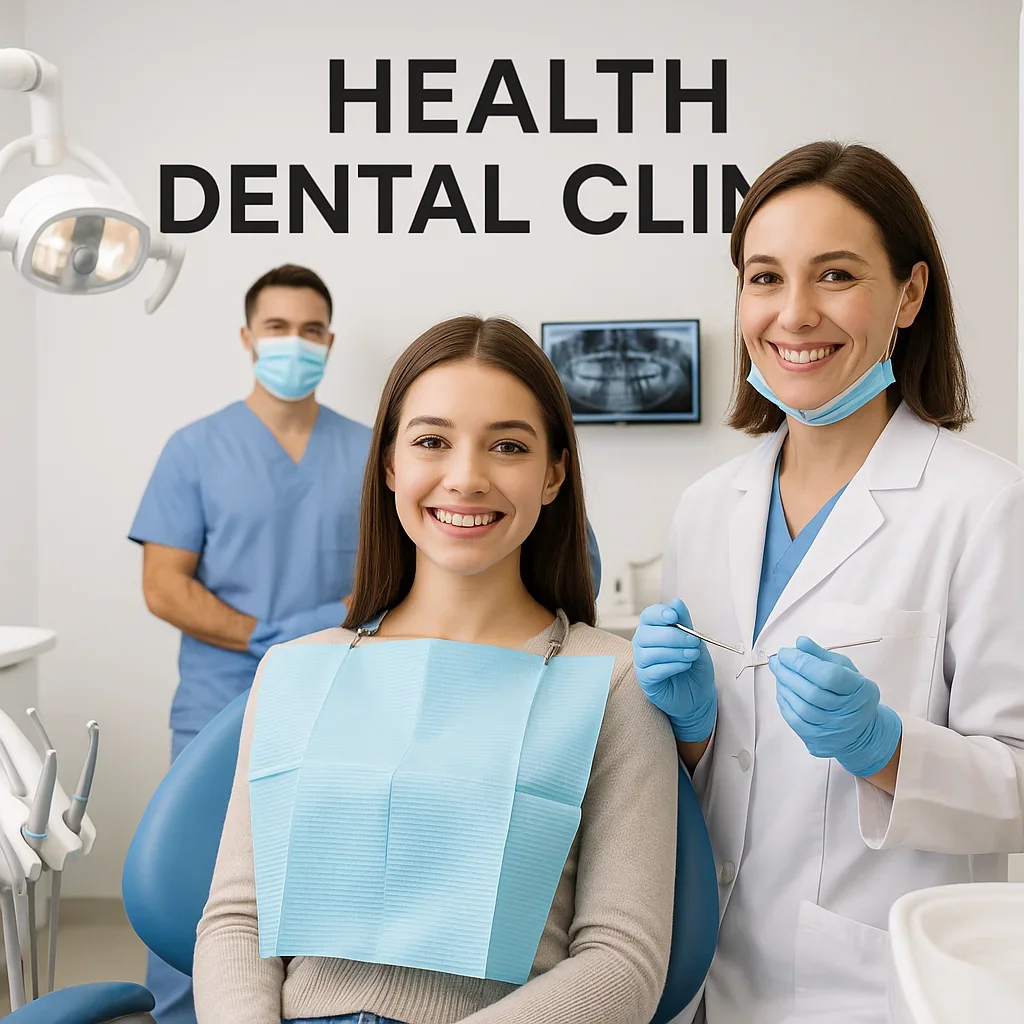
Global Standards and Accreditation in a Health Dental Clinic
Quality assurance is the backbone of every trusted health dental clinic. Accreditation and adherence to international standards not only guarantee safe and effective treatments but also enhance patient confidence and satisfaction. 🌍 Whether it’s infection control, patient rights, or advanced technology integration, a clinic’s commitment to recognized global benchmarks demonstrates professionalism, transparency, and reliability. In this section, we’ll explore how international standards shape the modern health dental clinic, ensuring excellence in care and consistency across every service provided.
1. Why Accreditation Matters in Modern Dentistry
Accreditation is the formal recognition that a health dental clinic meets or exceeds globally accepted standards of care. It’s not merely a certification — it’s a declaration of commitment to patient safety, ethical practice, and continuous improvement. Clinics that obtain accreditation from recognized organizations such as the American Dental Association or the International Organization for Standardization (ISO) demonstrate accountability to both patients and professional peers. 🏅
Accredited dental facilities are routinely audited for hygiene protocols, staff qualifications, clinical infrastructure, and record management. These assessments ensure that patients receive evidence-based, safe, and ethical treatment every time they step into the clinic. The result is a consistent, high-quality experience regardless of location or practitioner.
2. Global Dental Accreditation Bodies and Their Roles
Multiple international organizations oversee dental clinic accreditation, setting benchmarks for care delivery and operational excellence. Some of the most recognized bodies that certify health dental clinics include:
Key Accreditation Institutions
- American Dental Association (ADA): Sets the gold standard for clinical practice and patient safety in dental environments worldwide.
- ISO 9001 and ISO 13485 Certifications: Focus on quality management systems, medical device safety, and patient documentation accuracy.
- Joint Commission International (JCI): Monitors healthcare institutions for ethical governance, infection control, and patient-centered service models.
- European Federation of Periodontology (EFP): Provides training and accreditation for advanced gum and implant treatments.
By aligning with these organizations, a health dental clinic ensures that its operations meet international best practices and legal compliance standards. 🌐
3. Hygiene and Infection Control Protocols
One of the defining aspects of accreditation is the implementation of stringent sterilization and hygiene systems. A certified health dental clinic follows strict infection control guidelines established by global authorities like the Centers for Disease Control and Prevention (CDC) and the World Health Organization (WHO). Each instrument undergoes thorough sterilization cycles using autoclaves that are digitally monitored and documented.
Standard Infection Control Practices
- Single-use disposables for items like syringes, gloves, and suction tips.
- Surface disinfection between every patient session.
- Air filtration systems with HEPA technology to maintain clean air.
- Proper biohazard disposal aligned with environmental safety laws.
These practices minimize the risk of cross-contamination and uphold a safe treatment environment for every patient visiting the health dental clinic. 🧼
4. Training, Licensing, and Professional Development
A key requirement for maintaining accreditation is ensuring that all staff in a health dental clinic are professionally licensed and continuously educated. Dentists must renew certifications periodically and attend international workshops or symposiums to stay current with emerging technologies, treatment protocols, and patient management techniques. This culture of ongoing learning ensures that the clinic remains at the forefront of dental innovation. 📚
Accredited clinics also promote multidisciplinary collaboration — hygienists, orthodontists, implantologists, and oral surgeons work cohesively to deliver coordinated care. This teamwork-driven approach results in comprehensive treatment plans and seamless patient experiences.
5. Patient Rights and Ethical Standards
Every reputable health dental clinic prioritizes ethics as a cornerstone of its practice. Patients are entitled to informed consent, privacy, and transparent communication. Accredited clinics must display clear treatment plans, cost breakdowns, and alternative options before starting any procedure. They are also obligated to protect patient records in compliance with data privacy regulations like GDPR and HIPAA.
Core Ethical Commitments
- Clear communication and transparency in billing.
- Respect for cultural, linguistic, and religious diversity.
- Protection of patient confidentiality and medical data.
- Zero tolerance for discriminatory practices.
This strong ethical foundation ensures that every health dental clinic operates with integrity and compassion, reinforcing long-term trust between dentists and patients. 🤝
6. Integration of Advanced Technology for Compliance
To maintain accreditation, a health dental clinic must adopt digital systems that ensure traceability and precision. Electronic Health Records (EHR) track patient data, sterilization logs, and maintenance schedules for all dental equipment. Additionally, digital diagnostic tools like 3D scanners, radiography units, and AI-assisted monitoring software are calibrated according to manufacturer and ISO standards.
These integrations make dental operations not only compliant but also efficient, reducing human error and streamlining workflow. Technology thus plays a dual role — maintaining quality control and enhancing patient experience. ⚙️
7. Quality Audits and Continuous Improvement
Accreditation is not a one-time achievement; it’s a continuous process. Each health dental clinic undergoes regular internal and external audits to ensure ongoing adherence to standards. Auditors evaluate sterilization processes, patient outcomes, facility maintenance, and staff training records. The clinic must also demonstrate measurable improvements based on feedback and performance indicators.
Continuous Improvement in Practice
- Routine staff evaluations and performance reviews.
- Patient satisfaction surveys and follow-up systems.
- Regular equipment calibration and maintenance.
- Updated policies reflecting new dental research and global trends.
This ongoing commitment to progress sets accredited clinics apart as true leaders in dental excellence.
8. Patient Safety as a Core Priority
Patient safety is at the heart of accreditation. A health dental clinic must establish emergency protocols, such as cardiac arrest response systems, sterilized first-aid kits, and on-site medical-grade oxygen. Staff are trained in CPR and emergency care to respond swiftly in rare situations. Clear evacuation procedures and fire safety compliance are also mandatory for certification.
Such rigorous safety measures protect both patients and staff, providing reassurance that every aspect of care is delivered in a controlled, professional environment. 🩺
9. The Role of Accreditation in Global Dental Tourism
Accreditation plays a vital role in dental tourism, a growing industry where patients travel abroad for affordable yet high-quality care. A globally accredited health dental clinic becomes an attractive destination for international patients seeking trustworthy services. Accreditation ensures standardized protocols, multilingual staff, and internationally recognized materials — all essential for building credibility in global healthcare markets. ✈️
For example, many clinics in Turkey, including Redent Klinik, attract thousands of overseas patients each year by maintaining strict compliance with American Dental Association standards and ISO certifications. These accreditations act as a seal of reliability, ensuring that patients from any country receive consistent, high-quality care.
10. The Future of Accredited Dental Care
As dental technology evolves, accreditation systems continue to adapt, incorporating digital dentistry, AI diagnostics, and eco-sustainability criteria. The next generation of the health dental clinic will be defined by transparent data-driven processes, telemonitoring, and environmentally responsible operations. 🌱
Ultimately, accreditation transforms a clinic into a center of excellence — one that patients trust, professionals admire, and the global community respects. To experience this commitment to world-class quality firsthand, you can schedule a visit through the Redent Klinik Contact Page. When you choose an accredited health dental clinic, you’re not just choosing dental treatment — you’re choosing safety, precision, and a globally recognized standard of care. 🌟