
For millions of adults seeking to restore their smile, finding health insurance that covers dental implants has become a top priority in 2025. Dental implants are more than just a cosmetic procedure — they are a long-term medical solution for missing teeth, improving oral health, jawbone stability, and overall confidence. However, due to their high cost and complex nature, many patients struggle to determine whether their health insurance includes implant coverage. In this detailed guide, we’ll explore every aspect of how to get implants covered, what types of plans qualify, and which strategies can help you maximize your benefits.
Unlike basic dental procedures such as cleanings or fillings, dental implants are often classified as “major restorative treatments.” Historically, most insurance companies considered them elective, meaning patients had to pay out of pocket. But the good news is that the landscape is changing rapidly — many health insurance providers now recognize dental implants as medically necessary in cases like bone loss, jaw injury, or difficulty chewing. Understanding how your plan defines these conditions is crucial to securing coverage and reducing costs.
In today’s evolving healthcare market, choosing health insurance that covers dental implants is no longer reserved for premium-tier policies. Many mid-range health plans have begun offering partial or full implant coverage under restorative or reconstructive dental categories. The shift stems from growing evidence that missing teeth can lead to serious medical issues, including nutritional deficiencies, bone deterioration, and even speech difficulties. Consequently, dental implant coverage has become an essential component of comprehensive health protection rather than an optional add-on.
Let’s start with the basics. A typical dental implant procedure involves three major components: the titanium post (which replaces the tooth root), the abutment (the connector), and the crown (the visible tooth). The entire process can take several months and costs between $3,000 and $6,000 per implant depending on the clinic, materials, and geographic region. Without health insurance that covers dental implants, these expenses can be overwhelming for most patients. However, with the right plan, you can reduce these costs by 40%–70%, making it a smart long-term investment in your health.
To qualify for coverage, your dentist must usually provide documentation that implants are medically necessary. This could include X-rays, gum health reports, or proof of bone deterioration. Once submitted, your insurer’s medical review board evaluates the claim. If approved, your policy may cover the surgical placement of the implant and, in some cases, even the crown. Some plans also include anesthesia, imaging, and follow-up visits as part of the reimbursable package. Be sure to consult both your dentist and your insurance representative to confirm every detail before starting treatment.
There are generally two paths to obtain health insurance that covers dental implants:
- Comprehensive health plans with dental add-ons — These include major insurance providers such as Aetna, Cigna, and Blue Cross Blue Shield, which now offer implant-inclusive dental riders.
- Standalone dental insurance plans — These plans specifically target high-cost dental procedures and may provide up to 50% coverage for dental implants after a waiting period of 6–12 months.
Before choosing any policy, read the fine print regarding waiting periods, annual maximums, and deductibles. For instance, while a plan may advertise coverage for dental implants, it might only apply after you’ve been a policyholder for at least one year. Similarly, most dental plans cap annual benefits at $1,500–$3,000 — which may not fully cover multiple implants but can still significantly ease the financial burden.
According to the American Dental Association, dental implants have a success rate exceeding 95%, and patients with proper maintenance can expect them to last 20 years or more. This longevity makes implants one of the most cost-effective dental treatments available. Therefore, finding health insurance that covers dental implants isn’t just about saving money upfront — it’s about protecting your long-term oral health and quality of life.
For those seeking trusted clinics that understand insurance paperwork and medical justifications for implants, the Redent Klinik Contact Page provides professional assistance and consultation options. The clinic specializes in helping international patients navigate insurance-based dental care and offers transparent cost breakdowns for implant procedures.
Additionally, consider asking your insurance provider about “medical necessity clauses.” These clauses may allow partial implant coverage if the missing teeth affect chewing, cause jawbone loss, or lead to facial collapse — all recognized as valid medical conditions. This is where working with an experienced dental provider becomes invaluable, as they can document your case correctly for insurance approval.
In summary, securing health insurance that covers dental implants requires careful planning, proper documentation, and choosing the right insurer. The reward, however, is substantial — improved confidence, restored oral function, and significant cost savings. As the demand for implant dentistry continues to grow, insurance companies are becoming increasingly flexible, making now the perfect time to upgrade your plan. Whether you’re replacing a single tooth or restoring your full smile, the right insurance coverage can turn an expensive procedure into a manageable, health-focused decision.
💡 Pro Tip: Always verify whether your insurance plan includes coverage for implant-related prosthetics, such as crowns and bridges. Even if the surgery is covered, these add-ons can significantly affect total costs. A little preparation today can save you thousands in dental expenses tomorrow.
Why Health Insurance That Covers Dental Implants Matters More Than Ever
In recent years, awareness about oral health and its connection to overall well-being has increased dramatically. As a result, more people are searching for health insurance that covers dental implants—and for good reason. Missing teeth are not only a cosmetic issue but also a medical one that can affect chewing, digestion, speech, and bone structure. When left untreated, tooth loss can lead to serious complications that extend beyond your mouth. That’s why, in 2025, dental implant coverage has become one of the most valuable benefits a health insurance plan can offer.
The Growing Importance of Oral Health in General Healthcare 🦷
Oral health is now recognized by the medical community as an essential component of systemic health. Poor oral hygiene and tooth loss have been linked to heart disease, diabetes, and even cognitive decline. Because of these correlations, insurers are starting to realize that neglecting dental care can lead to higher long-term medical costs. Consequently, more providers are integrating health insurance that covers dental implants into their policies to promote preventive and restorative care rather than emergency treatments later on.
Dental implants, in particular, help prevent jawbone loss — a common issue that occurs when teeth are missing for extended periods. Bone resorption doesn’t just affect your appearance; it can change your facial structure and make eating difficult. With implants, patients can maintain bone density, improve their nutrition, and reduce the risk of related health conditions. Therefore, insurance companies are beginning to treat implants as a medically necessary intervention, not a luxury procedure.
Why Traditional Dental Coverage Isn’t Enough
Many people mistakenly assume that their dental insurance automatically covers implants, but that’s often not the case. Traditional dental insurance was designed decades ago when procedures like implants were rare and costly. Instead, these plans mainly cover preventive services such as cleanings, fillings, and extractions. However, as technology advances and implants become more common, the need for comprehensive health insurance that covers dental implants has grown significantly.
Modern patients expect dental care that focuses on lasting results, not temporary fixes. Unlike bridges or dentures, implants offer a permanent solution that feels and functions like natural teeth. Because of this, the line between “cosmetic” and “medical” dentistry is blurring. Today’s progressive insurance companies recognize that ignoring implant coverage could mean higher long-term costs for both the patient and the insurer due to bone loss, dietary issues, and recurring oral problems.
How the Medical Community Influences Insurance Policies
The shift toward recognizing dental implants as medically necessary has been driven by new clinical research. Studies cited by the American Dental Association emphasize how dental health affects the entire body. Medical professionals now advocate for integrated coverage that includes both dental and medical benefits. This perspective is reshaping how insurers evaluate claims and determine eligibility for implant coverage.
For instance, if a patient loses teeth due to an accident or a disease like osteoporosis, many modern health insurance plans classify implants as part of reconstructive treatment. This means the procedure could fall under your primary health coverage rather than being treated as elective dental work. Such reclassification is a major step forward for patients seeking affordable health insurance that covers dental implants.
The Rising Cost of Living and Dental Care
Another key reason why implant coverage is becoming critical is the rising cost of healthcare globally. The average price of a single dental implant can exceed $4,000 in the United States, and even higher when bone grafting or sinus lifts are involved. Without insurance, these costs are out of reach for many families. By contrast, patients who have health insurance that covers dental implants can receive partial or full reimbursement, making advanced dental care accessible to a broader population.
In addition, many employers are expanding their employee benefits packages to include comprehensive dental plans. The competition for talent in the job market has prompted companies to enhance their healthcare offerings. As a result, corporate health insurance plans increasingly feature dental implant coverage, reflecting the growing recognition of oral health’s impact on productivity, confidence, and quality of life.
Economic and Emotional Benefits of Having Implant Coverage
From an economic perspective, investing in health insurance that covers dental implants can save individuals thousands of dollars in the long term. Patients with insurance coverage not only reduce out-of-pocket expenses but also enjoy the peace of mind that comes with knowing they can maintain their oral health without financial strain. Emotionally, dental implants restore confidence and social comfort, helping individuals smile freely and eat without limitations.
Imagine being able to chew properly again, smile in photos, or speak clearly without worrying about dentures slipping — that’s the transformative power of implants. Insurance coverage plays a vital role in making these life-improving treatments attainable for everyone, not just the wealthy.
Health Insurance Trends for 2025
In 2025, more insurers than ever are expected to include dental implant coverage as part of standard plans. Some even integrate this benefit under preventive healthcare, encouraging early intervention and regular dental visits. This progressive shift shows how the industry is moving toward holistic health solutions rather than treating oral health as a separate category.
Additionally, health insurance plans are increasingly incorporating digital tools that allow patients to check implant coverage details online. Mobile apps, AI-driven claim systems, and instant eligibility checks make it easier than ever to confirm whether your policy includes implants. This level of transparency empowers consumers to choose wisely and avoid unexpected costs.
Where to Seek Help and Clarification
If you’re unsure whether your plan includes implant coverage, contact your provider directly or consult a dental specialist who works with insured patients. The Redent Klinik Contact Page offers professional guidance for those seeking insurance-friendly implant procedures. Their specialists help patients understand policy terms, file claims effectively, and ensure that treatment plans align with their coverage.
Ultimately, the growing emphasis on health insurance that covers dental implants represents a broader movement toward preventive, affordable, and patient-centered care. It bridges the gap between dental and medical insurance, ensuring that oral health is treated with the seriousness it deserves. As awareness spreads and technology evolves, dental implant coverage will soon become not just a premium benefit — but a standard of care for healthy living.
💡 Quick Insight: If your insurer doesn’t yet offer implant coverage, consider switching to a policy that includes it during your next enrollment period. Even partial coverage can drastically reduce costs and protect your long-term dental health.
What Types of Health Insurance Cover Dental Implants in 2025?
As we move into 2025, more people are realizing the value of finding health insurance that covers dental implants. The market has evolved, and insurance providers now offer multiple policy types with varying degrees of implant coverage. Understanding these categories can help patients choose the right plan that minimizes costs and maximizes benefits. Below, we’ll break down the most common types of health and dental insurance plans that include implant coverage, explain their eligibility rules, and highlight key differences that affect your financial and medical outcomes.
Comprehensive Health Insurance With Dental Add-Ons 🩺
Many full-coverage health insurance plans now allow members to add dental riders that extend to implant procedures. These are often labeled as “dental enhancement packages” or “comprehensive oral health riders.” A typical plan covers preventive, restorative, and reconstructive procedures — which include implants when medically necessary. The great advantage of these plans is that they are often administered through your primary health provider, allowing easier claim management and broader reimbursement.
In most cases, health insurance that covers dental implants under comprehensive plans requires a waiting period of 6–12 months and a co-payment of around 20%–40%. Some premium-tier plans, such as those from Cigna and Aetna, even include up to 100% implant coverage for accident-related tooth loss. Since these policies combine dental and medical benefits, they tend to have higher monthly premiums but also provide better overall protection.
Who Should Choose This Option?
If you’re someone who needs ongoing dental work or expects to require implants within the next year, this type of plan is highly recommended. It integrates medical and dental benefits seamlessly, reducing paperwork and ensuring that your implant procedure qualifies for medical necessity clauses. This makes comprehensive plans one of the most reliable forms of health insurance that covers dental implants in 2025.
Standalone Dental Insurance Plans
Standalone dental insurance policies are another popular option. These plans are independent of your main health insurance and are specifically designed to cover advanced dental procedures. In 2025, most standalone dental plans now include implant coverage as part of their restorative services. However, the coverage percentage varies between 30% and 70%, and annual maximum benefits typically range from $1,500 to $5,000.
These plans usually divide treatments into three categories:
- Preventive care — cleanings, checkups, X-rays (covered 100%)
- Basic care — fillings, root canals, extractions (covered 70%–80%)
- Major care — implants, bridges, crowns (covered 40%–60%)
It’s important to note that many standalone dental policies apply waiting periods for major procedures, sometimes up to 12 months. Therefore, patients planning for implants should enroll early. Still, the advantage is flexibility — you can choose from numerous carriers that specialize in dental coverage, ensuring your plan fits your needs and budget.
Top Providers Offering Standalone Implant Coverage
Some of the best-known providers offering implant-inclusive dental insurance include Delta Dental, Guardian, Humana, and MetLife. These companies now market their products specifically as health insurance that covers dental implants to attract consumers looking for practical, modern oral healthcare options. Each provider has its own set of rules for coverage limits, co-insurance percentages, and waiting periods. Reading their policy summaries before purchase can prevent future claim denials.
Employer-Sponsored Dental Coverage
Employers are increasingly including dental implant coverage as part of their group health plans. This trend is particularly evident in corporate sectors where employee wellness programs are a priority. Many HR departments partner with insurers that provide implant benefits under group rates, allowing employees to enjoy high-level dental coverage at affordable premiums.
With employer-based health insurance that covers dental implants, you often gain access to a network of approved dentists and clinics offering negotiated rates. This not only ensures quality care but also eliminates surprise billing. In addition, group plans may reduce or waive waiting periods, especially for employees who have been with the company for a set duration.
Why Group Coverage Is Becoming More Common
The inclusion of implants in workplace health plans reflects a growing awareness of oral health’s role in productivity and mental well-being. Companies understand that employees who can smile confidently and eat comfortably tend to experience higher morale and fewer health issues. Thus, providing health insurance that covers dental implants is seen as both a medical and business investment.
Medicare and Medicaid Options for Seniors
Historically, Medicare did not cover dental implants, classifying them as elective. However, starting in 2025, new Medicare Advantage (Part C) plans are beginning to include limited implant coverage. These enhancements are driven by the growing senior population and the proven medical necessity of implants in preventing malnutrition and jawbone atrophy. Medicaid programs also vary by state, with some offering implant coverage under “restorative adult dental care.”
Patients relying on public insurance should verify eligibility with their state’s Medicaid office or Medicare plan provider. In certain cases, implants can be approved if they restore chewing function or treat conditions caused by disease or trauma. Although reimbursement rates may be lower than private insurance, having any form of health insurance that covers dental implants is a valuable step for seniors managing complex oral health needs.
Supplemental Coverage for Low-Income Patients
For individuals without employer or private coverage, supplemental dental discount plans are available. While not technically insurance, these membership programs offer 20%–50% discounts on implant procedures at participating clinics. They are particularly useful for patients ineligible for traditional insurance or those facing waiting periods.
International and Expatriate Health Plans 🌍
For those living or working abroad, international insurers now provide global health insurance that covers dental implants. These plans are tailored for expatriates and medical travelers who prefer receiving treatment in high-quality dental tourism destinations such as Turkey, Mexico, or Hungary. Premiums are competitive, and coverage typically includes pre- and post-operative care, imaging, and surgical expenses.
For example, clinics like Redent Klinik in Turkey specialize in treating international patients with insurance-backed implant procedures. Their dedicated insurance support teams guide patients through claim filing and pre-authorization steps. Those interested in these services can contact them directly through the Redent Klinik Contact Page to learn about policy compatibility and medical documentation requirements.
Final Thoughts: Choosing the Right Type of Implant Coverage
When evaluating your options, consider factors such as waiting periods, coverage percentages, provider networks, and annual limits. Comprehensive health insurance with dental riders offers the most complete protection, while standalone dental plans provide flexibility for budget-conscious patients. Employer-sponsored plans and Medicare Advantage options are expanding rapidly, making implant coverage more accessible than ever.
Ultimately, the best health insurance that covers dental implants is the one that aligns with your health needs, financial situation, and long-term dental goals. By understanding the available plan types and comparing their benefits carefully, you can make an informed decision that protects both your smile and your savings for years to come.
💡 Expert Tip: Always check whether your insurer requires pre-authorization for implant procedures. Failing to do so can lead to denied claims, even if your plan technically includes coverage. Being proactive ensures a smoother, stress-free treatment process.
How to Check If Your Health Insurance Includes Dental Implant Coverage
Finding health insurance that covers dental implants is one thing — but confirming that your current plan actually includes this benefit is another. Many policyholders mistakenly assume their dental or medical insurance automatically covers implants, only to discover later that it doesn’t. To avoid unexpected costs, it’s crucial to understand how to verify your coverage properly, what documents to review, and which questions to ask your insurer. In this section, we’ll walk through a detailed, step-by-step guide to checking your policy and ensuring you’re eligible for dental implant coverage in 2025.
Start With Your Policy Documents and Member Portal 🩺
Your first step is to carefully read your insurance policy summary, known as the Summary of Benefits and Coverage (SBC). This document outlines what your plan includes, what it excludes, and under which circumstances procedures are reimbursed. Look for terms like “major restorative procedures,” “prosthodontics,” or “implant-supported dentures.” These phrases often indicate whether your insurer offers health insurance that covers dental implants.
If you’re enrolled in a digital insurance plan, log into your member portal. Most providers now include a searchable section that allows you to look up specific treatments. Type in “dental implants” or “oral surgery” to see if these services are listed. Some portals also show historical claims, deductible usage, and pre-authorization requirements, which can help you prepare your documentation before starting the treatment process.
Key Sections to Review in Your Policy
- Coverage overview: Confirms whether implants fall under dental, medical, or reconstructive benefits.
- Waiting period clause: Indicates how long you must be enrolled before major procedures are covered (typically 6–12 months).
- Annual maximum: Shows the yearly spending limit for dental care, often between $1,500–$5,000.
- Exclusions: Lists treatments that are not covered, such as cosmetic enhancements or elective implants.
Understanding these details helps you determine whether your current plan truly qualifies as health insurance that covers dental implants or whether you need to upgrade or add a supplemental dental rider.
Contacting Your Insurance Provider Directly
After reviewing your documentation, the next step is to contact your insurance company’s customer service line. When calling, request to speak with a dental or benefits specialist. They can provide precise information about whether your plan includes implant coverage, under what conditions, and how much of the cost is reimbursed. Prepare your policy number, dentist’s information, and diagnostic details before calling to make the process efficient.
Essential Questions to Ask
- Does my current plan include coverage for dental implants or oral surgery?
- Are dental implants considered medically necessary or cosmetic under my plan?
- What percentage of the cost is covered, and what are the out-of-pocket limits?
- Do I need pre-authorization before scheduling the implant procedure?
- Are imaging, anesthesia, and bone grafts covered under the same policy?
- Is there a preferred network of dentists or implant specialists I should use?
Document every answer during your call, including the representative’s name, date, and any reference number provided. This information will be valuable if you later need to appeal a denied claim. Remember that clear communication can make the difference between approval and rejection for health insurance that covers dental implants.
Pre-Authorization and Medical Necessity Letters
Many insurers require pre-authorization before approving implant coverage. This process involves your dentist submitting X-rays, treatment plans, and a medical necessity letter explaining why the implants are essential for your oral and overall health. Examples of accepted justifications include difficulty chewing, bone loss, or tooth loss due to trauma or disease. Once reviewed, the insurer will issue an approval letter that guarantees partial or full reimbursement.
Failing to obtain pre-authorization can result in claim denial, even if your policy technically includes implant benefits. Always confirm that both your dentist and insurer have documented approvals before the first surgical appointment.
How to Write an Effective Medical Necessity Statement
An effective medical necessity letter should include:
- A diagnosis from a licensed dentist or oral surgeon.
- Supporting evidence such as radiographs or digital scans.
- A clear explanation of how implants improve chewing, speech, or bone integrity.
- Confirmation that other restorative methods (like bridges or dentures) are unsuitable.
These details can significantly increase the success rate of your claim for health insurance that covers dental implants.
Comparing Coverage With Competing Providers
Even if your current plan does not fully cover implants, it’s worth comparing other insurers’ offerings. Major companies like Blue Cross Blue Shield, Guardian, and Humana frequently adjust their implant coverage terms each year. In 2025, competition among insurers has led to broader inclusion of implant procedures in mid-tier plans. Review plan summaries, request quotes, and pay special attention to co-insurance percentages and deductibles.
If you’re in the process of switching policies, note that new plans may impose a waiting period for major dental procedures. Therefore, planning your transition early ensures
How to Check If Your Health Insurance Includes Dental Implant Coverage
Finding health insurance that covers dental implants is one thing — but confirming that your current plan actually includes this benefit is another. Many policyholders mistakenly assume their dental or medical insurance automatically covers implants, only to discover later that it doesn’t. To avoid unexpected costs, it’s crucial to understand how to verify your coverage properly, what documents to review, and which questions to ask your insurer. In this section, we’ll walk through a detailed, step-by-step guide to checking your policy and ensuring you’re eligible for dental implant coverage in 2025.
Start With Your Policy Documents and Member Portal 🩺
Your first step is to carefully read your insurance policy summary, known as the Summary of Benefits and Coverage (SBC). This document outlines what your plan includes, what it excludes, and under which circumstances procedures are reimbursed. Look for terms like “major restorative procedures,” “prosthodontics,” or “implant-supported dentures.” These phrases often indicate whether your insurer offers health insurance that covers dental implants.
If you’re enrolled in a digital insurance plan, log into your member portal. Most providers now include a searchable section that allows you to look up specific treatments. Type in “dental implants” or “oral surgery” to see if these services are listed. Some portals also show historical claims, deductible usage, and pre-authorization requirements, which can help you prepare your documentation before starting the treatment process.
Key Sections to Review in Your Policy
- Coverage overview: Confirms whether implants fall under dental, medical, or reconstructive benefits.
- Waiting period clause: Indicates how long you must be enrolled before major procedures are covered (typically 6–12 months).
- Annual maximum: Shows the yearly spending limit for dental care, often between $1,500–$5,000.
- Exclusions: Lists treatments that are not covered, such as cosmetic enhancements or elective implants.
Understanding these details helps you determine whether your current plan truly qualifies as health insurance that covers dental implants or whether you need to upgrade or add a supplemental dental rider.
Contacting Your Insurance Provider Directly
After reviewing your documentation, the next step is to contact your insurance company’s customer service line. When calling, request to speak with a dental or benefits specialist. They can provide precise information about whether your plan includes implant coverage, under what conditions, and how much of the cost is reimbursed. Prepare your policy number, dentist’s information, and diagnostic details before calling to make the process efficient.
Essential Questions to Ask
- Does my current plan include coverage for dental implants or oral surgery?
- Are dental implants considered medically necessary or cosmetic under my plan?
- What percentage of the cost is covered, and what are the out-of-pocket limits?
- Do I need pre-authorization before scheduling the implant procedure?
- Are imaging, anesthesia, and bone grafts covered under the same policy?
- Is there a preferred network of dentists or implant specialists I should use?
Document every answer during your call, including the representative’s name, date, and any reference number provided. This information will be valuable if you later need to appeal a denied claim. Remember that clear communication can make the difference between approval and rejection for health insurance that covers dental implants.
Pre-Authorization and Medical Necessity Letters
Many insurers require pre-authorization before approving implant coverage. This process involves your dentist submitting X-rays, treatment plans, and a medical necessity letter explaining why the implants are essential for your oral and overall health. Examples of accepted justifications include difficulty chewing, bone loss, or tooth loss due to trauma or disease. Once reviewed, the insurer will issue an approval letter that guarantees partial or full reimbursement.
Failing to obtain pre-authorization can result in claim denial, even if your policy technically includes implant benefits. Always confirm that both your dentist and insurer have documented approvals before the first surgical appointment.
How to Write an Effective Medical Necessity Statement
An effective medical necessity letter should include:
- A diagnosis from a licensed dentist or oral surgeon.
- Supporting evidence such as radiographs or digital scans.
- A clear explanation of how implants improve chewing, speech, or bone integrity.
- Confirmation that other restorative methods (like bridges or dentures) are unsuitable.
These details can significantly increase the success rate of your claim for health insurance that covers dental implants.
Comparing Coverage With Competing Providers
Even if your current plan does not fully cover implants, it’s worth comparing other insurers’ offerings. Major companies like Blue Cross Blue Shield, Guardian, and Humana frequently adjust their implant coverage terms each year. In 2025, competition among insurers has led to broader inclusion of implant procedures in mid-tier plans. Review plan summaries, request quotes, and pay special attention to co-insurance percentages and deductibles.
If you’re in the process of switching policies, note that new plans may impose a waiting period for major dental procedures. Therefore, planning your transition early ensures you remain eligible when you’re ready for treatment.
Consulting With Your Dental Clinic
Many modern dental clinics have dedicated insurance coordinators who help patients navigate coverage verification and claim filing. Clinics like Redent Klinik specialize in assisting patients with international and local insurance documentation. To learn whether your insurance qualifies or to get help submitting claims, visit the Redent Klinik Contact Page. Their experienced staff can explain which insurance companies are most flexible about implant procedures and which paperwork is required for approval.
Using Online Tools and the American Dental Association’s Resources 🧭
To cross-check your benefits, consult credible resources such as the American Dental Association. Their database often provides up-to-date insights on which insurance providers offer implant-inclusive coverage and what patients can expect in terms of cost and eligibility. Some websites even allow you to enter your insurer’s name and receive a summary of typical implant coverage policies.
Final Thoughts: Taking Control of Your Coverage
Verifying your insurance details may seem time-consuming, but it’s a vital step in ensuring financial security during dental treatment. By taking the time to check your documents, communicate directly with your insurer, and consult your dentist, you can confirm whether you have health insurance that covers dental implants — or identify gaps that require attention. A few hours of preparation today could save you thousands of dollars and months of frustration later.
💡 Pro Tip: Always request a written confirmation of implant coverage from your insurer. Verbal assurances alone may not hold up during claim disputes. Having written proof protects you legally and financially while giving you peace of mind throughout your implant journey.
Top Health Insurance Companies That Cover Dental Implants
Choosing the right health insurance that covers dental implants can save you thousands of dollars and prevent stressful claim disputes. As dental implant procedures become more medically recognized, many leading insurance companies have expanded their coverage to include these treatments in 2025. However, not all providers offer the same benefits, reimbursement rates, or eligibility rules. Below is a comprehensive look at the top insurance companies that offer implant-inclusive plans, what sets them apart, and what you need to know before enrolling.
1. Cigna: Comprehensive Coverage With High Approval Rates 🦷
Cigna has emerged as one of the most reliable providers of health insurance that covers dental implants. Its Dental 1500 and Dental 3000 plans include implants under the category of major restorative care. Policyholders can expect coverage of 50%–70% of total implant costs after a short waiting period. Additionally, Cigna’s plans include allowances for bone grafting, surgical placement, and anesthesia, making it one of the most complete options on the market.
Key Benefits:
- Coverage for up to $3,000 annually.
- Pre-authorization support through Cigna’s online portal.
- Large network of approved implant specialists.
Because of Cigna’s broad national coverage and flexible payment options, it’s a top recommendation for patients seeking predictable reimbursement for implant treatments.
2. Aetna: Strong Coverage for Medically Necessary Implants
Aetna’s plans classify implants as medically necessary when they restore function lost due to accident, injury, or disease. This makes it an excellent choice for individuals who need health insurance that covers dental implants following trauma or tooth loss caused by medical conditions. Aetna also allows claims under both dental and medical policy codes, providing flexibility for patients who fall into gray areas of insurance classification.
Key Benefits:
- Dual medical and dental billing flexibility.
- Coverage for diagnostic imaging and follow-up visits.
- Specialized case management for accident-related tooth replacement.
Aetna’s approach appeals to patients who value both administrative support and flexible definitions of medical necessity.
3. Delta Dental: Best for Nationwide Accessibility
As one of the largest dental insurance networks in the U.S., Delta Dental offers several implant-inclusive plans, including PPO and Premier tiers. Patients can typically receive 50% coverage for implants under “major restorative services,” and the company’s wide provider network ensures easy access to qualified professionals.
Key Benefits:
- Massive provider network spanning all 50 states.
- Implant abutment and crown coverage included in select plans.
- Minimal waiting periods for long-term members.
For families or individuals frequently moving across states, Delta Dental is a practical solution for consistent implant coverage nationwide.
4. Humana: Flexible Options With High Customer Satisfaction
Humana’s PPO Advantage and Loyalty Plus plans feature generous implant coverage with benefits increasing the longer you remain a member. After three years, policyholders may receive up to 60% coverage on implants, making it a valuable choice for those seeking health insurance that covers dental implants over the long term.
Key Benefits:
- Increasing coverage benefits over time (40% → 50% → 60%).
- No lifetime maximums for loyal policyholders.
- Discounts on cosmetic crown upgrades.
Humana’s loyalty incentives encourage consistent care and long-term planning for patients considering implants in the near future.
5. Guardian Direct: Affordable Entry Into Implant Coverage
Guardian Direct’s Dental Advantage Gold plan includes dental implant coverage under restorative services. It’s ideal for budget-conscious patients who still want partial coverage for high-cost dental treatments.
Key Benefits:
- Low monthly premiums and accessible online enrollment.
- Coverage up to 50% for implants after a short waiting period.
- Nationwide tele-dental support for pre-approval queries.
Guardian’s online-first approach simplifies plan management and helps patients verify implant eligibility quickly — a crucial advantage for those navigating multiple coverage options.
6. Blue Cross Blue Shield (BCBS): The Most Comprehensive Networks
BCBS plans vary by state, but many offer high-quality health insurance that covers dental implants through their premium dental PPO tiers. These plans often include implant coverage at 50%–80%, depending on medical necessity. BCBS is widely praised for its claim transparency and prompt reimbursements, especially for patients who submit detailed medical documentation.
Key Benefits:
- Nationwide access to thousands of implant specialists.
- Flexible medical-dental integration for accident or disease cases.
- Advanced digital claim management via the BCBS app.
For patients who prioritize reliability and easy access to reputable providers, BCBS remains one of the strongest choices in 2025.
Final Recommendation
When comparing insurers, don’t focus solely on the percentage of coverage — also assess pre-authorization requirements, annual caps, and provider network quality. The best health insurance that covers dental implants is one that fits your personal health needs and budget. Always consult your dentist before enrolling in a plan to ensure compatibility with their billing systems. For international patients or those seeking professional guidance, the Redent Klinik Contact Page can provide expert advice on claim preparation and insurer selection.
💡 Pro Tip: Many top insurers provide policy comparison tools on their websites. Use them to view implant-specific coverage details before committing to a new plan.
Step-by-Step: How to Apply for Dental Implant Coverage
Even if you’ve identified health insurance that covers dental implants, successfully applying for that coverage requires proper documentation and careful planning. Insurers often classify implants under major restorative or reconstructive procedures, which means they need justification and pre-authorization. In this guide, you’ll learn the exact steps to follow — from consultation to claim approval — to make sure your dental implant procedure is covered smoothly and efficiently.
Step 1: Schedule a Comprehensive Dental Consultation 🩺
The process begins with a professional evaluation from your dentist or oral surgeon. During this visit, the specialist will assess bone structure, gum health, and implant suitability. They’ll take X-rays or digital scans that form the foundation of your insurance application. To qualify for health insurance that covers dental implants, you’ll need this medical evidence to demonstrate necessity rather than cosmetic intent.
What to Ask Your Dentist:
- Can you provide a written treatment plan and diagnosis?
- Does your office assist with insurance pre-authorization?
- Which procedure codes (CDT or CPT) should be used for billing?
Ensure that all medical codes are accurately entered — incorrect coding is one of the top reasons insurance claims for implants are delayed or rejected.
Step 2: Contact Your Insurance Provider for Pre-Authorization
Next, contact your insurer’s dental benefits department. Ask for detailed information about how implant claims are processed. Pre-authorization ensures your insurer reviews your documents and confirms eligibility before you begin treatment. This is essential if your goal is to use health insurance that covers dental implants without unexpected out-of-pocket costs.
Provide your dentist’s diagnostic report, X-rays, and a formal statement of medical necessity. Your insurer may also request photos, prior dental history, or medical records if bone deterioration or disease is involved.
Typical Documents Required:
- Dental X-rays and 3D imaging scans.
- Clinical diagnosis report from your dentist.
- Pre-treatment cost estimate (also called a “predetermination”).
- Letter of medical necessity explaining health-related impact.
Most insurers respond to pre-authorization requests within 10–20 business days, either approving full or partial coverage or requesting additional documentation.
Step 3: Confirm Coverage Details in Writing
Once approval is granted, request a written confirmation outlining what parts of the procedure are covered and at what percentage. Many patients assume the surgical implant is the only expense, but additional components — such as abutments, crowns, anesthesia, and bone grafts — may be billed separately.
Make sure your written approval clearly states whether all these items are reimbursable under your health insurance that covers dental implants. Keep digital and physical copies of this approval for reference.
Step 4: Proceed With the Implant Surgery
After confirmation, your dentist can proceed with the first stage of treatment — surgical placement of the implant post. Depending on bone health and healing time, subsequent stages (such as attaching the abutment and crown) may take several months. Throughout the process, your dentist should document every visit and submit interim progress reports to your insurer if required.
Pro Tip for Smooth Claims:
Ask your clinic to submit “progress claims” as each stage is completed. This helps distribute costs and ensures your insurer processes smaller, manageable payments rather than one large claim at the end.
Step 5: Submit the Final Claim With All Documentation
Once your implant procedure is complete, your dentist or oral surgeon will prepare a final claim packet. This includes invoices, procedure codes, post-operative reports, and photographs. Submitting complete documentation improves the chances of full reimbursement under health insurance that covers dental implants.
Important Notes:
- Always double-check that your claim form includes the correct CDT codes (D6010–D6066 for implants).
- Attach copies of the original pre-authorization letter.
- Include receipts for anesthesia and radiographs if covered.
Claims typically take 2–4 weeks to process. If your insurer requests additional information, respond promptly to avoid delays.
Step 6: Review Your Explanation of Benefits (EOB)
After your claim is processed, your insurer will send an Explanation of Benefits (EOB) detailing the amount covered and your remaining balance. Carefully review this document to ensure the calculations align with your policy. If discrepancies appear, contact your insurer’s dental claims department immediately.
Step 7: Follow Up and Keep Detailed Records
Always retain all communication, claim forms, and receipts. Having a complete record is essential if you need to appeal a denied claim later. Most insurers allow appeals within 30–90 days, and having clear documentation strengthens your case significantly.
Step 8: Consult Experts if You Need Assistance 🧾
If navigating insurance paperwork feels overwhelming, professional dental clinics like Redent Klinik can assist. Visit the Redent Klinik Contact Page for personalized support. Their team helps patients prepare claim documentation and coordinate with insurance providers for efficient approval.
Final Thoughts: Success Lies in Preparation
Successfully using health insurance that covers dental implants depends on your preparation, accuracy, and communication. By following this structured process — consultation, pre-authorization, documentation, and verification — you’ll reduce the risk of denial and enjoy significant financial relief. Implant coverage isn’t just about saving money; it’s about gaining peace of mind and restoring your smile with confidence.
💡 Quick Insight: Always ask your insurer about renewal benefits. Some plans increase implant coverage percentages over time, rewarding members who maintain long-term enrollment.
Comparing Costs: Dental Implants With and Without Insurance
The cost of dental implants can vary dramatically depending on your insurance coverage. For many patients, the difference between paying out of pocket and having health insurance that covers dental implants can mean saving thousands of dollars. Understanding these costs and how insurance affects them is essential before you begin treatment. In this section, we’ll break down real-world price ranges, explain how insurers calculate coverage, and reveal strategies to minimize your expenses while maximizing your benefits.
Understanding the True Cost of Dental Implants 🦷
Dental implants are complex, multi-step procedures that require surgical precision, high-quality materials, and multiple appointments. On average, a single implant in the United States costs between $3,000 and $6,000, depending on factors such as the clinic, geographic location, and material used. A full-mouth restoration can range from $25,000 to $50,000 or more.
However, with health insurance that covers dental implants, patients can reduce these costs by 40%–70%. Some plans may cover the surgical procedure and associated materials but exclude the crown or prosthetic attachment. That’s why understanding what your policy specifically covers is crucial.
Breakdown of Typical Dental Implant Expenses:
- Initial Consultation and X-rays: $100–$300
- 3D Imaging (CBCT Scan): $200–$500
- Implant Post (Titanium Screw): $1,000–$2,500
- Abutment: $500–$1,000
- Crown or Prosthesis: $1,000–$2,000
- Anesthesia/Sedation: $200–$800
- Bone Grafting (if needed): $600–$2,500
The cumulative cost can feel overwhelming, but insurance coverage can significantly offset these expenses if managed properly.
How Insurance Determines Implant Coverage
Insurance companies categorize dental implants under “major restorative procedures.” However, each insurer’s definition of “medical necessity” influences whether implants are covered. For example, if tooth loss affects your ability to chew or has caused bone loss, insurers are more likely to approve the claim. This is why working with clinics that understand how to document medical necessity is so valuable when dealing with health insurance that covers dental implants.
Three Coverage Scenarios:
- Full Coverage: The insurer pays 50%–80% of total costs, including surgery, abutment, and crown. Typically available under comprehensive dental add-ons or employer-based plans.
- Partial Coverage: The insurer covers the surgical portion but excludes prosthetics or additional cosmetic components.
- No Coverage: Implants classified as elective or cosmetic treatments are fully out-of-pocket expenses for the patient.
Understanding which of these scenarios applies to your plan helps you plan financially and avoid unpleasant surprises later.
Cost Comparison: With vs. Without Insurance
Let’s illustrate the difference with a simple example. Suppose you need a single implant priced at $4,500 total (including surgery, abutment, and crown). If you have health insurance that covers dental implants at 50% coverage, your insurer may reimburse $2,250, leaving you responsible for the remaining $2,250. However, if your plan includes additional restorative coverage or an annual dental benefit cap of $3,000, you could end up paying even less out of pocket.
| Scenario | Total Cost | Insurance Pays | Patient Pays |
|---|---|---|---|
| Without Insurance | $4,500 | $0 | $4,500 |
| With 50% Coverage | $4,500 | $2,250 | $2,250 |
| With 70% Coverage | $4,500 | $3,150 | $1,350 |
This example shows how valuable proper insurance coverage can be when planning for dental implants. The savings become even more significant if you need multiple implants or a full-mouth restoration.
Hidden Costs to Watch Out For
Even with health insurance that covers dental implants, patients must be aware of potential hidden costs such as:
- Out-of-network dentist fees — Always confirm your dentist is within your insurer’s network.
- Annual coverage maximums — Some plans cap dental benefits at $2,000–$3,000 annually, which may not cover multiple implants.
- Waiting periods — Many policies require you to be enrolled for 6–12 months before implant coverage begins.
- Upgrade options — Premium crowns (zirconia or porcelain) may not be fully covered.
These details underscore why policy review and pre-authorization are crucial steps when using insurance for implants.
How to Lower Out-of-Pocket Costs
If you don’t currently have health insurance that covers dental implants or your policy offers only partial reimbursement, there are still ways to manage expenses effectively. Many clinics, including Redent Klinik, provide flexible payment plans, dental tourism options, or bundled implant packages. For international patients, treatment in countries like Turkey can reduce total implant costs by up to 60% while maintaining high medical standards. To explore affordable yet insured options, visit the Redent Klinik Contact Page.
Alternative Payment Strategies:
- Dental Discount Programs: Membership plans that offer 20%–40% off implant treatments.
- Health Savings Accounts (HSAs): Use pre-tax income to pay for dental implants and related expenses.
- Flexible Spending Accounts (FSAs): Ideal for employees who want to manage out-of-pocket dental costs tax-free.
- Medical Credit Plans: Financing options such as CareCredit with low or zero interest for qualified applicants.
Why Insurance-Based Treatment Is Worth It
While insurance paperwork can seem complex, the long-term financial relief is undeniable. Patients with verified health insurance that covers dental implants benefit not only from reduced costs but also from peace of mind and continuity of care. Insured clinics tend to follow stricter safety and documentation standards, ensuring that every phase of your implant journey — from imaging to final placement — meets medical compliance standards.
Conclusion: Smart Planning Means Big Savings 💰
Ultimately, the decision between getting implants with or without insurance comes down to preparation. By verifying coverage details, comparing providers, and taking advantage of tax-saving tools, you can drastically reduce your total expenses. Dental implants are a lifelong investment — and having the right health insurance that covers dental implants makes that investment both affordable and secure. Plan ahead, document thoroughly, and partner with reputable clinics that understand how to work with insurers to achieve the best outcomes.
💡 Expert Insight: Always check whether your insurance plan covers additional components like anesthesia and bone grafting. These “hidden” coverages can save hundreds of dollars when properly utilized.
Alternatives When Your Health Insurance Doesn’t Cover Dental Implants
For many patients, the biggest obstacle to getting dental implants is finding health insurance that covers dental implants. Unfortunately, not all policies include this benefit, especially older or basic-tier plans. However, lacking implant coverage doesn’t mean you’re out of options. In fact, with the growing popularity of implant dentistry, alternative financing and assistance programs have become widely accessible. In this comprehensive section, we’ll explore every viable route—from affordable dental discount plans and payment programs to government assistance, dental tourism, and innovative funding methods—to help you achieve a confident smile without financial strain.
Dental Discount Plans: An Affordable Membership Alternative 💳
One of the most effective alternatives to traditional health insurance that covers dental implants is a dental discount plan. These programs are not insurance policies but membership-based systems that provide significant discounts at participating clinics. Members pay a small annual fee, usually between $100 and $250, and receive 20%–60% off implant-related treatments such as consultations, X-rays, bone grafts, and implant placement.
Advantages of Dental Discount Plans:
- No waiting periods — you can start treatment immediately.
- No annual coverage limits or complex claim forms.
- Affordable annual membership compared to insurance premiums.
Providers like Careington, DentalPlans.com, and Aetna Dental Access offer such programs nationwide. For patients who cannot find health insurance that covers dental implants, these discount options provide quick, flexible savings with minimal paperwork.
Flexible Payment Plans and Financing Options
Most reputable dental clinics now offer in-house financing options. Instead of paying the full implant cost upfront, you can divide payments into manageable monthly installments—often interest-free if repaid within a set period. Financing partners like CareCredit or LendingClub specialize in healthcare loans, helping patients manage larger expenses such as implants, crowns, and oral surgeries.
Typical Financing Terms:
- 0% interest for 6–24 months (depending on credit score).
- Long-term repayment options up to 60 months.
- Instant approval process with soft credit checks.
For patients without health insurance that covers dental implants, these options allow flexibility while maintaining access to high-quality care. Always confirm total repayment amounts and interest terms before signing a financing agreement.
Dental Schools and Teaching Hospitals 🏫
Another practical solution for uninsured patients is seeking treatment from accredited dental schools. These institutions often provide implants at 40%–70% lower rates because supervised dental students perform the procedures under professional guidance. The results meet high medical standards, as each step is monitored by experienced oral surgeons.
Dental schools in the U.S. such as the University of Michigan, NYU College of Dentistry, and UCLA School of Dentistry offer implant programs at significantly reduced costs. Though appointments may take longer than at private clinics, the financial savings can be substantial.
Benefits of Dental School Clinics:
- Lower treatment costs with advanced technology.
- Supervised by board-certified professionals.
- Ideal for patients without insurance or limited budgets.
These programs are a safe and effective way to access implant care when health insurance that covers dental implants isn’t available to you.
Medical Savings Accounts (HSAs and FSAs)
If you have a Health Savings Account (HSA) or a Flexible Spending Account (FSA), you can use pre-tax dollars to pay for dental implants and associated treatments. Although not insurance per se, these accounts reduce your taxable income while funding medical and dental expenses, including implants, X-rays, and post-surgical care.
How It Works:
- Deposit pre-tax money into your HSA or FSA.
- Use the funds to pay for qualified implant procedures.
- Save 20%–30% in tax deductions depending on your income bracket.
This strategy is an excellent way to offset costs when your employer-provided plan lacks health insurance that covers dental implants.
Government and Nonprofit Assistance Programs
Although rare, certain government and nonprofit programs assist with dental implant costs for specific populations. Medicaid may cover implants if deemed medically necessary, particularly when tooth loss affects nutrition or speech. Additionally, veterans in the U.S. may qualify for dental benefits through the Department of Veterans Affairs (VA).
Nonprofit organizations such as Donated Dental Services (DDS) and Dental Lifeline Network also provide low-cost or free dental implants to qualified patients, especially seniors, individuals with disabilities, or those facing financial hardship. While waiting lists can be long, these programs offer a lifeline for patients unable to afford implants otherwise.
Dental Tourism: A Global Cost-Effective Alternative 🌍
Many patients without health insurance that covers dental implants choose to travel abroad for treatment. Dental tourism has become an increasingly popular solution because top-rated international clinics offer world-class implant procedures at a fraction of U.S. prices.
For example, Turkey, Mexico, Hungary, and Thailand are leading destinations known for advanced dental care and experienced implant specialists. The total cost of a full-mouth restoration in these countries can be up to 70% lower than in the U.S., even after including travel expenses.
Example: Turkey’s Advantage in Dental Implant Tourism
Clinics like Redent Klinik in Turkey offer English-speaking staff, modern facilities, and international insurance collaboration. Patients receive detailed invoices and medical documentation compatible with global insurers. This makes it easier to seek partial reimbursement, even if your domestic plan lacks implant coverage.
Additionally, clinics abroad often provide “all-inclusive packages,” covering the implant, crown, accommodation, and airport transfers, delivering a seamless and affordable treatment experience.
Combining Multiple Alternatives for Maximum Savings
The most successful patients combine several strategies—such as using HSAs for tax benefits, joining a dental discount plan, and choosing a clinic offering flexible financing. Even if you lack direct health insurance that covers dental implants, this multi-pronged approach can reduce your total expense by more than half without compromising quality.
Conclusion: Don’t Let Insurance Limit Your Smile
Dental implants are a life-changing investment, and lack of insurance shouldn’t prevent anyone from accessing them. Whether through dental schools, financing plans, nonprofit support, or international treatment, modern solutions make implants achievable for almost every budget. The key is planning ahead, researching reliable clinics, and combining the right alternatives to maximize your savings. Ultimately, restoring your smile is an investment in health, confidence, and quality of life — one that’s absolutely worth pursuing, even without health insurance that covers dental implants.
💡 Pro Tip: Always ask clinics if they can provide itemized bills compatible with your insurance provider’s reimbursement requirements — this small step can help you recover partial costs later.
Expert Tips to Maximize Your Dental Implant Insurance Benefits
Even if you already have health insurance that covers dental implants, getting the maximum benefit requires strategy, timing, and careful documentation. Many patients lose hundreds or even thousands of dollars simply because they misunderstand their policy terms or fail to plan treatment effectively. In this section, you’ll learn practical, expert-backed methods to ensure that your insurance pays the highest possible portion of your dental implant costs while minimizing your out-of-pocket expenses.
Understand Your Policy Inside and Out 🩺
The first and most important step is to fully understand how your plan defines dental implants. Insurance policies use terms such as “major restorative,” “prosthodontic services,” or “oral reconstructive procedures” to categorize implant treatments. Reviewing these definitions carefully will help you determine whether your plan genuinely qualifies as health insurance that covers dental implants.
Be sure to read both your Summary of Benefits and the full policy documentation. The summary provides a simplified overview, while the detailed policy outlines exclusions, reimbursement rates, and annual maximums. Many people mistakenly assume their plan covers 100% of the procedure when, in reality, it only pays 50% up to a certain limit.
Key Terms to Watch For:
- Waiting Period: The time you must be enrolled before coverage begins (usually 6–12 months).
- Annual Maximum: The total amount your plan will pay in one calendar year, typically $1,500–$5,000.
- Deductible: The amount you must pay out of pocket before your insurance starts covering costs.
- Exclusion Clauses: Some plans exclude implants placed for cosmetic purposes or preexisting tooth loss.
By identifying these limits early, you can schedule your treatments strategically to maximize coverage.
Schedule Treatments Across Multiple Plan Years
Timing is everything when it comes to major dental procedures. Most dental implant treatments take several months and occur in multiple stages (implant placement, healing, and crown placement). You can take advantage of this timeline by splitting procedures across two insurance years. Doing so allows you to use your annual maximum twice, effectively doubling your benefits.
Example Strategy:
If your annual dental maximum is $3,000, schedule the implant placement in November and the crown installation in February of the following year. This way, you could receive up to $6,000 in total coverage — an excellent method for maximizing health insurance that covers dental implants.
Always confirm your dentist’s scheduling flexibility and communicate your plan to your insurer. A coordinated approach ensures that your benefits are distributed effectively.
Use Medical Necessity to Strengthen Your Claim
Insurance companies are more likely to approve implant coverage if the procedure is medically necessary rather than purely cosmetic. Work closely with your dentist to document medical reasons such as:
- Difficulty chewing or speaking caused by tooth loss.
- Bone loss or jaw deterioration.
- Injury or trauma leading to missing teeth.
- Infection or disease-related tooth extraction.
These justifications strengthen your claim for health insurance that covers dental implants. Ask your dentist for a detailed “letter of medical necessity” supported by X-rays or 3D scans. Submitting this along with your pre-authorization request increases approval rates significantly.
Verify Network Providers and Specialist Codes
Most insurers reimburse higher amounts when you use in-network providers. Before scheduling your implant procedure, confirm whether your chosen dentist or oral surgeon is part of your insurer’s preferred network. Using an out-of-network specialist could result in higher co-payments or reduced reimbursement.
Also, confirm that the correct dental procedure codes (CDT codes) are used in your claim submission. Incorrect codes are one of the most common reasons for reimbursement delays or denials. For health insurance that covers dental implants, the most common CDT codes include D6010 (implant placement), D6056 (abutment), and D6065–D6066 (implant-supported crowns).
Tip:
Ask your dentist to submit a “pre-treatment estimate” using these codes before the procedure. This gives you a written breakdown of what your insurance will pay and what you’ll owe out of pocket.
Combine Dental and Medical Insurance When Possible
In some cases, both dental and medical insurance can share the cost of implants — especially if the procedure involves reconstructive surgery or treatment after an accident. For example, if you lost teeth due to a car accident or medical condition, your medical insurer might cover part of the surgical placement, while your dental plan covers the crown.
This coordination of benefits can be complex, but it’s one of the most effective ways to get the most from health insurance that covers dental implants. Consult both insurers and your clinic’s billing department to ensure accurate documentation and maximize cross-coverage.
Leverage Tax-Free Accounts (HSA and FSA) for Extra Savings
If your employer offers a Health Savings Account (HSA) or Flexible Spending Account (FSA), use these pre-tax funds to cover out-of-pocket implant expenses. Although these accounts don’t replace insurance, they allow you to pay for medical procedures — including implants — with untaxed income, reducing your total financial burden by up to 30%.
Ask About Reimbursement for Related Procedures
Even if your insurer doesn’t cover 100% of the implant itself, they may reimburse related procedures such as bone grafting, anesthesia, X-rays, or diagnostic imaging. Always ask for a detailed itemized bill and submit every expense to your insurer for review. Many patients overlook these small but reimbursable costs and miss out on hundreds of dollars in savings.
Consult an Insurance Expert or Dental Coordinator
Complex insurance forms can be intimidating. Many advanced clinics, including Redent Klinik, employ insurance coordinators who specialize in preparing pre-authorization forms, submitting claims, and appealing denials. These professionals can help you secure faster approvals and higher reimbursements under health insurance that covers dental implants. Leveraging their experience often leads to smoother and more successful claims.
Stay Organized and Keep Detailed Records 🗂️
Maintain copies of every document related to your implant treatment: X-rays, invoices, EOBs (Explanation of Benefits), and correspondence with your insurer. Having a well-organized record will make it easier to appeal denied claims or clarify disputed charges.
Conclusion: Planning Equals Profit
Maximizing your insurance benefits isn’t about luck — it’s about preparation, communication, and understanding your rights. By studying your policy, coordinating with your dentist, and documenting every detail, you can extract maximum value from your health insurance that covers dental implants. Remember, every claim approval and reimbursement contributes to making your implant journey more affordable and stress-free. Smart patients save money not just through insurance — but through informed planning.
💡 Pro Tip: Before scheduling treatment, ask your insurer if they offer “lifetime implant coverage.” Some premium plans pay for implant replacements if they fail after several years — a rare but valuable long-term benefit.
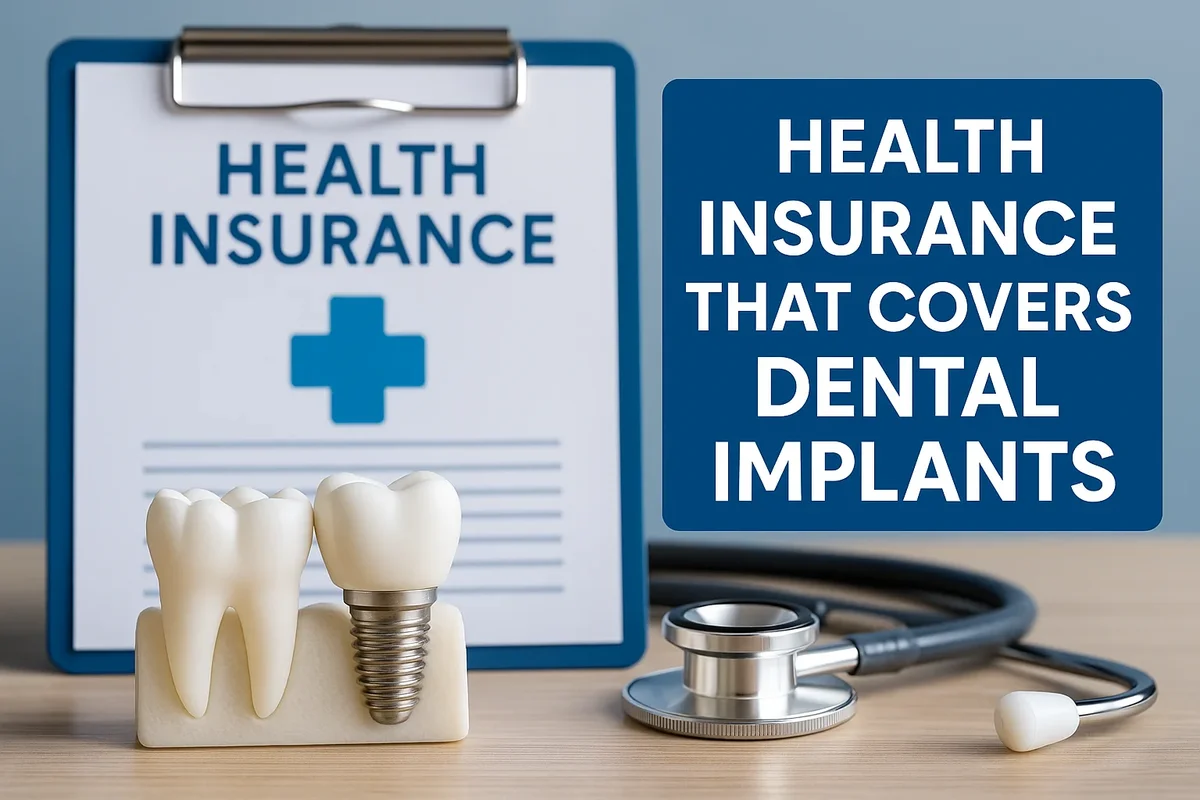
Future Trends in Dental Insurance Coverage for Implants
The landscape of health insurance that covers dental implants is rapidly evolving. As dental implants become a mainstream treatment rather than a luxury, insurance providers are reassessing coverage policies to meet rising demand. Advancements in dental technology, global health awareness, and patient advocacy are reshaping how insurers define “medical necessity” and structure their reimbursement systems. In this section, we’ll explore the future trends shaping implant insurance — from AI-assisted claims processing to international standardization — and what patients can expect in the next decade.
1. Rising Global Demand for Dental Implants 🌍
According to recent studies, the global dental implant market is projected to grow by over 7% annually through 2032. This surge is driven by aging populations, better implant technology, and increased awareness of long-term oral health. As the number of implant procedures rises, so does pressure on insurers to provide comprehensive coverage. In response, more companies are now offering health insurance that covers dental implants as part of their standard dental or medical packages.
Countries like Germany, the UK, and the United States are already seeing expanded reimbursement options for medically necessary implants. Meanwhile, emerging markets such as Turkey, India, and Thailand are pioneering affordable, internationally insured implant treatments for medical tourists.
Key Insight:
Insurers that once viewed implants as cosmetic are now recognizing them as functional medical devices — essential for chewing, digestion, and speech. This shift is expected to make implant coverage a global norm within the next decade.
2. Integration of Dental and Medical Coverage Systems
The traditional divide between dental and medical insurance is gradually disappearing. More insurers are beginning to integrate these systems to create holistic oral health policies. Future versions of health insurance that covers dental implants will likely include shared billing structures, meaning patients can use both medical and dental benefits in a single claim.
For example, procedures involving bone grafting, sinus lifts, or oral surgery — currently classified under dental — may soon qualify as reimbursable medical interventions. This integration will streamline the claims process and reduce out-of-pocket costs for patients who require both medical and dental support.
3. Artificial Intelligence (AI) in Claim Processing 🤖
AI and machine learning are revolutionizing insurance claim management. Many modern insurers are already using AI to analyze X-rays, treatment plans, and patient histories to verify claims faster and more accurately. Within the next five years, AI-driven pre-authorization systems will automatically approve medically necessary implant cases, minimizing the bureaucracy associated with health insurance that covers dental implants.
These systems will also reduce fraud by identifying inconsistencies in billing codes, ensuring transparency for both insurers and patients. AI chatbots are even being used to help patients understand their benefits and eligibility before treatment begins.
Benefits of AI Implementation:
- Faster claim approvals (from weeks to hours).
- Reduced administrative costs for insurers and clinics.
- Improved accuracy in assessing medical necessity.
4. Expansion of Preventive Dental Health Policies
Insurance companies are realizing that prevention is more cost-effective than restoration. This realization is leading to a rise in preventive care incentives. Future policies of health insurance that covers dental implants may offer discounts or enhanced benefits for patients who maintain regular dental checkups or follow preventive care plans.
For instance, patients with consistent dental hygiene records or who attend biannual cleanings might qualify for lower premiums or reduced waiting periods for implant coverage. Insurers are also likely to use wearable dental technology and mobile apps to monitor oral health habits, rewarding users with coverage bonuses.
Expected Trends:
- Annual rewards for preventive visits and early detection scans.
- Personalized dental health tracking through mobile integration.
- Hybrid plans combining implant coverage with long-term maintenance incentives.
5. Global Standardization and Cross-Border Coverage
As dental tourism grows, international collaboration between insurers and clinics is becoming critical. Soon, health insurance that covers dental implants will be standardized across countries, allowing patients to receive care abroad while retaining partial reimbursement from their home insurer.
Organizations like the American Dental Association and the European Federation of Periodontology are working to unify treatment codes and implant quality standards. This will make cross-border care safer, more transparent, and easier to claim.
Example Scenario:
A patient from the UK travels to Turkey for implant surgery at Redent Klinik. Thanks to standardized international coding and insurer partnerships, they can submit their medical records for partial reimbursement from their UK-based provider — a process expected to become commonplace by 2030.
6. Genetic and 3D-Printed Implants
With the advancement of biotechnology, personalized implants created through 3D printing and genetic profiling will soon enter mainstream practice. These innovations will drastically reduce complications and improve long-term outcomes. As these technologies become more accessible, insurance companies will be incentivized to cover them under upgraded implant packages.
Patients with specific genetic or bone density profiles could receive fully customized titanium or zirconia implants within days, rather than weeks. The inclusion of these technologies in health insurance that covers dental implants will redefine the concept of personalized dentistry.
Advantages of Next-Gen Implants:
- Faster healing and greater biocompatibility.
- Reduced long-term failure rates.
- More predictable cost models for insurers and patients.
7. Digital Transparency and Real-Time Policy Tracking 📱
Future insurance models will focus on transparency and accessibility. Patients will soon be able to track their dental benefits, pre-authorization status, and remaining coverage in real time through mobile applications. This development will empower patients to make informed financial decisions about their implant treatments.
Insurers offering health insurance that covers dental implants will also provide treatment simulations — allowing users to see cost breakdowns and potential reimbursement before starting the procedure. This transparency will build trust and make the insurance process more user-centric.
Conclusion: The Future Is Accessible and Patient-Focused
The next decade promises a transformative shift in how dental implant coverage works. Insurance providers are moving toward inclusivity, technology-driven efficiency, and international compatibility. The goal is simple — to make health insurance that covers dental implants universally available, affordable, and transparent. As AI, genetic design, and global policy collaboration evolve, patients will gain unprecedented access to life-changing treatments without the financial barriers that once held them back.
💡 Final Insight: Stay informed about policy updates and innovations. By keeping track of how insurers and regulators evolve, you’ll be well-positioned to take full advantage of future implant coverage opportunities and cost-saving programs.