
Choosing the right health insurance that covers invisalign can feel overwhelming, especially if you are trying to balance cost, quality, and long-term oral health benefits. Invisalign has become one of the most popular orthodontic treatments worldwide due to its discreet appearance, comfort, and effectiveness. However, one of the most common questions patients ask is whether health insurance that covers invisalign actually exists—and if it does, how it works.
To fully understand health insurance that covers invisalign, you need to know that Invisalign is typically categorized as an orthodontic treatment rather than a standard dental procedure. This means that coverage often depends on whether your insurance plan includes orthodontic benefits. Many traditional dental insurance plans do not automatically include Invisalign, but certain premium or specialized plans offer partial or even substantial coverage.
When exploring health insurance that covers invisalign, it is important to look at how insurers define “medically necessary” versus “cosmetic” treatments. Invisalign is sometimes considered cosmetic, especially for mild alignment issues. However, if your orthodontist determines that your case involves bite problems, jaw alignment, or functional issues, your chances of qualifying for health insurance that covers invisalign increase significantly. 🦷
Another critical aspect of health insurance that covers invisalign is the concept of lifetime orthodontic maximums. Unlike regular dental coverage, which often resets annually, orthodontic benefits usually come with a lifetime cap. For example, a plan may offer up to $1,500 or $3,000 total coverage for orthodontic treatments, including Invisalign. Understanding this limit helps you calculate your out-of-pocket expenses more accurately.
Many patients mistakenly assume that all dental insurance automatically qualifies as health insurance that covers invisalign, but this is not the case. Some plans only cover traditional braces, while others include clear aligners like Invisalign under the same orthodontic umbrella. Therefore, always check whether Invisalign is explicitly mentioned in your policy or if it falls under general orthodontic treatment coverage.
It is also worth noting that employer-sponsored plans sometimes provide better access to health insurance that covers invisalign compared to individual plans. Group insurance policies often have broader coverage options and negotiated rates with providers. If you are employed, reviewing your benefits package or speaking with your HR department can reveal whether your plan qualifies as health insurance that covers invisalign.
In addition to traditional insurance, alternative financing options such as Health Savings Accounts (HSA) and Flexible Spending Accounts (FSA) can complement health insurance that covers invisalign. These accounts allow you to use pre-tax dollars for orthodontic treatments, effectively reducing your overall cost. While they are not insurance themselves, they play a crucial role in making Invisalign more affordable.
Here is a general overview of Invisalign costs with and without health insurance that covers invisalign:
- Without insurance: $3,000 – $7,000 depending on case complexity
- With insurance coverage: Patients may pay $1,500 – $4,500 out-of-pocket
- Typical insurance contribution: $1,000 – $3,000 (lifetime orthodontic maximum)
As you can see, having health insurance that covers invisalign can significantly reduce the financial burden. However, the exact savings depend on your plan details, provider network, and treatment needs.
Another important factor is choosing the right dental clinic. Clinics experienced in working with health insurance that covers invisalign can help you maximize your benefits, handle insurance claims, and guide you through the approval process. If you are considering starting treatment, you can reach out directly via the Redent Klinik Contact Page for personalized assistance.
For trusted information about dental and orthodontic standards, you can also refer to the American Dental Association, which provides guidelines and resources related to dental care and insurance practices.
Ultimately, understanding health insurance that covers invisalign is about more than just checking a policy document. It requires evaluating your orthodontic needs, comparing insurance plans, and working closely with a qualified provider. By doing so, you can make an informed decision that balances aesthetics, functionality, and affordability. 😊
In the next sections, we will dive deeper into specific plan types, coverage limitations, and expert tips to help you find the best health insurance that covers invisalign for your situation.
How Health Insurance That Covers Invisalign Actually Works
Understanding how health insurance that covers invisalign actually works is essential before starting your orthodontic journey. Many patients assume that coverage is straightforward, but in reality, insurance policies have layered structures, conditions, and limitations that directly affect how much you will pay out of pocket. Knowing these details helps you avoid unexpected costs and make smarter financial decisions. 😊
What Is Included in Health Insurance That Covers Invisalign?
When discussing health insurance that covers invisalign, it is important to understand that Invisalign falls under orthodontic care. Most insurance providers classify orthodontics as a specialized benefit, separate from routine dental services like cleanings or fillings. Therefore, your plan must explicitly include orthodontic coverage to qualify as health insurance that covers invisalign.
Typically, plans that provide health insurance that covers invisalign include:
- Partial reimbursement for Invisalign aligners
- Initial consultation and diagnostic imaging
- Follow-up adjustments and monitoring
- Retention phase (in some cases)
However, not all plans treat Invisalign equally. Some policies only cover traditional braces, while others extend benefits to clear aligners. This distinction is critical when evaluating whether your policy truly qualifies as health insurance that covers invisalign.
How Payment Structures Work
Another key aspect of health insurance that covers invisalign is how payments are structured. Insurance companies rarely pay the full cost upfront. Instead, they use reimbursement models or staged payments tied to your treatment progress.
Lifetime Maximums Explained
Most health insurance that covers invisalign operates under a lifetime orthodontic maximum. This means the insurer will pay up to a fixed amount over your lifetime, regardless of how long your treatment lasts. For example:
- $1,000 lifetime orthodontic maximum
- $2,000 lifetime orthodontic maximum
- $3,000 premium coverage plans
Once this limit is reached, any additional costs must be covered by the patient. This is why selecting the right health insurance that covers invisalign can significantly impact your total expenses.
Percentage-Based Coverage
In many cases, health insurance that covers invisalign does not provide a fixed dollar amount but instead covers a percentage of the total cost. Common structures include:
- 25% coverage of total treatment
- 50% coverage (most common)
- Up to 70% in premium plans
This means if your Invisalign treatment costs $5,000 and your insurance covers 50%, you may receive up to $2,500—subject to your lifetime maximum. This combination of percentage coverage and caps defines how effective your health insurance that covers invisalign truly is.
Medical Necessity vs Cosmetic Treatment
A major factor influencing health insurance that covers invisalign is whether your treatment is considered medically necessary. Insurance companies are more likely to approve coverage if Invisalign is required to correct functional issues such as:
- Severe bite misalignment
- Jaw positioning problems
- Speech or chewing difficulties
If Invisalign is requested purely for aesthetic reasons, your health insurance that covers invisalign may offer limited or no reimbursement. This is why orthodontists often document medical necessity to support insurance claims.
In-Network vs Out-of-Network Providers
Your choice of provider also affects how health insurance that covers invisalign works. Insurance companies maintain networks of approved dentists and orthodontists. Visiting an in-network provider usually results in:
- Lower treatment costs
- Higher reimbursement rates
- Simplified claims processing
On the other hand, out-of-network providers may still be covered under health insurance that covers invisalign, but reimbursement rates are typically lower, and paperwork may be more complex.
Waiting Periods and Eligibility
Many plans offering health insurance that covers invisalign include waiting periods. This means you must be enrolled in the plan for a specific duration—often 6 to 12 months—before orthodontic benefits become active. ⏳
Additionally, some policies restrict eligibility based on age. For example:
- Coverage only for patients under 18
- Limited benefits for adults
- Full orthodontic coverage in premium plans
Understanding these conditions ensures that your chosen health insurance that covers invisalign aligns with your personal situation.
How Claims and Approvals Work
Once your orthodontist creates a treatment plan, it is submitted to your insurer for pre-approval. This step is crucial for confirming that your plan qualifies as health insurance that covers invisalign. After approval:
- The insurer reviews treatment milestones
- Payments are released in stages
- You pay the remaining balance gradually
Clinics experienced with health insurance that covers invisalign often handle this process for you, reducing administrative stress.
In summary, health insurance that covers invisalign is not a one-size-fits-all solution. It involves multiple components, including coverage percentages, lifetime limits, medical necessity, and provider networks. By understanding how these elements work together, you can confidently navigate your options and choose the most effective plan for your orthodontic needs. 👍
Does Dental Insurance Typically Include Invisalign Coverage?
One of the most frequently asked questions by patients considering clear aligners is whether standard dental insurance qualifies as health insurance that covers invisalign. The answer is not always straightforward. While some dental insurance plans provide orthodontic benefits that can be used for Invisalign, many basic plans do not automatically include this type of coverage. Understanding the difference between general dental insurance and health insurance that covers invisalign is essential before making any treatment decisions. 🦷
Basic Dental Insurance vs Orthodontic Coverage
Most standard dental insurance plans are designed to cover preventive and basic restorative procedures such as cleanings, fillings, and extractions. However, these plans often exclude orthodontic treatments unless an additional rider or premium upgrade is included. This means that not all dental insurance qualifies as health insurance that covers invisalign.
To determine whether your plan includes health insurance that covers invisalign, you should specifically look for orthodontic benefits within your policy. These benefits are typically categorized separately and may require higher monthly premiums. Without this add-on, your insurance is unlikely to function as health insurance that covers invisalign.
Key Features to Look For
When reviewing your policy for health insurance that covers invisalign, focus on the following features:
- Orthodontic coverage included in the plan
- Clear aligners listed as eligible treatments
- Lifetime orthodontic maximum limits
- Percentage-based reimbursement rates
If these elements are present, your plan may qualify as health insurance that covers invisalign, at least partially.
Do Most Plans Cover Invisalign or Only Braces?
A common misconception is that any orthodontic coverage automatically includes Invisalign. In reality, some insurance providers differentiate between traditional braces and clear aligners. While braces are almost always covered under orthodontic benefits, Invisalign may be treated differently.
Modern insurance plans are increasingly evolving to include health insurance that covers invisalign, but older or more basic policies may still exclude it. This is why it is crucial to confirm directly with your insurance provider whether Invisalign is included or if only conventional braces are covered.
Why Invisalign May Be Excluded
There are several reasons why some plans do not qualify as health insurance that covers invisalign:
- Invisalign is considered a cosmetic treatment in mild cases
- Clear aligners may be viewed as optional rather than essential
- Older insurance policies may not have updated coverage options
However, if your orthodontist demonstrates that Invisalign is medically necessary, your chances of having health insurance that covers invisalign improve significantly.
Employer-Sponsored vs Individual Plans
The type of insurance plan you have plays a major role in determining whether it qualifies as health insurance that covers invisalign. Employer-sponsored plans often provide more comprehensive benefits compared to individual or marketplace plans.
Group insurance policies negotiated by employers are more likely to include orthodontic benefits, making them more suitable as health insurance that covers invisalign. In contrast, individual plans may require additional upgrades or riders to achieve similar coverage levels.
If you are currently employed, reviewing your benefits package can help you determine whether your plan functions as health insurance that covers invisalign. If not, you may have the option to upgrade during open enrollment periods.
Age Restrictions in Coverage
Another factor affecting whether dental insurance qualifies as health insurance that covers invisalign is age. Many insurance plans prioritize orthodontic coverage for children and teenagers, often limiting or excluding benefits for adults.
Typical age-related limitations include:
- Full orthodontic coverage for patients under 18
- Reduced benefits for young adults
- Limited or no coverage for adults in basic plans
However, premium policies are increasingly offering health insurance that covers invisalign for adults as demand continues to grow. This shift reflects the rising popularity of clear aligners among working professionals.
How to Verify Your Coverage
If you are unsure whether your plan qualifies as health insurance that covers invisalign, there are several steps you can take to confirm:
- Review your insurance policy documents carefully
- Contact your insurance provider directly
- Ask your orthodontist to perform a benefits check
- Request a pre-treatment estimate
These steps will help you clearly understand whether your existing plan acts as health insurance that covers invisalign and what portion of the cost will be reimbursed.
Realistic Expectations for Coverage
Even if your dental insurance qualifies as health insurance that covers invisalign, it is important to maintain realistic expectations. Most plans do not cover the full cost of treatment. Instead, they provide partial financial support, leaving you responsible for the remaining balance.
For example:
- Total Invisalign cost: $5,000
- Insurance coverage: 50%
- Lifetime maximum: $2,000
- Out-of-pocket cost: $3,000
This example illustrates how health insurance that covers invisalign reduces costs but does not eliminate them entirely.
In conclusion, while many dental insurance plans can function as health insurance that covers invisalign, this is not guaranteed. Coverage depends on factors such as orthodontic benefits, plan type, age restrictions, and medical necessity. By carefully reviewing your policy and consulting with your provider, you can determine whether your insurance truly meets the criteria for health insurance that covers invisalign and plan your treatment accordingly. 👍
Types of Plans Offering Health Insurance That Covers Invisalign
When searching for the right health insurance that covers invisalign, one of the most important steps is understanding the different types of insurance plans available. Not all policies are created equal, and each plan type comes with its own structure, coverage limits, and eligibility rules. Knowing which plans are more likely to function as health insurance that covers invisalign will help you make a smarter and more cost-effective decision. 😊
Employer-Sponsored Group Insurance Plans
One of the most common and reliable options for obtaining health insurance that covers invisalign is through employer-sponsored group insurance. These plans are negotiated by companies on behalf of employees and often include enhanced benefits at lower costs.
Group plans frequently offer:
- Orthodontic coverage as part of dental benefits
- Higher lifetime maximums
- Lower premiums compared to individual plans
- Access to larger provider networks
Because of these advantages, employer-sponsored plans are often considered one of the best forms of health insurance that covers invisalign. If you are employed, checking your benefits package is a crucial first step.
Advantages of Group Plans
The biggest benefit of these plans is cost efficiency. Employers typically subsidize premiums, making it easier to access health insurance that covers invisalign without paying high monthly fees. Additionally, these plans often include streamlined claims processes, reducing administrative hassle.
Individual and Family Insurance Plans
If you do not have access to employer-sponsored coverage, individual or family plans can also provide health insurance that covers invisalign. However, these plans usually require more careful evaluation.
Unlike group plans, individual policies:
- May require orthodontic add-ons
- Often have stricter waiting periods
- Can have lower coverage limits
To ensure your plan qualifies as health insurance that covers invisalign, you must verify that orthodontic treatment is included and that clear aligners are not excluded.
When Individual Plans Make Sense
These plans are ideal if you are self-employed or need flexible coverage options. While they may cost more, choosing the right provider can still give you access to health insurance that covers invisalign with meaningful benefits.
Dental Discount Plans
Dental discount plans are not traditional insurance, but they are often confused with health insurance that covers invisalign. Instead of paying claims, these plans offer reduced rates from participating providers.
With a dental discount plan:
- You pay an annual membership fee
- You receive discounted Invisalign treatment
- No waiting periods apply
While not technically health insurance that covers invisalign, these plans can still significantly reduce costs and are worth considering as a complementary option.
Health Savings Accounts (HSA) and Flexible Spending Accounts (FSA)
Although HSAs and FSAs are not insurance plans, they play an important role alongside health insurance that covers invisalign. These accounts allow you to use pre-tax income for medical and dental expenses, including Invisalign.
Benefits include:
- Tax savings on treatment costs
- Flexible payment options
- Compatibility with most insurance plans
When combined with health insurance that covers invisalign, these accounts can significantly lower your overall financial burden.
Premium Dental Insurance Plans
Premium dental insurance plans are specifically designed to offer comprehensive coverage, making them one of the most reliable forms of health insurance that covers invisalign. These plans typically include:
- Higher orthodontic lifetime maximums
- Coverage for both braces and Invisalign
- Reduced waiting periods
Although premiums are higher, the increased benefits often make these plans the most effective type of health insurance that covers invisalign, especially for adults seeking treatment.
Is Premium Coverage Worth It?
If you are planning Invisalign treatment in the near future, investing in a premium plan that qualifies as health insurance that covers invisalign can lead to substantial savings. The higher monthly cost is often offset by lower out-of-pocket treatment expenses.
Government and Public Health Plans
In some countries, government-supported health programs may provide limited orthodontic coverage. However, these rarely qualify as comprehensive health insurance that covers invisalign.
Typically, public plans:
- Focus on essential dental care
- Cover orthodontics only in severe cases
- Exclude cosmetic treatments like Invisalign
While these programs are valuable, they are not usually considered reliable sources of health insurance that covers invisalign unless there is a strong medical necessity.
International and Dental Tourism Insurance
Another emerging category is international insurance plans used in dental tourism. Clinics in countries like Turkey offer competitive pricing, and some insurers now provide health insurance that covers invisalign abroad.
These plans may include:
- Coverage for treatment overseas
- Lower total treatment costs
- Package deals with clinics
For patients exploring treatment internationally, this type of health insurance that covers invisalign can be both cost-effective and convenient.
In conclusion, there are multiple pathways to finding health insurance that covers invisalign, each with its own advantages and limitations. Whether you choose employer-sponsored coverage, individual plans, or premium policies, understanding these options allows you to select the best solution for your needs. By carefully comparing plan types and benefits, you can confidently move forward with Invisalign treatment while keeping costs under control. 👍
What Factors Affect Invisalign Coverage in Insurance Plans?
When evaluating health insurance that covers invisalign, it is essential to understand that coverage is not determined by a single factor. Instead, multiple variables influence how much your insurance will pay and whether your treatment qualifies at all. By identifying these factors early, you can avoid surprises and choose the most suitable health insurance that covers invisalign for your needs. 😊
Type of Insurance Plan
The first and most obvious factor affecting health insurance that covers invisalign is the type of plan you have. Not all insurance policies are designed to include orthodontic benefits, and even fewer explicitly cover Invisalign.
Plans that are more likely to qualify as health insurance that covers invisalign include:
- Premium dental insurance plans
- Employer-sponsored group plans
- Orthodontic add-on policies
Basic dental plans, on the other hand, often exclude orthodontic treatments entirely. Therefore, the structure of your plan is the foundation of whether it can function as health insurance that covers invisalign.
Why Plan Tier Matters
Higher-tier plans typically offer broader coverage and higher reimbursement rates. Choosing a premium option increases the likelihood that your policy will qualify as health insurance that covers invisalign and provide meaningful financial support.
Medical Necessity vs Cosmetic Purpose
Another major factor influencing health insurance that covers invisalign is whether your treatment is deemed medically necessary. Insurance providers are far more likely to approve claims when Invisalign is required to correct functional issues rather than purely aesthetic concerns.
Examples of medically necessary cases include:
- Severe malocclusion (bite misalignment)
- Jaw positioning issues
- Difficulty chewing or speaking
If your orthodontist documents these conditions, your chances of accessing health insurance that covers invisalign improve significantly. In contrast, minor cosmetic adjustments may not qualify for reimbursement.
Age and Eligibility Criteria
Age plays a critical role in determining eligibility for health insurance that covers invisalign. Many insurance providers prioritize orthodontic coverage for children and teenagers, often limiting benefits for adults.
Typical age-related conditions include:
- Full orthodontic coverage for patients under 18
- Partial coverage for young adults
- Limited or no coverage for adults in basic plans
However, as Invisalign becomes more popular among adults, many insurers are expanding their offerings. Premium policies are increasingly designed to function as health insurance that covers invisalign regardless of age.
Adult Coverage Trends
Modern insurance providers recognize the growing demand for discreet orthodontic treatments. As a result, more plans now include adult-friendly options for health insurance that covers invisalign, although these often come with higher premiums.
Lifetime Maximums and Coverage Limits
One of the most important financial factors in health insurance that covers invisalign is the lifetime orthodontic maximum. This is the total amount your insurer will pay for orthodontic treatment over your lifetime.
Common limits include:
- $1,000 basic coverage
- $2,000 mid-tier plans
- $3,000 or more for premium plans
Even if your plan qualifies as health insurance that covers invisalign, these limits can significantly affect your out-of-pocket costs. Once the maximum is reached, all additional expenses must be paid by the patient.
Percentage of Coverage
In addition to lifetime caps, health insurance that covers invisalign often operates on a percentage-based reimbursement system. This determines how much of the total treatment cost your insurer will pay.
Typical coverage percentages include:
- 25% coverage for basic plans
- 50% coverage for standard plans
- Up to 70% for premium policies
This means that even with health insurance that covers invisalign, you will still be responsible for a portion of the cost. Understanding this percentage helps you plan your budget more effectively.
In-Network vs Out-of-Network Providers
Your choice of orthodontist also affects how health insurance that covers invisalign works. Insurance providers maintain networks of approved professionals, and visiting an in-network provider usually results in better financial outcomes.
Benefits of in-network providers include:
- Lower negotiated treatment costs
- Higher reimbursement rates
- Simplified claims processing
While out-of-network providers may still be covered under health insurance that covers invisalign, the reimbursement rates are typically lower, and you may face additional administrative steps.
Waiting Periods
Many insurance plans that qualify as health insurance that covers invisalign include waiting periods. This means you must be enrolled in the plan for a certain amount of time before orthodontic benefits become active. ⏳
Common waiting periods include:
- 6 months for basic orthodontic benefits
- 12 months for full coverage
If you begin treatment before the waiting period ends, your health insurance that covers invisalign may not provide any reimbursement.
Geographic Location and Provider Policies
Your location can also influence health insurance that covers invisalign. Insurance regulations, provider networks, and treatment costs vary by region, which can affect both coverage and pricing.
Additionally, different orthodontists may have varying agreements with insurance companies. Choosing a clinic experienced with health insurance that covers invisalign can help maximize your benefits and streamline the approval process.
In summary, multiple factors determine how effective your health insurance that covers invisalign will be. These include your plan type, medical necessity, age, coverage limits, provider network, and waiting periods. By carefully evaluating each of these elements, you can choose the most suitable insurance plan and minimize your out-of-pocket costs while achieving a healthier, more confident smile. 👍
How to Find the Best Health Insurance That Covers Invisalign
Finding the right health insurance that covers invisalign can make a significant difference in both your treatment experience and your financial planning. With so many insurance providers and plan options available, choosing the best policy requires careful research, comparison, and a clear understanding of your orthodontic needs. This section will guide you step-by-step on how to identify the most suitable health insurance that covers invisalign for your situation. 😊
Start by Assessing Your Orthodontic Needs
Before searching for health insurance that covers invisalign, you should first understand your specific treatment requirements. Not all Invisalign cases are the same—some are simple cosmetic adjustments, while others involve complex bite corrections.
Ask yourself:
- Is my treatment medically necessary or cosmetic?
- How complex is my case?
- How long will treatment last?
Your answers will help determine what type of health insurance that covers invisalign you need. For example, more complex cases may require plans with higher lifetime maximums and broader orthodontic coverage.
Compare Insurance Providers Carefully
Not all insurance companies offer the same level of health insurance that covers invisalign. Comparing multiple providers allows you to identify which plans provide the best value and coverage.
Key Comparison Factors
When evaluating options for health insurance that covers invisalign, focus on these critical factors:
- Orthodontic coverage inclusion
- Lifetime maximum limits
- Percentage of cost covered
- Monthly premium costs
- Waiting periods
By comparing these elements side by side, you can quickly identify which policy truly functions as health insurance that covers invisalign rather than offering minimal benefits.
Check If Invisalign Is Explicitly Covered
One of the most important steps is confirming whether Invisalign is specifically included in your plan. Some policies provide orthodontic coverage but only for traditional braces, which means they may not qualify as health insurance that covers invisalign.
To avoid confusion:
- Review the policy documents carefully
- Ask the provider directly about Invisalign coverage
- Request written confirmation if possible
This ensures that your chosen plan truly qualifies as health insurance that covers invisalign and avoids unexpected claim denials later.
Evaluate In-Network Providers
Choosing a plan with a strong provider network is essential when selecting health insurance that covers invisalign. Insurance companies often negotiate lower rates with in-network orthodontists, which can significantly reduce your overall costs.
Benefits of In-Network Providers
- Lower treatment fees
- Higher reimbursement rates
- Simplified claims processing
If your preferred clinic is in-network, your health insurance that covers invisalign will likely provide better financial outcomes.
Understand Waiting Periods and Timing
Many plans offering health insurance that covers invisalign include waiting periods before orthodontic benefits become active. This means you may need to wait several months before starting treatment.
Typical waiting periods include:
- 6 months for basic orthodontic benefits
- 12 months for full coverage activation
Planning ahead is crucial. If you anticipate needing Invisalign, enrolling early in a plan that qualifies as health insurance that covers invisalign can help you avoid delays. ⏳
Calculate Total Costs, Not Just Premiums
When selecting health insurance that covers invisalign, many people focus only on monthly premiums. However, the total cost of care includes more than just what you pay each month.
Consider:
- Annual premiums
- Deductibles
- Out-of-pocket maximums
- Coverage percentage
A plan with a higher premium but better orthodontic coverage may actually save you more money overall. This is especially true when choosing health insurance that covers invisalign for complex treatments.
Look for Flexible Payment Options
Some insurance providers and clinics offer flexible payment plans that complement health insurance that covers invisalign. These options can make treatment more manageable by spreading costs over time.
Additionally, combining your insurance with:
- Health Savings Accounts (HSA)
- Flexible Spending Accounts (FSA)
can further reduce your financial burden. While these are not insurance themselves, they enhance the value of health insurance that covers invisalign by allowing you to use pre-tax funds.
Consult With an Experienced Dental Clinic
Working with a clinic experienced in handling health insurance that covers invisalign can simplify the entire process. These clinics can:
- Verify your insurance benefits
- Submit pre-authorization requests
- Handle claims and paperwork
- Provide accurate cost estimates
This professional support ensures that you maximize your health insurance that covers invisalign benefits while minimizing administrative stress.
Review Policy Updates and Changes
Insurance policies are not static. Providers frequently update their coverage options, including benefits related to health insurance that covers invisalign. Staying informed about these changes can help you take advantage of new opportunities or switch to better plans during enrollment periods.
In conclusion, finding the best health insurance that covers invisalign requires a strategic approach. By assessing your needs, comparing providers, verifying coverage details, and working with experienced professionals, you can select a plan that offers both financial savings and high-quality care. Taking the time to research your options ensures that your Invisalign journey is smooth, affordable, and successful. 👍
Costs Breakdown With Health Insurance That Covers Invisalign
Understanding the financial aspect of Invisalign treatment is one of the most important steps when evaluating health insurance that covers invisalign. While Invisalign offers clear advantages in comfort and aesthetics, the cost can be a concern for many patients. The good news is that choosing the right health insurance that covers invisalign can significantly reduce your out-of-pocket expenses. In this section, we will break down the costs in detail so you can plan your treatment with confidence. 😊
Average Cost of Invisalign Without Insurance
Before considering health insurance that covers invisalign, it is important to understand the baseline cost of treatment. Invisalign pricing varies depending on several factors, including the complexity of the case, treatment duration, and geographic location.
Here is a general price range:
- Mild cases: $3,000 – $4,000
- Moderate cases: $4,000 – $6,000
- Complex cases: $6,000 – $8,000+
Without health insurance that covers invisalign, patients are responsible for the full cost. This is why many individuals actively seek plans that provide orthodontic coverage.
How Insurance Reduces Invisalign Costs
When you have health insurance that covers invisalign, your insurer typically pays a portion of the total treatment cost. However, the exact amount depends on your policy’s structure, including coverage percentages and lifetime maximums.
Typical Coverage Structure
Most health insurance that covers invisalign follows a combination of these two elements:
- Percentage Coverage: Usually 25% to 50% of total treatment cost
- Lifetime Maximum: Typically between $1,000 and $3,000
For example, if your Invisalign treatment costs $5,500 and your plan covers 50% with a $2,000 lifetime maximum, your insurer will pay $2,000, and you will pay the remaining $3,500.
This example highlights how health insurance that covers invisalign can reduce costs but still leaves a portion for the patient.
Detailed Cost Breakdown With Insurance
Let’s look at a more detailed breakdown of Invisalign costs when using health insurance that covers invisalign:
- Total treatment cost: $5,000
- Insurance coverage: 50%
- Lifetime maximum: $1,500
- Insurance pays: $1,500
- Patient pays: $3,500
In another scenario with a higher-tier plan:
- Total treatment cost: $6,000
- Insurance coverage: 60%
- Lifetime maximum: $3,000
- Insurance pays: $3,000
- Patient pays: $3,000
These examples show how selecting better health insurance that covers invisalign can lead to substantial savings.
Additional Costs to Consider
Even with health insurance that covers invisalign, there may be additional expenses that are not fully covered. Being aware of these costs helps you avoid unexpected financial surprises.
Common Extra Costs
- Initial consultation fees (sometimes covered)
- Diagnostic imaging (X-rays, 3D scans)
- Replacement aligners if lost or damaged
- Retainers after treatment completion
Some health insurance that covers invisalign plans include these services, while others may require partial or full payment by the patient.
Monthly Payment Plans
Many dental clinics offer flexible payment options that work alongside health insurance that covers invisalign. Instead of paying a large upfront cost, you can spread payments over several months.
Typical payment plan structure:
- Down payment: $500 – $1,500
- Monthly payments: $100 – $300
- Duration: 12–24 months
Combining these plans with health insurance that covers invisalign makes treatment more accessible and manageable for many patients.
Using HSA and FSA for Additional Savings
Health Savings Accounts (HSA) and Flexible Spending Accounts (FSA) can further reduce your costs when used alongside health insurance that covers invisalign. These accounts allow you to pay for treatment using pre-tax dollars.
Benefits include:
- Lower taxable income
- Reduced overall treatment cost
- Flexibility in payment timing
While not insurance themselves, these tools enhance the effectiveness of health insurance that covers invisalign.
Comparing Costs: With vs Without Insurance
To better understand the value of health insurance that covers invisalign, here is a simple comparison:
- Without insurance: $5,000 – $7,000 total cost
- With insurance: $2,500 – $4,500 out-of-pocket
This comparison clearly shows that having health insurance that covers invisalign can save you thousands of dollars, depending on your plan.
Is It Worth Investing in Better Coverage?
Many patients wonder whether upgrading to a premium plan that offers health insurance that covers invisalign is worth the higher monthly premium. In most cases, the answer is yes—especially if you are planning treatment soon.
A higher-tier plan may:
- Increase your coverage percentage
- Provide a higher lifetime maximum
- Reduce your out-of-pocket costs significantly
In conclusion, understanding the cost structure of Invisalign is crucial when choosing health insurance that covers invisalign. By analyzing treatment costs, insurance contributions, and additional expenses, you can make an informed decision that balances affordability and quality care. With the right plan, achieving a confident smile becomes much more financially accessible. 👍
Limitations and Waiting Periods in Invisalign Insurance Policies
While choosing health insurance that covers invisalign can significantly reduce treatment costs, it is equally important to understand the limitations and restrictions that come with these policies. Many patients are surprised to learn that insurance coverage is not always immediate or comprehensive. Knowing these limitations in advance allows you to plan your treatment more effectively and avoid unexpected delays or expenses. ⏳
Understanding Waiting Periods in Orthodontic Coverage
One of the most common restrictions in health insurance that covers invisalign is the waiting period. This is the amount of time you must be enrolled in a plan before you can access orthodontic benefits.
Typical waiting periods include:
- 6 months for basic orthodontic benefits
- 12 months for full Invisalign coverage
- Up to 24 months in some lower-tier plans
During this period, your health insurance that covers invisalign will not reimburse any treatment costs. This means that if you start Invisalign too early, you may have to pay the full amount out-of-pocket.
Why Waiting Periods Exist
Insurance companies implement waiting periods to prevent individuals from enrolling in a plan solely to receive immediate orthodontic treatment. This policy helps maintain fairness and financial stability within the insurance system. However, it also means that planning ahead is essential when selecting health insurance that covers invisalign.
Lifetime Maximum Limits
Another major limitation of health insurance that covers invisalign is the lifetime orthodontic maximum. Unlike general dental benefits, which often renew annually, orthodontic coverage typically has a fixed cap that applies for your entire lifetime.
Common lifetime maximums include:
- $1,000 for basic plans
- $2,000 for mid-tier plans
- $3,000 or more for premium plans
Once you reach this limit, your health insurance that covers invisalign will no longer contribute to your treatment costs, regardless of how much remains to be paid.
Coverage Percentage Restrictions
Even if your plan qualifies as health insurance that covers invisalign, it will rarely cover 100% of the treatment cost. Most policies operate on a percentage-based reimbursement system.
Typical Coverage Rates
- 25% coverage for basic plans
- 50% coverage for standard plans
- 60–70% coverage for premium plans
This means that even with health insurance that covers invisalign, you will still need to budget for a portion of the total cost. Understanding these percentages helps you set realistic financial expectations.
Age Restrictions and Eligibility Limits
Many policies offering health insurance that covers invisalign include age-related limitations. Traditionally, orthodontic benefits were designed for children and teenagers, which can restrict access for adult patients.
Common age-related limitations include:
- Full coverage for patients under 18
- Reduced benefits for young adults
- Limited or no coverage for adults in basic plans
However, some modern plans are expanding to include adult orthodontic coverage, making it easier to find health insurance that covers invisalign regardless of age.
In-Network vs Out-of-Network Limitations
Your choice of provider can also affect how health insurance that covers invisalign works. Insurance companies often require you to use in-network orthodontists to receive maximum benefits.
Limitations of Out-of-Network Care
- Lower reimbursement rates
- Higher out-of-pocket costs
- More complex claims process
While out-of-network providers may still be covered under health insurance that covers invisalign, the financial advantages are usually reduced.
Medical Necessity Requirements
Another important limitation involves whether your treatment is considered medically necessary. Insurance providers are more likely to approve claims if Invisalign is required to correct functional issues rather than cosmetic concerns.
If your treatment is purely aesthetic, your health insurance that covers invisalign may provide limited or no reimbursement. This is why orthodontists often document medical necessity to support insurance claims.
Exclusions and Fine Print
Every insurance policy includes exclusions that define what is not covered. Even if you have health insurance that covers invisalign, certain aspects of treatment may still be excluded.
Common Exclusions
- Replacement aligners due to loss or damage
- Retainers after treatment completion
- Cosmetic adjustments not deemed necessary
Reading the fine print of your health insurance that covers invisalign policy is essential to fully understand these limitations.
Timing Your Treatment Strategically
Because of waiting periods and coverage limits, timing plays a crucial role in maximizing health insurance that covers invisalign. Starting treatment at the right time can help you take full advantage of your benefits.
Strategic timing tips include:
- Enroll in insurance well before starting treatment
- Wait until the coverage period is active
- Coordinate treatment with benefit cycles
By planning ahead, you can ensure that your health insurance that covers invisalign provides the maximum possible financial support.
In conclusion, while health insurance that covers invisalign offers valuable financial assistance, it is not without limitations. Waiting periods, lifetime maximums, coverage percentages, and eligibility restrictions all play a role in determining how much you will ultimately pay. By understanding these factors in detail, you can avoid surprises, plan effectively, and make the most of your insurance benefits while achieving a healthier and more confident smile. 👍
Tips to Maximize Benefits From Health Insurance That Covers Invisalign
Having health insurance that covers invisalign is a great advantage, but simply having coverage does not automatically mean you are getting the maximum possible benefit. Many patients unknowingly leave money on the table due to lack of planning or misunderstanding their policy. By following strategic steps, you can fully optimize your health insurance that covers invisalign and significantly reduce your out-of-pocket expenses. 😊
Understand Your Policy in Detail
The first and most important step to maximizing health insurance that covers invisalign is thoroughly understanding your policy. Many people rely on general assumptions rather than reviewing the actual terms of their plan.
You should carefully check:
- Coverage percentage for orthodontics
- Lifetime orthodontic maximum
- Waiting periods
- Eligibility criteria
Knowing these details ensures that you are using your health insurance that covers invisalign effectively and not missing any available benefits.
Ask for a Pre-Treatment Estimate
Before starting Invisalign, request a pre-treatment estimate from your provider. This document outlines exactly how your health insurance that covers invisalign will apply to your case, helping you avoid unexpected costs later.
Choose an In-Network Orthodontist
Selecting the right provider is a key factor in maximizing health insurance that covers invisalign. In-network orthodontists have agreements with insurance companies that allow for reduced fees and higher reimbursement rates.
Benefits of In-Network Providers
- Lower treatment costs
- Better insurance coverage percentages
- Simplified claims processing
By choosing an in-network provider, your health insurance that covers invisalign becomes much more effective, reducing both administrative hassle and financial burden.
Time Your Treatment Strategically
Timing plays a crucial role in getting the most out of health insurance that covers invisalign. Since many plans include waiting periods and lifetime maximums, starting treatment at the right time can make a significant difference.
Smart timing strategies include:
- Waiting until your coverage is fully active
- Starting treatment early in the benefit year
- Coordinating treatment across multiple benefit periods if possible
Proper timing ensures that your health insurance that covers invisalign is fully utilized.
Combine Insurance With HSA or FSA
One of the most effective ways to maximize health insurance that covers invisalign is by combining it with a Health Savings Account (HSA) or Flexible Spending Account (FSA). These accounts allow you to use pre-tax income to pay for medical expenses.
Advantages of HSA and FSA
- Reduce taxable income
- Lower overall treatment cost
- Provide flexible payment options
When used together with health insurance that covers invisalign, these tools can significantly reduce your financial burden.
Use Your Lifetime Maximum Wisely
Most health insurance that covers invisalign plans include a lifetime orthodontic maximum. This means you have a fixed amount of coverage that must be used strategically.
To maximize this benefit:
- Use your coverage for high-cost treatments like Invisalign
- Avoid using it for minor orthodontic procedures
- Plan treatment timing to fully utilize the maximum
By managing your benefits carefully, you can ensure your health insurance that covers invisalign provides maximum value.
Ensure Medical Necessity Documentation
Insurance companies are more likely to approve claims when Invisalign is deemed medically necessary. This is why proper documentation is essential when using health insurance that covers invisalign.
What Documentation Should Include
- Diagnosis of bite or alignment issues
- Functional problems such as chewing difficulty
- Orthodontist’s professional recommendation
This documentation strengthens your claim and increases the likelihood that your health insurance that covers invisalign will provide reimbursement.
Monitor Claims and Payments
Even after your treatment begins, it is important to track how your health insurance that covers invisalign is being applied. Insurance payments are often made in stages, and errors can occur.
To stay on top of your benefits:
- Review insurance statements regularly
- Confirm payments with your provider
- Follow up on any discrepancies immediately
Active monitoring ensures that your health insurance that covers invisalign is fully utilized without issues.
Work With an Experienced Clinic
Choosing a clinic experienced in handling health insurance that covers invisalign can make a huge difference. These clinics understand the complexities of insurance policies and can help you navigate the process efficiently.
They can assist with:
- Insurance verification
- Pre-authorization submissions
- Claims processing
- Cost optimization strategies
This professional support ensures that your health insurance that covers invisalign is used to its full potential.
Avoid Common Mistakes
Finally, avoiding common mistakes is essential when maximizing health insurance that covers invisalign. Many patients unintentionally reduce their benefits due to simple errors.
Common Mistakes to Avoid
- Starting treatment before coverage begins
- Choosing out-of-network providers without checking costs
- Not verifying Invisalign eligibility in the policy
- Ignoring waiting periods
By avoiding these pitfalls, you can ensure that your health insurance that covers invisalign delivers the maximum financial benefit.
In conclusion, maximizing health insurance that covers invisalign requires careful planning, informed decision-making, and proactive management. By understanding your policy, choosing the right provider, timing your treatment, and leveraging additional financial tools, you can significantly reduce your costs while achieving a healthier and more confident smile. 👍
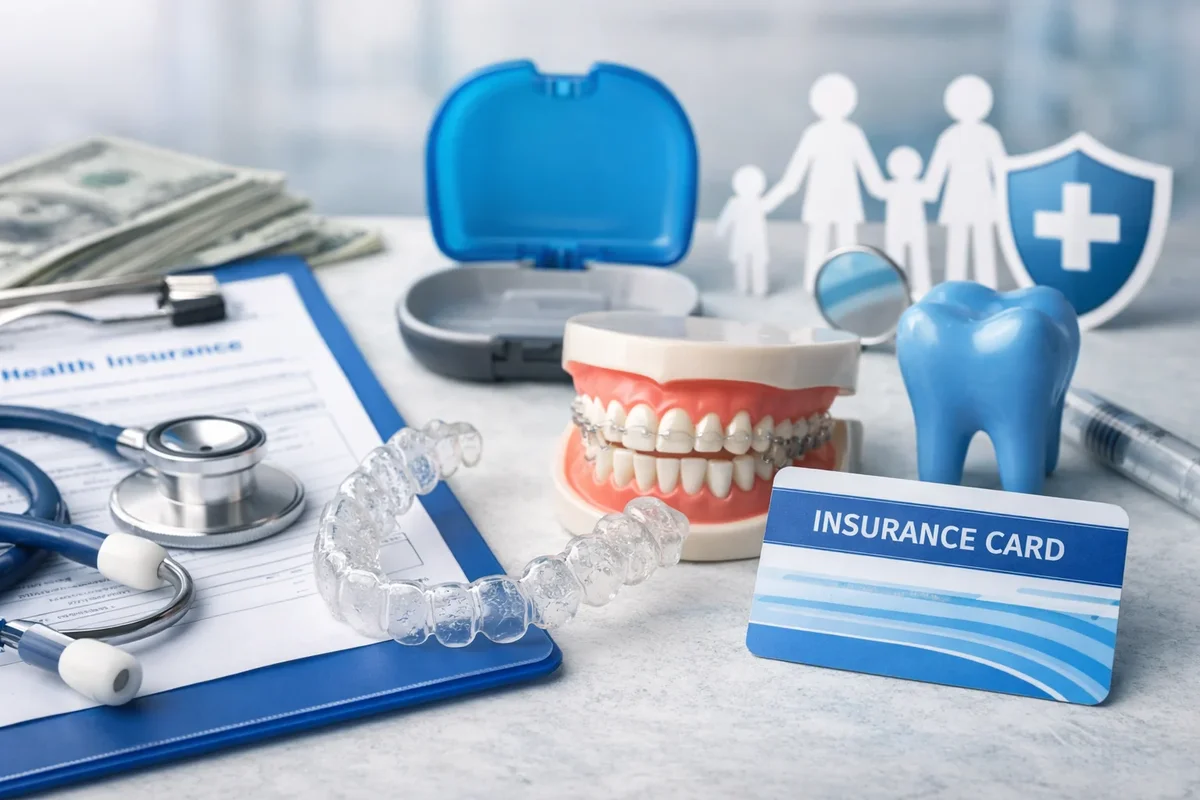
Is Health Insurance That Covers Invisalign Worth It in 2026?
As Invisalign continues to grow in popularity, many patients are asking a crucial question: is investing in health insurance that covers invisalign truly worth it in 2026? With rising healthcare costs, evolving insurance policies, and increasing demand for aesthetic dental treatments, the answer depends on several factors. In this section, we will explore whether health insurance that covers invisalign delivers real value and how to determine if it is the right choice for you. 😊
The Rising Demand for Invisalign
In recent years, Invisalign has become one of the most preferred orthodontic treatments, especially among adults. Unlike traditional braces, it offers a nearly invisible solution, improved comfort, and fewer dietary restrictions. This growing demand has pushed insurers to expand health insurance that covers invisalign options.
As a result, more insurance providers now include clear aligners in their orthodontic benefits, making health insurance that covers invisalign more accessible than ever before. However, accessibility does not always guarantee value, which is why careful evaluation is essential.
Financial Value of Insurance Coverage
The primary reason patients seek health insurance that covers invisalign is to reduce treatment costs. Invisalign can range from $3,000 to $7,000 or more, depending on complexity. Without insurance, this cost must be paid entirely out-of-pocket.
Cost Comparison Example
- Total Invisalign cost: $5,500
- Insurance coverage: 50%
- Lifetime maximum: $2,000
- Out-of-pocket cost: $3,500
In this scenario, health insurance that covers invisalign saves the patient $2,000. Even after accounting for monthly premiums, the financial benefit can be significant.
However, it is important to consider whether the cost of premiums outweighs the savings provided by health insurance that covers invisalign. In many cases, especially for premium plans, the savings justify the investment.
Long-Term Oral Health Benefits
Beyond financial savings, health insurance that covers invisalign can contribute to long-term oral health improvements. Invisalign is not just a cosmetic treatment—it can correct bite issues, improve alignment, and prevent future dental problems.
Benefits include:
- Improved chewing efficiency
- Reduced risk of tooth wear
- Better gum health
- Lower likelihood of future dental complications
By making treatment more affordable, health insurance that covers invisalign encourages patients to address these issues earlier, potentially saving money on future dental care.
When Insurance Is Worth It
There are specific situations where investing in health insurance that covers invisalign is particularly beneficial:
- You are planning Invisalign treatment within the next 12–24 months
- Your plan offers high orthodontic coverage limits
- You have access to employer-sponsored group insurance
- Your case involves medical necessity rather than cosmetic adjustments
In these cases, health insurance that covers invisalign can provide both financial savings and access to better treatment options.
Best Case Scenario
The ideal situation is having a premium plan with:
- 50–70% coverage
- $2,000–$3,000 lifetime maximum
- No restrictive age limits
Such a plan represents high-quality health insurance that covers invisalign and delivers maximum value.
When Insurance May Not Be Worth It
Despite its benefits, there are scenarios where health insurance that covers invisalign may not be the best investment:
- High monthly premiums with low coverage limits
- Long waiting periods delaying treatment
- Plans that exclude Invisalign specifically
- Minimal orthodontic benefits
In these cases, paying out-of-pocket or using alternative financing options may be more cost-effective than relying on health insurance that covers invisalign.
Alternative Financial Strategies
If your plan does not provide strong health insurance that covers invisalign, you can still make treatment affordable through alternative methods:
- Monthly payment plans offered by clinics
- Health Savings Accounts (HSA)
- Flexible Spending Accounts (FSA)
- Dental discount programs
These options can complement or replace health insurance that covers invisalign, depending on your financial situation.
Future Trends in Invisalign Insurance
Looking ahead, the future of health insurance that covers invisalign appears promising. As demand continues to rise, insurance providers are adapting by offering more comprehensive and flexible plans.
Expected trends include:
- Increased coverage for adult orthodontics
- Higher lifetime maximums
- Shorter waiting periods
- Broader acceptance of clear aligners
These developments suggest that health insurance that covers invisalign will become even more valuable in the coming years.
Final Verdict: Is It Worth It?
Ultimately, whether health insurance that covers invisalign is worth it depends on your individual needs, budget, and treatment goals. For most patients planning Invisalign, having the right insurance can lead to substantial savings and improved access to care.
If you choose a well-structured plan with strong orthodontic benefits, health insurance that covers invisalign is absolutely worth the investment. However, careful evaluation is essential to ensure that the plan you select aligns with your expectations.
In conclusion, health insurance that covers invisalign in 2026 offers both financial and health-related advantages when chosen wisely. By understanding your options and planning strategically, you can achieve a confident smile while keeping your costs under control. 👍