
For many people, a confident smile can change everything — from self-esteem to overall quality of life. However, dental implants, while being one of the best solutions for missing teeth, can also be one of the most expensive. That’s why more and more patients are searching for help with cost of dental implants to make this life-changing procedure affordable without compromising quality or safety. In this detailed guide, we’ll explore what makes implants valuable, how their costs are calculated, and what practical solutions can reduce your expenses significantly. 🦷
Dental implants are not just about replacing missing teeth — they restore function, comfort, and confidence. Whether you’ve lost one tooth or an entire arch, implants act as artificial roots that support crowns, bridges, or dentures. This advanced dental technology has revolutionized restorative dentistry by offering permanent, natural-looking results. Yet, many patients hesitate because of the cost. That’s where finding help with cost of dental implants becomes essential. Fortunately, several programs, financing plans, and even clinics abroad can make implants far more accessible than you might think.
Let’s start by understanding why implants are considered a long-term investment. Unlike removable dentures that need frequent adjustments, dental implants can last decades — even a lifetime — with proper care. Their titanium posts fuse with your jawbone, creating a strong, stable foundation for prosthetic teeth. This process, called osseointegration, prevents bone loss and maintains facial structure. It’s one of the reasons why dentists around the world, including the American Dental Association, recognize implants as the gold standard in tooth replacement.
Of course, the high-quality materials, precision techniques, and specialized expertise required for implant surgery contribute to its overall cost. Depending on your location, a single implant can cost between $2,500 and $6,000 in the United States, while full-mouth restoration may reach $30,000 or more. These figures can feel overwhelming — but before giving up, remember that various solutions can help with cost of dental implants and make them attainable for nearly every budget.
One common misconception is that cheaper options automatically mean lower quality. That’s not always true. Many reputable clinics worldwide offer excellent care at significantly reduced prices, especially in dental tourism destinations like Turkey, Mexico, or Hungary. These countries maintain high standards of care while offering treatment at up to 70% lower prices. For example, Redent Klinik Contact Page provides consultation options for patients seeking affordable and high-quality dental implant care in Turkey — combining European-standard materials with experienced implantologists at a fraction of Western costs.
Another key factor to consider when looking for help with cost of dental implants is understanding what’s included in the treatment package. Many patients overlook hidden costs such as bone grafting, sinus lifts, CT scans, and temporary crowns. These can quickly increase the total price if not discussed upfront. By requesting a full treatment breakdown before committing, you’ll have a clearer financial picture and avoid unexpected surprises later.
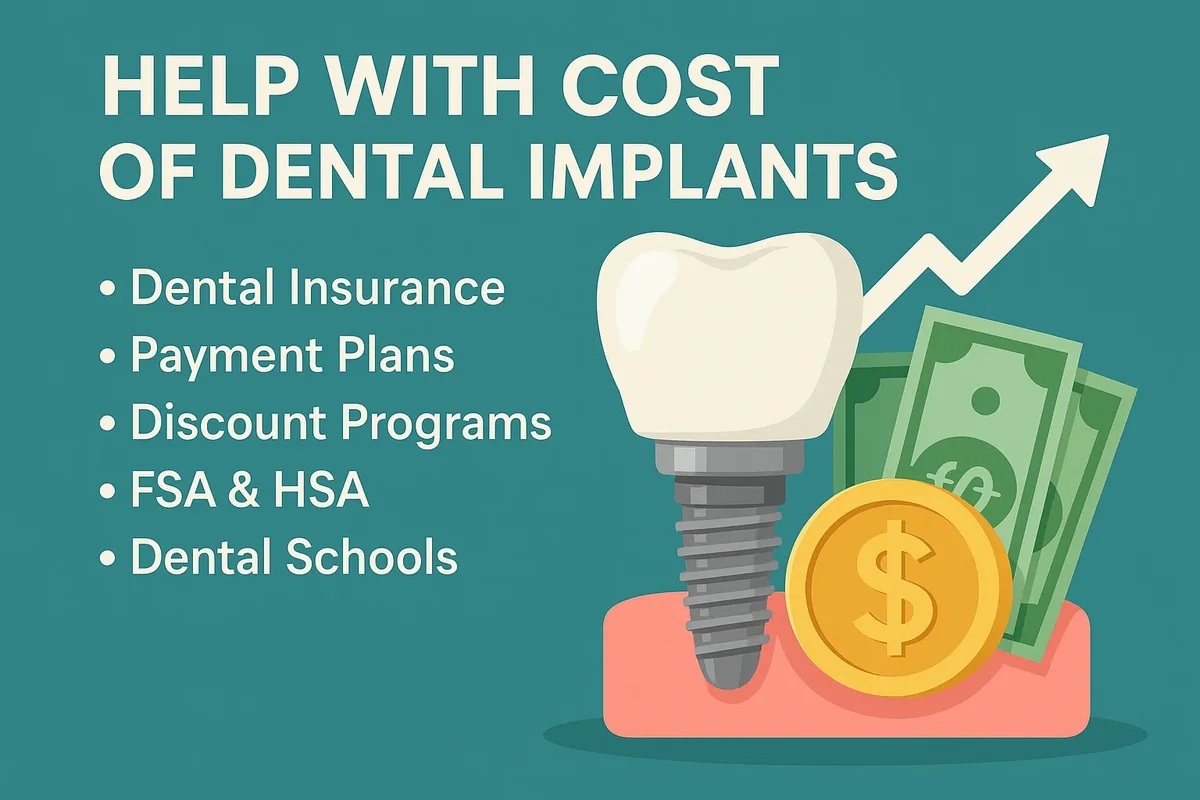
Beyond international options, you can also find financial relief locally. Some dental schools offer discounted implant procedures performed by advanced students under supervision. Non-profit organizations occasionally run dental charity programs for those in need, while financing plans allow patients to spread payments over several months or years. Even flexible health savings accounts (HSAs) or medical credit cards can serve as valuable tools to manage implant expenses responsibly. Each of these paths represents another way to get help with cost of dental implants and achieve a beautiful, functional smile.
It’s important to emphasize that dental implants are not a luxury — they are a vital health investment. Missing teeth can cause chewing difficulties, jawbone deterioration, and shifting of nearby teeth. Over time, this leads to further oral complications and higher treatment costs. Therefore, seeking affordable implant options isn’t just about aesthetics; it’s about preserving long-term oral and systemic health.
For those worried about affordability, start by consulting your dentist about all available options. Ask if they offer in-house payment plans, partner financing, or discounts for upfront payments. Some clinics even provide interest-free installments or bundle deals for multiple implants. By combining professional advice with financial planning, patients can find substantial help with cost of dental implants without cutting corners on care quality.
In conclusion, the cost of dental implants doesn’t have to be an obstacle to a healthier smile. With proper research, the right clinic, and awareness of available financial programs, you can transform this major expense into a manageable investment in your future well-being. Remember — your smile is worth it, and finding help with cost of dental implants is easier than ever when you know where to look. 😁
Understanding the True Cost of Dental Implants 💰
When planning for dental implants, one of the biggest questions patients ask is, “Why are they so expensive?” To fully appreciate why people look for help with cost of dental implants, it’s important to understand what goes into the total price and why implants are a valuable long-term investment. Every component — from materials and surgical precision to aftercare — influences the overall cost. Let’s break it down step by step so you can see exactly where your money goes and how to make it more affordable without compromising quality.
The Main Components of Dental Implant Costs
Dental implants aren’t a one-step procedure. The cost includes several stages and materials that together ensure a strong, natural-looking result. Typically, the price covers:
- Consultation and diagnostic imaging: Before any surgery, your dentist performs X-rays, CT scans, and a full evaluation of your bone density and oral health. These steps help determine if you’re a good candidate for implants.
- Implant post: The titanium or zirconia screw that replaces the tooth root is one of the most essential parts. Titanium implants are durable, biocompatible, and rarely rejected by the body.
- Abutment and crown: Once the implant integrates with the bone, an abutment connects the post to the visible crown, which is custom-made to match your natural teeth.
- Surgical procedure: This includes anesthesia, surgical time, and post-operative care.
- Additional treatments: In some cases, bone grafting, sinus lifts, or extractions are necessary before implant placement, which can increase costs.
Each of these elements adds to the total amount, and when combined, the figure may seem high — leading many patients to seek help with cost of dental implants through insurance, financing, or international options.
Typical Price Ranges Around the World
Implant costs vary significantly depending on where you live and the complexity of your dental needs. In the United States, the price for a single dental implant can range between $3,000 and $6,000, while full-mouth restorations may reach $30,000 to $60,000. In comparison, countries like Turkey, Thailand, and Hungary offer high-quality treatments for 50–70% less, attracting patients who need help with cost of dental implants and are willing to travel for affordable care.
To illustrate, here’s an approximate comparison based on 2025 market research:
🇺🇸 USA: $3,000 – $6,000 per implant
🇬🇧 UK: £2,500 – £4,000 per implant
🇩🇪 Germany: €2,000 – €3,500 per implant
🇹🇷 Turkey: $800 – $1,500 per implant
These differences often result from lower operating costs, currency values, and government support for healthcare in other regions. This makes clinics abroad, such as Redent Klinik Contact Page, ideal options for patients looking for trusted and affordable dental implant solutions.
Hidden Costs Patients Should Be Aware Of
Even when you find what looks like an affordable price, make sure to ask your clinic for a complete breakdown of what’s included. The following “hidden” costs can make a significant difference:
- Diagnostic scans and pre-surgical evaluations
- Bone grafting or sinus lift (if required)
- Temporary crowns or dentures
- Follow-up visits and maintenance costs
- Anesthesia or sedation fees
Understanding these factors helps you plan ahead and seek targeted help with cost of dental implants without facing unpleasant surprises later. Some clinics offer all-inclusive packages that already account for these extras — and that’s often the best value overall.
Why the Cost Is an Investment, Not an Expense
Although implants might initially seem expensive, they are more economical over time compared to alternatives like dentures or bridges. While dentures may need replacement every 5–8 years and can cause bone loss, implants preserve your jaw structure and rarely need replacement. Over a lifetime, this makes them more cost-effective and less invasive. Therefore, looking for help with cost of dental implants is not just about affordability — it’s about maximizing the return on your oral health investment.
Longevity and Durability
With proper care, dental implants can last over 25 years, often for life. Their resistance to decay and bone loss makes them a smart choice for patients seeking lasting results. Compared to dentures, which often need adhesives and frequent adjustments, implants offer stability and natural aesthetics that justify the price.
Confidence and Quality of Life
Investing in implants improves speech, chewing comfort, and appearance. The psychological and social benefits — such as smiling confidently, eating freely, and speaking clearly — make implants priceless to many patients. Still, with smart financial planning and awareness of available resources, you can find help with cost of dental implants and enjoy these life-changing results without financial strain.
Financing and Cost-Reduction Strategies
If you’re concerned about the expense, consider the following ways to manage it more easily:
- Dental discount plans: Membership-based programs that reduce treatment costs for a small annual fee.
- In-house financing: Many clinics offer installment payment options to divide the total amount into smaller, manageable payments.
- Health savings accounts (HSA) or flexible spending accounts (FSA): These allow you to use pre-tax dollars to cover implant procedures.
- Third-party financing: Medical credit options like CareCredit offer flexible payment terms and promotional interest-free periods.
- Traveling for care: Medical tourism destinations like Turkey provide excellent care at a lower cost without sacrificing safety or quality.
By comparing these options and consulting multiple clinics, patients can find the right help with cost of dental implants tailored to their situation. Always verify credentials, reviews, and certifications before choosing a provider. For authoritative information, you can also check out the American Dental Association, which provides educational resources and professional guidelines about dental implant standards and safety.
Ultimately, understanding the full cost of dental implants is the first step toward making an informed decision. Once you grasp where the expenses come from and how they can be managed, it becomes much easier to find reliable help with cost of dental implants that fits your budget. Remember — affordability should never come at the expense of quality or safety, and the right strategy can make your perfect smile completely within reach. 😄
Common Factors That Affect Implant Prices
The total expense of dental implants can vary dramatically between patients. Understanding these variations is crucial for anyone seeking help with cost of dental implants. The price isn’t arbitrary — it’s shaped by several interconnected factors such as bone quality, materials used, dentist experience, and even geographical location. In this section, we’ll examine the most influential elements that determine the final cost, helping you plan your budget more precisely and find realistic ways to reduce expenses without lowering the quality of care.
1. Number of Implants Needed
One of the biggest determinants of overall cost is the number of implants required. A single tooth replacement is obviously less expensive than replacing an entire set. For example, one implant might cost around $1,000–$2,500 in certain countries, while a full-mouth restoration (All-on-4 or All-on-6 systems) can reach $15,000–$30,000. The more implants you need, the higher the total, which is why many patients look for help with cost of dental implants through financing, insurance, or dental tourism programs. Some clinics offer bulk discounts for multiple implants performed in one session, reducing overall surgical and laboratory fees.
2. Type of Dental Implant System Used
Not all dental implants are the same. The materials and design technology play a major role in pricing. Titanium implants are the most common and cost-effective choice, known for their strength and biocompatibility. However, premium zirconia implants — which are metal-free and more aesthetic — often come at a higher price. Your dentist’s recommendation depends on your jawbone density, gum condition, and cosmetic expectations. Patients aiming to balance health, appearance, and affordability can seek help with cost of dental implants by comparing these options and asking about generic but FDA-approved systems that offer similar results for less money.
Implant Brand and Manufacturing Origin
High-end brands such as Nobel Biocare, Straumann, and Astra Tech are globally recognized for their research-backed designs and long-term reliability. However, lesser-known manufacturers may produce equally strong products at reduced costs. The brand selection can influence the final quote by up to 30%. For many, choosing a reputable but less premium brand is a practical way to get help with cost of dental implants while still receiving top-quality treatment. Always ask your dentist which brands they use and request documentation for authenticity and warranty.
3. Dentist’s Expertise and Clinic Location
Experience matters in dental implantology. Specialists with advanced surgical training and years of experience often charge more for their services — but their expertise minimizes complications and ensures lasting success. The geographical location also plays a major part. Clinics in metropolitan areas like London, New York, or Los Angeles charge substantially more than those in smaller cities or countries with lower operating expenses. This price disparity is why many patients seek international clinics for help with cost of dental implants, as countries like Turkey, Hungary, and Poland maintain excellent standards at much lower rates.
Operating Costs and Currency Differences
Clinic overheads, rent, staff wages, and even currency exchange rates directly influence the cost. A high-quality implant procedure in the U.S. might cost $4,000, whereas in Turkey, the same procedure might be $1,200. The difference is not necessarily due to inferior quality but to economic and regional factors. Many medical tourists connect with affordable providers through resources such as the Redent Klinik Contact Page, which assists international patients looking for quality treatment abroad and genuine help with cost of dental implants.
4. Additional Procedures That Increase Total Cost
Implant surgery is sometimes straightforward, but other cases may require preparatory procedures that raise the total price. If your jawbone lacks sufficient density or your gums have receded, the dentist might recommend bone grafting or gum grafting to support the implant securely. Each additional procedure adds to the final bill, so understanding what’s necessary for your unique case is vital when calculating the real cost and determining how much help with cost of dental implants you’ll need.
- Bone grafting: Restores lost bone tissue to anchor implants safely, costing between $200–$1,000 per site.
- Sinus lift: Lifts sinus membranes to create sufficient space for upper jaw implants; typically $1,000–$2,500.
- Tooth extraction: Removing damaged or decayed teeth before implant placement adds around $150–$400 per tooth.
5. Type of Restoration: Single vs. Full-Arch Systems
Another cost factor involves the kind of restoration attached to your implants. A single implant supports one crown, but when multiple teeth are missing, dentists may suggest bridges or full-arch prosthetics like All-on-4 or All-on-6 systems. While these treatments require more implants, they can still be more affordable than placing individual implants for every missing tooth. Clinics offering package deals for full-mouth restorations provide excellent help with cost of dental implants by optimizing material use and reducing surgical sessions.
Material of Crowns and Prosthetics
Porcelain-fused-to-metal crowns are durable and moderately priced, while all-ceramic or zirconia crowns are more aesthetic and costly. Choosing materials wisely can lower expenses without compromising functionality. Ask your provider for cost comparisons of available materials. Often, mid-tier options achieve the same visual appeal and structural reliability at a reduced rate, providing practical help with cost of dental implants for budget-conscious patients.
6. Post-Treatment Care and Maintenance Costs
The journey doesn’t end once the implant is placed. Regular checkups, professional cleanings, and proper hygiene are essential for long-term success. Annual maintenance typically costs between $150–$400. While this might seem like an extra expense, it protects your investment and prevents costly repairs later. Many clinics include the first-year follow-up visits within their packages — another hidden form of help with cost of dental implants that patients should look for when comparing clinics.
7. Insurance, Financing, and Timing
Finally, insurance coverage and timing play subtle but important roles in implant affordability. Some dental insurance plans cover a portion of implant procedures, especially if they’re medically necessary. Others only cover associated treatments like extractions or crowns. Planning your treatment near the renewal of your policy year might allow you to maximize annual limits and reduce out-of-pocket expenses. Additionally, clinics may run seasonal promotions, providing limited-time help with cost of dental implants to attract new patients.
To make the best decision, patients should obtain at least two to three detailed quotes from different dental centers. Compare inclusions, verify experience, and ask about warranties or follow-up care. By understanding these cost-driving factors and exploring smart financing or international care, you can find comprehensive and realistic help with cost of dental implants — turning what once seemed out of reach into a rewarding investment in your smile and overall health. 😁
Financial Assistance and Help With Cost of Dental Implants
Dental implants are a life-changing investment, but for many patients, the cost can be intimidating. That’s why finding effective help with cost of dental implants is crucial. Fortunately, there are multiple financial assistance options designed to make implants more affordable — from dental school programs and non-profit grants to insurance, financing, and special clinical packages. In this section, we’ll break down the most common ways to reduce the financial burden, including both local and international solutions that maintain high quality while easing your budget concerns.
1. Dental School Programs Offering Affordable Treatment
One of the most underused opportunities for affordable dental care lies in dental schools. Many accredited universities have clinical programs where advanced dental students perform implant procedures under the close supervision of licensed specialists. Because these treatments serve as part of the students’ training, prices are typically 40–60% lower than private clinics. For patients who need help with cost of dental implants, this option can be an ideal middle ground between affordability and professional care.
While it might take longer due to academic schedules and detailed supervision, the results are often excellent. Institutions like UCLA, NYU, and University of Michigan have renowned dental programs offering comprehensive restorative dentistry options, including implants. Patients are carefully screened and monitored, ensuring safety and quality comparable to private practice standards. If you live near a major university, contact their dental department to inquire about ongoing programs that provide help with cost of dental implants at reduced rates.
2. Non-Profit Organizations and Charitable Dental Programs
There are several non-profit groups and foundations dedicated to providing dental care to low-income or uninsured individuals. Programs such as Donated Dental Services (DDS), Mission of Mercy, and Smile Foundation occasionally offer implants or related procedures for free or at deeply discounted prices. These organizations operate nationwide, and some even partner with dental implant manufacturers to cover material costs. However, availability is often limited, and waiting lists can be long, so it’s best to apply early if you’re seeking help with cost of dental implants through these channels.
Community-Based Assistance Programs
Some local charities or health departments run periodic dental health campaigns, providing low-cost checkups, cleanings, or restorative services. While they may not always include implants, they can still assist with preliminary treatments such as extractions or bone grafting, reducing the total expense when you proceed to a full implant plan. This indirect form of help with cost of dental implants can significantly lower your overall bill by covering essential preparatory procedures.
3. Employer and Insurance-Based Financial Help
Dental insurance rarely covers implants in full, but some plans may include partial reimbursement for certain parts of the procedure — like the crown or abutment. It’s important to read your policy closely and talk to your provider about what percentage is covered. Some employers offer Health Savings Accounts (HSAs) or Flexible Spending Accounts (FSAs), which allow you to use pre-tax income to pay for dental treatments, saving up to 30% depending on your tax bracket. This is one of the most practical ways to get help with cost of dental implants while staying within a regulated and transparent financial system.
In addition, some companies have wellness reimbursement programs where employees can claim partial refunds for health-related expenses. If dental care contributes to your overall well-being or job performance, this benefit may apply to implants as well. It’s worth discussing these options with your HR department to ensure you’re not overlooking potential help with cost of dental implants available through your workplace.
4. Third-Party Financing and Medical Credit Options
Financing companies specializing in healthcare, such as CareCredit, LendingClub, or Proceed Finance, allow patients to pay for implants in manageable monthly installments. Some offer interest-free periods for 6–12 months, while others provide low-interest long-term plans. This type of help with cost of dental implants is especially helpful for patients without insurance or immediate funds. It enables you to begin treatment immediately and spread payments over time without financial strain.
Always ensure that the clinic you choose accepts your preferred financing provider. Reputable clinics, including international ones like those listed on the Redent Klinik Contact Page, often collaborate with financing partners to provide transparent and flexible payment structures for international patients. These programs simplify the process and provide reliable help with cost of dental implants for individuals seeking affordable but world-class treatment abroad.
Budgeting Tips Before Applying for Financing
- Compare at least three financing options to secure the lowest interest rate.
- Calculate your total repayment amount before signing any agreement.
- Look for clinics offering in-house payment plans, which often skip credit checks.
- Ask whether down payments or pre-qualification options are available.
5. Dental Discount Plans and Membership Programs
Many clinics have adopted membership or loyalty programs to retain patients. By paying a small annual fee, members receive discounts on various procedures, including implants, cleanings, and crowns. These savings can range from 10% to 40%, depending on the clinic and the services included. Patients seeking help with cost of dental implants can benefit significantly from these programs, especially when combining them with other financial assistance sources like FSAs or financing.
6. International Financial Relief Through Dental Tourism 🌍
Traveling abroad for treatment has become one of the most effective strategies for lowering implant costs. Clinics in Turkey, Thailand, and Mexico offer premium care at competitive prices, with savings reaching up to 70%. For example, Turkey’s top-rated clinics combine luxury accommodations, high-standard materials, and multilingual patient support — making them an attractive choice for patients who need help with cost of dental implants while maintaining comfort and safety. Verified facilities like Redent Klinik provide all-inclusive packages covering consultation, surgery, and aftercare at prices well below Western rates.
Before choosing an international option, always verify certifications, read reviews, and confirm that the clinic adheres to international dental safety standards like those outlined by the American Dental Association. This ensures that your treatment remains safe, ethical, and of the highest quality.
7. Combining Multiple Resources for Maximum Savings
The best strategy to find comprehensive help with cost of dental implants is to combine multiple funding sources. For instance, you might use a dental school program for the procedure, apply for a grant to cover materials, and finance the remaining balance through a medical credit card. Mixing solutions minimizes out-of-pocket expenses while maintaining treatment quality. Some clinics even assist patients in coordinating these resources to make the process smooth and affordable.
In summary, there are numerous ways to make implants financially accessible. From educational programs and charitable foundations to financing and international care, today’s patients have more opportunities than ever to receive meaningful help with cost of dental implants. The key lies in proactive research, verifying credentials, and communicating openly with your dentist about your budget. With the right approach, a confident and healthy smile is no longer a distant dream — it’s a realistic goal within reach. 😁
Dental Insurance and Coverage Options Explained
When exploring help with cost of dental implants, one of the first questions most patients ask is whether insurance will cover the procedure. Unfortunately, dental implants often fall into a gray area when it comes to insurance coverage. While they are medically necessary in many cases, traditional dental insurance plans tend to classify them as elective or cosmetic. However, with careful planning, detailed communication with your insurance provider, and understanding the various coverage structures, you can still reduce your out-of-pocket costs substantially. Let’s take an in-depth look at how dental insurance can support your implant journey and how to maximize every available benefit. 🦷
1. How Dental Insurance Typically Works for Implants
Most dental insurance policies cover preventive and basic restorative care, such as fillings or root canals. Major procedures like dental implants, bridges, or orthodontics usually fall under the “major treatment” category and may only be partially reimbursed. For patients seeking help with cost of dental implants, it’s essential to understand your plan’s annual maximum, deductible, and coverage percentage for each category.
For example, a typical insurance plan might look like this:
- Preventive care (cleanings, exams): 100% coverage
- Basic care (fillings, extractions): 70–80% coverage
- Major care (implants, crowns): 40–50% coverage
If your annual maximum benefit is $2,000, the insurance will only pay up to that limit per year, regardless of total cost. Since a single dental implant can cost between $3,000 and $5,000, you’ll still need additional help with cost of dental implants through financing or savings. However, strategic scheduling — splitting procedures across two calendar years — can help you use your annual maximum twice, effectively doubling your benefits.
2. The Difference Between Dental and Medical Insurance
Many patients overlook the fact that medical insurance may sometimes provide partial coverage for dental implant-related procedures. For instance, if your tooth loss resulted from an accident, trauma, or a medical condition such as oral cancer, your medical plan might cover part of the reconstruction process. This overlap between dental and medical coverage is a key area where patients can find hidden help with cost of dental implants if properly documented by their dentist or surgeon.
To qualify for this, your dentist must provide detailed treatment records and a letter of medical necessity. Procedures like bone grafting, sinus lifts, and extractions associated with the implant may also be reimbursable under medical insurance. The key is communication — ask your providers to coordinate between your dental and medical insurers for maximum savings.
3. Types of Insurance Plans That May Offer Better Support
Not all insurance plans are equal. Understanding their structure can help you identify which one provides the best help with cost of dental implants in your situation.
Preferred Provider Organization (PPO)
PPO plans offer flexibility to choose any dentist and usually reimburse a portion of implant costs, though you may pay more if you go out of network. They are generally more favorable for complex treatments like implants than lower-tier plans.
Health Maintenance Organization (HMO)
HMO plans are more restrictive, limiting you to network providers and often excluding implants entirely. However, some HMOs offer discounts on prosthetic alternatives, which can help indirectly with affordability.
Fee-for-Service and Indemnity Plans
These premium plans allow you to see any licensed dentist and claim reimbursement later. They tend to provide the highest flexibility and, in some cases, partial help with cost of dental implants, especially if the dentist documents medical necessity.
4. Supplemental and Employer-Based Coverage Options
In addition to your main dental plan, you might qualify for supplemental coverage through your employer or professional associations. For instance, some companies offer health reimbursement arrangements (HRAs) or wellness stipends that cover out-of-pocket medical expenses, including dental implants. If you’re self-employed, you can explore private supplemental plans or discount programs specifically designed for implant care. These add-on policies can provide an extra layer of help with cost of dental implants when combined with your existing insurance benefits.
Health Savings Accounts (HSAs) and Flexible Spending Accounts (FSAs)
Both HSAs and FSAs allow you to set aside pre-tax income for medical expenses. You can use these funds for dental implants, crowns, and related procedures, effectively saving around 20–30% depending on your tax bracket. This approach provides indirect help with cost of dental implants by minimizing taxable income while spreading treatment expenses over time.
5. Strategies to Maximize Insurance Benefits
Even limited dental coverage can go further with the right strategy. Here’s how to make your plan work harder for you:
- Pre-authorization: Always request pre-approval before starting treatment. This ensures your insurer confirms eligibility and potential reimbursement amounts in advance.
- Timing the treatment: If your plan renews annually, consider splitting the procedure — such as doing extractions and bone grafting in one year, and implant placement the next.
- Combining plans: Some patients hold dual coverage (through a spouse, employer, or private plan). Combining benefits can increase total reimbursement.
- Appealing denied claims: If coverage is denied, don’t give up. Submit a written appeal with supporting medical documentation from your dentist or oral surgeon.
These proactive steps can yield hundreds or even thousands of dollars in savings and meaningful help with cost of dental implants for the motivated patient.
6. International Options with Insurance Partnerships 🌍
Interestingly, certain international dental clinics partner with global insurers or offer treatment receipts formatted for reimbursement in your home country. For example, the Redent Klinik Contact Page provides assistance for patients traveling from the U.S., UK, or EU who wish to claim partial reimbursement after returning home. This hybrid model offers dual advantages: lower treatment costs abroad and potential insurance reimbursement later — a powerful combination of help with cost of dental implants that bridges global affordability with local financial support.
7. The Role of National and Professional Associations
Organizations such as the American Dental Association play a major role in guiding insurance standards and educating patients about their rights. They frequently publish updated resources on coverage trends, average cost data, and safe dental tourism practices. Staying informed through credible professional bodies ensures you take advantage of every available avenue for help with cost of dental implants.
In conclusion, while full insurance coverage for dental implants is still rare, patients have more financial tools than ever before. From HSAs and supplemental plans to medical reimbursements and international clinics that cooperate with insurers, there are multiple pathways to make this essential treatment achievable. The key lies in preparation: knowing your benefits, planning your treatment timeline, and actively seeking both domestic and global resources for consistent and effective help with cost of dental implants. With the right approach, your perfect smile doesn’t have to remain a dream — it can become an affordable reality. 😁
Payment Plans, Credit, and In-House Financing Options
For patients who dream of restoring their smiles but hesitate because of the price, finding effective help with cost of dental implants through financing options can make a huge difference. Unlike one-time medical payments, dental implant treatments often span several months, from consultation and surgery to healing and crown placement. This extended timeline naturally allows for flexible payment structures. In this section, we’ll explore various financing models — including in-house plans, third-party credit, and healthcare loans — that make dental implants more accessible for every budget. 🦷
1. Understanding Why Financing Is a Practical Solution
Dental implants are among the most transformative yet costly dental procedures. Because they can last a lifetime, they are considered long-term investments rather than short-term expenses. However, not everyone can afford to pay the full amount upfront. This is where structured payment options provide valuable help with cost of dental implants. By breaking the total into smaller, manageable monthly payments, patients can start their treatment immediately without financial stress. Additionally, many clinics now design their financing systems to be interest-free for short terms or low-interest for long durations, depending on the clinic’s policies and the patient’s credit profile.
2. In-House Payment Plans Offered by Dental Clinics
Many dental clinics understand that affordability is one of the main barriers preventing patients from getting implants. As a result, they offer in-house payment plans — internal financing solutions managed directly by the clinic instead of a third-party lender. These plans are among the most flexible and patient-friendly forms of help with cost of dental implants.
How In-House Financing Works
Under this arrangement, you make an initial down payment (often between 20%–40%) and then pay the remainder in equal monthly installments over a set period. Some clinics offer interest-free terms if the balance is paid within six to twelve months. Others provide longer repayment schedules with modest interest rates. The approval process is usually straightforward — clinics focus more on trust and patient relationships than on strict credit checks.
For example, clinics like Redent Klinik Contact Page provide customized financial plans for international patients. Their goal is to offer transparent, manageable payments that support global patients seeking help with cost of dental implants while receiving premium-level care abroad.
Benefits of Choosing Clinic-Based Financing
- Quick approval process — no need for complex paperwork.
- Often zero or minimal interest rates.
- Tailored to patient needs and treatment stages.
- May include bundled discounts for multiple implants.
3. Third-Party Financing and Dental Credit Providers
When in-house options aren’t available, third-party financing offers another reliable path. Specialized healthcare credit companies such as CareCredit, LendingClub Patient Solutions, and Proceed Finance are widely used in the U.S. and internationally to assist patients who need flexible help with cost of dental implants. These institutions work directly with dental offices, offering loans that can be used exclusively for medical or dental care.
The approval process is usually based on credit score and income level. Patients can select from short-term (6–24 months) or long-term (up to 60 months) repayment plans. Interest-free options are available for those who pay within promotional periods, while extended-term loans typically carry low fixed interest rates. The goal is to make implants financially manageable without delaying treatment due to lack of funds.
Pros and Cons of Third-Party Dental Financing
Advantages:
- Immediate treatment without waiting for full payment.
- Wide range of repayment periods to match your budget.
- Competitive interest rates compared to credit cards.
- Potential for interest-free promotions on short-term plans.
Drawbacks:
- Requires a credit check and approval based on financial history.
- Missed payments could affect your credit score.
- Some plans include administrative or setup fees.
Despite these caveats, third-party options remain one of the most accessible forms of help with cost of dental implants for patients who prefer structured and predictable monthly payments.
4. Using Personal Loans or Credit Cards for Dental Treatment
If traditional financing isn’t available, personal loans from banks or credit unions can also provide relief. A personal medical loan allows you to pay the dentist in full while repaying your lender over time. These loans typically have fixed interest rates and may offer terms up to five years. For some, this route offers more flexibility and control compared to dental-specific lenders. Using low-interest credit cards with promotional APR periods is another potential source of help with cost of dental implants, though it requires discipline to avoid accumulating long-term debt.
Tip: Balance Transfer Options
Some credit card companies offer 0% APR for 12–18 months on balance transfers. By using this feature, patients can finance their implant procedures and repay them gradually without paying interest — an efficient, temporary form of help with cost of dental implants when managed carefully.
5. Government-Backed and Employer Financing Programs
In some countries, public health or social care systems offer limited financial aid or low-interest loans for essential dental procedures. In the U.S., certain employers partner with healthcare financing providers to extend employee-specific payment programs. These systems may include payroll deduction plans or flexible healthcare benefits that directly support help with cost of dental implants. Patients are encouraged to ask their HR departments about available dental reimbursement or assistance programs.
6. Combining Multiple Financing Methods for Maximum Flexibility
For patients facing complex dental cases, combining several financing approaches often provides the best outcome. For instance, you might use a dental discount plan to lower the total treatment cost, apply for an in-house payment plan for the surgery phase, and use a medical credit card for the final prosthetic stage. This layered approach ensures steady help with cost of dental implants without over-relying on a single funding source.
7. How to Choose the Right Financing Option
When comparing options, consider your credit score, interest rate, repayment period, and any additional fees. Always read the fine print and ask your dentist about partnerships with specific lenders. Reputable clinics often have staff dedicated to financial coordination — their job is to help patients navigate all forms of help with cost of dental implants efficiently and transparently.
Here’s a quick checklist for choosing the right plan:
- Confirm if prepayment penalties apply.
- Ensure total repayment cost fits your long-term budget.
- Ask for a clear written contract outlining interest and payment terms.
- Verify that your clinic works with legitimate, licensed lenders.
8. Finding Clinics That Support Flexible Financing 🌍
Globally, more dental centers now recognize the importance of affordability. Clinics like Redent Klinik Contact Page specialize in working with international patients by offering transparent pricing, bundled packages, and customizable payment plans. Their teams often collaborate with global insurance or credit providers to ensure patients get genuine help with cost of dental implants from start to finish.
9. Professional Advice Before Committing to Any Financial Agreement
Before signing any loan or financing agreement, consult both your dentist and a financial advisor. They can help you understand the implications of interest, total cost, and whether your plan aligns with your overall financial goals. Responsible borrowing not only provides immediate help with cost of dental implants but also ensures you maintain financial health while achieving your dream smile.
In summary, dental implant financing has evolved to accommodate patients from all walks of life. From flexible in-house payment systems and healthcare credit cards to employer programs and medical loans, there are countless ways to make your smile restoration affordable. By researching carefully, asking the right questions, and taking advantage of available financing resources, you can confidently begin your implant journey with reliable help with cost of dental implants — proving that a beautiful, healthy smile is within reach for everyone. 😁
Government and Non-Profit Programs Offering Dental Aid 🏥
While dental implants are often seen as a premium procedure, there are several public and private initiatives designed to provide help with cost of dental implants for those who cannot afford full-priced treatments. These include government health programs, community-based organizations, charitable foundations, and non-profit missions. Each of these resources aims to make advanced dental care accessible to everyone, ensuring that cost never becomes a barrier to oral health. Let’s explore these options in detail and learn how to apply for support effectively.
1. Federal and State Government Programs for Dental Assistance
In many countries, public health programs offer varying degrees of support for dental procedures. While complete dental implant coverage is rare, several federal or state initiatives can indirectly provide help with cost of dental implants through subsidies or partial reimbursements for related procedures like extractions, bone grafting, or dentures.
Medicaid and Medicare (U.S. Example)
In the United States, Medicaid typically covers basic dental care for low-income individuals, though implant coverage varies by state. Some states include implant placement under medically necessary circumstances, especially if missing teeth affect nutrition or speech. Meanwhile, Medicare (specifically Medicare Advantage plans) may cover limited dental services or partner with private dental insurance companies that include partial implant benefits. Patients should contact their state’s health department to verify eligibility for help with cost of dental implants through Medicaid or Medicare-linked plans.
Community Health Centers
Federally Qualified Health Centers (FQHCs) provide dental care services at reduced rates based on income. While they focus primarily on preventive and restorative care, some clinics collaborate with implant specialists for subsidized procedures. These centers are a valuable source of help with cost of dental implants for low-income families, seniors, and veterans seeking affordable treatment close to home.
2. International Government-Supported Programs
Countries like the UK, Canada, and Australia also have public dental aid systems that occasionally contribute to implant-related care. For instance, the UK’s National Health Service (NHS) covers implants only in cases where medical necessity is proven, such as when bone loss impairs function or trauma causes complete tooth loss. Similarly, some Canadian provinces provide partial implant assistance for specific patient groups. These global systems reflect an ongoing effort to extend help with cost of dental implants beyond private funding models.
3. Non-Profit and Charitable Dental Foundations
Several non-profit organizations worldwide focus on improving access to essential dental care. Although full implant coverage is not always guaranteed, these groups frequently sponsor patients in need, offer discounted services, or collaborate with volunteer dentists to deliver low-cost implant procedures. Here are some notable organizations that offer help with cost of dental implants through grants, donations, or charitable missions:
- Dental Lifeline Network (DLN): Offers free or heavily discounted dental care to elderly, disabled, and medically fragile individuals in the U.S.
- Mission of Mercy: Hosts free dental clinics across multiple states, sometimes including minor oral surgery and implant placements for select patients.
- Smiles for Everyone Foundation: Connects volunteer dentists with low-income patients needing restorative treatments.
- Operation Smile and Global Dental Relief: Provide international missions offering essential dental care and restorative treatments to underserved communities.
These organizations rely on donations and partnerships with dental manufacturers, enabling them to provide help with cost of dental implants for patients who meet specific eligibility criteria.
4. Veteran and Military Assistance Programs
Veterans often qualify for specialized dental benefits. The U.S. Department of Veterans Affairs (VA) offers certain coverage for dental implants if they are medically necessary due to injury or service-related conditions. Similarly, some private non-profit programs partner with the VA to offer subsidized implant services for veterans and active-duty members. If you’re a veteran, reach out to your local VA office or affiliated non-profit to learn more about available help with cost of dental implants.
5. Faith-Based and Community Organizations
Churches, community clinics, and local outreach groups frequently sponsor dental health initiatives. These programs may provide partial funding, organize free clinics, or connect patients with dentists willing to offer reduced rates. Many of these community projects collaborate with larger non-profits to extend help with cost of dental implants to patients who otherwise couldn’t afford treatment. Even if they don’t perform implants directly, they can refer you to partnering clinics or fundraising networks.
How to Apply for Community-Based Dental Aid
- Gather documentation of income, residency, and medical necessity.
- Search online or visit your local health department for upcoming dental aid events.
- Apply early — most programs have limited funding and long waiting lists.
- Follow up regularly to stay updated on approval status or additional documentation requirements.
These simple steps can make a big difference in successfully obtaining help with cost of dental implants through charitable or community initiatives.
6. Crowdfunding and Social Support Networks
In the digital era, many patients have turned to online crowdfunding platforms such as GoFundMe or FundRazr to raise funds for medical and dental treatments. When combined with other assistance sources, this approach can provide substantial help with cost of dental implants. Creating a transparent and heartfelt campaign that explains the medical need and long-term benefits of implants often attracts community support, especially when shared across social media.
7. Partnerships Between Clinics and Non-Profits
Some private dental clinics partner directly with charitable organizations to create hybrid care models. For example, clinics like Redent Klinik Contact Page sometimes collaborate with global health initiatives to offer partial discounts or free consultations to international patients with financial limitations. These partnerships combine private expertise with public generosity, ensuring more people receive help with cost of dental implants without compromising quality or safety.
8. Educational Grants and Research Programs
Dental schools conducting research trials occasionally recruit patients for implant case studies. Participants receive treatments performed by licensed professionals at reduced or no cost, in exchange for participation in clinical research. These programs can be an excellent source of help with cost of dental implants while contributing to advancements in dental technology and techniques.
9. How to Combine Resources for Maximum Benefit
The most effective strategy is often to combine several forms of assistance — for example, using a local charity for diagnostic costs, applying to a national grant for surgery coverage, and participating in a dental school program for follow-up care. This layered approach multiplies your chances of getting complete help with cost of dental implants while reducing your personal financial responsibility.
10. The Importance of Verification and Safety
Before applying to any program, ensure the organization is legitimate. Scams and unlicensed operations can exploit patients looking for affordable dental care. Always confirm credentials, request written documentation, and verify dental professionals’ licenses. Reputable organizations often list their partners publicly and may be endorsed by professional bodies such as the American Dental Association.
In conclusion, there are more opportunities for financial assistance today than ever before. Whether through government health departments, charitable foundations, or collaborative care models, patients have multiple pathways to obtain reliable help with cost of dental implants. By researching available resources, applying early, and verifying authenticity, you can transform what once felt like an unreachable goal into an achievable milestone toward a healthier, more confident smile. 😁
Affordable Dental Tourism: Getting Implants Abroad
For many people seeking help with cost of dental implants, one of the most effective solutions is dental tourism — traveling to another country for high-quality, affordable treatment. Over the past decade, medical and dental tourism have evolved into global industries that attract millions of patients each year. These travelers aren’t just chasing lower prices; they’re seeking modern facilities, internationally trained doctors, and comprehensive treatment packages that combine dental care with a vacation-like experience. In this section, we’ll explore how dental tourism works, which destinations are most trusted, how much you can save, and what you should know before traveling abroad for implants. 🌍
1. What Is Dental Tourism and Why It’s Growing
Dental tourism refers to traveling to another country for dental treatment, usually because the procedure is more affordable or the waiting time is shorter than at home. This trend is particularly popular among patients from the U.S., UK, Canada, and Western Europe who face high domestic dental prices. By traveling abroad, they can find exceptional help with cost of dental implants without compromising quality. According to the Medical Tourism Association, dental implant procedures abroad can be 50–75% cheaper compared to local clinics — and that includes travel expenses and accommodation.
Why Dental Implants Are Cheaper Abroad
The lower cost of living, competitive healthcare markets, and government incentives in certain countries make it possible for clinics to charge significantly less. In addition, dental materials and laboratory work are often sourced locally, reducing overhead costs. Despite the affordability, many international clinics use the same or even superior technologies and implant brands found in the U.S. or Europe. This balance between cost and quality is what drives patients worldwide to seek help with cost of dental implants through overseas care.
2. Top Countries for Affordable Dental Implants
While dozens of countries offer dental tourism services, a few have established themselves as leaders in both quality and patient satisfaction. Let’s look at the top destinations for those seeking trustworthy help with cost of dental implants:
- Turkey: Renowned for world-class facilities and experienced dentists. Prices for a single implant typically range from $700 to $1,200, compared to $3,000–$6,000 in the U.S. Clinics such as Redent Klinik Contact Page provide international patients with personalized treatment plans, English-speaking staff, and all-inclusive packages that include airport transfers and accommodation.
- Mexico: A favorite destination for North Americans. Popular cities like Tijuana, Cancun, and Los Algodones are known as “dental capitals” due to their proximity to the U.S. border and affordable implant services.
- Hungary: Often called the dental hub of Europe, Hungary offers top-quality implantology with European Union standards at 60% lower prices.
- Thailand: Combines expert dental care with a tourism paradise. Bangkok and Phuket have clinics that provide advanced implant solutions at a fraction of Western costs.
- Poland: Offers reliable treatment, especially for UK and EU patients looking for affordable yet certified European dental services.
Each of these destinations provides distinct advantages in terms of accessibility, treatment quality, and affordability, making them prime options for patients in search of help with cost of dental implants.
3. How Much Can You Save by Traveling Abroad?
The potential savings are substantial. Here’s a quick comparison to highlight the difference in average costs for a single dental implant:
🇺🇸 United States: $3,500 – $6,000
🇬🇧 United Kingdom: £2,500 – £4,000
🇩🇪 Germany: €2,000 – €3,500
🇹🇷 Turkey: $800 – $1,200
🇲🇽 Mexico: $700 – $1,000
🇭🇺 Hungary: $900 – $1,500
When factoring in travel and lodging, patients can still save between 50–70%. Many clinics offer comprehensive packages that include consultations, scans, anesthesia, accommodation, and transfers, providing well-structured help with cost of dental implants for international visitors.
4. What’s Included in Dental Tourism Packages
Most reputable clinics abroad offer all-inclusive packages designed to simplify the patient experience. These packages can include:
- Free initial consultations and panoramic X-rays.
- Implant surgery, abutment, and crown placement.
- Airport pickup and local transportation.
- Hotel accommodations near the clinic.
- Post-treatment follow-up visits.
- Translation and patient support services.
These bundles provide convenience and ensure patients have no hidden costs, offering a structured approach to help with cost of dental implants that combines affordability with peace of mind.
5. Quality Standards and Safety Abroad
One common misconception about dental tourism is that lower prices mean lower quality. In reality, top international clinics are certified by organizations such as the American Dental Association or ISO (International Organization for Standardization). They use the same high-grade materials — titanium and zirconia implants — found in Western clinics and adhere to strict sterilization standards. Patients seeking help with cost of dental implants should always verify the clinic’s certifications, request before-and-after photos, and read verified patient reviews.
Checklist Before Choosing a Dental Tourism Clinic
- Verify the dentist’s qualifications and implantology experience.
- Check for international accreditation and partnerships.
- Request detailed treatment plans with cost breakdowns.
- Confirm aftercare arrangements and warranty policies.
Following these steps ensures safe and high-quality help with cost of dental implants abroad.
6. Risks and How to Avoid Them
While dental tourism offers incredible savings, it does come with certain risks — such as language barriers, lack of continuity in aftercare, and potential travel complications. To minimize risks, patients should schedule enough recovery time, maintain communication with their clinic, and ensure post-treatment support is available locally. Working with established facilities like Redent Klinik Contact Page helps eliminate uncertainty and guarantees professional help with cost of dental implants combined with international patient care expertise.
7. Combining Dental Tourism With Vacation Benefits
One of the most attractive aspects of dental tourism is the ability to combine essential healthcare with leisure. Imagine getting your implants done in a scenic location, then recovering while enjoying the Mediterranean coast or Thai beaches. Clinics abroad often collaborate with travel agencies to offer package deals that merge dental treatment with sightseeing, relaxation, and cultural experiences. This not only enhances the value of the trip but also provides emotional and mental comfort — transforming help with cost of dental implants into an enjoyable, holistic experience.
8. Financing and Insurance for Dental Tourism
Some international clinics accept global financing options or work with insurers who reimburse overseas treatments. Patients should confirm if their insurance allows out-of-country care and whether medical travel insurance is recommended. These cross-border policies can extend help with cost of dental implants by covering unexpected expenses such as flight changes or minor follow-up procedures.
9. Final Thoughts: Is Dental Tourism Right for You?
Choosing dental tourism is a personal decision that depends on your comfort level with travel, your budget, and the complexity of your case. For many, it’s the most practical and affordable way to restore oral health without financial strain. By researching thoroughly, verifying clinic credentials, and planning your travel logistics, you can enjoy professional care and significant savings. Ultimately, dental tourism represents one of the smartest forms of help with cost of dental implants — blending expert medical care with affordability, transparency, and even a touch of adventure. ✈️😁
Insurance, Tax Benefits, and Long-Term Savings on Dental Implants
While many people view dental implants as an expensive luxury, strategic planning can significantly reduce costs and even generate long-term financial benefits. Understanding how insurance coverage, tax deductions, and maintenance savings work together provides effective help with cost of dental implants for patients who think ahead. In this section, we’ll explore how insurance reimbursement works, which tax laws can help you save, and why implants actually become more economical than bridges or dentures over time. By leveraging these tools, patients can transform implant surgery from a major expense into a long-term investment in oral and financial health. 💰
1. Understanding Dental Insurance Coverage
Most dental insurance plans traditionally do not cover implants in full, but that trend is changing rapidly. Insurers increasingly recognize the functional and health value of implants compared to removable dentures. This shift has led to expanded coverage, partial reimbursements, or hybrid dental plans that assist with specific aspects of the implant process. For patients seeking help with cost of dental implants, insurance remains one of the most practical funding routes when used strategically.
What Parts of Implants Are Covered?
- Diagnostic procedures: Consultations, X-rays, and CT scans are often covered.
- Preparatory surgeries: Bone grafting and sinus lifts may be eligible if medically necessary.
- Prosthetic components: The abutment and crown attached to the implant may qualify under “restorative treatment.”
- Annual limits: Many policies set a cap (e.g., $1,500–$3,000) per year that can offset part of the implant cost.
To maximize coverage, patients should work closely with their insurance provider and dentist to prepare a comprehensive pre-authorization request. Clinics like Redent Klinik Contact Page often help patients draft these submissions, ensuring higher chances of approval and optimized help with cost of dental implants.
2. Combining Dental and Medical Insurance
In some cases, implant treatment may qualify under both dental and medical insurance. For example, if tooth loss results from an accident, illness, or congenital defect, medical insurance may cover a portion of surgical costs. Patients who understand these distinctions can receive dual coverage, significantly enhancing help with cost of dental implants. Always ask your provider whether your situation meets medical necessity criteria — especially if the treatment affects chewing, speech, or facial structure.
3. Flexible Spending Accounts (FSA) and Health Savings Accounts (HSA)
Another powerful financial tool for offsetting implant costs is using pre-tax healthcare accounts such as FSAs and HSAs. These accounts allow patients to pay for qualified medical and dental expenses using pre-tax income, effectively reducing overall costs by up to 30%. This method provides built-in help with cost of dental implants without relying solely on insurance or loans.
How FSAs and HSAs Work
- FSA (Flexible Spending Account): Available through employers, with contribution limits set annually. Funds must usually be used within the same year.
- HSA (Health Savings Account): Available for individuals with high-deductible health plans; funds roll over yearly and can grow tax-free.
By planning your implant treatment around your FSA or HSA balance, you can strategically schedule appointments across two tax years to maximize reimbursement and minimize out-of-pocket expenses — a highly effective form of help with cost of dental implants.
4. Tax Deductions for Dental Implants
Many patients overlook the potential tax benefits associated with dental care. In the United States, the IRS allows deductions for unreimbursed medical expenses that exceed a certain percentage of your adjusted gross income (AGI). Dental implants qualify under these rules, as they are considered restorative medical procedures rather than cosmetic ones.
Claiming Implant Costs on Taxes
To claim a deduction:
- Keep all receipts and invoices for consultations, surgeries, and lab work.
- Include travel expenses (mileage, airfare, lodging) if the treatment occurs far from home.
- Ensure you only deduct the portion not covered by insurance or employer reimbursement.
By combining deductions, FSAs, and insurance reimbursements, many patients find that they can recover 20–35% of total costs — a substantial help with cost of dental implants when managed carefully with professional tax guidance.
5. The Hidden Long-Term Savings of Implants
Although implants may have higher upfront costs, they often outperform other dental restorations in long-term savings. Dentures and bridges require frequent replacements (every 5–10 years), adhesive costs, and ongoing adjustments, all of which accumulate over time. Implants, on the other hand, can last a lifetime with proper care. This longevity translates to thousands of dollars in savings and reduced dental visits — effectively delivering sustainable help with cost of dental implants over decades.
Comparing Long-Term Costs
🦷 Dental Bridges: $3,000–$5,000 (replaced every 8–10 years)
🦷 Dentures: $1,500–$3,000 (replaced every 5–7 years)
🦷 Dental Implants: $4,000–$6,000 (lasts 25+ years)
When factoring in durability, comfort, and bone health preservation, implants become the most cost-efficient choice. By preventing jawbone deterioration and gum problems, implants reduce future dental expenses — another indirect yet significant form of help with cost of dental implants.
6. Employer Benefits and Corporate Wellness Programs
Some employers offer dental reimbursement accounts or wellness stipends that include implant coverage. These benefits are often part of executive or premium employee health packages. Check your human resources department or company intranet to see if your employer provides financial help with cost of dental implants through health incentives, reimbursements, or bonus-linked wellness programs.
7. How to Plan Financially for Dental Implants
To optimize all available resources, consider creating a personalized dental savings plan:
- Consult your insurance provider before treatment to clarify coverage limits.
- Set aside pre-tax funds through an HSA or FSA to cover predictable expenses.
- Document every expense for potential tax deductions.
- Compare financing rates if out-of-pocket costs remain high.
- Discuss cost-saving options with your dentist, such as multi-implant discounts or staged procedures.
This structured approach ensures maximum financial efficiency and reliable help with cost of dental implants throughout the process.
8. Global Insurance and Cross-Border Reimbursement
For patients pursuing dental tourism, international insurance plans and cross-border dental coverage can offer partial reimbursements. Companies like Allianz and Cigna Global provide global health insurance that includes dental coverage abroad. Before traveling, confirm whether your policy covers procedures performed in clinics such as Redent Klinik Contact Page. This international collaboration enhances financial accessibility and broadens help with cost of dental implants for global patients.
9. Professional Financial Guidance and Strategic Planning
Working with a financial advisor familiar with healthcare deductions and dental financing can optimize your strategy. Advisors can guide you on which combination of insurance, tax benefits, and savings accounts will yield the greatest return. This professional oversight transforms short-term cost relief into sustainable financial health — the most intelligent form of help with cost of dental implants available today.
10. Final Thoughts: Turning Implants Into an Investment
In the end, dental implants are not just about restoring smiles; they represent a lifelong investment in health and quality of life. By utilizing insurance coverage, pre-tax savings, and strategic tax deductions, patients can offset costs while enjoying the confidence of a lasting smile. Combine these financial benefits with the durability of implants, and you’ll find that help with cost of dental implants isn’t just about paying less — it’s about gaining more value, stability, and health for the years ahead. 😁
Practical Tips to Maximize Help With Cost of Dental Implants
Even after exploring financial assistance programs, insurance, and dental tourism, patients often wonder how to make the most of available help with cost of dental implants. The truth is, smart planning, comparison shopping, and communication with your dentist can significantly reduce total expenses while maintaining high-quality care. This section provides practical, research-backed strategies to ensure you get the best treatment possible at the most affordable price — without cutting corners on your oral health. 🦷💡
1. Get Multiple Consultations and Written Estimates
Before committing to a clinic, always schedule consultations with at least two or three qualified implant dentists. Prices can vary dramatically between providers, even within the same city or region. Request a detailed written treatment plan that lists each component — from the implant post and abutment to the crown and any additional surgeries like bone grafting. By comparing these breakdowns, you can identify where clinics differ and negotiate more confidently. Many patients find that simply comparing offers can yield natural help with cost of dental implants through price transparency.
What to Look for in an Estimate
- Number of implants and brand of implant system used (e.g., Straumann, Nobel Biocare).
- Laboratory costs for crowns or bridges.
- Whether anesthesia, consultations, or follow-up visits are included.
- Any optional services or upgrades that may increase total cost.
Detailed estimates empower you to make informed decisions and help ensure that every dollar you spend truly contributes to your treatment’s long-term success.
2. Ask for Bundle Discounts and Multi-Implant Packages
Many dental clinics offer special bundle deals for patients receiving multiple implants at once. For example, a full-mouth or “All-on-4” implant package may cost significantly less per implant than individual placements. Clinics like Redent Klinik Contact Page often provide comprehensive packages that include the surgery, prosthetics, and follow-up care. Bundling services not only simplifies logistics but also offers built-in help with cost of dental implants by lowering the total treatment price.
3. Consider Staged Treatment Plans
Instead of completing the entire procedure at once, some patients opt for a staged approach — addressing extractions, bone grafts, and implants separately over several months or years. This strategy spreads expenses over time, allowing you to budget more efficiently. By dividing your treatment into phases, you gain flexibility and reduce financial strain while still achieving the same final result. It’s an effective, low-stress way to manage help with cost of dental implants without compromising quality.
Advantages of a Staged Approach
- Allows time to save money between procedures.
- Reduces psychological and financial stress.
- Provides flexibility for incorporating insurance renewals or FSA contributions.
- Enables monitoring of implant success before moving to the next step.
4. Use Preventive Care to Lower Long-Term Costs
One of the most overlooked ways to manage help with cost of dental implants is through preventive maintenance. Regular checkups, professional cleanings, and proper home hygiene extend the lifespan of implants and surrounding gums. Neglecting oral care can lead to infections like peri-implantitis, which may require costly revisions. By maintaining excellent dental hygiene and scheduling biannual visits, you can prevent complications that add unnecessary expenses down the line.
Moreover, investing in simple protective habits — like using a soft-bristle brush, antimicrobial mouthwash, and night guards if you grind your teeth — ensures your implants last decades instead of years. Every additional year your implants remain healthy represents a form of long-term financial help with cost of dental implants.
5. Seek Dental School or Research Programs
Dental schools and universities regularly run supervised programs where postgraduate students perform implant procedures under professional guidance. These services often cost 50–70% less than private clinics. Patients receive high-quality care while contributing to dental education and research. Checking with accredited universities or dental associations can lead to valuable help with cost of dental implants opportunities — especially if you live near a large urban center with a dental faculty.
6. Negotiate Payment Terms and Ask for Cash Discounts
It might sound surprising, but many dental clinics offer small discounts (5–10%) for upfront payments or cash transactions because it saves them administrative costs and credit card fees. Others may waive consultation or imaging fees if you proceed with treatment. Don’t hesitate to ask whether your clinic can offer such perks — respectful negotiation is one of the simplest ways to gain help with cost of dental implants without relying on loans or third-party financing.
Smart Negotiation Tips
- Be transparent about your budget limits and ask what can be adjusted.
- Request to see if off-peak appointments come with reduced fees.
- Ask if using local anesthetic instead of general anesthesia affects cost.
- Bundle family treatments for collective discounts if multiple members need care.
7. Verify Material and Technique Options
Different implant systems, materials, and techniques come at different price points. For instance, titanium implants are standard and cost-effective, while zirconia implants offer metal-free aesthetics but can be pricier. Discussing alternatives with your dentist ensures you’re not overpaying for unnecessary upgrades. Similarly, immediate-load implants or mini implants may serve as affordable alternatives for select cases — providing additional help with cost of dental implants without compromising durability or aesthetics.
8. Explore International Teleconsultations Before Traveling
If you’re considering dental tourism, contact international clinics online first. Many reputable clinics, such as Redent Klinik Contact Page, provide free video consultations, treatment plans, and cost estimates before you travel. This helps you budget accurately, schedule efficiently, and confirm quality. Remote consultations reduce the risk of unexpected expenses and maximize global help with cost of dental implants by aligning your expectations before departure.
9. Stay Informed About Technological Advancements
Implant technology evolves quickly, and newer techniques can reduce overall treatment costs. For example, digital implant planning and 3D-guided surgery shorten procedure times and minimize the need for additional surgeries. Clinics using computer-assisted systems achieve higher precision, fewer complications, and faster healing — which all translate into long-term help with cost of dental implants by reducing follow-up costs and chair time.
10. Combine Multiple Cost-Reduction Methods
The most successful patients often use a multi-pronged strategy. For instance, you could combine an FSA account, a university program, and a financing plan for maximum savings. Or you might start your treatment locally and complete it abroad at a reputable clinic with transparent pricing. Mixing and matching available options is a proactive way to secure layered help with cost of dental implants without sacrificing comfort or safety.
11. Work With Accredited and Transparent Clinics
Always verify that the clinic you choose meets international accreditation standards and operates with full transparency. Facilities that publish clear pricing, before-and-after results, and warranty policies typically offer more reliable long-term value. For example, clinics adhering to guidelines from the American Dental Association or ISO-certified systems maintain strict hygiene and quality controls. Choosing such providers ensures that your help with cost of dental implants translates into lasting results, not unexpected repairs.
12. Final Thoughts: Smart Planning for a Healthier Smile
Finding effective help with cost of dental implants isn’t just about searching for discounts — it’s about combining intelligence, timing, and trusted partnerships. By comparing estimates, asking questions, and leveraging preventive care, you gain more control over expenses while achieving excellent oral health outcomes. Whether you’re seeking a single implant or a full restoration, careful preparation and informed decision-making can save thousands without cutting quality. Remember, the best investment is one that protects your smile for decades while keeping your finances secure. 😁