
Are you searching for professional help with dental implants to restore your smile and confidence? 🌟 You’re not alone. Millions of people worldwide struggle with missing teeth, discomfort while eating, or feeling self-conscious when they smile. Thankfully, modern dentistry offers a life-changing solution: dental implants. In this comprehensive guide, you’ll discover everything you need to know about how to get effective, safe, and long-lasting support when it comes to replacing missing teeth through dental implants.
Dental implants are titanium-based artificial roots designed to replace missing teeth permanently. They’re surgically placed into your jawbone to support a dental crown, bridge, or denture. This process restores not only your smile’s appearance but also your ability to chew, speak, and laugh confidently. If you’ve been thinking, “I need help with dental implants,” this detailed guide will walk you through the journey—from understanding the basics to finding the best dental experts for your treatment.
Why People Need Help with Dental Implants
Tooth loss can occur due to accidents, gum disease, decay, or age. When it happens, daily life becomes more challenging—simple tasks like eating, smiling, or even talking may feel uncomfortable. That’s when most people start looking for help with dental implants. The goal is to regain full oral function while maintaining a natural, healthy look. Dental implants are designed to act like natural teeth, blending perfectly with your existing ones and preventing jawbone deterioration. 🦷
Unlike dentures that may slip or bridges that rely on adjacent teeth, implants integrate directly into the bone. This makes them a permanent and stable solution. Patients who receive professional help with dental implants often report improved quality of life, enhanced confidence, and better oral health. The treatment also stops the bone loss that typically occurs after losing a tooth, ensuring your facial structure stays intact for years to come.
What to Expect When Seeking Help with Dental Implants
When you first reach out to a clinic for help with dental implants, your dentist will perform a full oral examination, including X-rays or 3D scans, to assess your bone structure and gum health. The implant procedure usually takes several stages:
- Initial Consultation: Your dentist reviews your medical and dental history.
- Implant Placement: The titanium post is surgically inserted into your jawbone.
- Healing Phase (Osseointegration): The implant fuses with your bone over a few months.
- Abutment Placement: A connector is attached to support the final crown or bridge.
- Restoration: A natural-looking crown or prosthesis is added to complete your smile.
The process may seem complex, but professional guidance ensures it’s comfortable and effective. Most patients describe the procedure as virtually painless, thanks to local anesthesia and advanced techniques used by implant specialists.
Benefits of Getting Professional Help with Dental Implants
Here’s why so many patients prefer to get help with dental implants instead of choosing temporary solutions like dentures:
- Longevity: With proper care, implants can last 20 years or more.
- Natural Feel: They look, feel, and function like real teeth.
- Improved Chewing: Enjoy your favorite foods without fear or discomfort.
- Bone Health: Prevents bone loss by stimulating jawbone tissue.
- Confidence Boost: A complete, natural-looking smile enhances self-esteem.
When you seek professional help with dental implants, you’re not just fixing missing teeth—you’re investing in a stronger, more confident future. 😁
How to Find Reliable Dental Implant Support
Finding the right dental clinic for help with dental implants is crucial. You should look for an experienced dental team, up-to-date technology, and transparent pricing. Clinics like Redent Klinik Contact Page provide advanced dental implant services tailored to international standards. Their specialists can guide you through the process step by step, ensuring you receive a customized treatment plan suited to your unique dental needs.
When researching, always check for certifications, patient testimonials, and before-and-after results. It’s also a good idea to consult credible sources like the American Dental Association for verified information on implant safety, materials, and aftercare procedures.
Is Dental Implant Treatment Painful?
Many people hesitate to get help with dental implants because they fear pain or complications. The truth is, modern implant dentistry has advanced significantly. With sedation options and precise surgical planning, discomfort is minimal. Most patients compare the sensation to a routine tooth extraction. After surgery, mild soreness or swelling may occur, but it typically subsides within a few days. Proper aftercare, including cold compresses and soft food consumption, ensures a quick and smooth recovery.
Realistic Expectations and Long-Term Outlook
When you seek help with dental implants, it’s important to understand that the process requires patience and commitment. Healing can take several months as your bone naturally integrates with the implant. However, once completed, the results are life-changing. Dental implants not only restore functionality but also boost your self-esteem, allowing you to smile and eat without hesitation. Long-term studies show implant success rates above 95%, proving it’s one of the most reliable dental treatments available today.
Conclusion
Getting help with dental implants is a transformative journey toward a healthier, more confident life. From replacing missing teeth to preventing bone loss and improving daily comfort, implants offer unmatched benefits. Whether you’re missing one tooth or several, professional assistance ensures you receive safe, effective, and long-lasting results. Always choose experienced professionals and stay informed through trusted organizations like the American Dental Association. Remember, a beautiful smile is not just about aesthetics—it’s a reflection of your health, confidence, and happiness. 🌿
What Are Dental Implants and How Do They Work?
When people search for help with dental implants, they often want to understand what dental implants actually are, how they function, and why they are considered the gold standard in tooth replacement. Dental implants are advanced, biocompatible structures designed to replace missing teeth permanently. Unlike removable dentures or traditional bridges, implants become a part of your jawbone through a process called osseointegration. This unique fusion makes them stable, natural-looking, and long-lasting—often lasting a lifetime with proper care. 🦷
Understanding the Structure of Dental Implants
A dental implant consists of three essential parts, each serving a specific purpose in restoring your oral health:
- Implant Fixture: The titanium screw placed into the jawbone acts as the tooth root. It provides stability and prevents bone loss.
- Abutment: This connector piece links the implant fixture to the visible part of the restoration, such as a crown or bridge.
- Prosthetic Crown: The visible part of the implant—designed to look and feel like your natural tooth. Modern crowns are made from porcelain, zirconia, or ceramic, ensuring strength and aesthetics.
When you get help with dental implants from a skilled professional, each component is carefully selected and fitted to ensure perfect alignment, comfort, and long-term success.
The Science Behind How Dental Implants Work
Dental implants rely on the body’s natural ability to heal and regenerate. Once the titanium post is inserted into the jawbone, your body begins to bond with the material through osseointegration. This process can take several months but is essential for stability. Once the implant has fused with the bone, the abutment and crown are added. The result is a restoration that behaves just like a real tooth—strong, durable, and capable of withstanding daily chewing forces.
The reason titanium is used is its biocompatibility. It doesn’t trigger allergic reactions and allows bone cells to grow around it naturally. That’s why help with dental implants must come from a clinic that uses high-quality materials and advanced surgical protocols to ensure safety and long-term success.
Different Types of Dental Implants
When you seek help with dental implants, understanding the available types helps you make the best decision. There are two main types of implants used globally:
1. Endosteal Implants
This is the most common type of dental implant. Endosteal implants are placed directly into the jawbone and are shaped like small screws. They’re ideal for patients with good bone density and are known for their high success rate. Once healed, the implant can support a single crown or multiple teeth through bridges.
2. Subperiosteal Implants
For patients with insufficient bone density who cannot undergo grafting, subperiosteal implants are placed under the gum but above the jawbone. The metal frame holds the prosthetic teeth in place, offering a stable alternative. Professionals offering help with dental implants assess bone health and decide the best implant type for each individual.
Step-by-Step Breakdown of the Implant Process
Understanding the full procedure helps patients feel more confident about getting help with dental implants. The process typically involves:
- Comprehensive Examination: Your dentist performs 3D imaging to evaluate bone quality and determine implant placement.
- Implant Placement: Under local anesthesia, the implant is surgically inserted into the jawbone.
- Healing and Osseointegration: Over 3–6 months, the bone grows around the implant, forming a stable base.
- Abutment and Crown Placement: After healing, an abutment is attached, and a customized crown is placed.
Each phase is designed for precision. When you receive expert help with dental implants, modern imaging and computer-guided surgery make the process smooth, predictable, and safe. 🩺
Benefits of Understanding How Dental Implants Work
Getting help with dental implants offers life-changing advantages beyond aesthetics:
- Improved Chewing Function: Enjoy your favorite foods without discomfort.
- Preserved Bone Health: Implants prevent jawbone deterioration caused by missing teeth.
- Natural Appearance: Custom crowns blend seamlessly with existing teeth.
- Permanent Solution: No need for adhesives or replacements every few years.
- Speech Improvement: Clearer pronunciation without slipping dentures.
These benefits explain why seeking help with dental implants is a long-term investment in your oral health and quality of life.
How to Know If You Are a Good Candidate
Not everyone is immediately ready for dental implants. Your dentist will evaluate several factors to determine if you’re a candidate for help with dental implants:
- Bone Density: Sufficient bone is required for implant support.
- Gum Health: Healthy gums are essential for successful healing.
- Overall Health: Conditions like diabetes or smoking habits may affect recovery.
- Commitment to Oral Hygiene: Regular cleaning and dental visits are vital for implant longevity.
If you lack adequate bone structure, bone grafting or sinus lift surgery may be recommended before implantation. Clinics like Redent Klinik Contact Page provide detailed consultations to determine your suitability and guide you through the safest route toward a perfect smile.
Trusted Sources for Further Reading
For scientific details on implant safety, durability, and standards, you can explore the official website of the American Dental Association. It offers evidence-based research confirming why implants are one of the most effective treatments in modern dentistry.
Conclusion
To sum up, understanding how implants function is the foundation of getting professional help with dental implants. These permanent restorations don’t just replace teeth—they restore health, confidence, and joy in daily life. Whether you’re missing one tooth or several, modern implantology provides a safe, natural-looking, and durable solution that feels indistinguishable from your real teeth. By choosing a reputable clinic and staying informed, you’re taking the first confident step toward a lifetime of beautiful smiles. 😁
Common Reasons People Seek Help with Dental Implants
Many individuals seek help with dental implants for different but equally important reasons — from restoring lost teeth to improving overall oral health and self-confidence. Missing teeth can lead to more than aesthetic concerns; they can cause difficulties in chewing, bone loss, and speech problems. Modern implant dentistry offers a durable and natural-looking solution, which is why so many patients around the world are turning to professional clinics for support. Understanding these common reasons can help you determine whether dental implants are the right choice for you. 🦷
1. Tooth Loss Due to Decay or Gum Disease
One of the leading reasons people seek help with dental implants is the loss of teeth caused by decay or advanced gum disease (periodontitis). When a tooth is severely damaged or infected, extraction may be the only option. Without replacement, the surrounding bone begins to deteriorate, changing facial structure over time. Dental implants act as artificial roots, stimulating the bone and preserving the natural shape of your jaw and face. This not only improves functionality but also maintains a youthful appearance. 🌿
Why Gum Health Matters Before Implants
Healthy gums are critical for successful implant placement. Before proceeding, dentists often treat any existing periodontal issues. Seeking early help with dental implants ensures these underlying conditions are resolved before bone loss worsens, increasing the long-term success rate of the procedure.
2. Difficulty Eating or Speaking Due to Missing Teeth
Missing teeth can make everyday activities like chewing and speaking uncomfortable. When one or more teeth are missing, the surrounding teeth shift, creating alignment problems and bite imbalance. Getting professional help with dental implants restores stability and strength, allowing patients to enjoy their favorite foods again without fear or pain.
Unlike dentures, which may slip or cause sore spots, implants integrate directly into the bone, acting like natural teeth. This prevents slippage and improves pronunciation, giving you confidence to speak and smile freely in any setting—personal, professional, or social. 🗣️
3. Dissatisfaction with Dentures or Bridges
Another common reason patients seek help with dental implants is frustration with traditional dentures or bridges. While dentures are affordable, they often require adhesives, frequent adjustments, and can feel bulky. Bridges, on the other hand, rely on surrounding teeth for support, which can weaken those teeth over time.
Dental implants provide a permanent alternative. They eliminate the need for adhesives, preserve healthy adjacent teeth, and provide unmatched comfort. Patients who switch from dentures to implants frequently describe it as a transformation—both physically and emotionally. They regain the natural sensation of chewing and the confidence of a stable smile.
Long-Term Cost Efficiency
Although the initial cost of help with dental implants might seem higher than other options, their longevity makes them far more cost-effective in the long run. Bridges and dentures typically require replacement every 5–10 years, while implants can last decades with proper care, reducing maintenance expenses.
4. Jawbone Loss or Facial Sagging
Tooth loss doesn’t just affect your smile—it impacts your bone structure too. When teeth are missing, the jawbone no longer receives stimulation, causing gradual bone resorption. Over time, this leads to sunken cheeks and premature aging. Seeking timely help with dental implants prevents this deterioration by restoring natural bone stimulation, maintaining facial volume, and keeping your features youthful. 💎
Implants act just like natural roots, transmitting the forces of chewing to the jawbone and maintaining its density. This unique feature makes implants the only tooth replacement method that can effectively halt bone loss.
5. Accident or Trauma-Related Tooth Loss
Unexpected injuries, sports accidents, or falls can lead to the sudden loss of teeth. In such cases, immediate help with dental implants is crucial to restore both function and appearance. When treatment is delayed, bone loss begins quickly, making implant placement more complex. Acting fast ensures better healing and a more predictable outcome.
Many modern dental clinics offer emergency consultations for trauma patients, ensuring a quick recovery plan that restores aesthetics and bite strength efficiently.
6. Desire for a Permanent, Natural-Looking Smile
Cosmetic reasons also drive many people to seek help with dental implants. A complete, bright smile significantly impacts self-esteem and social interactions. Unlike removable prosthetics, implants feel and look like real teeth—matching your natural enamel color, shape, and alignment.
Advanced digital scanning and custom fabrication make it possible to design crowns that harmonize perfectly with your facial structure. Whether it’s one tooth or a full arch, implants give you a permanent, natural smile that enhances every aspect of your appearance. 😁
Psychological and Social Benefits
Beyond physical restoration, patients who receive help with dental implants often experience psychological improvements. They report feeling more confident in social settings, more willing to smile in photographs, and less anxious about public speaking or eating out. Confidence in one’s smile can have profound emotional benefits, even influencing career and relationships positively.
7. Preventing Oral Health Complications
Ignoring tooth loss can lead to numerous secondary problems such as shifting teeth, gum infections, or bite misalignment. These issues make cleaning difficult and increase the risk of decay. Choosing to get early help with dental implants prevents these complications by filling the gaps, stabilizing the bite, and maintaining oral hygiene integrity.
Where to Seek Professional Help
Reliable dental centers such as Redent Klinik Contact Page provide comprehensive consultations for patients seeking help with dental implants. Their experienced specialists assess bone structure, gum health, and medical history to craft personalized treatment plans. By working with a trusted team, you ensure precise results and a comfortable recovery experience.
For further medical information on the standards and safety of dental implant procedures, the American Dental Association provides detailed guidelines, research findings, and clinical data confirming the long-term benefits of implant dentistry.
Conclusion
Ultimately, there are many compelling reasons to seek help with dental implants — from restoring lost teeth and improving speech to preventing bone loss and rejuvenating facial aesthetics. Dental implants don’t just replace missing teeth; they restore harmony to your mouth, confidence to your smile, and function to your daily life. Whether you’ve lost a single tooth or an entire arch, timely professional care ensures you’ll enjoy the lasting benefits of modern implant technology for years to come. 🌟
Types of Dental Implants — Which One Is Right for You?
When seeking help with dental implants, understanding the different types available is crucial to making an informed decision. Dental implants are not one-size-fits-all; the right type depends on your jawbone density, gum health, aesthetic goals, and overall oral structure. Knowing the distinctions between various implant systems allows you to work with your dentist to find the most suitable and long-lasting solution for your smile. 🦷
Understanding the Categories of Dental Implants
There are several main categories of dental implants used around the world, each designed for specific patient needs. Let’s explore them in detail to see which type may best match your condition and expectations when seeking help with dental implants.
1. Endosteal Implants (Most Common Type)
Endosteal implants are the most widely used type today. They are typically shaped like small screws or cylinders made of titanium. These implants are surgically placed directly into the jawbone, where they serve as artificial roots for prosthetic teeth. Once the healing phase (osseointegration) is complete, a crown or bridge is attached to the implant.
This option is ideal for patients with sufficient bone density and healthy gums. If you’re looking for help with dental implants that feel and function like natural teeth, endosteal implants are often the top recommendation. They offer high success rates and long-term durability, lasting 20 years or more with proper care.
2. Subperiosteal Implants (For Low Bone Density)
Subperiosteal implants are designed for patients who lack the bone height or volume necessary for endosteal implants and do not wish to undergo bone grafting. Instead of being placed inside the bone, subperiosteal implants rest on top of the jawbone but beneath the gum tissue. A custom metal frame supports the artificial teeth above the gums.
For individuals with limited bone mass, this approach offers effective help with dental implants without invasive bone surgeries. While less common today due to modern bone grafting techniques, subperiosteal implants remain a valuable alternative in specific cases.
3. Zygomatic Implants (Advanced Bone Loss Solution)
When bone loss in the upper jaw is severe, zygomatic implants provide a groundbreaking alternative. Instead of being anchored in the jawbone, they are placed in the cheekbone (zygomatic bone), which is denser and provides strong support. This advanced approach is reserved for complex cases where conventional implants are not viable.
Patients seeking help with dental implants after years of denture use or multiple extractions may benefit from this method. Though the procedure is more complex, it offers long-term stability without extensive bone grafting. Clinics with advanced technology, like Redent Klinik Contact Page, can perform this treatment safely and efficiently.
4. Mini Dental Implants (For Narrow Spaces or Immediate Needs)
Mini dental implants (MDIs) are smaller in diameter than traditional ones and often used when space or bone volume is limited. They are ideal for stabilizing dentures or replacing small teeth such as lower incisors. MDIs require less invasive surgery and shorter recovery times, making them a great choice for patients seeking quicker help with dental implants.
However, because they are thinner, mini implants might not be suitable for supporting large prosthetics like molars. Your dentist will evaluate your jawbone and bite structure to determine if this option fits your specific needs.
Material Types Used in Dental Implants
Choosing the right material is another essential factor when getting help with dental implants. The two most common materials used are titanium and zirconia.
Titanium Implants
Titanium has been the industry standard for decades because it is strong, lightweight, and biocompatible. It naturally fuses with the bone, providing a secure foundation. Additionally, titanium implants rarely cause allergic reactions, making them safe for most patients. Their success rate exceeds 95%, according to the American Dental Association.
Zirconia Implants
Zirconia implants are a newer, metal-free alternative. They appeal to patients seeking a more aesthetic and holistic option. Zirconia implants are naturally white, making them ideal for front-tooth restorations. They are also resistant to corrosion and plaque buildup, supporting excellent gum health. If you prefer non-metal restorations, seeking help with dental implants that use zirconia might be the perfect choice.
Implant Placement Techniques
The success of your dental implant depends not only on the type of implant but also on how it’s placed. Modern clinics use several techniques to maximize precision and comfort during surgery. When you seek professional help with dental implants, your dentist may recommend one of the following:
- Immediate Load Implants: Also called “same-day implants,” this technique allows placement of a temporary crown immediately after implant surgery. It offers instant aesthetics and functionality.
- Two-Stage Implants: This traditional approach involves placing the implant, allowing it to heal for a few months, and then attaching the abutment and crown.
- All-on-4 or All-on-6 Systems: For patients missing multiple teeth, four or six implants can support a full arch of replacement teeth. It’s a revolutionary approach offering fixed dentures and fast results.
Which Implant Type Is Best for You?
The “best” type depends on your unique dental anatomy, health history, and aesthetic goals. Before deciding, your dentist will conduct a detailed assessment using X-rays or 3D scans. Bone density, gum thickness, bite alignment, and sinus position all influence the choice of implant. Professional help with dental implants ensures every factor is analyzed before recommending a treatment plan customized to your needs.
Longevity and Maintenance Across Different Implant Types
All implant types require proper care to ensure long-lasting success. Daily brushing, flossing, and regular dental check-ups are essential. Some types, like zirconia implants, may be slightly more sensitive to poor hygiene, so your dentist may suggest specific cleaning tools or antimicrobial mouthwash. Patients who maintain good oral care can expect their implants—regardless of type—to last for decades.
Conclusion
Choosing the right type of implant is one of the most important steps in achieving long-term oral health and aesthetic satisfaction. By seeking professional help with dental implants, you gain access to modern diagnostic technology, experienced specialists, and tailored solutions. Whether you need endosteal, subperiosteal, zygomatic, or mini implants, the right decision will restore your function, comfort, and confidence. Consult reputable clinics such as Redent Klinik and stay informed through trusted resources like the American Dental Association to ensure the highest standards of care for your smile. 🌟
Step-by-Step Process of Getting Dental Implants
Many people who seek help with dental implants want to know what the actual treatment process involves—from the initial consultation to the final placement of the crown. Understanding each stage of the journey helps reduce anxiety, sets realistic expectations, and ensures you are fully prepared. The implant process is a detailed and carefully planned medical procedure designed to restore both function and aesthetics. Here’s a complete, step-by-step overview of how modern dental implant treatment works. 🦷
1. Initial Consultation and Diagnosis
Your journey toward getting help with dental implants begins with a comprehensive consultation. During this first appointment, your dentist evaluates your oral and general health, medical history, and bone condition. High-resolution imaging such as panoramic X-rays or 3D cone-beam CT scans is taken to assess bone density and the exact position of nerves and sinuses.
At this stage, your dentist will also discuss your goals, concerns, and expectations. They’ll explain the best treatment options, implant types, and estimated duration of the entire process. For patients with underlying health conditions like diabetes or osteoporosis, the dentist may recommend pre-treatment planning to ensure a successful outcome. This step ensures that the help with dental implants you receive is fully customized to your needs.
Bone and Gum Evaluation
The dentist will check for adequate bone mass, as this determines whether an implant can be securely anchored. If bone loss has occurred, bone grafting or sinus lift procedures may be recommended before implant placement. Healthy gums are also essential since they provide the seal that protects the implant from infection.
2. Treatment Planning and Digital Mapping
Modern clinics use advanced computer-guided planning systems for implant placement. When you receive professional help with dental implants, your treatment is mapped out digitally using specialized software. This digital model ensures that the implant’s position, angle, and depth are precise, reducing surgical risks and improving long-term results.
This stage also involves deciding the number of implants, type of prosthesis (single crown, bridge, or full arch), and materials. It’s during this planning that costs, timeframes, and post-treatment expectations are clearly discussed with the patient.
3. Tooth Extraction (If Necessary)
If a damaged or decayed tooth remains in the implant site, it will need to be extracted. In some cases, immediate implant placement is possible on the same day as extraction, depending on bone condition. However, most cases require a short healing period to allow the socket to recover before inserting the implant.
When you get expert help with dental implants, your dentist ensures that the extraction is gentle and minimally invasive to preserve as much bone as possible. Preserving bone density improves implant stability and healing.
4. Implant Placement Surgery
This is the most critical step of the procedure. Under local anesthesia (and sometimes sedation), the dental surgeon makes a small incision in the gum to expose the bone. A specialized drill creates a socket where the titanium implant fixture is placed. This fixture acts as the artificial root that will later support your prosthetic tooth.
The surgery typically takes 30–90 minutes per implant, depending on complexity. After placement, the gum tissue is sutured closed. In cases where patients receive full-arch implants (such as All-on-4 or All-on-6 systems), multiple implants are placed strategically to support a complete denture.
Minimally Invasive Techniques
Advanced clinics offering help with dental implants often use flapless or computer-guided surgery. This method requires no stitches and results in faster healing, less swelling, and reduced discomfort. Using digital imaging, the implant is inserted through a small puncture in the gum with pinpoint precision. 🌿
5. Healing and Osseointegration Phase
After the implant fixture is placed, your jawbone begins a biological process called osseointegration. This is when bone cells naturally fuse with the titanium surface of the implant, creating a solid, permanent anchor. The process usually takes 3–6 months, depending on individual healing capacity, bone quality, and overall health.
During this phase, your dentist may fit a temporary crown to maintain aesthetics and prevent adjacent teeth from shifting. Patience is key—successful osseointegration is what makes dental implants superior to other tooth replacement methods. Throughout this period, consistent follow-up appointments are scheduled to monitor healing progress. When you’re receiving help with dental implants from an experienced team, they’ll guide you carefully through every stage of this recovery period.
Tips for a Smooth Recovery
- Follow a soft-food diet for the first few weeks.
- Avoid smoking or alcohol as they can delay healing.
- Maintain oral hygiene but avoid direct brushing over the surgical site initially.
- Use prescribed mouth rinses and antibiotics as instructed.
6. Abutment Placement and Impression Taking
Once osseointegration is complete, the next stage begins. The dentist reopens the gum slightly to attach a small connector piece called the abutment. This abutment serves as the link between the implant and the crown or bridge. An impression or digital scan is then taken to create your final restoration, ensuring a perfect fit and bite alignment.
Patients who receive help with dental implants at specialized clinics often benefit from same-day abutment placement systems, which minimize downtime and enhance precision.
7. Final Restoration — Crown or Bridge Placement
In the final step, a custom-made prosthetic (crown, bridge, or full denture) is attached to the abutment. This restoration is crafted to match your natural teeth in shape, color, and size. High-quality materials such as porcelain or zirconia ensure strength and aesthetic perfection. When performed by experts, the final result is virtually indistinguishable from real teeth—strong, natural-looking, and comfortable.
After your permanent restoration is fitted, your dentist will make minor bite adjustments and provide post-care instructions to ensure lasting comfort and performance. This marks the completion of your journey with help with dental implants and the beginning of a confident new smile. 😁
8. Post-Treatment Care and Maintenance
Regular dental checkups every 6–12 months are vital to ensure long-term success. Your dentist will inspect the gum tissue, check the implant’s stability, and perform professional cleanings. At home, maintaining a proper oral hygiene routine is essential—brush twice daily, floss gently around the implant, and use non-abrasive toothpaste.
Properly maintained implants can last a lifetime. Reputable clinics such as Redent Klinik Contact Page provide detailed aftercare plans to help patients maintain their implants for decades. For additional professional guidelines on care and maintenance, visit the American Dental Association.
Conclusion
Getting help with dental implants is a transformative process that combines precision, science, and artistry. From consultation to restoration, every stage plays a critical role in ensuring durability, comfort, and natural beauty. Understanding this step-by-step journey empowers patients to approach the treatment confidently and appreciate the technology and expertise behind their new smile. Whether it’s one tooth or an entire arch, modern dental implants offer a permanent, life-changing solution for restoring oral health and self-esteem. 🌟
Recovery and Aftercare — Getting the Best Results
Receiving help with dental implants doesn’t end when the surgery is complete — the recovery and aftercare phase is just as vital to ensure long-term success. Proper healing, maintenance, and follow-up are what allow your implants to last for decades. This stage determines how well your jawbone integrates with the implant and how quickly you can return to your normal routine. By following professional aftercare advice and maintaining oral hygiene, you can prevent complications and enjoy a strong, beautiful smile for life. 🌿
Understanding the Healing Process
After your dental implant surgery, your body begins a natural healing process called osseointegration — where the bone fuses with the titanium implant. This is the foundation for lasting stability. Patients seeking help with dental implants should expect the initial recovery to take about one to two weeks for the gums to heal, while full osseointegration can take between three and six months.
During the first few days, mild swelling, bruising, or discomfort is normal. These symptoms indicate that the body is adapting and healing properly. Following your dentist’s instructions and avoiding harmful habits (like smoking or chewing hard foods) ensures optimal healing.
Key Phases of Recovery
- Immediate Phase (Days 1–3): Focus on rest, hydration, and cold compresses to minimize swelling. Pain medication prescribed by your dentist can help manage discomfort.
- Early Healing (Days 4–14): Soft foods and gentle rinsing with saline water are encouraged. Avoid touching the implant site with your tongue or fingers.
- Bone Integration (Weeks 3–12): The implant fuses with the jawbone. Consistent hygiene and periodic dental checkups ensure steady progress.
- Final Stage (Months 3–6): Once the implant is stable, your permanent crown or bridge can be attached, completing your transformation.
Best Practices for Post-Surgery Care
When you get help with dental implants from an experienced clinic, your dental team provides precise aftercare instructions tailored to your situation. Following these guidelines is critical to achieving the best outcome.
1. Maintain Excellent Oral Hygiene
Even though implants are artificial, the surrounding gum tissue is not. It’s crucial to keep the area clean to prevent infections like peri-implantitis. Use a soft-bristled toothbrush, non-abrasive toothpaste, and floss specifically designed for implants. Electric toothbrushes and interdental brushes are also effective for cleaning around the abutment area.
2. Adopt a Soft Food Diet
For the first few weeks, choose soft and nutrient-rich foods such as mashed potatoes, yogurt, smoothies, eggs, and soups. Avoid chewing hard foods on the implant side, as excessive pressure may disrupt the early healing process. Gradually reintroduce solid foods once your dentist confirms that the implant is stable.
3. Avoid Smoking and Alcohol
Smoking restricts blood flow and delays healing, while alcohol increases inflammation. To maximize your recovery, avoid both for at least two weeks after surgery. Long-term avoidance further improves implant success rates — a key part of professional help with dental implants.
4. Manage Pain and Swelling Properly
Mild pain and swelling are normal after surgery. Apply ice packs for 10–15 minutes at a time and take any prescribed medications as directed. Avoid over-the-counter anti-inflammatories without your dentist’s approval, as some can interfere with healing. 🩺
Physical Activity and Lifestyle Adjustments
Patients who seek help with dental implants should remember that rest is part of recovery. Avoid intense physical activities for the first few days, as increased blood pressure can worsen bleeding and swelling. Light walking is encouraged, but strenuous workouts, heavy lifting, and bending over should be postponed for at least a week.
Also, remember to stay hydrated and avoid hot drinks during the first 48 hours. Warm water and soft meals will help stabilize body temperature and blood flow around the surgical site.
Signs of Normal Healing vs. Warning Signs
While minor discomfort is normal, there are warning signs that require professional attention. Understanding these differences helps you seek timely help with dental implants and avoid complications.
Normal Healing Signs
- Mild swelling or bruising that improves after a few days.
- Slight bleeding within the first 24 hours.
- Gradual decrease in discomfort or pressure.
Warning Signs (Contact Your Dentist Immediately)
- Severe or increasing pain after several days.
- Persistent bleeding or pus formation.
- Implant feels loose or unstable.
- Fever, swelling, or redness spreading around the jaw area.
If any of these symptoms appear, contact your clinic immediately. Clinics such as Redent Klinik Contact Page provide 24/7 post-surgical support and can help identify and resolve any issues before they progress.
Long-Term Aftercare Habits
After the initial recovery, ongoing care ensures that your implants remain healthy and functional for many years. This is an essential part of help with dental implants that many patients overlook.
- Schedule professional cleanings and checkups every 6 months.
- Use an antibacterial mouthwash as recommended by your dentist.
- Wear a night guard if you grind your teeth to protect the implant from excessive pressure.
- Avoid using your teeth as tools (e.g., opening bottles or tearing packages).
Emotional and Psychological Recovery
Recovering from implant surgery is not only physical but also emotional. Many patients report feeling anxious before and after the procedure. When you receive compassionate help with dental implants from professionals who communicate clearly and provide reassurance, recovery becomes much smoother. Once healing is complete, most patients experience a remarkable boost in confidence and happiness due to their restored smile. 😁
Professional Follow-Ups and Monitoring
Regular post-operative visits are vital to monitor implant integration and gum health. Your dentist will use X-rays to confirm that the implant has properly fused with the bone. If minor adjustments are needed (such as bite correction), they can be made early, ensuring optimal comfort. Clinics following international standards, such as those recommended by the American Dental Association, emphasize the importance of structured follow-up appointments to ensure lasting results.
Conclusion
Recovery and aftercare are the backbone of successful implant treatment. By following every step and maintaining close communication with your dentist, you guarantee the best possible outcome. Proper aftercare habits, from hygiene to nutrition, can make the difference between short-term success and a lifetime of healthy smiles. Remember, getting help with dental implants doesn’t stop at surgery—it’s a lifelong partnership between you and your dental team to protect your investment and your smile. 🌟
Cost of Dental Implants and Financial Assistance Options
When searching for help with dental implants, one of the first questions that comes to mind is the cost. Dental implants are an investment in long-term oral health, comfort, and confidence—but understanding what determines the price is crucial. Costs can vary significantly based on factors such as the number of implants needed, materials used, clinic location, and the expertise of your dental surgeon. Let’s explore what influences the total cost, how you can find financial assistance, and why quality should always come before price when it comes to your smile. 💎
Understanding What Influences the Cost of Dental Implants
The price of dental implants depends on various components, each contributing to the overall treatment plan. When you receive help with dental implants from a reputable clinic, you’ll be provided with a detailed breakdown of these elements:
1. Number of Implants Required
The more teeth you need to replace, the higher the total cost. Single-tooth implants are less expensive than full-mouth restorations like All-on-4 or All-on-6 systems. However, the cost per tooth decreases when multiple implants are placed together since certain procedures, like imaging and anesthesia, are shared across treatments.
2. Type of Implant and Material
The choice between titanium and zirconia implants affects the overall cost. Titanium is widely used and generally more affordable, while zirconia—being metal-free and highly aesthetic—costs slightly more. Your dentist will recommend the best option based on your oral structure, allergies, and cosmetic preferences. When you seek help with dental implants, understanding this difference helps you make a cost-effective yet health-conscious decision.
3. Additional Procedures
Sometimes, bone grafting or sinus lift surgery is necessary before implant placement, especially if the patient has bone loss. These preparatory procedures increase the total cost but are essential for long-term implant success. Professional clinics offering help with dental implants never skip such steps—they ensure a stable foundation for your implant.
4. Clinic’s Technology and Expertise
Clinics equipped with advanced 3D imaging, computer-guided surgery, and digital scanning technology tend to have higher upfront costs, but they deliver more precise, comfortable, and successful results. Highly experienced implantologists may charge more for their skill and reputation, but this ensures safety and longevity of your implants.
5. Geographical Location
The country or city where you get treatment can greatly affect the price. For example, dental implants in the United States can range between $3,000–$5,000 per tooth, while in Turkey, where clinics like Redent Klinik Contact Page operate under European standards, prices are significantly more affordable—often between $500–$1,000 per tooth without compromising quality.
Average Price Range for Dental Implants (2025)
| Treatment Type | Average Cost (USD) | Estimated Duration |
|---|---|---|
| Single Dental Implant | $3,000 – $5,000 | 3–6 months |
| Implant-Supported Bridge | $6,000 – $10,000 | 4–6 months |
| Full-Arch All-on-4 Implants | $15,000 – $25,000 per arch | 6 months |
| Full-Mouth Implants (Upper + Lower) | $30,000 – $50,000 | 6–12 months |
Prices vary based on the country, implant brand, and individual health needs. Getting help with dental implants from a clinic that provides transparent pricing ensures you’re aware of every cost involved before starting treatment.
Insurance Coverage for Dental Implants
Most traditional dental insurance plans only cover partial implant costs, often limited to the crown or diagnostic tests. However, some advanced health insurance policies have started including implant coverage due to their proven medical benefits. It’s best to consult your insurance provider to understand what’s included. When seeking help with dental implants, your dental clinic can also assist in preparing the necessary documentation for insurance claims.
Tip:
Ask your clinic for an itemized invoice listing surgical costs, materials, anesthesia, and laboratory fees. This makes insurance reimbursement faster and smoother. 🩺
Financing and Payment Plans
Since implants are a significant investment, many dental clinics offer flexible payment options. Reputable centers that specialize in help with dental implants often provide monthly installment plans, credit-based financing, or medical loans to ease financial pressure. Some even offer 0% interest plans for a limited period.
- In-House Payment Plans: Pay in monthly installments directly to the clinic.
- Third-Party Financing: Medical credit companies partner with clinics to offer flexible terms.
- Medical Tourism Packages: Clinics in countries like Turkey or Hungary offer complete packages including travel, accommodation, and treatment at lower prices.
Government or Nonprofit Assistance Programs
In some regions, low-income patients may qualify for government or charitable programs that offer help with dental implants. These programs aim to improve oral health access and restore smiles for those unable to afford treatment. For instance:
- Medicare and Medicaid: While limited, some U.S. states provide partial funding for dental implant procedures under medical necessity.
- Nonprofit Dental Foundations: Organizations such as the Dental Lifeline Network provide free implant care to qualified patients.
- University Dental Clinics: Dental schools often perform implants under supervision at reduced costs, providing safe and affordable care.
For up-to-date resources and eligibility requirements, consult official authorities or refer to the American Dental Association, which frequently updates its listings of community dental support programs.
Balancing Cost and Quality
While affordability matters, the lowest price is not always the best option. Getting help with dental implants from unqualified or low-cost providers can lead to complications such as implant failure, infection, or misalignment. Choosing a certified, experienced clinic ensures that you receive implants made from safe, durable materials that integrate properly with your bone structure.
Clinics like Redent Klinik combine affordability with international standards of care, advanced 3D imaging, and highly trained implant specialists, providing exceptional value for every patient.
Tips to Save Money Without Compromising Quality
- Request multiple treatment quotes for comparison.
- Ask about package deals that include crown, abutment, and surgery fees.
- Look for dental tourism destinations with strong reputations and verified credentials.
- Join preventive care programs to maintain implants and avoid future costs.
Conclusion
While the cost of implants may seem high initially, their long-term durability and life-changing results make them a worthwhile investment. By seeking professional help with dental implants, you gain access to detailed treatment plans, transparent pricing, and flexible financial options that make restoring your smile both achievable and sustainable. Whether through insurance, payment plans, or international clinics, the path to a confident smile is within reach—especially when guided by trusted professionals and reputable organizations like the American Dental Association. 🌟
How to Choose the Best Dental Clinic for Implants
Finding the right clinic for help with dental implants is one of the most important steps in achieving a successful, long-lasting, and comfortable result. Dental implants are a major investment in your health and appearance, so choosing a qualified, experienced, and reputable clinic can make all the difference. The best clinics combine cutting-edge technology, certified professionals, transparent pricing, and personalized care to ensure your treatment is safe, effective, and aesthetically perfect. Let’s explore exactly how to identify the best dental clinic for implants and what to look for when making your choice. 🦷
1. Check Qualifications and Experience of the Implant Specialist
When seeking help with dental implants, start by researching the dentist’s credentials. Implant dentistry requires specialized training that goes beyond general dental practice. Look for implantologists who are certified by recognized dental associations, such as the American Dental Association or other international boards. Years of experience, advanced certifications, and participation in continuing education courses indicate a strong professional background.
Questions to Ask Your Implant Dentist
- How many dental implant procedures have you performed?
- Do you specialize in implantology or oral surgery?
- What implant brands and materials do you use?
- Can I see before-and-after photos of previous cases?
Experienced professionals offering help with dental implants are transparent about their work and take the time to explain each step of the process clearly. Always choose a dentist who answers your questions thoroughly and builds trust from the first consultation.
2. Evaluate the Clinic’s Technology and Facilities
Modern technology plays a vital role in the success of dental implant treatments. The best clinics use advanced diagnostic and surgical tools such as 3D cone-beam computed tomography (CBCT), digital scanning, and guided implant placement systems. These technologies allow for precise implant positioning and minimize surgical risks.
When you visit a clinic for help with dental implants, observe the cleanliness, organization, and professionalism of the environment. Well-equipped clinics often feature dedicated implant surgery rooms, sterilization areas, and digital labs capable of producing custom crowns quickly and accurately.
Essential Technologies to Look For
- CBCT Scanners: Provide detailed 3D images of bone and nerves for precise planning.
- Intraoral Scanners: Allow digital impressions without messy molds.
- CAD/CAM Systems: Create same-day crowns with perfect fit and color matching.
- Laser Dentistry: Minimizes bleeding and speeds up recovery.
Clinics using such innovations provide safer, more efficient, and comfortable experiences for patients seeking help with dental implants.
3. Examine Reviews, Testimonials, and Success Rates
Before committing, read reviews from real patients. Genuine feedback can reveal how the clinic handles communication, aftercare, and overall patient satisfaction. Look for consistent positive comments about professionalism, hygiene, and implant success rates. Reputable clinics are proud to share patient testimonials and success stories, often accompanied by photos or video reviews.
For example, clinics like Redent Klinik maintain excellent reputations by providing international patients with personalized care and exceptional implant results. Their verified success stories show how high-quality help with dental implants can transform lives and smiles.
4. Verify Implant Materials and Brands
The quality of implant materials greatly affects longevity. Top clinics use globally recognized implant systems such as Straumann, Nobel Biocare, or Zimmer Biomet—brands known for superior durability and precision engineering. When getting help with dental implants, always ask your dentist which brand they use and why it’s suitable for your condition.
Key Material Considerations
- Titanium Implants: Highly durable, biocompatible, and trusted worldwide.
- Zirconia Implants: Metal-free, ideal for patients seeking holistic or aesthetic solutions.
- Surface Treatments: Modern implants often have textured surfaces to enhance bone integration and stability.
Quality implants ensure long-term success and minimize the risk of failure or infection, making this an essential factor when selecting professional help with dental implants.
5. Ask About the Full Treatment Process and Timeline
Reliable dental clinics provide a transparent explanation of the entire treatment plan, including expected healing times, follow-up visits, and total cost. They’ll clearly outline each stage—from consultation to final restoration—so you know what to expect at every step. When receiving help with dental implants, avoid clinics that rush explanations or promise unrealistic results like “instant full implants” without assessing your health first.
Typical Timeline Overview
- Consultation & Assessment: X-rays, scans, and bone evaluation.
- Surgical Phase: Implant placement under local anesthesia or sedation.
- Healing Period: Osseointegration process (3–6 months).
- Restoration Phase: Crown, bridge, or denture placement.
Transparency at every stage is a hallmark of professional help with dental implants.
6. Consider Cost Transparency and Financing Options
While dental implants are an investment, trustworthy clinics are upfront about all associated costs. They’ll provide detailed quotations, explain each fee, and discuss potential financing options or payment plans. Avoid clinics that hide costs or offer overly cheap deals that seem “too good to be true.”
Reliable providers offering help with dental implants often have in-house financing options or partnerships with third-party medical lenders to make treatment more affordable. Remember, low cost should never come at the expense of safety or quality.
7. Assess Communication and Patient Care
Excellent communication is key when receiving help with dental implants. Your dentist should make you feel comfortable, answer questions patiently, and provide clear aftercare instructions. Clinics that prioritize long-term relationships often offer dedicated patient coordinators who guide you before, during, and after the procedure.
Red Flags to Avoid
- Pressure to make quick decisions without proper consultation.
- Lack of sterilization or outdated equipment.
- Unclear pricing or refusal to provide documentation.
- Limited follow-up or post-surgical support.
Choosing the right clinic for help with dental implants means choosing a team that values your comfort and care as much as your final results. The experience should be supportive, professional, and transparent from start to finish.
8. International Clinics and Dental Tourism Options
Many patients today travel abroad for affordable, high-quality dental implant treatments. Countries such as Turkey, Hungary, and Thailand are known for offering exceptional value with world-class standards. Clinics like Redent Klinik in Turkey attract international patients by combining advanced technology, expert dentists, and all-inclusive packages covering accommodation and transfers. If you’re seeking global help with dental implants, ensure that the clinic follows international sterilization and safety standards.
Conclusion
Choosing the right clinic is the foundation for successful implant treatment. It requires research, trust, and attention to detail. Look for certified experts, advanced technology, verified patient reviews, and transparent communication. The best clinics provide not only surgical excellence but also compassionate, patient-centered care. When you receive professional help with dental implants from a reputable center, you’re not just replacing missing teeth—you’re restoring confidence, function, and long-term oral health. 🌟
Risks, Complications, and How to Avoid Them
While receiving help with dental implants offers one of the most reliable and long-lasting solutions for missing teeth, it’s important to understand that, like all surgical procedures, it carries certain risks. However, with proper planning, professional expertise, and patient cooperation, most potential complications can be minimized or entirely avoided. This section provides a detailed look at the possible risks associated with dental implants, their causes, and practical ways to ensure a safe, successful recovery. 🦷
1. Understanding the Common Risks of Dental Implants
Modern implant dentistry has a success rate of over 95%, but even the best procedures can face challenges if aftercare or surgical precision is compromised. Knowing what to expect helps patients prepare better and reduces anxiety during treatment. Here are the most commonly reported risks that may occur during or after getting help with dental implants:
1.1. Infection at the Implant Site
An infection can occur if bacteria enter the surgical area during or after the procedure. It usually presents as redness, swelling, or discomfort around the implant site. Poor oral hygiene, smoking, or failing to follow post-operative care instructions can increase this risk. Clinics offering expert help with dental implants always prioritize sterilization, prescribe antibiotics, and provide thorough cleaning guidelines to prevent infection.
1.2. Implant Failure or Rejection
Although rare, an implant may fail to integrate with the bone during the osseointegration phase. This could happen due to insufficient bone density, uncontrolled diabetes, smoking, or excessive pressure during healing. In most cases, failed implants can be safely replaced after bone recovery. Proper evaluation before surgery ensures long-term success and minimizes the likelihood of implant rejection.
1.3. Nerve or Sinus Complications
If the implant is placed too close to a nerve or sinus cavity, it may cause temporary numbness, tingling, or sinus discomfort. Skilled professionals providing help with dental implants use advanced 3D imaging (CBCT scans) to map your anatomy and avoid these complications entirely.
1.4. Gum Recession and Bone Loss
Poorly fitted crowns or inadequate oral hygiene can lead to gum recession or bone loss around the implant. Over time, this can expose the metal implant post and compromise the smile’s appearance. Regular dental checkups and proper home care significantly reduce this risk.
1.5. Allergic Reaction to Materials
Though titanium is biocompatible, a small number of patients may have allergies or sensitivities. In such cases, zirconia implants—metal-free and hypoallergenic—are recommended. Clinics offering advanced help with dental implants will test for potential allergies before surgery to ensure safe material selection.
2. Systemic Health Conditions and Their Impact
Pre-existing medical conditions can influence healing and implant success rates. Patients with uncontrolled diabetes, autoimmune disorders, or osteoporosis should take extra care when seeking help with dental implants. Your dentist will likely collaborate with your physician to create a tailored plan that ensures medical safety throughout the process.
Key Considerations for At-Risk Patients
- Maintain optimal blood sugar levels before surgery.
- Avoid blood thinners before your procedure unless advised otherwise.
- Ensure bone density is evaluated via 3D scanning before implant placement.
- Commit to regular follow-ups to monitor healing and bone stability.
When performed under proper supervision, even patients with chronic conditions can successfully benefit from help with dental implants.
3. Lifestyle Factors That Affect Implant Success
Your daily habits play a major role in the long-term performance of implants. Certain lifestyle choices can delay healing or increase the risk of failure. Understanding and adjusting these habits is essential for anyone receiving help with dental implants.
Smoking and Tobacco Use 🚭
Smoking is one of the biggest enemies of dental implants. It restricts blood flow to the gums, slows healing, and increases infection risk. Studies show that smokers have a 20% higher chance of implant failure than non-smokers. Quitting smoking at least 2–3 weeks before and after surgery can significantly improve outcomes.
Poor Oral Hygiene
Neglecting oral hygiene leads to bacterial buildup, inflammation, and peri-implantitis—a gum disease that can cause implant loosening. Professional cleanings every six months, along with proper brushing and flossing techniques, are vital parts of receiving ongoing help with dental implants.
Bruxism (Teeth Grinding)
Constant clenching or grinding puts excessive force on implants and can cause micro-fractures. Patients diagnosed with bruxism should use a night guard or stress-reduction therapies to protect their restorations.
4. Preventing Complications Through Expert Care
The key to avoiding implant-related risks is choosing an experienced, technologically advanced clinic. Reputable dental centers—like Redent Klinik—combine 3D digital imaging, guided surgery, and sterilized surgical protocols to ensure safety at every stage. These steps drastically reduce human error and optimize implant placement accuracy.
How Professionals Minimize Risk
- Conduct comprehensive bone and gum evaluations.
- Use digital templates for precise implant alignment.
- Prescribe antibiotics and anti-inflammatory medications post-surgery.
- Schedule follow-up X-rays to verify osseointegration progress.
Clinics that specialize in help with dental implants also provide detailed aftercare programs to guide patients through recovery and ensure lifelong implant stability.
5. Recognizing Early Warning Signs
Even after a successful surgery, complications may arise if symptoms are ignored. The earlier they are detected, the easier they are to manage. Common signs that indicate potential issues include:
- Persistent pain or swelling beyond 7 days.
- Implant movement or clicking sensation while chewing.
- Bleeding gums around the implant.
- Bad taste or odor indicating infection.
If you experience any of these symptoms, contact your implant provider immediately. Quick response and professional help with dental implants can prevent the need for replacement or further surgery.
6. The Importance of Regular Follow-Ups
After successful implant placement, routine checkups every 6–12 months are essential. Your dentist will inspect implant stability, gum health, and bite alignment. They may also perform deep cleanings or X-rays to ensure no hidden inflammation exists. Following the recommendations of trusted institutions like the American Dental Association guarantees that your implants remain in excellent condition.
7. Psychological and Emotional Considerations
Some patients experience anxiety about surgical risks or post-treatment discomfort. Reassurance and education from professionals providing help with dental implants greatly reduce this fear. Understanding that implant dentistry is a well-established and scientifically backed procedure helps patients feel confident throughout their treatment journey.
Conclusion
Although dental implants carry some risks, most are preventable with proper care, advanced technology, and professional guidance. Choosing a qualified specialist, maintaining excellent oral hygiene, and attending regular checkups ensure your implants last a lifetime. With the right help with dental implants, you can enjoy a secure, natural-looking smile free from discomfort or complications. Remember, informed patients achieve the best outcomes—knowledge is the foundation of both confidence and lasting oral health. 🌟
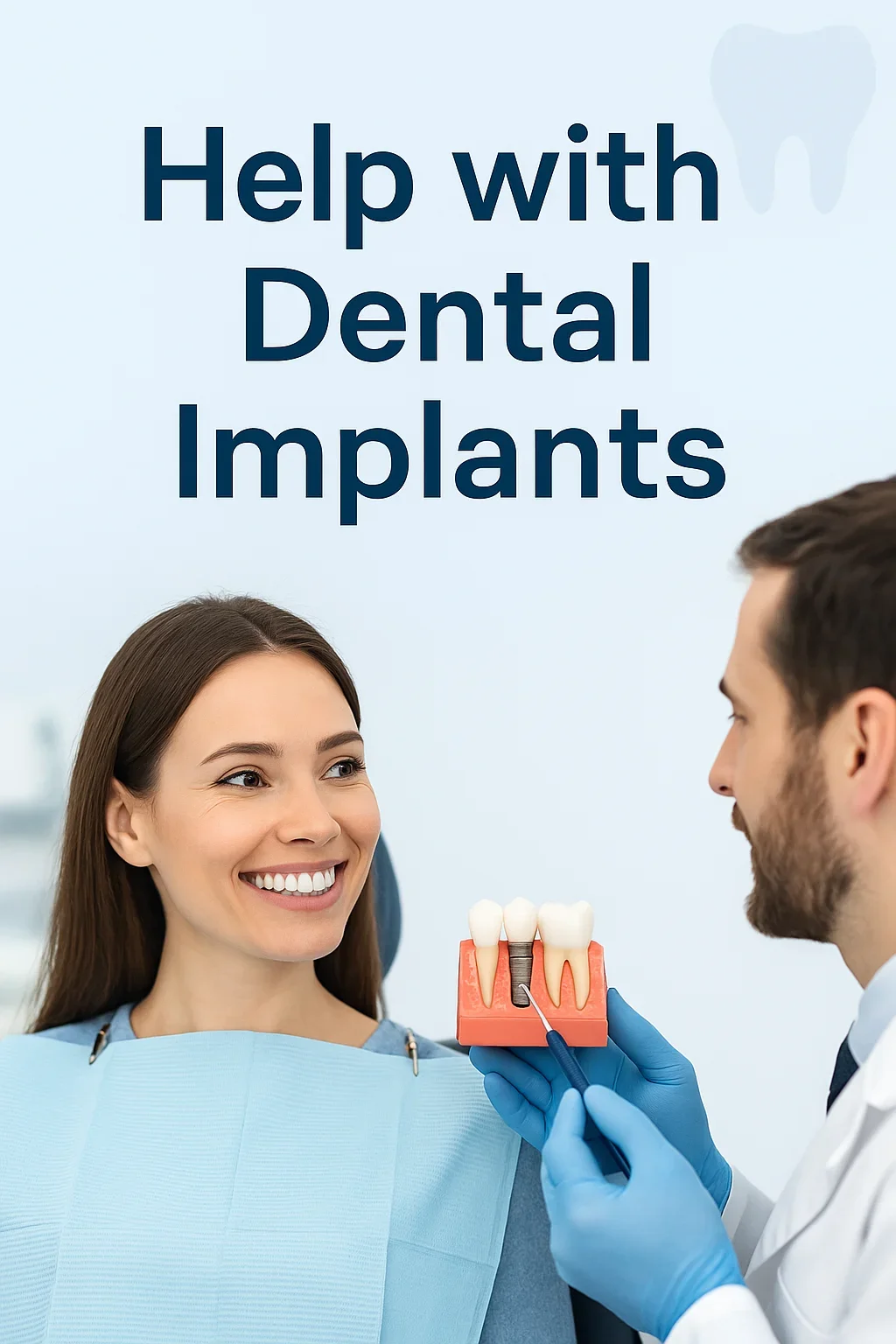
Real Patient Experiences — Success Stories and Testimonials
When deciding to get help with dental implants, hearing real stories from people who have undergone the procedure can be both motivating and reassuring. Dental implant treatment is not only about restoring teeth—it’s about regaining confidence, comfort, and quality of life. In this section, we’ll explore authentic patient experiences, their journeys before and after treatment, and how professional care transformed their lives. These stories highlight what patients can expect when working with skilled implant specialists and following proper aftercare routines. 🦷
1. The Emotional Journey Before Treatment
Many patients seeking help with dental implants have lived for years with missing or damaged teeth. This often leads to embarrassment, social anxiety, and difficulty eating or speaking naturally. Understanding this emotional side of dental health is essential—successful treatment restores not just teeth, but also self-esteem.
Patients frequently describe feeling limited in daily life before their treatment. For instance, smiling in photos, laughing freely, or enjoying favorite foods can become stressful or even painful. By the time they visit a clinic like Redent Klinik, most are seeking a solution that restores normalcy and beauty in a natural way. Compassionate help with dental implants begins by addressing these emotional barriers and building trust between patient and dentist.
Psychological Impact of Tooth Loss
- Decreased confidence in personal and professional settings.
- Social withdrawal due to embarrassment about missing teeth.
- Anxiety over judgment or negative appearance.
Once patients receive implants, they often report feeling more outgoing, optimistic, and motivated to engage socially. This psychological transformation is one of the most powerful benefits of help with dental implants.
2. Patient Testimonial: Sarah’s Story (Full Smile Restoration)
Sarah, a 46-year-old teacher from the UK, had been struggling with multiple missing molars and loose dentures for nearly a decade. After researching for months, she traveled to Turkey to receive help with dental implants at an internationally accredited clinic.
Her treatment involved a full upper-arch restoration using the All-on-4 system. The entire process—from extraction to final crown placement—took six months. Sarah described the procedure as “life-changing,” sharing that she could finally eat steak, laugh confidently, and speak clearly without worry. She also praised her dental team for their empathy and professionalism.
“Before implants, I avoided social dinners because I was afraid my dentures would slip. Now, I forget I even have implants—they feel completely natural. The journey was worth every moment.” – Sarah T.
Sarah’s story shows how personalized help with dental implants can restore both physical function and emotional well-being. Her confidence and happiness radiate through every photo she shares today. 🌟
3. Patient Testimonial: Michael’s Journey (Single Tooth Replacement)
Michael, a 35-year-old software engineer, lost a front tooth in a biking accident. Embarrassed by the gap in his smile, he sought professional help with dental implants instead of opting for a removable bridge. His implant surgery was performed under local anesthesia, and within four months, the implant had fully integrated with the bone.
Michael’s dentist designed a custom zirconia crown that perfectly matched his natural teeth. He was amazed at how seamless and painless the experience was. His final words were simple: “I wish I had done it sooner.”
Michael’s Key Takeaways
- The procedure was far more comfortable than expected.
- The implant felt just like a natural tooth within weeks.
- Good hygiene and follow-ups ensured long-term success.
Michael’s story underscores how help with dental implants can be quick, efficient, and highly satisfying for patients even with single-tooth replacements.
4. Senior Success Story: Grace’s Full-Mouth Rehabilitation
Grace, aged 68, had worn dentures for over 15 years before deciding to seek help with dental implants. She found her dentures uncomfortable and unstable, especially while eating or speaking. Her dentist recommended a full-mouth implant restoration using six implants per arch.
After the procedure, Grace said she felt like she “had her youth back.” She could enjoy crunchy foods, laugh freely, and smile confidently again. What she valued most, however, was the personal care she received throughout her treatment. From clear communication to compassionate aftercare, her experience was both medically successful and emotionally uplifting.
Grace now advocates for others her age to explore implants, emphasizing that “age should never stop you from having the smile you deserve.”
5. International Experiences — Why Patients Travel Abroad
Many people seek affordable and high-quality help with dental implants through dental tourism. Countries like Turkey, Hungary, and Mexico are popular for offering advanced technology, English-speaking specialists, and all-inclusive packages. Patients often save up to 70% compared to prices in the US or Western Europe.
For example, Redent Klinik in Turkey is known for welcoming international patients and providing a seamless experience—from airport transfer to final smile reveal. Reviews consistently praise their expertise, cleanliness, and modern facilities.
Advantages of Getting Implants Abroad
- Lower costs without sacrificing quality.
- Access to advanced techniques and certified specialists.
- Short waiting times compared to domestic clinics.
- Opportunity to combine treatment with a relaxing vacation. 🌴
6. Lessons Learned from Real Patients
Across hundreds of testimonials, one theme stands out—patients who invest in expert help with dental implants experience lasting satisfaction. Their advice for new patients includes:
- Choose a clinic that explains every step of the process clearly.
- Follow all aftercare instructions, especially during healing.
- Maintain hygiene and attend regular checkups to prevent complications.
- Be patient—beautiful, lasting results take time.
7. The Power of Transformation — Before and After
Before treatment, many patients hide their smiles or avoid photos. After receiving professional help with dental implants, they rediscover joy in daily life. “Before and after” images often show more than physical change—they reveal newfound self-confidence and vitality. Patients who once covered their mouths while laughing now smile freely and proudly.
These visual results are also a testament to the expertise of modern implantology and the artistry behind creating lifelike crowns and bridges. Clinics adhering to international standards, like those recommended by the American Dental Association, ensure precision and beauty in every restoration.
8. Community and Support Networks
Many patients who have benefited from help with dental implants later join online support groups or communities to share their progress. They exchange tips about recovery, hygiene routines, and maintenance care. These forums help new patients prepare mentally and emotionally, offering reassurance and practical advice from people who truly understand the journey.
Conclusion
Real-life success stories demonstrate the profound impact of dental implants beyond aesthetics. They represent restored confidence, health, and happiness. Whether replacing one tooth or an entire arch, patients who seek professional help with dental implants consistently describe the transformation as life-changing. Their experiences remind us that dental implants are not just about restoring teeth—they’re about reclaiming life with a smile full of strength, beauty, and confidence. 🌟