
One of the very first questions patients ask when considering a complete smile restoration is: how long does it take to get full dental implants? This is a completely valid concern. Full dental implants are a life-changing treatment, but they are also a medical process that requires precision, healing time, and careful planning. Unlike simple dental procedures, full dental implants are not completed in a single visit, and understanding the timeline helps patients set realistic expectations and feel more confident about their decision 😊.
In general, the total time required for full dental implants can range from 3 months to 9 months, and in some complex cases, even up to 12 months. The reason for this wide range is that every patient’s oral health, bone structure, and healing capacity are different. When people search for how long does it take to get full dental implants, they are usually trying to understand why the process takes time and whether it is worth the wait. The short answer is yes—because the long-term results are designed to last decades.
The timeline begins with a comprehensive consultation and diagnostic phase. During this stage, the dentist evaluates your jawbone, gum health, and overall oral condition using digital scans and X-rays. This step is critical because full dental implants rely on strong jawbone support. If bone density is insufficient, additional procedures such as bone grafting may be required, which can extend the overall treatment time. This is one of the most important factors affecting how long does it take to get full dental implants.
Once the treatment plan is finalized, the implant placement phase begins. Dental implants are titanium posts surgically inserted into the jawbone. For full-arch restorations, this may involve placing four to six implants per jaw. The surgery itself is usually completed in a single day, but this does not mean the process is finished. After placement, the implants must go through a healing phase called osseointegration, where the bone fuses with the implant surface. This phase alone typically takes between 8 and 16 weeks, making it the longest stage in the full dental implant timeline.
Many patients worry that they will be left without teeth during this healing period. Fortunately, temporary prosthetic teeth are often provided, allowing patients to eat, speak, and smile with confidence while healing takes place 😄. However, these temporary teeth are not the final result. They are designed to protect the implants and gums until the jawbone is strong enough to support permanent restorations. This transitional phase is another reason why the answer to how long does it take to get full dental implants is not immediate.
After osseointegration is complete, the dentist moves on to the final restoration phase. Custom-made crowns, bridges, or full-arch prosthetics are securely attached to the implants. These final teeth are carefully designed to match your facial structure, bite alignment, and aesthetic goals. This step usually takes a few additional weeks, as precision measurements and laboratory fabrication are involved. At this point, patients finally experience the full benefits of their new smile—improved chewing, natural appearance, and long-term stability.
It’s also important to understand that lifestyle factors can influence how long does it take to get full dental implants. Smoking, uncontrolled diabetes, poor oral hygiene, and certain medications can slow healing and increase the risk of complications. On the other hand, patients who follow post-operative instructions carefully and maintain good oral health often complete the process faster and with fewer issues.
From a medical perspective, full dental implants are considered one of the most reliable tooth replacement solutions available today. According to professional guidelines from the American Dental Association, dental implants have success rates exceeding 95% when properly planned and maintained. This high success rate is largely due to the structured timeline that prioritizes healing and long-term integration rather than speed.
For patients seeking expert guidance and personalized treatment planning, contacting a specialized clinic is a crucial first step. You can learn more about individual timelines and suitability by reaching out through the Redent Klinik Contact Page. A professional consultation will provide a clearer, personalized answer to how long does it take to get full dental implants based on your specific oral health needs.
In summary, the timeline for full dental implants is not something to rush. While the process may take several months, the result is a permanent, natural-looking solution that restores both function and confidence. When patients truly understand how long does it take to get full dental implants and why each stage matters, they are far more prepared—and satisfied—with the journey and the final outcome 🌟.
Understanding the Full Dental Implant Process Timeline
To truly understand how long does it take to get full dental implants, it’s essential to look at the entire process as a structured medical timeline rather than a single procedure. Many patients initially assume dental implants are similar to fillings or crowns, but full dental implants involve multiple clinical phases, each serving a specific biological and functional purpose. This step-by-step approach is what makes implants one of the most reliable and long-lasting solutions in modern dentistry 😊.
When patients search for how long does it take to get full dental implants, they are usually trying to answer two questions at once: “Why does it take so long?” and “What exactly is happening during that time?” The answer lies in the fact that dental implants must integrate with the human body. Bone, gum tissue, and artificial materials all need time to adapt and stabilize. Skipping or rushing any stage would significantly reduce long-term success.
Why Full Dental Implants Follow a Multi-Stage Timeline
The full dental implant timeline is intentionally divided into stages to ensure safety, durability, and natural function. Each phase builds on the previous one. From diagnostic imaging to final prosthetic placement, every step is designed to support the next. This staged approach is the main reason why the answer to how long does it take to get full dental implants cannot be reduced to a simple number of days or weeks.
In most standard cases, patients can expect the complete journey to take between 4 and 9 months. However, this timeframe can vary depending on bone quality, gum health, and whether preparatory treatments are needed. While this may seem lengthy, it is precisely this careful pacing that leads to long-term success rates exceeding 95%.
The Three Core Phases of the Implant Timeline
To simplify things, dentists often divide the implant process into three main phases. Understanding these phases makes it much easier to grasp how long does it take to get full dental implants and why patience plays such a critical role.
Phase 1: Diagnosis and Preparation
This initial phase includes consultations, digital scans, X-rays, and treatment planning. The dentist evaluates jawbone volume, nerve positioning, and bite alignment. If bone loss is detected, procedures like bone grafting or sinus lifting may be recommended. These additional treatments can add several weeks or even months to the timeline, directly influencing how long does it take to get full dental implants in more complex cases.
For patients with healthy bone and gums, this phase may take only a few weeks. However, when preparation is required, healing time becomes part of the overall schedule. This is not a delay—it’s an investment in long-term stability.
Phase 2: Implant Placement and Healing
The second phase involves the surgical placement of dental implants into the jawbone. Although the surgery itself is typically completed in one day, healing is where time becomes critical. After placement, the implants must fuse with the bone through a process called osseointegration. This biological bonding usually takes between 2 to 4 months.
This healing phase is often the biggest contributor to how long does it take to get full dental implants. During this time, patients may wear temporary teeth that restore appearance and basic function, but the implants themselves are still stabilizing beneath the surface. Rushing this stage increases the risk of implant failure.
Phase 3: Final Restoration and Bite Adjustment
Once healing is complete, the final phase begins. Custom prosthetic teeth are designed, tested, and securely attached to the implants. This stage also includes bite adjustments to ensure proper chewing force distribution. Although this phase usually takes only a few weeks, it is crucial for comfort and longevity.
At this point, patients finally see the end of the journey they began when asking how long does it take to get full dental implants. The result is a fully functional, natural-looking smile that feels stable and permanent.
How Patient-Specific Factors Shape the Timeline
No two implant timelines are exactly the same. Age, smoking habits, chronic conditions, and oral hygiene all influence healing speed. For example, non-smokers with healthy bone often complete treatment faster, while patients requiring grafting or managing systemic conditions may need additional time. This variability explains why dentists provide personalized estimates rather than universal answers to how long does it take to get full dental implants.
Professional organizations like the American Dental Association emphasize that predictable outcomes depend on respecting biological healing times. In other words, the timeline exists to protect the patient, not to inconvenience them.
In summary, understanding the full dental implant process timeline helps patients feel informed, confident, and prepared. When you break the journey into clear phases, the question of how long does it take to get full dental implants becomes easier to answer—and much easier to accept 🌟. The time invested upfront leads to decades of comfort, function, and confidence.
Initial Consultation and Treatment Planning: What Happens First?
The very first step in determining how long does it take to get full dental implants is the initial consultation and treatment planning phase. This stage lays the foundation for everything that follows. While it may seem simple on the surface, it is one of the most critical parts of the entire implant journey. A thorough and accurate assessment at the beginning can significantly reduce complications, delays, and unexpected extensions later in the process 😊.
Many patients underestimate this phase because no surgery happens yet. However, from a clinical perspective, this is where dentists decide if implants are suitable, how they should be placed, and how long does it take to get full dental implants for that specific individual. A personalized plan is essential because no two mouths are exactly the same.
Comprehensive Oral Examination and Medical Review
The consultation always starts with a detailed oral examination. The dentist evaluates gum health, remaining teeth, bite alignment, and signs of infection or inflammation. At the same time, a full medical history is reviewed. Conditions such as diabetes, osteoporosis, or immune disorders can influence healing speed and directly affect how long does it take to get full dental implants.
This medical review is not a formality. Certain medications, smoking habits, or systemic conditions may slow bone healing or increase the risk of implant failure. Identifying these factors early allows the dentist to adjust the timeline realistically rather than offering an overly optimistic estimate.
Advanced Imaging and Digital Diagnostics
Modern implant planning relies heavily on advanced imaging technology. Cone Beam CT scans and digital X-rays provide a three-dimensional view of the jawbone, nerves, and sinus cavities. These images help determine whether there is enough bone to support implants and where they can be placed safely.
If the scans reveal insufficient bone volume, additional procedures such as bone grafting may be recommended. This is a major factor that influences how long does it take to get full dental implants, as grafting requires its own healing period before implants can be placed. In patients with strong bone density, this step can be skipped, shortening the overall timeline.
Bone Quality and Jaw Structure Assessment
Bone quality is just as important as bone quantity. Dense, healthy bone allows implants to integrate faster, while softer bone may require longer healing times. This assessment helps the dentist predict how smoothly the osseointegration phase will proceed and gives a clearer answer to how long does it take to get full dental implants in practical terms.
Customized Treatment Planning and Timeline Estimation
Once all diagnostic data is collected, the dentist creates a customized treatment plan. This plan outlines the number of implants needed, their placement positions, whether extractions or grafting are required, and the type of final prosthetic teeth. At this point, patients finally receive a personalized estimate of how long does it take to get full dental implants based on their unique situation.
For some patients, the plan may include immediate implant placement or immediate-load temporary teeth. For others, a staged approach is safer. This flexibility is why treatment planning is so important—it aligns expectations with medical reality and prevents disappointment later.
Setting Realistic Expectations from Day One
One of the biggest benefits of proper planning is clarity. Patients who understand each phase of the journey are far less anxious and far more satisfied with the outcome. Dentists often explain that while the visible changes may happen quickly, the biological healing cannot be rushed. This honest conversation is essential when discussing how long does it take to get full dental implants.
Professional organizations such as the American Dental Association emphasize that detailed diagnosis and planning are key factors behind the high success rates of dental implants. Skipping or shortening this phase increases risks and may ultimately extend treatment time due to complications.
Why This Phase Directly Impacts the Overall Timeline
Although the consultation and planning stage may take only one to three weeks, its impact on the total duration is enormous. Accurate planning can prevent implant failure, reduce the need for corrective procedures, and streamline later stages. In contrast, poor planning often leads to delays that significantly extend how long does it take to get full dental implants.
Patients who want a clear, professional evaluation can begin this process by contacting an experienced clinic through the Redent Klinik Contact Page. A proper consultation is the most reliable way to receive an accurate, personalized timeline rather than a generic estimate found online.
In summary, the initial consultation and treatment planning phase is where the journey truly begins. It transforms a general question—how long does it take to get full dental implants—into a personalized, medically grounded answer. By investing time upfront in diagnosis and planning, patients set themselves up for smoother treatment, faster healing, and long-term success 🌟.
Pre-Implant Procedures That Can Affect the Overall Duration
When patients ask how long does it take to get full dental implants, they often expect the answer to start with surgery. In reality, for many people, the timeline begins even earlier with pre-implant procedures. These preparatory treatments are not optional extras; they are essential medical steps that create a stable foundation for successful implants. Understanding this phase helps explain why the overall duration can vary so widely from patient to patient 😊.
Pre-implant procedures are recommended when the mouth is not immediately ready to receive implants. Issues such as bone loss, gum disease, or damaged teeth must be addressed first. While these treatments can extend the timeline, they significantly improve implant success rates and long-term comfort. In fact, skipping this phase often leads to complications that ultimately make how long does it take to get full dental implants even longer.
Tooth Extractions and Healing Time
If damaged or failing teeth are still present, they may need to be removed before implants can be placed. Tooth extraction is a common pre-implant procedure, especially for patients transitioning from dentures or severe tooth decay to full dental implants. Although extractions themselves are usually quick, the healing period afterward is crucial.
After an extraction, the jawbone and surrounding tissues need time to heal, typically between 4 and 8 weeks. In some cases, implants can be placed immediately after extraction, but this depends on bone stability and infection risk. If healing time is required, it directly adds to how long does it take to get full dental implants.
Bone Grafting: One of the Biggest Timeline Factors
Bone grafting is one of the most significant factors affecting how long does it take to get full dental implants. When teeth are missing for a long time, the jawbone naturally shrinks due to lack of stimulation. If there is not enough bone to anchor implants securely, grafting becomes necessary.
Types of Bone Grafting Procedures
Bone grafts can use synthetic materials, donor bone, or the patient’s own bone. The graft acts as a scaffold, allowing new bone to grow and strengthen the area. Depending on the extent of bone loss, healing can take anywhere from 3 to 6 months before implants can be safely placed.
This healing period is often the reason some patients hear longer estimates when asking how long does it take to get full dental implants. While it requires patience, bone grafting dramatically increases implant stability and long-term success.
Sinus Lift Procedures for Upper Jaw Implants
For implants placed in the upper back jaw, proximity to the sinus cavity can be an issue. When bone height is insufficient, a sinus lift may be required. This procedure gently raises the sinus membrane and adds bone material underneath to create enough space for implants.
A sinus lift typically adds several months to the treatment timeline, as the grafted area must heal before implant placement. Although this extends how long does it take to get full dental implants, it prevents serious complications and ensures proper implant integration.
Gum Disease Treatment Before Implant Placement
Healthy gums are just as important as healthy bone. If periodontal disease is present, it must be treated before implants are considered. Active gum infections can compromise healing and significantly increase the risk of implant failure.
Treating gum disease may involve deep cleaning, medications, or minor surgical procedures. While this phase may take several weeks, it protects the implants and shortens the overall journey in the long run. Addressing gum health early often leads to a smoother implant process and a more predictable answer to how long does it take to get full dental implants.
Why These Procedures Are Worth the Time
It’s natural for patients to feel discouraged when they learn that pre-implant procedures may extend their treatment timeline. However, these steps are not delays—they are safeguards. Each preparatory treatment reduces risks, improves comfort, and enhances the durability of the final result.
According to guidance supported by organizations like the American Dental Association, thorough preparation is a key reason dental implants maintain such high success rates. Rushing into implant placement without proper groundwork often leads to complications that ultimately make how long does it take to get full dental implants much longer than initially planned.
Patients who want a precise evaluation of whether pre-implant procedures are needed can begin with a professional assessment through the Redent Klinik Contact Page. A personalized consultation is the best way to understand which preparatory steps apply and how they affect the overall timeline.
In conclusion, pre-implant procedures play a critical role in determining how long does it take to get full dental implants. While they may add weeks or months upfront, they dramatically improve safety, comfort, and long-term success. When viewed as an investment rather than a setback, this phase becomes an essential part of achieving a stable, confident, and lasting smile 🌟.
The Dental Implant Surgery Phase: Step-by-Step Time Breakdown
The dental implant surgery phase is often the part patients think of first when asking how long does it take to get full dental implants. While this stage is crucial, it is important to understand that the surgical appointment itself is only one piece of a much larger timeline. Knowing exactly what happens during surgery—and how much time it really takes—helps patients feel prepared, calm, and confident 😊.
Many people are surprised to learn that the surgery day is usually not the longest part of the process. In fact, compared to healing and preparation, implant surgery is relatively quick. However, because it involves precision, sterile conditions, and careful planning, every step must be performed methodically. This attention to detail directly affects how long does it take to get full dental implants overall.
What Happens on the Day of Implant Surgery?
On the day of surgery, patients arrive at the clinic having already completed consultations, imaging, and any necessary pre-implant treatments. Local anesthesia or conscious sedation is typically used to ensure comfort. For full dental implants, multiple implants—usually four to six per jaw—are placed during the same session.
The surgical placement of implants usually takes between 1.5 and 3 hours per jaw. Even for full-arch cases, this means the actual surgery is completed in a single day. This often surprises patients who assume the answer to how long does it take to get full dental implants must involve multiple surgical days.
Precision Placement and Bone Preparation
Before inserting each implant, the dentist carefully prepares the bone using specialized drills. This step ensures the implant fits securely and aligns correctly with the bite. Precision here is critical—poor placement can affect healing time and long-term success, ultimately extending how long does it take to get full dental implants.
Immediate Load vs. Traditional Implant Placement
One factor that can influence patient perception of the timeline is whether immediate-load implants are used. In some cases, temporary teeth are attached to the implants on the same day as surgery. This is often marketed as “teeth in a day.” While this approach improves aesthetics and function quickly, it does not eliminate the healing phase.
Even with immediate-load implants, the bone still requires months to fully integrate with the implants. Therefore, while patients may leave the clinic smiling, the biological timeline remains unchanged. This distinction is important when evaluating how long does it take to get full dental implants from a medical standpoint rather than a cosmetic one.
Post-Surgery Recovery: The First Few Days
After surgery, patients typically experience mild swelling, soreness, and minor discomfort. Most people return to normal daily activities within 2 to 3 days, although strenuous exercise should be avoided for about a week. Pain is usually manageable with prescribed or over-the-counter medication.
This short recovery window often leads patients to believe they are nearing the end of treatment. However, while surface healing happens quickly, deep bone healing is just beginning. This is why the question of how long does it take to get full dental implants cannot be answered based on surgery day alone.
Why Surgery Is Not the End of the Timeline
Although implant placement is a major milestone, it marks the transition into the most biologically important phase: osseointegration. During this period, the implants gradually fuse with the jawbone, creating a stable foundation for permanent teeth. This process takes several months and accounts for much of the total treatment time.
If surgery is rushed or implants are placed under less-than-ideal conditions, osseointegration may fail. This can lead to implant loss and significantly increase how long does it take to get full dental implants due to the need for corrective procedures.
Safety, Success Rates, and Long-Term Outcomes
From a clinical perspective, the surgical phase is designed to maximize safety and predictability. According to standards supported by the American Dental Association, proper surgical technique and healing protocols are key reasons dental implants have such high long-term success rates.
Patients who follow post-operative instructions—such as maintaining oral hygiene, avoiding smoking, and attending follow-up visits—often heal more efficiently. These habits don’t eliminate healing time, but they reduce the risk of delays and complications that could extend how long does it take to get full dental implants.
Putting the Surgery Phase into Perspective
When viewed in isolation, implant surgery is fast and efficient. However, it is only one chapter in a longer story. Understanding this helps patients avoid unrealistic expectations and appreciate why the full process takes months rather than weeks.
For those considering treatment and wanting a clear, personalized explanation of surgical steps and timelines, a professional consultation through the Redent Klinik Contact Page can provide clarity and confidence.
In summary, the dental implant surgery phase is a critical but relatively brief part of the journey. While the procedure itself may take just a few hours, its success determines how smoothly the remaining stages unfold. When patients understand this step-by-step breakdown, the answer to how long does it take to get full dental implants becomes far more logical, reassuring, and manageable 🌟.
Healing and Osseointegration: The Most Time-Consuming Stage
When patients ask how long does it take to get full dental implants, the answer almost always depends on one critical phase: healing and osseointegration. This stage is the true heart of the implant process and, by far, the most time-consuming. While it may feel invisible because no major procedures are happening on the surface, this biological process determines whether dental implants will succeed for decades—or fail prematurely 😊.
Osseointegration is the process by which the jawbone naturally fuses with the titanium implant. This bond creates the strength and stability that allow implants to function like natural tooth roots. Because bone regeneration cannot be rushed, this phase largely defines how long does it take to get full dental implants from a medical and scientific standpoint.
What Exactly Is Osseointegration?
Osseointegration is a biological healing process where bone cells grow and attach directly to the implant surface. Titanium is biocompatible, meaning the body accepts it rather than rejecting it. Over time, the bone surrounds and locks onto the implant, forming a solid anchor capable of supporting chewing forces.
This process typically takes between 8 and 16 weeks, though some patients may require slightly more time. During this period, the implants are left undisturbed to ensure proper integration. This is the single biggest reason why the answer to how long does it take to get full dental implants often involves several months.
Why Healing Time Cannot Be Rushed
Many patients wonder why dentists insist on waiting before placing permanent teeth. The reason is simple: premature loading of implants can disrupt bone formation. If the implant moves even slightly during healing, osseointegration may fail, leading to implant loss.
Allowing the bone to heal at its natural pace is essential. This waiting period protects the long-term success of the treatment and prevents setbacks that would dramatically extend how long does it take to get full dental implants.
Signs of Healthy Osseointegration
During follow-up visits, dentists monitor implant stability, gum healing, and absence of infection. Healthy osseointegration typically shows no pain, minimal inflammation, and increasing implant firmness. These signs indicate that the timeline is progressing as expected.
Temporary Teeth During the Healing Phase
One common concern during this stage is daily function. Patients often ask whether they will be without teeth while healing occurs. In most full-arch cases, temporary teeth are provided shortly after surgery. These restorations allow patients to eat soft foods, speak clearly, and smile confidently while the implants integrate.
However, these temporary teeth are designed to minimize pressure on the implants. Patients are advised to avoid hard or sticky foods during this time. Following these guidelines helps ensure successful healing and avoids delays that could increase how long does it take to get full dental implants.
Factors That Influence Healing Speed
Not all patients heal at the same rate. Bone density, age, overall health, and lifestyle habits all play a role. Non-smokers with healthy bone typically experience faster and smoother osseointegration. In contrast, smoking, uncontrolled diabetes, or poor oral hygiene can slow healing.
These factors explain why dentists provide individualized estimates when discussing how long does it take to get full dental implants rather than offering a single universal timeline.
What Patients Should Do During This Phase
Patient cooperation is critical during healing. Maintaining excellent oral hygiene, attending follow-up appointments, and avoiding smoking all support faster and more reliable integration. Gentle care during this phase often shortens the overall journey rather than extending it.
Professional organizations such as the American Dental Association emphasize that respecting healing time is essential for implant longevity. Cutting corners during osseointegration is one of the most common causes of implant failure.
Why This Phase Defines the Overall Timeline
From a patient’s perspective, healing may feel passive. From a biological perspective, it is incredibly active. Bone remodeling, cellular attachment, and tissue adaptation are all happening beneath the surface. This is why healing and osseointegration account for the largest portion of how long does it take to get full dental implants.
Patients who understand this stage tend to feel more patient and less anxious. They recognize that waiting is not a delay, but a necessary investment in long-term stability and comfort.
For those who want professional guidance and close monitoring during this critical phase, scheduling follow-up care through the Redent Klinik Contact Page ensures proper healing and peace of mind.
In conclusion, healing and osseointegration are the foundation of successful full dental implants. Although this stage requires time and patience, it is what allows implants to feel strong, natural, and permanent. When patients fully understand this phase, the answer to how long does it take to get full dental implants becomes clear—and well worth the wait 🌟.
Temporary Teeth Phase: How Long You’ll Use Interim Solutions
One of the most common concerns patients have when researching how long does it take to get full dental implants is what happens to their smile during the waiting period. This is where the temporary teeth phase becomes especially important. While full dental implants require months to complete, patients are rarely left without teeth. Temporary solutions are designed to bridge the gap between surgery and final restoration, offering comfort, confidence, and basic function during healing 😊.
This phase plays a major psychological and functional role in the overall journey. Although temporary teeth are not the final result, they make the waiting period far more manageable and help patients stay socially and professionally active while the implants integrate.
What Are Temporary Teeth in Full Dental Implant Treatment?
Temporary teeth, also known as provisional restorations, are lightweight prosthetic teeth placed after implant surgery. In many full-arch cases, they are attached either on the same day or shortly after surgery. These teeth are carefully designed to avoid placing excessive pressure on the implants during healing.
From a timeline perspective, this phase often overlaps with osseointegration. While bone healing is happening beneath the surface, patients are already enjoying the visible benefits of their new smile. This overlap is why people sometimes misunderstand how long does it take to get full dental implants, thinking the process is finished once temporary teeth are placed.
Immediate Temporary Teeth vs. Delayed Temporaries
Not all patients receive temporary teeth immediately. The timing depends on bone quality, implant stability, and overall oral health.
Immediate Temporary Teeth
In suitable cases, temporary teeth are placed within 24–72 hours after implant surgery. This approach is often used in full-arch treatments and is sometimes referred to as immediate loading. While visually impressive, it does not shorten biological healing time. The implants still need months to fully integrate.
Delayed Temporary Teeth
In cases where implants need extra protection, dentists may wait a few weeks before placing temporary restorations. This cautious approach reduces stress on the implants and supports smoother healing. Although it may slightly extend how long does it take to get full dental implants, it improves long-term outcomes.
How Long Do Patients Wear Temporary Teeth?
Most patients wear temporary teeth for 2 to 6 months. This duration depends on how quickly osseointegration occurs and whether any additional adjustments are needed. During this time, dentists monitor healing closely and make minor modifications to ensure comfort and proper bite alignment.
This is one of the reasons the answer to how long does it take to get full dental implants is not simply based on surgery dates. The temporary phase is a functional waiting period, not a delay.
Daily Life with Temporary Teeth
Temporary teeth allow patients to eat, speak, and smile, but with some limitations. Soft foods are recommended, and very hard or sticky items should be avoided. These restrictions protect the implants during healing and prevent complications that could increase how long does it take to get full dental implants.
Speech adaptation is usually quick, and most patients feel comfortable within a few days. Aesthetically, temporary teeth are designed to look natural, though final restorations are typically more refined and durable.
Why Temporary Teeth Are Not the Final Solution
Temporary restorations are made from lighter materials and are not intended for long-term use. They lack the strength and precision of permanent prosthetics. Their main purpose is protection and comfort during healing.
Placing permanent teeth too early can compromise implant stability. This is why dentists insist on completing the full healing phase before final restorations. Respecting this timeline is essential to keeping how long does it take to get full dental implants as predictable as possible.
Professional Monitoring During the Temporary Phase
Regular check-ups are scheduled during this period to assess healing and implant stability. Dentists may adjust the temporary teeth to improve comfort or reduce pressure on certain implants. These visits are not optional—they are part of ensuring a successful outcome.
According to guidance aligned with the American Dental Association, careful monitoring during healing is one of the key factors behind high implant success rates.
Why This Phase Improves the Overall Experience
Although temporary teeth do not shorten how long does it take to get full dental implants, they dramatically improve quality of life during the process. Patients remain confident, functional, and socially comfortable while their implants heal properly.
For personalized guidance on temporary restorations and implant timelines, patients can schedule a consultation through the Redent Klinik Contact Page. Professional planning ensures that this phase is smooth, comfortable, and stress-free.
In summary, the temporary teeth phase is a vital bridge between surgery and permanent results. While it does not eliminate healing time, it transforms waiting into an active, comfortable experience. Understanding this phase helps patients better appreciate how long does it take to get full dental implants—and why the journey is designed the way it is 🌟.
Placing the Final Prosthetic Teeth: When Is the Process Complete?
For many patients, this is the most anticipated moment in the entire journey—placing the final prosthetic teeth. After months of preparation, surgery, healing, and temporary solutions, this phase represents the true completion of treatment. When people ask how long does it take to get full dental implants, they are often really asking, “When will I have my permanent teeth?” This stage provides that long-awaited answer 😊.
Although it may seem like the final step happens quickly, it is actually the result of careful planning and successful healing. The timing of this phase depends entirely on whether osseointegration has fully completed and whether the implants are stable enough to support permanent restorations.
What Are Final Prosthetic Teeth?
Final prosthetic teeth are the permanent restorations attached to dental implants. Depending on the treatment plan, these may include full-arch bridges, implant-supported dentures, or fixed crowns. They are custom-designed to match the patient’s facial structure, bite, and aesthetic preferences.
Unlike temporary teeth, final prosthetics are made from durable materials such as zirconia or porcelain. These materials are chosen for strength, longevity, and natural appearance. The transition from temporary to permanent teeth is a major milestone in understanding how long does it take to get full dental implants.
Timing: When Are Final Teeth Placed?
Final prosthetic placement typically occurs after 3 to 6 months of healing following implant surgery. This timeframe allows the jawbone to fully integrate with the implants, ensuring they can handle normal chewing forces.
Before moving forward, the dentist carefully evaluates implant stability using clinical tests and imaging. If there is any sign that healing is incomplete, final placement is postponed. While this may feel frustrating, it protects the long-term success of the implants and prevents setbacks that would significantly extend how long does it take to get full dental implants.
Final Impressions and Bite Registration
Once implants are confirmed stable, precise impressions are taken. These impressions capture the exact position of the implants and surrounding tissues. Bite registration is also performed to ensure proper alignment between the upper and lower jaws.
This step is crucial for comfort and function. A poorly aligned bite can cause jaw pain, uneven wear, and implant stress—issues that could compromise results even after the long process of how long does it take to get full dental implants has finally reached its endpoint.
The Try-In Phase: Fine-Tuning the Final Result
In many cases, patients go through a try-in appointment before final placement. During this visit, a prototype or mock-up of the final prosthetic is tested. The dentist checks aesthetics, speech, bite, and overall comfort.
Adjustments are made at this stage to ensure the final teeth feel natural. This attention to detail is why the final phase may take several weeks rather than a single appointment. Precision here ensures that the outcome truly justifies how long does it take to get full dental implants.
Permanent Attachment of the Prosthetic
Once everything is approved, the final prosthetic teeth are securely attached to the implants. Depending on the system used, they may be screwed in or cemented. This appointment is usually straightforward and does not involve surgery.
Patients often describe this moment as transformative. Chewing feels stable, speech improves, and the smile looks natural. This is the point where the long timeline behind how long does it take to get full dental implants finally pays off.
Immediate Aftercare and Adaptation
Although the implants are fully healed, patients still need a short adaptation period. The mouth adjusts to the new bite, and muscles adapt to restored chewing function. Minor soreness or pressure sensations are normal during the first few days.
Dentists provide guidance on oral hygiene, cleaning techniques, and follow-up visits. Maintaining good care at this stage protects the investment made throughout the entire process of how long does it take to get full dental implants.
Long-Term Stability and Success
Once final prosthetics are in place, treatment is considered complete. However, long-term success depends on ongoing care. Regular dental check-ups and proper cleaning routines help ensure implants last for decades.
According to standards supported by the American Dental Association, implant-supported restorations offer excellent long-term outcomes when properly maintained. This reinforces why following the full timeline—without rushing—is so important.
When Can Patients Say the Journey Is Truly Over?
From a clinical standpoint, the process is complete when final prosthetics are placed and functioning comfortably. From a patient’s perspective, it often feels complete once they can eat, smile, and speak without thinking about their teeth.
For personalized timelines and final restoration planning, patients can consult experienced professionals through the Redent Klinik Contact Page. A tailored approach ensures that the final step is as rewarding as possible.
In conclusion, placing the final prosthetic teeth marks the true completion of treatment. While it may come months after the initial consultation, it represents the successful end of the journey. Understanding this phase brings clarity to how long does it take to get full dental implants—and why every stage leading up to it is essential 🌟.
Factors That Influence How Long It Takes to Get Full Dental Implants
There is no single universal answer to how long does it take to get full dental implants because the timeline is influenced by a wide range of personal, medical, and procedural factors. While some patients complete treatment in just a few months, others require a longer, more carefully staged approach. Understanding these influencing factors helps patients set realistic expectations and feel more confident throughout the process 😊.
When dentists estimate how long does it take to get full dental implants, they are not guessing—they are evaluating a combination of biological readiness, lifestyle habits, and treatment complexity. Each factor plays a role in how smoothly and quickly the process progresses.
Bone Quality and Bone Density
One of the most important factors affecting how long does it take to get full dental implants is the condition of the jawbone. Strong, dense bone allows implants to integrate more quickly and securely. Patients with adequate bone volume may proceed directly to implant placement without additional procedures.
On the other hand, patients who have experienced bone loss—often due to long-term tooth loss or periodontal disease—may require bone grafting. Bone regeneration takes time, and this healing period can add several months to the overall timeline. While this may feel like a delay, it significantly improves long-term implant success.
Overall Oral Health and Gum Condition
Healthy gums are essential for successful implants. Active gum disease must be treated before implant placement to reduce the risk of infection and implant failure. Treating periodontal issues may involve deep cleanings, medications, or minor surgical procedures.
Addressing gum health early helps streamline later stages and prevents complications that could dramatically extend how long does it take to get full dental implants. Patients with healthy gums typically experience smoother healing and fewer delays.
General Health and Medical Conditions
Systemic health conditions can influence healing speed. Diabetes, autoimmune disorders, and osteoporosis may slow bone regeneration if not properly managed. Certain medications can also affect bone metabolism and tissue healing.
This is why a full medical review is always part of implant planning. Patients with well-controlled medical conditions can still be excellent candidates, but their timelines may be adjusted to ensure safety. These considerations are essential when determining how long does it take to get full dental implants on an individual basis.
Lifestyle Habits That Affect Healing
Lifestyle choices have a direct impact on implant success and healing time. Smoking is one of the most significant risk factors for delayed healing and implant failure. Nicotine reduces blood flow to the gums and bone, slowing osseointegration.
Patients who stop smoking before and during treatment often experience faster healing and more predictable outcomes. This simple change can meaningfully reduce how long does it take to get full dental implants and improve long-term success.
Age and Healing Capacity
Age alone does not disqualify patients from dental implants, but healing capacity can vary. Younger patients often heal slightly faster due to higher bone turnover rates. Older adults may require a bit more healing time, especially if other health conditions are present.
That said, many older patients successfully complete treatment with excellent results. Age is just one of many variables influencing how long does it take to get full dental implants.
Type of Implant Technique Used
The surgical approach also matters. Some patients are candidates for immediate-load implants or full-arch techniques that allow temporary teeth to be placed quickly. Others benefit more from a staged approach with longer healing intervals.
The chosen technique affects how soon different milestones are reached, but it does not eliminate the biological healing time required for success. Understanding this distinction helps patients better interpret how long does it take to get full dental implants in real-world terms.
Patient Compliance and Aftercare
Patient cooperation plays a surprisingly large role in treatment duration. Following post-operative instructions, maintaining oral hygiene, attending follow-up appointments, and avoiding harmful habits all support efficient healing.
Patients who ignore care guidelines often experience complications that extend how long does it take to get full dental implants due to infections, inflammation, or implant instability.
Professional Planning and Experience
The experience of the dental team also matters. Skilled implant planning reduces errors, minimizes complications, and ensures each phase progresses smoothly. Clinics that follow evidence-based protocols tend to deliver more predictable timelines.
Guidelines aligned with the American Dental Association emphasize individualized planning as a key factor in implant success. This reinforces why personalized evaluation is essential rather than relying on generic online timelines.
Why Personalized Timelines Matter
Because so many variables are involved, dentists avoid giving one-size-fits-all answers. Instead, they provide customized estimates based on diagnostic findings and patient needs. This approach ensures safety, comfort, and long-term success.
Patients seeking an accurate assessment of their own situation can begin with a professional consultation through the Redent Klinik Contact Page. A tailored evaluation is the best way to understand how long does it take to get full dental implants in your specific case.
In conclusion, the timeline for full dental implants is shaped by a combination of bone health, oral condition, medical status, lifestyle habits, and professional planning. Understanding these factors transforms a vague question into a clear, personalized answer. When patients recognize what influences how long does it take to get full dental implants, they are better prepared, more confident, and more satisfied with the journey and the final result 🌟.
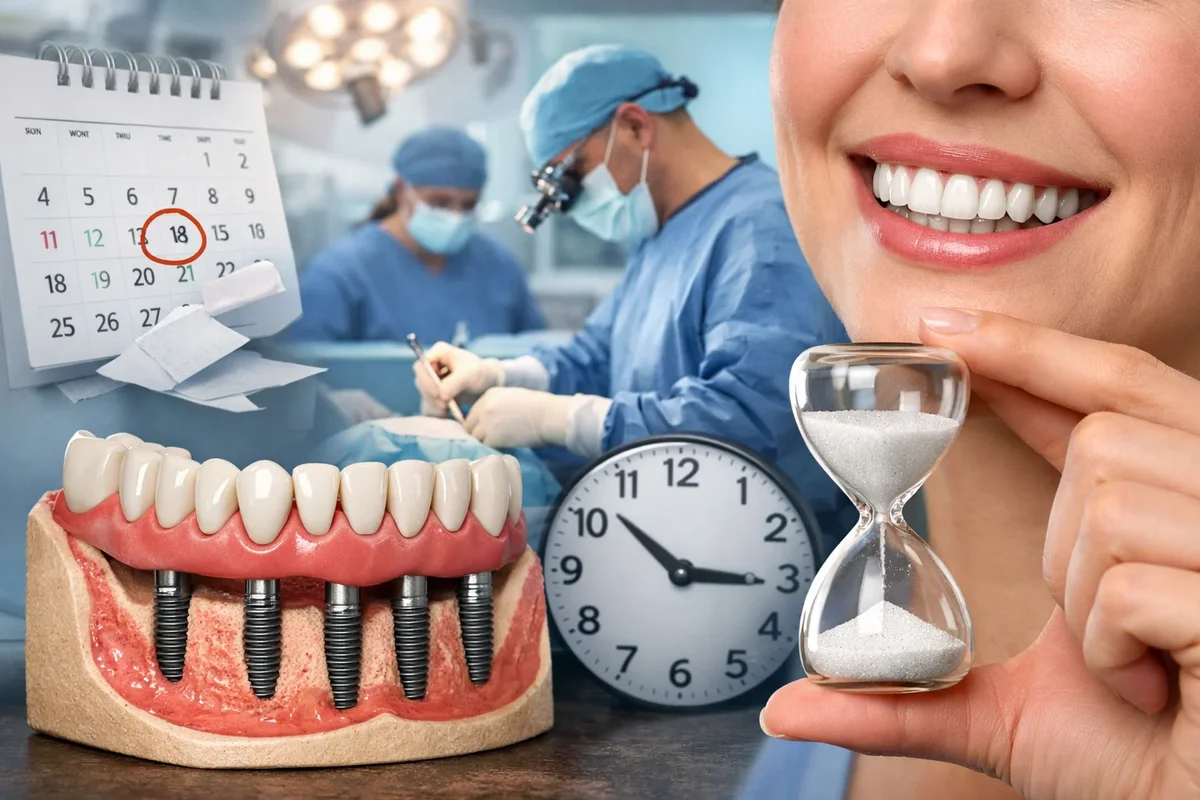
Full Dental Implants Timeline Compared to Other Tooth Replacement Options
When evaluating how long does it take to get full dental implants, many patients naturally compare implants with other tooth replacement solutions such as dentures or dental bridges. Time is an important factor, but it should never be viewed in isolation. Understanding how full dental implants compare in terms of timeline, durability, comfort, and long-term value helps patients make informed decisions rather than focusing only on speed 😊.
While full dental implants typically take longer to complete than other options, they are also designed to last significantly longer and function more like natural teeth. This balance between time investment and long-term benefit is central to answering how long does it take to get full dental implants in a meaningful way.
Full Dental Implants vs. Traditional Dentures
Traditional dentures are often the fastest tooth replacement option. In many cases, dentures can be fabricated and fitted within a few weeks. This quick turnaround may seem appealing to patients who are concerned about how long does it take to get full dental implants.
However, dentures sit on top of the gums and do not integrate with the jawbone. Over time, this lack of stimulation leads to bone loss, reduced stability, and frequent adjustments. While dentures are quicker initially, they often require ongoing maintenance, relining, or replacement.
Time vs. Stability Comparison
From a purely short-term perspective, dentures are faster. From a long-term perspective, full dental implants offer unmatched stability, comfort, and bone preservation. This is why many patients accept the longer timeline associated with how long does it take to get full dental implants in exchange for lasting results.
Full Dental Implants vs. Dental Bridges
Dental bridges are another alternative often compared to implants. Bridges typically require several weeks to complete and involve reshaping adjacent healthy teeth to support the prosthetic. This makes bridges faster than implants but more invasive to surrounding teeth.
Unlike implants, bridges do not address underlying bone loss. Over time, this can lead to aesthetic changes and additional dental issues. Patients considering how long does it take to get full dental implants should weigh the initial time savings of bridges against potential long-term drawbacks.
Why Full Dental Implants Take Longer
The main reason full dental implants take longer than other options is biological healing. Osseointegration—the process where implants fuse with the jawbone—cannot be rushed. This healing phase is essential for long-term success and is what allows implants to function like natural tooth roots.
While other options may deliver quicker cosmetic results, they do not offer the same level of structural support. This explains why how long does it take to get full dental implants often involves several months rather than weeks.
Long-Term Value vs. Short-Term Speed
When comparing timelines, it’s important to consider not just how long treatment takes, but how long the results last. Dentures and bridges typically need replacement or major adjustments every 5–10 years. Full dental implants, when properly maintained, can last decades.
This long-term durability reframes the question of how long does it take to get full dental implants. Rather than asking how fast the process is, patients often find it more helpful to ask how long the solution will serve them reliably.
Comfort, Function, and Quality of Life
Full dental implants provide superior chewing efficiency, speech clarity, and comfort compared to removable options. Patients often report feeling more confident and less restricted in their diet and social interactions.
These quality-of-life improvements are rarely matched by faster alternatives. For many patients, this makes the longer timeline behind how long does it take to get full dental implants feel entirely justified.
Professional Perspective on Treatment Choice
Dental professionals emphasize that treatment decisions should be based on overall health, bone condition, lifestyle, and long-term goals—not just speed. Organizations such as the American Dental Association highlight implants as the gold standard for tooth replacement due to their stability and longevity.
This professional consensus helps explain why full dental implants are recommended even though how long does it take to get full dental implants is longer compared to other options.
Choosing the Right Option for Your Situation
There is no single “best” solution for everyone. Some patients prioritize speed due to medical or personal reasons, while others prioritize durability and function. A personalized consultation is essential to determine which option aligns best with individual needs.
Patients considering their options can receive expert guidance by reaching out through the Redent Klinik Contact Page. A professional evaluation provides clarity on timelines, benefits, and long-term expectations.
Putting the Timeline Into Perspective
When viewed side by side, full dental implants clearly take longer than dentures or bridges. However, they also offer superior stability, bone preservation, and longevity. Understanding this comparison helps patients interpret how long does it take to get full dental implants not as a disadvantage, but as part of a carefully designed, long-term solution.
In conclusion, while other tooth replacement options may deliver faster results, none match the durability and natural function of full dental implants. The extended timeline exists to ensure safety, strength, and long-term success. When patients consider the full picture, the answer to how long does it take to get full dental implants becomes not just acceptable—but worthwhile 🌟.