
If you are considering dental implants, one of the very first questions you are likely to ask is: how long does it take to get permanent dental implants? This is a completely natural concern. Dental implant treatment is not a single-day procedure, and understanding the full timeline helps patients feel more confident, prepared, and less anxious 😊. In this comprehensive guide, we will break down the entire process in a clear, realistic, and patient-friendly way.
To answer the question how long does it take to get permanent dental implants, it’s important to understand that implant treatment is a multi-stage medical process. Unlike fillings or crowns, dental implants require healing time for your jawbone and gums. On average, the complete process typically takes 3 to 9 months, though some cases may be shorter or longer depending on individual factors.
The reason dental implants take time is because they are designed to become a permanent part of your body. The implant post, usually made of titanium, must fuse with the jawbone in a biological process called osseointegration. This step is essential for long-term success and stability, and it simply cannot be rushed without risking failure.
So, how long does it take to get permanent dental implants in real-world terms? For many patients, the journey begins with an initial consultation and diagnostic phase, which may take one or two appointments. After that, some patients need tooth extractions or bone grafting before implant placement, which can add several weeks or even months to the timeline. Others may qualify for immediate implant placement, which significantly shortens treatment time ⏳.
Once the implant is placed into the jawbone, the healing phase begins. This is where most of the waiting occurs. Osseointegration usually takes between 8 to 16 weeks, though in some cases it may extend to 6 months. During this period, the implant slowly integrates with the bone, creating a strong foundation for the permanent crown.
Patients often ask whether they will be without teeth during this waiting period. Fortunately, the answer is usually no. Temporary teeth or provisional restorations are often provided so you can smile, speak, and eat comfortably while healing. However, it’s important to note that these temporary solutions are not the final result. The permanent implant crown is placed only after healing is complete.
Another important factor in understanding how long does it take to get permanent dental implants is individual health. Patients who smoke, have uncontrolled diabetes, or suffer from gum disease may require additional healing time. On the other hand, healthy patients with strong bone density often complete treatment faster and with fewer complications.
In modern dentistry, advanced imaging, digital planning, and improved implant materials have significantly reduced treatment times compared to the past. Some clinics even offer accelerated or “same-day” implant solutions in carefully selected cases. However, even in these scenarios, the final permanent implant restoration still requires proper healing to ensure long-term success.
From a patient perspective, it’s helpful to think of dental implants as a long-term investment rather than a quick fix. While the process may take several months, the reward is a natural-looking, stable, and long-lasting tooth replacement that can last decades with proper care 😁.
If you are still wondering how long does it take to get permanent dental implants in your specific case, the most accurate answer can only be given after a professional evaluation. A personalized treatment plan considers bone quality, oral health, and aesthetic goals. If you’d like expert guidance or a tailored timeline, you can reach out through the Redent Klinik Contact Page.
For additional educational resources and trusted dental information, you can also visit the American Dental Association, which provides in-depth guidance on dental implant procedures and oral health standards.
In summary, the answer to how long does it take to get permanent dental implants depends on multiple medical and personal factors. While the average timeline ranges from a few months to nearly a year, each stage plays a crucial role in ensuring the implant is safe, durable, and truly permanent. Understanding this timeline helps you set realistic expectations and move forward with confidence.
Understanding the Full Dental Implant Timeline From Start to Finish
To truly understand how long does it take to get permanent dental implants, it is essential to look at the entire treatment timeline from beginning to end. Many patients mistakenly believe dental implants are a single procedure, but in reality, they involve several carefully planned stages. Each stage serves a medical purpose and directly affects how long it takes to achieve a stable, permanent result.
When patients ask how long does it take to get permanent dental implants, what they are really asking is how long it will take before they can confidently eat, smile, and function with their final teeth. The answer depends on how each step progresses and whether additional treatments are needed along the way.
The Dental Implant Journey Is a Process, Not a One-Day Event
The full dental implant timeline typically includes consultation, preparation, surgery, healing, and final restoration. Each phase builds on the previous one. Skipping or rushing any stage can compromise implant stability, aesthetics, and long-term success.
In general terms, the complete process of getting permanent dental implants can take anywhere from 3 to 9 months. In more complex cases, such as when bone grafting or sinus lifting is required, the timeline may extend to 12 months. This range explains why the question how long does it take to get permanent dental implants does not have a single universal answer.
Phase-by-Phase Breakdown of the Implant Timeline
Let’s break down the process to better understand where the time goes and why each step matters.
Consultation and Treatment Planning (1–2 Weeks)
The journey begins with a detailed consultation. During this stage, your dentist or implant specialist evaluates your oral health using X-rays, 3D scans, and clinical examinations. This phase determines whether you are a candidate for implants and helps estimate how long does it take to get permanent dental implants in your specific situation.
This planning phase may take a few days to a couple of weeks, depending on how quickly diagnostic imaging and treatment approvals are completed.
Preparatory Treatments (0–6 Months, If Needed)
Some patients require preparatory treatments before implant placement. These may include tooth extractions, bone grafting, or gum disease treatment. If bone grafting is required, healing alone can take 3 to 6 months. This is often the stage that extends the total duration when people ask how long does it take to get permanent dental implants.
Patients with healthy jawbone structure may skip this phase entirely, significantly shortening the overall timeline.
Implant Placement Surgery (Single Day)
The actual implant surgery is surprisingly quick. In most cases, placing the implant post takes 30 to 90 minutes per implant. Despite its short duration, this step marks the beginning of the most critical healing phase. Even though surgery is done in one day, it does not mean the treatment is complete.
The Healing Period: Why Waiting Is Necessary
After surgery, the body needs time to heal and integrate the implant into the jawbone. This process, known as osseointegration, usually takes 2 to 4 months. In some patients, it may take longer. This healing time is the main reason why the answer to how long does it take to get permanent dental implants often spans several months.
Rushing this phase can increase the risk of implant failure. A properly integrated implant is what allows permanent crowns to function like natural teeth.
Temporary Teeth During the Waiting Period
Many patients worry they will be left without teeth during healing. In most cases, temporary restorations are provided. While these are not permanent, they allow normal daily function and maintain appearance. However, they do not replace the need for proper healing before final placement.
Final Restoration and Permanent Crown Placement (2–4 Weeks)
Once healing is complete, impressions are taken to create your permanent crown, bridge, or full-arch restoration. This final step usually takes a few weeks. After placement, your treatment is complete, and the question how long does it take to get permanent dental implants finally has a definitive answer based on your journey.
In conclusion, understanding the full dental implant timeline helps set realistic expectations. While the process requires patience, each stage plays a vital role in ensuring your implants are strong, functional, and truly permanent. Knowing what to expect makes the waiting worthwhile and the results far more rewarding 😊.
Initial Consultation and Diagnostic Phase: What Happens First?
The first step in determining how long does it take to get permanent dental implants always begins with a detailed initial consultation and diagnostic phase. This stage may seem simple on the surface, but it plays a critical role in shaping the entire implant journey. Without proper evaluation and planning, implant treatment cannot proceed safely or successfully.
Many patients underestimate this phase when asking how long does it take to get permanent dental implants. However, accurate diagnostics at the beginning often shorten the overall timeline by preventing complications later. A well-planned start saves months of delays down the road 😊.
Why the Initial Consultation Is So Important
The consultation is not just a casual dental visit. It is a comprehensive medical and dental assessment designed to answer one core question: are dental implants the right solution for you, and if so, what is the safest and fastest path forward?
During this visit, your dentist evaluates your oral health, jawbone condition, gum health, bite alignment, and overall medical history. Conditions such as diabetes, osteoporosis, or smoking habits are carefully reviewed because they directly influence how long does it take to get permanent dental implants.
Diagnostic Imaging and Advanced Scans
Modern implant dentistry relies heavily on advanced diagnostic tools. These tools allow dentists to plan implant placement with extreme precision.
Dental X-Rays and 3D CBCT Scans
X-rays provide a general overview of bone structure, but most implant cases require a 3D CBCT (Cone Beam Computed Tomography) scan. This scan shows bone density, nerve location, sinus position, and available bone volume. These details help prevent complications and determine whether additional procedures are needed.
Without these scans, it would be impossible to accurately estimate how long does it take to get permanent dental implants, as unseen bone deficiencies could cause unexpected delays.
Digital Impressions and Bite Analysis
Digital impressions may also be taken to evaluate your bite and spacing. This step ensures the final implant crown will align naturally with surrounding teeth. Proper bite alignment prevents implant overload and improves long-term success.
Evaluating Bone and Gum Health
One of the most decisive factors affecting how long does it take to get permanent dental implants is jawbone quality. If sufficient bone is present, implant placement can proceed quickly. If not, bone grafting may be required, which adds healing time.
Gum health is equally important. Active gum disease must be treated before implants can be placed. Ignoring this step increases the risk of implant failure and significantly extends the overall timeline.
Creating a Personalized Treatment Plan
After gathering all diagnostic data, your dentist creates a customized treatment plan. This plan outlines every step of your implant journey, including:
- Whether extractions are needed
- If bone grafting or sinus lift procedures are required
- The number of implants needed
- The expected healing time
- The estimated total duration
This is the moment when patients receive the most accurate answer to how long does it take to get permanent dental implants for their individual case. While online averages are helpful, nothing compares to a personalized timeline.
How Long Does the Consultation Phase Take?
In most cases, the initial consultation and diagnostic phase takes 1 to 2 weeks from start to finish. This includes appointments, scans, treatment planning, and discussion. Some clinics can complete everything in a single extended visit, while others may spread it over multiple days.
Although this phase is relatively short, it is foundational. Rushing or skipping proper diagnostics often leads to delays later, increasing the total time when patients ask how long does it take to get permanent dental implants.
Patient Education and Expectation Management
Another critical part of the consultation phase is patient education. Dentists explain each stage of treatment, expected sensations, healing timelines, and aftercare requirements. Understanding what lies ahead reduces anxiety and helps patients stay committed to the process.
When patients clearly understand how long does it take to get permanent dental implants and why each step matters, they are more likely to follow instructions, attend follow-ups, and achieve successful outcomes.
In summary, the initial consultation and diagnostic phase may seem like a small step, but it sets the tone for the entire implant journey. Accurate diagnostics, personalized planning, and clear communication all work together to ensure the implant process is efficient, safe, and predictable. This stage is the foundation upon which permanent, long-lasting dental implants are built 🦷.
Tooth Extraction and Healing Time Before Implant Placement
When discussing how long does it take to get permanent dental implants, one of the most important—and often underestimated—stages is tooth extraction and the healing period that may follow before implant placement. Not every patient needs an extraction, but for those who do, this step can significantly influence the overall timeline.
Many patients assume that a tooth can be extracted and an implant placed immediately afterward. While this is possible in select cases, it is not always the safest or most predictable approach. Understanding this phase helps clarify why the answer to how long does it take to get permanent dental implants varies so widely from person to person.
When Is Tooth Extraction Necessary?
Tooth extraction is required when a tooth is severely damaged, decayed, infected, or fractured beyond repair. In some cases, teeth with advanced periodontal disease must also be removed to protect overall oral health.
If an unhealthy tooth remains in place, it can compromise the success of a future implant. That is why extractions are sometimes unavoidable, even though they may add time when evaluating how long does it take to get permanent dental implants.
Types of Extraction and Their Impact on Healing Time
Simple Tooth Extraction
A simple extraction involves removing a tooth that is fully visible above the gum line. Healing from this type of extraction is relatively quick. In many cases, the gums heal within 2 to 4 weeks. If bone quality is good, implant placement may follow shortly after.
Patients who undergo simple extractions often experience a shorter overall timeline when asking how long does it take to get permanent dental implants.
Surgical or Complex Extraction
Surgical extractions are more complex and may involve impacted teeth, broken roots, or teeth embedded in bone. Healing after surgical extraction usually takes longer—often 6 to 12 weeks—before implant placement can safely occur.
This extended healing period is a common reason why some patients find that how long does it take to get permanent dental implants is longer than initially expected.
Immediate Implant Placement: Is It Always Possible?
In certain cases, dentists can place an implant immediately after tooth extraction. This is known as immediate implant placement. While it sounds appealing, it is only suitable when specific conditions are met, such as:
- No active infection
- Sufficient bone volume and density
- Healthy surrounding gum tissue
When these criteria are met, immediate placement can reduce total treatment time. However, even with immediate placement, the implant still requires months of healing before the permanent crown is attached. So while it may shorten the timeline, it does not eliminate the healing phase when considering how long does it take to get permanent dental implants.
Delayed Implant Placement and Why It’s Often Recommended
In many cases, dentists recommend delayed implant placement. This approach allows the extraction site to heal fully before introducing the implant. Although it adds weeks or months to the process, it often results in higher success rates.
Delayed placement is particularly important if there was infection, bone loss, or trauma. Allowing the area to stabilize ensures that the implant has the best possible environment for long-term integration.
Bone Grafting After Extraction
Sometimes, tooth extraction reveals bone loss that was hidden beneath the gums. In these cases, bone grafting may be performed at the time of extraction. Bone grafts help preserve jawbone volume and create a stable foundation for future implants.
Healing after bone grafting can take 3 to 6 months, which significantly affects how long does it take to get permanent dental implants. While this waiting period can be frustrating, it is often essential for long-term success.
Healing Sensations and What Patients Can Expect
After extraction, patients may experience mild swelling, tenderness, or discomfort for a few days. Most people return to normal activities quickly, especially with proper aftercare. Following post-extraction instructions closely helps speed healing and avoid complications that could delay implant placement.
Why This Phase Should Never Be Rushed
Rushing from extraction to implant placement without adequate healing increases the risk of implant failure. Poor integration, infection, and implant instability are all potential consequences. That is why dental professionals emphasize patience during this phase, even though it affects how long does it take to get permanent dental implants.
In summary, tooth extraction and healing play a crucial role in the implant timeline. Whether healing takes a few weeks or several months depends on extraction type, bone health, and individual healing capacity. While this phase may extend the journey, it ultimately ensures that the final dental implant is strong, stable, and truly permanent 🦷.
Dental Implant Surgery: How Long the Procedure Actually Takes
When patients ask how long does it take to get permanent dental implants, they often focus heavily on the surgical day itself. There is a common misconception that implant surgery is long, painful, and complex. In reality, the surgical placement of a dental implant is usually the shortest part of the entire process, even though it plays a crucial role in determining long-term success.
Understanding what happens on surgery day helps clarify how this stage fits into the overall timeline and why, despite being quick, it does not immediately answer the question of how long does it take to get permanent dental implants.
What Happens During Dental Implant Surgery?
Dental implant surgery involves placing a titanium implant post into the jawbone to replace the missing tooth root. This post acts as the foundation for the future permanent crown. The procedure is performed under local anesthesia, and in some cases, conscious sedation may be used for patient comfort.
Despite sounding invasive, implant surgery is highly controlled and minimally traumatic when performed by an experienced clinician. Modern techniques and digital planning allow for precise placement, reducing surgical time and improving healing outcomes.
How Long Does the Implant Surgery Take?
Single Dental Implant Placement
For a single implant, the surgical procedure typically takes 30 to 60 minutes. This includes preparing the site, placing the implant, and securing the area. From a time perspective, this part contributes very little when calculating how long does it take to get permanent dental implants.
Multiple Implants or Full-Arch Cases
When multiple implants are placed, surgery may take between 1.5 to 3 hours. Full-mouth implant procedures may take longer but are often completed in a single session. Even in complex cases, the surgery itself remains a small fraction of the overall treatment time.
Same-Day Implants and Immediate Loading
Some patients are candidates for same-day implant procedures, where implants and temporary teeth are placed on the same day. This approach can be appealing for those concerned about how long does it take to get permanent dental implants.
However, it’s important to understand that same-day teeth are temporary. Even with immediate loading, the implants still require months of healing before permanent restorations can be placed. Same-day procedures reduce inconvenience, not biological healing time.
Recovery After Implant Surgery
Recovery from implant surgery is generally straightforward. Most patients experience mild swelling or discomfort for a few days, which is manageable with prescribed or over-the-counter pain relief. Many return to work within 24 to 48 hours.
Although recovery is quick, the internal healing process continues quietly beneath the surface. This is why surgery day alone does not define how long does it take to get permanent dental implants.
Why Surgery Is Not the Longest Part of the Process
Patients are often surprised to learn that the surgery itself is not what makes dental implants a long treatment. The real time investment lies in healing and integration. Implant surgery initiates the process, but the body needs time to bond the implant to the bone.
Even if surgery takes less than an hour, permanent teeth cannot be placed immediately. This distinction is critical when managing expectations about how long does it take to get permanent dental implants.
Factors That Can Affect Surgical Time
While implant surgery is usually quick, certain factors may slightly increase procedure time, including:
- Bone density and jaw anatomy
- Need for simultaneous bone grafting
- Number of implants placed
- Use of guided implant technology
Even with these variables, surgery rarely becomes the longest stage of treatment.
Patient Comfort and Safety During Surgery
Modern implant dentistry prioritizes patient comfort. Local anesthesia ensures the procedure is painless, and sedation options help anxious patients feel relaxed. Post-surgical instructions are designed to minimize discomfort and promote faster healing.
When performed correctly, implant surgery sets the foundation for a smooth healing process and directly impacts how predictably clinicians can estimate how long does it take to get permanent dental implants.
Putting Surgery Day Into Perspective
In summary, dental implant surgery is a brief but critical milestone in the implant journey. While it usually takes less than a few hours, it marks the beginning of a healing phase that ultimately determines when permanent teeth can be placed.
So, while surgery day is important, it is only one chapter in the larger story of how long does it take to get permanent dental implants. Understanding this helps patients approach treatment with realistic expectations and confidence in the process 😊.
Osseointegration Explained: The Critical Healing Phase
When people seriously research how long does it take to get permanent dental implants, they quickly discover that the longest and most important stage is not surgery, but healing. This healing phase is called osseointegration, and it is the biological process that ultimately determines whether a dental implant succeeds or fails. Understanding this phase is essential for setting realistic expectations.
Osseointegration is the reason dental implants are considered the gold standard for tooth replacement. It is also the main reason why the answer to how long does it take to get permanent dental implants cannot be reduced to a few weeks.
What Is Osseointegration?
Osseointegration is the natural process by which the jawbone grows around and bonds directly to the titanium implant surface. Instead of simply sitting in the bone, the implant becomes biologically integrated, functioning like a natural tooth root.
This process is what allows dental implants to support chewing forces, resist movement, and last for decades. Without successful osseointegration, permanent crowns cannot be safely placed—no matter how much time has already passed.
How Long Does Osseointegration Take?
Average Healing Time
For most patients, osseointegration takes between 8 and 16 weeks. In some cases, especially when bone quality is excellent, integration may occur faster. In others, particularly where bone density is lower, healing may take up to 6 months.
This phase is the single biggest contributor when patients ask how long does it take to get permanent dental implants. Even if everything else moves quickly, this biological process cannot be rushed.
Upper Jaw vs Lower Jaw Healing
Osseointegration often takes longer in the upper jaw than in the lower jaw. The bone in the upper jaw is generally softer, especially near the sinus area. As a result, implants placed in the upper jaw may require additional healing time.
This anatomical difference is another reason why timelines vary when discussing how long does it take to get permanent dental implants.
What Happens During the Healing Phase?
While patients may feel largely normal during osseointegration, a complex biological process is occurring beneath the gums. Bone cells gradually attach to the implant surface, stabilizing it over time.
Externally, the gums heal within a few weeks. Internally, however, bone remodeling continues silently for months. This is why dentists avoid placing permanent restorations too early.
Can You Eat Normally During Osseointegration?
Most patients can return to a normal diet after the initial recovery period, but certain precautions are recommended. Hard, sticky, or excessively crunchy foods should be avoided around the implant site.
Following dietary guidelines reduces stress on the implant and helps ensure smooth healing, which directly affects how long does it take to get permanent dental implants.
Temporary Restorations During Healing
In many cases, patients receive temporary crowns or dentures during osseointegration. These restorations are designed to be lightweight and non-invasive to protect the implant while maintaining aesthetics and function.
It’s important to remember that these are not permanent teeth. Even though they look natural, the implant underneath still requires uninterrupted healing time.
Factors That Influence Osseointegration Speed
Several factors affect how quickly and successfully osseointegration occurs:
- Bone density and quality
- Smoking habits
- Systemic health conditions (such as diabetes)
- Oral hygiene practices
- Implant material and surface technology
Patients who follow post-operative instructions carefully often experience smoother healing, helping keep how long does it take to get permanent dental implants within the expected timeframe.
Why Dentists Never Rush This Phase
Attempting to place permanent crowns before osseointegration is complete dramatically increases the risk of implant failure. Even slight movement during healing can prevent proper bone bonding.
That is why experienced clinicians emphasize patience. While waiting may feel frustrating, it is essential for long-term success and directly impacts the final answer to how long does it take to get permanent dental implants.
Signs of Successful Osseointegration
Dentists assess osseointegration using clinical tests and imaging. A stable, pain-free implant with no signs of inflammation indicates successful integration. Only then can the process move forward to permanent restoration.
In summary, osseointegration is the cornerstone of dental implant treatment. It is the phase that transforms an implant from a foreign object into a functional part of your body. While it takes time, it is the reason dental implants are strong, reliable, and truly permanent. Understanding this healing stage provides clarity, patience, and confidence throughout the journey of how long does it take to get permanent dental implants 🦷.
Temporary Teeth vs Permanent Implants: Time Differences
One of the most confusing aspects when patients research how long does it take to get permanent dental implants is the difference between temporary teeth and permanent implant restorations. Many people believe that once they receive a temporary tooth, the implant process is finished. In reality, temporary restorations and permanent implants serve very different purposes and follow very different timelines.
Understanding this distinction is essential for managing expectations and fully answering the question how long does it take to get permanent dental implants. While temporary teeth may arrive quickly, permanent implants require careful timing and biological healing.
What Are Temporary Teeth in Implant Treatment?
Temporary teeth, also known as provisional restorations, are short-term solutions placed during the implant healing phase. These may include temporary crowns, bridges, or removable dentures. Their primary role is aesthetic and functional, not structural.
Temporary teeth allow patients to smile, speak, and eat comfortably while waiting for the implant to fully integrate with the jawbone. However, they are intentionally designed to place minimal pressure on the implant site.
When Are Temporary Teeth Placed?
Immediate Temporaries After Surgery
In some cases, temporary teeth are placed on the same day as implant surgery. This is often referred to as immediate loading. While this approach reduces visible tooth loss, it does not shorten the biological healing time.
Even with immediate temporaries, the answer to how long does it take to get permanent dental implants remains unchanged because osseointegration still requires months.
Delayed Temporary Restorations
In other cases, temporary teeth are placed a few weeks after surgery once initial gum healing has occurred. This approach is common when implant stability needs to be protected during early healing.
Why Temporary Teeth Cannot Be Permanent
Temporary restorations are made from lighter materials and are not designed to withstand long-term chewing forces. Placing permanent crowns too early can disrupt healing and cause implant failure.
This is why dentists carefully separate the timeline for temporary teeth from the timeline for permanent implants when explaining how long does it take to get permanent dental implants.
Permanent Implant Crowns: The Final Stage
Permanent implant crowns are placed only after osseointegration is fully complete. These crowns are custom-made from durable materials such as porcelain or zirconia and are designed to function like natural teeth.
Creating permanent restorations involves multiple steps, including impressions, bite registration, laboratory fabrication, and final placement. This process alone can take several weeks.
Time Comparison: Temporary vs Permanent
From a timing perspective, temporary teeth may be available within days or weeks of surgery. Permanent implant restorations, however, are typically placed 3 to 6 months after surgery, depending on healing speed.
This difference explains why patients often feel confused when researching how long does it take to get permanent dental implants. The presence of a temporary tooth does not mean treatment is complete.
Functional Differences Between Temporary and Permanent Teeth
Temporary teeth are designed to look good but function gently. Permanent implant crowns are engineered for full chewing function, stability, and long-term durability.
Using permanent crowns too early risks implant movement, bone loss, or failure. That is why dentists emphasize patience, even when temporary teeth feel comfortable.
Patient Experience During the Temporary Phase
Most patients adapt well to temporary restorations. Mild dietary restrictions may apply, especially avoiding hard or sticky foods. These precautions protect the implant during healing and help ensure the overall timeline for how long does it take to get permanent dental implants stays on track.
Why Waiting Leads to Better Results
Although waiting for permanent implants can feel frustrating, it leads to superior outcomes. Proper healing allows the implant to become fully stable, ensuring the permanent crown fits securely and functions naturally.
In summary, temporary teeth are an important but transitional step in implant treatment. They offer comfort and confidence while the body heals, but they are not the final destination. Understanding the time difference between temporary and permanent restorations is key to fully answering how long does it take to get permanent dental implants. With patience and proper care, the final result is a strong, natural-looking smile built to last 😁.
Factors That Can Shorten or Extend the Implant Treatment Duration
One of the main reasons patients struggle to find a clear answer to how long does it take to get permanent dental implants is that implant timelines are highly individual. Two patients receiving the same type of implant can have very different treatment durations. This is because multiple biological, medical, and lifestyle factors influence how quickly the body heals and how smoothly each stage progresses.
Understanding these factors helps patients set realistic expectations and avoid unnecessary frustration when comparing their journey to others. Below, we explore the most important elements that can either shorten or extend the total time when asking how long does it take to get permanent dental implants.
Bone Quality and Jawbone Density
Bone quality is one of the most decisive factors in implant treatment time. Dental implants rely on strong, healthy bone to anchor securely.
High Bone Density
Patients with dense, healthy jawbone often experience faster osseointegration. In these cases, implant placement may proceed without bone grafting, and healing tends to be more predictable. This can significantly shorten the overall timeline for how long does it take to get permanent dental implants.
Low Bone Density or Bone Loss
Patients with bone loss—often due to long-term tooth loss or gum disease—may require bone grafting. Bone graft healing alone can take 3 to 6 months, adding substantial time to the process.
Need for Additional Procedures
Not all implant cases are straightforward. Additional procedures can extend the timeline but are often necessary for long-term success.
Bone Grafting and Sinus Lifts
Bone grafts and sinus lift procedures are common in the upper jaw. While these procedures improve implant stability, they require healing time before implants can be placed or restored.
These additional steps are a major reason why how long does it take to get permanent dental implants may vary widely among patients.
Overall Health and Medical Conditions
Your general health plays a direct role in healing speed. Conditions such as diabetes, autoimmune disorders, or osteoporosis can slow recovery and bone integration.
Patients with well-controlled medical conditions often heal normally, while uncontrolled conditions may extend healing time and increase complication risk. This directly affects how long does it take to get permanent dental implants.
Smoking and Lifestyle Habits
Smoking is one of the most significant risk factors for delayed healing and implant failure. Nicotine restricts blood flow, reducing the body’s ability to heal bone and soft tissue.
Smokers often experience longer healing times, making the answer to how long does it take to get permanent dental implants noticeably longer compared to non-smokers.
Oral Hygiene and Patient Compliance
Good oral hygiene is essential throughout implant treatment. Patients who follow post-operative instructions, attend follow-up visits, and maintain clean implant sites tend to heal faster.
Poor hygiene or missed appointments can lead to inflammation or infection, delaying progress and extending how long does it take to get permanent dental implants.
Number of Implants and Treatment Complexity
A single-tooth implant usually takes less time than full-mouth restoration. Multiple implants may require staged placement or extended healing periods.
Full-arch implant cases are efficient but still involve months of healing before final restorations are placed.
Age and Healing Capacity
Age alone does not disqualify patients from implants, but healing capacity can change over time. Younger patients often heal slightly faster, while older patients may need more healing time.
That said, many older adults successfully complete treatment within standard timelines for how long does it take to get permanent dental implants.
Technology and Clinical Expertise
Advanced imaging, guided surgery, and modern implant surfaces can improve precision and healing efficiency. Experienced clinicians are better equipped to anticipate challenges and minimize delays, helping keep treatment on schedule.
Why Individual Timelines Matter More Than Averages
Online averages can be helpful, but they do not replace personalized planning. The most accurate answer to how long does it take to get permanent dental implants always comes from a professional evaluation tailored to your specific needs.
In conclusion, implant treatment duration is influenced by a combination of biological, medical, and lifestyle factors. While some patients complete treatment quickly, others require additional time to ensure safety and long-term success. Understanding these variables helps patients approach implant treatment with patience, confidence, and realistic expectations 🦷.
Single Tooth vs Full Mouth Implants: Time Comparison
One of the most common follow-up questions after learning the basics of implant treatment is how treatment time changes depending on the number of teeth being replaced. Patients often ask whether replacing one tooth is faster than restoring an entire smile—and how that affects how long does it take to get permanent dental implants. The short answer is yes, treatment time can differ significantly, but not always in the way people expect.
Understanding the time differences between single-tooth implants and full-mouth implant solutions helps patients choose the most appropriate treatment and form realistic expectations about how long does it take to get permanent dental implants in their specific case.
Single Tooth Dental Implants: A Focused Timeline
A single tooth implant is the most straightforward form of implant treatment. It involves replacing one missing tooth with one implant post and one permanent crown.
Typical Timeline for a Single Implant
For a healthy patient with good bone quality, the timeline for a single tooth implant generally looks like this:
- Consultation and planning: 1–2 weeks
- Implant placement surgery: 1 day
- Osseointegration healing: 2–4 months
- Permanent crown placement: 2–4 weeks
In total, this means a single implant usually takes about 3 to 5 months. In some cases, it may be slightly longer. This makes single implants one of the quicker answers to how long does it take to get permanent dental implants.
When Single Implants Take Longer
If tooth extraction, bone grafting, or infection treatment is required, the timeline can extend by several months. Even for one tooth, biological healing still governs the process.
Multiple Tooth Implants: Added Complexity, Similar Healing
Replacing several missing teeth with individual implants increases surgical complexity, but it does not always dramatically increase total treatment time. Often, multiple implants can be placed during the same surgical appointment.
Healing still occurs simultaneously, meaning osseointegration does not double or triple in length simply because more implants are placed. However, restorative planning may take slightly longer.
Full Mouth Implants: Efficient but Not Instant
Full-mouth implant solutions, such as implant-supported bridges or full-arch restorations, are often assumed to take much longer. Surprisingly, this is not always the case.
All-on-4 and Full-Arch Treatments
In full-arch treatments, a complete set of teeth is supported by a limited number of implants (often four to six per arch). These implants are strategically placed to maximize stability.
Many full-mouth cases include same-day temporary teeth, allowing patients to leave surgery with a functional smile. However, these are still temporary.
Even with same-day teeth, the biological healing phase remains unchanged. This is why, even in advanced cases, the answer to how long does it take to get permanent dental implants still includes several months of healing.
Healing Time: The Equalizer
Whether one implant or twelve are placed, the body still requires time to integrate implants into bone. Osseointegration does not speed up simply because more implants are placed.
This means that while surgical and restorative steps differ, healing time remains the main factor influencing how long does it take to get permanent dental implants in both single-tooth and full-mouth cases.
Why Full Mouth Treatments Can Feel Faster
Full-mouth treatments often feel faster from a patient’s perspective because multiple problems are solved at once. Instead of waiting for individual teeth to be restored over time, patients move through treatment as a single, coordinated plan.
Functionally and emotionally, this can make the journey feel shorter, even if the biological timeline is similar.
Cost and Planning Considerations
While this section focuses on time, it’s worth noting that treatment planning for full-mouth implants is more complex. This planning phase ensures optimal bite alignment, aesthetics, and long-term stability.
Careful planning helps prevent delays later, keeping how long does it take to get permanent dental implants as predictable as possible.
Which Option Is Faster Overall?
In general:
- Single tooth implants often take less total time
- Multiple implants can be efficient if placed together
- Full-mouth implants feel faster due to immediate transformation
However, no option bypasses the need for proper healing.
Final Thoughts on Treatment Time Comparisons
In conclusion, the number of teeth being replaced does affect the treatment approach, but not always the total healing time. Whether restoring one tooth or an entire smile, the biological process remains the same.
The most accurate answer to how long does it take to get permanent dental implants always depends on personalized planning, bone health, and healing response—not just the number of implants placed. Understanding these differences empowers patients to choose the right solution with clarity, confidence, and realistic expectations 😊.
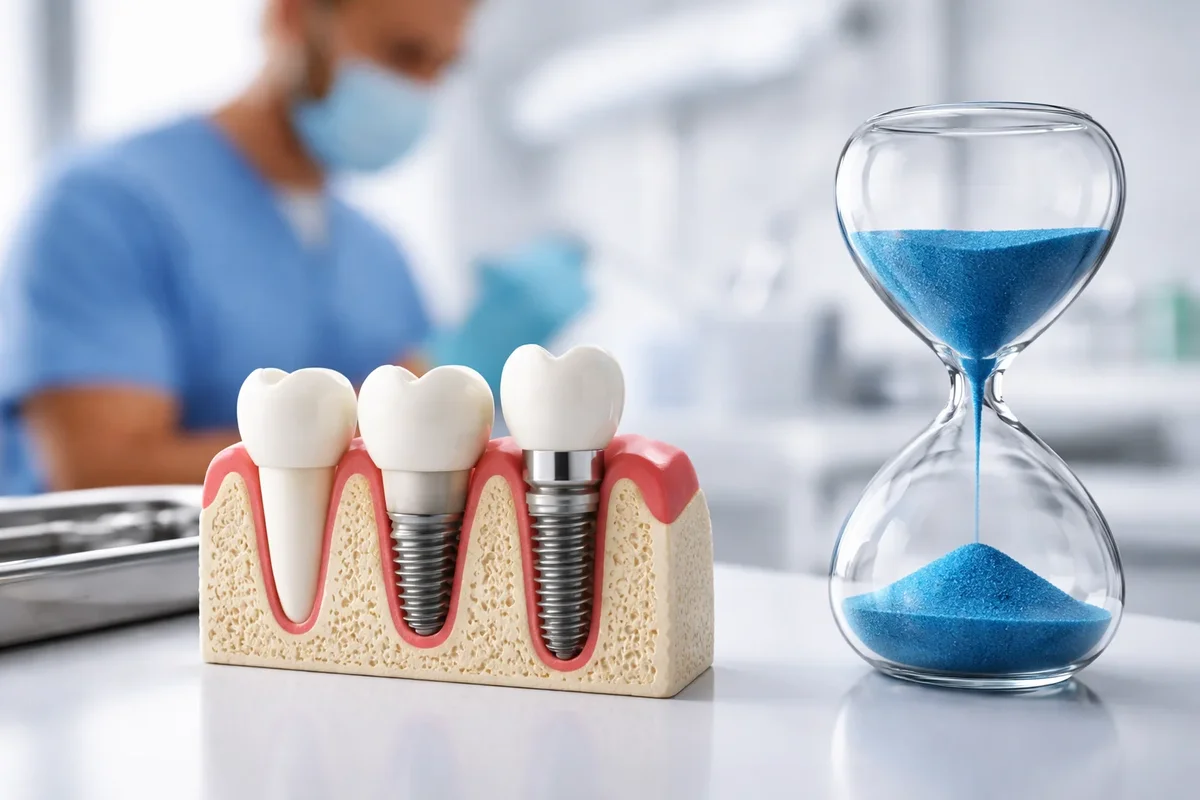
When Will You Finally Get Your Permanent Dental Implant?
After learning about consultations, surgery, healing, and temporary restorations, most patients arrive at the same ultimate question: how long does it take to get permanent dental implants, and when does the treatment finally feel “complete”? This stage is the moment patients look forward to the most—the placement of the permanent implant crown that looks, feels, and functions like a natural tooth.
Understanding exactly when permanent implants are placed helps patients stay patient and confident throughout the journey. While the wait may feel long, this final step is what transforms months of treatment into a long-term solution 🦷.
What Does “Permanent” Really Mean in Dental Implants?
When dentists talk about permanent dental implants, they are referring to the final restoration—the crown, bridge, or full-arch prosthesis—that is securely attached to a fully integrated implant.
Permanent does not simply mean “not removable.” It means the implant has successfully bonded with the jawbone, the surrounding gums are healthy, and the restoration is designed to last for many years. This is why the answer to how long does it take to get permanent dental implants always includes a healing period.
The Final Check Before Permanent Placement
Confirming Successful Osseointegration
Before placing permanent teeth, the dentist performs clinical and radiographic checks to confirm that osseointegration is complete. The implant must feel completely stable, show no signs of inflammation, and integrate solidly with the bone.
If even slight instability is detected, additional healing time may be recommended. While this can feel disappointing, it protects the long-term success of treatment and ensures how long does it take to get permanent dental implants does not end with complications.
Healthy Gums and Proper Emergence Profile
The gums around the implant must also be healthy and well-shaped. Sometimes, soft tissue contouring is performed to ensure the crown emerges naturally from the gumline.
This attention to detail ensures the final result looks natural, not artificial.
Steps Involved in Getting the Permanent Implant Crown
Once the implant is cleared for restoration, the final phase begins. This stage usually takes 2 to 4 weeks and involves several precise steps.
Digital or Physical Impressions
Accurate impressions are taken to design the permanent crown. These impressions capture bite alignment, tooth shape, and spacing. Precision at this stage prevents discomfort or bite issues later.
Custom Crown Fabrication
The permanent crown is custom-made in a dental laboratory using materials such as porcelain or zirconia. These materials are chosen for strength, durability, and natural appearance.
This fabrication process contributes to the final timeline when calculating how long does it take to get permanent dental implants.
Final Placement and Bite Adjustment
Once ready, the crown is attached to the implant using a screw or dental cement. The dentist carefully adjusts the bite to ensure comfort and even pressure distribution.
This appointment is typically painless and marks the official completion of implant treatment.
Typical Timeline to the Final Result
For most patients, the permanent implant crown is placed approximately:
- 3–5 months after implant placement for straightforward cases
- 6–9 months for cases involving extractions or bone grafting
- Up to 12 months for complex cases requiring extensive preparation
This timeline explains why how long does it take to get permanent dental implants often spans several months rather than weeks.
How It Feels Once Permanent Implants Are Placed
Most patients report that permanent implant teeth feel surprisingly natural. There is no movement, no pressure on surrounding teeth, and no discomfort during normal activities.
Chewing efficiency improves, speech feels normal, and confidence increases. For many, this moment makes the entire process worthwhile 😊.
Why Patience Leads to Better Long-Term Results
It can be tempting to want permanent teeth as quickly as possible. However, rushing the process increases the risk of implant failure, crown fracture, or bone loss.
Dentists prioritize longevity over speed. That is why the recommended timeline for how long does it take to get permanent dental implants is based on biology, not convenience.
Life After Permanent Dental Implants
Once permanent implants are placed, patients can resume normal eating, speaking, and smiling without restrictions. With proper oral hygiene and regular dental checkups, implants can last decades.
Daily care includes brushing, flossing, and routine professional cleanings—similar to natural teeth.
Final Answer: When Will It Be Done?
So, when will you finally get your permanent dental implant? The honest answer is: when your body is ready. For most patients, that moment arrives between 3 and 9 months after starting treatment.
In conclusion, how long does it take to get permanent dental implants depends on healing, preparation, and precision—not just procedures. While the journey requires patience, the destination is a stable, natural-looking smile that can last a lifetime. Understanding this final stage helps patients stay motivated, informed, and confident until the very end 😁.