
If you are considering replacing a missing tooth, one of the first questions that probably comes to mind is: how long does it take to place a dental implant? This is a completely natural concern. Dental implants are a long-term investment in your oral health, smile aesthetics, and overall confidence. Understanding the timeline helps you plan your schedule, manage expectations, and feel more comfortable about the procedure. 😊
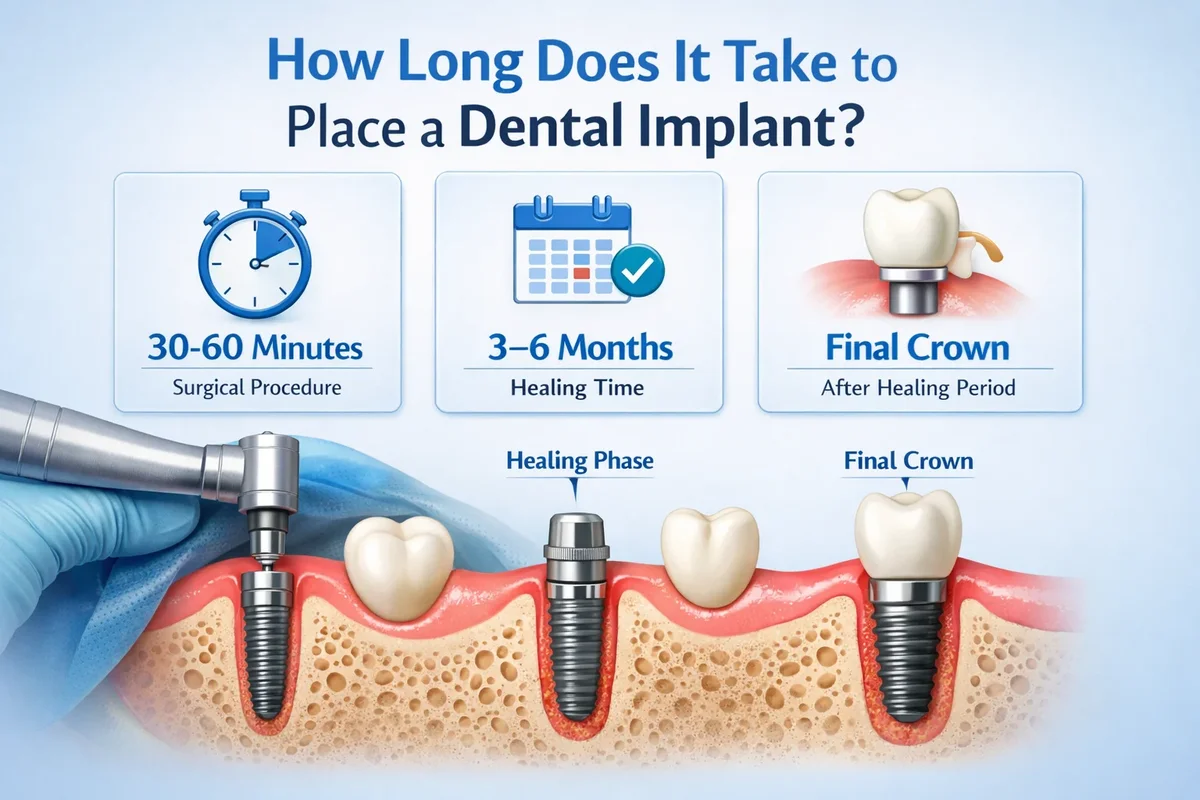
So, how long does it take to place a dental implant in practical terms? The actual surgical placement of a dental implant usually takes between 30 minutes to 90 minutes per implant. However, the total treatment process—from consultation to the final crown—can take several months. This difference between surgical time and total treatment time is important. Many patients confuse the two, but they represent very different stages of the journey.
To clearly answer how long does it take to place a dental implant, we must separate the procedure into two main phases:
- The surgical appointment (implant placement)
- The complete healing and restoration process
During the surgical appointment, your dentist or oral surgeon carefully places a titanium implant into your jawbone. This titanium post acts as an artificial tooth root. The procedure is performed under local anesthesia, and in some cases, sedation is offered for anxious patients. Most people are surprised at how straightforward and comfortable the process feels. In fact, many patients report that implant placement is easier than a tooth extraction. 🦷
When discussing how long does it take to place a dental implant, it is essential to understand that the surgical part is only the beginning. After placement, the implant must undergo a biological process called osseointegration. This is when the jawbone gradually fuses with the titanium implant, creating a strong and stable foundation for the final crown. Osseointegration typically takes 3 to 6 months, depending on your bone quality, health condition, and whether additional procedures were needed.
Many patients ask whether the entire implant is completed in one day. In most traditional cases, the answer is no. While the implant itself can be placed in under an hour, the full restoration requires multiple steps and healing periods. Therefore, if you are wondering how long does it take to place a dental implant from start to finish, you should expect several months for optimal and long-lasting results.
The overall timeline can vary based on several factors:
- Your general health and healing ability
- The condition and density of your jawbone
- Whether bone grafting is required
- The number of implants being placed
- The type of implant technique used (traditional vs. same-day)
According to clinical standards supported by organizations such as the American Dental Association, dental implants are considered one of the most predictable and successful tooth replacement options available today. Their high success rate—often above 95%—comes from careful planning and allowing adequate healing time. Rushing the process can compromise stability and long-term success.
Another important detail when answering how long does it take to place a dental implant is the initial consultation phase. Before surgery, your dentist will perform digital X-rays or 3D CBCT scans to evaluate bone structure and nerve positioning. This planning appointment may take 30–60 minutes but is critical for safe and precise implant placement.
For patients traveling internationally for dental treatment, understanding how long does it take to place a dental implant is especially important. Many clinics schedule the surgical placement during the first visit and the final crown placement during a second visit months later. If you are planning treatment abroad and need personalized scheduling advice, you can always reach out through the Redent Klinik Contact Page for detailed guidance.
In summary, when someone asks, how long does it take to place a dental implant, the most accurate answer is:
- 30–90 minutes for the surgical placement per implant
- 3–6 months for healing and bone integration
- Several appointments over a few months for complete restoration
While it may seem like a lengthy process, each step ensures long-term durability, stability, and a natural appearance. Dental implants are designed to last decades—often a lifetime—with proper care. Taking the time to complete the process correctly guarantees the best functional and aesthetic outcome.
Ultimately, understanding how long does it take to place a dental implant allows you to prepare mentally and physically for treatment. With modern dental technology, expert planning, and proper aftercare, the journey is smoother and more comfortable than many patients expect. And the result—a confident, fully restored smile—is absolutely worth the wait. 😄
1. What Happens During a Dental Implant Procedure?
To truly understand how long does it take to place a dental implant, it’s important to know exactly what happens during the procedure itself. Many patients imagine a complicated or painful surgery, but modern implant dentistry is highly precise, minimally invasive, and surprisingly efficient. 🦷✨
When someone asks, how long does it take to place a dental implant, they are usually referring to the surgical appointment. In most cases, placing a single implant takes between 30 and 90 minutes. However, this timeframe depends on clinical complexity, the number of implants, and whether additional procedures are needed.
Initial Preparation Before Implant Placement
Before the actual surgery begins, the dentist performs several preparatory steps. This phase ensures safety, precision, and comfort. Although this part is not the implant insertion itself, it directly affects how long does it take to place a dental implant on the day of surgery.
1. Local Anesthesia and Patient Comfort
The procedure begins with local anesthesia to completely numb the area. In some cases, conscious sedation may be offered for patients who feel anxious. The numbing process typically takes 5–10 minutes. Most patients report feeling pressure but no pain during the procedure. This preparation is essential because comfort allows the dentist to work efficiently and safely.
2. Surgical Site Preparation
After anesthesia takes effect, the dentist gently opens the gum tissue to access the jawbone. In many modern clinics, flapless techniques may be used, which can reduce surgical time and speed healing. The surgical site preparation is one of the key stages that influences how long does it take to place a dental implant, but it usually takes only a few minutes.
Placing the Titanium Implant Post
The core step in answering how long does it take to place a dental implant is the insertion of the titanium implant into the jawbone. Using specialized precision drills, the dentist creates a small, carefully measured channel in the bone. This channel matches the exact size of the implant.
Once prepared, the titanium implant is gently inserted into the bone. This implant acts as an artificial tooth root. The placement itself is typically quick—often 10 to 20 minutes per implant—when no complications are present.
The dentist ensures the implant is stable and correctly positioned. Advanced digital planning and 3D imaging make this step highly accurate. This precision significantly improves long-term success rates and minimizes risks.
Closing the Surgical Area
After the implant is positioned, the gum tissue is either stitched closed or a healing cap is placed on top of the implant. This depends on whether a one-stage or two-stage implant approach is used.
- One-stage approach: A healing abutment is placed immediately.
- Two-stage approach: The implant is covered by gum tissue and reopened later.
This final surgical step usually takes another 5–15 minutes. When patients ask how long does it take to place a dental implant, this entire surgical process—from anesthesia to suturing—generally stays within the 30–90 minute range.
What You Feel During the Procedure
Understanding sensations during surgery helps reduce anxiety. Even though the idea of jaw surgery sounds intimidating, most patients describe the experience as easier than expected. There may be mild pressure and vibration from the drilling process, but no sharp pain due to anesthesia.
For those concerned about how long does it take to place a dental implant, it’s reassuring to know that time passes quickly. Many patients are surprised when the dentist says the procedure is complete.
Immediate Aftercare Instructions
After surgery, the dentist provides detailed aftercare instructions. These typically include:
- Applying ice packs to reduce swelling ❄️
- Avoiding hard or hot foods for several days
- Taking prescribed medications if needed
- Maintaining gentle oral hygiene
While the surgical answer to how long does it take to place a dental implant may be under an hour, the healing process that follows is equally important. Mild swelling and discomfort can last a few days, but most patients return to normal daily activities within 24–48 hours.
Why Precision Matters More Than Speed
Some patients focus only on speed when asking how long does it take to place a dental implant. However, precision and planning are far more important than rushing the procedure. Implant placement must avoid critical anatomical structures such as nerves and sinus cavities. Careful technique ensures long-term stability and success.
According to clinical standards supported by the American Dental Association, dental implants require proper surgical planning and controlled healing for optimal outcomes. This is why experienced implant dentists never compromise quality for speed.
Single vs. Multiple Implants
If multiple implants are placed in one session, the total surgical time increases proportionally. For example:
- 1 implant: 30–60 minutes
- 2–3 implants: 1–2 hours
- Full-arch implants: 2–3 hours
Therefore, when evaluating how long does it take to place a dental implant, it’s essential to consider how many teeth are being replaced.
Professional Consultation and Personalized Timeline
Every patient’s case is unique. Bone density, gum health, and overall medical history influence both surgical time and healing duration. If you want a personalized evaluation of how long does it take to place a dental implant in your specific case, scheduling a professional consultation is the best step forward. You can contact experienced specialists directly through the Redent Klinik Contact Page to receive tailored guidance.
In summary, understanding what happens during surgery makes the question how long does it take to place a dental implant much clearer. The actual placement is efficient, precise, and typically completed within one visit. However, the full implant journey involves careful healing and follow-up care to ensure your new tooth looks natural and functions perfectly for years to come. 😄
2. How Long Does It Take to Place a Dental Implant in One Visit?
One of the most common questions patients ask is whether everything can be completed in a single appointment. Naturally, people want a fast and convenient solution. So, how long does it take to place a dental implant in one visit? The short answer is that the surgical placement itself can absolutely be done in one appointment, often within 30 to 90 minutes per implant. However, completing the entire treatment—including the final crown—usually requires additional healing time.
When patients specifically ask how long does it take to place a dental implant in one visit, they are typically referring to the surgical insertion of the titanium post into the jawbone. This step is efficient and predictable with modern dental technology. But it is essential to understand what can realistically be accomplished during that single appointment.
Understanding the “One Visit” Concept
The phrase “one visit implant” can sometimes be misleading. In most traditional cases, how long does it take to place a dental implant refers only to the placement of the implant fixture. The implant crown—the visible tooth portion—usually comes later after healing.
Single Surgical Appointment Timeline
Here is what typically happens during a single implant placement visit:
- Pre-surgical review and anesthesia (10–15 minutes)
- Preparation of the implant site (10–20 minutes)
- Placement of the titanium implant (10–20 minutes)
- Placement of healing cap or sutures (5–15 minutes)
Altogether, if you’re wondering how long does it take to place a dental implant during one appointment, the entire session usually lasts about 45–90 minutes for one tooth. For multiple implants, the duration increases accordingly.
Can You Get a Tooth the Same Day?
Some clinics offer same-day or immediate-load implants. In these cases, a temporary crown may be attached on the same day as surgery. This leads many patients to believe that how long does it take to place a dental implant and complete the restoration is just a few hours. While this is possible in selected cases, not everyone qualifies.
When Immediate Implants Are Possible
Same-day restoration may be an option if:
- You have strong and dense jawbone structure
- There is no infection in the implant site
- The implant achieves strong primary stability
- You are replacing a tooth in a low-biting-pressure area
In such cases, the dentist can place a temporary crown immediately. Even then, full healing still takes months. So although how long does it take to place a dental implant surgically may be under an hour, biological integration continues beneath the surface.
The Biological Healing Phase After One Visit
Even if the implant is placed in one appointment, the jawbone requires time to fuse with the titanium post. This process, called osseointegration, typically takes 3 to 6 months. Therefore, when evaluating how long does it take to place a dental implant, it’s important to separate surgical time from healing time.
During healing:
- The bone gradually bonds with the implant surface
- Inflammation subsides within a few days
- Soft tissues close around the implant
- Stability improves over time
Most patients return to work within 1–2 days after surgery. Mild swelling and sensitivity are normal but manageable. 😊
Factors That Influence One-Visit Duration
If you’re asking how long does it take to place a dental implant in one visit, several clinical factors may affect the timing:
1. Bone Quality
Denser bone allows faster and more stable placement.
2. Need for Tooth Extraction
If a damaged tooth must be removed first, this adds time.
3. Use of Digital Guided Surgery
Computer-guided systems can improve efficiency and precision.
4. Number of Implants
Each additional implant adds approximately 20–40 minutes.
These variables explain why how long does it take to place a dental implant can vary from patient to patient.
Is Faster Always Better?
Speed should never compromise safety or long-term success. The American Dental Association emphasizes the importance of proper planning and healing for predictable implant outcomes. While patients understandably want quick results, careful surgical technique ensures durability and reduces complications.
When patients focus solely on how long does it take to place a dental implant, they sometimes overlook the importance of quality. A well-placed implant can last decades—often a lifetime—with proper care.
Traveling Patients and One-Visit Planning
For international patients, knowing how long does it take to place a dental implant in a single visit is crucial for travel arrangements. Typically, you may need to stay 2–3 days after surgery for follow-up evaluation. The final crown placement may require a second trip after healing.
If you are planning treatment and need a personalized timeline, you can reach specialists directly through the Redent Klinik Contact Page to organize your visit efficiently.
Final Answer: One Visit vs Full Treatment
To summarize clearly:
- Implant placement surgery: 30–90 minutes per implant
- Same-day temporary crown (if eligible): Completed within hours
- Full healing period: 3–6 months
- Permanent crown placement: Separate short appointment
So, how long does it take to place a dental implant in one visit? The surgical step is relatively quick and straightforward. However, the complete journey to a fully restored and permanently stable tooth takes time, precision, and proper healing. Understanding this distinction helps you set realistic expectations and feel confident moving forward with treatment. 😄
3. Total Treatment Timeline: From Consultation to Final Crown
When patients ask how long does it take to place a dental implant, they often focus only on the surgical day. However, the complete journey—from your first consultation to receiving your permanent crown—follows a structured timeline. Understanding this full process helps set realistic expectations and reduces anxiety. 🦷
While the surgical answer to how long does it take to place a dental implant may be under 90 minutes, the total treatment timeline usually spans several months. This is because dental implants rely on biological healing, careful planning, and precision restoration for long-term success.
Step 1: Initial Consultation and Digital Planning
The first stage in determining how long does it take to place a dental implant begins with a detailed consultation. During this appointment, your dentist evaluates your oral health, reviews your medical history, and takes diagnostic images such as digital X-rays or 3D CBCT scans.
What Happens During Consultation?
- Assessment of jawbone density
- Evaluation of gum health
- Discussion of treatment goals
- Creation of a personalized treatment plan
This appointment typically lasts 30–60 minutes. While it doesn’t directly answer how long does it take to place a dental implant surgically, it is essential for creating a safe and predictable treatment plan.
Step 2: Preparatory Procedures (If Needed)
In some cases, patients require preparatory treatments before implant placement. These procedures can affect how long does it take to place a dental implant from start to finish.
Bone Grafting
If the jawbone lacks sufficient volume or density, a bone graft may be required. Healing from bone grafting can take 3 to 6 months before implant placement is possible.
Tooth Extraction
If a damaged tooth must be removed first, the dentist may either place the implant immediately or wait 6–8 weeks for the area to heal.
These preparatory steps are why the total timeline for how long does it take to place a dental implant varies from patient to patient.
Step 3: Implant Placement Surgery
This is the phase most patients think about when asking how long does it take to place a dental implant. The surgical placement typically takes 30–90 minutes per implant. Under local anesthesia, the titanium implant is inserted into the jawbone.
After surgery, mild swelling and discomfort are normal for a few days. Most patients resume normal activities within 24–48 hours.
Step 4: Osseointegration (Healing Phase)
The most important stage affecting how long does it take to place a dental implant overall is the healing process known as osseointegration. During this phase, the bone gradually fuses with the implant surface.
How Long Does Osseointegration Take?
- Lower jaw: Approximately 3 months
- Upper jaw: Approximately 4–6 months
This biological bonding ensures the implant becomes as stable as a natural tooth root. According to standards supported by the American Dental Association, proper healing time is critical for long-term implant success.
Even though patients may feel fine within days, internally the body continues strengthening the implant. Therefore, while how long does it take to place a dental implant surgically may be short, the biological timeline requires patience.
Step 5: Abutment Placement
Once healing is complete, the dentist attaches an abutment. This small connector piece links the implant to the crown. The abutment placement is a minor procedure and typically takes 15–30 minutes.
After abutment placement, the gums need about 1–2 weeks to heal before final impressions are taken.
Step 6: Final Crown Placement
The final step in answering how long does it take to place a dental implant completely is attaching the permanent crown. This custom-made crown is designed to match your natural teeth in shape, size, and color.
Crown Appointment Timeline
- Digital or physical impressions
- Laboratory fabrication (1–2 weeks)
- Final fitting and placement (30–60 minutes)
Once the crown is attached, the dental implant process is complete. You can chew, smile, and speak normally with confidence. 😄
Total Estimated Timeline Summary
To clearly answer how long does it take to place a dental implant from beginning to end, here is a typical breakdown:
- Consultation and planning: 1–2 weeks
- Preparatory procedures (if needed): 1–6 months
- Implant placement surgery: 30–90 minutes
- Healing (osseointegration): 3–6 months
- Abutment and crown placement: 2–4 weeks
In total, most patients complete treatment within 3 to 8 months. Complex cases may take longer.
Why the Full Timeline Matters
When evaluating how long does it take to place a dental implant, it’s essential to understand that each stage serves a purpose. Rushing the healing process can compromise implant stability and longevity.
Dental implants have a success rate above 95% when proper protocols are followed. Their durability often exceeds 20 years—and many last a lifetime with good oral hygiene.
Planning Your Treatment Journey
If you are considering implants and want a personalized estimate of how long does it take to place a dental implant in your specific case, consulting with experienced professionals is the best step forward. You can reach out directly through the Redent Klinik Contact Page to receive a tailored treatment schedule.
In conclusion, while the surgical portion may be completed in under an hour, the full journey to a permanent, natural-looking tooth involves careful planning, healing, and precision restoration. Understanding the complete timeline ensures realistic expectations and long-term success. 🦷✨
4. Factors That Affect How Long It Takes to Place a Dental Implant
When patients research how long does it take to place a dental implant, they quickly discover that there is no universal answer. While the average surgical placement may take 30 to 90 minutes, the total treatment timeline can vary significantly depending on individual factors. Understanding these variables helps set realistic expectations and ensures better treatment planning. 🦷
If you are wondering how long does it take to place a dental implant in your specific case, the answer depends on biological, clinical, and procedural elements. Let’s explore these in detail.
1. Bone Density and Jawbone Health
The most important factor influencing how long does it take to place a dental implant is the quality and quantity of your jawbone. Dental implants rely on strong bone support for stability and long-term success.
Healthy, Dense Bone
If your jawbone is thick and dense, implant placement is typically faster and more predictable. In such cases, the surgical step answering how long does it take to place a dental implant may stay closer to the lower end of the 30–60 minute range.
Low Bone Density
Patients who have experienced bone loss due to missing teeth, gum disease, or trauma may require additional procedures such as bone grafting. This can extend the total timeline by several months.
2. Need for Bone Grafting or Sinus Lift
When evaluating how long does it take to place a dental implant, preparatory surgeries play a major role.
Bone Grafting
If there is insufficient bone volume, a bone graft may be placed before the implant. Healing from grafting typically takes 3 to 6 months before implant placement can occur.
Sinus Lift Procedure
For implants in the upper back jaw, a sinus lift may be required to create enough vertical bone height. This adds additional healing time and directly affects how long does it take to place a dental implant from start to finish.
3. Number of Implants Being Placed
The number of implants significantly influences how long does it take to place a dental implant during surgery.
- Single implant: 30–90 minutes
- Two to three implants: 1–2 hours
- Full arch implants (All-on-4 type): 2–3 hours
Each additional implant increases surgical time but does not always proportionally increase healing time.
4. Immediate vs. Delayed Implant Placement
Another key consideration when asking how long does it take to place a dental implant is whether the implant is placed immediately after tooth extraction or after a healing period.
Immediate Placement
If a tooth is extracted and replaced with an implant during the same appointment, the surgical session may take longer. However, it can shorten the overall timeline.
Delayed Placement
In some cases, dentists recommend waiting 6–8 weeks after extraction to allow proper healing. This extends the full treatment duration.
5. Patient’s General Health
Your overall health condition directly impacts how long does it take to place a dental implant and how well you heal afterward.
Smoking
Smoking can delay healing and increase complication risks.
Diabetes
Uncontrolled diabetes may slow osseointegration.
Immune System Health
Patients with strong immune systems typically heal faster and more predictably.
According to clinical guidance supported by the American Dental Association, proper health management improves implant success rates and reduces recovery time.
6. Surgical Technique and Technology
Modern technology can influence how long does it take to place a dental implant during the procedure.
Guided Implant Surgery
Computer-guided implant placement increases precision and may reduce surgery time.
Flapless Techniques
Minimally invasive techniques can shorten surgical time and speed recovery.
7. Location of the Implant in the Mouth
The jaw area where the implant is placed also matters. The lower jaw often has denser bone, which can slightly reduce healing time compared to the upper jaw. Therefore, when calculating how long does it take to place a dental implant, location plays a subtle but important role.
8. Post-Surgical Care and Compliance
Even after surgery, patient behavior affects how long does it take to place a dental implant successfully. Following aftercare instructions is essential.
- Avoiding hard foods
- Maintaining oral hygiene
- Attending follow-up visits
- Avoiding smoking during healing
Proper care ensures faster recovery and reduces complications.
Why Personalized Evaluation Matters
Because so many variables influence how long does it take to place a dental implant, personalized consultation is critical. No two patients have identical bone structure, medical history, or treatment goals.
If you want an accurate timeline tailored to your case, professional assessment is essential. You can connect with experienced implant specialists through the Redent Klinik Contact Page for a detailed evaluation.
Summary of Influencing Factors
To summarize, here are the main elements affecting how long does it take to place a dental implant:
- Bone density and jaw health
- Need for grafting or sinus lift
- Number of implants
- Immediate vs delayed placement
- General health and lifestyle habits
- Technology and surgical method used
- Post-operative care compliance
Ultimately, while the surgical portion may take less than an hour, the complete process varies based on individual circumstances. Understanding these factors allows you to plan confidently and achieve the best long-term outcome. 😄
5. Does Bone Grafting Increase the Dental Implant Timeline?
One of the most important questions patients ask—after learning how long does it take to place a dental implant—is whether bone grafting will extend that timeline. The simple answer is yes, in many cases bone grafting can increase the total treatment duration. However, it also significantly improves implant stability, long-term success, and aesthetic outcomes. 🦷
To fully understand how long does it take to place a dental implant when bone grafting is involved, we must first understand why bone grafting becomes necessary and how it affects healing.
Why Bone Grafting May Be Needed
Dental implants require sufficient jawbone volume and density to support the titanium post. When a tooth has been missing for a long time, the jawbone in that area may shrink—a process known as bone resorption. If the bone becomes too thin or weak, placing an implant without reinforcement may compromise stability.
In such cases, patients often ask again: how long does it take to place a dental implant if I need a bone graft first? The answer depends on the type of graft and your healing capacity.
Common Reasons for Bone Loss
- Long-term tooth loss
- Advanced gum disease (periodontitis)
- Infection at the extraction site
- Trauma or injury
- Natural bone thinning over time
Types of Bone Grafting Procedures
The type of grafting procedure directly affects how long does it take to place a dental implant from start to finish.
1. Minor Socket Preservation Graft
This procedure is often performed immediately after tooth extraction to preserve bone shape. Healing typically takes 8–12 weeks before implant placement can occur.
2. Major Bone Augmentation
If significant bone volume is missing, a larger graft may be required. Healing can take 3–6 months before the implant is placed.
3. Sinus Lift Procedure
For implants in the upper back jaw, a sinus lift may be needed to increase vertical bone height. Healing usually requires 4–6 months.
Each of these procedures influences how long does it take to place a dental implant overall.
Can Bone Grafting and Implant Placement Be Done Together?
In some cases, minor bone grafting can be performed simultaneously with implant placement. This means the implant is inserted during the same appointment as the graft. When this is possible, the surgical answer to how long does it take to place a dental implant may not increase significantly.
However, healing time still plays a crucial role. Even if the implant is placed at the same time as the graft, osseointegration may require a longer monitoring period.
Healing Timeline with Bone Grafting
If bone grafting is performed before implant placement, the timeline may look like this:
- Bone graft surgery: 45–90 minutes
- Healing period: 3–6 months
- Implant placement surgery: 30–90 minutes
- Osseointegration after implant: 3–6 months
- Final crown placement: 2–4 weeks
So when patients ask how long does it take to place a dental implant with bone grafting, the total timeline can extend to 6–12 months in complex cases.
Why Waiting Is Important
Although the extended timeline may seem discouraging, patience ensures long-term implant success. According to clinical standards supported by the American Dental Association, adequate bone volume and proper healing are essential for achieving a high implant success rate.
Skipping or rushing graft healing may lead to implant failure, instability, or aesthetic complications. Therefore, while how long does it take to place a dental implant might increase with grafting, the long-term benefits far outweigh the temporary delay.
Does Bone Grafting Make Surgery More Painful?
Many patients worry that adding grafting will significantly increase discomfort. In reality, modern techniques minimize pain and swelling. Most patients describe mild to moderate soreness that is manageable with prescribed medication.
Interestingly, when discussing how long does it take to place a dental implant, patients often discover that the healing process is smoother than expected—even with grafting involved.
Cost Considerations
Bone grafting may increase overall treatment cost depending on complexity. While prices vary by country and clinic, minor grafting procedures can range between $300–$800, while major bone augmentation may cost $800–$2,500. These figures are approximate and depend on individual needs.
Despite added cost and time, bone grafting ensures the implant has a strong foundation for decades of function.
How to Know If You Need Bone Grafting
The only way to determine whether grafting will affect how long does it take to place a dental implant is through professional evaluation. Digital 3D imaging allows dentists to measure bone thickness and density precisely.
If you are concerned about your timeline, you can request a personalized assessment through the Redent Klinik Contact Page to understand your individual treatment plan.
Final Summary
So, does bone grafting increase the timeline when evaluating how long does it take to place a dental implant? In many cases, yes. However, it dramatically improves implant stability and long-term success.
Here’s the key takeaway:
- No graft needed: 3–6 months total treatment
- Minor graft: 4–8 months total
- Major graft or sinus lift: 6–12 months total
While the extended timeline may require patience, the result is a secure, natural-looking, and long-lasting tooth replacement. With proper planning and expert care, the additional healing period ensures your smile remains strong and functional for many years. 😄
6. Healing Time After Implant Placement: What to Expect
After understanding how long does it take to place a dental implant surgically, the next critical question is about healing. Many patients are surprised to learn that while the procedure itself may take less than an hour, the healing phase is the most important part of the entire process. Healing determines long-term stability, comfort, and success. 🦷
If you are asking how long does it take to place a dental implant from start to full recovery, you must include the biological healing phase known as osseointegration. This natural process allows the jawbone to fuse with the titanium implant, creating a secure artificial root.
The First 24–72 Hours After Surgery
Immediately after surgery, your body begins the healing process. Even though how long does it take to place a dental implant surgically may be short, your body needs time to adapt.
What You May Experience
- Mild swelling around the surgical area
- Minor bleeding for the first 24 hours
- Slight discomfort or pressure sensation
- Temporary difficulty chewing on that side
Most patients return to normal daily activities within 1–2 days. Applying ice packs and following your dentist’s instructions significantly reduces swelling and speeds early recovery.
The First Two Weeks: Soft Tissue Healing
During the first 7–14 days, the gums begin to close around the implant site. When evaluating how long does it take to place a dental implant, this phase is often underestimated. Although patients may feel normal quickly, internal healing continues beneath the surface.
Key Healing Milestones
- Swelling decreases within 3–5 days
- Sutures (if used) are removed in 7–10 days
- Gum tissue begins stabilizing around the implant
This stage is critical because infection prevention is essential for implant success. Proper oral hygiene and gentle cleaning techniques are important.
Osseointegration: The Most Important Phase
The main factor influencing how long does it take to place a dental implant overall is osseointegration. This is the biological bonding process where bone cells attach directly to the implant surface.
How Long Does Osseointegration Take?
- Lower jaw: Approximately 3 months
- Upper jaw: 4–6 months
Bone density in the lower jaw is typically stronger, allowing slightly faster healing. The upper jaw often requires more time due to softer bone structure.
According to clinical guidelines supported by the American Dental Association, allowing sufficient healing time dramatically increases implant success rates, which often exceed 95%.
What Can Slow Down Healing?
Several factors can affect how long does it take to place a dental implant and fully recover:
Smoking
Nicotine restricts blood flow and delays tissue regeneration.
Uncontrolled Diabetes
High blood sugar levels can slow bone healing.
Poor Oral Hygiene
Bacterial infection around the implant (peri-implantitis) can compromise stability.
Excessive Pressure on the Implant
Chewing hard foods too early may disrupt healing.
Avoiding these risk factors ensures smoother recovery and protects your long-term results.
When Is the Implant Considered Stable?
Patients often think that once pain disappears, the implant is fully healed. However, stability develops gradually. When discussing how long does it take to place a dental implant, remember that full stability is typically achieved after complete osseointegration.
Your dentist will evaluate stability using clinical tests and imaging before proceeding to crown placement.
Temporary Restorations During Healing
In some cases, a temporary crown or denture may be provided during healing. This does not change how long does it take to place a dental implant biologically, but it improves comfort and aesthetics during the waiting period.
Long-Term Healing and Maintenance
Even after the final crown is attached, your body continues adapting. Maintaining regular dental check-ups ensures that the implant remains healthy and functional for years.
If you have questions about your recovery timeline or want a personalized evaluation of how long does it take to place a dental implant in your specific case, you can reach professionals directly through the Redent Klinik Contact Page.
Complete Healing Timeline Overview
To summarize healing expectations when evaluating how long does it take to place a dental implant:
- Day 1–3: Swelling and mild discomfort
- Week 1–2: Gum tissue healing
- Month 1–3: Early bone integration
- Month 3–6: Full osseointegration
- After healing: Crown placement and final restoration
While the surgical step may be brief, the healing phase ensures strength, durability, and long-term comfort. Understanding this timeline helps patients remain patient and confident throughout the process. 😊
Ultimately, when asking how long does it take to place a dental implant, it’s essential to consider both the surgical appointment and the biological healing journey. With proper care and professional guidance, the result is a stable, natural-looking tooth replacement that can last decades.
7. Same-Day Implants vs Traditional Implants: Time Comparison
When researching how long does it take to place a dental implant, many patients come across two main treatment approaches: same-day implants and traditional implants. Naturally, the idea of walking into a clinic and leaving with a new tooth on the same day sounds appealing. However, understanding the differences between these two options is essential for making an informed decision. 🦷
If your primary concern is how long does it take to place a dental implant, this comparison will clarify not only surgical timing but also the overall treatment timeline and long-term stability.
What Are Traditional Dental Implants?
Traditional implants follow a staged treatment approach. When evaluating how long does it take to place a dental implant using this method, you must consider multiple phases: consultation, implant placement, healing (osseointegration), and final crown attachment.
Traditional Implant Timeline
- Consultation and imaging
- Implant placement surgery (30–90 minutes per implant)
- Healing period of 3–6 months
- Abutment placement
- Permanent crown placement
Although the surgical answer to how long does it take to place a dental implant remains under 90 minutes in most cases, the complete treatment may take several months.
What Are Same-Day (Immediate Load) Implants?
Same-day implants, also called immediate-load implants, allow a temporary crown to be attached during the same visit as implant placement. This leads many patients to believe that how long does it take to place a dental implant is just a few hours from start to finish.
However, it is important to understand that while a temporary restoration is placed immediately, full healing still takes months.
Same-Day Implant Timeline
- Consultation and planning
- Implant placement surgery
- Immediate temporary crown placement
- Healing phase (3–6 months)
- Final permanent crown replacement
So even with same-day implants, the biological timeline affecting how long does it take to place a dental implant remains largely unchanged.
Time Comparison: Surgical Appointment
When comparing surgical duration, there is minimal difference in how long does it take to place a dental implant between traditional and same-day techniques. Both typically require 30–90 minutes per implant. The difference lies in whether a temporary crown is attached immediately.
Time Comparison: Overall Treatment Duration
Here is a simplified comparison:
Traditional Implants
- Healing before crown: 3–6 months
- Total treatment time: 3–8 months
Same-Day Implants
- Temporary tooth placed immediately
- Permanent crown after 3–6 months
- Total biological healing time: Similar to traditional
This means that although same-day implants provide faster cosmetic results, they do not dramatically shorten how long does it take to place a dental implant in terms of full integration.
Who Is a Candidate for Same-Day Implants?
Not every patient qualifies for immediate loading. When evaluating how long does it take to place a dental implant using this method, dentists assess:
- Bone density and strength
- Absence of infection
- Implant stability at placement
- Location of the implant in the mouth
Patients with strong jawbone structure and good overall health are typically better candidates.
Advantages and Limitations
Advantages of Same-Day Implants
- Immediate aesthetic improvement 😊
- Reduced number of visits
- Shorter visible tooth gap period
Limitations
- Not suitable for all cases
- Temporary crown must avoid heavy biting pressure
- Same biological healing period required
Therefore, when deciding how long does it take to place a dental implant, the visible cosmetic result may appear immediate, but biological healing still requires patience.
Long-Term Success Rates
Both techniques offer high success rates when properly planned. According to clinical standards supported by the American Dental Association, implant success depends more on proper planning and healing than on the loading timeline.
Rushing the process without proper stability can increase risk. This is why dentists carefully evaluate each case before recommending same-day placement.
Cost Considerations
Same-day implants may sometimes involve additional costs due to temporary restorations and advanced surgical techniques. While pricing varies by country and clinic, patients should prioritize quality and long-term durability over speed alone.
Personalized Decision Making
If you are trying to determine how long does it take to place a dental implant in your specific case and whether same-day treatment is appropriate, a professional consultation is essential. Personalized evaluation ensures safety and predictable results.
You can request a detailed assessment and treatment timeline through the Redent Klinik Contact Page to understand which option best suits your needs.
Final Comparison Summary
To summarize clearly:
- Surgical placement time: Similar for both methods (30–90 minutes)
- Visible tooth replacement: Immediate with same-day implants
- Biological healing time: 3–6 months in both approaches
- Final permanent crown: Placed after healing
Ultimately, when asking how long does it take to place a dental implant, remember that immediate cosmetic results do not eliminate the biological integration process. Choosing between same-day and traditional implants depends on your bone health, aesthetic priorities, and professional recommendation. With proper planning, both options can provide durable, natural-looking results that last for decades. 😄
8. How Long Does It Take to Place a Dental Implant for Multiple Teeth?
Many patients who are missing more than one tooth often ask a slightly different version of the same question: how long does it take to place a dental implant when replacing multiple teeth? The timeline can vary depending on the number of implants required, the treatment method selected, and the overall condition of the jawbone. 🦷
While the surgical answer to how long does it take to place a dental implant for a single tooth may be 30 to 90 minutes, replacing multiple teeth requires a broader evaluation. The complexity increases, but modern implant dentistry offers efficient solutions even for full-mouth restorations.
Single Implant vs. Multiple Implants
When considering how long does it take to place a dental implant for multiple teeth, it is important to understand that not every missing tooth requires its own implant. In many cases, strategic placement allows one implant to support multiple teeth.
Two Missing Teeth
If two adjacent teeth are missing, dentists may place two implants or sometimes one implant supporting a bridge, depending on bone conditions.
Three or More Missing Teeth
A fixed bridge supported by two implants may replace three consecutive teeth. This reduces surgical time compared to placing three separate implants.
Therefore, when evaluating how long does it take to place a dental implant in multiple-tooth cases, the design of the treatment plan plays a key role.
Surgical Time for Multiple Implants
The duration of surgery increases proportionally with the number of implants placed. Here is a general guideline:
- 1 implant: 30–90 minutes
- 2 implants: 60–120 minutes
- 3–4 implants: 90–180 minutes
- Full arch (All-on-4 concept): 2–3 hours
So, how long does it take to place a dental implant for multiple teeth during one appointment? It can range from one to three hours, depending on complexity.
Full-Arch Restoration (All-on-4 or All-on-6)
For patients missing all teeth in the upper or lower jaw, full-arch implant systems offer a streamlined solution. Instead of placing an implant for each missing tooth, four to six implants can support an entire arch of prosthetic teeth.
All-on-4 Timeline
- Surgical placement: 2–3 hours per arch
- Temporary prosthesis: Often placed the same day
- Healing period: 3–6 months
- Final prosthesis placement: After full integration
Although the surgery is longer, the overall treatment efficiency improves. When asking how long does it take to place a dental implant for a full mouth, patients are often relieved to learn that modern systems reduce both surgical sessions and total implants required.
Healing Timeline for Multiple Implants
The biological healing phase for multiple implants is similar to that of a single implant. Osseointegration typically requires 3–6 months. Therefore, even if the surgery takes longer, the healing answer to how long does it take to place a dental implant remains relatively consistent.
Lower Jaw Healing
Often 3–4 months due to denser bone.
Upper Jaw Healing
Typically 4–6 months due to softer bone structure.
According to clinical standards supported by the American Dental Association, allowing proper healing time ensures long-term implant stability, especially in full-mouth cases.
Does More Implants Mean More Pain?
Patients frequently worry that placing multiple implants significantly increases discomfort. Surprisingly, many patients report similar recovery experiences whether they receive one implant or several. Swelling may be slightly greater, but it is manageable with medication and aftercare.
When evaluating how long does it take to place a dental implant, discomfort is typically short-lived, while the benefits last for decades.
Travel and Scheduling Considerations
For international patients, understanding how long does it take to place a dental implant for multiple teeth is essential for travel planning. Full-arch procedures may require staying a few extra days for follow-up checks, but many clinics streamline appointments efficiently.
If you are planning treatment abroad and need a personalized schedule, you can contact experienced specialists through the Redent Klinik Contact Page to receive tailored guidance.
Cost Overview for Multiple Implants
Costs vary widely depending on the number of implants and the country of treatment. As a general reference:
- Single implant: $1,000–$3,500
- Implant-supported bridge (3 teeth): $3,000–$8,000
- Full-arch All-on-4: $10,000–$25,000 per arch
These are approximate ranges and depend on materials, clinic reputation, and geographic location.
Final Summary
So, how long does it take to place a dental implant when replacing multiple teeth? The surgical session may range from one to three hours, depending on how many implants are placed. However, the healing timeline typically remains 3–6 months.
Modern techniques allow multiple teeth—even a full arch—to be restored efficiently without dramatically extending biological healing time. With proper planning, digital technology, and expert care, patients can regain full chewing function, confidence, and a natural-looking smile. 😄
Understanding these timelines ensures realistic expectations and helps you prepare confidently for your dental implant journey.
9. Tips to Speed Up Recovery After Dental Implant Surgery
After learning how long does it take to place a dental implant, many patients immediately ask another important question: “Is there anything I can do to heal faster?” While the biological process of osseointegration cannot be rushed artificially, there are proven steps you can take to support healing and reduce complications. 🦷
Understanding how long does it take to place a dental implant is only part of the journey. Supporting your body properly after surgery ensures that the implant integrates smoothly and that your total treatment timeline stays on track.
Follow Post-Surgical Instructions Carefully
The first and most important rule after implant placement is following your dentist’s instructions precisely. Although how long does it take to place a dental implant surgically may be under 90 minutes, recovery depends heavily on what you do afterward.
Immediate Care Guidelines
- Apply ice packs for the first 24 hours ❄️
- Avoid rinsing vigorously for the first day
- Take prescribed medications as directed
- Rest and avoid intense physical activity
These simple steps reduce swelling, minimize bleeding, and help prevent infection.
Maintain Excellent Oral Hygiene
Keeping the implant site clean is essential. When considering how long does it take to place a dental implant from start to final crown, infection is one of the biggest factors that can delay healing.
How to Clean After Surgery
- Use a soft-bristled toothbrush
- Avoid brushing directly on the surgical site for the first few days
- Use prescribed antibacterial mouthwash if recommended
- Keep surrounding teeth clean
Proper hygiene reduces the risk of peri-implantitis, which could extend how long does it take to place a dental implant overall.
Choose the Right Diet During Healing
Your diet plays a major role in recovery. Although how long does it take to place a dental implant biologically may require 3–6 months for osseointegration, proper nutrition supports tissue repair.
Recommended Foods
- Soft foods like yogurt, mashed potatoes, and soups
- Protein-rich foods to promote healing
- Foods high in vitamins C and D
- Plenty of water for hydration
Foods to Avoid
- Hard or crunchy foods
- Extremely hot foods
- Sticky candies
- Alcohol during early recovery
A balanced diet helps ensure that how long does it take to place a dental implant does not extend due to unnecessary complications.
Avoid Smoking and Alcohol
Smoking is one of the most significant risk factors affecting how long does it take to place a dental implant. Nicotine restricts blood flow, which slows healing and increases the risk of implant failure.
Patients who stop smoking—even temporarily during the healing phase—dramatically improve their implant success rates.
Attend All Follow-Up Appointments
Regular check-ups allow your dentist to monitor healing progress. Even though you may feel fine, internal bone integration continues for months. When assessing how long does it take to place a dental implant, professional monitoring ensures the implant remains stable.
According to standards supported by the American Dental Association, consistent follow-up care significantly improves long-term implant success.
Manage Swelling and Discomfort Properly
Mild swelling and tenderness are normal after surgery. Proper management prevents complications that could delay how long does it take to place a dental implant in your case.
Helpful Recovery Tips
- Sleep with your head slightly elevated
- Apply ice packs intermittently during the first day
- Take anti-inflammatory medication as prescribed
- Avoid strenuous exercise for at least 3–5 days
Support Your Immune System
Your body’s natural healing ability plays a key role in determining how long does it take to place a dental implant. Maintaining overall health improves recovery speed.
- Get adequate sleep (7–8 hours per night)
- Stay hydrated
- Manage stress levels
- Control chronic conditions like diabetes
Strong immune function supports faster tissue repair and bone regeneration.
Understand Realistic Healing Expectations
While many patients hope to shorten how long does it take to place a dental implant, it is important to understand that osseointegration cannot be rushed artificially. Bone needs time to bond with titanium securely.
However, by following proper aftercare guidelines, you can avoid delays and ensure that healing progresses as planned—typically within 3–6 months.
When to Contact Your Dentist
If you notice unusual symptoms such as severe pain, excessive swelling, or persistent bleeding, contact your dental provider immediately. Early intervention prevents complications that could extend how long does it take to place a dental implant in your situation.
If you need personalized post-surgery guidance or want to discuss your recovery timeline, you can reach specialists directly through the Redent Klinik Contact Page.
Final Summary
Although how long does it take to place a dental implant surgically may be short, the healing phase requires commitment and proper care. By maintaining good oral hygiene, following dietary recommendations, avoiding smoking, and attending follow-up appointments, you significantly increase your chances of smooth recovery.
With the right approach, most patients experience steady healing and enjoy a strong, natural-looking smile for decades. 😊 Taking responsibility for your recovery is the best way to ensure long-term implant success.