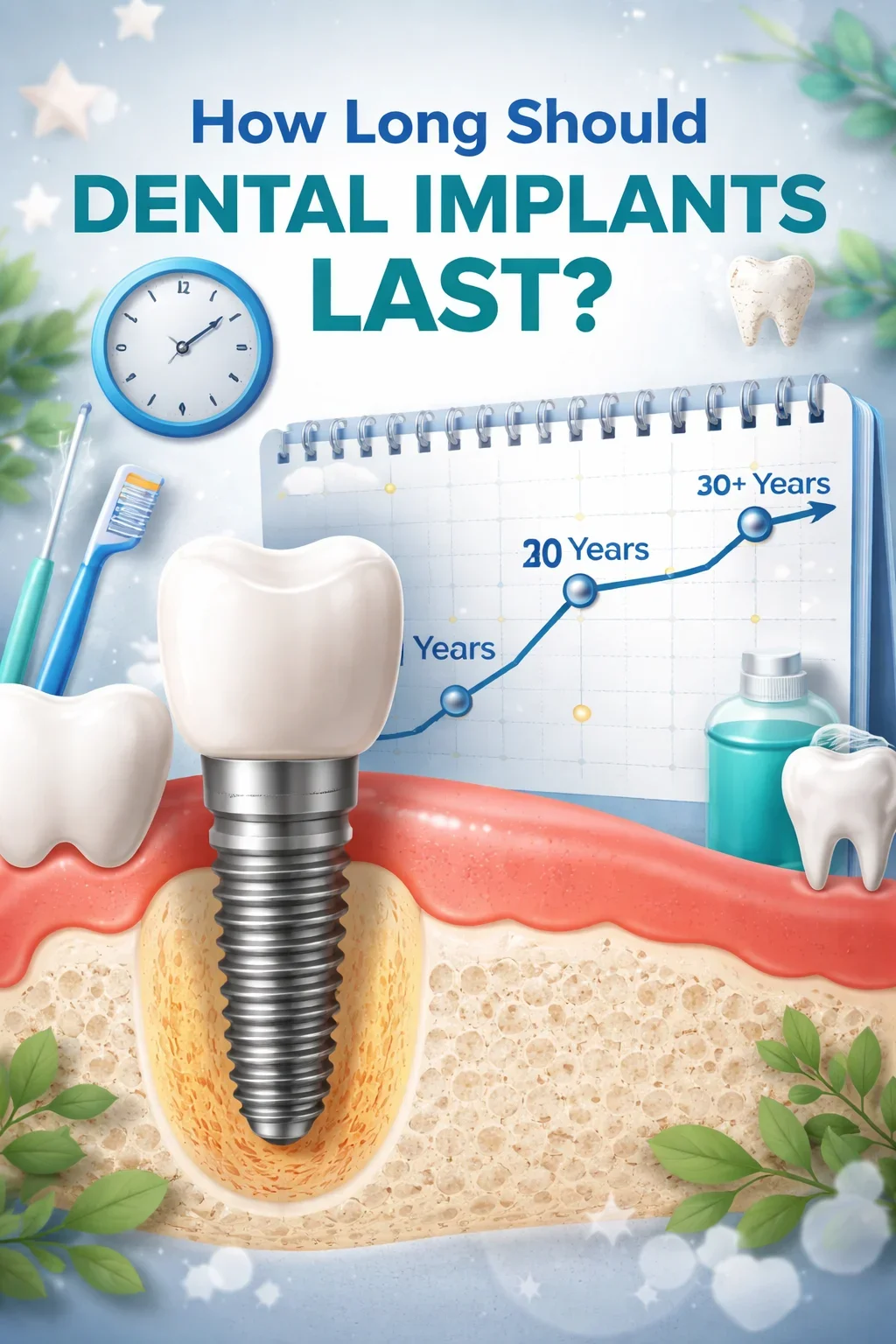
Dental implants are widely considered one of the most reliable and long-lasting solutions for replacing missing teeth. Patients who are considering implant treatment often ask the same important question: how long should dental implants last? Understanding the expected lifespan of implants can help patients make confident decisions about their oral health and long-term investment in their smile. In this comprehensive guide, we will explore how long should dental implants last, what influences their durability, and how you can maximize their lifespan with proper care.
Modern dental implants are designed to function as permanent tooth replacements. In many cases, the titanium implant post placed in the jawbone can last 25 years or more, and often a lifetime. Numerous long-term clinical studies have shown survival rates of dental implants above 90–95% after 10–15 years. This high success rate is one reason why dentists frequently recommend implants as the gold standard for replacing missing teeth.
However, when people ask how long should dental implants last, it is important to understand that a dental implant consists of several components. The implant post itself integrates with the jawbone through a biological process called osseointegration. Once this integration occurs successfully, the implant becomes a stable and durable foundation for the artificial tooth.
The visible part of the implant—the crown—may have a shorter lifespan than the implant post. While the implant screw can last decades, the crown typically lasts 10–15 years before it may require replacement due to normal wear. This does not mean the implant failed; rather, the prosthetic tooth simply needs updating after years of chewing forces.
To fully understand how long should dental implants last, we must also consider individual factors such as oral hygiene habits, bone health, medical conditions, and lifestyle choices. Patients who maintain excellent dental care routines often see their implants last significantly longer than average.
For example, brushing twice daily, flossing around the implant, and attending regular dental checkups are essential habits that protect implant longevity. Dentists often recommend professional cleanings every six months to ensure that plaque and bacteria do not accumulate around the implant area. Inflammation of the surrounding tissues, known as peri-implantitis, is one of the most common reasons implants may fail prematurely.
Patients who want to know how long should dental implants last should also consider the role of bone density and jaw health. Dental implants require a stable foundation of bone to remain secure. If the jawbone deteriorates due to gum disease or lack of stimulation from missing teeth, the implant may lose support over time. Fortunately, modern procedures such as bone grafting can restore bone volume and improve the chances of long-term implant success.
Another factor influencing how long should dental implants last is the quality of the dental materials used during treatment. Most implants today are made from medical-grade titanium or zirconia, both of which are highly durable and biocompatible. These materials resist corrosion and integrate safely with the body, allowing implants to function naturally for decades.
It is also important to work with experienced dental professionals who follow proven clinical protocols. Proper implant placement, accurate bite alignment, and careful treatment planning all contribute to implant longevity. Reputable dental clinics follow guidelines from organizations such as the American Dental Association to ensure treatments meet the highest standards of safety and effectiveness.
Patients considering treatment often contact a clinic to discuss their individual case and receive personalized guidance. If you are thinking about implants and want to learn more about how long should dental implants last for your specific situation, you can easily reach a specialist through the Redent Klinik Contact Page. A consultation allows dentists to evaluate bone structure, oral health, and lifestyle factors that influence implant success.
Another common question related to how long should dental implants last involves the overall cost compared to other tooth replacement options. While implants generally require a higher initial investment than dentures or bridges, their longevity often makes them more cost-effective in the long run. Dentures may need replacement every 5–7 years, while bridges typically last around 10–15 years. Implants, by contrast, can last several decades with proper care.
Dental implants also provide functional benefits beyond longevity. They help preserve jawbone density, prevent neighboring teeth from shifting, and restore natural chewing ability. Because implants mimic the function of natural tooth roots, they stimulate the jawbone and help maintain facial structure over time. These advantages further reinforce why many experts emphasize the long-term value when discussing how long should dental implants last.
Ultimately, the answer to how long should dental implants last depends on multiple factors working together: professional treatment planning, high-quality materials, healthy lifestyle habits, and consistent oral hygiene. When these elements align, dental implants can remain functional and aesthetically pleasing for decades.
In summary, dental implants are designed for long-term durability and reliability. The implant post itself can often last a lifetime, while the crown may require replacement after years of normal use. By maintaining good oral care and visiting your dentist regularly, you can significantly extend the lifespan of your implants. Understanding how long should dental implants last empowers patients to make informed decisions and protect their investment in a healthy, confident smile. 😁
How Long Should Dental Implants Last? Average Lifespan Explained
One of the most common questions patients ask before starting implant treatment is simple but very important: how long should dental implants last? Understanding the typical lifespan of dental implants helps patients evaluate whether the procedure is a worthwhile investment for their long-term oral health. Dental implants are widely regarded as the most durable and reliable solution for replacing missing teeth, but their longevity depends on multiple clinical and lifestyle factors.
In general, when dentists explain how long should dental implants last, they refer to two main components of the implant system: the implant post placed inside the jawbone and the crown that sits on top of the implant. These parts serve different roles, and each has its own expected lifespan.
The Typical Lifespan of the Implant Post
The implant post is the titanium or zirconia screw that is surgically placed into the jawbone. This part of the implant acts as an artificial tooth root and is designed to remain permanently integrated with the bone. Once the healing process called osseointegration is completed, the implant becomes firmly anchored within the jaw.
According to long-term clinical studies and guidelines referenced by the American Dental Association, the survival rate of dental implants is extremely high. Most implants remain successful for 20 to 30 years or longer. In many cases, patients never need to replace the implant post at all. This is why dentists often answer the question how long should dental implants last by explaining that the implant itself can potentially last a lifetime with proper care.
However, the longevity of the implant post depends on proper surgical placement, adequate bone density, and healthy surrounding tissues. If these conditions are optimal, the implant integrates with the jawbone and becomes one of the most stable restorations available in modern dentistry.
The Lifespan of the Implant Crown
While the implant post can last decades, the crown placed on top of the implant typically has a shorter lifespan. The crown is the visible part that functions like a natural tooth and absorbs daily chewing forces.
On average, implant crowns last between 10 and 15 years before they may need replacement. This does not mean the implant has failed. Rather, the crown simply experiences natural wear over time from chewing, temperature changes, and daily use.
When patients ask how long should dental implants last, dentists usually clarify that while the implant post may last for decades, the crown may eventually need to be replaced to maintain optimal function and aesthetics.
Why Implant Crowns Eventually Wear Out
Several factors contribute to crown wear:
- Constant chewing pressure
- Teeth grinding or clenching (bruxism)
- Acidic foods and beverages
- Normal aging of dental materials
Fortunately, replacing an implant crown is a relatively simple procedure compared to placing a new implant.
Long-Term Implant Success Rates
Scientific research consistently shows impressive success rates for dental implants. Many studies evaluating how long should dental implants last report survival rates above 90% after 10 years. Some studies have tracked implants for over 25 years with continued stability and function.
These findings demonstrate that dental implants are one of the most predictable and reliable treatments in restorative dentistry. Compared with traditional bridges or removable dentures, implants typically provide superior long-term performance.
For example:
- Dental bridges usually last about 10–15 years
- Dentures may require replacement every 5–8 years
- Dental implants can function for 20–30 years or longer
This comparison highlights why so many dentists recommend implants when discussing how long should dental implants last and the long-term benefits of permanent tooth replacement.
Factors That Influence Implant Longevity
Although implants are designed for long-term durability, several factors influence their lifespan. Understanding these factors helps patients maximize implant success.
Oral Hygiene
Good oral hygiene plays a crucial role in determining how long should dental implants last. Regular brushing, flossing, and dental cleanings prevent bacterial buildup around the implant site.
Bone Health
The implant requires a strong and healthy jawbone for long-term support. If bone loss occurs due to gum disease or aging, the implant may lose stability.
Lifestyle Habits
Smoking, excessive alcohol consumption, and teeth grinding can negatively affect implant longevity.
Quality of Dental Care
Proper placement by an experienced implant specialist significantly increases the chances of long-term success.
Why Dental Implants Are Considered a Long-Term Investment
Many patients initially focus on the cost of implant treatment, but understanding how long should dental implants last helps reveal their long-term value. Because implants often last decades, the cost per year of use is frequently lower than that of other tooth replacement options.
Additionally, implants preserve jawbone structure and prevent shifting of surrounding teeth, which helps protect overall oral health. This structural support is another reason why the answer to how long should dental implants last often extends beyond simple durability—it includes their role in maintaining the entire dental system.
If you are considering implants and want to understand how long they could last in your specific case, a consultation with an implant specialist is the best first step. The dentist can evaluate bone density, gum health, and bite alignment to estimate the expected lifespan of your implants.
You can easily schedule a professional consultation through the Redent Klinik Contact Page to receive personalized guidance about implant treatment.
Ultimately, the answer to how long should dental implants last is encouraging for most patients. With modern materials, proper treatment planning, and consistent oral care, dental implants can remain stable and functional for many decades. For many individuals, they truly become a permanent solution for restoring a confident smile and healthy bite. 😁
Key Factors That Affect How Long Dental Implants Last
When patients consider dental implants, one of the first questions they ask their dentist is how long should dental implants last. While implants are known for their exceptional durability, their lifespan is not determined by a single factor. Instead, several biological, technical, and lifestyle elements work together to determine the answer to how long should dental implants last in each individual case.
Modern implant technology is designed to provide long-term stability, often lasting decades. However, understanding the factors that influence implant longevity helps patients protect their investment and maintain their oral health for many years. In this section, we will examine the most important elements that determine how long should dental implants last and how patients can maximize implant success.
Quality of Implant Placement and Surgical Technique
One of the most critical determinants of how long should dental implants last is the quality of the initial implant placement procedure. Dental implants must be positioned precisely within the jawbone to ensure proper integration and long-term stability.
Experienced implant specialists use advanced imaging technologies such as 3D cone-beam CT scans to evaluate bone density, nerve positioning, and anatomical structures before surgery. Proper planning ensures that the implant is placed at the correct angle and depth.
If the implant is positioned improperly, excessive pressure may occur during chewing, potentially shortening its lifespan. For this reason, choosing a qualified dental professional is essential when evaluating how long should dental implants last in real-world conditions.
Importance of Osseointegration
After placement, the implant undergoes a biological process called osseointegration, where the bone gradually fuses with the implant surface. This process typically takes three to six months and creates a strong bond that stabilizes the implant.
Successful osseointegration is one of the key reasons dental implants can last so long. When patients ask how long should dental implants last, dentists often explain that a properly integrated implant behaves much like a natural tooth root.
Bone Density and Jaw Health
The strength and quality of the jawbone play a significant role in determining how long should dental implants last. Dental implants require adequate bone volume to remain stable and resist chewing forces.
If bone density is insufficient, the implant may not receive the support it needs. Conditions such as periodontal disease, long-term tooth loss, or aging can cause bone deterioration.
Fortunately, modern dentistry offers solutions such as bone grafting procedures to rebuild the jawbone. By restoring bone volume, dentists can improve implant stability and increase the likelihood that how long should dental implants last extends to several decades.
Bone Loss Prevention
Dental implants themselves help prevent bone loss. Because they function like natural tooth roots, they stimulate the jawbone during chewing, maintaining bone density and structure.
This biological stimulation is another reason implants often outperform bridges and dentures when considering how long should dental implants last.
Oral Hygiene and Daily Care
One of the most controllable factors influencing how long should dental implants last is the patient’s daily oral hygiene routine. Just like natural teeth, implants require consistent care to prevent infection and gum disease.
Brushing twice daily, flossing carefully around the implant, and using antimicrobial mouthwash can significantly extend implant longevity. Plaque accumulation around the implant can lead to inflammation known as peri-implantitis, which may damage surrounding bone and compromise implant stability.
Patients who maintain excellent oral hygiene often see their implants last far beyond the average lifespan. For those wondering how long should dental implants last, daily care is one of the most powerful tools for protecting the implant.
Lifestyle Habits That Influence Implant Lifespan
Daily habits and lifestyle choices can strongly impact how long should dental implants last. Certain behaviors place additional stress on the implant or interfere with the healing process.
Smoking
Smoking significantly increases the risk of implant complications. Tobacco restricts blood flow to oral tissues, slowing healing and increasing the likelihood of infection. Studies consistently show that smokers have lower implant success rates.
Teeth Grinding (Bruxism)
Patients who grind or clench their teeth place excessive pressure on implants. Over time, this stress can damage the crown or even weaken the implant structure. Dentists may recommend wearing a night guard to protect the implant.
Dietary Habits
A diet extremely high in sugar or acidic foods may contribute to gum inflammation and bacterial growth around the implant site.
All of these lifestyle elements influence the ultimate answer to how long should dental implants last.
Regular Dental Checkups and Professional Maintenance
Professional dental care is another crucial factor in determining how long should dental implants last. Routine dental visits allow dentists to monitor implant stability, gum health, and bite alignment.
Most dentists recommend checkups every six months. During these visits, dental professionals remove plaque and tartar that cannot be eliminated through brushing alone.
Organizations such as the American Dental Association emphasize that preventive dental care is essential for maintaining implant health and longevity.
If patients notice discomfort, swelling, or looseness around the implant, they should seek professional care immediately. Early intervention often prevents minor issues from becoming serious complications.
Patients interested in learning more about implant maintenance or discussing their personal case can easily reach specialists through the Redent Klinik Contact Page.
The Combined Impact of Multiple Factors
Ultimately, the answer to how long should dental implants last depends on the interaction of several factors working together. Proper surgical placement, strong bone support, excellent oral hygiene, and healthy lifestyle habits collectively determine implant longevity.
When these conditions are optimized, dental implants can remain stable and functional for decades—often for the rest of a patient’s life. This remarkable durability is one of the primary reasons implants have become the preferred tooth replacement solution worldwide.
Understanding the factors that influence how long should dental implants last empowers patients to take proactive steps in protecting their dental health. With the right care and professional guidance, dental implants can provide a reliable, natural-looking smile for many years to come. 😊
Implant Materials and Technology: Do They Influence Longevity?
When patients research dental implants, they often focus on the question how long should dental implants last. While oral hygiene, lifestyle habits, and professional care are extremely important, another critical factor influencing longevity is the type of materials and technology used during the implant procedure. Modern dental implant systems are the result of decades of research and innovation, and the materials chosen for implants directly affect their durability, safety, and long-term performance.
Understanding how materials influence implant success helps patients better evaluate how long should dental implants last and why some implants remain functional for decades. Advances in implant design, biomaterials, and digital treatment planning have significantly improved implant survival rates over the past several years.
The Importance of Implant Materials
The material used for the implant post plays a major role in determining how long should dental implants last. Dental implants must be strong enough to withstand constant chewing pressure while also being biocompatible with the human body. If the material fails to integrate with the bone properly, the implant may become unstable.
Today, most dental implants are made from two primary materials: titanium and zirconia. Both materials offer unique advantages and contribute to the long-term success of implant treatments.
Titanium Implants
Titanium is the most widely used material in implant dentistry and has been studied for more than 40 years. Its popularity comes from its excellent strength and ability to fuse naturally with bone.
Titanium implants are highly resistant to corrosion and mechanical stress, which is why dentists often explain that how long should dental implants last can easily extend beyond 20 years when titanium implants are used.
Additionally, titanium promotes strong osseointegration. During healing, bone cells grow around the titanium surface, creating a stable anchor for the artificial tooth. This biological bond allows titanium implants to function similarly to natural tooth roots.
Zirconia Implants
Zirconia implants are a newer alternative that has gained popularity among patients seeking metal-free options. Zirconia is a ceramic material known for its strength and aesthetic advantages.
While titanium remains the gold standard, zirconia implants also offer excellent durability and biocompatibility. Some patients prefer zirconia implants because they are white and may provide a more natural appearance under thin gum tissue.
When evaluating how long should dental implants last, both titanium and zirconia implants can provide long-term success when placed correctly.
Implant Surface Technology
Another technological advancement affecting how long should dental implants last is surface treatment. Early dental implants had smooth surfaces, but modern implants are designed with micro-textured surfaces that encourage better bone integration.
These textured surfaces increase the contact area between bone and implant, allowing bone cells to attach more easily. As a result, the implant becomes more stable and resistant to movement.
Improved surface technology has dramatically increased implant success rates, helping answer the question how long should dental implants last with more confidence than ever before.
Bioactive Coatings
Some advanced implants are coated with bioactive materials such as hydroxyapatite, a mineral naturally found in bone. These coatings further stimulate bone growth and strengthen the implant’s connection with the jawbone.
Such technological improvements continue to push the limits of how long should dental implants last, making implants more reliable and long-lasting.
Digital Implant Planning Technology
Technology has not only improved implant materials but also the way implants are planned and placed. Digital dentistry tools have significantly enhanced treatment accuracy.
Using 3D imaging and computer-guided surgery, dentists can plan implant placement with exceptional precision. This technology allows clinicians to identify the optimal implant location, angle, and depth before surgery begins.
Precise placement reduces complications and ensures proper distribution of chewing forces, which is essential when determining how long should dental implants last.
Computer-Guided Implant Surgery
Computer-guided implant surgery uses digital planning software and surgical guides to position implants accurately. This technology minimizes human error and improves implant stability.
When implants are placed with this level of precision, the chances of long-term success increase significantly. As a result, modern technology plays a major role in extending how long should dental implants last.
Implant Crown Materials
The crown attached to the implant also influences how long should dental implants last. Implant crowns must be durable enough to withstand daily chewing forces while maintaining a natural appearance.
Common materials used for implant crowns include:
- Porcelain fused to metal (PFM)
- All-ceramic crowns
- Zirconia crowns
Zirconia crowns are particularly popular because they offer excellent strength and aesthetics. These crowns resist chipping and staining, helping maintain long-term implant performance.
Although crowns typically last around 10–15 years before replacement, the implant itself can continue functioning much longer. This distinction is important when discussing how long should dental implants last.
Quality Standards and Clinical Research
Dental implant technology continues to evolve through scientific research and clinical studies. Professional organizations such as the American Dental Association evaluate implant systems to ensure they meet strict safety and performance standards.
Thanks to these ongoing improvements, the modern answer to how long should dental implants last is more promising than ever before.
Patients interested in learning more about advanced implant technology or discussing their treatment options can consult with dental professionals through the Redent Klinik Contact Page. A personalized consultation allows dentists to determine the most suitable implant materials for each patient.
Technology Is Extending Implant Lifespans
The rapid advancement of dental materials and implant technology continues to improve treatment outcomes worldwide. Modern implants are stronger, more biocompatible, and easier to integrate with the jawbone than ever before.
These technological innovations play a crucial role in answering the question how long should dental implants last. With high-quality materials, proper placement, and regular dental care, implants can provide stable and natural-looking tooth replacement for many decades.
As research continues and new technologies emerge, the expected lifespan of dental implants will likely continue to increase, making them an even more valuable solution for restoring smiles and oral health. 😁
The Role of Oral Hygiene in Dental Implant Longevity
When patients ask dentists how long should dental implants last, one of the most important factors discussed is oral hygiene. Even though dental implants are made from durable materials such as titanium or zirconia, they still rely heavily on the health of the surrounding gums and bone. Just like natural teeth, implants exist in a biological environment where bacteria, plaque, and inflammation can affect their long-term stability.
Understanding the connection between oral hygiene and implant longevity helps answer the question how long should dental implants last more accurately. While implants themselves cannot decay like natural teeth, the tissues around them can still become infected. This is why proper daily care plays a crucial role in determining how long dental implants remain healthy and functional.
Why Oral Hygiene Is Critical for Implant Success
The lifespan of dental implants depends largely on the health of the surrounding gum tissue and jawbone. When plaque accumulates around an implant, bacteria can trigger inflammation in the gums. Over time, this condition can develop into peri-implantitis, a serious infection that damages the bone supporting the implant.
Because of this risk, dentists emphasize that how long should dental implants last often depends on the patient’s daily oral hygiene habits. Individuals who maintain excellent dental care routines typically experience significantly longer implant lifespans compared to those with poor oral hygiene.
Healthy gums provide a protective seal around the implant, preventing bacteria from reaching deeper tissues. Maintaining this seal is essential if patients want the answer to how long should dental implants last to be measured in decades rather than years.
Plaque and Bacterial Control
Plaque is a thin layer of bacteria that naturally forms on teeth and implants throughout the day. If plaque is not removed regularly, it hardens into tartar, which cannot be eliminated by brushing alone.
This buildup increases the risk of gum inflammation and infection around the implant. Therefore, controlling plaque is one of the most effective ways to extend how long should dental implants last. Regular brushing, flossing, and professional cleanings are essential for maintaining implant health.
Daily Oral Care Routine for Implant Patients
To maximize the lifespan of implants, dentists recommend a structured daily oral care routine. Patients who follow consistent hygiene practices often see better outcomes when considering how long should dental implants last.
Brushing Twice Daily
Brushing your teeth at least twice per day with a soft-bristled toothbrush helps remove plaque from the implant surface and surrounding gums. Gentle brushing protects the gums while ensuring bacteria do not accumulate around the implant.
Electric toothbrushes can be particularly effective because they remove plaque more efficiently than manual brushing. This simple habit plays a major role in determining how long should dental implants last.
Flossing Around the Implant
Flossing is equally important because toothbrush bristles cannot reach all areas around the implant crown. Special implant floss or interdental brushes help remove food particles and bacteria from tight spaces.
Patients who floss daily significantly reduce the risk of peri-implant infections. This preventive step contributes greatly to extending how long should dental implants last.
Antibacterial Mouthwash
Using an antimicrobial mouthwash can further reduce bacterial buildup around implants. These mouth rinses help control harmful bacteria that could otherwise lead to inflammation and gum disease.
Adding mouthwash to a daily routine is another small but important factor influencing how long should dental implants last.
Professional Dental Cleanings and Checkups
Even with excellent home care, professional dental visits remain essential for implant maintenance. Dentists and dental hygienists have specialized tools that allow them to remove tartar safely around implants.
Most dental professionals recommend checkups every six months. During these visits, the dentist evaluates implant stability, gum health, and bite alignment. Early detection of problems helps prevent complications that might shorten how long should dental implants last.
Professional cleanings also allow dental teams to monitor signs of peri-implant disease. If inflammation is detected early, treatment can prevent further damage to the surrounding bone.
Organizations such as the American Dental Association highlight the importance of preventive care in maintaining long-term dental health, including implants.
Common Oral Hygiene Mistakes to Avoid
Many patients unintentionally shorten how long should dental implants last by making small oral hygiene mistakes. Avoiding these habits can significantly improve implant longevity.
Skipping Dental Visits
Some patients assume implants do not require professional monitoring. However, regular dental checkups are essential to detect early problems and maintain healthy gum tissue.
Using Hard Toothbrushes
Hard-bristled toothbrushes can irritate the gums around implants. Soft brushes are recommended because they clean effectively without damaging delicate tissue.
Poor Flossing Habits
Neglecting to floss allows plaque to accumulate in areas that brushing cannot reach. This increases the risk of peri-implantitis and reduces the expected answer to how long should dental implants last.
The Connection Between Healthy Gums and Implant Longevity
Healthy gum tissue forms a protective barrier around dental implants. When this tissue remains strong and free from infection, implants can remain stable for decades. However, if gum disease develops, the bone supporting the implant may gradually deteriorate.
This relationship explains why oral hygiene is one of the most influential factors when determining how long should dental implants last. Patients who prioritize gum health often experience exceptional implant longevity.
Individuals interested in maintaining their implant health or seeking professional advice can easily contact dental specialists through the Redent Klinik Contact Page. A professional evaluation ensures implants remain stable and healthy for many years.
Long-Term Benefits of Excellent Oral Hygiene
Maintaining excellent oral hygiene does more than simply protect dental implants. It also improves overall oral health, reduces the risk of gum disease, and preserves natural teeth.
Patients who consistently follow proper oral care routines often find that the answer to how long should dental implants last becomes very encouraging. With good hygiene, professional monitoring, and healthy lifestyle habits, dental implants can remain functional for several decades—often for the rest of a patient’s life.
Ultimately, while dental implants are designed for durability, their long-term success still depends on daily care. By prioritizing oral hygiene, patients can significantly extend how long should dental implants last and enjoy a strong, healthy smile for many years. 😊
Lifestyle Habits That Can Shorten the Life of Dental Implants
When people research dental implants, one of the most common questions they ask is how long should dental implants last. While modern implants are designed to function for decades, their lifespan is not determined by the implant material alone. Daily lifestyle habits can significantly influence implant stability and long-term success. Even the most advanced implant systems can fail prematurely if patients adopt habits that damage the surrounding bone and gum tissue.
Understanding the impact of lifestyle choices is essential for patients who want to maximize how long should dental implants last. Certain behaviors increase stress on implants, reduce healing capacity, or increase the risk of infection. By recognizing and modifying these habits, patients can protect their implants and extend their longevity.
Smoking and Its Impact on Implant Longevity
Smoking is one of the most significant risk factors affecting how long should dental implants last. Tobacco use interferes with the body’s natural healing process and reduces blood circulation to the gums and jawbone.
When blood flow decreases, the bone tissue surrounding the implant receives fewer nutrients and less oxygen. This can slow down or even prevent proper osseointegration—the process where the bone fuses with the implant. Without strong integration, implants may become unstable.
Higher Implant Failure Rates in Smokers
Clinical studies consistently show that smokers experience higher implant failure rates than non-smokers. Nicotine constricts blood vessels, which limits the body’s ability to fight infection and repair damaged tissue.
For patients wondering how long should dental implants last, quitting smoking can significantly improve the chances that implants will remain stable for decades.
Teeth Grinding (Bruxism)
Teeth grinding, also known as bruxism, is another lifestyle factor that can shorten how long should dental implants last. Bruxism occurs when individuals unconsciously clench or grind their teeth, often during sleep.
This habit places excessive pressure on both natural teeth and dental implants. Unlike natural teeth, implants do not have the same shock-absorbing periodontal ligament. As a result, implants may experience greater mechanical stress.
How Grinding Damages Implant Restorations
Continuous grinding can lead to several problems:
- Cracking or chipping of the implant crown
- Loosening of implant components
- Excessive pressure on surrounding bone
- Premature wear of dental restorations
Dentists often recommend night guards for patients with bruxism. Wearing a custom mouthguard helps distribute pressure evenly and protects implants from excessive force. Taking this preventive step can greatly extend how long should dental implants last.
Poor Dietary Habits
Diet also plays a surprisingly important role in determining how long should dental implants last. Certain foods and beverages may increase the risk of inflammation or damage to implant restorations.
High Sugar Consumption
Diets high in sugar promote bacterial growth in the mouth. Excessive bacteria can contribute to gum disease and peri-implant infections. Even though implants cannot develop cavities, the surrounding gum tissue can still become inflamed.
Maintaining a balanced diet helps support gum health and protects the tissues that support the implant.
Extremely Hard Foods
Frequently chewing extremely hard foods—such as ice, hard candy, or unpopped popcorn kernels—can damage implant crowns. Over time, repeated impact from hard foods may compromise the restoration.
A balanced diet that avoids excessive mechanical stress helps maintain the structural integrity of implants and improves how long should dental implants last.
Alcohol Consumption and Oral Health
Excessive alcohol consumption can negatively influence how long should dental implants last. Alcohol may interfere with bone healing and increase inflammation in oral tissues.
In addition, frequent alcohol consumption can dry out the mouth, reducing saliva production. Saliva plays a critical role in washing away bacteria and maintaining a balanced oral environment.
Moderate alcohol consumption combined with proper oral hygiene is important for maintaining implant health.
Neglecting Regular Dental Visits
Skipping dental checkups is another lifestyle habit that may shorten how long should dental implants last. Regular dental visits allow professionals to monitor implant stability and detect early signs of complications.
During routine appointments, dentists check the health of the surrounding gums, examine bite alignment, and remove plaque buildup that cannot be eliminated through brushing alone.
Organizations such as the American Dental Association emphasize the importance of preventive dental care for maintaining long-term oral health, including implants.
Poor Stress Management
Stress may indirectly influence how long should dental implants last. Many individuals respond to stress by clenching their teeth, grinding at night, or neglecting oral hygiene routines.
Chronic stress can also weaken the immune system, making the body less capable of fighting infections around the implant site.
Stress and Bruxism
Stress-related bruxism can generate significant pressure on implants. Over time, this pressure may lead to implant component loosening or crown damage.
Managing stress through exercise, relaxation techniques, or sleep improvement may indirectly protect implant longevity.
How Healthy Habits Improve Implant Longevity
The encouraging news for patients researching how long should dental implants last is that many risk factors are controllable. By adopting healthy lifestyle habits, patients can significantly increase the lifespan of their implants.
Healthy habits that support implant longevity include:
- Quitting smoking
- Maintaining balanced nutrition
- Managing teeth grinding
- Limiting alcohol consumption
- Attending regular dental checkups
- Maintaining consistent oral hygiene
Patients who follow these guidelines often find that the answer to how long should dental implants last becomes very encouraging—often several decades.
Professional Support for Implant Maintenance
For individuals who already have implants or are considering treatment, professional guidance can help protect long-term implant health. Dentists can evaluate risk factors, recommend protective appliances, and provide personalized care strategies.
If you would like to learn more about implant care or schedule a consultation, you can contact specialists through the Redent Klinik Contact Page.
Ultimately, dental implants are designed to be a long-lasting solution for missing teeth. However, lifestyle habits play a crucial role in determining how long should dental implants last. By avoiding harmful behaviors and maintaining healthy routines, patients can ensure their implants remain strong, stable, and functional for many years to come. 😊
Signs Your Dental Implant May Need Attention or Replacement
Many patients feel reassured when they learn that dental implants are designed to last for decades. However, even though implants are highly durable, it is still important to recognize early warning signs that something may not be functioning properly. Understanding these warning signs helps patients protect their investment and maintain oral health. When discussing how long should dental implants last, dentists emphasize that long-term success also depends on monitoring implants for potential complications.
Dental implants rarely fail suddenly. In most cases, warning signs appear gradually and can be addressed early with professional care. Being aware of these symptoms allows patients to act quickly and prevent minor issues from becoming serious problems that could affect how long should dental implants last.
Persistent Pain or Discomfort Around the Implant
Dental implants typically feel stable and comfortable once healing is complete. If a patient begins to experience persistent pain near the implant site, it may indicate an underlying issue.
Occasional mild sensitivity may occur during the healing phase after implant placement. However, discomfort that appears months or years later should be evaluated by a dentist. Pain can sometimes indicate infection, excessive pressure on the implant, or surrounding bone loss.
Addressing these symptoms early can prevent further complications and help preserve how long should dental implants last.
Possible Causes of Implant Pain
- Peri-implant infection
- Excessive bite pressure
- Gum inflammation
- Bone loss around the implant
If pain persists, it is important to seek professional dental care promptly.
Swelling or Gum Inflammation
Healthy gums surrounding a dental implant should appear pink and firm. If swelling, redness, or bleeding develops around the implant, it may indicate peri-implant mucositis or peri-implantitis.
These inflammatory conditions occur when bacteria accumulate around the implant site. If left untreated, infection can spread deeper into the bone and compromise implant stability.
This is one of the reasons why monitoring gum health plays a crucial role in determining how long should dental implants last.
Early Treatment Prevents Implant Failure
The good news is that early gum inflammation can often be reversed with professional cleaning and improved oral hygiene. Dentists frequently stress that early intervention can significantly extend how long should dental implants last.
Implant Mobility or Loosening
One of the most serious warning signs of implant problems is mobility. A properly integrated implant should feel completely stable, similar to a natural tooth root.
If an implant begins to feel loose, it may indicate that the bone supporting the implant has weakened. This situation can occur due to infection, excessive chewing pressure, or inadequate bone density.
In some cases, the looseness may not involve the implant itself but rather the crown attached to it. Implant crowns are secured using screws or dental cement, and these components can occasionally loosen over time.
Regardless of the cause, any movement should be examined by a dental professional to protect how long should dental implants last.
Difficulty Chewing or Bite Changes
Another possible sign that an implant needs attention is difficulty chewing or noticeable changes in bite alignment. Implants are designed to distribute chewing forces evenly across the jaw.
If the bite becomes uneven or uncomfortable, excessive stress may be placed on the implant or surrounding teeth. Over time, this stress can shorten how long should dental implants last.
Bite Adjustment May Be Needed
Fortunately, bite problems can often be corrected with minor dental adjustments. Dentists may reshape the crown slightly or adjust the alignment of neighboring teeth to restore balance.
These adjustments help ensure that chewing forces remain evenly distributed, protecting implant longevity.
Visible Changes in the Implant Crown
Sometimes the implant itself remains stable while the crown placed on top shows signs of wear or damage. Implant crowns are designed to withstand daily chewing forces, but they may eventually require replacement.
Common signs of crown wear include:
- Cracks or chips in the crown surface
- Discoloration or staining
- Uneven chewing surfaces
- Visible wear from grinding
Replacing the crown does not necessarily mean the implant has failed. In fact, crown replacement is a normal part of long-term implant maintenance and does not significantly affect how long should dental implants last.
Bad Taste or Persistent Bad Breath
Chronic bad breath or an unpleasant taste near the implant site may indicate bacterial buildup. These symptoms can occur if plaque accumulates around the implant and begins to affect surrounding gum tissue.
Regular brushing, flossing, and professional cleanings help eliminate bacteria and reduce the risk of infection. Maintaining good oral hygiene is one of the most effective ways to protect how long should dental implants last.
Importance of Regular Implant Checkups
Routine dental visits are essential for detecting early signs of implant problems. During these appointments, dentists evaluate the health of the implant, surrounding bone, and gum tissue.
Dental professionals also use specialized instruments and imaging techniques to identify potential complications before they become severe. Preventive care plays a major role in determining how long should dental implants last.
Guidelines from the American Dental Association highlight the importance of regular dental evaluations for maintaining oral health and long-term implant success.
If you experience any unusual symptoms or want to ensure your implants remain healthy, professional consultation is recommended. You can contact dental specialists directly through the Redent Klinik Contact Page for personalized evaluation and care.
Early Detection Protects Implant Longevity
Although dental implants are designed for durability, recognizing early warning signs is essential for maintaining their long-term performance. Prompt treatment can often resolve minor issues before they threaten implant stability.
By monitoring symptoms such as pain, swelling, looseness, or bite changes, patients can actively protect how long should dental implants last. With proper care, regular dental visits, and early intervention when necessary, implants can remain stable and functional for many decades.
Ultimately, awareness and proactive dental care are key to ensuring that the answer to how long should dental implants last remains positive for years to come. 😊
Dental Implant Survival Rates According to Clinical Studies
When patients consider implant treatment, they naturally ask an important question: how long should dental implants last? While dentists often explain the expected lifespan based on experience, clinical research provides valuable evidence that helps answer this question with scientific accuracy. Over the past several decades, numerous long-term studies have evaluated implant survival rates, giving patients a clearer understanding of how long should dental implants last in real-world conditions.
Dental implants are one of the most researched procedures in modern dentistry. Thousands of clinical studies have monitored implant outcomes over periods ranging from five years to more than thirty years. These studies consistently show that implants offer one of the highest long-term success rates among all dental treatments.
What Do Implant Survival Rates Mean?
Before analyzing the research, it is important to understand what survival rate means in implant dentistry. The survival rate refers to the percentage of implants that remain stable and functional over a specific period of time. A successful implant typically means the implant remains integrated with the bone, supports the crown properly, and does not cause pain or infection.
These survival statistics help clinicians estimate how long should dental implants last and guide patients when making treatment decisions.
Implant Survival vs Implant Success
In some studies, the term “survival rate” is used rather than “success rate.” A surviving implant simply means the implant remains in place, while a successful implant means it functions optimally without complications.
Understanding these definitions helps patients better interpret the research on how long should dental implants last.
10-Year Clinical Studies on Dental Implants
Many of the most widely cited dental implant studies evaluate survival rates over a ten-year period. These studies provide strong evidence that implants are highly reliable long-term restorations.
Research consistently shows that the average implant survival rate after ten years is between 90% and 95%. In other words, the vast majority of implants placed remain stable and functional for at least a decade.
These findings strongly support the conclusion that how long should dental implants last often extends far beyond the first ten years after placement.
Factors Evaluated in Long-Term Studies
Clinical research often evaluates several variables that affect implant longevity:
- Bone quality and density
- Implant placement technique
- Oral hygiene habits
- Smoking status
- Systemic health conditions
These factors help researchers determine the conditions under which implants perform best and how they influence how long should dental implants last.
20-Year and Long-Term Implant Research
Even more impressive results appear in long-term studies tracking implants over twenty years or more. Several major research reviews have reported survival rates of approximately 85% to 90% after two decades.
This means that many implants continue functioning successfully for 20 years or longer, which reinforces the idea that how long should dental implants last can often span decades when patients maintain proper oral care.
In some documented cases, implants have remained stable for over thirty years. These outcomes demonstrate the remarkable durability of modern implant systems.
Comparison With Other Tooth Replacement Options
Clinical studies also compare dental implants with other tooth replacement treatments such as dentures and dental bridges. These comparisons provide additional insight into how long should dental implants last relative to alternative treatments.
Average Lifespan Comparison
| Treatment Type | Average Lifespan |
|---|
| Dental Implants | 20–30+ years |
| Dental Bridges | 10–15 years |
| Removable Dentures | 5–8 years |
This comparison highlights why implants are often considered the most durable tooth replacement solution. The long lifespan demonstrated in research strongly supports the positive outlook when patients ask how long should dental implants last.
Success Rates in Different Patient Groups
Clinical studies also evaluate how implant success varies among different patient populations. Factors such as age, bone health, and lifestyle habits can influence implant longevity.
Healthy Patients
Patients with good oral hygiene, healthy gums, and strong bone density typically experience the highest implant survival rates. For these individuals, the answer to how long should dental implants last may easily exceed 25 years.
Patients With Risk Factors
Patients who smoke, suffer from uncontrolled diabetes, or neglect oral hygiene may experience slightly lower implant survival rates. However, even in these cases, implants often remain functional for many years.
Proper dental care and lifestyle adjustments can significantly improve outcomes and extend how long should dental implants last.
Scientific Organizations Supporting Implant Research
Many professional organizations contribute to ongoing dental implant research. These institutions analyze clinical outcomes and publish guidelines that help dentists improve treatment success.
One of the most recognized authorities in oral health research is the American Dental Association. The organization supports evidence-based dentistry and promotes high standards for implant treatment.
Scientific evidence from these institutions continues to reinforce the long-term reliability of implants when evaluating how long should dental implants last.
Why Research Results Are So Encouraging
The consistent success demonstrated in clinical studies is one of the main reasons dental implants are widely recommended by dentists worldwide. Unlike many dental treatments that require frequent replacement, implants provide exceptional durability and stability.
These research findings confirm that the answer to how long should dental implants last is highly encouraging for patients seeking a long-term tooth replacement solution.
If you are considering dental implants and would like professional advice based on your individual situation, you can consult dental specialists through the Redent Klinik Contact Page.
What Patients Should Take From Clinical Research
Clinical studies provide strong evidence that dental implants are among the most reliable procedures in modern dentistry. With survival rates exceeding 90% after ten years and many implants lasting more than two decades, implants offer exceptional long-term value.
Ultimately, research confirms that how long should dental implants last depends on proper placement, good oral hygiene, and healthy lifestyle habits. When these conditions are met, dental implants can remain stable and functional for decades—often providing patients with a lifetime solution for missing teeth.
Thanks to ongoing scientific research and technological improvements, the future of dental implant longevity continues to look even more promising. 😊
Cost vs Longevity: Are Dental Implants Worth the Investment?
Many patients researching tooth replacement options quickly ask two important questions: how much do dental implants cost and how long should dental implants last? These two questions are closely related because the long-term value of implants depends not only on their initial cost but also on their durability over time. Understanding the balance between cost and longevity helps patients determine whether implants are truly worth the investment.
Dental implants typically require a higher upfront cost than other restorative treatments such as dentures or bridges. However, when evaluating how long should dental implants last, many patients realize that implants often provide the best long-term financial and functional value.
Average Cost of Dental Implants
The cost of dental implants can vary depending on several factors, including the complexity of the procedure, the materials used, and the geographic location of the dental clinic. In general, the total cost of a single dental implant typically includes the implant post, abutment, and crown.
Typical Dental Implant Price Range
| Treatment Component | Estimated Cost Range |
|---|
| Implant Post Placement | $1,500 – $3,000 |
| Abutment | $300 – $500 |
| Implant Crown | $1,000 – $2,000 |
| Total Average Cost | $3,000 – $5,500 |
While this price range may seem significant, it is essential to consider how long should dental implants last when evaluating overall cost-effectiveness. Many implants remain functional for 20 to 30 years or longer, which spreads the cost across decades of use.
Comparing Implants With Other Tooth Replacement Options
To fully understand the financial value of implants, it helps to compare them with alternative treatments. Other dental restorations often require replacement more frequently, which can increase long-term expenses.
Dental Bridges
Dental bridges typically last between 10 and 15 years before they need replacement. Because bridges rely on neighboring teeth for support, they may also place additional stress on those teeth.
When evaluating how long should dental implants last, many patients find that implants provide greater longevity than bridges and help preserve surrounding teeth.
Removable Dentures
Traditional dentures are generally less expensive initially, but they often require replacement every 5 to 8 years. Dentures may also require frequent adjustments as the jawbone changes over time.
Because dental implants stimulate the jawbone and prevent bone loss, they help maintain facial structure and reduce the need for ongoing adjustments. This benefit plays a major role when calculating the true value of how long should dental implants last.
Long-Term Cost Comparison
When analyzing treatment costs over a 25-year period, implants often become the most economical option despite the higher initial investment.
Example Long-Term Cost Scenario
| Treatment Type | Initial Cost | Replacement Frequency | Estimated 25-Year Cost |
|---|
| Dental Implant | $4,000 | Rarely replaced | $4,000 – $6,000 |
| Dental Bridge | $3,000 | Every 10–15 years | $6,000 – $9,000 |
| Dentures | $1,500 | Every 5–8 years | $6,000 – $10,000 |
This comparison clearly demonstrates why dentists often emphasize how long should dental implants last when discussing cost. Although implants require a larger initial investment, their durability frequently makes them the most cost-effective option in the long term.
Additional Benefits That Increase Implant Value
When evaluating whether implants are worth the investment, patients should also consider the additional benefits they provide. Dental implants offer several advantages that extend beyond simple tooth replacement.
Preservation of Jawbone Health
One of the most important benefits of implants is their ability to stimulate the jawbone. When a natural tooth root is lost, the surrounding bone begins to shrink due to lack of stimulation.
Dental implants function like natural tooth roots, transmitting chewing forces into the bone. This stimulation helps maintain bone density and facial structure, contributing to the long-term answer to how long should dental implants last.
Improved Chewing Function
Implants provide significantly better chewing efficiency compared to removable dentures. Because implants are anchored directly in the jawbone, they offer greater stability and allow patients to eat a wider variety of foods.
This improved functionality adds further value when patients consider how long should dental implants last.
Natural Appearance and Comfort
Dental implants are designed to look and feel like natural teeth. They do not shift during speech or eating, and they eliminate many of the discomfort issues associated with removable dentures.
For many patients, the increased confidence and comfort provided by implants further justify the investment.
Insurance Coverage and Financing Options
Dental implant coverage varies depending on insurance plans. Some policies cover certain aspects of implant treatment, such as the crown or preparatory procedures.
Many dental clinics also offer financing plans that allow patients to spread treatment costs over time. This flexibility helps more patients access the benefits of implants while considering how long should dental implants last.
Patients interested in exploring their options can consult with dental professionals through the Redent Klinik Contact Page for personalized treatment planning and cost estimates.
Expert Recommendations on Implant Value
Leading dental organizations continue to support dental implants as one of the most effective long-term treatments for missing teeth. The American Dental Association recognizes implants as a reliable and predictable restorative solution.
These expert endorsements further reinforce the strong relationship between implant durability and overall treatment value when discussing how long should dental implants last.
Why Many Patients Choose Implants Despite Higher Costs
Ultimately, dental implants represent more than just a dental procedure—they are a long-term investment in oral health, comfort, and confidence. When patients consider durability, functionality, and aesthetics together, implants often provide the greatest overall value.
By understanding how long should dental implants last and comparing long-term costs with alternative treatments, many patients conclude that implants are indeed worth the investment.
With proper care, regular dental checkups, and healthy lifestyle habits, dental implants can remain stable and functional for decades—making them one of the most reliable solutions available for restoring a natural, confident smile. 😊
Expert Tips to Make Dental Implants Last a Lifetime
Dental implants are widely recognized as one of the most durable solutions for replacing missing teeth. Still, many patients continue to ask an important question before committing to treatment: how long should dental implants last? While clinical studies show that implants can remain stable for decades, their actual lifespan depends heavily on how well patients care for them after the procedure.
The good news is that patients can take several practical steps to maximize implant longevity. By following expert recommendations and maintaining good oral health habits, many individuals find that the answer to how long should dental implants last can extend well beyond 25 years—and in some cases even a lifetime.
Maintain Consistent Daily Oral Hygiene
One of the most important factors affecting how long should dental implants last is daily oral hygiene. Although dental implants cannot develop cavities like natural teeth, the surrounding gum tissue and bone remain vulnerable to infection.
Plaque buildup around the implant can lead to inflammation known as peri-implant mucositis, which may eventually progress to peri-implantitis. This infection can damage the bone supporting the implant and compromise its stability.
Recommended Daily Hygiene Routine
- Brush teeth at least twice per day using a soft-bristled toothbrush
- Use interdental brushes or floss to clean around implants
- Rinse with an antibacterial mouthwash if recommended by your dentist
- Clean the tongue and gumline to reduce bacterial buildup
Patients who consistently follow these hygiene practices often experience excellent long-term results when considering how long should dental implants last.
Schedule Regular Dental Checkups
Routine dental visits are another key factor influencing how long should dental implants last. Even patients with excellent oral hygiene should attend professional checkups at least twice per year.
During these appointments, dental professionals examine the implant site, remove plaque and tartar, and evaluate gum health. Early detection of problems allows dentists to treat minor issues before they threaten implant stability.
Professional monitoring is strongly recommended by dental authorities such as the American Dental Association, which emphasizes preventive care for maintaining long-term oral health.
What Dentists Check During Implant Visits
- Gum health around the implant
- Implant stability and integration
- Bite alignment and chewing pressure
- Condition of the implant crown
These evaluations help ensure that the answer to how long should dental implants last remains positive for years to come.
Protect Implants From Excessive Pressure
Implants are extremely strong, but excessive mechanical stress can shorten their lifespan. Patients who grind or clench their teeth may place additional pressure on implants and surrounding bone.
Use a Night Guard if You Grind Your Teeth
Dentists often recommend custom night guards for patients with bruxism. These protective devices absorb pressure during sleep and prevent damage to implant crowns.
Reducing excessive pressure helps extend how long should dental implants last by protecting both the implant structure and surrounding bone.
Adopt Healthy Lifestyle Habits
General health habits can also influence how long should dental implants last. Lifestyle choices that support overall oral health contribute significantly to implant longevity.
Avoid Smoking
Smoking reduces blood circulation to the gums and slows the healing process. Studies consistently show that smokers have higher implant failure rates.
Quitting smoking greatly improves the chances that dental implants will remain stable for decades.
Maintain a Balanced Diet
A healthy diet rich in vitamins and minerals supports gum health and bone density. Foods containing calcium, vitamin D, and protein help maintain the strength of the jawbone supporting the implant.
Good nutrition therefore plays a subtle but important role in determining how long should dental implants last.
Address Dental Problems Early
Even minor dental issues should be evaluated quickly to protect implant health. Swelling, bleeding gums, or discomfort near the implant may signal inflammation or infection.
Prompt treatment prevents these conditions from progressing and helps preserve the implant’s stability.
Patients experiencing symptoms should consult a dental professional immediately. Early care can significantly extend how long should dental implants last.
If you need personalized guidance about implant care or would like to schedule a consultation, you can contact dental specialists through the Redent Klinik Contact Page.
Replace Implant Crowns When Necessary
Although the implant post itself may last decades, the crown placed on top may eventually require replacement. Implant crowns typically last between 10 and 15 years depending on wear.
Replacing the crown does not mean the implant has failed. Instead, it is a normal part of long-term maintenance that ensures continued function and aesthetics.
Keeping the crown in good condition helps maintain chewing efficiency and contributes to the long-term outcome when evaluating how long should dental implants last.
Commit to Long-Term Oral Health
Ultimately, the answer to how long should dental implants last depends on a combination of professional treatment, healthy lifestyle habits, and consistent dental care. Patients who commit to these practices often experience exceptional implant longevity.
Dental implants were designed to provide a stable and reliable tooth replacement solution. When cared for properly, they can remain functional for decades while preserving jawbone health and restoring natural chewing ability.
By following expert advice—maintaining oral hygiene, attending dental checkups, protecting implants from stress, and living a healthy lifestyle—patients can greatly extend how long should dental implants last. In many cases, these steps allow implants to serve as a lifetime solution for restoring a confident and healthy smile. 😁