
Dental implants are widely considered one of the most reliable and long-lasting solutions for replacing missing teeth. However, one of the most common questions patients ask before starting treatment is how long to get dental implants. Understanding the timeline helps patients prepare mentally, financially, and medically for the procedure. The process involves several carefully planned stages, and while the total duration can vary, knowing the typical schedule can reduce anxiety and set realistic expectations. 😊
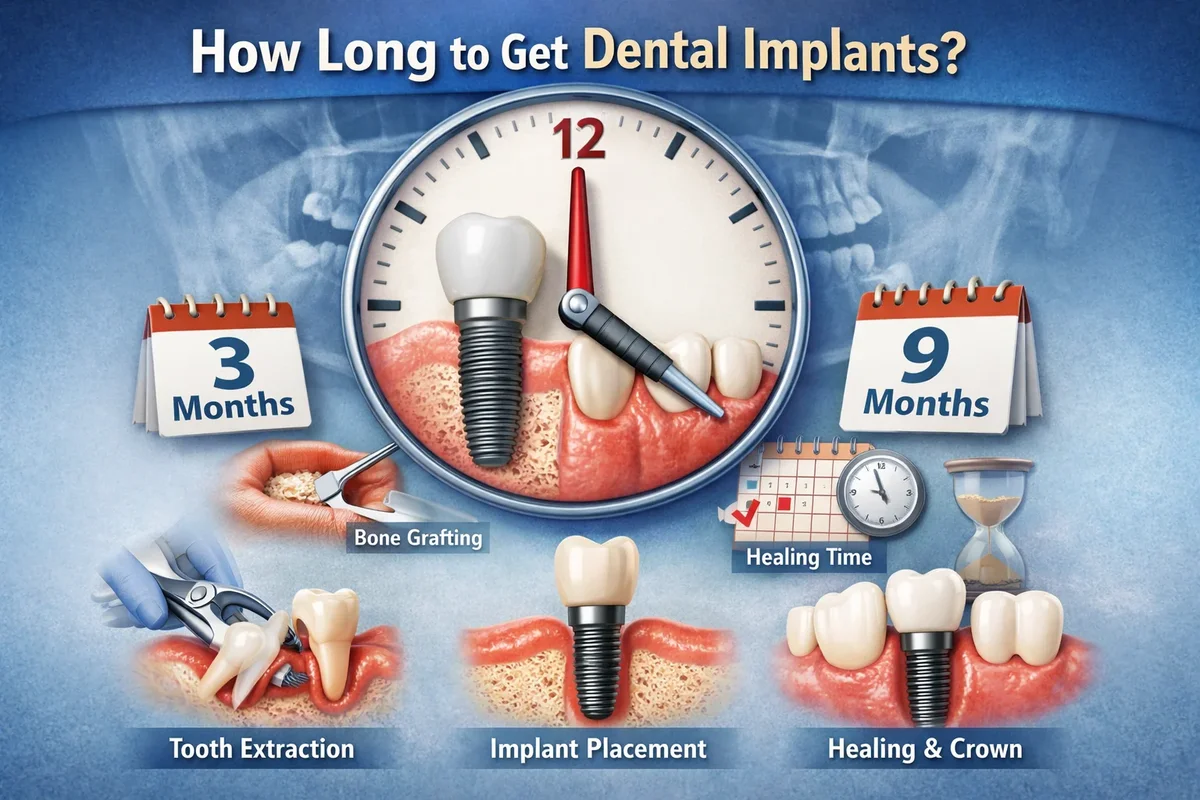
When people search for how long to get dental implants, they are usually wondering whether the treatment takes weeks, months, or even longer. The truth is that the full dental implant process can take anywhere from 3 months to 9 months, depending on several medical and procedural factors. In some special cases, immediate implants can shorten the process significantly, while additional treatments like bone grafting can extend the timeline. Because every patient’s oral health situation is different, dentists carefully evaluate each case to determine the most appropriate treatment schedule.
To fully understand how long to get dental implants, it is important to look at the treatment as a series of phases rather than a single procedure. The first phase usually involves a consultation and diagnostic planning. During this appointment, your dentist will take digital X-rays or 3D scans to evaluate the condition of your jawbone and gums. These diagnostic tools allow the dental team to determine whether you are an ideal candidate for implants and whether additional procedures such as bone grafting or sinus lifting are necessary.
After the evaluation phase, the next step in determining how long to get dental implants often involves tooth extraction if the damaged tooth is still present. In many cases, dentists prefer to allow the extraction site to heal for several weeks before implant placement. This healing period typically lasts 4 to 8 weeks, although some patients can receive an implant immediately after extraction if the bone structure is strong enough. This approach is known as an immediate implant placement.
The surgical placement of the implant itself is surprisingly quick compared to the overall treatment timeline. Most implant procedures take only 30 to 90 minutes per implant. However, understanding how long to get dental implants requires focusing on the healing stage that follows surgery. After the titanium implant post is inserted into the jawbone, the body begins a biological process called osseointegration. During this stage, the bone gradually fuses with the implant, creating a stable foundation for the artificial tooth.
Osseointegration is one of the most important steps influencing how long to get dental implants. This healing phase usually lasts between 3 and 6 months. While this may seem like a long time, it ensures the implant becomes securely anchored in the jawbone. Skipping or rushing this stage could compromise the long-term stability of the implant, which is why dentists carefully monitor the healing progress before moving to the next step.
Once the implant has fully integrated with the bone, the dentist places a small connector called an abutment. This component connects the implant to the final crown. After the abutment is installed, impressions of the teeth are taken so that a custom crown can be fabricated in a dental laboratory. This stage usually takes 1 to 3 weeks. When the crown is ready, it is securely attached to the abutment, completing the dental implant restoration.
Another factor affecting how long to get dental implants is the patient’s overall oral health and lifestyle habits. Patients who smoke, have uncontrolled diabetes, or suffer from gum disease may experience longer healing times. On the other hand, patients with healthy bone density and good oral hygiene often complete the treatment more quickly. Regular dental checkups and following the dentist’s post-surgery instructions can significantly influence the success and speed of the implant process.
For patients considering treatment abroad or researching international clinics, communication with the dental team is essential. If you are exploring implant treatment options, you can reach out to professionals through the
Redent Klinik Contact Page. Experienced dental specialists can evaluate your case and provide a personalized estimate for how long to get dental implants based on your unique oral condition.
It is also useful to rely on trusted dental organizations when researching implant procedures. The
American Dental Association provides evidence-based information about dental implant treatments, recovery expectations, and oral health guidelines. These resources can help patients understand both the benefits and the timeline involved in implant therapy.
In summary, understanding how long to get dental implants requires looking at the entire treatment journey rather than just the surgical appointment. From the initial consultation to the final crown placement, the process usually spans several months, allowing proper healing and ensuring long-term stability. Although the timeline may seem lengthy, the reward is a strong, natural-looking tooth replacement that can last decades with proper care. For many patients, this makes dental implants one of the most worthwhile investments in oral health and quality of life. 😁
How Long to Get Dental Implants From Start to Finish
Many patients considering tooth replacement want a clear understanding of how long to get dental implants from the first appointment to the final restoration. Dental implants are a multi-stage treatment designed to ensure stability, durability, and long-term oral health. Because each stage focuses on healing and biological integration, the overall timeline can span several months. However, understanding the sequence of events makes the process much easier to manage and far less intimidating for patients. 🙂
When dentists explain how long to get dental implants, they usually describe a treatment journey that takes between 3 and 9 months on average. This timeframe depends on bone health, whether tooth extraction is necessary, and how quickly the body heals. Some patients complete the process faster with immediate implants, while others may require preparatory procedures such as bone grafting that extend the timeline. Regardless of the variation, the ultimate goal remains the same: creating a stable artificial tooth that functions like a natural one.
The Typical Dental Implant Timeline
To fully understand how long to get dental implants, it is helpful to break the process into its main stages. Each stage contributes to the overall success of the implant and cannot be rushed without compromising long-term results. Below is a simplified overview of the complete treatment timeline.
Initial Consultation and Examination
The journey begins with a comprehensive dental evaluation. During this appointment, the dentist examines the gums, jawbone density, and overall oral health. Advanced imaging tools such as digital X-rays or 3D cone beam scans allow specialists to determine whether the jawbone is strong enough to support an implant. This phase typically takes one appointment, but it is essential when calculating how long to get dental implants because it helps create a customized treatment plan for the patient.
During this visit, dentists also discuss medical history, medications, and lifestyle factors such as smoking that could influence healing. If additional procedures like bone grafting are required, they will be scheduled before implant surgery. The planning stage ensures the entire treatment proceeds safely and efficiently.
Tooth Extraction and Healing Period
If a damaged tooth still remains in the mouth, it must usually be removed before implant placement. Tooth extraction is a relatively quick procedure, but the healing time afterward plays a major role in determining how long to get dental implants. In most cases, the extraction site needs approximately 4 to 8 weeks to heal before the implant can be inserted.
In some cases, dentists may place the implant immediately after extraction if the bone structure is stable. This technique is known as immediate implant placement and can shorten the timeline for how long to get dental implants. However, it is not suitable for every patient and requires specific bone conditions.
Implant Surgery and Initial Recovery
The next step in understanding how long to get dental implants involves the surgical placement of the implant itself. During this procedure, a titanium implant post is inserted into the jawbone. The surgery is typically performed under local anesthesia and usually takes 30 to 90 minutes depending on the complexity of the case.
Most patients experience only mild swelling or discomfort for a few days after surgery. Pain management medications and proper aftercare instructions help ensure a smooth recovery. Although the surgery itself is relatively short, the healing period afterward is critical to determining how long to get dental implants.
Osseointegration: The Key Healing Phase
After implant placement, the body begins a biological process called osseointegration. During this phase, the jawbone gradually fuses with the titanium implant. This integration provides the strength and stability needed to support a crown or bridge. Osseointegration usually takes 3 to 6 months, making it one of the most important factors influencing how long to get dental implants.
Although patients may wish the process could move faster, this healing period ensures the implant becomes permanently anchored within the jawbone. Rushing the process could increase the risk of implant failure, which is why dentists carefully monitor healing progress before continuing treatment.
Final Restoration Phase
Once osseointegration is complete, the dentist places a small connector called an abutment on top of the implant. This component allows the final crown to attach securely to the implant. At this stage, dental impressions are taken so that a custom crown can be fabricated in a dental laboratory.
The crown creation process usually takes 1 to 3 weeks. After it is completed, the dentist attaches the crown to the abutment, completing the restoration. At this point, the patient receives a fully functional artificial tooth that looks and feels natural.
Why the Timeline Is Worth It
Although patients often ask how long to get dental implants, it is important to remember that the timeline exists to ensure long-term success. Dental implants are designed to last decades and function just like natural teeth. Allowing adequate healing time reduces complications and dramatically increases the implant’s durability.
According to information provided by the
American Dental Association, dental implants are among the most predictable and successful dental treatments available today. When properly placed and maintained, they can provide a lifelong solution for missing teeth.
Patients interested in personalized guidance about how long to get dental implants can consult experienced implant specialists. For example, you can contact professionals through the
Redent Klinik Contact Page to receive a tailored evaluation and treatment plan based on your oral health condition.
Ultimately, understanding how long to get dental implants helps patients approach treatment with confidence. While the process takes several months, the end result—a stable, natural-looking tooth replacement—provides both aesthetic and functional benefits that significantly improve quality of life. 😁
Dental Implant Consultation and Planning Timeline
Before the surgical placement of an implant ever begins, the first and most important step in determining how long to get dental implants is the consultation and treatment planning stage. Many patients focus only on the surgery itself, but the planning phase is what ensures the implant will be safe, stable, and successful for many years. A properly structured consultation allows dentists to evaluate oral health, bone density, and overall medical history to create a personalized timeline for the patient.
When discussing how long to get dental implants, dentists often explain that the consultation phase may take anywhere from a single appointment to several weeks depending on the complexity of the case. While this stage might seem short compared to the healing stages later in the process, it plays a critical role in determining the final treatment timeline. Careful planning reduces complications and ensures that each subsequent step proceeds smoothly.
Initial Dental Examination
The first appointment during the consultation phase is a comprehensive dental examination. At this visit, the dentist evaluates the patient’s overall oral health to determine whether dental implants are the most appropriate treatment option. This examination typically includes:
- Visual inspection of teeth and gums
- Assessment of bite alignment
- Evaluation of gum health
- Identification of infection or decay
During this stage, patients often ask the dentist directly about how long to get dental implants. The dentist cannot give an exact answer immediately because several diagnostic steps must be completed first. However, based on the initial examination, the dentist may provide a general estimate of the treatment timeline.
If the patient has healthy gums and sufficient jawbone density, the process of how long to get dental implants may be relatively straightforward. On the other hand, patients with periodontal disease or bone loss may require additional procedures before implant surgery can safely occur.
Digital Imaging and 3D Scans
Modern implant dentistry relies heavily on advanced imaging technology. Digital X-rays and cone beam computed tomography (CBCT) scans provide detailed views of the jawbone, nerves, and surrounding structures. These diagnostic tools allow dentists to plan implant placement with exceptional precision.
Understanding bone structure is crucial when determining how long to get dental implants. If the jawbone is strong and dense enough, the implant can often be placed without additional treatment. However, if the bone is too thin or weak, a bone graft may be required. This procedure adds several months to the timeline because the graft must heal before implant placement.
The imaging process itself is quick, usually taking less than an hour. However, analyzing the results and designing the surgical plan can take additional time. During this phase, dentists use specialized software to determine the exact angle, depth, and position for implant placement.
Importance of Bone Evaluation
Bone evaluation is one of the most important factors affecting how long to get dental implants. Dental implants require sufficient bone volume to remain stable and secure. Without proper support, the implant may fail to integrate with the bone.
If bone loss has occurred due to tooth loss or gum disease, dentists may recommend bone grafting. Bone grafts strengthen the jaw and provide a stable foundation for implants. While this additional procedure increases the time involved in how long to get dental implants, it significantly improves the long-term success of the treatment.
Medical History and Lifestyle Evaluation
Another essential component of the consultation phase involves reviewing the patient’s medical history and lifestyle habits. Certain health conditions and medications can influence healing and implant success. Dentists will typically ask about:
- Diabetes
- Heart conditions
- Immune disorders
- Smoking habits
- Medications affecting bone healing
All of these factors contribute to determining how long to get dental implants. For example, smokers often experience slower healing because nicotine reduces blood flow to the gums. Similarly, uncontrolled diabetes can interfere with bone regeneration. By identifying these risks early, dentists can modify the treatment plan to improve outcomes.
Creating a Personalized Treatment Plan
After completing examinations, imaging, and medical reviews, the dentist creates a personalized treatment plan. This plan outlines every stage of the implant process, including estimated timelines for each step. At this point, patients receive the most accurate answer to the question of how long to get dental implants.
The treatment plan typically includes:
- Preparation procedures (if needed)
- Implant surgery scheduling
- Healing period estimates
- Final crown placement timeline
Some clinics also use digital smile design technology to show patients what their final smile will look like after implant placement. This visualization helps patients feel more confident about moving forward with treatment.
Why Careful Planning Matters
Patients sometimes wish the dental implant process could begin immediately, but rushing the planning stage can lead to complications later. Taking the time to properly evaluate each aspect of the patient’s oral health helps ensure that implants function effectively for decades.
According to the
American Dental Association, careful diagnosis and treatment planning are among the most important factors for long-term implant success. This is why the consultation stage plays such a critical role in determining how long to get dental implants.
If you are considering dental implant treatment and want a professional evaluation, you can contact experienced specialists through the
Redent Klinik Contact Page. A detailed consultation will provide personalized guidance about how long to get dental implants based on your unique oral health condition.
Ultimately, the consultation and planning phase serves as the foundation of the entire dental implant process. By investing time in careful diagnosis, imaging, and treatment planning, dentists ensure that the remaining stages of the implant journey proceed safely, efficiently, and with predictable results. Understanding this phase helps patients better appreciate the full timeline of how long to get dental implants and why every step is essential for long-term success. 😊
The Tooth Extraction Phase and Healing Time Before Implants
One of the most important stages that influences how long to get dental implants is the tooth extraction phase and the healing period that follows. Many patients who require dental implants still have a damaged, decayed, or infected tooth in place. Before an implant can be safely inserted into the jawbone, that tooth must often be removed and the surrounding tissues must heal properly. This stage plays a significant role in determining the overall timeline of how long to get dental implants.
Although tooth extraction itself is usually a quick dental procedure, the healing process afterward can vary from patient to patient. In general, dentists recommend allowing the bone and gums to heal before implant placement. This healing stage typically lasts between 4 and 8 weeks, although certain situations may allow for faster treatment. Understanding this stage helps patients develop realistic expectations about how long to get dental implants and why the waiting period is necessary for long-term success.
Why Tooth Extraction May Be Necessary
Many individuals seeking implants have teeth that are severely damaged by decay, trauma, infection, or gum disease. These teeth cannot be saved with fillings or crowns and must be removed to prevent further complications. Tooth extraction is therefore a crucial step in determining how long to get dental implants, because the condition of the extraction site directly affects how quickly the implant can be placed.
Dentists typically recommend extraction when:
- The tooth is fractured below the gum line
- Severe infection has destroyed surrounding bone
- Advanced periodontal disease has loosened the tooth
- Large cavities have weakened the tooth structure
- Previous root canal treatments have failed
Removing the damaged tooth eliminates infection and prepares the jaw for implant placement. However, the extraction site must heal properly before the next stage of treatment can begin, which directly affects how long to get dental implants.
Healing After Tooth Extraction
After a tooth is removed, the body begins a natural healing process. Blood clots form inside the socket, followed by tissue regeneration and gradual bone repair. During this time, the gums close over the extraction site while the bone underneath stabilizes. This healing phase is one of the primary reasons patients ask about how long to get dental implants.
For most healthy patients, soft tissue healing occurs within 2 to 3 weeks. However, the bone underneath requires additional time to regenerate fully. Dentists typically recommend waiting at least 4 to 8 weeks before placing an implant. In some cases, particularly if infection was present, the dentist may recommend waiting longer to ensure complete healing.
Although this waiting period may seem inconvenient, it significantly improves implant stability. Proper healing ensures the implant will fuse with the bone successfully during the osseointegration phase, which ultimately determines the long-term durability of the implant.
Immediate Implant Placement After Extraction
In certain situations, dentists may place the implant immediately after removing the tooth. This technique is known as immediate implant placement and can shorten the overall timeline of how long to get dental implants. Immediate implants are only possible when the surrounding bone is strong and there is no active infection in the area.
Immediate implant placement offers several benefits:
- Reduced treatment time
- Fewer surgical procedures
- Preservation of jawbone structure
- Faster overall recovery
However, not every patient is a candidate for this approach. If infection, bone loss, or gum disease is present, dentists usually prefer a delayed implant placement to ensure proper healing and reduce the risk of complications.
Bone Preservation After Extraction
Another important factor affecting how long to get dental implants is bone preservation after tooth extraction. When a tooth is removed, the jawbone that once supported it may begin to shrink. This process, called bone resorption, can reduce the amount of bone available for implant placement.
To prevent this problem, dentists sometimes perform a procedure called socket preservation. During this treatment, bone graft material is placed into the extraction site immediately after the tooth is removed. This material encourages new bone growth and maintains the natural shape of the jawbone.
While socket preservation may slightly extend the timeline of how long to get dental implants, it greatly improves the chances of successful implant placement later. The graft material typically requires several months to integrate fully with the existing bone before the implant can be placed.
Patient Care During the Healing Period
Patients play an important role in determining how long to get dental implants by following proper aftercare instructions during the healing phase. Good oral hygiene and careful management of the extraction site help prevent infection and speed up recovery.
Dentists often recommend the following steps after tooth extraction:
- Avoid smoking for at least several weeks
- Eat soft foods during the initial healing period
- Keep the area clean using gentle rinses
- Avoid touching the extraction site with the tongue
- Attend follow-up dental appointments
Following these guidelines supports faster healing and helps maintain the schedule for how long to get dental implants. Patients who neglect aftercare instructions may experience complications that delay implant placement.
Professional Guidance and Treatment Planning
Because each patient’s oral health condition is unique, dentists carefully evaluate the extraction site before scheduling implant surgery. Professional guidance is essential when determining how long to get dental implants because factors such as bone quality, infection history, and gum health must all be considered.
Patients who want to learn more about implant timelines can consult dental professionals through the
Redent Klinik Contact Page. An experienced implant specialist can evaluate your situation and provide a personalized estimate of how long to get dental implants.
It is also beneficial to review reliable dental resources such as the
American Dental Association, which offers evidence-based information about dental procedures, recovery expectations, and oral health guidelines.
In summary, the tooth extraction phase and the healing period that follows play a major role in determining how long to get dental implants. While the extraction procedure itself is usually quick, the body requires time to heal before implant placement can occur safely. Allowing proper healing ensures that the implant will integrate successfully with the jawbone, ultimately leading to a stable, long-lasting tooth replacement. Understanding this phase helps patients appreciate why patience during the early stages of treatment leads to better long-term results. 😊
Dental Implant Surgery: How Long the Procedure Takes
A common concern among patients considering implant treatment is the surgical stage itself. Many people wonder whether implant surgery takes hours, requires hospitalization, or involves a long recovery. Understanding the surgical stage is essential when evaluating how long to get dental implants, because while the overall treatment timeline may span several months, the actual surgery is usually much shorter than most patients expect. In fact, dental implant placement is typically a straightforward outpatient procedure performed in a dental clinic under local anesthesia. 😊
When dentists explain how long to get dental implants, they often emphasize that the surgery itself is only one step in a longer process. The implant placement procedure generally takes between 30 and 90 minutes per implant, depending on the complexity of the case and the number of implants required. Patients are usually able to return home the same day and resume normal daily activities within a short period of time.
Preparation Before Implant Surgery
Before the implant surgery begins, the dentist carefully prepares the patient to ensure the procedure is safe and comfortable. Proper preparation also influences how long to get dental implants overall because a well-planned surgery reduces complications and speeds up healing.
Preparation typically includes several steps:
- Reviewing the patient’s medical history
- Analyzing X-rays or 3D scans
- Confirming bone density and implant position
- Discussing anesthesia options
- Providing pre-surgery instructions
Patients may be advised to avoid eating for several hours before surgery or to temporarily stop certain medications. These precautions help ensure that the surgical procedure proceeds smoothly and contributes to an accurate estimate of how long to get dental implants.
Anesthesia and Patient Comfort
Dental implant surgery is usually performed under local anesthesia, which numbs the treatment area and allows patients to remain comfortable during the procedure. Some clinics also offer sedation options for patients who feel anxious about dental surgery.
Sedation dentistry may include oral sedatives or intravenous sedation to help patients relax. Although sedation may add a small amount of time to the appointment, it does not significantly affect how long to get dental implants overall. Instead, it improves patient comfort and reduces anxiety during the procedure.
The Implant Placement Procedure
During implant surgery, the dentist places a titanium implant post directly into the jawbone. Titanium is widely used in implant dentistry because it is biocompatible and capable of bonding with bone tissue through a process known as osseointegration.
The surgical procedure typically follows these steps:
- The dentist numbs the area with local anesthesia.
- A small incision is made in the gum to expose the jawbone.
- A specialized drill creates a precise opening in the bone.
- The titanium implant is inserted into the prepared site.
- The gum tissue is repositioned and stitched closed.
Although this process sounds complex, modern technology allows dentists to perform implant placement efficiently and accurately. As a result, the surgery itself represents only a small portion of how long to get dental implants. Most of the timeline is dedicated to healing and integration afterward.
Single vs Multiple Implant Procedures
The number of implants being placed can also influence how long to get dental implants during the surgical stage. A single implant can often be placed within 30 to 45 minutes, while multiple implants may require a longer appointment.
For example:
- Single implant placement: 30–45 minutes
- Two implants: about 60 minutes
- Full arch implant surgery: 2–3 hours
Even when multiple implants are placed, the procedure remains relatively efficient thanks to advanced digital planning tools and guided surgery techniques.
Recovery Immediately After Surgery
After implant placement, patients typically spend a short time resting in the clinic before returning home. Mild swelling, tenderness, or minor bleeding may occur during the first few days following surgery. These symptoms are normal and usually subside quickly with proper care.
Although patients often focus on the surgical appointment when asking how long to get dental implants, the recovery period that follows surgery is what truly determines the timeline. The body must heal and integrate the implant into the jawbone before the final restoration can be placed.
Most patients can return to normal daily activities within 24 to 48 hours, although dentists typically recommend avoiding strenuous exercise for several days. Following aftercare instructions helps prevent infection and keeps the treatment schedule on track.
Post-Surgery Care and Healing
Proper aftercare plays an important role in determining how long to get dental implants. Dentists typically provide several guidelines to promote healing and protect the implant site.
- Use cold compresses to reduce swelling
- Avoid hard or crunchy foods during early healing
- Maintain excellent oral hygiene
- Take prescribed medications if necessary
- Attend scheduled follow-up appointments
Following these recommendations helps ensure that the implant remains stable and allows the healing process to proceed without complications. Patients who follow aftercare instructions carefully often experience faster recovery and smoother progress through the implant timeline.
Why the Surgical Step Is Only Part of the Timeline
While implant surgery may only take a short time, the overall treatment timeline is influenced by biological healing processes that cannot be rushed. The body must gradually fuse the implant with the jawbone during osseointegration, which can take several months. This biological stage ultimately determines how long to get dental implants from start to finish.
According to the
American Dental Association, dental implants have one of the highest success rates in dentistry when proper surgical planning and healing protocols are followed. This is why dentists carefully manage each stage of treatment to maximize long-term success.
Patients who are considering implant treatment and want a personalized timeline for how long to get dental implants can consult experienced specialists through the
Redent Klinik Contact Page. A professional evaluation helps determine the most efficient and safe treatment plan based on individual oral health conditions.
In summary, dental implant surgery itself is usually a relatively quick and comfortable procedure that takes less than two hours in most cases. While the surgery is a crucial milestone in the treatment process, it represents only one step in the larger journey of how long to get dental implants. Understanding this stage helps patients feel more confident and prepared for the procedure while recognizing that proper healing afterward is essential for long-term success. 😁
Osseointegration: The Critical Healing Period for Dental Implants
After dental implant surgery, the most important stage in the entire treatment process begins: osseointegration. This biological healing phase plays a decisive role in determining how long to get dental implants because it is the period when the jawbone gradually bonds with the titanium implant. Without successful osseointegration, the implant cannot achieve the stability required to support a crown, bridge, or denture. For this reason, dentists carefully monitor healing during this stage before moving forward with the final restoration.
Many patients are surprised to learn that the surgery itself is relatively quick, but the healing process afterward is what determines how long to get dental implants. On average, osseointegration takes between 3 and 6 months. During this time, the body naturally forms new bone around the implant surface, anchoring it firmly in place. This fusion process transforms the implant into a permanent part of the jawbone, allowing it to function similarly to a natural tooth root.
What Is Osseointegration?
Osseointegration is a scientific term that describes the biological connection between bone tissue and a titanium implant. The word itself comes from Latin and means “bone integration.” This process is one of the key factors influencing how long to get dental implants because it ensures the implant becomes stable enough to support chewing forces.
Titanium is used in dental implants because it is highly biocompatible, meaning the body does not reject it. Instead, bone cells attach to the implant surface and gradually grow around it. Over time, the implant becomes securely anchored within the jawbone.
This stage cannot be rushed because the bone needs time to regenerate and attach properly. Although patients often ask whether the process can be accelerated, dentists emphasize that allowing sufficient healing time is essential for implant longevity.
Why Bone Integration Matters
Successful bone integration is the foundation of a stable implant. Without proper osseointegration, the implant may become loose or fail completely. This is why osseointegration is one of the most critical factors affecting how long to get dental implants.
Once integration is complete, the implant can withstand the same forces as natural teeth. Patients can chew comfortably, speak normally, and maintain normal oral function. The strong connection between bone and implant also prevents bone loss, which is a common problem after tooth loss.
Typical Healing Timeline During Osseointegration
Understanding the timeline of osseointegration helps patients better understand how long to get dental implants. While individual healing rates vary, most patients follow a similar recovery pattern.
First Week After Surgery
During the first week, the body begins repairing the surgical area. Soft tissues such as gums start healing while inflammation gradually decreases. Mild swelling or discomfort is normal during this period, but it typically resolves quickly with proper care.
Although the implant is already placed in the bone, it is not yet stable enough to support a crown. This early healing stage is the beginning of the process that determines how long to get dental implants.
First Month of Bone Healing
Within the first month, bone cells begin attaching to the implant surface. New bone tissue gradually forms around the implant, strengthening the connection between the implant and the jawbone. Dentists may schedule follow-up visits during this time to monitor healing progress.
This stage is crucial for determining how long to get dental implants because the stability of the implant increases significantly as bone formation continues.
Three to Six Months of Integration
The majority of osseointegration occurs within three to six months after surgery. During this period, the implant becomes fully anchored in the bone. Once the dentist confirms that the implant is stable, the next stage of treatment—placing the abutment and crown—can begin.
For many patients, this healing phase represents the longest portion of how long to get dental implants. However, it is also the most important stage because it ensures the implant will remain secure for many years.
Factors That Influence Osseointegration Speed
Not every patient heals at the same rate. Several factors can influence how long to get dental implants during the osseointegration phase.
- Bone density and quality
- Age and overall health
- Smoking habits
- Presence of gum disease
- Proper oral hygiene practices
Patients with strong jawbone density often experience faster integration, while those with weaker bone may require additional healing time. Smoking is another major factor because nicotine reduces blood flow to the gums and slows tissue repair.
How Dentists Monitor Implant Healing
During the osseointegration phase, dentists schedule follow-up appointments to ensure the implant is healing correctly. These visits allow the dental team to check for signs of infection, monitor bone development, and confirm that the implant remains stable.
In some cases, dentists use digital imaging to observe how the bone is integrating with the implant. These evaluations help determine whether the implant is ready for the next stage of treatment and help estimate how long to get dental implants for each individual patient.
Signs of Successful Implant Integration
Several indicators show that osseointegration is progressing properly. These include:
- No implant movement
- Healthy surrounding gum tissue
- Absence of infection or pain
- Stable bone structure around the implant
When these conditions are present, the dentist can safely proceed with the abutment and crown placement stage, bringing the patient closer to completing the treatment.
Expert Guidance During the Healing Process
Patients who want to understand their personal timeline for how long to get dental implants should consult experienced dental professionals. Implant specialists evaluate bone structure, healing progress, and oral health to ensure the treatment plan remains on schedule.
For personalized consultation and implant treatment planning, patients can contact professionals through the
Redent Klinik Contact Page. A detailed examination will help determine the expected timeline for how long to get dental implants based on each patient’s individual needs.
Reliable dental information can also be found through organizations such as the
American Dental Association, which provides evidence-based resources on dental procedures and implant care.
In summary, osseointegration is the most critical stage in determining how long to get dental implants. Although the healing process requires patience, it ensures that the implant becomes securely integrated with the jawbone. This strong biological connection allows dental implants to function like natural teeth and provides a durable solution for replacing missing teeth. With proper care and professional monitoring, patients can expect their implants to remain stable and functional for decades. 😊
Abutment Placement and Crown Preparation Timeline
After the osseointegration phase is successfully completed, the next major step in the implant process is the placement of the abutment and the preparation of the final crown. This stage plays a significant role in determining how long to get dental implants because it transforms the implant from a hidden structure within the jawbone into a fully functional artificial tooth. While this step is usually faster than the earlier surgical and healing phases, it still requires careful planning, precision, and coordination between the dentist and the dental laboratory.
Many patients who ask about how long to get dental implants assume that the treatment is finished once the implant integrates with the bone. However, the implant itself functions only as an artificial root. To restore the appearance and functionality of a natural tooth, additional components must be added. These components include the abutment, which connects the implant to the crown, and the dental crown, which serves as the visible tooth replacement.
What Is an Abutment?
An abutment is a small connector piece that attaches to the top of the dental implant. It acts as the bridge between the implant post embedded in the jawbone and the final crown that patients see when they smile. The abutment is an essential part of the implant system and plays a crucial role in determining how long to get dental implants because it marks the transition from the healing phase to the restorative phase of treatment.
Abutments are usually made from titanium, zirconia, or other durable materials designed to withstand chewing pressure. Once the implant has fully integrated with the bone, the dentist places the abutment onto the implant during a minor procedure. This procedure is significantly less invasive than the initial implant surgery.
How the Abutment Is Placed
The abutment placement procedure is relatively simple and typically takes less than an hour. The dentist reopens the gum tissue above the implant, attaches the abutment, and then allows the gum to heal around it. Although this step is quick, it still contributes to the overall timeline of how long to get dental implants.
After the abutment is placed, the surrounding gum tissue usually requires about 1 to 2 weeks to heal properly. This healing period allows the gums to form a natural contour around the abutment, creating an aesthetically pleasing foundation for the crown.
Dental Crown Design and Fabrication
Once the gums have healed around the abutment, the dentist begins preparing the custom dental crown. This stage is another important factor affecting how long to get dental implants because the crown must be carefully designed to match the patient’s natural teeth in shape, color, and size.
The crown creation process usually involves several steps:
- Taking digital impressions of the mouth
- Recording bite alignment
- Selecting the appropriate tooth shade
- Sending the design to a dental laboratory
Modern dental clinics often use digital scanning technology instead of traditional impression materials. Digital impressions are faster, more accurate, and more comfortable for patients. These scans allow dental technicians to create highly precise crowns that fit perfectly onto the abutment.
Laboratory Production Time
The fabrication of a dental crown typically takes 1 to 3 weeks. During this time, skilled dental technicians design and manufacture the crown using advanced materials such as porcelain, zirconia, or ceramic composites. These materials provide both durability and natural aesthetics.
The laboratory stage is one of the final factors influencing how long to get dental implants. Although patients may feel eager to complete their treatment, taking the time to craft a well-designed crown ensures that the final result looks natural and functions properly.
Temporary Crowns During the Waiting Period
In some cases, dentists provide patients with temporary crowns while waiting for the permanent crown to be fabricated. Temporary crowns protect the abutment and maintain the appearance of the smile during the waiting period.
Temporary restorations can also help patients adjust to the feel of the implant before the final crown is placed. Although temporary crowns are not as durable as permanent ones, they play a helpful role during the final stage of how long to get dental implants.
Final Crown Placement
Once the custom crown is ready, the dentist schedules a final appointment to attach it to the abutment. This appointment usually takes less than an hour and marks the completion of the implant treatment process. The dentist carefully checks the fit, alignment, and bite to ensure that the crown functions comfortably.
After the crown is secured, the implant restoration is complete. At this point, patients have a fully functional tooth replacement that looks and feels like a natural tooth. The successful placement of the crown represents the final stage in determining how long to get dental implants.
Long-Term Function and Care
Dental implant crowns are designed to be highly durable. With proper care, they can last many years without needing replacement. Maintaining good oral hygiene and attending regular dental checkups helps ensure that implants remain healthy and stable.
According to the
American Dental Association, dental implants have a very high success rate when patients maintain proper oral care and follow professional recommendations.
Professional Consultation for Implant Treatment
Patients who want a personalized estimate of how long to get dental implants should consult experienced implant specialists. A professional evaluation can determine the most appropriate treatment plan based on bone density, gum health, and individual healing patterns.
If you are considering implant treatment and would like to receive expert guidance, you can reach dental professionals through the
Redent Klinik Contact Page. A consultation allows specialists to evaluate your oral health and provide a clear timeline for how long to get dental implants.
In conclusion, the abutment placement and crown preparation stage is the final step that completes the dental implant journey. While this phase is typically faster than earlier stages, it remains essential for achieving a natural-looking and fully functional tooth replacement. Understanding this step helps patients better appreciate the full timeline of how long to get dental implants and the careful planning required to achieve a long-lasting result. 😁
Factors That Affect How Long to Get Dental Implants
One of the most common questions patients ask when considering implant treatment is how long to get dental implants. While general timelines exist, the exact duration varies significantly from one patient to another. The dental implant process is highly personalized, and multiple medical, anatomical, and procedural factors can influence the overall treatment timeline. Understanding these factors helps patients set realistic expectations and better prepare for the journey toward a restored smile. 😊
In most cases, the complete process of how long to get dental implants can range from 3 months to 9 months. However, certain conditions may shorten or extend this timeline. These variables include bone quality, oral health status, healing ability, and whether additional procedures are required. Dentists carefully evaluate each patient’s situation during the consultation phase to determine the most accurate estimate.
Jawbone Density and Bone Quality
One of the most significant factors affecting how long to get dental implants is the condition of the jawbone. Dental implants require a strong and healthy bone structure to support the implant post. If the bone is dense and stable, the implant can integrate more efficiently during the healing phase.
However, patients who have experienced bone loss due to missing teeth or periodontal disease may not have enough bone to support an implant immediately. In such cases, dentists may recommend a bone graft before placing the implant.
Bone Grafting and Its Impact on Treatment Time
Bone grafting is a procedure that rebuilds the jawbone using natural or synthetic bone materials. This treatment strengthens the implant site and increases the likelihood of long-term success. While bone grafting greatly improves outcomes, it also extends how long to get dental implants.
Bone grafts typically require 3 to 6 months of healing before the implant can be placed. Although this additional time may seem inconvenient, it ensures that the implant has a solid foundation, which significantly improves stability and longevity.
Number of Implants Needed
Another factor influencing how long to get dental implants is the number of implants required. A single missing tooth usually requires only one implant, which simplifies the treatment process. However, patients missing multiple teeth may need several implants or a full arch restoration.
For example:
- Single tooth implant: relatively straightforward timeline
- Multiple implants: additional planning and surgical time
- Full-mouth implants: more complex treatment planning
Although the surgical procedure may take longer when multiple implants are placed, the healing period is often similar because the implants integrate simultaneously.
Oral Health and Gum Condition
Healthy gums are essential for successful implant treatment. Gum disease, also known as periodontal disease, can interfere with healing and increase the risk of implant failure. For this reason, dentists must treat gum disease before implant surgery begins.
Patients with healthy gums typically experience a smoother process when determining how long to get dental implants. On the other hand, those with advanced periodontal disease may require several months of periodontal treatment before implants can be safely placed.
Importance of Infection Control
Active infection around the implant site can significantly delay treatment. Dentists carefully eliminate infections before proceeding with implant surgery to ensure the best possible outcome. Infection control may involve deep cleanings, antibiotic therapy, or minor surgical procedures.
Although these treatments add time to how long to get dental implants, they greatly increase the likelihood of long-term implant success.
Patient Healing Ability
Every individual heals at a different rate. Some patients naturally heal quickly, while others require more time for tissues and bone to regenerate. Healing ability is one of the most unpredictable factors affecting how long to get dental implants.
Several health conditions can influence healing speed, including:
- Diabetes
- Autoimmune disorders
- Osteoporosis
- Blood circulation problems
Patients with well-managed health conditions can still receive implants successfully, but dentists may extend healing periods to ensure proper osseointegration.
Lifestyle Habits That Influence Implant Healing
Lifestyle habits also play a role in determining how long to get dental implants. Certain behaviors can either accelerate healing or delay the recovery process.
Smoking and Implant Healing
Smoking is one of the most significant risk factors affecting dental implant success. Nicotine restricts blood flow to the gums and slows tissue regeneration. As a result, smokers often experience longer healing times and a higher risk of implant complications.
Dentists typically recommend quitting smoking before and after implant surgery to improve healing and reduce the overall duration of how long to get dental implants.
Oral Hygiene Practices
Maintaining excellent oral hygiene is essential throughout the implant process. Brushing, flossing, and attending regular dental checkups help prevent infections that could delay treatment. Patients who maintain good oral care habits often complete the process of how long to get dental implants more efficiently.
Advanced Technology and Treatment Techniques
Modern dental technology can also influence how long to get dental implants. Digital imaging, guided implant surgery, and computer-assisted treatment planning allow dentists to place implants with greater precision and efficiency.
These technological advancements reduce surgical time and improve accuracy, which contributes to faster recovery and better long-term outcomes.
Professional Consultation for Personalized Treatment
Because so many variables affect implant treatment timelines, consulting an experienced dental specialist is the best way to determine how long to get dental implants for your specific situation. A professional evaluation allows the dentist to assess bone health, gum condition, and medical history to create a personalized treatment plan.
If you would like expert advice regarding dental implants, you can contact specialists through the
Redent Klinik Contact Page. A consultation provides a clear understanding of the expected timeline and treatment steps.
For additional educational resources on dental implant procedures and oral health care, patients can visit the
American Dental Association, which provides reliable information supported by dental research.
In summary, several factors influence how long to get dental implants, including bone density, gum health, lifestyle habits, and the complexity of the treatment plan. While some patients may complete the process in just a few months, others may require additional procedures that extend the timeline. Understanding these variables helps patients approach implant treatment with confidence and realistic expectations, ultimately leading to a successful and long-lasting tooth replacement solution. 😁
Immediate vs Traditional Implants: Which Is Faster?
When researching dental implants, many patients want to know not only how long to get dental implants, but also whether there are faster treatment options available. One of the most important comparisons in implant dentistry is between immediate implants and traditional implant procedures. Both approaches can successfully replace missing teeth, but the timelines and treatment stages differ. Understanding these differences helps patients choose the best method for their situation while also understanding how long to get dental implants depending on the technique used.
In general, the traditional dental implant method follows a staged process with multiple healing periods, while immediate implant techniques can sometimes shorten the overall treatment time. However, the fastest option is not always the best choice for every patient. Dentists must carefully evaluate bone health, gum condition, and overall oral stability before deciding which approach will work best.
What Are Traditional Dental Implants?
Traditional implant treatment is the most common and widely recommended method in implant dentistry. This approach follows a structured timeline that allows the body to heal gradually after each stage. Because the process includes several healing phases, the traditional method strongly influences how long to get dental implants.
A typical traditional implant treatment timeline includes the following steps:
- Initial consultation and imaging
- Tooth extraction if necessary
- Healing period after extraction
- Implant placement surgery
- Osseointegration healing phase
- Abutment placement
- Final crown placement
Each of these stages contributes to the total duration of how long to get dental implants. The healing time between stages allows the bone and soft tissues to regenerate properly, ensuring long-term stability and durability.
Traditional Implant Timeline
In most traditional implant cases, the total timeline ranges between 4 and 9 months. The longest portion of this process is the osseointegration phase, during which the implant integrates with the jawbone. Although this timeline may seem long, it provides the most predictable and reliable results.
Dentists often recommend the traditional approach when patients have:
- Bone loss requiring grafting
- Active infection in the extraction site
- Complex oral health conditions
- Multiple implants required
Because these situations require careful healing, the traditional process helps ensure the treatment succeeds while defining how long to get dental implants safely.
What Are Immediate Dental Implants?
Immediate implant placement is a modern technique that can reduce the overall timeline for how long to get dental implants. With this method, the implant is placed directly into the jawbone immediately after a tooth is extracted. This approach eliminates the waiting period between extraction and implant surgery.
The immediate implant technique has become increasingly popular because it reduces the number of surgical appointments required. In some cases, dentists can even attach a temporary crown on the same day as the implant surgery.
Benefits of Immediate Implants
Immediate implant placement offers several advantages for patients who qualify for the procedure:
- Shorter treatment timeline
- Fewer surgical procedures
- Preservation of natural bone structure
- Faster cosmetic improvement
These benefits can significantly reduce how long to get dental implants for certain patients. However, immediate implants are only suitable when the bone is strong enough and the extraction site is free from infection.
When Immediate Implants Are Not Recommended
Despite the appeal of faster treatment, immediate implants are not appropriate for every patient. Dentists carefully evaluate several factors before deciding whether this approach is safe. These considerations directly affect how long to get dental implants.
Immediate implants may not be recommended if:
- The jawbone lacks sufficient density
- Severe infection is present
- The gums are inflamed or unhealthy
- Bone grafting is required
In these situations, the traditional implant approach provides a safer and more predictable solution. Although it may take longer, it significantly improves the chances of long-term implant success.
Temporary Teeth During Implant Healing
Patients often worry about appearance during the implant process, especially when considering how long to get dental implants. Fortunately, dentists can provide temporary solutions during the healing phase.
Temporary restorations may include:
- Temporary crowns
- Removable partial dentures
- Temporary bridges
These options allow patients to maintain a natural-looking smile while the implant integrates with the bone.
Which Option Is Faster Overall?
When comparing treatment timelines, immediate implants can reduce the process of how long to get dental implants by several weeks or months in some cases. However, the speed advantage depends entirely on the patient’s oral health condition.
Patients with strong bone density and healthy gums may benefit from immediate implant placement. On the other hand, individuals who require bone grafting or periodontal treatment usually need the traditional staged approach.
Ultimately, dentists prioritize safety and long-term success over speed. The goal is not only to reduce how long to get dental implants, but also to ensure that the implant lasts for decades.
Professional Evaluation Is Essential
The best way to determine which treatment approach is appropriate is through a professional consultation. Experienced implant specialists evaluate jawbone structure, gum health, and overall medical history before recommending a treatment plan.
Patients interested in learning more about how long to get dental implants and which technique is suitable for their situation can contact specialists through the
Redent Klinik Contact Page. A personalized consultation provides accurate guidance tailored to each patient’s needs.
For additional information about implant procedures and oral health care, patients can also consult resources from the
American Dental Association, which provides reliable educational materials about dental treatments and implant care.
In summary, both immediate and traditional implant techniques can effectively restore missing teeth, but they differ in treatment timelines and suitability. Immediate implants may reduce how long to get dental implants in certain cases, while traditional implants provide a more cautious approach that supports long-term stability. Understanding these options helps patients make informed decisions about their dental health and choose the most appropriate path toward a strong, natural-looking smile. 😁
Tips to Speed Up the Dental Implant Treatment Process
Many patients researching how long to get dental implants hope to complete the treatment as quickly as possible while still achieving a safe and long-lasting result. Although the biological healing processes involved in implant dentistry cannot be rushed completely, there are several practical steps patients can take to support faster recovery and keep the treatment timeline on track. By following professional recommendations and maintaining excellent oral care, patients can often reduce delays and optimize the overall process of how long to get dental implants.
Dental implants require careful planning, surgical precision, and proper healing. However, the patient’s own habits and commitment to oral health can significantly influence how long to get dental implants. From preparing for surgery to supporting bone healing afterward, small lifestyle adjustments can make a noticeable difference in how efficiently the implant process progresses. 😊
Choose an Experienced Implant Specialist
One of the most effective ways to streamline how long to get dental implants is to work with a highly experienced implant dentist or oral surgeon. Skilled professionals use advanced diagnostic tools and digital treatment planning to place implants with greater accuracy. This precision reduces the risk of complications and helps ensure that each stage of treatment proceeds smoothly.
Experienced implant specialists also utilize modern technologies such as 3D imaging and guided implant surgery. These tools allow dentists to precisely determine implant placement before the procedure even begins, reducing surgical time and improving healing outcomes.
Benefits of Advanced Implant Technology
Modern dental technology can significantly support the efficiency of how long to get dental implants. Examples include:
- 3D cone beam CT scans for precise planning
- Computer-guided implant surgery
- Digital impressions instead of traditional molds
- Same-day temporary restorations in some cases
These technologies improve both surgical accuracy and patient comfort, which can ultimately help shorten the overall timeline.
Maintain Excellent Oral Hygiene
Good oral hygiene is essential during every stage of the implant process. Proper care helps prevent infection, supports healthy gum tissue, and encourages faster healing. Patients who maintain consistent oral hygiene often experience fewer complications, which positively influences how long to get dental implants.
Dentists typically recommend the following hygiene practices:
- Brushing teeth twice daily with a soft toothbrush
- Flossing regularly to remove plaque
- Using antibacterial mouth rinse if recommended
- Attending regular dental checkups
Keeping the implant site clean allows the gums and bone to heal properly and prevents delays in the treatment process.
Follow Post-Surgery Instructions Carefully
After implant surgery, dentists provide detailed aftercare instructions designed to support healing. Patients who carefully follow these guidelines can help ensure that the recovery period progresses smoothly and avoid unnecessary delays in how long to get dental implants.
Typical post-surgery recommendations include:
- Avoid chewing hard foods near the implant site
- Use cold compresses to reduce swelling
- Take prescribed medications as directed
- Avoid vigorous physical activity for several days
Following these instructions helps minimize inflammation and allows the body to focus on the osseointegration process.
Avoid Smoking and Tobacco Products
Smoking is one of the most significant factors that can slow down healing and negatively impact how long to get dental implants. Nicotine restricts blood flow to the gums and interferes with tissue regeneration, which can delay bone integration and increase the risk of implant failure.
Dentists strongly recommend quitting smoking before and after implant surgery. Even temporarily avoiding tobacco during the healing phase can greatly improve implant success rates.
Maintain a Healthy Diet During Healing
Nutrition plays an important role in recovery after implant surgery. A balanced diet rich in vitamins and minerals helps the body regenerate bone tissue and maintain healthy gums. Proper nutrition supports the healing process and can indirectly influence how long to get dental implants.
Foods that support healing include:
- Protein-rich foods such as fish, eggs, and lean meat
- Calcium-rich foods like yogurt and dairy products
- Leafy greens containing vitamins and antioxidants
- Soft foods that avoid pressure on the implant area
Staying hydrated and consuming nutrient-rich meals helps the body recover efficiently after surgery.
Attend All Follow-Up Appointments
Regular dental visits during the implant process allow dentists to monitor healing progress and address potential issues early. These follow-up appointments are essential for ensuring that the implant integrates correctly with the bone.
Skipping appointments can delay treatment and affect how long to get dental implants. During these visits, dentists evaluate bone integration, check gum health, and confirm that the implant remains stable.
Professional Monitoring During Healing
Dentists may use digital imaging or clinical examinations to track the healing progress of the implant. These evaluations ensure that the osseointegration process is progressing normally. If any issues arise, early intervention can prevent major complications that could extend how long to get dental implants.
Choose the Right Treatment Plan
Selecting the most appropriate implant treatment plan can also influence how long to get dental implants. Some patients may qualify for advanced techniques such as immediate implant placement or same-day temporary crowns. These methods can shorten certain stages of treatment.
However, the safest treatment plan is always the best option. Dentists carefully assess bone health, gum condition, and medical history before recommending a faster approach. A personalized plan ensures both efficiency and long-term success.
Professional Consultation for Personalized Guidance
Every patient’s dental condition is unique, which is why consulting a qualified dental professional is the best way to understand how long to get dental implants for your individual case. Implant specialists can evaluate your oral health and design a treatment plan tailored to your needs.
Patients interested in implant treatment can reach experienced professionals through the
Redent Klinik Contact Page. A consultation helps determine the most efficient treatment approach and provides an accurate estimate of how long to get dental implants.
For additional educational resources on implant procedures and oral health, patients can consult the
American Dental Association, which offers trusted guidance based on scientific research.
In conclusion, while the biological healing process ultimately determines how long to get dental implants, patients can take several proactive steps to support faster recovery. Choosing an experienced dentist, maintaining excellent oral hygiene, following aftercare instructions, and adopting healthy lifestyle habits all contribute to a smoother and more efficient implant journey. By actively participating in their own care, patients can help ensure that their dental implant treatment progresses successfully and results in a strong, natural-looking smile that lasts for many years. 😁