
Have you ever wondered how much are a full set of teeth implants in 2025? You’re not alone. Millions of people across the world are searching for permanent solutions to tooth loss, and dental implants are now the gold standard in modern dentistry. Whether you’ve lost teeth due to decay, gum disease, or an accident, understanding the total cost and process behind full mouth dental implants can help you make an informed decision about your oral health and finances. In this guide, we’ll dive deep into what full dental implants include, how pricing works, and why they’re a life-changing investment in your confidence and health. 😁
Before we explore detailed cost breakdowns, let’s clarify what a “full set” actually means. A full set of dental implants typically refers to the replacement of all upper and lower teeth—that’s usually 24 to 28 teeth in total. However, most modern treatment plans don’t require an implant for every missing tooth. Instead, advanced techniques like the All-on-4 or All-on-6 system allow a dentist to replace a full arch using just four or six implants strategically placed in the jawbone. This innovative approach greatly reduces surgery time, healing period, and most importantly, the overall cost of treatment.
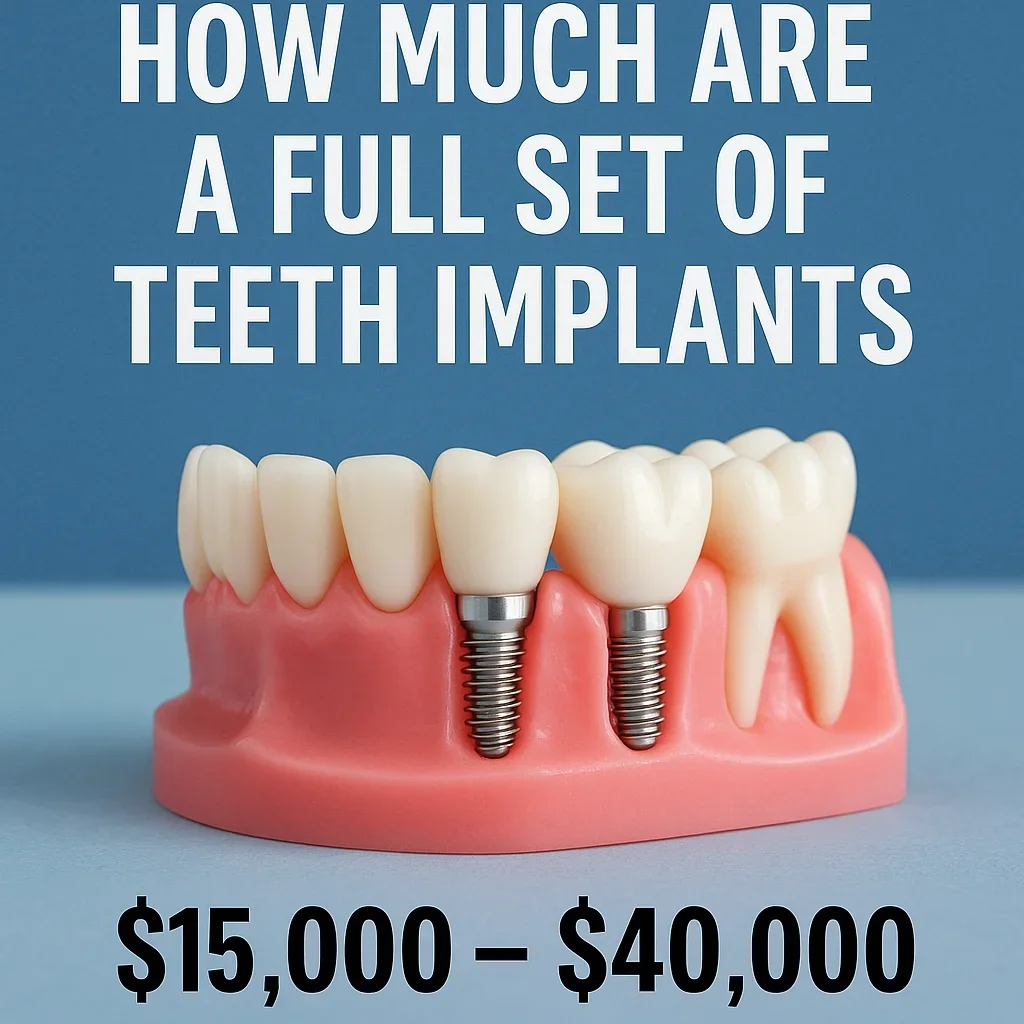
Now, let’s connect this with the burning question: how much are a full set of teeth implants really? The short answer is—it depends on multiple factors such as the number of implants, materials used, location, and the experience of the dental clinic. But on average, a full mouth restoration can range anywhere from $20,000 to $45,000 per arch in the United States. In countries like Turkey, the same treatment can be found at a fraction of that cost, often between $8,000 and $15,000 for both arches, with world-class facilities and internationally trained dental experts. 🌍
Dental implant procedures begin with a consultation and digital scan to evaluate your bone density and oral health. If bone loss is detected, a bone graft or sinus lift may be required before implant placement. Once ready, titanium or zirconia posts are inserted into the jawbone—these serve as artificial tooth roots. Over several months, the bone naturally integrates with the implant in a process called osseointegration. After healing, abutments (connectors) and custom-made crowns or full arch prosthetics are attached, resulting in a natural, radiant smile that looks and feels like real teeth.
When people search for how much are a full set of teeth implants, they’re usually not just asking about the price tag—they want to understand the value. A full dental implant restoration is more than a cosmetic fix; it’s a complete oral rehabilitation. It improves your ability to chew, speak, and smile confidently. Unlike removable dentures, implants are fixed, comfortable, and prevent jawbone loss over time. They also eliminate the embarrassment of slipping dentures and the hassle of adhesives or nightly removal. 🦷✨
Another key aspect to consider is longevity. While traditional dentures typically last five to seven years, dental implants can last 25 years or longer with proper care. This makes them a cost-effective solution in the long term. Most patients find that after calculating maintenance costs for dentures, implants actually save money over decades of use. It’s also worth mentioning that dental implants maintain facial structure and prevent the sunken appearance often caused by missing teeth.
Still wondering if they’re worth the investment? Think of it as an upgrade to your overall quality of life. Eating steak, apples, or corn on the cob becomes effortless again. You can laugh freely without fear of your teeth slipping or clicking. Your pronunciation improves because implants function like natural teeth. These psychological and social benefits are invaluable—and they’re exactly why so many patients around the world choose dental implants despite the initial cost.
For accurate cost estimates, most clinics provide free consultations where they assess your unique case and give a customized treatment plan. Clinics like Redent Klinik Contact Page offer international patients complete packages that include consultation, treatment, accommodation, and follow-up care. This makes full mouth implants far more affordable compared to Western Europe or the United States.
If you’d like to verify clinical standards or learn more about safety regulations in implant dentistry, you can visit the American Dental Association for reliable, evidence-based resources. Their site provides comprehensive information about implant materials, procedures, and maintenance guidelines.
In summary, the question “how much are a full set of teeth implants” doesn’t have a one-size-fits-all answer—but knowing what’s included helps you make an informed choice. Factors like bone condition, implant material, dentist expertise, and location play significant roles. However, one thing is clear: full mouth dental implants are an investment in comfort, confidence, and long-term oral health. If you’ve been holding back due to uncertainty about cost, this guide is your first step toward understanding why dental implants might be the best decision you’ll ever make for your smile. 😃
What Does a Full Set of Teeth Implants Include?
When people search for how much are a full set of teeth implants, they’re usually trying to understand not only the cost but also what exactly they’re paying for. A full set of dental implants is a complex treatment that replaces all missing teeth in either the upper, lower, or both arches. This process goes far beyond just attaching artificial teeth—it’s a carefully planned medical and aesthetic procedure involving several stages, materials, and technologies. To truly understand the value behind the cost, it’s essential to know what’s included in a full dental implant package. 🦷
Initial Consultation and 3D Imaging
The first step in any full mouth implant treatment is a comprehensive consultation with a qualified implant dentist. During this stage, the dental team evaluates your oral and general health, reviews your medical history, and performs a 3D CBCT scan. This advanced imaging allows the dentist to analyze bone structure, nerve positions, and sinus levels with precision. The CBCT scan ensures that implants are placed in optimal positions for long-term stability. Many clinics include this diagnostic stage in their total package price, while others may charge separately. On average, 3D scans can cost between $200 and $500 in the U.S., but they are often free or discounted in dental tourism destinations such as Turkey or Hungary. 🖥️
Custom Treatment Planning
Once the imaging is complete, the next stage involves designing a personalized treatment plan. This plan outlines the number of implants needed, their placement locations, and the type of prosthesis to be used. Depending on your bone density and oral condition, the dentist might recommend an All-on-4, All-on-6, or even a Full Arch Fixed Bridge. These methods determine both functionality and overall cost—hence why answering how much are a full set of teeth implants requires individual assessment rather than a fixed number. Treatment planning may also include digital smile design, where 3D modeling software shows how your final smile will look before the procedure even begins. 😁
Implant Surgery and Bone Preparation
The surgery phase is the most critical part of the full mouth restoration process. After local anesthesia or sedation, the dentist inserts titanium or zirconia implants into the jawbone. Each implant acts as an artificial tooth root, anchoring the future prosthesis securely in place. If the patient has insufficient bone volume, bone grafting or sinus lifting might be necessary to ensure long-term stability. These additional procedures can add $500–$2,000 to the overall cost but are crucial for successful osseointegration—the natural fusion of bone and implant. Most patients report minimal discomfort and resume daily activities within a few days. 🏥
All-on-4 and All-on-6 Techniques Explained
For those asking how much are a full set of teeth implants using the All-on-4 technique, this method typically involves placing four implants per arch. Two implants are inserted vertically at the front, while the other two are angled at the back for maximum support. The All-on-6 variation adds two more implants for greater strength and durability, especially for patients with softer bone structures. The choice between these systems directly affects the cost, healing time, and final comfort level of your smile restoration.
Temporary Prosthesis and Healing Phase
Immediately after implant placement, many patients receive a temporary prosthesis. This allows them to smile and eat soft foods while the implants heal beneath the gums. The healing process, also known as osseointegration, typically takes three to six months. During this period, the implants naturally fuse with the jawbone, providing an exceptionally strong foundation for permanent teeth. Some advanced clinics use immediate load implants, meaning they attach the temporary teeth on the same day as the surgery. While faster, this option is slightly more expensive and best suited for patients with good bone quality.
Permanent Prosthesis Placement
Once healing is complete, the temporary prosthesis is replaced with the final restoration. Patients can choose between several types of full-arch prostheses—acrylic, porcelain-fused-to-metal, or zirconia. Zirconia, being the most durable and lifelike option, tends to cost more but offers superior longevity and aesthetics. The final prosthesis is custom-designed to match your natural facial features, bite, and skin tone. By this point, your investment in how much are a full set of teeth implants truly pays off: the result is a confident, natural-looking smile that feels and functions just like real teeth. 🌟
Post-Operative Care and Follow-Up
High-quality dental clinics include follow-up appointments in the overall treatment cost. These visits allow your dentist to monitor healing, check bite alignment, and ensure your new smile is functioning properly. You may also receive a detailed guide for maintaining your implants—proper brushing, flossing, and avoiding smoking are essential to protect your investment. Regular professional cleanings every six months can extend the lifespan of your implants indefinitely. Maintaining proper oral hygiene is key to ensuring your implants last for decades, not just years.
Typical Inclusions in a Full Implant Package
- Comprehensive consultation and X-rays or 3D scans
- Digital treatment planning and smile design
- Surgical placement of implants (4–6 per arch)
- Temporary and permanent prostheses
- Bone graft or sinus lift (if required)
- Post-operative medications and follow-up visits
- Lifetime warranty for implant components in premium clinics
To put it simply, a full set of implants includes every element required to restore your smile permanently. From diagnostic imaging to final crown placement, every stage contributes to the total value and final price. If you’re considering treatment abroad, clinics such as Redent Klinik Contact Page offer all-inclusive packages that often cover travel and accommodation as well. Patients frequently find this approach more affordable and convenient, particularly when comparing the total costs of treatment in the United States or Western Europe.
For additional details about the standards and certification requirements of dental implant procedures, you can refer to the American Dental Association. Their official resources explain every component of implant treatment in detail and emphasize patient safety as the top priority.
Ultimately, understanding what’s included helps you see why how much are a full set of teeth implants can’t be reduced to a single number. It’s an intricate, multi-phase process requiring expertise, technology, and personalized care. When viewed as a long-term investment in health, comfort, and confidence, the value becomes crystal clear—because nothing compares to the feeling of having your natural smile back again. 😃
Why Dental Implants Are the Best Option for Missing Teeth
When people wonder how much are a full set of teeth implants, they often compare the price with other tooth replacement methods such as dentures or bridges. However, dental implants aren’t just another alternative — they represent a permanent and life-enhancing solution that restores both function and beauty. Understanding why dental implants are considered the gold standard for tooth replacement can help you see why they’re worth every penny. This section explores their advantages, structure, and long-term benefits in detail. 🦷
The Science Behind Dental Implants
Dental implants mimic natural tooth roots using biocompatible materials like titanium or zirconia. Once implanted into the jawbone, they undergo a process called osseointegration, where the bone fuses directly to the implant. This creates an incredibly strong and stable foundation for artificial teeth. Unlike removable dentures, implants prevent bone resorption (shrinkage), maintaining the structure of your jaw and facial profile. This is one of the key reasons dental implants last so long and look so natural. They don’t just fill gaps; they preserve your oral health at a biological level.
Natural Look and Feel
Implants replicate the appearance, strength, and sensation of real teeth. Patients can chew, bite, and smile naturally without worrying about slipping dentures or visible metal clasps. In fact, most people forget they even have implants after a few weeks. The crowns are custom-designed to match the color and shape of your natural teeth, resulting in a flawless smile that blends seamlessly with your face. 😁
Improved Comfort and Functionality
Another major reason dental implants are the best choice for full mouth restoration is comfort. Traditional dentures can rub against gums, cause sores, or slip while eating or speaking. Implants, however, are permanently fixed, eliminating all of these discomforts. You can enjoy your favorite foods — from crunchy apples to juicy steaks — without restriction. Chewing power is restored to nearly 95% of that of natural teeth, making implants the most functional solution available.
When asking how much are a full set of teeth implants, it’s important to consider not only the upfront cost but also the comfort and convenience they bring over a lifetime. Dentures require frequent adjustments, cleaning solutions, and replacements every few years, while implants can last 25 years or more with minimal maintenance.
Prevention of Bone Loss and Facial Sagging
Tooth loss leads to jawbone deterioration because the bone is no longer stimulated by chewing forces. Within a few years of losing teeth, many people experience bone shrinkage and facial sagging — giving a prematurely aged appearance. Dental implants solve this problem by transferring natural pressure from biting and chewing directly into the jawbone, stimulating bone growth. This is why patients who choose implants maintain a youthful facial structure and firm jawline compared to denture users.
Protecting Adjacent Teeth
Unlike traditional dental bridges, implants don’t require grinding down neighboring teeth for support. Each implant stands independently, preserving the health and structure of adjacent natural teeth. This makes implants a conservative treatment option that focuses on overall oral health rather than short-term fixes. The result is a long-lasting, stable, and functional smile. 🌟
Durability and Long-Term Value
Durability is another critical reason implants outperform other tooth replacement methods. A well-maintained implant can last for decades—sometimes even a lifetime. The titanium post itself rarely needs replacement; only the crown might require renewal after 10–15 years due to normal wear. When evaluating how much are a full set of teeth implants, this longevity drastically reduces lifetime dental expenses. Studies by the American Dental Association confirm that implants are among the most durable and reliable dental restorations available today.
By comparison, dentures and bridges often need frequent repairs, relining, or replacements. When you factor in these cumulative costs, implants become the smarter financial investment over time. Moreover, they eliminate the psychological burden of dealing with unstable prosthetics — giving patients confidence and peace of mind every day.
Speech and Social Confidence
Missing teeth can cause speech problems and insecurity during conversations. Dentures may also slip or create clicking sounds while talking, leading to social anxiety. Implants, on the other hand, provide stability and comfort that make your speech clear and natural. Patients report higher self-esteem and improved social interactions after full mouth implant procedures. Confidence isn’t just about looks—it’s about being able to communicate freely without fear of embarrassment. 🗣️
Easy Maintenance and Hygiene
Maintaining dental implants is straightforward. You brush, floss, and rinse just like with natural teeth—no soaking solutions or adhesives required. Regular dental check-ups and professional cleanings every six months ensure their longevity. The convenience of low-maintenance care adds to their long-term value. When calculating how much are a full set of teeth implants, remember that the simplicity of daily care saves both time and money compared to alternatives that demand ongoing maintenance products.
Allergy and Sensitivity Considerations
Implants are typically made from titanium or zirconia, both hypoallergenic materials that are safe for nearly all patients. This makes them ideal for individuals who experience sensitivity or allergic reactions to certain dental materials used in dentures or bridges. Advanced zirconia implants also offer an entirely metal-free solution, combining biocompatibility with aesthetic excellence.
Emotional and Psychological Benefits
Restoring your full smile has emotional effects beyond oral health. Many patients describe feeling younger, more energetic, and more socially confident after their implant procedure. Being able to laugh freely, eat comfortably, and smile proudly can drastically improve one’s quality of life. In that sense, when you evaluate how much are a full set of teeth implants, you’re not just paying for teeth—you’re investing in a renewed sense of self-esteem and happiness. 💖
Professional Endorsements and Clinical Success
Leading dental associations, including the American Dental Association, consistently recognize implants as the superior treatment for missing teeth. With over a 98% success rate in clinical studies, implants outperform any other dental restoration in terms of reliability and satisfaction. Patients can trust that this solution is backed by decades of research, innovation, and proven results.
Ultimately, when weighing how much are a full set of teeth implants, consider the lifetime benefits they deliver. From restoring bone health and natural function to enhancing confidence and appearance, implants offer unmatched value. They’re not just a dental solution—they’re a life transformation. For anyone ready to begin their journey toward a healthier, more radiant smile, reputable clinics like Redent Klinik Contact Page provide expert guidance, personalized treatment, and long-lasting results that make every penny worthwhile. 🌍
Factors That Affect the Cost of Full Mouth Dental Implants
When people research how much are a full set of teeth implants, they quickly discover that prices can vary dramatically from one clinic or country to another. The reason for this difference lies in the many factors that influence the final cost. Dental implants are not a one-size-fits-all treatment — they are customized medical procedures that require advanced materials, precise planning, and professional expertise. Understanding what affects the total price helps patients make educated decisions and ensures they receive high-quality care that fits both their needs and their budget. 💡
1. Geographic Location and Clinic Standards
Location is one of the most significant factors in determining how much are a full set of teeth implants. In the United States, full-mouth dental implants can cost anywhere between $25,000 and $60,000 per arch, while in the United Kingdom, the average is around £20,000 to £40,000. On the other hand, countries like Turkey, Mexico, and Hungary offer the same procedure for as little as $8,000 to $15,000 for both arches without compromising on quality. 🌍
The difference comes from varying overhead costs, labor expenses, and currency exchange rates. Clinics in countries with lower operational costs can offer affordable dental tourism packages that include accommodation, transportation, and full dental treatment. For instance, reputable centers such as Redent Klinik Contact Page combine international expertise with competitive pricing, making them a preferred choice for patients from Europe and North America.
2. Number of Implants Required
The total number of implants directly impacts how much are a full set of teeth implants. While some patients may need individual implants for each missing tooth, most full-mouth restorations rely on modern techniques like All-on-4 or All-on-6. These methods use four or six strategically placed implants to support an entire arch of teeth. Fewer implants mean lower costs, reduced surgery time, and faster recovery. However, in cases where jawbone quality is low, additional implants might be required for extra stability, slightly increasing the total price.
All-on-4 vs. All-on-6: Which Is More Cost-Effective?
The All-on-4 technique typically costs less due to fewer implants and shorter surgical time. However, the All-on-6 approach offers enhanced strength and durability for patients with sufficient bone structure. Depending on bone density and jaw anatomy, the choice between these methods can change the total price by $2,000–$5,000 per arch.
3. Type and Quality of Implant Materials
The materials used for the implant post and prosthetic teeth also play a major role in determining how much are a full set of teeth implants. Titanium remains the most popular choice due to its exceptional strength, durability, and biocompatibility. It fuses perfectly with bone tissue, providing a stable foundation for decades. Zirconia implants, on the other hand, offer a more aesthetic, metal-free alternative. Although slightly more expensive, zirconia is ideal for patients with metal sensitivities or those seeking a completely natural white appearance.
The prosthetic teeth themselves can be made from acrylic, porcelain-fused-to-metal, or monolithic zirconia. Acrylic is more affordable but wears faster, while zirconia provides a premium, lifelike finish that lasts much longer. Choosing premium materials increases upfront costs but guarantees superior aesthetics and longevity. 🦷
4. Bone Grafting and Sinus Lift Procedures
Not every patient has enough jawbone density to support implants right away. Bone grafting or sinus lift surgeries may be needed to rebuild bone volume before implant placement. These procedures add stability and ensure the long-term success of the treatment but can add $500–$3,000 to the overall cost. Patients who skip these steps risk implant failure in the future, making proper bone preparation a worthwhile investment.
5. Type of Prosthesis Used
The type of prosthesis — the visible set of artificial teeth — is another determining factor when estimating how much are a full set of teeth implants. There are three main types:
- Removable overdentures: Supported by implants but can be detached for cleaning. These are the most affordable option.
- Fixed hybrid bridges: Permanently attached to implants and non-removable by the patient. They provide natural function and aesthetics at a moderate cost.
- Full zirconia bridges: The premium choice, offering unmatched beauty and strength, often used in luxury dental treatments.
Each prosthesis type influences not just the cost but also maintenance requirements and long-term durability.
6. Experience and Expertise of the Dentist
The skill level of the dental surgeon performing the procedure significantly affects pricing. An implant specialist with international certifications, advanced training, and a proven success record will typically charge more. However, choosing an experienced professional reduces risks and ensures optimal results. Patients should verify credentials, ask for before-and-after photos, and check clinic reviews before committing to treatment. Remember, the cheapest option isn’t always the safest or most reliable.
Clinic Technology and Equipment
Clinics equipped with cutting-edge technology — like digital scanning, 3D printing, and computer-guided implant placement — tend to charge slightly more but deliver superior precision and results. Investing in a technologically advanced clinic guarantees smoother surgery, minimal pain, and faster recovery.
7. Country Regulations and Warranties
Another key factor influencing how much are a full set of teeth implants is the regulatory environment and warranty coverage. Clinics operating under international dental standards, such as those accredited by the American Dental Association or ISO-certified organizations, often provide lifetime warranties on implants. These assurances protect patients against potential complications, offering peace of mind and long-term value.
8. Anesthesia and Sedation Options
Depending on patient comfort and procedure complexity, different anesthesia options can be used — local anesthesia, IV sedation, or general anesthesia. The type of sedation affects cost, with general anesthesia being the most expensive due to the need for an anesthesiologist and additional monitoring equipment. Comfort-conscious patients may find this added expense worthwhile, especially during full-mouth surgeries lasting several hours. 😴
9. Aftercare and Maintenance Packages
Post-treatment follow-up visits, hygiene kits, and cleaning sessions are often included in comprehensive implant packages. However, if they’re charged separately, they can add $300–$800 to the total price. Regular check-ups and professional cleanings are crucial for maintaining implant health and preventing gum inflammation. When calculating how much are a full set of teeth implants, consider these aftercare costs as part of your total investment rather than optional add-ons.
10. Travel and Accommodation for Dental Tourism
Many patients from the U.S., Canada, or Western Europe choose dental tourism destinations to reduce costs. Packages that include airport transfers, hotel stays, and translators can significantly influence pricing. Clinics such as Redent Klinik Contact Page provide transparent, all-inclusive options that simplify the process and reduce logistical stress for international patients. ✈️
In conclusion, understanding the factors that shape how much are a full set of teeth implants reveals that price alone shouldn’t be the deciding factor. What matters most is value — the combination of safety, technology, experience, and lasting results. Each smile is unique, and so is each treatment plan. Choosing a trusted, well-equipped clinic with certified specialists ensures that every dollar you invest leads to a strong, natural-looking, and confident smile for decades to come. 😃
Average Prices for Full Mouth Dental Implants in 2025
When patients search for how much are a full set of teeth implants in 2025, they’re often looking for clear, reliable numbers to help plan their dental treatment budget. While prices vary globally, advances in dental technology and increased competition among clinics have made full mouth dental implants more accessible than ever before. Still, it’s essential to understand the typical price ranges by region, the types of implant systems used, and what exactly is included in those costs. Let’s take a detailed look at the average prices, from the United States to Europe and beyond. 💰
Global Average Cost Overview (2025 Estimates)
Dental implant pricing depends heavily on location, clinic standards, and patient needs. To provide context, here’s an overview of average prices in major dental destinations worldwide:
| Country | Average Cost per Arch (USD) | Average Cost for Full Mouth (USD) |
|---|---|---|
| United States | $25,000 – $45,000 | $50,000 – $90,000 |
| United Kingdom | $20,000 – $35,000 | $40,000 – $70,000 |
| Canada | $22,000 – $40,000 | $45,000 – $80,000 |
| Australia | $18,000 – $30,000 | $35,000 – $60,000 |
| Turkey | $4,000 – $7,500 | $8,000 – $15,000 |
| Hungary | $6,000 – $8,000 | $10,000 – $16,000 |
| Mexico | $5,000 – $8,500 | $9,000 – $17,000 |
These ranges demonstrate how significantly costs can vary based on region. For example, someone in New York City might pay six times more than a patient treated at a reputable Turkish dental center like Redent Klinik Contact Page, which offers international-quality services at far more affordable rates. 🌍
Why Prices Differ Between Countries
The answer to how much are a full set of teeth implants depends largely on operational costs, tax policies, and local demand. In the U.S. and U.K., dental professionals face higher malpractice insurance costs, stricter regulatory fees, and higher living expenses, which are reflected in the treatment prices. Conversely, dental tourism destinations such as Turkey and Mexico benefit from lower overhead costs, government incentives for medical tourism, and competitive pricing structures — making high-quality full mouth implants available at a fraction of Western costs.
Quality Assurance in Dental Tourism
Lower prices don’t necessarily mean lower quality. Many international clinics are accredited by global bodies such as the American Dental Association and ISO certification agencies. Modern clinics use the same FDA-approved materials, digital scanning equipment, and implant brands (like Straumann, Nobel Biocare, or Neodent) as Western clinics — ensuring identical quality at lower prices. ✈️
Cost Breakdown by Implant Type
Another important factor that defines how much are a full set of teeth implants is the type of implant system used. Here’s a cost estimate by treatment category:
- Single Implant: $1,500 – $3,000 per tooth (U.S.), $600 – $1,000 (Turkey)
- All-on-4 Full Arch: $15,000 – $35,000 (U.S.), $4,000 – $7,000 (Turkey)
- All-on-6 Full Arch: $18,000 – $40,000 (U.S.), $5,500 – $8,000 (Turkey)
- Full Mouth Restoration (Both Arches): $50,000+ (U.S.), $10,000 – $15,000 (Turkey)
These numbers include implant surgery, temporary teeth, and the final prosthesis. They may also include preoperative diagnostics and post-treatment visits, depending on the clinic.
Cost by Material Choice
The type of material used for implants and crowns significantly influences the price. Titanium implants are standard and cost-effective, while zirconia implants are more aesthetic but more expensive. Similarly, the prosthesis material — acrylic, porcelain, or full zirconia — determines the final bill.
Material Cost Comparison (2025)
| Material Type | Durability | Average Cost (per arch) |
|---|---|---|
| Acrylic Hybrid | 5–7 years | $4,000 – $8,000 |
| Porcelain-Fused-to-Metal | 10–15 years | $7,000 – $12,000 |
| Full Zirconia | 20+ years | $10,000 – $18,000 |
While zirconia is initially more expensive, its superior strength and natural translucency make it the preferred choice for patients seeking both longevity and aesthetics. Many who inquire about how much are a full set of teeth implants choose zirconia for its premium quality and minimal maintenance requirements.
Hidden Costs and What to Look Out For
Some clinics advertise low entry prices but exclude key elements such as anesthesia, extractions, bone grafting, or follow-up visits. When evaluating offers, always ask for a complete cost breakdown. Hidden charges can quickly add up and distort your perception of affordability. Transparency is key — clinics like Redent Klinik Contact Page typically include all services within a single package to ensure patients understand their total investment upfront. 📋
Payment Methods and Insurance Coverage
Unfortunately, most insurance plans classify implants as a cosmetic procedure, covering little to none of the costs. However, some dental insurance policies offer partial reimbursement for certain steps like bone grafts or crowns. Patients can also explore financing plans, monthly installments, or health savings accounts (HSA) to make the treatment more manageable.
Tip: Combining Medical and Travel Savings
In 2025, many patients combine dental care with a vacation — especially in countries like Turkey, Thailand, or Mexico. This approach allows patients to save up to 70% on implant costs while enjoying luxury hospitality and scenic destinations. The concept of “dental holidays” has become increasingly popular, giving new meaning to affordable dental excellence. 🌴
Economic Outlook for 2025 and Future Trends
Dental implant costs have stabilized globally due to advances in digital dentistry and competition among clinics. As more practitioners adopt 3D-guided surgery and same-day implant technology, efficiency increases while overall prices trend downward. Experts predict that by 2030, the global cost of full mouth implants will be 10–15% lower than in 2025, thanks to automation and improved material accessibility.
Final Thoughts
While it’s tempting to focus solely on how much are a full set of teeth implants, patients should weigh value over cost. Full mouth implants are a permanent, life-changing solution that restores not only function but also confidence and self-image. The ideal balance lies in choosing a clinic with modern technology, transparent pricing, and experienced specialists. Whether you’re investing $10,000 in Turkey or $60,000 in the U.S., remember that you’re buying decades of comfort, durability, and the priceless ability to smile freely. 😃
Full Mouth Dental Implants vs. Dentures: Cost and Benefits Comparison
Many people wondering how much are a full set of teeth implants also compare them with traditional dentures to determine which option offers the best long-term value. While dentures have been used for centuries as a quick fix for missing teeth, modern full mouth dental implants have revolutionized restorative dentistry by offering unmatched comfort, stability, and aesthetics. In this section, we’ll explore the differences between dental implants and dentures in terms of cost, performance, durability, and overall quality of life — helping you decide which solution is truly worth your investment. 🦷
The Key Difference Between Implants and Dentures
Dentures are removable prosthetics that rest on the gums, typically made from acrylic or resin. They replace missing teeth but rely on suction or adhesive for stability. In contrast, dental implants are permanent titanium or zirconia posts surgically inserted into the jawbone to replace natural tooth roots. Once healed, these implants support a fixed bridge or full arch prosthesis that feels and functions like natural teeth.
So when asking how much are a full set of teeth implants compared to dentures, the real question is — are you looking for a short-term replacement or a lifelong solution? Understanding this distinction is essential because implants are designed to mimic the structure of real teeth, while dentures merely sit on top of the gums without restoring jawbone function.
Biological Function and Bone Preservation
Dental implants help prevent bone loss by stimulating the jawbone just like natural tooth roots do. Dentures, however, accelerate bone resorption because they provide no stimulation. Over time, the jawbone shrinks, leading to sagging facial features and poor denture fit. This is why many denture wearers eventually seek implants to regain comfort and aesthetics. 💀
Cost Comparison: Implants vs. Dentures
The biggest concern for most patients is cost. While dentures may seem more affordable initially, the long-term expenses tell a different story. Below is a breakdown of average pricing in 2025:
| Treatment Type | Initial Cost (USD) | Maintenance (5 Years) | Average Lifespan |
|---|---|---|---|
| Conventional Dentures | $1,000 – $3,000 per arch | $2,000+ | 5–7 years |
| Implant-Supported Dentures | $6,000 – $10,000 per arch | $500+ | 15–20 years |
| All-on-4 / Full Mouth Implants | $15,000 – $35,000 per arch | Minimal | 25+ years |
As the data shows, dentures have a lower upfront cost but higher maintenance expenses due to frequent relining, repairs, and replacements. Dental implants, though initially more expensive, prove more cost-effective in the long run. Patients searching how much are a full set of teeth implants will find that investing once for permanent results often saves thousands of dollars over a lifetime.
Comfort and Stability
Dentures can move, slip, or cause discomfort when eating and speaking. Adhesives are often required, and some foods — like sticky or hard items — must be avoided. Full mouth dental implants eliminate these issues completely. Since they’re anchored securely in the jawbone, they don’t move or irritate the gums. Patients can eat, laugh, and speak confidently without fear of slipping prosthetics or unpleasant adhesives. 😁
Chewing Power and Nutrition
Studies show that denture wearers only regain about 20–30% of natural chewing power, while implant patients restore up to 90–95%. This allows implant users to enjoy a varied diet rich in protein, fiber, and fresh produce — all essential for long-term health. Dentures, on the other hand, often limit food choices, which can lead to nutritional deficiencies and digestive problems over time.
Longevity and Durability
When discussing how much are a full set of teeth implants, longevity is a key factor. Implants can last 25 years or longer with proper care, while dentures typically need replacement every 5–7 years. Because dentures wear down and the jawbone shrinks, they lose their fit and functionality quickly. Dental implants are a one-time investment designed to endure decades of use, offering a superior return on investment over time.
Aesthetics and Natural Feel
Implants look, feel, and function like natural teeth. They’re color-matched to the patient’s complexion and designed to complement facial features. In contrast, dentures can appear bulky or artificial, especially as bone loss progresses. Patients often describe implants as indistinguishable from real teeth, giving them a confidence boost in both professional and personal settings. 🌟
Speech and Confidence
Dentures may cause pronunciation difficulties or slurred speech, particularly when they loosen over time. Implants remain fixed and stable, preserving natural speech patterns and confidence. Patients no longer need to worry about embarrassing clicking sounds or slipping dentures during conversations.
Maintenance and Hygiene
Another major difference lies in daily maintenance. Dentures require removal, cleaning solutions, and overnight soaking. Implants, on the other hand, are maintained just like natural teeth — regular brushing, flossing, and professional cleanings. This simple routine keeps implants healthy for decades. Moreover, the absence of adhesives or plastic materials makes them more hygienic and comfortable.
Psychological and Lifestyle Impact
Beyond physical benefits, dental implants dramatically improve emotional well-being. Denture wearers often report lower self-esteem and social anxiety due to fear of dentures slipping. Implants restore not only smiles but also confidence, allowing individuals to eat out, laugh, and socialize without worry. The ability to live without limitations is one of the greatest advantages implants have over dentures. 💖
Long-Term Financial Perspective
When calculating how much are a full set of teeth implants, patients should think long-term. While dentures seem cheaper upfront, they require frequent replacements, relines, adhesives, and dental visits. Over a 20-year period, the cumulative cost of dentures often exceeds that of implants. Additionally, implants protect the jawbone, preventing the need for future bone grafting or facial cosmetic procedures that may become necessary for denture wearers.
Expert Endorsement and Clinical Backing
Dental professionals worldwide, including those certified by the American Dental Association, recommend implants as the superior solution for full mouth restoration. Studies consistently show a success rate of 95–98%, making implants one of the most predictable and long-lasting dental treatments available today. Clinics such as Redent Klinik Contact Page specialize in these procedures, offering advanced digital diagnostics and lifetime warranty coverage — ensuring both quality and peace of mind.
Final Verdict: Which Option Wins?
Ultimately, the decision between dentures and implants depends on individual priorities — short-term affordability versus long-term functionality. If your goal is comfort, confidence, and a natural-looking smile that lasts a lifetime, dental implants are the clear winner. While the answer to how much are a full set of teeth implants varies depending on your location and specific case, the life-changing benefits they provide make them an investment rather than an expense. Choosing implants means reclaiming your ability to smile, eat, and live freely — and that’s something no removable denture can truly replace. 😃
Financing and Payment Options for Full Dental Implants
For many patients searching how much are a full set of teeth implants, the biggest concern isn’t whether dental implants are worth it — it’s how to afford them. Dental implants are a life-changing investment, but because of their medical and aesthetic nature, they can be costly upfront. Thankfully, modern dental practices now offer a wide variety of financing plans, payment options, and third-party support that make full mouth dental implants accessible to almost everyone. In this section, we’ll explore all the practical ways you can manage implant costs without compromising quality or results. 💳
Understanding the Total Cost Structure
Before discussing financing, it’s important to understand what contributes to the total price of implants. The answer to how much are a full set of teeth implants depends on several variables: the number of implants, the type of prosthetic used, clinic technology, anesthesia, and additional treatments such as bone grafting. Because of these factors, prices vary from about $8,000 to $90,000 depending on the country and treatment plan. However, most clinics understand that few patients can pay this all at once — which is where flexible payment solutions come in. 🦷
1. In-House Payment Plans from Dental Clinics
Many reputable clinics offer in-house financing to make the process simpler and more affordable. Instead of paying the full amount upfront, patients can divide their payments into manageable monthly installments over a fixed period (usually 6–24 months). This option often comes with zero or very low interest, especially for loyal or returning patients.
Advantages of In-House Financing
- No third-party involvement — agreements are made directly with the clinic.
- Quick approval and simple application process.
- Flexible schedules tailored to the patient’s income and needs.
- Often interest-free for short-term plans.
For example, if you choose a clinic like Redent Klinik Contact Page, they may allow partial upfront payments followed by scheduled installments, ensuring that high-quality dental care remains financially manageable without delaying treatment.
2. Third-Party Medical Financing Companies
Specialized health financing companies like CareCredit, LendingClub Patient Solutions, and Proceed Finance partner with dental clinics to provide long-term payment options. These companies act similarly to personal loan providers but with lower interest rates for medical expenses. Patients can select flexible terms from 6 months to 5 years, depending on their financial situation.
How It Works
Once your dentist provides a treatment plan, you can apply online or at the clinic. After approval, the finance company pays the clinic directly, and you repay the company in monthly installments. This method allows patients to begin treatment immediately, even if they don’t have large savings available upfront.
3. Health Savings Accounts (HSA) and Flexible Spending Accounts (FSA)
For U.S. patients wondering how much are a full set of teeth implants after tax benefits, HSAs and FSAs can provide substantial savings. These accounts allow you to use pre-tax income to pay for qualified medical expenses, including certain aspects of implant treatment. Depending on your income bracket, this can effectively reduce the overall cost by 20–30%.
Pro Tip:
Always confirm with your insurance provider or employer whether dental implants qualify under your HSA or FSA plan. While full implants are often classified as “cosmetic,” many plans cover medically necessary components such as bone grafts or extractions.
4. Dental Insurance Coverage and Limitations
Traditional dental insurance plans rarely cover the entire cost of implants, but partial coverage is possible. Most plans pay for parts of the process such as diagnostic imaging, tooth extraction, or crowns. For example, your insurance might cover up to $1,500–$3,000 per year — a modest contribution, but still helpful when combined with other payment methods. 📄
Some premium insurance plans have expanded their coverage to include full or partial implant procedures. Always review your policy details or consult with your provider before starting treatment. If your plan doesn’t include implant coverage, ask about supplemental plans or dental discount programs.
5. Dental Tourism Packages with All-Inclusive Pricing
Many international clinics, particularly in Turkey, Hungary, and Mexico, offer all-inclusive packages that bundle treatment, accommodation, and airport transfers. These packages dramatically lower total expenses — often by 60–70% compared to U.S. prices — and remove the need for complicated financing altogether. Clinics such as Redent Klinik Contact Page specialize in such packages, combining affordability with internationally certified standards.
Cost Example (2025)
A U.S. patient might pay $45,000 for a full mouth restoration domestically but only $10,000–$15,000 for the same procedure abroad, including travel and lodging. This makes dental tourism one of the most cost-effective solutions for those seeking world-class results on a budget. 🌍
6. Personal Loans and Credit Cards
If neither in-house financing nor medical lenders are accessible, patients can use personal loans or low-interest credit cards to fund their treatment. Many banks and credit unions offer medical-purpose loans with flexible repayment terms. Although interest rates are slightly higher than medical financing companies, this option provides immediate access to funds.
Tips for Responsible Borrowing
- Compare multiple lenders for the best rates.
- Avoid high-interest credit cards unless they offer introductory 0% APR.
- Set up automatic payments to avoid late fees.
- Only borrow what you can comfortably repay within 12–24 months.
7. Government or Nonprofit Assistance Programs
Some nonprofit organizations and dental charities offer reduced-cost implant programs for patients in need. While availability is limited, such initiatives can provide partial funding or connect you with teaching hospitals that perform implant procedures at reduced prices. Universities with dental schools, such as those accredited by the American Dental Association, often run supervised student clinics offering affordable rates for complex procedures like implants.
8. Deferred Payment and “Smile Now, Pay Later” Options
Modern clinics increasingly promote “Smile Now, Pay Later” systems — allowing patients to begin treatment immediately and defer payments for 3–6 months. This is particularly helpful for individuals awaiting insurance reimbursements or bonuses. It’s a smart strategy to start your journey toward a perfect smile without waiting years to save the full amount. 😁
Financial Planning Tips for Patients
When evaluating how much are a full set of teeth implants, financial planning is key. Always ask for a written treatment plan that outlines every stage of the procedure and related costs. Verify whether maintenance visits, temporary teeth, or medications are included. Clinics with transparent pricing help you budget effectively and avoid unpleasant surprises later.
Combining Multiple Payment Strategies
The most effective approach is often a combination of financing methods — for example, using dental insurance to cover minor procedures, an HSA for part of the treatment, and a short-term payment plan for the remainder. This hybrid approach spreads the financial burden while ensuring immediate access to premium dental care.
Conclusion: Affordable Smiles Are Possible
The perception that implants are unaffordable is quickly changing. With financing programs, dental tourism, and flexible payment plans, patients today can receive full-mouth restorations regardless of income level. While how much are a full set of teeth implants will always vary depending on individual circumstances, one truth remains: investing in your smile pays lifelong dividends in health, confidence, and happiness. Whether through monthly payments, travel savings, or insurance benefits, your dream smile is closer — and more affordable — than ever. 🌟
How to Choose the Right Clinic for Affordable Full Mouth Implants
When searching how much are a full set of teeth implants, one of the most important factors to consider is where to have the treatment done. Choosing the right dental clinic determines not only your final cost but also the safety, comfort, and long-term success of your implants. In 2025, patients have more options than ever before — from local implant centers to internationally accredited dental tourism clinics. However, not all clinics provide the same level of expertise, technology, or transparency. In this section, we’ll explore exactly what to look for in a dental implant provider and how to ensure you’re getting the best quality care at a reasonable price. 🏥
Understanding What Makes a Good Implant Clinic
A high-quality implant clinic combines advanced technology, skilled professionals, and personalized patient care. Before focusing solely on how much are a full set of teeth implants, ensure the clinic meets the highest medical and ethical standards. This includes certification by international dental organizations, clear communication about treatment steps, and transparent pricing policies. A good clinic should also use modern digital equipment like 3D scanners and guided implant software for accuracy and predictability.
Key Features of a Reliable Implant Clinic
- Use of top-tier implant brands such as Straumann, Nobel Biocare, or Neodent.
- On-site 3D imaging and digital smile design for precision.
- Experienced oral surgeons and prosthodontists specializing in full mouth reconstruction.
- Written warranties for implant components and prosthetic work.
- Clean, sterile environment that adheres to international infection control standards.
Clinics like Redent Klinik Contact Page stand out because they combine all of these features with transparent pricing, making them ideal choices for patients seeking high-quality yet affordable full mouth implant solutions. 🌟
1. Evaluating the Dentist’s Experience and Credentials
Always research the qualifications of the dental professionals who will perform your procedure. The best clinics employ implantologists or oral surgeons with advanced certifications from recognized institutions such as the American Dental Association or the International Congress of Oral Implantologists (ICOI). A dentist’s experience with full arch restorations is critical, as implant placement requires both surgical precision and aesthetic artistry.
How to Verify Credentials
- Request to see the dentist’s professional certificates and affiliations.
- Check whether they participate in continuing education programs on implantology.
- Ask how many full mouth implant procedures they’ve performed in the past year.
- Read verified patient reviews or testimonials highlighting their implant experience.
2. Technology and Equipment Matter
When comparing clinics, evaluate their use of technology. Cutting-edge facilities employ digital scanners, CAD/CAM milling, 3D cone beam CT imaging, and laser surgery systems. These tools reduce surgical time, improve accuracy, and ensure faster healing. The more advanced the technology, the higher the success rate — and the better your return on investment for how much are a full set of teeth implants.
Digital Workflow Advantages
Digital dentistry allows precise implant placement by mapping your jawbone in 3D. It minimizes the risk of nerve damage, ensures optimal alignment, and often enables same-day implant placement. In addition, digital impressions are far more comfortable than traditional molds, making your experience smoother from start to finish.
3. Transparency in Pricing and Treatment Plans
One of the biggest red flags in dental care is vague or hidden pricing. Reputable clinics provide a detailed written estimate before any treatment begins. This should include consultation fees, implant materials, surgical procedures, anesthesia, and aftercare costs. Patients asking how much are a full set of teeth implants should avoid clinics that offer unrealistic “too good to be true” discounts — these often omit critical steps or use inferior materials that may lead to implant failure later.
Questions to Ask Before Committing
- Is the initial consultation free or included in the final price?
- Are bone grafts and sinus lifts (if needed) covered in the quote?
- What warranty is provided for the implants and prosthesis?
- Does the clinic offer financing or all-inclusive packages for international patients?
4. Reviewing Patient Testimonials and Case Studies
Patient experiences are one of the best indicators of clinic quality. Reputable clinics display before-and-after photos, video testimonials, and long-term follow-ups to demonstrate their expertise. Look for detailed case studies involving patients with similar dental conditions to yours. Reading real-life stories not only clarifies what to expect but also confirms whether the clinic delivers on its promises.
Online Reputation and Ratings
Platforms such as Google Reviews, Trustpilot, and RealSelf provide unbiased feedback from patients. A clinic consistently rated 4.8 or higher is generally reliable. Additionally, review how the clinic responds to feedback — respectful, transparent communication is a good sign of professionalism.
5. International Accreditation and Medical Tourism Support
For patients traveling abroad for dental care, accreditation ensures global safety and hygiene standards. Clinics certified by the Joint Commission International (JCI) or ADA-affiliated bodies follow strict sterilization and patient care protocols. When researching how much are a full set of teeth implants overseas, consider clinics that offer assistance with visas, hotel reservations, airport transfers, and translation services — these conveniences make your treatment journey seamless. 🌍
All-Inclusive Dental Tourism Packages
Top-tier clinics in countries like Turkey and Hungary often provide comprehensive packages covering treatment, accommodation, and transportation. Not only do these bundles save money, but they also offer peace of mind by consolidating all logistics through a single provider. This level of care ensures that patients can focus solely on healing and recovery.
6. Aftercare and Long-Term Support
Post-surgery care is just as important as the procedure itself. Reliable clinics schedule follow-up visits, provide written maintenance instructions, and remain available for support even after you return home. Regular checkups help detect potential issues early, extending the life of your implants. When choosing a clinic, ensure they have clear aftercare protocols, including cleaning sessions and online consultation options for international patients.
7. Comparing Local vs. International Options
Choosing between a local or international clinic often comes down to cost, convenience, and trust. Local clinics allow easier access for follow-ups, while international options can offer significantly lower costs. For example, patients in the U.S. might pay around $45,000 domestically but as little as $12,000–$15,000 abroad for the same treatment. However, quality should never be sacrificed for affordability. Always verify certifications, materials, and post-care support before making a decision.
Balancing Cost and Quality
While budget is a valid concern, the lowest price doesn’t always mean the best deal. Implants are long-term medical investments that affect your overall health. The goal is to find the right balance between cost-effectiveness and top-quality care. Clinics that disclose every detail of their pricing and use premium materials provide far greater value in the long run.
Final Thoughts on Choosing the Right Clinic
In summary, when determining how much are a full set of teeth implants, you should focus not only on price but also on expertise, safety, and support. A reputable clinic will prioritize your well-being over sales tactics and will educate you throughout every step of your implant journey. Look for clinics with modern equipment, transparent costs, verified patient reviews, and internationally recognized accreditation. Whether you choose a clinic in your country or travel abroad, remember that the true value lies in achieving a healthy, confident smile that lasts a lifetime. 😃
Step-by-Step Process of Getting Full Mouth Dental Implants
Many patients researching how much are a full set of teeth implants are also curious about the exact steps involved in the implant procedure. Understanding this process helps you prepare both mentally and financially for your transformation. Full mouth dental implants are not a single-visit treatment; they require several stages of careful planning, precision surgery, and healing time to ensure long-lasting results. Below is a complete breakdown of each phase, from consultation to final restoration — helping you know exactly what to expect before, during, and after your implant journey. 🦷
1. Initial Consultation and Diagnostic Evaluation
The first step toward full mouth restoration is a detailed consultation with your implant dentist. During this session, the clinic performs a comprehensive dental and medical assessment to determine if you’re a good candidate for implants. This typically includes:
- 3D Cone Beam CT scans to analyze bone density and jaw structure
- Digital impressions for precise treatment planning
- Review of medical history and lifestyle factors
- Discussion of expectations, design preferences, and potential risks
At this stage, the dentist will also explain how much are a full set of teeth implants based on your personal case, including factors such as the number of implants needed, materials, and additional treatments. Some clinics — like Redent Klinik Contact Page — offer complimentary consultations and transparent quotes to help patients make informed decisions early on. 🗓️
Bone Density Assessment
Bone quality is a key factor in implant success. If your jawbone is too thin or soft to support implants, your dentist may recommend bone grafting. This additional procedure ensures a stable foundation for the implants and maximizes long-term durability.
2. Treatment Planning and Custom Smile Design
Once diagnostic results are analyzed, a personalized treatment plan is developed. Using computer-guided design systems and digital smile simulations, your dentist maps out the optimal implant placement and prosthetic design. This plan considers facial symmetry, bite alignment, and desired aesthetics — ensuring that the final result looks and feels completely natural.
Digital Implant Planning
Modern clinics utilize 3D-guided software to virtually plan each implant’s depth and angle, reducing surgical risks and increasing precision. This step also helps the dentist determine the most efficient number of implants required for a full mouth restoration, directly influencing how much are a full set of teeth implants in total cost.
3. Tooth Extraction and Bone Grafting (If Required)
If you still have remaining teeth that are decayed or damaged beyond repair, they’ll need to be extracted before implant placement. In cases of bone loss, bone grafting may be performed simultaneously or a few months prior to implant surgery. This regenerative process uses natural or synthetic bone material to rebuild jaw density, ensuring a stable base for implant anchorage.
Healing Time for Bone Grafts
After grafting, the healing period typically lasts between 3–6 months. This allows the grafted material to fuse with the natural bone, creating a strong, supportive structure. Clinics using advanced techniques may reduce this time with plasma-rich growth factors or laser-assisted healing therapies.
4. Implant Placement Surgery
This is the main surgical phase of the journey. Under local anesthesia or sedation, the dentist places titanium or zirconia posts into the jawbone. These act as artificial tooth roots. Most full mouth restorations use either the All-on-4 or All-on-6 technique — meaning 4 or 6 implants per arch are strategically placed to support a full arch of teeth. 🛠️
During surgery, precise positioning ensures equal bite force distribution and stability. The process typically takes 2–4 hours per arch, depending on complexity. While this stage may sound intimidating, modern minimally invasive techniques make it virtually painless and highly efficient.
Immediate Load Implants (“Teeth in a Day”)
Some clinics offer same-day temporary prosthetics, allowing patients to leave the office with a functional and aesthetic smile right after surgery. This approach is known as immediate loading or “Teeth in a Day.” However, not all patients qualify for it — bone density and general health play a major role in determining eligibility.
5. Osseointegration and Healing Phase
After implant placement, a natural biological process called osseointegration occurs. This is when the bone fuses around the titanium implant, providing unmatched stability and strength. The process usually takes 3–6 months, during which temporary teeth are used. Patience during this phase is crucial for long-term success. 🧬
To ensure proper healing, patients are advised to avoid smoking, maintain a soft diet, and follow their dentist’s aftercare instructions strictly. The stronger the osseointegration, the longer your implants will last — a key consideration for anyone researching how much are a full set of teeth implants as a lifelong investment.
6. Abutment and Impression Phase
Once healing is complete, the dentist attaches abutments — small connectors that link implants to the dental prosthesis. Then, precise digital impressions are taken to craft your permanent crowns or bridges. These impressions guarantee a perfect fit and natural bite alignment, which is essential for both comfort and aesthetics.
Material Selection
At this stage, you can choose the type of prosthetic material: acrylic, porcelain-fused-to-metal, or full zirconia. While zirconia costs more, it provides superior strength, durability, and a lifelike appearance. The choice of material directly affects the total cost when calculating how much are a full set of teeth implants for your case.
7. Final Restoration and Smile Reveal
After your custom prosthetics are fabricated, they are securely attached to the implants. The dentist checks your bite, alignment, and speech before finalizing the fit. This is often the most emotional stage of the journey — when patients finally see their new, natural-looking smiles for the first time. 😊
Quality Control and Adjustments
Top clinics conduct a final digital verification to ensure perfect alignment and function. Minor adjustments may be made to improve comfort, and the dentist provides full maintenance instructions for cleaning and care.
8. Aftercare and Maintenance Routine
After your smile transformation is complete, regular maintenance ensures the longevity of your implants. Patients should visit their dentist every 6–12 months for professional cleaning and implant evaluation. Proper hygiene — brushing twice daily, flossing, and using antibacterial mouthwash — prevents gum inflammation and protects your investment.
Long-Term Maintenance Tips
- Avoid smoking and excessive alcohol consumption.
- Use a soft-bristled toothbrush and non-abrasive toothpaste.
- Invest in an oral irrigator to clean around implants effectively.
- Follow dietary recommendations during the first few months post-surgery.
Clinics like Redent Klinik Contact Page provide lifelong follow-up support and detailed care plans, ensuring your implants remain healthy and functional for decades. Regular follow-ups also allow early detection of potential issues, minimizing repair costs over time.
9. Realistic Timeline and Expected Results
The complete process for full mouth dental implants can take anywhere from 4 months to 12 months, depending on healing speed and case complexity. While this may seem long, the results are permanent and life-changing. Patients not only regain their ability to chew and speak naturally but also enjoy a major boost in confidence and appearance. 🌟
Final Thoughts: A Life-Changing Journey
Understanding the step-by-step process of full mouth restoration helps you appreciate why the procedure is such a valuable investment. While how much are a full set of teeth implants varies depending on individual needs and clinic choice, the transformation they bring — improved health, beauty, and self-esteem — is priceless. From consultation to final smile, every stage is designed to deliver lasting comfort, function, and happiness. Choosing a trusted, experienced clinic ensures that your implant journey not only restores your teeth but also revitalizes your quality of life for years to come. 😄
Long-Term Results, Care, and Maintenance of Full Mouth Dental Implants
After understanding how much are a full set of teeth implants, it’s equally important to learn how to maintain them for decades. Full mouth dental implants are designed to last a lifetime, but their success depends on long-term care, regular dental checkups, and proper hygiene habits. In this section, we’ll explain in detail how to keep your implants in perfect condition, what to expect over the years, and how consistent care can protect your investment and your smile for life. 🦷
1. Longevity of Full Mouth Implants: What to Expect
Dental implants have one of the highest success rates in modern dentistry — around 95–98% when maintained correctly. With proper care, the titanium or zirconia posts that anchor your implants can last a lifetime. However, the crowns or bridges attached to them might need replacement every 15–20 years, depending on wear and material quality.
Patients who understand how much are a full set of teeth implants realize that longevity is a crucial factor in justifying their cost. Unlike dentures or bridges, which require periodic replacement, implants provide permanent stability and preserve jawbone integrity for decades. This means fewer dental visits, lower lifetime expenses, and greater comfort in daily life. 😁
Key Factors That Affect Longevity
- Bone health: Strong bone integration ensures long-lasting stability.
- Gum condition: Healthy gums prevent peri-implant disease and bone loss.
- Smoking and alcohol: These habits reduce healing and increase risk of implant failure.
- Material choice: Zirconia and titanium implants last longer than cheaper alternatives.
- Clinic quality: Expert surgical placement ensures accurate alignment and longevity.
2. Daily Oral Hygiene Routine
Implants may not decay like natural teeth, but they still require consistent hygiene to prevent infection. Poor cleaning habits can lead to peri-implantitis — a condition similar to gum disease that can compromise implant success. To maintain your implants, follow a dedicated routine recommended by specialists at clinics like Redent Klinik Contact Page.
Step-by-Step Cleaning Routine
- Brush twice daily with a soft-bristled toothbrush and non-abrasive toothpaste.
- Use an interdental brush to clean between implants and around abutments.
- Rinse with an antibacterial mouthwash to reduce plaque formation.
- Consider using an oral irrigator (water flosser) for deep cleaning around implants.
- Schedule professional cleanings every 6 months for preventive maintenance.
By following these steps, patients not only preserve the longevity of their implants but also maintain a fresh, healthy smile. Regular hygiene reduces long-term costs, which is essential for those calculating how much are a full set of teeth implants in terms of total lifetime value.
3. Professional Maintenance and Regular Checkups
Just like natural teeth, implants need professional care. Dentists perform periodic evaluations to check bone stability, gum condition, and bite alignment. Early detection of small issues — such as inflammation or micro-movement — can prevent costly complications later.
Recommended Maintenance Schedule
- Every 6 months: Professional cleaning and plaque removal around the implants.
- Every 12 months: Digital X-rays or 3D scans to evaluate bone density.
- As needed: Occlusal adjustment to prevent excessive pressure on specific implants.
At top-rated clinics accredited by the American Dental Association, patients often receive lifetime follow-up plans. This ensures ongoing monitoring and guarantees that your investment remains healthy and strong for decades.
4. Lifestyle Habits That Support Implant Success
Beyond brushing and checkups, lifestyle plays a major role in implant health. Smoking, for example, reduces blood flow to gum tissue, increasing the risk of implant failure. Similarly, uncontrolled diabetes or chronic stress can slow healing and increase infection risk.
Healthy Habits for Implant Longevity
- Quit smoking and limit alcohol intake to enhance gum healing.
- Maintain a balanced diet rich in calcium, vitamin D, and protein.
- Stay hydrated to support saliva production and oral pH balance.
- Wear a night guard if you grind your teeth (bruxism).
- Manage systemic health conditions like diabetes or hypertension with your physician.
By committing to these habits, you not only protect your dental investment but also enhance your overall well-being — a key motivation for anyone considering how much are a full set of teeth implants and whether the results are worth the cost.
5. Common Issues and How to Prevent Them
While dental implants have a high success rate, complications can arise if care is neglected. The most common issues include inflammation around the gums (peri-implant mucositis), bone loss, or prosthetic wear. These problems are usually preventable with routine care and professional monitoring.
Preventive Strategies
- Never skip follow-up appointments — early detection saves implants.
- Report any discomfort, swelling, or unusual taste immediately.
- Replace worn-out components or prosthetics promptly to prevent imbalance.
- Avoid using your teeth as tools to open packaging or bite hard objects.
These simple steps can dramatically extend implant life and prevent unnecessary expenses down the road. Prevention is always more cost-effective than repair, which reinforces the long-term value behind how much are a full set of teeth implants.
6. The Psychological and Functional Benefits of Long-Term Implant Care
Patients who take good care of their implants enjoy not just oral health, but renewed confidence and quality of life. They can eat their favorite foods, smile without hesitation, and speak clearly — benefits that are impossible to quantify in monetary terms. For many, dental implants represent emotional freedom as much as physical restoration. 🌟
Emotional and Social Impact
Maintaining a perfect smile improves professional presence, relationships, and self-esteem. This is one of the strongest justifications for investing in implants — their impact extends far beyond aesthetics, influencing every aspect of daily life.
7. Cost Savings Through Proper Maintenance
Patients often underestimate the savings gained from consistent implant care. Regular hygiene and checkups can prevent issues that would otherwise cost thousands to repair. Over 20 years, the total cost of maintaining implants is far less than the cumulative expense of replacing dentures or bridges. Therefore, when evaluating how much are a full set of teeth implants, it’s vital to consider not just the upfront cost but also the lifetime financial efficiency. 💰
Example of Long-Term Cost Comparison
| Treatment Type | Initial Cost (USD) | 20-Year Maintenance | Total Lifetime Cost |
|---|---|---|---|
| Dentures | $2,000 | $10,000+ | $12,000+ |
| Full Mouth Implants | $15,000–$40,000 | $2,000 | $17,000–$42,000 |
While implants may seem expensive initially, their minimal maintenance and longevity make them the most cost-effective solution in the long term. This is why dentists worldwide recommend implants as the gold standard for tooth replacement.
8. Follow-Up Support and Global Accessibility
High-quality clinics — especially international centers like Redent Klinik Contact Page — provide lifetime follow-up services, even for overseas patients. Many offer virtual check-ins, warranty programs, and maintenance packages that make long-term care easy and stress-free.
Global Implant Support Network
Leading implant manufacturers maintain international service networks. So, if you relocate or travel frequently, you can access partner clinics worldwide for maintenance and repairs — a crucial factor to consider when planning how much are a full set of teeth implants and your long-term dental care strategy.
Final Thoughts: Your Smile, Your Lifetime Investment
Full mouth implants are not just a dental procedure — they are a lifelong commitment to oral health and confidence. While how much are a full set of teeth implants varies depending on region and clinic, the long-term rewards far outweigh the initial expense. With regular care, smart lifestyle choices, and professional maintenance, your implants can provide a radiant, functional smile for the rest of your life. Investing in consistent care ensures that your new smile remains strong, beautiful, and healthy — truly priceless. 😃