
If you are researching full-arch dental implants, one of the first questions that naturally comes to mind is: how much do all on four cost? This is not just a simple curiosity — it is a major financial decision that affects your long-term oral health, quality of life, and confidence. All-on-4 dental implants are considered a premium, life-changing solution for patients who have lost most or all of their teeth. Understanding exactly how much do all on four cost helps you plan wisely and avoid surprises.
On average, in the United States, the total cost for a full upper or lower All-on-4 arch typically ranges between $18,000 and $30,000 per arch. If both arches (upper and lower) are treated, the total investment can range from $36,000 to $60,000. These figures can vary depending on the clinic, the materials used, the surgeon’s experience, and whether additional procedures such as bone grafting or extractions are required.
So why is there such a wide price range when asking how much do all on four cost? The answer lies in the complexity of the procedure. All-on-4 treatment involves the strategic placement of four dental implants into the jawbone to support a full fixed prosthetic bridge. This procedure requires advanced planning, 3D imaging, surgical expertise, and high-quality restorative materials. Unlike removable dentures, All-on-4 provides a fixed, stable, and natural-looking solution that can last decades with proper care.
When evaluating how much do all on four cost, it is important to understand what is typically included in the price. Most comprehensive treatment packages include:
- Initial consultation and clinical examination
- 3D CBCT scans and digital treatment planning
- Tooth extractions (if necessary)
- Placement of four titanium implants
- Temporary fixed prosthesis
- Final permanent bridge (acrylic or zirconia)
- Follow-up visits and adjustments
However, not every clinic includes the same components. That is why patients often compare clinics carefully before deciding. If you are unsure about your specific case or would like a personalized evaluation, you can reach out through the Redent Klinik Contact Page for detailed guidance.
Another important aspect when considering how much do all on four cost is the type of final prosthesis used. Acrylic hybrid bridges are generally more affordable, while zirconia bridges are stronger, more aesthetic, and more durable — but also more expensive. Zirconia can increase the total cost by several thousand dollars per arch.
It is also worth noting that according to professional guidelines and patient education resources provided by the American Dental Association, dental implant procedures are considered a long-term restorative investment. While the upfront cost may seem high, implants help preserve jawbone density, prevent facial collapse, and restore chewing function — benefits that traditional dentures cannot fully provide.
Many patients searching how much do all on four cost are also comparing this treatment to alternatives such as removable dentures or traditional implants with six to eight fixtures. Although dentures are cheaper initially (often $1,500–$3,000), they require adhesives, periodic relining, and eventual replacement. Traditional full-mouth implants with more fixtures can exceed $40,000–$70,000 per arch, making All-on-4 a cost-efficient balance between stability and affordability.
Geographic location plays a major role as well. In countries such as Turkey, Mexico, or certain parts of Europe, the same All-on-4 procedure may range between $8,000 and $15,000 per arch, depending on materials and clinic standards. This significant difference is often due to lower operating costs, not necessarily lower quality. Therefore, when asking how much do all on four cost, it is crucial to consider both domestic and international options carefully.
Ultimately, the answer to how much do all on four cost depends on your individual oral condition, bone structure, material selection, and the clinic you choose. A detailed examination and 3D imaging are required to provide an exact treatment plan. While the average cost may seem substantial, many patients find the improvement in comfort, confidence, speech, and chewing ability to be truly life-changing.
If you are evaluating the full-arch implant price and wondering about your personal case, the best next step is a professional consultation. A customized treatment plan will clarify how much do all on four cost specifically for you, ensuring that you make a well-informed, confident decision about your dental health.
Average All-on-4 Dental Implant Cost in 2026
When patients begin researching full-arch restorations, the first question they type into search engines is often how much do all on four cost. In 2026, pricing has become more transparent than ever, yet there is still confusion due to wide variations between clinics, cities, and countries. Understanding the current average investment helps you set realistic expectations and make informed decisions.
In the United States, the average cost for one arch (either upper or lower) typically ranges between $18,000 and $30,000. If both arches are treated, the total investment can range from $36,000 to $60,000. These numbers represent comprehensive packages that usually include surgery, implants, temporary prosthesis, and the final fixed bridge. However, when asking how much do all on four cost, it is essential to understand what influences the upper and lower ends of this range.
National Average Price Breakdown
To fully answer how much do all on four cost, let’s look at a realistic cost breakdown for a single arch in 2026:
- Consultation & 3D CBCT Scan: $300 – $800
- Tooth Extractions (if needed): $1,000 – $3,000
- Four Dental Implants (Surgical Placement): $8,000 – $15,000
- Temporary Fixed Bridge: $2,000 – $4,000
- Final Prosthesis (Acrylic): $3,000 – $6,000
- Final Prosthesis (Zirconia Upgrade): +$4,000 – $8,000
This structured breakdown clarifies why patients receive different quotes when researching how much do all on four cost. Clinics that advertise very low pricing may not include the final zirconia bridge or advanced imaging in their base package.
Single Arch vs Full Mouth Cost
Another critical factor when evaluating how much do all on four cost is whether you need one arch or a full-mouth restoration. Many patients require both upper and lower arches. In those cases, clinics sometimes offer package discounts, but the overall cost still doubles because eight implants and two prosthetic bridges are required.
For example:
- Single Arch (Acrylic Final Bridge): $20,000 average
- Full Mouth (Acrylic Both Arches): $40,000 average
- Full Mouth (Zirconia Upgrade): $50,000 – $60,000
These numbers give a clearer answer to how much do all on four cost for patients seeking a complete smile transformation.
Regional Price Differences in the U.S.
Location plays a major role in determining how much do all on four cost. Major metropolitan areas such as New York, Los Angeles, or Miami typically have higher operating costs, which increases treatment pricing. In contrast, smaller cities or suburban areas may offer slightly lower fees.
High-Cost Cities
In large urban centers, one arch can reach $28,000–$35,000, especially when zirconia is selected.
Mid-Range Cities
In moderate-cost regions, pricing commonly falls between $20,000–$25,000 per arch.
Lower-Cost Regions
Some areas offer treatment starting around $17,000–$19,000 per arch, though material quality and included services should be verified carefully.
This variation explains why two patients researching how much do all on four cost may receive very different estimates depending on geography.
International Pricing Comparison
Dental tourism has become increasingly popular among patients asking how much do all on four cost. In countries such as Turkey, Mexico, and parts of Eastern Europe, full-arch treatment can range between $8,000 and $15,000 per arch. Even when including travel and accommodation, the total investment can still be significantly lower than U.S. prices.
The lower cost does not automatically mean lower quality. Often, it reflects lower clinical overhead, currency differences, and government-supported healthcare systems. However, patients should always verify clinic accreditation, surgeon experience, and sterilization standards.
Material Choice and Its Impact on Cost
When asking how much do all on four cost, one major price driver is the final prosthetic material. Acrylic hybrid bridges are more affordable and lightweight, while zirconia bridges are stronger, stain-resistant, and more durable.
- Acrylic Hybrid: Lower cost, good aesthetics, may require replacement after 7–10 years.
- Zirconia: Higher upfront investment, superior durability, often lasts 15–20+ years.
Choosing zirconia increases the initial answer to how much do all on four cost, but may reduce long-term maintenance expenses.
Why Prices Increased in 2026
In recent years, implant material costs, digital planning technology, and laboratory fees have increased. As a result, the average answer to how much do all on four cost has risen slightly compared to previous years. However, advancements in guided surgery and digital workflows have improved precision, reduced chair time, and enhanced patient comfort 😊.
Is the Average Cost Worth It?
While the numbers may seem substantial, many patients report that the functional and psychological benefits outweigh the investment. Restored chewing ability, improved speech, stable bite force, and renewed self-confidence contribute significantly to quality of life. When evaluating how much do all on four cost, it is important to consider not only the price but also the long-term value.
Ultimately, the average 2026 pricing provides a helpful benchmark. However, the exact answer to how much do all on four cost in your case can only be determined after a comprehensive clinical examination, 3D imaging, and personalized treatment planning.
What Is Included in the All-on-4 Treatment Price?
When patients research how much do all on four cost, they often focus only on the final number. However, understanding what is actually included in that price is just as important as the amount itself. The total investment reflects multiple clinical stages, advanced technology, surgical expertise, and high-quality restorative materials. Without knowing what is bundled into the treatment package, it is impossible to accurately evaluate how much do all on four cost or compare one clinic to another.
All-on-4 is not a single procedure — it is a comprehensive treatment process that involves diagnosis, surgery, temporary restoration, healing, and final prosthetic placement. Each of these steps contributes to the final answer when asking how much do all on four cost.
Initial Consultation and Diagnostic Imaging
The first stage included in most comprehensive packages is a detailed consultation and digital assessment. This is where your dentist evaluates your oral health, jawbone density, bite alignment, and overall medical history.
3D CBCT Scanning
Modern All-on-4 treatment relies on cone-beam computed tomography (CBCT). This 3D scan allows precise implant positioning and reduces surgical risks. High-resolution imaging is one reason why the final figure when calculating how much do all on four cost reflects advanced technology rather than just materials.
Digital Smile Design
Some clinics include digital smile previews so patients can visualize their new teeth before surgery. This planning phase ensures optimal aesthetics and function.
These diagnostic services alone can cost several hundred to over a thousand dollars if billed separately. In bundled packages, they are often included in the overall price when discussing how much do all on four cost.
Tooth Extractions and Preparation
Many patients require removal of failing or damaged teeth before implant placement. Surgical extractions may be included in the treatment package, but some clinics charge separately.
Additionally, bone smoothing (alveoloplasty) may be performed to prepare the jaw for the prosthesis. These preparatory procedures directly influence how much do all on four cost because they require surgical time and expertise.
Implant Placement Surgery
The core component of the procedure is the placement of four titanium implants into the jawbone. These implants act as anchors for the fixed bridge. This surgical phase typically includes:
- Local anesthesia or IV sedation
- Guided surgical placement
- High-grade titanium implants
- Sterile surgical environment
Implant brand quality matters. Premium implant systems with long-term clinical data may cost more, which affects how much do all on four cost overall. The surgical expertise of the implant dentist or oral surgeon also plays a significant role in pricing.
Temporary Fixed Prosthesis
One major advantage of All-on-4 treatment is “same-day teeth.” In many cases, a temporary fixed bridge is attached within 24 hours of surgery. This provisional prosthesis allows patients to smile and eat soft foods during healing.
This temporary bridge is typically included in the comprehensive package. However, if complications arise or remakes are needed, additional fees may apply. Understanding whether the temporary restoration is included helps clarify how much do all on four cost in a transparent way.
Final Permanent Prosthesis
After a healing period of approximately 3–6 months, the final prosthetic bridge is fabricated and secured. This is one of the most significant cost components.
Acrylic Hybrid Bridge
This option is more affordable and lightweight. It provides natural aesthetics but may require maintenance over time.
Zirconia Bridge
Zirconia is stronger, more stain-resistant, and highly durable. It increases the total answer to how much do all on four cost but offers enhanced longevity and premium aesthetics.
The type of material selected can shift pricing by several thousand dollars per arch.
Follow-Up Visits and Adjustments
Comprehensive treatment plans usually include post-operative check-ups, bite adjustments, and minor corrections during the healing phase. These visits ensure implant integration and prosthetic comfort.
If these appointments are not included in the initial package, patients may face additional expenses. Therefore, when evaluating how much do all on four cost, always ask whether follow-up care is part of the quoted fee.
What May Not Be Included?
Some procedures are not always bundled in base pricing. These may include:
- Bone grafting (if severe bone loss exists)
- Sinus lift procedures
- Advanced sedation options
- Long-term maintenance visits beyond the warranty period
If bone augmentation is required, the total investment can increase significantly. That is why the true answer to how much do all on four cost depends heavily on your specific clinical condition.
Why Transparency Matters
Clear communication prevents misunderstandings and financial surprises. Reputable clinics provide written treatment plans outlining exactly what is included. When you ask how much do all on four cost, the response should include a breakdown of diagnostics, surgery, prosthetics, and aftercare.
Ultimately, the cost reflects not just implants and materials, but also surgical skill, advanced planning, safety protocols, and long-term durability 😊. Understanding every included component allows you to evaluate value rather than focusing solely on price.
In summary, when determining how much do all on four cost, remember that you are investing in a complete treatment journey — from digital diagnosis to your final confident smile.
How Much Do All on Four Cost in the USA vs Abroad?
One of the most important considerations for patients researching how much do all on four cost is geographic location. The country — and even the city — where you receive treatment can dramatically impact the total investment. While the clinical steps of the procedure remain similar worldwide, operational costs, labor expenses, laboratory fees, and healthcare regulations vary significantly. That is why the answer to how much do all on four cost in the United States may look very different from the same treatment performed abroad.
Understanding these differences allows patients to evaluate not only pricing but also quality standards, safety protocols, and long-term follow-up care.
How Much Do All on Four Cost in the United States?
In the U.S., All-on-4 treatment is considered a premium full-mouth rehabilitation procedure. On average:
- Single Arch: $18,000 – $30,000
- Full Mouth (Both Arches): $36,000 – $60,000
Several factors explain why how much do all on four cost in America tends to be higher:
1. Higher Clinical Overhead
Dental clinics in the U.S. face substantial operating expenses, including rent, advanced equipment, malpractice insurance, laboratory fees, and staff salaries. These costs are reflected in treatment pricing.
2. Regulatory and Safety Standards
Strict sterilization regulations, licensing requirements, and continuing education standards ensure high-quality care but also increase operational costs.
3. Premium Implant Brands
Many U.S. clinics use globally recognized implant systems with extensive clinical research data. While this improves predictability and longevity, it also affects how much do all on four cost overall.
For many patients, the higher investment is justified by convenience, local follow-up care, and legal protections.
How Much Do All on Four Cost in Europe?
In countries such as Turkey, Hungary, and Spain, the average cost per arch typically ranges between $8,000 and $15,000. This means full-mouth treatment may cost between $16,000 and $30,000 — often significantly less than U.S. pricing.
So why does how much do all on four cost decrease so dramatically abroad?
1. Lower Operating Costs
Rent, staff wages, and laboratory expenses are generally lower in many European countries compared to the U.S., which reduces overall treatment fees.
2. Currency Exchange Advantage
For patients paying in U.S. dollars or euros, favorable exchange rates may further reduce the effective cost.
3. High Patient Volume
Clinics specializing in dental tourism often treat a high volume of international patients, allowing them to operate more efficiently.
Despite lower costs, many reputable European clinics maintain high international standards, use CE-certified implant systems, and follow strict sterilization protocols.
How Much Do All on Four Cost in Mexico?
Mexico has become another popular destination for patients seeking lower-cost dental implants. The typical price per arch ranges between $9,000 and $14,000, depending on the clinic and materials used.
For patients living near the southern U.S. border, travel expenses may be minimal. This makes comparing how much do all on four cost in Mexico versus the United States particularly appealing.
Travel Expenses and Hidden Considerations
When comparing how much do all on four cost internationally, patients must also account for additional expenses:
- Flights and transportation
- Hotel accommodations
- Meals and travel insurance
- Multiple visits (if required)
Even after including travel costs, many patients still find international treatment financially attractive. However, follow-up care is an important consideration. If complications arise after returning home, local adjustments may incur extra costs.
Quality vs Cost: What Truly Matters?
While price is a major factor when evaluating how much do all on four cost, it should never be the only consideration. Surgical expertise, implant brand quality, sterilization standards, and long-term support are equally important.
Questions patients should ask include:
- What implant system is used?
- Is a zirconia bridge included or an acrylic hybrid?
- What warranty is provided?
- Are follow-up visits included?
Sometimes a lower advertised price does not include the final permanent bridge or advanced imaging. This can lead to unexpected additional costs.
Is Dental Tourism Safe?
Dental tourism can be safe and effective when patients choose accredited clinics with experienced implant specialists. Researching reviews, verifying certifications, and scheduling virtual consultations can help ensure safety.
Ultimately, when analyzing how much do all on four cost in the USA vs abroad, the decision depends on your budget, travel flexibility, and comfort level with international care. Both domestic and international options can provide excellent outcomes when performed by qualified professionals 😊.
The key takeaway is this: the answer to how much do all on four cost varies dramatically by location, but value should always be measured by quality, safety, and long-term success — not just the initial number.
Factors That Influence How Much Do All on Four Cost
When patients search for how much do all on four cost, they often expect a single fixed number. However, the reality is that pricing varies significantly from one patient to another. The reason is simple: All-on-4 treatment is highly personalized. Your oral health condition, bone structure, material preferences, and even your geographic location all influence the final investment. To truly understand how much do all on four cost, it is essential to break down the key factors that shape the total price.
Below, we explore the most important variables that determine how much do all on four cost in real clinical scenarios.
1. Jawbone Condition and Bone Density
The health and density of your jawbone play a major role in determining how much do all on four cost. All-on-4 is designed to maximize existing bone by placing implants at specific angles. However, in cases of severe bone loss, additional procedures may be required.
Bone Grafting
If the jawbone lacks sufficient thickness or density, bone grafting may be necessary. This procedure can add anywhere from $1,000 to $5,000 per arch, depending on complexity. Naturally, this increases how much do all on four cost.
Sinus Lift (Upper Jaw Cases)
For upper arch restorations, a sinus lift may sometimes be required to create adequate bone height. This also adds to the overall expense.
Patients with strong, healthy bone structure often receive lower treatment quotes because fewer preparatory procedures are needed.
2. Type of Final Prosthetic Material
Another major factor influencing how much do all on four cost is the material used for the final fixed bridge.
Acrylic Hybrid Prosthesis
This option is more budget-friendly and lighter in weight. It provides natural aesthetics but may require maintenance or replacement after 7–10 years.
Zirconia Prosthesis
Zirconia is stronger, more durable, and highly resistant to staining. It offers superior longevity and aesthetics. However, it can increase how much do all on four cost by several thousand dollars per arch.
Material selection alone can shift the final cost by $4,000–$8,000 per arch, making it one of the most impactful decisions.
3. Experience of the Implant Surgeon
Skill and expertise matter. Highly experienced implantologists with advanced training often charge higher fees. While this may increase how much do all on four cost, it can significantly improve surgical precision and long-term success rates.
Choosing a specialist with extensive full-arch experience reduces complications and enhances predictable outcomes 😊.
4. Geographic Location
Location is one of the most visible factors affecting how much do all on four cost. Clinics in major metropolitan areas typically have higher overhead costs, including rent, staff wages, and laboratory fees. As a result, pricing tends to be higher compared to smaller cities or international destinations.
For example:
- Large U.S. cities: $25,000–$35,000 per arch
- Mid-sized cities: $20,000–$25,000 per arch
- International clinics: $8,000–$15,000 per arch
This geographic variation explains why patients researching how much do all on four cost often encounter widely different price ranges.
5. Diagnostic Technology and Digital Planning
Modern All-on-4 treatment relies heavily on digital technology, including:
- 3D CBCT imaging
- Computer-guided surgical templates
- Digital smile design software
Clinics that invest in advanced digital systems may charge slightly more. However, this technology improves precision and reduces surgical risks. Therefore, when evaluating how much do all on four cost, remember that advanced planning enhances safety and long-term success.
6. Need for Sedation or Anesthesia
Some patients require IV sedation or general anesthesia due to anxiety or complex surgical needs. Sedation services are often billed separately and can increase how much do all on four cost by $500–$2,000 depending on duration and provider.
7. Temporary vs Immediate Load Protocol
In many cases, patients receive temporary fixed teeth within 24 hours. This immediate loading protocol is convenient and highly appealing. However, fabricating a same-day provisional prosthesis involves additional laboratory work, influencing how much do all on four cost.
Some clinics may offer delayed loading options at a slightly lower price, though immediate function is one of the primary advantages of All-on-4 treatment.
8. Warranty and Aftercare Services
Another overlooked factor in determining how much do all on four cost is the warranty offered. Reputable clinics often provide multi-year warranties on implants and prosthetics. Comprehensive aftercare packages may include follow-up visits, professional cleanings, and adjustments.
Clinics that provide strong warranties may charge more upfront, but this adds long-term security and peace of mind.
9. Overall Oral Health Condition
If a patient has active gum disease, infections, or complex medical conditions, additional treatment may be necessary before implant placement. These preparatory treatments can increase how much do all on four cost because they require extra appointments and procedures.
Final Thoughts on Cost Variables
There is no universal answer to how much do all on four cost because each patient presents a unique clinical situation. While average price ranges provide helpful guidance, only a comprehensive clinical evaluation can determine your exact investment.
Ultimately, the total cost reflects far more than just four implants. It includes surgical skill, digital precision, material quality, long-term durability, and ongoing care. Understanding these influencing factors empowers you to make a confident, well-informed decision about your smile restoration journey.
Are There Hidden Fees in All-on-4 Implant Treatment?
When patients research how much do all on four cost, they are usually focused on the advertised price. However, one of the most important — and often overlooked — aspects of treatment planning is whether there are hidden or unexpected fees. While reputable clinics provide transparent pricing, some treatment quotes may not include every component of the procedure. To fully understand how much do all on four cost, patients must look beyond the headline number and examine what is included — and what is not.
Hidden costs are not always intentional. In many cases, they arise because treatment plans are customized and certain procedures are only identified after detailed imaging. Still, asking the right questions can prevent financial surprises and ensure you clearly understand how much do all on four cost in your specific case.
Commonly Overlooked Additional Costs
Below are some of the most common areas where extra fees may apply when evaluating how much do all on four cost.
1. Tooth Extractions
Some clinics advertise a base implant price that does not include extractions. If you still have failing or damaged teeth, surgical removal may add $1,000–$3,000 per arch. This directly impacts how much do all on four cost overall.
2. Bone Grafting Procedures
Although All-on-4 is designed to minimize the need for bone grafting, patients with severe bone loss may still require augmentation. Bone grafts can increase how much do all on four cost by several thousand dollars, depending on the extent of reconstruction needed.
3. Sinus Lift (Upper Jaw Cases)
In upper arch restorations, insufficient bone height near the sinus cavity may require a sinus lift. This is not always included in base pricing and can add $1,500–$4,000 to treatment.
Temporary Prosthesis Clarification
One key question to ask when determining how much do all on four cost is whether a temporary fixed prosthesis is included. Many reputable clinics provide same-day temporary teeth. However, some lower-cost advertisements may only include implant placement, leaving the temporary bridge as an additional charge.
Immediate Load vs Delayed Load
Immediate loading (same-day teeth) involves extra laboratory work and planning. If this is not clearly listed in your treatment package, it may be billed separately.
Final Prosthesis Material Differences
Another common source of confusion when patients compare how much do all on four cost is the material used for the final bridge. Some clinics advertise pricing based on an acrylic hybrid prosthesis, while patients may assume they are receiving a zirconia restoration.
- Acrylic Bridge: Lower cost, lighter, but may require maintenance over time.
- Zirconia Bridge: Stronger, longer-lasting, and more aesthetic, but more expensive.
Upgrading to zirconia can increase how much do all on four cost by $4,000–$8,000 per arch. Always confirm which material is included in your quote.
Anesthesia and Sedation Fees
Many patients require IV sedation for comfort during surgery. While local anesthesia is often included, IV sedation or general anesthesia may be charged separately. This can add $500–$2,000 to how much do all on four cost, depending on the provider and length of surgery.
Follow-Up Visits and Maintenance
Comprehensive treatment plans typically include follow-up visits during the healing phase. However, long-term maintenance visits may not always be covered. Professional cleanings specifically designed for implant-supported prostheses are essential for longevity.
Prosthetic Repairs
Over time, wear and tear may require minor repairs or relining. These costs are generally not included in the initial treatment package and should be discussed in advance.
Travel-Related Costs (For International Treatment)
Patients traveling abroad to reduce how much do all on four cost should factor in travel expenses, accommodation, meals, and potential return visits. While international treatment can be significantly less expensive, these logistical costs should be calculated realistically.
Warranty and Guarantee Coverage
Another important detail when evaluating how much do all on four cost is the warranty offered by the clinic. Some providers include multi-year warranties on implants and prosthetic materials. Others may charge separately for extended warranty coverage.
Clear documentation outlining warranty terms provides peace of mind and protects your investment 😊.
How to Avoid Hidden Costs
To ensure full transparency when determining how much do all on four cost, ask your provider the following questions:
- Does the quote include extractions?
- Is bone grafting included if needed?
- Is the temporary prosthesis included?
- What material is used for the final bridge?
- Are follow-up visits covered?
- Is sedation included?
Requesting a written, itemized treatment plan allows you to compare clinics accurately. Transparent pricing builds trust and eliminates financial uncertainty.
Final Thoughts
While the headline figure is important, the true answer to how much do all on four cost lies in the details. Hidden fees can significantly alter the total investment if not clarified in advance. By understanding potential additional charges and asking precise questions, you can confidently evaluate your treatment options and avoid unexpected expenses.
Ultimately, transparency, clear communication, and detailed planning ensure that the answer to how much do all on four cost remains accurate, predictable, and aligned with your expectations.
Does Insurance Cover All-on-4 Implants?
When patients research how much do all on four cost, one of the most common follow-up questions is whether dental insurance can reduce the financial burden. Because All-on-4 treatment is a comprehensive full-arch restoration procedure, coverage rules can be complex. Understanding how insurance applies — or does not apply — is essential when calculating how much do all on four cost out of pocket.
In most cases, dental insurance does not fully cover the entire All-on-4 procedure. However, certain components may qualify for partial reimbursement. The key is knowing how insurance companies categorize different aspects of treatment and how that impacts how much do all on four cost for you personally.
How Dental Insurance Typically Classifies All-on-4
Insurance providers usually divide dental procedures into categories such as preventive, basic restorative, major restorative, and cosmetic. All-on-4 falls under major restorative treatment, which typically has lower coverage percentages and annual maximum limits.
Annual Maximum Limits
Most dental insurance plans have annual caps between $1,000 and $2,500. Since how much do all on four cost can range from $18,000 to $30,000 per arch in the U.S., insurance coverage alone rarely makes a substantial dent in the total amount.
Coverage Percentage
For major restorative procedures, insurance plans often cover 30%–50% of eligible services — but only up to the annual maximum. This means that even if a portion of the implants or prosthetic components are covered, the total reimbursement is limited.
Which Parts May Be Covered?
Although insurance rarely covers the entire procedure, certain components may qualify. When calculating how much do all on four cost after insurance, it is important to separate the treatment into individual steps.
Diagnostic Imaging
Some insurance plans partially cover X-rays or CBCT scans. While this may only reduce costs by a few hundred dollars, it still slightly lowers how much do all on four cost overall.
Tooth Extractions
If teeth require removal due to decay or infection, insurance may cover part of the extraction fee. This can help reduce the total investment before implants are placed.
Temporary Prosthesis
In certain cases, insurance plans may contribute to the cost of a removable temporary denture, though fixed temporary bridges are less commonly covered.
It is rare for insurance to fully reimburse implant placement itself, as implants are sometimes classified as elective or premium procedures.
Medical Insurance vs Dental Insurance
In specific medical situations — such as trauma, cancer treatment, or congenital conditions — medical insurance may contribute to implant-related costs. If tooth loss is linked to a documented medical issue, part of the surgical phase may be covered.
This distinction can significantly impact how much do all on four cost in unique cases. Coordinating between dental and medical insurance providers may improve reimbursement opportunities.
Medicare and Medicaid Considerations
Traditional Medicare generally does not cover dental implants, including All-on-4 treatment. Some Medicare Advantage plans may provide limited dental benefits, but they rarely cover full-arch implant procedures.
Medicaid coverage varies by state. While some states offer limited dental benefits for extractions or dentures, implant coverage is uncommon. Therefore, for most patients relying on these programs, how much do all on four cost remains largely an out-of-pocket expense.
Flexible Spending Accounts (FSA) and Health Savings Accounts (HSA)
One effective way to manage how much do all on four cost is by using FSA or HSA funds. These accounts allow you to use pre-tax dollars for qualified medical and dental expenses.
- Implant surgery qualifies as an eligible medical expense.
- Prosthetic restorations are typically eligible.
- Diagnostic services are usually covered.
Using FSA or HSA funds can significantly reduce your effective financial burden because you are paying with pre-tax income.
Pre-Authorization and Treatment Estimates
Before proceeding with treatment, patients should request a pre-treatment estimate from their insurance provider. This document clarifies which procedures are eligible for reimbursement and how much the insurance company will pay.
Knowing this in advance prevents surprises and allows you to calculate more accurately how much do all on four cost after benefits are applied.
Why Insurance Coverage Is Limited
Insurance companies often classify implants as premium or elective restorative options rather than essential care. Although implants offer significant functional and health benefits — including jawbone preservation and improved chewing efficiency — they are still treated differently from basic dentures in many policies.
This classification explains why the majority of patients must self-finance a substantial portion of how much do all on four cost.
Practical Financial Planning
Even if insurance coverage is limited, combining partial reimbursements, FSA/HSA funds, and financing options can make treatment more manageable. Many clinics offer structured payment plans to help patients handle how much do all on four cost over time rather than in one large payment.
Ultimately, while insurance may not fully cover the procedure, understanding your policy details allows you to reduce costs where possible. A detailed consultation and benefits verification process will provide clarity, helping you determine exactly how much do all on four cost in your individual situation 😊.
Careful planning ensures you can move forward confidently, knowing both the clinical and financial aspects of your full-arch restoration journey.
All-on-4 vs Traditional Implants: Cost Comparison
When evaluating how much do all on four cost, many patients naturally compare this solution with traditional dental implant methods. Understanding the financial and structural differences between these two approaches is essential before making a long-term decision. While both treatments restore missing teeth using implants, they differ significantly in the number of implants placed, surgical complexity, treatment time, and total investment.
To fully understand how much do all on four cost in comparison to traditional full-mouth implants, we must analyze both treatment models in detail.
What Is All-on-4?
All-on-4 is a full-arch restoration technique that uses four strategically placed implants to support a fixed prosthetic bridge. Two implants are placed vertically in the front of the jaw, while two are angled in the back to maximize bone support. This approach reduces the need for bone grafting in many cases and shortens overall treatment time.
When patients research how much do all on four cost, they often discover that this technique offers a balance between affordability and stability compared to more extensive implant approaches.
What Are Traditional Full-Mouth Implants?
Traditional implant treatment for a full arch typically involves placing six to eight implants per arch. In some cases, individual implants are placed for each missing tooth. While this approach may provide extremely strong support, it increases surgical time, laboratory costs, and overall complexity.
This difference in implant quantity plays a major role in determining how much do all on four cost compared to traditional implant solutions.
Cost Comparison Per Arch
Below is a general cost comparison in the United States:
- All-on-4 (Single Arch): $18,000 – $30,000
- Traditional 6–8 Implants (Single Arch): $28,000 – $45,000+
As shown above, traditional full-arch implant treatment can cost $10,000 to $15,000 more per arch than All-on-4. Therefore, when patients ask how much do all on four cost relative to other implant options, All-on-4 is often considered more cost-efficient.
Implant Quantity and Material Costs
The primary reason for the price difference lies in implant quantity. Each dental implant can cost between $3,000 and $5,000 when including placement and abutment components. Placing eight implants instead of four nearly doubles surgical and material expenses.
When analyzing how much do all on four cost, remember that fewer implants mean:
- Reduced surgical time
- Lower laboratory expenses
- Less invasive procedures
- Faster healing in many cases
This streamlined approach is one reason All-on-4 remains a popular full-arch solution worldwide.
Bone Grafting and Additional Procedures
Traditional implant methods often require bone grafting, especially if implants are placed individually across the entire arch. Bone graft procedures increase both treatment time and cost.
Impact on Pricing
Bone grafting can add $2,000–$6,000 or more to treatment. Because All-on-4 uses angled posterior implants to maximize existing bone, grafting is often avoided. This directly reduces how much do all on four cost compared to conventional implant strategies.
Treatment Timeline Differences
All-on-4 frequently allows for immediate loading, meaning patients can receive temporary fixed teeth within 24 hours. Traditional implants often require staged healing periods before the final prosthesis is placed.
Longer treatment timelines may involve multiple appointments and additional temporary restorations, increasing the overall financial commitment. This time efficiency advantage helps explain why how much do all on four cost may be lower than traditional approaches.
Long-Term Durability and Maintenance
Both All-on-4 and traditional implant restorations are highly durable when properly maintained. However, placing more implants may provide additional load distribution in certain clinical scenarios.
From a cost perspective, maintenance expenses are generally similar. Routine cleanings and occasional prosthetic adjustments apply to both methods. Therefore, the initial surgical phase remains the largest factor influencing how much do all on four cost versus traditional implants.
Which Option Is More Cost-Effective?
Cost-effectiveness depends on the patient’s oral condition, bone structure, and long-term goals. For many patients with moderate bone loss, All-on-4 provides excellent stability at a lower overall cost.
Patients with strong bone density who desire maximum implant support may opt for additional implants despite the higher investment. In such cases, the answer to how much do all on four cost becomes part of a broader financial comparison.
Functional and Aesthetic Considerations
Functionally, both treatments restore chewing ability and smile aesthetics. Modern zirconia prostheses provide highly natural results in both cases. However, All-on-4’s reduced implant count often means less invasive surgery and shorter recovery periods 😊.
Final Comparison Summary
When comparing how much do all on four cost to traditional full-mouth implants, All-on-4 is generally more affordable due to fewer implants, reduced need for grafting, and shorter treatment timelines. Traditional approaches may offer added implant support but typically come with a significantly higher price tag.
Ultimately, a detailed clinical examination is required to determine which solution best fits your needs. A personalized treatment plan will clarify how much do all on four cost in your specific situation and whether it provides the ideal balance between affordability, durability, and long-term success.
Payment Plans and Financing for All-on-4 Treatment
After learning how much do all on four cost, many patients immediately wonder how they can realistically afford the procedure. Because full-arch implant treatment represents a significant financial investment, flexible payment options have become an essential part of modern dental care. Understanding financing solutions can make a major difference in how manageable how much do all on four cost feels for your personal budget.
Fortunately, most reputable implant clinics understand that patients need structured financial solutions. Instead of requiring the full amount upfront, many providers offer installment plans, third-party financing, or staged payment arrangements. Let’s explore the most common options available today.
In-House Payment Plans
Some clinics offer internal financing programs. These plans allow patients to divide how much do all on four cost into smaller monthly payments directly with the dental office.
How It Works
Typically, patients make a down payment (often 10–30%), and the remaining balance is spread across several months. In some cases, short-term plans may be interest-free.
Advantages
- Simplified approval process
- No third-party credit checks (in some clinics)
- Flexible payment scheduling
This approach can make how much do all on four cost feel significantly more accessible without requiring large immediate cash reserves.
Third-Party Dental Financing Companies
Many clinics partner with healthcare financing providers that specialize in medical and dental loans. These companies allow patients to finance how much do all on four cost over longer terms — sometimes 12 to 72 months.
Common Financing Features
- Promotional 0% interest periods (6–24 months)
- Low fixed monthly payments
- Extended repayment plans
While interest-free periods are attractive, patients should carefully review terms. If promotional balances are not paid within the agreed timeframe, deferred interest may apply, increasing how much do all on four cost overall.
Personal Loans and Medical Loans
Another option for covering how much do all on four cost is obtaining a personal loan through a bank or credit union. Medical loans often offer competitive interest rates, especially for individuals with strong credit histories.
Benefits of Bank Financing
- Predictable fixed interest rates
- Structured monthly payments
- No reliance on clinic-specific financing programs
This method allows patients to pay the clinic in full while repaying the bank in installments.
Using Health Savings Accounts (HSA) and Flexible Spending Accounts (FSA)
As mentioned earlier, HSA and FSA accounts allow patients to use pre-tax dollars for qualified medical expenses. Because implant surgery qualifies as a necessary dental procedure, these funds can reduce the effective burden of how much do all on four cost.
Using tax-advantaged funds can significantly lower the real financial impact by reducing taxable income.
Staged Treatment Approach
Some patients reduce how much do all on four cost pressure by completing treatment in stages. For example:
- Treat upper arch first
- Complete lower arch months later
This phased approach spreads costs over time rather than paying for both arches simultaneously.
International Treatment Financing
Patients traveling abroad for more affordable implant care often face different financing structures. Some international clinics require higher upfront payments, while others offer installment arrangements. Even with travel expenses included, overall how much do all on four cost may still be lower compared to domestic pricing.
Credit Card Payments
Some patients choose to cover how much do all on four cost using credit cards, particularly those offering promotional interest-free periods. However, high standard interest rates can significantly increase total expenses if balances are not repaid quickly.
Employer Assistance and Benefit Programs
In rare cases, employer-sponsored health programs may contribute partial reimbursements. Additionally, some workplaces allow payroll deduction programs for elective medical procedures.
Is Financing Worth It?
For many individuals, financing makes life-changing treatment immediately accessible rather than delaying care for years. While financing may slightly increase how much do all on four cost due to interest, the ability to restore function, improve speech, and regain confidence can outweigh those additional expenses.
When evaluating payment options, always calculate the total repayment amount — not just the monthly installment. This ensures full transparency and avoids surprises.
Final Thoughts on Affordability
Although the initial answer to how much do all on four cost may seem overwhelming, structured financial solutions make treatment far more attainable 😊. With proper planning, consultation, and budgeting, many patients successfully manage their investment without financial strain.
Ultimately, understanding available financing pathways transforms how much do all on four cost from a barrier into a manageable long-term investment in your health, comfort, and confidence.
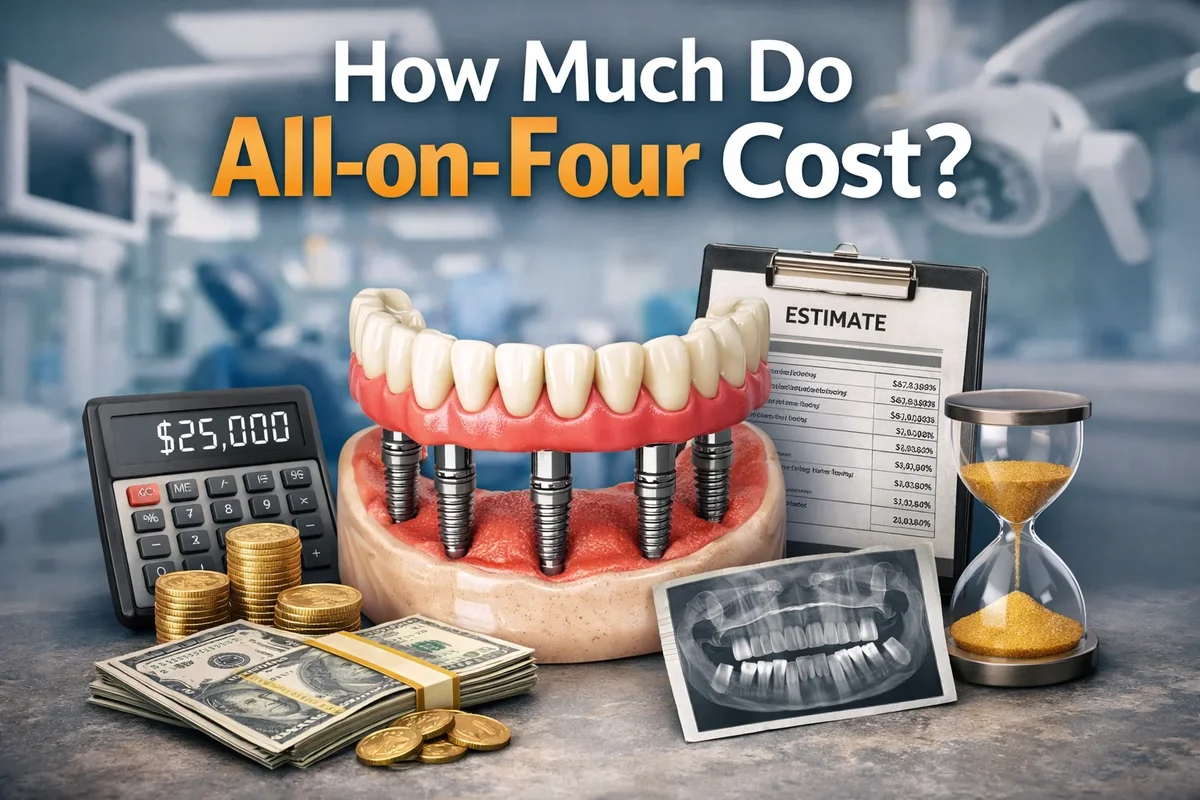
Is All-on-4 Worth the Cost Long Term?
After exploring how much do all on four cost, many patients reach a deeper question: is the investment truly worth it in the long run? Because All-on-4 treatment represents a significant financial commitment, evaluating long-term value is just as important as understanding the upfront expense. Cost alone does not determine value — durability, function, health benefits, and quality of life all play essential roles.
To properly determine whether how much do all on four cost is justified, we must examine long-term performance, maintenance requirements, and overall impact on daily living.
Longevity of All-on-4 Implants
One of the strongest arguments supporting the value of All-on-4 treatment is durability. When properly placed and maintained, dental implants can last 20 years or more. In many cases, the titanium implants themselves may last a lifetime.
Implant Survival Rates
Clinical studies consistently show implant success rates above 94–98% over 10+ years. This high predictability supports the long-term value behind how much do all on four cost.
Prosthetic Lifespan
The final bridge material influences longevity:
- Acrylic Hybrid: Often lasts 7–10 years before major replacement may be needed.
- Zirconia: Can last 15–20 years or longer with proper care.
Although zirconia increases how much do all on four cost initially, it may reduce future replacement expenses.
Bone Preservation Benefits
Unlike removable dentures, All-on-4 implants stimulate the jawbone. This stimulation prevents bone resorption, which commonly occurs after tooth loss. Over time, untreated bone loss can lead to facial collapse and premature aging.
When evaluating how much do all on four cost, it is important to consider the hidden long-term health benefits. Preserving jawbone density protects facial structure and reduces the need for future reconstructive procedures.
Improved Chewing Function and Nutrition
One overlooked factor when assessing how much do all on four cost is nutritional improvement. Many denture wearers struggle with chewing hard or fibrous foods. This can lead to limited diets and digestive issues.
All-on-4 restorations provide strong bite force, allowing patients to comfortably eat:
- Fresh vegetables
- Lean meats
- Fruits and nuts
Improved nutrition contributes to overall health, making the investment behind how much do all on four cost far more valuable than cosmetic benefits alone.
Reduced Ongoing Maintenance Costs
Traditional dentures often require relining, adhesives, and frequent adjustments. Over 10–15 years, these recurring costs accumulate significantly.
Although how much do all on four cost appears higher initially, long-term maintenance expenses are often lower compared to removable solutions. Implant-supported prostheses are stable, eliminating adhesive purchases and reducing emergency adjustment visits.
Psychological and Social Benefits
Confidence is difficult to measure financially, yet it has tremendous value. Patients who invest in All-on-4 frequently report dramatic improvements in self-esteem, speech clarity, and social comfort 😊.
Speech Improvement
Because the prosthesis is fixed, there is no slipping or clicking during conversation.
Smile Confidence
A natural-looking, stable smile can positively influence professional and personal interactions.
When patients ask how much do all on four cost, they are often surprised to realize that the psychological return on investment can be life-changing.
Comparing Long-Term Costs to Alternatives
Let’s consider a simplified long-term comparison over 15 years:
- Removable Dentures: Initial $3,000 + relines + replacements = potentially $10,000–$15,000+
- All-on-4 Acrylic: $20,000–$30,000 with fewer recurring adjustments
- All-on-4 Zirconia: Higher initial cost, but fewer replacements long term
While dentures appear cheaper initially, cumulative costs combined with reduced function may make them less economical over decades. This broader financial view helps contextualize how much do all on four cost in a long-term framework.
Return on Quality of Life
Healthcare decisions are not purely financial transactions. They are investments in comfort, health, and longevity. When evaluating how much do all on four cost, it is essential to consider:
- Daily comfort
- Ease of eating
- Speech stability
- Facial structure preservation
- Social confidence
For many patients, these benefits outweigh the initial expense.
Is It Worth It for You?
The true value of All-on-4 depends on your oral health, expectations, and long-term goals. Patients with severe tooth loss often experience dramatic life improvements after treatment. For them, how much do all on four cost becomes less about the price and more about the transformation.
A comprehensive consultation and 3D evaluation can determine whether you are a strong candidate. Personalized treatment planning will provide clarity not only on how much do all on four cost, but also on the long-term benefits you can expect.
Final Perspective
While the upfront investment may seem substantial, All-on-4 treatment offers durability, functional strength, bone preservation, and life-enhancing confidence. When viewed over decades rather than months, how much do all on four cost often represents a sound, long-term investment in overall health and well-being.
Ultimately, the decision should be based on a balance between financial readiness and the desire for permanent, stable smile restoration. For many patients, the answer is clear: the long-term value justifies the cost.