
When patients start researching tooth replacement options, one of the first questions they ask is: how much does a molar dental implant cost? This is completely understandable, as molars are essential for chewing and overall oral health, and replacing them with a durable solution like a dental implant can significantly improve quality of life. 😊
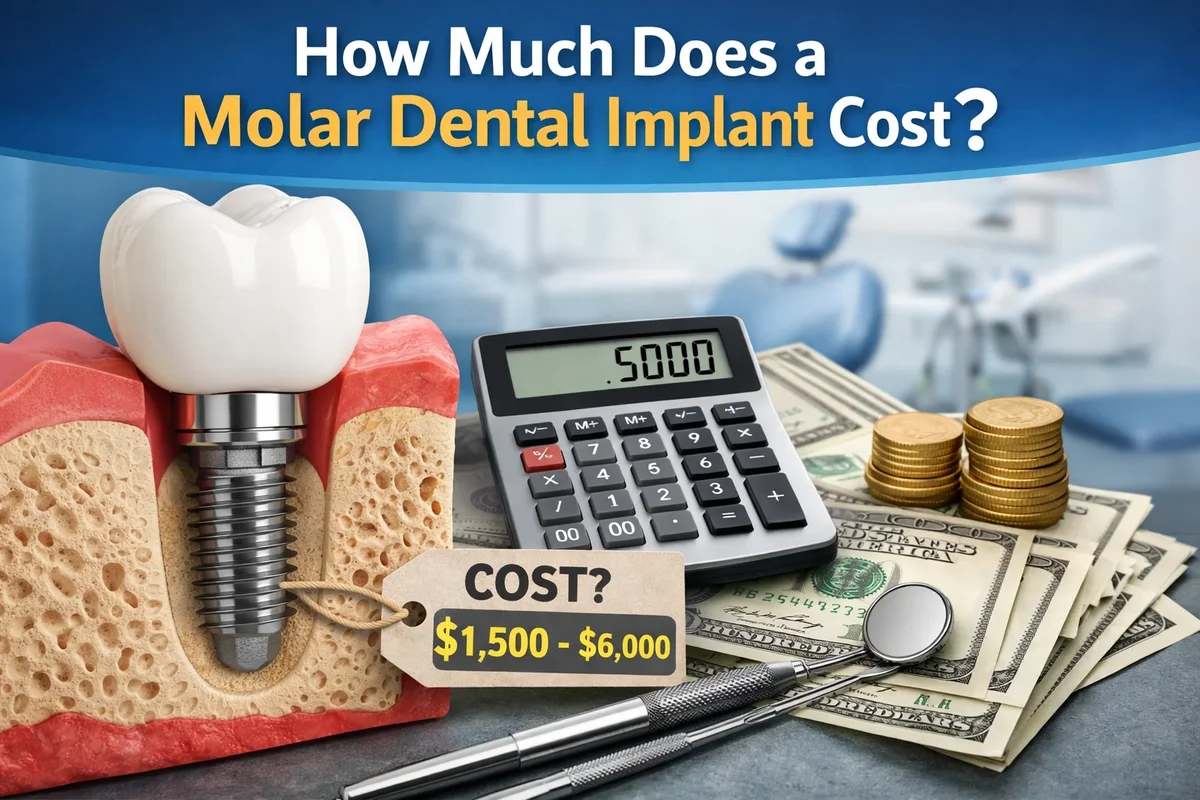
The answer to how much does a molar dental implant cost is not always straightforward because the total price depends on several clinical and geographical factors. However, on average, patients can expect to pay anywhere between $1,500 and $6,000 per molar implant. This range typically includes the implant post, abutment, and crown, but additional treatments may increase the final cost.
To better understand how much does a molar dental implant cost, it’s important to break down what you’re actually paying for. A dental implant is not just a single procedure—it is a multi-stage treatment that involves surgical placement, healing time, and final restoration. Each stage contributes to the total investment, making it more expensive than alternatives like dentures or bridges.
Here is a general price breakdown to help clarify how much does a molar dental implant cost in most cases:
- Implant fixture (titanium screw): $800 – $2,500
- Abutment (connector): $300 – $800
- Dental crown (visible tooth): $1,000 – $3,000
When you combine these elements, you begin to see why how much does a molar dental implant cost varies so widely. Additionally, molars are located at the back of the mouth and are responsible for heavy chewing forces, which means stronger materials and precise placement are required. This can slightly increase the cost compared to front tooth implants.
Another important factor influencing how much does a molar dental implant cost is the dentist’s expertise and the technology used during the procedure. Clinics that use advanced imaging tools such as 3D CBCT scans or guided implant surgery may charge more, but they also offer higher precision and better long-term success rates. 🦷
Patients should also consider that how much does a molar dental implant cost can differ significantly depending on the country where the treatment is performed. For example:
- USA: $3,000 – $6,000 per molar implant
- UK: £2,000 – £4,500
- Turkey: $600 – $1,500 (often including full package deals)
This is why many international patients travel abroad for dental care. Clinics like those in Turkey provide high-quality treatments at more affordable prices, making the question how much does a molar dental implant cost much more favorable for budget-conscious patients.
If you are considering treatment, it’s highly recommended to consult with a professional clinic to receive a personalized quote. You can easily get in touch through the Redent Klinik Contact Page to learn exactly how much does a molar dental implant cost based on your specific case.
It’s also worth noting that reputable organizations like the American Dental Association emphasize the importance of choosing qualified dental professionals over simply opting for the lowest price. While it’s tempting to focus only on how much does a molar dental implant cost, long-term success and safety should always come first.
In conclusion, the question how much does a molar dental implant cost depends on multiple variables, including materials, location, dentist expertise, and additional procedures. While the upfront cost may seem high, dental implants are considered a long-term investment because they can last 15–25 years or even a lifetime with proper care. 👍
Understanding how much does a molar dental implant cost allows you to plan your treatment more effectively and choose the best option for your oral health and budget. In the next sections, we will explore the factors that influence pricing in more detail so you can make an informed decision.
Average Price Range for a Molar Dental Implant
When patients search for how much does a molar dental implant cost, they are usually looking for a clear and realistic price range they can expect before committing to treatment. Understanding the average cost is essential because it helps you set expectations and compare options effectively. 😊
On a global scale, the answer to how much does a molar dental implant cost typically falls between $1,500 and $6,000 per tooth. However, this is only a general estimate. The final price can vary significantly depending on the country, clinic standards, materials used, and additional treatments required.
Typical Cost Range by Country
One of the most important aspects when evaluating how much does a molar dental implant cost is location. Dental implant prices differ widely across countries due to differences in labor costs, clinic expenses, and healthcare systems.
- United States: $3,000 – $6,000 per molar implant
- United Kingdom: £2,000 – £4,500
- Germany: €2,500 – €5,000
- Turkey: $600 – $1,500 (often includes consultation and imaging)
This comparison clearly shows why many patients travel abroad for treatment. If you are seriously evaluating how much does a molar dental implant cost, considering international options can lead to significant savings without compromising quality. 🌍
What Is Included in the Average Cost?
To fully understand how much does a molar dental implant cost, you must know what is included in the quoted price. Many patients mistakenly believe it’s a single procedure, but in reality, it consists of multiple components.
1. Implant Fixture (Titanium Screw)
This is the part surgically inserted into the jawbone. It acts as the root of your new tooth. The cost typically ranges from $800 to $2,500 and is a major factor in determining how much does a molar dental implant cost.
2. Abutment (Connector Piece)
The abutment connects the implant to the crown. It usually costs between $300 and $800. While it may seem minor, it still contributes to the total when calculating how much does a molar dental implant cost.
3. Dental Crown (Visible Tooth)
The crown is the visible part of the implant and is custom-made to match your natural teeth. Costs range from $1,000 to $3,000 depending on the material (zirconia, porcelain, etc.). This is another key factor in understanding how much does a molar dental implant cost.
Why Molars Can Be More Expensive
Molars are located at the back of the mouth and handle the majority of chewing forces. Because of this, dentists must use stronger materials and ensure extremely precise placement. This means that how much does a molar dental implant cost may be slightly higher compared to implants for front teeth.
Additionally, molars often require more complex procedures due to bone density issues. If the jawbone is not strong enough, extra treatments may be needed, which increases how much does a molar dental implant cost.
Package Deals vs Individual Pricing
Another important consideration when evaluating how much does a molar dental implant cost is whether the clinic offers package pricing. Some clinics, especially in countries like Turkey, provide all-inclusive packages that may include:
- Consultation and treatment planning
- 3D imaging (CBCT scan)
- Implant surgery
- Temporary crown
- Final crown placement
These packages can make how much does a molar dental implant cost more predictable and often more affordable. In contrast, clinics that charge separately for each step may appear cheaper initially but end up costing more overall.
Hidden Costs to Watch Out For
When researching how much does a molar dental implant cost, it’s crucial to be aware of potential hidden costs. Some clinics advertise low prices but exclude important services.
Common Additional Costs
- X-rays or 3D scans
- Tooth extraction
- Bone grafting or sinus lift
- Medications and aftercare
These additional procedures can significantly increase how much does a molar dental implant cost, sometimes by $500 to $3,000 or more depending on complexity.
Is the Average Cost Worth It?
Although the upfront price may seem high, understanding how much does a molar dental implant cost also means evaluating long-term value. Unlike bridges or dentures, implants are designed to last decades. They preserve jawbone health, prevent shifting of neighboring teeth, and provide a natural look and feel. 👍
From a long-term perspective, the investment often pays off. Patients who initially hesitate due to how much does a molar dental implant cost often find that implants are more cost-effective over time because they require fewer replacements and maintenance procedures.
In summary, the average price range gives you a solid starting point when asking how much does a molar dental implant cost. However, the final cost depends on multiple factors that we will explore in the next section. Understanding these variables will help you make a more informed and confident decision about your dental health.
What Factors Affect How Much a Molar Dental Implant Costs
Understanding how much does a molar dental implant cost requires more than knowing the average price. The final cost is influenced by a range of factors, from patient-specific conditions to material choices and clinic expertise. By learning these factors, you can better anticipate the total investment for your treatment. 🦷
1. Type of Implant Material
One of the most significant factors affecting how much does a molar dental implant cost is the material used for the implant post and crown. Titanium implants are the most common due to their durability and biocompatibility. Zirconia implants, which are metal-free and highly aesthetic, can cost more. Similarly, crowns made from porcelain-fused-to-metal (PFM) are typically less expensive than all-ceramic or zirconia crowns. Choosing premium materials naturally increases how much does a molar dental implant cost.
Titanium vs Zirconia Implants
Titanium implants are generally more affordable and have a proven success rate of over 95%. Zirconia implants, while slightly more expensive, are ideal for patients with metal sensitivities and offer superior aesthetics, especially in visible areas.
2. The Need for Additional Procedures
The complexity of your dental situation can dramatically influence how much does a molar dental implant cost. Many patients require preparatory procedures before implant placement. These may include:
- Tooth extraction: Removing a damaged or decayed tooth adds cost.
- Bone grafting: Required when jawbone density is insufficient for implant stability.
- Sinus lift: Common for upper molars where sinus proximity may limit implant placement.
Each of these procedures can add several hundred to thousands of dollars to the total, making it clear that how much does a molar dental implant cost is highly patient-dependent. 🧾
3. Location of the Clinic
Geographical location has a major impact on how much does a molar dental implant cost. Clinics in urban areas or high-income regions typically charge more than rural clinics. International dental tourism is also a popular way to reduce costs, with countries like Turkey or Mexico offering high-quality implants at lower prices. 🌎
Domestic vs International Pricing
In the United States, a single molar implant often ranges from $3,000 to $6,000. In contrast, in Turkey, patients may pay $600–$1,500 for the same procedure, often including consultation, imaging, and crown placement. This price differential is a key factor when considering how much does a molar dental implant cost.
4. Dentist Experience and Technology
The expertise of the dental professional also affects how much does a molar dental implant cost. Highly experienced oral surgeons or implant specialists may charge more due to their advanced skills and successful track records. Clinics using cutting-edge technology, such as 3D CBCT imaging, guided implant placement, and computer-assisted surgical planning, also tend to have higher fees.
Technology Considerations
- 3D imaging: Provides precise implant placement but adds to cost.
- Guided surgery: Enhances accuracy and reduces complications, slightly increasing how much does a molar dental implant cost.
5. Single vs Multiple Implants
The number of implants you need can influence the cost per tooth. While some clinics offer discounts for multiple implants, generally, each additional molar implant adds a full cost increment. Patients asking how much does a molar dental implant cost for multiple teeth should always obtain a full treatment plan with detailed pricing.
6. Post-Surgery Care and Follow-Up
Recovery and aftercare are crucial for implant success. Some clinics include post-operative visits, adjustments, and cleaning sessions in their quoted price, while others charge separately. These costs, though sometimes overlooked, factor into how much does a molar dental implant cost overall. 🩺
7. Insurance and Financing Options
Insurance coverage can reduce how much does a molar dental implant cost, depending on your policy. Some dental plans cover part of the crown or surgical procedure, while others cover none. Financing plans or payment installments offered by clinics may also affect affordability.
8. Quality vs Cost Trade-Off
While it may be tempting to opt for the cheapest option, remember that how much does a molar dental implant cost is often a reflection of quality. Cutting corners may lead to complications, implant failure, or less aesthetic results. Prioritizing a reputable clinic ensures long-term success and fewer costly revisions.
In conclusion, multiple variables influence how much does a molar dental implant cost, including material choices, additional procedures, location, dentist expertise, number of implants, aftercare, and insurance coverage. Understanding these factors allows patients to plan effectively and make informed decisions about their oral health. For personalized guidance on how much does a molar dental implant cost and treatment options, reach out to the Redent Klinik Contact Page.
Cost Breakdown: Implant, Abutment, and Crown Explained
For anyone asking how much does a molar dental implant cost, it’s crucial to understand that the price includes multiple components, each contributing to the total. Unlike a simple filling or crown, a dental implant is a multi-stage treatment involving the implant fixture, abutment, and crown. Each element has its own cost and complexity, which together define how much does a molar dental implant cost. 🦷
1. The Implant Fixture (Titanium or Zirconia Screw)
The implant fixture is the core of the procedure. Surgically inserted into the jawbone, it acts as the artificial tooth root. The material is usually titanium due to its strength and biocompatibility, but zirconia is a metal-free alternative. Prices for the fixture alone typically range from $800 to $2,500. This is often the largest single component of how much does a molar dental implant cost.
Why the Implant Fixture Cost Varies
- Material: Titanium vs zirconia
- Brand or manufacturer of the implant
- Diameter and length suited for the patient’s jawbone
- Technological support, such as guided implant surgery
High-end implants with premium brands or specialized coatings can increase the fixture cost, impacting how much does a molar dental implant cost.
2. Abutment: The Connector Piece
The abutment connects the implant fixture to the dental crown. It ensures stability and proper alignment, particularly important for molars, which endure heavy chewing forces. Abutments are typically made of titanium or zirconia, and the cost ranges from $300 to $800. This component is included when calculating how much does a molar dental implant cost, but sometimes quoted separately in clinic estimates.
Types of Abutments
- Standard abutments: Most common, suitable for routine molar implants.
- Custom abutments: Tailored to the patient’s anatomy, slightly more expensive, but may improve long-term aesthetics and durability.
Choosing a high-quality abutment is critical for the success and longevity of the implant, and therefore affects how much does a molar dental implant cost.
3. Dental Crown: The Visible Tooth
The dental crown is the final piece, creating a natural-looking tooth. Crown materials vary widely, affecting how much does a molar dental implant cost. Porcelain-fused-to-metal (PFM) crowns are generally less expensive ($1,000–$1,500), while all-ceramic or zirconia crowns cost between $1,500–$3,000. For molars, durability is essential, so premium materials are often recommended.
Crown Material Choices
- Porcelain-fused-to-metal (PFM): Affordable, strong, slightly less aesthetic.
- All-ceramic or zirconia: Highly aesthetic, stronger, more costly.
- Gold crowns: Extremely durable but rarely chosen for visible molars due to appearance.
The type of crown impacts how much does a molar dental implant cost and the longevity of the restoration. Investing in a high-quality crown can prevent future replacements and additional costs.
4. Other Considerations in the Cost Breakdown
Even with the implant, abutment, and crown, there may be additional expenses that affect how much does a molar dental implant cost. These include:
- Consultation and examination: Initial assessment, including X-rays or 3D scans.
- Bone grafting or sinus lift: Required for patients with insufficient jawbone.
- Temporary crown: Provided while the permanent crown is being fabricated.
- Follow-up visits: Ensure proper healing and implant integration.
Including these additional procedures ensures the implant’s success but also increases how much does a molar dental implant cost overall. Clinics vary in whether they bundle these costs or quote them separately, which can affect patient budgeting.
5. Visual Example of Cost Distribution
To help understand how much does a molar dental implant cost, consider this typical breakdown:
- Implant Fixture: $1,200 (35% of total)
- Abutment: $500 (15% of total)
- Crown: $1,800 (50% of total)
This example illustrates that the crown often represents the largest portion of the total cost, followed by the implant fixture and abutment. Being aware of this helps patients evaluate clinic quotes and understand what they are paying for.
6. Key Takeaways
By examining each component, patients gain a realistic perspective on how much does a molar dental implant cost. The price reflects material quality, clinical expertise, procedural complexity, and post-operative care. A clear understanding of this cost breakdown ensures informed decision-making and better preparation for the investment required for long-term oral health. 💡
For personalized consultation and detailed cost information, you can reach out to the Redent Klinik Contact Page and discuss your specific treatment plan and pricing.
How Location Impacts Molar Dental Implant Prices
When patients ask how much does a molar dental implant cost, one of the most significant variables is location. The cost of dental implants can vary dramatically depending on the country, city, and even the specific clinic. Understanding these differences helps patients plan their treatment and explore cost-effective options. 🌎
Regional Differences in the United States
Within the U.S., how much does a molar dental implant cost differs based on the region. Urban centers often have higher clinic overheads, rent, and salaries, which translate into higher prices. For example:
- New York or Los Angeles: $4,000 – $6,000 per molar implant
- Midwestern cities like Chicago or Columbus: $3,000 – $5,000
- Rural areas: $2,500 – $4,000
These variations illustrate how location alone can influence how much does a molar dental implant cost by hundreds or even thousands of dollars.
International Pricing Variations
Many patients consider international dental tourism to reduce costs while maintaining quality. Countries such as Turkey, Mexico, and Thailand are popular for dental implants because their pricing is lower than in North America or Western Europe. 🛫
Examples of International Costs
- Turkey: $600 – $1,500 per molar implant, often including consultation, imaging, implant, and crown.
- Mexico: $1,000 – $2,500, depending on city and clinic standards.
- Thailand: $1,200 – $2,800 for premium clinics.
These figures show that international options can significantly reduce how much does a molar dental implant cost without sacrificing quality. Patients should verify clinic credentials and success rates before traveling.
Urban vs Rural Clinics
Even within a single country, the location of the clinic can impact how much does a molar dental implant cost. Urban clinics may charge more due to higher rent, staff salaries, and advanced equipment. In contrast, rural clinics may offer lower pricing but sometimes with fewer high-end technological options. Patients must weigh cost savings against the level of care and technology available. 🏙️ vs 🌾
Factors Contributing to Urban Cost Premiums
- Clinic rent and utilities
- Highly experienced specialists
- Advanced imaging and guided surgery tools
- Marketing and operational expenses
These factors contribute to why patients frequently ask, “how much does a molar dental implant cost in my city?”
Cost Considerations in Dental Tourism
For international patients, how much does a molar dental implant cost is further affected by travel-related expenses, accommodation, and recovery time. Many dental tourism packages bundle the implant procedure with hotel stays, airport transfers, and post-operative follow-ups, providing an all-inclusive price. This can make treatment more predictable and often more affordable than paying separately in a high-cost country.
Pros and Cons of Dental Tourism
- Pros: Lower cost, high-quality care, comprehensive packages.
- Cons: Travel expenses, potential need for additional follow-ups, communication challenges.
Patients weighing “how much does a molar dental implant cost” should carefully compare domestic and international options, factoring in total expenses and quality standards.
Impact of Local Regulations and Certification
Another location-related factor influencing how much does a molar dental implant cost is local regulation. Countries with strict dental licensing, infection control, and quality standards may have higher costs. Clinics certified by recognized organizations like the American Dental Association or international dental boards often charge more, reflecting adherence to safety and quality protocols.
Key Takeaways
Location is a critical determinant of how much does a molar dental implant cost. Prices vary by country, city, urban vs rural setting, and even clinic reputation. Domestic clinics in major cities may be more expensive, while international dental tourism can provide high-quality implants at lower costs. Patients should carefully evaluate all options, including post-operative care and travel considerations, before making a decision. For personalized cost estimates based on your location, you can contact the Redent Klinik Contact Page.
Insurance Coverage: Does It Reduce Molar Implant Costs?
One of the most common questions patients have when considering dental implants is whether insurance can help offset the expense. Specifically, when asking how much does a molar dental implant cost, understanding insurance coverage can significantly influence financial planning for the procedure. 🏥
Dental Insurance Basics
Dental insurance policies are typically designed to cover preventive care and basic procedures, such as cleanings, X-rays, and fillings. More advanced procedures, like dental implants, are often categorized as major or elective, which affects coverage levels. Knowing how your plan classifies implant treatment is crucial to estimating how much does a molar dental implant cost out of pocket.
Coverage for Major Procedures
Some insurance plans provide partial coverage for major dental procedures, often reimbursing between 50% and 80% of costs after deductibles. However, coverage may be limited to a fixed annual maximum, typically ranging from $1,000 to $2,000. Since a single molar implant can cost $3,000–$6,000, patients should calculate how much their plan will realistically reduce how much does a molar dental implant cost.
Medical Insurance Considerations
In rare cases, medical insurance may cover dental implants if tooth loss is the result of an accident, trauma, or certain medical conditions. Patients asking how much does a molar dental implant cost can sometimes use these policies to partially offset expenses. Documentation from a physician or dentist is usually required to demonstrate medical necessity.
Factors Affecting Insurance Coverage
Several elements influence how much of a molar implant is covered by insurance and, consequently, how much you will pay out of pocket. These include:
- Annual maximums of your dental plan
- Deductibles and co-pay requirements
- Waiting periods before major procedures are covered
- Pre-authorization requirements for implant surgery
- Policy exclusions for elective or cosmetic procedures
Patients considering “how much does a molar dental implant cost with insurance” must carefully review their plan documents and speak with their insurance provider to obtain accurate coverage details.
Insurance and Cost Breakdown
Understanding how insurance interacts with the implant, abutment, and crown can help clarify how much does a molar dental implant cost. For instance:
1. Implant Fixture Coverage
Often partially covered, especially if deemed medically necessary. Insurance may reimburse a percentage or a fixed dollar amount.
2. Abutment Coverage
Typically considered part of the implant procedure and may be partially reimbursed under major dental benefits.
3. Crown Coverage
Some plans cover crowns, but limits may apply. Since the crown represents a significant portion of how much does a molar dental implant cost, this affects the total out-of-pocket cost.
Alternative Options to Reduce Costs
Even with partial insurance coverage, many patients still face substantial expenses when considering how much does a molar dental implant cost. Clinics often offer financing plans or payment installments to make treatment more affordable. In addition, dental tourism to countries like Turkey may reduce costs while maintaining high-quality care.
Financing and Payment Plans
- Monthly installments reduce upfront financial burden
- Interest-free or low-interest options are available at some clinics
- Combining insurance reimbursements with financing can minimize out-of-pocket costs
Maximizing Insurance Benefits
To make the most of your dental insurance when considering how much does a molar dental implant cost, follow these steps:
- Verify your annual maximum and deductible
- Obtain pre-authorization for implant placement
- Request a detailed cost estimate from your dentist
- Submit all documentation promptly for reimbursement
- Discuss alternative treatment plans with your dentist to maximize coverage
Understanding how insurance interacts with implant costs helps patients realistically plan for treatment, ensuring they are financially prepared while still receiving high-quality care. For personalized guidance, patients can contact the Redent Klinik Contact Page to review coverage options and payment strategies for molar dental implants.
In conclusion, insurance coverage can reduce how much does a molar dental implant cost, but the extent depends on your plan type, coverage limits, and whether the procedure is considered medically necessary. Careful planning and discussion with your dental provider can help optimize insurance benefits and minimize out-of-pocket expenses.
Additional Procedures That Increase Total Implant Cost
When evaluating how much does a molar dental implant cost, it’s important to understand that the final price often goes beyond just the implant, abutment, and crown. Additional procedures may be required to ensure proper placement, long-term stability, and optimal aesthetics. These procedures can significantly influence the overall investment, and patients should be aware of them in advance. 🦷
1. Tooth Extraction
For patients whose molar is damaged, decayed, or infected, tooth extraction may be necessary before implant placement. The cost for extraction varies depending on complexity:
- Simple extraction: $75 – $200
- Surgical extraction: $150 – $650
Including extraction in your planning helps you estimate how much does a molar dental implant cost more accurately, especially if multiple teeth require removal.
2. Bone Grafting
A sufficient jawbone is essential to anchor a molar implant securely. If the patient’s bone density is low, a bone graft may be required. Bone grafting can add anywhere from $300 to $3,000 to your total treatment cost, depending on the type of graft material used (autograft, allograft, or synthetic). This procedure is often critical for molars, which bear the most chewing pressure, and directly affects how much does a molar dental implant cost.
Types of Bone Grafts
- Autograft: Bone harvested from the patient’s own body, higher cost but excellent compatibility.
- Allograft: Donor bone, more affordable, widely used.
- Synthetic: Lab-made materials, moderate cost, effective for many cases.
3. Sinus Lift (for Upper Molars)
Upper molars are located close to the sinus cavity. If there isn’t enough bone height for implant placement, a sinus lift may be necessary. This procedure adds $1,500–$3,000 to the total, impacting how much does a molar dental implant cost significantly. A sinus lift elevates the sinus floor and often includes a bone graft to ensure proper implant integration.
4. Gum Tissue Procedures
Sometimes, gum recession or insufficient soft tissue coverage requires periodontal procedures before placing a molar implant. These procedures, which may include gum grafts or contouring, add $200–$1,000 to the overall cost and improve both function and aesthetics, indirectly influencing how much does a molar dental implant cost.
5. Temporary Crowns
After placing the implant, a temporary crown is often used during the healing period (osseointegration), which can last 3–6 months. While the cost is usually $150–$500, it is an essential step in ensuring proper alignment and bite. Including temporary restorations ensures you fully understand how much does a molar dental implant cost from start to finish.
6. Advanced Imaging and Guided Surgery
Modern dental clinics often utilize advanced imaging tools like 3D CBCT scans and guided implant surgery. These tools improve precision, reduce risks, and increase long-term success rates. However, they also add $300–$1,000 to the overall procedure cost, affecting how much does a molar dental implant cost. Investing in technology can reduce the chance of complications and costly revisions later.
Benefits of Advanced Imaging
- Precise implant positioning
- Reduced risk of nerve or sinus damage
- Improved long-term functionality
- Better predictability for complex cases
7. Post-Operative Care and Follow-Up
After implant placement, follow-up visits are necessary to monitor healing, check for complications, and eventually fit the permanent crown. Some clinics include these visits in the quoted price, while others charge separately. Factoring in post-operative care ensures a realistic understanding of how much does a molar dental implant cost.
8. Medication Costs
Antibiotics, pain relievers, and other medications prescribed during and after implant surgery can add $50–$200 to your total cost. While relatively minor, they contribute to the overall investment when calculating how much does a molar dental implant cost.
Conclusion
Additional procedures such as tooth extraction, bone grafting, sinus lifts, gum surgeries, temporary crowns, advanced imaging, follow-ups, and medication all contribute to the total expense of a molar dental implant. When asking how much does a molar dental implant cost, it’s crucial to include these potential costs to avoid surprises and ensure a realistic financial plan. For tailored estimates and professional guidance, contact the Redent Klinik Contact Page to discuss your individual treatment plan.
Comparing Molar Dental Implant Cost vs Other Tooth Replacement Options
When evaluating dental solutions, patients frequently ask, “how much does a molar dental implant cost compared to alternatives?” Understanding the differences in cost, longevity, functionality, and overall benefits is essential for making an informed decision. 🦷
1. Traditional Dental Bridges
Dental bridges are a common alternative to implants. A bridge involves placing crowns on the teeth adjacent to the missing molar, with a false tooth spanning the gap. Bridges are typically less expensive upfront, costing between $500 and $2,500 per tooth. While patients may initially save money, bridges usually last 7–15 years, which may require replacement over time. When considering how much does a molar dental implant cost, it’s important to weigh long-term value against short-term savings.
Advantages of Bridges
- Lower initial cost
- Faster procedure, often completed in a few weeks
- No surgical placement required
Disadvantages of Bridges
- Requires healthy adjacent teeth to be filed down
- Does not prevent bone loss in the area of the missing molar
- Shorter lifespan compared to implants
2. Removable Partial Dentures
Removable dentures are another option. They are typically the least expensive solution, ranging from $300 to $1,500 per tooth, depending on materials and complexity. While they are cost-effective, they may feel less stable, affect chewing efficiency, and require periodic adjustments. Evaluating how much does a molar dental implant cost alongside dentures highlights the trade-off between stability and price.
Advantages of Dentures
- Lower cost and non-invasive
- Removable, making cleaning easier
- Suitable for multiple missing teeth
Disadvantages of Dentures
- Less stability during chewing
- Potential discomfort or irritation
- Does not prevent jawbone resorption
3. Molar Dental Implants
Molar dental implants typically cost between $1,500 and $6,000 per tooth, depending on materials, location, and complexity. Despite higher upfront costs, implants offer superior longevity, functionality, and preservation of the jawbone. Understanding how much does a molar dental implant cost in comparison with bridges and dentures emphasizes their long-term benefits.
Advantages of Implants
- Durable, lasting 15–25 years or longer
- Preserves bone and prevents resorption
- Natural look and feel, stable chewing
- No impact on adjacent healthy teeth
Disadvantages of Implants
- Higher initial cost
- Requires surgical procedure
- Healing period of several months before crown placement
4. Cost Comparison Table
| Option | Average Cost per Tooth | Lifespan | Bone Preservation | Impact on Adjacent Teeth |
|---|---|---|---|---|
| Molar Dental Implant | $1,500 – $6,000 | 15–25+ years | Yes | None |
| Bridge | $500 – $2,500 | 7–15 years | No | Requires filing adjacent teeth |
| Removable Denture | $300 – $1,500 | 5–10 years | No | None |
Reviewing this table clarifies the true value of a molar implant. Although more expensive upfront, the long-term benefits often outweigh the cost difference. When patients ask how much does a molar dental implant cost, considering durability, bone preservation, and function is critical.
5. Long-Term Financial Considerations
While bridges or dentures might seem cheaper initially, replacements every 7–10 years can add up. Over a 20-year period, a patient may spend as much or more than the cost of a single implant. Factoring in longevity, fewer complications, and reduced maintenance costs makes the investment in an implant often more cost-effective. Understanding how much does a molar dental implant cost in the broader context of lifetime expenses highlights the financial advantage of implants.
6. Quality and Aesthetics
Beyond cost, implants provide superior aesthetics. A molar implant replicates the natural tooth in appearance and function, unlike dentures or bridges that may feel less natural. When patients ask how much does a molar dental implant cost, they are not only paying for the procedure but also for improved quality of life, comfort, and confidence. 😁
Conclusion
Comparing molar dental implants with bridges and dentures demonstrates that, although the upfront investment for implants is higher, the long-term benefits—durability, functionality, bone preservation, and aesthetics—often justify the price. Understanding how much does a molar dental implant cost in context allows patients to make informed decisions for optimal oral health. For personalized advice and cost estimates, contact the Redent Klinik Contact Page to discuss your treatment plan.
Are Cheap Dental Implants Worth the Risk?
Many patients researching how much does a molar dental implant cost are tempted by low-cost offers advertised online or by certain clinics. While affordability is appealing, choosing a cheap implant can carry significant risks that may compromise both oral health and long-term savings. Understanding these risks is crucial before making a decision. ⚠️
1. Material Quality and Longevity
One of the main concerns with low-cost implants is the quality of the materials used. Cheaper implants may use inferior titanium alloys or low-grade zirconia, which can affect osseointegration—the process by which the implant fuses with the jawbone. Poor material quality may lead to implant failure, increasing the overall cost in the long run. Patients asking how much does a molar dental implant cost should consider that the initial savings may be offset by repair or replacement expenses.
Impact of Substandard Materials
- Higher risk of implant fracture or loosening
- Increased chance of infection or inflammation
- Reduced aesthetic outcomes for crowns and abutments
2. Clinical Expertise and Surgical Precision
Low-cost clinics often employ less experienced dentists or technicians. Molar implants require precise placement due to high chewing forces and complex jaw anatomy. Inaccurate placement can cause nerve damage, sinus complications, or improper bite alignment, which further increases how much does a molar dental implant cost when corrective procedures are required.
Risks Associated with Inexperienced Surgeons
- Nerve injury leading to numbness or pain
- Improper angulation causing crown misfit
- Implant failure due to insufficient stability
3. Infection Control and Sterilization
Cheap implants may come from suppliers with inadequate sterilization standards, increasing the risk of infection. Surgical sites that are not properly sterilized can result in peri-implantitis—a serious inflammation of the surrounding gum and bone. Peri-implantitis can cause implant failure, bone loss, and additional expenses, directly impacting how much does a molar dental implant cost over time. 🧼
Signs of Poor Sterilization Practices
- Non-professional clinic environment
- Lack of modern sterilization equipment
- Inconsistent use of protective gear by staff
4. Hidden or Additional Costs
Cheap implant offers often do not include all necessary components, such as the abutment, crown, temporary restoration, or follow-up visits. When patients calculate how much does a molar dental implant cost, these omitted services can quickly make the overall treatment more expensive than initially advertised. Always request a detailed cost breakdown before choosing a low-cost option.
Potential Hidden Costs
- Bone grafting or sinus lift if required
- Advanced imaging like 3D CBCT scans
- Post-surgery medications and check-ups
5. Warranty and Aftercare
High-quality implant clinics usually offer warranties and comprehensive aftercare programs. Cheap implants may lack guarantees, leaving patients responsible for revisions or failures. This impacts how much does a molar dental implant cost when unexpected complications arise, creating both financial and health risks.
6. Long-Term Health Implications
Choosing a substandard implant can result in long-term oral health issues, including:
- Bone loss around the implant site
- Damage to adjacent teeth
- Difficulty in chewing and speaking
- Increased need for future corrective procedures
These consequences emphasize that focusing solely on price can be misleading. Patients should balance cost with quality, safety, and longevity when considering how much does a molar dental implant cost.
Conclusion
While cheap dental implants may appear attractive initially, they carry considerable risks that can compromise both oral health and finances. Inferior materials, inexperienced surgeons, inadequate sterilization, hidden costs, and lack of aftercare make these options potentially more expensive over time. When evaluating how much does a molar dental implant cost, it is better to invest in a reputable clinic that guarantees quality and long-term success. For professional guidance and cost estimates tailored to your case, contact the Redent Klinik Contact Page and ensure a safe, reliable treatment plan.
How to Save Money on Molar Dental Implant Treatment
Many patients considering how much does a molar dental implant cost are concerned about the financial investment. While dental implants are an excellent long-term solution, there are several strategies to manage costs effectively without compromising quality or safety. Understanding these approaches helps patients plan treatment while achieving optimal outcomes. 💡
1. Explore Insurance Coverage
Dental insurance can help reduce the cost of implants, though coverage varies. Some plans partially cover the crown or surgical procedure, while others may not cover implants at all. To maximize benefits:
- Review your dental policy carefully for major procedure coverage.
- Confirm if pre-authorization is required for implant placement.
- Use insurance reimbursements to offset how much does a molar dental implant cost.
Tips for Using Insurance
Contact your provider to confirm coverage limits and annual maximums. Some patients can combine insurance with clinic financing to reduce out-of-pocket expenses for their molar implant.
2. Consider Dental Tourism
Traveling abroad for dental treatment is a common way to lower costs. Countries like Turkey, Mexico, and Thailand offer high-quality implants at a fraction of domestic prices. Patients often pay $600–$1,500 per molar implant in these countries, compared to $3,000–$6,000 in the U.S., significantly impacting how much does a molar dental implant cost. 🌍
Benefits of Dental Tourism
- Lower overall cost including implant, abutment, and crown
- All-inclusive packages with consultation, imaging, and follow-up care
- Access to experienced international specialists
Considerations for Safety
Ensure the clinic is accredited and has experienced staff. Review patient reviews, success rates, and warranties before committing.
3. Compare Multiple Clinics
Even within the same city or region, implant prices can vary widely. Getting multiple quotes allows patients to compare how much does a molar dental implant cost and evaluate what is included. Key aspects to compare:
- Material quality of implants and crowns
- Included services (imaging, temporary crown, follow-up visits)
- Surgeon experience and clinic reputation
- Payment plans and financing options
4. Opt for Package Deals
Some clinics offer bundled pricing for implants that include all necessary components: implant fixture, abutment, crown, imaging, and follow-up visits. These package deals can simplify budgeting and often reduce how much does a molar dental implant cost compared to paying for each component separately.
Advantages of Packages
- Predictable total cost
- Often includes temporary crowns and post-op care
- Reduces the risk of unexpected fees
5. Choose Standard Materials Where Appropriate
Premium materials such as zirconia crowns or custom abutments increase cost. For molars that are less visible, high-quality standard porcelain-fused-to-metal crowns can reduce how much does a molar dental implant cost without compromising durability or function.
6. Use Financing or Payment Plans
Many dental clinics offer interest-free or low-interest financing options, allowing patients to pay for implants over several months. This strategy reduces upfront financial burden while maintaining access to high-quality treatment. Patients asking how much does a molar dental implant cost should inquire about available payment plans to make the procedure more affordable.
Financing Tips
- Compare interest rates and terms between clinics
- Factor monthly payments into your budget
- Check for any hidden fees or penalties for early repayment
7. Maintain Excellent Oral Health
Preventive care can also indirectly reduce how much does a molar dental implant cost by minimizing the need for additional procedures such as bone grafts or gum surgeries. Regular brushing, flossing, and dental check-ups keep the implant site healthy and may reduce complications.
8. Conclusion
While molar dental implants represent a significant investment, there are multiple ways to manage costs without sacrificing quality. Using insurance effectively, exploring dental tourism, comparing clinics, opting for package deals, selecting suitable materials, utilizing financing, and maintaining oral health all contribute to reducing how much does a molar dental implant cost. For personalized guidance on affordable treatment options, reach out to the Redent Klinik Contact Page and discuss a tailored plan that meets both your dental needs and budget.