
For anyone who has lost multiple teeth or struggles with dentures, the question “how much for full set teeth implants” is one of the most common and important. Dental implants have become the gold standard in modern restorative dentistry, offering a permanent and natural-looking solution that restores both function and confidence. Yet, understanding the cost, procedure, materials, and long-term benefits is crucial before committing to treatment. This comprehensive 2025 guide breaks down everything you need to know about the total expense of a full set of dental implants — from initial consultation to aftercare — so you can make an informed, financially smart decision 🦷.
When patients ask how much for full set teeth implants, the answer varies depending on several factors: the number of implants required, the chosen technique (such as All-on-4 or All-on-6), the type of prosthetic material, and the location of the dental clinic. In many cases, full mouth dental implants involve replacing all teeth in the upper and lower arches, typically supported by four to eight titanium posts per jaw. This advanced technique offers superior stability and longevity compared to removable dentures, making it a worthwhile investment for long-term oral health and aesthetics.
Globally, the cost range for full mouth dental implants can differ significantly. In the United States, the average price for a full set can range between $20,000 and $50,000 per jaw, depending on the clinic’s location, technology used, and expertise of the dentist. In the United Kingdom, similar treatments may cost around £15,000 to £30,000. However, in popular dental tourism destinations such as Turkey, full set teeth implants can be completed for a fraction of that price, often ranging from $5,000 to $9,000 per jaw — all while maintaining exceptional quality and safety standards. These price variations are one reason why many patients travel internationally for their smile restoration.
The key question — how much for full set teeth implants — cannot be answered by a single number because every patient’s case is unique. Bone density, gum health, implant material, and even the design of the final prosthesis all contribute to the final cost. Some patients require bone grafting or sinus lifts before implants can be placed, which slightly increases the price. Others may opt for zirconia restorations instead of acrylic or porcelain, leading to a higher but more durable result. Thus, it’s best to view implant treatment as a personalized investment in health rather than a fixed product with a universal price tag.
Another reason why people frequently ask about how much for full set teeth implants is the misconception that dental implants are only about aesthetics. In reality, implants play a crucial medical role. They preserve bone structure, prevent jawbone deterioration, improve speech, enhance chewing efficiency, and support facial harmony. Over time, these benefits translate to better digestion, nutrition, and self-confidence. A full implant-supported prosthesis eliminates the discomfort, slippage, and maintenance issues associated with traditional dentures, creating a stable and natural-looking smile that can last for decades with proper care.
When evaluating how much for full set teeth implants, consider not only the initial expense but also the long-term value. While dentures may appear cheaper upfront, they typically need replacement every 5–7 years and can lead to bone resorption over time. Dental implants, on the other hand, are designed to last a lifetime with minimal maintenance, making them a cost-effective solution in the long run. This is why more patients are choosing implants as a permanent investment in their oral and overall health.
It’s also important to understand that the expertise of the dental surgeon greatly influences both the success rate and the total cost. Highly experienced implantologists and clinics equipped with modern technologies such as 3D digital planning, CBCT imaging, and guided implant placement may charge more — but these advanced tools ensure greater precision and faster recovery. For example, Redent Klinik Contact Page offers comprehensive implant services tailored to international patients, combining cutting-edge techniques with affordability in a safe, patient-centered environment.
For reliable information and professional standards, you can consult the American Dental Association, which provides extensive resources on dental implant procedures, materials, and maintenance guidelines. Understanding these principles helps patients compare clinics, technologies, and outcomes more effectively, ensuring that every dollar spent translates into lasting comfort and confidence.
In summary, answering the question “how much for full set teeth implants” requires a detailed look at multiple variables — including geography, materials, surgical complexity, and the dentist’s experience. Whether you choose treatment in your home country or abroad, what matters most is finding a trusted clinic that prioritizes safety, quality, and transparency. With modern implant techniques, 2025 is an ideal time to invest in a new smile that looks, feels, and functions like natural teeth. 🌍✨
Understanding What a Full Set of Teeth Implants Really Means
Before diving deeper into the question “how much for full set teeth implants”, it’s essential to understand what exactly a full set of dental implants includes. Many people assume it simply means replacing all their missing teeth, but in reality, a full set involves a complex restorative process designed to restore the full upper and lower arches of the mouth using titanium implants that act as artificial roots. These implants support fixed bridges or hybrid dentures, giving patients a stable, natural-looking, and long-term solution for total tooth loss. 🦷
What Does a Full Set of Implants Include?
A full set of teeth implants typically replaces 20–28 teeth, depending on the structure of the jaw and the patient’s unique anatomy. However, you do not need 28 separate implants for each tooth. Modern dentistry uses advanced techniques such as All-on-4, All-on-6, or All-on-8 implant systems, where four to eight implants per jaw are strategically placed to support a full arch of teeth. This reduces surgical complexity and cost while still providing maximum strength and aesthetic appeal. Understanding this distinction helps explain why the cost of full mouth implants can vary and why it’s so important to ask, “how much for full set teeth implants?” when planning treatment.
All-on-4 and All-on-6: The Foundation of a Full Smile
The All-on-4 technique uses four implants positioned at precise angles in the upper or lower jaw to support a fixed bridge of 10–14 teeth. This approach minimizes the need for bone grafting, making it ideal for patients with moderate bone loss. The All-on-6 method adds two additional implants for greater stability and bite force, often recommended for patients seeking the most natural chewing experience possible. Both methods provide long-term stability and comfort, and are among the most requested solutions by patients searching for how much for full set teeth implants online.
Why Full Set Implants Are Superior to Traditional Dentures
Traditional dentures, although affordable, come with drawbacks such as slippage, speech difficulties, and bone resorption. Over time, the jawbone shrinks due to the absence of tooth roots, altering facial structure and causing a “sunken” appearance. Full set dental implants, on the other hand, mimic natural tooth roots by stimulating the jawbone, preserving its density and shape. This critical advantage not only improves aesthetics but also ensures long-term oral health. When patients explore how much for full set teeth implants, they often discover that the benefits far outweigh the costs when considering durability, comfort, and self-esteem.
The Anatomy of a Full Set Implant
Each implant has three main components: the titanium screw (the root), the abutment (the connector), and the crown or bridge (the visible tooth). These components are carefully designed to integrate with your bone tissue, creating a stable foundation that feels indistinguishable from natural teeth. The materials used — titanium, zirconia, and porcelain — are chosen for their strength, biocompatibility, and aesthetic appeal. When people ask how much for full set teeth implants, the type of material used is one of the major factors determining the final price.
The Stages of the Full Set Implant Procedure
The full mouth implant process typically involves several stages: consultation, 3D imaging and planning, surgical placement, healing, and restoration. During the consultation, a dental surgeon evaluates your bone density and gum health. Then, using digital planning tools, they determine the optimal implant positions. Surgery involves inserting the titanium posts into the jawbone. Over the next few months, the bone naturally fuses to the implants through a process called osseointegration. Finally, permanent crowns or bridges are attached. Patients asking how much for full set teeth implants should note that each stage affects both the overall cost and the timeline of the treatment.
Healing and Integration Period
One of the most critical phases of full mouth implant treatment is the healing period. This typically lasts between three to six months, depending on bone quality and patient health. During this time, temporary prosthetics are worn to maintain appearance and function. Once the bone integrates fully with the implants, the final restoration can be securely attached. High-quality clinics ensure continuous monitoring during this period to guarantee long-term success and patient comfort.
Longevity and Maintenance
When properly maintained, full set dental implants can last 25 years or longer — often a lifetime. Regular dental checkups, daily oral hygiene, and professional cleaning ensure the implants remain in excellent condition. Compared to dentures, which often require frequent adjustments or replacements, implants offer an enduring solution. Therefore, while people initially focus on how much for full set teeth implants, they should also consider the lifetime value and convenience that come with them.
The Psychological and Functional Benefits
Full set implants not only restore your ability to eat and speak comfortably but also enhance your psychological well-being. Patients report significant improvements in self-confidence, social interactions, and quality of life after undergoing the procedure. Being able to smile freely, enjoy favorite foods, and speak without fear of dentures slipping transforms daily living. These emotional and functional benefits add priceless value beyond the financial cost of the treatment.
Professional Standards and Clinic Selection
Choosing a qualified dental team is essential. Reputable clinics like Redent Klinik Contact Page specialize in full mouth rehabilitation and offer advanced imaging, sedation options, and international patient services. Additionally, organizations such as the American Dental Association provide professional guidelines that help patients identify certified implant experts. When researching how much for full set teeth implants, ensure that your chosen provider follows strict sterilization protocols and uses authentic implant systems from globally recognized brands.
In conclusion, understanding what a full set of dental implants involves is key to evaluating how much for full set teeth implants. This treatment is more than a cosmetic fix — it’s a complete functional and structural restoration of your oral health. With proper planning, expert care, and the right clinic, patients can achieve a lifelong transformation that combines durability, natural beauty, and confidence. 🌟
Factors That Affect the Cost of Full Mouth Dental Implants
When people search online for “how much for full set teeth implants”, they often expect a straightforward price — but the truth is, implant costs depend on multiple interconnected factors. From surgical complexity to material choices, every element influences the final investment. Understanding these factors helps patients plan their budget realistically and avoid unexpected surprises during treatment. In this section, we’ll explore the main cost determinants that define how much you’ll pay for a complete set of dental implants in 2025, including the dentist’s experience, the clinic’s location, the type of implant system used, and any necessary additional procedures. 🏥
1. Number of Implants and Chosen Technique
The number of implants needed is one of the largest factors in determining how much for full set teeth implants. While traditional implant systems may use one implant per tooth, full-arch methods such as All-on-4 or All-on-6 drastically reduce the total count while maintaining strength and aesthetics. For example, a full upper jaw may require only four to six implants to support a bridge of 12–14 teeth. Fewer implants mean lower surgical costs, less healing time, and fewer components — all of which impact the total expense. However, patients with poor bone quality or higher bite pressure may need more implants to ensure long-term stability, slightly increasing the cost.
All-on-4 vs. All-on-6 Cost Comparison
The All-on-4 procedure is generally more affordable, often ranging between $5,000 and $8,000 per jaw in Turkey or up to $20,000 in the United States. The All-on-6 approach, while slightly more expensive, offers better support for larger arches and stronger bite force. Patients comparing these two should ask their surgeon which option best suits their anatomy and long-term expectations before focusing solely on price.
2. Materials Used for Implants and Prosthetics
Another major component influencing how much for full set teeth implants is the choice of materials. The implant posts are typically made of titanium — a durable, biocompatible metal that fuses perfectly with the jawbone. However, newer premium options such as zirconia implants are growing in popularity due to their tooth-like color and metal-free composition. Zirconia tends to cost more but appeals to patients with metal sensitivities or aesthetic concerns.
Similarly, the visible part of the prosthesis can be made from different materials: acrylic (most affordable), porcelain-fused-to-metal, or monolithic zirconia (the most natural-looking and durable). The higher the material quality, the more realistic the appearance and the longer the lifespan — but also the higher the total treatment cost. Patients asking how much for full set teeth implants should understand that investing in higher-grade materials often reduces long-term maintenance costs and replacements.
3. Clinic Location and Dentist’s Expertise
The location of the dental clinic plays a major role in pricing. In high-cost regions such as the United States, Canada, or Western Europe, implant procedures are generally more expensive due to higher labor and facility costs. Conversely, countries like Turkey, Hungary, and Thailand offer equally high-quality treatment at far lower prices, largely because of lower overhead expenses and government incentives for medical tourism. This is why many patients from the UK and US travel abroad to clinics like Redent Klinik Contact Page to receive expert care at significantly reduced rates — without compromising on safety or technology.
The dentist’s skill and reputation also affect how much for full set teeth implants. Experienced implantologists with advanced training, high success rates, and access to digital planning tools may charge more, but they also provide superior results and fewer complications. Choosing a cheaper, less-qualified practitioner may save money initially but can lead to costly revisions later. Therefore, it’s crucial to view the dentist’s expertise as an investment in peace of mind and long-term success.
4. Preparatory and Additional Procedures
Before implants are placed, some patients may require preparatory procedures such as bone grafting, sinus lifts, or tooth extractions. Each of these steps adds to the total price of how much for full set teeth implants. Bone grafting, for instance, restores jawbone density if bone loss has occurred, ensuring the implants anchor securely. Sinus lifts create additional space for implants in the upper jaw. Although these steps increase cost, they are critical for the long-term success and durability of the implants.
Cost Range of Add-On Treatments
Bone grafting typically costs between $300 and $1,200 per site, while sinus lifts range from $1,500 to $3,000. Tooth extractions may add another $100 to $300 per tooth. Therefore, the more complex your oral condition, the higher the final figure when estimating how much for full set teeth implants. However, comprehensive clinics often offer all-inclusive packages that bundle these procedures together for transparency and convenience.
5. Type of Anesthesia and Technology Used
Modern dental implantology relies heavily on digital imaging, 3D scanning, and guided surgery systems that improve precision and patient comfort. Clinics that use computer-guided implant placement, CBCT imaging, and intraoral scanning may have slightly higher fees, but these technologies drastically reduce recovery time and postoperative discomfort. Additionally, sedation type — local anesthesia, conscious sedation, or general anesthesia — also influences the total cost. Local anesthesia is typically included, but full sedation requires an anesthesiologist and specialized equipment, increasing expenses by several hundred to a few thousand dollars.
6. Maintenance, Follow-Up, and Warranty Policies
One overlooked aspect of how much for full set teeth implants is the long-term maintenance cost. High-quality clinics often include post-surgical follow-ups, professional cleaning sessions, and even multi-year warranties in their packages. These aftercare services ensure the implants remain healthy and functional for decades. In contrast, low-cost offers that skip aftercare can lead to early implant failure or gum issues, resulting in greater expenses later.
7. Insurance and Payment Options
In most countries, dental implants are considered elective or cosmetic, meaning insurance rarely covers the entire cost. Some plans may reimburse partial expenses related to bone grafts or extractions. To make treatment accessible, many clinics offer financing plans that spread the cost over several months. For instance, a $10,000 full set treatment could be divided into manageable installments, allowing more patients to benefit from implants without heavy upfront payments. Patients researching how much for full set teeth implants should always inquire about these options before starting the procedure.
8. Regional Cost Comparison (Approximate)
- United States: $20,000–$50,000 per jaw
- United Kingdom: £15,000–£30,000 per jaw
- Germany: €14,000–€25,000 per jaw
- Turkey: $5,000–$9,000 per jaw
- Thailand: $6,000–$10,000 per jaw
These numbers illustrate how geographical differences significantly shape how much for full set teeth implants. Choosing a reputable overseas clinic can cut costs by up to 70% while maintaining world-class standards.
Professional Standards
For trustworthy guidance, always refer to certified sources such as the American Dental Association, which provides detailed recommendations on implant safety, procedural standards, and ethical practices. Whether you’re undergoing treatment locally or abroad, ensuring your clinic follows these global standards guarantees quality results and peace of mind.
In summary, several factors — from materials and surgeon expertise to location and technology — determine how much for full set teeth implants. Understanding these variables helps patients evaluate costs holistically rather than focusing solely on price tags. Ultimately, investing in a skilled dental team and high-quality materials ensures the best long-term outcomes, delivering both health and confidence for years to come. 🌟
Average Prices of Full Set Teeth Implants in Different Countries
One of the most common questions among patients planning a smile restoration is “how much for full set teeth implants” across different parts of the world. Costs vary widely depending on location, quality standards, and labor rates. In 2025, the global dental implant market continues to expand rapidly, offering patients multiple options—from premium clinics in the United States to high-quality yet affordable treatment centers in countries like Turkey. This section provides a detailed, country-by-country breakdown of implant pricing, cost comparisons, and what’s included in each package. 🌍
1. Understanding Global Price Disparities
The cost of dental treatment, particularly implants, depends heavily on regional economics. Countries with higher living standards, stronger currencies, and greater operational costs—like the U.S., Canada, and the U.K.—naturally charge more. On the other hand, destinations that specialize in medical tourism offer the same treatment at a fraction of the price due to lower labor costs and currency advantages. Therefore, when patients research how much for full set teeth implants, it’s essential to compare total treatment packages, not just per-tooth prices, to evaluate true value.
Comparing Treatment Packages vs. Per-Tooth Pricing
Most full-mouth implant treatments are sold as packages rather than individual implants. These comprehensive deals usually include 3D scans, extractions (if needed), abutments, temporary prostheses, and permanent zirconia or porcelain bridges. Clinics that advertise per-implant prices may appear cheaper, but the total cost can quickly rise when each component is added. Patients should always verify whether the quoted amount includes surgery, anesthesia, follow-ups, and aftercare before deciding how much their full set teeth implants will cost overall.
2. Full Set Dental Implant Costs by Country (2025 Estimates)
United States 🇺🇸
In the U.S., full mouth dental implants remain among the most expensive treatments due to labor and facility costs. The price typically ranges between $20,000 and $50,000 per jaw, depending on the city and clinic reputation. Premium urban centers like New York or Los Angeles often exceed $60,000 for both jaws combined. However, these high costs come with benefits such as advanced technologies, strong aftercare, and proximity. When searching for how much for full set teeth implants in the U.S., many patients ultimately decide to explore alternatives abroad for better value.
United Kingdom 🇬🇧
In the U.K., the average cost for full mouth implants ranges from £15,000 to £30,000 per jaw. Private clinics in London are often on the higher end due to overhead costs. Some patients choose to travel within Europe for lower prices, as NHS coverage for implants is minimal unless medically necessary. U.K. dental implantology is known for clinical excellence but remains a costly choice for those seeking complete smile makeovers.
Germany 🇩🇪 and Switzerland 🇨🇭
Germany and Switzerland are globally recognized for their precision dentistry and top-quality implant systems. A full mouth restoration typically costs between €18,000 and €30,000 per jaw. German-made implants are considered industry-leading, offering unmatched durability and aesthetics. Patients who prioritize craftsmanship often prefer these clinics despite the higher price. Yet, for those evaluating how much for full set teeth implants based on affordability, Western Europe remains among the most expensive regions.
Turkey 🇹🇷
Turkey has emerged as a world leader in dental tourism, attracting thousands of international patients annually. The same full mouth restoration that costs $40,000 in the U.S. can be completed in Turkey for just $5,000 to $9,000 per jaw — with equally high medical standards. Clinics like Redent Klinik Contact Page specialize in treating global patients, offering comprehensive implant packages including accommodation, airport transfers, and aftercare. This makes Turkey one of the most cost-effective destinations for anyone researching how much for full set teeth implants in 2025.
Spain 🇪🇸 and Hungary 🇭🇺
Spain and Hungary are also popular for European patients seeking affordable full mouth implants. In Hungary, prices start around €7,000 per jaw, while in Spain they range between €8,000 and €12,000. Both countries have reputable dental schools and internationally accredited clinics. These destinations combine lower costs with strong hygiene and professional standards, making them safe alternatives within the EU.
Asia: Thailand 🇹🇭 and India 🇮🇳
Asia is becoming increasingly competitive in the field of implantology. Thailand offers full set implants for $6,000–$10,000 per jaw, while India provides even more economical options ranging from $4,000–$7,000. Many clinics in Bangkok and New Delhi are equipped with state-of-the-art technologies and cater specifically to international patients. While travel logistics and recovery abroad must be considered, the savings are often significant enough to justify the trip. Patients comparing how much for full set teeth implants globally should also consider visa-free entry options and aftercare arrangements before making their decision.
3. What Affects These Country Differences?
Several economic and clinical variables explain the huge gap between prices. Labor costs, currency value, dental equipment import taxes, insurance structures, and even real estate rent affect pricing. For instance, a U.S. dentist may pay 10x more for liability insurance than a Turkish one, directly increasing treatment costs. Meanwhile, government-backed medical tourism programs in countries like Turkey and Thailand help clinics keep prices competitive without compromising safety.
Quality vs. Cost: Finding the Balance
Low prices don’t necessarily mean lower quality. Many internationally accredited clinics abroad use the same implant brands (such as Straumann, Nobel Biocare, and Osstem) and adhere to global sterilization standards outlined by organizations like the American Dental Association. The key is to ensure transparency, verify certifications, and review before-and-after cases. When evaluating how much for full set teeth implants, always balance affordability with quality and follow-up accessibility.
4. Average Global Cost Comparison Table
| Country | Average Cost (Per Jaw) | Estimated Total (Both Jaws) |
|---|---|---|
| United States | $20,000–$50,000 | $40,000–$100,000 |
| United Kingdom | £15,000–£30,000 | £30,000–£60,000 |
| Germany / Switzerland | €18,000–€30,000 | €36,000–€60,000 |
| Turkey | $5,000–$9,000 | $10,000–$18,000 |
| Spain / Hungary | €7,000–€12,000 | €14,000–€24,000 |
| Thailand / India | $4,000–$10,000 | $8,000–$20,000 |
5. Why Patients Travel Abroad for Full Set Implants
The combination of affordability, quality, and hospitality drives thousands of patients to dental tourism hubs every year. For many, the total savings exceed 60%, even after flight and accommodation expenses. In addition, some clinics abroad include lifetime warranties, multilingual staff, and post-treatment monitoring. These perks add immense value, making destinations like Turkey and Hungary prime choices for those exploring how much for full set teeth implants without compromising on results.
In conclusion, the global cost of dental implants varies dramatically, but patients today have more options than ever. Whether you prefer treatment near home or abroad, understanding each country’s pricing, expertise, and standards is essential to making a confident and cost-effective decision. 🌟
Comparing Full Mouth Implants vs. Dentures: Which Is Better?
One of the most important questions patients face when they start researching how much for full set teeth implants is whether implants truly offer a better solution than traditional dentures. While dentures have been the go-to option for decades, modern implant technology provides a superior, long-lasting, and natural alternative. To help you make an informed decision, let’s compare both treatments in terms of cost, comfort, functionality, maintenance, and long-term value. 🦷
1. The Fundamental Difference Between Implants and Dentures
Dentures are removable prosthetics that sit on top of the gums, held in place by suction or adhesive. They can replace all teeth in an arch, but they lack stability because they don’t anchor into the jawbone. Dental implants, by contrast, are titanium or zirconia posts surgically embedded into the jaw, serving as artificial roots. These posts support permanent bridges or hybrid dentures, giving you the look and feel of real teeth. Therefore, when someone asks how much for full set teeth implants, the answer should be considered alongside what they actually gain in comfort and durability compared to dentures.
Bone Preservation and Jaw Health
One of the most significant advantages of implants is bone preservation. Because implants stimulate the jawbone just like natural tooth roots, they prevent bone loss that typically occurs after tooth extraction. Dentures, however, rest passively on the gums and accelerate bone resorption. Over time, this can lead to a “sunken” facial appearance and the need for constant denture adjustments. This long-term consequence is often overlooked by patients focusing solely on immediate cost differences when asking how much for full set teeth implants.
2. Stability and Functionality in Daily Life
Dental implants offer unmatched stability. They allow patients to bite, chew, and speak naturally without fear of movement. Dentures, on the other hand, often slip or click when talking or eating, creating embarrassment and discomfort. For those who enjoy chewy or crunchy foods, implants restore nearly 90% of natural bite force, while dentures typically restore only 25–30%. This difference profoundly affects lifestyle quality and confidence.
Speech and Comfort Considerations
Dentures can sometimes affect pronunciation or create a feeling of bulkiness in the mouth. Implants, being fixed, eliminate these issues. Once osseointegrated (fused to the bone), implant-supported bridges feel completely natural. Therefore, while dentures may seem cheaper upfront, patients often find the daily comfort and self-assurance of implants worth the higher initial investment.
3. Maintenance and Longevity
Another key factor in comparing dentures and implants is their lifespan. Dentures typically last 5–8 years and may need relining or replacement as the jawbone changes shape. Implants, however, can last 25 years or even a lifetime with proper care. While the upfront cost of how much for full set teeth implants is higher, the long-term maintenance cost is significantly lower. Patients with implants only need to maintain good oral hygiene—brushing, flossing, and attending regular dental checkups—whereas dentures require special cleaning solutions, adhesives, and frequent adjustments.
Long-Term Cost Analysis
When calculating the total expense over time, implants often become the more economical choice. For example, while dentures might cost around $2,000 initially, replacements, adhesives, and professional adjustments can push lifetime expenses beyond $15,000. In contrast, full mouth implants may cost $10,000–$18,000 in affordable destinations like Turkey but last decades with minimal upkeep. Therefore, patients wondering how much for full set teeth implants should also consider the total cost of ownership, not just the entry price.
4. Aesthetic and Emotional Benefits
Full mouth dental implants look, feel, and function like natural teeth. They are custom-designed to match your facial structure and desired smile aesthetics. Dentures can also look realistic, but they may lose fit and shine over time, requiring periodic polishing. Emotionally, implant patients report higher confidence and self-esteem, as they can smile, laugh, and eat freely without worrying about shifting dentures. This emotional liberation is often cited as one of the greatest benefits, even outweighing the question of how much for full set teeth implants.
Impact on Lifestyle and Nutrition
Implants restore the ability to eat a wider variety of foods — from apples to steaks — supporting better nutrition and digestion. Denture wearers often avoid tough foods due to discomfort, leading to dietary restrictions and even nutrient deficiencies. In this way, implants contribute not only to aesthetics but also to better overall health and well-being.
5. Pain, Healing, and Recovery
While getting implants involves a surgical procedure, modern techniques and sedation options make it comfortable and predictable. Most patients report only mild soreness afterward, similar to a tooth extraction. Dentures, though non-surgical, often cause gum irritation and pressure sores due to friction. This means that even though implants require an initial recovery phase, they offer much greater comfort in the long run. Patients researching how much for full set teeth implants should weigh these healing and adaptation differences carefully.
6. Cost Comparison Between Implants and Dentures
| Feature | Full Mouth Implants | Traditional Dentures |
|---|---|---|
| Average Cost (Per Jaw) | $5,000–$25,000 | $1,000–$3,000 |
| Lifespan | 25+ years | 5–8 years |
| Bite Strength | 80–90% of natural teeth | 25–30% of natural teeth |
| Bone Preservation | Prevents bone loss | Accelerates bone loss |
| Comfort | Feels natural, fixed in place | Can slip or irritate gums |
| Maintenance | Brush & floss normally | Adhesives & soaking required |
7. Expert Opinions and Recommendations
According to the American Dental Association, dental implants are the most reliable and clinically successful tooth replacement solution, with success rates above 95%. Leading implantologists worldwide recommend implants for patients with sufficient bone density who want a stable, lifelong restoration. Reputable centers like Redent Klinik Contact Page combine surgical precision with advanced prosthetics to achieve optimal results for international patients. This makes implants not only a health decision but also a lifestyle upgrade.
Who Should Choose Dentures Instead?
Dentures remain a valid option for patients with health conditions that make surgery risky or for those with severe bone loss who cannot undergo grafting. They also provide a quick, low-cost aesthetic solution. However, most patients who can afford implants choose them for their unmatched comfort and longevity, validating why the question how much for full set teeth implants continues to dominate online dental searches.
In summary, while dentures may be less expensive initially, full mouth implants offer superior function, aesthetics, and lifetime value. The long-term health, confidence, and convenience they provide make them the preferred solution for those seeking a permanent smile restoration. 🌟
Types of Full Set Implants: All-on-4, All-on-6, and Beyond
When patients search for “how much for full set teeth implants”, they often come across terms like All-on-4 or All-on-6. These refer to specific implant-supported restoration systems that determine not just the cost, but also the longevity and comfort of your new smile. Understanding these types is crucial, because the implant system you choose influences the treatment plan, healing time, and final aesthetic results. Let’s explore the most common full-arch dental implant techniques and how they differ in structure, function, and value. 🦷
1. The Evolution of Full Mouth Implant Systems
In the past, restoring all missing teeth required one implant per tooth, meaning 20–28 implants for a complete mouth. This was expensive, time-consuming, and often impractical. However, modern innovations led to the creation of systems like All-on-4 and All-on-6, which allow dentists to replace a full arch using as few as four or six implants. These strategic placements evenly distribute bite pressure and provide stable support for a bridge or hybrid denture. This revolution has made the question how much for full set teeth implants more accessible, as fewer implants mean lower costs without sacrificing quality.
The Concept of “Full Arch Restoration”
A full arch restoration involves anchoring a fixed prosthesis (a complete set of teeth) on a few strategically placed implants. Instead of inserting an implant for every missing tooth, the dentist uses strong titanium posts to support the entire arch. This approach reduces surgical invasiveness and speeds up recovery. The number of implants per arch—4, 6, or 8—depends on bone density, aesthetic goals, and overall oral health.
2. The All-on-4 Dental Implant System
The All-on-4 system is one of the most popular full-mouth implant techniques worldwide. It uses four implants per jaw: two placed vertically in the front and two tilted at a 30–45° angle in the back. This tilt maximizes bone contact and avoids anatomical obstacles like the sinus cavity or nerve canal, often eliminating the need for bone grafting. As a result, patients with mild to moderate bone loss can still qualify for implants without extra surgery. This efficiency helps reduce both treatment time and cost—making All-on-4 one of the most cost-effective answers to how much for full set teeth implants.
Advantages of All-on-4
- Requires fewer implants (only four per arch)
- Shorter treatment time and same-day teeth options
- Reduced need for bone grafting
- Highly stable and aesthetically pleasing results
The average price for an All-on-4 procedure varies from $8,000 to $20,000 per arch depending on the country and material. In Turkey, clinics such as Redent Klinik Contact Page offer world-class All-on-4 solutions with advanced 3D planning and immediate loading technology, making them a top choice for international patients seeking high quality at lower costs.
3. The All-on-6 System
The All-on-6 approach uses six implants per arch for increased stability and even load distribution. This system is ideal for patients with adequate bone volume who desire a more natural biting experience. The two extra implants provide stronger anchorage for larger prosthetics and ensure better long-term results in high-bite-force areas such as the molars.
Why Choose All-on-6 Over All-on-4?
All-on-6 offers additional support, minimizing strain on each implant and enhancing overall chewing comfort. It also offers a slightly more natural “feel,” especially for patients who want maximum bite strength. The cost, of course, is slightly higher—patients asking how much for full set teeth implants should expect to pay around 10–20% more than All-on-4 systems. However, the improved longevity and bite performance often justify this small price increase.
4. The All-on-8 System and Custom Hybrid Approaches
For patients with excellent bone quality and high aesthetic demands, the All-on-8 system is sometimes recommended. This technique uses eight implants per jaw to mimic the natural spacing and load distribution of real teeth. It’s considered the most stable but also the most complex and costly solution. Some premium clinics design custom hybrid systems—a mix between All-on-6 and All-on-8—to match individual needs. These advanced options can cost more, but they deliver unparalleled natural feel and long-term endurance.
Durability and Aesthetics
With eight anchor points, these systems distribute pressure evenly, reducing wear on the prosthesis. They also allow for the creation of longer, more detailed arches that perfectly replicate the natural smile line. Although this premium system increases the total of how much for full set teeth implants, many patients view it as a lifelong investment in both beauty and comfort.
5. Materials Used in Full Set Systems
Whether you choose All-on-4, All-on-6, or All-on-8, the materials play a major role in aesthetics and cost. Implant posts are typically made of titanium, while the prosthetic teeth can be crafted from acrylic, porcelain, or monolithic zirconia. Zirconia offers the most natural appearance and highest strength but also increases the total cost. For patients evaluating how much for full set teeth implants, selecting the right material balances visual appeal with budget considerations.
Example Material-Based Pricing (Per Arch)
- Acrylic Bridge on Titanium Framework: $4,000–$7,000
- Porcelain Bridge on Titanium Framework: $7,000–$10,000
- Zirconia Bridge on Titanium Framework: $9,000–$14,000
6. The One-Day (Immediate Load) Implant Option
Modern digital dentistry enables same-day or “immediate load” implant procedures, where temporary teeth are placed within 24 hours of surgery. This approach is often part of the All-on-4 or All-on-6 systems and drastically reduces waiting time. Patients can leave the clinic with a functional, beautiful smile almost instantly. While slightly more expensive, it is an attractive choice for individuals seeking quick, comprehensive solutions to how much for full set teeth implants.
7. Which System Is Right for You?
The ideal implant type depends on several factors — bone quality, gum health, budget, and aesthetic goals. A detailed 3D scan and professional consultation determine whether a patient qualifies for All-on-4 or needs more extensive support like All-on-6 or All-on-8. For medically complex cases, hybrid or staged approaches might be best. Trusted clinics like Redent Klinik customize each treatment plan for optimal comfort and results, using advanced guided surgery and digital smile design.
8. Longevity and Success Rates
All-on-4 and All-on-6 systems boast success rates of over 95%, according to studies referenced by the American Dental Association. With proper hygiene and regular follow-ups, implants can last 25 years or longer. The prosthetic bridges might need polishing or replacement after a decade, depending on material and bite habits. This durability underscores why so many patients choose implants over removable dentures despite the initial cost concerns about how much for full set teeth implants.
In conclusion, understanding the different types of full-mouth implant systems helps patients make informed choices that fit both their dental health and financial goals. Whether you select All-on-4 for simplicity or All-on-8 for maximum strength, the investment delivers life-changing comfort, beauty, and confidence — making the journey well worth it. 🌟
The Step-by-Step Process of Getting Full Mouth Dental Implants
When people ask “how much for full set teeth implants”, they’re often focused on cost—but understanding the process behind the treatment is equally important. Full mouth dental implants involve a carefully coordinated series of steps designed to ensure stability, functionality, and long-term success. From consultation to final restoration, every stage contributes to the total investment, which is why understanding each phase helps patients appreciate both the value and the pricing of their treatment. 🦷
1. Initial Consultation and Assessment
The journey begins with an in-depth consultation where your dentist evaluates oral health, bone density, and gum condition. This stage usually includes digital X-rays, 3D cone beam computed tomography (CBCT), and an examination of your bite and facial symmetry. During this phase, patients receive a tailored treatment plan outlining the type of implants, materials, and estimated cost. This is often when the question how much for full set teeth implants gets its first accurate answer based on personalized data.
Digital Diagnostics and Treatment Planning
Modern dental clinics employ advanced digital technologies to create a virtual 3D model of your mouth. This allows precise planning of implant angles, depths, and bone integration points. These details help reduce surgical risks and ensure a perfect fit for the prosthetic arch. The use of guided implant planning also reduces overall treatment time and enhances precision. Clinics like Redent Klinik Contact Page specialize in digital dentistry, offering accurate implant positioning through computer-assisted design (CAD) and computer-assisted manufacturing (CAM).
2. Pre-Treatment Procedures
Before implant surgery, certain preparatory procedures may be necessary. These include tooth extractions, bone grafting, or sinus lifts. Each adds slightly to the overall expense and time frame but ensures the implants have a strong foundation. Patients with low bone density require grafts to rebuild volume, while sinus lifts help create space in the upper jaw for implant placement. Although these add-ons influence how much for full set teeth implants, they’re critical for long-term success and should never be skipped for cost reasons.
Healing After Preparatory Surgery
After any pre-treatment, a short healing period (typically 2–3 months) allows the jawbone to regenerate. During this phase, patients may wear temporary prosthetics for comfort and aesthetics. Maintaining oral hygiene is vital during this stage to avoid infection or graft failure.
3. Implant Placement Surgery
The implant placement stage is the core of the entire treatment. Under local anesthesia or conscious sedation, the dentist surgically inserts titanium or zirconia posts into the jawbone. For a full mouth restoration, 4–8 implants per arch are used, depending on the chosen system—such as All-on-4 or All-on-6. Each implant acts as a root that will fuse with the bone through osseointegration, creating a stable foundation for artificial teeth. This procedure usually takes two to three hours per arch.
Pain Management and Comfort
Thanks to modern sedation techniques, most patients experience minimal discomfort. Post-operative soreness is manageable with prescribed medications, and swelling typically subsides within a few days. Patients often return to work within a week. Even though surgery is a critical stage that influences how much for full set teeth implants, the comfort level and recovery process are much easier than most expect.
4. Osseointegration Phase (Healing and Bone Fusion)
After placement, the implants need time to integrate with the bone—a process known as osseointegration. This phase typically lasts three to six months and ensures that the implants become permanently anchored. During this time, temporary teeth may be attached to maintain function and aesthetics. Successful osseointegration is the foundation of implant longevity, so following the dentist’s aftercare instructions is crucial. This waiting period is often factored into the total timeline and cost calculation for how much for full set teeth implants.
Monitoring and Check-Ups During Healing
Regular follow-up appointments allow your dentist to monitor healing progress, adjust temporary prosthetics, and prevent infection. Digital X-rays verify bone fusion and stability. Proper aftercare during this period guarantees that the investment in your smile yields lifelong benefits.
5. Abutment Placement and Impression Taking
Once osseointegration is complete, a small connector piece called an abutment is attached to each implant. This component links the implant post to the dental bridge or crown. Then, impressions of your mouth are taken using either traditional molds or digital scanning systems. These impressions form the blueprint for crafting your permanent prosthetic teeth with precision. The cost of abutments and lab work also factors into the total of how much for full set teeth implants.
Material Options for the Final Bridge
Prosthetic bridges can be made from acrylic (affordable), porcelain (natural look), or zirconia (premium and ultra-durable). Choosing a high-quality material increases the longevity and aesthetics of your implants but slightly raises the price. Your dentist will guide you to a solution that balances budget, beauty, and bite strength.
6. Final Restoration and Smile Design
The final restoration phase is the most rewarding. Once the prosthetic teeth are fabricated, they are securely attached to the abutments, completing your smile transformation. Advanced digital design ensures perfect alignment, symmetry, and color matching. At this stage, patients can chew, smile, and speak naturally again. The precision of this phase explains why reputable clinics invest heavily in technology—affecting the final answer to how much for full set teeth implants but guaranteeing satisfaction.
Same-Day Teeth (Immediate Load Implants)
Some patients qualify for “immediate load” or same-day implants, where a temporary bridge is attached on the day of surgery. While this adds convenience, it slightly increases cost and requires specific bone conditions. Immediate load options have become increasingly popular among medical tourists who travel for a complete smile makeover in one trip.
7. Post-Treatment Care and Maintenance
After final placement, maintaining your implants is essential for long-term success. Regular brushing, flossing, and dental visits prevent inflammation and gum issues. Most clinics schedule follow-ups at one, three, and six months post-surgery. High-quality centers like Redent Klinik offer free aftercare consultations to ensure continued comfort and function.
Longevity and Warranty
Many modern clinics provide warranties ranging from five years to a lifetime on implant components, depending on manufacturer and maintenance. According to the American Dental Association, implants have a success rate above 95% when properly cared for. This longevity justifies the initial investment and answers the question of how much for full set teeth implants in terms of long-term value.
In summary, the process of getting full mouth dental implants is a precise, multi-step journey combining art, science, and surgical skill. From consultation to final placement, each stage ensures safety, comfort, and durability. By understanding this detailed process, patients can appreciate not only the cost but also the craftsmanship behind their life-changing new smile. 🌟
How Long Do Full Set Dental Implants Last? Maintenance Tips 🦷
One of the most frequent questions people ask—after wondering how much for full set teeth implants—is how long dental implants actually last. The longevity of full mouth implants depends on a combination of surgical precision, oral hygiene, material quality, and regular maintenance. While implants are designed to be a permanent solution, their durability still relies on consistent care and healthy lifestyle habits. Understanding how to preserve your investment ensures that your new smile stays beautiful and functional for decades to come. 🌟
1. The Expected Lifespan of Full Mouth Dental Implants
Modern full set dental implants can last anywhere from 20 years to a lifetime when maintained correctly. The implant posts—typically made of titanium or zirconia—are designed to integrate permanently with your jawbone through a process called osseointegration. Once fused, they become part of your bone structure, effectively replacing natural roots. Clinical studies cited by the American Dental Association report a success rate of over 95% for implants after 10 years, with many patients maintaining them for life. This remarkable longevity demonstrates why, even when people ask how much for full set teeth implants, the focus should include not only price but also long-term value.
Implant Posts vs. Prosthetic Components
It’s important to distinguish between the implant posts and the visible prosthetic teeth. While the posts can last indefinitely, the prosthetic bridge or crown may need replacement after 10–15 years due to normal wear and tear. This distinction often affects the total cost calculation and maintenance schedule. High-quality materials like monolithic zirconia or porcelain-fused-to-metal significantly extend the life of the prosthetics, justifying a slightly higher upfront cost when considering how much for full set teeth implants.
2. Factors That Influence Implant Longevity
Several lifestyle and biological factors determine how long your implants will last. These include bone health, oral hygiene, diet, smoking habits, and the skill of your dentist. Below are the primary influences that impact implant success over time:
- Bone Density: Strong jawbone integration is key for stability. Patients with osteoporosis or low bone mass require grafting to enhance support.
- Oral Hygiene: Daily brushing and flossing prevent gum disease, which can compromise implants.
- Smoking: Nicotine restricts blood flow, delaying healing and increasing the risk of implant failure.
- Bite Pressure: Excessive grinding (bruxism) can cause stress on implants; wearing a nightguard helps protect them.
- Diet: A balanced diet rich in calcium, vitamin D, and protein supports bone regeneration and implant health.
The Role of Professional Maintenance
Regular dental check-ups every six months allow your dentist to monitor bone levels and clean around the implants using specialized instruments that don’t scratch titanium surfaces. Clinics like Redent Klinik Contact Page offer professional maintenance programs designed to prolong implant life through ultrasonic cleaning, digital imaging, and bite analysis. This proactive care greatly extends the lifespan of your investment.
3. The Healing and Adaptation Phase
After surgery, your implants go through a critical healing period known as osseointegration, which typically lasts three to six months. During this time, the bone grows around the implant, anchoring it securely. The better this fusion process, the longer your implants will last. Patients are advised to follow post-operative guidelines strictly—avoiding smoking, maintaining a soft diet, and practicing gentle cleaning techniques. Skipping these steps can compromise healing and reduce implant longevity, increasing the overall cost of how much for full set teeth implants in the long run.
Importance of Early Check-Ups
Regular monitoring during the first year is crucial. Your dentist checks for signs of inflammation, implant loosening, or bite imbalances. Addressing minor issues early prevents major complications like peri-implantitis (inflammation of tissues around the implant), which can lead to failure if ignored.
4. Daily Oral Care for Long-Term Success
Even though implants don’t decay like natural teeth, the surrounding gums and bone require care. Brush twice daily using a soft-bristle toothbrush and non-abrasive toothpaste. Floss or use interdental brushes around the implants to remove trapped food particles. Antibacterial mouth rinses help reduce plaque buildup. Maintaining this routine ensures that your full mouth restoration remains healthy and functional for years, protecting the value behind the investment in how much for full set teeth implants.
Specialized Cleaning Tools for Implants
Electric toothbrushes with pressure sensors, water flossers, and angled interdental brushes are particularly effective for cleaning implant surfaces. Avoid metal-tipped tools, as they can scratch the implant abutment or bridge. Investing in the right cleaning equipment is a small but powerful way to secure long-term results.
5. Lifestyle Choices That Affect Implant Durability
Implant longevity isn’t only about dental hygiene—it’s also tied to overall health. Conditions such as diabetes, chronic inflammation, or autoimmune diseases can slow healing and increase the risk of implant loss. Managing these conditions with regular medical supervision significantly improves success rates. Likewise, avoiding tobacco and excessive alcohol consumption helps maintain blood circulation and gum integrity.
Bruxism and Stress Control
Teeth grinding, often caused by stress, can damage implants over time. Using a custom-fitted nightguard prevents excessive pressure on implant posts and extends their life. Stress management techniques such as yoga, meditation, and adequate sleep also indirectly support oral health.
6. Regular Professional Maintenance Schedule
After the first year of recovery, it’s recommended to visit your dentist every six months for a full check-up. Professional cleaning removes hardened plaque (calculus) that at-home brushing can’t reach. Every few years, 3D scans or X-rays assess bone stability and detect early changes. Consistent maintenance ensures your implants remain stable, healthy, and beautiful—turning the initial cost of how much for full set teeth implants into a lifetime investment.
Warranty and Follow-Up Programs
Many high-quality dental clinics offer extended warranties on implants, provided patients attend regular maintenance visits. This coverage can range from five years to a lifetime, depending on the implant brand and clinic policy. Such programs highlight the reliability of modern implant systems and reinforce their long-term financial and health value.
7. How to Identify Problems Early
Early warning signs like persistent swelling, bleeding gums, or mild discomfort around the implant site should never be ignored. While these symptoms are rare, catching them early allows simple intervention before any serious issue develops. Ignoring maintenance or pain can lead to infection and potential implant loss—making all the effort behind how much for full set teeth implants less effective.
What to Do If Complications Arise
If you experience discomfort or loose components, contact your dentist immediately. In most cases, minor adjustments, cleanings, or antibiotic treatments resolve the issue quickly. Modern implant systems are modular, allowing easy part replacement without removing the whole structure.
In conclusion, full set dental implants can truly last a lifetime when supported by good hygiene, healthy habits, and regular professional care. With success rates above 95% and continuous innovations in implant technology, the investment behind how much for full set teeth implants yields priceless returns—confidence, comfort, and the freedom to smile without limits. 🦷✨
Are Full Mouth Implants Painful? What Patients Should Expect
When people search for “how much for full set teeth implants”, one of their biggest concerns—besides cost—is whether the procedure is painful. The truth is that modern dental implant technology and anesthesia methods have made this life-changing procedure remarkably comfortable. Most patients report far less pain than expected, often comparing it to a simple tooth extraction. Still, understanding what happens before, during, and after surgery helps you prepare mentally and physically, ensuring a smoother recovery. 🦷
1. Understanding the Implant Surgery Process
Full mouth dental implants involve placing four to eight titanium or zirconia posts into the jawbone under local anesthesia or sedation. The procedure is highly precise, guided by 3D scans and surgical templates to minimize tissue trauma. During the surgery, patients typically feel pressure or vibration rather than sharp pain. Local anesthesia effectively blocks pain signals, while intravenous sedation or “twilight sleep” keeps anxious patients calm and unaware of the procedure.
How Pain Is Managed During Surgery
Modern dental centers use computer-guided anesthesia systems that deliver numbing medication gently and evenly. This ensures comfort throughout the operation. Clinics like Redent Klinik Contact Page also offer sedation dentistry, allowing patients to rest comfortably while the implants are placed. As a result, the surgical phase contributes little to overall discomfort, even for those who initially worry about how much for full set teeth implants and whether they’ll “feel it.”
2. Post-Surgery Sensations: What’s Normal
Once the anesthesia wears off, it’s normal to experience mild soreness, swelling, or tightness in the gums and jaw. These effects typically peak within 24–48 hours and gradually subside over the next few days. Over-the-counter pain medication or prescribed anti-inflammatories keep discomfort minimal. Many patients return to work within three to five days after surgery.
Typical Recovery Timeline
- Days 1–2: Slight swelling and tenderness; cold compresses help reduce inflammation.
- Days 3–5: Most soreness fades, and patients resume soft foods.
- Days 7–10: Healing accelerates; sutures may dissolve or be removed.
- Weeks 2–6: The mouth feels normal as bone integration begins.
This short recovery period highlights how advanced surgical techniques have transformed dental implants into a low-pain, high-reward treatment—making the question how much for full set teeth implants less about fear and more about long-term benefit.
3. Comparing Pain Levels: Implants vs. Other Dental Treatments
Many patients are surprised to learn that implant surgery is often less painful than procedures like tooth extractions or root canals. Because implants are placed under controlled, sterile conditions with precise incision techniques, soft tissue trauma is minimal. Post-surgery discomfort can be managed effectively with basic painkillers such as ibuprofen or acetaminophen. For nervous patients, mild sedation can also be offered during follow-up procedures, such as abutment placement or prosthetic fitting.
Real Patient Experiences
According to studies published by the American Dental Association, over 80% of patients report their discomfort level after implant surgery as “mild” or “less than expected.” The majority return to their normal activities quickly. This reassurance often helps patients overcome anxiety when deciding if the investment in how much for full set teeth implants is worth it.
4. Factors That Influence Post-Operative Pain
Although dental implants are generally comfortable to recover from, several factors can influence individual pain levels. These include bone density, surgical technique, number of implants placed, and personal healing ability. Patients undergoing full mouth reconstruction (with 8–12 implants total) might experience slightly more swelling than those having an All-on-4 procedure. Nonetheless, most discomfort can be managed with proper care and follow-up.
Additional Pain Factors to Consider
- Smoking: Delays healing and increases inflammation.
- Poor oral hygiene: Raises the risk of infection and discomfort.
- Underlying health issues: Conditions like diabetes or immune disorders may slow recovery.
These variables may also slightly affect total treatment costs, as patients with complex cases might need extra visits or longer healing phases—factors to keep in mind when evaluating how much for full set teeth implants.
5. Effective Pain Relief Strategies
Managing post-surgery pain successfully involves a combination of medication, rest, and good oral care. Dentists typically recommend the following:
- Use prescribed antibiotics and anti-inflammatory medication as directed.
- Apply ice packs intermittently for the first 24 hours to control swelling.
- Sleep with your head elevated to reduce blood pressure in the surgical area.
- Rinse with a mild saline solution (after 24 hours) to promote healing.
- Stick to soft foods for the first few days—soups, smoothies, and mashed vegetables.
Natural Remedies for Faster Recovery
In addition to medication, some patients use natural supplements such as vitamin C, zinc, or arnica to promote healing. Always consult your dentist before taking supplements to avoid potential drug interactions. Hydration and a nutrient-rich diet are also key to reducing inflammation and promoting bone growth around implants.
6. Long-Term Comfort and Adaptation
Once implants integrate fully with the bone, they feel just like natural teeth. There is no ongoing pain—only the sensation of strong, stable teeth capable of chewing normally. Some patients experience temporary gum sensitivity during the adaptation phase, but this fades quickly. Proper oral hygiene ensures there are no infections or inflammation, maintaining comfort for years to come.
Maintenance Tips for Pain-Free Longevity
Brushing twice daily with a soft-bristled toothbrush, flossing, and regular dental checkups prevent gum irritation. Water flossers and non-abrasive toothpaste are ideal for cleaning around the implants without scratching them. Clinics like Redent Klinik provide professional aftercare programs designed to help patients maintain healthy, pain-free smiles.
7. What to Do If Pain Persists
Persistent pain after a few weeks isn’t normal and may indicate issues like peri-implantitis or improper healing. Early intervention can usually resolve the problem. Dentists will assess X-rays, clean the affected area, and prescribe antibiotics if necessary. Ignoring discomfort can compromise implant stability, which could impact the overall value of how much for full set teeth implants in the long run.
When to Contact Your Dentist
If swelling worsens after 72 hours, or if you experience bleeding or difficulty chewing, you should immediately contact your clinic. Reliable providers offer emergency follow-ups and checkups at no additional charge within the warranty period.
8. Psychological Benefits of a Painless Experience
Knowing that the procedure is not as painful as imagined gives patients confidence to move forward with treatment. Fear of pain is one of the biggest reasons people delay getting implants, leading to bone loss and higher costs later. Once patients experience the minimal discomfort firsthand, they often describe the outcome as “life-changing.” This psychological reassurance is invaluable, transforming the question of how much for full set teeth implants into a decision about self-worth and well-being rather than expense.
In conclusion, full mouth dental implants are far less painful than most expect. With modern anesthesia, precision surgery, and professional aftercare, the recovery experience is smooth and manageable. For most patients, any mild discomfort quickly gives way to lasting comfort, confidence, and a natural smile—proving that the investment behind how much for full set teeth implants is worth every bit of care. 😌✨
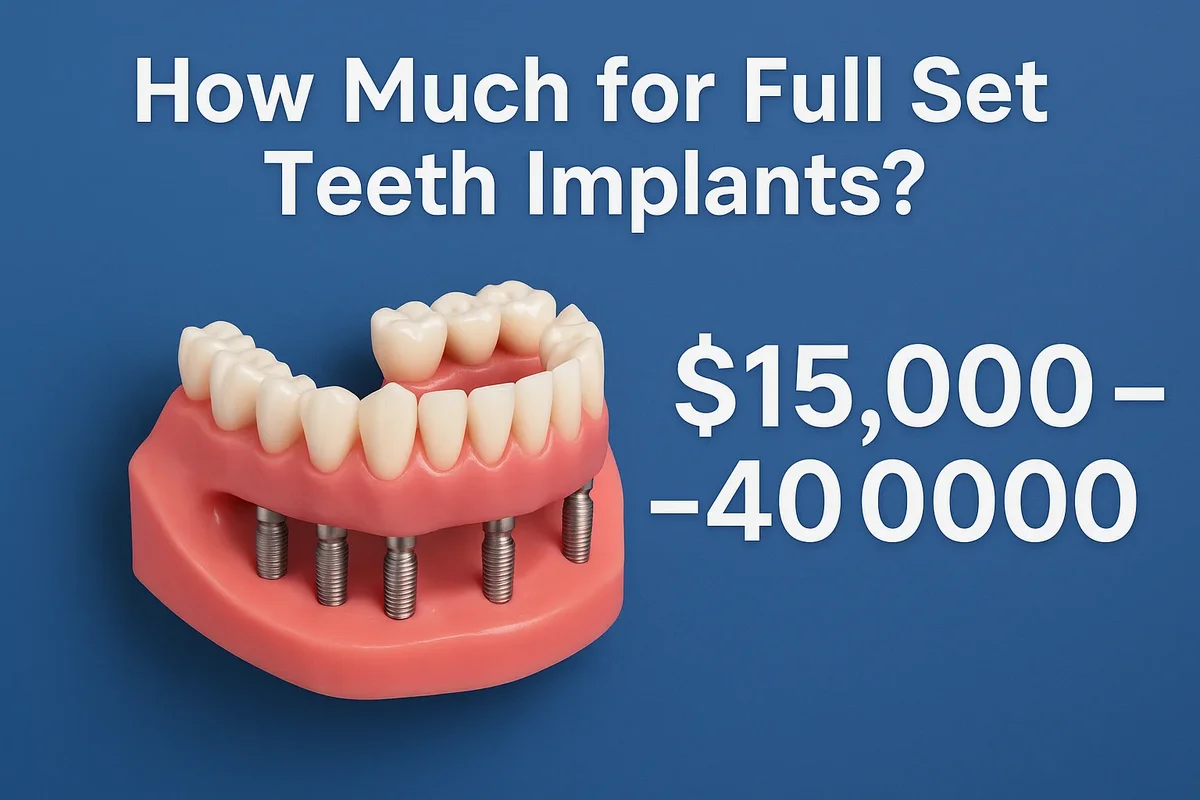
Financing Options and Insurance Coverage for Full Set Implants
Many patients hesitate to pursue dental implants because they worry about affordability and ask, “how much for full set teeth implants” before learning about the available financial support options. While implants are an investment in lifelong oral health, there are numerous ways to make them more accessible—through flexible payment plans, dental insurance, medical loans, and even medical tourism. Understanding these options can turn what seems like a luxury into an achievable reality for patients around the world. 💳
1. The True Cost of Full Mouth Implants
Before discussing financing, it’s important to understand what contributes to the total price. The overall cost of how much for full set teeth implants depends on several key elements—implant type, material, number of implants, additional surgeries (like bone grafts), and geographic location. For instance, full mouth restoration in the United States can range from $25,000 to $60,000 per arch, while the same treatment in Turkey, at clinics such as Redent Klinik Contact Page, often costs between $8,000 and $18,000 with equally high standards of care.
Average Price Breakdown (Per Arch)
- All-on-4 system: $8,000–$20,000
- All-on-6 system: $10,000–$22,000
- All-on-8 system: $12,000–$25,000
- Premium zirconia materials: +$2,000–$3,000
- Bone grafts or sinus lift (if needed): +$500–$2,000
These figures highlight why so many patients research how much for full set teeth implants in multiple countries to find the best combination of quality and affordability.
2. Dental Insurance and Implant Coverage
Traditional dental insurance has historically offered limited coverage for implants, considering them “cosmetic.” However, this is rapidly changing. More insurers now recognize implants as a functional necessity, especially for patients missing multiple teeth. Many modern plans cover at least part of the surgical cost, abutments, or crowns. Checking your specific plan details is crucial before assuming implants are not covered.
Typical Insurance Scenarios
- Partial Coverage: Insurance may reimburse for extraction, anesthesia, or prosthetics (bridges or dentures) but not the implant posts themselves.
- Medical Insurance Crossovers: In cases where tooth loss results from injury or illness, medical insurance may step in to cover some costs.
- Annual Maximums: Most dental insurance plans have a yearly maximum (often $1,500–$2,000), so spreading procedures over two years can increase benefits.
Understanding these details allows patients to plan financially and make better decisions about how much for full set teeth implants with insurance support.
3. Flexible In-House Payment Plans
Many dental clinics now offer in-house financing options, allowing patients to pay over time. These plans typically involve low monthly payments spread over 6 to 36 months, with interest-free options for shorter terms. This flexibility helps patients manage costs without compromising treatment quality.
Advantages of In-House Plans
- Instant approval without credit checks (in some clinics)
- Customizable installment durations
- Low or no interest rates
- Ability to begin treatment immediately
Reputable international clinics like Redent Klinik provide personalized financing support, helping patients from Europe, the UK, and the US access premium dental implants at affordable rates.
4. Third-Party Financing Options
In addition to in-house plans, third-party medical financing companies like CareCredit, Proceed Finance, or LendingClub specialize in healthcare-related loans. These services offer flexible terms ranging from 12 to 60 months with competitive interest rates. They cover costs that insurance doesn’t, ensuring patients can move forward with treatment without delay.
How These Programs Work
Patients apply online and, if approved, receive a credit line or loan dedicated to dental procedures. Payments are made directly to the clinic, and the patient repays the lender in monthly installments. This system allows for better budgeting and transparent cost management when evaluating how much for full set teeth implants.
5. Health Savings Accounts (HSA) and Flexible Spending Accounts (FSA)
For patients in the United States, HSAs and FSAs offer a tax-efficient way to pay for dental implants. These accounts allow individuals to set aside pre-tax income to cover medical and dental expenses, effectively saving up to 30% on treatment costs depending on their tax bracket. Using these funds can significantly reduce the overall financial burden of how much for full set teeth implants.
Tips for Using HSA/FSA Effectively
- Confirm that your implant provider qualifies as an eligible medical expense.
- Plan implant stages around annual contribution limits to maximize savings.
- Keep detailed invoices for tax documentation and insurance reimbursement.
6. Dental Tourism: Affordable Solutions Abroad
Dental tourism has become one of the most effective ways to reduce costs for full mouth implants. Countries like Turkey, Mexico, Hungary, and Thailand offer top-tier dental care at a fraction of Western prices, often including accommodation and airport transfers. At Redent Klinik, for example, patients can receive All-on-4 or All-on-6 treatments for up to 70% less than in the U.S., without compromising quality or safety.
Why Costs Are Lower Abroad
Lower labor expenses, reduced overhead costs, and government support for medical tourism contribute to affordability. Implants and prosthetics are often sourced from the same international manufacturers (like Straumann or Nobel Biocare), ensuring identical standards. Thus, when comparing how much for full set teeth implants, overseas clinics frequently emerge as the best value choice.
7. Additional Ways to Save on Implants
- Discount Programs: Some clinics offer loyalty or referral discounts.
- Bundle Treatments: Combining upper and lower arches in one procedure may reduce lab and surgical fees.
- Off-Peak Discounts: Certain clinics provide seasonal promotions during lower patient traffic months.
- University Dental Programs: Dental schools offer implants at reduced rates under professional supervision.
Tax Deductions for Medical Expenses
In some countries, dental implants qualify as tax-deductible medical expenses. Patients should retain all receipts and consult a tax professional to determine eligibility. These deductions can further reduce the overall out-of-pocket cost for how much for full set teeth implants.
8. The Importance of Transparency and Written Estimates
Before beginning treatment, always request a written treatment plan that itemizes all potential costs: surgery, materials, anesthesia, lab work, and follow-up visits. Transparent pricing ensures there are no surprises. Trusted clinics also provide warranty details and post-treatment care schedules as part of the estimate.
Evaluating Cost vs. Value
While affordability matters, patients should weigh price against quality, safety, and clinical reputation. Choosing the cheapest offer can backfire if it compromises implant materials or surgical expertise. Instead, seek clinics with board-certified oral surgeons and verifiable patient testimonials—making every dollar spent on how much for full set teeth implants a sound investment.
9. Long-Term Financial Perspective
Though implants require a higher initial expense, they often cost less in the long run compared to dentures, which need frequent replacements, adhesives, and relines. Over 20 years, patients with dentures can spend more than implant recipients due to ongoing maintenance. When viewed as a lifetime restoration, implants provide unmatched value—functionally, aesthetically, and financially.
In conclusion, there are many ways to make full mouth dental implants affordable, from insurance assistance to flexible financing and international treatment options. By exploring these avenues, patients can confidently approach the investment behind how much for full set teeth implants knowing that a healthy, radiant smile is well within reach. 💰✨