
When people start researching how much is a whole set of dental implants, they often discover that prices vary dramatically between countries, clinics, and treatment types. In 2025, a full-mouth dental implant procedure has become more accessible than ever, yet it remains one of the most significant investments in oral health. This guide aims to explain the costs, influencing factors, and benefits in full detail so that you can make a confident, informed decision about your smile restoration journey. 🦷
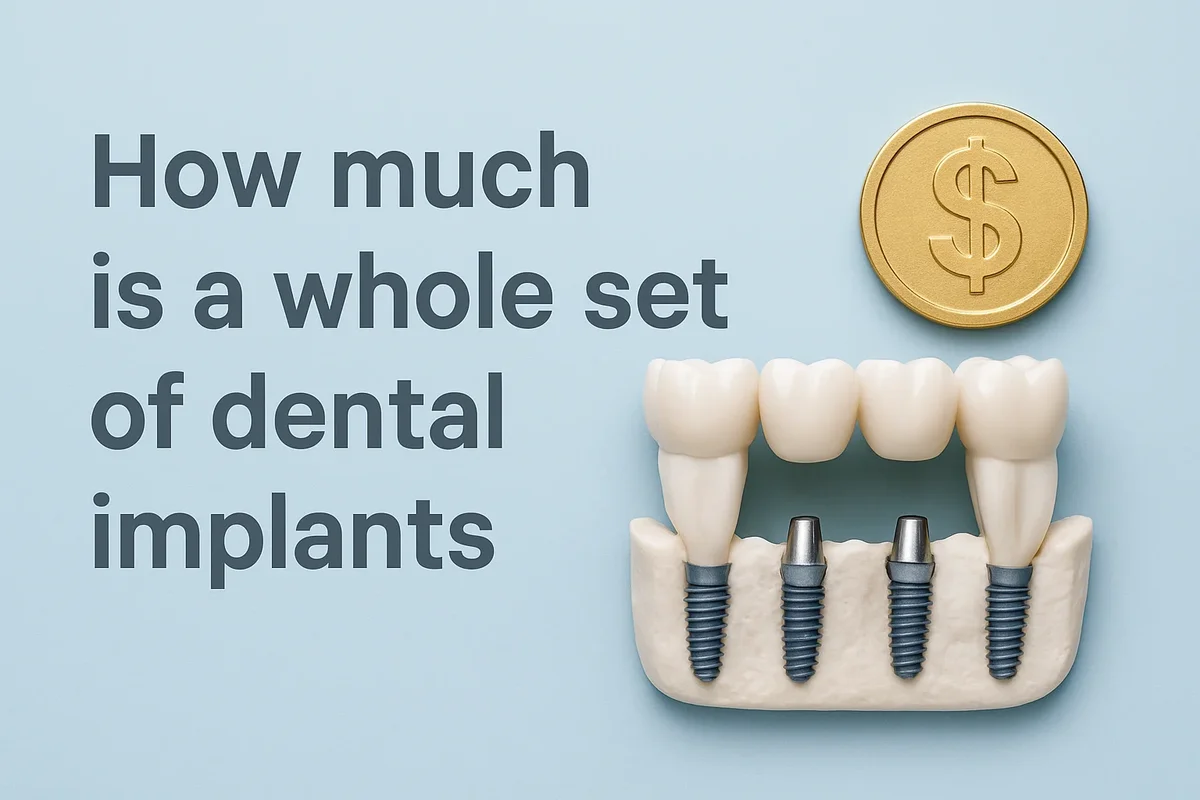
To begin with, a “whole set” of dental implants usually refers to full mouth reconstruction using implant-supported bridges or dentures. Instead of replacing each tooth individually, this treatment replaces all missing teeth in the upper, lower, or both jaws with titanium posts embedded in the jawbone. These implants act as artificial tooth roots and support durable, natural-looking crowns. The result is a long-lasting, realistic smile that restores chewing ability, confidence, and overall oral health.
The cost of a complete implant set can differ depending on several factors—such as location, the dentist’s expertise, type of material used, and the specific technique chosen (like All-on-4 or All-on-6). However, understanding how much is a whole set of dental implants requires looking beyond the sticker price. Patients should consider what’s included: diagnostics, surgery, anesthesia, temporary teeth, and final restorations. A reputable clinic will always provide transparent pricing that covers the entire treatment process, from consultation to aftercare.
On average, in the United States, the price for a full mouth dental implant restoration ranges between $24,000 and $90,000. That may sound steep, but it’s essential to compare the long-term benefits. Traditional dentures, while cheaper initially, often require frequent adjustments and replacements. Implants, on the other hand, can last decades—sometimes a lifetime—with proper care. This makes them a cost-effective solution in the long run.
Let’s take a closer look at what these prices typically include:
- Initial consultation and X-rays: To assess bone density and oral structure.
- CT scans and planning: Precise digital imaging ensures implant accuracy.
- Implant surgery: The titanium posts are surgically placed into the jawbone.
- Healing abutments: Used to shape gum tissue while healing occurs.
- Temporary prosthetics: Allow patients to smile and eat comfortably during healing.
- Permanent restorations: The final crowns or bridges designed for aesthetics and function.
Clinics that specialize in full-mouth restoration—like Redent Klinik Contact Page—often offer all-inclusive packages that simplify the process for patients traveling internationally. For example, Turkey has become one of the top destinations for dental tourism due to its highly qualified implantologists and significantly lower costs. A similar treatment in Istanbul may cost around $7,000 to $12,000 per jaw, compared to $25,000 or more in the U.S. 🇹🇷
It’s important to note that not all dental implants are the same. The number of implants per arch, the brand of the implant system, and the materials used for crowns (zirconia vs. acrylic) all influence the total cost. In some cases, bone grafting or sinus lifting might be necessary to create a stable foundation, which can increase expenses. Therefore, when calculating how much is a whole set of dental implants, patients should request a full cost breakdown from their dentist.
Another crucial point is durability. Unlike removable dentures that may last 5–7 years, high-quality implants can last 25 years or more. They prevent bone loss, improve bite force, and eliminate the discomfort associated with slipping dentures. This longevity makes the investment worthwhile. Many experts even recommend checking the American Dental Association website for guidelines on implant safety and materials, ensuring your clinic meets international standards.
Patients should also consider the aesthetic value of full-mouth implants. The restored teeth look and feel natural, which can significantly enhance self-esteem and social comfort. Beyond appearance, the health benefits—such as preventing bone resorption and maintaining facial structure—are equally valuable. These outcomes make full-mouth dental implants more than a cosmetic procedure; they are a life-changing medical investment.
In summary, the answer to how much is a whole set of dental implants depends on where you go, what technology is used, and what’s included in your treatment plan. Prices range widely—from about $7,000 abroad to $90,000 in the U.S.—but the outcome remains consistent: a beautiful, functional smile that can last a lifetime. When comparing quotes, always prioritize experience, hygiene standards, and full-service packages rather than choosing solely based on price.
Before making your final decision, consult with a trusted dental clinic, request a personalized treatment plan, and verify their credentials. Whether you choose a domestic or international provider, investing in your oral health with full dental implants is a long-term decision that offers unmatched comfort, confidence, and durability. 🌟
Understanding Full Mouth Dental Implants: What Does It Mean?
Before diving deeper into how much is a whole set of dental implants, it’s crucial to understand what the term “full mouth dental implants” truly means. Many people imagine dental implants as individual tooth replacements, but when all or most of the teeth are missing, dentists often recommend a full-mouth reconstruction using strategically placed implants to support an entire arch of teeth. This advanced dental solution combines technology, precision, and artistry to restore both function and aesthetics for patients who have lost multiple teeth. 🦷
What Are Full Mouth Dental Implants?
A full-mouth dental implant procedure involves replacing all the teeth in either the upper, lower, or both jaws using several titanium implant posts that act as artificial roots. These posts are surgically anchored into the jawbone, creating a stable base for bridges or dentures that mimic the natural appearance and strength of real teeth. The process not only enhances your smile but also restores proper chewing, speaking, and jawbone health.
Typically, 4 to 8 implants per arch are placed depending on the patient’s bone quality and anatomy. The most common method—known as All-on-4 implants—requires four implants to support a full arch of prosthetic teeth. This method is less invasive, cost-effective, and offers faster healing times compared to traditional methods. Other techniques like All-on-6 or All-on-8 may be recommended for those needing additional stability or with specific bone density requirements.
Why Choose Full Mouth Implants Over Traditional Dentures?
Unlike removable dentures that can slip or cause gum irritation, full-mouth implants are fixed permanently into the jaw. They provide exceptional comfort and functionality, eliminating the need for adhesives or daily removal. Patients can bite, chew, and speak with full confidence—just as they would with natural teeth. Moreover, implants prevent the bone resorption that typically occurs after tooth loss, helping maintain a youthful facial structure. 🌟
Many people who ask how much is a whole set of dental implants are often surprised to learn how significantly implants outperform traditional dentures in terms of durability and quality of life. Dentures may appear cheaper at first, but they often require adjustments, relining, or replacement every few years. In contrast, implants are designed to last decades with proper oral care and regular dental visits.
The Science Behind Full Mouth Implants
The success of this treatment lies in the process called osseointegration, where the titanium implant fuses naturally with the jawbone. This biological bonding ensures long-term stability and strength. Once the implant integrates fully, abutments and crowns or bridges are attached to create a permanent, natural-looking set of teeth. Each step—from digital scans to final fitting—is carefully planned using 3D imaging technology to ensure precision.
Step-by-Step Process Overview:
- 1. Consultation and Planning: Your dentist will assess your oral health, take X-rays or 3D scans, and create a personalized treatment plan.
- 2. Implant Placement Surgery: Titanium posts are surgically inserted into the jawbone under local or general anesthesia.
- 3. Healing and Integration: The implants bond with bone tissue over 3–6 months.
- 4. Temporary Prosthesis: A temporary arch is fitted for comfort and aesthetics during healing.
- 5. Permanent Restoration: Custom-made bridges or dentures are attached, completing the transformation.
Types of Full Mouth Implant Solutions
There are several types of full mouth dental implant systems, each catering to different needs and budgets. Understanding these types helps when estimating how much is a whole set of dental implants because each approach has a unique cost structure.
- All-on-4 Implants: The most popular solution; uses four implants per jaw to support an entire arch.
- All-on-6 Implants: Provides additional support for patients with moderate bone density.
- Zygomatic Implants: Used for patients with severe bone loss; implants anchor into the cheekbone.
- Full Arch Bridge: A fixed bridge attached to implants for maximum stability and a natural look.
Each option has different cost implications. For example, the All-on-4 approach is typically more affordable since it uses fewer implants and requires less invasive surgery. However, for patients with specific bone conditions or higher aesthetic expectations, advanced implant systems may be recommended at a slightly higher price point.
Who Is a Good Candidate for Full Mouth Dental Implants?
Anyone suffering from extensive tooth loss, gum disease, or ill-fitting dentures may be an ideal candidate. Good general health, healthy gums, and sufficient jawbone density are critical for implant success. Even if bone loss has occurred, modern techniques like bone grafting or sinus lifts can restore sufficient bone volume for implants. Those evaluating how much is a whole set of dental implants should always undergo a comprehensive evaluation before treatment to ensure a safe and lasting outcome.
Benefits Beyond Aesthetics
Full mouth implants don’t just create a beautiful smile—they restore full oral function. Patients can enjoy hard or sticky foods without worry, speak clearly, and maintain better oral hygiene since implants don’t require removal. Additionally, implants help preserve the jawbone, preventing the sagging facial appearance that can occur after years of denture use. 💪
These life-changing results make the investment in full mouth dental implants worthwhile for many patients worldwide. The cost might initially seem high, but when you consider the emotional, functional, and health benefits, the value is undeniable. For further information on implant safety and material standards, consult the American Dental Association, which provides evidence-based resources on dental procedures.
To summarize, understanding the meaning and purpose of full mouth implants is the first step before asking how much is a whole set of dental implants. Once you know the structure, benefits, and longevity of this procedure, you can better evaluate costs and choose a treatment plan tailored to your needs. For personalized guidance or a detailed consultation, visit Redent Klinik Contact Page and take your first step toward a permanent, confident smile. 😁
Average Cost of a Whole Set of Dental Implants in the U.S.
One of the most frequently searched questions in dentistry today is how much is a whole set of dental implants in the United States. The answer isn’t as straightforward as quoting a single figure because prices vary depending on the procedure, materials, location, and expertise of the dental professional. However, understanding the average costs and what they include helps patients make better financial and health decisions. In this section, we’ll provide a complete breakdown of full-mouth dental implant prices across the U.S., including all hidden factors and optional upgrades. 💰
National Average Price Range for Full Mouth Dental Implants
In 2025, the cost of a full set of dental implants in the U.S. ranges between $24,000 and $90,000. This wide price range is due to the diversity of techniques used—such as All-on-4, All-on-6, and All-on-8—and the level of customization required for each patient. On average, most Americans spend around $35,000 to $55,000 for a complete upper and lower restoration at a reputable clinic. These figures generally include consultation, implant placement, anesthesia, temporary teeth, and permanent restorations.
When evaluating how much is a whole set of dental implants, it’s essential to confirm whether the quoted price is for one arch (upper or lower) or both. Many clinics advertise “full mouth implants” but only list the cost of a single jaw. The average per-arch cost in the U.S. ranges from $12,000 to $25,000, depending on the complexity of the case and type of prosthetic used.
Cost Breakdown by Implant Type
Understanding different treatment options helps clarify cost variations. Each method has its own price point, longevity, and aesthetic outcome:
- All-on-4 Implants: Average cost per arch is between $12,000 and $25,000. It’s a minimally invasive option using only four implants to anchor a full bridge.
- All-on-6 Implants: Usually ranges from $18,000 to $30,000 per arch, offering greater stability and strength for patients with moderate bone loss.
- All-on-8 or Full Bridge Systems: These premium solutions can cost between $25,000 and $40,000 per arch and are ideal for those needing maximum bite strength and aesthetics.
- Full Mouth Reconstruction (Both Jaws): The complete package, including all surgery and prosthetics, can cost up to $90,000 in high-end clinics in metropolitan areas like Los Angeles or New York.
Price Differences Based on Materials
The type of material used in the crowns and bridges significantly affects total cost. Acrylic teeth are cheaper but less durable, while zirconia and porcelain options are more lifelike and resilient.
- Acrylic Hybrid Dentures: $20,000–$30,000 (both arches)
- Zirconia Bridges: $35,000–$50,000 (both arches)
- Porcelain Bridges: $40,000–$60,000 (both arches)
Patients who prioritize aesthetics and long-term results typically opt for zirconia or porcelain, which resist staining and mimic natural enamel beautifully. When estimating how much is a whole set of dental implants, it’s vital to factor in the material choice, as it plays a major role in both longevity and appearance.
Regional Price Variations Across the U.S.
Just as housing and healthcare costs differ by region, so does implant pricing. Clinics in large metropolitan areas like New York, San Francisco, or Miami tend to charge higher fees than smaller cities or suburban areas. This difference can reach up to 30–40% for the same treatment plan.
- West Coast (California, Washington): $30,000–$90,000 per full set
- East Coast (New York, Florida): $28,000–$85,000 per full set
- Midwest (Illinois, Ohio): $22,000–$65,000 per full set
- South (Texas, Georgia): $20,000–$60,000 per full set
Interestingly, many Americans are now opting for dental tourism, traveling to countries like Turkey or Mexico to receive the same level of care at a fraction of the cost. A procedure that costs $45,000 in the U.S. can be completed for under $10,000 in Istanbul, while maintaining high clinical standards. For international patients, clinics such as Redent Klinik Contact Page are known for transparent pricing and professional results.
Insurance Coverage and Financing Options
Unfortunately, most dental insurance plans in the U.S. do not fully cover dental implants because they are classified as cosmetic procedures. However, certain plans may cover diagnostic exams, extractions, or partial prosthetics. Patients often turn to financing options such as CareCredit, dental membership plans, or in-house payment schedules offered by clinics to make full mouth implants more affordable.
When patients ask how much is a whole set of dental implants, the smartest approach is to evaluate both cost and financing together. A flexible payment plan can make top-tier treatment accessible without compromising quality. It’s always advisable to confirm what’s included in your quote—whether it covers temporary teeth, follow-up appointments, and aftercare visits—to avoid hidden charges later.
Hidden or Additional Costs to Consider
There are sometimes additional procedures that influence the total price:
- Bone Grafting: $500–$3,000 per site if jawbone density is insufficient.
- Sinus Lift: $1,500–$3,500, often required for upper jaw implants.
- Tooth Extractions: $100–$500 per tooth, depending on complexity.
- Temporary Denture or Healing Prosthesis: $1,000–$3,000 during healing.
Although these procedures increase the total expense, they are crucial for ensuring implant longevity and stability. Skipping them can lead to complications or implant failure in the long term.
Comparing Costs and Value
While the upfront investment may appear high, the lifetime value of dental implants far exceeds alternatives. Traditional dentures may cost less initially but require frequent replacements and maintenance, adding up to a similar or even higher cost over time. Moreover, implants protect bone density, improve nutrition through better chewing, and provide lasting comfort—benefits that can’t be measured solely in dollars.
In essence, when determining how much is a whole set of dental implants in the U.S., patients should consider it not as a one-time expense but as a permanent improvement to their quality of life. The investment pays dividends in confidence, health, and happiness for decades. For authoritative standards and patient resources, the American Dental Association remains a trusted source for implant guidelines and safety information.
Ultimately, a realistic budget for a full mouth dental implant restoration in the United States is between $25,000 and $60,000, depending on where you live, the materials used, and your individual dental needs. By understanding these details and consulting with a reputable clinic, you can plan effectively and achieve the perfect smile that lasts a lifetime. 😁
Comparing Dental Implant Prices Around the World 🌍
When researching how much is a whole set of dental implants, many patients quickly realize that costs vary enormously depending on the country where treatment is performed. Dental tourism has become a global phenomenon, allowing patients to access top-quality care abroad at a fraction of U.S. prices. This section provides a detailed country-by-country comparison, explaining why these differences exist, which destinations offer the best value, and what factors influence overall costs for international patients. 🌐
Why Are Dental Implant Prices So Different Globally?
The first thing to understand is that the core components of implant treatment—titanium posts, abutments, crowns, and surgical procedures—are generally the same everywhere. However, the cost structure differs due to variations in labor expenses, currency exchange rates, dental education systems, and government regulations. In countries like Turkey, Hungary, and Mexico, dentists receive the same high-level training as their Western counterparts but operate under lower overhead costs, resulting in significantly more affordable treatment packages.
Therefore, the question of how much is a whole set of dental implants must be approached with a global mindset. A treatment costing $45,000 in Los Angeles might cost under $10,000 in Istanbul, with comparable materials and techniques. Patients who choose wisely can save 60–75% without compromising on quality—especially when selecting accredited, internationally recognized clinics.
Average Dental Implant Costs by Country
Here’s an overview of average 2025 prices for full mouth dental implants across different countries, including both premium and budget-friendly destinations:
| Country | Average Cost (Full Mouth) | Cost per Arch | Notes |
|---|---|---|---|
| United States 🇺🇸 | $35,000–$90,000 | $15,000–$45,000 | High labor and material costs; limited insurance coverage. |
| United Kingdom 🇬🇧 | £20,000–£45,000 | £10,000–£25,000 | Excellent quality, but private sector pricing is high. |
| Turkey 🇹🇷 | $7,000–$12,000 | $3,500–$6,000 | Leading dental tourism hub; clinics like Redent Klinik Contact Page offer all-inclusive packages. |
| Mexico 🇲🇽 | $8,000–$14,000 | $4,000–$7,000 | Popular for North Americans; English-speaking dentists are common. |
| Hungary 🇭🇺 | €7,000–€13,000 | €3,500–€7,000 | Renowned for advanced implantology and European hygiene standards. |
| Thailand 🇹🇭 | $9,000–$15,000 | $4,500–$8,000 | Top-tier medical tourism infrastructure with luxury service. |
| India 🇮🇳 | $6,000–$10,000 | $3,000–$5,000 | Very affordable, though quality varies; research clinics carefully. |
Reasons for Lower Costs Abroad
It’s natural to wonder why the same titanium implants cost drastically less overseas. The difference is not due to inferior products but to systemic cost structures. In many developing countries, the lower cost of living allows clinics to charge less while still using premium materials such as Nobel Biocare or Straumann implants. Additionally, government incentives for medical tourism and lower malpractice insurance premiums contribute to lower treatment prices.
Key Factors Influencing International Prices:
- Operating Costs: Lower rent and staff salaries reduce overall expenses.
- Currency Exchange: Favorable exchange rates make treatment cheaper for foreigners.
- Government Incentives: Some nations subsidize healthcare tourism to boost their economies.
- All-Inclusive Packages: Clinics abroad often include hotel stays, airport transfers, and temporary restorations in their quotes.
These factors mean that when calculating how much is a whole set of dental implants worldwide, cost efficiency abroad is often unmatched. A patient can enjoy world-class dental care and a vacation experience for less than the price of one arch in the U.S.
Popular Destinations for Dental Tourism
Among the most visited countries for implant dentistry, Turkey stands out for combining advanced medical standards with affordable pricing. Clinics in Istanbul, Antalya, and Izmir offer digital smile design, 3D bone scanning, and same-day implants. Similarly, Mexico and Hungary provide high-quality dental work, with convenient access for American and European patients respectively. Thailand, too, is recognized for luxury-level dental tourism services combined with exceptional hospitality. 🦷
Each destination has its unique strengths. For instance, Turkey’s Redent Klinik provides English-speaking staff, international sterilization standards, and advanced implant systems—all at one-fourth the U.S. price. Patients receive full transparency, warranties, and follow-up care, making it one of the most trustworthy choices in Europe and the Middle East.
What to Consider Before Traveling Abroad
Although international dental care can save thousands of dollars, it’s essential to verify the credentials and reviews of any clinic before committing. Look for certifications from reputable organizations, check patient testimonials, and confirm whether the clinic uses FDA- or CE-approved materials. Additionally, ensure that post-operative care is clearly outlined—follow-up visits or minor adjustments may be needed after you return home.
The American Dental Association recommends verifying a dentist’s qualifications and understanding all possible risks before undergoing treatment abroad. Reliable clinics will gladly share details about the implant brands they use, sterilization protocols, and warranty policies. Transparency is key when assessing overseas dental care.
Travel and Aftercare Considerations:
- Plan at least 7–10 days for the initial phase of implant placement and healing.
- Budget for a return visit 3–6 months later for final restoration placement.
- Confirm if your local dentist will assist with maintenance or emergency care upon returning home.
Is Traveling Abroad Worth It?
For most patients, the answer is yes—provided they choose wisely. Saving up to 70% while maintaining high standards of care makes dental tourism extremely appealing. The difference in price doesn’t reflect lower quality; it reflects economic realities and efficient healthcare delivery systems abroad. For example, knowing how much is a whole set of dental implants in both the U.S. and Turkey can help you weigh cost, convenience, and confidence before making a decision.
Ultimately, comparing international implant prices is not just about finding the lowest figure—it’s about achieving the best overall value: safety, durability, and aesthetics at a fair cost. If you’re ready to explore this life-changing opportunity, start by contacting a trusted clinic like Redent Klinik Contact Page for an initial quote and treatment plan tailored to your needs. 🌟
Factors That Influence the Total Cost of Full Mouth Implants
Understanding how much is a whole set of dental implants requires more than just comparing clinic prices — it involves analyzing the multiple factors that directly affect the total treatment cost. The overall price can vary significantly from one patient to another due to anatomical differences, implant brands, additional procedures, and even the geographic region where the procedure is performed. This section breaks down each major factor in detail, so you know exactly what contributes to the final bill and why dental implant prices can vary so much. 🦷
1. Number of Implants Required
The total number of implants needed to restore your smile plays a major role in determining how much is a whole set of dental implants. In a standard full-mouth restoration, the dentist typically uses between four and eight implants per arch, depending on bone quality and the type of prosthetic used. Fewer implants, such as in the All-on-4 technique, reduce surgical time and cost, while more implants, like in All-on-6 or All-on-8 approaches, offer greater stability but at a higher price point.
To illustrate: a patient needing only four implants per jaw might spend around $20,000–$25,000, while someone requiring eight per arch could face costs exceeding $50,000. The implant count is usually determined after 3D imaging scans and detailed treatment planning by your dental specialist.
Additional Cost Example:
- All-on-4: $12,000–$25,000 per arch
- All-on-6: $18,000–$30,000 per arch
- All-on-8: $25,000–$40,000 per arch
2. Quality and Brand of Dental Implants
Implant systems are not all created equal. The world’s leading brands—such as Straumann, Nobel Biocare, and Zimmer Biomet—are known for their precision engineering, biocompatibility, and long-term success rates. Premium implant systems often cost more because they invest heavily in research, surface technology, and durability testing. Cheaper, generic implant brands may reduce upfront costs, but they often lack the same proven track record or long-term support from the manufacturer.
When you’re researching how much is a whole set of dental implants, always ask your dentist which implant system they use. Reputable clinics like Redent Klinik Contact Page are transparent about the brands and materials involved in their treatments. Using certified systems ensures compatibility with abutments and prosthetics in the future, preventing costly issues down the road.
3. Type of Restoration Material
The type of crown or bridge material chosen also impacts total pricing. Three primary materials are used for full-arch restorations: acrylic, porcelain-fused-to-metal, and zirconia. Each comes with its own aesthetic qualities, durability level, and cost implications.
- Acrylic (PMMA): The most affordable and lightweight material, typically used for temporary prosthetics. It may wear down faster and require replacement after 5–7 years.
- Porcelain-Fused-to-Metal: Offers a balance between strength and aesthetics but may show a faint metal line near the gums over time.
- Zirconia: The premium option known for its lifelike appearance, stain resistance, and exceptional durability lasting 20+ years.
Patients seeking natural-looking results usually select zirconia, even though it increases total costs by 20–30%. However, considering the longevity, it’s often the best value in the long run.
4. Bone Density and the Need for Grafting
Bone health plays a crucial role in determining how much is a whole set of dental implants. If your jawbone lacks sufficient volume or density to anchor implants securely, bone grafting or sinus lift procedures may be required. These preparatory surgeries add to the total expense but are essential for ensuring long-term implant stability.
Typical Additional Costs:
- Bone Grafting: $500–$3,000 per site
- Sinus Lift: $1,500–$3,500
While this adds to the initial budget, it dramatically increases the success rate of the implants and prevents complications later. Advanced digital imaging techniques help dentists evaluate the bone before surgery and develop customized grafting plans when necessary.
5. Clinic Location and Dentist Expertise
Location remains one of the strongest determinants of price. Clinics in major U.S. metropolitan areas charge considerably more due to higher operational costs, while those in dental tourism destinations like Turkey, Mexico, or Hungary can provide equally high-quality treatments at a fraction of the cost. For instance, a patient may pay $45,000 for a full set in New York but only $10,000 in Istanbul—with the same implant brand and procedure quality.
Equally important is the expertise of the surgeon. Specialists trained in advanced implantology, such as those accredited by the American Dental Association or the European Association for Osseointegration, often charge higher fees due to their skill and proven success rates. However, this expertise translates into better outcomes and fewer complications.
6. Diagnostic and Technological Costs
Modern implant procedures rely heavily on digital technology, such as 3D CBCT scans, guided surgery software, and intraoral scanners. These tools ensure accuracy and safety but also contribute to the total cost. Each diagnostic step provides valuable data for planning implant positions and customizing prosthetics.
- 3D Imaging/CT Scan: $250–$500
- Digital Impressions: $200–$400
- Custom Surgical Guides: $300–$700
When calculating how much is a whole set of dental implants, make sure to ask if these services are included in your quoted package. Clinics that offer all-inclusive pricing, such as Redent Klinik, usually bundle diagnostics, surgery, and prosthetics into one transparent cost structure.
7. Aftercare, Warranties, and Maintenance
Post-treatment care also impacts the total cost of ownership. Regular check-ups, professional cleanings, and maintenance of the prosthetics ensure the implants remain healthy for decades. Some clinics provide extended warranties (up to 10 years) for both the implant and the restoration, covering adjustments or replacements if needed. Always verify what’s covered under warranty before proceeding.
8. Anesthesia and Surgical Complexity
Finally, anesthesia type and surgical difficulty can add to the cost. Local anesthesia is standard, but patients with dental anxiety may prefer IV sedation or general anesthesia, which can cost an additional $500–$1,500. Likewise, complex extractions or infection management may increase overall procedure time and cost.
Every patient’s case is unique, so the best way to get an accurate estimate of how much is a whole set of dental implants is through a personalized consultation. A transparent clinic will evaluate your oral health, provide a 3D treatment plan, and explain all cost components clearly before starting any procedure.
In conclusion, multiple variables affect full-mouth implant pricing—from materials and expertise to technology and aftercare. Understanding these details allows you to make an informed, confident decision. Whether you choose to undergo treatment locally or abroad, prioritize clinics that value transparency, patient safety, and long-term results. For a customized quote and expert consultation, you can reach out directly to Redent Klinik Contact Page and start your journey toward a healthier, permanent smile. 😁
Are Full Mouth Dental Implants Worth the Investment?
When patients begin exploring how much is a whole set of dental implants, one of the most common questions they ask is whether the cost truly reflects the value. Dental implants are undeniably a significant financial investment, but unlike removable dentures or short-term cosmetic procedures, they provide a permanent, life-changing solution. In this section, we will explore whether full mouth dental implants are worth the expense by evaluating their long-term benefits, cost-effectiveness, quality-of-life improvements, and emotional impact. 💎
Long-Term Cost Efficiency vs. Short-Term Solutions
Traditional dentures may initially seem cheaper than implants, often costing just $2,000 to $5,000 per arch. However, these dentures need regular adjustments, relining, and eventual replacement every 5–7 years. Over a 20-year period, that cost can add up to more than the price of implants, with much less comfort and stability. In contrast, full mouth implants are designed to last decades—often a lifetime—if properly maintained. Thus, when analyzing how much is a whole set of dental implants, it’s essential to think of them as a long-term investment in health and confidence rather than a one-time cosmetic expense.
Let’s put this into perspective: if a $30,000 full-mouth implant procedure lasts 25 years, that’s roughly $1,200 per year—or about $100 per month—for a lifetime of strong, natural-looking teeth. Compared to constant denture replacements or the physical toll of missing teeth, the long-term value of implants becomes clear.
Health Benefits That Add Real Value
The health advantages of implants are often overlooked when focusing solely on price. Dental implants don’t just replace missing teeth—they restore oral function and protect overall health. When teeth are lost, the underlying bone begins to deteriorate because it no longer receives stimulation from chewing forces. This bone loss can lead to facial sagging, premature aging, and difficulty eating nutritious foods. Full mouth implants stop this process by stimulating the jawbone just like natural tooth roots, preserving bone density and facial structure.
Beyond that, implants make it easier to maintain good oral hygiene. Fixed bridges or dentures often trap food and bacteria, increasing the risk of gum disease. Implants, however, allow patients to brush and floss normally, reducing the likelihood of future dental complications. For many people asking how much is a whole set of dental implants, these health benefits alone justify the investment, as they prevent costly oral and systemic health issues later in life.
Additional Health Advantages Include:
- Improved digestion and nutrition due to better chewing ability
- Reduced risk of jawbone atrophy
- Elimination of pressure sores caused by ill-fitting dentures
- Enhanced speech clarity and confidence
Quality of Life and Emotional Benefits
For many patients, the greatest return on investment is the emotional and psychological transformation. Missing teeth often lead to self-consciousness, social withdrawal, and even depression. Full mouth implants restore not only the smile but also the confidence to laugh, speak, and eat freely in public. Patients report feeling rejuvenated and more youthful after treatment—benefits that go far beyond the mirror.
When calculating how much is a whole set of dental implants, the emotional uplift should never be underestimated. People who regain their smiles frequently experience professional and personal improvements as well, from increased job confidence to more fulfilling social interactions. In short, implants deliver a priceless return that impacts nearly every aspect of life. 🌟
Durability and Longevity
High-quality dental implants are built to endure. With proper oral hygiene, implants can last 25 years or longer—sometimes even for life. The titanium posts that anchor them are biocompatible, meaning they fuse with bone through a process known as osseointegration. This ensures unparalleled stability and resistance to decay. In comparison, dentures and bridges are susceptible to wear, fracture, and daily discomfort. While the upfront cost of implants is higher, the lack of future replacements and ongoing maintenance makes them more economical over time.
Durability Breakdown by Component:
- Titanium Implants: Lifetime durability with proper care
- Abutments: 15–20 years, replaceable if needed
- Zirconia Crowns or Bridges: 15–25 years, depending on use
Clinics that provide warranty programs—such as Redent Klinik Contact Page—often include free check-ups or replacement coverage for several years, adding peace of mind and extending long-term value.
Functional Advantages: Eat, Speak, and Smile Naturally
Implants are the only restoration method that functions exactly like natural teeth. They allow patients to eat hard foods such as apples, nuts, and steak without worrying about slipping dentures or gum pain. Speech is clearer because there’s no artificial plate covering the palate. For individuals considering how much is a whole set of dental implants, these daily functional improvements are often the deciding factor. The ability to eat comfortably and speak naturally restores normalcy and self-assurance in everyday life.
Comparing Implants to Other Dental Solutions
Let’s compare the value of implants to other popular tooth replacement methods:
| Treatment Type | Initial Cost | Lifespan | Maintenance | Bone Health |
|---|---|---|---|---|
| Removable Dentures | $2,000–$5,000 | 5–7 years | High | Bone loss continues |
| Dental Bridges | $4,000–$15,000 | 10–15 years | Moderate | Bone loss continues |
| Full Mouth Implants | $25,000–$60,000 | 25+ years | Low | Preserves bone structure |
This comparison shows that while implants require a larger initial investment, they deliver unmatched value in stability, health preservation, and comfort. The long-term savings from avoiding replacements and repairs make implants a smarter financial choice.
Support from Leading Dental Associations
The American Dental Association recognizes dental implants as one of the most reliable and predictable restorative treatments available today. Their high success rate—typically between 95% and 98%—reinforces that implants are a safe and worthwhile investment for patients seeking permanent tooth replacement.
Ultimately, the question isn’t just how much is a whole set of dental implants—it’s how much value they bring to your life. From better health and aesthetics to restored confidence and convenience, full mouth implants deliver measurable and emotional returns that far exceed their cost. If you are considering this life-changing treatment, schedule a consultation with an experienced implant specialist through Redent Klinik Contact Page to learn how your smile can be permanently transformed. 😁
Affordable Alternatives and Payment Options for Implants 💳
When patients learn how much is a whole set of dental implants, many initially worry about the financial commitment. While full-mouth dental implants are one of the most advanced and durable treatments available, they can also be among the most expensive. Fortunately, there are several affordable alternatives, financing programs, and flexible payment options that make achieving a complete, beautiful smile possible for almost any budget. In this section, we’ll explore cost-saving alternatives, different financing methods, and how to plan your treatment intelligently without compromising quality or results.
Understanding the True Cost of Dental Implants
The high cost of implants often leads patients to believe they’re unaffordable. However, understanding the breakdown helps put the expense into perspective. When evaluating how much is a whole set of dental implants, remember that this figure usually includes several components: diagnostics, implant placement, abutments, crowns, anesthesia, and post-operative care. The procedure’s complexity and long-term benefits justify the price tag.
Still, patients should know that modern dental technology and global competition have made implant dentistry more accessible than ever. Clinics such as Redent Klinik Contact Page in Turkey offer world-class results at a fraction of U.S. or U.K. costs by providing all-inclusive packages that combine treatment, accommodation, and aftercare in one transparent price.
Affordable Alternatives to Full-Mouth Dental Implants
Not every patient needs a complete full-mouth restoration to enjoy the benefits of implants. Depending on oral health, bone density, and budget, there are alternative solutions that maintain functionality and aesthetics while lowering total costs.
1. Implant-Supported Dentures
This option uses 2–4 implants to stabilize a removable denture. It’s more secure than traditional dentures and significantly less expensive than a full fixed bridge. The average cost ranges from $6,000 to $12,000 per arch, depending on implant quality and materials used. Although they still need to be removed for cleaning, they offer better stability, improved chewing, and no need for adhesive glue.
2. Partial Dental Implants
For patients missing several teeth but not the entire arch, partial implant bridges or single-tooth implants can be a practical compromise. Instead of replacing every tooth, only the missing ones are restored. This approach keeps costs moderate while providing the same natural appearance and bite strength associated with full implants.
3. All-on-4 or All-on-6 Solutions
For those who still want a fixed, full-arch restoration but at a lower price, the All-on-4 technique offers a fantastic middle ground. By using only four implants per arch, it reduces surgery time, recovery, and overall cost without sacrificing strength. The All-on-6 method provides additional stability for patients with higher chewing demands. When comparing how much is a whole set of dental implants across different systems, these two approaches offer the best value for most patients.
Financing and Payment Plans
Even with cost-effective techniques, implants can still be a large investment. Fortunately, most modern dental clinics and financial institutions provide several financing options designed to make payments manageable. Here are the most common methods used by patients to fund their treatments:
1. Dental Payment Plans
Many clinics offer in-house installment plans that allow patients to spread payments over 6 to 36 months, often interest-free. This helps eliminate the burden of a single large payment while starting treatment immediately. Always confirm the terms—some clinics require a small down payment, while others partner with third-party lenders.
2. Medical Credit Services
Companies like CareCredit (U.S.), Medenta (U.K.), or other local medical lenders specialize in financing dental procedures. They offer low or zero-interest loans specifically for medical and dental treatments. These services are often approved quickly, and the monthly payments can be adjusted to fit individual budgets.
3. Health Savings Accounts (HSA) and Flexible Spending Accounts (FSA)
In the U.S., patients can use tax-advantaged funds from HSAs or FSAs to cover dental implant costs. This effectively reduces the real cost of treatment by allowing payments to be made with pre-tax dollars. It’s one of the most underutilized strategies for managing high-value dental procedures.
4. Dental Insurance Contribution
Most dental insurance plans don’t cover full-mouth implants entirely, but some may pay for specific components such as extractions, diagnostics, or temporary prosthetics. When evaluating how much is a whole set of dental implants, checking with your insurer about partial reimbursements can reduce the total out-of-pocket cost.
Traveling Abroad for Affordable Treatment
For patients open to dental tourism, traveling abroad can provide dramatic savings without sacrificing quality. Countries such as Turkey, Mexico, Hungary, and Thailand have built strong reputations for advanced dental care with internationally trained specialists and cutting-edge facilities. A patient could save up to 70% compared to U.S. prices while enjoying a vacation-like experience.
Clinics like Redent Klinik Contact Page often include airport transfers, hotel accommodations, and aftercare visits in their all-inclusive packages. They also use top-tier materials such as Straumann or Nobel Biocare implants, ensuring safety and longevity equivalent to Western clinics.
Saving Strategies for Patients
Beyond financing options, there are several ways to reduce costs responsibly without compromising results:
- Seek package deals: Many clinics offer full-mouth restoration bundles that combine implants, prosthetics, and imaging at reduced rates.
- Ask about off-peak discounts: Some dental tourism clinics provide lower rates during less busy seasons.
- Compare implant systems: Choosing mid-tier brands can lower costs while maintaining high success rates.
- Utilize tax deductions: In some countries, dental implants qualify as medical expenses that can be deducted from annual taxes.
Long-Term Value vs. Short-Term Cost
Although affordability is a key factor, focusing solely on the cheapest option can lead to poor outcomes. Low-cost clinics that cut corners on materials, sterilization, or surgeon expertise may cause complications that require expensive corrective treatments later. Instead, look for clinics that balance affordability with clinical excellence and safety standards approved by the American Dental Association or equivalent bodies in your region.
Ultimately, when considering how much is a whole set of dental implants, it’s not just about price—it’s about value, longevity, and confidence. A well-planned implant treatment, supported by transparent financing and trusted professionals, ensures your investment leads to decades of smiles and satisfaction.
If you’re ready to explore flexible payment solutions or obtain a personalized treatment quote, contact Redent Klinik Contact Page. Their experienced implant specialists can help you design a cost-effective plan that matches your budget and long-term goals, allowing you to restore your smile affordably and confidently. 😁
Choosing the Right Dental Clinic: What to Look For
Before deciding where to undergo treatment, it’s vital to understand that not all dental clinics are created equal. Many patients start their research with the question how much is a whole set of dental implants, but price alone shouldn’t dictate your choice. The success of dental implant surgery depends largely on the clinic’s expertise, hygiene standards, implant technology, and aftercare services. This section provides a complete guide on how to select a reputable clinic that offers both affordability and uncompromising quality.
Why Choosing the Right Clinic Matters
Dental implants are a complex procedure requiring surgical precision, advanced imaging technology, and artistic craftsmanship in prosthetic design. A clinic’s experience and infrastructure directly affect the success rate and longevity of your implants. While it’s tempting to choose based solely on cost, poorly executed treatments can lead to infections, implant failure, and additional corrective surgeries—ultimately costing far more in the long run. Therefore, before focusing on how much is a whole set of dental implants, prioritize the clinic’s professional credibility and proven results.
Key Factors to Consider When Selecting a Clinic
Below are the most important factors that every patient should evaluate before committing to a dental implant provider. Each one plays a major role in determining not only cost but also the safety, comfort, and outcome of the treatment.
1. Dentist Credentials and Specialization
Ensure your implant surgeon is certified and experienced in oral and maxillofacial surgery, prosthodontics, or implantology. Ideally, they should be a member of reputable organizations such as the American Dental Association or the European Association for Osseointegration. These credentials guarantee the dentist has undergone specialized training in implant procedures and adheres to international standards. Clinics like Redent Klinik Contact Page employ specialists who focus exclusively on dental implant treatments, ensuring accuracy and predictable results.
2. Use of Advanced Technology
Modern dental implantology relies on precision tools such as 3D CBCT imaging, digital smile design, and guided surgery systems. These technologies allow dentists to plan implant placement with microscopic accuracy, reducing surgical risks and ensuring ideal aesthetic outcomes. When evaluating how much is a whole set of dental implants, verify whether the clinic includes advanced imaging and computer-guided techniques in its package. While clinics offering these tools may charge slightly more, the increased safety and precision are well worth it.
3. Implant Brand and Material Quality
Always ask about the implant systems and prosthetic materials used. Reputable clinics partner with globally recognized brands such as Nobel Biocare, Straumann, or Zimmer Biomet. These companies provide lifetime warranties and decades of clinical research proving their reliability. Cheaper or unbranded implants might reduce initial costs, but they carry higher risks of failure and limited compatibility for future repairs.
4. Hygiene and Sterilization Standards
Implant surgery requires a sterile environment to minimize infection risk. Ensure the clinic follows strict sterilization protocols, including the use of autoclaved instruments, disposable materials, and disinfected treatment areas. A clean, modern clinic is a reflection of professionalism and care. When analyzing how much is a whole set of dental implants, remember that quality sterilization equipment and hygienic practices are part of what makes a safe, successful procedure.
5. Transparent Pricing and Detailed Treatment Plans
A trustworthy dental clinic provides clear, itemized pricing before the procedure. Beware of vague or “too good to be true” quotes that may hide extra fees for anesthesia, temporary crowns, or follow-up visits. The best clinics present a written treatment plan outlining each step, timeline, and cost breakdown. This transparency helps patients feel confident in both the process and their financial decisions.
Comparing Local and International Clinics
With dental tourism gaining popularity, patients now compare local and overseas options when deciding where to get treatment. Clinics abroad, particularly in Turkey, Hungary, and Mexico, often provide the same quality of care for a fraction of the cost. For example, Redent Klinik in Istanbul offers international patients premium dental implant solutions with hotel accommodation and transport included. Such all-inclusive packages make the entire process smooth and cost-effective.
However, if you decide to seek care internationally, confirm the clinic’s certifications, English-speaking staff availability, and post-treatment care policies. Always request before-and-after photos, patient testimonials, and documentation proving the implant brands used. Reputable clinics are transparent and eager to share this information with potential patients.
Patient Reviews and Testimonials
One of the most reliable ways to evaluate a clinic’s reputation is by reading authentic patient testimonials. Look for consistent feedback regarding professionalism, cleanliness, comfort, and post-surgery results. Independent platforms such as Google Reviews, Trustpilot, or medical tourism forums can help you gauge real patient experiences. Many patients researching how much is a whole set of dental implants find reassurance in seeing verifiable success stories from others who have completed the same procedure.
Checklist for Reviewing Testimonials:
- Does the clinic respond professionally to both positive and negative reviews?
- Are patient photos or video testimonials available?
- Do patients mention long-term satisfaction with their implants?
Aftercare and Warranty Policies
Post-surgical care is just as important as the surgery itself. Reliable clinics schedule follow-up visits, offer written warranties, and remain available for questions after the procedure. A good warranty should cover implant failure, adjustments, and prosthetic repairs within a specific time frame—usually 5–10 years. Before finalizing treatment, ask whether follow-up care is included in the cost estimate. Clinics that offer extended warranties signal confidence in their work quality.
Red Flags to Avoid
While searching for affordable implant options, beware of certain warning signs:
- Unrealistically low prices compared to industry averages
- Lack of verifiable dentist credentials or clinic certifications
- No physical address or poor communication before booking
- Pressure tactics or “limited-time” offers without clear details
Choosing a reputable clinic means ensuring safety, professionalism, and transparent service from the first consultation to the final restoration. Patients who take the time to research these details experience fewer complications and far greater satisfaction with their results.
Final Thoughts: Balancing Cost and Quality
When asking how much is a whole set of dental implants, the true question should be: “How can I find the best value without compromising quality?” The right dental clinic is one that combines medical excellence, transparent pricing, and compassionate care. Whether you decide to stay local or travel abroad, prioritize clinics with proven experience and ethical practices. For patients seeking an internationally recognized center offering top-tier implant solutions at competitive prices, Redent Klinik Contact Page is an excellent place to begin your journey. Their team of implant specialists ensures every step—from consultation to smile completion—is seamless, safe, and satisfying. 😁
How Long Do Full Mouth Dental Implants Last? Durability Explained
Many people researching how much is a whole set of dental implants are equally curious about how long their investment will last. Durability is one of the biggest advantages of dental implants over other tooth replacement options, and with proper care, they can last a lifetime. In this section, we’ll break down the lifespan of dental implants, what factors influence their longevity, the role of maintenance, and how you can ensure your implants remain healthy and functional for decades. 🦷
The Average Lifespan of Full Mouth Dental Implants
Dental implants are designed to be a permanent solution for missing teeth. Studies and clinical trials have shown that implants have a success rate of 95–98% over ten years and can last 25 years or more with proper care. In many cases, patients keep their implants for life. However, when discussing how much is a whole set of dental implants, it’s important to remember that not all components of the implant system last equally long. The titanium posts can last a lifetime, while the prosthetic teeth (crowns or bridges) typically require replacement after 15–25 years due to normal wear and tear.
Implant System Durability Breakdown:
- Titanium Post (Implant Fixture): 25+ years (often lifelong)
- Abutment (Connector): 15–20 years
- Zirconia or Porcelain Bridge: 15–25 years
Clinics that use top-tier brands such as Nobel Biocare, Straumann, or Zimmer Biomet typically see longer-lasting results because these manufacturers use advanced surface technology that promotes faster bone integration and resistance to corrosion.
What Determines the Lifespan of Dental Implants?
Even though dental implants are built for durability, their longevity depends on several factors—some biological, others behavioral. Understanding these elements is essential for maximizing the value of your treatment and maintaining oral health.
1. Bone Quality and Osseointegration
The foundation of every implant’s success is healthy jawbone density. After placement, the titanium post undergoes a process called osseointegration, where it fuses with the surrounding bone tissue. This process typically takes 3–6 months. Strong bone density ensures a stable anchor, while poor bone quality can lead to early failure. Patients with low bone density may require grafting procedures before implant placement to improve long-term stability. When evaluating how much is a whole set of dental implants, these preparatory treatments are worth the investment because they greatly increase the lifespan of your implants.
2. Oral Hygiene Practices
Proper hygiene is essential for maintaining the health of both the implants and the surrounding gums. Neglecting daily brushing and flossing can cause peri-implantitis—a bacterial infection similar to gum disease that attacks the tissue and bone supporting the implant. Once this occurs, the implant may become loose and fail. To avoid such issues, it’s recommended to brush at least twice a day with a soft-bristled toothbrush, floss daily, and visit your dentist for professional cleaning every six months.
3. Lifestyle Choices
Smoking and excessive alcohol consumption can significantly reduce implant longevity. Smoking, in particular, impairs blood flow to the gums, delays healing, and increases the risk of infection. Clinical data shows that non-smokers enjoy implant success rates above 97%, while heavy smokers see success drop to around 85%. Maintaining a healthy lifestyle supports healing and ensures your implants last longer.
4. Bite Force and Teeth Grinding
Patients who grind their teeth (a condition known as bruxism) put excessive pressure on their implants, which can cause microfractures in the prosthetic or loosening of the abutments. Wearing a nightguard can protect against this damage. Discussing this with your dentist early ensures that preventive measures are built into your treatment plan.
5. Dentist Skill and Follow-Up Care
When considering how much is a whole set of dental implants, remember that the dentist’s expertise is directly tied to the long-term success of the procedure. Skilled implantologists use advanced 3D imaging, precise placement guides, and evidence-based surgical protocols. After surgery, regular check-ups are critical to monitor bone health and alignment. Clinics like Redent Klinik Contact Page schedule routine follow-up appointments to ensure ongoing success and prevent minor issues from developing into major complications.
Maintenance Tips for Long-Term Success
Maintaining dental implants is much like caring for natural teeth but with a few key differences. Below are some proven maintenance tips to extend the life of your implants:
- Use a soft-bristle toothbrush and non-abrasive toothpaste to prevent scratching the prosthetic surface.
- Incorporate an antibacterial mouthwash into your routine to reduce plaque buildup.
- Floss with implant-safe threaders or interdental brushes designed for implants.
- Schedule professional cleanings and check-ups every 6 months, or every 3 months for high-risk patients.
- Avoid chewing extremely hard foods like ice, unpopped popcorn kernels, or hard candies.
Common Reasons for Implant Failure
Although rare, implant failure can occur. Understanding potential causes helps patients prevent them. These include poor oral hygiene, uncontrolled diabetes, smoking, trauma to the jaw, or improperly placed implants. The failure rate is typically under 5%, but when it does happen, it’s often within the first 12 months after surgery. Fortunately, modern implantology allows for revision procedures, where the failed implant is replaced after sufficient healing.
Failure Prevention Checklist:
- Follow your dentist’s post-surgical instructions carefully.
- Take prescribed antibiotics to prevent infection.
- Maintain a healthy diet rich in vitamins C and D for bone regeneration.
- Attend all scheduled follow-ups for early issue detection.
Comparing Implant Longevity to Other Restorative Options
When compared to dentures and bridges, dental implants offer unmatched longevity. Dentures often need replacement every 5–7 years due to gum shrinkage and wear, while bridges typically last 10–15 years. Implants, on the other hand, can easily surpass 25 years. Although the upfront cost is higher, their durability and natural function make them far more cost-effective over time. This is why many people researching how much is a whole set of dental implants conclude that implants provide the best lifetime value.
| Treatment Type | Average Lifespan | Maintenance Level | Bone Preservation |
|---|---|---|---|
| Removable Dentures | 5–7 years | High | No |
| Fixed Bridges | 10–15 years | Moderate | Partial |
| Full Mouth Implants | 25+ years | Low | Yes |
Professional Care and Warranty Coverage
High-quality clinics often provide warranties for their implants, covering both parts and labor for several years. This guarantees peace of mind for patients who have invested in such a life-changing procedure. For instance, Redent Klinik Contact Page offers long-term follow-up services and warranty support, ensuring patients continue to enjoy healthy, functional smiles long after treatment.
Conclusion: Lifetime Value of Dental Implants
In summary, full mouth dental implants are one of the most durable and reliable restorative options in modern dentistry. When placed by an experienced professional and properly maintained, they can last decades—often for life. The titanium roots act as permanent anchors, preserving bone health and ensuring stability. So, when you ask how much is a whole set of dental implants, remember that you’re investing not just in teeth, but in a lifetime of confidence, comfort, and well-being. With the right care, your smile today can stay just as strong 30 years from now. 😁
Final Thoughts: Achieving a Confident Smile with Full Dental Implants 😁
When people start researching how much is a whole set of dental implants, they are not simply seeking a price—they are searching for a life-changing solution that restores their smile, confidence, and overall quality of life. Full mouth dental implants are a long-term investment that goes beyond aesthetics; they improve oral health, bone strength, and emotional well-being. In this final section, we’ll bring everything together, helping you understand why implants are one of the most rewarding decisions you can make for your smile and future health.
Transforming More Than Just a Smile
Dental implants are often described as the closest possible replacement for natural teeth. Unlike dentures or bridges, implants integrate with your jawbone, providing unmatched stability and function. Patients who undergo full-mouth restoration frequently report that they feel younger, healthier, and more self-assured. Eating, speaking, and laughing become effortless again.
When you consider how much is a whole set of dental implants, it’s not only about financial cost—it’s about what you gain in return. Restoring your ability to eat without pain, to smile confidently, and to speak clearly are priceless improvements that impact your daily life. These outcomes have measurable psychological benefits, including reduced anxiety, improved self-esteem, and even enhanced social and professional relationships. 🌟
Confidence, Function, and Aesthetics Combined
Implants don’t just fill gaps; they rebuild your entire dental foundation. The titanium implant acts as an artificial root, while the prosthetic teeth restore both function and beauty. This allows you to enjoy your favorite foods, maintain facial symmetry, and prevent bone loss. The result is a natural-looking smile that feels completely real.
Key Aesthetic Advantages:
- Natural color matching using zirconia or porcelain bridges
- Proper gum contouring for a seamless look
- Custom-crafted crowns for realistic texture and translucency
- Balanced bite alignment for facial harmony
Patients who have completed full-mouth restorations often say that the results exceeded their expectations—not just physically but emotionally. The ability to smile freely again brings an unparalleled sense of satisfaction.
The Emotional Impact of Dental Implants
Beyond their physical benefits, dental implants have profound emotional and psychological effects. Many patients report a significant increase in confidence, self-worth, and happiness after completing their implant journey. Studies show that individuals with full, healthy smiles are perceived as more confident, approachable, and youthful. This transformation can influence both personal relationships and professional success.
Asking how much is a whole set of dental implants is really asking, “What is the value of feeling like myself again?” For most patients, the answer is simple—the investment pays back in daily comfort, peace of mind, and confidence every single day.
Restoring Long-Term Oral Health
Full-mouth implants don’t just replace missing teeth; they protect your oral health for the long term. When teeth are lost, the jawbone naturally begins to deteriorate due to lack of stimulation. Implants stop this process by acting as artificial roots, maintaining bone density and structure. This not only preserves your facial shape but also prevents other teeth from shifting or loosening.
For those wondering how much is a whole set of dental implants in the context of health value—the answer lies in prevention. Implants protect you from future dental issues, costly restorative work, and even systemic health risks linked to chronic inflammation caused by gum disease or tooth loss.
Health Benefits Overview:
- Prevention of bone loss and gum recession
- Improved nutrition through restored chewing function
- Reduced risk of jaw pain or TMJ disorders
- Lower chance of infection or oral disease
These advantages mean that implants not only restore what was lost but also create a foundation for lifelong oral health and wellness.
Realistic Expectations and Post-Treatment Success
Although implants can last a lifetime, success depends on patient cooperation and maintenance. Patients must commit to consistent oral hygiene routines and attend regular dental check-ups. The recovery phase also requires following your dentist’s post-operative instructions carefully, including avoiding hard foods, taking prescribed medication, and maintaining good oral hygiene.
Clinics like Redent Klinik Contact Page emphasize a personalized approach—offering digital imaging, guided surgery, and custom aftercare programs to ensure every implant integrates perfectly. This attention to detail minimizes complications and helps guarantee that your results remain beautiful and functional for decades.
Global Recognition of Dental Implant Success
According to the American Dental Association and other international organizations, dental implants are among the safest and most predictable dental procedures available today. With a success rate of up to 98%, they are widely recognized as the gold standard for tooth replacement. This high predictability reinforces why more patients worldwide are choosing implants over dentures or bridges.
When weighing how much is a whole set of dental implants, it’s reassuring to know that science supports their longevity and effectiveness. Over the years, technological advances such as computer-guided implant placement, bone regeneration techniques, and biocompatible materials have made implant dentistry safer and more accessible than ever before.
Making the Decision: Is It Worth It?
Choosing to invest in full-mouth dental implants is a deeply personal decision, but it’s one that delivers lifelong returns. From improved oral function to restored confidence and better overall health, implants pay off every single day. Compared to the ongoing maintenance and discomfort of dentures or bridges, implants offer freedom, comfort, and durability that no other solution can match.
For patients still asking how much is a whole set of dental implants, the real question may be—how much is your comfort, health, and happiness worth? The answer lies not only in the procedure itself but in the transformation it brings to your life.
Taking the Next Step Toward Your Smile
If you’re ready to take the first step toward your dream smile, begin by scheduling a consultation with an experienced implant specialist. Discuss your options, review a detailed treatment plan, and ask for an all-inclusive cost estimate. A transparent and reputable clinic will explain every aspect of your care before treatment begins.
To receive personalized guidance, accurate pricing, and expert recommendations, contact Redent Klinik Contact Page. Their team of skilled dental professionals provides individualized solutions tailored to your needs—helping you achieve the confident, lasting smile you deserve. ✨
Conclusion: A Lifetime Investment in Confidence
Ultimately, full-mouth dental implants represent far more than a medical procedure—they are an investment in your self-image, comfort, and future. The upfront cost of how much is a whole set of dental implants becomes insignificant when weighed against decades of effortless smiles, improved health, and renewed confidence. With proper care, implants can last a lifetime, giving you the freedom to live, eat, and smile without limitations.
So, take the next step. Consult a trusted implant clinic, ask the right questions, and reclaim your smile. Your journey toward a confident, natural, and permanent smile starts today. 😁