
Understanding how much is it for full dental implants is one of the most common concerns for patients considering a complete smile restoration. Because full-mouth implants involve advanced surgical planning, premium materials, and highly skilled dental expertise, the cost can vary widely from person to person. This comprehensive guide aims to clarify the financial, medical, and practical factors that determine pricing, so you can make an informed and confident decision about your treatment. 🦷✨
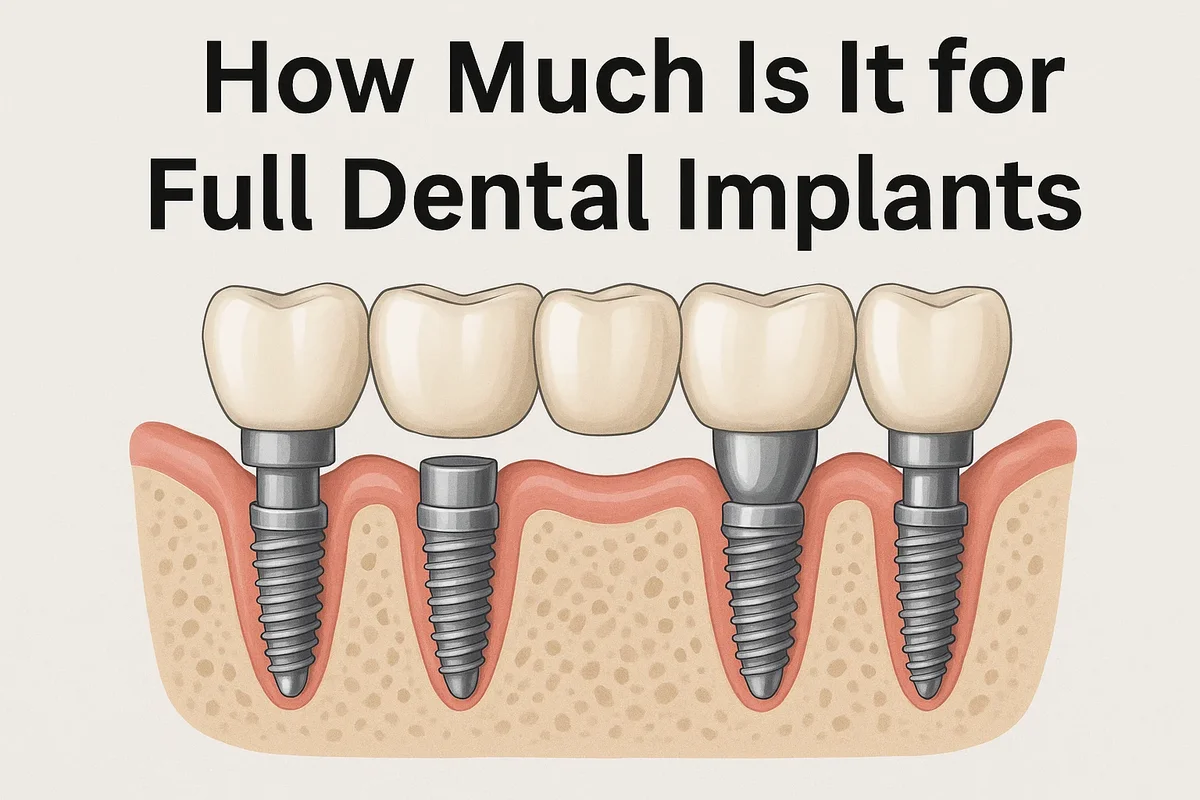
When patients search “how much is it for full dental implants,” they usually want to know two things: the average cost and what influences that price. Full dental implants replace all missing teeth in the upper jaw, lower jaw, or both. Instead of removable dentures, this solution provides a fixed, natural-looking, and long-lasting set of teeth supported by titanium or zirconia implants. Because the procedure offers significant improvements in chewing, aesthetics, and oral health, the investment often pays off for decades.
Several important elements shape the final answer to how much is it for full dental implants. One of the biggest factors is the type of implant system chosen. Popular options like All-on-4, All-on-6, and All-on-8 each require different numbers of implants, affecting both surgical time and material use. Additionally, the clinic’s technology—such as 3D imaging, guided surgery, and digital smile design—can influence cost, but these tools often improve long-term results. Choosing a reputable provider ensures that the investment contributes to stability, safety, and aesthetic excellence.
Patients also ask how much is it for full dental implants because pricing differs dramatically from country to country. For example, in many regions of Europe and the United States, the price is higher due to labor costs, implant brand variations, and dental industry regulations. In contrast, countries with strong medical-tourism infrastructure, like Turkey, often offer equally high-quality treatment at more accessible rates. Even with travel expenses, the savings can be substantial—making it one of the primary reasons international patients schedule consultations. 🌍
It is also important to understand that the answer to how much is it for full dental implants includes more than just the surgical phase. Preoperative evaluations, such as CT scans, bone analysis, and periodontal assessments, are essential for determining whether additional treatments are needed. Some patients require sinus lifts, bone grafting, or gum therapy before implant placement. These procedures increase the cost but ensure that the implants have the ideal foundation for long-term function and success.
If you are evaluating how much is it for full dental implants from a long-term financial perspective, you will discover that implants are often more cost-effective than dentures. Dentures require regular adjustments, adhesives, and replacements, and they may contribute to bone loss over time. Full dental implants, however, stimulate bone and support facial structure, often lasting 20 years or longer with proper care. When calculated across decades, the durability of implants often makes them a more economical choice—especially when considering improved confidence, lifestyle comfort, and health benefits.
To help you explore treatment options or request personalized pricing, you can easily reach out through the
Redent Klinik Contact Page. Our team provides detailed treatment plans that consider your anatomy, expectations, and budget.
Because cost questions are so common, reputable professional sources such as the
American Dental Association provide guidance on implant materials, safety, and clinical standards. While they do not set universal pricing, they reinforce the importance of choosing experienced dental professionals.
By the end of this guide, you will understand every factor that influences how much is it for full dental implants, including surgical complexity, prosthetic design, geographic pricing differences, and long-term value. This foundational knowledge prepares you to compare treatment centers effectively and choose the safest, most suitable path toward your new smile. 😁
What Determines How Much It Is for Full Dental Implants?
One of the biggest questions patients ask when researching smile restoration is:
how much is it for full dental implants? The truth is that a wide range of clinical, material, and logistical factors shape the final price. Because full-mouth implant treatments are highly personalized, no two patients receive the exact same plan. In this section, we will break down every core factor that influences cost, helping you understand why some treatments are more expensive, why others are more affordable, and how to evaluate pricing with confidence. 🦷💡
The Number of Implants Needed
One of the most important variables affecting how much is it for full dental implants is the number of implants placed. Some patients receive a classic All-on-4 system, which uses four implants per arch. Others may need All-on-6 or All-on-8 due to bone density or anatomical requirements. The more implants placed, the higher the surgical time, material usage, and laboratory work—each of which contributes to overall cost. Selecting the appropriate number of implants ensures proper stability, longevity, and function for your new smile.
Implant Material and Brand
Different implant brands offer unique engineering, durability, and clinical-tested success rates. Premium brands such as Nobel Biocare, Straumann, or Astra Tech often come at a higher cost but provide advanced surface technology and long-term performance. More affordable brands still offer excellent results but may vary in warranty or long-term research. Titanium remains the gold standard, but zirconia implants—chosen for aesthetics or metal-free preferences—can influence how much is it for full dental implants.
Jawbone Quality and Additional Procedures
Bone density plays a crucial role in implant success. Patients with insufficient bone may require bone grafting, sinus lifts, or ridge augmentation. These procedures ensure stability but add to the total price. When someone asks how much is it for full dental implants, they often overlook these additional steps. However, they are essential for creating a long-lasting foundation for implant-supported prosthetics.
Common Additional Procedures Affecting Cost
- Bone grafting to strengthen the jaw
- Sinus lift for upper jaw implant support
- Tooth extractions before implant placement
- Soft-tissue grafting for aesthetic improvement
These procedures ensure predictability and long-term stability. While they increase cost, they significantly improve implant survival rates and final aesthetic outcomes.
Prosthetic Type and Restoration Quality
The type of prosthetic teeth chosen affects how much is it for full dental implants. Options include acrylic dentures on implants, hybrid zirconia bridges, and monolithic zirconia full-arch restorations. Zirconia bridges are among the most durable and natural-looking, but they involve complex digital design, milling, and finishing, which increases cost. Meanwhile, acrylic options are more affordable but may require more maintenance over time.
Technology Used During Treatment
Modern dental clinics often use advanced technologies like CBCT scans, 3D digital planning, intraoral scanners, and computer-guided implant surgery. These technologies improve accuracy, reduce complications, and shorten healing time. While they add slightly to the cost, they dramatically enhance outcomes and help ensure your investment lasts for decades. Patients who ask how much is it for full dental implants should always consider technological quality when comparing clinics.
Complexity of the Surgical Procedure
While some implant cases are straightforward, others may require unique surgical planning. Severe bone resorption, anatomical variations, or correcting past dental work may require additional time and expertise. The more complex the case, the higher the final cost. Dental surgeons with extensive training typically charge more due to their skill level, but this often results in safer procedures and better long-term satisfaction.
Geographical Location and Clinic Expertise
Location is another major factor in determining how much is it for full dental implants. Clinics in countries with high labor and operational costs naturally charge more. Conversely, high-quality clinics in medical tourism hubs—such as Turkey—often offer world-class treatment at more affordable rates thanks to economic differences. Even when including travel, many international patients still save significantly.
Additionally, the reputation and expertise of the dental team influence cost. Highly specialized surgeons, digital laboratories, and comprehensive aftercare programs may present higher fees but provide superior stability, aesthetics, and patient satisfaction.
Pre- and Post-Operative Care Requirements
Diagnostic imaging, treatment planning, postoperative medications, temporary teeth, and follow-up appointments are all part of the total cost. Aftercare is essential for ensuring long-term success, preventing infection, and monitoring healing. When evaluating how much is it for full dental implants, consider whether the clinic includes these services or charges separately.
Total Treatment Timeline
Some patients receive same-day implants and temporary teeth, while others require staged treatment over several months. Longer treatment plans may involve more appointments, scans, and prosthetic adjustments, which naturally influence price.
Ultimately, understanding how much is it for full dental implants requires evaluating all these combined factors. By comparing treatment approaches, materials, technology, expertise, and additional procedures, patients gain a clearer picture of what their investment covers—and why full dental implants remain one of the most effective long-term solutions for complete smile restoration. 😄
Step-by-Step Breakdown of How Much It Is for Full Dental Implants
Understanding the detailed cost structure is essential for anyone researching
how much is it for full dental implants. Full-mouth implant treatment involves a sequence of medical, surgical, and prosthetic procedures, each contributing to the overall price. Because many patients feel overwhelmed by clinic quotes or international price differences, this step-by-step breakdown helps clarify exactly what you are paying for and why. By reviewing every stage carefully, you gain a complete picture of the investment and the value behind the treatment. 🦷📊
1. Initial Consultation and Diagnostic Evaluation
The process of determining how much is it for full dental implants begins with a comprehensive clinical evaluation. This phase typically includes:
- Full-mouth clinical examination
- Digital panoramic X-rays
- CBCT (Cone Beam CT) scan for 3D bone assessment
- Periodontal and soft tissue evaluation
- Functional bite analysis
These assessments allow the dentist to understand bone density, jaw anatomy, and the number of implants required. Since implant procedures must be personalized, accurate diagnostics are crucial for calculating how much is it for full dental implants. Advanced clinics often include digital smile design during this stage to visualize your future results.
2. Treatment Planning and Digital Implant Simulation
Once diagnostics are complete, the next step involves designing your treatment plan. This stage affects how much is it for full dental implants due to the technology used. Digital planning tools such as 3D modeling, guided surgery software, and virtual occlusion analysis significantly enhance precision.
What Happens During Digital Planning?
- The dentist maps implant positions using 3D imaging.
- Bite forces and jaw movement are analyzed.
- Prosthetic design (shape, shade, arch form) is previewed.
- Customized surgical guides may be produced.
Digital planning reduces complications and improves implant longevity, adding long-term value even if it influences how much is it for full dental implants. Patients benefit from shorter surgery times, safer results, and highly aesthetic final restorations.
3. Pre-Surgical Treatments (If Needed)
Before implants are placed, some patients require preparatory procedures. These steps can impact how much is it for full dental implants depending on complexity:
- Bone grafting for insufficient bone support
- Sinus lift for upper jaw implant placement
- Tooth extractions of remaining damaged teeth
- Gum disease therapy if infection is present
While these procedures add to the total cost, they ensure the implants have adequate support. Skipping necessary preparatory steps increases the risk of implant failure, making them essential for long-lasting results.
4. Implant Placement Surgery
The surgical phase forms one of the core components of how much is it for full dental implants. During this stage, 4–8 implants are placed per arch depending on your bone structure and treatment design (e.g., All-on-4, All-on-6, All-on-8). Surgical fees reflect:
- The surgeon’s expertise and experience
- The complexity of the case
- The type and brand of implants used
- Surgical guide usage for precision
Premium implants from internationally recognized brands may increase cost but offer superior integration, durability, and scientific backing. Choosing a skilled surgeon ensures safer outcomes and better long-term stability.
5. Temporary Prosthetic Placement (Same-Day Teeth)
Many patients receive temporary teeth on the same day as implant placement. These teeth are functional and aesthetic but not as strong as the final prosthetic. Producing temporary bridges increases how much is it for full dental implants by involving:
- Digital design and shaping
- Laboratory fabrication
- Adjustments for bite and comfort
This phase allows you to leave the clinic with a full smile immediately, improving confidence and everyday function during healing.
6. Healing and Osseointegration Period
Implants need time to fuse with the jawbone—a process known as osseointegration. Although no major procedures occur during this period, follow-up visits and adjustments are often included in the total cost. Understanding how much is it for full dental implants requires recognizing that aftercare is essential for ensuring a strong biological connection between bone and implant.
7. Final Prosthetic Fabrication
Once healing is complete, impressions or digital scans are taken to create the final prosthetic. This step greatly influences how much is it for full dental implants due to differences in prosthetic materials and craftsmanship.
Common Full-Arch Prosthetic Options
- Acrylic hybrid bridge (affordable, lightweight)
- Porcelain-fused-to-metal bridge
- Monolithic zirconia bridge (premium, highly durable)
Zirconia bridges offer exceptional aesthetics and long-lasting strength but require advanced digital design and multi-layer color machining, contributing to the final investment.
8. Final Placement and Bite Adjustment
During this step, the dentist attaches the final prosthetic to your implants, adjusts bite alignment, and ensures comfort. Precision is essential because properly balanced bite forces protect both implants and prosthetics. The quality of this final phase influences both comfort and long-term durability.
9. Long-Term Follow-Up Care
Post-treatment checkups, annual maintenance, and professional cleanings support implant longevity. Many clinics include these in the initial cost, while others charge separately. Since long-term success is critical, ongoing care must be considered when calculating how much is it for full dental implants.
Each of these steps plays a vital role in achieving a strong, natural, and functional smile. When patients understand every stage clearly, they gain a complete perspective on how much is it for full dental implants and why full-mouth restoration represents a life-changing, long-term investment. 😄
Comparing Full Dental Implant Prices Across Countries 🌍
When patients search for how much is it for full dental implants, one of the most surprising discoveries is how dramatically prices vary from country to country. These differences can be influenced by economic conditions, dental industry regulations, surgeon expertise, material costs, laboratory fees, and even currency exchange rates. Because full-mouth implant treatment requires advanced technology and prosthetic craftsmanship, understanding global price variations is essential for making a financially smart and medically safe decision.
In this detailed section, we will explore how different regions approach dental implant pricing, why certain countries offer more affordable options, and what patients should consider before choosing a destination for treatment. This comparative analysis provides clarity for anyone calculating how much is it for full dental implants at home versus abroad.
Price Ranges in the United States
The United States is known for offering high-quality dental care, but it is also one of the most expensive places to undergo full-mouth implant treatment. Patients researching how much is it for full dental implants in the U.S. will typically find higher prices due to labor costs, malpractice insurance, advanced facility expenses, and premium implant brands.
Average U.S. Cost Range
- All-on-4 full arch: $20,000–$35,000
- All-on-6 or All-on-8 full arch: $30,000–$50,000
- Both arches combined: $40,000–$90,000+
These prices often include diagnostic imaging, implant surgery, temporary prosthetics, and final teeth. However, additional procedures—like bone grafts or sinus lifts—may add thousands to the total. While U.S. cases deliver excellent clinical outcomes, the cost is a primary reason patients search internationally.
Dental Implant Pricing in the United Kingdom
Similar to the U.S., the U.K. maintains rigorous dental standards, advanced technology, and high clinical quality. However, understanding how much is it for full dental implants here reveals that treatment is still costly due to high operational expenses and strong regulatory requirements.
Average U.K. Cost Range
- Full arch implant system: £16,000–£28,000
- Both arches: £30,000–£55,000+
Although the National Health Service (NHS) covers some dental services, full-mouth implants are typically a private treatment. Because of this, many U.K. patients compare domestic options with international clinics offering the same quality at lower prices.
Full Dental Implant Costs in Canada & Australia
Canada and Australia share similar healthcare structures and pricing trends with the U.S. Treatments are usually performed by highly trained specialists, but cost barriers remain a major concern for patients evaluating how much is it for full dental implants.
Typical Price Ranges
- Canada: CAD $25,000–$45,000 per arch
- Australia: AUD $20,000–$40,000 per arch
While the quality is strong in both regions, wait times, insurance limitations, and cost lead many patients to explore international destinations.
Why Prices Are Lower in Countries Like Turkey
Turkey has become one of the world’s leading destinations for patients researching how much is it for full dental implants and seeking more affordable options without compromising quality. Turkish clinics often use the same implant brands, the same 3D technology, and the same surgical protocols as Western countries—but offer significantly lower prices.
Main Reasons for Affordability
- Lower cost of living and reduced operational expenses
- High competition among advanced dental centers
- Government support for medical tourism
- Access to top-grade implant materials at competitive prices
- Skilled implant dentists trained in Europe and the U.S.
As a result, understanding how much is it for full dental implants in Turkey becomes especially appealing for international patients. Even after including travel and accommodation expenses, the savings can be substantial.
Typical Price Range in Turkey
- All-on-4 full arch: $4,000–$7,000
- All-on-6 full arch: $5,000–$9,000
- All-on-8 full arch: $7,000–$12,000
These estimates often include scans, implant placement, temporary teeth, and final prosthetics. Many clinics also offer package deals that cover airport transfers and hotel stays, ensuring a smooth experience.
European Union Countries (Germany, Spain, Hungary)
EU countries vary significantly in pricing. Germany and Switzerland tend to be more expensive due to labor and regulatory standards. In contrast, Hungary and Spain are known for medical tourism and more affordable treatments.
General Price Comparison
- Germany: €18,000–€30,000 per arch
- Spain: €10,000–€18,000 per arch
- Hungary: €6,000–€12,000 per arch
Patients researching how much is it for full dental implants in the EU will find Hungary particularly attractive due to its long-standing reputation in dental tourism.
Key Considerations When Comparing Countries
When evaluating how much is it for full dental implants across multiple nations, it is essential to look beyond price alone. Factors such as clinic accreditation, surgeon experience, implant brand, technology used, and aftercare services must be carefully compared.
Questions to Ask Before Choosing a Country
- Is the dental clinic internationally accredited?
- Does the surgeon specialize in full-mouth implantology?
- What implant brands are used?
- Is guided surgery included?
- What does the package price cover or exclude?
- Are follow-up appointments available after you return home?
By examining each of these points, patients gain a complete and realistic understanding of how much is it for full dental implants worldwide and what value they receive for their investment. Choosing the right country involves balancing cost, safety, and long-term success — ensuring a life-changing smile transformation with trusted care. 😄🌍
Why Full Dental Implants Are a Long-Term Investment
When patients ask how much is it for full dental implants, they are usually considering the immediate price. However, the true value of full-mouth dental implants lies in their long-term durability, functionality, health benefits, and quality-of-life improvements. Unlike removable dentures that require constant maintenance, replacement, and lifestyle adjustments, full dental implants are designed to last decades — often a lifetime — when properly cared for. Understanding implants as a long-term investment helps patients view cost from a broader and more realistic perspective.
Full dental implants do more than simply replace missing teeth; they restore chewing ability, prevent bone loss, preserve facial aesthetics, and dramatically improve confidence. When evaluating how much is it for full dental implants, it is helpful to consider what you gain over many years, rather than focusing solely on initial costs. In this section, we explore why implants are considered one of the most valuable long-term health investments available in modern dentistry.
The Lifespan of Full Dental Implants
One of the strongest reasons implants are a long-term investment is their remarkable lifespan. Titanium implants can last 20–30 years or more, and many remain stable for life. Zirconia implants, while less common, offer similar longevity and exceptional biocompatibility. When patients ask how much is it for full dental implants, they should compare the long-term durability of implants with the ongoing expenses of dentures.
How Implants Achieve Long-Term Stability
- Titanium integrates directly with the jawbone through osseointegration.
- High-quality implant brands provide advanced surface technology for better bone fusion.
- Precision placement ensures balanced bite forces and reduced stress on implants.
- Zirconia restorations resist stains, fractures, and discoloration.
Because implants fuse with the bone, they mimic the function of natural tooth roots. This biological connection is what makes them significantly more stable and longer-lasting compared to traditional dentures or bridges, which may need multiple replacements over time.
Prevention of Bone Loss (A Major Financial Benefit)
Bone loss is a major concern for individuals who lose teeth. Without stimulation from tooth roots, the jawbone begins to shrink, altering facial shape and reducing oral stability. Dentures cannot prevent this process, leading to accelerated bone resorption. Implants, on the other hand, actively preserve bone by stimulating natural bone regeneration through chewing forces.
This preservation is an essential element when considering how much is it for full dental implants. By preventing bone shrinkage, implants reduce the need for expensive future treatments, such as bone grafts, additional surgeries, or complete prosthetic remakes.
Long-Term Oral Health Savings
Although the initial investment may seem high, implants greatly reduce long-term dental expenses. Dentures often require:
- Frequent adjustments and relines
- Adhesives and daily maintenance products
- Replacement every 3–7 years
When comparing these recurring costs with how much is it for full dental implants, implants often come out as the more cost-effective solution over time. They prevent gum irritation, improve oral hygiene, and minimize complications that lead to expensive dental treatments.
Improved Functionality and Daily Comfort
One of the overlooked aspects of evaluating how much is it for full dental implants is the improved ability to eat, speak, and live comfortably. Dentures can slip, create sore spots, limit food choices, and cause social discomfort. Implants restore up to 90% of natural chewing power and remain firmly in place.
Key Functional Advantages
- Eat all foods comfortably, including hard or chewy foods.
- Speak naturally without slurring or clicking sounds.
- No adhesive glue needed.
- Better digestion thanks to proper chewing efficiency.
This functional stability improves quality of life daily — something that cannot easily be assigned a monetary value.
Psychological and Social Benefits
A restored smile can significantly enhance emotional well-being. Many patients report improved confidence, better social interactions, and a willingness to smile freely again. When people ask how much is it for full dental implants, they often underestimate the emotional benefits of feeling youthful, confident, and comfortable in their appearance.
Long-Term Aesthetic Advantages
Full dental implants maintain their appearance extremely well over time. High-quality zirconia prosthetics are resistant to staining, cracking, and wear, making them ideal for patients seeking long-term beauty. Dentures, however, often stain, loosen, and lose their natural appearance within a few years.
Aesthetic Stability Over Time
- Zirconia maintains its natural white color for decades.
- Implant-supported teeth preserve facial structure and prevent sagging.
- Digital design ensures precise symmetry and proportion.
These long-term aesthetic benefits contribute significantly to the overall value of the treatment.
Reduced Need for Future Dental Procedures
Because implants stabilize the mouth and prevent bone and gum deterioration, patients often avoid many dental issues that arise later in life. This contributes to a lower lifetime dental cost, making how much is it for full dental implants a question that should be viewed not only in terms of expense but also in terms of future savings.
Why Full Implants Are a Better Investment Than Dentures
While dentures may seem less expensive initially, they become more costly and inconvenient over time. Many patients switch from dentures to implants later in life, ultimately paying more than if they had chosen implants first.
When you add up the lifespan, bone preservation, reduced dental treatments, improved function, and emotional benefits, the answer to how much is it for full dental implants becomes clear: implants are not just a treatment — they’re a long-term investment in health, confidence, and quality of life.
Hidden Factors That Influence How Much It Is for Full Dental Implants
When researching how much is it for full dental implants, most patients focus on the obvious factors: the number of implants, the surgical procedure, and the type of prosthetic used. However, there are many hidden variables behind the scenes that can significantly increase or decrease the total cost. These less visible components often explain why two clinics with similar implant systems can present very different quotes. Understanding these hidden influences helps you make a more informed decision, avoid unexpected expenses, and properly evaluate the true value of your implant treatment.
This section explores the subtle but important factors that patients often overlook when calculating how much is it for full dental implants. By becoming aware of these behind-the-scenes elements, you gain clarity on what you are truly paying for and why prices vary so widely across clinics and countries.
The Role of Surgical Skill and Experience
One of the most underestimated elements affecting how much is it for full dental implants is the surgeon’s level of expertise. Implant dentistry is a highly specialized field, and outcomes depend significantly on the dentist’s training and experience. Surgeons who perform hundreds of full-mouth procedures per year typically charge higher fees because of their advanced skills, lower complication rates, and elevated success rates.
How Experience Influences Cost
- Highly trained surgeons have greater precision during implant placement.
- They can handle complex cases requiring bone grafting or sinus lifts safely.
- They use advanced techniques like guided surgery, which improves accuracy.
- Experienced surgeons invest in ongoing education and advanced certifications.
These factors help ensure long-term implant stability and reduce the likelihood of costly revisions later. Patients researching how much is it for full dental implants should always check their surgeon’s qualifications and case portfolio.
Laboratory Quality and Craftsmanship
The dental laboratory plays a crucial role in determining the final appearance and durability of your new teeth. While many patients assume the prosthetic teeth are produced using standard methods, laboratories vary tremendously in skill, technology, and materials used. The more advanced the laboratory, the stronger its impact on how much is it for full dental implants.
Key Hidden Lab Expenses
- Digital design, CAD/CAM engineering, and 3D simulation
- Zirconia milling, multi-layer shading, and hand-polishing
- Aesthetic customizations such as translucency, shape adjustments, and facial scans
- Premium materials like monolithic zirconia or nano-ceramic composites
High-end labs produce prosthetics that look incredibly natural, resist fractures, and last for decades — but this quality increases cost. Understanding how lab craftsmanship affects how much is it for full dental implants helps patients appreciate the difference between low-cost and premium restorations.
Technology and Equipment Investments
Modern implant dentistry relies heavily on state-of-the-art technology. Clinics that invest in advanced digital tools often charge more, but they also provide better safety, precision, and long-term outcomes. When evaluating how much is it for full dental implants, consider whether the clinic uses:
- CBCT 3D imaging
- Intraoral scanners
- Surgical guide fabrication software
- Digital occlusion and bite analysis tools
- In-house CAD/CAM milling machines
These tools minimize complications, improve accuracy, and shorten treatment time. While they may increase the upfront cost, they provide tremendous value in the quality and reliability of the final result.
Maintenance Fees and Aftercare Inclusions
Another hidden factor influencing how much is it for full dental implants is the scope of follow-up care included in your treatment package. Some clinics offer full aftercare support for months or even years, while others charge separately for follow-up services.
Aftercare Items That Can Impact Cost
- Professional cleanings for implant-supported bridges
- Bite adjustments during healing
- Prosthetic revisions or tightening of screws
- Post-surgical medications
- Routine monitoring with X-rays or scans
High-quality aftercare reduces the risk of infection, implant movement, or prosthetic wear. Patients should ask whether aftercare is included when evaluating how much is it for full dental implants.
Geographical Clinic Costs Beyond the Procedure
Cost of living, rent, labor, and local economic conditions directly influence a clinic’s pricing. For example, a clinic in a major city with high operating expenses must charge more to maintain quality standards. This explains why patients researching how much is it for full dental implants often find substantial price differences between neighborhoods, cities, and countries.
Custom Smile Design and Aesthetic Requirements
Patients who want a highly customized smile may pay more for advanced aesthetic design. This includes shaping each tooth, adjusting gum contours, matching facial proportions, and selecting ideal color tones.
Aesthetic Factors Adding to Cost
- Facial scanning for proportional tooth alignment
- Digital smile preview models
- Enhanced translucency for natural appearance
- Personalized tooth contouring and texture design
These enhancements improve the authenticity and beauty of your smile, making implants appear indistinguishable from natural teeth. While they may increase the overall cost, they offer long-term satisfaction and confidence.
Warranty, Guarantee, and Brand Reputation
Clinics that use premium implant brands often provide extended warranties — sometimes up to a lifetime guarantee on implant fixtures. These warranties add value but may increase the initial cost. Patients assessing how much is it for full dental implants should ask about:
- Implant fixture warranty length
- Prosthetic warranty coverage
- What conditions void the warranty
Premium brands also offer stronger clinical research, better integration rates, and decades of real-world data supporting their success.
In summary, many of the most important contributors to how much is it for full dental implants remain hidden from the patient’s perspective. By understanding these behind-the-scenes factors — from surgeon expertise and advanced technology to lab craftsmanship and long-term aftercare — you can evaluate quotes more accurately and choose a treatment plan that aligns with both your expectations and your budget.
Are Full Dental Implants Worth the Cost? Expert Insights
Many patients searching for how much is it for full dental implants also ask a deeper, more meaningful question: Are they actually worth the price? Full dental implants may seem costly when compared to removable dentures or traditional bridges, but a closer look reveals that they provide extensive long-term value — medically, functionally, emotionally, and financially. Understanding this value helps patients make informed decisions and feel confident about their investment in oral health. In this section, we explore expert insights, clinical research, and real-world patient outcomes to determine why full dental implants consistently rank as one of the most worthwhile dental treatments available today.
The Medical Value: Restoring Oral Health and Preventing Future Complications
Experts agree that implants offer significant health benefits that justify their cost. The most important advantage is that implants replace the tooth root — not just the visible crown — which prevents bone loss. Dentures cannot stop bone shrinkage because they rest on the gums instead of stimulating the jaw. When evaluating how much is it for full dental implants, patients must consider the long-term oral health preservation provided by implants.
Key Medical Advantages
- Prevention of jawbone resorption
- Reduced risk of gum disease and oral infections
- Improved digestion due to better chewing efficiency
- Support for facial muscles and prevention of early aging
These medical benefits eliminate the need for future corrective procedures that often arise in denture wearers, such as bone grafts, denture adjustments, or severe gum irritation treatments. Avoiding these future costs is an essential part of understanding how much is it for full dental implants.
Functional Value: A Natural Bite and Superior Comfort
Functionally, full dental implants outperform dentures by a wide margin. Dentures may slip, feel bulky, or cause discomfort, especially when eating or speaking. In contrast, implants offer stability similar to natural teeth, allowing patients to enjoy all foods without fear of pain or embarrassment. This enhanced lifestyle quality plays a major role in determining whether full dental implants are worth the investment.
Functional Benefits That Add Long-Term Value
- Restored chewing capacity up to 90% of natural teeth
- No adhesives or nightly removal required
- Improved speech clarity without clicking sounds
- Secure, stable bite with no shifting
These advantages directly contribute to a higher quality of life — something patients consistently report as a major justification for the cost of implants. When deciding how much is it for full dental implants in terms of value, the ability to live confidently and comfortably is often priceless.
Emotional and Psychological Benefits
Dental implants do far more than restore oral function; they restore confidence. Many patients suffering from tooth loss feel embarrassed, avoid social interactions, or hide their smiles. Full dental implants allow them to regain their natural appearance and self-esteem. For this reason, psychologists and dental experts often highlight the emotional benefits as one of the strongest arguments in favor of implants.
Mental Well-Being Improvements Include:
- Increased willingness to smile, laugh, and socialize
- Enhanced self-confidence at work and in daily life
- Reduced anxiety related to denture movement or tooth appearance
- Improved romantic and interpersonal relationships
These deeply personal transformations are a vital part of answering the question how much is it for full dental implants from an emotional and psychological perspective.
Financial Value: Long-Term Savings Compared to Dentures
Although implants require a higher initial investment, they often save money in the long run. Dentures need to be replaced every few years, require adhesives, and often cause bone loss — eventually leading to the need for bone graft surgery. Each of these expenses adds up significantly over time.
Cost Comparison Over 20 Years
- Dentures: Multiple replacements + adjustments + adhesives + discomfort-related treatments
- Full dental implants: One-time surgical placement + long-lasting fixed prosthetics
When calculating how much is it for full dental implants compared to 20 years of denture costs, implants frequently become the more economical solution.
Expert Opinions From Dental Associations and Clinicians
The American Dental Association and other leading dental organizations emphasize that implant-supported restorations provide exceptional long-term value. Clinicians consistently report higher satisfaction rates with full dental implants than any other tooth replacement method.
Expert Observations
- Implants have one of the highest success rates in dentistry (95–98%).
- They preserve bone and provide lifelong structural support.
- Patients experience fewer long-term complications.
- Quality-of-life improvements make the investment highly worthwhile.
These expert insights strongly support the idea that implants provide greater value than dentures or bridges over time. This context is crucial when answering how much is it for full dental implants from a clinical standpoint.
Patient Testimonials and Real-Life Satisfaction
Patients who have undergone full-mouth implant treatment frequently describe it as life-changing. Many say they wish they had done it sooner. Their testimonials consistently highlight improved confidence, comfortable eating, natural aesthetics, and better overall health.
Ultimately, the question are full dental implants worth the cost? connects directly to the broader question how much is it for full dental implants and what value you receive in return. When considering decades of improved health, confidence, comfort, and financial savings, experts overwhelmingly agree: yes — full dental implants are absolutely worth the investment.
How to Reduce the Cost of Full Dental Implants Safely
Many patients researching how much is it for full dental implants want to find ways to make treatment more affordable without compromising safety or long-term success. While full-mouth implant restorations are a valuable investment, there are several strategic, responsible, and medically sound ways to reduce costs. This section explains expert-approved cost-saving methods that keep clinical quality intact while helping patients manage their budget effectively.
It is important to emphasize that lowering the cost of implants should never involve sacrificing surgeon expertise, implant material quality, sterilization standards, or laboratory craftsmanship. Instead, the goal is to apply safe and informed strategies that genuinely reduce expenses while maintaining health and durability. Let’s explore these methods in detail so you can better understand how much is it for full dental implants and how to make the treatment more financially achievable.
Choose Countries With Lower Treatment Costs
One of the most effective ways to reduce how much is it for full dental implants is to consider receiving treatment in countries with significantly lower healthcare expenses. Countries such as Turkey, Hungary, Mexico, and Thailand have become global leaders in dental tourism due to their lower operating costs and high-quality standards.
Why International Treatment Can Be More Affordable
- Lower cost of living reduces clinic expenses.
- Implant brands and dental materials are often more competitively priced.
- Medical tourism programs offer bundled packages with accommodations and transfers.
- Clinics invest in technology that lowers overall treatment time and cost.
Even when factoring in travel costs, many patients still save up to 50–70% compared to prices in the U.S., U.K., or Australia. This alone can dramatically change how much is it for full dental implants for patients seeking more affordable options.
Consider an All-on-4 Implant System Instead of All-on-6 or All-on-8
The number of implants used per arch has a direct impact on the overall cost. An All-on-4 system uses four strategically placed implants, reducing surgical time, material costs, and healing complexity. While some patients may require additional implants due to bone density or structural needs, many are excellent candidates for All-on-4.
Benefits of Choosing All-on-4
- Lower cost due to fewer implants
- Less invasive procedure
- Often eliminates the need for bone grafting
- Faster recovery and immediate teeth options
This can significantly lower how much is it for full dental implants while still offering excellent long-term functionality.
Select High-Quality but More Affordable Implant Brands
Premium brands like Straumann or Nobel Biocare are among the most researched and trusted implant systems worldwide. However, several mid-tier brands provide excellent quality, long-term reliability, and FDA-approved components at a lower cost.
Cost-Efficient Yet Reliable Implant Brands Include:
- Osstem
- Dentium
- MegaGen
- MIS Implants
By choosing these high-value alternatives, patients can reduce how much is it for full dental implants without compromising safety or durability.
Look for Clinics With In-House Dental Laboratories
Dental prosthetics — especially full-arch zirconia bridges — require extensive digital design, milling, and hand finishing. Clinics that outsource these services to external labs often charge more due to shipping, additional design fees, and lab scheduling delays.
Advantages of In-House Laboratories
- Faster prosthetic turnaround time
- Lower production costs passed to the patient
- Better customization and communication between surgeon and lab technicians
- Greater control over aesthetic outcomes
Choosing a clinic with an integrated lab setup can substantially lower how much is it for full dental implants.
Take Advantage of Seasonal Discounts or Package Deals
Some clinics offer promotions during specific times of the year or provide package deals for patients traveling for treatment. These deals often include:
- Airport transfers
- Hotel accommodations
- Diagnostic imaging
- Temporary prosthetic teeth
- Follow-up care appointments
Bundled services like these can reduce overall treatment expenses considerably, making how much is it for full dental implants more manageable.
Use Financing or Monthly Payment Plans
Many clinics now offer financing programs that allow patients to pay in monthly installments rather than a single upfront cost. This does not reduce the total amount owed, but it makes the treatment more accessible by spreading the payments over time.
Common Financing Benefits
- Low-interest payment plans
- 0% interest options for short terms
- Flexible repayment schedules
- Credit-based financing for large treatments
Financing helps patients afford full dental implants immediately and reduces the financial burden of paying the total cost at once.
Ask Whether Bone Grafting Can Be Avoided
Bone grafting is sometimes necessary, but advanced implant techniques like angled placement in All-on-4 often eliminate the need for grafts entirely. Avoiding bone grafting can lower how much is it for full dental implants by reducing surgical complexity and material fees.
How Clinics Determine If You Can Avoid a Graft
- 3D CBCT imaging to assess bone structure
- Evaluation of implant angulation possibilities
- Assessment of sinus position and jaw width
If grafting can safely be avoided, the savings can be substantial.
Conclusion: Safe Ways to Reduce Implant Costs
Patients researching how much is it for full dental implants should know that reducing cost is possible without lowering quality — as long as they follow medically responsible strategies. Choosing reputable clinics abroad, selecting efficient implant systems, using high-value implant brands, and opting for clinics with in-house labs are some of the most effective ways to bring down costs safely.
By applying these strategies, patients can enjoy the long-term benefits of full dental implants while keeping the treatment budget-friendly and clinically reliable.
Patient Experiences: Understanding How Much It Is for Full Dental Implants
While clinical explanations and cost charts are essential, nothing clarifies how much is it for full dental implants better than real patient experiences. People who have undergone full-mouth implant treatment offer valuable insight into the financial, emotional, and practical aspects of the journey. Their testimonials reveal how the investment affects everyday life, how expectations compare to actual outcomes, and why many ultimately consider the treatment one of the best decisions they have ever made.
In this section, we explore the real-world perspectives of patients from different countries, backgrounds, and dental histories. These stories shed light on comfort, healing time, confidence restoration, and how individuals evaluate the cost after experiencing the transformative results. Learning from their experiences will help you better understand how much is it for full dental implants from a patient-centered point of view, offering both motivation and clarity as you make your own treatment decision.
Before Treatment: What Patients Say About Their Concerns
Before starting implant treatment, many patients feel uncertain or overwhelmed. Their main concerns often revolve around cost, pain levels, healing time, and whether implants will truly solve their long-term dental problems. These early-stage reflections provide valuable insight into the mental barriers that many face when they first ask: how much is it for full dental implants?
Common Patient Concerns
- Fear of high costs and hidden fees
- Worries about surgical risks or complications
- Uncertainty about choosing the right clinic or country
- Confusion about the difference between All-on-4 and traditional dentures
- Concerns about how natural the final results will look
Many patients later report that these fears were eased significantly once they understood the treatment process and its long-term benefits.
During the Process: Real Experiences With Surgery and Healing
Understanding how much is it for full dental implants also involves examining the physical and emotional experience of treatment. Most patients report that the surgery is far easier than they expected, especially with guided surgical systems and modern anesthesia techniques.
Patient Observations During Treatment
- Minimal discomfort due to precise, guided implant placement
- Smooth experience with sedation or anesthesia
- Receiving temporary teeth on the same day boosts confidence immediately
- Healing time varies, but most feel comfortable within a few days
- Long-term soreness is rare when aftercare instructions are followed
Patients frequently emphasize that the emotional impact of seeing a complete smile again — even temporarily — makes the process deeply rewarding. This emotional shift often changes how they evaluate how much is it for full dental implants because they begin to see the value immediately.
After Treatment: How Patients Evaluate the Cost
The most important part of understanding how much is it for full dental implants comes after the treatment is complete. This is when patients reflect on their spending and compare their expectations with real outcomes. Nearly all report significant improvements in function, confidence, and overall quality of life.
Common Reflections After Treatment
- Chewing is easier than it has been in years — sometimes decades
- They no longer avoid social interactions or hide their smile
- The stability of implant-supported teeth feels completely natural
- They regret not getting implants sooner
- The initial cost becomes insignificant compared to the life-changing benefits
Many patients say that they no longer think about how much is it for full dental implants because the results far exceed the financial investment. For them, implants represent not just a dental treatment but a major improvement in everyday life.
International Patient Perspectives
Patients who travel abroad for dental implants often have unique insights. Many choose destinations like Turkey, Mexico, or Hungary because the cost difference is significant compared to their home country.
Why International Patients Find the Investment Worthwhile
- Higher quality treatment than expected at lower cost
- Advanced technology and experienced surgeons
- Comprehensive treatment packages with accommodation and transport
- Clear and transparent pricing with no hidden fees
- Exceptional hospitality and care from clinic staff
Traveling for dental treatment gives patients a new outlook on how much is it for full dental implants because they discover they can receive world-class care at a fraction of the price.
Emotional Transformations After Full Dental Implants
The emotional aspect of full-mouth implant treatment cannot be overstated. Patients frequently describe the transformation as life-changing. They smile more, feel more confident, and enjoy social interactions freely.
Emotional Benefits Often Mentioned
- Improved self-esteem and confidence
- Stronger personal and professional relationships
- Relief from years of dental pain or insecurity
- Freedom to eat in public without embarrassment
- A renewed sense of youth and vitality
These emotional benefits significantly shape how patients perceive how much is it for full dental implants. For many, the psychological impact is priceless.
Common Lessons Shared by Implant Patients
Patients who have completed their journey often offer advice to others considering treatment. Their lessons are both practical and motivational.
Top Insights From Former Patients
- Choose an experienced clinic — this affects everything
- Do not focus only on price; focus on long-term value
- Ask for before-and-after photos of real patients
- Follow all aftercare instructions to avoid complications
- Be patient with the healing process — the final results are worth it
These insights help future patients understand how much is it for full dental implants from a real-life, human perspective. They reveal that the decision is not only financial but deeply personal — affecting confidence, comfort, and long-term well-being.
By learning from these experiences, you can better evaluate your own expectations, weigh the benefits, and confidently decide whether full dental implants are the right investment for your smile and your future.
Final Thoughts: Making an Informed Decision About Full Dental Implant Costs
As patients navigate the complex world of dental treatment options, one of the most frequently searched questions remains: how much is it for full dental implants? With so many variables involved — from surgeon expertise and prosthetic materials to geographical pricing differences and aftercare needs — understanding the true cost can feel overwhelming. However, making an informed decision becomes far easier when you examine every component carefully, evaluate long-term value, and understand why implants are considered one of the most transformative dental treatments available today.
In this concluding section, we bring together all essential insights so you can confidently evaluate whether full-mouth implants are the right investment for you. By reviewing the factors that influence cost, exploring international comparisons, learning from patient experiences, and understanding the long-term advantages, you will gain complete clarity on how much is it for full dental implants and how to approach your decision with confidence.
The Importance of Understanding Every Cost Component
The final cost of full dental implants is not determined by a single factor but by a combination of clinical, technical, and logistical elements. When assessing how much is it for full dental implants, you must consider:
- Diagnostic imaging (CBCT scans, X-rays, digital impressions)
- Surgical planning and digital design
- The number and type of implants used
- Material quality of the prosthetic bridge
- Skill and experience of the surgeon
- Laboratory fees and craftsmanship
- Follow-up care and long-term maintenance
- Geographical location and clinic reputation
Having a full understanding of these components allows you to interpret pricing more accurately and avoid being misled by overly simplistic quotes that leave out essential details.
Choosing the Right Clinic: A Critical Step
Finding the right clinic and dental team is one of the most important steps in determining whether your investment is worthwhile. Clinics with a strong reputation, modern technology, and experienced implant surgeons may have higher fees, but they typically offer better long-term outcomes. Patients who ask how much is it for full dental implants should also ask:
- Does the clinic have an in-house lab?
- What implant brands are used?
- Is guided surgery included?
- Are before-and-after cases available?
- Does the clinic provide follow-up care after treatment?
These questions ensure that you are comparing clinics fairly and choosing a provider capable of delivering stable, natural-looking, and long-lasting results.
Long-Term Value: Looking Beyond the Upfront Cost
While the initial investment may seem significant, the long-term advantages of full implants far outweigh the cost for most patients. From improved chewing ability and better health to restored confidence and enhanced quality of life, the benefits are profound. When evaluating how much is it for full dental implants, it is crucial to think not only about the upfront payment but also the decades of comfort and function that follow.
Long-Term Advantages Include:
- Prevention of bone loss and facial aging
- No slipping or discomfort like dentures
- Improved speech clarity
- Stable bite that allows you to enjoy any food
- A smile that looks natural and youthful
These lasting benefits make implants one of the most cost-effective dental treatments available when viewed from a lifetime perspective.
Cost Comparisons: Domestic vs. International Options
Many patients compare prices between their home country and international destinations to determine how much is it for full dental implants in a global context. Countries such as Turkey, Hungary, Mexico, and Thailand often provide world-class treatment at a fraction of the cost found in the U.S., U.K., or Australia.
This does not mean that cheaper options are lower quality — many international clinics use the same implant brands, the same digital technology, and highly experienced surgeons. Evaluating international clinics can significantly expand your treatment options and make full implants far more affordable.
The Role of Patient Expectations
Clear expectations are essential when deciding whether full dental implants are right for you. Patients should understand the treatment timeline, healing process, and potential need for additional procedures such as bone grafting. When reviewing how much is it for full dental implants, make sure to also consider:
- Your desired aesthetic outcome
- Your comfort level with surgery
- Your commitment to long-term oral hygiene
- Your budget and financing options
When expectations are realistic and well-aligned with the treatment plan, satisfaction rates are extremely high.
Expert and Patient Consensus: Implants Are a Life-Changing Investment
Experts worldwide — including organizations such as the
American Dental Association —
consistently support implant dentistry as a safe, durable, and highly successful treatment option. Patient testimonials further reinforce the idea that the transformation implants provide is far greater than the financial investment.
Whether improving your confidence, restoring your ability to eat comfortably, or eliminating long-term dental problems, implants offer unmatched value.
Final Guidance for Making Your Decision
To confidently determine how much is it for full dental implants and whether it aligns with your goals, consider the following steps:
- Research multiple clinics and compare detailed treatment plans.
- Request a breakdown of all included services and materials.
- Look at real patient results, not just stock photos.
- Consider international options to reduce cost without reducing quality.
- Evaluate financing options to make the investment more manageable.
- Think long-term — not just about today, but about the next 20–30 years.
When you step back and look at the complete picture, full dental implants offer exceptional value, long-lasting health benefits, and life-changing improvements. With proper planning, choosing the right clinic, and understanding all the elements that affect how much is it for full dental implants, you can confidently move forward toward a healthier, more confident smile that lasts for decades.