
If you’re researching how much is whole mouth dental implants, you’re likely looking for a clear, trustworthy, and complete explanation of what full mouth restoration costs, why the prices vary, and what a patient should realistically expect. This guide gives you a fully detailed, user-friendly breakdown that helps you understand not only the financial aspect but also the clinical steps, the materials used, and the factors that influence the final cost 🦷✨.
The price of full mouth dental implants depends on a combination of medical, cosmetic, and technological components. Understanding these elements helps you evaluate the total investment accurately. Many patients ask about “full mouth implant cost,” which is a semantic variation of how much is whole mouth dental implants. While the keyword sounds straightforward, the answer requires exploring surgery complexity, materials, imaging techniques, dental expertise, bone grafting requirements, and the prosthetic design. Each of these steps can affect the final price significantly.
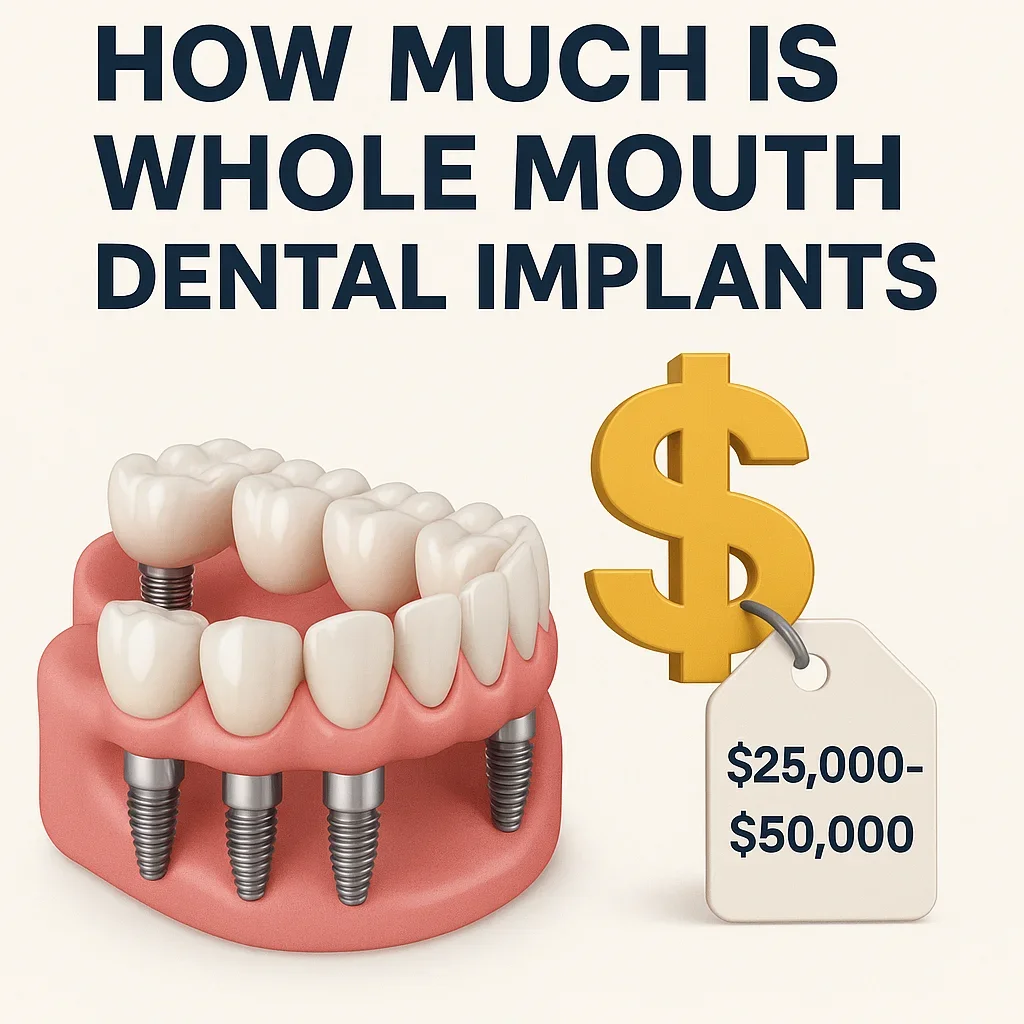
Full mouth dental implants are typically performed using systems like All-on-4, All-on-6, or implant-supported bridges. These methods use different numbers of implants per jaw and different prosthetic materials (zirconia, titanium, hybrid resin). Because of this, the question of how much is whole mouth dental implants cannot be answered with a single number—it’s a range influenced by individualized medical evaluation. On average, online research shows the typical costs below:
Approximate Full Mouth Dental Implant Cost Range (Global Averages)
- United States: $25,000–$60,000 per jaw
- United Kingdom: £15,000–£35,000 per jaw
- Turkey (medical tourism hub): $8,000–$15,000 per jaw
These ranges help patients gain a realistic understanding of how much is whole mouth dental implants in different regions. However, exact pricing depends on diagnostic results and the treatment plan customized for your oral health needs. If you want personalized guidance or detailed pricing, you may reach out to our team through this link:
Redent Klinik Contact Page.
One major factor influencing the final cost is the type of prosthetic material. For example:
- Zirconia full-arch prosthesis – premium durability, high aesthetics, high cost.
- Titanium hybrid prosthesis – strong, lightweight, middle-range cost.
- Acrylic or nano-ceramic prosthesis – affordable but less durable in long-term use.
Another important price-related detail is whether the patient requires additional surgical procedures. Bone grafting, sinus lifting, or gum treatment may be needed before implant placement. These add-ons directly affect how much is whole mouth dental implants for each patient. Advanced imaging technologies like CBCT scans also play a role in determining the final cost because they allow for precision planning and safe surgical navigation.
Patients often wonder whether full mouth implants are worth the financial investment. Clinically, they provide substantial benefits such as preventing bone loss, restoring chewing function, and creating a long-lasting, natural-looking smile. From an oral health perspective, the long-term value often justifies the cost because implants can last decades with proper maintenance. Additionally, full mouth implants dramatically increase quality of life—patients regain confidence, speech clarity, and comfort in eating. These life-changing effects explain why so many people worldwide research how much is whole mouth dental implants before proceeding with treatment.
When evaluating pricing, it is crucial to rely on verified medical associations for accurate information regarding implant safety standards, material compatibility, and clinical guidelines. For authoritative guidance, you may review the American Dental Association’s resources here:
American Dental Association.
In summary, understanding how much is whole mouth dental implants requires exploring multiple variables: dental evaluation, number of implants, prosthetic material, surgeon expertise, region, clinic technology, and aftercare. This section provides a thorough foundation so you can accurately evaluate treatment options and make an informed decision. The next sections will go even deeper into the cost breakdown, implant systems, hidden expenses, and expert-level recommendations to optimize both treatment outcomes and budget considerations.
Full Mouth Dental Implant Cost Breakdown: What Influences the Total Price?
Understanding a complete cost breakdown is essential for anyone searching for how much is whole mouth dental implants. Patients often expect a single number, but full mouth restoration involves multiple clinical steps, materials, and technologies—each of which affects final pricing. This section provides an in-depth, user-focused explanation so you can clearly see where every portion of the investment goes. By the end, you will fully understand why full mouth implant treatments vary widely and how different choices influence the overall outcome and long-term value 🦷💡.
Major Elements That Determine the Cost of Whole Mouth Implants
When evaluating how much is whole mouth dental implants, you must consider several essential elements: diagnostic imaging, surgical expertise, implant brand, number of implants, prosthetic materials, and additional procedures such as grafting. These components are not optional—they directly affect durability, aesthetics, and treatment success. Below is a detailed explanation of each factor, including real-world examples and insights.
1. Diagnostic Planning and Digital Imaging
Before any clinician can determine how much is whole mouth dental implants, they must conduct a complete digital evaluation. This includes panoramic X-rays, CBCT 3D scans, and intraoral measurements. These diagnostic tools help dentists assess jawbone density, nerve pathways, sinus positioning, and gum health.
Advanced clinics use AI-assisted imaging and digital smile design to improve precision and reduce complications. The cost of this phase typically ranges from $200 to $600 depending on country and dental technology standards.
Proper diagnostics also reduce the risk of implant failure, which directly increases the long-term value of the treatment.
2. Number of Implants Required Per Jaw
One of the most influential factors in calculating how much is whole mouth dental implants is the number of implants used.
Common systems include:
- All-on-4 – 4 implants per jaw (economical and widely used).
- All-on-6 – 6 implants per jaw (greater stability for patients with higher bite force).
- All-on-8 or implant-supported bridges – premium option for enhanced biomechanics.
More implants means more surgical time, more materials, and higher laboratory costs.
However, additional implants also improve support, reduce pressure, and increase long-term stability—important for patients with strong chewing patterns or lower bone density.
Implant Brand and Biological Compatibility
Many patients don’t realize that the brand itself influences how much is whole mouth dental implants. Top-tier worldwide brands such as Straumann, Nobel Biocare, and Neodent cost more because they invest heavily in research, surface treatment technology, and long-term clinical studies.
Cheaper brands exist, but they may lack long-term data, and replacement parts may not be globally available.
Reliable brands ensure high osseointegration rates, lower infection risk, and long-lasting prosthetic compatibility.
Premium vs. Mid-Range Implant Systems
Premium implants offer advanced surface technology, antibacterial coatings, and enhanced bone integration. This increases the success rate and reduces healing time.
Mid-range brands are reliable for most cases but may require longer healing periods.
Choosing a brand with strong clinical backing is critical for a predictable long-term outcome.
Prosthetic Material and Manufacturing Method
One of the biggest contributors to how much is whole mouth dental implants is the prosthetic arch material. Different materials provide varying levels of durability, aesthetics, and comfort. Patients can choose from:
- Zirconia – highest strength, premium shine, extremely durable.
- Porcelain-fused-to-metal – strong, aesthetic, mid-range cost.
- Titanium hybrid – lightweight and compatible.
- Acrylic or nano-ceramic – affordable, comfortable, but less long-lasting.
Zirconia is the most expensive because it is milled using CAD/CAM digital systems, offering superior precision and lifelike translucency.
Acrylic is cheaper but prone to wear over time. Choosing the right material impacts comfort, bite function, and overall satisfaction.
Additional Procedures: Bone Grafting, Sinus Lift, and Gum Therapy
If the jawbone is insufficient to support implants, grafting or sinus lift procedures may be required. These additional treatments directly increase how much is whole mouth dental implants.
Costs vary depending on the complexity:
- Bone grafting: $300–$1500 per area
- Sinus lift: $1500–$3000 per sinus
- Gum therapy: $100–$500 per quadrant
These procedures ensure long-term implant success and prevent complications such as implant mobility or gum recession.
Country and Clinic Location: Major Cost Differences
The geographic region significantly impacts how much is whole mouth dental implants.
Here is a globally recognized average cost comparison:
U.S. Full Mouth Implant Cost: $25,000–$60,000 per jaw
UK Full Mouth Implant Cost: £15,000–£35,000 per jaw
Turkey Full Mouth Implant Cost: $8,000–$15,000 per jaw
Countries with lower operational costs, such as Turkey, offer highly competitive prices while maintaining strict medical standards. Many clinics operate according to international guidelines certified by organizations such as the
American Dental Association.
Clinic Expertise, Technology, and Aftercare Services
Clinics that use advanced technology—laser dentistry, guided implant surgery, AI-assisted planning—generally provide better precision and shorter healing times.
These factors influence how much is whole mouth dental implants but also improve the overall quality of life after treatment.
Experienced surgeons with 15+ years of implant dentistry experience typically charge higher fees due to their advanced skill level, lower complication rates, and mastery of full arch rehabilitation.
If you would like to inquire about personalized evaluation and treatment budgeting, you may contact the clinical team here:
Redent Klinik Contact Page.
Ultimately, understanding how much is whole mouth dental implants means breaking the cost into clear components so patients can evaluate treatment quality, long-term value, safety, and durability. Each factor plays a critical role in ensuring the results are functional, natural-looking, and long-lasting—creating a strong foundation for a healthier, more confident life.
Step-by-Step Process: How Dentists Calculate Whole Mouth Implant Costs
Understanding how dentists determine how much is whole mouth dental implants requires a detailed, structured breakdown of every clinical step involved in creating a full mouth restoration plan. This process is far more complex than simply choosing an implant system. Dentists must evaluate anatomical structures, bone density, prosthetic needs, medical history, and technology requirements. In this section, you will learn exactly how dental professionals calculate the total cost—step by step—so you can confidently understand what goes into the treatment pricing and why the investment varies from patient to patient 🦷📊.
Step 1: Comprehensive Oral Examination and Digital Diagnostics
The first step in calculating how much is whole mouth dental implants is conducting an in-depth oral examination. Dentists evaluate gum health, tooth loss patterns, bone structure, bite alignment, and any potential infection.
This clinical exam is followed by diagnostic imaging such as:
- CBCT 3D scans – evaluates bone thickness, density, sinus proximity, and nerve pathways.
- Panoramic X-rays – provides a full view of the dental arch and bone shape.
- Intraoral 3D scans – captures soft tissue details for prosthetic planning.
These tools are essential for determining how much is whole mouth dental implants, because they reveal whether the jawbone can support implants without additional surgical intervention. Clinics with advanced AI-driven imaging software generally provide more accurate and minimally invasive treatment planning.
Why Diagnostics Affect Pricing
High-resolution CBCT scans require advanced equipment and add to the initial cost, but they significantly reduce surgical risks and improve long-term implant stability. The diagnostic stage sets the foundation for a predictable treatment outcome, making it a critical component of total pricing.
Step 2: Evaluating Bone Density, Sinus Position, and Jaw Anatomy
After imaging is complete, the dentist examines bone density and quality.
Bone measurements determine:
- Number of implants required
- Whether bone grafting is needed
- The type of implant system appropriate for the patient
- Final prosthetic strength and stability
Patients with insufficient bone may require bone grafting or sinus lifting. These procedures significantly influence how much is whole mouth dental implants, because they add surgical time, materials, and healing phases.
The Role of Sinus Anatomy in Pricing
Upper-jaw implants often require additional preparation because the sinus cavity may sit close to the implant area.
If a sinus lift is needed, this increases both treatment time and overall cost.
This is why two patients asking “how much is whole mouth dental implants?” may receive different quotes even at the same clinic.
Step 3: Determining the Implant Technique (All-on-4, All-on-6, or Full Bridge)
The next major pricing component involves choosing the appropriate implant technique. Each method uses a different number of implants and prosthetic materials, which directly affects how much is whole mouth dental implants.
- All-on-4 – uses four strategically angled implants; usually the most affordable.
- All-on-6 – offers stronger support, suitable for moderate bone density.
- All-on-8 or full-arch bridges – provides maximum stability and is the premium option.
Dentists select the technique based on bone structure, bite strength, and long-term durability goals.
This step is critical because it determines the number of implants, the surgical method, and the type of prosthesis used—all major pricing variables.
Biomechanics and Implant Distribution
The distribution of implants must match the patient’s chewing forces and anatomical structure. More implants increase stability, reduce strain, and improve longevity, but they also raise the total treatment cost.
A well-planned biomechanical design ensures the patient receives optimal comfort and function for decades.
Step 4: Selecting the Prosthetic Material and Design
A significant portion of how much is whole mouth dental implants comes from the prosthetic arch material. Prosthetic options vary widely in price based on durability, aesthetics, weight, and manufacturing technique.
- Zirconia – high-end, extremely durable, and closest to natural teeth in appearance.
- Porcelain-fused-to-metal – strong and aesthetic, moderate price.
- Titanium hybrid – lightweight and durable.
- Acrylic or nano-ceramic – budget-friendly but less durable long-term.
Advanced clinics use CAD/CAM milling technology to create precision-fit arches, adding to material and lab costs but significantly improving comfort and longevity.
Customization and Aesthetic Factors
Patients seeking highly natural aesthetics—custom gum shading, translucency layering, and tooth shape design—should expect higher prosthetic costs.
Personalization affects the final price but dramatically enhances satisfaction and smile appearance.
Step 5: Calculating Surgical Complexity and Chair Time
The final cost also depends on surgical difficulty, time required, and the experience level of the implantologist. Surgeons with extensive expertise generally charge more because they offer higher success rates and advanced solutions for complex cases.
This expertise is reflected in how much is whole mouth dental implants, but it ensures long-term oral stability, reduced complications, and better functional results.
Step 6: Aftercare, Medications, and Follow-Up Visits
Professional aftercare, postoperative evaluations, and maintenance appointments are essential for implant longevity. These services are often included in the total price and influence how much is whole mouth dental implants because they ensure healing and long-term implant health.
For treatment guidance, consultation, or clinic communication, you can reach the team here:
Redent Klinik Contact Page.
Dentists calculate how much is whole mouth dental implants by analyzing each patient’s anatomy, health needs, prosthetic preferences, and clinical complexity. This structured multi-step approach guarantees accurate planning, predictable results, and a durable full-mouth restoration that enhances both function and aesthetics for decades.
For trusted information on dental standards and clinical safety guidelines, you may also refer to the
American Dental Association.
Material Types and Their Impact on Full Mouth Implant Pricing
Understanding the different material options used in full mouth restorations is crucial for anyone researching how much is whole mouth dental implants. Materials play one of the biggest roles in determining the final cost, long-term durability, chewing comfort, aesthetics, and overall satisfaction. Since full mouth implants replace every tooth in the upper and/or lower jaw, the material chosen for the prosthetic arch and the implants themselves directly shapes both the short-term investment and the long-term experience of the patient.
This section breaks down each type of material in detail, explains how they influence cost, and clarifies why two clinics offering “full mouth implants” may have vastly different pricing structures 🦷✨.
Primary Material Categories Used in Full Mouth Implants
When dentists determine how much is whole mouth dental implants, they carefully examine two primary material categories:
- Implant fixture materials – titanium or zirconia implant roots placed into the jawbone.
- Prosthetic arch materials – the full set of replacement teeth attached to the implants.
Both categories involve multiple options, each with its own strengths, durability levels, aesthetic quality, and cost implications. Choosing the right combination is essential for achieving a long-lasting and natural-looking result.
Implant Fixture Materials: Titanium vs. Zirconia
The implant fixture—also called the implant post or screw—is the foundation of the entire system. It is surgically embedded into the jawbone and must integrate biologically with the bone through a process called osseointegration. The material selected greatly affects healing time, success rate, and final treatment cost.
Titanium Implants
Titanium is considered the gold standard in implant dentistry. It has been used for more than 50 years and boasts a success rate above 95%. Dentists often choose titanium when calculating how much is whole mouth dental implants because it offers:
- Excellent biocompatibility – the bone accepts and integrates with titanium extremely well.
- High flexibility – titanium can withstand bite pressure without cracking.
- Lower material cost – making it a more affordable option than zirconia.
Titanium implants also allow the use of multi-piece systems, meaning if one part requires replacement, the entire implant does not have to be removed. This also contributes to long-term cost efficiency.
Zirconia Implants
Zirconia implants are a metal-free alternative popular among patients seeking a fully ceramic solution for aesthetic or medical reasons (such as metal sensitivity). Zirconia often raises the overall calculation of how much is whole mouth dental implants because:
- It is more expensive to manufacture.
- It often comes as a one-piece design requiring high surgical precision.
- It has slightly lower long-term flexibility under bite pressure.
However, zirconia offers unmatched gum aesthetics since its white color prevents any potential grayish shadows common with titanium in thin gum tissue cases.
Prosthetic Arch Materials and Their Influence on Cost
Prosthetic materials make up a significant portion of the total cost of how much is whole mouth dental implants. The full arch prosthesis—also known as the dental bridge or hybrid denture—must be strong enough to support daily chewing, aesthetically natural, and long-lasting.
Below is a detailed look at the most commonly used prosthetic materials.
1. Zirconia Full-Arch Prosthesis
Zirconia is the premium material used in high-end full mouth restorations. It is known for:
- Exceptional durability – one of the strongest materials available.
- Naturally translucent aesthetics – looks more like real enamel.
- Resistance to staining and wear.
Because zirconia requires CAD/CAM digital milling using advanced technology, it has a higher production cost. As a result, it significantly increases the total calculation of how much is whole mouth dental implants. However, the investment pays off long-term due to its premium strength and aesthetic quality.
2. Porcelain-Fused-to-Metal (PFM)
PFM combines a strong metal substructure with porcelain layered on top for aesthetic appearance. This material offers:
- High durability
- Good bite strength
- Mid-range pricing
While porcelain can chip over time, PFM remains a popular choice for patients seeking strong materials without the higher cost of zirconia.
3. Titanium Hybrid Prosthesis
Titanium hybrids consist of a titanium metal base combined with acrylic or ceramic teeth.
These prostheses balance affordability with durability and are ideal for patients wanting strong full-arch solutions without the premium zirconia price tag.
Titanium hybrid systems moderately influence how much is whole mouth dental implants and often provide excellent long-term value.
4. Acrylic or Nano-Ceramic Prosthesis
Acrylic options are the most budget-friendly but have the shortest lifespan. While they lower the initial calculation of how much is whole mouth dental implants, they may require more frequent maintenance or replacement.
Nano-ceramic options improve durability while still offering cost savings compared to zirconia.
Laboratory Costs and Digital Manufacturing
Modern implant dentistry relies heavily on digital design, 3D printing, and CAD/CAM milling. These technologies greatly enhance precision and comfort, but they also add to treatment cost.
Clinics using high-end digital labs typically produce prosthetics that last longer, fit more comfortably, and reduce the risk of complications.
How Material Choice Affects Longevity and Maintenance
A major part of estimating how much is whole mouth dental implants includes long-term value.
Different materials require different levels of maintenance:
- Zirconia – longest lifespan, minimal maintenance.
- PFM – durable but may require porcelain repairs.
- Acrylic – lowest cost but may wear down faster.
Patients seeking a natural look and 20+ years of function often choose zirconia despite its higher price due to superior long-term performance.
If you’d like to discuss material options or get a personalized evaluation, visit the
Redent Klinik Contact Page.
For authoritative standards regarding dental materials, clinical safety, and prosthetic quality, you may refer to the
American Dental Association.
Ultimately, material selection is one of the defining factors shaping how much is whole mouth dental implants. By understanding the strengths, weaknesses, and cost implications of each material, patients can confidently choose a full mouth restoration that aligns with their health needs, aesthetic expectations, and long-term investment goals.
Hidden Expenses to Know Before Getting Whole Mouth Dental Implants
When researching how much is whole mouth dental implants, most patients focus only on the primary treatment cost. However, the full investment often includes a number of additional or “hidden” expenses that influence the overall total. Understanding these hidden elements helps you avoid unexpected financial surprises and gives you a clearer, more realistic view of the true price of full mouth restoration.
This section reveals every detail—diagnostic fees, surgical add-ons, medication costs, maintenance needs, travel expenses, and long-term care considerations—so you are fully informed before beginning treatment 🦷💡.
Why Hidden Costs Exist in Full Mouth Implant Treatments
Dental implant treatments are complex and involve multiple stages. While the base implant package may include surgery and prosthetics, many clinics list additional services separately. As a result, patients asking how much is whole mouth dental implants should be aware that the initial estimate might not reflect the full, comprehensive cost unless all potential extras are included.
Below are the most common factors that contribute to hidden or overlooked costs.
Initial Diagnostic and Consultation Fees
Before the treatment plan can be created, dentists perform a complete diagnostic evaluation.
These steps often include:
- CBCT 3D scan
- Panoramic X-ray
- Intraoral digital scan
- Periodontal charting
- Detailed consultation and planning session
These diagnostic procedures are essential for determining how much is whole mouth dental implants because they reveal bone quality, gum health, jaw alignment, and surgical risks.
In some clinics, these costs are included in the treatment package; in others, they may be billed separately.
Pre-Surgical Work: Extractions, Gum Therapy, and Infection Control
A major hidden cost comes from the preparatory treatments needed before implant surgery.
These may include:
- Tooth extractions – $75 to $350 per tooth depending on complexity.
- Gum disease treatment – scaling, root planing, laser therapy.
- Infection control – antibiotics, deep cleaning.
Patients with advanced gum disease or multiple remaining teeth often require extra care before implants can be placed. These preparatory procedures influence the real-world calculation of how much is whole mouth dental implants.
Surgical Add-Ons: Bone Grafting, Sinus Lift, and Ridge Modification
Not every patient has sufficient bone structure to support implants. Additional surgical procedures may be required to ensure long-term stability and success.
Bone Grafting
Bone grafting is often necessary when jawbone density is reduced. This procedure restores bone volume to create a strong foundation.
Costs typically range from $300 to $1500 per graft area, depending on the material (synthetic, autogenous, or donor bone).
Sinus Lift
In the upper jaw, the sinus cavity may be too close to the implant site.
A sinus lift raises the sinus floor and adds bone support.
Costs can reach $1500–$3000 per sinus and significantly affect how much is whole mouth dental implants for patients requiring upper-arch implants.
Ridge Expansion or Bone Splitting
These procedures widen narrow or collapsed bone ridges to accommodate implants. They require advanced surgical skill and increase the total treatment cost.
Temporary Prosthetics and Healing Phase Costs
During healing—which typically lasts 3–6 months—patients often receive temporary prosthetics or immediate-load fixed teeth.
These temporary solutions add comfort, functionality, and aesthetics, but they also add to the treatment cost.
Types of Temporary Prosthetics
- Immediate fixed temporary bridge – often included in premium packages.
- Removable healing denture – may cost $300–$900.
The quality and durability of temporary prosthetics influence how effectively the patient adapts during healing.
This phase plays a key role in the overall experience and affects the calculation of how much is whole mouth dental implants.
Medication, Post-Operative Care, and Follow-Up Visits
Beyond the surgical day itself, patients must consider medications and aftercare:
- Antibiotics
- Anti-inflammatory medications
- Pain relievers
- Suture removal visits
- Follow-up X-rays
- Adjustment appointments
These costs vary by clinic and region. Some clinics include all aftercare in the package, while others charge separately.
Understanding these details helps you accurately determine how much is whole mouth dental implants for your personal situation.
Travel, Accommodation, and Time Off Work (For Overseas Patients)
Patients considering dental tourism—especially in countries like Turkey, where treatments are more affordable—should factor in:
- Flight tickets
- Hotel stay (5–10 days recommended)
- Local transportation
- Time off work for both stages of treatment
Even with added travel expenses, overseas treatment can still be significantly cheaper than local treatment in the U.S. or UK, but it still influences total budgeting.
Long-Term Maintenance and Replacement Costs
Full mouth implants require long-term maintenance to ensure durability and health. These include:
- Annual check-ups
- Professional cleanings
- Screw tightening or replacement
- Wear-and-tear repairs
Acrylic prosthetics may need replacement every 3–7 years, while zirconia can last decades with proper care.
This long-term perspective helps answer how much is whole mouth dental implants when evaluating overall lifetime value.
For personalized pricing or to request a detailed quotation that includes hidden costs, visit the
Redent Klinik Contact Page.
To explore official safety guidance and material standards, you may also refer to the
American Dental Association.
In conclusion, understanding these hidden expenses provides a complete and transparent picture of how much is whole mouth dental implants. By knowing every step—from diagnostics to long-term maintenance—you can plan your treatment with confidence and avoid unexpected financial surprises.
Cost Comparison: Full Mouth Implants in the U.S., UK, and Turkey
One of the most common questions patients ask when researching full-arch restorations is how much is whole mouth dental implants in different countries. Treatment prices vary dramatically depending on geography, cost of living, dental technology, clinical expertise, and national healthcare regulations. By comparing the U.S., UK, and Turkey—three of the most popular regions for dental implant treatments—you can better understand what drives global pricing and which country may offer the best balance of affordability, safety, and long-term value.
This section provides a clear, deeply detailed comparison of full mouth dental implant costs across these three regions, helping you make an informed and financially confident decision 🦷🌍.
Why Full Mouth Implant Prices Vary by Country
Before exploring specific price ranges, it’s important to understand why countries differ so drastically. The cost of how much is whole mouth dental implants is shaped by several factors:
- Clinical overhead – facility rent, staffing, sterilization, and technology investment.
- Implant brand pricing – global brands cost more in high-income regions.
- Dentist expertise – surgeons in competitive markets may charge premium rates.
- Dental tourism trends – some countries structure packages for international patients.
- Currency exchange rates – foreign exchange can significantly lower or raise treatment cost.
These elements combine to create huge regional price differences. Understanding them makes comparing how much is whole mouth dental implants across the U.S., UK, and Turkey far more accurate.
Full Mouth Implant Costs in the United States
Average Pricing and What It Includes
The U.S. is known for having some of the highest dental treatment prices in the world.
Current price data shows that the average cost of how much is whole mouth dental implants in the United States ranges from:
$25,000 – $60,000 per jaw
$50,000 – $120,000 for full mouth (upper + lower)
This range depends heavily on:
- Implant brand (e.g., Nobel Biocare or Straumann)
- Surgical complexity
- Bone grafting needs
- Type of prosthetic (zirconia is the most expensive)
Many U.S. clinics also break costs into separate line items—consultation fees, imaging, temporary teeth, and aftercare—which can further increase the total.
As a result, patients often seek more cost-effective countries without compromising safety or quality.
Full Mouth Implant Costs in the United Kingdom
General Cost Structure
The UK is slightly more affordable than the U.S. but still has significantly higher prices compared to dental tourism destinations.
The average price of how much is whole mouth dental implants in the UK is:
£15,000 – £35,000 per jaw
£30,000 – £70,000 for full mouth
These prices include:
- Diagnostic evaluation
- Implant surgery
- Prosthetic fitting
- Follow-up appointments
However, many clinics charge separately for bone grafting, sinus lifts, and temporary prosthetics, which increases the total cost.
Additionally, private clinics in major cities like London often price significantly above the UK average.
Full Mouth Implant Costs in Turkey
Why Turkey Has Become a Top Destination
Turkey has become one of the most sought-after locations for full mouth implant treatments because it offers the same global implant brands and advanced technology at much lower prices.
The average cost of how much is whole mouth dental implants in Turkey is:
$8,000 – $15,000 per jaw
$16,000 – $30,000 for full mouth treatment
These prices are significantly lower due to:
- Lower operational costs
- More affordable labor and real estate
- Government support for medical tourism
- High competition among clinics
Despite the lower price, clinics in Turkey commonly use top-tier implant brands such as Straumann, Nobel Biocare, and German-engineered systems.
Many centers also offer all-inclusive packages covering:
- Airport transfers
- Hotel accommodation
- Transportation
- Full consultation and aftercare services
This makes Turkey an attractive option for patients researching how much is whole mouth dental implants while seeking high-quality yet affordable care.
Technology and Implant Brands Used in Each Country
The specific implant system used also plays a crucial role in global pricing. Here’s how the three regions compare:
- U.S. – Nobel Biocare, Straumann, and BioHorizons dominate the market.
- UK – Straumann, Neodent, and Sweden & Martina are widely used.
- Turkey – Wide variety: Straumann, Nobel, Osstem, Neodent, and Megagen.
All three countries adhere to international dental standards, including those outlined by the
American Dental Association.
Thus, patients do not sacrifice safety by receiving treatment abroad.
Which Country Offers the Best Value for Full Mouth Implants?
Ultimately, determining how much is whole mouth dental implants is about value—not just price.
The U.S. and UK provide excellent care but at significantly higher costs.
Turkey offers the strongest combination of:
- Experienced implantologists
- Advanced technology
- Internationally recognized implant brands
- Affordable pricing
- All-inclusive patient care
For many patients, Turkey represents the most cost-effective and medically safe option.
To request a personalized price estimate or discuss treatment options, you may contact the team via:
Redent Klinik Contact Page.
Understanding the global differences in how much is whole mouth dental implants empowers patients to make educated financial decisions and choose a treatment destination that fits their budget, comfort level, and long-term expectations.
Insurance, Payment Plans, and Financing Options for Full Mouth Implants
Many patients searching for how much is whole mouth dental implants also wonder whether insurance or financing can reduce the financial burden. Full mouth implant treatment is a significant investment, and understanding available financial support options is essential for planning. This section covers insurance policies, private financing, dental savings plans, in-house payment programs, health credit options, and international considerations. With clear explanations and real-world examples, you will gain a practical understanding of how to manage the total cost without overwhelming your budget 🦷💳.
Does Dental Insurance Cover Full Mouth Implants?
One of the biggest concerns patients have while exploring how much is whole mouth dental implants is whether traditional dental insurance contributes to the cost. Insurance coverage varies widely by country, provider, and policy type. Unfortunately, most standard dental plans classify implants as “cosmetic,” meaning coverage is limited. However, partial support may still be available depending on the situation.
Typical Insurance Contribution Levels
Most insurance plans do not cover the full implant treatment but may assist with certain components:
- Diagnostic evaluations – X-rays, CBCT scans, and consultations may be partially covered.
- Tooth extractions – medically necessary extractions are often reimbursed.
- Bone grafting – sometimes covered if the jawbone has deteriorated due to disease.
- Temporary dentures – may be partially covered under prosthetic benefits.
Even if implants themselves are not included, these partial reimbursements reduce the financial weight of how much is whole mouth dental implants. Patients should always contact their insurer to request a pre-treatment estimate form known as a “predetermination of benefits.”
Medical Insurance Coverage Possibilities
In rare cases, medical insurance—not dental insurance—may cover part of the procedure if the tooth loss resulted from:
- Trauma (accidents, injuries)
- Cancer treatment
- Severe congenital defects
- Major infections affecting bone integrity
While not common, these special cases can significantly influence how insurers contribute to how much is whole mouth dental implants.
Payment Plans Offered by Dental Clinics
Since full mouth implants can be costly, many clinics offer flexible monthly payment programs. These in-house plans allow patients to begin treatment without paying the full amount upfront. Clinics often collaborate with financing companies to provide manageable installment options.
Zero-Interest or Low-Interest Payment Options
- 0% interest plans – available for short-term (6–18 months) repayment.
- Low-interest extended plans – monthly payments spread over 24–60 months.
- Custom in-clinic plans – personalized for patients based on individual financial needs.
These plans significantly reduce the immediate cost burden of how much is whole mouth dental implants, making treatment more accessible.
Third-Party Financing Options for Dental Implants
Third-party financing companies provide credit specifically for healthcare and dental procedures. These companies partner with clinics to offer patients quick credit approval and structured monthly payments.
Common Healthcare Credit Providers
- CareCredit (U.S.)
- LendingClub Patient Solutions
- Proceed Finance
- Cherry Payment Plans
These financing companies allow patients to choose repayment terms aligned with their budget. Approval usually depends on credit history and income stability. These programs ease the financial challenge of how much is whole mouth dental implants for many patients.
Dental Savings Plans and Discount Programs
A dental savings plan is not insurance. Instead, it is a membership-style program where patients pay an annual fee in exchange for discounted dental services. These plans offer:
- 10–60% discounts on procedures
- No waiting periods
- No deductibles
- No claim forms
While savings plans rarely cover full mouth implants directly, they often reduce the cost of scans, extractions, cleanings, and related procedures—lowering the overall price of how much is whole mouth dental implants.
International Patients: Financial Advantages in Turkey
Many patients from the U.S. and UK travel to Turkey because implant treatments there cost significantly less even without insurance. When calculating how much is whole mouth dental implants, Turkey’s affordability can make high-quality treatment financially realistic.
International clinics commonly offer package deals that include:
- Airport transfers
- Hotel stays
- Full consultation sessions
- Surgical treatment
- Follow-up appointments
For many patients, choosing a country like Turkey is more cost-effective than relying on insurance or financing in their home country.
Health Savings Accounts (HSA) and Flexible Spending Accounts (FSA)
In the U.S., HSAs and FSAs allow patients to pay for part of the treatment with pre-tax income. This reduces the financial burden of how much is whole mouth dental implants by lowering the overall taxable income.
- HSA – available to patients with high-deductible health plans.
- FSA – employer-provided benefit with annual limits.
These programs are extremely helpful for managing out-of-pocket expenses related to implant treatments.
How to Choose the Best Financial Option
To choose the best payment method, patients should evaluate:
- Upfront affordability
- Interest rates
- Approval requirements
- Long-term financial comfort
- Insurance contribution eligibility
- Travel costs (for international treatment)
A well-planned financial strategy helps make full mouth treatment more accessible, predictable, and stress-free.
For personalized guidance on insurance, financing, and payment options, you may contact the clinical team here:
Redent Klinik Contact Page.
For authoritative guidance on dental policies and clinical standards, refer to:
American Dental Association.
In summary, navigating how much is whole mouth dental implants becomes significantly easier when you understand insurance possibilities, financing tools, savings programs, and international cost strategies. With proper planning, full mouth implant treatment can become a realistic and achievable investment for long-term oral health and overall well-being.
Long-Term Value: Are Full Mouth Dental Implants Worth the Investment?
When patients research how much is whole mouth dental implants, they often focus only on the immediate financial cost. However, one of the most important questions to consider is whether full mouth implants are truly worth the long-term investment. This section explains the lifetime value of full-arch restorations, their medical and functional benefits, durability, emotional impact, and financial advantages compared to dentures or partial restorations. By the end, you will clearly understand why many dental professionals consider full mouth implants one of the most valuable oral health investments a patient can make 🦷💎.
The True Meaning of “Investment” in Dental Implant Treatment
The phrase how much is whole mouth dental implants implies cost, but the real measure is value. A full mouth implant system supports permanent teeth, prevents bone loss, restores chewing power, and dramatically improves quality of life. Unlike removable dentures, implants strengthen the jaw, improve facial structure, and function like real teeth.
When you evaluate full mouth implants as a 20–30 year investment rather than a one-time expense, the financial and health benefits become overwhelmingly clear.
Comparing the Lifetime Cost of Dentures vs. Implants
Many patients initially choose dentures because of their lower upfront cost. However, dentures require ongoing maintenance, relines, adhesives, replacements, and frequent adjustments. Over 20 years, these hidden expenses often exceed the initial cost of implants.
| Treatment | Typical Lifetime Cost | Longevity |
|---|---|---|
| Removable Dentures | $15,000–$30,000+ | Needs replacement every 5–7 years |
| Full Mouth Implants | $16,000–$60,000 (country dependent) | 25+ years, often lifetime |
This long-term financial comparison alone helps explain why understanding how much is whole mouth dental implants requires more than looking at the initial price. Dentures may seem cheaper, but implants almost always win in value over time.
Long-Term Oral Health Benefits
Full mouth implants provide several lifetime health advantages that removable options cannot. These benefits significantly contribute to the overall value and justify the investment for many patients.
1. Prevention of Jawbone Loss
Bone loss occurs naturally when teeth are missing because the jaw is no longer stimulated. Dentures do nothing to stop this process.
Implants, however, act like natural tooth roots and stimulate the jawbone, preventing bone deterioration and preserving facial structure.
This alone makes full mouth implants a major long-term health investment.
2. Improved Chewing Power and Digestion
Dental implants restore up to 90% of natural chewing force.
In contrast, dentures typically restore only 15–20%.
This major difference improves digestion, nutrient absorption, and long-term overall health.
3. Better Oral Hygiene and Lower Infection Risk
With implants, patients can brush and floss normally—leading to healthier gums and reduced risk of infections.
This long-term hygienic advantage is a key factor when assessing how much is whole mouth dental implants in terms of lifetime value.
Emotional and Psychological Value
The emotional impact of missing teeth or unstable dentures can be severe. Many patients experience embarrassment, low confidence, difficulty speaking, and social anxiety.
Full mouth implants address these concerns by providing permanent, natural-looking teeth that stay firmly in place during eating, laughing, or speaking.
Improved Self-Esteem and Quality of Life
Patients often describe full mouth implants as “life changing” because they restore not only function but also self-image. The ability to smile confidently and enjoy social interactions without fear is priceless.
Enhanced Comfort and Daily Living
Unlike dentures, implants never slip, click, or cause mouth sores.
This comfort factor increases overall daily quality of life—another reason the long-term value far outweighs the upfront cost of how much is whole mouth dental implants.
Durability and Material Longevity
Full mouth implants, especially zirconia-based prosthetics, can last decades with proper care. The titanium implant posts themselves often last a lifetime.
This permanence makes implants one of the most cost-efficient dental solutions over time.
Material Durability Breakdown
- Titanium implants: 25+ years, frequently lifetime
- Zirconia prosthesis: 20–30 years
- Acrylic prosthesis: 5–7 years (lower cost, shorter lifespan)
Higher-quality materials may increase the initial calculation of how much is whole mouth dental implants, but they significantly decrease long-term replacement and maintenance costs.
Long-Term Financial Efficiency
When evaluating implants as a long-term health investment rather than a short-term cosmetic procedure, the financial efficiency becomes clear.
Patients avoid ongoing costs associated with dentures, eliminate frequent dental visits for adjustments, and enjoy stable oral function for decades.
Savings Over Time
Full mouth implants save money by reducing:
- Adhesive and cleaning product costs
- Denture repairs
- Replacement dentures
- Clinic visits for refitting and relining
This makes full mouth implants a financially wise choice, especially over 20–30 years.
Are They Worth It? Final Verdict
Based on long-term function, durability, comfort, aesthetics, and emotional well-being, full mouth dental implants are considered one of the highest-value investments in modern dentistry.
While the initial price may seem high, the lifetime benefits overwhelmingly justify the expense.
If you would like a personalized evaluation of your long-term implant options, you can contact the team via the
Redent Klinik Contact Page.
For official guidelines on implant materials and long-term safety standards, you may explore:
American Dental Association.
Ultimately, once you consider function, health, aesthetics, and lifetime savings, the question how much is whole mouth dental implants becomes secondary to the overwhelming long-term value these restorations provide. The investment pays off not only financially but also emotionally, physically, and socially for decades to come.
Expert Tips for Reducing the Overall Cost of Whole Mouth Dental Implants
Anyone researching how much is whole mouth dental implants is often surprised by the wide range of prices across clinics and countries. While full-arch dental implants are a significant investment, patients can strategically reduce the total cost without compromising the quality, safety, or long-term durability of their treatment. This section provides expert-level strategies, practical cost-saving tips, and industry insights used by dental professionals and experienced patients to achieve the best possible value.
From choosing the right country to selecting implant materials wisely, these actionable tips will help you make smart financial decisions while securing world-class treatment 🦷💡.
Choose the Right Country for Treatment
One of the most effective ways to reduce the price of how much is whole mouth dental implants is to consider international treatment options. Countries like Turkey offer globally recognized implant systems, advanced dental technology, and highly trained surgeons at a fraction of the cost found in the U.S. or UK.
Why Treatment Abroad Saves Money
- Lower operational and labor costs
- Government incentives for medical tourism
- High competition among clinics
- Widely available premium implant brands
Even after factoring in travel and accommodation, international treatment often remains significantly more cost-effective.
If you want to explore this option, you may contact:
Redent Klinik Contact Page.
Select the Best Implant Technique for Your Needs
Not every patient requires the most expensive implant technique.
Understanding the differences between All-on-4, All-on-6, and All-on-8 systems can reduce the total cost of how much is whole mouth dental implants.
Choosing Based on Bone Structure
- All-on-4 – ideal for patients with moderate bone loss; most cost-effective.
- All-on-6 – offers more stability but raises total cost slightly.
- All-on-8 – premium option for maximum support and higher price.
Selecting the correct method ensures both affordability and long-term success.
Consider Implant Brands with Strong Clinical History
Top global brands like Straumann and Nobel Biocare are premium options. However, excellent mid-range brands also exist and offer high success rates with lower costs.
When calculating how much is whole mouth dental implants, choosing a reliable mid-tier brand can save thousands.
Recommended Mid-Range Implant Brands
- Osstem Implant
- MegaGen
- Neodent
- Sweden & Martina
These brands are widely used, clinically tested, and offer excellent longevity without the premium price tag.
Use High-Value Prosthetic Materials
While zirconia is the most durable and aesthetic material, it is also the most expensive. Patients seeking cost savings can consider alternative prosthetic materials without sacrificing long-term comfort or function.
Cost-Effective Prosthetic Alternatives
- Acrylic Hybrid Prosthesis – significantly cheaper; great temporary option.
- Nano-Ceramic Prosthesis – strong mid-range alternative with good aesthetics.
- Porcelain-Fused-to-Metal (PFM) – durable and affordable for many patients.
Selecting a prosthesis that aligns with your budget can lower the overall calculation of how much is whole mouth dental implants without compromising treatment success.
Time Your Treatment Strategically
Some clinics offer seasonal discounts, promotional offers, or reduced rates during off-peak months.
Additionally, booking both jaws together may provide a bundled price lower than treating each jaw separately.
Other Timing-Based Savings
- Early booking discounts
- Special promotional packages
- Year-end medical spending strategies
Discussing scheduling flexibility with your clinic may unlock additional savings.
Avoid Unnecessary Add-On Procedures
Some clinics may recommend additional treatments that are not medically necessary.
Second opinions can reduce the total cost of how much is whole mouth dental implants by ensuring that only essential procedures are included.
When to Seek a Second Opinion
- If extensive bone grafting is recommended
- If multiple sinus lifts are proposed
- If the treatment plan includes very high implant numbers
Not all patients require these additional procedures, especially when advanced angled-implant techniques are available.
Take Advantage of Flexible Financing Options
Financing programs allow patients to divide the cost into manageable monthly installments. This doesn’t lower the total cost but makes it easier to afford the full treatment plan without delaying care.
Financing Tools That Help Reduce Immediate Costs
- In-house clinic payment plans
- 0% interest financing for short-term plans
- Low-interest extended payment plans
- Medical and dental credit systems
These financing options make the cost of how much is whole mouth dental implants much more manageable for many patients.
Focus on Long-Term Durability and Maintenance
Choosing high-quality materials and an experienced surgeon reduces the risk of complications, repairs, or future replacements.
While this may increase the initial cost, it protects your long-term investment and prevents expensive corrective procedures later.
Long-Term Cost-Saving Habits
- Regular implant check-ups
- Professional cleaning
- Avoiding smoking
- Using night guards if you grind your teeth
These practices ensure your full mouth implants last for decades—maximizing the value of how much is whole mouth dental implants.
Consider Bundle Packages and All-Inclusive Medical Tourism Deals
Many international clinics—especially in Turkey—offer all-inclusive implant packages that include hotel stays, transfers, imaging, temporary prosthetics, and aftercare.
These bundled options can save thousands compared to itemized treatment in the U.S. or UK.
What All-Inclusive Packages Commonly Include
- VIP airport transfers
- 4–7 nights hotel accommodation
- Complete diagnostic evaluation
- Full surgery + prosthesis
- Post-treatment controls
Such packages dramatically reduce the total calculation of how much is whole mouth dental implants while offering a seamless treatment experience.
For detailed guidance, pricing options, or personalized treatment planning, visit the
Redent Klinik Contact Page.
For authoritative information about materials, safety, and dental implant standards, you may also explore:
American Dental Association.
By applying these expert strategies, patients can reduce the overall cost of how much is whole mouth dental implants while maintaining clinical safety, function, and aesthetic excellence. Smart planning ensures that full-mouth restoration becomes both affordable and long-lasting—delivering the best possible return on your oral health investment.
Frequently Asked Questions About the Cost of Whole Mouth Dental Implants
Many patients researching how much is whole mouth dental implants also have detailed questions about the factors affecting price, recovery expectations, implant durability, and the overall treatment process. This FAQ section provides clear, comprehensive answers to the most common concerns. Each explanation goes beyond the basics to ensure you fully understand the cost structure, treatment value, and long-term implications of full mouth dental implants.
Whether you’re in the early research phase or preparing for treatment, these insights will help you feel informed and confident 🦷💡.
How Much Does a Full Set of Dental Implants Really Cost?
The price of how much is whole mouth dental implants varies widely based on country, clinic technology, surgeon experience, and prosthetic material. On average:
- United States: $50,000–$120,000 for both jaws
- United Kingdom: £30,000–£70,000 for both jaws
- Turkey: $16,000–$30,000 for both jaws
Turkey remains one of the most cost-effective destinations without sacrificing quality, which is why many international patients travel for treatment.
Why Do Implant Prices Vary So Much Between Clinics?
1. Clinic Technology and Equipment
High-end clinics use AI-guided implant placement, CBCT imaging, digital smile design, and CAD/CAM milling.
These advanced tools improve precision and reduce complications, but also increase cost—directly influencing how much is whole mouth dental implants.
2. Implant Brand Quality
Premium implant brands like Straumann or Nobel Biocare cost significantly more but offer decades of clinical research and superior longevity.
Mid-range brands are reliable too, but come at lower cost.
3. Surgeon Expertise
Implantologists with 10–20+ years of experience may charge higher fees due to their advanced skill level, low complication rates, and ability to correct complex anatomical cases.
Does the Type of Prosthetic Material Affect Final Cost?
Yes—prosthetic material is one of the biggest price factors in determining how much is whole mouth dental implants.
- Zirconia – highest cost, premium durability and aesthetics.
- Titanium hybrid – strong and affordable.
- Porcelain-fused-to-metal – mid-range cost.
- Acrylic hybrid – most budget-friendly, but shorter lifespan.
What’s the Cheapest Way to Get Full Mouth Dental Implants?
The most budget-friendly way to reduce how much is whole mouth dental implants includes:
- Choosing a country with lower medical costs (e.g., Turkey)
- Selecting a mid-range implant brand
- Choosing an acrylic temporary prosthesis before upgrading later
- Avoiding unnecessary bone grafting if advanced angled implants can be used instead
Always prioritize quality and surgeon experience—cheap treatment is only valuable if safe and long-lasting.
Are Full Mouth Implants Painful?
Most patients report minimal discomfort thanks to:
- Local anesthesia
- Sedation options
- Modern surgical techniques
Post-operative soreness lasts 48–72 hours, and medication effectively manages discomfort.
Pain level does NOT impact how much is whole mouth dental implants, but patients often confuse complexity with pain. In reality, the procedure is smoother than many expect.
How Long Does the Treatment Take?
Traditional Two-Stage Method
- Initial surgery + immediate temporary teeth
- 3–6 months healing
- Final prosthesis placement
Immediate Load (“Teeth in a Day”)
Some clinics can place immediate temporary teeth within 24 hours.
However, the final zirconia prosthesis still requires healing time before installation.
The time required varies, but does not drastically change how much is whole mouth dental implants.
Are There Hidden Costs I Should Know About?
Possible add-ons include:
- Extractions
- Bone grafting
- Sinus lifting
- Temporary prosthetics
- Medication and follow-up visits
Always ask your clinic for a full breakdown to avoid unexpected fees.
How Long Do Full Mouth Implants Last?
Implants have a 95–98% success rate and can last a lifetime with proper care.
The prosthetic teeth (zirconia or hybrid) typically last:
- Zirconia: 20–30+ years
- Acrylic: 5–7 years
Longevity increases the long-term value of how much is whole mouth dental implants.
Can Smokers Get Full Mouth Implants?
Smoking can slow healing and increase implant failure risk, but it does not always disqualify patients.
Most surgeons recommend reducing or stopping smoking before and after surgery for best results.
Does Insurance Cover Full Mouth Implants?
Most standard dental insurance policies do not cover implants since they are considered elective.
However, some plans cover:
- Consultations
- X-rays and CBCT scans
- Extractions
- Medically necessary bone grafting
Insurance rarely covers the full cost of how much is whole mouth dental implants, but partial coverage is common.
Where Can I Get a Personalized Price Estimate?
For a customized cost breakdown based on your jaw condition, bone density, and implant type preferences, contact the clinical team via:
Redent Klinik Contact Page.
For international safety standards, clinical guidelines, and implant material regulations, refer to:
American Dental Association.
These frequently asked questions clarify every major aspect of how much is whole mouth dental implants, helping you make well-informed, confident decisions about your long-term oral health investment.