
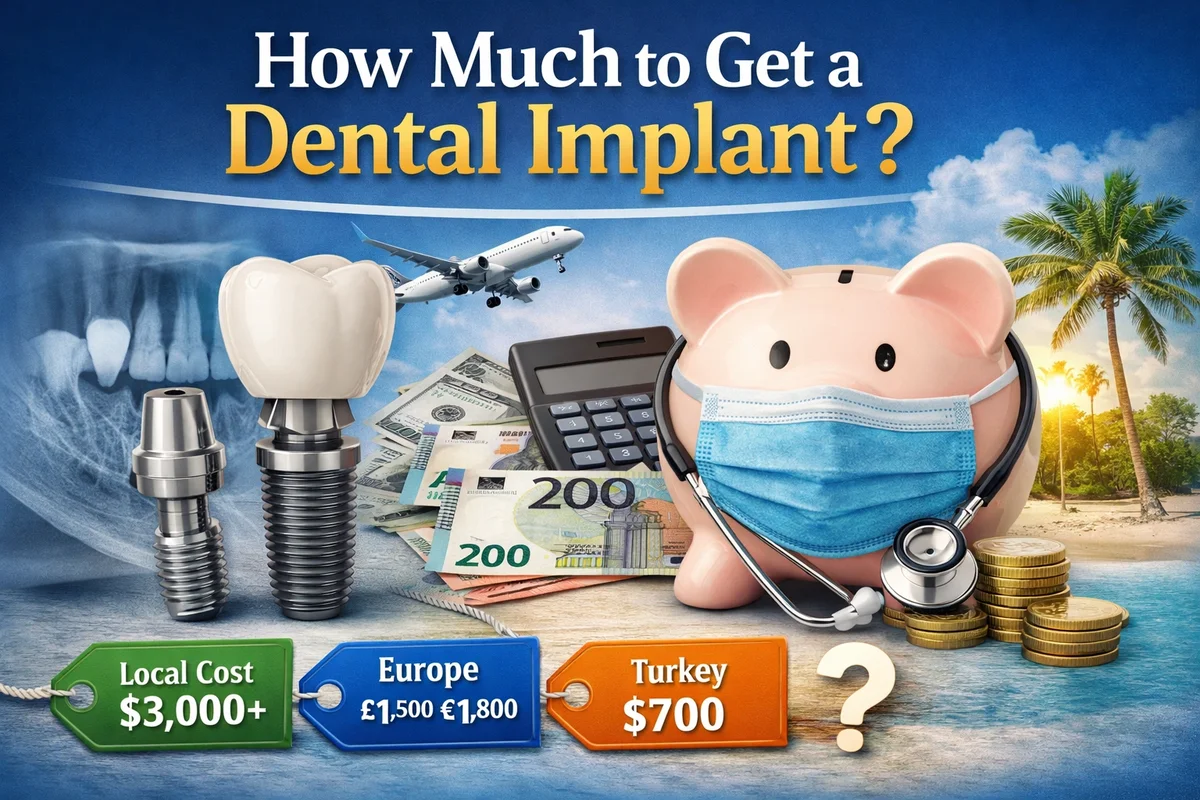
One of the very first questions patients ask when they are missing a tooth is simple but important: how much to get a dental implant? This question reflects not only budget concerns but also a desire to understand value, longevity, and overall oral health impact. Dental implants are considered the gold standard for tooth replacement, yet their cost can feel confusing or even overwhelming at first. In this comprehensive guide, we will break down everything you need to know so you can clearly understand how much to get a dental implant and what that price actually includes. 😊
Unlike dentures or bridges, a dental implant is a long-term solution designed to replace both the visible tooth and its root. This advanced treatment involves placing a titanium post into the jawbone, which acts as an artificial tooth root. Over time, the bone bonds with the implant, creating a strong and stable foundation for a crown. Because of this sophisticated process, many patients wonder why the cost varies so much and exactly how much to get a dental implant in real-world terms.
To fully satisfy your search intent, it’s important to understand that the price of dental implants is not a single flat fee. Instead, it is influenced by multiple clinical, geographic, and material-related factors. When people search for how much to get a dental implant, they are often comparing countries, clinics, and treatment plans, hoping to find a balance between affordability and quality. This article is written to help you make that comparison with confidence.
On average, dental implant treatment includes three main components: the implant screw, the abutment, and the crown. Each part plays a crucial role in function and aesthetics. The materials used, the dentist’s experience, and the technology involved all contribute to how much to get a dental implant. For example, premium-grade titanium implants and zirconia crowns tend to cost more, but they also offer superior durability and natural appearance.
Another key point patients often overlook when asking how much to get a dental implant is the importance of pre-treatment evaluation. This includes digital X-rays, 3D CBCT scans, and a detailed oral examination. These diagnostic steps ensure the implant is placed safely and correctly, reducing long-term complications. While these steps may slightly increase the initial cost, they significantly improve success rates and patient satisfaction. 🦷
Many readers also want a clear price range when researching how much to get a dental implant. While exact costs vary, here is a general overview based on global averages:
Single Dental Implant Cost Range:
• United States: $3,000 – $5,000
• United Kingdom: £2,000 – £3,500
• Western Europe: €2,200 – €4,000
• Turkey: $600 – $1,200
These figures usually include the implant, abutment, and crown but may exclude additional procedures such as bone grafting or sinus lifts. This is why two patients asking how much to get a dental implant may receive very different quotes. Personalized treatment planning is essential.
It’s also worth noting that dental implants are not just a cosmetic upgrade. They help preserve jawbone structure, prevent neighboring teeth from shifting, and restore proper chewing function. When evaluating how much to get a dental implant, many patients realize they are investing in long-term oral health rather than a short-term fix. Compared to bridges or removable dentures that may need replacement every few years, implants often last decades with proper care.
Trustworthy information is critical when researching dental treatments. For clinical standards and patient education, many professionals follow guidelines from the American Dental Association. These guidelines emphasize proper diagnosis, sterile surgical protocols, and evidence-based materials—all factors that influence how much to get a dental implant while ensuring safety and success.
If you are actively considering treatment and want personalized advice, you can also reach out directly through the Redent Klinik Contact Page. A professional consultation will give you a precise answer to how much to get a dental implant based on your unique oral condition and expectations.
In summary, understanding how much to get a dental implant requires looking beyond a single price tag. It involves evaluating treatment quality, long-term benefits, and clinical expertise. As you continue reading this guide, we will dive deeper into cost factors, regional differences, and ways to make dental implant treatment more accessible—so you can make an informed and confident decision. 👍
What Determines How Much to Get a Dental Implant?
When patients research how much to get a dental implant, they often expect a simple number. In reality, dental implant pricing is influenced by many interconnected factors. Understanding these elements is essential because they explain why costs vary so widely between patients, clinics, and countries. This section breaks down each determinant clearly, so you can see exactly what shapes how much to get a dental implant in your specific case. 😊
Clinical Evaluation and Oral Health Condition
Your current oral health plays a major role in determining how much to get a dental implant. A patient with healthy gums and sufficient jawbone density usually requires a straightforward implant procedure. However, if there is bone loss due to long-term tooth loss or gum disease, additional treatments may be necessary. These conditions increase both treatment time and overall cost.
Before giving an accurate quote for how much to get a dental implant, dentists typically perform a comprehensive evaluation. This includes digital X-rays, 3D CBCT scans, and periodontal assessments. These diagnostic tools ensure the implant can be placed safely and predictably, but they also add to the initial cost. Still, skipping proper diagnostics often leads to complications, making them a vital investment rather than an unnecessary expense.
Type and Quality of Implant Materials
Another major factor affecting how much to get a dental implant is the quality of materials used. Dental implants are commonly made from medical-grade titanium or titanium alloys, known for their strength and biocompatibility. Premium implant brands undergo extensive research, clinical testing, and long-term studies, which increases their price but also improves success rates.
Implant Brand and Manufacturing Standards
Well-known implant systems are often more expensive, but they offer precise engineering, excellent bone integration, and long-term reliability. When comparing quotes for how much to get a dental implant, it’s important to ask which brand is being used. Cheaper, unverified systems may lower upfront costs but can increase the risk of failure or replacement later on.
Crown Material and Aesthetic Demands
The visible tooth placed on top of the implant also impacts how much to get a dental implant. Crowns can be made from porcelain-fused-to-metal, full ceramic, or zirconia. Zirconia crowns are often more expensive due to their durability and natural appearance, especially for front teeth where aesthetics matter most. Choosing premium crown materials increases the total cost but significantly improves long-term satisfaction.
Dentist’s Experience and Surgical Expertise
The experience of the implant dentist or oral surgeon is another critical cost factor. Highly trained professionals who specialize in implantology often charge more, which directly affects how much to get a dental implant. However, their expertise reduces the risk of complications, implant failure, and the need for corrective procedures.
Patients sometimes focus solely on price when asking how much to get a dental implant, but skill level matters just as much. A well-placed implant can last decades, while a poorly placed one may fail within a few years. Paying for expertise upfront often saves money and stress in the long run. 👍
Geographic Location and Clinic Infrastructure
Location is one of the most visible factors influencing how much to get a dental implant. Clinics in countries with higher living costs, such as the United States or Western Europe, typically have higher treatment fees. This is due to increased expenses for staff salaries, rent, insurance, and regulatory compliance.
On the other hand, dental clinics in countries known for medical tourism often offer the same procedures at a fraction of the price. When patients compare how much to get a dental implant globally, they may notice significant savings without compromising quality, provided the clinic follows international standards.
Technology and Treatment Techniques
Advanced technology also plays a role in determining how much to get a dental implant. Clinics that use digital implant planning, guided surgery, and CAD/CAM crown fabrication often charge more. These technologies improve precision, shorten recovery time, and enhance final results.
While traditional implant placement can be effective, modern techniques increase predictability and comfort. Patients seeking minimally invasive procedures or same-day implants should expect these innovations to influence how much to get a dental implant.
Number of Implants and Treatment Scope
The total number of implants required naturally affects how much to get a dental implant. Replacing a single tooth costs far less than restoring multiple missing teeth or a full arch. Some patients may benefit from implant-supported bridges or full-mouth restorations, which can reduce per-tooth cost while increasing overall treatment value.
In conclusion, how much to get a dental implant depends on far more than just the implant itself. Oral health condition, material quality, professional expertise, geographic location, and technology all work together to shape the final price. Understanding these factors empowers you to evaluate quotes intelligently and choose a treatment plan that balances cost, safety, and long-term success. 🦷
Average Dental Implant Costs Around the World
When people search for how much to get a dental implant, they are often trying to compare prices internationally. This makes sense, because dental implant costs can vary dramatically from one country to another—even when the treatment quality is similar. Understanding global price differences helps patients make informed decisions, especially those considering dental tourism or long-term treatment planning. 🌍
Although the procedure itself follows the same biological principles worldwide, factors such as local economic conditions, healthcare regulations, and clinic operating costs strongly influence how much to get a dental implant. In this section, we will explore average prices across major regions and explain why these differences exist.
Global Average Cost Overview
To give a clear picture of how much to get a dental implant, here is a simplified global price comparison for a single implant including the implant screw, abutment, and crown:
Average Dental Implant Costs by Region:
• United States: $3,000 – $5,000
• Canada: $2,500 – $4,500
• United Kingdom: £2,000 – £3,500
• Western Europe: €2,200 – €4,000
• Australia: AUD 4,000 – 6,500
• Turkey: $600 – $1,200
• Mexico: $900 – $1,500
• Thailand: $1,000 – $1,800
These figures highlight why so many patients research how much to get a dental implant beyond their home country. In many cases, the same implant brands and materials are used internationally, yet prices can differ by thousands of dollars.
Why Prices Differ So Much Between Countries
The most important reason for global price variation is the cost of living. Countries with higher wages, rent, insurance costs, and legal requirements naturally have higher dental fees. This directly affects how much to get a dental implant in places like the United States, the UK, and Australia.
In contrast, countries with lower operating expenses can offer the same procedures at significantly reduced prices. Dentists in these regions are often trained internationally and use globally recognized implant systems, which means lower cost does not automatically equal lower quality. This is a key reason patients explore global options when evaluating how much to get a dental implant.
Developed Countries: Higher Cost, Familiar Systems
In developed countries, dental implant treatment is often bundled with advanced diagnostics, strict regulatory compliance, and premium clinical environments. These factors contribute to higher prices but also provide reassurance for patients who prefer local care.
When patients ask how much to get a dental implant in these regions, they are often paying for convenience, proximity, and strong consumer protection laws. However, insurance coverage for implants is often limited, meaning patients usually pay most costs out of pocket.
Medical Tourism Destinations: Lower Cost, High Demand
Medical tourism has transformed the way people think about how much to get a dental implant. Countries such as Turkey, Mexico, and Thailand have become global hubs for dental care. These destinations offer modern clinics, experienced implantologists, and internationally accredited facilities—often at a fraction of the cost.
For many patients, traveling abroad can reduce how much to get a dental implant by 60–80%, even after accounting for flights and accommodation. This cost advantage is particularly appealing for patients needing multiple implants or full-mouth restorations.
What Is Usually Included in Lower-Cost Packages?
One important detail when comparing how much to get a dental implant internationally is what the price includes. In many medical tourism destinations, treatment packages often cover:
- Consultation and
Average Dental Implant Costs Around the World
When people search for how much to get a dental implant, they are often trying to compare prices internationally. This makes sense, because dental implant costs can vary dramatically from one country to another—even when the treatment quality is similar. Understanding global price differences helps patients make informed decisions, especially those considering dental tourism or long-term treatment planning. 🌍
Although the procedure itself follows the same biological principles worldwide, factors such as local economic conditions, healthcare regulations, and clinic operating costs strongly influence how much to get a dental implant. In this section, we will explore average prices across major regions and explain why these differences exist.
Global Average Cost Overview
To give a clear picture of how much to get a dental implant, here is a simplified global price comparison for a single implant including the implant screw, abutment, and crown:
Average Dental Implant Costs by Region:
• United States: $3,000 – $5,000
• Canada: $2,500 – $4,500
• United Kingdom: £2,000 – £3,500
• Western Europe: €2,200 – €4,000
• Australia: AUD 4,000 – 6,500
• Turkey: $600 – $1,200
• Mexico: $900 – $1,500
• Thailand: $1,000 – $1,800
These figures highlight why so many patients research how much to get a dental implant beyond their home country. In many cases, the same implant brands and materials are used internationally, yet prices can differ by thousands of dollars.
Why Prices Differ So Much Between Countries
The most important reason for global price variation is the cost of living. Countries with higher wages, rent, insurance costs, and legal requirements naturally have higher dental fees. This directly affects how much to get a dental implant in places like the United States, the UK, and Australia.
In contrast, countries with lower operating expenses can offer the same procedures at significantly reduced prices. Dentists in these regions are often trained internationally and use globally recognized implant systems, which means lower cost does not automatically equal lower quality. This is a key reason patients explore global options when evaluating how much to get a dental implant.
Developed Countries: Higher Cost, Familiar Systems
In developed countries, dental implant treatment is often bundled with advanced diagnostics, strict regulatory compliance, and premium clinical environments. These factors contribute to higher prices but also provide reassurance for patients who prefer local care.
When patients ask how much to get a dental implant in these regions, they are often paying for convenience, proximity, and strong consumer protection laws. However, insurance coverage for implants is often limited, meaning patients usually pay most costs out of pocket.
Medical Tourism Destinations: Lower Cost, High Demand
Medical tourism has transformed the way people think about how much to get a dental implant. Countries such as Turkey, Mexico, and Thailand have become global hubs for dental care. These destinations offer modern clinics, experienced implantologists, and internationally accredited facilities—often at a fraction of the cost.
For many patients, traveling abroad can reduce how much to get a dental implant by 60–80%, even after accounting for flights and accommodation. This cost advantage is particularly appealing for patients needing multiple implants or full-mouth restorations.
What Is Usually Included in Lower-Cost Packages?
One important detail when comparing how much to get a dental implant internationally is what the price includes. In many medical tourism destinations, treatment packages often cover:
- Consultation and digital imaging
- Implant placement surgery
- Abutment and crown
- Temporary restorations
- Post-treatment follow-ups
This bundled approach provides transparency and helps patients better understand how much to get a dental implant without hidden costs.
Hidden Costs to Watch For
Regardless of location, patients should always ask detailed questions when researching how much to get a dental implant. Some clinics may advertise low prices that do not include essential components such as bone grafting, sinus lifts, or premium crown materials.
Travel-related expenses, extended stays, or follow-up visits should also be factored into your total calculation of how much to get a dental implant. A transparent treatment plan is the best way to avoid surprises.
Balancing Cost and Long-Term Value
Ultimately, the lowest price does not always represent the best value. When evaluating how much to get a dental implant, patients should consider success rates, materials used, and long-term maintenance. A well-placed implant can last decades, while a poorly executed one may require costly replacement.
In summary, average dental implant costs around the world vary widely, but understanding these differences empowers you to make a smart, confident choice. Whether you choose local treatment or explore international options, knowing how much to get a dental implant globally allows you to balance affordability, safety, and long-term oral health. 🦷
How Much to Get a Dental Implant in the United States
For patients living in or researching care within the U.S., one of the most common questions remains how much to get a dental implant in the United States. The U.S. is known for advanced dental technology and highly trained professionals, but it is also one of the most expensive countries for implant dentistry. Understanding exactly why costs are high—and what is typically included—helps patients make informed decisions about their oral health. 🇺🇸
In the United States, dental implants are considered a premium restorative treatment. While quality is generally excellent, prices reflect higher operational costs, regulatory standards, and insurance limitations. As a result, how much to get a dental implant in the U.S. often surprises patients when compared to global averages.
Average Dental Implant Costs in the U.S.
To answer how much to get a dental implant in practical terms, here is a realistic price range most patients encounter:
Typical U.S. Dental Implant Costs (Per Tooth):
• Implant fixture: $1,000 – $2,000
• Abutment: $300 – $600
• Crown: $1,000 – $2,000

Total Average Cost: $3,000 – $5,000 per implant
This means that a single missing tooth replacement can easily exceed several thousand dollars. When patients ask how much to get a dental implant, they are often unaware that each component is billed separately in many U.S. clinics.
Why Dental Implants Cost More in the United States
There are several structural reasons behind how much to get a dental implant in the U.S. Dental practices face high expenses related to staff salaries, malpractice insurance, advanced equipment, and strict compliance with healthcare regulations. These costs are inevitably reflected in patient fees.
Additionally, most U.S. dental clinics operate on a fee-for-service model. Unlike countries with subsidized healthcare systems, implant dentistry in the U.S. is rarely supported by public health coverage. This directly impacts how much to get a dental implant for the average patient.
Insurance Coverage Limitations
Another critical factor influencing how much to get a dental implant is insurance. Most dental insurance plans in the U.S. either exclude implants entirely or cover only a small portion of the procedure. Some plans may help with the crown but not the implant surgery itself.
This limited coverage means patients often pay out of pocket, making the perceived cost of implants significantly higher. Understanding your policy details is essential when calculating how much to get a dental implant realistically.
Additional Procedures That Increase U.S. Implant Costs
Not all patients are immediate candidates for implants. Many require preparatory treatments that increase how much to get a dental implant. These procedures are common in the U.S. due to delayed tooth replacement and advanced dental diagnostics.
Bone Grafting and Sinus Lifts
If jawbone density is insufficient, bone grafting may be required before implant placement. This can add $500 to $3,000 to the total cost. Similarly, sinus lift procedures for upper jaw implants can significantly affect how much to get a dental implant.
While these treatments raise initial costs, they are often necessary to ensure long-term implant success. Skipping them may lead to implant failure and even higher expenses later.
Technology and Specialist Fees
Advanced technology also plays a role in how much to get a dental implant in the U.S. Many clinics use 3D imaging, guided implant surgery, and CAD/CAM crown fabrication. These innovations improve accuracy and outcomes but come at a premium.
In addition, implants placed by oral surgeons or periodontists may cost more than those placed by general dentists. However, specialist care often increases success rates, which adds long-term value when considering how much to get a dental implant.
Is the High U.S. Cost Worth It?
For many patients, paying more for local care provides peace of mind, convenience, and easy access to follow-up visits. When evaluating how much to get a dental implant, these non-financial benefits can be important.
However, the high cost has led many Americans to explore alternatives, including phased treatments, financing plans, or international dental care. The key is understanding exactly what you are paying for and whether it aligns with your expectations and budget.
In summary, how much to get a dental implant in the United States is influenced by insurance limitations, professional expertise, advanced technology, and high operating costs. While prices are among the highest globally, patients often receive comprehensive care, strict safety standards, and predictable outcomes. Knowing these details allows you to decide whether U.S.-based treatment is the right choice for your dental health goals. 🦷
How Much to Get a Dental Implant in Europe and the UK
Many patients researching how much to get a dental implant quickly notice that Europe and the United Kingdom sit somewhere between the high costs of the United States and the lower prices of popular medical tourism destinations. While standards of care are generally excellent, pricing structures, healthcare systems, and regional differences play a major role in shaping how much to get a dental implant across Europe and the UK. 🇪🇺🇬🇧
Understanding these differences is especially important for patients living in Europe, expats, or international patients comparing treatment options. In this section, we will explore average costs, key pricing factors, and what patients should realistically expect when evaluating how much to get a dental implant in this region.
Average Dental Implant Costs in Europe and the UK
To set clear expectations for how much to get a dental implant, here are typical price ranges for a single dental implant (implant, abutment, and crown included):
Average Dental Implant Costs:
• United Kingdom: £2,000 – £3,500
• Germany: €2,500 – €4,000
• France: €2,000 – €3,500
• Spain: €1,800 – €3,000
• Italy: €2,000 – €3,800
• Eastern Europe: €900 – €1,800
These figures show why many patients compare countries closely when asking how much to get a dental implant. Even within Europe, costs can vary by more than double depending on location.
Why Implant Costs Vary Across Europe
Europe does not have a single unified dental pricing system. Each country has its own healthcare model, taxation structure, and regulatory environment, all of which influence how much to get a dental implant. Western and Northern European countries typically have higher labor and operational costs, while Eastern and Southern Europe often offer more affordable care.
In countries like Germany, Switzerland, and the UK, dental clinics face strict regulatory requirements, high staff salaries, and expensive insurance coverage. These factors significantly increase how much to get a dental implant compared to neighboring regions.
Public vs. Private Dental Care
Another important aspect affecting how much to get a dental implant is the division between public and private dental care. In most European countries and the UK, dental implants are classified as elective or advanced treatments. This means they are rarely fully covered by national healthcare systems.
Public healthcare may cover basic dental services, but implants are usually paid for privately. As a result, patients often experience a large gap between expectations and reality when learning how much to get a dental implant through private clinics.
Dental Implant Costs in the United Kingdom
The UK deserves special attention when discussing how much to get a dental implant. While the National Health Service (NHS) provides basic dental care, implants are typically excluded except in rare medical cases. Most patients therefore rely on private clinics.
Private dental implant treatment in the UK is known for high clinical standards, but also high prices. London and major cities often charge at the upper end of the £2,000–£3,500 range, which directly impacts how much to get a dental implant for urban patients.
What Is Usually Included in UK Prices?
When evaluating how much to get a dental implant in the UK, patients should confirm what is included in the quoted fee. In many cases, prices cover:
- Initial consultation and treatment planning
- Implant placement surgery
- Standard abutment
- Crown restoration
However, additional procedures such as bone grafting, sinus lifts, or premium crown materials may significantly increase how much to get a dental implant.
Eastern and Southern Europe: More Affordable Options
Countries in Eastern and Southern Europe have become increasingly popular for patients seeking lower costs without sacrificing quality. Clinics in these regions often use the same implant systems found in Western Europe, but at a reduced price.
For many patients, traveling within Europe can reduce how much to get a dental implant by 40–60%. This is particularly attractive for patients needing multiple implants or full-mouth restorations.
Quality, Regulation, and Long-Term Considerations
While cost is important, patients should not evaluate how much to get a dental implant based on price alone. European clinics are generally well-regulated, but standards can still vary. It is essential to check dentist qualifications, clinic certifications, and implant brand transparency.
Follow-up care is another factor. Local treatment offers convenience for adjustments and maintenance, while cross-border care requires planning for aftercare. These practical considerations should be included when calculating how much to get a dental implant in Europe or the UK.
In summary, how much to get a dental implant in Europe and the UK depends heavily on country, healthcare structure, and clinic type. While costs are generally lower than in the U.S., they remain higher than in leading medical tourism destinations. By understanding regional differences and what prices include, patients can make a confident, informed decision that balances affordability, quality, and long-term oral health. 🦷
How Much to Get a Dental Implant in Turkey and Medical Tourism
In recent years, Turkey has become one of the most talked-about destinations for patients researching how much to get a dental implant. The country’s rise in medical tourism is not accidental—it is driven by a powerful combination of affordable pricing, modern clinics, and internationally trained dentists. For many patients, Turkey offers a unique opportunity to significantly reduce how much to get a dental implant without compromising quality. 🇹🇷
Understanding why Turkey stands out requires a closer look at costs, treatment standards, and what is typically included in implant packages. This section will give you a clear, detailed picture so you can confidently evaluate how much to get a dental implant in Turkey as part of a medical tourism decision.
Average Dental Implant Costs in Turkey
When patients compare international prices, Turkey consistently ranks among the most affordable countries for implant dentistry. On average, how much to get a dental implant in Turkey looks like this:
Average Dental Implant Costs in Turkey:
• Single dental implant (all included): $600 – $1,200
• Multiple implants (per unit): $500 – $900
• Full-arch implant solutions: significantly reduced per-tooth cost
These prices are often 60–80% lower than those in the United States or Western Europe. This dramatic difference is one of the main reasons patients worldwide search specifically for how much to get a dental implant in Turkey.
Why Dental Implants Are More Affordable in Turkey
The affordability of implant treatment in Turkey does not come from lower quality—it comes from lower operating costs. Rent, staff salaries, laboratory fees, and administrative expenses are significantly lower than in many Western countries. These economic advantages directly reduce how much to get a dental implant for international patients.
In addition, the Turkish government actively supports medical tourism. This includes investment in healthcare infrastructure, international accreditation, and modern technology. As a result, clinics can offer competitive pricing while maintaining high clinical standards, which strongly influences how much to get a dental implant.
Internationally Trained Dentists and Modern Clinics
Many Turkish implant dentists are trained in Europe or the United States and regularly attend international congresses. Clinics are often equipped with advanced digital imaging, guided implant surgery systems, and in-house laboratories. These factors reassure patients that a lower how much to get a dental implant does not mean outdated methods or inferior materials.
What Is Typically Included in Turkey Implant Packages
One major advantage of choosing Turkey is pricing transparency. Unlike many countries where components are billed separately, clinics often offer all-inclusive packages. When evaluating how much to get a dental implant, these packages usually include:
- Initial consultation and treatment planning
- Digital X-rays and 3D CBCT scans
- Implant placement surgery
- Abutment and permanent crown
- Temporary restorations (if needed)
- Medication and post-op follow-up
This bundled approach makes it much easier for patients to understand how much to get a dental implant without worrying about unexpected add-on fees.
Travel, Accommodation, and Total Cost Considerations
Even after adding travel expenses, Turkey often remains one of the most cost-effective options. Flights, hotels, and local transportation are relatively affordable, especially compared to the savings achieved on treatment.
For example, a patient comparing how much to get a dental implant in the U.S. versus Turkey may save several thousand dollars—even after paying for travel and accommodation. This is especially impactful for patients requiring multiple implants or full-mouth restorations.
Timeframe and Treatment Phases
Dental implant treatment usually requires two visits: one for implant placement and another for crown placement after healing. Many clinics help coordinate travel schedules to minimize time abroad. This efficiency further improves the overall value when calculating how much to get a dental implant in Turkey.
Safety, Regulation, and Quality Assurance
Turkey has strict regulations for licensed dental clinics, especially those serving international patients. Many clinics hold international certifications and adhere to European sterilization and safety protocols. This regulatory environment ensures that lower costs do not compromise patient safety.
Still, patients should always research clinic credentials, dentist experience, and implant brands used. Doing so ensures that the lower how much to get a dental implant translates into genuine long-term value rather than short-term savings.
Is Turkey the Right Choice for You?
Choosing Turkey for implant treatment is not just about affordability—it’s about value. Patients who prioritize cost-efficiency, modern care, and comprehensive service often find that Turkey offers an ideal balance.
In summary, how much to get a dental implant in Turkey is among the lowest globally, without sacrificing quality or safety. With transparent pricing, experienced professionals, and a well-developed medical tourism infrastructure, Turkey has become a leading destination for patients seeking reliable, long-lasting dental implant solutions at a fraction of Western costs. 🦷
Additional Procedures That Affect How Much to Get a Dental Implant
When patients try to calculate how much to get a dental implant, they often focus only on the implant itself. However, many people require additional dental or surgical procedures before or during implant treatment. These procedures are not optional extras—they are often essential for long-term implant success. Understanding them is critical for accurately estimating how much to get a dental implant and avoiding unexpected costs later. 🦷
Dental implants rely on healthy bone, stable gums, and proper bite alignment. If any of these conditions are not ideal, preparatory or supportive treatments may be required. Each additional step influences how much to get a dental implant, sometimes significantly.
Bone Grafting and Jawbone Augmentation
Bone loss is one of the most common reasons patients need extra procedures before implant placement. When a tooth has been missing for a long time, the jawbone in that area naturally shrinks. If there is not enough bone to securely anchor an implant, bone grafting becomes necessary.
Bone grafting directly increases how much to get a dental implant. Depending on the type and complexity, bone grafting can add several months to treatment time and a noticeable amount to the total cost. However, it is often the difference between implant success and failure.
Types of Bone Grafting Procedures
Not all bone grafts are the same, and each affects how much to get a dental implant differently:
- Minor bone grafts: Small volume grafts placed during implant surgery
- Socket preservation: Bone added immediately after tooth extraction
- Major bone grafts: Larger grafts requiring separate healing periods
Minor grafts may only slightly increase how much to get a dental implant, while major grafts can significantly raise the total cost and extend treatment time.
Sinus Lift Surgery for Upper Jaw Implants
Patients missing upper back teeth often lack sufficient bone height due to the proximity of the sinus cavity. In these cases, a sinus lift procedure is required before placing implants. This is a specialized surgical technique that raises the sinus membrane and adds bone beneath it.
A sinus lift is a major factor affecting how much to get a dental implant. It requires advanced surgical expertise and additional healing time, which increases both clinical complexity and cost. Despite this, sinus lifts have a high success rate when performed correctly.
Tooth Extractions and Infection Treatment
Sometimes the tooth being replaced must first be removed due to severe decay, infection, or fracture. While extractions may seem minor, complicated removals can increase how much to get a dental implant, especially if infection is present.
Active infections must be fully treated before implant placement. This may involve antibiotics, deep cleaning, or additional healing time. These steps are essential for implant safety and longevity, even though they add to how much to get a dental implant.
Gum Disease Treatment and Periodontal Care
Healthy gums are just as important as healthy bone. Patients with gum disease often require periodontal treatment before implants can be placed. Ignoring gum health dramatically increases the risk of implant failure.
Scaling, root planing, or more advanced periodontal procedures may be needed, all of which affect how much to get a dental implant. While these treatments increase initial costs, they protect the long-term investment you are making in your oral health.
Temporary Teeth and Provisional Restorations
Many patients want a temporary tooth while waiting for the implant to heal and integrate with the bone. Temporary crowns or dentures improve appearance and function during this period, but they also influence how much to get a dental implant.
Some clinics include temporary restorations in their pricing, while others charge separately. Clarifying this detail is important when comparing quotes and calculating how much to get a dental implant accurately.
Advanced Imaging and Digital Planning
Modern implant dentistry relies heavily on advanced diagnostics. 3D CBCT scans, digital impressions, and computer-guided surgery planning improve accuracy and safety. These technologies may add to upfront costs, but they reduce complications and improve outcomes.
Patients sometimes question why imaging affects how much to get a dental implant, but these tools allow dentists to avoid nerves, sinuses, and anatomical risks. This precision is especially important for complex cases.
Why These Procedures Are Worth the Cost
It is natural to focus on price when asking how much to get a dental implant, but skipping necessary procedures is not a real cost-saving strategy. Inadequate preparation often leads to implant failure, additional surgeries, and much higher expenses over time.
Think of these procedures as investments in implant success. A properly prepared mouth allows the implant to function comfortably, look natural, and last for decades.
In summary, additional procedures play a crucial role in determining how much to get a dental implant. Bone grafts, sinus lifts, periodontal care, and advanced diagnostics all contribute to the final cost—but they also protect your long-term oral health. Understanding these factors allows you to plan realistically, ask the right questions, and move forward with confidence in your dental implant journey. 👍
Insurance, Financing, and Payment Options for Dental Implants
After understanding treatment steps and regional pricing, many patients still ask the most practical question: how much to get a dental implant when insurance, financing, and payment plans are taken into account. Even when the clinical value is clear, affordability often determines whether patients move forward with treatment. This section explains how coverage works, what financing options exist, and how to plan realistically for how much to get a dental implant without financial stress. 💳
Dental implants are a long-term investment, but the way they are paid for can vary widely depending on country, insurance provider, and clinic policy. Knowing your options in advance helps you manage how much to get a dental implant in a way that fits your budget and timeline.
Does Dental Insurance Cover Implants?
One of the biggest misconceptions about how much to get a dental implant is that dental insurance will cover most or all of the cost. In reality, implant coverage is limited in many insurance plans, especially in countries like the United States and the United Kingdom.
Most dental insurance policies classify implants as advanced or elective procedures. This means they may not be fully covered, or they may only partially reimburse certain components. As a result, patients often pay a significant portion of how much to get a dental implant out of pocket.
What Insurance May Cover
While full implant coverage is rare, insurance may still help reduce how much to get a dental implant by covering related elements such as:
- Initial consultations and X-rays
- Tooth extractions
- Portions of the crown restoration
- Periodontal treatment
Understanding exactly what your policy includes is essential for accurately estimating how much to get a dental implant. Patients should always request a pre-treatment insurance breakdown before starting.
Implant Coverage Outside the U.S.
In many countries, national health systems focus on essential dental care rather than restorative procedures like implants. This means that public healthcare typically does not cover implants, which keeps how much to get a dental implant in the private sector.
However, private dental insurance plans in some European countries may offer partial implant benefits. Even then, coverage limits are common, so patients should not assume insurance will dramatically lower how much to get a dental implant.
Dental Implant Financing Plans
Because implants are often paid for privately, many clinics offer financing solutions. These plans allow patients to spread how much to get a dental implant over time instead of paying the full amount upfront.
Financing options vary by clinic and country but are increasingly common due to patient demand. For many people, financing is what makes implant treatment accessible.
Common Financing Options
Patients exploring how much to get a dental implant through financing may encounter:
- Interest-free payment plans (short-term)
- Low-interest medical loans
- Third-party healthcare financing companies
- Clinic-based installment plans
These options can reduce the immediate financial burden while still allowing patients to receive high-quality treatment.
Paying for Implants Through Medical Tourism
Medical tourism introduces another financial dimension to how much to get a dental implant. Many clinics abroad require payment upfront but offer significantly lower total costs. Even without insurance reimbursement, patients often save thousands.
Because pricing is usually transparent and bundled, patients have a clear understanding of how much to get a dental implant before traveling. This predictability is appealing, especially for those who have been discouraged by high domestic prices.
Using Health Savings and Flexible Spending Accounts
In some countries, health savings accounts (HSAs) or flexible spending accounts (FSAs) can be used to pay for dental implants. These accounts allow patients to use pre-tax income, effectively reducing how much to get a dental implant.
While rules vary by country and provider, using tax-advantaged accounts can significantly improve affordability for eligible patients.
Planning Ahead to Reduce Financial Stress
One of the smartest ways to manage how much to get a dental implant is proactive planning. This includes comparing clinics, requesting detailed treatment plans, and discussing payment options openly with your dentist.
Patients who plan ahead are less likely to face unexpected costs and more likely to complete treatment successfully. Transparent communication ensures that how much to get a dental implant aligns with both medical needs and financial reality.
Balancing Cost With Long-Term Value
It’s important to remember that focusing only on short-term affordability can be misleading. While financing or insurance helps manage how much to get a dental implant today, the true value lies in durability, comfort, and oral health benefits over decades.
In summary, insurance, financing, and payment options play a major role in determining how much to get a dental implant in practice. By understanding coverage limitations, exploring financing plans, and planning strategically, patients can make implant treatment financially achievable without compromising quality or long-term success. 🦷

Is the Cost of a Dental Implant Worth It Long Term?
After exploring regional prices, additional procedures, and payment options, many patients arrive at the final and most important question: is how much to get a dental implant really worth it in the long run? While dental implants often have a higher upfront cost compared to other tooth replacement options, their long-term value frequently tells a very different story. This section focuses on durability, health benefits, and lifetime cost comparisons to help you decide whether how much to get a dental implant is a smart investment. 🦷
Understanding value means looking beyond the initial price tag. When patients only compare upfront fees, implants may seem expensive. But when longevity, comfort, and oral health outcomes are considered, how much to get a dental implant often proves to be cost-effective over time.
Longevity and Durability of Dental Implants
One of the strongest arguments in favor of implants is their lifespan. With proper oral hygiene and regular dental checkups, dental implants can last 20 years or more—and in many cases, a lifetime. This directly affects how much to get a dental implant when evaluated over decades rather than years.
Unlike dentures or bridges, implants integrate with the jawbone, creating a stable and permanent foundation. This stability reduces wear, movement, and the need for frequent replacement. When patients calculate how much to get a dental implant over time, this durability significantly lowers the average annual cost.
Comparison With Alternative Tooth Replacement Options
To fully assess how much to get a dental implant, it helps to compare implants with common alternatives:
Dental Bridges
Bridges typically last 7–10 years and often require replacement. They also rely on neighboring teeth for support, which may lead to additional dental work in the future. While bridges cost less initially, repeated replacements can raise total lifetime expenses beyond how much to get a dental implant.
Removable Dentures
Dentures usually require adjustments, relining, or replacement every few years. They may also cause discomfort, reduced chewing efficiency, and bone loss over time. When these ongoing costs are added up, dentures can rival or exceed how much to get a dental implant over the long term.
Jawbone Preservation and Oral Health Benefits
Dental implants are the only tooth replacement option that actively preserves jawbone structure. When a tooth is missing, the surrounding bone begins to shrink. Implants stimulate the bone, preventing deterioration and maintaining facial structure.
This bone preservation has long-term health and aesthetic benefits. Patients who consider how much to get a dental implant from a health perspective often realize that preventing bone loss reduces future dental complications and related expenses.
Comfort, Function, and Quality of Life
Implants function like natural teeth. They allow normal chewing, clear speech, and confident smiling—without the slipping or discomfort associated with dentures. These daily benefits are difficult to quantify financially but play a major role in patient satisfaction.
When evaluating how much to get a dental implant, many patients find that improved comfort and confidence justify the cost. Being able to eat a full range of foods and speak without worry has a profound impact on quality of life.
Lower Maintenance Costs Over Time
Once fully healed, dental implants require no special maintenance beyond normal oral hygiene. There are no adhesives, removals, or frequent repairs. This simplicity reduces ongoing costs and effort.
Compared to alternatives that need regular adjustments or replacements, implants often result in lower cumulative expenses. Over time, this reduces the effective how much to get a dental implant when viewed as a lifetime solution.
Psychological and Emotional Value
Tooth loss affects more than physical health—it can impact self-esteem, social interactions, and emotional well-being. Dental implants restore not only teeth but also confidence.
Patients who initially hesitate because of how much to get a dental implant often report that the emotional benefits far outweigh the financial cost. Feeling comfortable smiling, laughing, and engaging socially adds real value that cannot be measured solely in money.
When Dental Implants May Not Be the Best Choice
While implants offer exceptional value, they may not be ideal for everyone. Certain medical conditions, insufficient bone without grafting, or personal budget constraints may influence the decision.
In these cases, understanding how much to get a dental implant helps patients weigh alternatives realistically and choose the most appropriate solution for their situation.
Final Cost-Benefit Perspective
When all factors are considered—durability, health preservation, comfort, and reduced long-term maintenance—dental implants often emerge as the most cost-effective option over time.
In conclusion, while how much to get a dental implant may seem high initially, the long-term benefits frequently justify the investment. For patients seeking a permanent, natural-feeling, and health-supporting solution, dental implants are not just worth the cost—they are often the smartest choice for lifelong oral health. 👍