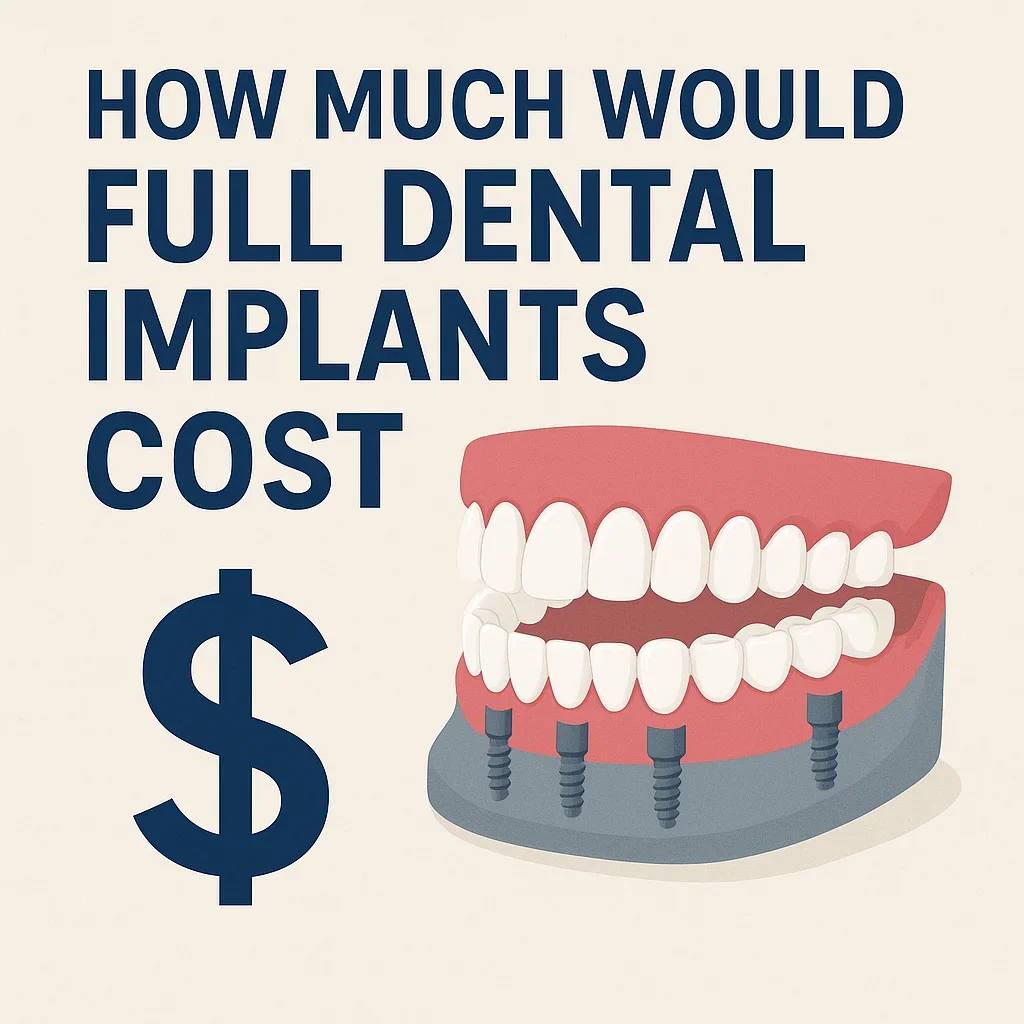
Understanding how much would full dental implants cost is one of the most common concerns patients have when considering full mouth restoration. This treatment is a life-changing procedure, offering long-term stability, natural aesthetics, and restored chewing function. However, the financial side can feel confusing, especially with variations between countries, implant systems, materials, surgical techniques, and clinic experience. In this comprehensive guide, we will break down every element that affects the final cost, explain what patients should expect during treatment, and offer transparent examples to help you make an informed decision. 🦷
When researching how much would full dental implants cost, patients often discover a wide range of prices. This can be overwhelming, but the reason is simple: full mouth implant treatment is not a single procedure — it is a combination of diagnostics, surgeries, restorations, and follow-up care. Some clinics offer “all-inclusive packages,” while others charge separately for each stage. Understanding what is included in the treatment is essential to avoid unexpected fees later. This is why experts always advise asking for a step-by-step breakdown before committing to any clinic.
Full mouth implant procedures generally fall into two main categories: All-on-4 / All-on-6 fixed hybrid prosthesis and full individual dental implants for each missing tooth. Both options offer excellent chewing function and long-term durability, yet their costs differ significantly. For example, an All-on-4 system typically requires fewer implants per jaw, making it more affordable than individual implants placed for each tooth. High-quality dental clinics invest in digital planning, surgical guides, and premium implant brands, which can influence the total price but also dramatically improve treatment quality and safety.
Patients also want to know how much would full dental implants cost when considering long-term value. A major advantage of implants is their ability to function like natural teeth. Compared to dentures, which often require frequent adjustments, adhesives, and replacements, implants provide decades of stability. Although the initial cost may appear higher, implants usually become the most economical solution over time. Their longevity, comfort, and improved confidence make them a long-term investment in overall health and well-being. 😁
Another influential factor when estimating how much would full dental implants cost is geographical location. Clinics in the United States, United Kingdom, or Canada tend to have significantly higher operating costs, increasing patient fees. Meanwhile, countries such as Turkey offer high-standard, accredited dental centers with advanced technology at considerably lower prices. Many patients choose international treatment not only because of affordability but also because of specialized implant surgeons and complete package services that cover consultations, scans, medications, and often accommodation assistance.
Beyond the placement of implants, there are additional stages that affect the total price. These may include 3D CBCT scans, surgical guides, temporary teeth during the healing phase, final zirconia or porcelain prosthetics, sedation options, bone grafting, and aftercare visits. A transparent clinic should provide a detailed list of all potential fees before treatment begins. If you ever feel unsure, contacting a professional clinic directly is the best step. You may reach out here: Redent Klinik Contact Page.
Many patients also compare implant systems when evaluating how much would full dental implants cost. World-renowned brands such as Straumann, Nobel Biocare, and Osstem come with higher reliability, extensive research data, and long-term warranties. Lower-cost brands exist, but they may not offer the same strength, precision, or global support. When choosing an implant, quality matters — not only for chewing function but also for future maintenance.
It is also essential to rely on trustworthy information sources when researching implants. For clinical guidelines, scientific data, and oral health standards, visiting authoritative organizations such as the American Dental Association is highly recommended. These platforms offer verified, evidence-based insights that can help patients feel confident and safe throughout their treatment journey.
If you are evaluating how much would full dental implants cost for your personal case, remember that no two patients are alike. Gum health, bone density, tooth loss patterns, and aesthetic expectations differ from person to person. An accurate cost calculation always requires a complete examination and 3D scan. The better the planning, the smoother and more successful the final result. Whether you are looking to restore your smile fully or regain the ability to enjoy your favorite foods, full dental implants remain one of the most dependable and natural-feeling solutions available today. 🦷✨
Complete Cost Breakdown of Full Mouth Dental Implants
When patients begin researching how much would full dental implants cost, one of the first challenges they encounter is the large variation in pricing from clinic to clinic and country to country. This variation is not random — full mouth dental implants involve multiple stages, technologies, materials, and clinical expertise. To help patients understand exactly where their investment goes, this section provides a highly detailed, step-by-step breakdown of every component included in the total cost. The more informed you are, the easier it becomes to compare clinics, avoid hidden fees, and choose the most reliable long-term solution. 🦷💡
Initial Diagnostic Costs: Scans, Examination & Treatment Planning
The first stage in determining how much would full dental implants cost begins with diagnostics. A reputable clinic will always perform a complete assessment before offering a price. This typically includes:
- 3D CBCT Scan: A high-resolution 3D image that shows bone density, nerve locations, and jaw structure.
- Digital impressions or intraoral scanning: Used instead of traditional molds for accuracy and comfort.
- Comprehensive oral examination: Evaluates gums, remaining teeth, bite alignment, and medical history.
- Full digital treatment planning: Virtual implant placement, prosthetic design, and smile simulation.
These steps ensure there are no surprises later. Clinics that skip this stage often fail to predict bone loss, hidden infections, or complex anatomical challenges — all of which affect how much would full dental implants cost once treatment begins.
The Surgical Stage: Implant Placement, Sedation & Additional Procedures
The surgery phase is the most critical component of determining how much would full dental implants cost. Full mouth implant surgery may include:
Implant Placement (All-on-4 / All-on-6 / All-on-8)
The number of implants used per jaw directly affects the price. All-on-4 systems typically require four implants, whereas All-on-6 or All-on-8 use more implants for increased stability. More implants generally mean higher cost but improved long-term durability.
Bone Grafting & Sinus Lift (If Needed)
Not every patient requires bone grafts, but when bone volume is insufficient, additional procedures are necessary. These include:
- Minor bone grafting for small defects.
- Major grafting when bone loss is extensive.
- Sinus lift for upper-jaw implants when the sinus floor is too low.
These procedures significantly influence how much would full dental implants cost due to extra surgical time and materials.
Sedation or General Anesthesia Options
Some patients choose IV sedation or general anesthesia for comfort. Each method adds a separate fee, depending on the anesthesiologist’s involvement and equipment used.
Temporary Teeth: Immediate Function & Healing Phase Costs
Most full mouth implant treatments include temporary prosthetic teeth worn for several months while the implants heal. These provisional teeth allow patients to smile, speak, and function normally during the integration process. Their design, material, and lab work also contribute to how much would full dental implants cost.
Final Prosthetic Teeth: Materials & Aesthetic Options
One of the biggest pricing differences in full mouth implant treatment comes from the final prosthetic materials. Choices include:
- Acrylic hybrid prosthesis: More affordable but less durable.
- Porcelain fused to metal: Strong but heavier.
- Full monolithic zirconia: Premium, ultra-durable, and highly aesthetic.
Zirconia restorations, while pricier, provide the best long-term performance and natural appearance. Their cost varies by brand, craftsmanship, and customization level — all of which affect how much would full dental implants cost.
Maintenance & Aftercare: Long-Term Follow-Up
A reliable clinic includes follow-up visits, occlusion checks, and minor adjustments in their total package. Proper maintenance preserves the implants and prosthetic teeth for decades, improving long-term value.
For patients who want to understand every step or ask personalized questions, you can reach a specialist here: Redent Klinik Contact Page.
When researching how much would full dental implants cost, always verify that the clinic offers transparent pricing. This means every component — diagnostics, surgery, restorations, temporary teeth, materials, and follow-ups — should be itemized clearly. Many of the world’s leading dental organizations, such as the American Dental Association, emphasize the importance of full disclosure in treatment planning.
Ultimately, understanding how much would full dental implants cost requires analyzing all stages of care, not just the surgery. A comprehensive, high-quality implant treatment is a lifelong investment in oral health, confidence, and quality of life. Patients who evaluate costs based on long-term durability and professional expertise consistently report higher satisfaction and better outcomes. 🌟
Factors That Influence How Much Full Dental Implants Cost
Understanding the variables that determine how much would full dental implants cost is essential for anyone planning full mouth restoration. Full dental implants are a complex, multi-stage medical procedure, and several clinical, material, and logistical factors contribute to the final price. Patients often wonder why one clinic charges significantly more or less than another. The answer lies in the combination of implant brand quality, surgical expertise, technology used, prosthetic materials, geographic location, and additional medical needs such as bone grafting. In this section, you will learn each factor in detail, allowing you to make an informed and confident decision. 🦷✨
1. Implant Brand and Manufacturer Quality
One of the strongest determinants of how much would full dental implants cost is the implant brand used. Premium implant systems are manufactured with advanced surface technology, high-grade titanium, and decades of scientific research behind them. These implants integrate faster, last longer, and come with excellent global warranties. Some world-leading brands include:
- Straumann – Swiss precision, high biocompatibility, and unmatched long-term stability.
- Nobel Biocare – Pioneer of the All-on-4 method.
- Osstem/ Hiossen – Widely used, reliable, and cost-effective.
Lower-cost implants exist, but they may not have the same research backing or long-term performance data. Choosing higher-end brands increases the final price but also significantly improves treatment success rates, influencing how much would full dental implants cost in the long run.
2. Surgeon Qualification, Experience & Training
Skill level matters in implant dentistry. An experienced oral surgeon or implantologist has performed thousands of cases, mastered complications, and trained with internationally recognized institutions. Their expertise increases the precision and safety of the procedure. Naturally, clinics with highly trained specialists often charge more, which affects how much would full dental implants cost. However, this investment typically pays off through reduced risk, faster healing, and long-lasting results.
3. Clinical Technology and Digital Dentistry
Modern clinics use advanced technology to plan and execute implant surgery. These include:
- 3D CBCT imaging for full jaw evaluation.
- Digital intraoral scans for accurate impressions.
- Computer-guided implant placement using surgical guides.
- CAD/CAM milling machines for zirconia or porcelain restorations.
Using such technologies adds to how much would full dental implants cost, but they significantly enhance the accuracy, comfort, and long-term success of the treatment. Patients benefit from shorter chair time, precise implant positioning, and highly aesthetic prosthetic designs.
4. Number of Implants Required Per Jaw
All-on-4 vs. All-on-6 vs. All-on-8
The number of implants placed per jaw is directly proportional to the total cost. For example:
- All-on-4: 4 implants per jaw (cost-effective and efficient).
- All-on-6: 6 implants per jaw (more stability, slightly higher price).
- All-on-8: 8 implants per jaw (maximum support, premium pricing).
All-on-6 or All-on-8 systems increase bone distribution and durability, but they also raise how much would full dental implants cost overall.
5. Prosthetic Material Chosen for Final Teeth
Acrylic, Porcelain, or Monolithic Zirconia
The final prosthetic teeth represent one of the largest contributors to pricing. Patients can select:
- Acrylic Teeth: Most affordable but less durable.
- Porcelain Fused to Metal: Strong, natural-looking, medium cost.
- Full Monolithic Zirconia: Premium aesthetics, unmatched strength, longest lifespan.
Zirconia is often considered the “gold standard,” but it also increases how much would full dental implants cost due to its laboratory production requirements and specialized fabrication.
6. Bone Grafting, Sinus Lifts & Other Additional Procedures
Some patients require preparatory procedures before implants can be placed. These may include:
- Bone grafting for insufficient bone density.
- Sinus lift surgery in the upper jaw.
- Soft tissue grafts for gum contour improvement.
- Tooth extractions if damaged teeth remain.
Each additional procedure raises how much would full dental implants cost because it involves extra surgical time, materials, and healing stages.
7. Geographic Location & Clinic Operational Costs
Location plays a major role in pricing. For example, the United States, UK, and Canada have substantially higher dental operational costs due to insurance, staffing, and equipment expenses. Meanwhile, countries like Turkey offer world-class, internationally accredited clinics with significantly more affordable rates. This difference greatly influences how much would full dental implants cost for international patients.
8. Aftercare, Warranty & Long-Term Follow-Up
A transparent clinic includes follow-up visits, warranty options, and maintenance guidance in their pricing package. Long-term support adds value and prevents future complications, making it a core factor when evaluating how much would full dental implants cost.
For personalised cost explanations or treatment questions, patients can directly contact a specialist via the official Redent Klinik Contact Page.
For scientific references and professional guidelines regarding implant dentistry, trusted institutions such as the American Dental Association provide valuable insights.
Overall, each variable discussed above plays a significant role in determining how much would full dental implants cost. By evaluating each factor carefully — implant brand, surgeon experience, number of implants, prosthetic material, technology, and additional procedures — patients can choose the most efficient, durable, and trustworthy full mouth implant solution for their needs. 🌟
Full Mouth Implants vs. Other Tooth Replacement Options
Patients researching how much would full dental implants cost often wonder how full mouth implants compare to other tooth replacement options. Understanding these comparisons is essential because the long-term value, durability, comfort, and oral health impact of each method varies dramatically. While dentures and bridges may appear less expensive at first, they often require frequent replacements, adjustments, and ongoing maintenance, making them far more costly in the long run. Full dental implants, on the other hand, offer a permanent, stable, and natural-feeling solution that closely replicates real teeth. In this comprehensive guide, we compare the most common treatment options to help you determine the best choice for your specific needs. 🦷✨
1. Full Mouth Dental Implants Explained
Before comparing alternatives, it’s important to understand the structure and purpose of full mouth implants. This treatment involves placing multiple titanium implants into the jawbone to securely support a fixed prosthesis. The result is a full set of teeth that look, feel, and function naturally. When people ask how much would full dental implants cost, they are actually asking about an entire system—including surgery, temporary teeth, final prosthetics, and aftercare. Unlike removable dentures, full implants are designed to last decades with proper care.
Benefits of Full Mouth Implants
- They provide exceptional chewing power ⛽.
- They maintain jawbone density and prevent bone loss.
- They remain fixed in the mouth without slipping.
- They offer natural aesthetics and improved facial structure.
- They have one of the highest long-term success rates in dentistry.
Because of these advantages, full implants often deliver the best long-term value despite the initial investment. This is one of the main reasons many patients choose them even when comparing how much would full dental implants cost versus cheaper alternatives.
2. Full Mouth Implants vs. Traditional Dentures
Dentures have been used for centuries and remain a popular option due to their low upfront cost. However, they come with significant limitations that impact daily quality of life. Patients must remove them for cleaning, use adhesives, and deal with movement during speech and chewing. Over time, the jawbone shrinks due to lack of stimulation, making dentures loose and uncomfortable. This requires frequent adjustments, relines, or complete replacements.
Why Dentures Seem Cheaper—But Aren’t
Initially, dentures appear far more affordable when compared to how much would full dental implants cost. But when considering:
- replacement frequency (every 3–5 years),
- adhesive purchases,
- sore spots and comfort issues,
- jawbone deterioration leading to facial collapse,
they often become more expensive in the long run. Many denture wearers eventually upgrade to implants for better comfort and function.
3. Full Mouth Implants vs. Implant-Supported Dentures
Implant-supported dentures are a hybrid solution that offer more stability than traditional dentures but are still removable. They typically use 2 to 4 implants per jaw and allow the denture to “snap” onto the implants. This reduces slipping and improves confidence during everyday use.
Advantages and Limitations
- Advantage: Greater stability than traditional dentures.
- Advantage: More affordable than full mouth implants.
- Limitation: Still removable and require nightly cleaning.
- Limitation: Limited chewing strength compared to full implants.
When comparing prices, implant-supported dentures cost significantly less than full mouth implants. However, they don’t provide the same long-term bone preservation or fully fixed stability.
4. Full Mouth Implants vs. Conventional Dental Bridges
Dental bridges are used when only one or a few teeth are missing. They rely on adjacent teeth as anchors and do not address bone loss in the missing tooth area. Full bridges are not suitable for patients without teeth because they require natural tooth support.
Limitations of Bridges
- They require grinding down healthy teeth.
- They may fail over time due to stress on supporting teeth.
- They do not stimulate bone and contribute to jawbone deterioration.
Because full mouth implants replace the root structure of teeth and preserve bone health, they are a far superior option for complete restoration.
5. Long-Term Cost Differences Explained
When examining how much would full dental implants cost versus alternatives, the crucial factor is longevity. Full mouth implants often last 20 years or more, and the implants themselves can last a lifetime. Dentures and bridges require repeated replacements, repairs, and maintenance—leading to significantly higher cumulative costs over decades.
6. Overall Comfort, Function, and Health Impact
The real value of full mouth implants becomes clear when looking beyond price. They offer unparalleled comfort, stability, chewing efficiency, and confidence. Eating apples, steak, or crunchy foods becomes easy again. Patients report feeling like they have their natural teeth back. This quality-of-life improvement is a major reason many choose implants even after evaluating how much would full dental implants cost compared to other options.
For personal guidance on selecting the right treatment option, patients can contact:
Redent Klinik Contact Page.
Additionally, authoritative resources like the
American Dental Association
provide trusted educational information on tooth replacement methods.
In summary, while traditional dentures and bridges may seem cheaper upfront, full mouth dental implants provide unmatched durability, stability, and oral health benefits—ultimately offering far greater value. Understanding how much would full dental implants cost is only the first step; evaluating the long-term advantages is equally important for making an informed decision. 🌟
How Much Would Full Dental Implants Cost? Complete Guide
Average Full Mouth Dental Implant Costs: Global Comparison
What Affects How Much Full Dental Implants Cost? Key Factors
Full Mouth Implant Options: All-on-4 vs. All-on-6 vs. Traditional
Total Treatment Timeline: From First Exam to Final Smile