
When it comes to dental health, one of the most common questions patients ask is whether their insurance covers complex procedures such as extractions, implants, or jaw-related surgeries. Humana oral surgery coverage is a topic that matters deeply to families, seniors, and anyone preparing for a major dental procedure. Dental care is not only about maintaining a bright smile—it also has a direct connection to nutrition, speech, and overall health. Because of this, understanding how Humana’s plans work is essential before stepping into an oral surgeon’s office.
Humana is among the largest dental and health insurance providers in the United States, and it offers a range of dental insurance products tailored to different needs. These plans can vary from basic preventive care to more comprehensive policies that include coverage for oral surgery. For many patients, oral surgery becomes necessary due to impacted wisdom teeth, traumatic injuries, infections, or the need to restore missing teeth through implants. Since costs can easily reach hundreds or even thousands of dollars, having reliable coverage is not just helpful—it’s often the deciding factor in whether or not someone proceeds with treatment.
One of the first things to note about Humana oral surgery coverage is that it depends on the specific dental insurance plan a member holds. While some plans may only cover medically necessary oral surgery—such as removing severely impacted wisdom teeth or addressing an oral infection—others provide broader coverage that may extend to implants, grafts, and reconstructive surgeries. For example, Humana’s more robust PPO (Preferred Provider Organization) plans tend to offer higher flexibility and more generous benefits than limited HMO-style networks.
💡 Why does this matter? Oral surgery costs are not trivial. For instance, a simple extraction may cost $75–$300, while surgical wisdom tooth removal can run between $225–$600 per tooth. Dental implants, which are one of the most sought-after treatments today, typically cost $3,000–$5,000 per tooth in the U.S. Without insurance, these expenses can be overwhelming. With Humana oral surgery coverage, patients can reduce their out-of-pocket costs significantly, depending on deductibles, copayments, and annual maximums outlined in their plan.
Another key factor patients often overlook is the distinction between in-network and out-of-network providers. Humana contracts with a broad network of dentists and oral surgeons, and staying within this network typically ensures higher coverage percentages. For example, an in-network oral surgeon might be covered at 80% of the procedure’s cost, while an out-of-network provider could be covered at just 50%—leaving the patient with much higher bills. Before scheduling surgery, Humana members are strongly encouraged to check provider participation and verify coverage through their member portal or by calling customer support.
In addition to the financial aspects, Humana oral surgery coverage is designed to support patients’ overall health journey. Untreated oral conditions can worsen systemic diseases like diabetes, heart problems, or infections that spread beyond the mouth. The American Dental Association emphasizes that oral health is an integral part of overall wellness. This is why having a plan that covers surgery can be life-changing—it enables patients to access critical care when they need it most.
It’s also important to note that Humana encourages preventive dental care. Many plans include free or low-cost preventive visits such as cleanings and exams, which can help identify problems early before they escalate into conditions requiring surgery. Still, when surgery becomes inevitable, Humana oral surgery coverage ensures members have a structured way to manage both the medical and financial dimensions of treatment.
For patients who are unsure of their exact benefits, the best approach is to review the Explanation of Benefits (EOB) or contact Humana directly. Each plan has its own exclusions and limitations. For example, while some plans cover medically necessary oral surgery under the dental benefits, others may categorize certain procedures as medical and apply them toward a medical deductible instead. Procedures like biopsies, tumor removal, or jaw reconstruction may sometimes fall under medical coverage, while tooth-related surgeries are handled under the dental plan.
📞 Patients planning a surgery can also reach out directly through the Redent Klinik Contact Page for expert advice and support in navigating their insurance benefits. Having an experienced dental office confirm coverage details in advance helps prevent surprises and allows smoother coordination with Humana’s claims department.
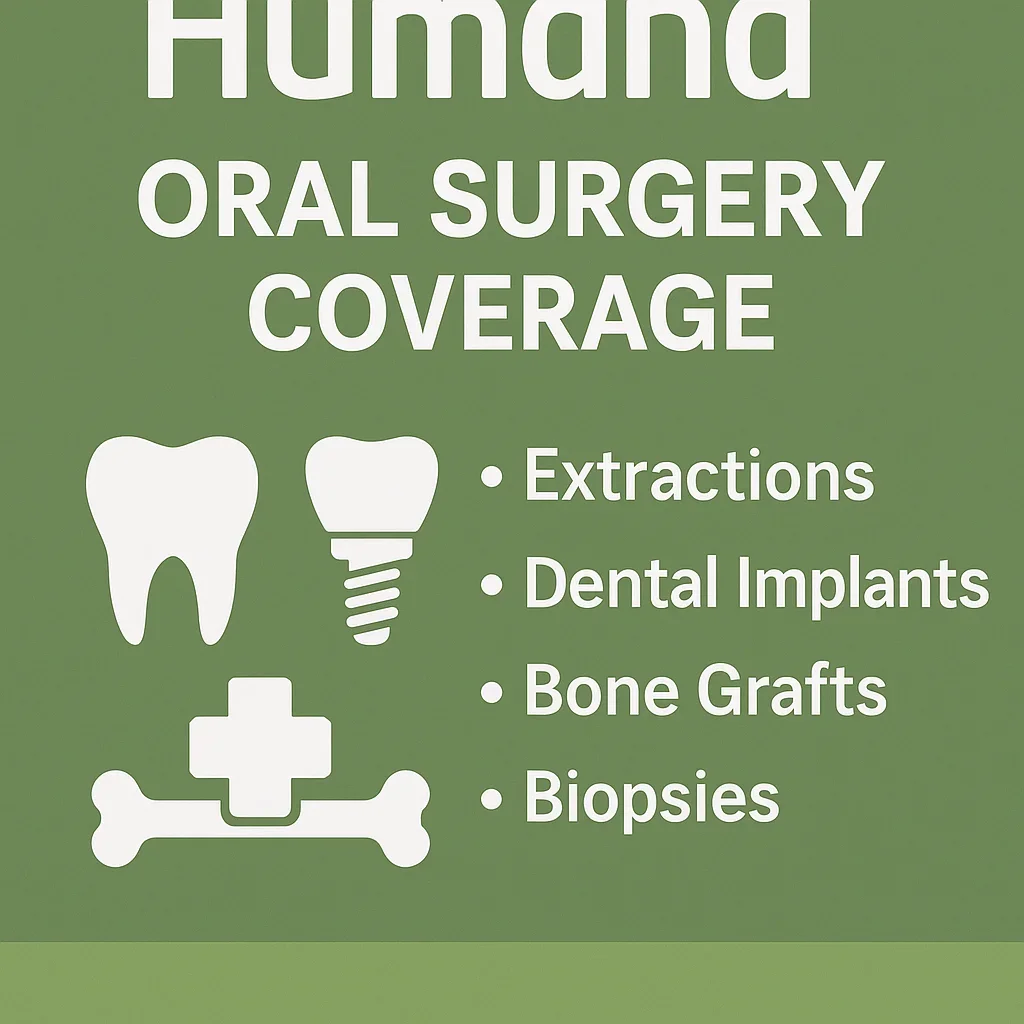
To summarize, Humana oral surgery coverage is an essential consideration for anyone facing dental surgery. It not only reduces financial stress but also ensures timely access to necessary care. By understanding what your specific plan includes—whether that’s extractions, implants, or more advanced reconstructive surgery—you’ll be in a stronger position to plan your treatment wisely. With rising dental costs across the U.S., securing comprehensive coverage through a provider like Humana is one of the smartest steps patients can take to protect their health, confidence, and finances. 😷🦷
Understanding Humana Dental Insurance Plans
Dental insurance can feel complex, but breaking it down step by step makes it easier for patients to understand how their benefits apply to oral surgery. Humana is one of the most popular dental insurance providers in the U.S., offering a wide range of plans designed to meet different needs and budgets. To make the most of Humana oral surgery coverage, it is important to first understand the basic structure of their dental plans, how they differ from one another, and what patients can realistically expect when facing surgical procedures.
Types of Humana Dental Plans
Humana offers multiple dental insurance options, each with unique features that directly affect Humana oral surgery coverage. These include:
- Humana PPO (Preferred Provider Organization) Plans – These are the most flexible plans, allowing members to see any dentist, though higher coverage is available with in-network providers. PPOs often cover preventive care fully and provide partial coverage for oral surgeries like extractions or implants.
- Humana HMO (Health Maintenance Organization) Plans – These plans typically require members to choose a primary dentist within the network. They are more affordable but often provide more limited oral surgery coverage, particularly for elective procedures like implants.
- Humana Discount and Savings Plans – Instead of traditional insurance, these plans offer reduced rates at participating providers. While they don’t technically “cover” procedures, they can make surgeries like wisdom tooth removal more affordable by reducing the overall fee.
- Employer-Sponsored Plans – Many companies offer Humana dental benefits to their employees. These plans often provide robust Humana oral surgery coverage as part of their package, helping employees access essential surgical care with lower costs.
Key Benefits That Relate to Oral Surgery
Most Humana dental plans include preventive, basic, and major services. Oral surgery is usually categorized as a major service, which means coverage is often provided at a lower percentage than routine care. For example, while cleanings may be covered at 100%, oral surgeries might only be covered at 50%–70% depending on the plan. Understanding these tiers is crucial:
- Preventive Care: Exams, X-rays, and cleanings – usually free or very low-cost.
- Basic Services: Fillings, simple extractions – often covered at 70%–80%.
- Major Services: Oral surgeries, implants, crowns – covered at a lower rate, often 50%.
Patients need to be aware of deductibles and annual maximums as well. For example, if a plan has a $1,500 annual maximum, it will only pay up to that amount per year, leaving the patient to cover costs beyond that limit. For major surgeries, this can be a significant factor when budgeting.
How Humana Plans Handle Surgical Needs
When considering Humana oral surgery coverage, one of the most important distinctions is whether the surgery is considered medically necessary. If an oral surgeon recommends removing impacted wisdom teeth that cause pain and infection, Humana typically provides coverage under the dental plan. In certain cases—such as jaw surgery following trauma—the procedure may even be billed under medical coverage, depending on how the claim is filed. This dual structure can sometimes confuse patients, but it also provides opportunities to maximize benefits if coordinated properly.
Medically Necessary vs. Elective Procedures
Humana differentiates between procedures that are medically essential and those considered elective or cosmetic:
- Covered (Medically Necessary): Impacted wisdom tooth removal, biopsies, treatment for oral infections, jaw alignment due to injury.
- Partially Covered or Excluded (Elective): Dental implants, bone grafts for cosmetic purposes, and procedures done primarily to improve aesthetics.
This distinction is important because many patients assume that all surgeries fall under their dental coverage. In reality, Humana oral surgery coverage often applies fully to health-critical surgeries but may limit coverage for elective enhancements.
In-Network vs. Out-of-Network Surgeons
Another critical factor is whether a patient chooses an in-network provider. Humana has negotiated lower rates with its in-network oral surgeons, meaning that coverage is more favorable. For instance, an in-network surgeon may charge $500 for a surgical extraction, with Humana covering 70%, leaving the patient with $150 out of pocket. The same surgery performed out-of-network could cost $800, with Humana still covering 50%—but that leaves the patient paying $400. This example demonstrates why reviewing the network status of your provider is essential before scheduling a procedure.
Financial Tools and Resources
Humana also provides tools to help members estimate their costs before surgery. Through the Humana website or mobile app, members can access cost calculators that give an estimate of out-of-pocket expenses based on their plan and chosen provider. This allows patients to prepare financially and prevents unpleasant surprises when bills arrive. These tools are especially valuable for expensive treatments like implants, where even partial coverage can translate into thousands of dollars in savings.
Annual Maximums and Deductibles
Nearly all Humana dental plans include an annual maximum benefit limit. Once this limit is reached, patients are responsible for 100% of additional costs until the next coverage year. Deductibles also apply, meaning patients must pay a set amount (often $50–$150) before their coverage begins. When planning a surgery, it may be wise to time the procedure early in the coverage year to maximize benefits.
Preventive Care as a Foundation
Finally, it’s worth emphasizing that Humana prioritizes preventive care. By covering exams and X-rays at little or no cost, the insurer helps patients catch problems early. A cavity discovered at a checkup may be treated with a filling, preventing the need for root canal therapy or extraction later. While preventive services are not part of oral surgery directly, they play a major role in reducing the need for complex surgical procedures in the future.
✅ In short, Humana oral surgery coverage is deeply tied to the type of plan chosen, the classification of the surgery, and whether the provider is in-network. By understanding the structure of Humana’s dental insurance products—PPOs, HMOs, and discount plans—patients can make informed decisions, reduce financial stress, and ensure they receive the surgical care they need. Taking time to review plan documents, check provider networks, and use Humana’s cost tools can save both money and headaches down the road.
What Oral Surgeries Are Typically Covered by Humana?
One of the most important questions patients ask when reviewing their dental benefits is: “Which surgeries are included under Humana oral surgery coverage?” Oral surgery encompasses a wide range of procedures, from simple extractions to complex jaw realignment. Understanding which procedures are generally covered helps patients plan their treatment more effectively, avoid unexpected costs, and make informed decisions about their oral health. Below, we will break down the most common types of oral surgeries that fall under Humana’s coverage, with detailed insights on how each is classified and reimbursed.
Simple and Surgical Tooth Extractions
Extractions are one of the most common oral surgeries. Humana typically includes coverage for both simple extractions (removing a tooth that is visible above the gum line) and surgical extractions (removing a tooth that is broken, impacted, or requires cutting into gum tissue). These are often categorized as “basic” or “major” services, depending on complexity.
- Simple Extraction: Usually covered at 70%–80% under many plans.
- Surgical Extraction: Covered at a lower percentage, typically 50%–70%.
For patients with impacted wisdom teeth, Humana oral surgery coverage often includes partial or full benefits, especially if the procedure is medically necessary to prevent infection, pain, or misalignment of surrounding teeth.
Wisdom Teeth Removal
Wisdom tooth extraction is one of the top oral surgeries requested by young adults. Because impacted wisdom teeth can cause pain, infection, and crowding, Humana generally considers their removal medically necessary. This means the surgery is usually covered under dental benefits. If the situation is severe and affects jaw health or creates systemic infection risks, the procedure may sometimes be classified under medical coverage as well.
💡 Tip: Patients should check whether their plan requires preauthorization before scheduling wisdom tooth removal. This ensures the claim is processed correctly and avoids surprise bills.
Dental Implants (Conditional Coverage)
Implants are a highly sought-after solution for missing teeth, but insurance coverage varies. Traditionally, many dental insurers excluded implants, classifying them as elective or cosmetic. However, Humana has begun including implant coverage in select plans, especially premium PPO plans. With these plans, Humana oral surgery coverage may partially cover implant placement, abutments, and crowns.
When Implants Are Covered
- If tooth loss affects the patient’s ability to chew and maintain nutrition.
- If implants are required to stabilize dentures for functional purposes.
- When implants are part of reconstructive surgery after trauma.
Coverage percentages vary, but patients can typically expect around 50% reimbursement after deductibles and within annual maximums. Out-of-pocket costs can still be significant, but the savings are substantial compared to paying entirely out of pocket.
Bone Grafts and Sinus Lifts
Bone grafts and sinus lifts are procedures that prepare the jaw for implants. These are often considered supplemental surgeries and may or may not be included in Humana oral surgery coverage. In many cases, they are only covered if deemed medically necessary, such as when bone loss threatens oral function. Cosmetic or elective grafts, however, are usually excluded.
Biopsies and Oral Pathology Procedures
Another category of covered surgeries includes biopsies for suspicious oral lesions or growths. Because these are performed to diagnose or rule out serious conditions such as oral cancer, Humana generally includes them under medical or dental benefits. These procedures may be billed through medical insurance if they are considered medically essential. This highlights the importance of clarifying whether coverage falls under the dental or medical plan.
Jaw Surgery and Trauma-Related Surgeries
In severe cases, patients may require oral and maxillofacial surgery due to trauma, congenital issues, or jaw alignment problems. For example, corrective jaw surgery (orthognathic surgery) may be covered if it addresses functional problems like difficulty chewing, breathing, or speaking. Likewise, trauma repairs following accidents are typically covered under medical benefits rather than dental. Still, understanding how Humana oral surgery coverage applies can significantly reduce costs for these extensive procedures.
Periodontal Surgeries
Some Humana dental plans include partial coverage for periodontal surgeries, which treat advanced gum disease. These procedures may involve flap surgery, tissue grafts, or bone reshaping. Because gum disease can lead to tooth loss and systemic health problems, Humana often categorizes these as medically necessary, qualifying them for coverage.
Examples of Covered Periodontal Surgeries
- Gum flap surgery to remove bacteria below the gum line.
- Bone surgery to reduce defects caused by periodontitis.
- Tissue grafts to restore gum health and prevent tooth loss.
Oral Surgeries With Limited or No Coverage
While Humana covers a wide range of medically necessary surgeries, certain procedures remain excluded or only partially covered:
- Cosmetic surgeries purely for aesthetics (reshaping gums, jaw contouring).
- Elective implant-related grafts not tied to function.
- Procedures performed without documented medical necessity.
Patients should always review their Evidence of Coverage (EOC) documents to determine whether their plan includes or excludes a specific procedure.
Importance of Preauthorization
Before undergoing major oral surgery, Humana often requires preauthorization. This means your dentist or oral surgeon must submit treatment plans and X-rays for approval. Preauthorization helps confirm whether Humana oral surgery coverage applies and provides patients with a cost estimate before the procedure.
✅ In conclusion, Humana generally covers extractions, wisdom tooth removal, biopsies, trauma-related surgeries, and sometimes implants or periodontal surgeries, depending on the plan. However, cosmetic or elective procedures are usually excluded. Patients who carefully review their benefits, confirm medical necessity, and ensure preauthorization when required will be best positioned to maximize their Humana coverage and reduce financial stress when oral surgery becomes unavoidable.
Extractions and Wisdom Teeth Removal Under Humana
Tooth extractions and wisdom teeth removal are among the most common oral surgeries performed in the United States. For many patients, understanding how Humana oral surgery coverage applies to these procedures can make the difference between delaying treatment and moving forward with confidence. Extractions are necessary not only for relieving pain but also for protecting overall oral health. This section explores how Humana covers different types of extractions, from simple to surgical, and provides detailed insights into wisdom teeth removal.
Simple Extractions vs. Surgical Extractions
There are two main categories of extractions: simple and surgical. Both are typically included under Humana oral surgery coverage, though reimbursement rates vary depending on the complexity of the procedure and the patient’s specific plan.
- Simple Extractions: These involve removing teeth that are visible above the gum line, usually with forceps and local anesthesia. Humana often categorizes these as basic services, with coverage percentages ranging from 70% to 80% once deductibles are met.
- Surgical Extractions: These are more complex and involve teeth that are broken, decayed below the gum line, or impacted. Surgical extractions may require incisions in the gum or even bone removal. They are typically classified as major services, with coverage around 50%–70% depending on the plan.
Wisdom Teeth Removal
Wisdom tooth removal is one of the most common forms of oral surgery, particularly for young adults between ages 17 and 25. Because impacted wisdom teeth can cause severe pain, infection, and misalignment, Humana generally considers their removal medically necessary. This means the procedure is usually covered, though at different rates depending on the plan type.
Medically Necessary Wisdom Tooth Extractions
When wisdom teeth are impacted, decayed, or cause gum inflammation, their removal often qualifies as medically necessary. Under these circumstances, Humana oral surgery coverage applies and helps reduce costs. In-network oral surgeons typically result in the best reimbursement rates, making it financially beneficial for patients to choose within Humana’s provider network.
Coverage Percentages and Costs
Here’s what patients can generally expect when it comes to financial responsibility:
- In-Network Provider: Coverage often ranges from 70%–80% for surgical removal after deductibles are met.
- Out-of-Network Provider: Coverage may drop to 50%, and fees are usually higher.
- Estimated Costs: A wisdom tooth extraction can cost $225–$600 per tooth in the U.S. With Humana coverage, patient responsibility may drop significantly, sometimes to as low as $75–$200 per tooth depending on the plan.
Patients should remember that annual maximums still apply. If their plan includes a $1,500 yearly maximum, extensive surgical treatment could use a large portion of that allowance in one procedure.
Preauthorization and Claims
Humana often requires preauthorization before covering surgical extractions or wisdom teeth removal. This process involves submitting X-rays and a treatment plan from the dentist or oral surgeon. Preauthorization helps ensure that the claim will be approved and gives patients a clear picture of what portion Humana will pay versus their out-of-pocket responsibility.
Impact of Preventive Care on Extractions
One of Humana’s long-standing principles is that preventive care reduces the need for surgical interventions. Regular checkups and X-rays—often fully covered under Humana’s dental plans—help detect issues with wisdom teeth early. Identifying impaction or misalignment in its early stages allows for better treatment planning and may reduce complications during extraction. By using preventive benefits, patients can minimize the overall cost and complexity of surgical removals later.
Special Considerations for Wisdom Teeth
In some cases, wisdom tooth extraction may be billed under medical coverage rather than dental coverage. This usually happens if the surgery is performed in a hospital setting due to complications, such as when general anesthesia is required for multiple impacted teeth. In such cases, Humana oral surgery coverage may intersect with the patient’s medical plan, offering broader protection.
Examples of When Medical Coverage May Apply
- Surgery requiring general anesthesia in a hospital or surgical center.
- Cases involving severe infection or abscesses spreading beyond the oral cavity.
- Jawbone involvement requiring extensive reconstruction.
Out-of-Pocket Cost Management
Even with coverage, patients often face some out-of-pocket expenses. Humana provides tools such as cost estimators on its member portal to help patients budget for these expenses in advance. Choosing in-network providers, scheduling surgery earlier in the benefit year, and planning around deductibles and annual maximums are strategies that patients can use to maximize their Humana oral surgery coverage.
Why Timely Extractions Are Important
Delaying extractions—particularly of impacted wisdom teeth—can lead to complications like infection, cysts, or crowding of existing teeth. These issues can increase treatment costs and reduce insurance coverage options if not addressed promptly. By using Humana’s benefits for extractions early, patients can avoid more complex and expensive treatments in the future.
✅ In summary, Humana oral surgery coverage typically includes both simple and surgical extractions, as well as wisdom teeth removal when medically necessary. While coverage rates vary based on the plan, provider network, and whether preauthorization is obtained, Humana members can expect significant financial assistance for these common surgeries. Understanding deductibles, maximums, and network requirements helps patients make smart choices and ensures smoother claims processing. Extractions and wisdom teeth removal may be common procedures, but with the right Humana plan, they don’t have to be financially overwhelming. 🦷
Humana Oral Surgery Coverage for Dental Implants
Dental implants have become the gold standard for replacing missing teeth, offering both functional and cosmetic benefits. However, implants are among the most expensive dental treatments available, which makes insurance coverage extremely important. Understanding how Humana oral surgery coverage applies to implants can help patients plan for costs, avoid surprises, and access life-changing treatment. While not every Humana dental plan includes implant coverage, several options now extend partial benefits for implant placement, abutments, and crowns under certain conditions.
Are Dental Implants Covered by Humana?
Historically, most dental insurance providers excluded implants, considering them “elective” or “cosmetic.” Fortunately, Humana has evolved its benefits in response to patient demand and medical necessity. Today, certain Humana PPO plans provide partial coverage for dental implants, especially when tooth loss affects daily function, chewing ability, or nutrition. In these cases, Humana oral surgery coverage may apply to key parts of the implant procedure.
It’s important to review your specific Evidence of Coverage (EOC) to confirm whether implants are included. If they are, the coverage usually applies at the “major services” level, with patients responsible for 30%–50% of the cost after deductibles. Annual maximums, typically ranging from $1,000–$2,000, also apply and may limit how much Humana pays in a given year.
Breakdown of Implant-Related Procedures
A complete dental implant treatment involves several steps, each of which may be covered differently under Humana plans:
- Implant Placement (Fixture Surgery): This surgical step involves placing the titanium post into the jawbone. It is the costliest part of treatment and often included under Humana oral surgery coverage when implants are covered by the plan.
- Abutment Placement: The connector that attaches the crown to the implant may also be partially covered.
- Crown Restoration: While sometimes classified as prosthetic rather than surgical, certain Humana plans cover the crown that sits on top of the implant.
Typical Costs and Coverage
The average cost of a single dental implant in the U.S. ranges from $3,000 to $5,000. With Humana, patients might expect coverage at 50%, which could reduce costs by $1,500–$2,500 per implant, depending on plan limits. This is a substantial savings, though patients should be mindful of annual maximums that may cap total benefits for the year.
When Implants Are Considered Medically Necessary
Humana oral surgery coverage is most likely to apply when implants are deemed medically necessary rather than cosmetic. Examples include:
- Replacing teeth lost due to trauma or injury.
- Restoring teeth that were extracted because of severe infection or decay.
- Stabilizing dentures to improve nutrition and chewing ability.
- Preventing bone resorption in patients with significant jawbone loss.
In such cases, Humana recognizes implants as more than cosmetic—they are essential for long-term oral function and overall health.
Bone Grafting and Sinus Lifts for Implants
Many implant patients require preparatory procedures like bone grafts or sinus lifts. Whether these are included under Humana oral surgery coverage depends on the plan. In general, grafts and lifts are covered only when medically necessary, such as when bone loss prevents implant placement. Cosmetic bone grafts to enhance facial structure are usually excluded.
Limitations and Exclusions
Despite broader implant benefits in modern Humana plans, certain limitations still apply:
- Some plans exclude implant coverage altogether, leaving patients responsible for full costs.
- Coverage may be limited to one implant per year or per arch.
- Annual maximums can significantly restrict the total reimbursement, particularly for patients needing multiple implants.
- Cosmetic-driven implant cases are not covered.
Patients should carefully review their Humana plan documents and request a pre-treatment estimate before beginning implant surgery to confirm how benefits will apply.
In-Network vs. Out-of-Network Providers
Choosing an in-network oral surgeon or implant specialist is key to maximizing benefits. Humana negotiates reduced fees with in-network providers, meaning patients pay less overall. For example, an in-network implant might cost $3,500 with 50% coverage, leaving the patient with $1,750. The same implant performed out-of-network might cost $5,000, with Humana only covering part of the “usual and customary” fee, leaving the patient with $2,800 or more.
Financing Options Through Humana
Because even partial coverage leaves patients with significant costs, Humana offers financing and payment plan options through certain providers. These arrangements help spread out expenses, making implants more accessible to patients who need them but cannot pay all costs upfront.
Preventive Care and Long-Term Savings
Humana emphasizes preventive dental care to reduce the need for implants in the first place. By covering regular cleanings, checkups, and early interventions, the company helps patients preserve natural teeth. However, when implants are unavoidable, Humana oral surgery coverage provides meaningful financial relief, supporting long-term oral health and confidence.
✅ In summary, Humana’s approach to dental implants reflects a balance between modern demand and financial protection. While not every plan includes implant benefits, many PPO options now provide partial coverage for implant surgery, abutments, and crowns. By verifying medical necessity, choosing in-network providers, and reviewing annual maximums, patients can take full advantage of Humana oral surgery coverage to make implants more affordable. For those seeking lasting solutions to tooth loss, Humana’s evolving coverage options represent a valuable pathway toward restoring both function and aesthetics. 🦷
Does Humana Cover Bone Grafts and Sinus Lifts?
Bone grafting and sinus lift procedures are essential components of advanced oral surgery, particularly when preparing the jaw for dental implants. These procedures help rebuild or strengthen the bone structure, ensuring that implants are securely placed and long-lasting. However, they also represent a significant investment, with costs often ranging from $800 to $3,000 or more. Patients naturally want to know if Humana oral surgery coverage extends to bone grafts and sinus lifts. The answer depends on the plan type, medical necessity, and whether the treatment is classified as restorative or elective.
Understanding Bone Grafts
A bone graft involves adding bone material—either synthetic, donor, or from another part of the patient’s body—to areas of the jaw where bone has deteriorated. This is a common requirement after tooth loss, gum disease, or trauma. In the context of Humana oral surgery coverage, bone grafts may be considered medically necessary if they are essential for restoring function. For example, when tooth loss threatens a patient’s ability to chew properly, a bone graft to stabilize an implant may qualify for coverage under certain Humana plans.
When Bone Grafts May Be Covered
- Preparing the jaw for an implant deemed medically necessary.
- Rebuilding bone after trauma or injury to the mouth or jaw.
- Stabilizing dentures that cannot fit securely without grafting.
However, bone grafts performed for purely cosmetic reasons—such as enhancing facial aesthetics without a functional need—are generally excluded from Humana oral surgery coverage.
Sinus Lifts Explained
A sinus lift, also called sinus augmentation, is a surgical procedure that adds bone to the upper jaw in the area of the molars and premolars. This is necessary when the sinus cavity is too close to the jawbone to allow secure placement of dental implants. Like bone grafting, sinus lifts are costly, often ranging between $1,500 and $5,000 per procedure. Patients relying on Humana want clarity on whether their insurance will help reduce these expenses.
Coverage for Sinus Lifts
In most cases, Humana only covers sinus lifts if they are required for medical or functional reasons. If the lift is performed exclusively to allow for dental implants, the coverage may be limited. However, if jawbone loss causes functional impairment—such as difficulty eating or significant risk of further oral deterioration—Humana may extend benefits under certain dental PPO plans.
Medical Necessity vs. Elective Classification
Both bone grafts and sinus lifts fall into a gray area between elective and necessary procedures. Humana distinguishes between the two by requiring documentation of medical necessity. Surgeons must often submit X-rays, CT scans, and treatment notes demonstrating that the procedure is critical to restoring oral health. Without this documentation, patients risk denial of claims, leaving them fully responsible for costs.
Examples of Medically Necessary Cases
- A patient with severe jawbone resorption that prevents proper chewing.
- A trauma victim requiring reconstructive bone grafting to restore function.
- A sinus lift needed to stabilize a denture or implant critical for eating and nutrition.
Out-of-Pocket Costs and Humana’s Role
Even when Humana oral surgery coverage applies, patients may face considerable out-of-pocket costs. Deductibles, annual maximums, and coinsurance percentages all influence the final bill. For example, if a bone graft costs $1,500 and Humana covers 50%, the patient still owes $750—plus any amount exceeding the annual maximum.
Some Humana plans include an annual maximum benefit as low as $1,000–$1,500, which may not fully cover even a single sinus lift. For patients requiring multiple grafts or combined procedures, strategic planning is essential to maximize benefits across benefit years.
Preauthorization Requirements
Preauthorization is almost always required for grafts and sinus lifts. Humana’s review process ensures that the surgery meets their criteria for medical necessity. This process benefits patients by providing an estimate of coverage before surgery and confirming whether claims will be approved. Failing to obtain preauthorization can lead to claim denial and full patient responsibility.
In-Network Surgeons and Cost Savings
As with other surgeries, selecting an in-network oral surgeon significantly reduces costs. Humana’s contracts with network providers lower procedure fees, meaning that both Humana’s share and the patient’s portion are reduced. Out-of-network procedures are subject to higher charges and lower coverage rates, leading to substantially larger bills.
Alternatives and Supplemental Plans
Patients whose Humana plan does not cover grafts or sinus lifts may consider supplemental dental insurance or savings plans. Humana itself offers discount plans that reduce procedure costs, even if no direct coverage is provided. These can be valuable alternatives for patients pursuing implant treatment that requires extensive preparatory surgery.
Preventive Strategies to Reduce Need for Grafts
Preventive dental care plays an important role in avoiding the need for bone grafts or sinus lifts. Regular cleanings and periodontal maintenance help preserve bone structure by preventing gum disease and tooth loss. Humana’s strong emphasis on preventive care—often fully covered—means patients who attend regular checkups are less likely to face bone loss that requires grafting later. Nonetheless, when grafts or sinus lifts are unavoidable, Humana oral surgery coverage can help manage the financial burden.
✅ In conclusion, Humana oral surgery coverage for bone grafts and sinus lifts is highly dependent on medical necessity, plan type, and preauthorization. While elective or cosmetic procedures are rarely covered, medically essential grafts and lifts may qualify for partial benefits under PPO plans. Patients can reduce costs by choosing in-network providers, carefully planning procedures around benefit limits, and ensuring thorough documentation of medical need. For those preparing for implants or reconstructive surgery, Humana’s evolving coverage options can provide significant financial relief and access to critical oral health care. 🦷
Out-of-Pocket Costs and Copayments Explained
While insurance benefits provide essential financial protection, patients must still prepare for out-of-pocket costs when undergoing oral surgery. Even with Humana oral surgery coverage, expenses such as deductibles, copayments, coinsurance, and charges beyond annual maximums can significantly affect the final bill. Understanding how these costs are calculated and how to plan for them ensures that patients can budget properly and avoid unpleasant surprises after surgery.
Key Components of Out-of-Pocket Costs
Dental insurance is structured differently from medical insurance, and Humana follows the typical model. Out-of-pocket costs are determined by several factors:
- Deductible: The amount a patient must pay before insurance begins covering services. Humana dental plans often set deductibles between $50 and $150 per person.
- Copayment (Copay): A fixed fee that patients pay for a covered service. For oral surgeries, copays may be required at the time of treatment, depending on the plan design.
- Coinsurance: The percentage of the treatment cost patients are responsible for after meeting the deductible. For example, with 70% coverage, Humana pays 70% of the bill, while the patient pays the remaining 30%.
- Annual Maximum: The yearly dollar limit Humana will pay for dental services, often ranging from $1,000 to $2,000.
Together, these elements create the financial structure of Humana oral surgery coverage, directly impacting the patient’s bottom line.
How Deductibles Affect Surgery Costs
Most Humana dental insurance plans require patients to meet a deductible before major services, such as oral surgery, are covered. For instance, if a plan has a $100 deductible, patients must pay the first $100 of surgical costs out of pocket before Humana begins sharing expenses. Deductibles typically reset annually, so timing surgery at the start of a new plan year may maximize the benefits available.
Example Scenario
Imagine a surgical extraction costs $600. With a $100 deductible and 70% coverage after the deductible:
- Patient pays the first $100 (deductible).
- The remaining $500 is split: Humana pays $350 (70%), and the patient pays $150 (30%).
- Total patient responsibility: $250 out of $600.
Copayments for Oral Surgery
In some Humana dental HMO plans, patients must pay a copayment at the time of service. This is usually a flat fee—such as $50 or $75—for oral surgery visits. Copays are more predictable than coinsurance percentages, but they may not apply to all Humana plans. Patients with PPO plans are more likely to pay coinsurance rather than copays for surgical procedures.
Coinsurance Percentages
Coinsurance is the most significant factor affecting patient costs. For oral surgery, Humana often covers 50%–70% of charges, leaving patients responsible for the remaining percentage. The exact amount depends on whether the surgery is classified as a basic or major service and whether the provider is in-network.
In-Network vs. Out-of-Network
- In-Network: Humana negotiates discounted rates with oral surgeons, meaning patients owe less overall. For example, a $1,000 extraction may be reduced to $800 in-network, with Humana paying 70% ($560) and the patient paying $240.
- Out-of-Network: The same procedure could cost $1,200, with Humana still covering only a portion based on “usual and customary” fees. The patient may end up paying $500 or more out of pocket.
Annual Maximums and Their Impact
Humana sets an annual maximum—typically $1,000 to $2,000—limiting how much the insurer will pay each year. Once this cap is reached, patients are responsible for 100% of additional costs. For oral surgeries like wisdom teeth removal, bone grafts, or implants, the annual maximum can be reached quickly.
For example, if a patient’s oral surgery costs $4,000 and Humana covers $2,000 (annual max), the patient must pay the remaining $2,000 entirely out of pocket. This makes it crucial to plan the timing of surgeries across benefit years when possible.
Estimating Out-of-Pocket Costs in Advance
Humana provides tools such as online cost estimators and pre-treatment estimates to help patients understand their financial responsibility before surgery. By asking the provider to submit a preauthorization request, patients can receive an official estimate of what Humana will cover and what they will owe. This step is highly recommended for expensive surgeries like implants or sinus lifts.
Strategies to Minimize Patient Costs
Patients can take several steps to reduce their out-of-pocket expenses even when Humana oral surgery coverage applies:
- Choose in-network oral surgeons to benefit from negotiated lower fees.
- Schedule procedures early in the benefit year to maximize annual coverage.
- Split major treatments across two plan years to take advantage of multiple annual maximums.
- Use Health Savings Accounts (HSA) or Flexible Spending Accounts (FSA) to pay for unreimbursed costs with pre-tax dollars.
Realistic Cost Examples
Based on national averages, here are typical patient costs with Humana coverage:
- Simple Extraction: $150–$300 total; patient pays about $50–$100.
- Surgical Extraction (Wisdom Tooth): $225–$600 per tooth; patient pays $100–$300 depending on plan.
- Dental Implant: $3,000–$5,000 per tooth; Humana may cover up to $1,500, leaving patients with $1,500–$3,500 responsibility.
- Bone Graft: $1,500 average; Humana may pay 50%, leaving $750 out of pocket.
✅ In summary, even though Humana oral surgery coverage provides valuable financial relief, patients must still budget for deductibles, copayments, coinsurance, and costs exceeding annual maximums. By using preauthorization tools, choosing in-network providers, and strategically scheduling treatments, patients can significantly reduce their financial burden. Understanding these cost structures empowers patients to take full advantage of their Humana benefits and move forward with oral surgery without unnecessary stress. 💰🦷
How to Check Your Humana Oral Surgery Benefits
One of the most important steps patients can take before scheduling a surgical procedure is to verify their benefits. While Humana oral surgery coverage can provide substantial financial relief, the specifics of coverage vary widely by plan type, state regulations, and provider network. Checking your benefits thoroughly ensures there are no unexpected bills and that you understand exactly what Humana will cover. Here is a detailed, step-by-step explanation of how to confirm your benefits and maximize the value of your insurance plan.
Start With Your Evidence of Coverage (EOC)
The Evidence of Coverage (EOC) document is the foundation of every Humana insurance plan. It outlines what procedures are included, excluded, or require preauthorization. For oral surgeries, the EOC will clarify whether extractions, implants, bone grafts, or biopsies are covered. Patients should look under the “Major Services” or “Oral Surgery” sections of the document.
By reviewing this first, you’ll understand how Humana oral surgery coverage applies to the procedures you’re considering. If you do not have a physical copy, you can access it through Humana’s member portal or request one directly from customer service.
Use the Humana Member Portal
Humana provides an online member portal that allows patients to check their benefits in real time. By logging in, you can:
- View plan details, including deductible amounts, coinsurance percentages, and annual maximums.
- Search for in-network oral surgeons to ensure you get the highest coverage.
- Use cost estimation tools to see how much you may owe for a specific procedure.
The portal also provides access to past claims, which helps patients understand how Humana processed previous oral surgeries. This gives valuable insight into what you can expect for upcoming procedures.
Call Humana Customer Support
For personalized assistance, contacting Humana directly is one of the best ways to confirm benefits. Customer service representatives can answer detailed questions about Humana oral surgery coverage, including:
- Which oral surgeries are fully or partially covered under your specific plan.
- Whether preauthorization is required before scheduling surgery.
- If procedures such as implants or grafts fall under dental or medical coverage.
- How close you are to reaching your annual maximum benefit limit.
Tip: Before calling, have your Humana member ID, the treatment plan provided by your dentist, and the procedure codes (CDT or CPT codes) ready. This allows representatives to give precise answers rather than general estimates.
Request a Pre-Treatment Estimate
A pre-treatment estimate, also known as a preauthorization or predetermination, is an official cost breakdown provided by Humana. Your oral surgeon submits treatment notes, X-rays, and procedure codes to Humana for review. In return, Humana issues a document that shows:
- How much of the procedure is covered by insurance.
- What percentage Humana will pay and what you will owe.
- If additional documentation or medical necessity proof is required.
This step is especially crucial for higher-cost surgeries like implants, sinus lifts, or bone grafts. Without preauthorization, you risk having your claim denied or receiving far less reimbursement than expected.
Benefits of Preauthorization
- Guarantees clarity before surgery is performed.
- Helps patients arrange financing or payment plans in advance.
- Protects against surprise bills after the procedure.
Check In-Network Providers
Humana’s coverage is strongest when patients choose in-network providers. The member portal and customer service can both confirm whether your oral surgeon is in-network. Because Humana negotiates discounted fees with these providers, patients often save 20%–40% compared to out-of-network costs.
For example, a surgical wisdom tooth extraction might cost $500. With an in-network surgeon, Humana could reduce the bill to $400, covering 70% ($280) and leaving the patient with $120. Out-of-network, the same procedure might cost $600, with Humana still only covering a portion of “usual and customary” fees, leaving the patient with $300 or more.
Understand Dental vs. Medical Coverage
Another factor when checking Humana oral surgery coverage is whether a procedure falls under dental or medical insurance. Some surgeries, such as jaw reconstruction after trauma, may be billed to your Humana medical plan instead of the dental plan. This distinction matters because medical plans often have higher annual maximums or different deductible structures, which could mean more coverage for the patient.
Track Your Annual Maximum
Humana dental plans include an annual maximum benefit—typically between $1,000 and $2,000. Patients should track how much of this maximum has been used to avoid surprises. For example, if you’ve already used $1,200 of a $1,500 maximum on other dental work, only $300 will remain available for oral surgery costs in the same plan year. Checking benefits regularly helps patients time their procedures strategically, sometimes delaying elective surgeries until the new plan year begins.
Using Provider Assistance
Many dental offices and oral surgery practices will help patients check their Humana benefits. By providing your insurance card, the office can contact Humana directly, confirm coverage, and submit preauthorizations on your behalf. This is especially useful for patients who find insurance terminology confusing or who want reassurance before committing to surgery.
✅ In summary, confirming Humana oral surgery coverage is a multi-step process involving reviewing your Evidence of Coverage, checking the Humana member portal, calling customer support, and requesting pre-treatment estimates. Patients should also verify whether their provider is in-network and whether the surgery may fall under dental or medical coverage. By following these steps carefully, patients can avoid unnecessary financial stress, plan their treatment wisely, and maximize the value of their Humana insurance benefits. 🦷📑
Comparing Humana With Other Dental Insurance Providers
When patients are deciding on dental insurance, one of the most important considerations is how oral surgery is handled. While Humana oral surgery coverage can be extensive depending on the plan, it’s useful to compare Humana’s benefits to those of other major providers. This helps patients understand whether Humana offers stronger value, more flexibility, or better financial protection compared to the competition. Below, we will explore how Humana stacks up against other top insurers like Delta Dental, Cigna, Aetna, and MetLife, focusing on coverage for extractions, implants, bone grafts, and other surgical procedures.
Humana vs. Delta Dental
Delta Dental is one of the largest and most widely recognized dental insurers in the U.S. Both Humana and Delta Dental provide coverage for preventive, basic, and major services, but their approaches to oral surgery can differ.
- Similarities: Both cover surgical and non-surgical extractions, with in-network coverage rates of 50%–80% depending on the plan.
- Differences: Delta Dental is often stricter with annual maximums, usually offering $1,000–$1,500 caps, while Humana sometimes provides higher maximums up to $2,000.
- Implants: Humana has expanded implant coverage in select PPO plans, while Delta Dental is more conservative, with many plans still excluding implants.
For patients prioritizing implants, Humana oral surgery coverage may be the stronger choice, while Delta Dental may appeal to those who want nationwide provider availability and straightforward preventive care coverage.
Humana vs. Cigna Dental
Cigna is another major player offering comprehensive dental benefits. Comparing Cigna with Humana reveals both advantages and trade-offs:
- Coverage for Extractions: Both insurers cover wisdom teeth removal, though Cigna may classify complex extractions more strictly as major services.
- Implant Coverage: Cigna has added more implant-friendly plans in recent years, but Humana still tends to provide broader implant support in PPO structures.
- Customer Tools: Cigna is known for strong online cost estimator tools, while Humana offers equally detailed portals but emphasizes preventive integration.
For patients concerned about the predictability of costs, both companies perform well, but Humana oral surgery coverage may have the edge in flexibility for implants and bone grafts when documented as medically necessary.
Humana vs. Aetna Dental
Aetna offers dental insurance that often appeals to large employer groups. Its policies are competitive, but there are some notable distinctions:
- Oral Surgery: Aetna and Humana both cover medically necessary oral surgeries like extractions and biopsies. However, Aetna tends to restrict elective or implant-related surgeries more heavily.
- Annual Maximums: Aetna’s plans sometimes provide higher maximums, reaching $2,500 or more, which can help with extensive surgical needs.
- Provider Network: Both Aetna and Humana maintain large provider networks, but Humana’s oral surgery network is often more accessible in smaller cities and rural areas.
Patients requiring frequent or multiple oral surgeries might prefer Aetna’s higher maximums, but Humana often balances affordability and access better overall.
Humana vs. MetLife Dental
MetLife is another popular option, especially for employer-sponsored plans. When it comes to Humana oral surgery coverage compared with MetLife:
- Extractions and Wisdom Teeth: Both insurers provide similar coverage rates (50%–80%) once deductibles are met.
- Implants: MetLife has started adding implant coverage in certain plans, but Humana often includes stronger support for implant-related surgeries, especially when medically justified.
- Preventive Care: Both companies emphasize preventive care to minimize future surgery costs, but Humana’s integration with wellness programs can be more robust.
For patients with employer-sponsored MetLife plans, coverage may be sufficient, but for those purchasing individual plans with an interest in implant coverage, Humana could provide a stronger option.
Evaluating Cost Transparency
One advantage of Humana is its emphasis on transparency. The company provides cost estimators, preauthorization processes, and clear communication regarding what procedures are considered medically necessary. This helps patients prepare for financial obligations before undergoing surgery. Other providers like Delta Dental and MetLife also offer estimation tools, but Humana’s integration with its member portal and mobile app tends to be more user-friendly.
Importance of Preauthorization Across Insurers
Regardless of the provider, preauthorization is a critical tool for confirming coverage. With Humana, preauthorization is strongly encouraged for implants, grafts, and sinus lifts. Delta Dental and Cigna follow similar rules, but Humana often provides faster turnaround times and more precise cost estimates, making it easier for patients to plan their budgets effectively.
Strengths of Humana Oral Surgery Coverage
After comparing major insurers, Humana’s standout features include:
- Broader implant coverage in select PPO plans.
- Flexible provider networks with strong national reach.
- User-friendly cost estimation tools and member portal access.
- Balanced premiums with competitive coverage rates for extractions and surgical services.
While no insurer covers everything, Humana’s flexibility and evolving coverage policies make it especially appealing to patients who anticipate needing oral surgery beyond basic extractions.
✅ In conclusion, Humana oral surgery coverage holds its ground and, in some cases, surpasses that of other major dental insurers. While Delta Dental offers wide accessibility, Cigna focuses on predictable costs, Aetna provides higher maximums, and MetLife caters to employer groups, Humana combines affordability with progressive coverage for implants and grafts. For patients who want comprehensive oral surgery support without overly restrictive exclusions, Humana is often a top contender in today’s competitive insurance market. 🦷💡
Tips to Maximize Your Humana Oral Surgery Coverage
Even the most comprehensive insurance plan requires smart usage to extract full value. Patients often overlook strategies that can lower costs, improve claim approval, and ensure smoother treatment experiences. When it comes to Humana oral surgery coverage, taking proactive steps can mean the difference between large out-of-pocket expenses and manageable bills. Below, we outline practical tips, organized into clear categories, that will help patients make the most of their Humana dental insurance benefits.
Verify Coverage Before Treatment
One of the most effective ways to maximize benefits is to confirm coverage in advance. Oral surgery can be costly, and assumptions about insurance can lead to unpleasant surprises. Patients should:
- Review the Evidence of Coverage document to see which surgeries are classified as basic, major, or excluded.
- Use the Humana member portal to double-check current deductible and annual maximum balances.
- Ask their oral surgeon to submit a preauthorization request to Humana for procedures such as implants, bone grafts, or sinus lifts.
By verifying coverage before treatment, patients gain clarity on how Humana oral surgery coverage applies and can plan financially.
Choose In-Network Providers
In-network providers save patients significant money because Humana negotiates discounted rates with them. For example, a surgical extraction costing $800 out-of-network may only cost $600 in-network, and Humana will cover a higher percentage of that reduced rate. Patients should:
- Use Humana’s online provider search tool to locate oral surgeons within the network.
- Confirm directly with the oral surgeon’s office that they are still in-network, since provider networks can change.
Maximizing Humana oral surgery coverage begins with choosing the right provider, as in-network care directly reduces out-of-pocket costs.
Schedule Surgery Strategically
Timing can play a crucial role in coverage. Since dental plans include annual maximums, patients can plan surgeries to optimize coverage:
- If a patient needs multiple procedures, scheduling one surgery at the end of the plan year and another after the new year begins allows access to two maximums instead of just one.
- Patients who have already met their deductible should try to complete surgeries before the year ends, as coverage is stronger once deductibles are satisfied.
These scheduling strategies make Humana oral surgery coverage more effective without increasing premiums or costs.
Request Preauthorization and Predetermination
Preauthorization is essential for major procedures such as implants, grafts, or jaw surgery. Humana reviews X-rays, procedure codes, and medical necessity documentation to confirm coverage. A predetermination of benefits gives patients a written estimate showing exactly how much Humana will pay and how much the patient will owe.
Benefits of Preauthorization
- Provides financial clarity before committing to surgery.
- Helps avoid denied claims by confirming medical necessity.
- Supports planning with financing options like HSAs or FSAs.
Track Your Annual Maximum
Humana’s annual maximum benefit is typically between $1,000 and $2,000. Once that limit is reached, patients must pay 100% of additional costs. Tracking benefits through the Humana portal helps patients:
- Decide whether to proceed with surgery immediately or delay until a new plan year begins.
- Avoid unexpected financial responsibility by knowing exactly how much of their maximum remains.
Staying aware of this limit is one of the simplest but most effective ways to optimize Humana oral surgery coverage.
Consider Supplemental or Discount Plans
For patients whose Humana plans do not fully cover expensive procedures, supplemental dental insurance or Humana’s discount savings plans can provide extra support. These supplemental programs often reduce costs for implants, bone grafts, and sinus lifts, even if the base plan excludes them. Combining traditional coverage with supplemental options expands financial flexibility.
Use Preventive Benefits to Reduce Future Costs
Preventive care is included in most Humana dental plans at little or no cost. By attending regular checkups, patients can catch oral health issues early, avoiding more expensive surgical procedures later. For example, addressing gum disease before it advances may prevent the need for periodontal surgery or tooth extractions.
Since preventive care does not count against the annual maximum in many plans, it is essentially “free value” that helps patients preserve long-term oral health while making the most of Humana oral surgery coverage.
Take Advantage of HSAs and FSAs
Health Savings Accounts (HSAs) and Flexible Spending Accounts (FSAs) allow patients to pay out-of-pocket expenses with pre-tax dollars. Even when Humana covers a portion of surgery, patients may still face deductibles or coinsurance. Using HSAs and FSAs ensures these expenses are tax-advantaged, stretching every dollar further.
Communicate With Your Dental Office
Many dental and oral surgery offices are familiar with Humana’s policies and can help patients maximize coverage. Staff members can assist with:
- Submitting preauthorizations to Humana.
- Explaining cost breakdowns and insurance terms in plain language.
- Suggesting timing or treatment alternatives that align better with coverage limits.
By working closely with the office, patients ensure they are not navigating Humana oral surgery coverage alone.
✅ In summary, maximizing Humana oral surgery coverage requires careful planning, smart provider selection, and proactive use of Humana’s resources. By verifying coverage, choosing in-network providers, scheduling strategically, and leveraging preauthorization, patients can reduce costs significantly. Preventive care, HSAs, and supplemental plans add further value. With these strategies, patients transform insurance from a safety net into a powerful tool that ensures access to necessary oral surgeries while protecting financial health. 🦷💡