
Understanding the hygienist appointment cost is one of the most common concerns for patients who want to maintain good oral health without unexpected expenses. Whether you are booking your first dental cleaning or returning for routine maintenance, knowing what influences the hygienist appointment cost helps you plan confidently and avoid surprises. This guide explains exactly what patients should expect, why prices vary, and how to make informed decisions about professional dental hygiene care. 🦷
A hygienist appointment typically focuses on preventive dental care. Unlike treatments performed by a dentist, hygienist visits are designed to stop problems before they become serious. However, the hygienist appointment cost can differ significantly depending on multiple factors such as location, clinic standards, and your individual oral health condition. Many patients assume there is a single fixed price, but in reality, the hygienist appointment cost is shaped by a combination of clinical and logistical elements.
One of the biggest reasons the hygienist appointment cost varies is the scope of the service provided. A standard appointment usually includes plaque and tartar removal, professional polishing, gum health evaluation, and oral hygiene guidance. If your gums are healthy and you attend regular checkups, the hygienist appointment cost is generally lower. On the other hand, patients who have not visited a hygienist for a long time may require more extensive cleaning, which increases both treatment time and overall hygienist appointment cost.
Another important factor influencing the hygienist appointment cost is the level of expertise and technology used by the clinic. Modern dental clinics often invest in advanced ultrasonic scalers, digital imaging, and enhanced sterilization systems. These tools improve comfort and safety but can slightly raise the hygienist appointment cost. From a patient perspective, this added cost often translates into a more comfortable, efficient, and thorough cleaning experience 😊.
Geography also plays a major role in determining hygienist appointment cost. In metropolitan areas, clinic operating expenses such as rent, staff salaries, and equipment maintenance are typically higher. As a result, the hygienist appointment cost in large cities is usually higher than in smaller towns or rural areas. This does not necessarily mean better care, but it reflects the overall cost of running a professional healthcare facility in that region.
Patients often ask whether a higher hygienist appointment cost guarantees better results. While price alone should never be the only deciding factor, extremely low hygienist appointment cost offerings may indicate limited appointment time or outdated equipment. A balanced approach is ideal: choosing a clinic that offers transparent pricing, qualified professionals, and clear explanations of what is included in the hygienist appointment cost.
It is also important to understand that the hygienist appointment cost is closely connected to long-term oral health savings. Regular cleanings help prevent gum disease, tooth decay, and costly restorative procedures. Skipping appointments to save money may seem practical short-term, but it often leads to higher dental expenses later. In this sense, the hygienist appointment cost should be viewed as an investment rather than an expense.
Many reputable clinics clearly explain their hygienist appointment cost structure during booking. If you have questions about what is included, it is always appropriate to ask before your visit. Transparent clinics welcome these discussions and may even provide personalized cost estimates based on your oral health needs. For patients seeking professional guidance or appointment details, the Redent Klinik Contact Page is a helpful resource for direct communication.
Authoritative organizations such as the American Dental Association emphasize that professional dental cleanings are a cornerstone of preventive care. According to these guidelines, understanding and planning for hygienist appointment cost enables patients to maintain consistent dental visits, which significantly improves long-term oral health outcomes.
In summary, the hygienist appointment cost depends on service scope, clinic standards, location, and individual oral health status. By understanding these factors, patients can approach their appointments with confidence, knowing exactly what they are paying for and why. A well-planned hygienist visit not only supports a healthy smile but also reduces future dental expenses, making the hygienist appointment cost a smart and responsible choice for overall wellness 🌟.
What Is Included in a Hygienist Appointment Cost?
The hygienist appointment cost often raises questions because many patients are unsure what they are actually paying for. A hygienist visit is not a single, simple procedure; it is a combination of several professional services aimed at maintaining oral health and preventing future dental problems. Understanding what is included in the hygienist appointment cost allows patients to better appreciate its value and make informed healthcare decisions 🦷.
At its core, the hygienist appointment cost reflects the time, expertise, equipment, and preventive care provided during the visit. While the exact components may vary slightly between clinics, there are standard elements that are almost always included. These elements work together to protect both teeth and gums, ensuring long-term oral health rather than just short-term cleanliness.
Initial Oral Assessment and Medical Review
One of the first components included in the hygienist appointment cost is the initial oral assessment. Before any cleaning begins, the dental hygienist reviews your medical history, medications, and previous dental records. This step is critical because certain medical conditions, such as diabetes or heart disease, directly affect gum health. The hygienist appointment cost covers this professional evaluation, which helps tailor the cleaning process to your specific needs.
The hygienist also visually examines your mouth for signs of inflammation, gum recession, or plaque buildup. This assessment ensures that any potential issues are identified early. Although this part of the appointment may seem brief, it plays a crucial role in preventive care and is an essential component of the hygienist appointment cost.
Professional Plaque and Tartar Removal
The most recognized part of the hygienist appointment cost is professional cleaning. During this stage, plaque and tartar are removed from the teeth and along the gum line using specialized instruments. Even patients with excellent brushing habits develop tartar over time, which cannot be removed at home. The hygienist appointment cost includes the use of both manual tools and ultrasonic devices, depending on the clinic’s technology.
This process is vital because tartar buildup contributes to gum disease and tooth decay. The thoroughness of plaque removal directly affects the hygienist appointment cost, as patients with heavier buildup often require more time and expertise. This is one reason costs may vary between individuals, even within the same clinic.
Ultrasonic Cleaning and Hand Scaling
Many modern clinics use ultrasonic scalers to break down hardened deposits efficiently. These devices vibrate at high frequencies and spray water to flush away debris. The hygienist appointment cost typically includes this advanced cleaning method, which improves comfort and effectiveness. Hand scaling is often used afterward for precision cleaning, ensuring no residue is left behind.
Polishing and Surface Smoothing
Another key element included in the hygienist appointment cost is tooth polishing. After plaque and tartar are removed, the hygienist polishes the teeth using a mildly abrasive paste. This step smooths the tooth surfaces, making it harder for plaque to accumulate between visits. Polishing also improves the appearance of teeth, leaving them visibly cleaner and brighter ✨.
While polishing may seem cosmetic, it has preventive benefits. A smoother surface reduces bacterial adhesion, supporting long-term oral health. For this reason, polishing is considered an essential part of the hygienist appointment cost rather than an optional add-on.
Gum Health Evaluation and Measurements
Gum health monitoring is another important service covered by the hygienist appointment cost. During the visit, the hygienist measures gum pockets around the teeth to check for signs of periodontal disease. These measurements help track changes over time and identify early-stage gum issues before they worsen.
If deeper pockets or bleeding are detected, the hygienist may recommend additional care or more frequent cleanings. This diagnostic aspect of the hygienist appointment cost is especially valuable because gum disease often progresses silently without noticeable symptoms.
Personalized Oral Hygiene Education
The hygienist appointment cost also includes patient education. Dental hygienists provide personalized advice on brushing techniques, flossing methods, and product recommendations tailored to your oral health needs. This guidance helps patients maintain results between visits and avoid future complications.
Education is a powerful preventive tool. By teaching patients how to care for their teeth properly at home, hygienists reduce the likelihood of expensive treatments later. In this way, the hygienist appointment cost delivers ongoing value beyond the clinic visit itself.
In summary, the hygienist appointment cost covers far more than a simple cleaning. It includes professional assessment, advanced plaque removal, polishing, gum evaluation, and personalized education. Each component contributes to preventive dental care and long-term cost savings. Understanding what is included helps patients recognize that the hygienist appointment cost is a comprehensive investment in oral health, not just a routine expense 🌟.
Average Hygienist Appointment Cost in the United States
The hygienist appointment cost in the United States is one of the most searched topics by patients who want to plan their dental care responsibly. While prices can vary, understanding national averages gives patients a realistic expectation and helps them recognize whether a quoted hygienist appointment cost is reasonable or unusually high. This section breaks down typical costs, what affects them, and how patients should interpret pricing information 🇺🇸.
On average, the hygienist appointment cost for a standard dental cleaning in the United States typically falls within a predictable range. However, there is no single fixed price nationwide. Instead, the hygienist appointment cost reflects regional economics, clinic standards, and the patient’s oral health condition. Knowing these averages empowers patients to make informed choices rather than guessing or delaying care.
National Average Hygienist Appointment Cost Range
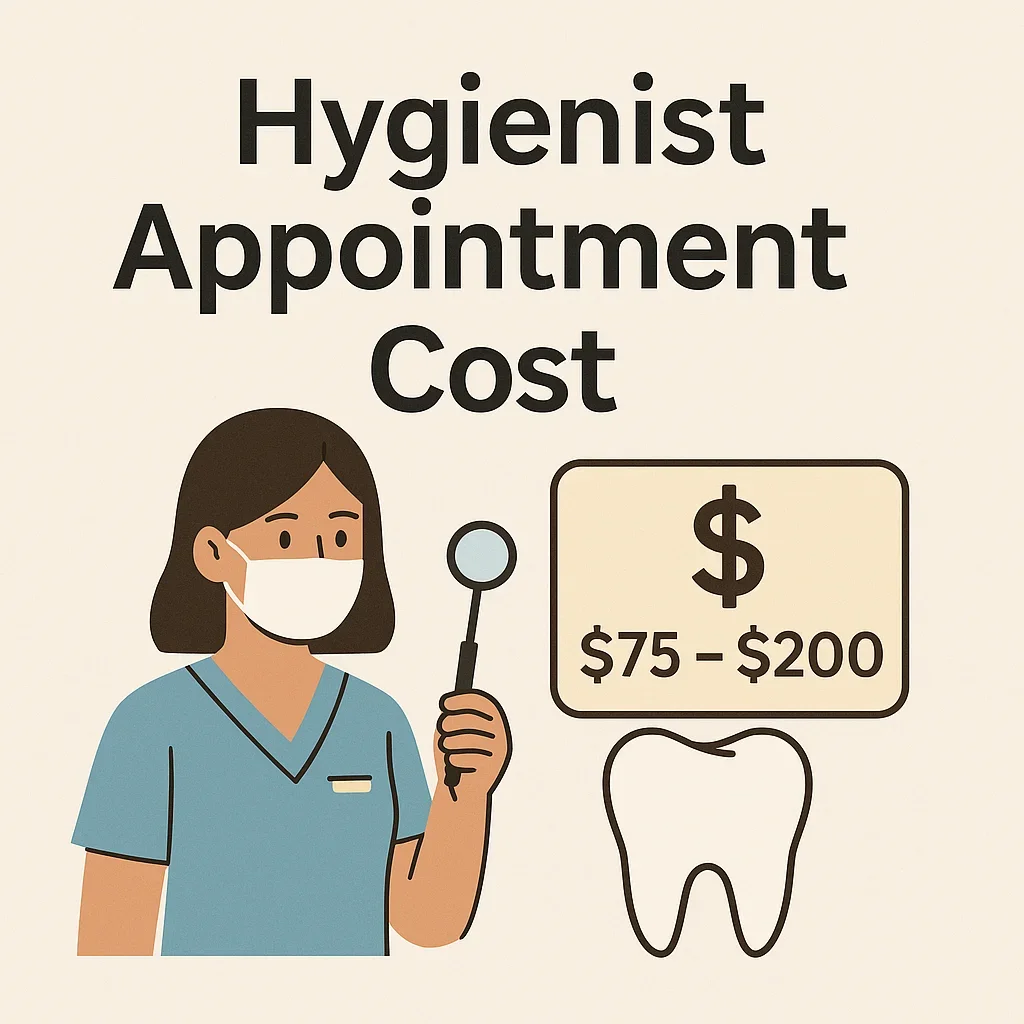
For a routine preventive cleaning, the average hygienist appointment cost in the U.S. generally ranges between $75 and $200 per visit. This range applies to patients with relatively healthy gums who attend regular cleanings every six months. The lower end of the range is more common in smaller towns or clinics with lower overhead costs, while higher prices are often seen in large metropolitan areas.
It is important to note that this hygienist appointment cost usually applies to a standard prophylaxis cleaning only. It does not include advanced periodontal treatments, X-rays, or specialized procedures unless explicitly stated. Patients should always ask what services are included when discussing hygienist appointment cost with a clinic.
Typical U.S. Cost Breakdown (Approximate)
- Routine dental cleaning: $75 – $200
- Exam by hygienist (included): Usually included
- Polishing and fluoride (optional): $20 – $50
This general pricing block reflects commonly reported U.S. averages based on publicly available clinic pricing and industry data. Actual hygienist appointment cost may vary depending on individual circumstances.
Why Hygienist Appointment Cost Varies by State
One reason the hygienist appointment cost differs across the United States is state-by-state variation in operating costs. Clinics in states such as California, New York, and Massachusetts often have higher hygienist appointment cost figures due to increased rent, labor expenses, and regulatory compliance costs. In contrast, states with lower costs of living may offer more affordable hygiene services.
Additionally, state regulations affect scope of practice for dental hygienists. In some states, hygienists can perform more services independently, which may streamline care and slightly reduce hygienist appointment cost. In other states, stricter supervision requirements can increase administrative overhead, indirectly impacting pricing.
Urban vs Rural Hygienist Appointment Cost Differences
Urban areas consistently show a higher average hygienist appointment cost compared to rural locations. City-based clinics often invest heavily in advanced equipment, modern interiors, and extended service hours. While these features enhance patient comfort, they also contribute to a higher hygienist appointment cost.
Rural clinics, on the other hand, may offer lower hygienist appointment cost due to reduced overhead. However, availability may be limited, and appointment wait times can be longer. Patients should weigh convenience, quality, and cost together rather than focusing solely on the lowest hygienist appointment cost.
How Oral Health Status Impacts Average Cost
Average hygienist appointment cost figures assume good baseline oral health. Patients with significant plaque buildup, bleeding gums, or early periodontal issues may experience higher hygienist appointment cost due to longer appointment times or additional procedures. Even if the visit appears routine, extra scaling time increases clinical workload and pricing.
This is why two patients visiting the same clinic may receive different cost estimates. The hygienist appointment cost is personalized, reflecting the level of care required rather than a one-size-fits-all model.
Is the Average Hygienist Appointment Cost Worth It?
From a long-term perspective, the average hygienist appointment cost in the United States is considered a cost-effective preventive investment. Regular cleanings significantly reduce the risk of cavities, gum disease, and tooth loss. Avoiding or postponing visits to save money often results in higher treatment costs later.
Dental authorities, including the American Dental Association, consistently emphasize preventive care as the foundation of oral health. When viewed through this lens, the hygienist appointment cost represents protection against more complex and expensive dental procedures.
In conclusion, the average hygienist appointment cost in the United States typically ranges from $75 to $200 for routine care, with variations based on location, clinic type, and oral health condition. Understanding these averages allows patients to budget confidently and recognize the true value behind the hygienist appointment cost. Rather than focusing solely on price, patients should prioritize quality, transparency, and consistency for the best long-term oral health outcomes 😊.
How Location and Clinic Type Affect Hygienist Appointment Cost
The hygienist appointment cost is not determined solely by the treatment itself. Where the clinic is located and what type of clinic you choose play a major role in how much you ultimately pay. Patients are often surprised to learn that two clinics offering similar hygiene services can have very different hygienist appointment cost structures. Understanding these differences helps you make smarter decisions without compromising quality of care 🦷.
Location affects everything from rent and staff wages to licensing fees and equipment costs. Clinic type further influences pricing based on service models, patient volume, and included amenities. Together, these factors explain why hygienist appointment cost can vary widely even within the same country or city.
Urban vs Suburban vs Rural Hygienist Appointment Cost
One of the most influential factors in hygienist appointment cost is geographic location. Urban clinics generally have the highest hygienist appointment cost. Cities come with higher operational expenses, including rent, utilities, insurance, and employee salaries. These increased costs are reflected in the hygienist appointment cost charged to patients.
Suburban clinics often strike a balance. While still benefiting from modern facilities and experienced staff, their overhead costs are typically lower than those of downtown city clinics. As a result, hygienist appointment cost in suburban areas is often more moderate and appealing to families seeking long-term dental care.
Rural clinics usually offer the lowest hygienist appointment cost. Lower rent and reduced competition allow these clinics to keep prices affordable. However, availability may be limited, and appointment slots can fill quickly. In some cases, fewer advanced technologies are available, which may or may not matter depending on your needs.
Summary of Location-Based Cost Trends
- Urban areas: Higher hygienist appointment cost due to high overhead
- Suburban areas: Moderate hygienist appointment cost with balanced services
- Rural areas: Lower hygienist appointment cost, limited availability
Private Dental Clinics vs Corporate Dental Chains
Clinic type is another major factor influencing hygienist appointment cost. Private dental clinics are typically independently owned and operated. These clinics often focus on personalized care, longer appointment times, and continuity with the same hygienist. While this approach enhances patient experience, it can result in a slightly higher hygienist appointment cost.
Corporate dental chains operate on a high-volume model. Because they serve many patients daily, they can sometimes offer a lower hygienist appointment cost. However, appointments may be shorter, and patients may not always see the same hygienist. Some patients value affordability, while others prioritize consistency and individualized care.
Specialty Clinics and Boutique Dental Practices
Boutique and specialty clinics often charge a higher hygienist appointment cost due to premium positioning. These clinics may offer spa-like environments, extended appointment times, and advanced technology. While the hygienist appointment cost is higher, many patients feel the added comfort and attention justify the price 😊.
Specialty periodontal clinics also affect hygienist appointment cost. If your cleaning is performed in a periodontal setting, the hygienist appointment cost is usually higher due to specialized expertise and equipment. These clinics typically treat patients with advanced gum conditions requiring more intensive care.
Teaching Clinics and Dental Schools
Dental schools and teaching clinics offer a significantly lower hygienist appointment cost compared to private practices. Cleanings are performed by supervised students, making these clinics an affordable option for cost-conscious patients. While appointments may take longer, the hygienist appointment cost savings can be substantial.
These clinics are ideal for patients who are flexible with time and want professional care at a reduced hygienist appointment cost. Supervision by licensed professionals ensures safety and quality, even though the experience differs from a private clinic setting.
Technology and Facility Standards
The level of technology and facility investment also impacts hygienist appointment cost. Clinics that use digital imaging, ultrasonic scaling, advanced sterilization systems, and ergonomic equipment typically charge a higher hygienist appointment cost. These investments improve patient comfort, efficiency, and infection control.
Older clinics with minimal technology may offer a lower hygienist appointment cost, but patients should consider whether comfort and efficiency are equally important. A slightly higher hygienist appointment cost often translates into a more pleasant and thorough experience.
In conclusion, hygienist appointment cost is heavily influenced by both location and clinic type. Urban settings, private practices, specialty clinics, and high-tech facilities tend to charge more, while rural clinics, corporate chains, and teaching institutions often offer lower costs. By understanding these variables, patients can choose a clinic that aligns with their budget, comfort expectations, and long-term oral health goals. Ultimately, the right hygienist appointment cost is one that balances affordability with quality and trust 🌟.
Does Dental Insurance Reduce Hygienist Appointment Cost?
The hygienist appointment cost is often closely tied to whether a patient has dental insurance, and understanding this relationship can significantly reduce out-of-pocket expenses. Many patients assume insurance automatically eliminates the hygienist appointment cost, but the reality is more nuanced. Dental insurance can lower the hygienist appointment cost substantially, yet coverage limits, plan types, and provider networks all influence how much you actually pay 🦷.
Dental insurance is primarily designed to encourage preventive care. As a result, most plans partially or fully cover routine hygiene appointments. However, the level of coverage depends on the specific insurance policy. Knowing how your plan works helps you take full advantage of benefits while avoiding unexpected hygienist appointment cost surprises.
Preventive Care Coverage and Hygienist Appointment Cost
Most dental insurance plans categorize routine cleanings as preventive care. Preventive services often include professional cleanings, basic oral exams, and sometimes fluoride treatments. Under many plans, preventive services are covered at 80% to 100%, meaning the hygienist appointment cost for these visits is either significantly reduced or completely covered.
For patients with comprehensive coverage, the hygienist appointment cost may be limited to a small co-payment or none at all. However, coverage is typically limited to a certain number of visits per year, most commonly two. Exceeding this limit can result in the full hygienist appointment cost being billed directly to the patient.
Common Insurance Coverage Limits
- 1–2 hygiene visits per year fully or mostly covered
- Annual maximum benefit limits
- Coverage restricted to in-network providers
In-Network vs Out-of-Network Providers
One of the most important factors affecting hygienist appointment cost with insurance is whether the clinic is in-network. In-network providers have negotiated rates with insurance companies, which lowers the hygienist appointment cost for insured patients. These negotiated fees ensure predictable pricing and reduced out-of-pocket expenses.
Out-of-network providers may still accept insurance, but the hygienist appointment cost is often higher because reimbursement rates are lower. Patients are typically responsible for the difference between the clinic’s fee and what the insurance company pays. This can significantly increase the hygienist appointment cost even for routine cleanings.
Deductibles and Their Impact on Hygienist Appointment Cost
Dental insurance deductibles also affect hygienist appointment cost. A deductible is the amount you must pay before insurance coverage begins. While preventive services often bypass deductibles, some plans require the deductible to be met first. In these cases, patients pay the hygienist appointment cost upfront until the deductible threshold is reached.
Understanding your deductible structure helps prevent confusion. Patients who schedule hygiene visits early in the year may temporarily pay higher hygienist appointment cost until coverage activates.
Insurance Limitations for Advanced Cleanings
Insurance coverage is most generous for basic cleanings. If a hygienist determines that deep cleaning or periodontal maintenance is required, the hygienist appointment cost increases, and insurance coverage may decrease. These services are often classified as major or periodontal treatments, which are usually covered at lower percentages.
Patients should be aware that insurance approval may be required for advanced procedures. Without approval, the hygienist appointment cost may fall largely on the patient. Clinics typically provide pre-treatment estimates to help patients understand expected costs.
What Happens Without Dental Insurance?
Patients without dental insurance pay the full hygienist appointment cost out of pocket. While this may seem expensive, many clinics offer self-pay discounts or preventive care packages to make hygiene visits more affordable. These options help uninsured patients manage hygienist appointment cost while maintaining oral health.
Some clinics also offer membership plans that include discounted hygiene services for an annual fee. These plans are not insurance but can significantly lower hygienist appointment cost for patients who attend regular cleanings.
Is Dental Insurance Worth It for Hygiene Visits?
For patients who prioritize preventive care, dental insurance can be an effective way to reduce hygienist appointment cost. Even basic plans often cover cleanings at a high percentage, making regular visits more affordable. However, patients should carefully review plan details, annual limits, and provider networks to ensure the expected savings justify the monthly premiums.
In summary, dental insurance can significantly reduce hygienist appointment cost, especially for routine preventive care. Coverage varies by plan, provider network, and treatment type, so understanding your policy is essential. Whether insured or not, proactive planning helps patients manage hygienist appointment cost effectively while maintaining long-term oral health 🌟.
Hygienist Appointment Cost for Deep Cleaning vs Regular Cleaning
The hygienist appointment cost can differ dramatically depending on whether you need a regular cleaning or a deep cleaning. Many patients are surprised when they hear two very different price estimates for what they assume is the same service. In reality, regular cleanings and deep cleanings serve different clinical purposes, require different levels of expertise, and involve very different amounts of time and equipment. Understanding these differences helps patients avoid confusion and better prepare for their hygienist appointment cost 🦷.
A regular cleaning is preventive, while a deep cleaning is therapeutic. This distinction is the primary reason the hygienist appointment cost changes so significantly between the two. Dentists and hygienists determine which type you need based on gum health, plaque buildup, and periodontal measurements.
What Is a Regular Dental Cleaning?
A regular cleaning, often called prophylaxis, is designed for patients with generally healthy gums. The hygienist appointment cost for this type of visit is lower because the procedure is straightforward and preventive. It focuses on removing plaque and tartar from the visible surfaces of the teeth and along the gum line.
Regular cleanings are typically recommended every six months. Because the appointment time is shorter and the procedure is less complex, the hygienist appointment cost remains relatively predictable. For patients who maintain good oral hygiene at home, this type of cleaning helps keep costs stable over time.
Typical Hygienist Appointment Cost for Regular Cleaning
- Average range: $75 – $200
- Time required: 30–60 minutes
- Purpose: Preventive maintenance
This level of hygienist appointment cost assumes no active gum disease and minimal buildup.
What Is a Deep Cleaning?
A deep cleaning, also known as scaling and root planing, is required when gum disease is present. In this case, the hygienist appointment cost increases because the procedure is more intensive and time-consuming. Deep cleaning targets bacteria and tartar below the gum line, where regular cleanings cannot reach.
This procedure is usually performed when gum pockets exceed normal depth, indicating periodontal disease. The hygienist appointment cost reflects the advanced skill, additional time, and sometimes anesthesia required to complete the treatment comfortably.
Typical Hygienist Appointment Cost for Deep Cleaning
- Average range: $150 – $400 per quadrant
- Total cost (full mouth): $600 – $1,600+
- Time required: Multiple appointments
Because the mouth is divided into quadrants, the hygienist appointment cost is often calculated per section rather than as a single visit.
Why Deep Cleaning Costs More
The hygienist appointment cost for deep cleaning is higher for several reasons. First, the procedure requires significantly more time. Each quadrant must be carefully cleaned below the gum line to remove hardened deposits. Second, specialized instruments and ultrasonic devices are used to ensure thorough bacterial removal.
In many cases, local anesthesia is needed to keep the patient comfortable. This adds to the hygienist appointment cost due to additional materials, clinical oversight, and extended chair time. Follow-up visits are also common, further increasing total cost.
Insurance Coverage Differences
Insurance coverage plays a major role in hygienist appointment cost differences between regular and deep cleanings. Preventive cleanings are often covered at a high percentage, sometimes up to 100%. This significantly reduces out-of-pocket hygienist appointment cost for routine care.
Deep cleanings, however, are usually categorized as periodontal treatment. Insurance may only cover a portion of the hygienist appointment cost, leaving patients responsible for a larger share. Pre-authorization is often required, and coverage limits apply.
Long-Term Cost Implications
Although the hygienist appointment cost for deep cleaning is higher, it may prevent far more expensive dental problems in the future. Untreated gum disease can lead to tooth loss, bone damage, and complex restorative procedures. In this sense, the higher hygienist appointment cost acts as a preventive investment.
Patients who maintain regular cleanings often avoid the need for deep cleaning altogether. Skipping routine care to save money frequently results in a much higher hygienist appointment cost later.
How Hygienists Decide Which Cleaning You Need
Dental hygienists determine the appropriate cleaning type by measuring gum pocket depth, checking for bleeding, and evaluating tartar buildup. These clinical indicators guide the recommendation and directly influence the hygienist appointment cost.
Patients are encouraged to ask questions and request clear explanations. Understanding why a higher hygienist appointment cost is recommended helps build trust and ensures informed consent.
In summary, the hygienist appointment cost varies greatly between regular and deep cleanings because the treatments serve different purposes and require different levels of care. Regular cleanings are affordable and preventive, while deep cleanings are more costly but medically necessary for treating gum disease. By attending routine appointments and maintaining good oral hygiene, patients can keep their hygienist appointment cost predictable and avoid more expensive treatments in the future 🌟.
How Often You Go and Its Impact on Hygienist Appointment Cost
The hygienist appointment cost is not only determined by where you go or what type of cleaning you need, but also by how often you visit a dental hygienist. Frequency plays a surprisingly large role in long-term costs. Patients who attend regular hygiene appointments generally experience lower overall hygienist appointment cost over time, while those who delay or skip visits often face higher expenses later 🦷.
Dental hygiene is preventive by design. The more consistently you attend appointments, the easier it is for hygienists to maintain your oral health. This consistency reduces treatment complexity, appointment length, and ultimately the hygienist appointment cost.
Standard Cleaning Frequency and Cost Stability
For most patients, visiting a hygienist every six months is considered standard. At this frequency, plaque and tartar buildup are manageable, gum inflammation is minimal, and oral health issues are identified early. As a result, the hygienist appointment cost for these visits tends to remain stable and predictable.
Patients who maintain this routine usually qualify for standard preventive cleanings. These appointments require less time, fewer instruments, and minimal follow-up care. Over several years, this approach keeps cumulative hygienist appointment cost significantly lower than sporadic care.
Typical Cost Benefits of Regular Visits
- Shorter appointment duration
- Lower risk of deep cleaning
- Consistent hygienist appointment cost
Infrequent Visits and Rising Hygienist Appointment Cost
When patients skip cleanings for a year or longer, plaque hardens into tartar, and bacteria accumulate below the gum line. These changes increase the complexity of care required during the next visit. As a result, the hygienist appointment cost rises due to longer treatment time and possible need for advanced procedures.
Infrequent visits often lead to gum inflammation or early periodontal disease. Once this occurs, a simple cleaning may no longer be sufficient. The hygienist appointment cost increases when scaling below the gum line or multiple visits become necessary.
High-Risk Patients and Increased Visit Frequency
Some patients are advised to see a hygienist more often than every six months. Individuals with gum disease, diabetes, smoking habits, or orthodontic appliances may require cleanings every three to four months. While this increases the number of visits per year, it often reduces the hygienist appointment cost per visit by preventing disease progression.
For high-risk patients, frequent visits act as cost control. By keeping bacteria levels low and gums healthy, these patients avoid expensive periodontal treatments that dramatically increase hygienist appointment cost.
Long-Term Cost Comparison: Regular vs Irregular Care
From a financial perspective, regular care is almost always more affordable. Patients who attend routine appointments may spend more consistently, but their total hygienist appointment cost over five to ten years is usually much lower than those who seek care only when problems arise.
Irregular care often results in sudden, high hygienist appointment cost due to deep cleanings, additional visits, and follow-up treatments. These costs are less predictable and harder to budget for.
Insurance Frequency Limits and Cost Planning
Dental insurance policies typically cover one or two hygiene visits per year. Staying within these limits keeps hygienist appointment cost low for insured patients. When patients exceed covered visits, out-of-pocket hygienist appointment cost increases.
However, for patients who need more frequent care, paying for additional visits may still be more cost-effective than treating advanced gum disease later. Planning visits strategically helps manage hygienist appointment cost even when insurance coverage is limited.
Psychological and Preventive Value
Beyond financial considerations, frequent hygiene visits reinforce good oral care habits. Patients who see their hygienist regularly are more likely to maintain proper brushing and flossing routines. This behavioral consistency further reduces hygienist appointment cost by minimizing buildup and inflammation.
Regular visits also reduce dental anxiety. Patients who feel comfortable with routine care are less likely to delay appointments, preventing sudden spikes in hygienist appointment cost.
In conclusion, how often you visit a hygienist has a direct and powerful impact on hygienist appointment cost. Regular, preventive visits keep costs predictable and manageable, while infrequent care increases both complexity and expense. By committing to consistent hygiene appointments, patients protect not only their oral health but also their long-term financial well-being 🌟.
Additional Treatments That Increase Hygienist Appointment Cost
The hygienist appointment cost many patients expect is usually based on a standard cleaning. However, during an actual visit, additional treatments may be recommended depending on oral health findings. These extra services are often clinically necessary, but they can increase the overall hygienist appointment cost. Understanding which treatments raise costs—and why—helps patients prepare financially and make informed decisions without confusion or stress 🦷.
Dental hygienists are trained to identify early signs of oral health issues. When they detect concerns beyond routine plaque buildup, they may suggest additional procedures to protect teeth and gums. While these services raise the hygienist appointment cost, they are usually preventive or corrective measures designed to avoid more serious problems later.
Dental X-Rays and Diagnostic Imaging
One common factor that increases hygienist appointment cost is diagnostic imaging. X-rays allow hygienists and dentists to see areas not visible during a visual exam, such as bone loss, cavities between teeth, or infections below the gum line. If X-rays are taken during your visit, the hygienist appointment cost may increase.
X-rays are not required at every appointment, but they are often recommended periodically or for new patients. Although they add to the hygienist appointment cost, they play a crucial role in early detection and long-term cost savings.
Typical Imaging-Related Cost Impact
- Single bitewing X-rays: $20 – $40
- Full-mouth X-rays: $75 – $150
Fluoride Treatments
Fluoride treatments are another service that can increase hygienist appointment cost. These treatments strengthen tooth enamel and reduce cavity risk, especially for children, seniors, and patients with a history of decay. While often optional for adults, fluoride is frequently recommended based on individual risk factors.
The hygienist appointment cost increase from fluoride treatment is usually modest, but over time it contributes to the total visit cost. Many insurance plans cover fluoride for children but not always for adults, which affects out-of-pocket hygienist appointment cost.
Desensitizing and Special Care Products
Patients with sensitive teeth may benefit from desensitizing treatments applied during hygiene visits. These products reduce discomfort caused by exposed dentin or gum recession. When included, they add to the hygienist appointment cost but significantly improve comfort during and after the visit.
Specialized polishing pastes or antibacterial rinses may also be recommended. While each addition slightly increases hygienist appointment cost, they are targeted solutions rather than unnecessary extras.
Periodontal Maintenance and Follow-Up Care
For patients with a history of gum disease, periodontal maintenance may replace standard cleaning. This type of visit is more involved and therefore increases hygienist appointment cost. Periodontal maintenance includes deeper cleaning below the gum line and more detailed monitoring of gum health.
These visits are usually scheduled more frequently and require more clinical time. Although the hygienist appointment cost is higher, periodontal maintenance prevents disease recurrence and avoids far more expensive surgical treatments.
Local Anesthesia and Comfort Measures
In some cases, local anesthesia is used to ensure patient comfort during extensive cleaning. This is more common during deep scaling or when sensitivity is high. The use of anesthesia increases hygienist appointment cost due to additional materials, time, and clinical oversight.
Comfort options such as topical numbing agents or extended appointment time may also raise hygienist appointment cost slightly, but they significantly improve the patient experience 😊.
Customized Preventive Treatments
Hygienists may recommend sealants, antibacterial gels, or specialized gum treatments for high-risk patients. These customized services are designed to prevent decay or gum disease progression. While they increase hygienist appointment cost, they often eliminate the need for more complex procedures later.
Patients should view these additions as targeted investments rather than unnecessary expenses. Clear communication with the hygienist helps ensure you understand why each treatment affects hygienist appointment cost.
How to Decide Which Add-Ons Are Necessary
Not every recommended service is mandatory. Patients have the right to ask questions, request explanations, and prioritize treatments. Understanding which services are essential versus optional helps manage hygienist appointment cost effectively.
Trustworthy clinics explain costs transparently and provide estimates before proceeding. This approach allows patients to control hygienist appointment cost while still receiving appropriate care.
In conclusion, additional treatments can increase hygienist appointment cost, but they are often recommended to protect long-term oral health. Diagnostic imaging, fluoride, periodontal maintenance, and comfort measures all contribute to higher costs, yet they prevent far more expensive problems in the future. By understanding these factors and communicating openly with your hygienist, you can balance care quality with a manageable hygienist appointment cost 🌟.
How to Lower Your Hygienist Appointment Cost Safely
The hygienist appointment cost is a necessary part of maintaining oral health, but many patients understandably look for ways to reduce expenses without compromising care quality. The good news is that there are safe, ethical, and effective strategies to manage and lower hygienist appointment cost over time. Cost reduction should never mean skipping essential care; instead, it should focus on prevention, planning, and smart decision-making 🦷.
Lowering hygienist appointment cost safely starts with understanding how costs are created in the first place. Most expenses increase due to delayed care, advanced disease, or inefficient use of insurance benefits. By addressing these factors proactively, patients can keep hygienist appointment cost predictable and affordable.
Maintain Consistent Oral Hygiene at Home
The simplest and most effective way to reduce hygienist appointment cost is excellent daily oral hygiene. Brushing twice a day, flossing daily, and using recommended oral care products significantly reduce plaque buildup. When hygienists spend less time removing hardened tartar, appointment duration is shorter, which helps keep hygienist appointment cost lower.
Patients with strong home-care routines are more likely to qualify for standard cleanings rather than advanced treatments. Over time, this consistency directly translates into lower cumulative hygienist appointment cost.
Do Not Skip Regular Appointments
Skipping routine visits may seem like a way to save money, but it almost always increases hygienist appointment cost later. Missed appointments allow plaque to harden and bacteria to spread below the gum line. When this happens, deep cleanings or periodontal maintenance may be required, significantly raising hygienist appointment cost.
Staying on a six-month (or recommended) schedule keeps treatments simple and affordable. Regular visits are one of the most reliable ways to control hygienist appointment cost long term.
Use Dental Insurance Strategically
If you have dental insurance, using it correctly can dramatically reduce hygienist appointment cost. Most plans cover preventive cleanings at a high percentage, often up to 100%. Scheduling visits within covered frequency limits ensures minimal out-of-pocket hygienist appointment cost.
Patients should confirm whether their clinic is in-network and understand annual maximums. Using benefits before they expire at the end of the year prevents wasted coverage and keeps hygienist appointment cost as low as possible.
Insurance Cost-Saving Tips
- Choose in-network providers
- Schedule covered cleanings before year-end
- Request pre-treatment estimates
Ask for Transparent Pricing and Treatment Plans
Clear communication is essential for managing hygienist appointment cost. Patients should feel comfortable asking for a breakdown of costs before treatment begins. Transparent clinics explain which services are included, which are optional, and how each affects hygienist appointment cost.
If additional treatments are recommended, patients can ask whether they are urgent or can be postponed. This discussion helps prioritize care while keeping hygienist appointment cost under control.
Consider Preventive Membership Plans
Many clinics offer preventive care membership plans for patients without insurance. These plans typically include one or two cleanings per year at a reduced rate. While not insurance, they are an effective way to lower hygienist appointment cost for self-pay patients.
Membership plans also encourage regular visits, which further reduces the risk of expensive treatments. Over time, these plans help stabilize hygienist appointment cost and simplify budgeting.
Choose the Right Clinic Type
Clinic selection plays a role in hygienist appointment cost. Teaching clinics and dental schools often offer lower prices under professional supervision. While appointments may take longer, the hygienist appointment cost savings can be significant.
Patients should balance cost with convenience, comfort, and trust. A slightly higher hygienist appointment cost at a reliable clinic may prevent more expensive problems later.
Address Dental Issues Early
Early intervention is one of the most powerful ways to control hygienist appointment cost. Treating minor gum inflammation or sensitivity early prevents progression to periodontal disease. Once advanced treatment is required, hygienist appointment cost rises sharply.
Listening to hygienist recommendations and acting promptly keeps care simple and affordable. Preventive action always costs less than corrective treatment.
Evaluate Add-On Treatments Carefully
Some add-on services may increase hygienist appointment cost without being essential for every patient. While many additional treatments are beneficial, patients should ask which ones are necessary based on their risk profile.
Informed decisions ensure that hygienist appointment cost reflects genuine health needs rather than unnecessary extras.
In conclusion, lowering hygienist appointment cost safely is achievable through prevention, consistency, and informed choices. Maintaining good oral hygiene, attending regular appointments, using insurance wisely, and communicating openly with your clinic all contribute to manageable costs. By focusing on long-term oral health rather than short-term savings, patients protect both their smiles and their budgets—making hygienist appointment cost a smart, controlled investment in overall well-being 🌟.
Is a Higher Hygienist Appointment Cost Worth It?
The hygienist appointment cost can vary widely, and many patients naturally wonder whether paying more actually delivers better value. This is a valid and important question. While everyone wants to manage expenses wisely, dental hygiene is an area where choosing the lowest price is not always the smartest decision. Understanding what a higher hygienist appointment cost may represent helps patients evaluate value rather than focusing on price alone 🦷.
A higher hygienist appointment cost does not automatically mean better care, but in many cases, it reflects meaningful differences in quality, safety, expertise, and long-term outcomes. To decide whether the cost is worth it, patients should look beyond the price tag and examine what they are truly receiving.
What a Higher Hygienist Appointment Cost Often Includes
Clinics with a higher hygienist appointment cost often invest more heavily in technology, staff training, and patient experience. Advanced ultrasonic scalers, modern sterilization systems, digital diagnostics, and ergonomic equipment all improve treatment quality and comfort. These investments raise operating costs, which are reflected in the hygienist appointment cost.
Additionally, higher-cost clinics often allocate more time per patient. Longer appointments allow hygienists to clean more thoroughly, educate patients in detail, and identify issues early. This comprehensive approach can prevent future problems that would dramatically increase hygienist appointment cost down the line.
Quality Indicators Linked to Higher Cost
- Modern equipment and infection control standards
- Highly trained, experienced hygienists
- Longer, less rushed appointments
- Personalized oral health planning
Lower Cost vs Long-Term Value
A low hygienist appointment cost may seem appealing, but it sometimes comes with trade-offs. Shorter appointments, outdated tools, or limited follow-up can reduce effectiveness. Incomplete plaque removal or missed early signs of gum disease may lead to higher treatment needs later, increasing overall hygienist appointment cost over time.
From a long-term perspective, paying slightly more now can result in fewer dental problems, fewer emergency visits, and lower cumulative hygienist appointment cost across years. Value should be measured not just by today’s price, but by future savings and health outcomes.
Comfort, Anxiety Reduction, and Patient Experience
Patient comfort is another factor tied to hygienist appointment cost. Clinics that prioritize comfort often use gentler techniques, noise-reducing tools, and pain-minimizing technologies. For patients with dental anxiety, this can make a significant difference.
A more comfortable experience increases the likelihood of regular visits. Patients who feel relaxed are less likely to delay appointments, which directly helps control hygienist appointment cost by preventing advanced disease.
Clinical Accuracy and Early Detection
Higher hygienist appointment cost often supports better diagnostic accuracy. Clinics with advanced imaging and thorough assessment protocols are more likely to detect early-stage problems. Early detection keeps treatment simple and hygienist appointment cost manageable.
Missing early signs of gum disease or decay due to rushed or limited care can result in expensive interventions later. In this sense, a higher hygienist appointment cost can act as insurance against future financial and health burdens.
When Higher Hygienist Appointment Cost May Not Be Necessary
That said, higher hygienist appointment cost is not always required. Patients with excellent oral health, low risk factors, and consistent hygiene habits may receive adequate care at moderately priced clinics. In such cases, paying a premium may not offer proportional benefits.
The key is matching clinic choice to individual needs. Patients should assess their oral health status, risk factors, and comfort preferences when evaluating hygienist appointment cost.
Questions to Ask Before Deciding
Rather than focusing solely on hygienist appointment cost, patients should ask informed questions:
- What services are included in the hygienist appointment cost?
- How long is the appointment?
- What technology and sterilization standards are used?
- Will I see the same hygienist consistently?
These answers help determine whether the hygienist appointment cost aligns with quality and value expectations.
Cost as an Investment in Oral Health
When viewed as an investment, hygienist appointment cost supports long-term oral and overall health. Healthy gums are linked to reduced risk of systemic conditions such as heart disease and diabetes. Preventive care delivers benefits far beyond the dental chair.
Organizations like the American Dental Association consistently emphasize prevention as the most cost-effective approach to dental care. In this context, a well-justified hygienist appointment cost is an investment in both health and financial stability.
In conclusion, a higher hygienist appointment cost is often worth it when it reflects higher quality care, better technology, thorough assessments, and a positive patient experience. While affordability matters, value matters more. By evaluating what is included and how it supports long-term oral health, patients can decide confidently whether a higher hygienist appointment cost is the right choice for their needs 🌟.