
Are you one of the many people typing “I want dental implants” into search engines, hoping to finally get back your confident smile? You’re not alone — millions around the world are seeking a permanent, natural-looking solution for missing teeth. Dental implants have become the gold standard for modern tooth replacement, combining aesthetics, function, and durability in one remarkable treatment. In this guide, we’ll walk you through everything you need to know about getting dental implants — from how they work to what to expect before, during, and after the procedure. 🦷
The phrase “i want dental implants” often reflects more than just cosmetic concerns. Many people struggle with chewing, speaking, or social confidence because of missing teeth. Dental implants not only restore your smile but also improve overall oral health by preventing bone loss in the jaw. Unlike dentures or bridges, implants fuse naturally with your jawbone through a process called osseointegration, creating a stable, long-lasting foundation for replacement teeth. This makes them the most advanced and reliable dental solution available today.
When you say “i want dental implants”, what you’re truly expressing is the desire for a permanent fix — something that feels like your own teeth. Whether you lost a tooth due to decay, gum disease, or an accident, dental implants can restore both your function and confidence. Patients often report feeling more youthful and socially active after the procedure. It’s not just about appearance; it’s about reclaiming your quality of life.
What Are Dental Implants and Why Are They So Popular?
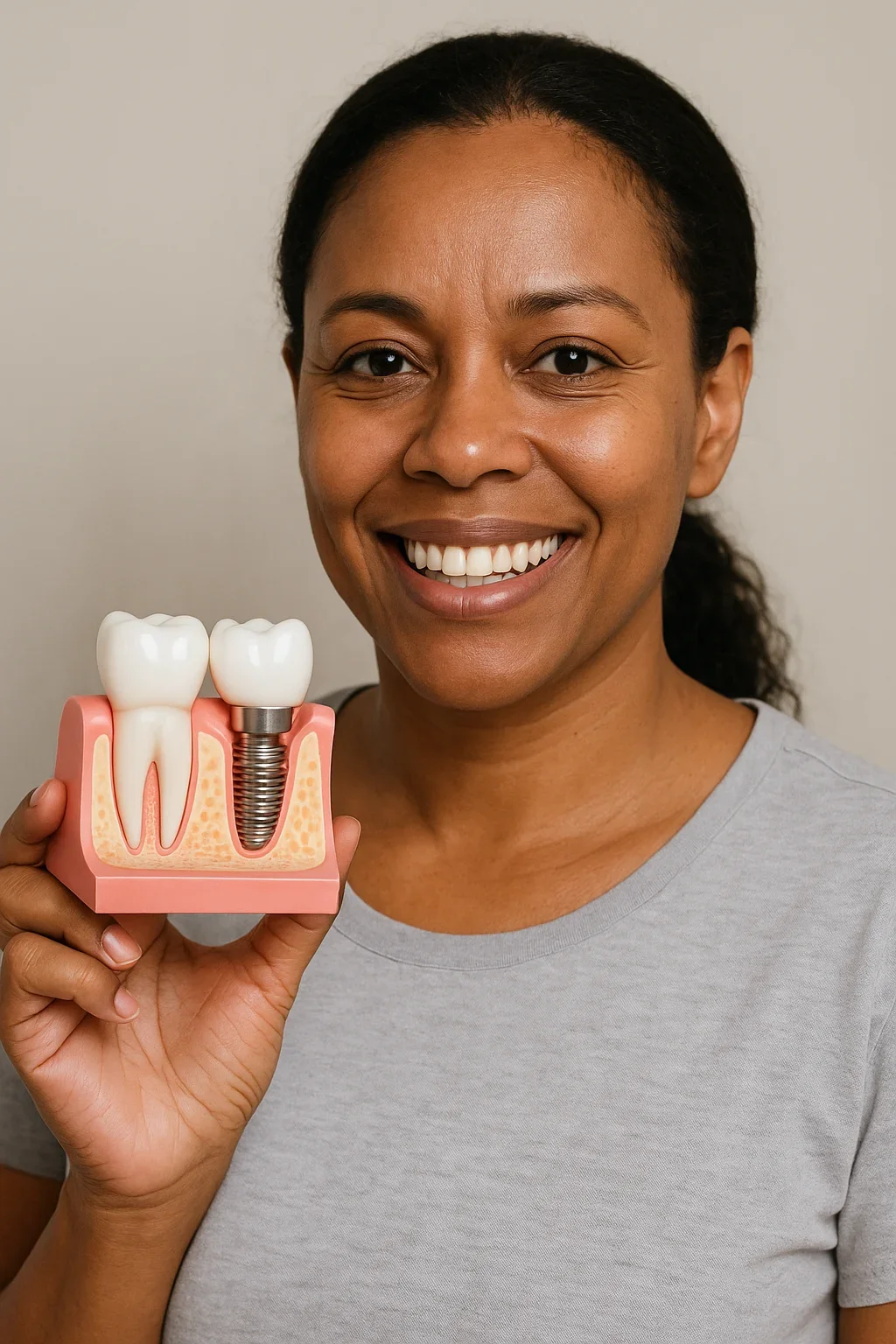
Dental implants are small titanium posts that act as artificial tooth roots. Once placed in the jawbone, they serve as anchors for crowns, bridges, or dentures. Titanium is biocompatible, meaning your body naturally accepts it — and over time, your bone fuses to the implant. The result is a replacement that looks, feels, and functions just like a real tooth. 🪄
The popularity of dental implants continues to rise because they outperform traditional treatments. While dentures may slip and bridges rely on neighboring teeth, implants stand on their own. They provide incredible stability, restore full bite strength, and can last a lifetime with proper care. Patients who once said “I want dental implants” often end up saying “I’m so glad I did it!” after seeing the results.
Key Benefits of Choosing Dental Implants
- Natural Look & Feel: Implants mimic real teeth in both appearance and function.
- Long-Term Durability: With good oral hygiene, implants can last 25 years or more.
- Improved Speech: Unlike dentures, they don’t slip or affect pronunciation.
- Enhanced Comfort: Implants integrate with your jawbone, eliminating the discomfort of removable devices.
- Preservation of Jawbone: They prevent bone loss and maintain facial structure.
- Boosted Confidence: A stable, permanent smile can transform your social life.
In short, dental implants combine technology and artistry to deliver life-changing results. They’re not just a replacement for teeth — they’re a foundation for self-assurance, proper nutrition, and long-term health.
What to Expect When You Say “I Want Dental Implants”
If you’ve decided “I want dental implants,” the process begins with a professional consultation. Your dentist or implant specialist will assess your oral health, bone density, and medical history. This step determines whether you’re an ideal candidate. People with healthy gums and sufficient jawbone density usually qualify for treatment. Even if you’ve suffered bone loss, advanced techniques like bone grafting can prepare your jaw for implants.
The actual implant placement is a minor surgical procedure performed under local anesthesia. The dentist inserts the titanium post into your jawbone, where it heals and bonds over several weeks. Once integration is complete, an abutment and a custom crown are attached. This final restoration blends seamlessly with your natural teeth, providing the strength and beauty of a real tooth.
After the surgery, most patients experience minimal discomfort that subsides within a few days. Following aftercare instructions — such as maintaining oral hygiene and avoiding smoking — ensures successful healing. Regular dental visits will help monitor your implant’s long-term success.
Where to Learn More and Begin Your Journey
Getting dental implants is a life-changing decision. If you’re thinking, “I want dental implants,” start by reaching out to a reputable clinic that specializes in implant dentistry. For those considering treatment in Turkey, Redent Klinik Contact Page offers expert consultations and affordable implant solutions tailored to your needs. They provide high-quality care under the guidance of experienced dental surgeons.
For additional professional insights, visit the official American Dental Association website to explore evidence-based resources on dental implants, oral health, and patient care. Always make sure your chosen dental clinic follows international hygiene and safety standards to ensure the best results.
Ultimately, the phrase “i want dental implants” is the beginning of your journey toward a healthier, more confident smile. With the right dental team, advanced materials, and precise surgical techniques, your dream smile is within reach. Don’t wait — take the first step today and experience how transformative modern implant dentistry can be. 🌟
1. Why So Many People Say “I Want Dental Implants”
Every day, thousands of people around the world search for the phrase “i want dental implants” — a clear sign of how important this treatment has become for restoring oral health and self-confidence. Missing teeth can affect every aspect of life, from how you eat to how you smile in photos. Dental implants have revolutionized modern dentistry by offering a permanent, comfortable, and natural-looking solution. But why exactly are so many people turning to this procedure? Let’s explore the reasons in depth. 🦷
The Emotional Side of Wanting Dental Implants
When someone says “i want dental implants”, it’s often not just about fixing teeth — it’s about regaining self-esteem. A missing tooth can make people feel self-conscious, avoid smiling in public, or even hesitate to speak up in social situations. Dental implants help reverse that emotional burden by restoring a natural, confident smile. Many patients describe their implant journey as a transformation that goes beyond appearance — it’s about feeling whole again. 😊
Think of it this way: your smile is one of the first things people notice. When it’s compromised, it affects not just your image but your emotional well-being. That’s why the demand for dental implants continues to surge, especially among those seeking both beauty and function in their dental restoration.
The Functional Need for Dental Implants
Missing teeth are not just a cosmetic issue — they lead to real physical challenges. People who declare “i want dental implants” are often struggling with chewing difficulties, jawbone loss, or misaligned bites caused by missing teeth. When teeth are lost, the underlying bone begins to deteriorate over time. This can change your facial structure, leading to a sunken appearance that makes you look older than you are.
Dental implants solve these problems effectively. The titanium post acts as an artificial tooth root, stimulating the jawbone and maintaining its strength. This process, known as osseointegration, prevents bone shrinkage and preserves facial shape. It’s one of the main reasons people view implants as a long-term investment rather than a temporary fix.
Why Alternatives Often Fall Short
Before the era of dental implants, the only options for replacing missing teeth were dentures or dental bridges. However, these alternatives have limitations:
- Dentures may slip or move while talking or eating, causing discomfort and embarrassment.
- Bridges require grinding down adjacent healthy teeth for support, which can weaken them over time.
- Neither dentures nor bridges prevent bone loss in the jaw, leading to long-term oral deterioration.
In contrast, implants behave like natural teeth, providing stability and strength. This is why patients increasingly say “I want dental implants” instead of opting for older methods.
The Rise of Implant Dentistry Worldwide
Over the last decade, implant dentistry has become one of the fastest-growing fields in oral health care. Statistics show that more than 10 million dental implants are placed annually across the globe. The United States, Europe, and Turkey lead this trend, with Turkey becoming especially popular due to high-quality yet affordable dental implant treatments. 🇹🇷
When people search “i want dental implants in Turkey,” they’re often looking for a combination of expertise and cost-effectiveness. Turkish clinics like Redent Klinik Contact Page are known for their advanced equipment, experienced surgeons, and patient-friendly pricing structures — making them ideal for international dental tourism.
Global Trust in Modern Implant Technology
One of the key reasons for the global rise in implant popularity is the advancement in technology. Modern digital dentistry allows for precise 3D imaging, guided implant placement, and faster healing times. Implants are now safer and more predictable than ever before. According to the American Dental Association, dental implants have a success rate of over 95% when performed by qualified professionals — a figure that speaks for itself.
Socioeconomic Factors Driving the Demand
In addition to emotional and functional reasons, the increase in people saying “i want dental implants” is influenced by socioeconomic trends. As awareness of dental aesthetics grows through social media and celebrity culture, more individuals are prioritizing their smiles. Cosmetic dentistry is no longer considered a luxury — it’s part of personal wellness and self-expression.
Moreover, as implant technology becomes more accessible and affordable, even middle-income patients are investing in long-lasting dental solutions. Flexible payment plans and international travel for dental care have made implants an attainable reality for millions. 🌍
How Patients Feel After Getting Dental Implants
Those who once said “I want dental implants” often describe the outcome as life-changing. After completing their treatment, patients report improved confidence, better eating ability, and even clearer speech. Many express relief at not having to deal with removable dentures anymore. The psychological and social benefits are immense — people smile more, eat better, and live healthier lives.
Real-Life Impact Example
Take, for instance, a 45-year-old patient who had lost several teeth after an accident. After getting dental implants, she could finally enjoy her favorite foods again and felt comfortable smiling in photos. Her story is typical of countless patients who realized that implants don’t just restore teeth — they restore identity.
Conclusion: The Growing Desire for a Permanent Smile
In summary, when someone says “i want dental implants”, they’re expressing a deep desire for comfort, beauty, and confidence. It’s about regaining the ability to smile, laugh, and live fully without fear of embarrassment or pain. Dental implants have become the symbol of modern restorative dentistry — durable, functional, and natural-looking. With ongoing innovations, this treatment will only continue to grow in popularity, empowering more people to embrace their best smiles. 🌟
2. Understanding How Dental Implants Work
If you’ve ever thought, “I want dental implants,” understanding exactly how they work is the first step toward making an informed decision. Dental implants are not just cosmetic enhancements—they are a highly engineered medical solution designed to replicate the function and strength of natural teeth. Whether you’re missing one tooth or several, dental implants can restore your ability to chew, speak, and smile with total confidence. 🦷
The phrase “i want dental implants” often comes from people who are tired of dealing with removable dentures or gaps that make eating difficult. But before you make that life-changing decision, it’s crucial to know how the process works beneath the surface. Let’s dive deep into the science and structure of dental implants to see why they’re considered the most advanced tooth replacement option available today.
What Exactly Is a Dental Implant?
A dental implant is a small, screw-shaped post—typically made from titanium—that is surgically placed into the jawbone to act as an artificial tooth root. Over time, this post fuses with the bone through a process known as osseointegration. This fusion creates an unshakeable foundation for attaching crowns, bridges, or dentures, depending on how many teeth need to be replaced.
The reason so many people say “I want dental implants” is because they offer the closest possible experience to having real teeth. The implant doesn’t just sit on top of the gums—it becomes part of your body’s natural structure, delivering unmatched stability and strength.
The Three Main Components of a Dental Implant
To fully understand how implants work, it’s important to know their anatomy. Each implant system has three core parts that work together:
- 1. The Implant Fixture (Root): This is the titanium post inserted into your jawbone. It serves as the artificial root and provides long-term support for the prosthetic tooth.
- 2. The Abutment: Once the implant integrates with the bone, a small connector piece called an abutment is attached. This component links the implant post to the final crown.
- 3. The Crown (Visible Tooth): This is the part you see above the gumline. Made of porcelain or zirconia, the crown is designed to match the color, size, and shape of your natural teeth.
Together, these components form a durable and aesthetically pleasing replacement that functions just like a natural tooth.
Why Titanium Is the Material of Choice
When people researching “i want dental implants” learn that titanium is used, they often wonder why. Titanium is a biocompatible metal, meaning it’s accepted by the body without causing rejection or allergic reactions. It also encourages bone growth around the implant, ensuring long-term stability. Some advanced clinics even offer zirconia implants for patients seeking metal-free alternatives, but titanium remains the gold standard for its strength and success rate.
The Science of Osseointegration
The magic of dental implants lies in osseointegration—the natural bonding process between the titanium implant and your jawbone. Once the implant is placed, the surrounding bone tissue gradually grows and fuses with the metal surface. This process typically takes three to six months but creates a permanent bond strong enough to withstand daily chewing forces.
When you say, “I want dental implants,” you’re really choosing a treatment that mimics biology itself. No other tooth replacement method fuses with your bone this way, which is why implants are so stable and durable. They become part of you, literally integrating with your skeletal system for lifelong support.
The Step-by-Step Functionality of Implants
Understanding how dental implants function helps patients appreciate their long-term value. Here’s how they work from a mechanical and biological perspective:
- Placement: The dentist surgically places the titanium post into the jawbone under local anesthesia. This acts as the new root.
- Healing and Integration: Over the next few months, bone cells grow around the implant, locking it firmly in place.
- Abutment Connection: After integration, the abutment is attached to connect the implant with the crown.
- Final Restoration: A customized crown is fixed on top, completing the natural look and feel of a real tooth.
Each step is precise, guided by advanced imaging technologies like 3D CT scans to ensure exact positioning and maximum success rates. Modern digital dentistry even allows for computer-guided implant surgery, which minimizes discomfort and shortens recovery time.
Biomechanical Benefits of Implants
One reason people say “i want dental implants” is because of their unmatched biomechanical benefits. Unlike dentures that rest on the gums, implants transfer biting pressure directly to the bone—just like natural teeth. This stimulation keeps the jawbone healthy and prevents bone resorption (shrinking). In contrast, traditional dentures can accelerate bone loss due to lack of stimulation.
Furthermore, implants do not affect adjacent teeth, unlike bridges that rely on grinding down nearby healthy teeth for support. By preserving your natural dental structure, implants help maintain overall oral health for decades.
How Implants Improve Oral Function
When people lose teeth, everyday activities like eating and speaking can become challenging. Dental implants resolve these issues by providing complete stability. You can bite into apples, enjoy steaks, and speak clearly without worrying about slippage. The comfort and functionality are so natural that many patients forget which tooth was replaced!
Another significant advantage is improved hygiene. Because implants are anchored individually, cleaning between teeth remains easy—there’s no need for special adhesives or soaking solutions. This convenience explains why more patients confidently say “I want dental implants” after understanding their simplicity and effectiveness.
Durability and Longevity of Dental Implants
With proper care, dental implants can last a lifetime. Studies have shown success rates exceeding 95% even after 20 years. Regular dental check-ups, brushing, and flossing are enough to maintain them. Unlike removable dentures that require replacements every few years, implants are a one-time investment that continues to deliver comfort and confidence for decades.
Conclusion: The Perfect Blend of Science and Aesthetics
In conclusion, anyone saying “i want dental implants” should understand that they’re not just choosing a cosmetic upgrade—they’re embracing a medical marvel that blends science, art, and engineering. The precision of titanium integration, the beauty of custom crowns, and the health benefits of jawbone preservation make dental implants the gold standard of modern restorative dentistry. Whether you need one tooth or a full-mouth reconstruction, implants offer the stability, beauty, and peace of mind you deserve. 🌟
To explore professional guidance or schedule a consultation, visit the Redent Klinik Contact Page for expert advice, or learn more about best practices in implant dentistry through the American Dental Association. The future of your smile begins with understanding how implants truly work — and now, you’re one step closer. 🦷
3. Are You a Good Candidate for Dental Implants?
Before taking the exciting step of saying “I want dental implants,” it’s essential to determine whether you’re an ideal candidate for this advanced treatment. While dental implants have one of the highest success rates in modern dentistry, not everyone qualifies immediately. Your oral health, bone structure, lifestyle, and medical history all play crucial roles in determining implant eligibility. In this section, we’ll explore what makes someone a good candidate for dental implants and what can be done to prepare your mouth for this life-changing procedure. 🦷
Understanding What Makes a Good Candidate
When people search online for “i want dental implants”, they often wonder if their age, health condition, or missing teeth disqualify them. The truth is, most adults in good general health are potential candidates. The success of an implant depends largely on the quality of your jawbone and gums. If both are healthy and you maintain good oral hygiene, your chances of success are very high — typically above 95%.
A good implant candidate should meet several basic conditions:
- Healthy Gums: You must be free from active gum disease or untreated periodontal infections.
- Strong Jawbone Density: Adequate bone is necessary to anchor the implant securely.
- No Uncontrolled Medical Conditions: Issues like uncontrolled diabetes or heavy smoking can interfere with healing.
- Commitment to Oral Care: Regular brushing, flossing, and dental visits are vital for long-term implant success.
Even if you don’t meet all these conditions right now, modern dentistry offers solutions that can help you become a qualified candidate through procedures such as bone grafting or gum treatment.
Bone Health: The Foundation of Successful Implants
When people say “I want dental implants”, one of the first things dentists evaluate is bone health. The jawbone must have sufficient height, width, and density to support the titanium post. If you’ve been missing teeth for a long time, your bone may have begun to deteriorate — a natural process called resorption. This can weaken the jaw and make implant placement difficult without additional procedures.
Solutions for Bone Loss
If your dentist determines that your bone volume is insufficient, you might still be eligible through one of these treatments:
- Bone Grafting: A procedure that uses bone material (either synthetic or natural) to rebuild your jawbone before implant placement.
- Sinus Lift: Used for upper jaw implants when bone beneath the sinus cavity is too thin.
- Ridge Expansion: A method that widens a narrow jawbone to make space for the implant.
These preparatory steps ensure your implants will be stable, durable, and long-lasting. Many patients who initially feared they weren’t candidates end up successfully receiving implants after such treatments.
Gum Health and Oral Hygiene Requirements
Healthy gums are equally important. If you have gum disease (periodontitis), it must be treated before any implant procedure. Gum inflammation can cause the implant to fail by preventing proper bone integration. Patients often ask, “Can I still get implants if I have gum disease?” The answer is yes — but only after full treatment and stabilization of the condition.
Daily hygiene is another key factor. Since implants fuse with your bone, they must be protected from infection through consistent care. If you’re saying “i want dental implants”, you should also be ready to commit to good oral habits like brushing twice a day, flossing around the implant, and attending professional cleanings every six months.
Medical and Lifestyle Factors That Affect Implant Success
Aside from oral health, systemic medical conditions and lifestyle habits can influence implant success. For instance, smoking significantly delays healing by restricting blood flow to the gums and bone. People with uncontrolled diabetes, autoimmune disorders, or those undergoing radiation therapy may face higher risks during the healing phase. However, many of these risks can be minimized through medical management and careful planning by your dental team.
Who Might Need Special Consideration?
Some individuals require extra evaluation before proceeding with dental implants:
- Patients with osteoporosis who take bone-modifying medications.
- People with heart disease or who use blood thinners.
- Individuals with bruxism (teeth grinding), as it can stress implants.
If any of these conditions apply to you, it doesn’t necessarily disqualify you—it just means your dentist will take extra precautions, such as using shorter implants or custom healing timelines. With modern advancements, even complex cases can often be managed successfully.
Age and Dental Implant Candidacy
Many people believe that implants are only for younger adults, but that’s a myth. There’s no upper age limit for implant treatment. As long as you’re in good health and have adequate bone structure, implants can be placed successfully even in your 70s or 80s. In fact, older patients frequently express renewed confidence and better nutrition after treatment.
However, children and teenagers whose jawbones are still growing are not ideal candidates yet. Dentists usually recommend waiting until jaw development is complete, which typically happens around age 18–21.
Diagnostic Steps Before Getting Dental Implants
If you’ve decided, “I want dental implants,” the first step is a thorough diagnostic evaluation. This includes:
- 3D Cone Beam CT Scan: Provides a detailed view of bone density, nerve position, and sinus cavities.
- Dental X-Rays: Help visualize bone height and detect any infections or cysts.
- Comprehensive Oral Exam: Allows the dentist to evaluate gum condition and bite alignment.
These assessments help your dentist design a personalized treatment plan that minimizes risks and ensures the best possible outcome.
Becoming an Ideal Candidate
Even if you don’t meet all the initial requirements, there are ways to prepare yourself for dental implants. Quit smoking, manage any chronic conditions like diabetes, and follow your dentist’s recommendations for improving oral hygiene. These steps increase your chances of implant success dramatically. Clinics such as Redent Klinik Contact Page specialize in evaluating complex cases and helping patients qualify safely through pre-treatment planning.
For credible information on implant health and candidacy standards, refer to the American Dental Association, which outlines best practices for patient selection and implant maintenance.
Conclusion: The First Step Toward a Confident Smile
Ultimately, when someone says “i want dental implants”, they’re beginning a journey toward better function, appearance, and self-esteem. Determining your candidacy is the crucial first step. Even if your current oral condition isn’t perfect, modern dentistry offers several ways to help you qualify. With expert evaluation, tailored treatment, and dedication to oral care, you can become the perfect candidate for dental implants — and regain the natural, confident smile you’ve been dreaming of. 🌟
4. The Step-by-Step Process of Getting Dental Implants
Once you’ve decided, “I want dental implants,” it’s natural to wonder what the treatment process actually involves. Understanding every stage helps you feel confident, prepared, and excited about the journey to a new smile. Dental implant treatment is more than a single procedure — it’s a carefully planned series of steps designed to ensure long-term success and natural-looking results. Let’s take a detailed look at how dental implants are placed, from consultation to recovery. 🦷
Initial Consultation and Planning
Every implant journey begins with a detailed consultation. When you visit your dentist and say, “i want dental implants,” they’ll first assess your overall oral and general health. This evaluation includes a physical examination, X-rays, and a 3D cone beam CT scan to measure bone density and structure. These imaging techniques allow your dentist to determine whether your jawbone can support the implants and where the best placement points are.
During this stage, your dentist will also review your medical history, discuss your goals, and explain different implant options — such as single-tooth, multiple-tooth, or full-mouth restorations. Planning is everything in implant dentistry; every millimeter matters. Advanced digital planning ensures precise implant positioning, optimal bite alignment, and a natural-looking result.
Customized Treatment Plan
Once your oral condition has been fully analyzed, your dentist will create a personalized treatment plan. This plan outlines how many implants you’ll need, the type of prosthetic (crown, bridge, or denture), and the estimated timeline. Some patients can even receive same-day implants if bone quality allows, while others may need preparatory procedures like bone grafting first. Each plan is unique — no two smiles are exactly the same.
Surgical Placement of the Dental Implant
The surgical phase is where the magic begins. After local anesthesia or sedation, the dentist makes a small incision in the gum to expose the bone and then drills a tiny hole to place the titanium implant post — the artificial root that will anchor your new tooth. This post is carefully inserted at a precise angle and depth, ensuring maximum stability and alignment with your bite.
For most patients who say “I want dental implants,” the procedure is surprisingly comfortable. Modern dentistry has made implant surgery minimally invasive and virtually painless. The surgery typically takes 30–60 minutes per implant. After placement, the gum is sutured, and healing begins immediately.
Healing and Osseointegration Phase
After the implant is placed, the body begins its natural healing process known as osseointegration. This is where the titanium implant fuses with your jawbone, creating an unbreakable bond that mimics the function of a natural tooth root. The osseointegration period generally lasts between 3 to 6 months, depending on your bone quality and overall health.
During this phase, patients should maintain excellent oral hygiene and follow all post-surgery instructions carefully. Swelling and mild discomfort are normal for a few days but easily managed with prescribed medications. As healing continues, the implant becomes rock-solid — a foundation capable of lasting a lifetime.
Abutment Placement and Soft Tissue Healing
Once your dentist confirms successful osseointegration, the next step is placing an abutment — a small connector that links the implant post to the final crown or bridge. The abutment protrudes slightly above the gum line, serving as the anchor for your future tooth restoration. Sometimes, the abutment is placed at the same time as the implant, but in most cases, it’s added during a secondary minor procedure once healing is complete.
Healing Cap and Gum Shaping
After the abutment is placed, a temporary healing cap may be used to help the gum tissue form naturally around it. This step is important for creating a lifelike gum contour that blends seamlessly with your natural smile. Patients who’ve said “i want dental implants” are often amazed at how natural the results look once this phase is complete.
Creating and Fitting the Final Restoration
After the gums have healed and your abutments are ready, your dentist takes precise impressions or digital scans of your mouth. These are sent to a dental laboratory where skilled technicians craft your final crown, bridge, or full-arch prosthesis. The restoration is color-matched and shaped to blend perfectly with your surrounding teeth for a flawless, natural appearance.
Once your restoration is ready, it’s attached to the abutment using dental cement or a screw-retained method. This marks the exciting moment when you can finally enjoy your new smile — functional, stable, and beautiful. For many people, this is when the dream of saying “I want dental implants” becomes a life-changing reality. 😁
Immediate-Load Implants (Same-Day Teeth)
In some cases, especially when bone density and health are optimal, immediate-load implants can be placed and restored on the same day. This approach, sometimes called “Teeth in a Day,” allows you to walk out of the clinic with temporary teeth attached to your implants. It’s a great option for patients seeking fast aesthetic improvement, though not everyone qualifies for this technique.
Post-Surgery Care and Maintenance
After your final restoration is fitted, proper aftercare becomes essential to ensure long-term success. Brushing and flossing regularly, avoiding hard foods for the first few weeks, and attending follow-up appointments are key to maintaining healthy implants. Unlike dentures, implants require no adhesives or special cleaning solutions — they can be cared for just like your natural teeth.
If you’re committed to saying “i want dental implants” for the right reasons — functionality, comfort, and aesthetics — then proper maintenance is your best investment. With good hygiene and professional cleanings every six months, your implants can easily last 25 years or more.
Common Post-Procedure Experiences
It’s normal to experience mild tenderness, swelling, or light bleeding after surgery. Ice packs and prescribed pain medication usually help manage these symptoms effectively. Avoid smoking and alcohol during the healing phase, as they can interfere with bone integration. Within a few weeks, you’ll feel completely back to normal — but with a stronger, more confident smile than ever.
Conclusion: The Journey from “I Want Dental Implants” to “I Have Them!”
The process of getting dental implants is a remarkable journey — one that blends precision, biology, and art. From your first consultation to the day you see your new reflection in the mirror, every step is designed to ensure long-lasting success. Whether you’re replacing a single tooth or an entire arch, the process remains highly predictable and rewarding.
If you’re ready to begin your own implant journey, visit the Redent Klinik Contact Page to connect with experienced specialists who can guide you through every stage of treatment. For additional professional insight, the American Dental Association offers detailed information on dental implant standards and procedures.
So when you say “i want dental implants,” know that you’re not just choosing new teeth — you’re choosing a permanent, confident, and functional future. With the right dental team and a well-structured plan, your dream smile is only a few steps away. 🌟
5. Types of Dental Implants: Choosing What’s Right for You
When people search for “i want dental implants”, one of the most common questions that follow is: “Which type of dental implant is best for me?” Understanding the different types of dental implants and their applications is essential to making an informed choice. Modern implant dentistry offers several solutions tailored to your bone structure, oral health, and aesthetic goals. This section explores the various types of implants, materials, and placement methods — helping you discover which one suits your needs best. 🦷
The Two Main Categories of Dental Implants
There are two primary categories of dental implants used worldwide: endosteal and subperiosteal implants. Each has its own indications, advantages, and suitability depending on the patient’s jawbone condition and desired outcome.
1. Endosteal Implants (Most Common Type)
Endosteal implants are the most widely used type and the gold standard for modern implantology. They are placed directly into the jawbone and act as artificial roots. After the healing phase, abutments and crowns are attached to complete the restoration.
Patients who say “I want dental implants” and have good bone density are ideal candidates for endosteal implants. They provide superior strength, stability, and longevity. The materials used are usually titanium or zirconia, both of which are biocompatible and fuse naturally with the bone through osseointegration.
- Ideal for: Patients with healthy, dense jawbones.
- Benefits: High success rate, natural feel, long-lasting durability.
- Healing Time: Typically 3–6 months before the final crown is placed.
2. Subperiosteal Implants (For Limited Bone Density)
Subperiosteal implants are placed beneath the gum but above the jawbone. Unlike endosteal implants, they don’t go deep into the bone. Instead, a custom metal framework supports the replacement teeth. This option is best for patients who lack sufficient bone height and cannot undergo bone grafting.
Although less common today due to advancements in bone grafting techniques, subperiosteal implants remain a solution for people who cannot tolerate traditional surgery. Patients expressing “i want dental implants” but have significant bone loss may benefit from this approach when bone augmentation isn’t viable.
- Ideal for: Patients with low bone density or those unable to undergo bone grafts.
- Benefits: Faster procedure, minimal bone requirements.
- Limitations: Lower long-term success rate compared to endosteal implants.
Different Implant Techniques for Specific Needs
Beyond the two main types, implant dentistry has evolved into several specialized techniques to address unique clinical situations. Here are the most common modern variations:
1. All-on-4® and All-on-6® Implants
These revolutionary methods are designed for patients who’ve lost most or all of their teeth. The All-on-4 system uses four strategically placed implants per jaw to support a full-arch fixed prosthesis. Similarly, the All-on-6 method uses six implants for extra stability. These techniques eliminate the need for one implant per tooth and allow for faster treatment times.
People who say “I want dental implants” but worry about affordability or bone loss often find All-on-4® a perfect balance between function and cost. They can walk out of the clinic with a full set of fixed teeth in as little as one day — a reason why dental tourism for implants in Turkey has surged in popularity.
- Ideal for: Full-mouth rehabilitation.
- Benefits: Shorter treatment time, reduced cost, and immediate aesthetic results.
- Success Rate: Over 95% with proper planning and maintenance.
2. Mini Dental Implants (MDIs)
Mini implants are smaller versions of standard implants — usually less than 3 mm in diameter. They’re a great choice for patients with limited bone availability or for stabilizing dentures. Unlike conventional implants, mini implants can often be placed without bone grafting or lengthy healing periods.
For patients who say “i want dental implants” but prefer a quicker, less invasive approach, mini implants offer an efficient alternative. They’re also ideal for older adults who want stable dentures without undergoing major surgery.
- Ideal for: Supporting dentures or replacing small teeth.
- Benefits: Less invasive, cost-effective, faster recovery.
- Considerations: Not suitable for heavy bite pressure or full-mouth restorations.
3. Zygomatic Implants (For Severe Bone Loss)
Zygomatic implants are an advanced solution for patients with extreme bone resorption in the upper jaw. Instead of being anchored in the jawbone, these long implants are placed in the zygomatic (cheek) bone, which provides excellent stability. This option removes the need for bone grafting even in severe cases.
If someone says “I want dental implants” but has been told they lack sufficient bone for standard implants, zygomatic implants can make their dream smile possible. However, this procedure must be performed by a highly trained maxillofacial surgeon due to its complexity.
Implant Material Options: Titanium vs. Zirconia
The choice of implant material also influences treatment outcomes. Titanium has been the industry standard for decades due to its durability and high success rate. It integrates well with bone and is resistant to corrosion. On the other hand, zirconia implants — known as ceramic implants — are metal-free and provide a more natural, tooth-colored appearance.
For patients declaring, “i want dental implants,” the decision often depends on aesthetic preference and medical considerations (e.g., metal allergies). While titanium implants remain more common, zirconia is gaining popularity for its excellent biocompatibility and visual appeal, especially in front-tooth restorations.
Comparing the Two Materials
| Feature | Titanium Implants | Zirconia Implants |
|---|---|---|
| Material | Metal Alloy | Ceramic (Metal-Free) |
| Color | Silver | White (Tooth-Like) |
| Strength | Extremely Strong and Flexible | High Strength but More Brittle |
| Healing & Integration | Excellent Osseointegration | Good Osseointegration |
| Best For | Most Patients | Metal-Allergic or Aesthetic-Focused Patients |
Which Type of Implant Is Right for You?
Choosing the right implant type depends on several factors — including bone density, oral hygiene, medical history, and budget. A professional evaluation is always necessary before making a decision. Clinics like Redent Klinik Contact Page offer comprehensive consultations with 3D scanning and digital planning to identify the perfect solution for each patient’s unique needs.
For internationally recognized guidelines, the American Dental Association provides detailed insights on the latest implant technologies, success rates, and safety standards in implant dentistry.
Conclusion: Tailoring Implants to Your Unique Smile
Ultimately, the variety of implant types ensures that almost anyone who says “i want dental implants” can achieve their dream smile — regardless of age or bone condition. Whether you opt for traditional endosteal implants, All-on-4® full-mouth restoration, or advanced zygomatic solutions, there’s a perfect option for every case. Modern implant dentistry combines science, precision, and artistry to give you teeth that look, feel, and function naturally. 🌟
Your journey begins with understanding your choices and working with experienced professionals. With today’s technology, getting dental implants has never been safer or more customizable — making your dream of a confident, permanent smile a reality.
6. How Much Do Dental Implants Cost? 💰
When someone types “i want dental implants” into Google, one of the first questions that comes to mind is — how much will it cost? The truth is, dental implant pricing can vary widely depending on the country, clinic, materials, and complexity of your treatment. While the cost might seem high at first glance, it’s essential to view dental implants as a long-term investment in both oral health and self-confidence. In this section, we’ll explore implant pricing in detail, compare global costs, and break down exactly what you’re paying for — so you can make an informed decision about your smile. 🦷
Understanding What You’re Paying For
When patients say “I want dental implants”, they often assume the quoted price is just for the implant itself. However, implant treatment is a multi-step process involving several stages, materials, and professional expertise. Each component contributes to the total cost. A typical implant procedure includes:
- Implant Fixture: The titanium or zirconia post placed in your jawbone.
- Abutment: The connector that attaches the implant to the prosthetic crown.
- Crown or Bridge: The visible, tooth-colored restoration that completes your smile.
- Consultations and Imaging: Includes X-rays, 3D scans, and digital planning sessions.
- Surgical Fees: Covers anesthesia, surgical placement, and follow-up visits.
Understanding these elements helps patients appreciate why dental implants often cost more than dentures or bridges — they offer a permanent, lifelong solution that requires precision and advanced medical expertise.
Average Dental Implant Costs by Country
Prices for dental implants can differ dramatically from one country to another due to varying labor costs, healthcare systems, and material expenses. Below is a general overview of average implant prices worldwide (for a single tooth implant including the crown):
| Country | Average Cost (USD) |
|---|---|
| United States | $3,000 – $6,000 |
| United Kingdom | $2,500 – $4,500 |
| Germany | $2,000 – $4,000 |
| Turkey | $700 – $1,200 |
| Mexico | $1,000 – $1,800 |
| India | $500 – $900 |
As you can see, Turkey has emerged as one of the most cost-effective destinations for high-quality dental implants, offering savings of up to 70% compared to Western countries. That’s why many international patients who say “i want dental implants” choose to travel to Turkey, where clinics such as Redent Klinik Contact Page provide world-class treatments at affordable rates.
Factors That Influence Dental Implant Costs
The final price of your treatment depends on several key factors, including:
- Number of Implants Needed: Single-tooth replacements are less expensive than full-mouth reconstructions.
- Bone Density and Grafting Needs: If bone grafting or sinus lifts are required, total costs will increase.
- Type of Implant Material: Titanium implants are standard, while zirconia (metal-free) options cost more.
- Type of Restoration: A porcelain crown differs in price from zirconia or ceramic restorations.
- Location and Clinic Reputation: Urban clinics or internationally accredited centers often charge more, reflecting their higher technology and expertise.
When you say “I want dental implants”, it’s important to recognize that quality should never be compromised for price. Choosing a trusted clinic with experienced specialists ensures safety, comfort, and long-term success — even if the initial cost is slightly higher.
Additional Costs You Might Encounter
Some additional fees may apply depending on your situation:
- 3D imaging and digital scanning for treatment planning.
- Temporary crowns or bridges during healing.
- Tooth extractions before implant placement.
- Medication or post-operative care products.
Always request a full treatment estimate in advance, including every potential expense. Transparent pricing is a sign of a reputable clinic.
Long-Term Value of Dental Implants
Many patients initially hesitate due to cost, but it’s essential to compare dental implants with other options in terms of long-term value. Dentures and bridges may seem cheaper upfront but require frequent replacements, adhesives, and maintenance over the years. Implants, on the other hand, are designed to last decades — often a lifetime — when properly cared for.
In the long run, saying “i want dental implants” means you’re choosing a solution that saves you money over time by eliminating the need for future replacements and preserving your bone and facial structure. Implants also prevent dental shifting and gum deterioration, which can lead to costly treatments later.
Example Cost Comparison Over 20 Years
| Treatment Type | Initial Cost | Maintenance/Replacement | Total Cost Over 20 Years |
|---|---|---|---|
| Dentures | $1,000 | Replace every 5 years ($4,000 total) | $5,000+ |
| Dental Bridge | $2,500 | Replace every 10 years ($2,500 total) | $5,000+ |
| Dental Implant | $3,000 | Minimal Maintenance | $3,000–$3,500 |
As you can see, implants prove to be the most cost-effective option over time, despite a higher initial investment. Their longevity, comfort, and functionality make them an unbeatable choice for those committed to permanent solutions.
Insurance and Financing Options
Many insurance providers now recognize the medical necessity of implants, especially when tooth loss affects health or speech. However, coverage varies depending on the policy and country. It’s always wise to check with your provider before treatment.
For patients who say “I want dental implants” but are concerned about costs, many clinics, including Redent Klinik, offer flexible financing plans or installment payments. This makes it easier to manage costs without compromising quality.
Why Dental Implants Are Worth Every Penny
Dental implants aren’t just about aesthetics — they restore the ability to chew naturally, speak clearly, and smile confidently. Unlike other treatments, implants maintain jawbone integrity and prevent the premature aging that often results from bone loss. When you invest in implants, you’re investing in your long-term well-being, confidence, and overall health.
For evidence-based pricing and procedure standards, you can refer to the American Dental Association, which provides detailed guidelines and patient resources about implant cost ranges and insurance coverage.
Conclusion: Balancing Cost and Quality
Ultimately, when you say “i want dental implants”, what you’re really saying is that you value a lifelong solution that combines health, comfort, and beauty. While dental implants may cost more initially, their durability, function, and natural aesthetics make them an exceptional investment. Choosing the right clinic and materials ensures the best return on that investment — a confident smile that lasts a lifetime. 🌟
If you’re ready to explore affordable and high-quality options, reach out to the Redent Klinik Contact Page today for a personalized quote. Your dream smile might be closer — and more affordable — than you think!
7. Recovery, Aftercare, and Healing Time Explained
After deciding “I want dental implants,” one of the most common concerns patients have is about the recovery process. How long does it take to heal? What can you eat? How can you make sure your implants last a lifetime? This section provides a full overview of the dental implant recovery phase — from the moment you leave the dental chair to the day your new teeth feel completely natural. Healing time and aftercare play a crucial role in the long-term success of your implants, so understanding what to expect will help you enjoy a smooth, stress-free recovery. 🦷
The Initial Recovery Phase: What to Expect
Immediately after surgery, it’s normal to experience mild swelling, tenderness, and minimal bleeding. These are natural signs that your body is healing. Most patients who say “i want dental implants” are pleasantly surprised by how little discomfort they feel after the procedure. Thanks to modern anesthesia and minimally invasive surgical techniques, implant recovery is generally easier than a tooth extraction.
During the first 24–72 hours, your dentist will recommend resting, avoiding strenuous activity, and applying ice packs to minimize swelling. You should also avoid hot foods or beverages during this period. Pain management typically involves over-the-counter medications or prescribed anti-inflammatories.
Typical Healing Timeline
The recovery process varies slightly for each patient, but here’s a general timeline of what you can expect:
- First 24 hours: Mild discomfort and swelling; follow your dentist’s instructions carefully.
- Days 2–3: Swelling may peak, but should start to subside by day 4.
- 1 week: Stitches (if any) are removed, and the gum tissue starts to heal nicely.
- 2–6 weeks: Bone integration begins beneath the surface; you may receive a temporary crown during this time.
- 3–6 months: Full osseointegration occurs, meaning the implant fuses with the jawbone.
By the end of this period, your implant becomes as strong as a natural tooth root — allowing your dentist to place the final crown or bridge. Healing time may vary based on bone density, implant location, and personal health factors such as smoking or diabetes.
Essential Aftercare Instructions
If you’ve recently told your dentist, “I want dental implants,” it’s vital to follow post-surgery care instructions closely. Proper aftercare ensures faster healing and prevents complications. Here are the top recommendations from implant specialists:
1. Maintain Excellent Oral Hygiene
Cleanliness is key to successful healing. You should brush your teeth gently using a soft-bristled toothbrush, avoiding direct contact with the surgical site for the first few days. After 48 hours, rinse with warm salt water (not mouthwash) two to three times a day to reduce bacteria and swelling. Avoid alcohol-based rinses, as they can irritate the healing gums.
2. Stick to a Soft-Food Diet
Eating the right foods during recovery helps protect your implants. Stick to soft, nutrient-rich options like soups, mashed potatoes, smoothies, scrambled eggs, and yogurt. Avoid hard, crunchy, or sticky foods that might disturb the healing implant site. Patients who say “i want dental implants” often find that careful eating during recovery speeds up healing significantly.
3. Avoid Smoking and Alcohol
Nicotine and alcohol can significantly slow healing and increase the risk of implant failure. They restrict blood flow to the gums and interfere with bone fusion. Dentists recommend avoiding smoking and alcohol for at least two weeks after implant placement — though quitting entirely offers the best long-term success.
4. Take Prescribed Medications as Directed
Follow your dentist’s or surgeon’s prescription exactly. Antibiotics help prevent infection, and pain relievers reduce post-surgical discomfort. Never skip doses, and contact your dentist if you experience severe pain, prolonged bleeding, or unusual swelling.
What Happens During Osseointegration
The term osseointegration describes the natural biological process in which your jawbone grows and bonds tightly around the titanium implant. It’s what makes dental implants superior to all other tooth replacements. For patients declaring “i want dental implants,” this stage is critical — because it determines the long-term stability of the implant.
Osseointegration typically takes 3 to 6 months, depending on your bone density and overall health. During this time, it’s important to continue excellent oral hygiene and attend follow-up visits so your dentist can monitor progress. Once osseointegration is complete, your implant becomes a permanent part of your bone structure.
Factors Affecting Healing Time
- Bone Quality: Denser bone heals faster and provides greater implant stability.
- Implant Location: Implants in the lower jaw often heal quicker than those in the upper jaw.
- Age and Health: Younger, healthier individuals tend to experience faster recovery.
- Lifestyle Choices: Smoking and poor diet can delay healing.
Recognizing Normal vs. Abnormal Symptoms
After surgery, minor swelling, bruising, or slight discomfort is normal. However, if you notice any of the following symptoms, you should contact your dentist immediately:
- Excessive bleeding lasting more than 24 hours.
- Persistent severe pain not relieved by medication.
- Signs of infection, such as pus or fever.
- Implant movement or instability.
Most patients who say “I want dental implants” experience smooth, complication-free recoveries — especially when they follow professional instructions carefully.
Long-Term Care and Maintenance
Once your implants are fully healed and restored with crowns, proper maintenance ensures they last a lifetime. Brushing twice daily, flossing between implants, and using an antibacterial mouth rinse can prevent gum inflammation. Regular dental check-ups every six months are essential to detect early signs of peri-implantitis (inflammation around the implant).
Patients who say “i want dental implants” should also invest in preventive care tools, such as interdental brushes or water flossers, which clean around implants more effectively than traditional floss. Remember, implants cannot decay like natural teeth, but the surrounding gums and bone must stay healthy for the implant to remain secure.
Professional Cleanings and Monitoring
Professional maintenance appointments allow your dentist to assess implant stability and remove any hardened plaque that can build up over time. These visits also help ensure that your bite remains balanced and your crowns fit perfectly. Long-term research, such as that published by the American Dental Association, shows that regular professional monitoring dramatically increases implant success rates over decades.
Emotional Recovery and Confidence Boost
Beyond the physical healing, there’s also an emotional transformation. Many patients say, “I want dental implants because I want my confidence back.” Once your implants are complete, you’ll likely experience a powerful sense of renewal — being able to smile, speak, and eat freely again. This confidence often enhances social interactions, professional opportunities, and overall happiness.
Conclusion: Healing Toward a Lifetime of Smiles
Recovery and aftercare are the heart of successful dental implant treatment. While the journey requires patience and discipline, the reward — a strong, natural-looking, and lasting smile — is worth every step. If you’ve said “i want dental implants,” commit fully to the healing process by following your dentist’s advice, maintaining oral hygiene, and attending regular check-ups. Doing so ensures your implants remain stable, beautiful, and functional for life. 🌟
To learn more about professional aftercare or schedule a follow-up visit, reach out to the Redent Klinik Contact Page for personalized guidance. Your journey to full recovery starts with expert care — and ends with a radiant smile that truly lasts.
8. Common Problems and Complications — and How to Avoid Them
Even when everything goes smoothly, it’s natural to worry about potential issues after saying “I want dental implants.” The truth is, dental implants have one of the highest success rates in modern dentistry — over 95% — but like any surgical procedure, complications can occasionally arise. Understanding what can go wrong, why it happens, and how to prevent it is essential for long-term success. This section explores the most common implant-related problems, how to recognize early warning signs, and what you can do to ensure your implants remain healthy and stable for decades. 🦷
Understanding Implant Success and Risk Factors
When patients decide “i want dental implants,” they often ask about risks and longevity. Implant success depends on several factors — from the dentist’s expertise to the patient’s bone quality and oral hygiene. With proper planning, maintenance, and healthy habits, implants can last 20 years or more. However, certain conditions can increase the risk of complications.
Primary Risk Factors Include:
- Poor Oral Hygiene: Plaque buildup can lead to infection or gum inflammation around the implant.
- Smoking: Nicotine restricts blood flow, delaying healing and reducing bone integration.
- Uncontrolled Diabetes: High blood sugar interferes with the body’s ability to fight infection.
- Bruxism (Teeth Grinding): Excessive force can stress implants and surrounding bone.
- Bone Loss or Insufficient Density: Weak bone structure may not fully support the implant.
By understanding these risk factors early, patients who say “I want dental implants” can take preventive measures, such as controlling medical conditions, quitting smoking, or improving oral hygiene habits before surgery.
Common Dental Implant Complications Explained
While serious complications are rare, recognizing early symptoms helps prevent long-term issues. Here are some of the most common implant-related problems and their solutions:
1. Peri-Implantitis (Implant Infection)
Peri-implantitis is an inflammatory condition similar to gum disease but occurs around the implant site. It is usually caused by poor oral hygiene or bacterial contamination. Symptoms include swollen or bleeding gums, bad breath, and bone loss visible on X-rays.
Prevention: Brush twice daily, floss around implants with interdental brushes, and attend regular dental cleanings. Clinics like Redent Klinik also recommend professional maintenance every six months to remove plaque buildup and monitor gum health.
2. Implant Failure or Loosening
Although rare, implant failure can occur when the bone does not properly fuse with the titanium post — a process known as failed osseointegration. Causes may include infection, excessive stress during healing, or poor bone quality.
Solution: Early detection is key. If you notice pain, movement, or instability in your implant, visit your dentist immediately. In most cases, the implant can be replaced after proper bone healing. Patients who say “i want dental implants” must understand that patience during recovery is essential for long-term success.
3. Nerve or Sinus Complications
Improper implant placement can sometimes affect nearby nerves or sinus cavities, particularly in the upper jaw. This is why digital 3D imaging and surgical guides are vital during the planning stage. Symptoms may include temporary numbness or sinus discomfort.
Prevention: Choose an experienced implant dentist who uses advanced imaging technology. At Redent Klinik, guided implant surgery eliminates guesswork, ensuring perfect depth and angle placement every time.
4. Gum Recession Around the Implant
In some cases, the gum tissue around an implant may recede, exposing metal components and affecting aesthetics. This often results from thin gum tissue, aggressive brushing, or inflammation.
Solution: Soft tissue grafting can restore gum contour and protect the implant. Patients declaring “I want dental implants” should follow their dentist’s brushing instructions and use soft-bristle toothbrushes to prevent trauma to the gums.
5. Mechanical or Prosthetic Issues
Occasionally, complications involve the implant crown or abutment rather than the implant itself. A loose screw, chipped crown, or worn-down restoration can cause discomfort or affect your bite.
Prevention: Regular check-ups ensure the prosthetic components remain secure. If you notice clicking sounds or uneven bite pressure, schedule a professional evaluation promptly.
Post-Surgical Pain and Discomfort
Mild discomfort after surgery is normal and usually subsides within a week. However, persistent or severe pain may indicate infection, nerve irritation, or excessive implant pressure. People who’ve said “i want dental implants” should not ignore prolonged pain — early diagnosis can prevent bigger complications.
Tips for Pain-Free Healing
- Follow your dentist’s prescribed pain management plan.
- Use cold compresses to minimize swelling for the first 48 hours.
- Sleep with your head elevated to reduce pressure and inflammation.
- Avoid chewing directly on the implant site until cleared by your dentist.
How to Ensure Long-Term Implant Health
The best way to avoid complications is to adopt preventive habits and commit to long-term maintenance. Here’s how:
- Brush twice daily using an electric toothbrush designed for sensitive gums.
- Use interdental brushes or water flossers to clean around the implant base.
- Schedule biannual professional cleanings to detect early signs of peri-implantitis.
- Avoid smoking, which increases implant failure risk by 200%.
- Wear a night guard if you grind your teeth during sleep.
Studies by the American Dental Association confirm that patients who maintain proper hygiene and regular dental visits retain implant success rates above 95% even after 10 years.
When to Contact Your Dentist Immediately
If you experience any of the following warning signs, seek professional evaluation right away:
- Persistent swelling, redness, or tenderness around the implant.
- Bleeding or pus discharge at the gum line.
- Difficulty chewing or pressure sensitivity.
- Loose or shifting sensation in the implant.
- Changes in your bite or discomfort when closing your mouth.
Early intervention prevents complications from escalating and protects your investment. Remember, most patients who say “i want dental implants” never experience major issues — especially when they choose reputable clinics and follow aftercare instructions diligently.
Conclusion: Prevention Is the Best Protection
While dental implants are one of the most reliable and advanced treatments in modern dentistry, success depends on both professional skill and patient responsibility. Saying “i want dental implants” is the first step toward a healthy, confident future — but protecting that investment through good hygiene, follow-up visits, and professional monitoring is what keeps your smile perfect for life. 🌟
If you notice any symptoms or want to learn more about preventive implant care, contact the specialists at the Redent Klinik Contact Page. With expert guidance, advanced technology, and personalized treatment plans, you can enjoy a flawless, trouble-free implant experience for years to come.
9. Long-Term Benefits of Dental Implants: Why They’re Worth It
When you say “I want dental implants,” you’re not just asking for new teeth — you’re investing in a healthier, more confident, and functional future. Dental implants go far beyond aesthetics; they restore natural chewing ability, preserve jawbone health, improve speech, and even boost self-esteem. This section explores in detail why implants are considered the gold standard for tooth replacement and how their long-term benefits make them a life-changing investment. 🦷
1. Permanent and Durable Solution
Unlike dentures or bridges that need replacement every few years, dental implants are designed to last a lifetime with proper care. Made from biocompatible materials like titanium or zirconia, implants fuse directly with your jawbone through osseointegration — creating a permanent foundation that functions like a natural tooth root.
Patients who say “i want dental implants” often do so because they’re tired of dealing with removable dentures or fragile bridges. Implants eliminate the inconvenience of adhesives, slipping, or food restrictions. Studies show that with good oral hygiene and regular dental visits, over 90% of implants remain in place even after 20 years.
Real-World Durability Comparison
| Treatment Type | Average Lifespan | Maintenance Needs |
|---|---|---|
| Dentures | 5–7 years | High (adhesives, realignment, replacements) |
| Dental Bridges | 10–15 years | Moderate (possible damage to adjacent teeth) |
| Dental Implants | 25+ years | Low (regular cleanings and check-ups) |
2. Improved Chewing and Nutrition
One of the most significant benefits of dental implants is restored chewing ability. Many people who say “I want dental implants” have difficulty eating certain foods with dentures or missing teeth. Implants function like natural teeth, allowing you to bite into apples, nuts, and steak confidently. This improved functionality means you can enjoy a more balanced diet rich in fruits, vegetables, and proteins — essential for overall health.
Research published by the American Dental Association confirms that dental implants restore up to 95% of a natural tooth’s chewing efficiency, compared to only 30–40% with removable dentures. That means you can eat comfortably and absorb more nutrients, leading to better digestion and higher energy levels.
Foods You Can Enjoy Again After Implants
- Crunchy fruits like apples and pears 🍎
- Steak, chicken, and other proteins 🍖
- Healthy nuts and seeds 🥜
- Crisp vegetables such as carrots and celery 🥕
3. Prevents Bone Loss and Facial Sagging
When you lose a tooth, the underlying bone starts to deteriorate because it no longer receives stimulation from chewing. Over time, this can lead to jawbone shrinkage and facial sagging — giving a prematurely aged appearance. Dental implants prevent this by acting like natural roots, stimulating the bone and maintaining facial structure.
For patients declaring “i want dental implants,” one of the biggest long-term advantages is that implants preserve jawbone density and prevent the sunken, hollow look associated with missing teeth. This benefit not only enhances facial aesthetics but also supports better oral health for decades.
Bone Health Benefits
- Prevents jawbone resorption and bone density loss.
- Supports adjacent teeth and prevents shifting.
- Maintains facial contour and natural jawline.
4. Enhanced Speech and Confidence
Missing teeth or ill-fitting dentures often cause slurred or mumbled speech. Implants eliminate these issues by providing a stable, secure foundation. Patients who once struggled to pronounce words properly regain their natural speech clarity and confidence. This improvement is especially valuable for professionals who communicate frequently or perform in public settings.
When you say “I want dental implants,” what you’re truly expressing is a desire to feel confident again — to laugh, talk, and smile without hesitation. Many patients report significant boosts in self-esteem after completing their implant treatment.
5. Better Oral Health and Hygiene
Unlike dental bridges, implants don’t require grinding down adjacent teeth for support. This means your natural teeth remain intact, reducing long-term dental stress. Furthermore, implants are easy to clean — you simply brush and floss them like natural teeth. This simplicity leads to better overall oral hygiene and lower risks of cavities or gum disease.
People who say “i want dental implants” often find their oral care routine becomes easier and more effective. With no adhesives, removable parts, or awkward cleaning tools, maintaining a healthy smile becomes second nature.
Tips for Keeping Implants Healthy
- Brush twice daily using a soft or electric toothbrush.
- Floss or use a water flosser around implants daily.
- Attend professional cleanings every six months.
- Avoid smoking and excessive alcohol consumption.
6. Aesthetic Perfection and Natural Feel
Dental implants are custom-made to match the color, shape, and size of your natural teeth. Once placed, they’re virtually indistinguishable from the real thing. Unlike dentures that may slip or click, implants stay fixed and feel completely natural. For those who have long struggled with missing or damaged teeth, this transformation is life-changing.
By saying “i want dental implants,” you’re not just restoring function — you’re reclaiming your identity. The psychological and emotional impact of having a beautiful, stable smile cannot be overstated. Patients often describe feeling younger, more attractive, and more socially confident after the procedure.
7. Cost-Effectiveness Over Time
Although implants have a higher initial cost than dentures or bridges, they are far more economical in the long run. Because implants rarely need replacement and require minimal maintenance, they end up saving thousands in future dental expenses. For example, dentures often need to be replaced every 5–7 years, while implants can last a lifetime with proper care.
Patients researching “i want dental implants” should see them not as a short-term purchase, but as a lifelong investment in oral health, comfort, and confidence. When you factor in their durability and low upkeep, implants consistently deliver superior value.
8. Psychological and Emotional Transformation
Beyond physical health, dental implants dramatically improve emotional well-being. Restoring your ability to smile freely can reduce anxiety, depression, and self-consciousness. For many people, implants are the final step in overcoming years of dental trauma or insecurity. This emotional freedom often leads to improved relationships, job performance, and social engagement.
Every patient who says “I want dental implants” ultimately experiences more than just a restored smile — they rediscover joy, confidence, and an improved quality of life. 🌟
Conclusion: A Lifelong Investment in Your Smile
The long-term benefits of dental implants make them one of the most worthwhile medical investments you can make. They restore full function, protect your jawbone, and deliver the natural beauty that dentures simply can’t match. When you say “i want dental implants,” you’re choosing strength, stability, and confidence for life.
For a personalized consultation and world-class dental care, visit the Redent Klinik Contact Page. Their expert team ensures every patient enjoys all the life-changing benefits that come with modern implant technology — supported by professional standards recognized by the American Dental Association. Your new smile isn’t just an improvement — it’s a permanent transformation.