
In the ever-evolving field of dentistry, achieving ideal dental clinical operations is the cornerstone of patient satisfaction, staff efficiency, and long-term success. Whether it’s a small private practice or a large multi-specialty dental center, excellence in daily operations defines the quality of care delivered. Modern dentistry demands precision, seamless coordination, and patient-centric service — all supported by cutting-edge technology and skilled professionals. This comprehensive guide explores how dental clinics can create a model of excellence, combining clinical expertise with efficient management to reach operational perfection 🦷✨.
The concept of ideal dental clinical operations extends beyond simple treatment execution. It involves every layer of the clinic’s ecosystem — from scheduling and patient communication to equipment maintenance, sterilization, and digital workflow integration. A well-organized dental clinic is not just a place for oral care; it’s a finely tuned system where precision meets empathy. To maintain harmony, each process must be designed for efficiency, minimizing downtime while enhancing patient comfort. This is especially crucial in today’s competitive environment, where patients expect top-quality care and an exceptional overall experience.
To begin with, the foundation of ideal dental clinical operations lies in strategic planning and process mapping. Each dental practice should have a clearly documented operational structure that outlines the flow of patients, from initial consultation to follow-up appointments. This includes reception management, medical history review, clinical examination, treatment planning, and patient education. Implementing digital management software, such as practice management systems (PMS), helps streamline these steps. PMS tools improve communication among team members, ensure accurate recordkeeping, and provide data analytics that guide decision-making. These systems not only enhance productivity but also reduce human error — a vital aspect of achieving operational excellence.
Another pillar of ideal dental clinical operations is equipment optimization. A clinic equipped with advanced tools — such as 3D imaging, intraoral scanners, and CAD/CAM technology — can provide faster and more accurate diagnoses. Regular calibration and preventive maintenance schedules ensure the longevity and reliability of this equipment. Many successful dental clinics maintain a monthly audit checklist to verify that every instrument meets the manufacturer’s standards. This systematic approach minimizes unexpected breakdowns and ensures smooth daily operation, supporting both patient trust and clinical efficiency.
Moreover, patient-centered care is at the heart of all ideal dental clinical operations. Each patient’s journey should feel personalized, comfortable, and transparent. From the moment a patient steps through the door, the clinic’s environment should communicate professionalism and warmth. Reception staff trained in empathy and communication can make a remarkable difference in patient satisfaction. Providing clear explanations of procedures, costs, and expected outcomes helps reduce anxiety and fosters long-term trust. Clinics that integrate educational materials — such as digital screens, brochures, or interactive visuals — empower patients to make informed decisions about their oral health.
Hygiene and sterilization standards also define operational excellence. Every clinic aiming for ideal dental clinical operations must strictly adhere to infection control protocols. This includes the use of autoclaves, surface disinfection routines, and proper waste segregation. The implementation of color-coded instrument systems and single-use items where possible not only ensures compliance but also improves workflow efficiency. Adhering to globally recognized standards such as those published by the American Dental Association reinforces the clinic’s credibility and guarantees the highest level of patient safety 🧴🪥.
Equally important is the role of teamwork and communication. In ideal dental clinical operations, dentists, assistants, hygienists, and administrative staff function as a synchronized unit. Regular team meetings and training sessions help maintain alignment across departments. Clinics that invest in continuous education tend to exhibit higher morale and lower staff turnover, which in turn enhances patient continuity and satisfaction. A motivated and knowledgeable team transforms a standard clinic into a high-performance dental institution.
Technology integration is another defining feature of ideal dental clinical operations. Digital records, automated appointment reminders, AI-based diagnostics, and cloud-based imaging make workflows more efficient. For instance, AI-driven radiographic analysis tools can assist dentists in detecting early signs of cavities or bone loss, saving time and improving diagnostic accuracy. Implementing secure cloud systems ensures that patient data is both accessible and protected, complying with modern data protection regulations.
In addition to technology, patient feedback plays a pivotal role in refining ideal dental clinical operations. Encouraging reviews, surveys, and follow-up communications allows clinics to identify weak points and continually improve their processes. Many practices now include a quick QR code system at the reception desk where patients can rate their experience instantly. This real-time feedback helps the clinic management identify gaps and act promptly — a vital step in continuous quality improvement.
Finally, one should never underestimate the importance of accessibility and communication in operational success. A well-designed website with easy online booking, virtual consultations, and direct access to the Redent Klinik Contact Page enhances user experience and convenience. Today’s patients value ease and transparency, and clinics that deliver both gain a competitive edge. When all these components — planning, technology, hygiene, and patient care — function in perfect harmony, the result is nothing less than a model of ideal dental clinical operations.
In summary, the path to operational excellence in dentistry is paved with consistency, commitment, and care. Clinics that align clinical skills with managerial precision not only thrive but also set the standard for others to follow. Through effective communication, digital transformation, and uncompromising hygiene, achieving ideal dental clinical operations becomes not just a goal — it becomes the clinic’s daily reality. 🌟
Essential Equipment for Efficient Dental Practice
At the core of ideal dental clinical operations lies the integration of high-quality, efficient, and ergonomically designed dental equipment. Every tool within a clinic plays a vital role in ensuring smooth workflow, precise diagnosis, and exceptional patient care. The importance of equipment goes beyond its functionality — it directly influences productivity, patient comfort, and even the clinic’s reputation. Investing in advanced dental technologies ensures that procedures are not only faster and safer but also far more accurate. In this section, we’ll explore the must-have dental equipment and how each contributes to achieving true operational excellence 🦷💡.
Digital Imaging Systems: The Eyes of Modern Dentistry
In the era of modern dentistry, diagnostic precision is paramount. Digital imaging systems such as intraoral scanners, 3D cone-beam computed tomography (CBCT), and digital X-rays form the foundation of ideal dental clinical operations. These tools allow dentists to visualize every aspect of a patient’s oral cavity in unparalleled detail. Unlike traditional film X-rays, digital imaging offers reduced radiation exposure and immediate access to images on-screen. This speed not only improves diagnostic accuracy but also enhances patient trust by allowing them to see what the dentist sees.
CBCT technology, in particular, has revolutionized implant planning and orthodontic analysis. It provides 3D representations of bone structures, sinuses, and nerve pathways, helping dentists make data-driven clinical decisions. Combined with software for virtual implant positioning, CBCT ensures predictable outcomes. The seamless integration of these imaging systems into the clinic’s digital network epitomizes ideal dental clinical operations — where technology supports accuracy and workflow harmony 📸.
Dental Chairs and Operatory Layouts: Comfort Meets Efficiency
The dental chair serves as the focal point of every treatment room. Ergonomic dental chairs that provide multi-position control, adjustable armrests, and lumbar support not only enhance patient comfort but also reduce practitioner fatigue. For ideal dental clinical operations, the design of the operatory layout must ensure smooth movement and easy access to all essential instruments. Proper positioning minimizes the need for repetitive motion, saving valuable time during procedures.
Advanced chairs also integrate touch-screen control panels, LED lighting, and pre-programmed positioning settings. These features create a consistent and time-efficient workflow. Moreover, ensuring that dental chairs are equipped with anti-bacterial upholstery and easy-to-clean surfaces supports infection control standards — a non-negotiable factor in modern clinical operations. The perfect blend of comfort and functionality represents the essence of operational excellence.
Autoclaves and Sterilization Units: Guardians of Hygiene
Every clinic that aspires to maintain ideal dental clinical operations must prioritize sterilization. Autoclaves, ultrasonic cleaners, and sterilization monitors ensure that every instrument used is 100% free from microbial contamination. Adhering to international sterilization guidelines not only protects patients but also safeguards staff and upholds the clinic’s professional image. Modern autoclaves feature digital monitoring, automatic drying systems, and validation programs that record sterilization cycles — providing traceable documentation that supports regulatory compliance.
Proper sterilization workflow involves three zones: dirty, clean, and sterile. Maintaining these areas separately prevents cross-contamination. Staff training and periodic equipment validation checks are vital components of a consistent infection control program. Clinics that embrace this level of hygiene precision embody the core principles of ideal dental clinical operations 🧴🧼.
CAD/CAM Systems: Precision and Speed Combined
The introduction of CAD/CAM (Computer-Aided Design and Manufacturing) technology has transformed restorative dentistry. These systems enable dentists to design and mill crowns, bridges, veneers, and inlays within a single appointment. This reduces patient wait times while increasing treatment accuracy. The use of CAD/CAM supports ideal dental clinical operations by eliminating the delays associated with outsourcing lab work and minimizing manual errors. The result is a more predictable, profitable, and patient-friendly workflow.
When integrated with digital impressions and 3D printing, CAD/CAM technology forms a complete digital ecosystem. This allows for same-day restorations and consistent results that enhance the clinic’s reputation for efficiency and innovation. A dental practice that invests in such automation tools positions itself at the forefront of clinical excellence.
Supporting Devices and Auxiliary Tools
Beyond the main dental units and imaging systems, there are numerous auxiliary tools essential to ideal dental clinical operations. These include high-speed handpieces, curing lights, suction units, ultrasonic scalers, and apex locators. Each of these devices contributes to smoother workflow and better treatment outcomes. For example, LED curing lights ensure faster polymerization of composites, while advanced suction systems improve visibility and patient comfort during procedures.
Additionally, maintenance of these tools is just as important as their acquisition. Establishing a preventive maintenance program ensures that devices operate at optimal performance levels and reduces the risk of breakdowns. Documenting maintenance schedules in a digital log helps in compliance audits and facilitates long-term cost savings. Clinics that incorporate this discipline within their operational culture achieve truly ideal dental clinical operations.
Integration of Technology and Ergonomics
Technology and ergonomics are inseparable pillars of operational success. In ideal dental clinical operations, the operatory must be designed for both patient ease and staff productivity. Adjustable LED lights with correct color temperature prevent eye strain. Articulated monitor arms allow for easy viewing of radiographs and digital records during procedures. Wireless foot controls, touchless faucets, and automatic waste bins add layers of hygiene and convenience. Such small yet impactful upgrades dramatically improve workflow efficiency and overall satisfaction for both patients and practitioners.
Ergonomic considerations extend to cabinetry, instrument trays, and even flooring materials that reduce fatigue. Every aspect of design contributes to the greater goal — a clinic that functions like a symphony, where every component works in perfect harmony. This environment not only enhances the quality of care but also ensures sustainability and staff well-being, which are critical to maintaining ideal dental clinical operations in the long run.
Conclusion: Investing in the Future of Dentistry
In conclusion, the road to ideal dental clinical operations begins with choosing the right equipment and maintaining it meticulously. From diagnostic imaging to sterilization, every device within a dental practice has a direct impact on clinical precision, patient comfort, and staff efficiency. Investment in technology is not an expense; it’s a commitment to excellence. By embracing innovation, digital integration, and ergonomic design, clinics can create a patient-centered environment where quality, safety, and efficiency coexist harmoniously.
Ultimately, achieving ideal dental clinical operations requires more than just equipment — it demands a mindset of continuous improvement and dedication to best practices. Dental clinics that adopt this philosophy position themselves as leaders in the field, providing unmatched care and setting new benchmarks for operational success ⚙️🌟.
Step-by-Step Workflow for Perfect Patient Care
The foundation of ideal dental clinical operations lies in establishing a clear, efficient, and repeatable workflow that ensures exceptional patient care from the first interaction to the final follow-up. Every successful dental practice operates on well-defined systems that minimize delays, reduce errors, and elevate patient satisfaction. A seamless workflow not only boosts clinical efficiency but also enhances the overall patient experience, creating long-term loyalty and trust. In this section, we’ll break down a detailed, step-by-step guide to achieving perfect patient care while maintaining operational excellence 🦷💼.
Initial Contact and Appointment Scheduling
The first point of contact between a patient and the clinic sets the tone for the entire experience. Efficient communication systems are therefore essential to ideal dental clinical operations. Whether the patient reaches out via phone, email, or online booking forms, response times must be swift, professional, and friendly. Many clinics use automated scheduling software that integrates with digital calendars and sends reminders via SMS or email. This minimizes no-shows and improves time management. A clear and informative confirmation message should include the appointment date, time, and any pre-visit instructions to prepare the patient for their treatment.
Front-desk personnel play a crucial role in this stage. Their ability to manage inquiries with empathy and accuracy contributes to the perception of professionalism and care. In ideal dental clinical operations, the front office also collects relevant details such as patient medical history, insurance information, and previous dental records before the visit. This preemptive data collection helps the dental team prepare adequately, ensuring that the consultation is both time-efficient and personalized.
Patient Check-In and Initial Assessment
Upon arrival, the patient’s journey continues with a smooth check-in process. Clinics that implement digital kiosks or tablet-based registration reduce waiting time and eliminate paperwork clutter. This digital transition supports the eco-friendly and efficient spirit of ideal dental clinical operations. During check-in, reception staff should verify the patient’s data, update consent forms, and confirm the reason for the visit. Offering comfortable waiting areas with calming décor, soft music, or even educational dental videos can ease patient anxiety and create a positive first impression 🎶🪥.
Once the patient is ready, the dental assistant or hygienist performs the preliminary assessment. This includes reviewing medical records, taking vital signs, and updating X-rays or intraoral scans as needed. This stage forms the foundation for accurate diagnosis and sets the tone for the dentist’s consultation. The use of digital charting software and patient management systems ensures that every detail is securely documented and easily accessible.
Diagnosis and Treatment Planning
Accurate diagnosis is a hallmark of ideal dental clinical operations. The dentist examines all available diagnostic data — from radiographs to digital impressions — to identify issues and propose treatment options. Transparency during this phase is vital. Explaining findings with the help of visuals or 3D models helps the patient understand their condition and the rationale behind each recommended procedure. This builds confidence and facilitates informed consent.
Modern clinics often use case presentation software that allows dentists to display before-and-after visuals or simulate treatment outcomes. Such technology enhances patient comprehension and boosts case acceptance rates. Treatment plans should outline the procedures, duration, possible risks, and post-treatment expectations. Documenting these details ensures consistency and reduces misunderstandings — a cornerstone of ideal dental clinical operations.
Treatment Execution and Clinical Efficiency
Once treatment begins, precision and efficiency take center stage. Dentists, hygienists, and assistants must work in perfect synchronization. Clear communication protocols — including hand signals and standardized procedure sequences — improve chairside collaboration. In ideal dental clinical operations, every instrument and material is prearranged according to the treatment plan, minimizing unnecessary movement and saving valuable time.
Advanced dental practices also integrate AI-assisted diagnostics and digital workflows during procedures. For example, digital shade-matching tools, intraoral cameras, and 3D navigation systems enhance clinical outcomes. The use of magnification loupes or microscopes further refines precision, allowing clinicians to deliver the highest level of care. Maintaining a sterile and organized operatory environment is equally crucial; clutter-free setups enhance focus and reduce cross-contamination risks. These practices ensure that the clinic consistently delivers outstanding care while meeting the standards of ideal dental clinical operations.
Post-Treatment Care and Patient Education
After the procedure, patient education becomes a key part of maintaining health and trust. Dentists should explain post-operative instructions clearly, using both verbal communication and printed or digital materials. This might include pain management guidelines, oral hygiene techniques, and follow-up appointment reminders. Providing patients with aftercare kits or instructional videos reinforces professional care and strengthens brand loyalty. Clinics that emphasize patient education demonstrate commitment to long-term outcomes — an essential element of ideal dental clinical operations 📋💬.
Additionally, staff should schedule follow-up appointments immediately after the procedure. Automating this process through practice management systems helps track upcoming visits and monitor treatment success. The proactive approach reassures patients and maintains consistent engagement with the clinic.
Follow-Up and Feedback Collection
The final stage of the workflow involves follow-up and continuous improvement. A few days after treatment, clinics should reach out via email, text message, or phone call to check on the patient’s recovery. This small gesture builds loyalty and shows genuine care. Moreover, collecting feedback through surveys provides valuable insights into patient satisfaction and operational performance.
Clinics striving for ideal dental clinical operations often use CRM (Customer Relationship Management) tools to analyze patient feedback, identify areas of improvement, and implement targeted strategies for service enhancement. Positive reviews can be encouraged through follow-up messages containing links to trusted review platforms. Satisfied patients often become loyal advocates, contributing to the clinic’s growth and reputation.
Workflow Optimization and Continuous Improvement
The hallmark of ideal dental clinical operations is adaptability. Every clinic should continuously monitor its workflow efficiency, identifying bottlenecks and refining systems based on real-time data. Digital dashboards that track appointment punctuality, treatment duration, and patient satisfaction scores help management make informed adjustments. Regular team meetings to discuss workflow outcomes foster a culture of accountability and collaboration. When staff members feel empowered to suggest improvements, innovation thrives.
Conclusion: Building Long-Term Operational Excellence
In summary, a structured and patient-centered workflow is the backbone of ideal dental clinical operations. Each step — from appointment scheduling to follow-up — must be executed with precision, empathy, and technological support. Clinics that standardize these processes ensure consistent, high-quality outcomes and cultivate trust with every patient they serve. The integration of digital systems, continuous communication, and feedback-driven improvement ensures that operational excellence isn’t a one-time achievement but an ongoing commitment. By adhering to this comprehensive workflow, dental practices can transform ordinary patient experiences into extraordinary ones, setting the gold standard for professional dental care 🌟.
Role of Digital Technology in Modern Dental Operations
In the modern era of dentistry, digital transformation stands at the very heart of ideal dental clinical operations. Technology has evolved from being a supporting tool to becoming a core element that defines efficiency, accuracy, and patient satisfaction. From digital imaging and AI diagnostics to cloud-based patient records and 3D printing, dental technology has revolutionized how clinics operate. The integration of digital tools not only optimizes workflow but also enhances clinical precision, ensuring that both patients and practitioners benefit from faster, safer, and more predictable outcomes 💻🦷.
Digitalization: The Backbone of Modern Clinical Workflow
The first step toward achieving ideal dental clinical operations is embracing full digitalization. This means replacing traditional, paper-based workflows with interconnected digital systems. A digital ecosystem enables real-time data sharing, efficient communication between departments, and instant access to patient records. With electronic health records (EHRs), all patient data — from medical history to imaging — can be securely stored and easily retrieved at any stage of treatment. This not only saves time but also minimizes the risk of human error, promoting a streamlined and reliable operation model.
Furthermore, modern dental management software integrates billing, appointment scheduling, treatment planning, and lab communication into a single unified system. This eliminates the inefficiencies of managing multiple standalone tools. In ideal dental clinical operations, automation reduces repetitive administrative tasks, allowing the dental team to focus more on patient care and less on paperwork 📋.
AI and Machine Learning in Dentistry
Artificial Intelligence (AI) and Machine Learning (ML) are revolutionizing the way dental professionals diagnose and treat patients. These technologies analyze thousands of clinical images to detect early signs of dental decay, gum disease, or even oral cancer. AI-driven software provides instant insights that support the dentist’s decision-making process, ensuring more accurate and personalized treatments. Within ideal dental clinical operations, such tools act as digital assistants — enhancing human expertise rather than replacing it.
AI can also optimize scheduling and patient communication. Predictive algorithms forecast appointment durations, patient cancellations, and treatment needs, enabling clinics to operate at peak efficiency. Machine learning models can even identify patterns in patient feedback, helping managers make informed improvements in service delivery. This data-driven approach epitomizes the analytical backbone of ideal dental clinical operations.
3D Printing and CAD/CAM Integration
The integration of CAD/CAM (Computer-Aided Design and Manufacturing) systems and 3D printing technologies represents one of the most transformative advancements in modern dentistry. These innovations enable the in-house fabrication of dental restorations, surgical guides, aligners, and prosthetics with micron-level accuracy. Instead of waiting days or weeks for external lab results, clinics can now deliver same-day crowns or bridges, significantly improving patient satisfaction and operational turnaround time.
In ideal dental clinical operations, CAD/CAM systems work seamlessly with intraoral scanners and design software. Digital impressions are captured, processed, and sent to milling machines or 3D printers within minutes. This integrated approach eliminates the need for messy traditional impressions and ensures perfect fits with minimal adjustments. The ability to provide immediate restorative solutions enhances both clinical credibility and patient trust, aligning perfectly with the goals of operational excellence ⚙️.
Cloud-Based Collaboration and Data Security
As dental practices grow and expand their patient base, secure data management becomes increasingly critical. Cloud technology has become indispensable to ideal dental clinical operations by offering scalable, encrypted, and accessible platforms for patient record storage. Authorized team members can access clinical data from any device or location, facilitating remote consultations and inter-practice collaborations. This flexibility is especially valuable in multi-location dental organizations that require synchronized communication between specialists and administrative teams.
Furthermore, cloud solutions enhance data backup and disaster recovery capabilities. In the unlikely event of hardware failure or cyber threats, patient data remains safe and retrievable. Adherence to data protection standards like HIPAA (Health Insurance Portability and Accountability Act) ensures that patient confidentiality is never compromised. A well-implemented cloud system contributes to the security, efficiency, and resilience of ideal dental clinical operations 🔐.
Digital Imaging and Diagnostic Technologies
High-resolution digital radiography, cone-beam computed tomography (CBCT), and intraoral scanners have set new standards for diagnostic precision. These imaging tools allow dentists to visualize hidden dental structures, identify abnormalities, and plan surgical interventions with unmatched accuracy. The transition from film-based radiography to digital systems has significantly reduced radiation exposure and processing time. The ability to store and share diagnostic images electronically enhances collaboration and supports evidence-based treatment planning.
Incorporating AI-powered image analysis adds another layer of intelligence. Automated detection of caries, bone density changes, and anatomical variations helps dentists make quicker and more accurate decisions. This fusion of imaging and artificial intelligence epitomizes the technological synergy behind ideal dental clinical operations.
Tele-Dentistry and Virtual Consultations
Tele-dentistry has emerged as a vital innovation, especially in post-pandemic healthcare delivery. By offering online consultations and follow-ups, clinics can extend care beyond their physical boundaries. Patients can receive expert advice without the need to travel, while dentists can triage cases, reducing chairside congestion. In ideal dental clinical operations, tele-dentistry serves as a bridge between convenience and quality, enhancing accessibility while maintaining professional standards 🌐📱.
Integrated video conferencing tools, secure chat systems, and electronic prescription services further simplify this process. Patients can schedule virtual check-ups, discuss symptoms, and receive treatment plans — all while maintaining data privacy. This hybrid care model strengthens patient relationships and expands the clinic’s reach to broader demographics.
Digital Marketing and Online Presence
Beyond the clinical sphere, digital transformation also extends into marketing and patient engagement. A strong online presence — including a professional website, social media channels, and SEO-optimized content — helps attract new patients and build trust. Utilizing analytics tools allows clinics to track website traffic, measure conversion rates, and refine outreach strategies. Embedding clear navigation and easy access to the Redent Klinik Contact Page enhances user experience and conversion potential.
In the context of ideal dental clinical operations, digital marketing works hand in hand with clinical excellence. It amplifies visibility, reputation, and patient connection, which are all integral to sustained growth and brand credibility.
Conclusion: The Digital Future of Dental Operations
In summary, the integration of digital technology represents the future of ideal dental clinical operations. From AI-driven diagnostics and CAD/CAM fabrication to cloud-based data management and tele-dentistry, each innovation contributes to a smarter, faster, and more patient-centered practice. The digital transformation of dentistry enhances not only operational efficiency but also clinical precision and patient satisfaction. Clinics that embrace these tools today are positioning themselves as leaders in the dental industry of tomorrow. Technology is no longer optional — it is the defining force behind excellence in dental operations 🚀.
Staff Training and Communication in Clinical Excellence
Behind every successful dental clinic lies a well-trained, motivated, and communicative team. In the pursuit of ideal dental clinical operations, staff training and internal communication play a decisive role. A clinic may have advanced technology and modern facilities, but without a skilled and coordinated team, efficiency and quality care cannot be achieved. Every dental professional — from the receptionist to the chief dentist — contributes to the operational rhythm of the clinic. Therefore, establishing a structured training and communication strategy is essential for maintaining both consistency and excellence 🦷🤝.
The Importance of Continuous Staff Training
Training is the backbone of ideal dental clinical operations. Dentistry is a rapidly evolving field, with new technologies, materials, and techniques emerging constantly. Staff members must stay up to date with these advancements through structured continuing education programs. Training sessions should cover not only clinical procedures but also patient communication, safety protocols, and digital system management. When employees understand both the technical and interpersonal aspects of care, they can work more confidently and collaboratively.
Moreover, training ensures that all team members follow standardized protocols. For instance, sterilization processes, chairside assistance, and data entry should be performed uniformly to minimize errors. In ideal dental clinical operations, consistency is key — it leads to predictable outcomes, greater efficiency, and improved patient trust. Regular skill assessments and refresher courses help maintain high performance levels and identify areas for improvement.
Structured Onboarding for New Team Members
Welcoming a new team member is more than a formality; it’s an opportunity to align values and expectations. A structured onboarding process ensures that every employee understands the clinic’s philosophy, workflow, and quality standards from day one. New hires should receive a comprehensive orientation manual covering topics such as infection control, data privacy, communication protocols, and software use. Pairing them with a mentor or senior staff member accelerates adaptation and fosters team bonding.
Clinics that prioritize professional integration see quicker productivity gains and fewer procedural errors. In ideal dental clinical operations, onboarding is treated as an investment — not a task. It sets the tone for professional discipline and cultivates a sense of belonging that leads to long-term staff retention.
Communication as the Lifeline of Operations
Effective communication ensures that every department functions in harmony. Within ideal dental clinical operations, communication must be transparent, respectful, and goal-oriented. Miscommunication in a dental setting can lead to scheduling conflicts, procedural delays, or even treatment errors. Therefore, clinics should establish standardized communication channels such as digital dashboards, internal messaging apps, or daily briefing meetings.
For example, a quick morning meeting where the team reviews the day’s appointments, discusses special cases, and allocates responsibilities can prevent confusion. Many clinics use cloud-based systems that allow dentists and staff to update case statuses in real time. This ensures that everyone remains informed — from the front desk to the laboratory technician. A culture of open communication fosters teamwork and accountability, both of which are essential components of ideal dental clinical operations 🗣️📲.
Conflict Management and Team Dynamics
Even the most cohesive teams can face interpersonal challenges. Addressing conflicts constructively prevents disruption and maintains morale. Leadership plays a vital role here. In ideal dental clinical operations, conflicts are viewed as opportunities for improvement rather than sources of division. Regular feedback sessions and anonymous surveys help management identify underlying issues before they escalate. Encouraging a blame-free environment promotes honesty, creativity, and collaboration.
Team-building activities such as workshops, retreats, or even small social gatherings strengthen interpersonal bonds. A unified team that respects and understands one another delivers smoother patient experiences and higher-quality outcomes. Maintaining this harmony directly supports the long-term sustainability of ideal dental clinical operations.
Leadership and Mentorship in the Dental Clinic
Leadership in a dental clinic is not limited to the head dentist; it involves every team member who takes initiative. A strong leader motivates, delegates effectively, and leads by example. In ideal dental clinical operations, leaders prioritize empathy, clarity, and consistency. They must balance clinical expertise with people management skills. Regular performance reviews, one-on-one check-ins, and recognition of achievements inspire staff to maintain excellence.
Mentorship programs within the clinic can further strengthen operational stability. Pairing less experienced team members with senior professionals accelerates learning and fosters a sense of mutual respect. This transfer of knowledge ensures continuity even when staff turnover occurs. The more a clinic invests in leadership development, the more resilient and adaptable it becomes.
Digital Tools for Team Coordination
Modern communication tools are essential for managing busy clinics. In ideal dental clinical operations, digital platforms like project management software, shared calendars, and instant messaging systems create real-time collaboration. These tools help track appointments, assign responsibilities, and communicate lab updates or urgent cases instantly. For multi-location dental networks, cloud-based systems ensure that each branch operates consistently and efficiently.
Moreover, digital platforms can also store training resources such as video tutorials, procedural checklists, and policy documents. This makes continuing education accessible anytime and anywhere. Implementing such technologies aligns staff coordination with the digital transformation that defines the future of dentistry 💻⚙️.
Employee Motivation and Retention Strategies
Employee satisfaction directly affects clinical efficiency and patient perception. Clinics that invest in their teams experience higher retention rates and better patient outcomes. Recognizing achievements, offering performance bonuses, or celebrating milestones fosters loyalty and motivation. In the framework of ideal dental clinical operations, maintaining morale is not optional — it’s strategic. A motivated team approaches each task with enthusiasm, leading to higher productivity and better care delivery.
Regular anonymous surveys can help management understand staff concerns and identify potential improvements. Listening to employees’ feedback demonstrates respect and builds trust. Ultimately, motivated staff members become ambassadors of the clinic’s reputation, helping attract both new patients and top talent.
Conclusion: Building a Culture of Excellence
In summary, achieving ideal dental clinical operations depends as much on people as on technology. A clinic’s staff — trained, motivated, and communicative — forms the heartbeat of its success. Continuous education ensures competency, structured communication prevents inefficiency, and supportive leadership nurtures collaboration. Together, these elements form a sustainable culture of excellence that defines high-performing dental practices. By investing in staff development and fostering open communication, dental clinics create an environment where professionalism, empathy, and efficiency thrive — the ultimate embodiment of operational perfection 🌟.
Maintaining Sterilization and Infection Control Standards
Among all the pillars that define ideal dental clinical operations, sterilization and infection control stand as the most critical. Dentistry involves direct contact with blood, saliva, and tissues — making cross-contamination a constant risk. A single lapse in infection control can compromise patient safety and the clinic’s reputation. Thus, creating a meticulous and standardized sterilization protocol is essential for both patient trust and regulatory compliance. In modern dentistry, infection prevention is not just a hygiene practice; it’s a professional and ethical obligation that safeguards everyone in the clinical environment 🧴🦷.
The Core Principles of Infection Control
The foundation of ideal dental clinical operations rests upon four universal infection control principles: sterilization, disinfection, barrier protection, and waste management. These principles are interdependent, forming a cycle of safety that ensures each clinical activity occurs in a contaminant-free environment. Clinics must adopt policies compliant with recognized international standards such as those established by the American Dental Association and the World Health Organization. Every staff member — from dental assistants to lead practitioners — must understand and apply these principles consistently.
For effective ideal dental clinical operations, infection control begins long before a patient enters the operatory. Instruments, surfaces, and hands must already meet sterilization requirements. The daily adherence to these principles transforms a dental clinic into a safe and professional medical environment that patients can trust implicitly.
Instrument Sterilization: The Non-Negotiable Standard
Dental instruments are the most common source of cross-contamination if not properly sterilized. To maintain ideal dental clinical operations, clinics should follow a multi-step sterilization process involving cleaning, packaging, sterilizing, and storing instruments under controlled conditions. Ultrasonic cleaners remove debris before autoclaving, ensuring that all microorganisms are eliminated.
Autoclaves remain the gold standard for sterilization in dentistry. Using pressurized steam at high temperatures, they effectively kill bacteria, viruses, fungi, and spores. Modern autoclaves include digital tracking systems that record each cycle, ensuring accountability and traceability — both crucial components of operational excellence. Clinics should perform biological monitoring tests weekly to verify that sterilization cycles meet standards. These practices reinforce the credibility and precision that define ideal dental clinical operations.
Proper Packaging and Storage
Once sterilized, instruments should be sealed in sterilization pouches that include indicator strips. These indicators confirm exposure to the correct temperature and pressure during the autoclave cycle. Afterward, all sterilized packs should be stored in clean, dry cabinets away from potential contamination. Staff must handle them with gloves to prevent recontamination. Clinics that implement barcode tracking systems for each sterilized item can trace usage history — an innovation that further enhances safety and compliance within ideal dental clinical operations 📦✅.
Environmental Surface Disinfection
Every surface in a dental operatory can become a vector for cross-infection. Countertops, dental chairs, light handles, and X-ray switches require thorough disinfection between patients. The use of hospital-grade surface disinfectants ensures the elimination of microbial presence within seconds. Disposable covers or plastic barriers can be applied to high-touch areas to simplify cleaning.
In ideal dental clinical operations, staff should follow a “clean to dirty” workflow — starting from uncontaminated areas and moving toward used zones. Color-coded cloths or wipes can help maintain separation between sterilized and contaminated surfaces. Regular audits and documentation of cleaning schedules ensure compliance with hygiene protocols. Incorporating UV sterilization lamps or air purification systems adds an extra layer of defense, reducing airborne pathogens in treatment rooms 🌬️🧽.
Personal Protective Equipment (PPE) and Barrier Methods
Proper use of personal protective equipment (PPE) is another cornerstone of ideal dental clinical operations. Masks, gloves, face shields, and gowns form the first line of defense against infection transmission. Staff must replace gloves between patients and change masks when they become moist. Eye protection and respirators (especially during aerosol-generating procedures) reduce the risk of airborne infections. Training sessions should ensure every team member understands how to don and doff PPE correctly to prevent self-contamination.
Disposable gowns or aprons should be used for high-risk procedures, and clinics must ensure a continuous stock of certified PPE. Storage areas should be organized to separate clean and used protective gear clearly. By maintaining a strict culture of PPE compliance, dental teams protect themselves and their patients, ensuring continuity in ideal dental clinical operations.
Hand Hygiene Protocols
Hand hygiene remains the simplest yet most effective infection control measure. Every staff member must wash their hands before and after contact with a patient or contaminated surface. Alcohol-based hand rubs provide quick disinfection, while antibacterial soap and running water should be used whenever hands are visibly soiled. For ideal dental clinical operations, installing touch-free dispensers at all clinical stations enhances compliance and reduces contact-based contamination. Hand hygiene compliance audits should be performed regularly to reinforce discipline and accountability ✋🧼.
Waste Management and Environmental Safety
Dental waste management is often underestimated, yet it’s an integral aspect of ideal dental clinical operations. Clinics produce various types of waste — sharps, chemical residues, amalgam, and biomedical materials — all of which require proper segregation and disposal. Color-coded containers and clear labeling prevent accidental exposure and ensure regulatory compliance.
Sharps must be discarded in puncture-proof containers, while chemical waste should be neutralized or disposed of by licensed agencies. Amalgam separators help capture mercury particles, preventing environmental contamination. The clinic’s waste management policies should align with local environmental regulations and be reviewed periodically to ensure sustainability. A well-maintained waste system not only promotes safety but also reflects a clinic’s environmental responsibility 🌱.
Air Quality and Aerosol Management
With the rise of airborne pathogens, controlling aerosols has become a vital part of infection control. High-volume evacuators (HVE), extraoral suction units, and HEPA air filtration systems significantly reduce the spread of aerosols during procedures. For ideal dental clinical operations, air quality management must be treated with the same seriousness as instrument sterilization. Ventilation systems should be inspected regularly, and air purifiers should run continuously during and after treatments.
Additionally, using pre-procedural antiseptic mouth rinses can minimize bacterial load, further reducing airborne risk. These preventive measures contribute to a safer and more hygienic dental environment, strengthening the clinic’s commitment to operational excellence.
Auditing and Continuous Monitoring
Infection control is not a one-time task but a continuous cycle of improvement. Clinics striving for ideal dental clinical operations should perform regular audits, training updates, and surprise inspections. Documentation of sterilization logs, temperature readings, and waste disposal records ensures traceability and legal protection. Feedback from infection control officers helps refine procedures and introduce innovations based on emerging global standards.
Conclusion: Infection Control as a Pillar of Trust
Ultimately, sterilization and infection control define the ethical backbone of ideal dental clinical operations. A clean, organized, and compliant clinic builds patient confidence and upholds professional credibility. By combining advanced sterilization equipment, strict protocols, and continuous staff education, dental practices can guarantee safety without compromising efficiency. Infection control is not merely a regulatory requirement — it’s a commitment to excellence, compassion, and responsibility. When executed correctly, it transforms everyday dental care into a model of precision, hygiene, and trust 🧡.
Enhancing Patient Experience Through Comfort and Trust
The true measure of ideal dental clinical operations goes beyond technology and clinical excellence — it lies in the ability to deliver a seamless, comfortable, and emotionally reassuring experience to every patient. In dentistry, anxiety and fear are common; thus, a clinic’s success depends not only on technical skill but also on how it manages the emotional journey of the patient. A positive patient experience builds loyalty, encourages referrals, and elevates the overall reputation of the practice. Creating a safe, welcoming, and transparent environment ensures that patients view dental visits not as a burden but as an act of self-care 🦷💙.
The Psychology of Patient Comfort
Comfort in a dental setting begins long before the treatment itself. From the first phone call to post-treatment follow-up, every interaction shapes the patient’s perception. Clinics that prioritize empathy, active listening, and transparency are better positioned to foster long-term relationships. In ideal dental clinical operations, understanding patient psychology is considered a core operational skill, not just a soft quality. This includes recognizing fear triggers such as sound, smell, or previous negative experiences, and addressing them proactively.
Creating a comfortable experience also means managing expectations. Clear communication about procedures, timelines, and potential discomfort helps patients feel in control. Studies have shown that when patients understand what to expect, their anxiety levels drop significantly. Thus, in ideal dental clinical operations, the focus shifts from reactive reassurance to proactive comfort design — an approach that combines environment, behavior, and communication strategies to make each visit stress-free.
Designing a Patient-Centric Environment
Clinic design plays a crucial role in shaping emotional comfort. The reception area should evoke calmness and professionalism, using soft lighting, neutral colors, and soothing décor. Comfortable seating, clean restrooms, and ambient background music contribute to a relaxed atmosphere. Offering amenities such as complimentary water, Wi-Fi, or digital entertainment in the waiting area enhances perceived value. In ideal dental clinical operations, every physical touchpoint — from signage to flooring — is carefully considered to create a positive sensory experience 🪥🛋️.
Treatment rooms should balance clinical functionality with aesthetic warmth. Soft LED lighting, ergonomic dental chairs, and noise-reducing equipment help minimize discomfort. Some advanced clinics use aromatherapy diffusers or video screens on ceilings to distract patients during procedures. This sensory attention to detail transforms what could be a stressful visit into a pleasant experience, reflecting the high standards of ideal dental clinical operations.
Empathy and Communication in Patient Care
Effective communication is the foundation of trust. Every member of the dental team — from receptionists to hygienists — must practice empathetic communication. Greeting patients by name, maintaining eye contact, and explaining each step in simple language fosters transparency and connection. In ideal dental clinical operations, the tone of voice, body language, and willingness to listen are as important as clinical accuracy.
Dentists who take time to explain procedures using visuals or models help demystify the experience. When patients are informed, they feel respected and involved in their treatment. This sense of inclusion transforms fear into cooperation. Many clinics also incorporate follow-up calls or emails to check on post-procedure recovery, which strengthens long-term relationships. The commitment to follow-through is what separates ordinary practices from those achieving truly ideal dental clinical operations 🤝.
Handling Dental Anxiety and Phobia
Dentophobia — fear of dental treatment — affects millions worldwide. Clinics that recognize this challenge and implement anxiety-reduction strategies demonstrate true empathy. Offering sedation options, relaxation techniques, or counseling for nervous patients enhances comfort and builds trust. Soft verbal reassurances, gentle pacing, and breaks during treatment help anxious patients regain control.
In ideal dental clinical operations, training staff to identify anxiety signs (like tense posture or shallow breathing) allows early intervention. Introducing technology such as noise-canceling headphones or VR relaxation experiences can further enhance comfort. By personalizing the approach, clinics can transform an anxious patient into a loyal advocate for the practice 🧘♀️.
Transparency and Ethical Communication
Trust is built on transparency — especially in financial and procedural matters. Patients appreciate honesty about treatment options, outcomes, and costs. Providing detailed written treatment plans, along with realistic expectations, eliminates misunderstandings. In ideal dental clinical operations, transparency is embedded into every step of the patient journey, ensuring that decisions are informed and ethical.
Many clinics now use digital case presentations or 3D models to visualize expected results. These tools help patients see the value of the proposed treatment, increasing acceptance rates. Additionally, offering flexible payment solutions while maintaining integrity strengthens confidence and accessibility. A transparent system aligns perfectly with the philosophy of trust-driven dental care 🧾💬.
Integrating Technology to Enhance Experience
Modern digital tools are indispensable in enhancing patient experience. Online appointment booking, automated reminders, and real-time updates make communication seamless. Patient portals allow individuals to view treatment histories, radiographs, and invoices anytime, fostering engagement. Clinics that implement such innovations demonstrate their commitment to both efficiency and patient empowerment — hallmarks of ideal dental clinical operations.
Additionally, using digital feedback forms and reputation management systems encourages continuous improvement. Patients who feel heard are more likely to return and refer others. The integration of these tools strengthens the operational ecosystem, bridging the gap between technology and compassion 🌐.
Building Long-Term Relationships Through Follow-Up
Follow-up care is often underestimated, yet it’s a defining element of lasting trust. A simple message checking in after treatment conveys genuine care. Scheduling regular hygiene reminders or birthday greetings helps maintain personal connections. In ideal dental clinical operations, these small gestures contribute to patient retention and brand loyalty.
Patient relationship management systems (CRM) automate these interactions while maintaining a personal touch. Over time, this relationship-driven model transforms one-time visitors into lifelong patients, ensuring consistent clinic growth.
Patient Feedback and Continuous Improvement
Listening to patients is one of the most powerful ways to enhance service quality. Feedback systems — whether through digital surveys or verbal inquiries — reveal insights that drive operational refinement. In ideal dental clinical operations, feedback isn’t just collected; it’s analyzed and acted upon. Clinics that transparently communicate the improvements they’ve made based on patient suggestions demonstrate accountability and respect.
Positive testimonials can also be shared on websites or social media, strengthening the clinic’s online reputation. Encouraging reviews through post-treatment messages with links to trusted platforms fosters organic growth. This continuous feedback loop creates a culture of improvement and reinforces the clinic’s commitment to excellence.
Conclusion: Human Connection as the Heart of Dental Care
Ultimately, ideal dental clinical operations thrive when human connection is prioritized as much as clinical precision. Technology, design, and training create a supportive framework, but empathy brings it all to life. By focusing on patient comfort, trust, and open communication, dental clinics elevate their service from transactional to transformational. The result is not only better oral health outcomes but also genuine relationships that last a lifetime. In the end, it’s not just about treating teeth — it’s about caring for people 🌟.
Financial Management and Resource Optimization
Behind every thriving dental practice lies a robust financial system that supports growth, stability, and innovation. While patient care is at the heart of dentistry, sound financial management is the engine that sustains it. In ideal dental clinical operations, profitability and efficiency coexist harmoniously — ensuring that clinics remain financially healthy without compromising patient care. This balance requires strategic planning, cost control, and intelligent resource allocation. When executed correctly, financial optimization transforms a clinic into a sustainable, scalable, and future-ready enterprise 💰🦷.
The Financial Framework of a Dental Practice
In ideal dental clinical operations, a dental clinic operates much like a finely tuned business model. Every service, procedure, and resource contributes to revenue generation, while operational costs — from supplies to staff salaries — impact profit margins. A well-structured financial framework includes budgeting, expense tracking, and performance analytics. Clinics that maintain detailed financial records can monitor growth, identify inefficiencies, and make informed decisions that support both short- and long-term objectives.
Successful practices establish annual and quarterly financial goals, assessing metrics such as average patient revenue, chair utilization rate, and case acceptance ratios. These indicators provide a clear picture of financial health. A clinic committed to ideal dental clinical operations never relies solely on intuition; it leverages data-driven strategies to ensure stability and sustainable growth.
Budgeting and Expense Control
Effective budgeting is the foundation of financial stability. A precise budget outlines both fixed and variable expenses, helping clinics anticipate costs and allocate funds wisely. Fixed costs include rent, utilities, insurance, and staff salaries, while variable expenses encompass consumables, marketing, and equipment maintenance. For ideal dental clinical operations, maintaining a balance between investment and expenditure is vital — underfunding can stifle growth, while overspending can erode profits.
Periodic expense reviews help identify areas where costs can be minimized without compromising quality. For instance, negotiating supplier contracts, buying materials in bulk, or switching to eco-friendly and reusable tools can reduce long-term costs. Using accounting software automates expense tracking, offering real-time insights into spending patterns. This transparency supports accountability and ensures that every financial decision aligns with the clinic’s overall strategy.
Inventory and Supply Chain Optimization
Inventory management often represents an overlooked opportunity for cost savings. In ideal dental clinical operations, supplies are managed systematically to prevent both shortages and overstocking. Implementing a “just-in-time” (JIT) inventory approach minimizes waste and frees up capital. Digital inventory systems with barcode tracking allow clinics to monitor stock levels, expiration dates, and usage trends.
Establishing strong relationships with suppliers also ensures timely deliveries and better pricing. Some clinics use centralized purchasing systems for multiple branches, leveraging higher volume discounts. Regularly auditing inventory helps identify inefficiencies and promotes accountability. By maintaining optimal supply levels, dental clinics uphold financial discipline while guaranteeing uninterrupted service quality 📦📊.
Revenue Diversification Strategies
Diversifying revenue streams is crucial for long-term financial resilience. Clinics that rely solely on routine check-ups or restorations may experience revenue fluctuations. In ideal dental clinical operations, diversification includes offering advanced treatments such as dental implants, orthodontics, cosmetic dentistry, or preventive care plans. These specialized services attract different patient segments and increase average revenue per visit.
Moreover, introducing membership programs or dental subscription plans provides steady cash flow and enhances patient loyalty. Clinics may also collaborate with corporate health programs or insurance providers to expand their patient base. This multifaceted approach ensures consistent income and strengthens the clinic’s position in a competitive market.
Optimizing Human Resource Costs
Human resources constitute one of the largest expenses in any clinic. Therefore, optimizing staff efficiency directly impacts profitability. In ideal dental clinical operations, every team member’s role is defined clearly, and their time is used productively. For instance, automating appointment reminders and billing tasks reduces administrative workload, allowing staff to focus on patient care.
Cross-training employees — such as teaching dental assistants basic administrative tasks — ensures operational flexibility during busy hours or staff absences. Incentive-based compensation models encourage productivity and align staff goals with clinic performance. Transparent communication about financial targets fosters collective accountability, transforming the team into active contributors to the clinic’s success 🤝💼.
Technology as a Financial Lever
Investing in technology may seem costly initially, but it leads to substantial savings and higher profitability in the long run. Digital management systems streamline billing, automate appointment scheduling, and minimize paperwork. This reduces administrative overhead and human error. AI-powered analytics tools can identify revenue leakages, such as missed follow-up appointments or unbilled procedures, enabling corrective actions.
Additionally, digital marketing and online booking systems increase patient flow without large advertising budgets. In ideal dental clinical operations, technology serves not only clinical purposes but also financial optimization, ensuring that every investment yields measurable returns.
Performance Monitoring and KPI Tracking
Continuous monitoring is essential to maintain financial health. Key Performance Indicators (KPIs) such as patient acquisition cost, profit margin per treatment, and return on investment (ROI) for marketing campaigns offer actionable insights. For ideal dental clinical operations, these metrics act as a dashboard that guides decision-making and highlights improvement opportunities.
Weekly and monthly financial reports allow management to respond quickly to trends. A sudden drop in patient volume may signal a marketing gap, while a spike in supply costs might indicate vendor inefficiencies. Establishing a financial review routine ensures transparency and prevents small issues from becoming major financial setbacks 📈.
Tax Planning and Legal Compliance
Tax management is another crucial element of ideal dental clinical operations. Clinics must stay updated on local tax regulations, allowable deductions, and incentives. Engaging a professional accountant or financial advisor ensures compliance while minimizing tax liabilities. Proper documentation of expenses and depreciation on equipment helps optimize yearly tax filings.
Legal compliance extends beyond taxes — it includes employee contracts, insurance coverage, and patient billing transparency. Maintaining this compliance framework reduces financial risk and enhances the clinic’s reputation as a trustworthy healthcare provider.
Strategic Growth and Investment Planning
Long-term financial health requires strategic investment in growth areas. Clinics aiming to expand should conduct feasibility studies before adding new services or opening additional branches. In ideal dental clinical operations, every expansion decision is based on data — from patient demographics to competition analysis. Investing in staff development, modern technology, and marketing ensures the clinic stays competitive and future-ready 🚀.
Allocating funds for research, innovation, or community engagement also builds brand credibility. Financial foresight ensures that expansion occurs sustainably, preserving the clinic’s operational excellence and patient-centered values.
Conclusion: Financial Stability as the Backbone of Operational Excellence
In conclusion, ideal dental clinical operations cannot exist without strong financial management. Strategic budgeting, optimized resources, and smart investments ensure long-term sustainability while enabling continuous innovation. A financially disciplined clinic can invest in the latest technology, attract top talent, and offer patients the best possible care. By treating financial planning as an integral part of clinical operations, dental practices secure not just profitability — but the ability to serve their communities with excellence, compassion, and confidence 🌟.
Implementing Quality Assurance and Continuous Improvement
Excellence in dentistry does not happen by chance — it is achieved through structured evaluation, feedback, and refinement. In ideal dental clinical operations, quality assurance (QA) and continuous improvement (CI) form the backbone of consistent patient outcomes, operational efficiency, and professional credibility. By embedding QA frameworks and data-driven improvement cycles into daily routines, dental clinics can ensure that care quality not only meets but exceeds international standards. This approach creates a culture where learning, precision, and accountability thrive, ultimately elevating every aspect of patient experience and clinical performance ⚙️🦷.
The Philosophy of Continuous Improvement in Dentistry
Continuous improvement, often summarized by the principle of “Kaizen,” emphasizes incremental progress rather than one-time fixes. In the context of ideal dental clinical operations, this philosophy ensures that small, consistent improvements compound into significant advancements in care delivery and clinic management. Instead of reacting to problems, clinics proactively identify inefficiencies, analyze their root causes, and apply evidence-based solutions. This process leads to sustainable growth and operational resilience.
By treating every appointment, review, and audit as an opportunity for learning, dental teams develop a mindset of continuous excellence. Such cultural transformation requires strong leadership and a structured quality management system that defines goals, tracks performance, and evaluates outcomes. In this way, ideal dental clinical operations evolve from static routines into dynamic systems of innovation and progress.
Building a Robust Quality Assurance Framework
A successful QA framework begins with clear standards and measurable criteria. These standards encompass clinical procedures, safety protocols, patient satisfaction, and documentation accuracy. For ideal dental clinical operations, QA programs must integrate both quantitative and qualitative assessments. Quantitative metrics might include treatment success rates, instrument sterilization logs, and appointment punctuality, while qualitative feedback can come from patient surveys, peer reviews, or staff evaluations.
Regular internal audits ensure compliance with these standards. They identify variations, measure adherence to protocols, and highlight opportunities for refinement. In addition, external accreditation bodies — such as ISO or the American Dental Association — can provide benchmarks that validate a clinic’s commitment to excellence. Aligning with such frameworks enhances credibility and assures patients that they are receiving care under globally recognized standards of safety and quality 📋✅.
Standard Operating Procedures (SOPs) for Consistency
At the core of QA lies the implementation of detailed Standard Operating Procedures. These SOPs define step-by-step methods for every task — from patient registration to sterilization and billing. In ideal dental clinical operations, SOPs eliminate variability, ensuring that all team members perform consistently, regardless of who is on duty. They also serve as training references for new employees and facilitate smoother onboarding processes.
Digital SOP libraries accessible via clinic management software allow quick updates whenever regulations change or new best practices emerge. This flexibility ensures that operational excellence remains aligned with evolving standards, maintaining the integrity of patient care at every level.
Data-Driven Decision Making
Quality assurance in ideal dental clinical operations relies heavily on accurate data collection and analysis. By monitoring key performance indicators (KPIs) such as treatment completion rates, patient retention, and appointment wait times, clinics can identify trends that impact quality. Data visualization dashboards offer real-time insights, enabling quick interventions when performance deviates from targets.
For example, if post-treatment follow-ups reveal recurring issues with a specific procedure, the clinic can organize focused training sessions or revise its protocols. Similarly, tracking patient feedback patterns helps detect service gaps and informs targeted improvement initiatives. This analytical approach converts data into actionable strategies, driving continuous operational refinement 📊.
Benchmarking Against Industry Standards
Benchmarking is an essential component of continuous improvement. Clinics can compare their performance metrics against national or regional averages to gauge competitiveness. In ideal dental clinical operations, benchmarking allows teams to set realistic yet ambitious goals. It also encourages innovation by identifying practices that exceed industry norms — such as faster recovery times, higher satisfaction scores, or reduced chairside waiting periods.
Collaborating with professional networks or participating in peer review programs provides valuable external perspectives that enhance internal learning. The more a clinic benchmarks, the more precisely it can calibrate its performance trajectory toward excellence 🧭.
Incorporating Feedback Loops for Growth
Feedback is the lifeblood of improvement. Establishing structured feedback loops from patients, staff, and management ensures that every voice contributes to progress. In ideal dental clinical operations, feedback mechanisms should be transparent, anonymous when necessary, and acted upon promptly. Patients can share insights through online reviews or surveys, while internal suggestion systems empower staff to propose innovations safely.
For instance, a dental assistant might suggest a new workflow to streamline instrument setup, or a hygienist might identify recurring patient concerns about appointment reminders. Leadership must acknowledge, analyze, and implement feasible suggestions — turning feedback into measurable progress. This practice strengthens team morale and nurtures a sense of collective ownership in the clinic’s success 💬🔄.
Employee Development as a Quality Catalyst
Continuous improvement also depends on continuous education. Regular workshops, certification courses, and clinical simulations keep staff updated with the latest research and technologies. In ideal dental clinical operations, training is not viewed as an expense but as an investment in sustained quality. Encouraging professional development builds expertise, boosts confidence, and fosters pride in delivering superior care.
Mentorship programs and peer learning sessions allow experienced dentists to share insights with junior colleagues, promoting a culture of knowledge exchange. This emphasis on learning ensures that the clinic’s quality improvement initiatives remain dynamic and informed by current scientific advancements.
Technology’s Role in Quality Control
Technology plays a pivotal role in enforcing quality assurance. Digital checklists, audit software, and AI-driven analytics simplify monitoring and reporting. For ideal dental clinical operations, automated reminders for equipment maintenance, sterilization cycles, or performance reviews ensure no task is overlooked. Cloud-based systems also enhance data transparency and facilitate remote oversight by management teams 🖥️🔍.
AI-powered tools can analyze patient data to predict treatment outcomes or identify procedural errors before they occur. These predictive systems add an extra layer of safety and precision, aligning perfectly with the goals of clinical excellence and operational integrity.
Measuring Success and Maintaining Accountability
Improvement must always be measurable. Setting clear metrics — such as reduction in patient complaints, higher appointment adherence, or improved clinical efficiency — provides tangible proof of progress. In ideal dental clinical operations, these metrics are reviewed periodically during quality meetings. Performance dashboards and progress reports are shared with the entire team, promoting transparency and accountability.
Celebrating achievements and recognizing staff contributions also reinforces motivation. When employees see their efforts reflected in measurable gains, they feel more invested in sustaining high standards. Accountability transforms improvement from a management directive into a shared commitment.
Conclusion: Excellence as a Continuous Journey
Quality assurance and continuous improvement are not destinations — they are ongoing journeys that define ideal dental clinical operations. By combining structured systems, data-driven insights, and a culture of learning, dental clinics can consistently enhance care standards and operational reliability. The commitment to improvement builds trust, ensures patient satisfaction, and solidifies a clinic’s reputation as a center of excellence. Ultimately, continuous improvement transforms routine dentistry into a living model of precision, compassion, and progress 🌟.
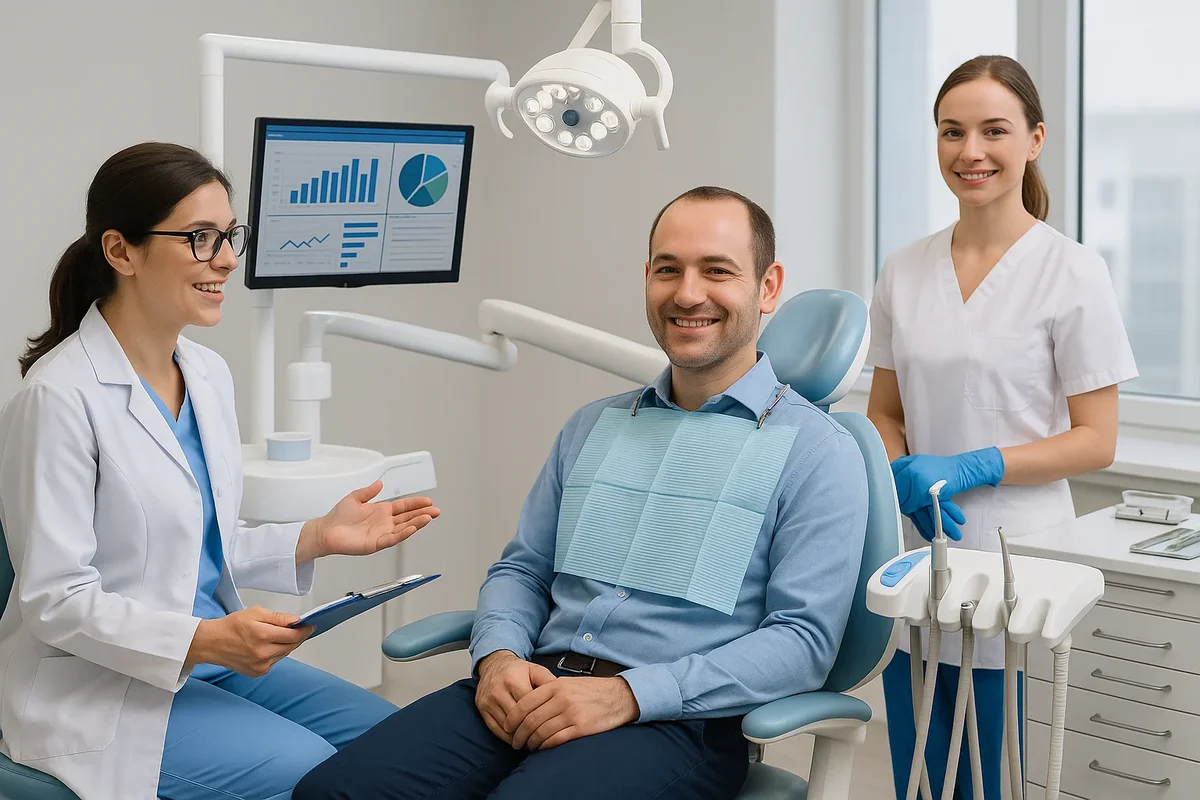
Leveraging Technology and Digital Transformation in Dentistry
In the modern era, technology is no longer an optional enhancement — it is a defining element of operational excellence. Within ideal dental clinical operations, digital transformation serves as the catalyst for improved accuracy, efficiency, and patient engagement. From diagnostic tools to administrative automation, digital integration reshapes how dental practices deliver care, manage data, and interact with patients. A technologically empowered clinic not only provides higher-quality treatments but also enhances communication, transparency, and trust — the essential foundations of contemporary dental success 💻🦷.
The Role of Technology in Operational Excellence
Digital technology has revolutionized dentistry by bridging precision and patient-centered care. In ideal dental clinical operations, every phase of the workflow — from diagnosis to treatment follow-up — can be optimized using digital systems. Advanced imaging devices, computer-aided design and manufacturing (CAD/CAM), and artificial intelligence (AI) support accurate diagnostics, efficient procedures, and personalized outcomes.
Furthermore, digital workflows reduce dependency on manual processes, minimizing human error and increasing consistency. When synchronized through a unified management system, these tools streamline operations across departments, ensuring seamless coordination among dentists, assistants, technicians, and administrative staff. Such technological synergy strengthens both productivity and clinical reliability, reinforcing the foundation of ideal dental clinical operations.
Digital Diagnostics and Imaging Technologies
Diagnostics form the cornerstone of any dental procedure. Modern clinics now rely on digital imaging systems such as 3D cone-beam computed tomography (CBCT), intraoral scanners, and digital X-rays. These tools deliver detailed, high-resolution visuals that allow clinicians to detect conditions invisible to the naked eye. In ideal dental clinical operations, digital diagnostics enhance precision, speed, and patient education by visually explaining conditions and treatment plans.
Digital radiography, for instance, reduces radiation exposure by up to 80% compared to traditional film methods. Combined with AI-based image analysis, dentists can identify anomalies such as caries, bone loss, or cysts more efficiently. This real-time data supports evidence-based treatment decisions, ensuring accuracy and early intervention 🩻📊.
3D Imaging and Treatment Planning
Three-dimensional imaging plays a transformative role in modern dental practice. Using CBCT scans, dentists can visualize bone density, nerve pathways, and tooth alignment with unparalleled accuracy. In ideal dental clinical operations, these insights guide complex procedures such as implant placement, orthodontic alignment, and maxillofacial surgery planning.
Advanced software allows simulation of treatment outcomes, helping patients understand the benefits and expected results. This not only enhances clinical accuracy but also builds trust and engagement. When patients can “see” their treatment journey digitally, they are more likely to accept proposed care plans confidently.
Automation and Practice Management Systems
Efficient administrative management is essential for maintaining smooth workflows. Practice management systems (PMS) automate everyday operations — appointment scheduling, billing, insurance claims, and patient record management. In ideal dental clinical operations, automation reduces administrative burdens, minimizes human error, and ensures that the dental team can focus on what matters most: patient care.
Integration with digital calendars and communication tools provides real-time updates for both patients and staff. Automated appointment reminders and digital check-in systems eliminate missed appointments, improving operational efficiency. PMS platforms also offer analytics dashboards that track revenue, patient flow, and treatment trends, providing actionable insights for better decision-making 📅💬.
Electronic Health Records (EHR) and Data Security
Electronic Health Records are the backbone of digital dentistry. EHR systems consolidate patient histories, radiographs, prescriptions, and consent forms in one secure digital repository. In ideal dental clinical operations, EHR ensures data accessibility while maintaining compliance with data privacy laws such as HIPAA or GDPR.
Data encryption, secure cloud storage, and controlled access levels safeguard sensitive information from unauthorized use. Additionally, EHR integration enables multi-location clinics to share data instantly, supporting continuity of care across different branches. The efficiency and transparency of these systems reflect the high operational standards of modern digital clinics 🔐📁.
Artificial Intelligence and Predictive Analytics
Artificial Intelligence (AI) is redefining clinical diagnostics and decision-making. In ideal dental clinical operations, AI tools analyze patient data to predict risks, recommend preventive strategies, and enhance diagnostic accuracy. For example, AI-driven caries detection systems can identify microscopic lesions long before they become visible, enabling minimally invasive intervention.
Predictive analytics also allow clinics to anticipate patient behavior — such as appointment cancellations or treatment acceptance rates — optimizing scheduling and resource allocation. AI chatbots and virtual assistants streamline communication by answering routine inquiries, booking appointments, and guiding patients through post-treatment instructions 🤖📈.
AI in Treatment Personalization
Machine learning algorithms can now tailor treatment plans based on a patient’s unique oral conditions, habits, and health data. In ideal dental clinical operations, AI-assisted design tools generate custom aligners, crowns, and restorations with precise fit and aesthetic accuracy. This personalization not only enhances comfort but also shortens turnaround times, improving both clinical efficiency and patient satisfaction.
Moreover, continuous learning algorithms refine outcomes with each case, ensuring constant improvement. The integration of AI represents a monumental step toward the future of predictive, precise, and preventive dental care.
Teledentistry and Remote Consultations
Teledentistry has emerged as a vital innovation, especially in the post-pandemic landscape. Through video consultations, digital imaging sharing, and cloud-based diagnostics, clinics can provide remote assessments and follow-up care. In ideal dental clinical operations, teledentistry expands accessibility, allowing patients from distant locations to consult experts without geographical barriers 🌍📞.
This digital outreach improves preventive care and reduces unnecessary in-office visits. It also fosters trust, as patients appreciate the convenience and continuity of communication. Combined with EHR integration, teledentistry becomes a seamless extension of the clinic’s operational network, ensuring consistent care delivery regardless of distance.
Integration with Wearables and Smart Devices
Wearable technology and smart oral devices — such as Bluetooth-connected toothbrushes or bite force sensors — are reshaping how oral health is monitored. In ideal dental clinical operations, integrating these devices into patient records allows clinicians to track brushing patterns, pressure habits, and sleep-related oral issues. This real-time feedback promotes proactive oral care and patient accountability.
These innovations transform dentistry into a continuous process of monitoring and prevention rather than reactive treatment. Patients become active participants in their health journey, aligning perfectly with the patient-centered philosophy of modern dental care.
Digital Marketing and Patient Engagement Tools
Technology also enhances how clinics communicate with patients outside treatment rooms. SEO-optimized websites, online reviews, and social media platforms strengthen a clinic’s digital presence. Automated email marketing and loyalty programs encourage consistent engagement. In ideal dental clinical operations, digital marketing is not merely promotional — it is educational, transparent, and relationship-driven 📣💡.
Interactive blogs, educational videos, and virtual smile simulations attract new patients and build community trust. Integrating chat widgets and instant messaging improves responsiveness, ensuring a personalized experience that aligns with patients’ digital expectations.
Conclusion: The Future of Digital Dentistry
The integration of technology defines the next frontier of ideal dental clinical operations. Digital transformation bridges precision with empathy, enabling clinics to deliver faster, safer, and more personalized care. From AI-driven diagnostics to remote consultations, every innovation contributes to an ecosystem of efficiency and excellence. Embracing these advancements not only future-proofs dental practices but also elevates them to a new standard of patient-centered performance. The future of dentistry is digital — and those who adapt will lead the evolution of modern oral healthcare 🌟.