
Many people wonder, “if you have gum disease can you get dental implants?” — and this is one of the most important questions to address before moving forward with tooth replacement. Dental implants are a long-term, durable, and natural-looking solution, but their success depends heavily on the health of your gums and supporting bone. In this detailed guide, you’ll find everything you need to understand how gum disease affects implant eligibility, what treatments are required beforehand, and how to ensure long-term success. 😊
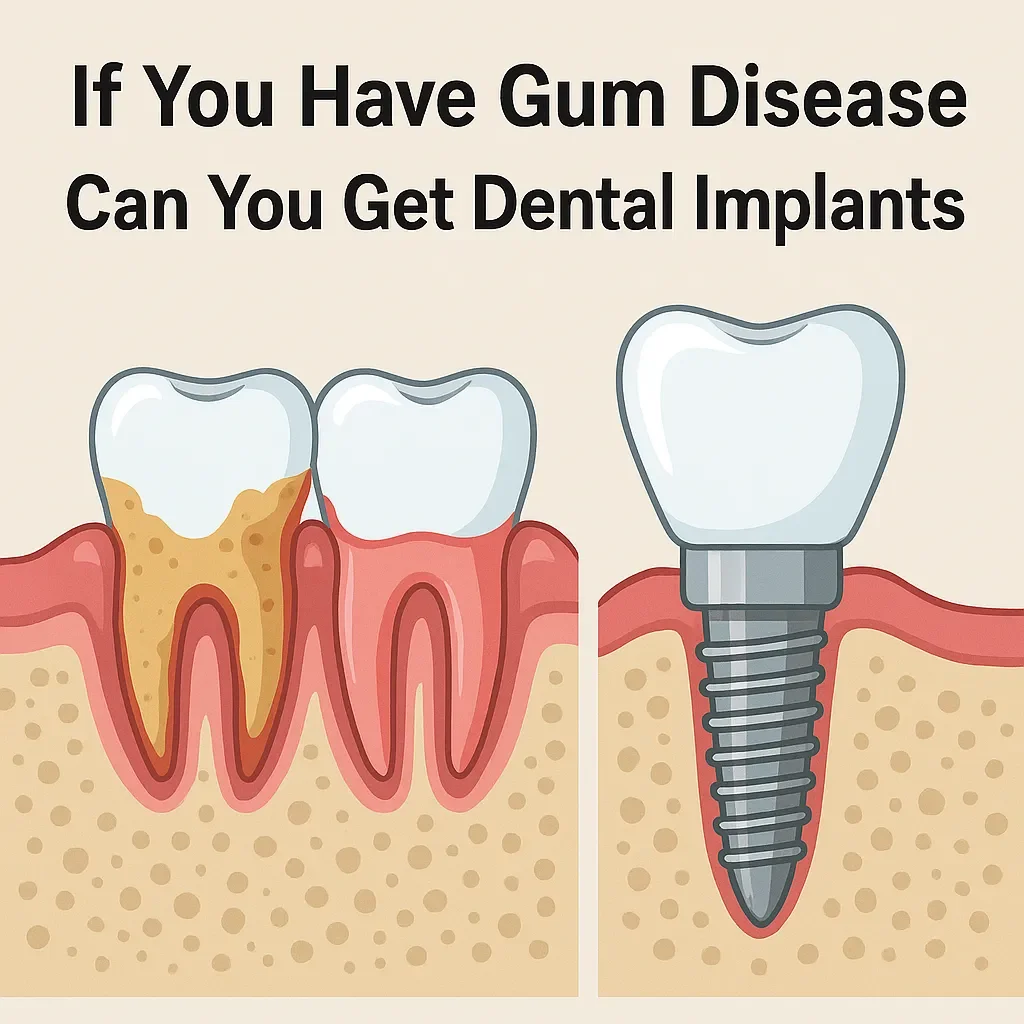
To start, it’s essential to understand that dental implants rely on a stable foundation — specifically, healthy gum tissue and strong jawbone structure. Gum disease (periodontitis) is a bacterial infection that destroys these tissues, meaning that untreated gum disease can dramatically lower implant success rates. This is why dentists place such strong emphasis on treating infection first. When patients ask if you have gum disease can you get dental implants, the accurate answer is: yes, but only after the disease is fully treated and stabilized. 👇
When gum inflammation is still active, bacteria can quickly spread around the implant area and cause implant failure — a condition called peri-implantitis. This is similar to gum disease but affects the tissues around an implant post instead of a natural tooth. Studies from trusted organizations like the American Dental Association show that active gum disease significantly increases this risk. The tissues simply cannot heal properly when harmful bacteria are present.
The good news? Modern dentistry offers highly effective gum disease treatments. Scaling and root planing, laser therapy, antimicrobial medications, and guided tissue regeneration can all reverse or stabilize infection depending on the severity. Once inflammation is under control, your gums become healthy enough to support implant placement. At this stage, dentists evaluate bone density using advanced 3D imaging to determine whether additional procedures — such as bone grafts or sinus lifts — are necessary.
Another important factor is bone loss. Since gum disease destroys bone over time, individuals who have had periodontitis may have weakened jawbone support. Implants fuse directly into the bone through a process known as osseointegration. For successful fusion, patients need adequate bone mass. Fortunately, bone grafting makes implants possible for many people who previously believed they weren’t candidates. Dentists rebuild the jawbone using synthetic or natural graft material, allowing it to heal and strengthen over a few months.
During your evaluation, your specialist will also review lifestyle habits such as smoking, oral hygiene routine, and medical conditions that may affect healing, like diabetes. These factors play a major role in determining whether implants will last for decades. High-quality oral care — brushing twice daily, flossing, using antibacterial mouth rinses, and attending regular check-ups — dramatically improves implant survival rates. 🦷✨
It’s worth noting that asking if you have gum disease can you get dental implants often leads to another related concern: whether previous gum problems increase future risks. The answer is that even after treatment, patients must commit to ongoing maintenance appointments. People who once had gum disease are more prone to inflammation returning, so consistent monitoring is critical. Luckily, with proper care and follow-ups, long-term outcomes are excellent.
If you suspect gum disease, or if you want to learn more about your implant eligibility, it’s essential to speak with a qualified dental professional who can evaluate your oral health in detail. You may also reach out directly through the Redent Klinik Contact Page for personalized guidance.
In conclusion, if you have gum disease can you get dental implants? Yes — thousands of patients successfully receive implants after completing the necessary periodontal treatments. The key is addressing infection early, restoring bone when needed, and maintaining excellent oral hygiene. With these steps, implants can be a reliable and long-lasting solution that restores both your smile and your confidence. 😄
Understanding Gum Disease Before Considering Dental Implants
Before answering the question “if you have gum disease can you get dental implants”, it is crucial to fully understand what gum disease is, how it develops, and why it directly impacts your eligibility for dental implant treatment. Gum disease—also known as periodontal disease—is a chronic bacterial infection that damages the soft tissues and bone supporting the teeth. When untreated, it progresses from mild inflammation (gingivitis) to severe bone loss (periodontitis). Because dental implants rely on healthy bone and gums for stability, understanding this disease is essential for anyone exploring implant treatment. 🦷
What Exactly Is Gum Disease and How Does It Develop?
Gum disease begins when harmful bacteria accumulate around the gumline due to plaque buildup. Over time, this bacteria triggers inflammation, causing symptoms such as redness, bleeding gums, tenderness, and persistent bad breath. When caught early, gingivitis can be reversed. However, when ignored, it evolves into periodontitis, where the infection spreads deeper, destroying the connective tissue and jawbone that hold the teeth in place.
This bone loss is the primary reason the question if you have gum disease can you get dental implants becomes so important. Implants need strong bone to integrate successfully. Without adequate support, implants may fail or cause additional complications. The destructive nature of periodontitis makes early detection and treatment essential for anyone considering tooth replacement.
Types of Gum Disease and Their Impact on Implants
There are several forms of gum disease, each affecting your dental implant eligibility differently:
- Gingivitis: The earliest stage of gum disease. At this stage, you can proceed with implant planning after treatment because the bone is typically intact.
- Mild to Moderate Periodontitis: Bone loss begins, but treatment can help control infection. Many patients can still qualify for implants after therapy.
- Advanced Periodontitis: Significant bone destruction occurs. Implant placement may still be possible, but bone grafting or regeneration procedures are usually required.
If you are wondering if you have gum disease can you get dental implants, your specific diagnosis within this spectrum will determine your treatment path. Modern periodontal therapy can restore gum health even in complex cases, making implants possible for many patients who once believed they were not suitable candidates.
Why Gum Health Matters Before Implant Placement
Dental implants must fuse with the jawbone in a process known as osseointegration. This requires clean, infection-free tissue and adequate bone density. When gum disease is active, the bacterial load compromises healing and increases the likelihood of implant failure. Furthermore, the presence of chronic inflammation can spread to the implant area, causing peri-implantitis, a destructive condition similar to periodontitis but centered around the implant.
Patients often compare gum disease to other oral issues, but it is unique because it silently destroys the very foundation needed for successful implant integration. This is why dental professionals reinforce the importance of comprehensive periodontal treatment before proceeding. For many patients, this involves professional cleaning, scaling and root planing, antibacterial medication, or even pocket reduction surgery.
The Role of Bone Integrity in Implant Success
Even after gum disease is treated, another key question arises: is there enough bone left to support an implant? Because periodontitis dissolves bone, many patients require bone grafting. Fortunately, advances in regenerative dentistry now make it possible to rebuild lost bone using graft materials, growth factors, and membrane techniques.
If you ask your dentist if you have gum disease can you get dental implants, they will often recommend a CBCT scan (3D imaging) to assess bone levels. This imaging provides detailed insight into your mouth’s structure and helps plan implant placement with precision.
Symptoms of Gum Disease to Watch For
Many patients do not realize they have gum disease because symptoms progress slowly. Identifying early warning signs can help prevent further bone loss and improve your candidacy for implants. Common symptoms include:
- Gums that bleed when brushing or flossing
- Persistent bad breath
- Receding gums
- Loose or shifting teeth
- Sensitivity to hot or cold
If any of these symptoms sound familiar, it is essential to seek evaluation before discussing implant treatment. A periodontal specialist can diagnose your condition and determine the best course of action.
How Gum Disease Affects Overall Oral Health
The effects of gum disease extend far beyond tooth loss. Research from the American Dental Association links chronic gum inflammation to systemic conditions such as diabetes, cardiovascular disease, and immune system complications. These health factors can also influence implant healing and long-term success.
Additionally, gum disease can weaken the entire mouth’s structural integrity, making teeth shift out of place, altering your bite, and leading to jaw pain. Therefore, when people ask if you have gum disease can you get dental implants, the answer depends greatly on systemic health and how well the gum infection has been managed.
When to Seek Professional Help
If you suspect gum disease or have been told by another dentist that implants may not be possible, it is essential to consult a specialist. Periodontists and implant surgeons can often create personalized treatment plans that restore both gum and bone health. For guidance, you can reach out through the Redent Klinik Contact Page for a detailed evaluation.
In summary, understanding gum disease is the first—and most important—step toward determining implant eligibility. With proper treatment, stabilization, and follow-up care, even patients with a history of periodontal problems can achieve successful long-term results. If you have ever wondered if you have gum disease can you get dental implants, the truth is that modern dentistry offers solutions for nearly every level of gum disease, provided it is addressed correctly and thoroughly. 😊
How Periodontitis Affects Eligibility for Dental Implant Treatment
When patients ask the critical question “if you have gum disease can you get dental implants”, the answer depends heavily on whether the gum disease has progressed to periodontitis. Periodontitis is an advanced form of gum infection that damages not only the soft tissues but also the jawbone. Because dental implants rely on strong, healthy bone for long-lasting success, understanding how periodontitis affects implant eligibility is essential. This section explains what happens during periodontitis, the potential complications, and how modern dentistry can still make implants possible—even for individuals with severe gum disease.
What Happens to Your Gums and Bone During Periodontitis?
Periodontitis is a chronic inflammatory condition caused by bacterial accumulation beneath the gumline. As plaque hardens into tartar, it irritates the gums, deepens periodontal pockets, and gradually destroys bone. Once the bone begins to recede, teeth lose stability—eventually leading to tooth loss. This is why periodontitis is the leading cause of adult tooth loss worldwide.
When considering if you have gum disease can you get dental implants, the level of bone loss becomes a major determining factor. Dental implants integrate directly into the jawbone through osseointegration, meaning the bone must be dense and strong enough to hold the implant post. If there is insufficient bone, the implant may fail to fuse, leading to complications such as loosening, infection, or implant rejection.
Stages of Periodontitis and Implant Candidacy
Not all cases of periodontitis are the same. Dentists generally categorize the condition into stages that help determine whether implants are possible, and if so, what type of preparatory treatment is required:
- Stage 1 (Initial Periodontitis): Mild tissue and bone loss are present. After periodontal therapy, many patients can proceed directly to implant planning.
- Stage 2 (Moderate Periodontitis): Noticeable bone loss has occurred. Treatment is required before implant placement, and some cases may require minor bone grafting.
- Stage 3 (Advanced Periodontitis): Significant bone destruction and deep gum pockets are present. Bone grafting or regeneration becomes essential before implants can be placed.
- Stage 4 (Severe Periodontitis): Extensive bone loss, shifting teeth, infection, or bite collapse may be present. Implants are still possible, but require comprehensive reconstruction and prolonged healing.
In all stages, active infection must be eliminated before any implant procedure occurs. Patients frequently ask their dentist, “if you have gum disease can you get dental implants?” The answer is yes—but only when the condition is controlled, and the supporting structures are restored.
Why Bone Loss Is the Biggest Challenge
Bone loss is the most significant complication related to periodontitis and dental implants. Because implants need a stable foundation, severe bone loss creates issues such as:
- Poor osseointegration (implant does not fuse properly)
- Increased risk of peri-implantitis
- Implant loosening or failure
- Insufficient support for crowns or bridges
Fortunately, advancements in regenerative dentistry allow specialists to rebuild bone using grafts or sinus lifts. Once bone volume is restored, implant success rates become almost identical to those of patients who never had gum disease.
How Treating Periodontitis Improves Implant Success
Before planning dental implants, your dentist must ensure that gum disease is fully treated and stabilized. Periodontal therapy aims to reduce bacterial levels, remove infected tissue, shrink pocket depth, and stop bone loss. Common treatments include:
- Scaling and Root Planing (SRP): Deep cleaning below the gumline to remove plaque and tartar.
- Laser Therapy: Uses laser technology to sterilize pockets and remove diseased tissue.
- Antibiotic Therapy: Topical or oral antibiotics to reduce infection.
- Surgical Pocket Reduction: Minimizes pocket depth for easier cleaning.
- Bone Grafting: Rebuilds jawbone lost to periodontitis.
Once the gum disease is controlled and tissue health improves, patients have a significantly higher chance of implant success. Many people are relieved to learn that even with a history of gum problems, implants remain a viable, long-term solution.
The Importance of Stability Before Surgery
Your gums must remain disease-free for a sustained period before implants can be placed. This typically means:
- No bleeding gums
- No tartar buildup
- Stable periodontal pockets
- Controlled bacterial activity
If you ask your dentist if you have gum disease can you get dental implants, they will verify these factors before proceeding. Stability ensures your mouth can heal properly after implant placement.
Why a Periodontist May Be Required
Because the effects of periodontitis differ widely between patients, many individuals require evaluation by a periodontist. These specialists focus on gum and bone health, making them highly qualified to determine implant readiness. They also perform advanced bone regeneration procedures when necessary.
If you want personalized advice about gum disease and implants, you can schedule a consultation through the Redent Klinik Contact Page.
In summary, periodontitis does not automatically disqualify you from receiving dental implants. The real determining factors are whether the infection has been treated, whether bone levels are sufficient, and whether long-term maintenance can be sustained. For anyone still wondering if you have gum disease can you get dental implants, the answer is encouraging: with proper treatment and professional guidance, implants are both possible and highly successful—even after advanced gum disease. 😊
Can You Get Dental Implants With Active Gum Infection?
A common question patients ask is: “if you have gum disease can you get dental implants?”
When gum disease is still active—meaning infection, bleeding, inflammation, or bone deterioration are ongoing—the short and accurate answer is **no**, implants should not be placed until the disease is fully treated. Active gum infection creates an unhealthy environment around the gums and jawbone, significantly increasing the risk of implant failure. But this does NOT mean you can never get implants. Once the infection is treated and controlled, most patients become excellent candidates for dental implant therapy.
In this comprehensive section, we will explore why active infection prevents implant placement, how dentists treat gum disease so that patients can regain eligibility, and what special precautions may be necessary to ensure long-term implant success.
Why Active Gum Infection Makes Dental Implants Risky
When harmful bacteria are present around the gums, they create chronic inflammation and damage the tissues responsible for supporting both natural teeth and implants. Dental implants rely on the jawbone for stability, and if this bone is compromised, the implant cannot fuse properly.
This fusion process—called osseointegration—is the foundation of implant success. Active infection interferes with this process and increases the risk of complications such as:
- Peri-implantitis: A condition similar to periodontitis but affecting implants, causing inflammation and bone loss.
- Implant mobility: Infection prevents the implant from integrating, making it loose.
- Early implant failure: The implant may fail during healing due to bacterial interference.
- Bone destruction: Active gum disease accelerates jawbone deterioration.
Therefore, if your gums are infected, bleeding, or swollen, dentists will not recommend immediate implant placement. This is why the question if you have gum disease can you get dental implants must always include an evaluation of your current gum health.
How Dentists Determine Whether Gum Disease Is Active
Dentists and periodontists perform a detailed assessment to determine whether gum disease is active or under control. This evaluation typically includes:
- Periodontal probing: Measuring the depth of gum pockets.
- Bleeding on probing: A major sign of active inflammation.
- X-rays or CBCT scans: To detect bone loss or infection.
- Tartar accumulation: Indicates ongoing bacterial activity.
- Mobility of teeth: A sign of weakened support structures.
If inflammation or bone loss is progressing, the gum disease is considered active. In this case, dental implant placement must be postponed until the mouth is restored to a healthy, bacteria-controlled state.
Treating Gum Infection Before Implant Placement
The pathway from active gum infection to implant eligibility depends on proper treatment and healing. Luckily, modern periodontal therapy is highly effective. Once the infection is removed, patients often regain enough gum and bone stability to support implants.
1. Scaling and Root Planing (Deep Cleaning)
This procedure removes plaque and tartar from deep below the gumline. It is typically the first step in treating gum disease and preparing the mouth for implants.
2. Antibiotic Therapy
Topical gels or oral medications may be used to destroy bacteria and reduce inflammation. Antibiotics help speed the transition from active infection to controlled periodontal health.
3. Laser Gum Therapy
Laser treatment helps disinfect gum pockets and remove infected tissue with minimal discomfort. It is highly effective in severe cases and ideal for lowering bacterial levels before implant surgery.
4. Periodontal Surgery
In advanced cases, surgical intervention may be needed to reduce pocket depth or regenerate lost tissue through bone grafting or guided tissue regeneration.
After these steps, many patients become strong candidates for implants. The question if you have gum disease can you get dental implants becomes far more optimistic once these treatments are completed.
What Happens After Gum Disease Is Treated?
Once infection is controlled, your dentist will monitor your gum health over several weeks to ensure long-term stability. Only after verifying that the gums are healthy, pocket depths are reduced, and bacterial activity is under control will implant planning proceed.
A CBCT scan is usually taken at this stage to evaluate bone volume. If bone loss has occurred, grafting may be necessary, but this is extremely common for patients recovering from gum disease.
Why Implant Success Is High After Infection Control
Many people mistakenly believe that once they’ve had gum disease, they can never get implants. In reality, implants have a very high success rate—even among patients with a history of periodontal disease—provided that:
- The infection is completely treated
- Bone levels are restored
- Oral hygiene is consistently maintained
- Regular periodontal check-ups are attended
Studies from organizations like the American Dental Association demonstrate that controlled periodontal patients often experience implant success rates comparable to individuals with no gum disease at all.
When to Seek Guidance From a Specialist
If you have concerns about infection, bone health, or whether you qualify for implants, it’s important to consult a periodontist. They can perform a full-mouth evaluation and create a tailored treatment plan. For personalized support, you may reach out through the Redent Klinik Contact Page.
In conclusion, if you have gum disease can you get dental implants?
Not while the infection is active. But once treated, controlled, and stabilized, dental implants become a highly successful and predictable solution for replacing missing teeth. With modern periodontal therapy and advanced implant techniques, most individuals—even those with complex gum disease histories—can achieve strong, long-lasting results. 😊
Steps to Treat Gum Disease Before Implant Surgery
Many patients ask, “if you have gum disease can you get dental implants?” The reassuring truth is that most people can—after gum disease is fully treated. Implant success depends on a healthy, infection-free environment, so the steps taken before implant surgery are just as important as the surgery itself. This section walks you through every stage of gum disease treatment, how dentists restore gum and bone health, and why these steps dramatically improve your implant eligibility. With proper treatment, even advanced periodontal patients can achieve excellent implant outcomes. 🦷✨
Why Treatment Must Come First
Before an implant can be placed, your gums must be strong, stable, and free of harmful bacteria. If infection is still active, the implant site becomes vulnerable to peri-implantitis—a destructive inflammation that can cause bone loss and early implant failure. This is why treating periodontal disease is always the first step for anyone wondering if you have gum disease can you get dental implants.
Treatments focus on eliminating bacteria, reducing inflammation, strengthening tissues, and restoring lost bone. Once these goals are achieved, the mouth becomes a safe, supportive environment for implant placement.
Step 1: Comprehensive Periodontal Evaluation
Before designing a treatment plan, your dentist or periodontist will perform a full-mouth examination. This helps determine the severity of gum disease and the most effective approach.
- Pocket depth measurement: Healthy gums measure 1–3 mm; deeper pockets indicate active disease.
- X-rays or CBCT scans: These show bone levels, bone loss patterns, and areas requiring grafting.
- Bleeding evaluation: Bleeding on probing is a key sign of active infection.
- Mobility test: Loose teeth suggest significant bone damage.
This evaluation also provides clarity when answering the question if you have gum disease can you get dental implants. The results determine whether basic cleaning, deep cleaning, or surgical steps are required.
Step 2: Scaling and Root Planing (Deep Cleaning)
Scaling and root planing—often called SRP—is the cornerstone of periodontal treatment. This procedure removes plaque, tartar, and bacteria from deep below the gumline, allowing tissues to heal and inflammation to reduce.
How SRP Helps Prepare for Implants
- Reduces pocket depth and bacterial load
- Promotes gum reattachment to the tooth roots
- Stops active infection from spreading
- Creates a clean base for future implant placement
After SRP, patients typically feel less swelling, tenderness, and bleeding. This initial healing phase is essential for making implant placement possible.
Step 3: Antibiotic or Antimicrobial Therapy
Depending on the severity of the infection, dentists may prescribe antibiotics or antimicrobial gels. These treatments target bacteria that survive deep within gum pockets.
- Oral antibiotics: Help control widespread bacterial activity.
- Localized antibiotic gels: Applied directly into infected pockets.
- Antimicrobial rinses: Reduce bacteria along the gumline and promote healing.
These steps significantly improve the predictability of implant results, especially in patients who previously asked if you have gum disease can you get dental implants.
Step 4: Laser Gum Therapy
Laser periodontal treatment is one of the most advanced methods for eliminating bacteria and infected tissue. It is minimally invasive and encourages natural healing.
Benefits of Laser Therapy
- Reduces deep pocket depth effectively
- Sanitizes pockets better than traditional tools
- Minimizes pain and bleeding
- Preserves healthy tissue
Laser therapy is especially beneficial for individuals with moderate to advanced gum disease who plan to transition to implant treatment.
Step 5: Surgical Periodontal Therapy (If Needed)
In more advanced cases, surgery may be necessary to reduce deep pockets, remove infected tissue, regenerate bone, or reshape the gums for long-term stability.
Common Surgical Procedures
- Flap surgery: Opens the gums for deeper cleaning and reshaping.
- Gingival grafting: Restores receded gumline and protects the roots.
- Guided tissue regeneration: Uses membranes to stimulate new bone and tissue growth.
- Bone grafting: Replaces bone lost to periodontitis and prepares the jaw for implants.
Most patients who undergo these treatments later achieve high implant success rates. This is why the question if you have gum disease can you get dental implants often depends on whether proper surgical therapy has been completed.
Step 6: Maintenance Phase Before Implant Placement
After the active infection is eliminated, patients enter a maintenance phase to ensure long-term gum stability. This stage typically lasts 1–3 months, depending on healing progress.
Maintenance Includes:
- Professional cleanings every 6–8 weeks
- Monitoring pocket depth and gingival health
- Improving oral hygiene techniques
- Managing contributing factors like diabetes or smoking
This period confirms your readiness for implants and ensures that the gums have regained full health.
Step 7: Final Evaluation for Implant Eligibility
Once healing is complete, the dentist conducts a final assessment.
This includes:
- Assessing bone quality (using CBCT imaging)
- Checking for any remaining inflammation
- Ensuring proper oral hygiene habits
- Confirming that gum pockets are stable
If everything looks healthy, implant treatment can finally be scheduled. 🎉
By this point, the answer to if you have gum disease can you get dental implants becomes a confident and reassuring yes.
For personalized consultation or assistance in planning your treatment, you can always reach out through the Redent Klinik Contact Page for guidance from experienced professionals.
With the right treatment steps, proper healing, and continuous maintenance, even individuals with severe gum disease can achieve excellent implant results. Modern dentistry provides all the tools needed to restore gum health and create a strong foundation for a lifetime of beautiful, stable dental implants. 😊
Bone Loss and Implant Success: What Patients Must Know
One of the most important factors influencing implant success is the health and density of the jawbone. Patients often ask, “if you have gum disease can you get dental implants?” and a major part of the answer lies in whether gum disease has caused bone loss. Periodontitis, the advanced form of gum disease, destroys bone tissue progressively. Because dental implants rely on strong bone for long-term stability, understanding how bone loss affects implant success—and how modern dentistry reverses it—is essential for anyone preparing for implant treatment. 🦷
This section explains the connection between bone loss and implants, how dentists evaluate bone quality, what grafting options exist, and how proper bone restoration transforms a patient from “not eligible” into an ideal implant candidate.
How Gum Disease Causes Bone Loss
Bone loss occurs when bacterial infection penetrates below the gumline and attacks the bone surrounding the teeth. Over time, the bacteria destroy connective fibers and dissolve bone. This process happens gradually, often without noticeable symptoms until the damage becomes severe.
Patients questioning if you have gum disease can you get dental implants must understand that bone loss is one of the biggest obstacles to overcome. Without adequate bone support, implants cannot fuse properly—a process known as osseointegration. If osseointegration fails, the implant becomes unstable, leading to loosening, discomfort, or complete failure.
Why Bone Density Matters for Implant Success
Dental implants function like artificial tooth roots, and they must be firmly anchored in the jawbone. Adequate bone density ensures:
- Proper implant stability during healing
- Long-term durability under biting and chewing forces
- Lower risk of complications like peri-implantitis
- Natural-looking results with well-supported crowns
When dentists evaluate if you have gum disease can you get dental implants, one of the first tests performed is a CBCT scan. This 3D image reveals bone height, width, density, and areas where grafting may be necessary.
Signs You May Have Bone Loss
Because bone loss progresses silently, many patients are unaware of it until they undergo an implant evaluation. Common signs include:
- Loose or shifting teeth
- Receding gums exposing more of the tooth
- Deep periodontal pockets
- Facial structure changes (sunken cheeks or collapsed bite)
- Difficulty chewing or biting
Even if these symptoms are present, patients can still qualify for implants after proper bone restoration. Modern bone grafting techniques have transformed implant dentistry, making implants possible for patients who previously believed it was too late.
How Dentists Evaluate Bone for Implant Planning
A full evaluation is performed to determine whether bone is sufficient for implant placement. This includes:
- CBCT Scan: Provides detailed 3D views of bone structure.
- Periodontal Charting: Reveals pocket depth and gum attachment loss.
- Visual Exam: Identifies gum recession or infection.
- Medical History Review: Conditions like osteoporosis or diabetes may influence bone density.
These assessments guide the treatment plan and determine whether bone grafting is needed before implants can safely be placed. Dentists always prioritize safety, ensuring patients receive implants only when bone health is fully optimized.
Bone Grafting: Rebuilding Lost Bone for Implant Success
Bone grafting is one of the most transformative procedures in modern dentistry. It allows patients with severe bone loss—often caused by gum disease—to rebuild healthy bone capable of supporting implants. This procedure can take several forms, depending on the severity of bone loss and the area being restored.
Types of Bone Grafting Procedures
- Socket Preservation: Prevents bone loss immediately after tooth extraction.
- Ridge Augmentation: Restores lost bone width and height.
- Sinus Lift: Adds bone to the upper jaw when the sinus cavity is too close to the implant site.
- Onlay Grafts: Rebuilds bone in severely damaged areas.
Each method helps restore lost bone and creates a stable foundation for implants. This is why even patients with advanced periodontitis can often transition to successful implant treatment.
Healing Time After Bone Grafting
After grafting, the bone must integrate and regenerate. This healing period typically ranges from 3 to 7 months, depending on:
- The extent of the graft
- Type of graft material used
- Patient’s overall health and healing ability
- Oral hygiene and maintenance habits
During this time, your dentist monitors progress to ensure that the graft is healing properly. Once the new bone has matured, implant placement can proceed safely.
Implants After Bone Loss: Success Rates
Modern implant dentistry has achieved remarkable success—even for patients with extensive bone loss. Studies from trusted sources such as the American Dental Association show that implants placed after bone grafting have success rates comparable to implants placed in healthy bone.
This means that the question if you have gum disease can you get dental implants is often resolved positively—thanks to bone grafting and periodontal therapy.
What Patients Can Do to Protect Bone Health
To maintain bone levels before and after implant placement, patients should:
- Maintain excellent oral hygiene
- Avoid smoking, which accelerates bone loss
- Attend check-ups every 3–4 months if they have a history of gum disease
- Manage health conditions like diabetes
- Follow all post-surgical instructions carefully
Patients can also contact experienced professionals through the Redent Klinik Contact Page for personalized guidance on restoring bone health for implants.
In conclusion, even if bone loss has occurred due to gum disease, modern dentistry offers effective solutions that restore full implant eligibility. For anyone still wondering if you have gum disease can you get dental implants, the answer remains hopeful: with proper bone regeneration, implants can become a reliable, long-term solution for replacing missing teeth and restoring confidence. 😊
Risks and Complications of Getting Implants With Untreated Gum Disease
Patients often wonder, “if you have gum disease can you get dental implants?”
The short answer is that untreated gum disease creates serious risks and can dramatically increase the chances of implant failure. Dental implants require a clean, healthy, and infection-free environment to integrate securely with the jawbone. If harmful bacteria remain active, the entire healing process becomes compromised. In this section, we break down the specific dangers of proceeding with implants before treating gum disease, how these complications occur, and why proper periodontal therapy is essential for safe, long-lasting results.
Understanding these risks not only protects your investment but also ensures better oral health and long-term stability. Whether mild gingivitis or advanced periodontitis is present, each level of disease introduces unique challenges that must be addressed beforehand.
Why Untreated Gum Disease Makes Implants Unsafe
Dental implants depend on osseointegration — a process where the titanium implant fuses with the jawbone. For this fusion to occur successfully, the surrounding tissues must be free of inflammation and infection. When gum disease is active, bacteria penetrate deep into the gums and bone, weakening the structures that implants rely on.
This is why dentists evaluate oral health thoroughly whenever a patient asks if you have gum disease can you get dental implants. Proceeding without eliminating the infection significantly raises the likelihood of complications.
Common Complications Caused by Untreated Gum Disease
Below are the primary risks patients face when dental implants are placed in the presence of active periodontal infection:
1. Peri-Implantitis
Peri-implantitis is one of the most severe complications. It is similar to periodontitis but occurs around a dental implant instead of a natural tooth. Symptoms include:
- Gum swelling and redness
- Bleeding during brushing
- Pus or bad taste
- Deep pockets around the implant
- Bone loss that exposes implant threads
Peri-implantitis can lead to complete implant failure if not treated early. It is the number one reason implants fail in patients with a history of untreated gum disease.
2. Implant Failure Due to Poor Osseointegration
Since gum disease destroys bone, the remaining bone may not be strong enough to hold an implant in place. This leads to:
- Implant mobility
- Pain while chewing
- Inflammation around the implant post
- Implant rejection or detachment
Modern bone grafting significantly improves outcomes, but only after infection is removed. This underscores the importance of resolving disease before moving forward—especially for patients who question if you have gum disease can you get dental implants.
3. Continued Bone Loss After Implant Placement
If gum disease is left untreated, bacteria continue attacking the bone even after the implant is placed. This means:
- The bone around the implant may continue to deteriorate
- The implant may lose support over time
- Future grafting or implant removal may be required
Bone loss is progressive, so early treatment is critical.
4. Increased Healing Time and Post-Surgery Complications
When gum disease is present, the healing process slows down significantly. Patients may experience:
- Extended swelling and inflammation
- Delayed bone regeneration
- Higher risk of bacterial infection at the surgical site
Healthy gums heal predictably, while infected gums struggle to stabilize the implant.
5. Abscess Formation Around the Implant
An untreated gum infection can lead to abscess formation after implant placement. Abscesses are pockets of pus caused by bacterial invasion and often require:
- Drainage procedures
- Antibiotics
- Implant removal in severe cases
This is one of the most painful consequences of placing implants in the presence of active periodontal disease.
Systemic Health Risks Associated With Untreated Gum Disease
Gum disease doesn’t only affect the mouth—it influences overall health. Placing implants while gum disease is active increases systemic risks because oral bacteria can enter the bloodstream more easily.
Untreated gum disease is linked to:
- Heart disease
- Diabetes complications
- Respiratory infections
- Chronic inflammation
This is another major reason why experts emphasize treating gum disease early.
Why Dentists Decline to Place Implants With Active Gum Disease
Ethical dentists prioritize patient safety and long-term success. For this reason, they will not perform implant surgery if gum disease is still active. Instead, they will:
- Treat the infection
- Allow the gums to heal
- Assess bone levels
- Perform grafting if necessary
Once stability is restored, implant placement becomes far safer and more predictable.
Reducing Risks Through Proper Gum Disease Treatment
Patients who complete periodontal treatment dramatically reduce the complications listed above. Deep cleaning, laser therapy, bone grafting, and regular maintenance appointments all contribute to a healthy foundation for implants.
For those still wondering if you have gum disease can you get dental implants, the real question becomes:
Are you willing to treat the gum disease first?
After proper treatment, implant success rates rise to more than 95%, even in patients with a history of periodontal disease. Organizations such as the American Dental Association confirm that implants are safe and predictable when placed in a healthy mouth.
If you are unsure about your gum health or need professional evaluation, you can contact experts through the Redent Klinik Contact Page for guidance.
In conclusion, untreated gum disease presents serious risks that can jeopardize dental implant success. However, with proper periodontal treatment and careful planning, patients can safely and successfully transition to implants. For anyone asking if you have gum disease can you get dental implants, the message is clear: treat the gum disease first, and the path to implant success becomes strong, safe, and predictable. 😊
Advanced Implant Options for People With Prior Gum Disease
A frequent concern among patients is: “if you have gum disease can you get dental implants?”
The truth is that many people with a history of gum disease— even moderate or advanced periodontitis—can still receive implants thanks to modern, advanced implant technologies. Dentistry has evolved significantly in the past decade, offering specialized implant systems and surgical techniques designed for people who have experienced bone loss, receding gums, or reduced tissue support. These advanced options provide a reliable pathway to restore function, improve aesthetics, and regain confidence. 🦷✨
In this section, we explore every advanced implant method available to patients who previously struggled with gum disease. Whether you’ve undergone periodontal treatment, bone grafting, or even tooth loss due to gum infection, there are innovative solutions tailored to your needs.
How Prior Gum Disease Affects Standard Implants
Once gum disease has been treated, many patients can still qualify for conventional implants. However, some may require additional support due to:
- Insufficient bone density caused by previous periodontitis
- Gum recession near the intended implant site
- Wide bone defects that make traditional implants less stable
- Increased risk of peri-implantitis due to periodontal history
This is why specialists often consider advanced implant options tailored to periodontal patients. These innovations help overcome the challenges created by gum disease and allow implants to function safely and successfully.
1. Short Dental Implants
Short implants are an excellent solution for patients who have experienced bone loss in the upper or lower jaw. Traditional implants require significant bone height, but short implants are designed to integrate in areas with limited bone.
Advantages of Short Implants
- Reduced need for bone grafting
- Less invasive procedure
- Lower healing time
- Ideal for older patients or those with medical limitations
For individuals asking if you have gum disease can you get dental implants, short implants provide an encouraging alternative when bone height is insufficient.
2. Tilted Implants (All-on-4 and All-on-6 Systems)
Tilted implants are widely used for full-mouth restorations. Techniques such as All-on-4 place implants at strategic angles to maximize bone contact, bypassing areas of severe bone loss.
Why Tilted Implants Are Ideal for Periodontal Patients
- Greatly reduce or eliminate the need for sinus lifts
- Provide exceptional stability even with moderate bone loss
- Allow immediate placement of temporary teeth in some cases
- Offer strong, efficient support using fewer implants
These systems are especially beneficial for individuals who have lost multiple teeth due to gum disease. They allow for full-arch restoration with fewer surgeries and faster recovery.
3. Zygomatic Implants
Zygomatic implants are one of the most advanced solutions available. Instead of anchoring into the jawbone, they are placed into the zygomatic (cheek) bone, which remains strong even when severe maxillary bone loss has occurred.
Who Benefits Most From Zygomatic Implants?
- Patients with advanced upper jaw bone loss
- Individuals who cannot undergo grafting due to medical conditions
- Those who want immediate fixed teeth
Even individuals who have been told they cannot get implants due to extreme bone loss may qualify for zygomatic solutions. This is why the answer to if you have gum disease can you get dental implants is far more positive than many patients expect.
4. Narrow Diameter Implants (Mini Implants)
Mini implants are thin, less invasive alternatives that work well for stabilizing dentures or replacing small teeth. They are ideal for areas with mild to moderate bone loss.
Key Advantages
- Minimal surgical trauma
- Faster healing
- Cost-effective option
- Suitable for patients with thin bone ridges
Mini implants are often used for lower denture stabilization, providing excellent retention even in patients recovering from gum disease.
5. Bone-Grafted Standard Implants
When bone is severely compromised, grafting followed by traditional implants remains a highly successful approach. Modern bone regeneration techniques produce strong, long-lasting support.
Types of Grafting That Support Advanced Implants
- Sinus lift grafts
- Onlay block grafts
- Socket preservation grafts
- Guided bone regeneration (GBR)
Combined with the right implant system, grafting makes dental implants feasible even in the most challenging periodontal cases.
6. Laser-Assisted Implant Placement
Laser technology improves implant success rates in patients with a history of gum disease by ensuring a cleaner, sterile environment.
Benefits of Laser-Assisted Implant Surgery
- Reduced bacterial contamination
- Minimal bleeding
- Lower risk of peri-implantitis
- Faster healing of soft tissues
Laser protocols are especially beneficial for patients with past gum disease, reducing inflammation and protecting implant sites from reinfection.
Ensuring Long-Term Success With Advanced Implant Options
While advanced implant systems offer great results, long-term success depends heavily on maintenance. Patients must commit to:
- Excellent oral hygiene
- Regular dental cleanings (every 3–4 months)
- Managing medical conditions such as diabetes
- Avoiding smoking
Organizations like the American Dental Association emphasize that periodontal patients need ongoing monitoring to protect implant stability.
For personalized guidance on the best implant option for your gum health, visit the Redent Klinik Contact Page to consult with specialists.
In summary, thanks to modern advancements, even patients with significant gum disease history can qualify for dental implants. Whether through bone grafting, specialized implant systems, or innovative surgical methods, the dentistry of today provides remarkable solutions. So, if you have gum disease can you get dental implants? With the right advanced option and a skilled implant team—absolutely, yes. 😊
How to Maintain Implant Health If You Previously Had Gum Problems
Many patients who have healed from gum disease and successfully received implants still ask an important long-term question:
“if you have gum disease can you get dental implants, and how do you maintain them afterward?”
The good news is that with proper maintenance, implants can last decades—even for individuals who once battled moderate or severe periodontitis. However, your commitment to oral hygiene, professional follow-ups, and healthy lifestyle habits becomes even more critical if you have a history of gum problems.
This section provides a complete, highly detailed roadmap for protecting your implants, safeguarding bone health, preventing recurrent infections, and maintaining strong, healthy gums for life. With the right care, your implants can remain stable, functional, and beautiful for many years.
The Importance of Long-Term Care After Gum Disease
If you previously struggled with gum issues, your implant care plan must be more meticulous than someone without a periodontal history. Gum disease does not “cure” itself permanently—it can reappear when bacteria are allowed to accumulate. Because dental implants do not have natural ligaments like real teeth, they rely heavily on bone and soft tissue support.
This makes it essential to understand how to protect your implants daily, monthly, and annually.
Maintaining healthy tissues is especially important because inflammation near an implant can quickly evolve into peri-implantitis. This condition is very similar to periodontitis but occurs around the implant instead of a natural tooth. For patients wondering if you have gum disease can you get dental implants, this is why dentists emphasize ongoing care: the risk of inflammation returning is manageable—but never zero.
Daily Implant Care Routine for Patients With Past Gum Disease
Your home care routine will determine more than 70% of your implant’s long-term success. Below is the optimal daily routine for protecting implants if you have a high risk of gum problems.
1. Brush Twice Daily With a Soft Brush
- Use gentle circular motions around the implant crown.
- Avoid aggressive horizontal scrubbing, which can cause gum recession.
- Electric toothbrushes can improve plaque removal dramatically.
2. Use Implant-Safe Floss or Interdental Brushes
- Implant-specific floss is essential to avoid damaging the gum seal.
- Interdental brushes help clean between implants and natural teeth.
- Select the correct brush size to prevent tissue irritation.
3. Rinse With Antimicrobial Mouthwash
- Chlorhexidine (short-term) or alcohol-free antimicrobial rinses help reduce bacterial load.
- Patients with recurring gum issues benefit from daily rinsing.
4. Use a Water Flosser Daily
Water flossers are highly recommended for anyone who previously had gum disease. They help flush bacteria from the deepest areas around the implants, reducing inflammation significantly.
Professional Maintenance Visits: Your Implant Lifeline
Patients who once had gum disease should visit their dentist for maintenance more frequently than others. Instead of the standard twice-a-year schedule, periodontal patients require visits every 3–4 months.
Why Frequent Checkups Matter
- Early signs of inflammation can be detected and treated quickly.
- Professional cleanings remove hard tartar that cannot be removed at home.
- Your dentist will measure pocket depth around implants to monitor tissue health.
- X-rays can detect bone changes long before symptoms appear.
Studies published by trusted sources including the American Dental Association emphasize that periodontal patients who adhere to frequent professional cleanings maintain their implants successfully at very high rates.
Preventing Peri-Implantitis: The #1 Priority
Because peri-implantitis is the biggest threat to long-term implant stability, understanding how to prevent it is essential. If inflammation begins around the implant, treatment must be started early to protect the bone.
Early Warning Signs
- Bleeding while brushing
- Persistent redness or puffiness around the implant
- Bad taste or odor
- Gum tenderness
- Pockets forming around the implant
If you notice these signs, contact a specialist immediately. You can quickly reach a professional through the Redent Klinik Contact Page.
Lifestyle Habits That Protect Implant Health
Beyond brushing and dental visits, lifestyle choices influence how well your implants heal and how long they remain stable.
1. Quit Smoking Completely
Smoking reduces blood flow, weakens the immune system, and dramatically increases the risk of peri-implantitis. Former gum disease patients who smoke have the highest implant failure rates.
2. Control Diabetes and Chronic Conditions
High blood sugar delays healing and increases inflammation around implants. Patients with well-managed diabetes have far better long-term outcomes.
3. Reduce Stress and Support Immune Health
Chronic stress weakens immunity and increases susceptibility to gum inflammation. Adequate sleep, balanced nutrition, and stress management all support oral health.
Why Patients With Prior Gum Disease Can Still Achieve Excellent Implant Success
Advanced implant technologies, combined with periodontal therapy, make implants extremely successful even after gum disease. The key is commitment—patients must follow maintenance routines carefully and attend checkups consistently.
With proper care, implants can last 20–30 years or more. This is why the question if you have gum disease can you get dental implants is not just about eligibility—it’s also about maintaining a lifestyle that protects your new smile.
In summary, long-term implant success is absolutely achievable for patients with a history of gum disease. Through a combination of excellent home care, frequent professional maintenance, healthy lifestyle choices, and early intervention when signs of inflammation appear, your implants can remain stable, beautiful, and functional for decades. 😊
When to Contact a Specialist: Evaluating Your Implant Readiness
One of the most common concerns among patients who have dealt with gum problems is knowing exactly when they are ready for implants. While many ask “if you have gum disease can you get dental implants”, the real determining factor is not simply whether gum disease existed—it is whether your gums, bone, and overall oral environment are now healthy enough to support implant placement.
This section provides a complete, expert-level guide explaining when to seek specialist evaluation, what tests determine readiness, which warning signs mean you must wait, and how to optimize your oral health before the procedure.
Whether you’ve recently completed gum disease treatment or you’re still unsure about the condition of your bone and tissues, understanding when to contact an implant specialist is critical for long-term success.
The Key Requirements for Implant Readiness
Before implants can be safely placed, several clinical factors must be evaluated. Advanced imaging, periodontal assessments, and medical screenings help determine whether the environment is healthy enough for osseointegration—the process where the implant fuses with bone.
1. Gum Tissue Must Be Infection-Free
Gums must show:
- No bleeding on probing
- No swelling or redness
- Healthy, firm attachment to surrounding structures
- Shallow periodontal pockets
If any signs of active disease remain, the specialist will postpone implant placement. This is why the question if you have gum disease can you get dental implants must always be paired with a clinical exam rather than guesswork.
2. Adequate Bone Support Must Be Present
Even after gum disease is treated, bone may remain weakened. A CBCT scan determines:
- Bone height
- Bone width
- Density levels
- Sinus proximity (upper jaw)
- Nerve canal location (lower jaw)
If the bone is insufficient, grafting procedures may be recommended before implant placement.
3. Systemic Health Must Be Stable
Medical conditions such as diabetes, autoimmune disorders, or cardiovascular disease influence healing. Most patients can still receive implants if these conditions are controlled and monitored. A specialist will review your medical history carefully.
Signs You Should Contact an Implant Specialist Immediately
Certain symptoms indicate the need for a professional evaluation—especially if you previously had gum disease.
- Persistent bad breath despite brushing
- Gums bleeding frequently or spontaneously
- Shifting or loosening teeth
- Sensitivity when chewing
- Deep periodontal pockets
- Jaw pain or swelling
- History of tooth loss due to infection
These signs often reflect underlying inflammation or bone issues that must be addressed before implant surgery.
The Full Implant Readiness Evaluation: Step-by-Step
When you visit an implant specialist, a thorough multi-step assessment is performed to determine whether you are ready for implants—and if not, what needs to be done to get you there.
Step 1: Oral Exam
- Visual check of gums and soft tissues
- Evaluation of bite alignment
- Inspection of existing restorations
Step 2: Periodontal Charting
This involves measuring gum pocket depths around each tooth. Anything deeper than 4mm typically requires treatment before implants can be considered.
Step 3: 3D Bone Scan
A CBCT image provides 3D visualization of your jawbone, showing where implants can be safely placed and whether bone grafting is needed.
Step 4: Medical and Lifestyle Screening
Specialists evaluate:
- Diabetes status
- Smoking habits
- Immune system health
- Medications affecting healing (e.g., bisphosphonates)
Lifestyle factors heavily influence healing, especially for patients who previously had gum disease.
Step 5: Customized Treatment Plan
Based on the findings, the specialist prepares a tailored plan that may include:
- Deep cleaning or periodontal therapy
- Laser gum treatment
- Bone grafting or sinus lift
- Antibiotic therapy
- Implant type selection (standard, short, zygomatic, etc.)
With these steps completed successfully, implants become safe and predictable—even for patients who once struggled with severe gum disease.
When You Should Wait Before Getting Implants
There are situations where immediate implant placement is not advisable. You should delay implant surgery if:
- You have active gum infection
- Your bone has not yet healed from grafting
- Your diabetes or other systemic condition is uncontrolled
- You are actively smoking
- Chronic inflammation is still present
Your long-term implant success depends on waiting until the environment is completely ready.
Why Contacting a Specialist Early Improves Outcomes
Specialists have advanced training in periodontal health, bone regeneration, and implant technology. Early evaluation not only speeds up your treatment timeline but also drastically improves the predictability of your results.
Organizations like the American Dental Association emphasize that periodontal patients benefit greatly from early specialist involvement.
If you suspect any gum issues, or if you want to know whether if you have gum disease can you get dental implants, the safest course is to schedule a professional assessment. You can easily contact experienced specialists through the Redent Klinik Contact Page.
Final Thoughts: Knowing the Right Time Makes All the Difference
Determining implant readiness is not guesswork—it requires expert evaluation, imaging, and periodontal assessment. The encouraging news is that most patients who treat their gum disease properly do become excellent candidates for implants.
Your readiness depends on the health of your gums, the strength of your bone, your systemic condition, and your commitment to long-term maintenance.
So, if you have gum disease can you get dental implants?
Yes — and contacting a specialist at the right time ensures your implants are safe, beautiful, and built to last.
By following professional guidance and addressing any remaining gum or bone issues, you can move forward confidently toward a long-lasting, healthy smile. 😊