
One of the most common and anxiety-provoking questions patients ask dentists today is: if you have osteoporosis can you get dental implants? This concern is completely understandable. Osteoporosis is widely known as a condition that weakens bones, and dental implants rely heavily on bone strength for long-term success. Many people worry that a diagnosis of osteoporosis automatically disqualifies them from receiving implants. The truth, however, is far more nuanced—and often far more hopeful 😊.
To fully answer the question if you have osteoporosis can you get dental implants, we must first understand how dental implants work. Dental implants are titanium posts placed into the jawbone, acting as artificial tooth roots. Over time, the implant fuses with the bone through a biological process called osseointegration. This fusion is what provides stability, durability, and function comparable to natural teeth. Because bone quality plays such a crucial role, it makes sense that patients with osteoporosis feel uncertain.
Osteoporosis affects bone density throughout the body, but it does not affect all bones equally. This is a critical point that is often overlooked online. The jawbone, particularly the lower jaw (mandible), is structurally different from long bones like the hip or spine. Clinical research and dental experience show that even when overall bone density is reduced, the jawbone may still be strong enough to support implants. So when asking if you have osteoporosis can you get dental implants, the answer is not a simple yes or no—it depends on individual bone quality, not just the diagnosis.
Another important factor is how well osteoporosis is managed. Patients with controlled osteoporosis, stable bone density levels, and proper medical supervision often make excellent candidates for dental implants. Modern implant dentistry does not rely solely on bone volume; it also considers bone biology, healing capacity, and blood supply. This is why many patients who ask if you have osteoporosis can you get dental implants are surprised to learn that they are still eligible after proper evaluation.
Search intent matters here. People searching this phrase are not just looking for reassurance—they want clarity, medical accuracy, and realistic expectations. The good news is that osteoporosis alone is rarely an absolute contraindication for dental implants. In fact, studies have shown that implant success rates in patients with osteoporosis can be comparable to those without the condition when treatment is properly planned. This makes the question if you have osteoporosis can you get dental implants more about preparation than prohibition.
It is also important to address fear-based misinformation. Many blogs incorrectly suggest that weak bones automatically lead to implant failure. This is outdated thinking. Implant technology, surface treatments, and surgical protocols have evolved significantly. Today, dentists use advanced imaging, 3D scans, and digital planning to assess whether implants will integrate successfully. So again, if you have osteoporosis can you get dental implants? In many cases, yes—with the right approach 👍.
Patients should understand that having osteoporosis means extra care, not automatic rejection. Dentists may recommend longer healing times, modified implant designs, or staged treatment plans. These adjustments are made to increase safety and long-term success. Asking if you have osteoporosis can you get dental implants should lead to a personalized consultation—not a blanket answer.
Finally, it’s essential to recognize that dental implants are not purely cosmetic; they play a vital role in oral health, nutrition, and quality of life. Tooth loss can accelerate jawbone resorption, which may worsen oral bone loss over time. In this context, dental implants can actually help preserve bone structure. This flips the original concern on its head and adds another layer to the question: if you have osteoporosis can you get dental implants, could implants actually be beneficial? In many cases, the answer is yes.
In summary, the question if you have osteoporosis can you get dental implants deserves a medically grounded, individualized answer. Osteoporosis does not automatically disqualify you. With proper evaluation, modern techniques, and expert care, dental implants remain a realistic and effective solution for many patients living with osteoporosis.
What Osteoporosis Really Means for Your Jawbone Health
To truly understand the question if you have osteoporosis can you get dental implants, it is essential to start with what osteoporosis actually does to the body—and more specifically, how it affects the jawbone. Many patients assume osteoporosis weakens all bones in the same way, but medically, this is not entirely accurate. This misunderstanding is the root of much unnecessary fear surrounding dental implants.
How Osteoporosis Affects Bone Density
Osteoporosis is a systemic condition characterized by reduced bone mineral density and deterioration of bone microarchitecture. In simple terms, bones become more porous and fragile over time. This increases the risk of fractures, especially in weight-bearing bones like the hips, spine, and wrists. However, when patients ask if you have osteoporosis can you get dental implants, they are usually unaware that the jawbone behaves very differently from these areas.
The jawbone is constantly stimulated by daily activities such as chewing and speaking. This regular mechanical stimulation helps maintain bone density even in people diagnosed with osteoporosis. As a result, many patients with low bone density elsewhere still retain sufficient jawbone quality to support dental implants. This distinction is crucial when evaluating whether if you have osteoporosis can you get dental implants is medically feasible.
Jawbone vs. Other Bones: Why the Difference Matters
Unlike long bones, the jawbone has a higher rate of bone turnover. This means it renews itself more frequently, which can work in favor of implant integration. Dentists often find that even patients with osteoporosis have acceptable bone conditions in the jaw. This explains why the blanket belief that osteoporosis automatically disqualifies someone from implants is incorrect.
When patients search if you have osteoporosis can you get dental implants, they are often surprised to learn that dentists do not rely on osteoporosis diagnosis alone. Instead, they assess localized bone density, bone volume, and healing potential. Modern dentistry focuses on site-specific conditions, not generalized assumptions.
Upper Jaw vs. Lower Jaw Considerations
The upper jaw (maxilla) and lower jaw (mandible) differ significantly in bone quality. The lower jaw is typically denser and more favorable for implants, even in osteoporotic patients. The upper jaw may require additional planning, but this does not mean implants are impossible. These anatomical differences further support why the question if you have osteoporosis can you get dental implants cannot be answered with a simple yes or no.
Bone Quality Is More Important Than Bone Density Alone
One of the most important concepts patients should understand is that bone quality often matters more than bone density numbers alone. Bone quality includes factors such as blood supply, cellular activity, and the bone’s ability to remodel and heal. Even if bone density is reduced, healthy bone metabolism can still allow successful implant integration.
This is why dentists use advanced diagnostic tools like CBCT scans rather than relying solely on medical bone density reports. These scans provide a 3D view of the jawbone, allowing precise evaluation. So when patients ask if you have osteoporosis can you get dental implants, the real answer depends on what these scans reveal—not just what a DEXA scan shows.
Does Osteoporosis Always Mean Weak Jawbones?
Simply put: no. Osteoporosis does not automatically mean that the jawbone is too weak for dental implants. Many patients with mild to moderate osteoporosis have jawbone conditions comparable to those without the disease. This is a reassuring reality that directly addresses the fear behind the question if you have osteoporosis can you get dental implants.
It is also worth noting that tooth loss itself can cause jawbone deterioration. When teeth are missing, the jawbone no longer receives stimulation, leading to bone resorption over time. In this sense, dental implants may actually help preserve jawbone structure rather than harm it—an important but often overlooked benefit.
Why Individual Assessment Is Essential
No two osteoporosis cases are the same. Age, gender, hormonal factors, lifestyle, nutrition, and overall health all influence bone condition. This is why individualized evaluation is the gold standard in implant dentistry. Asking if you have osteoporosis can you get dental implants should always lead to a comprehensive clinical assessment rather than self-diagnosis or online assumptions.
In summary, osteoporosis does affect bones, but its impact on the jawbone is often less severe than people expect. Understanding this distinction is the first step toward answering the question if you have osteoporosis can you get dental implants with clarity and confidence. Jawbone health is complex, adaptable, and frequently compatible with modern implant treatment when evaluated correctly.
If You Have Osteoporosis Can You Get Dental Implants Safely?
Safety is the single biggest concern behind the question if you have osteoporosis can you get dental implants. Most patients are not just asking whether implants are possible—they want to know whether the procedure is safe, predictable, and worth the risk. This is a completely valid concern, especially for individuals who already manage a chronic bone condition.
To answer if you have osteoporosis can you get dental implants safely, dentists look beyond the diagnosis itself and focus on risk assessment, healing capacity, and treatment planning. Safety in implant dentistry is not about eliminating all risk—because no medical procedure is completely risk-free—but about controlling and minimizing those risks through evidence-based protocols.
What “Safe” Really Means in Dental Implant Treatment
In dental medicine, safety does not mean “zero complications.” It means that the likelihood of complications is low and manageable, and that long-term success outweighs potential risks. When patients ask if you have osteoporosis can you get dental implants, dentists evaluate whether the bone can safely support osseointegration and whether healing will proceed without major complications.
Modern implant dentistry has made enormous advancements in this area. Implant surfaces are now designed to promote faster and stronger bone bonding, even in compromised bone conditions. Surgical techniques have also become less invasive, reducing trauma and improving healing outcomes. These advancements play a major role in making implants safe for many osteoporosis patients.
Risk Factors Dentists Evaluate Before Implant Surgery
Before confirming that dental implants are safe, dentists evaluate multiple risk factors. Osteoporosis is just one piece of a much larger puzzle. Other factors include age, smoking status, diabetes, oral hygiene, and overall immune response. This comprehensive evaluation helps determine whether if you have osteoporosis can you get dental implants safely in your specific case.
Bone Stability and Healing Capacity
Bone stability is crucial for initial implant placement. Even if bone density is reduced, sufficient primary stability can often be achieved using modified implant designs or surgical techniques. Healing capacity is equally important. Many osteoporosis patients heal normally, especially when the condition is well-managed. This further supports the idea that if you have osteoporosis can you get dental implants safely is often a yes—with proper precautions.
Systemic Health and Medication Review
Safety also depends on understanding a patient’s full medical profile. Certain medications used to treat osteoporosis can influence bone metabolism and healing. Dentists carefully review medication history and coordinate with physicians when needed. This collaborative approach greatly enhances safety and is a key reason why the answer to if you have osteoporosis can you get dental implants is rarely based on guesswork.
Surgical Modifications That Improve Safety
One reason dental implants are safer today for osteoporosis patients is the ability to modify treatment protocols. Dentists may use longer healing periods, staged implant placement, or specialized implant surfaces designed for low-density bone. These adjustments significantly reduce failure risk and improve predictability.
In some cases, implants are placed with reduced drilling force to preserve bone structure. In others, fewer implants may be used strategically to distribute chewing forces more evenly. These decisions are all part of ensuring that if you have osteoporosis can you get dental implants safely becomes a realistic and responsible treatment option.
Infection Control and Long-Term Safety
Another safety concern patients have when asking if you have osteoporosis can you get dental implants is infection. Osteoporosis itself does not increase infection risk, but poor oral hygiene or uncontrolled systemic conditions can. Dentists mitigate this risk through strict sterilization protocols, antibiotic strategies when appropriate, and thorough post-operative care instructions.
Long-term safety also depends on maintenance. Regular dental checkups, professional cleanings, and good home care are essential for implant longevity. Patients who commit to follow-up care enjoy high success rates, even with osteoporosis. This reinforces the idea that safety is an ongoing process, not a one-time event.
What the Evidence Says About Safety
Clinical studies consistently show that dental implant survival rates in osteoporosis patients are comparable to those in non-osteoporotic patients when proper protocols are followed. This evidence-based reality is reassuring for anyone researching if you have osteoporosis can you get dental implants and worrying about long-term outcomes.
The key takeaway is that osteoporosis does not automatically make dental implants unsafe. With individualized planning, medical collaboration, and modern techniques, implant treatment can be both safe and effective. Asking if you have osteoporosis can you get dental implants should lead to a professional evaluation—not fear-based assumptions.
In conclusion, safety is achievable for many osteoporosis patients considering dental implants. The condition requires extra attention, not exclusion. When handled correctly, the answer to if you have osteoporosis can you get dental implants is not only reassuring—it is medically sound.
How Bone Density Affects Dental Implant Success
When patients research if you have osteoporosis can you get dental implants, one of the first concepts they encounter is bone density. Bone density plays a major role in dental implant stability, healing, and long-term success, but it is often misunderstood. Many people assume that lower bone density automatically leads to implant failure. In reality, the relationship between bone density and implant success is more complex—and far more encouraging 😊.
Dental implants rely on a biological process called osseointegration, where the surrounding bone grows and bonds tightly to the implant surface. Bone density influences how quickly and securely this process happens. However, bone density alone does not determine whether implants will succeed. This distinction is critical when answering the question if you have osteoporosis can you get dental implants.
Understanding Bone Density Levels in Implant Dentistry
In implant dentistry, bone density is often classified into different types, ranging from very dense to very soft bone. Dense bone offers strong initial stability, while softer bone requires more careful surgical planning. Osteoporosis may reduce overall bone density, but it does not always push jawbone quality into the lowest categories.
Many patients who ask if you have osteoporosis can you get dental implants are surprised to learn that their jawbone density is still sufficient for implants. This is because the jawbone maintains density through constant functional use, unlike other bones affected by osteoporosis.
Primary Stability vs. Long-Term Stability
Primary stability refers to how firmly the implant is anchored at the time of placement. Bone density directly affects this initial stability. In lower-density bone, dentists may use longer implants, wider diameters, or specific placement techniques to enhance stability. These adjustments help ensure that if you have osteoporosis can you get dental implants does not become a question of instability.
Long-term stability, on the other hand, depends on successful osseointegration. Interestingly, even softer bone can integrate well over time if healing conditions are optimal. This means that lower bone density does not automatically compromise long-term outcomes.
Why Bone Quality Often Matters More Than Bone Density
Bone quality refers to the bone’s internal structure, blood supply, and biological activity. These factors influence how well bone responds to an implant. In many osteoporosis patients, bone quality remains adequate despite reduced density. This is a major reason why the answer to if you have osteoporosis can you get dental implants is often positive.
Healthy blood flow and bone remodeling capacity allow the jawbone to adapt and strengthen around the implant over time. Dentists prioritize these qualities during evaluation, rather than relying solely on density measurements.
Advanced Diagnostics for Measuring Implant Success Potential
Modern dentistry does not rely on guesswork when assessing bone density. Dentists use advanced imaging technologies, such as 3D CBCT scans, to measure bone volume and density at the exact implant site. These scans provide detailed information that helps predict implant success.
This precise evaluation is why patients should not self-diagnose implant eligibility based on osteoporosis alone. Asking if you have osteoporosis can you get dental implants should always lead to imaging-based assessment, not assumptions.
Localized Bone Assessment Is Key
Osteoporosis affects the skeleton systemically, but dental implants depend on localized bone conditions. A patient may have low bone density in the spine or hips while maintaining healthy jawbone density. This localized approach explains why many osteoporosis patients successfully receive implants.
By focusing on the implant site itself, dentists can accurately determine whether if you have osteoporosis can you get dental implants is feasible and safe.
How Dentists Adapt Treatment for Lower Bone Density
When bone density is reduced, dentists can modify treatment protocols to improve success. These modifications include slower drilling speeds, under-preparation of the implant site, and using implants designed for softer bone. Each of these strategies increases bone-to-implant contact and stability.
Healing times may also be extended to allow more complete osseointegration. These carefully planned adjustments ensure that if you have osteoporosis can you get dental implants is addressed with a science-based approach rather than unnecessary caution.
What Studies Reveal About Bone Density and Implant Outcomes
Clinical research shows that dental implant success rates remain high in patients with osteoporosis when bone density is properly evaluated and managed. Implant failure is rarely caused by osteoporosis alone. Instead, failures are more commonly linked to smoking, poor oral hygiene, or uncontrolled systemic diseases.
This evidence reinforces an important message: bone density is a factor, not a verdict. For patients asking if you have osteoporosis can you get dental implants, the data supports cautious optimism.
In conclusion, bone density does influence dental implant success, but it does not define it. With modern diagnostics, tailored surgical techniques, and realistic healing timelines, many patients with osteoporosis achieve long-lasting implant success. Understanding how bone density truly works is a vital step toward confidently answering the question if you have osteoporosis can you get dental implants.
Osteoporosis Medications and Their Impact on Dental Implants
Another critical layer in answering the question if you have osteoporosis can you get dental implants involves medications. Many patients are less concerned about osteoporosis itself and more worried about the drugs used to treat it. This concern is valid, because certain osteoporosis medications can influence bone healing and, in rare cases, affect dental implant outcomes.
Understanding how these medications work—and how dentists manage their effects—is essential for anyone researching if you have osteoporosis can you get dental implants. Medication does not automatically mean implants are unsafe, but it does require careful coordination between dental and medical professionals.
Common Medications Used to Treat Osteoporosis
Osteoporosis is typically managed with medications that slow bone loss or stimulate bone formation. The most commonly prescribed drugs include bisphosphonates, denosumab, and newer anabolic agents. These medications help strengthen bones and reduce fracture risk, which is beneficial for overall health. However, they can also influence how bone responds to surgical procedures.
This is why patients asking if you have osteoporosis can you get dental implants are often advised to share a complete medication history with their dentist before treatment planning begins.
Bisphosphonates and Dental Implant Concerns
Bisphosphonates are among the most widely used osteoporosis medications. They work by slowing bone resorption, helping maintain bone density. While effective, long-term or high-dose bisphosphonate use—especially intravenous forms—has been associated with a rare condition called medication-related osteonecrosis of the jaw (MRONJ).
It is important to emphasize that MRONJ is rare, particularly in patients taking oral bisphosphonates for osteoporosis rather than cancer-related bone disease. Nonetheless, this risk is carefully evaluated when considering if you have osteoporosis can you get dental implants. Dentists assess dosage, duration, and route of administration before proceeding.
Does Taking Osteoporosis Medication Mean Implants Are Unsafe?
The short answer is no—not automatically. Most patients taking oral osteoporosis medications can safely receive dental implants with proper planning. Dentists may recommend timing implant placement strategically, ensuring excellent oral health beforehand, and minimizing surgical trauma.
This nuanced approach is why the question if you have osteoporosis can you get dental implants cannot be answered based on medication alone. Risk assessment is individualized, not generalized.
Denosumab and Bone Healing Considerations
Denosumab is another commonly prescribed osteoporosis medication. Unlike bisphosphonates, it does not accumulate in bone, but it does affect bone remodeling while active. Dentists carefully consider timing implant surgery between doses to support safe healing.
With proper coordination between dentist and physician, many patients on denosumab successfully receive implants. This again reinforces that if you have osteoporosis can you get dental implants depends on planning, not exclusion.
Why Medical-Dental Collaboration Matters
One of the strongest predictors of safe implant treatment in osteoporosis patients is collaboration between healthcare providers. Dentists often communicate with primary care doctors or endocrinologists to understand medication history and overall bone health.
This team-based approach significantly reduces risk and improves outcomes. It ensures that when patients ask if you have osteoporosis can you get dental implants, the answer is supported by both dental and medical expertise.
Pre-Treatment Dental Health Is Essential
Before implant placement, dentists aim to eliminate any existing oral infections or inflammation. Healthy gums and clean bone significantly reduce the risk of complications, especially for patients on osteoporosis medications.
This step is crucial because complications are more likely when implants are placed in infected or inflamed tissue—not because of osteoporosis itself. Understanding this helps patients view the question if you have osteoporosis can you get dental implants in a more accurate, evidence-based way.
Balancing Risks and Benefits
Every medical decision involves weighing risks against benefits. For many osteoporosis patients, the benefits of dental implants—improved chewing, nutrition, speech, and jawbone preservation—far outweigh the manageable risks associated with medication use.
Dentists do not take unnecessary chances. If risk is deemed too high, alternative solutions may be discussed. But in most cases, implants remain a viable option. This balanced perspective is key when evaluating if you have osteoporosis can you get dental implants.
What Patients Should Do Before Implant Treatment
Patients should never stop osteoporosis medications without medical advice. Instead, they should provide complete information and allow professionals to plan safely. Transparency and communication are the foundation of successful treatment.
In conclusion, osteoporosis medications influence dental implant planning, but they do not automatically prevent treatment. With individualized assessment, medical collaboration, and modern surgical techniques, many patients on osteoporosis medications safely receive dental implants. The question if you have osteoporosis can you get dental implants is best answered through careful evaluation—not fear.
Medical Evaluations Needed Before Dental Implants
For patients researching if you have osteoporosis can you get dental implants, one of the most important—and often overlooked—steps is the medical evaluation process. Dental implants are not a one-size-fits-all procedure, and this is especially true for individuals with osteoporosis. A thorough medical and dental evaluation is what transforms uncertainty into a safe, predictable treatment plan 😊.
The goal of pre-implant evaluation is not to disqualify patients, but to identify risks early and manage them correctly. When dentists carefully assess overall health, bone condition, and healing capacity, the question if you have osteoporosis can you get dental implants becomes a clinical decision based on facts, not assumptions.
Why Medical Evaluation Is Critical for Osteoporosis Patients
Osteoporosis is a systemic condition, meaning it can influence multiple aspects of health. While it does not automatically prevent implant placement, it does require dentists to look more closely at factors that affect bone healing and implant stability. This is why patients asking if you have osteoporosis can you get dental implants are often surprised by how detailed the evaluation process can be.
The evaluation ensures that the jawbone can support an implant, that healing will proceed normally, and that there are no hidden risk factors that could compromise long-term success.
Comprehensive Medical History Review
The first step in the evaluation process is a detailed medical history. Dentists review not only the osteoporosis diagnosis but also how long the patient has had it, how it is being treated, and whether it is stable. This context is essential for accurately answering if you have osteoporosis can you get dental implants.
Systemic Conditions That May Influence Implant Outcomes
In addition to osteoporosis, dentists evaluate conditions such as diabetes, autoimmune disorders, cardiovascular disease, and hormonal imbalances. These conditions can influence healing and immune response. The presence of multiple conditions does not necessarily rule out implants, but it does affect treatment planning.
This holistic approach is why the question if you have osteoporosis can you get dental implants cannot be answered without understanding the full health picture.
Medication Assessment and Risk Profiling
As part of the evaluation, dentists carefully assess all medications the patient is taking. This includes osteoporosis medications, blood thinners, steroids, and other long-term prescriptions. Medication interactions and effects on bone metabolism are analyzed in detail.
This step is essential for minimizing complications and ensuring that if you have osteoporosis can you get dental implants is addressed safely and responsibly.
Advanced Dental Imaging and Bone Analysis
One of the most critical components of the evaluation process is advanced imaging. Dentists use 3D cone beam computed tomography (CBCT) scans to assess bone volume, density, and anatomical structures at the proposed implant site.
These scans allow dentists to see exactly what is happening in the jawbone—far beyond what standard X-rays can show. This precision is what turns the question if you have osteoporosis can you get dental implants into a data-driven decision.
Localized Bone Evaluation vs. General Bone Density Tests
Patients often confuse medical bone density scans with dental bone assessments. While DEXA scans measure overall skeletal bone density, they do not provide information about jawbone quality at specific implant sites.
Dentists focus on localized bone conditions, because implants depend on site-specific stability. This distinction explains why many patients with osteoporosis still qualify for implants after proper imaging.
Oral Health and Gum Assessment
Healthy gums and infection-free bone are essential for implant success. Before proceeding, dentists evaluate periodontal health, gum thickness, and any signs of inflammation or infection.
This step is especially important for patients asking if you have osteoporosis can you get dental implants, because infections—not osteoporosis itself—are a leading cause of implant complications.
Physician Collaboration When Needed
In some cases, dentists may consult with the patient’s physician or endocrinologist. This collaboration ensures that osteoporosis management and implant treatment align safely. It also allows for coordinated timing if medication schedules need consideration.
This team-based approach significantly improves outcomes and adds another layer of safety when answering if you have osteoporosis can you get dental implants.
Risk Stratification and Personalized Treatment Planning
After gathering all medical and dental information, dentists classify patients into risk categories. This does not mean approval or rejection—it means tailoring the treatment approach. Low-risk patients may proceed normally, while moderate-risk patients may receive modified protocols.
This individualized planning is why modern dentistry can confidently answer if you have osteoporosis can you get dental implants in a way that prioritizes patient safety and long-term success.
Setting Realistic Expectations
Part of the evaluation process includes patient education. Dentists explain healing timelines, success rates, and maintenance requirements. This transparency ensures that patients understand what to expect and feel confident moving forward.
In conclusion, medical evaluation is the foundation of safe implant treatment for osteoporosis patients. It transforms uncertainty into clarity and risk into control. When performed thoroughly, it allows dentists to responsibly answer the question if you have osteoporosis can you get dental implants with confidence, accuracy, and patient-centered care.
Advanced Implant Techniques for Patients With Osteoporosis
When patients search if you have osteoporosis can you get dental implants, many assume the answer depends solely on bone density. In reality, modern implant dentistry has evolved far beyond traditional methods. Today, advanced implant techniques allow dentists to successfully treat patients with reduced bone density, including those diagnosed with osteoporosis. These innovations have transformed what was once considered a high-risk situation into a manageable and often predictable procedure 😊.
Understanding these techniques is essential for fully answering if you have osteoporosis can you get dental implants. The focus is no longer just on “how much bone” is present, but on how implants can be adapted to work harmoniously with existing bone conditions.
Why Traditional Implant Methods May Be Modified
In patients with normal bone density, standard implant placement protocols are often sufficient. However, osteoporosis may require modifications to reduce stress on the bone and improve osseointegration. These adjustments are not signs of weakness or limitation—they are strategic enhancements designed to improve outcomes.
This is a key reason why the question if you have osteoporosis can you get dental implants has become more optimistic in recent years. Dentists no longer rely on outdated, rigid techniques.
Specialized Implant Designs for Low Bone Density
One of the most important advancements is the development of implants specifically designed for softer or lower-density bone. These implants may have wider diameters, deeper threads, or specialized surface textures that increase contact with the surrounding bone.
By maximizing bone-to-implant contact, these designs enhance stability even in compromised bone. This innovation directly supports a positive answer to if you have osteoporosis can you get dental implants.
Surface-Treated Implants and Faster Integration
Modern implant surfaces are engineered to promote faster and stronger osseointegration. Microrough and bioactive surfaces encourage bone cells to attach more effectively, improving healing even in patients with reduced bone metabolism.
These surface technologies are especially beneficial for osteoporosis patients, helping to ensure long-term success and stability.
Modified Surgical Techniques for Osteoporosis Patients
Advanced implant dentistry also includes refined surgical techniques that minimize bone trauma. Dentists may use slower drilling speeds, reduced pressure, or under-preparation of the implant site to preserve bone integrity.
These techniques allow the bone to “grip” the implant more effectively, improving primary stability. This is another reason why if you have osteoporosis can you get dental implants is no longer a question answered with hesitation.
Staged Implant Placement for Enhanced Safety
In some cases, dentists may choose a staged approach, placing the implant and allowing extended healing time before attaching the final crown. This method reduces stress on the bone during early healing and supports gradual osseointegration.
For many osteoporosis patients, this cautious approach significantly improves success rates.
Strategic Implant Positioning and Load Distribution
Another advanced technique involves strategic implant positioning to distribute chewing forces more evenly across the jaw. Rather than placing implants in compromised areas, dentists identify zones with optimal bone support.
Load distribution is crucial because excessive force can lead to bone loss over time. By carefully planning implant placement, dentists help ensure that if you have osteoporosis can you get dental implants results in long-term function and comfort.
Immediate vs. Delayed Loading Decisions
Immediate loading—placing a temporary tooth on the implant right away—may not always be ideal for osteoporosis patients. Dentists often recommend delayed loading, allowing the implant to heal fully before bearing chewing forces.
This conservative approach improves osseointegration and reduces failure risk, further reinforcing that if you have osteoporosis can you get dental implants is about timing and technique, not limitation.
Digital Planning and Computer-Guided Surgery
Digital implant planning has revolutionized treatment for patients with complex bone conditions. Using 3D imaging and computer-guided surgery, dentists can place implants with extreme precision.
This technology minimizes surgical error, reduces invasiveness, and improves predictability—key factors in safely treating osteoporosis patients.
Why Experience and Expertise Matter
Advanced techniques require advanced training. Dentists experienced in implantology and medically complex cases are better equipped to manage osteoporosis-related challenges.
For patients asking if you have osteoporosis can you get dental implants, choosing an experienced provider can make a significant difference in outcomes.
In conclusion, advanced implant techniques have dramatically expanded treatment possibilities for patients with osteoporosis. Through specialized implant designs, modified surgical protocols, digital planning, and strategic load management, modern dentistry offers safe and effective solutions. The question if you have osteoporosis can you get dental implants is no longer about whether it’s possible—but about how it’s done correctly.
Risks, Complications, and How Dentists Minimize Them
When patients search if you have osteoporosis can you get dental implants, they are often looking beyond eligibility and focusing on risks. This is a smart and responsible concern. Any surgical procedure carries potential complications, and osteoporosis adds specific considerations that must be addressed carefully. The good news is that modern dentistry is highly skilled at identifying, minimizing, and managing these risks 😊.
Understanding the possible risks—and how dentists actively reduce them—helps patients make informed decisions. It also reframes the question if you have osteoporosis can you get dental implants from a fear-based inquiry into a balanced, evidence-driven discussion.
Common Risks Associated With Dental Implants
Dental implant risks are generally similar for most patients, whether or not osteoporosis is present. These include infection, delayed healing, implant instability, and—in rare cases—implant failure. However, osteoporosis may slightly influence how these risks are managed rather than dramatically increasing them.
It is important to clarify that osteoporosis alone is rarely the direct cause of implant failure. Studies show that when failures occur, they are more commonly linked to smoking, poor oral hygiene, uncontrolled systemic diseases, or excessive biting forces. This is why the question if you have osteoporosis can you get dental implants should not be framed as a high-risk scenario by default.
Bone-Related Risks in Osteoporosis Patients
The primary concern specific to osteoporosis is reduced bone strength, which can affect initial implant stability and healing speed. In some cases, softer bone may take longer to integrate fully with the implant.
However, delayed healing does not mean failure. Dentists anticipate this and adapt treatment protocols accordingly. By extending healing periods and avoiding premature loading, they significantly reduce risk. This proactive planning is central to safely answering if you have osteoporosis can you get dental implants.
Implant Stability and Micromovement
One potential risk is micromovement of the implant during early healing. Excessive movement can interfere with osseointegration. Dentists minimize this risk by ensuring strong primary stability at placement and carefully controlling biting forces during recovery.
This is another example of how risks are managed through technique rather than avoidance.
Medication-Related Complications
As discussed earlier, certain osteoporosis medications are associated with rare jawbone complications. The most well-known is medication-related osteonecrosis of the jaw (MRONJ). While alarming in name, it is extremely rare in patients taking standard oral osteoporosis medications.
Dentists reduce this risk by conducting thorough medical reviews, avoiding unnecessary surgical trauma, and ensuring excellent oral health before implant placement. This careful approach ensures that if you have osteoporosis can you get dental implants is addressed responsibly.
Infection Risks and Prevention Strategies
Infection is a concern for any implant patient, but osteoporosis itself does not increase infection risk. Instead, infection risk is closely tied to oral hygiene, gum health, and post-operative care.
Dentists minimize infection risk through sterile surgical environments, appropriate use of antibiotics when indicated, and detailed aftercare instructions. Patients who follow these guidelines closely experience excellent outcomes, reinforcing that if you have osteoporosis can you get dental implants is not a question of infection inevitability.
How Dentists Proactively Minimize Risks
Risk reduction begins long before surgery. Dentists use comprehensive evaluations, advanced imaging, and individualized treatment planning to identify potential issues early.
During surgery, minimally invasive techniques and precise implant placement reduce trauma to bone and surrounding tissues. After surgery, structured follow-up ensures that healing progresses as expected. This end-to-end care model is why modern dentistry can confidently manage patients asking if you have osteoporosis can you get dental implants.
Customized Healing Timelines
One of the most effective ways dentists reduce complications is by customizing healing timelines. Osteoporosis patients may benefit from longer healing periods before the implant is loaded with a crown.
This patience pays off by allowing stronger bone integration and long-term stability.
The Role of Patient Responsibility
Risk reduction is a shared responsibility. Patients play a crucial role by maintaining excellent oral hygiene, attending follow-up visits, and following dietary and activity recommendations during healing.
When patients actively participate in their care, the risks associated with implants decrease significantly. This partnership approach further supports a positive answer to if you have osteoporosis can you get dental implants.
Weighing Risks Against Benefits
Every medical decision involves weighing risks against benefits. For many osteoporosis patients, the benefits of dental implants—restored chewing function, improved nutrition, preserved jawbone, and enhanced quality of life—far outweigh the manageable risks.
Dentists do not recommend implants lightly. When they do, it is because the overall risk-benefit balance is favorable. This thoughtful process is what turns the question if you have osteoporosis can you get dental implants into a confident and informed decision.
In conclusion, while risks and complications exist, they are well understood and effectively managed in modern implant dentistry. Osteoporosis does not automatically elevate implant risk to unacceptable levels. With proper planning, skilled execution, and patient cooperation, the answer to if you have osteoporosis can you get dental implants is often not only yes—but safely and successfully so.
Long-Term Success Rates of Dental Implants in Osteoporosis Patients
After learning about eligibility, safety, bone density, medications, and surgical techniques, many patients ultimately want one clear answer: what are the long-term results? This is where the question if you have osteoporosis can you get dental implants reaches its most practical stage. Beyond theory and preparation, people want to know whether implants actually last—and whether they perform well years down the line.
The reassuring reality is that long-term outcomes for dental implants in osteoporosis patients are often very positive. When implants are properly planned and maintained, success rates can be comparable to those in patients without osteoporosis 😊. Understanding why this is possible helps patients make confident, informed decisions.
What “Success” Means in Dental Implant Treatment
In implant dentistry, success is defined by several factors: stable osseointegration, absence of pain or infection, healthy surrounding bone and gums, and functional chewing ability over time. Cosmetic satisfaction also plays a role, but biological stability is the foundation.
When patients ask if you have osteoporosis can you get dental implants, they are usually asking whether implants will remain stable for many years—not just whether they can be placed initially.
What Research Shows About Long-Term Outcomes
Multiple clinical studies have evaluated implant survival rates in patients with osteoporosis. The overall findings are encouraging: osteoporosis alone does not significantly reduce long-term implant survival when modern protocols are used.
Research consistently shows survival rates well above 90% over 5–10 years in properly selected osteoporosis patients. These findings directly support a positive, evidence-based answer to if you have osteoporosis can you get dental implants.
Why Osteoporosis Is Not a Strong Predictor of Failure
One reason long-term outcomes remain strong is that implant success depends more on local bone response than on generalized bone density. As discussed earlier, the jawbone often maintains sufficient quality and blood supply even in osteoporosis patients.
This localized bone behavior explains why the long-term prognosis for implants is often excellent, reinforcing that if you have osteoporosis can you get dental implants is not a question of inevitable failure.
Factors That Influence Long-Term Implant Stability
While osteoporosis itself is not a major predictor of implant failure, several other factors do influence long-term success. These include oral hygiene, smoking status, bite forces, and regular dental maintenance.
Patients who maintain good oral hygiene and attend routine checkups tend to enjoy long-lasting implant stability regardless of osteoporosis status. This highlights an important point: lifestyle and follow-up care often matter more than the diagnosis itself.
Bone Maintenance Over Time
Dental implants help preserve jawbone by providing functional stimulation. This is especially beneficial for osteoporosis patients, as it can reduce further bone loss in the implant area.
In this way, implants may contribute to long-term bone preservation rather than accelerate bone deterioration—an important perspective when evaluating if you have osteoporosis can you get dental implants.
The Role of Maintenance and Follow-Up Care
Long-term success depends heavily on maintenance. Dentists monitor implants through regular exams and imaging to ensure that bone levels remain stable and that gums stay healthy.
For osteoporosis patients, follow-up visits may include closer monitoring, but this proactive care significantly enhances longevity. When maintenance is consistent, implants often function well for decades.
Do Osteoporosis Patients Need Special Long-Term Care?
In most cases, long-term care for implants in osteoporosis patients is similar to that for other patients. The main difference is awareness: dentists remain attentive to bone health changes and medication updates.
This vigilance ensures early detection of any issues and preserves long-term success. It further strengthens confidence in answering if you have osteoporosis can you get dental implants with optimism grounded in experience.
Patient Satisfaction and Quality of Life
Beyond clinical success, patient satisfaction is an essential outcome. Studies and patient reports consistently show high satisfaction rates among osteoporosis patients who receive dental implants.
Improved chewing ability, better nutrition, clearer speech, and restored confidence all contribute to enhanced quality of life. These benefits often outweigh initial concerns about osteoporosis-related risks.
When Long-Term Challenges Do Occur
No treatment is entirely without risk. In rare cases, implants may experience bone loss or mechanical complications over time. However, these issues are not unique to osteoporosis patients and are usually manageable when detected early.
Prompt intervention—such as bite adjustment, professional cleaning, or minor corrective procedures—can often preserve the implant.
Putting It All Together
When evaluating long-term outcomes, the evidence is clear: osteoporosis does not automatically compromise dental implant success. With proper assessment, modern techniques, and ongoing care, implants can remain stable and functional for many years.
In conclusion, the long-term success rates of dental implants in osteoporosis patients are strong and well-documented. For most individuals, the answer to if you have osteoporosis can you get dental implants is not only yes—but yes with confidence, predictability, and lasting results.
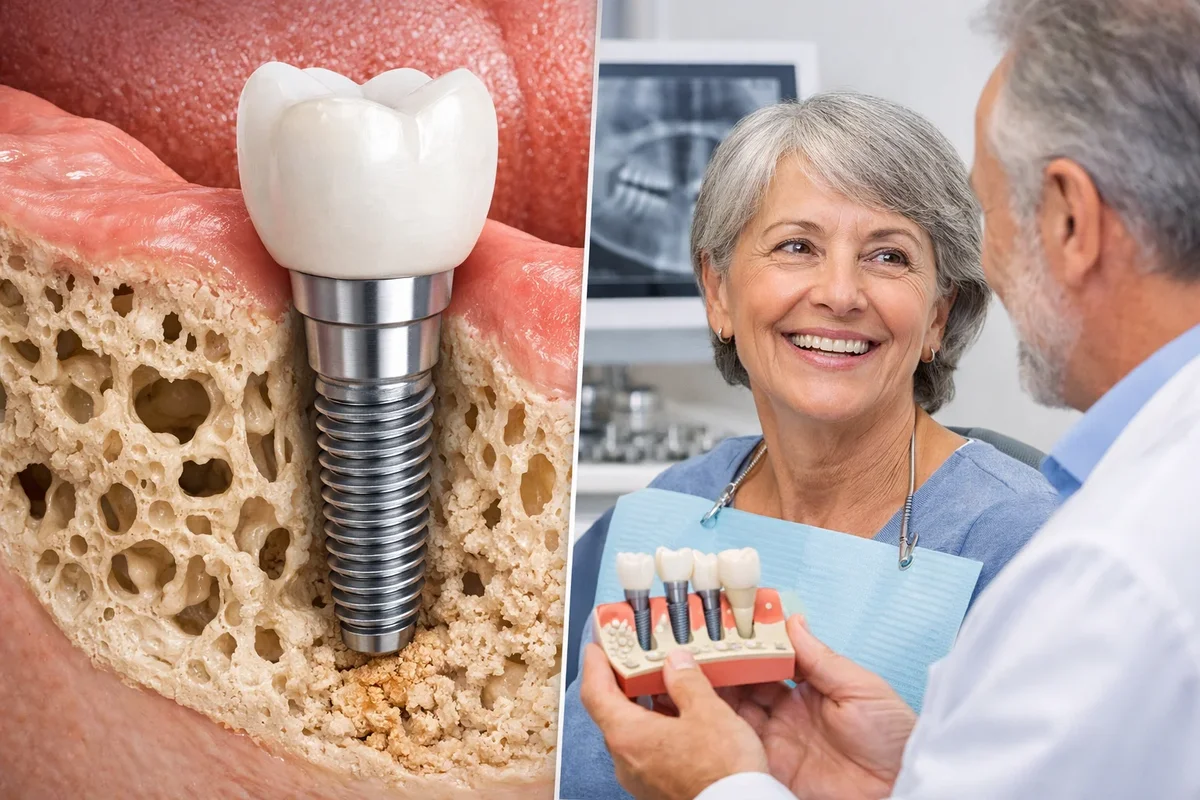
Making an Informed Decision and Next Steps for Osteoporosis Patients
After exploring every clinical angle, many patients reach the final and most practical stage of their journey: deciding what to do next. At this point, the question if you have osteoporosis can you get dental implants is no longer just theoretical—it becomes a personal health decision that affects daily comfort, confidence, and long-term quality of life. This section is designed to help patients turn information into action with clarity and confidence 😊.
Making an informed decision means understanding not only the medical facts, but also your own priorities, expectations, and responsibilities as a patient. For most individuals, the answer to if you have osteoporosis can you get dental implants depends on informed planning rather than fear or assumptions.
How to Know If You Are a Good Candidate
The best way to determine candidacy is through a comprehensive dental consultation. Online research can provide guidance, but it cannot replace professional evaluation. Dentists assess bone condition, medical history, medication use, oral health, and lifestyle factors.
Many patients are relieved to discover that despite osteoporosis, they are still suitable candidates. This is why the question if you have osteoporosis can you get dental implants should always be answered in a clinical setting—not through self-diagnosis.
Questions You Should Ask Your Dentist
Patients should feel empowered to ask detailed questions, such as:
- Is my jawbone suitable for dental implants?
- How does my osteoporosis affect healing?
- Do my medications change the treatment plan?
- What success rate can I realistically expect?
These conversations help transform the concern behind if you have osteoporosis can you get dental implants into a personalized, evidence-based plan.
Understanding Your Role in Long-Term Success
Dental implant success is not solely determined by the dentist. Patients play an active role in outcomes through oral hygiene, lifestyle choices, and follow-up care.
For osteoporosis patients, consistency is especially important. Maintaining excellent oral hygiene, attending regular dental visits, and updating your dentist about any medication changes all contribute to long-term implant stability. This shared responsibility is a key reason why the answer to if you have osteoporosis can you get dental implants is often positive.
Trusted Guidelines and Professional Standards
Reputable dental organizations provide clear guidance on implant safety and treatment planning. Institutions such as the American Dental Association support evidence-based decision-making and emphasize individualized care.
These standards reinforce the idea that osteoporosis is a manageable consideration—not an automatic barrier—when determining implant eligibility.
Why Choosing the Right Clinic Matters
Experience and expertise make a significant difference, especially for medically complex cases. Clinics that regularly treat international and medically compromised patients are often better equipped to manage osteoporosis-related considerations.
If you are exploring treatment options and want personalized guidance, you can reach out directly through the Redent Klinik Contact Page. A professional consultation helps move the discussion from “can I?” to “how do we do this safely?”—which is exactly where the question if you have osteoporosis can you get dental implants should lead.
Emotional Confidence and Peace of Mind
Beyond medical facts, emotional reassurance matters. Many patients delay treatment due to fear or uncertainty, only to realize later that implants could have improved their comfort and confidence much sooner.
Understanding that osteoporosis does not automatically prevent implant success can be empowering. It allows patients to make proactive choices rather than avoiding solutions that could significantly improve quality of life.
Final Considerations Before Moving Forward
Before proceeding, patients should ensure they feel fully informed and comfortable with their treatment plan. A good dentist will never rush the decision-making process and will encourage questions at every step.
This thoughtful, patient-centered approach is what turns the question if you have osteoporosis can you get dental implants into a confident and well-supported decision.
A Clear and Honest Conclusion
So, if you have osteoporosis can you get dental implants? For many patients, the answer is yes—with proper evaluation, planning, and care. Osteoporosis requires awareness, not avoidance. Modern implant dentistry offers safe, effective, and long-lasting solutions tailored to individual needs.
By choosing expert care, following professional guidance, and staying engaged in your oral health, dental implants can be a reliable and life-enhancing option—even with osteoporosis. The most important step is not guessing, but consulting, planning, and moving forward with confidence 💙.